Tag

paywalls

Browsing

By Christy Chan

With so many pop-ups and ads (ahem, YouTube), you might think it’d be impossible to browse the web without an ad blocker. Yet, while an ad blocker can certainly make web browsing less annoying, they’re not always a perfect fix, either: some sites may not work properly when blocking tools are turned on, and others may bar you from viewing their page altogether. The resulting downside is a trade-off that users constantly need to debate, though both the cons and the pros are worth looking at more closely. Let’s take a deeper dive into the good and the bad.

1. Some Websites Stop Working Properly

One of the most frustrating parts of using an ad blocker is that certain websites don’t load the way they should. Buttons may disappear, videos may refuse to play, or checkout pages may get stuck because a script was blocked. You may end up turning the blocker off just to finish what you were trying to do.
17821655763c2e5604780149b41e55d76aec1268eceabdf079.jpgErik Mclean on Unsplash

2. Paywalls and Blocker Warnings Can Get in the Way

Many publishers now detect ad blockers and display messages asking you to disable them before you can read anything. This can interrupt your browsing and make a simple visit feel more complicated than it needs to be. Even when you understand why the site is asking, it still adds another step before you get to the content.

1782165602a6fb7dcf1452fee27b873584cad994956070fb15.jpgMuhammad Daudy on Unsplash

3. Free Sites May Lose Revenue

A lot of websites rely on advertising income to pay writers, editors, developers, hosting costs, and other expenses. But if enough visitors block ads, those sites may have a harder time staying free or maintaining quality, and the long-term result may mean fewer useful free resources.
17821654658e52593558510d0d63f9d839bc48c6ae34e8ba86.jpgFabian Blank on Unsplash

4. Some Ad Blockers Need Extra Setup

Not every ad blocker works perfectly as soon as you install it. You may need to adjust filters, whitelist certain pages, or troubleshoot settings when something breaks. For people who just want a simple browsing experience, that extra maintenance can become annoying.
1782165446ba64bf64b57d54d27e79f331161196760eeaa802.jpgAmanz on Unsplash

5. Useful Promotions Can Be Hidden Too

Ad blockers don’t always distinguish between irritating ads and helpful offers. You might miss discount codes, limited-time sales, local event notices, or sponsored recommendations that would actually interest you. That doesn’t mean every ad is useful, but blocking everything can sometimes remove information you might have wanted.
17821653994adef09643f45093bf50295dfe7209f52d189565.jpegMax Fischer on Pexels

6. Content Creators Can Be Affected

Many independent creators earn money through display ads, sponsorship placements, or affiliate promotions on their websites. When visitors block those revenue streams, it can make it harder for creators to fund the work they share for free. Supporting someone’s content may require subscribing, donating, or finding another way to contribute.
1782165337330ae782afaa05e8ffa7d765e078a1be21db889f.jpgCardMapr.nl on Unsplash

7. Some Features May Be Mistaken for Ads

Ad blockers can occasionally block page elements that aren’t traditional advertisements. Newsletter forms, embedded videos, comment sections, or shopping widgets may disappear because they resemble ad-related content.

When that happens, the page can feel broken even though the website itself isn’t the main problem.
17821653001cd1acc5c650deb7ef32eff05b7740166de5699e.jpgCampaign Creators on Unsplash

8. You May Need to Manage Whitelists

Over time, many users build a list of websites where their ad blocker has to be turned off. That can include banking sites, streaming platforms, news outlets, online stores, or work-related tools. Managing those exceptions isn’t difficult, but it does make browsing feel a little less effortless.
1782165271f1b5c176b87cd8408b0efd4e0691b28bdfae323d.jpgrupixen on Unsplash

9. Some Blockers Raise Privacy Questions

Not every ad blocker is equally trustworthy. Some tools may collect browsing data, allow certain advertisers through paid programs, or come from companies with unclear policies. Before installing one, it’s worth checking who makes it and how it handles your information.
17821651378c91d3e9591dd1975add16c10b6a0b702e3488e8.jpgTowfiqu barbhuiya on Unsplash

10. It Can Create a False Sense of Protection

Using an ad blocker can reduce exposure to many annoying and risky ads, but it doesn’t make you fully safe online. You still need to watch out for phishing links, suspicious downloads, fake websites, and unsafe browser extensions. Treating an ad blocker as complete protection can leave you less careful than you should be.

Of course, even with those drawbacks, there’s a reason ad blockers remain popular. For many people, the benefits are enough to outweigh the inconveniences.
1782165059f2bf780d5e09db52718c2d1b114ce2ab39bed7c2.jpgThomas Lefebvre on Unsplash

1. Web Pages Usually Load Faster

Ads can add a surprising amount of weight to a webpage, especially when they include videos, animations, trackers, and third-party scripts.

Blocking them often helps pages load more quickly and respond more smoothly. If you browse on a slower connection, the improvement can feel especially noticeable.
17821650177a8ddbdd224fce00f03a1d18fecda229c9c4617e.jpegMonoar Rahman on Pexels

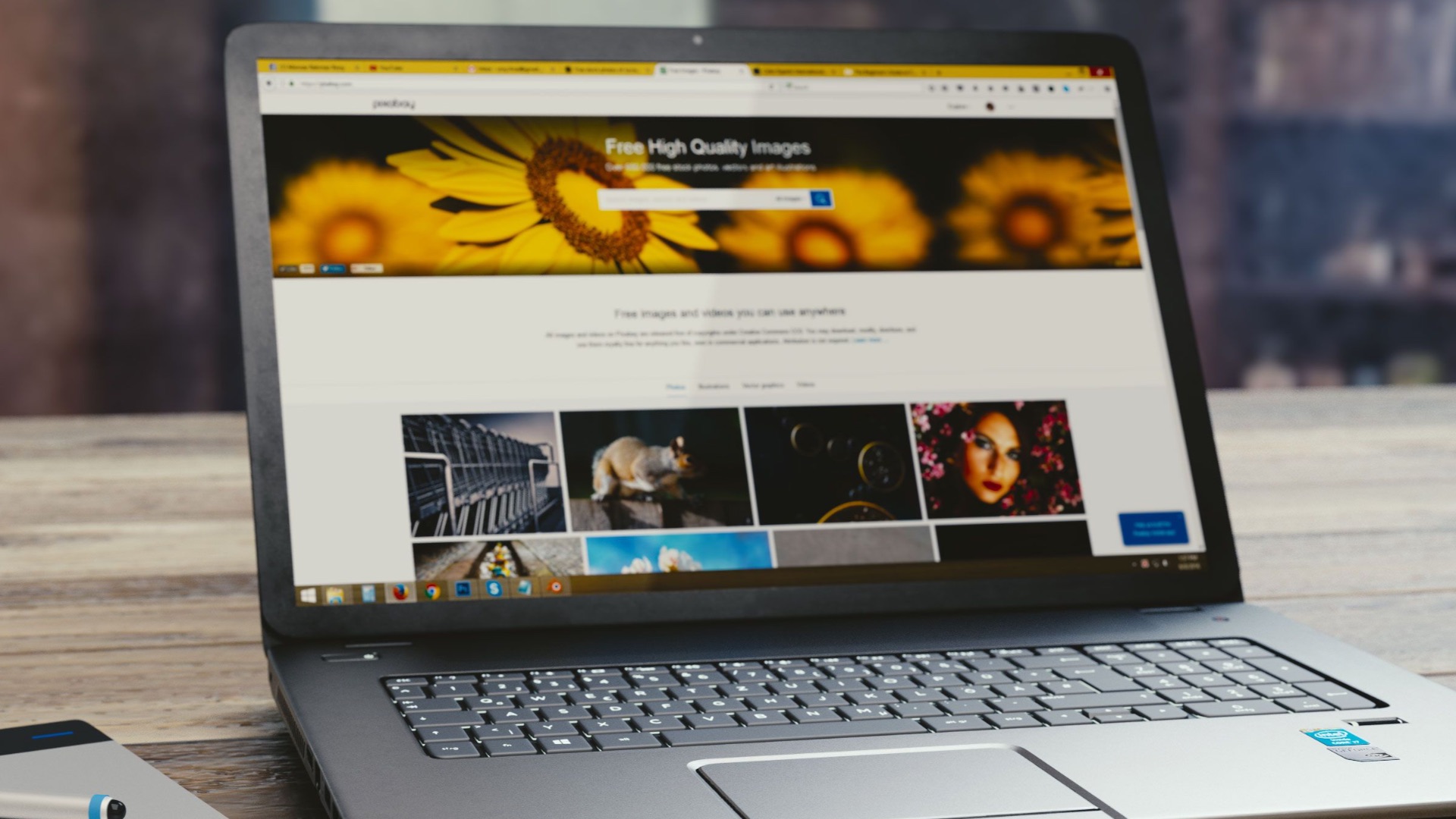
2. Browsing Looks Cleaner

A good ad blocker can remove banners, pop-ups, sidebar ads, and other visual clutter from the screen. That makes articles easier to read and websites less distracting to use. You can focus on the content instead of constantly working around flashing boxes or crowded page layouts.
178216494958dbd7b3ecf1aff469e9d07d1da3c1489e64e3c5.jpegcottonbro studio on Pexels

3. Autoplay Videos Become Less Annoying

Few things interrupt browsing like an unexpected video ad playing with sound or taking over part of the screen. But with an ad blocker, it can stop many of these videos before they start. That makes the experience less disruptive, especially when you’re reading, researching, or browsing in a shared space.
1782164904c5b3ced43f13f298efca99bf5e239c54027cd8a1.jpgChristian Wiediger on Unsplash

4. You Use Less Data

Since many ads include images, videos, and tracking scripts, they can consume data without adding much value to your visit. Blocking them can help reduce how much data your browser uses. This is especially helpful when you’re on a limited mobile plan or using a weak connection.

178216488046f1f2b28e36f7d9e89ce3cb451c3768e9eea896.jpgChristin Hume on Unsplash

5. There’s Less Tracking Across Websites

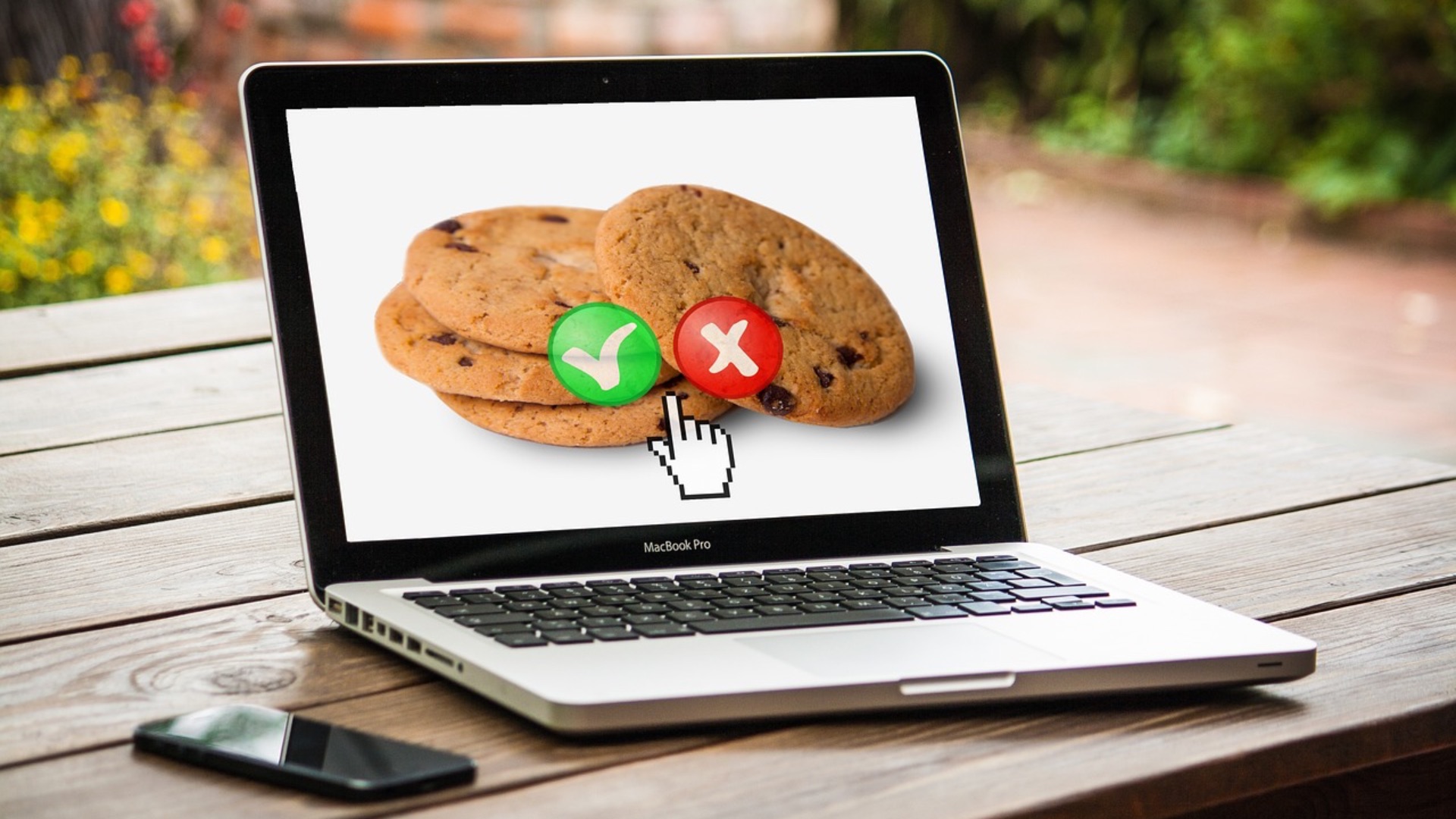
Many online ads are connected to tracking systems that follow your activity from one site to another. Ad blockers can reduce some of that tracking by blocking ad networks and related scripts.

While they don’t guarantee full privacy, they can make everyday browsing feel less exposed.
1782164842c4af4171c6fde21872782e07b8359f0eb193dfd0.jpgTumisu on Pixabay

6. Pages Feel Less Overwhelming

Some websites overload visitors with pop-ups, sticky ads, newsletter prompts, sponsored boxes, and video placements all at once. An ad blocker can strip away much of that excess and make the page easier to navigate. The difference can be especially helpful when you’re trying to read long articles or compare information.
1782164741430a118039e7f2c2ae401f56fcb63001b210672f.jpegChristina Morillo on Pexels

7. They Can Reduce Exposure to Malicious Ads

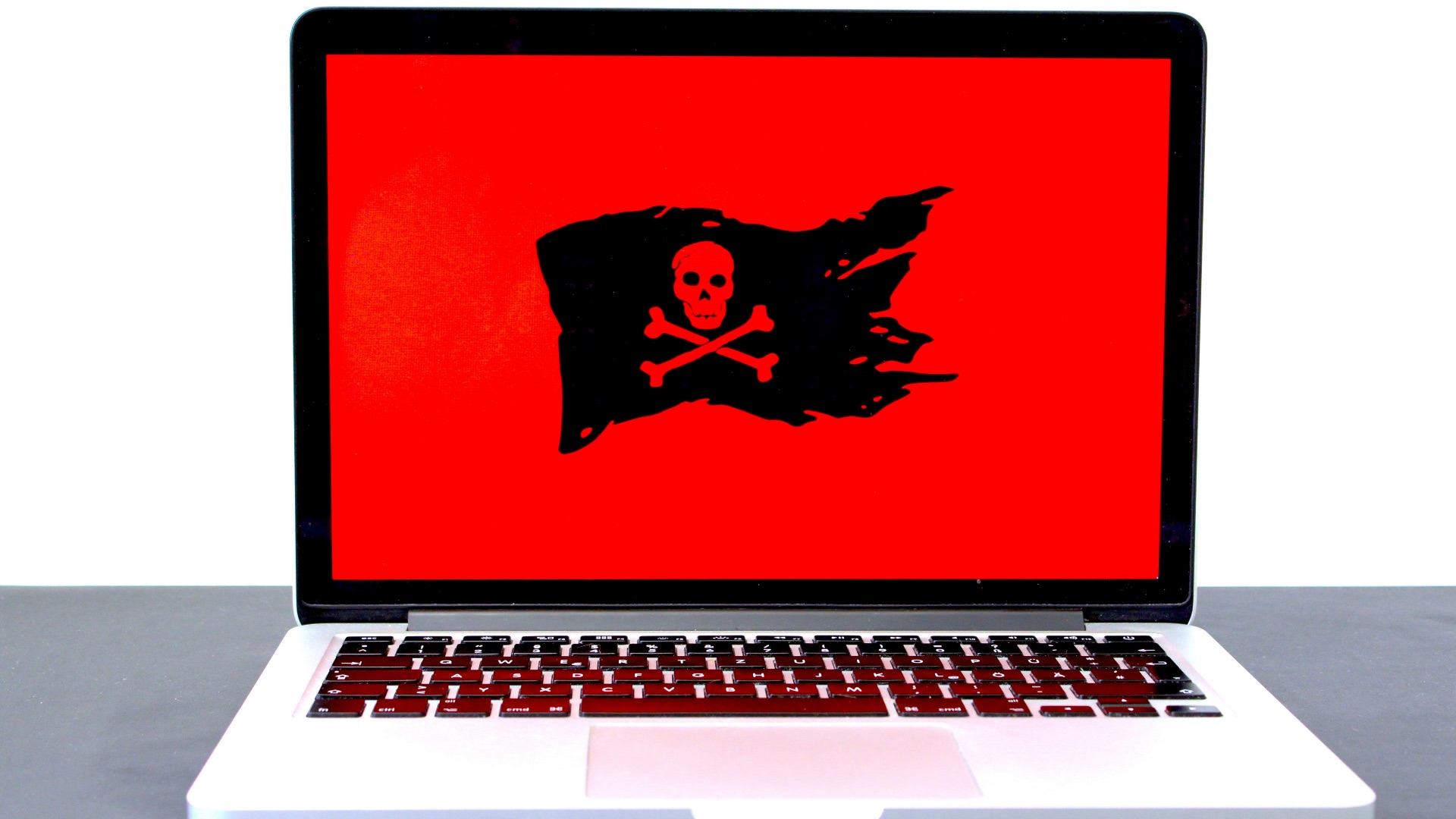
Some harmful ads can lead users toward scams, fake downloads, or infected websites. Ad blockers can lower the chance of encountering those dangerous placements by stopping many ads from loading in the first place. They’re not a substitute for careful browsing, but they do add a useful layer of defense.
1782164712f96a84c2205abb3691ae52ffc386c0cbccfe8c30.jpgMichael Geiger on Unsplash

8. They Remove Distractions

When you’re looking up information, ads can pull your attention away from the actual task. Blocking them helps you move from page to page with fewer interruptions. That can make work and research feel more efficient, boosting your focus and overall productivity.
1782164669519793334b03559d33244da3569650142774a094.jpgGlenn Carstens-Peters on Unsplash

9. They Improve the Experience on Older Devices

Older laptops, tablets, and phones can struggle with ad-heavy pages because every extra script and video takes processing power. An ad blocker may help those devices run pages more smoothly. It won’t fix every performance issue, but it can make daily browsing feel less sluggish.

17821642692bde8c5b9e442595b563d69a2f96ea8180d47f5f.jpegBOOM 💥 Photography on Pexels

10. You Have More Control Over Your Browser

One of the biggest perks of using an ad blocker is the feeling that your browser is serving your needs instead of advertisers’ priorities. You can decide which sites deserve exceptions, which filters to use, and how strict you want the blocker to be.

That control makes the internet feel more personal and less intrusive.
1782164242b9060942b839ada5d1de7339b31669aa7a6797fb.pngFirmbee.com on Pexels

By Christy Chan

Christy Chan is a writer, editor, and designer based in the wild, rugged Pacific Northwest. Though she didn’t major in English—she holds a BA in Cognitive Systems and an Associate Certificate in Graphic Design Foundations—words have always been her first love.

Sourced from Savvy Gamer

By Kati Chitrakorn.

Influencers are charging fans for a more intimate social media experience, calling the future of brand partnerships into question.

Key takeaways:

  • Influencers with big followings on Instagram and other platforms are starting to put up “paywalls” by charging fans for exclusive content.

  • Some charge a monthly fee to become a “Close Friend” on Instagram, while others are trialling WeChat’s new paywalls. In effect, content quality is becoming a focus.

  • While these payments add another revenue stream for influencers, analysts say brand partnerships will remain as a source of credibility.

Caroline Calloway, a 28-year-old internet personality known for her lengthy Instagram captions, and, more recently, the controversy surrounding her workshops and her relationship with Natalie Beach, started offering her 717,000 Instagram followers the option to sign up for paid access to her “Close Friends” list in August 2019. She decided the content on her Instagram was personal enough to warrant paying for.

“What I do provides value and I should be compensated for that service, just like anyone else,” says Calloway. “A stranger is not entitled to consume what I make, just as I am not entitled to reap the benefits of whatever job they are employed at.”

Patreon, a membership platform that launched in May 2013, lets creators set up pages for subscription payments from patrons by offering certain perks or incentives, and donors can pledge certain sums of money based on those tiers and perks. Today, it counts over 150,000 creators and more than 4 million patrons.

Fans of Calloway can pay a monthly fee of $2 via Patreon to see her “Close Friends” Instagram Stories, or $100 for exclusive content plus a monthly 25-minute FaceTime session with the influencer herself. “Because my content is monthly, I want what I make to be really special and meaningful,” she explains. For Valentine’s Day, she planned to share with her 419 Close Friends the details of her secret boyfriend.

Caroline Calloway

© Caroline Calloway

Gabi Abrão has used Instagram’s Close Friends feature in a similar vein. The 25-year-old Los Angeles-based artist behind the popular meme account @sighswoon, which counts over 104,000 followers, discovered Patreon last summer. “It was a lot of people wanting more from me. They wanted more things about my life and more content,” she says. “I thought about how I could make content that was more personal but have a guaranteed income.”

Abrão currently has 415 subscribers on Patreon: for $3.33 a month, she’ll add users to her Close Friends list on Instagram. For $9, she’ll share a vlog every week on a password-protected Vimeo site. For $55 a month, users can receive merch. Fans who pay the highest tier — $222 a month — receive personal emails from Abrão every week, answering questions, giving advice or just talking about their lives.

Calloway and Abrão aren’t fashion influencers, but the industry has a collection of Instagram personalities who have massive, monetisable audiences: Chiara Ferragni has over 18.5 million followers on Instagram; Aimee Song has 5.5 million. There’s also opportunity for magazine publishers like Vogue — 26.2 million people follow US Vogue on Instagram alone — to offer exclusive behind the scenes content for a fee. (Vogue Business and US Vogue share a parent company, Condé Nast.)

Influencer marketing is a growing industry. The global influencer market is expected to reach $15 billion by 2022, up from $8 billion in 2019, according to Media Kix data. But it’s nascent, and any shift can spell change for the entire category. Last year, Instagram experimented with hiding the number of likes on posts, with the intention of minimising the social pressures that come with social media. Some experts believe if this becomes a permanent feature, it could incentivise brands to spend more on ads and less on posts that feature influencers.

Influencers who develop a second revenue stream through the monetisation of close friends and private groups could be seen as a threat to brand partnerships, as they can drive their own income and might be less likely to want to introduce ads or sponsored content to an already-paying audience.

But it could also be a benefit for brands, as the influencers they work with could be more likely to develop stronger partnerships and produce higher quality content. “It will enable influencers to avoid having ‘one night stands’ with brands and rather focus on creating long-term ambassadorships with brands that are truly authentic to their lifestyle,” says Krishna Subramanian, CEO of influencer marketing and branded content firm Captiv8.

Private subscriptions for fans

“It’s the way of the future,” says Subramanian. “If you look at these fan clubs or VIP memberships that have launched, it’s tied to exclusive, specific types of content being provided by influencers and celebrities.” Erotic models have paved the way here by offering private subscriptions for their most loyal fans on platforms like Onlyfans.

Instagram introduced its Close Friends feature in November 2018 as a way to give users a space to post less curated content, similar to what has become increasingly popular with secondary “Finstagram” accounts. (The launch of Close Friends was a transparent move to recapture the interest of younger people, who were turning to platforms like Snapchat and TikTok for content they don’t want parents, teachers or any unapproved eyes to see.)

According to a spokesperson at Instagram, the Close Friends feature is used by millions of people worldwide today, with the average Close Friends list being around 20 people.

While influencers like Calloway use the Close Friends feature as a hack to charge money for more intimate access, others ask that their fans fund and support specific projects. Former venture capitalist Jenny Gyllander, who runs the product-review Instagram account @thingtesting with 42,700 followers, charges a one-time fee of $100 for a spot on her Close Friends list, which includes exclusive content such as a behind-the-scenes look at her product review journeys. (Three hundred people have been granted access so far, and Gyllander says there’s currently a waitlist.)

Gabi Abrão of @Sighswoon

© Gabi Abrão

This gives creators a way to monetise their work without relying on brand-sponsored posts. It also incentivises them to make more quality content. Millennial astrologer Aliza Kelly charges users anywhere from $5 to $200 a month for varying access to The Constellation Club — which she describes as “a private virtual community built around astrology, magic, spirituality and esotericism”. Of her 28,500 Instagram followers, about 300 have signed up for a paid subscription, which at its most basic level offers access to the chat group on Discord and private Instagram account @constellationclub.

“I’m trying to provide a balance of free content for people to enjoy on my Instagram, while also being able to give paid-for, personalised attention,” she says, like providing birth charts or answers to questions about compatibility.

For Tribe Dynamics president Conor Begley, the opportunity for influencers to monetise their fans “should give more freedom to post content that their audience will find interesting rather than purely branded content. We’ve recently seen a decline in the volume of branded posts being created by influencers that this could be connected to”.

According to Kelly, her fans are global, with most being in the US, followed by Canada, Australia and the UK. She says that the paywall approach has been a significant way to “build a community, scale my business and offer my true dedicated fans the type of quality content they wouldn’t be able to receive on a free basis”.

New forms of social media transactions

While Patreon has helped build out this model, other platforms enable similar transactions. On Twitch, people can buy virtual goods as gifts for creators. TikTok allows users to “tip” live streamers (although some creators have been linking their Venmo handles in their captions so fans can send donations directly). YouTube quietly rolled out a subscription-inspired “join” button in 2018 where fans can pay creators a monthly $4.99 fee in return for rewards such as members-only content, early access to new videos and merch discounts.

In January 2020, WeChat — China’s most popular social messaging app, with over 900 million users — began rolling out optional paywalls on a trial basis. According to the platform, articles published by its 500 most popular accounts received 39,000 views on average in 2019.

Li Huanxin, a content creator with over 500,000 followers on WeChat, was among the first to introduce a paywall to his account, where he publishes commentaries on social issues. His article about WeChat’s new paywalls costs RMB 1 ($0.15) to read and has been purchased over 5,000 times since it was published on 15 January.

The Constellation Club founder Aliza Kelly

© Bridget Badore

Meanwhile, Li Jianqu, who runs a history and politics-focused account, with 33,480 followers, normally has an article open-rate of 37 per cent, far above the industry average of 1.2 per cent. On 17 January, he posted an article discussing issues in Iran that was available to read for RMB 3 ($0.43). Nearly 700 readers paid for the post, accumulating him RMB 2,064 (about $295).

These paywalls don’t always pay dividends. According to data from Tom Boruta, a developer who tracks Patreon statistics under the name Graphtreon, only 2 per cent of Patreon’s creators — 1,393 people — made the equivalent of federal minimum wage of $7.25 an hour, or $1,160 a month, in October 2017, indicating that in this network initially designed to support creatives, most of the money is still concentrated at the top.

If influencers make money directly from their followers, it would be an added revenue stream, but it doesn’t mean they won’t still go after brand partnerships, says Harry Hugo, co-founder of influencer marketing agency Goat, because being associated with brands like Mac or Gucci still represents a level of clout.

“As influencers get larger, they can monetise in a variety of ways that don’t involve brand partnerships, whether it’s launching their own brand, getting a cut of advertising revenue through YouTube or paid subscription services to exclusive content,” adds Tribe Dynamics’ Begley. “But brand partnerships will continue to be a part of the equation because these brands can have a positive impact on an influencer’s credibility and audience.”

To receive the Vogue Business newsletter, sign up here.


By Kati Chitrakorn

Sourced from Vogue Business