Tag

Instagram

Browsing

By Neil Patel.

Last week, I was discussing Instagram strategies with a colleague. Naturally, the conversation flowed from building followers and engagement to generating revenue.

Of course, monetizing any digital channel requires some planning and a well-executed strategy.

But Instagram is different.

One thing that really got me thinking is how Instagram only allows you to link to 1 website or page in your profile’s description (unless you’re paying for ads).

This really changes the playing field and limits a brand’s opportunities to promote the sale – at least by traditional standards.

We’ve all seen those awe-inspiring accounts where it seems like Instagrammers are raking in serious cash just by posting selfies.

Unfortunately, looks can be deceiving.

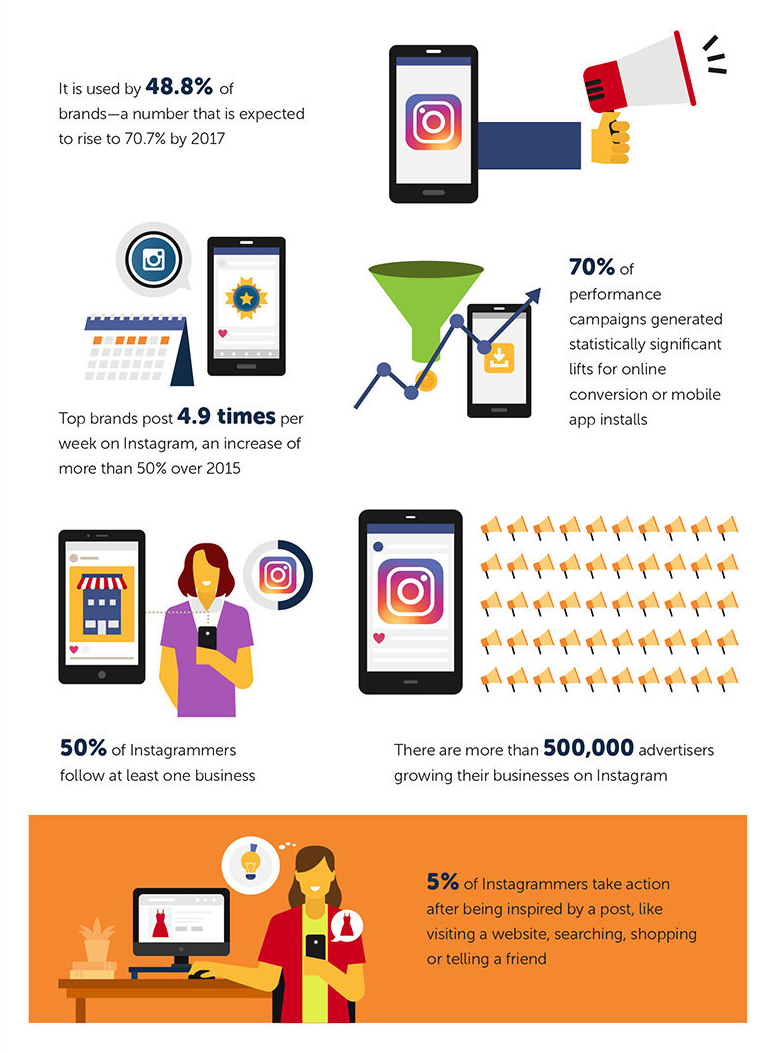
The reality is that it’s a gradual process. In fact, when it’s the talk of brands, 50 percent of Instagrammers follow at least 1 business, but only 5 percent of them take action (like shopping) after being inspired by a post.

I took these numbers from the Instagram facts-and-stats infographic published by MarketingProfs. Here are a few more highlights.
Don’t get me wrong – the platform is great for generating sales.

It can even account for as much as 80 percent of a brand’s sales, as it did in the case of The Beaufort Bonnet Company, a Kentucky brand selling high-end baby items.

It’s just that Instagram has its own quirks, and it takes a while for the money to flow in.

Selling to your followers can be a big challenge, especially when the impact of the content you post is decreasing. The Instagram account of National Geographic reflected this trend.

As its following increased, and as the number of brands posting to Instagram also increased, engagement with the global nonprofit’s posts declined, revealed TrackMaven.
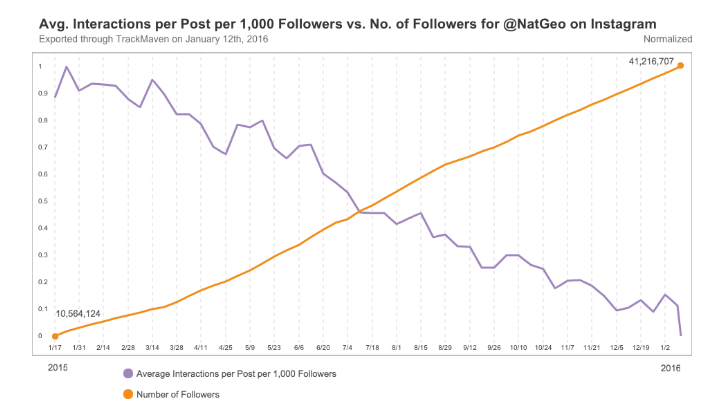
Most brands can resonate with this trend.

But, it’s possible to see a decent influx of sales – and that requires using Instagram strategically.

In this post, I’m going to list a few different measures that you can take to encourage your followers to buy from your brand.

We know that selling is partially a numbers game. So obviously, your follower numbers will impact your sales numbers. But when it comes to profitability, it’s all about the conversion power you generate.

So, how do you make your followers stop mid-scroll on their feeds and notice your product or service?

Let’s jump in.

Establish a Personal Connection Using Instagram Direct

Instagram Direct, or DM as it is popularly known, gives you an opportunity to connect with consumers personally through private messaging.

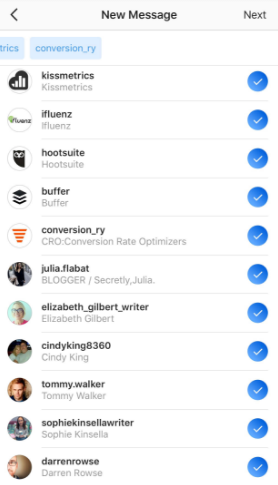
You can access this feature by clicking the arrow icon in the top-right corner of your Instagram account. Here’s what it looks like:
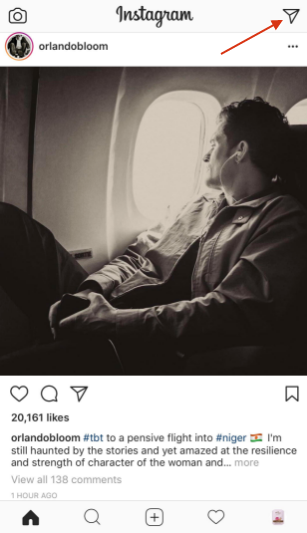
It will then give you the option to send text and multimedia messages by displaying a message thread. You can send messages to 15 followers at a time.
There’s also an option to give a certain name to the group of followers you’re sending the message to.
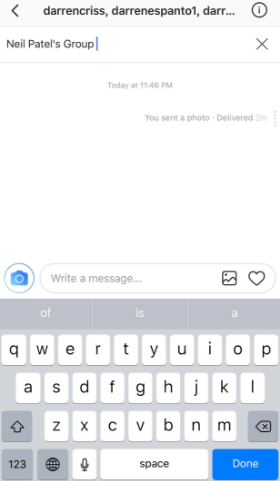
If you want to reference a specific follower’s name or shopping preferences, the DM needs to be sent to each follower individually.

Now that you’re familiar with Instagram Direct, here’s how you can use it to drive sales.

Tactic #1: Offer a promo code

Send a product image to your followers and share a promo code in your message. Instagram Direct doesn’t allow you embed clickable links, so send any links as their own individual message.

You can also announce that this promo code is exclusive to your Instagram followers to encourage them to use it and make a purchase.

Another thing you can do is to add a time limit to the promo to incite a quicker response.

Tactic #2: Host a contest right before a sale

If I offered you free tickets to watch The Fate of the Furious, and all you had to do was comment on the photo of Dwayne Johnson’s outfit, would you do it? I would’ve been all in.

I would’ve been all in.

That’s the allure of an Instagram contest.

A good idea is to host one right before putting your product or service on sale.

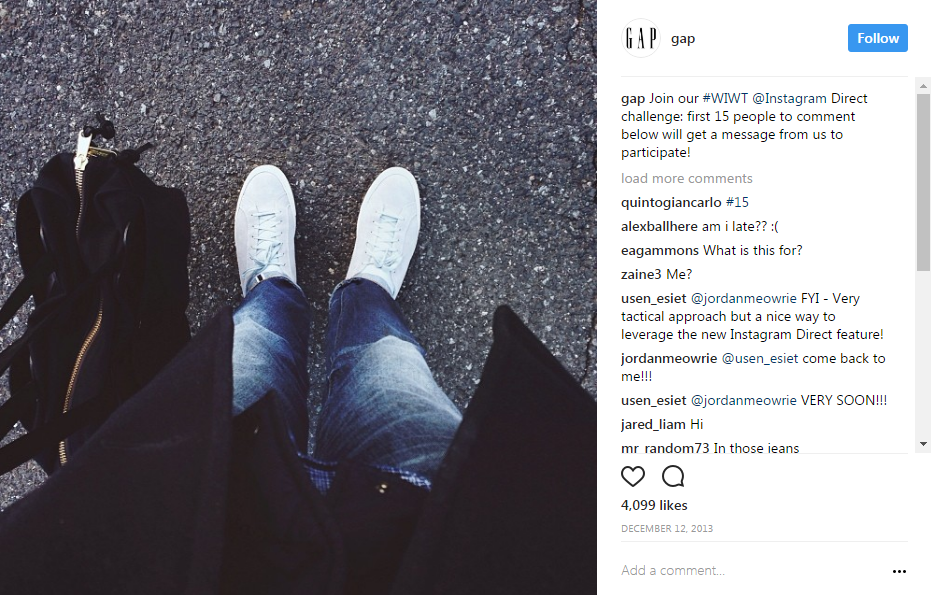
Use Instagram Direct to spice things up. For instance, you can post a contest photo and announce that the first 15 people to comment will receive a DM from you on how to participate.

This is exactly how the clothing retailer GAP leveraged Instagram Direct.
The prize should be a product that you’re going to offer in the sale.

Here’s why: By offering the product in the contest, you’ve piqued the interest of those who participated. While they wanted it for free (who doesn’t?), the sale price might be an extra push of encouragement to buy.

That’s really good nurturing at work.

Tactic #3: Conduct Q&A sessions

Instagram Direct supports threaded conversations, so use this as an opportunity to find out if your followers have specific questions about your products.

You can also invite them for a one-on-one Q&A session. it’s a great way to learn about their preferences and educate them about your products.

This is a great way to learn about their preferences and educate them about your products.

To make Instagram Direct really pay off, I recommend segmenting your followers into different groups based on engagement.

For instance, those who engage more with your content can be put in the group that displays the “highest brand loyalty.”

You can use SumAll Premium to add efficiency to your Instagram segmentation efforts.

All of the above tactics should work better with segmented groups.

Make Buying Easy with Shoppable Instagram

While creating an e-commerce-like experience on Instagram sounds like a pipedream, it’s possible with shoppable Instagram tools.

The right tools can transform your feed into an immersive shopping experience. Your followers can explore the unique features of your products and buy with a few easy clicks when they’re ready.

And since you’re only allowed to promote a single link in your bio, these tools are also super handy for avoiding that clumsy and distracting “visit link in bio” image caption that we’ve all seen.

So let’s harness the robust functionality of these tools to make your Instagram feed shoppable. Here are your options.

Tool #1 – Like2Buy

This tool allows you to link photos from your Instagram account to the product or service available on your website.

Using your Like2Buy link in the bio section of your Instagram account, followers are able to open up a gallery of shoppable Instagram photos and click through to buy products on your website.

In addition, followers can also see a personalized feed of the product images they’ve liked that can also be purchased. It appears in the “My Likes” tab that’s present on the Like2Buy page.
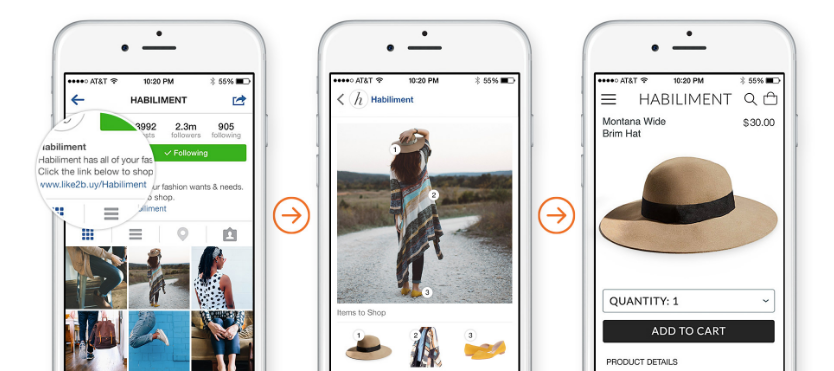
Because the tool incorporates the same photos on the Like2Buy page as on your Instagram account, followers don’t feel they’re leaving Instagram.

Curalate says that Like2Buy-referred visitors have a greater average order value than the typical mobile shopper.

However, Like2Buy is for larger businesses and certainly not the ideal option if you’re looking to start right away. You’ll have to shell out $1,000 – $2,000 a month to use it.

Tool #2 – Like2Have.it

This tool enables you to create an embeddable feed and includes links that refer followers to relevant product pages.

You can also feature the images of your existing customers demonstrating how to use your product or service in the embeddable feed.

The user-generated feed works well on product pages by giving followers social proof and gently encouraging them to add products to their shopping carts.

Neckwear, a Swedish shirts and accessories company catering men, uses Like2Have.it to display a shoppable gallery featuring photos from Neckwear’s Instagram account on its website.
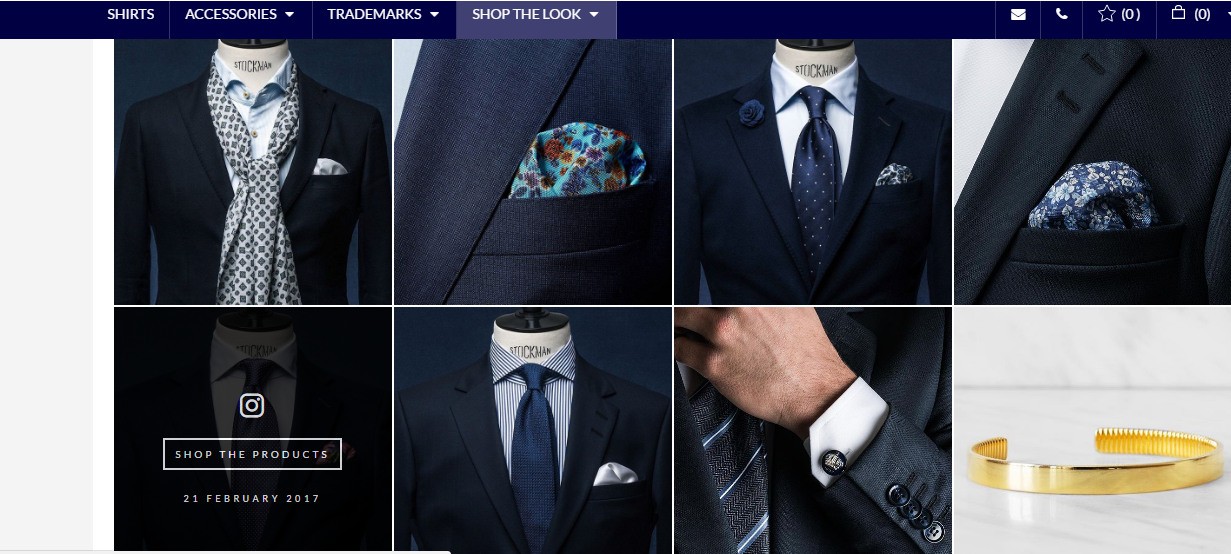
Like2Have.it is more suitable for smaller brands. The price is $20 a month.

Tool #3 Linkin.bio

Apart from Like2Buy and Like2Have.it, you can look into Linkin.bio, a part of Later’s – an Instagram scheduling tool – premium plan.

Linkin.bio is a landing page that looks similar to your Instagram feed and shows your images as clickable pictures.

When any follower visits that page, they can click on your Instagram post to go to the product page that the image is about.
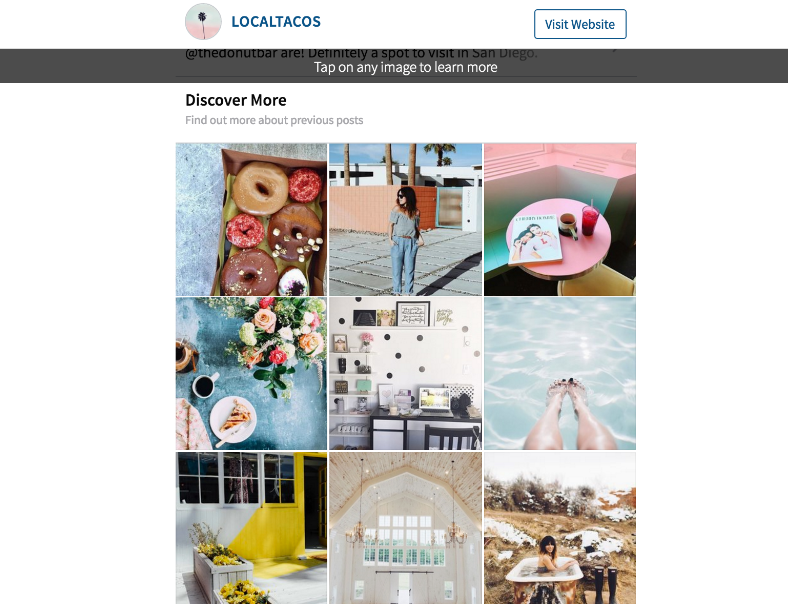
It costs $16 a month for 2 Instagram accounts and also provides an option to schedule Instagram posts.

Make shopping easy for your followers by choosing an appropriate shoppable Instagram tool to encourage more purchases.

Piggyback on Influencers to Inspire Followers to Shop

It’s no secret that influencer marketing works. Linqia’s The State of Influencer Marketing Survey revealed that 94 percent of marketers who have used influencer marketing found it to be effective.

And guess which platform along with Facebook is considered the most important for influencer endeavors? Instagram! 87 percent of marketers referenced these two platforms.

Also, Instagram is the best performing platform for social action when it comes to influencers, having a 3.21 percent engagement rate (in contrast to 1.5 percent across all social media channels).

So why not bring influencers into the mix to encourage your followers to purchase your product or service?

According to Social Media Examiner:

There are over 40,000 influencers on Instagram covering all verticals including fashion, beauty, health and wellness, home décor, food and more. With tens of thousands to millions of followers, influencers are trusted for their opinions and they can add credibility to the products they promote.

Therefore, influencers can do much more than just drive sales on your Instagram account. Because your followers will relate to them and value their opinion, they can establish brand equity.

So, with all that in consideration, let’s look at the tactics for using Instagram influencers effectively.

Step #1 Get Relevant Influencers On Board

It’s important to get as targeted as possible when it comes to choosing the influencers you’ll work with.

For instance, if you’re selling handbags, you’ll want to work with influencers who possess knowledge on the subject, such as personal style Instagrammers who talk about handbags and demonstrate different ways to carry them.

The hard part is finding targeted influencers. You’ll have to sift through hundreds of accounts to see who is relevant to your business and if they have influence over the type of people you have as your followers.

One way to cut the research hours is to discover the top hashtags in your particular niche and see what posts are trending.

Often, the “Most Liked” section on Instagram will include posts from influencers.
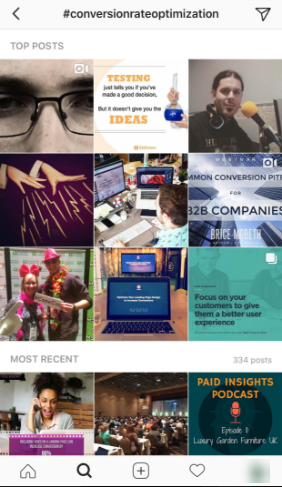
For the hashtag #conversionrateoptimization, the top post in the “Most Liked” section for this hashtag is from Unbounce.
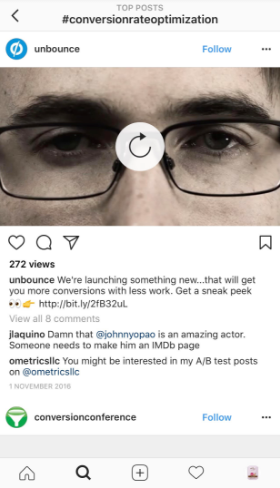
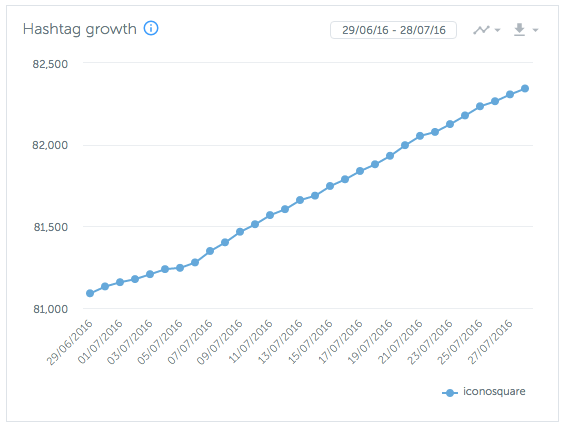
I recommend using IconoSquare to speed things up. The tool allows you to find hashtags based on popularity, growth, engagement and more.
Still, you’d have to spend time comparing different profiles when you take this approach.

Fortunately, there are a variety of tools out there that can automate the process of analyzing several profiles and detecting suitable influencers for you.

Called influencer marketing tools, they give you accurate results on each influencer’s reach, relevance, and authority. Here are some options:

Here are some options:

Tool 1: Ninja Outreach

The company has over 2 million Instagram influencers in its database and growing.

You just have to type in a keyword inside the Ninja Outreach dashboard to discover thousands of relevant influencers based on the keywords you’re targeting in your niche.
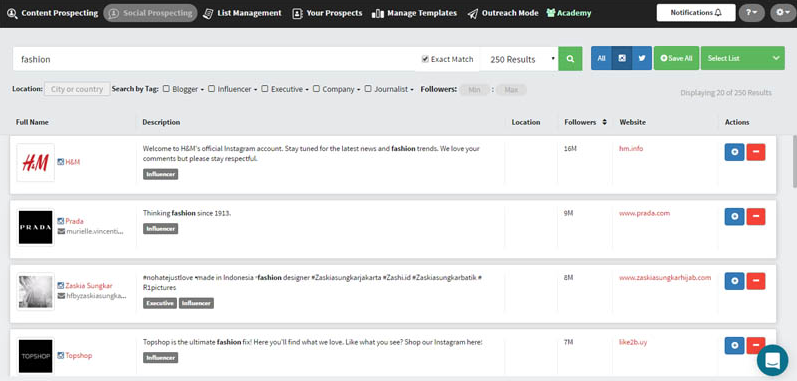
The tool enables you to filter influencers by tags as well as follower count. In addition, it gives you additional data about each influencer such as their website address and contact information.

Tool 2: Ifluenz

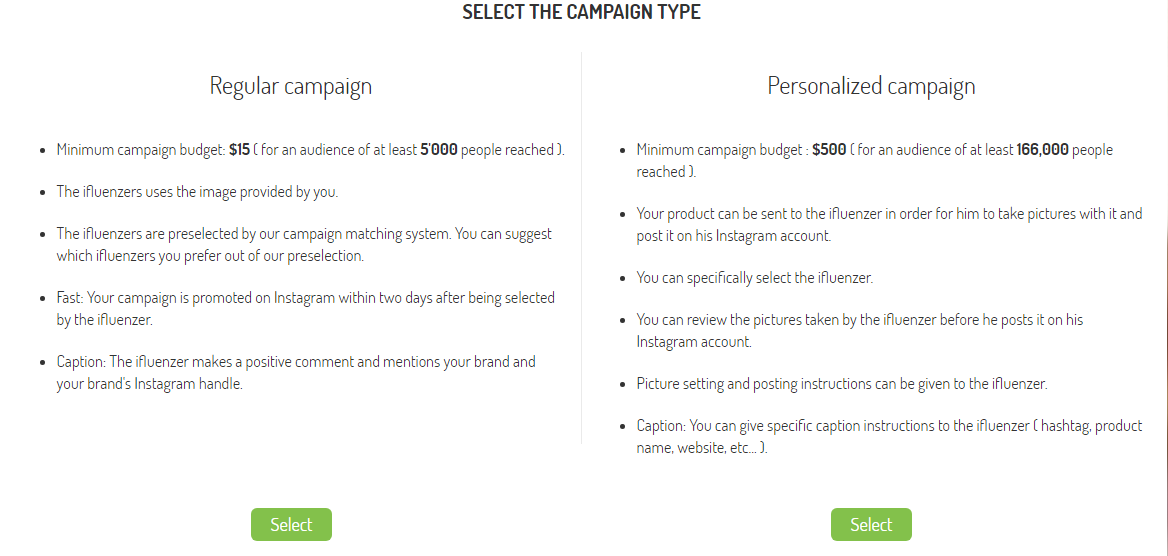
Ifluenz is straightforward to use. You just have to create an account, select the campaign criteria, and wait for influencers to make your product or service popular on Instagram.

You can choose to run either a regular campaign or a personalized campaign using this tool. Here’s what each offers:
Zalando used this tool to announce the availability of a new pair of sneakers and drive traffic to its website using fashion influencers with an engaged following.

The result was increased sales, new followers on Zalando’s Instagram account, and new subscribers on the company’s email list.
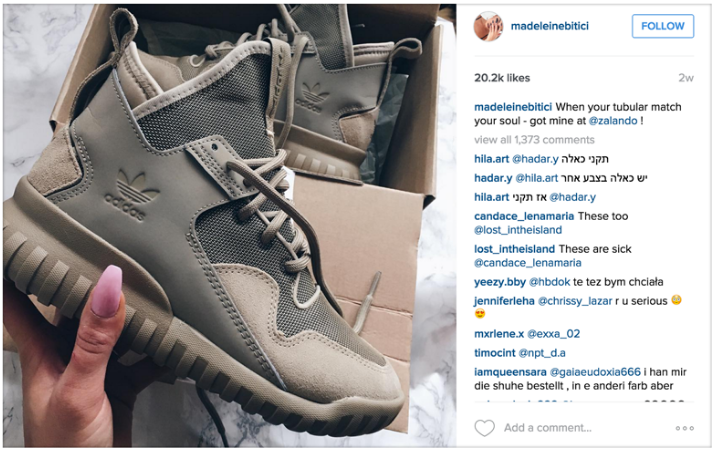
The campaign reached 248,000 Instagram users that gave 20,200 likes and left 1,373 comments. 90 percent of the comments were positive.

Tool 3: InfluencerDB

InfluencerDB’s database contains influencers from every channel on Instagram. You are able to apply filters to discover channels based on languages used, their KPIs, or the location they post from.

The Engaged Influencers section in InfluencerDB’s dashboard shows influencers who engage the most with a particular channel.

You can then use the tool’s Influencer Analysis features to analyze their profile, where their followers come from, and how they behave on Instagram.
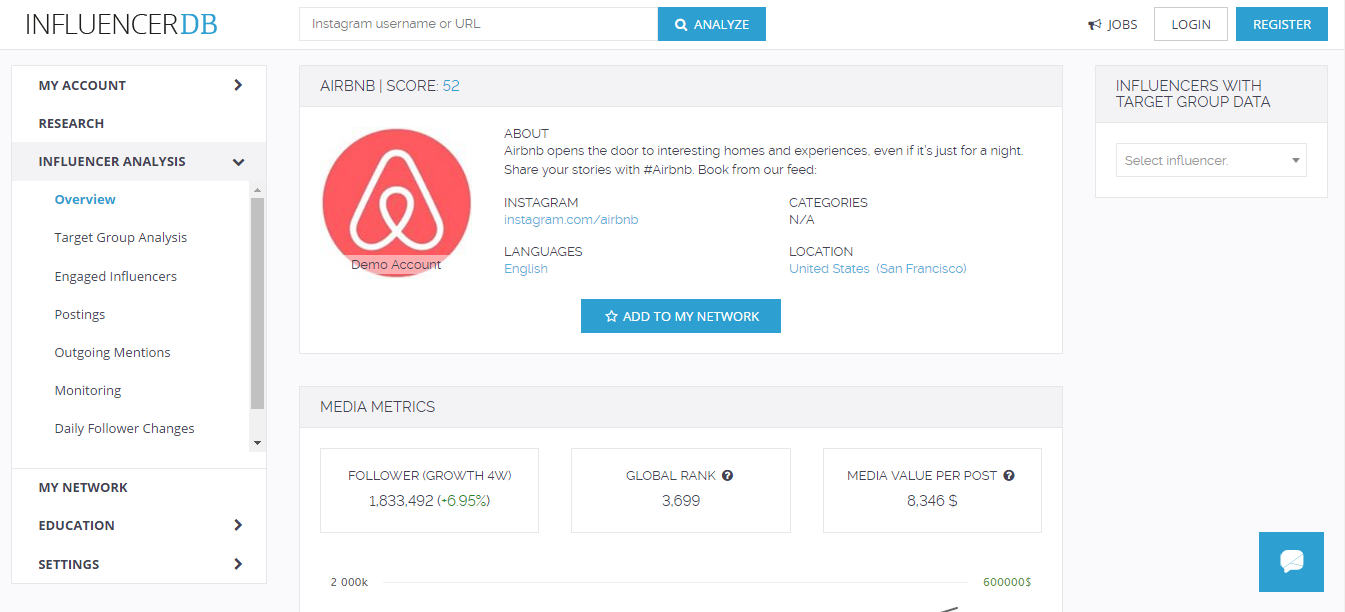
What’s unique about InfluencerDB is that it goes real deep into finding insights about an influencer’s authority. For instance, it shows media value per post and the comments per post for each influencer.

Step #2: Work with Your Influencers to Encourage Purchases

After choosing the influencers you want to work with, how do you make them your brand’s catalyst in sales generation? Here are some ideas:

Tactic 1: Promote discounts or giveaways through Influencers

Influencers have the ability to instill a sense of motivation to try a product. When you allow them to give a discount, they give followers a more compelling reason to check out your offer.

Sumo cited an example where the bone broth company Kettle and Fire did just that. The brand worked with Whole30 Approved to introduce their new Chicken Bone Broth through a giveaway and a discount.
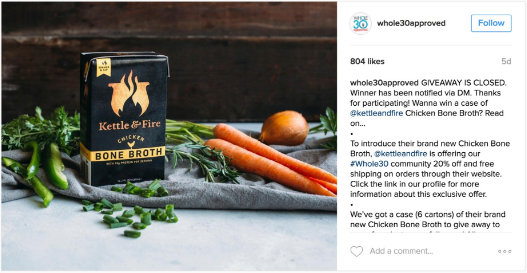
The influencer-powered promotion resulted in 374 website visits and 21 sales with a $95 average order value.

Consumers were given the final push towards the purchase when the influencer shared the discount code. This gave a credible stamp of approval and drove home the value of the discount.

Tactic 2: Get Them to Demonstrate Unique Ways of Using Your Product

Placing products in an enticing setting can work great for sponsored content. But it’s more effective when influencers put the daily life use of your product or service into perspective.

Give influencers some freedom when you take this approach. You’d be surprised to see them come up with unique ways of using your product.

For instance, fashion Instagrammers often create new looks when showing clothing or accessories in action.

Also, influencers can provide tips on how Instagram followers can use the product in the same manner.

Ensure that you repost the content published by your hand-picked influencers. This can inspire your followers to try out your product.

ThinkGeek does that regularly.
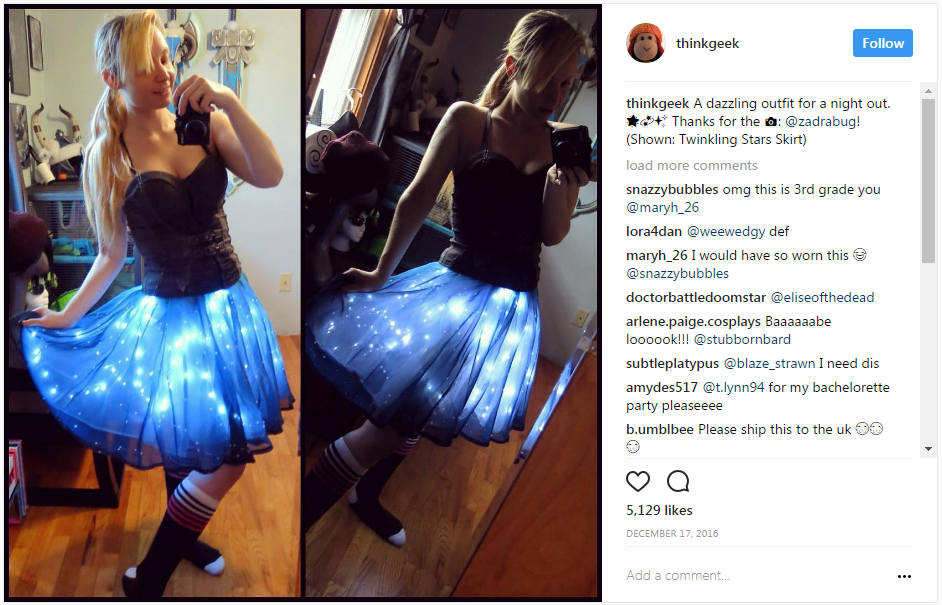
The company doesn’t shy away from reposting the content of other Instagram users showcasing ThinkGeek’s products in action.

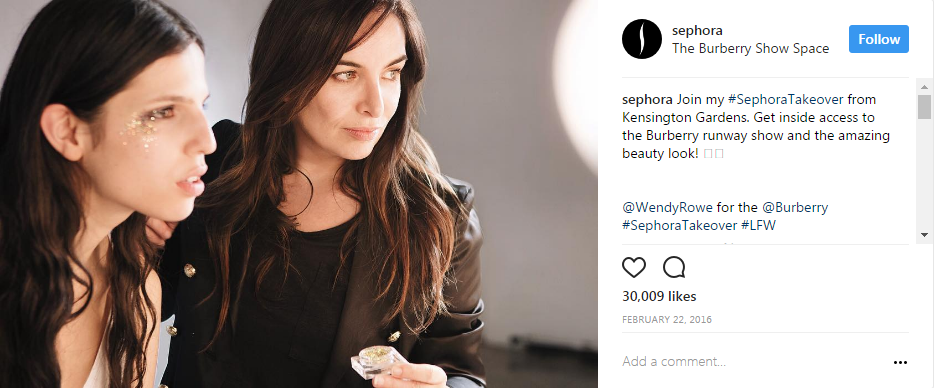
Tactic 3: Host an Instagram Takeover

Pass over your Instagram content strategy to your influencers by inviting them to post directly to your account as well as engage with your followers in real time.

Even though there may not be a discount or any sort of perk, because the takeover is momentary, it sparks an instant reaction to the discussion at hand such as commenting or even buying products.

Typically, before the takeover, the brand and the content creator should hype their collaboration. Wendy Rowe did this before taking over Sephora’s Instagram account.
The monthly beauty and grooming subscription box company, Birchbox, does a great job at Instagram takeovers.
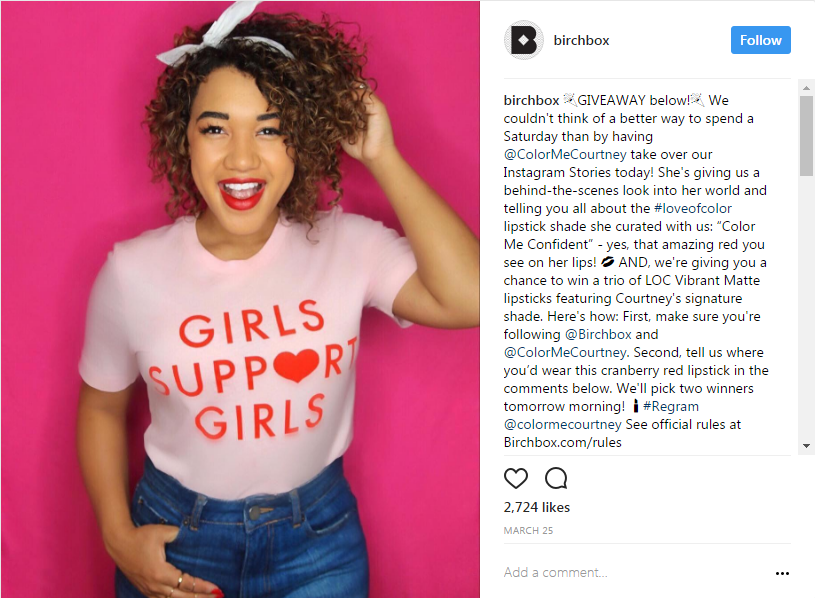
It presents a unique stream of content to its followers through the voice of influencers, who announce giveaways, new products, and more.

All that improves brand affinity and likely has a positive effect on Birchbox’s sales.

Conclusion

The revenue you generate from social commerce is just as important as the income you generate from your website, and Instagram can be an invaluable tool to boost your social media sales.

The three tactics I mentioned in the article will leave your followers with a positive sentiment about your product or service. They’ll also help you navigate the unique obstacles of the platform – especially the one-link limit for each account.

Soon, your followers will be moving through the buying process as you build a good relationship with them and make it easy to shop on Instagram.

Expect your brand’s influencers to reduce the time your followers spend on making a decision.
By Neil Patel.

By Jeff Beer

For almost as long as we’ve been typing words into Google’s search bar, we’ve been trailed by online ads based on those searches. The logic being that if they put ads in front of our eyes that are related to what we’re searching–shoes, diapers, cars, anything–we’ll be more likely to click. And even though ad tech has advanced by leaps and bounds over the last decade, that’s still essentially what advertisers are trying to do.

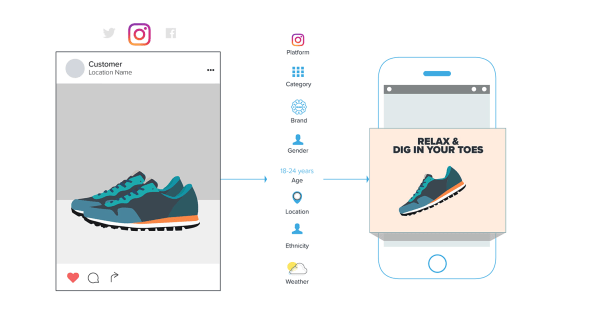
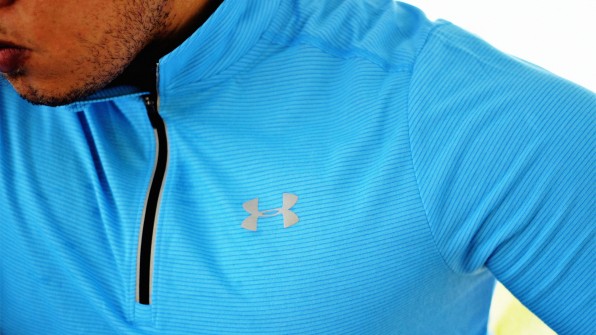
Recently, in order to boost its competitiveness with Nike among serious runners, and raise awareness for its Run Camp program, Under Armour targeted photos on social feeds–finding people who were posting specific models of its running shoes, specific running shoes of its competition, as well as photos that featured running bibs, belts, and other accessories. Once found, that person would be served up a short video ad about Run Camp after they’d left Instagram or Facebook.

So if you posted the new bib for that half-marathon you’re training for on Instagram or Facebook, later while browsing The Huffington Post mobile site you might see an ad for Run Camp. All because of your photo.

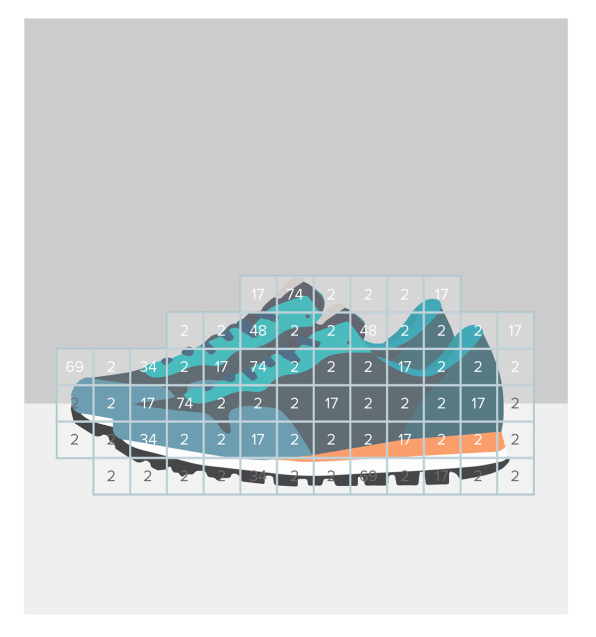
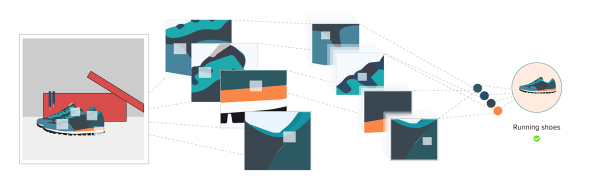
The tech is from Toronto-based shop Cluep, which has been working with brands like Nike, Coca-Cola, McDonald’s, Toyota, and yep, Under Armour, on text and location targeting, but now, following consumer behavior on social, is pushing hard into visuals. Cluep Pics lets marketers target people based on the images they publicly post on Twitter, Instagram, and Facebook and serve them ads in their mobile apps and mobile websites. It uses a proprietary image recognition engine that learns from every image it sees to identify brands, products, and scenarios to effectively engage people around their interests, activities, and lifestyle.

So if there happens to be a McDonald’s in the background of one of your photos, you may get a Golden Arches ad targeting you somewhere soon. To many people, this sounds pretty creepy. Of course, Cluep CEO Karan Walia (who co-founded company in 2012 with CTO Anton Mamonov and advertising operations director Sobi Walia) says the goal behind Pics is to effectively deliver advertising to the right people, at the right time, when they are most receptive based on the types of images they post on social media. Sound familiar? But contrary to creeped out, Walia says even just through beta testing, they’re already seeing conversions and click-through rates five to 10 times better than industry standards.

“Traditionally the click through rate is around 0.5-0.8%, however, we’re seeing results in metrics like video completion rates, visit lift rates, cost to drive back to store and more are between five to eight times the industry benchmark,” says Walia. “And this isn’t just in one, two, or three programs, this is the average across all the 500 campaigns we’ve done across different verticals. That would suggest we’re driving higher results than other vendors, and those engagement rates with consumers.”

Image recognition tech itself isn’t new, and Walia says Cluep’s primary competition for Pics is the social platforms themselves but believes his firm is just a couple of steps ahead.

“Right now, there is no ad tech platform that is doing image-based targeting like we are,” he says. “Getting a high enough accuracy to classify an image around a brand, logo or activity hasn’t been available at scale until now. I’m getting bombarded with back-to-school ads from Walmart on Instagram. I’m not a student and I’m not a parent. Why is this happening? Walmart is a client of ours, and now with Cluep Pics they’ll be able to better target potential consumers because they’ll see family photos or relevant photos that will let them know if these types of ads will be relevant.”

And you know what’s next, right? the growth of online social video has exploded over the last few years. It’s even been suggested that Facebook could be all video by 2021, which is also where Walia says his tech is headed. The Cluep Pics engine is a stepping stone to video, and the company hopes to launch it by Q2 2018.

[Photo: Flickr user S A N D Y D O V E R]
“For video, the back-end is very similar to Cluep Pics because video is just still frames strung together, so the challenge is to focus on the right frames, and being able to classify not just logos, products, and scenarios, but also actions,” says Walia. “That’s going to be a big next step, allowing brands to target consumers not only based on the type of videos they’re sharing but also know that the ads are being served in safe environments. We’ve seen the concerns over YouTube. We see a big opportunity in allowing publishers to let marketers select the kind of videos their ads appear in or around.”

About the author

By Jeff Beer

Jeff Beer is a staff editor at Fast Company, covering advertising, marketing, and brand creativity. He lives in Toronto.  More

Sourced from FastCompany

Influencer marketing is evolving and fast.

By MediaStreet staff writers.

#HASHOFF, a micro-influencer marketing platform, today released a report detailing key industry trends driving the increasing popularity and viability of influencer marketing.

To understand the changing face of influencer marketing, and gain insight into where influencers are headed, #HASHOFF surveyed hundreds of vetted influencers on its platform. The #HASHOFF platform has over 150,000 opt-in influencers who partner with brands and work hard to grow and maintain their organic audiences every day.

With 25% of internet users employing some form of ad blocking, and consumers continuing to trust word of mouth over all other forms of marketing, influencer marketing is proving to be a powerful channel for targeted marketing.

The report found that micro-influencers are emerging as a critical marketing channel for brands large and small, enabling brands to grow awareness and drive sales. Brands are increasingly relying on micro-influencers to share their brand messages, since these influencers have higher engagement rates and are perceived as more passionate, creative and authentic by audiences.

Here are just a few of the highlights from the report:

  • While most respondents work across multiple platforms, nearly all respondents (92%) selected Instagram as their #1 platform of focus, followed by Facebook.
  • The majority (56%) of influencers surveyed spend at least four hours per day on social media, and more than 20% spend 7-8 hours or more.
  • Nearly one-third of influencers have grown their audience by 20%-50% in the past year, while one-fourth have grown their audience by 50%-100%, and 17% have more than doubled their audiences.
  • Platform of choice for influencers – Last year, 80% of respondents said Instagram was #1, while this year, a full 92% cite Instagram as their top platform, a 12%-point increase. A similar number of influencers (87%) predict Instagram will remain #1 for them next year.

“The time, energy, passion and creativity that goes into each influencer post is exactly why brands choose influencers to deliver content to their communities,” said Joel Wright, President of #HASHOFF. “These numbers not only confirm the viability and strength of the micro-influencer channel, but show that brands are increasingly aware that driving authentic and organic content over this medium increases brand-consumer engagement. Creating impactful brand experiences in a crowded media market that combines targeting, analysis and brand safety is vital for brand-consumer engagement, and the #HASHOFF platform delivers all three.”

“The number of followers has no relevance in this day and age, where followers and likes can be bought,” said influencer @AlishaMarie (despite having nearly 3M Instagram followers, 2.45M Twitter followers and 1.9 YouTube subscribers herself). “Content should be king.”

“Influencer marketing grows brands,” said micro-influencer @throughjakeseyes. “Even influencers with fewer than 10K Instagram followers can still have a big impact on the brand and create ROI.”

“I love Instagram for the inspiration and creativity it offers and for the real friendships I’ve made through it!” influencer @ChrissyJPowers said.

Echoed @EdiCaves, “I love Instagram because of the community. Instagram allows me to connect with locals that I would have never met otherwise. As my following has grown, brands have begun to contact me about work.”


By Eric Kim.

How to Get More Instagram Followers

  1. Follow as many other people you can, hoping that they will ‘follow back’
  2. If someone doesn’t follow you back, unfollow them. After all, you don’t want your follower/following ratio to look unbalanced.
  3. #Hashtag the shit out of your photos. The more hashtags, the better. Don’t forget to leave additional comments on the bottom of your photos to add more hashtags.
  4. Go on Google and search for services to get you more followers.
  5. Whenever you meet someone in real life, tell them to follow you.
  6. Like and comment as many other people’s photos, so maybe they can follow you back.
  7. Upload a photo everyday, or else you might actually lose followers.
  8. Cross-promote: Tell your Facebook friends to follow you on Instagram. Tell your Twitter followers to follow you on Instagram. Tell your YouTube followers to follow you on Instagram. Use every social media channel to remind them to follow you on Instagram.
  9. Get people with a lot of followers on Instagram to mention you on their Instagram.
  10. Check your phone every 5 minutes, because the more you check, the more likely you are to get more followers. It is the ‘law of attraction.’

I am guilty of many of these.

Learn more social media strategies

eric-kim-photography-Cindy-Project-color-6

Why social media?

  1. 50 Blogging Tips For Beginners
  2. The Social Media Blackbook for Photographers
  3. How to Start Your Own Photography Blog
  4. A Photographer’s Guide to SEO, Blogging, and Social Media
  5. How to Brand Yourself as a Photographer
  6. Advice for Aspiring Full-Time Photographers
  7. 1,000 True Fans
  8. The “10x Principle”: The Only Difference Between “Success” and “Failure”
  9. Trust: The Most Important Thing You Need to Succeed as a Photographer
  10. Why Do You Need More Likes or Followers?
  11. Don’t Go Into Debt For Your Photography
  12. Instagram is Going to Be the Next Facebook

See all articles >

By Eric Kim

Sourced from Erik Kim Photography

By Margarita Hakobyan.

Emerging Instagram trends and tools for every business owner. Learn to master the skills of social selling.

Instagram isn’t the first platform you probably think of when it comes to social selling.

Facebook is the obvious number one, maybe Pinterest, and Twitter if you’re generating leads through direct product or sales announcements. But Instagram? It doesn’t even let you hyperlink in descriptions.

Actually, it is starting to gain a pretty solid lead for sales these days. The fact that it is a visual site already makes it prime for marketing (as many brands have discovered).

Now it can act as a kind of social portal to your storefront. You just have to know how to properly utilize it.

Unfortunately there are a limited number of actual tools out there to help you do it. But the ones that are at your disposal are good enough to really make up for that.

Turn Your Photos Into Prints

Photographer Daniel Arnold figured it out, and he made $15,000 in PayPal orders in a single day. All with a single trick that isn’t a trick at all: he asked.

Desperate for money, he asked his more than 100,000 followers if they would be interested in perhaps getting a print of any of his photographs for a small fee. The response was overwhelming, and his success was incredible.

This shows something that we occasionally forget, and that is the power of simply asking people to buy from you.

Your Instagram followers probably enjoy your work very much. Why not see if they would like to own a piece of it in real life.

These days there are services like PrintMePoster that allows to easily turn your Instagram timeline into a poster.

It’s more suitable for personal use than for selling (unless your timeline is highly thematic). But there are other features that allow you to sell Instagram photos as well.

Another one is MobilePrints, which allow you to create print versions of photos on Instagram (or your mobile phone) in different sizes. It’s a pretty new service but something to take a look at if you are into creative photography.

Create an Instagram Store

You can sync up your inventory directly, so that it updates in your Instagram account and acts as a catalog for your followers. Shopseen is an easy to use application that turns your account into a digital storefront.

Just link the two, and once it is confirmed you can upload images into Instagram. From there you can add in descriptions and prices. Payments can be made using credit cards on a secure server the customer follows through your profile link.

While you wouldn’t want this to be your only option, it is a good way to expand onto a new social network that isn’t so crowded by other businesses.

Plus, it doesn’t have the ever changing rules of Facebook, nor does it restrict your reach based on direct promotion.

Utilize Your Description Link

The only place where you can hyperlink to your own asset is your Instagram description and quite unbelievably, there are services that monetize that field to the fullest.

Soldsie creates a custom site that looks exactly the same as your Instagram account to avoid customers’ confusion and increase conversions. The app adds that shoppable link to your Instagram bio.

Soldie integrates with WooCommerce and Shopify letting you import your products from there.

Treat Instagram Like a Look Book

Creating a storefront might not be your style. Maybe a look book would be better. You can show off your products for the sake of promoting your brand, without directly selling.

As long as you push for conversions back on your site, you should be able to build a solid foundation.

Elizabeth Victoria Clark is a good example of an indie fashion entrepreneur utilizing Instagram as a look book to increase her sales. You can read how she uses Instagram in her interview for FirstSiteGuide and see her Instagram timeline here.

By Margarita Hakobyan

Margarita Hakobyan is a serial entrepreneur, creator and a business consultant. Business women, wife and mother of two with bachelor’s degree from the University of Utah with a concentration in International Studies and a Masters Degree also from the University of Utah with a degree in International business. CEO and Founder of MoversCorp and Co-Founder of WP Events Planner

Sourced from business.com

By Ilya Pestov.

Back in October, I wrote a piece on Medium that covered the numbers behind some of today’s top social media networks.

From usage numbers to engagement statistics, it was incredible to see just how impactful networks such as Facebook, Twitter, and Instagram have become. For example, not only is Facebook home to 1.23 billion daily active users on average, but those users come from all over the world — with 85.2% residing outside of the U.S. and Canada. That’s a crazy level of connectivity.

As I put together the post, it became obvious just how fast these networks were growing — and I thought a lot about how hard is it to keep up with all of these changes, especially for marketers. To make things a little easier to wrap your head around, I put together a simplified list of some standout statistics for Facebook, Twitter, LinkedIn, Instragram, and Pinterest. Check them out below if you’re looking for some guidance for your social media strategy this year.

34 Stats to Help You Plan Your Social Media Strategy on Facebook, Twitter, Instagram & More

Facebook

Twitter

  • Tweets with images receive 18% more clickthroughs, 89% more Likes, and 150% more retweets.
  • 60% of consumers expect brands to respond to their query within the hour, but the average is 1 hour 24 minutes.
  • Ideal tweet length: 100 characters.
  • Clickthrough rate is highest on Wednesdays.
  • Tweet that doesn’t include a # or @ mention will generate 23% more clicks. When the tweet is focused on driving an app install, for going a # or @ mention increases clicks by 11%. But according to Quicksprout, tweets with hashtags get 2X more engagement — clicks, retweets, favorites, and replies.

LinkedIn

Instagram

  • On average, people miss 70% of their feeds.
  • 1.1% average engagement rate of all posts (4.2% in 2014; 2.2% in 2015).
  • Images with a single dominant color generate 17% more Likes than images with multiple dominant colors. Images with a high amount of negative space generate 29% more Likes than those with minimal negative space. Images featuring blue as the dominant color generate 24% more Likes than images that are predominantly red.
  • Photos showing faces get 38% more Likes than photos not showing faces.
  • Photos see more engagement than videos on Instagram.
  • The red heart is the most frequently shared emoji on Instagram, which is shared 79% more than the next most popular symbol, a smiling face with heart eyes.
  • 50% of captions and comments on Instagram contain at least one emoji.
  • The most common posting frequency for brands on Instagram is 11–20 times per month.
  • Instagram audiences are more engaged on Mondays and Thursdays at 2 a.m., 8–9 a.m., and 5 p.m.

Pinterest

By Ilya Pestov

Sourced from HubSpot


By Sami Khan.

We’ve seen Facebook integrate some Instagram features into its site, but this change will be huge for Instagram users who are more spontaneous with sharing moments captured in a single image or video.

Instagram is going to bring a new feature that will change the way you share your memories on the site forever. The popular photo and video sharing platform will soon add the ability to share multiple photos in a single post, much like its parent company Facebook.

We’ve seen Facebook integrate some of Instagram features into its site, but this change will be huge for Instagram users who are more spontaneous with sharing moments captured in a single image or a video. That changes soon!

Be prepared to see more than one image (not in the form of collages) start popping up on your feeds. Single image sharing is a unique feature in the world of social media sites that let you share albums in a single go. Taking that away can hurt some users, and of course the site’s true essence.

It is too soon to tell if the impending change will impact the site’s user base in any way, but ever since Facebook took over the site and made a series of changes to it, Instagram’s growth has seen an upward trend.

However, the album sharing feature is still in beta and may or may not see the light of the day. But it sounds too important not to materialise.

Once the feature is ready, it will allow users to select up to 10 photos from the gallery and share them at once. If you want to check out a particular album, simply swipe right on the first photo.

You are, of course, still in control of not using the feature by shooting images directly from the Instagram camera and sharing them instantly. But you cannot stop the world from doing the same.

Instagram’s new feature will arrive in the OTA software update form. Once rolled out, you can update the app from Play Store or App Store, depending on what OS you are using. As of now, the feature isn’t added to the app, but that can change any time soon.

Source: Droid-Life

By

Sourced from International Business Times


By Mike Murphy.

Snapchat parent company Snap filed to become a public company today, and arguably the largest threat to its future, Facebook, had its quarterly earnings call yesterday.

One topic that kept popping up throughout the call was Instagram, the Facebook-owned photo- and video-sharing service which could well undermine Snap’s chances of becoming a profitable publicly traded company. Facebook CEO Mark Zuckerberg tried to buy Snapchat for $3 billion back in 2013, and was rebuffed. Since then, Facebook has tried to copy multiple features from Snapchat’s app for standalone Facebook apps, and recently inserted what’s more or less a clone of Snapchat into Instagram, on top of its original features.

Without actually mentioning Snapchat on the call, Facebook made a series of comments about Instagram that may keep Snap executives and potential investors up at night before their initial public offering:

Mark Zuckerberg talked about the long-term strategy for Instagram’s growth, and the fact that in a few months, the company created a new product identical to Snapchat’s Stories that already has more than the 110 million users as Snapchat’s entire app is reported to have:

Over the next five years, we’re going to keep building ecosystems around our apps that a lot of people are already using. Growth and engagement on Instagram have been strong. We announced in December that Instagram now has over 600 million monthly actives and recently passed 400 million daily actives. Instagram Stories reached 150 million daily actives just five months after the launch, and we’ve added new features like Boomerang and Live into Stories and I’m excited to see that continue to grow.

Chief operating officer Sheryl Sandberg discussed Instagram’s success has finding ways to provide services to businesses, beyond just selling ads to them—something Snap has not been able to do—by leveraging a model originally built by Facebook:

We’re really excited to announce today that 65 million businesses are using our free Pages product and 5 million are using Instagram Business profiles. More and more of these businesses are becoming advertisers with over 4 million advertising on Facebook and over 500,000 on Instagram. As a result, our revenue base is becoming more diverse. In Q4, our top 100 advertisers represented less than a quarter of our ad revenue, which is a decline from Q4 last year.

Sandberg explained how granular Facebook can get with its advertising products for businesses—whereas right now, Snapchat only offers video ads and sponsored filters for users’ snaps:

To make our ad products as relevant and effective as possible, we’re increasingly tailoring them by vertical. In 2016, we invested in Dynamic Ads, which allow advertisers to automatically promote products from their entire catalog. We expanded Dynamic Ads across Facebook, Instagram, and the Audience Network, and tailored them for verticals like travel and retail.

Sandberg implied there’s still a lot of room for growth in Facebook and Instagram’s advertising businesses:

With only a small fraction of the businesses on Facebook and Instagram advertising, we know we have a lot of opportunity and hard work ahead. In 2017, we’ll stay focused on helping businesses of all sizes reach customers around the world and grow.

Echoing Sandberg’s implication that there is still more room for Instagram to grow, chief financial officer David Wehner explained that Instagram helped Facebook show more ads to more people, and generate more revenue, than it did in the same quarter a year earlier:

On the supply side, growth in users, time spent, and ad load also contributed to our strong results. In Q4, the average price per ad increased 3% and the total number of ad impressions served increased 49%, driven primarily by mobile feed ads on Facebook and Instagram.

An analyst asked Zuckerberg how Instagram’s audience differs from Facebook’s core audience, and his answer explains how Instagram is perfectly aligned to fill the same need that Snapchat does:

Instagram is a follow model, right, so it’s—they’re not all bidirectional friendships [like on Facebook]. A larger portion of the content is public content. More of the content is visual, right. Facebook has a mix of text and news and links and visual content like photos and videos. And Instagram creates a pure experience that’s focused on photos and videos. So all those good and subtle decisions that [Instagram CEO] Kevin [Systrom] has made over the years add up to creating a different kind of community that what we’re finding and that’s great, is that it’s really complementary to what people are doing on Facebook.

And some of what we found is that as we encourage people to use both Facebook and Instagram, engagement on both can increase. So that is great. And that I think speaks to how you can build these different kinds of communities with different connections in a way that really is creating new value in people’s lives.

Another analyst asked about Facebook’s plans to monetize videos on its platforms. Sandberg’s response shows the company’s familiarity with advertising agencies and big brands and their interest in working with Facebook—even despite recent advertising metrics misstatements:

As consumer video has grown in News Feed, it’s given us that opportunity for video ads because the format of the ads fits the format of what consumers are doing. And we’re seeing a lot of great examples of people using ads in the feed across Instagram and News Feed.

To share one example, Motorola, working with Ogilvy and Moto Mento, launched the Moto Z phone, and they did awareness boosting before they launched, targeting Android users and Verizon subscribers. And they optimized their video for the Facebook and Instagram mobile feeds. And then after they launched, they did purchasing ads and re-targeted people who had viewed those initial ads.

That’s just a great example of someone using video ads, optimizing a format, but also using the pretty unique targeting we can offer to drive sales. They measured that they had over a 3.5% lift in sales driven by the Facebook and Instagram video ads.

Sandberg also discussed how the end-goal of Facebook’s advertising products is to help businesses increase their sales—and how the company can prove that to businesses, something that Snapchat has struggled with:

What matters the most is the A/B test that these people saw ads on Facebook and Instagram, these people didn’t, and here’s the sales lift. And all of the other metrics, although important and we’re working hard, are proxy metrics, and those metrics are going through a platform shift that we need to work on.

It’s likely that engagement—time spent on a social network, and how much users interact with its content—will be a metric that Snap focuses on in its filings, given that, as The Information pointed out (paywall), spending longer in an app gives a company more time to show ads to that user. Snapchat doesn’t have the largest user base, but if it has a really engaged group of users, advertisers—and investors—will be more interested. On the earnings call, Wehner said Instagram, and Facebook more generally, are seeing high levels of engagement:

Video is one of the big drivers of engagement growth on Facebook. It’s also helpful on Instagram where we’re also seeing the benefit of ranking changes. So we continue to see good engagement and time spent growth across the Facebook family and on just Facebook, and video is a part of that story. So it’s an important part of that story.

One of Snapchat’s major benefits is that it has a younger audience—that marketers are after (and who can mature along with the company)—than its competitors. Wehner said this same generation is also on Instagram, and the company is figuring out how to better target them every day:

Instagram is obviously another great place to reach Millennials, and we continue to build our products to serve a wide variety of audiences, including Millennials as well.

In passing, Zuckerberg mentioned that he considers Instagram to be the Facebook Messenger of its messaging apps, compared with his other property, WhatsApp—meaning that Instagram and Messenger are more about sharing imagery than Facebook and WhatsApp, which tend to be used more for conveying information. While this isn’t a particular shot across the bow at Snapchat, it’s worth remembering just how many social and messaging products Facebook owns that have millions of users to sell advertising against—all of which could be a threat to Snap’s long-term successes:

[Facebook] Messenger is much more focused on being an expressive and rich environment that has lots of different types of content. Kind of more like Facebook to the Instagram example that we used before, whereas WhatsApp I think is a much more utilitarian experience with a much more stark UI where there’s just not as much emphasis on having a lot of different ways to engage.

Wehner added that Instagram still has the potential to be stuffed with more advertisements—what Facebook refers to as “ad load”—meaning it has the potential to generate more revenue off its current users, assuming they aren’t annoyed by seeing more and more ads:

On Instagram versus Facebook and ad load, clearly the biggest driver of our business is core Facebook just in terms of sheer size and even sheer contribution to growth. Instagram is growing quicker on a percentage basis, but it’s much smaller. The ad load opportunities are higher on Instagram because Instagram is at a lower ad load than Facebook, so there is an opportunity for us to continue to grow ad load on Instagram probably beyond—in a longer timeframe—[the number] there is on Facebook because of that disparity in terms of where they are today.

By Mike Murphy

Sourced from Quartz