Tag

Personal Branding

Browsing

By 

Personal branding is more important than ever in the modern digital age – with all the opportunities and tools on offer, you should be building your personal brand.

A strong personal brand can have a tremendous impact on both your individual success and that of your company – having an exceptional personal brand is also a common trait among our favorite and most successful billionaires.

That’s what many experts, including myself, have been repeating for the last few years – so if so many smart people believe a personal brand is important, a personal brand must be pretty important. Right?

To help with this, here are a few less common tips to consider when building your personal brand.

1. Do Your Research First

Commit to a niche – but choose one you can actually win.

What do you want to be known for? What sets you apart from other established influencers in the same space (e.g., maybe they’re all super smart but really boring)? How are you going to be memorable?

All the big names in your industry started out by dominating a small space. What can you master that they can’t? What’s your superpower?

Then, after you become the expert of your niche, you can continue to grow by entering an adjacent space.

2. Weave Your Brand into Everything You Do

Is personal branding as easy as putting on distinctive clothing or having a certain hairstyle? If only.

Personal branding goes far beyond wearing purple Converse shoes or dying your hair pink – what you should do is weave your personal brand into everything you do.

For example, brand the content you’re creating, whether that be great data (charts, research, infographics, visualizations, etc.), amazing photos, memes, or cool diagrams or workflows.

Also, think about the tone and style of your content. You need to be intentional in how you develop your personal brand. Simply blogging or showing up on social media doesn’t cut it.

A couple of years ago, when I was thinking about my own content tone and style, I did an exercise which helped me realize that a lot of the content being produced in my industry wasn’t backed up by much data analysis and was boring, obvious, equivocal, or not-actionable. I thought that by injecting data science, a Millennial sense of humor, and non-obvious and unambiguous tips, that people could better connect with my content, that I could stand out online and as a conference speaker.

Which leads to my next point…

3. Go Big at Industry Conferences or Stay Home

People greatly overvalue the benefits of speaking at conferences. Generally, the people who attend large industry conference will only remember the top 2% to 5% of sessions. The rest will be forgotten.

You need to be great. If you aren’t reasonably confident that you’ll be among the top presentations, it may be better to not bother.

Put together great presentations and improve your presentation skills through webinars or at local free events, where expectations are much lower. Become great. Learn by watching the best speakers in your industry, and by recording and watching your own sessions.

My friend and mentor Rand Fishkin has some great tips on how to do great presentations.

4. Invest in Yourself

Personal branding isn’t free, but it’s smart to invest in your own career.

That means you’re going to have to pay for stuff. Yes, with your own money.

Consider:

  • Hiring an editor to proofread your content
  • Hiring a speaking coach
  • Buying a book that will help you learn a new skill
  • Hiring graphic design help

5. Don’t Do Personal Branding

People spend way too much time building a personal brand and not enough time thinking about whether it’s really necessary in the first place. Here’s one foolproof way to tell – ask yourself: “What have I done (or what am I doing) in my career that is actually remarkable?”

Plenty of “internet famous” people have come and gone, it’s ridiculously easy for anybody to share opinions online. Hard work is required if you’re serious about being successful.

Many uber-wealthy and successful people have built unique personal brands, but they’ve also done, created, or said remarkable things.

Would there be countless articles still being written every day about Steve Jobs (more than five years after his death) if he had never helped create our favorite Apple devices? Would anyone care about the outrageous things Donald Trump has to say if he hadn’t been an inspirational businessman?

I spent the first 10 years of my career building my company, and only more recently got started with blogging and social media marketing. This approach has given me tons of interesting things to talk about – everything from marketing to entrepreneurship.

Most people are better off spending time doing something remarkable before building a personal brand – so don’t build a personal brand if it isn’t time. Do something remarkable first.

A version of this post was first published on Inc.com.

By 

Sourced from Social Media Today

Now? Fashion brands are meeting with social media influencers directly.

By MediaStreet Staff Writers

Hundreds of NY Fashion Week influencers were invited to a party specifically held to put them in front of brands that want some of the spotlight. The party was held by a company called Influence, which connects brands and influencers. Together, they create social campaigns that expand visibility and engage new audiences for brands. The influencer gets paid, and the brands get to reach audiences that they might not be able to access using other methods. Welcome to the “now” of fashion and brand marketing.

Influence is a sister company to the already-successful operation called Newswire. Newswire currently have an online portal that publishes thousands of press releases every day. Journalists and influencers can go straight to company news, by keyword or subject search. This means that they can get their news directly from the companies, rather than have the interaction brokered through a PR agency. This renders the traditional PR agency almost obsolete.

The way the PR industry is changing is similar to the way that fashion magazines are going. Teen magazines and fashion publications are no longer the huge, powerful entities that brokered deals between brands/fashion houses and their audiences. Now, it is the online fashion influencers who have huge sway with their fans, and brands can contact them directly. This circumvents the hugely expensive fashion magazines, whose circulations are falling dramatically.

As an example, a top YouTube fashion influencer is Chriselle Lim. Her channel is growing at a breakneck pace. Her videos reveal how to transform basic pieces of clothing into stylish apparel. Chriselle has support from global brands such as Target and Estee Lauder.

The change in the way brands and fashion are marketed has been incredibly rapid. Fashion magazines? Pah. Now Facebook, Instagram, Twitter and YouTube are the place to put brand marketing spend.

But back to the party. The event hosted hundreds of NY Fashion Week Influencers at Manhattan’s chic Sixty Soho Hotel. Influencers and brands from across the globe arrived to share in networking and developing opportunities for campaign partnerships that strengthen an Influencer’s channel and widen content reach for brands. The party was also used to promote Influence.com itself. And it worked, because here you are, reading about this new company.

Said Director of Influencer Marketing, Magnolia Sevenler, “Whether you are an influencer or marketer, the Influence by Newswire platform provides a community to build your campaigns.”

According to Sevenler, the platform has been well-received from both marketers and creators for its simplicity and reach. “It’s exciting to see all the positive feedback…as we enter a new era of marketing, where micro-influencers can be rewarded for their passions and brands can reach new untapped audiences.”

The company has plans to expand its network and add additional features to enhance users’ experience. And it is doing this all because the fashion magazine industry is destined for a papery grave. It’s time to move on, people, and bring your marketing spend with you.

Have you listed your company in our Media Directory? It’s free! Everyone’s favourite price! Click here to do it now.


Not all “likes” are equal.

By MediaStreet Staff Writers

While the trusty “like” button is still the most popular way to signal approval for Facebook posts, a computer model may help users and businesses navigate the increasingly complicated way people are expressing how they feel on social media.

In a study, researchers developed a social emotion mining computer model that one day could be used to better predict people’s emotional reactions to Facebook posts, said Jason Zhang, a research assistant in Penn State’s College of Information Sciences and Technology. While Facebook once featured only one official emoticon reaction – the like button – the social media site added five more buttons – love, haha, wow, sad and angry – in early 2016.

“We want to understand the user’s reactions behind these clicks on the emoticons by modelling the problem as the ranking problem – given a Facebook post, can an algorithm predict the right ordering among six emoticons in terms of votes?” said Zhang. “But, what we found out was that existing solutions predict the user’s emotions and their rankings poorly in some times.”

Zhang added that merely counting clicks fails to acknowledge that some emoticons are less likely to be clicked than others, which is called the imbalance issue. For example, users tend to click the like button the most because it signals a positive interaction and it is also the default emoticon on Facebook.

“When we post something on Facebook, our friends tend to click the positive reactions, usually love, haha, or, simply, like, but they’ll seldom click angry,” said Zhang. “And this causes the severe imbalance issue.”

For social media managers and advertisers, who spend billions buying Facebook advertisements each year, this imbalance may skew their analysis on how their content is actually performing on Facebook, said Dongwon Lee, associate professor of information sciences and technology. The new model – which they call robust label ranking, or ROAR – could lead to better analytic packages for social media analysts and researchers.

“A lot of the commercial advertisements on Facebook are driven by likes,” said Lee. “Eventually, if we can predict these emoticons more accurately using six emoticons, we can build a better model that can discern more precise distribution of emotions in the social platforms with only one emoticon – like – such as on Facebook before 2016. This is a step in the direction of creating a model that could tell, for instance, that a Facebook posting made in 2015 with a million likes in fact consists only 80 percent likes and 20 percent angry. If such a precise understanding on social emotions is possible, that may impact how you advertise.”

The researchers used an AI technique called “supervised machine learning” to evaluate their newly-developed solution. In this study, the researchers trained the model using four Facebook post data sets including public posts from ordinary users, the New York Times, the Wall Street Journal and the Washington Post, and showed that their solution significantly outperformed existing solutions. All four sets of data were analysed after Facebook introduced the six emoticons in 2016.

The researchers suggest future research may explore the multiple meanings for liking a post.

“Coming up with right taxonomy for the meanings of like is another step in the research,” said Lee. “When you click on the like button, you could really be signalling several emotions – maybe you agree with it, or you’re adding your support, or you just like it.”

And we as marketers know, the more you understand how your market feels, the better you can tailor your advertising to them.


Have you listed your company in our Media Directory? Click here to do it now.

A new survey indicates that 1 in 5 small businesses use social media in place of a website. Many assume a website is cost-prohibitive and may not consider the risks of not having one.

By MediaStreet Staff Writers

More than one-third (36%) of small businesses do not have a website, according to the websites section of the fourth annual Small Business Survey conducted by Clutch, a B2B research firm. One in five small businesses (21%) selectively use social media instead of a website in an effort to engage customers.

The survey indicates that small businesses consider cost a bigger concern than the potential repercussions of not having a website.


Social media platforms such as Facebook and Instagram attract small businesses by cultivating a highly engaged user base. However, relying solely on social media may be a risky strategy for businesses.

“Whenever you put all of your eggs into someone else’s basket, it’s risky,” said Judd Mercer, Creative Director of Elevated Third, a web development firm. “If Facebook changes their algorithm, there’s nothing you can do.”

Facebook recently announced changes that potentially increase the risk of using social media in place of a website. The social media platform plans to prioritise posts from family and friends over posts from brands.

This new policy may make it more difficult for small businesses to reach their audiences through social media. As a result, websites are expected to regain importance among businesses – as long as cost is not considered an obstacle.

Among small businesses that do not currently have a website, more than half (58%) plan to build one in 2018.

Some Small Businesses Say Website Cost is Prohibitive, But Others Cite Costs of $500 or Less

More than a quarter (26%) of small businesses surveyed say cost is a key factor that prevents them from having a website. However, nearly one-third of small businesses with websites (28%) report spending $500 or less.

Small businesses may not be aware that some web development agencies offer packages that defray costs by dividing website construction into multiple phases or sliding rates for small businesses. “You don’t necessarily need to launch with your first-generation website,” said Vanessa Petersen, Executive Director of Strategy at ArtVersion Interactive Agency, a web design and branding agency based in Chicago. “Maybe just start small.”

Mobile-Friendly Websites Becoming Standard
Businesses that do have websites are moving en mass to mobile friendly ones, the survey found. Over 90% of respondents said their company websites will be optimised for viewing on mobile devices by the end of this year.

In addition to the 81% of company websites that are already optimised for mobile, an additional 13% that say they plan to optimise for mobile in 2018.

Clutch’s 2018 Small Business Survey included 351 small business owners. The small businesses surveyed have between 1 and 500 employees, with 55% indicating that they have 10 or fewer employees.

To read the full report and source the survey data, click here.


By Jeremy Goldman.

Companies and people have more in common than you’d think.

While running for president of the United States in 2012, Mitt Romney famously said: “Corporations are people, my friends.” Actually, the converse is true as well: People, in a sense, are corporations. Until recently, we thought that only companies had brand identities. That is, until we started thinking of celebrities–such as Kim Kardashian, Beyoncé, or Donald Trump–as having them, too. Today, we’re increasingly aware that each individual’s reputation and attributes constitute someone’s unique personal brand.

Just like household name brands like Starbucks, L’Oréal, and Coca-Cola, you have certain characteristics that define you: ways that you think of yourself and ways that others think of you. Your personal brand is made up of thousands of choices and opinions, from the simple to the complex. Everyone you’ve ever met has formed opinions about you. You may not be aware of your brand, and that means it might not be the best, most accurate representation of who you are and what you’re capable of. Effective personal branding isn’t about putting on a show or figuring out how to do as little work as possible while getting the most financial reward. Life is too short not to be the best possible version of yourself.

So, who needs to care about personal branding, anyway? Is it really that important?

The short answer to the two questions above: a) Virtually everyone, and b) Yes, it is. How people see you matters. This is a fundamental truth of being a human being.

What leaders like Mark Zuckerberg realize is that they have a brand just as much as they have a reputation. Let’s look at you. Are you the life of the party? Well, that’s part of your brand. Do you tend to take control in a key business meeting? That’s part of your brand, too. Are you prone to making bad jokes when you’re nervous? That’s part of your br– well, you get the picture.

So let’s talk about some potential situations you may be facing right now. You might be trying to:

  • Raise your profile in general, by getting better known for the skills that you have

  • Launch your own brand or startup from scratch, and know you’ll have to be the best version of yourself for it to succeed

  • Increase your profile to market your brand to prospective clients

  • Digitally connect with your existing customers to figure out what they think, what they like, and how to better satisfy their needs

Personal branding can help you accomplish all of these things. So when do you need to look into refining your personal brand? Here are some situations you might be facing:

  • Your career is just starting out and you’re concerned that people don’t know what you’re capable of.

  • You’re looking to grow your influence in your existing company and move up through the ranks, but something about your reputation is stopping you from getting there.

  • You’re trying to move from one area of your company to another.

  • You’re looking to move from one sector or career to another, and want to convince hiring managers or prospective clients that your existing skill set will be an asset, not a drawback.

  • You’ve been downsized from a job and need to ensure that you’re in the best possible position to land a new gig that’s right for you, and you’re on the clock.

  • You’re reentering the work force after taking time off; perhaps after having children, or even post-retirement.

Personal branding standouts like Elon Musk, Richard Branson, and Peter Thiel have learned an important lesson: If you don’t acknowledge (or choose not to tailor the presentation of) your brand, people will draw their own conclusions. As Branson once put it: “Branding demands commitment; commitment to continual re-invention; striking chords with people to stir their emotions; and commitment to imagination. It is easy to be cynical about such things, much harder to be successful.”

Many people like to keep their head down and focus on the day-to-day operations of their job. You’re entirely welcome to just focus on your “real” work, as opposed to also focusing on the branding work we advocate. But why settle for that, given how important your career is to you? Is there really a benefit to not presenting yourself well? Look at where you are in your career. Is this where you want to be? If you’ve read this far, there’s a decent chance you’ve already asked yourself that very question.

Life is too short to do a job you’re not passionate about–or worse, that you might outright hate. You don’t want to get stuck in a career that doesn’t fulfill you or play to your strengths, do you? It’s very important for each one of us to explore whether we’re doing all that we can to have the best possible professional lives.

Feature Image Credit: Getty Images

By Jeremy Goldman

Founder and CEO, Firebrand Group

Sourced from Inc.


Sourced from TheStreet

You have social media profiles, but not you’re sure if they reflect a strong personal brand. It OK. Here’s how to get them up to speed in 30 minutes.

ou’re ready to make a career move-maybe you’re looking for a new job, launching a side business, or eyeing a promotion. In all of these instances, boosting your personal brand can help you achieve your goal.

That’s because a strong personal brand is a carefully designed message that’s compelling and attracts the right people. It helps you stand out for who you are and what you do best.

You’re probably nodding along, because you already know all of this. You don’t need to be convinced how valuable personal branding is: What’s holding you back is the time commitment.

That’s why you have a LinkedIn Profile, even though you haven’t updated it since you set it up. After all, who can devote hours each week on top of working or job searching? Well, believe it or not, 30 minutes is all you need to take your efforts to the next level. Here’s how to spend them:

Minutes 1-10: Evaluate What Makes You Stand Out

The first thing you want to do is perform a self-assessment. This step is often overlooked, but it’ll be super helpful as you find your voice in a sea of professionals with similar experience.

This evaluation helps you have a clear vision of your USP, or “unique selling proposition,” which is just a fancy term for the value you offer to your target audience.
Here are some questions to get you started:
  1. What are you passionate about? You want to think about what excites you, and what things you truly enjoy doing.
  2. What are your core beliefs? This is important because it’s like a mission statement. It’ll help you relay your personal approach to getting things done.
  3. What are your top four strengths? This’ll help you share what you do better than anyone else, to set you apart from the competition.
  4. Are you a good leader or a good doer-or both? This is good to know because it’s a way to identify and highlight the kind of roles that complement your strengths.
  5. What do others say about you? Ask around! You may have strengths you’re unaware of, or talents you need to put more emphasis on so people know they exist.

To be clear, I don’t expect you to answer these questions with witty taglines. This exercise is to help you target your branding efforts. So, answer the question(s) that inspire you by jotting down notes, and honestly writing what comes to mind.

Minutes 10-20: Compare That to What You Already Have

Now that you’ve done some reflection on what you want to say, it’s time to see how it stacks up against what’s already out there.

If someone were to read your LinkedIn profile, tweets, or personal website, would they see messaging that points them toward the answers you came up with?

You might be thinking: Wait, I only have 10 minutes, that’s not enough time to read my whole website or review my LinkedIn line by line. But, here’s the thing, people who click into one of your social profiles or visit your website are probably going to spend a fraction of that time looking at it.

So, you want to look for things that shout what you do. On LinkedIn, that means moving beyond filling out the basics and adding links to media, writing posts, and getting endorsements for skills. On your website, that might mean building a portfolio. On Twitter, it’s about not just following influencers, but composing tweets, too.

This step is about comparing what you want to highlight to what you have and asking yourself: What’s missing? What can I add?
Minutes 20-30: Create a Schedule

Truth talk: Personal branding isn’t a “set it and forget it” kind of thing. Once you’ve figured out what you want your message to be and how you can share it more effectively, you’re going to need to start posting-consistently.

A helpful way to be consistent is to set a schedule that you can use as a guide. It shouldn’t feel like a chore, but if you’re anything like me, if you don’t schedule it, it could get back-burnered. All I ask is that you give it 10 minutes a day!
Here’s an example of a schedule you can start with:
  • Monday: Make (or update) a list of people you’d like to engage with more (a former manager) or simply connect with (an industry influencer).
  • Tuesday: Reach out to someone from that list. If it’s someone you’re reconnecting with, try one of these ideas. If it’s a stranger, you can test out this Twitter trick, or, if you’re brave, just send a cold LinkedIn invite using these templates.
  • Wednesday: Spend time looking for industry-related articles in publications popular in your field and share one. Or, alternatively, comment on someone else’s post (or at a minimum, share it).
  • Thursday: Make (or update) your list of improvements you’d like to make to your online presence. Break it down into baby steps. For example, you wouldn’t write, “Build personal site.” You’d write, “Look into site designers” and “write copy for personal site bio.”
  • Friday: Spend today looking yesterday’s list and knocking just one thing off.
Of course, you can tailor your plan to whatever works best for you. Honestly, if you just do the five things above even once a month, you’ll see traction. Regardless of the schedule you choose, feel free to switch it up, and see what gets the best response. You won’t see results overnight, but, that’s OK.
My final piece of advice is to avoid being misled by the term “personal branding.” What I mean is: The most successful brands aren’t just about you. Take the time to know your target audience, and listening to what’s on their minds as well. Genuinely connect and build relationships! As best-selling author Dale Carnegie said, “To be interesting, be interested.”
Marietta Gentles Crawford is a writer, personal brand strategist, and author of From Nine to Thrive: A Guide to Building Your Personal Brand and Elevating Your Career.

Sourced from TheStreet 

By Marietta Gentles Crawford.

You don’t have to spend lots and lots of time on it.

You’re ready to make a career move–maybe you’re looking for a new job, launching a side business, or eyeing a promotion. In all of these instances, boosting your personal brand can help you achieve your goal.

That’s because a strong personal brand is a carefully designed message that’s compelling and attracts the right people. It helps you stand out for who you are and what you do best.

You’re probably nodding along, because you already know all of this. You don’t need to be convinced how valuable personal branding is: What’s holding you back is the time commitment.

That’s why you have a LinkedIn Profile, even though you haven’t updated it since you set it up. After all, who can devote hours each week on top of working or job searching? Well, believe it or not, 30 minutes is all you need to take your efforts to the next level. Here’s how to spend them:

Minutes 1-10: Evaluate What Makes You Stand Out

The first thing you want to do is perform a self-assessment. This step is often overlooked, but it’ll be super helpful as you find your voice in a sea of professionals with similar experience.

This evaluation helps you have a clear vision of your USP, or “unique selling proposition,” which is just a fancy term for the value you offer to your target audience.

Here are some questions to get you started:

  • What are you passionate about? You want to think about what excites you, and what things you truly enjoy doing.
  • What are your core beliefs? This is important because it’s like a mission statement. It’ll help you relay your personal approach to getting things done.
  • What are your top four strengths? This will help you share what you do better than anyone else, to set you apart from the competition.
  • Are you a good leader or a good doer–or both? This is good to know because it’s a way to identify and highlight the kind of roles that complement your strengths.
  • What do others say about you? Ask around! You may have strengths you’re unaware of, or talents you need to put more emphasis on so people know they exist.

To be clear, I don’t expect you to answer these questions with witty tag lines. This exercise is to help you target your branding efforts. So, answer the question(s) that inspire you by jotting down notes, and honestly writing what comes to mind.

Minutes 10-20: Compare That To What You Already Have

Now that you’ve done some reflection on what you want to say, it’s time to see how it stacks up against what’s already out there.

If someone were to read your LinkedIn profile, tweets, or personal website, would they see messaging that points them toward the answers you came up with?

You might be thinking: Wait, I only have 10 minutes, that’s not enough time to read my whole website or review my LinkedIn line by line. But here’s the thing: People who click into one of your social profiles or visit your website are probably going to spend a fraction of that time looking at it.

So you want to look for things that shout what you do. On LinkedIn, that means moving beyond filling out the basics and adding links to media, writing posts, and getting endorsements for skills. On your website, that might mean building a portfolio. On Twitter, it’s about not just following influencers, but composing tweets, too.

This step is about comparing what you want to highlight to what you have and asking yourself: What’s missing? What can I add?

Minutes 20-30: Create A Schedule

Truth talk: Personal branding isn’t a “set it and forget it” kind of thing. Once you’ve figured out what you want your message to be and how you can share it more effectively, you’re going to need to start posting–consistently.

A helpful way to be consistent is to set a schedule that you can use as a guide. It shouldn’t feel like a chore, but if you’re anything like me, if you don’t schedule it, it could get back-burnered. All I ask is that you give it 10 minutes a day!

Here’s an example of a schedule you can start with:

  • Monday: Make (or update) a list of people you’d like to engage with more (a former manager) or simply connect with (an industry influencer).
  • Tuesday: Reach out to someone from that list. If it’s someone you’re reconnecting with, try one of these ideas. If it’s a stranger, you can test out this Twitter trick, or, if you’re brave, just send a cold LinkedIn invite using these templates.
  • Wednesday: Spend time looking for industry-related articles in publications popular in your field and share one. Or, alternatively, comment on someone else’s post (or at a minimum, share it).
  • Thursday: Make (or update) your list of improvements you’d like to make to your online presence. Break it down into baby steps. For example, you wouldn’t write, “Build personal site.” You’d write, “Look into site designers” and “write copy for personal site bio.”
  • Friday: Spend today looking at yesterday’s list and knocking just one thing off.

Of course, you can tailor your plan to whatever works best for you. Honestly, if you just do the five things above even once a month, you’ll see traction. Regardless of the schedule you choose, feel free to switch it up, and see what gets the best response. You won’t see results overnight, but, that’s okay.

My final piece of advice is to avoid being misled by the term “personal branding.” What I mean is: The most successful brands aren’t just about you. Take the time to know your target audience, and listening to what’s on their minds as well. Genuinely connect and build relationships! As best-selling author Dale Carnegie said, “To be interesting, be interested.”

By Marietta Gentles Crawford

Sourced from Fast Company


By Vana C. Koutsomitis

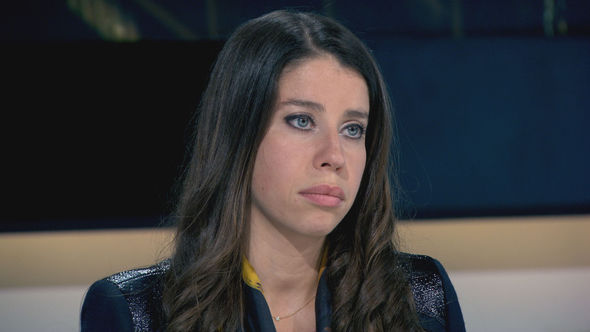
When I was preparing to go on The Apprentice, I was constantly thinking of how I wanted to be portrayed. This was one of the biggest sources of stress for me prior to going into the house for filming. Not only did I have to mentally prepare to surrender my phone, computer, and all personal items, for 12 weeks in a house with complete strangers, I had to consider how they would film me and edit me when the show went live. Needless to say, I was nervous about the experience of living with strangers in a competitive environment; but I was even more nervous about coming across well on national television.

2017-07-10-1499716691-6974814-VanaKoutsomitis419215.jpg
Photo Credit: BBC

During my preparation period, I thought about the reality television shows I had seen in the past and how outrageous some of the individuals seemed. Reality television stars tend to be exaggerated and the characters can seem pretty extreme. I did not want to be portrayed that way.

1. Be true to yourself.

This is crucial because authenticity is key to your personal brand. If people think that you are not being true to yourself, they question you and don’t trust you. Trust is an integral part of your personal brand because it makes you more reliable in the eyes of others.

2. If you don’t have something important to say, it’s better to not say anything at all.

Social media is a tool that you can use for your personal branding. You can choose which messages to share and what posts to publish. It’s easy to get caught up in the trend of posting often but reality television taught me that it’s important to only share information that you think is high quality and critically relevant. Quantity is not better than quality. The people on the show who tried to hog the camera time and speak as much as possible suffered the most in the final edit. It’s important to know when to speak up and when to keep your mouth shut.

3. Send a very clear message.

When we were filming The Apprentice, the directors often interviewed us individually and asked us questions about our views and opinions. Sometimes, these questions gave us in indication of what the storyline would be. This taught me the importance of consistency in your message. People don’t want to decipher what you are trying to say. They want you to tell them clearly who you are and what you believe in.

For example, if you’re an animal rights activist and you want to highlight this in your personal brand, people don’t need to hear all about your views on music and fashion. Instead, it’s more beneficial to curate your content based on the image that you would like to portray. Focus mostly on content about animal rights, policies and news.

Reality TV taught me that the bulk of your communication should be related to your end goal. If you want to send a message, you need to repeat it over and over again for people to fully grasp it!


By Vana C. Koutsomitis

Serial entrepreneur focused on connecting people. CEO of DatePlay online dating app, and VinobyVana, the low-calorie, fruit flavoured wine.

Sourced from HUFFPOST UNITED KINGDOM

By Mike Wood.

In today’s competitive business environment, it may seem nearly impossible to stand out. But many people have managed to step out of the shadows by opting for a strategy primarily used by businesses themselves — branding.

Personal branding is the key to giving yourself an advantage both in your current job and when you search for a new one.

Your personal brand is something that follows you around whether you want it to or not. It’s something that exists even if you don’t bother to cultivate it. From job to job, the way you present yourself professionally matters, and it is instrumental in establishing yourself as a valuable leader.

What exactly is personal branding?

Understanding the ins and outs of personal branding is obviously the first step in the right direction. The concept can be simply defined as the method of marketing yourself and your career to improve relationships with managers, colleagues and clients. Turning yourself into a brand helps you manage how you’re viewed and how much trust you can establish in your career. It involves creating a distinct voice, image and ethical standard.

But, it’s also something that takes consistent work over the course of your career. That is to say, you can’t write a particularly excellent blog post one time and expect that to carry you through the rest of your life. On top of that, just generally having a social media presence is no longer enough to qualify as a personal brand.

Building trust with those around you.

Trust isn’t something that flourishes naturally on a wide scale. It’s something you have to cultivate, and the best way to do that is with a unique personal brand. When it comes to who consumers trust the most, it’s almost always individuals. Corporate branding may technically be more visible, but it’s almost universally seen as less trustworthy. In fact, brand messages are shared 24 times more often if the originator of the message is an individual.

Clearly, you can use your personal brand to build trust as long as that brand reads as authentic and sincere.

Finding a niche.

One of the most valuable facets of a personal brand is discovering your niche. It can be difficult to stand out if your area of expertise is simply “marketing.” If you try something more specific, you can magnify yourself and your skills. Although your target demographic may be more narrow, you are more likely to connect with that audience. I have spent most of my career focusing on Wikipedia. May not sound exciting, but it has helped me stand out as a go-to person for those in need of a Wikipedia page.

Becoming a thought leader.

While becoming a thought leader might not be at the top of everyone’s to-do list, it can happen if you establish yourself in a niche. Whether you are writing articles or participating in interviews, a portfolio of helpful information and advice will propel you to thought leader status. Again, this is all about building trust with valuable and actionable guidance.

Conclusion.

In order to become a respected intellectual in your field, you have to know what you’re talking about, offer genuine counsel and really mean what you say. Done well, personal branding can walk side-by-side with personal development and career success.

By Mike Wood

Mike Wood is an online marketer, author and Wikipedia expert. He is the founder of legalmorning.com, an online marketing agency that specializes in content writing, brand management and professional Wikipedia editing. He is a regular contri…

Sourced from Entrepreneur

By Ted Leonhardt

Hey! Get on board with this critically important personal branding advice! You too can become a brand like Nike, Apple, or Tesla. You too can be famous like Steve Jobs. Sheryl Sandberg. Oprah! You just need a logo, a catchy name, and an elevator pitch. That’ll get you started. Then add:

Social media – The new “how to win friends and influence people” comes envy-enabled and bursting with bunny pics. Tag your momma and hashtag your mantra.

Public speaking – Why not be brave? The only thing people are more scared of is dogs. Imagine yourself entrancing that huge audience as you clickety-click through your PowerPoint. Dare I use the “T word?” Big stage TED is public speaking on steroids.

Write a book, become a thought leader – Imagine how many books you’ll sell once your TED talk goes viral.

Do all these things. Be confident (even when you feel vulnerable), be original (even if it means copying someone), develop your elevator pitch (even if you’re afraid of heights) and build your personal brand. Once you become a brand, the world will follow.

Screw that (if you even made it this far). People are people and brands are brands. Branding was created to inject innate, commodity products with human characteristics so the products would be more appealing to humans. “Defining the functional and emotional benefits” is what it’s called in brand-consulting land.

We are born with functional and emotional benefits and spend our lives creating a reputation, not a damn brand The fact is, we are born with functional and emotional benefits and spend our lives creating a reputation, not a damn brand. Did some personal branding expert tell you to create an elevator pitch? Don’t do it. It’s disingenuous and degrading. Elevator pitches make the listener uncomfortable. And mostly they make the speaker feel weird too. Next time you’re stuck in an elevator with someone just say supercalifragilisticexpialidocious backwards three times.

They’ll remember that!

People: To mangle a Walt Whitman quote, humans are large and contain multitudes. Complex, textured, smart-and-stupid. Contradictory. Jam-packed with congenital emotional and functional benefits. Connect with others auto-magically.
Hidden attributes make us interesting.

Brands: Consistent, reliable experiences. Simple, clear, and direct. Have emotional and functional benefits made up (by people!). Strive to connect personally so people will spend money. Hidden attributes­­ –bad.

Personal-plus-branding is no peanut butter-plus-chocolate accidental smashup that turns out just right. It’s a bad fit. It means you are a liar, creating a fictional story about yourself. Your real story is much more interesting.

Where To Start?

Find a way that you really help people. This might be something you already know about, but be open to surprising yourself. Ask the people you work with and interact with for some specifics on how you’ve helped them.

Stand for something that’s important to you and extend that to others. What matters to the people you want to matter to? And what do people need? These are great ways to build community.

Build on your existing reputation, what you’re known for, what you love to do.

Let people know what drives you. Let people know who you are, what your personal interests are.

Take care of yourself and your personal sustenance by pinpointing the place that your skills and expertise intersect with money.

Talking About It – What We Can Learn From Brands

Be clear and direct when you present what you do.

Just do it.

The Real Thing

Driving Machine

Think Different

Most people struggle with being brief and that’s fine. You’re not a brand, and you don’t need an elevator pitch. But it’s all right to think in terms of concision and of communicating in a way that doesn’t impose on others’ time.

What’s the issue you want to explain to a prospect, investor, coworker, friend, or client? Why is this problem a problem? Who needs the help? And why do they need help? How you will solve their problem?

What we can learn from brands: Be clear and direct when you present what you do. Describe it in three sentences or fewer. Here’s what I’ve been saying about my work:

Creatives are more emotional than the general population and have a difficult time asking for money as a result. I provide insights and techniques specifically designed for creatives to ask for and get the money they need to succeed.

What we can learn from brands: Be clear and direct when you present what you do. Get it down to three words. Mine:

Protector of creatives.

On the face of it, distilling your essence down to three words might seem like coming up with a personal brand. But it’s not. For example, you could take those three words and build a brand around them, but you couldn’t take me and shape me around three little words if the fit wasn’t there. It’s a reasonably fine line to walk, the one between writing fiction about yourself and using words to tell your story. You’ll know you’re walking on the right side of the line when you feel empowered and emboldened, not like you’ve just constructed a house of cards.

By Ted Leonhardt

Ted Leonhardt is a designer and illustrator, and former global creative director of FITCH Worldwide. His specialized approach to negotiation helps creative workers build on their strengths and own their value in the marketplace. Ted is the author of Nail It, a contributor to Fast Company, and publisher of NAIL Magazine.

Sourced from Brand Quarterly