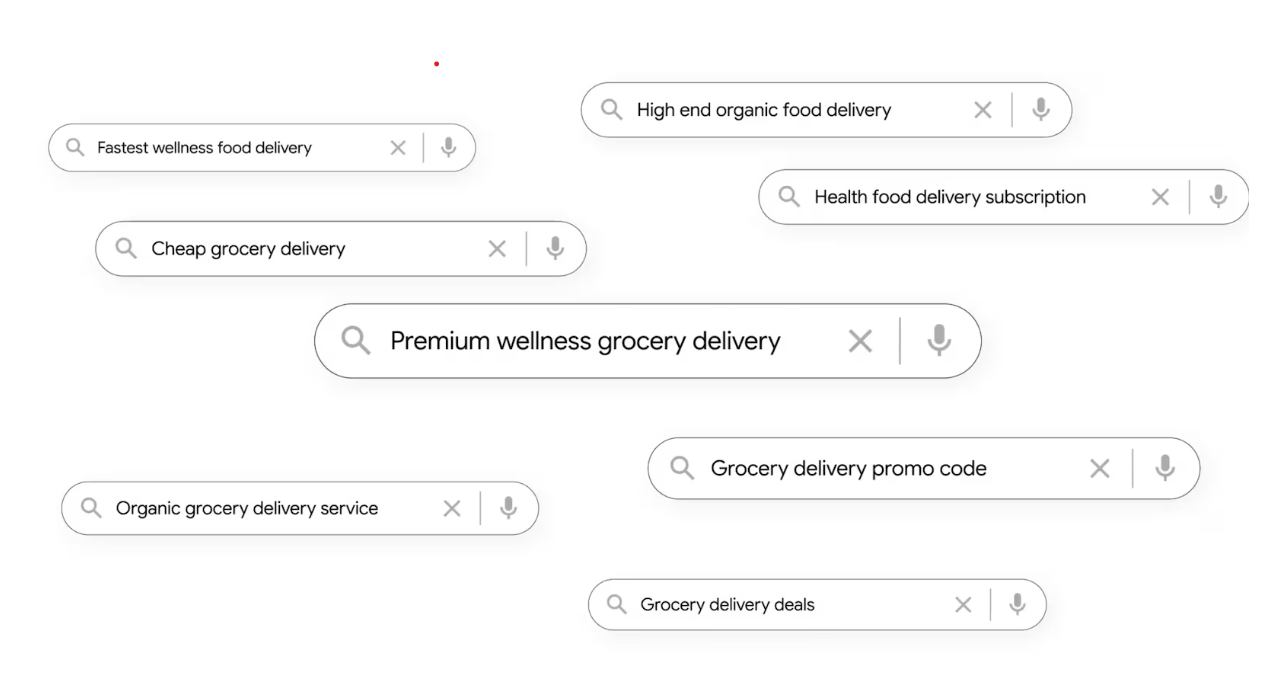
AI Max advertisers can now instruct the system in natural language instead of having to rely on previously selected keywords. (Google)
New Search advertising updates from Google show how the tech giant is continuing to shift away from keywords and toward capturing intent through deploying the reasoning skills of AI. Advertisers using AI Max, its automated platform for optimizing search ad campaigns, can now instruct the system in natural language instead of having to rely on previously selected keywords, Google announced today.
The new feature, dubbed AI Brief, is meant to give advertisers better control over how AI Max optimizes their Search campaigns, in much the same way that conversational AI helps consumers express more specific search queries.
AI Brief is just the latest example of Google deprioritizing a keyword-centric approach to search advertising in favour of AI automation. Earlier this month, the tech giant announced that it was retiring Dynamic Search Ads (DSA), which are meant to extend keyword-based strategies, and moving all DSA-powered campaigns to AI Max. More broadly, Google operates Performance Max (PMax), a platform that uses Gemini to effectively run a campaign across all Google channels based on goals outlined by the advertiser.
The rise of AI search platforms has changed how consumers use the internet, namely, opting for longer, more complex search queries over relying on a few impactful keywords. In turn, this behaviour has spurred tech companies such as Google and Meta to create new ways for advertisers to target ads on their platforms. The solution has largely focused on using AI to sniff out the intent behind consumers’ queries.
This shift is why Google launched AI Max roughly one year ago. AI Max offers PMax-like automation, but for advertisers who only want to run Search ads. Using its skills in reasoning, AI Max is able to extend the performance of Search ads by matching advertisers’ desired keywords to a broader range of search queries. Even though these queries might not have contained a targeted keyword, AI Max can understand the intent behind the query, and if it matches that of the keyword, then it will show an ad. The system can also slightly adjust the ad copy based on the perceived intent.
AI Brief enables advertisers to seek the same results without having to use a list of rigid pre-selected keywords to direct AI Max. They can simply explain, in natural language, the search queries they want to capture and avoid, and their guidelines around ad copy. The hope is that doing so makes it easier for advertisers to express their goals.
As part of today’s updates, Google is also expanding AI Max to Shopping ads. The system will seek to match retailers’ ads to shoppers merely showing intent, without the need for them to provide specific product details. Google is making AI Max available for Search campaigns for Travel, too.