Author

editor

Browsing

By Catherine Salfino

There are 8 billion people in this world. And of them, 60 percent, or 4.88 billion, are active social media users. In the U.S., that number jumps to 74 percent. This poses a great opportunity for brands to connect with consumers. However, there is a bushel of social media platforms. And the users differ for each platform based on age as well as the content they want to see. That’s especially true for Gen Z and millennials. For marketers, knowing the difference can make all the difference in connecting and capitalizing on social platforms.

YPulse data shows Gen Z and millennials are active on an average of six different social media platforms. And they’re going to each platform for different content.

“For brands, this means that content can’t be one size fits all,” states the YPulse Insights article. “They’ve got to pay attention to exactly what purpose each one serves for young audiences.”

Fully 81 percent of young consumers don’t want to see the same kind of content on every platform, according to the YPulse research. The firm also found 65 percent of young users don’t like when social media platforms create new features that replicate other social media sites—meaning, they want different content on each.

For example, in a YPulse survey of 13 to 39 year olds, users went to TikTok for memes and viral content (66 percent), content from online influencers (58 percent), random people they don’t know (57 percent), celebrities (49 percent), and their friends (46 percent). But when the same generations go to Instagram, they mostly seek content from their friends (66 percent), followed by celebrities (63 percent), online influencers (55 percent), brands/products (52 percent), and memes/viral content (51 percent).

The most popular social media platform for clothing ideas among Gen Z consumers is Instagram (74 percent), according to a 2023 Cotton Incorporated Lifestyle Monitor™ Survey. That’s followed by TikTok (71 percent), Pinterest (52 percent), YouTube (36 percent), Snapchat (18 percent), Facebook (13 percent), X—formerly Twitter (13 percent), and Tumblr (2 percent).

Among consumers ages 25 to 34, the top platform is also Instagram (78 percent), according to the Monitor™ research. That’s also followed by TikTok (57 percent), Facebook (51 percent), YouTube (43 percent), Pinterest (38 percent), X (22 percent), Snapchat (19 percent), and Tumblr (5 percent).

Simon Kemp, founder of Kepios, a strategy consultancy, and DataReportal, an online reference library, says social media user numbers continue to grow. He says his firm’s latest research shows social media adoption accelerated +1.5 percent over the past three months. Total social media adoption increased 3.7 percent since July 2022.

“This figure marks another momentous milestone along our journey towards universal connectivity,” Kemp said in a recent video when the company presented its quarterly digital report.

In the last quarter, DataReportal’s research shows females ages 16 to 24 spent the most time on social media, at 3 hours and 10 minutes per day. That was followed by females ages 25 to 34, spending 2 hours and 49 minutes per day on social platforms. Males ages 16 to 24 were next, at 2 hours and 35 minutes, followed by males ages 25 to 34 at two hours and 32 minutes. By comparison, men and women ages 55 to 64 average 1 hour and 40 minutes on social platforms per day.

That time spent on these platforms can translate into sales for apparel brands, especially among younger consumers. One-fifth (20 percent) of shoppers ages 13 to 24 say they have purchased a product directly from a social media post by clicking a link or image, according to 2020 Monitor™ research. The number increases to 23 percent among millennials.

Two-fifths (40 percent) of young consumers (ages 13-24) add that they’re likely to buy a product directly from a social media platform, according to the 2020 Monitor™ research.

Perhaps that’s why Pinterest is so popular with the younger set. YPulse research shows young consumers like that Pinterest offers in-post shopping where both creators and brands can tag the items they show, allowing users to purchase directly from the post. Gen Z and millennials put Pinterest in the number one spot for the kind of content they want from brands, including product recommendations that are linked within aesthetically pleasing pictures.

YPulse research shows the other top platforms Gen Z and millennials turn to for content from brands are Instagram, YouTube and Facebook. Where Instagram is concerned, 52 percent of young consumers say they want to see brands and products in the app. They like that social shopping also doesn’t waste their time or divide their attention by bringing them to another site. Also, these shoppers want to see niche or personalized content on Instagram, versus viral posts.

When it comes to advertising, young consumers are most open to watching it on YouTube (63 percent), followed by Instagram and Facebook, according to YPulse’s Social and Mobile Marketing Preferences report. And they’re open to content from online influencers on every platform except Facebook and Snapchat—two platforms where they prioritize posts from family and friends. Whether it’s a major celebrity or micro influencer, more than half of all young people (54 percent) say they have purchased something after it was touted by an online celeb on social media.

Social media holds the top spot for young shoppers when it comes to a source of clothing ideas. Over two-fifths of all Gen Z shoppers (43 percent) and 37 percent of millennials say they turn to social platforms for clothing inspo, according to 2023 Monitor™ research. That compares to 23 percent for Gen X and 7 percent for boomers. Celebrities also hold more sway with younger consumers. Among Gen Z, 17 percent look to celebs as a source of clothing ideas, as do 17 percent of millennials. That contrasts with 10 percent for Gen X and just 4 percent for boomers.

Brands should keep in mind the U.S. Chamber of Commerce says the influencer marketing industry is expected to grow to $21.1 billion in 2023, citing data from The Influencer Marketing Benchmark Report.

Finally, YPulse says Gen Z and millennial consumers love viral content, which explains why TikTok is so popular with these cohorts.

“Lucky for brands, this kind of content is easy to get in on if done right—and is yet another way to blend ad and brand content into their feeds,” YPulse states in its Insights article. Since 49 percent of TikTok users want to see humour from brands, funny content is one way to connect with them. “But even if a brand doesn’t think humour is part of their identity, there’s viral potential for everything—wholesome, lifestyle, DIY, you name it—and as long as it’s entertaining and personal, young consumers will be interested.”

The Cotton Incorporated Lifestyle Monitor™ Survey is an ongoing research program that measures consumer attitudes and behaviours relating to apparel, shopping, fashion, sustainability, and more.

For more information about the Lifestyle Monitor™ Survey, please visit https://lifestylemonitor.cottoninc.com.

Feature Image Credit: Getty

By Catherine Salfino

Sourced from Sourcing Journal

By Scott Everett

The 30- or 60-second TV spot – the ‘hero ad’ – has long been the prestige centre of ad campaigns. Is it time for that approach to die? PMG’s Scott Everett thinks so.

This might be controversial on the tailwinds of celebrating Cannes Lions, but it’s time to stop making hero ads the hero of every brand story.

The almighty 60- and 30-second spots that we have long revered as the centrepiece of every brand campaign are no longer the most important components of the marketing mix. That’s not to say that TV advertising and brand-building storytelling are not important, but it is time to acknowledge that advertising has fundamentally evolved. Today’s brands need a more nimble and data-driven creative model that recognizes live TV audiences are shrinking, streaming and social viewership are on the rise, and our creative canvas is exploding with opportunities to make advertising work harder and perform better.

Creatives have long put their faith into hero ads for building brands, but right now, we have an opportunity to embrace the power of integrated creative in telling stories and driving business impact. With audiences and engagement more fragmented than ever, customer journeys aren’t linear, and our creative strategies can’t be either. That means creative must be more unique, more complete, more agile, and in more places than ever before.

In media agencies, creative teams are benefiting from the innovation and inspiration that come from creative, strategy, and media working together. We are serving an increasingly complex and competitive marketing landscape, informed by new behaviours, artificial intelligence, and breaking through in new mediums ranging from Netflix to TikTok and Reddit.

Never before have we had more audience signals or indicators of intent helping us move people along the journey from awareness to purchase. Equally, never before has the journey been less of a straight path than it is today.

Mastering this creative flywheel is the hardest and most important job ahead of brands and creatives working together to build high-performing marketing strategies. Here’s how we can better align for the full-funnel future.

1. Build a flexible and robust story platform that fuels a high-performing media plan

Brand versus performance. Data versus instinct. Creative versus creators. Super Bowl spots versus Performance Max ads. It’s not either/or, and we all must embrace the healthy tension of building a plan together.

A flexible creative storytelling platform is a comprehensive, consistent library of stories that fuels a smart media plan, facilitating real-time iteration, optimization, and learning. When everyone is operating from the same blueprint and playbook, creatives can flex into any opportunity, planned or unplanned, and advertising works harder to deliver more for the brand.

2. Plan for speed and agility

While our creative palette for building cultural relevance has expanded, speed to market is critical. Everyone must work together across strategy, insights, creative, and media to adapt to where consumers are and what they expect from advertisers. Once everyone is aligned on the brand’s objectives, teams can be empowered to deliver impact in real time. This can be anything from partnering to accelerate the media and creative working hardest to leaning into emerging opportunities like AI, the metaverse, first-mover advantages with creators and platform partners, and any number of new ways of bringing creative ideas to market.

3. Embrace the white space between brand and performance

While TV ads are great for building broad awareness, product ads can be untapped opportunities for creatively engaging with a brand’s audience. Too many advertisers continue to bridge brand-to-conversion with discount messaging rather than creating a cohesive storytelling strategy around building brand and product love. The middle funnel is the creative frontier that makes all marketing work harder, and it’s beckoning us to think beyond the creative approaches of the past.

Technology advancements in this area are particularly exciting. For example, at PMG, we’re using AI to determine real-time creative insights that tell us what creative is performing best in any given moment, based on creative elements ranging from colour to product types to backgrounds or the use of models.

Once we let go of making hero ads the hero, creative can work harder across the full customer journey. Integrated creative can then truly become the hero of helping businesses meet their goals and accelerate into the future.

Feature Image Credit: Ali Kokab via Unsplash

By Scott Everett

Sourced from The Drum

By James Greig

The budget airline’s social media represents a bold new era of advertising in which the customer, far from being always right, is a snivelling little worm

There has been much talk lately about online abuse, with both the British and American governments drafting strict new legislation aimed at tackling the problem. But the internet’s most venomous troll has slipped under the radar: ultra-budget airline Ryanair. Casting aside the idea that the customer is always right, the brand’s social media presents a new, black-pilled mode of advertising in which the customer is both petulant brat and spineless coward, grumbling impotently as they submit to ever more degrading treatment.

Ryanair’s TikTok views the people who use its services with disdain and delights in the terrible service it provides them, safe in the knowledge that we are too broke to fly elsewhere. Taking all of the things which people hate about the company and turning them into a source of self-deprecating humour, it jokes about charging people for breathing, mocks customers for complaining about flights “which no one forced them to book”, gloats about having window seats with no windows and charging extortionate additional fees.

With both its TikTok and Twitter accounts, Ryanair has trapped its customers in a dom/sub dynamic. In one sense, it’s like the big-dicked top who fucks you good, treats you like shit and knows you’ll come crawling back for more. But the analogy breaks down when you consider that the company has no redeeming qualities other than cost: it’s more like a lover sending you a series of gloating texts about how terrible they are in bed, safe in the knowledge that you have no better options because you’re a broke-ass loser. Plenty of people lap this up, barking like seals (or replying “savage!!!”) at their own abjection. Over the last few years, the account has gained millions of followers and widespread acclaim. “The voice doesn’t just sound human. It sounds like a hilarious member of Gen Z: fluent in the latest memes, ready to pounce on bad takes and eager to troll for likes,” enthused one article in The Washington Post, which described it as “the most savage account of any airline”.

Ryanair’s antagonistic, self-mocking approach isn’t entirely new. Brands have been using irony for decades, usually in an attempt to capture something about the zeitgeist: in the 1990s it was slacker disaffection, today it is informed by the often chaotic and nihilistic humour of social media. Companies have previously embraced a bad reputation in an effort to transform it (one 2004 Skoda advert was premised entirely on the fact that everyone hated their product) and others have leaned into obnoxiousness – Cards Against Humanity, for example, once crowd-funded $100,000 to dig a hole in the ground. When people complained, “why didn’t you donate it to charity?” they replied, “why didn’t the donators?” Pretty twisted stuff… More recently, there has been a trend of advertising based on the idea that capitalism sucks: a Subway/UberEats advert with the slogan, “when your day is long, go footlong”, and a footwear brand cracking jokes about how young people today will never be able to retire.

As journalist Tristan Cross writes in The Guardian, these adverts “self-consciously [ape] the sardonic disaffection and dejection that many of us feel” and “affect a knowing posture, as if they, too, share our dissatisfactions with the modern world”. But this is slightly different to what Ryanair is doing: the brands mentioned above are coming to you as a friend, smiling in commiseration, and promising you respite from a cold and uncaring world. The Ryanair TikTok account is the cold and uncaring world. It is the sneering face of capitalist domination, lip-syncing to an audio recording of a toddler or a sassy exchange from a Bravo series.

Like Ray Liotta in Goodfellas, Ryanair’s message is simple: fuck you, pay me. Forgot to print out your boarding pass because you’re an old-age pensioner and you don’t know what an app is? Fuck you, pay me. Your luggage weighs a couple of grams over the limit because you’re transporting your grandmother’s ashes? Fuck you, pay me. Your flight has been cancelled through no fault of your own and you need to rebook? Fuck you, that’ll be £80. As a brand, they do not pretend to “value” their customers – we are profit cows and nothing more. CEO Michael O’Leary said himself that he would charge us to use the bathroom if he could. Instead of trying to gloss over this cold-blooded, mercenary streak, the Ryanair TikTok account embraces it.

There is admittedly something refreshing in its refusal to frame a transactional relationship in the sentimental terms of family or friendship. This is a carefully considered marketing strategy, no more authentic or anarchic than any other, and the decision to not sound “too corporate” has, of course, been signed off by corporate executives. It’s still capitalism with a human face, it’s just presenting itself as an outrageous oomfie rather than as a kindly neighbour or supportive friend. But the company’s celebration of its own greed does hint at a larger truth.

While they typically expend great effort in persuading us otherwise, the Ryanair approach is – at heart – how every business views its customers, from the major corporations downwards (except for youth culture and fashion publications, it should go without saying!) The cute little queer cafe that serves snacks and hosts Heartstopper viewing parties. The girl you went to uni with who has started hawking ethically sourced healing crystals on Instagram. The ten-year-old Girl Guide knocking on your door with a tray of home-baked cookies and a fantastical tall tale about raising funds for a local hospice. If they could get away with it, they would all slit your throat for the change in your pocket. Ryanair is just one of the few companies saying it out loud, having calculated – it would seem correctly – that we would find this admission funny.

In this respect, the Ryanair TikTok account shares a spiritual kinship with Donald Trump. As political theorist Corey Robin argues in The Reactionary Mind, part of the former president’s appeal was his willingness to expose the moral emptiness of capitalism, even as he revelled in it. Where previous generations of right-wing politicians had venerated the free market as a site of heroic and noble deeds, for Trump it was simply a matter of winning or losing – as he put it, investing in the stock market was no different from playing poker in a casino. Even though he proposed little in the way of changing it, Trump punctured some of the more flattering illusions about how our economy functions – and many people loved him for it. Are you starting to see the parallels yet? Only time can tell whether fans of the Ryanair TikTok account will go on to attempt an insurrection of their own, perhaps storming the British Airways Member’s Lounge in a fit of populist hysteria.

All that said, it would be overstating the case to praise Ryanair for its brutal honesty. While the company is happy to poke fun at its minor sins, the inconveniences and shakedowns with which anyone who has flown with them will already be familiar, it is not cracking jokes about its allegedly terrible working conditions, its violation of labour laws or the fact it was reprimanded by a watchdog for misleading claims about being a “low-CO2 emissions” airline, when it is in fact one of the worst polluters in Europe.

Ryanair’s bolshy TikTok account might be a calculated bit of schtick, but it’s entirely in line with the ethos of CEO Michael O’Leary, a man who admires Margaret Thatcher, who remarked that environmentalists should be shot, and once said, “You’re not getting a refund so fuck off. We don’t want to hear your sob stories. What part of ‘no refund’ don’t you understand?” Is this endearing brusqueness, or the contempt of a multimillionaire towards ordinary people? And is it an attitude any more charming when transposed onto the grotesque lips of an anthropomorphised airplane? Some of the videos are quite funny, and they are clearly an effective marketing tactic, but there’s something ugly at the heart of it all. If you want a picture of the future, imagine the Ryanair TikTok account calling you a pathetic little worm – forever.

Feature Image Credit: Courtesy Ryanair / Tiktok

By James Greig

Sourced from DAZED

By Mike White

As new event paradigms dawn, event sponsorship is dying, says Lively’s Mike White. Promoters and brands clinging to the traditional sponsor paradigm will be left in the dust.

Marketers have long turned to events as an advertising vehicle, for good reason. Event marketing is one of the most impactful channels for bringing a brand story to life. A study about the influence of events showed that 93% of consumers feel live events have a larger influence on them than television ads.

It makes sense. Events afford brands an opportunity to build brand awareness with consumers in controlled environments that leverage a shared community, a moment in time, and a unique experience. When executed well, exposure to engaged audiences correlates with brand lift from association with popular events and entertainers.

But while there’s no question about the efficacy of events, the live event paradigm is desperately in need of a modern refresh.

Traditional experiential balances competing objectives

The first issue to overcome is a misaligned incentive structure that’s baked into traditional event sponsorship. Consider the typical brand-promoter deal wherein brands and promoters have different respective objectives.

Promoters want to sell tickets and add revenue to their bottom lines. Brands want to sell their products and achieve ROI from their investment. Since events are costly to produce, they often capture a sizable chunk of an annual marketing budget and, therefore, are under intense scrutiny.

This brand-promoter paradigm doesn’t even consider the motivations of audiences to participate in a one-of-a-kind experience, or the aspirations and needs of the event’s entertainers. (All parties, crucially, want to build community. More on that later.)

A new event paradigm: from sponsorship to partnership

The last two decades of my career on the bleeding edge of live and hybrid event production have taught me a critical lesson: because of disparate objectives between brand, promoter, sponsor, and audience, it can be hard to orchestrate a positive experience for all parties.

This is why sponsorship needs to be put to rest and partnership needs to take its place.

Under a partnership dynamic, all stakeholders invest and align on goals, using the following 4 steps.

1. Shift the event objective

First, marketers need to refocus the event objective to one goal that all stakeholders have in common: community building.

The objective is to convert event audiences who are there for the event’s entertainment into an always-on community so that you can create conversation and grow relationships and engagement over time.

This should align key stakeholders around a measurable goal, and overcome potential pitfalls of different objectives.

2. Integrate technology

Today’s audiences occupy more than a physical space in time. At any given moment, they’re connected to multiple environments across digital touchpoints, including social media channels, mobile applications, and other communication and streaming platforms.

To lose sight of these digital spaces is an immense opportunity lost, since an audience’s engagement in the context of multiple channels can expand the footprint of an event while building a shared community for the event’s partners.

At Lively, we’re highly attuned to these touchpoints. We call them ‘experiential media ecosystems’. When stakeholders are intentional about these ecosystems, they become owned channels for communication and engagement that live well past the one-time event.

Not only does this allow brands to experience sustained gains, but inviting audiences into an owned community offers rich and actionable data that can help marketers iterate meaningfully on strategy.

3. Focus on authenticity

Looking at event execution as a partnership means all parties align on the audience they want to engage. Authentic engagements between creative, sponsor, and audience are essential to successful activation.

Once brands and creators align on audience and messaging, brands can and should relinquish control to creative to allow them to communicate with audiences in ways that resonate genuinely.

4. Grow and engage the community over time

Event promoters have traditionally pushed back against hybrid and other tech-enabled events because they fear that streaming live events might take away an incentive for an in-person ticket purchase.

Promoters need to evolve their thinking, because streaming can expand the reach of live events, engage new audiences, and create fomo.

The content shared at live events does not replace the in-person experience. Instead, when events are well-executed, it makes our peer groups want to attend the following year.

If all three parties can benefit from an owned event community, it allows the audience to be engaged far beyond the event in interesting and meaningful touchpoints.

More than ever, events are ripe marketing vehicles for brand marketers. Ensuring that stakeholders are aligned is the key to reaping the benefits of experiential activations. Integrating technology to build and engage a community that lasts beyond the event invites new audiences and fortifies event interest. Promoting the community alongside all stakeholders will ensure that event ROI is even more than the sum of its parts.

Feature Image Credit: Unplash

Sourced from The Drum

By Jennifer Torres
Musk’s revamped X network ushers in X Pro, formerly known as TweetDeck, behind its verified Twitter Blue tier.

The Gist

  • Transforming TweetDeck. Now a subscriber-only product called X Pro.
  • Pay to play. Users must be Twitter Blue verified.
  • X Pro view. Control multiple timeline columns in one interface.

In a move that could reshape the digital marketing landscape, Elon Musk’s revamped social network, X (previously Twitter), has unveiled its rebranded social media dashboard: X Pro, the successor to the well-loved TweetDeck. Long serving as the go-to platform for marketers juggling multiple brand and client accounts, X Pro is now ensconced behind a paywall, accessible exclusively to verified users of the platform.

The shift to a subscription model comes with its own set of perks, but at a price. Joining the “Twitter Blue” tier will set users back $8 monthly or $84 annually. In return, subscribers gain the coveted blue check mark, the power to edit tweets and a streamlined experience with prioritized rankings in conversations, searches and notably fewer ads.

For marketers, however, the key question remains: Will the benefits of X Pro justify its cost, or will they be forced to re-evaluate their social media management strategies?

From TweetDeck to X Pro: Will Marketers Embrace the Evolution?

TweetDeck served for years as a valuable tool for many marketers, with multiple account management capabilities, real-time monitoring and scheduled tweets — the collaborative platform also provided customizable columns to track specific hashtags, mentions, lists, keywords and the ability to perform competitor analysis.

Originally an independent app from 2009-2011, TweetDeck Ltd. was subsequently acquired by Twitter Inc. and integrated into Twitter’s interface, soon becoming one of the platforms’ most popular features — especially among marketers.

But the question remains, with the rebrand to X Pro, will the latest incarnation offer marketers even more?

What Can X Pro Offer Marketers?

In July, the company unveiled plans for a “new, improved version of TweetDeck.” However, they noted that access would be granted only to verified users, who were given a 30-day notice to secure their verification.

Mainly viewed as a name rebrand (as well as a new revenue source), the current features offered by TweetDeck are expected to remain with X Pro.

Among X Pro’s currently known features and facts:

  • All users will be able to continue to access their saved searches and workflows.
  • All saved searches, lists and columns will carry over and users will be prompted to import their columns when the application is loaded for the first time.
  • The platform supports full composer functionality, including Spaces, video docking, polls and more.
  • Teams functionality is temporarily unavailable but will be restored in the coming weeks.

And while X Pro is now offered as a paid service through Twitter Blue, verification does come with some perks. The subscription offers users a suite of enhanced capabilities, including sharing extended videos, the freedom to edit tweets within a 30-minute window, the option to retract tweets before they’re seen by others, the use of NFTs (non-fungible tokens) for profile imagery, and entry to the Spaces Tab, a hub for audio content.

As the digital world continually evolves, so do the tools that marketers rely on. X Pro’s transformation from the iconic TweetDeck signifies not just a name change, but a paradigm shift in how digital marketing tools are packaged and priced. While it brings a fusion of old (and possibly new) features, it’s evident that its success hinges on its value proposition to its core users — the marketers. As the dust settles on this transition, the digital marketing community waits with bated breath, poised to decide if X Pro is indeed the next frontier or a nostalgic nod to an era gone by.

By Jennifer Torres

Jennifer Torres, is a Florida-based journalist with more than two decades of experience covering a wide range of topics. Currently, Jennifer is a staff reporter at CMSWire, where she tackles subjects ranging from artificial intelligence and customer service & support to customer experience and user experience design. Jennifer is also the esteemed author of a collection of 10 mystery and suspense novels, and has formerly held the position of marketing officer at the prestigious Florida Institute of Technology. Connect with Jennifer Torres: X

Sourced from CMSWire

By Jessica Wong

Social media branding blends platforms’ expansive reach with the potent influence of finely crafted brand messages. This dynamic duo becomes the bedrock of highly effective marketing campaigns, fuelling amplified brand awareness, trust and audience engagement.

In less than two decades, social media has transformed how people communicate. Social media platforms have also dramatically altered how brands reach potential customers and build long-term relationships.

Social media enabled brands to break down barriers and reach their audiences directly. As a consequence of making it easier for companies to reach audiences, more businesses are leveraging social media for growth. Effective social media branding can help companies stand out in busy marketplaces and strengthen their brand identity simultaneously.

Social media platforms may have started as a way for individuals to connect. But as millions and now billions of people have joined them, they have also become powerful marketing tools. The latest statistics at the time of writing showed that more than four and a quarter billion people globally used social media at least once a month.

While that figure is impressive, the power of social media is not limited to user numbers. According to industry experts, nine out of ten people buy from brands they follow on social media platforms. There is no doubt about the strong connection between an engaging social media presence and conversions. Social media platforms are powerful tools to help build brands.

Defining social media branding

Social media branding combines the strengths of two cornerstone elements of successful marketing strategies — branding and social media marketing. To deliver transformative results for a business, social media branding strategies must do more than add a logo to a post.

Brand teams must integrate the brand’s unique value proposition with its look, voice and feel to craft memorable messages. Some of the most captivating social media branding is focused on encouraging interaction and engagement between a brand and its audiences.

Using social media branding to build brand awareness and reach

Through social media platforms, brands have an unparalleled opportunity to extend their reach beyond their existing audiences. By developing captivating content, companies encourage their existing audiences, or followers, to share it with others. Without additional effort on the side of the business, the audience grows.

Hashtags are another excellent way of reaching new audiences interested in a topic the brand is discussing. As non-followers pick up your company’s content and share it, there is an opportunity for it to go viral and be seen by thousands or even millions of social media users who may otherwise never have known about your company.

Establishing brand identity and differentiation through social media branding

Building awareness and reach are only two components of successful social media branding. As social media use grows, more brands use these platforms for their marketing, and it is becoming increasingly more challenging to stand out from competitors.

Social media branding allows companies to show their audiences what differentiates them from their competitors. Few other channels offer the same level of choice of communication, what to talk about and how to interact with their audience without a barrier. This is why social media platforms are such powerful tools for sharing value propositions and clarifying how brands are different.

Engaging and connecting with target audiences

Connecting with audiences has been somewhat of a side note throughout this article. However, connecting and engaging directly with an audience is perhaps the greatest strength of social media channels.

This immediacy allows brands to listen to feedback from their audience, respond to it directly and build stronger relationships. At the same time, brands can show their personality more easily than on other channels. For example, Taco Bell’s social media content and interactions have a distinct funny and sarcastic tone to them.

But brands can also showcase their values to their customers as Starbucks does with its community-focused Facebook content. One of the keys to maximizing the impact of social media branding is consistency in both verbal and visual messaging to reinforce the brand’s identity.

Leveraging user-generated content

The next step in building engagement is utilizing user-generated content. For example, by sharing a genuine product review, brands can highlight their unique value propositions through a third-party endorsement. User-generated content is a powerful tactic to build audience trust.

Influencing consumer perception and trust

Consistent social media branding, especially user-generated content, consumer reviews and testimonials, can influence and change consumers’ brand perception. Today, many consumers are sceptical of companies’ statements in their marketing campaigns.

Content that has been created by a product’s or service’s users automatically benefits from greater credibility and helps build trust between the brand and the audience. Brands can reinforce that trust by ensuring their messages resonate with users’ content.

Driving website traffic and conversions

Aside from allowing brands and consumers to connect directly, another strength of social media platforms is driving website traffic and conversions.

Social media posts are an excellent tool to introduce a topic and entice the audience to visit a website and learn more. Clear calls-to-action are imperative to encourage users to click on a link. Without them, it is too easy for content to get lost among competing messages.

Measuring social media branding success

Without measuring the impact of different social media branding activities, brand teams cannot know which campaigns have been successful and which need refinement.

Tracking critical metrics like views, reach and conversions is essential. To make analytics even more meaningful, companies can analyze the sentiment underlying reactions and adjust the effectiveness of their activity. Most social media platforms continue to develop more sophisticated metrics and tools to help brands in their journey.

Social media branding combines the reach of social media platforms with the impact of carefully crafted brand messages. Together, these two can help companies build highly effective marketing campaigns. Increased brand awareness, brand trust and audience engagement all drive business growth for years to come.

By Jessica Wong

Jessica is the Founder and CEO of nationally recognized marketing and PR firms, Valux Digital and uPro Digital. She is a digital marketing and PR expert with more than 20 years of success driving bottom-line results for clients through innovative marketing programs aligned with emerging strategies.

Sourced from Entrepreneur

I know what you might be thinking. “Will AI replace professional photographers? Are the days of hiring a professional photographer numbered?” As the owner of 415Headshots, a San Francisco-based headshot studio, I’m here to quell those fears.

The narrative isn’t about AI supplanting photographers. AI is assisting photographers create amazing headshots that were previously impossible, enhancing their skills and producing high-quality results. My journey with AI has been an extraordinary one, filled with intriguing discoveries and valuable lessons. Join me as we explore AI’s impact on headshot photography, transforming the professional industry.

AI and Its Magic in Professional Headshots

Artificial intelligence (AI) has quickly risen from a technological advancement to a creative ally in the world of photography. When we hear “AI,” many of us might think of complex algorithms, vast data, or futuristic robotics. AI transforms headshot photography, offering a fresh perspective to redefine artistic expression.

With AI in our toolkit, we now have the capability to generate realistic headshots that truly transform the concept of photography. These aren’t the traditional images we’ve grown accustomed to; they combine the science of artificial intelligence with the art of photography.

My personal journey with AI began with an experiment. Curious about its potential, I decided to work with www.corporateheadshots.ai and introduce my vast collection of professional headshots to an AI model. Essentially, this meant allowing the AI to learn and grasp the essence of what makes a headshot truly “professional.” The intention was to see if a machine could mimic, or even enhance, the nuances and subtleties that a professional photographer like myself brings into each shot.

And the results? Nothing short of awe-inspiring. The AI-generated images, showcased quality work, presented a range of emotions, angles, and moods. Each image was a testament to the potential that AI holds.

Harnessing AI to Create Stunning Headshots

In the past, headshot photography had been constrained by certain limitations. We had to consider several factors such as time, location, lighting, and the subject’s mood.

But AI changes the whole dynamic. It uses professional, high-resolution images to generate stunning headshots that can rival, and sometimes surpass, the works of human photographers.

Envision yourself as a photographer who had scheduled a few outdoor portrait shoots, but, unfortunately, it’s raining outside. Typically, you’d have to accommodate your clients’ schedule(s) and re-schedule for another day. AI can now allow photographers to take professional headshots in the studio and generate outdoor headshots of the same person.

AI-generated headshots don’t simply mimic; they mirror our styles and techniques to create stunning headshots. The mix of technology and art helps photographers and clients by giving them a special, digitally improved view.

AI as a Valuable Tool for Photographers

Navigating the digital realm requires a photographer to be versatile. LinkedIn, Facebook, Instagram, or any other social media profiles demand their own flavor of imagery, especially for their profile pictures.

The challenge has always been to adjust and adapt. As a photographer, this meant often needing multiple sessions or exhaustive editing to get the right fit for each platform. But with AI, this landscape changes dramatically.

The true genius of AI lies in its ability to understand and adapt. When it generates headshots, it’s not just churning out images—it’s creating purposeful portraits tailored to resonate with their intended audience. A LinkedIn profile demands authority and professionalism, while Instagram might require a touch more flair and vibrancy. AI, with its vast learning capability, knows these distinctions and crafts images accordingly.

For photographers, this is revolutionary. Imagine the time and effort saved in not having to re-shoot or spend hours editing for each platform. Instead, with a foundational professional shot, AI can produce a spectrum of headshots, each fine-tuned for its intended use. This adaptability isn’t just beneficial—it’s transformative, amplifying a photographer’s efficiency and reach.

Clients, on the other hand, find this adaptability invaluable. In today’s digital-first era, one’s online presence plays a decisive role in personal and professional branding.

Using high-quality headshots guarantees that they will always look their best, regardless of where you display them. You should optimize these headshots for different platforms. This flexibility, driven by AI, enriches their digital identity, giving them a competitive edge.

AI as a Game-Changer for Team and Business Headshots

The image of a company is not just about logos or taglines. It’s built every time someone sees a team photo or reads about the company’s values. Team photos, in particular, give a face to the name, painting a picture of who is behind the products or services on offer. However, ensuring consistency in these photos, especially for large teams, can be a challenge.

Streamlined Photography With AI

Photographers are no stranger to the challenges of traditional team photography. Arranging schedules, finding the perfect lighting for each individual, and ensuring that everyone’s headshots match the desired tone and quality can be a tall order. This is where Artificial Intelligence comes to the rescue. With its advanced algorithms, AI can help generate professional headshots with ease.

User-Friendly Tools for Perfect Shots

One of the major advantages of AI is its user-friendly interface. Even if someone isn’t good with technology, they can still use AI tools easily to get the results they want.

Whether it’s adjusting the brightness, contrast, or even the background of a headshot, these tools ensure every picture aligns with the company’s brand.

Amplifying Personal Branding

In today’s interconnected world, personal branding is crucial. An individual’s photo on platforms like LinkedIn or a company website can play a significant role in their professional journey. A great headshot can help them stand out, making a memorable impression.

With AI’s capabilities, photographers can create images that not only fit the brand but also elevate it. This ability to tailor and fine-tune photos ensures that every team member’s headshot enhances their personal branding.

AI’s Role in Modern Photography

It’s clear that AI is revolutionizing the way we approach team and business headshots. Not as a replacement, but as a potent tool that complements a photographer’s skills. It simplifies challenges, ensuring that photographers can focus on what they do best: capturing moments and stories. The resulting images, enriched by AI’s prowess, tell a compelling story of a company and its team.

Seamless Consistency With AI-Driven Team Headshots

One of the primary challenges in team photography is achieving a consistent look. Lighting, angles, and expressions can create many different photos, even if they’re taken on the same day. AI, with its precision and adaptability, can ensure that all headshots maintain a consistent style and quality.

AI can adjust each team member’s picture to match the specific look desired by a company. You can do this regardless of how you originally took the photos. This not only streamlines the process but also ensures a unified brand image for the organization.

Embracing the Future of Professional Photography with AI

AI doesn’t herald the end for professional photographers; instead, it’s an evolutionary step forward. It enables us to offer additional services and generate higher quality output, crucial factors that can spur our businesses’ growth.

The best AI headshots result from a partnership, a unique collaboration between professional photographers and AI. This synergy is the future—a future where AI and photographers work hand-in-hand to revolutionize professional photography.

Feature Images sourced from  www.corporateheadshots.ai.

Sourced from Fstoppers

By Jon Swartz

Google appears to be in a good position to compete for digital advertising against OpenAI

OpenAI’s ChatGPT loomed over Alphabet Inc.’s Google earlier this year, threatening the search giant’s core business of advertising.

But the menace, which seemed so dire in April, hasn’t materialized. Analysts increasingly believe Google GOOGL, +0.55% GOOG, +0.59% is well-positioned to compete for digital advertising against the initial outsize influence of startup OpenAI and its major investor, Microsoft Corp. MSFT, +0.18%, this year.

“As Google incorporates more [artificial-intelligence and machine-learning] tools … we have not seen any evidence of share shifts to [Microsoft’s] Bing, and in fact see ad budgets shifting back to [Google] Search as indications are that ad spend tailed off after the initial bump at Bing,” Deutsche Bank analyst Benjamin Black said in a note this month.

Black maintains a buy rating on Google shares, with a price target of $125.

Google’s brightened advertising outlook extends to rivals Meta Platforms Inc. META, -0.79%, Pinterest Inc. PINS, -2.00% and Yelp Inc. YELP, +3.02% as ad agencies loosen spending after a cautious start to 2023 because of economic uncertainties, Black said.

Analysts also anticipate Google search resilience despite the Bing threat, and they expect faster YouTube growth following several down quarters, with hopes high around the launch of NFL Sunday Ticket on YouTube TV this year.

Here’s what to expect when Alphabet’s numbers hit after Tuesday’s closing bell.

What to expect

Earnings: Analysts tracked by FactSet expect Alphabet to report $1.34 a share in earnings, up from $1.21 a year before. On Estimize, which crowdsources projections from hedge funds, academics and others, the average projection calls for $1.34 a share in earnings.

Revenue: The FactSet consensus calls for $72.8 billion in total revenue, up from $69.9 billion the previous year. Those contributing to Estimize expect $72.8 billion in revenue. Excluding traffic-acquisition costs, analysts from both FactSet and Estimize forecast $60.25 billion in revenue.

Stock movement: Alphabet shares have gained 36% so far this year. The broader S&P 500 SPX, -0.28% is up 18% in 2023.

Of the 50 analysts tracked by FactSet who cover Alphabet shares, 38 have buy ratings and four have hold ratings, with an average share-price target of $135.94.

What to watch for

Investors are keeping a close eye on Google Cloud, which accounts for a sliver of the company’s overall revenue.

Why? As most enterprises hash out their generative-AI strategies, it’s unclear how much benefit Google Cloud may reap in the second quarter and going forward. A second-half tailwind could offset ongoing cost-optimization headwinds, Jefferies analyst Brent Thill said in a note last week.

Goldman Sachs analyst Eric Sheridan maintained a buy rating on Alphabet shares with a price target of $140. “Broader industry conversations have continued to increase our conviction that [Alphabet] will be a long-term AI winner,” he said in a note last week.

“We think [Alphabet’s] potential for margin outperformance (especially into 2024), YouTube revenue reacceleration [and] sustained cloud computing growth (with improved margins) remain underappreciated,” Sheridan said.

Feature Image Credit: Getty Images

By Jon Swartz

Jon Swartz is a senior reporter for MarketWatch in San Francisco, covering many of the biggest players in tech, including Netflix, Facebook and Google. Jon has covered technology for more than 20 years, and previously worked for Barron’s and USA Today. Follow him on Twitter @jswartz.

Sourced from MarketWatch

By Webb Wright 

Until recently, many prominent brands including Disney, H&M and Coca-Cola were all-in on the metaverse. Now, times have changed and so have the business models within (some of) those companies.

Remember the metaverse?

Not so long ago, many brands were thoroughly fixated on this vague virtual world, a space that comprised both online gaming and virtual reality (VR) and that was typically conflated with blockchain-based web3 technologies such as NFTs and cryptocurrency. Though the concept of the metaverse has been around for decades, it was catapulted into the public psyche after Facebook changed its name to Meta – thereby signaling its pivot from being a social media-first company to being a metaverse-first company – in October 2021. Mark Zuckerberg, the metaverse’s most devoted proselytizer, painted his vision for the future of the virtual world as being one in which the humanity of the not-so-distant future would work, play, date and do just about everything else.

Many brands, captivated by the notion that there could soon be a virtual realm populated by throngs of (mostly young) consumers, were quick to drink the metaverse Kool-Aid. Wendy’s opened up a ‘Wendyverse’ in Meta’s Horizon Worlds; Miller Lite hosted a virtual bar in Decentraland; Playboy built a ‘MetaMansion’ in The Sandbox and so on. Every other day, it seemed, some new brand was eagerly staking its claim in what seemed to be a virtual gold rush.

Then, almost as quickly as it had materialized, the bubble popped.

Following a sharp decline in the crypto market, a general lack of popular enthusiasm for virtual reality-based ‘experiences’ such as Meta’s Horizon Worlds and a surge of popular interest around artificial intelligence, some brands that had previously seemed so enthusiastic about the metaverse dropped it like a bad habit. Others appear to be tentatively treating it as a phenomenon that, like a child’s forlorn toy, has been temporarily abandoned by the culture but might one day be embraced again.

“Many brands were excited about the metaverse … [and] their shift in attention makes sense with the current acceleration and adoption of generative AI,” says author and futurist Cathy Hackl, who has come to be known as the “godmother of the metaverse.”

Hackl believes that although the term ’metaverse’ has fallen into disfavour, it still points to some very real and ongoing technological trends. “It comes down to evolutionary and revolutionary technologies,” she says. “Generative AI went from evolutionary to revolutionary in the last year, and other technology sectors like spatial computing are still in their evolutionary phase. There’s [going to be] a future after the smartphone and a new version of the web will replace the current mobile internet; whether or not we’ll choose to call it ’the metaverse’ remains to be seen. The headlines have moved on from the term but the future has yet to be determined.”

Formerly the chief metaverse officer of Journey, a company that she founded, Hackl’s current job title is chief futurist. “The chief metaverse officer [title] was starting to limit me in some ways and was putting me in a box,” she says. “I felt the need to branch out further since my work encompasses so much more.”

Hackl changing her job title is also perhaps a reflection of a broader trend of tech and marketing experts who are shying away from the terms ’metaverse’ and ’web3.’ To explore this trend a bit further, let’s take a look at the recent career arcs of (in some cases former) metaverse leads within some prominent companies.

Mike White (Disney)

In February 2022, when metaverse fever was starting to heat up across the marketing landscape, Disney tapped Mike White to lead its in-house metaverse initiatives as the company’s executive vice-president of next-generation storytelling and consumer experiences. White had been with Disney by that point for more than 10 years.

The company’s metaverse division was dissolved under the newly reinstated Bob Iger in March and White was let go from the company earlier this month. Disney now seems to be shifting its technological focus to AI.

Pratik Thakar (Coca-Cola)

During his time as the Coca-Cola Company’s head of global creative strategy and content – a position he was first appointed to in January 2021– Pratik Thakar was, like so many marketers, excited about the metaverse. The brand moved quickly in its efforts to establish itself as a pioneer in the web3 space; it launched an NFT campaign way back in July 2021 and a little under a year later released a soda aimed at the gaming community, which it alleged to contain “the flavor of pixels.”

Today, Thakar is still with Coca-Cola as the company’s global head of generative AI.

Robert Triefus (Gucci)

Fashion industry veteran Robert Triefus, who first joined Gucci back in 2008, was appointed as the company’s chief executive of Vault (the company’s online concept store) and metaverse ventures last September. He parted ways with the company about six months later to “pursue another career opportunity,” according to a statement that Gucci provided to multiple outlets at the time. He’s now the CEO of the Moncler-owned fashion brand Stone Island.

Max Heirbaut (H&M)

Sparked by what seemed to be a surge in the market for digital fashion, H&M was another big-name brand that was quick to capitalize on the metaverse. In January, the fashion brand launched Loooptopia, a branded virtual experience hosted on Roblox that emphasized educating users about circularity, or the recycling and reuse of clothing.

Back in May 2022, H&M hired Max Heirbaut to spearhead the brand’s web3 and metaverse efforts as global head of brand experience. Heirbaut still occupies that role, according to his LinkedIn page, and the company as a whole still appears to be committed to building its presence in the metaverse. (“The metaverse offers a new way to look at personal style and the potential of ever-evolving, limitless wardrobes,” the brand wrote on its website earlier this month.)

However, it isn’t the only brand that’s still moving forward with its metaverse and web3 plans. And Heirbaut isn’t the only metaverse lead within a well-known brand who has retained their role, despite the broader cultural shunning of the metaverse; LVMH’s Nelly Mensah, for example, who was named as the company’s global head of web3 and metaverse in January 2022, still appears to be occupying that role, as does L’Oréal’s Camille Kroelly (chief metaverse and web3 officer) and Nike’s Eric Redmond (head of Metaverse Studio).

Feature Image Credit: Adobe Stock

By Webb Wright 

Sourced from The Drum

Photography is as much a business as it is an art. Amid the myriad choices that shape a photographer’s journey, one pivotal decision looms large: pricing. For those straddling photography alongside another profession, striking the right pricing balance can be both an art and a science. Navigating my dual professional roles, I discovered that pricing isn’t merely a reflection of an image’s worth; it’s a strategic tool, ensuring equilibrium between passion, profession, and personal moments.

Every photographer’s journey is unique, yet we often tread common ground, especially when it comes to pricing. As a fresh face in the world of photography, I had a passion for capturing moments but a scant understanding of the business behind the lens.

When setting foot in the vast world of photography, the immediate instinct is to price low. This approach stems from a blend of humility, market assessment, and a desire to build a portfolio rapidly. For me, this strategy seemed flawless: I’d attract a clientele attracted by affordable rates, rapidly build my portfolio, and gradually increase my prices. And, for a time, it worked.

Getting Started

Life has a peculiar way of surprising us, leading us down paths we hadn’t anticipated. Such was my life as a PR manager at GE. One seemingly straightforward task—to find a professional photographer for our executives’ headshots—became a transformative experience. While the photos returned were technically impeccable, they lacked the vital element of capturing the essence of the subject. This revelation was a turning point, making me appreciate the intricacies of the art. As I delved deeper, I began to view photography as a powerful form of communication, akin to my PR responsibilities.


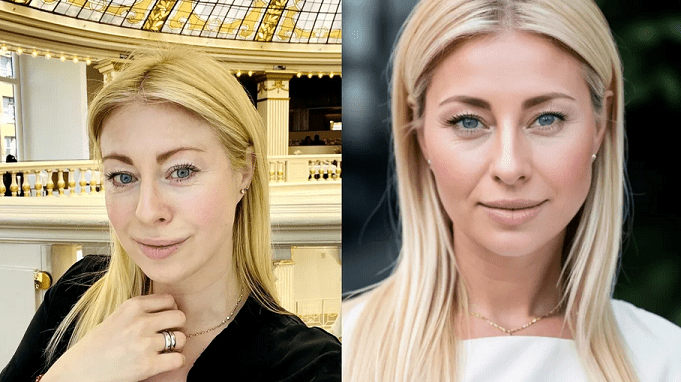
One of the first headshots I captured at GE

While the above headshot isn’t technically the best headshot, I realized I had an eye for the composition and could help serve a need in my local area of Richmond by providing actor headshots for the local acting community. So, I dove headfirst into YouTube videos on photography, learning the exposure triangle and some of the basics needed for headshots.

It was during these formative days of my photography journey that I confronted my first big hurdle: pricing my services.

The Dangers of Underpricing

While my “cheap” rates skyrocketed my bookings as word spread throughout the acting community, I soon faced a predicament. Overwhelmed with clients, juggling a demanding PR job, and spending hours commuting to work and to shoots, I was on the fast track to burnout. There was hardly any space for the things that mattered most.

Pricing wasn’t just about numbers; it was intrinsically linked to my quality of life. Every entrepreneur will tell you about the importance of work-life balance, but it’s the strategies you deploy—like pricing—that truly make it possible.

The Value Behind the Frame

Every photograph, every shoot, brings with it a plethora of costs – both evident and hidden. Beyond the tangible expenses of equipment, location, and post-processing, there’s the intangible yet invaluable cost of time, creativity, and energy. Recognizing this was my first step out of the “affordable” trap.

Transitioning to a pricing paradigm aligned with my evolving expertise and the actual value I offered was an uphill task. It demanded a shift not just in my rates, but also in my branding, marketing efforts, and the narrative I presented to prospective clients.

Delving into Pricing Psychology

Price Anchoring: This is when the first price a customer sees (the “anchor”) influences their perception of subsequent prices. My initial low rates set a particular expectation. When I decided to raise them, breaking that anchored perception was challenging.

Value Perception: Clients often equate price with value. Offering services at a very low price might unintentionally signal lesser quality or value, while higher prices can convey expertise and premium service.

Pricing Models Dissected

Understanding and choosing the right model for your photography business is crucial. Here’s a detailed look at the options I explored for my side-hustle-turned-six-figure business:

  1. Package-Based Pricing:
    • Pros: Streamlines decision-making for clients. Ensures a baseline revenue.
    • Cons: Too many choices can deter clients, and psychologically, they often come in expecting to leave with only the pre-agreed number of photos. Potential earning caps if clients adhere strictly to the base package.
    • My observation: Setting a fixed number of images in a package anchored client expectations. Selling additional images became challenging, even when they were genuinely valuable.
  2. Per Image Pricing:
    • Pros: Highly rewarding, especially with a polished sales strategy. Allows tailoring to different client budgets.
    • Cons: Requires adept sales skills and tactics.
    • My observation: The session fee plus image fee model I adopted from Tony Taafe’s TNT program offered a more profitable way and client flexibility. You can add image bundles at the time of sale to encourage the customer to purchase more images.
  3. Hourly Rate:
    • Pros: Guarantees compensation for all working hours. Transparent and straightforward.
    • Cons: Can deter clients wary of a mounting bill.
    • My observation: I discovered that an hourly rate often underrepresented my effort, particularly when intensive post-processing was involved.

Targeting the Right Audience: Aligning Price with Value Perception

One of the most crucial aspects of a successful photography business, or any business for that matter, is finding the right clientele. It’s not just about finding people willing to pay your prices, but about finding those who recognize and value the expertise, dedication, and unique perspective you bring to the table.

  • Research and Niche Identification: Begin by identifying your niche in photography, whether it’s corporate headshots, candid wedding photography, high-fashion shoots, or local actor portfolios. Once you have a clear understanding, dive deep into market research to understand the specific needs, preferences, and spending patterns of your target audience.
  • Positioning and Branding: Your brand speaks volumes. Every aspect of your branding – from your website design, portfolio presentation, to social media presence – should resonate with the kind of clientele you aim to attract. A luxury wedding photographer’s branding, for instance, would be vastly different from someone specializing in candid street photography.
  • Build Authentic Relationships: Networking plays a vital role. Attend industry-specific events, seminars, or workshops. Building genuine relationships can lead to word-of-mouth referrals, often bringing in clients who align well with your pricing strategy and value your work’s inherent worth.
  • Educate Your Potential Clients: Sometimes, the perceived value can be enhanced through education. Share behind-the-scenes glimpses, breakdowns of your post-processing work, or even snippets of your thought process during a shoot. This can help potential clients understand the hard work and creativity behind each photo.
  • Tailored Marketing: Utilize targeted marketing strategies, be it through social media ads, blogs, collaborations, or content marketing. Ensure that your marketing efforts reach those who are most likely to value and afford your services.
  • Quality Over Quantity: It’s tempting to cast a wide net, but remember, you’re looking for clients who see the value you offer and are willing to compensate fairly for it. It’s more rewarding, both financially and creatively, to work on fewer projects that truly appreciate your worth than to juggle numerous assignments that undervalue your skills.

In the vast sea of potential clients, it’s essential to find those who not only match your aesthetic vision but also recognize the value behind every click. By positioning yourself correctly and ensuring your efforts target the right audience, you can ensure a harmonious balance between your artistic vision and commercial viability.

Achieving Work Life Balance Through Pricing

For some, photography is a side business or a passion. But passions and side hustles can overwhelm you if not managed wisely. Strategic pricing was my way of ensuring I wasn’t consumed and I didn’t lose sight of my career in PR. By adjusting my rates and communicating value, I made space for myself. Instead of squeezing in every possible client, I started selecting projects that aligned with my vision and schedule. This meant I could reclaim my personal life: date nights, Braves games, culinary adventures, and all.

Power of the Value Conversation

When we discuss pricing, especially in a domain as personal and intimate as photography, the dialogue goes beyond mere monetary metrics. It encompasses an entire spectrum of value, from the palpable worth of the images to the intangible aspects that shape the experience. It was vital for me, and for any photographer, to recognize and communicate this spectrum to clients. Here’s a breakdown:

  • Monetary Value: This is the direct financial cost tied to the service, which includes equipment, studio rentals, post-processing software, and more. It’s the tangible aspect that most clients initially focus on.
  • Time Value: Every hour dedicated to a project is an hour away from other professional or personal pursuits. This includes the time spent in conceptualizing, shooting, editing, and even the back-and-forth communications with clients. My need to get back time prompted me to establish a studio environment in my home.
    • Personal Time: Time away from loved ones, hobbies, and personal growth.
    • Professional Time: Time that could have been invested in other projects, upskilling, or even the primary career, especially for those balancing photography with another profession.
  • Experiential Value: The client’s experience from the first interaction to the final product delivery. It encompasses the ease of communication, the comfort during the shoot, the efficiency in post-production, and the joy in the final reveal.
  • Emotional Value: The innate ability to capture not just images but emotions, stories, and moments. It’s about the feeling an image evokes every time a client looks at it.

Through these layers of value, the conversation shifts from a mere transactional exchange to a holistic understanding of the service’s depth and breadth. It was essential for me to frame my services not just as photos delivered but as a comprehensive experience enriched with dedication, expertise, and personal investment. By communicating these varied facets of value, clients could appreciate the entirety of the work involved and form a deeper, more meaningful connection to both the process and the final product.


One of my most recent headshots

Pricing as a Tool for Growth

Your pricing strategy is a testament to your growth as a professional and individual. It should reflect your evolving skills, ambition, and the personal life you envision. As you navigate your photography journey, remember that your prices aren’t just tags on a service; they’re markers of the life you wish to lead, the value you offer, and the balance you aspire to achieve.

Sourced from Fstoppers