Author

editor

Browsing

Sourced from moneycontrol

Talent management firm Collective Artists Network, which represents Bollywood stars like Ranveer Singh, is focusing on the creator economy and has launched an app called Big Bang Social to expand creator economy.

The app will enable commerce, brand collaboration, upskilling and a peer-to-peer network for building a creator community. It has launched three e-commerce platforms on the app and plans to launch more such brands by creators going forward.

The app, which is made for creators, will let them build communities, connect with brand partners and also offer online training for better content creation. Through this, they expect creators to increase their earnings.

“Creator economy in the country has always been considered for marketing but there is more to it. Also, there are not many creators who are able to monetise their content,” said Vijay Subramaniam, Founder and Group CEO of Collective Artists Network.

He is looking to increase the revenue contribution coming from the creator economy segment from the current 35 percent to 50 percent in the next three years and create job opportunities for 100,000 creators in the country.

“We do not have two-three million creators who are making money. The number of creators being able to monetise their content in the country is small. The app will help us with strong distribution and reach,” Subramaniam added.

Globally, there are over 200 million creators and India is set to have the largest base of social media content creators with the figure crossing 100 million this year, according to a report by influencer marketing firm Zefmo. The report predicts that the ‘organised influencer marketing’ sector is expected to reach Rs 3,000 crore by 2024 and the revenue share of micro influencers is set to rise from 9 percent to 14 percent by 2024.

Big Bang Social that looks at creator economy is expected to scale Collective Artists Network’s overall business. “This business was over Rs 110 crore last year and we have a double digit market share in the influencer marketing space. We are looking at doubling that number to Rs 200-250 crore this year,” Subramaniam said.

Sourced from moneycontrol

AI character generators are AI tools that use artificial intelligence to create fictional characters for all kinds of different purposes.

They help to streamline the creative processes by rapidly producing diverse and detailed characters, benefiting writers, game developers, and artists. Beyond character creation, AI‘s role in creative industries is expanding, from generating music and art to aiding story writing.

On top of that, AI-driven human-computer interaction is growing, evident in virtual assistants and AI chatbots. As AI continues to evolve, it becomes an indispensable collaborator, enhancing creativity and interaction across multiple domains, reshaping how humans engage with technology.

What is an AI character generator?

Put simply, an AI character generator is a computer program that uses artificial intelligence to create fictional characters.

It employs algorithms and data to design characters’ appearances, personalities, backgrounds, and even stories. By analysing vast amounts of existing character data, AI generates new and unique characters, saving time for writers, game developers, and other creators.

These tools streamline the creative process by offering a variety of options and details that can inspire and enhance storytelling, game design, and other creative endeavours. They are a testament to AI’s ability to assist and augment human creativity in various industries.

3 of the most popular AI character generators today

Now that we know what an AI character generator is, let’s explore some of the most popular tools available in 2023.

Toolsaday

Toolsaday’s AI character generator is a cutting-edge tool designed for writers, game developers, and creative enthusiasts seeking to craft compelling characters for their projects.

The generator streamlines character creation through an intuitive interface and unique features, including seamless character generation, in-depth character profiles, dynamic personalities, interactive plot integration, and AI-generated images from text.

The latter feature, the AI-Character Image Generator, produces lifelike visuals based on character descriptions, enhancing visual storytelling across various mediums. Toolsaday empowers users to unleash their creativity by providing a comprehensive platform for character development and visualization.

Pros:

  • Streamlines character creation for writers, game developers, and creative enthusiasts.
  • Offers seamless character generation with customizable traits and backstories.
  • Creates intricate and lifelike personalities using advanced algorithms.
  • Facilitates interactive plot integration, suggesting plot twists and character arcs.
  • User-friendly interface for easy navigation and efficient workflow.
  • AI-Character Image Generator produces detailed and realistic visuals for characters.
  • Vast customization options for character images, enhancing visual representation.
  • Integration of generated images into storyboards, proposals, and marketing materials.
  • Sparks new ideas through visualizing characters, inspiring unexpected plot developments.
  • Sign-up provides access to both character generation and AI-generated images.

Cons:

  • May have limitations in generating highly specific or unique character traits.
  • AI-generated character images might not always perfectly match the envisioned appearance.
  • Potential dependence on the tool for character creation, limiting personal creative exploration.


VEED.io

Discover limitless creative potential with VEED.io’s AI character generator, a groundbreaking tool for professionals and content creators.

By inputting simple text, users can harness the power of AI to craft customized characters that cater to branding, marketing, and various creative endeavours. From crafting cartoon personas to designing gaming avatars and 3D models, VEED’s AI technology produces captivating characters that resonate with audiences.

Elevate storytelling videos, marketing campaigns, and social media content through distinct and attention-grabbing characters. Further enhance your creations with VEED’s AI video editing tools, enabling the production of engaging teasers, explainer videos, and more. VEED.io empowers creativity while simplifying the character generation process.

Pros:

  • Empowers professionals and content creators to generate unique characters.
  • Utilizes AI technology to transform simple text into captivating characters.
  • Versatile application for branding, marketing, storytelling, and social media content.
  • Extensive creative possibilities for cartoon characters, gaming avatars, and 3D models.
  • Enhances content with distinctive characters that stand out.
  • AI video editing tools offer the potential to create animated text, sound effects, and more.
  • Allows the incorporation of generated characters into videos and other content.
  • Offers an intuitive process: type a prompt, generate images, and enhance with video editing.
  • Simplifies the character creation process for those with varying levels of creative experience.
  • Provides a convenient platform for elevating brand identity and engagement.

Cons:

  • Generated characters might not perfectly match the user’s envisioned appearance or style.
  • Limited to the capabilities and variations provided by the AI technology.
  • Users may require additional editing or refinement to achieve precise character representation.


Fotor 

Experience the transformative capabilities of Fotor’s AI Character Generator, a powerful tool backed by advanced character creation technology. This generator brings your character ideas to life based on descriptions you provide.

By processing your input through AI algorithms, the generator swiftly produces characters that match your vision. Fotor’s online character creator allows simultaneous creation of multiple characters, adjustable via a convenient number bar.

The tool offers a Random Character Generator mode, providing endless possibilities for AI-generated characters across various styles, from realistic and fairy tale to cartoon and fictional characters. Discover Fotor’s exceptional AI Character Generator, enabling artists to explore diverse concept art styles and bring their creative visions to life effortlessly.

Pros:

  • Utilizes advanced character creation models to transform descriptions into characters.
  • Efficiently generates characters based on user-provided input.
  • Allows for the creation of multiple characters simultaneously through a slider.
  • Offers a Random Character Generator mode for exploring diverse AI-generated options.
  • Supports a wide range of character styles, including realistic, fairy tale, cartoon, and fictional.
  • Provides artists and creators with an array of concept art character design possibilities.
  • Enables customization to match envisioned character designs and styles.
  • Expands creative freedom by facilitating swift and hassle-free character creation.
  • Ideal for artists, writers, and creatives seeking inspiration and versatile character options.

Cons:

  • AI-generated characters might not always align perfectly with the user’s creative intent.
  • The range of customization might be limited to the capabilities of the AI model.
  • Users may require additional editing or refinement to achieve precise character representation.

FAQs about AI character generators

What is the best AI to generate characters?

Determining the “best” AI for generating characters depends on various factors such as your specific needs, the type of characters you want to create, and your personal preferences. Try out the tools we’ve suggested in this article and see which one you prefer!

How can I create my own AI character?

Creating your own AI character involves a combination of creative input and leveraging AI tools. Here’s a general process you can follow:

Define Your Character:

Start by outlining your character’s traits, personality, backstory, appearance, and any other relevant details. This will provide the foundation for the AI to work with.

Choose an AI Tool:

Research and choose an AI character generation tool that aligns with your needs. Some tools specialize in text-based character generation, while others can also produce visual representations.

Input Descriptions:

If the tool you’ve chosen works with text input, provide detailed descriptions of your character’s attributes and personality. This could include physical appearance, personality traits, motivations, and background.

Customize Parameters:

Depending on the tool, you might be able to customize certain parameters like age, gender, profession, and more. Adjust these settings to match your character concept.

Generate Character:

Use the AI tool to generate your character based on the input you’ve provided. The AI will use its algorithms to interpret your descriptions and create a character accordingly.

Review and Refine:

Once the AI generates the character, review the results. If needed, make adjustments to the generated character to ensure it matches your creative vision.

Iterate and Experiment:

Don’t be afraid to experiment and generate multiple versions of your character. AI tools can offer a range of options, and trying different inputs might lead to unexpected and inspiring results.

What other kinds of AI generators are there?

AI generators come in various forms, catering to different creative needs and industries. Here are some types of AI generators:

Text Generators

AI-powered text generators can create written content such as essays, stories, poems, and even code. They use natural language processing to produce coherent and contextually relevant text.

Image Generators

AI image generators create visuals, drawings, and paintings based on textual descriptions or prompts. They are used in graphic design, art, and creative projects.

Music Generators

AI-driven music generators create original compositions or modify existing music based on patterns, styles, and genres. They are utilized by musicians and composers to aid in music creation.

Video Generators

AI video generators assist in automating video editing tasks like trimming, enhancing, and adding effects. They save time and streamline the video production process.

Storyboard and Concept Art

AI generators can turn textual descriptions into visual storyboards or concept art, aiding filmmakers, game developers, and other visual storytellers.

Code Generation

AI can generate code snippets, templates, or even entire programs based on requirements. This accelerates software development and coding tasks.

Language Translation

AI-powered translation generators offer accurate and context-aware translations between languages, enabling communication on a global scale.

Data Synthesis

AI generators can synthesize realistic data sets for training machine learning models, helping to create diverse and representative training data.

Character Dialogues

AI can generate dialogues and interactions between characters, useful for scriptwriting, game development, and interactive storytelling.

Fashion Design

AI generators assist fashion designers in creating new designs, patterns, and clothing styles based on existing trends and inputs.

Poetry and Stories

Specialized AI story generators focus on generating poetry, short stories, and literature that mimic specific styles or authors.

Chatbots

AI can create chatbots or user profiles based on demographics, behaviors, and interests, aiding marketing and user experience design.

Logo and Branding

AI logo generators help businesses and individuals create logos and branding assets quickly based on design preferences.

These are just a few examples, and AI generators are continually evolving to serve various creative and practical purposes across different industries.

He is the owner of jeffbullas.com. Forbes calls him a top influencer of Chief Marketing Officers and the world’s top social marketing talent. Entrepreneur lists him among 50 online marketing influencers to watch. Inc.com has him on the list of 20 digital marketing experts to follow on Twitter. Oanalytica named him #1 Global Content Marketing Influencer. BizHUMM ranks him as the world’s #1 business blogger. Learn More

Sourced from jeffbullas.com

By Sam Anderson 

First Maybelline’s ‘fake’ giant mascara wand, then Orange’s World Cup AI fake-out. Not-quite-real ads are here, and deepfakes aren’t far behind. Should advertisers be wary? We asked The Drum Network.

Sarah Jenkins, partner and executive vice president, The Romans New York: “As creative marketers, we’re in the business of imagination. We develop brand campaigns based on insights that strike a chord with aspects of consumers’ personalities (often a playful side): ideas that push us to think beyond what’s possible. We should never, ever limit ourselves to traditional reality, because that would stifle the curiosity that’s critical for creative evolution.

“When you’re working on a campaign that has potential negative impact, you have a responsibility to disclose when things are generated by AI. But let’s not hold back from exploring the what-ifs. Consumers of all ages are craving levity; often, that comes from the powerful escapism of make-believe. Just proceed with caution, consider negative impact, and act in a way that doesn’t pose risk to individuals or groups.”

Henry Challender, associate creative director, Bray Leino: “Realness is blurry. Neither physicist nor philosopher can tell you what reality ‘really’ is. Some people (hey Elon) even contend it’s all a big simulation. But before we get into a metaphysical pickle, let’s agree on the everyday distinction between ‘real’ (genuine, authentic, true) and ‘fake’ (false, deceitful, artificial). On those terms, it’s hard to claim marketing’s ever real. Artifice is almost always baked into the deal. Are we being ‘real’ when pricing something 99p rather than £1? When we retouch that burger?

“Even the worthiest purpose-led campaign may be tinged with an ulterior motive. AI brings new toys for tricksters, making it easier to be wilfully deceptive. As the line between the real and the fake gets blurrier, perhaps transparency will set the good actors apart from the bad. But maybe the fun is in not being quite sure.”

Jordan Dale, creative director, Amplify: “Did people think that John Lewis actually sent a man to the moon in 2015? Is Tom Holland actually living as Spiderman in New York City? Does a TikTok face filter actually change my face?

“The question is: why is this Maybelline ad being judged any differently to the thousands of ‘artificial’ entertainment creations that we consume on a daily basis through our screens? That word, ‘artificial,’ has negative connotations that we should get rid of. The best stories in the world are, by definition, ‘artificial’.

“Being nowhere near the target demo of Maybelline and struggling to avoid the ad means one thing and one thing only: it’s a certified banger. The ownership from the brand on the creative process behind it (shoutout @origiful), and turning that into its own story, means they created a richer connection with their audience. Sure, there are watch-outs to consider around AI being used for malicious intent. But let’s not let that get in the way of killer creativity and storytelling.”

Alistair Robertson, creative partner, Nucco: “Fake news! Fake news!

“Authenticity in brand experiences is key, but executionally not essential. The fake lashes and similar ideas shouldn’t cause too much soul-searching. They’re the result of technology changing and good, opportunistic, creative storytelling.

“If we’re going to worry about fakes, let’s keep an eye on what really matters. Real work (digitally crafted or not) created with a brand’s endorsement that does a real-world job versus award-entry-only executions. We’re all under pressure from external creators who want the money and notoriety of not asking for permission, or caring about the negative effect fake work can have on a brand. We’ve got to protect brands and not allow our industry to worsen its self-obsessed reputation. While the wider economy remains perilous, we need to demonstrate our worth, not our egos.

“So let’s all go be beautifully, wonderfully creative, but a little less so when it comes to the truth.”

Julio Taylor, chief executive officer, Hallam: “Creativity has always been about pushing the boundaries of what is perceivably possible. From CGI to AI, we’ve been defying the limits of what’s possible for decades. But, with AI’s power to create seemingly impossible scenarios with ease, we’re about to enter an age of unprecedented scale and speed of production that will overshadow anything we’ve seen so far.

“As the world is flooded with fast, high-quality, AI-generated content, consumers will learn to tune it out, and seek authenticity and meaningful experiences in a world of neon satisfaction. Just as vinyl made a comeback during the streaming wars, human nature will drive people toward emotional fulfilment, authenticity and meaning.

Stella Thewes, account director, Disrupt: “I like the Maybelline ads because they’re obviously not real, allowing the brand to venture into new creative realms without misleading customers. However, there’s a grey area between real advertising and visibly fake ads. For example, mascara ads featuring retouched models with fake eyelashes, giving the consumer an illusion of what is possible to achieve with their product. The same goes for deep fakes. Marketers should question whether their work is ethical – either by being truthful with their claims and concepts, or by creating something that couldn’t be mistaken for reality, but still gets consumers talking.”

Joe Murgatroyd, partner and creative director, BrandNation: “Creatively, the Maybelline ad is brilliant. The magic lies in it looking real, blurring the lines between virtual and reality – and putting a new spin on DOOH.

“While the ad itself isn’t harmful, it does pose valid ethical questions on the approach amid a broader societal debate on AI and computer-generated imaging.

“Advertisers should be setting a precedent and using this technology responsibly, signposting where AI has been used. There needs to be accountability and industry policing, given that this technology can be harnessed for more unscrupulous ends (like cybercrime and disinformation). This doesn’t need to stifle creativity, but with new transformational technology, there’s a moral obligation to act with transparency.”

Diana Tran Chavez, senior vice president & group creative director, Evoke Mind+Matter: “We don’t control how technology develops around us, but as marketers we should be trying to find ways to use it to bring more creative, fantastical ideas to life – ideas that previously were discarded as ‘too difficult’ or ‘too expensive’.

“AI is transforming creativity and advertising, and in healthcare marketing and medical comms, the stakes are higher (and much more sensitive to misinformation). Without industry-wide regulation, the moral line is surely about intention. If it’s to misinform, that’s bad. But if it’s to inspire and delight, why not? If we create responsibly, and maintain our human judgment, intuition, and intelligence, we can still get the point across in an impactful and memorable way.”

Melissa Harvey, content marketer, Social Chain: First Jacquemus, now Maybelline: brands are catching on to the appeal of synthetic out-of-home.

“As the digital world bleeds into our reality, brands’ playful embrace of digital art highlights the potential of the ‘fake out-of-home’ ad for brands, and the future of the PR stunt. Virtual activations like these more sustainable and low-cost than their real-world counterparts, and there’s no end to what you can create.

“Even if people are hoodwinked into thinking these ads are real, it doesn’t do any harm. Not directly. But conversations about the danger of deepfakes are worth having. As we increasingly rely on social media as a news source, independent research and fact-checking becomes crucial.”

Annie Shortland, digital PR executive, Builtvisible: “Deepfakes are becoming increasingly sophisticated, becoming sources of misinformation and potentially breaching consumer trust for those buying into the phenomenon. But the Maybelline advert is far from a deepfake. This inspired activation takes creativity to new heights, using AI to get more traction with a lower budget.

“Now, marketers can jump hoops to get their campaigns live and viral (mostly), without having to get buy-in from collaborators and external sources. The logistics of creating the ad ‘for real’ are not feasible, so digital activation encourages creative, inspired ideas at pace, without the roadblocks that usually come, allowing brands to reap measurable results much faster.

“Engaging in digital stunts is perfectly acceptable, provided the idea or concept isn’t harmful in its illusion. These stunts serve as a fun way for brands to flex personality and connect with audiences.”

Joe Veal, account manager, Rawnet: “As modern generations have become sceptical and unsympathetic toward overt selling, advertisers must step outside traditional boundaries to engage audiences effectively. This led to the emergence of these ‘fake’ ads using AR technology like Sony, LG, and Maybelline’s billboards in Times Square or Deutsche Telekom’s deepfake/AI work featuring manipulated images to demonstrate online misinformation.

“While this new landscape offers endless creative possibilities, an ethical question arises: just because we can, should we? Audiences are often aware of the fakeness, making it crucial for marketers to consider overall impact and avoid spreading misinformation. Failure to do so could result in harsh repercussions.”

By Sam Anderson 

Sourced from The Drum

By DEANNA RITCHIE

Keeping up with Google’s algorithm updates is tough. The algorithm updates tell you the SEO tactics that worked a few years ago may no longer be effective.

In short, the SEO industry can be dynamic and rapidly changing.

Maintaining each algorithm update’s details will be very frustrating and time-consuming. This is crucial if you want to keep your visibility and avoid getting penalized.

With that said, let’s look at how SEO has evolved over the years. Why? As long as Google search stays guided by a few guiding principles, its direction will stay the same.

A Brief History of SEO

When webmasters began experimenting with ways to improve their websites’ rankings on search engine results pages (SERPs) in the early days of the internet, SEO began to take shape. Initially, SEO was relatively straightforward, as search engines relied only on a few factors to determine rankings. The more sophisticated search engines got, however, the more complex SEO got.

In the late 1990s, Google’s PageRank algorithm revolutionized SEO.PageRank refers to the number and quality of links that point to a website to decide how important it is. Because of this, SEOs were forced to create high-quality content and build links from other reputable websites to manipulate search engine results.

The early 2000s saw SEO becoming a hotbed of activity, with businesses and individuals racing to improve their websites’ search engine rankings. Consequently, unethical practices such as keyword stuffing and link building developed. Search engines such as Google and Bing began cracking down on these practices, making search engine manipulation more difficult for SEOs.

In recent years, SEO has focused more on long-term, sustainable results. This means focusing on creating high-quality content, building relationships with other websites, and improving the user experience of a website. By focusing on these factors, businesses can improve their SEO and boost their website’s visibility in search results for the long term.

The following key events shape SEO’s history:

  • 1991: The first website, dedicated to information on the World Wide Web project, goes live.
  • 1993: The launch of Excite changes the way information is categorized.
  • 1994: Search engines Alta Vista, Yahoo, and others enter the market.
  • 1996: Founders Sergey Brin and Larry Page begin the creation of Google.
  • 1997: SEO is first used in marketing materials by the Webstep Marketing Agency.
  • 1998: Search Engine Watch founder Danny Sullivan popularizes the term and assists clients in optimizing their content to rank well in search engines.
  • 1998: PageRank is introduced by Google.
  • 2000s: Businesses and individuals compete to improve their websites’ search engine rankings as SEO becomes a hot topic.
  • 2003: The Penguin update of Google penalizes websites that use unethical SEO techniques.
  • 2012: Low-quality content is penalized by the Google Panda update.
  • 2015: Google’s Hummingbird update focuses on natural language processing and semantic searches.
  • 2016: Search results for mobile-friendly websites are prioritized by Google’s Mobile-Friendly update.
  • 2018: The Google Core Algorithm update changes the way search results rank websites.
  • 2020: As Google’s algorithm continues to evolve, manipulated searches become more difficult for SEOs.

While SEO’s history is long and complex, it is one of innovation and progress. Search engine optimization will continue to evolve in response to more sophisticated search engines. In the future, businesses can maximize the success of their websites by staying on top of the latest trends.

How SEO is Being Used Today

As a refresher, you can use SEO or search engine optimization to improve your website’s ranking on search engine results pages (SERPs). In the long run, SEO can lead to increased traffic and leads for a website by improving its exposure to a variety of keywords and phrases.

Ranking in SERPs is influenced by several factors, such as:

  • Content quality: For SEO, content quality is crucial. It is easier for Google and other search engines to rank a website with high-quality, informative content higher than one with low-quality content.
  • Keyword research: Search engine optimization involves identifying which keywords and phrases people use online to locate information. You can use these keywords in your website’s title, meta description, and throughout your content once you have identified the right keywords.
  • Quality backlinks: The term “backlink” refers to a link from another website to yours. A backlink signals to Google that your website is trustworthy and authoritative. Further, a page that has more backlinks gets more organic Google traffic.
  • Technical SEO. A website’s technical SEO refers to the factors that affect its SERP placement. A website’s speed, mobile friendliness, and security are all factors to consider.

In the field of SEO, things are constantly changing and becoming more complex. However, it is essential to the success of any online marketing campaign. By following the best practices for SEO, you can improve your website’s ranking in SERPs and attract more traffic and leads.

Today, SEO is used in the following ways:

  • Local SEO. Optimizing a website for local search results is called local SEO. Create a Google My Business listing for your business and include the address, phone number, and hours of operation in the footer of your website. It is worth noting that 87% of consumers used Google in 2022 to evaluate local businesses.
  • Ecommerce SEO. In eCommerce SEO, websites are optimized for search engines. Creating and managing product reviews can help you improve your product pages for relevant keywords and phrases. Search engine queries are the starting point for 44% of online shoppers.
  • Content marketing SEO. Optimizing content for search results is known as content marketing SEO. The best way to accomplish this is to create high-quality and relevant content and promote it on social media and other platforms. Semrush reports that content marketing will be more lucrative than ever in 2023. As a matter of fact, 69% of businesses plan to increase their content marketing budgets in 2023.

The use of SEO can help improve a website’s ranking in search results and attract more website visitors. A successful SEO strategy can be developed and implemented by an experienced SEO professional if you are trying to improve your website’s SEO.

Where is SEO Heading?

Search engines and search habits are constantly evolving, which means SEO has to evolve as well constantly. Among the key trends shaping SEO’s future are the following:

Increasing use of artificial intelligence.

The use of artificial intelligence in SEO is growing, and this trend will only continue. The following are some ways that AI is being utilized in SEO:

  • Keyword research: Search engine optimization professionals can use AI-powered tools to identify the most relevant keywords for their websites. Aside from helping SEO professionals identify the difficulty of ranking those keywords, these tools can also help them focus on the most valuable keywords.
  • Content optimization: Using AI-powered tools can help SEO professionals optimize their content for search engines. In addition to suggesting relevant keywords and phrases, these tools can help to create informative and well-written content.
  • Link building: SEO professionals can build backlinks to their websites using AI-powered tools. Tools like these can tell companies which websites are likely to link to their websites, and they can also help them create content that is highly likely to be shared and linked.

While AI is still a relatively new technology, it has already impacted SEO significantly. In the future, AI will likely have a more significant impact on the field as it develops. As a result, this can lead to benefits like improved accuracy, increased efficiency, and reduced costs.

To summarize, if you wish to improve your website’s SEO, consider using AI-powered tools. With these tools, you can improve your website’s ranking in search results, resulting in more traffic and leads.

User experience is crucial.

It has been proven over the years that the user comes first with search engines. To improve user experience, search engines constantly refine their algorithms to provide the best possible results. Marketers and business owners, therefore, have the task of creating a website that delights and engages visitors and attracts them.

The user should be at the forefront of every aspect of your website’s design and content, from its layout and navigation to its quality and relevance. In order to make it easy for visitors to find information, products, or services, we strive to make it as intuitive as possible.

If you want to enhance the user experience, then make sure that your page load quickly, is easy to navigate, and is optimized for mobile.

Voice search is growing in popularity.

Search engine optimization is being impacted by voice search, which is growing in popularity. As such, voice-optimized websites will rank higher on search engines.

How does this affect you? Essentially, voice search optimization is becoming increasingly important. A voice query tends to be longer, more conversational, and more focused on natural language than its text-based counterpart.

Overall, in this era of voice-activated search, marketers need to adapt their strategies to remain visible and relevant.

Keywords with long tails are important.

Search engine optimization is becoming increasingly dependent on long-tail keywords. To those unfamiliar, long-tail keywords are phrases that are more specific than short-tail keywords. Generally, they are longer, more descriptive, and fewer people search for them.

The good news is that long-tail keywords are often easier to rank for, and they also tend to bring in more qualified traffic. Long-tail keywords are beneficial for SEO for the following reasons:

  • Less competition: Long-tail keywords are less competitive, so ranking for them is easier.
  • More qualified traffic: People using long-tail keywords tend to be closer to the point of purchase, which means they’re more likely to purchase.
  • Better conversion rates: Keywords with long tails often cause better conversion rates since the people searching for them are more likely to be interested in your products.

A new era of local SEO is upon us.

With more and more people searching for local businesses on their smartphones, local SEO is becoming increasingly important. In local search results, local SEO can help businesses improve their visibility.

The result is that local search optimization is no longer a luxury – it’s a must for businesses of all sizes. You can build brand awareness, drive foot traffic, and build customer relationships by focusing on geolocation and local SEO.

The first step is updating your Google My Business listing with your business name, address, phone number, and website link. As well as earning positive reviews, incorporate keywords specific to your location into your website’s content, metadata, and URLs. In addition, write blog posts about local events, neighbourhood guides, or case studies featuring local clients that speak directly to your local audience.

Don’t overlook the importance of social media.

Thanks to social media, you can reach a larger and more diverse audience and engage with your others in real-timeThe. Creating and sharing high-quality, engaging content on social media can help you gain online visibility, retain and attract customers, and build relationships.

In addition, social media shares, likes, and comments can influence search engine rankings. You need engaging, high-quality content optimized for social sharing to improve your search engine ranking.

The importance of social media in SEO continues to grow, and businesses are creating and promoting high-quality, engaging content on social media to reach and engage their target audience. Creating and promoting engaging, high-quality, social media-friendly content is the key to reaching your target audience online.

As a result of social media’s growing importance in SEO strategies, social media has become an essential component.

Final Words of Advice

The following trends are shaping the future of search engine optimization. Staying up-to-date with these trends will help businesses optimize their websites for future success.

In addition, here are some tips for improving SEO in the future:

  • Create high-quality content: Most of all, search engine optimization depends on this factor. It is vital to create informative, relevant, and well-written content.
  • Optimize your content for search engines: Include relevant keywords and phrases throughout your content, and make sure your titles and meta descriptions accurately describe your content.
  • Build backlinks to your website: Google uses backlinks to determine the credibility and trustworthiness of your website.
  • Keep your website up-to-date: Fresh content is highly valued by Google. Keep your website updated with new content regularly.
  • Monitor your progress: Keep track of your progress with SEO tools.

Follow these tips to enhance your website’s SEO and boost its visibility in search results.

FAQs

What is SEO?

SEO, or search engine optimization, is the process of getting a website to rank higher on search engines. By using SEO, you can increase the visibility of your website for a variety of keywords and phrases, which can lead to increased traffic and sales.

What are the benefits of SEO?

The following are some of the benefits of SEO:

  • SEO can improve a website’s ranking in search results, which can increase traffic.
  • SEO can boost lead generation.
  • SEO can boost your website’s sales.
  • Enhanced brand awareness: SEO can improve the brand awareness of a website.
  • SEO can make your website more credible.
  • SEO can help reduce the marketing costs of a website.

How does SEO work?

In search engine results pages (SERPs), SEO improves the ranking of a website. There are a lot of factors that can affect SERPs, like:

  • One of the most critical factors for SEO is the quality of a website’s content. A high-quality, informative website will rank higher on search engines than a low-quality website.
  • Researching keywords and phrases will help you identify what people are typing into search engines when looking for information online. You can use the keywords you have identified in your titles, meta descriptions, and throughout your content.
  • Basically, a backlink is a link from another website to your own. The more backlinks you have, the higher your website will rank in search engine results pages (SERPs).
  • A website’s technical SEO directly impacts its ranking in the search engine results pages (SERPs). In addition to page speed, mobile friendliness, and website security, this includes other factors.

How has SEO evolved?

There has been a shift in SEO toward localization, and searches have become much more contextual. For ranking, SEO considers not only the on-page factors but also the website’s authenticity, quality, and user experience.

Does SEO have a future?

SEO is still relevant today and will continue to have a future.

Using advanced artificial intelligence and machine learning techniques, SEO will be more localized, personalized, and tailored to people’s needs.

The post The Ongoing Evolution of the SEO Industry appeared first on Calendar.

By DEANNA RITCHIE

Sourced from Entrepreneur

By Luke Fenney

People-based marketing is a term that we hear regularly, but is often misunderstood. It’s a highly effective media buying strategy that has helped the ‘walled gardens’, including Google, Facebook, Instagram and increasingly TikTok, take a disproportionate amount of global advertiser spend in recent years.

So what is people-based marketing? A definition

People-based marketing enables brands to bring their own first party data, such offline and online CRM data, and match it with a publisher’s data so that they can deliver more effective personalized advertising. Many scaled premium publishers and broadcasters have been striving for years to match these capabilities that the walled gardens enjoy, but it’s only recently that they’re starting to see this become a reality.

People-based marketing has previously been touted by some as the sole answer to the cookie conundrum. But the reality is that no ‘silver bullet’ exists for the entire ecosystem to solve the removal of cookies. Instead, publishers need to employ an arsenal of solutions to overcome the loss of third party cookies and other signals. These include contextual targeting options, first party cookie-based audience segments, but increasingly, authenticated audiences are a vital asset to ensure they remain competitive. Authenticated audiences that power people-based marketing is a lucrative opportunity and must be considered an essential part of a publisher’s digital media toolkit moving forward.

Why should open web publishers prioritize people-based marketing?

Thanks to the ease and sophistication with which the walled gardens have enabled people-based marketing, many brands already have a solid understanding of its power. In fact, a disproportionate amount of ad spend has been diverted to the walled gardens as a result – an OpenX study found that 63% of UK ad budgets went towards logged-in environments, despite the fact that users spend more of their time on the open web.

Increasingly, however, brands have expressed strong interest in investing outside of the walled gardens. A survey conducted by LiveRamp earlier this year found that more than two thirds of UK brands are likely to increase their open web ad spend. Coupled with the rapid growth of retail media, whose people-based approach has fundamentally changed the landscape and is driving significant investment, many brands are rapidly evolving their media buying strategies to incorporate people-based marketing. So, the opportunity is there for publishers to emulate the success of digital retail media, and capture some of these growing ad budgets.

Take, for example, a major CPG brand who wants to reach all of their known “premium brand item” customers to promote a new product launch. In partnership with a leading retail media network, the CPG can identify those customers to personalize their campaign messaging. Previously, this budget would have gone straight into the social platforms via their “custom audiences” solutions, but now every publisher with authenticated audiences can take their share. This is a big win for the CPG. They’re no longer restricted to advertising on social media websites, they can run campaigns using different creative formats and ultimately reach their audience in more places than before.

With publishers facing increasing pressure to drive growth, they must focus on maximizing the value they are delivering for brands and ensure they have the tools to capture people-based marketing budgets. Those that fail to cater will continue to face revenue pressures and put at risk existing brand relationships.

How do publishers leverage people-based marketing?

An “authentication strategy” needs to be at the top of every premium publisher’s agenda in 2023. This strategy should identify the value exchange you create with your users to provide you with the data you need. While log-in is one method of authentication, there are plenty of routes that publishers can explore, such as newsletter click throughs, social media logins or commenting widgets. Every publisher is different, but every publisher has the opportunity to create a more personalized experience for their users.

Many publishers already have authenticated audiences today, but often believe they don’t have enough users that are logged-in, and thus have limited consented, first-party data to offer this type of targeting at a sufficient scale. Even if just 10% of your audience is authenticated, it’s highly likely that these are your most engaged users, and are probably generating in excess of 40% of your advertising inventory.

What are the strategies you can deploy to increase authentication? What is the value exchange you can create with your users? How will this also increase engagement of your users so that they spend more time on your site? Once a user authenticates, and provides the required consent, you have a great opportunity to increase your ad revenues whilst also improving the user experience.

A powerful tool in the publisher’s arsenal

By itself, people-based marketing is not a magic cure to the deprecation of third-party cookies. Nevertheless, while publishers must look at a range of options to maintain ad revenue, people-based marketing’s potential is not to be underestimated.

Brands across verticals are spending large amounts of budget on people-based marketing strategies and are open to exploring new relationships with partners that can offer the same authenticated, first-party data at scale. Those publishers who have already taken steps to optimize their authentication strategies, improving the value exchange with their users and leveraging addressable identity solutions, are reaping the rewards, including stronger bonds with their users and profitable partnerships with their brands.

Re-creating the success of the walled gardens before them, people-based marketing offers publishers an invaluable means of staying ahead in the privacy-centric future of digital advertising.

By Luke Fenney

Sourced from LiveRamp

By Jessica Wong

Social media branding blends platforms’ expansive reach with the potent influence of finely crafted brand messages. This dynamic duo becomes the bedrock of highly effective marketing campaigns, fuelling amplified brand awareness, trust and audience engagement.

In less than two decades, social media has transformed how people communicate. Social media platforms have also dramatically altered how brands reach potential customers and build long-term relationships.

Social media enabled brands to break down barriers and reach their audiences directly. As a consequence of making it easier for companies to reach audiences, more businesses are leveraging social media for growth. Effective social media branding can help companies stand out in busy marketplaces and strengthen their brand identity simultaneously.

Social media platforms may have started as a way for individuals to connect. But as millions and now billions of people have joined them, they have also become powerful marketing tools. The latest statistics at the time of writing showed that more than four and a quarter billion people globally used social media at least once a month.

While that figure is impressive, the power of social media is not limited to user numbers. According to industry experts, nine out of ten people buy from brands they follow on social media platforms. There is no doubt about the strong connection between an engaging social media presence and conversions. Social media platforms are powerful tools to help build brands.

Defining social media branding

Social media branding combines the strengths of two cornerstone elements of successful marketing strategies — branding and social media marketing. To deliver transformative results for a business, social media branding strategies must do more than add a logo to a post.

Brand teams must integrate the brand’s unique value proposition with its look, voice and feel to craft memorable messages. Some of the most captivating social media branding is focused on encouraging interaction and engagement between a brand and its audiences.

Using social media branding to build brand awareness and reach

Through social media platforms, brands have an unparalleled opportunity to extend their reach beyond their existing audiences. By developing captivating content, companies encourage their existing audiences, or followers, to share it with others. Without additional effort on the side of the business, the audience grows.

Hashtags are another excellent way of reaching new audiences interested in a topic the brand is discussing. As non-followers pick up your company’s content and share it, there is an opportunity for it to go viral and be seen by thousands or even millions of social media users who may otherwise never have known about your company.

Establishing brand identity and differentiation through social media branding

Building awareness and reach are only two components of successful social media branding. As social media use grows, more brands use these platforms for their marketing, and it is becoming increasingly more challenging to stand out from competitors.

Social media branding allows companies to show their audiences what differentiates them from their competitors. Few other channels offer the same level of choice of communication, what to talk about and how to interact with their audience without a barrier. This is why social media platforms are such powerful tools for sharing value propositions and clarifying how brands are different.

Engaging and connecting with target audiences

Connecting with audiences has been somewhat of a side note throughout this article. However, connecting and engaging directly with an audience is perhaps the greatest strength of social media channels.

This immediacy allows brands to listen to feedback from their audience, respond to it directly and build stronger relationships. At the same time, brands can show their personality more easily than on other channels. For example, Taco Bell’s social media content and interactions have a distinct funny and sarcastic tone to them.

But brands can also showcase their values to their customers as Starbucks does with its community-focused Facebook content. One of the keys to maximizing the impact of social media branding is consistency in both verbal and visual messaging to reinforce the brand’s identity.

Leveraging user-generated content

The next step in building engagement is utilizing user-generated content. For example, by sharing a genuine product review, brands can highlight their unique value propositions through a third-party endorsement. User-generated content is a powerful tactic to build audience trust.

Influencing consumer perception and trust

Consistent social media branding, especially user-generated content, consumer reviews and testimonials, can influence and change consumers’ brand perception. Today, many consumers are sceptical of companies’ statements in their marketing campaigns.

Content that has been created by a product’s or service’s users automatically benefits from greater credibility and helps build trust between the brand and the audience. Brands can reinforce that trust by ensuring their messages resonate with users’ content.

Driving website traffic and conversions

Aside from allowing brands and consumers to connect directly, another strength of social media platforms is driving website traffic and conversions.

Social media posts are an excellent tool to introduce a topic and entice the audience to visit a website and learn more. Clear calls-to-action are imperative to encourage users to click on a link. Without them, it is too easy for content to get lost among competing messages.

Measuring social media branding success

Without measuring the impact of different social media branding activities, brand teams cannot know which campaigns have been successful and which need refinement.

Tracking critical metrics like views, reach and conversions is essential. To make analytics even more meaningful, companies can analyse the sentiment underlying reactions and adjust the effectiveness of their activity. Most social media platforms continue to develop more sophisticated metrics and tools to help brands in their journey.

Social media branding combines the reach of social media platforms with the impact of carefully crafted brand messages. Together, these two can help companies build highly effective marketing campaigns. Increased brand awareness, brand trust and audience engagement all drive business growth for years to come.

By Jessica Wong

Entrepreneur Leadership Network® Contributor

Founder and CEO of Valux Digital and uPro Digital.

Jessica is the Founder and CEO of nationally recognized marketing and PR firms, Valux Digital and uPro Digital. She is a digital marketing and PR expert with more than 20 years of success driving bottom-line results for clients through innovative marketing programs aligned with emerging strategies.

Sourced from Entrepreneur

By Vlad Orlov

In today’s digital landscape, affiliate marketing has emerged as a powerful tool for businesses to expand their online presence and drive sales. 

By partnering with affiliates, companies can tap into a vast network of marketers who promote their products or services in exchange for a commission. However, finding the right affiliates for your program is crucial to ensure its success.

While the idea of having numerous affiliates promoting your personal brand may sound appealing, not all affiliates are created equal. 

The key lies in attracting and working with high-quality affiliates who align with your brand values, have a strong online presence, and can effectively drive targeted traffic to your website.

Importance of finding the best affiliates for a program

Finding the best affiliates for your program is essential for several reasons:

  1. Enhanced Brand Alignment: after having started a business, partnering with affiliates who align with your brand values and target audience ensures that your products or services are promoted in a way that resonates with your target market. This leads to higher credibility, customer trust, and ultimately, better conversion rates.
  2. Increased Reach and Traffic: The right affiliates bring their own audience and can drive targeted traffic to your website or landing pages. By leveraging their reach and influence, you can tap into new markets and expand your customer base.
  3. Improved Conversion Rates: High-quality affiliates possess the necessary marketing skills to effectively promote your products and services. They know how to create compelling affiliate content using AI, optimize landing pages, and engage their audience, leading to improved conversion rates and increased sales.
  4. Cost-Effective Marketing: Affiliate marketing is a performance-based model, meaning you only pay affiliates when they generate a desired action, such as a sale or lead. By focusing on attracting the best affiliates, you can ensure that your marketing budget is invested in affiliates who have the potential to deliver real results.
  5. Long-Term Growth Potential: Building strong relationships with the best affiliates can generate ongoing revenue streams and establish long-term partnerships. These loyal affiliates can become brand advocates, consistently promoting your products and services, and contributing to sustained growth for your program.

In a nutshell, finding the best affiliates for your program is crucial for maximizing your program’s potential, increasing brand visibility, driving targeted traffic, and ultimately boosting sales and revenue. The following sections of this guide will outline the steps to help you identify and collaborate with top-quality affiliates for a successful affiliate program.

Utilizing search engines and affiliate directories

Utilizing search engines and affiliate directories can be highly effective in finding affiliates for your program. Here’s a brief explanation of how to make the most of these resources:

  1. Search Engines:

   – Identify relevant keywords: Start by identifying keywords related to your industry, niche, or specific products/services. Consider using variations like “affiliate program,” “affiliate partnership,” or “join our affiliate program.”

   – Conduct targeted searches: Use search engines like Google to search for these keywords along with terms like “affiliate,” “partnership,” or “join.” Visit the top-ranked websites and explore their affiliate programs or contact information.

   – Evaluate potential affiliates: Assess the websites and their content quality, traffic, engagement, and audience relevance. Look for potential affiliates that closely align with your target audience and have a strong online presence.

  1. Affiliate Directories:

   – Research reputable directories: Look for well-established affiliate directories that list reputable affiliates. Examples include ShareASale, ClickBank, CJ Affiliate, and Rakuten Advertising.

   – Explore categories and filters: Browse through the directories using relevant categories and filters that match your industry or niche. This helps narrow down the list of potential affiliates.

   – Review affiliate profiles: Evaluate the profiles of potential affiliates, checking their track record, performancemetrics, commission structures, and promotional methods. Look for affiliates that demonstrate a strong alignment with your brand and have a history of successful partnerships.

Analysing competitor’s affiliate programs

Analysing competitor’s affiliate programs can provide valuable insights and help you identify potential affiliates for your own program. Here’s a brief explanation of how to effectively analyse competitor’s affiliate programs:

  1. Identify your competitors: Start by identifying your main competitors in the industry or niche. Look for companies offering similar products or services and have an established affiliate program.
  2. Research their affiliate program structure: Explore your competitor’s website and navigate to their affiliate program section. Take note of details such as commission rates, cookie duration, payment methods, and any specific requirements or restrictions they may have.
  3. Evaluate affiliate benefits and incentives: Analyse the incentives and benefits your competitors offer to their affiliates. This may include exclusive offers, promotional materials, training or support, affiliate contests, or performance bonuses. Understanding what your competitors offer can help you create a compelling value proposition for potential affiliates.
  4. Assess affiliate qualification criteria: Look into the criteria your competitors use to qualify affiliates for their program. This may involve analysing factors such as website traffic, audience demographics, content quality, or social media following. Understanding these criteria can help you identify potential affiliates with similar qualifications.
  5. Analyse affiliate network presence: Explore the affiliate networks or platforms your competitors are using to manage their affiliate program. This can provide insights into where affiliates in your industry are active and which networks are popular among your competitors. Consider joining these networks or platforms to gain access to a pool of potential affiliates.
  6. Identify affiliates promoting competitors: Analyse the websites, blogs, or social media profiles that promote your competitors’ products or services. Look for affiliates who consistently drive traffic and generate conversions for your competitors. These affiliates may be interested in promoting similar products or services, making them potential targets for your program.

Using social media to discover potential affiliates

Using social media is a powerful tool to discover potential affiliates for your program. Here’s a brief explanation of how to effectively leverage social media:

  1. Define your target audience: Before diving into social media, clearly define your target audience. Understand the demographics, interests, and behaviours of your ideal affiliates to help you navigate through the vast social media landscape.
  2. Research relevant hashtags and groups: Search for hashtags and groups related to your industry or niche on platforms like Instagram, Twitter, Facebook, and LinkedIn. These hashtags and groups can lead you to potential affiliates who are actively engaged in conversations and discussions related to your niche.
  3. Engage with relevant content and followers: Engage with posts, comments, and conversations related to your industry or niche. Connect with individuals who demonstrate knowledge and expertise in your field. This can help you build relationships with potential affiliates and establish yourself as a valuable resource.
  4. Explore influencer marketing platforms: Many social media platforms have influencer marketing platforms or directories that connect brands with influencers. These platforms often allow you to filter influencers based on industry, location, following size, engagement rate, and collaboration opportunities. Explore these platforms to discover potential affiliates with a strong social media presence.
  5. Utilize advanced search features: Platforms like Twitter and LinkedIn offer advanced search features that allow you to search for specific keywords, job titles, or industries. Utilize these features to find individuals or businesses who mention terms related to affiliate marketing, partnership, or specific industries relevant to your program. This can help you identify individuals or companies that may be interested in joining your affiliate program.
  6. Direct outreach and collaboration: Once you’ve identified potential affiliates on social media, reach out to them directly through private messages or by commenting on their posts. Introduce your affiliate program, highlight the benefits, and express your interest in collaborating with them. Personalize your message to show that you’ve done your research and understand their audience and values.

Pro tip: One often overlooked yet critical factor when qualifying potential affiliates is their marketing tech stack. Affiliates that leverage advanced conversion tracking software are typically more adept at optimizing campaigns and generating meaningful results. Such platforms allow for granular data analysis, better attribution, and ultimately, higher ROI. Brands should prioritize these tech-savvy affiliates as their expertise often translates into better performance and more successful partnerships.

Additionally, leveraging sophisticated tools can significantly enhance your ability to identify, vet, and manage potential affiliates. One of the standout platforms in this domain is Respona. This platform offers a comprehensive suite of features that streamline outreach, track communications, and provide analytics to gauge affiliate performance.

For businesses serious about maximizing their affiliate program’s potential, understanding and harnessing the power of such tools is crucial. For a detailed insight into how Respona can support your affiliate management process, we highly recommend checking out this comprehensive Respona review.

Crafting a personalized and compelling outreach email

Crafting a personalized and compelling outreach email is essential for inviting potential affiliates to your program. Here’s a brief explanation on how to do it effectively:

  1. Research the potential affiliate: Before reaching out, take the time to research the potential affiliate. Visit their website, blog, or social media profiles to understand their content, audience, and values. This will help you personalize your email and demonstrate that you’ve done your homework.
  2. Use a clear and attention-grabbing subject line: The subject line is the first thing potential affiliates will see. Make it clear and concise, highlighting the value or benefit of your program. A subject line like “Join Our Exclusive Affiliate Program for [Their Niche]” can pique their interest.
  3. Start with a personalized greeting: Address the potential affiliate by their name to add a personal touch. Avoid generic greetings like “Hello” or “Dear Sir/Madam.”
  4. Introduce yourself and your brand: Briefly introduce yourself and your brand, highlighting what makes your products or services unique. Provide a compelling and concise overview that grabs their attention.
  5. Highlight the benefits of your program: Clearly outline the benefits of joining your program. This may include attractive commission rates, access to exclusive promotions or offers, dedicated affiliate support, and any additional resources or tools that affiliates will have access to. Emphasize how partnering with your program can help them monetize their online presence or engage their audience.
  6. Mention specific reasons for reaching out: Explain why you specifically reached out to them. Highlight their expertise, relevant content, or audience alignment that makes them a good fit for your program. This shows that you’ve researched and selected them intentionally.
  7. Show familiarity with their work: Refer to specific examples of their content or campaigns that you found impressive or aligned with your brand values. This demonstrates that you’ve taken the time to familiarize yourself with their work and appreciate their efforts.
  8. Provide clear next steps: Clearly outline the next steps for joining your program. Include a call-to-action, such as a link to your affiliate sign-up page or a request for further discussion. Make it easy for them to take the next step without any confusion.
  9. End with a polite and friendly closing: Express your appreciation for their time and consideration. End the email with a polite and friendly closing, such as “Looking forward to the possibility of partnering with you” or “Thank you for considering our affiliate program.”
  10. Follow up: If you don’t receive a response after a reasonable period, consider following up with a polite and brief reminder email. Sometimes, potential affiliates may have missed your initial message or may need a gentle nudge to take further action.

Conclusion

Finding the best affiliates for your program is a crucial step towards achieving success in affiliate marketing. By attracting and collaborating with high-quality affiliates, you can enhance brand alignment, drive affiliate traffic, and boost conversion rates. Through this comprehensive guide, we have explored various strategies to help you identify and engage with potential affiliates effectively.

By Vlad Orlov

The sector has fully recovered in the US and is expected to recover worldwide this year, one report says.

As summer roadtrippers likely know, out-of-home advertising is alive and well—or at least alive. The “well” part is up for debate.

Though OOH advertising is one of the oldest forms of marketing, it’s kept up with the times and has recovered from the massive downturn it experienced at the onset of Covid. Market research firm Magna called OOH “the success story of 2021 and 2022,” noting that in some countries—including the US—the sector reached pre-pandemic levels by the end of last year, and is on track to “complete a full global recovery” this year.

Other recent reports and OOH company earnings indicate brands will continue campaigning alongside highways, at transit hubs, on vehicles, in the sky, and anywhere else in the world they can find real estate, especially given digital advancements.

“Out-of-home really is a pretty durable, relevant portion of the entertainment and media ecosystem globally,” CJ Bangah, a principal in PwC’s customer transformation practice, told Marketing Brew.

Get out (of home)

In 2021, as Americans ventured back outside, marketers showed renewed interest in OOH campaigns.

As recently as this year, major OOH companies reported increases in Q1 revenue:

  • Outfront Media brought in $376 million in revenue in the US, up 6.3% year over year.
  • Net revenue at Lamar Advertising, a company that operates in the US and Canada, was $471 million, an increase of 4.4%.
  • Clear Channel Outdoor Holdings, which operates internationally, reported a 3.8% increase in revenue to $545 million, excluding the impacts of foreign exchange rates.

Those three companies combined hold a 63% share of the US OOH market, which saw $10.1 billion in revenue last year, according to PwC, making it the biggest OOH market in the world.

That being said, OOH is a small channel compared to TV and online advertising. Global spend on OOH is expected to hit almost $40 billion this year, according to Dentsu’s global ad spend forecasts from May, representing about 5% of all global ad spending.

Room to grow

PwC’s report says that “DOOH is the only growth area of the wider OOH market in the US,” driving growth for the overall market, which it projects will be worth $11.5 billion in 2027. Dentsu, which anticipates about a 3% increase in the global OOH market this year after two years of double-digit increases, also attributes much of this growth to DOOH.

Many OOH companies have recently upgraded their screens and software, according to Dentsu, changes that offered advertisers more digital opportunities in OOH with the likes of 3D projections and interactive experiences, plus better targeting capabilities.

Though the type of targeting that happens with OOH typically isn’t as granular as digital platforms like social, it’s essentially “immune” to issues like click fraud, according to PwC. “You may question the models of how cell-phone identifiers and other audience data is measured, but you can’t set up a server farm to have a bunch of humans drive their cars by your out-of-home billboard. It just doesn’t work the same.” Bangah said.

Still, OOH hasn’t been spared from the industry’s move toward more privacy-oriented ways of targeting audiences. While the sector might not rely on trackers like the third-party cookie, it still uses customer data—like mobile IDs from opted-in devices—in digital campaigns. Recently, companies like Clear Channel have invested in privacy-centric tools like clean rooms.

Looking up

Like any advertising channel, OOH is subject to changing economic conditions. For instance, PwC’s report points out that entertainment and media companies, who are among the biggest OOH spenders, would likely “refocus their budgets” if an economic downturn leads to fewer new movies and shows to promote (though the report does not take the current writers and actors strikes into account). But, the report says that digital OOH opportunities will “outweigh” that potential change.

Kevin Bartanian, founder of OOH media sales company Kevani, said 90% of its inventory is digital, which brands appreciate because it lets them create campaigns that are “contextually relevant” to changing situations, like quickly updating creative to incorporate masks during the early era of Covid.

Bartanian also said he hasn’t noticed a pullback in spending associated with talk of a recession, even though entertainment is one of Kevani’s biggest verticals.

Though OOH is “coming in from a place where we have a very small portion of the overall advertising pie,” Bartanian said the industry has a bright future. Recently, brands ranging from Supergoop to Tinder have upped their investments in OOH advertising.

“Digital tools are now helping us really make that transaction process a lot easier for brands and agencies to conduct, and the measurement is there now, and all sorts of attribution data is available,” he said. “I think all those things represent a lot of growth for us.”

Feature Image Credit: Kevani

By Alyssa Meyers

Sourced from Marketing Brew

By Brent Lang

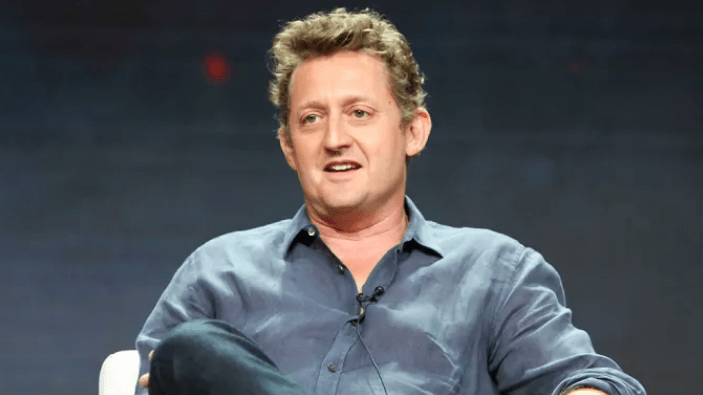
Most people know that social media has become a cesspool of disinformation, a digital hydra that feeds off toxicity and conspiracy theories. But somehow YouTube, the second-most-popular site in the world, has avoided the scrutiny that’s come Twitter and Facebook’s way. “The YouTube Effect,” a new documentary from Alex Winter, could change that. It takes a tough look at the role that the Google-owned service played in everything from the Jan. 6 riot to the 2019 New Zealand mosque shooting by promoting election denialism and white supremacy.

“People don’t know that YouTube and Google are the biggest purveyors of disinformation,” Winter says. “One reason is people don’t understand what YouTube is. Is it just a place to watch cat videos, or is it something else? And the second reason you hear about it less is because Google is so deep-pocketed that it has some of the strongest lobbyists in the world working for them. That’s made them less likely to be legislated against.”

“The YouTube Effect” argues that the most polarizing and provocative content tends to get the widest viewership. Since the platform is ad-based, creators are rewarded for espousing fringe views. Plus, the lo-fi quality of some videos lends them a greater sense of authenticity.

“There’s something about using a webcam and the false sense of intimacy and proximity it conveys that works incredibly powerfully on the brain,” Winter says. “It gives these creators an amazing amount of power.”

And Winter thinks that Google hasn’t done enough to deplatform its most dangerous voices. The reason, he says, is money: “If they take some of these people off YouTube or they change the ad model, it will cut into profits.”

In making his film, Winter spoke to YouTube stars such as Anthony Padilla, who sounds the alarm, as well as Susan Wojcicki, the platform’s former CEO, who emphasizes its sense of community. While Wojcicki may be downplaying the risk YouTube poses, Winter believes a great deal of good does come out of YouTube.

“From its inception, YouTube was wonderful at knocking barriers down for marginalized groups,” he says. “From members of the LGBTQ+ community to BIPOC creators, everyone had a voice here. And that happened long before the rest of the entertainment industry embraced these people.”

Winter, who is still best known for starring as one-half of the zonked-out duo in the “Bill & Ted” movies, knows a lot about tech, having made documentaries on Silk Road and Blockchain. He didn’t approach the subject as a Silicon Valley sceptic, but he is concerned about the direction YouTube is taking.

“YouTube and sites like it are new places for people to congregate,” Winter says. “People are messy, and when they congregate, messy things happen. So now we need to get some traffic lights in before people get hurt.”

Feature Image Credit: David Buchan/Variety/REX/Shutterstock

By Brent Lang

Brent Lang is the Executive Editor of Variety, covering the major Hollywood studios, as well as their corporate parents. He joined Variety in 2014. He was previously a senior reporter at TheWrap. Other stops include CBSNews.com, The Patriot-Ledger, and Forbes. Lang is a graduate of Brown University and the Columbia University School of Journalism. Twitter: BrentALang

Sourced from Variety

By

This guide is designed to show you how to use Google Bardf for affiliate marketing. In recent years, affiliate marketing has risen to prominence as one of the most profitable means of generating income on the Internet. This model allows individuals to champion and advocate for products or services offered by third parties. In return, affiliate marketers receive a commission for each successful transaction that occurs through their distinct referral links. The process, while promising, is not without its hurdles. From the initial phase of pinpointing the perfect product to the intricate task of crafting captivating content and then ensuring its effective promotion, the journey is filled with potential pitfalls.

This is where Google Bard, a state-of-the-art language model birthed from the innovative labs of Google AI, steps in. This ground-breaking tool is poised to transform the landscape of affiliate marketing, offering solutions that were previously unimaginable. Throughout this piece, we will explore in-depth the myriad ways in which Google Bard can be a game-changer, enhancing and refining your affiliate marketing strategies.

Use Google Bard for product research

Before diving into the world of product promotion, it’s imperative to identify the ideal product that aligns with your audience’s needs and preferences. This is where Google Bard comes into play, serving not just as a tool, but as your dedicated research companion. It offers an in-depth analysis of various products and services, ensuring you have a comprehensive understanding of what you’re endorsing. Curious about the specific features, advantages, or cost structure of a certain product? Pose your questions to Bard, and it will furnish you with the information you seek. But that’s not all; Google Bard’s capabilities extend beyond mere product details. It has the ability to delve deep into the vast expanse of the internet, retrieving genuine reviews and feedback. This invaluable feature aids you in discerning the true value and reputation of products, ensuring that you only champion those that are truly commendable and resonate with your target audience.

Create your content with Google Bard

At the core of successful affiliate marketing is the ability to produce content that not only captivates but also deeply connects with your intended audience. This content can take various forms, be it insightful blog posts, detailed articles, informative videos, or catchy snippets for social media platforms. In this multifaceted landscape of content creation, Google Bard emerges as a reliable ally. Instead of struggling with the nuances of content formulation, you can entrust Bard with your specific needs. By inputting your criteria and expectations, Bard takes on the role of a seasoned content creator, meticulously designing content that accentuates the unique selling points (USPs) of the products or services you’re championing. With Google Bard by your side, you’re equipped with a tool that understands the essence of your promotional efforts and amplifies them through tailor-made content.

Amplify your Rrach with effective promotion

After meticulously crafting your content, the subsequent crucial phase involves ensuring it reaches the eyes and ears of your desired audience. This is where the prowess of Google Bard becomes indispensable. It aids in formulating effective promotional strategies that are not just generic but tailored to your specific needs. Whether it’s about creating compelling email sequences that entice readers to click through, designing visually appealing landing pages that retain visitor attention, or masterfully managing social media advertising campaigns to maximize reach, Google Bard stands ready to shoulder these responsibilities. But its capabilities don’t end there. One of the standout features of Bard is its adeptness in analytics. It provides robust tracking mechanisms, granting you the ability to closely observe the performance metrics of your affiliate links. By doing so, it offers insights into what’s working and what might need tweaking, empowering you to continuously optimize and enhance your promotional endeavours for maximum impact.

Pro Tips for affiliate marketing using Google Bard:

  • Transparency is Key: In the realm of affiliate marketing, honesty isn’t just the best policy; it’s essential. Always maintain an open dialogue with your audience regarding your affiliations. Make it abundantly clear that you stand to gain a commission when they make purchases using your referral links. Such forthrightness not only adheres to ethical standards but also nurtures a foundation of trust and establishes your credibility in the eyes of your followers.
  • Prioritize Quality Above All: While it might be tempting to promote a plethora of products in the hopes of increasing potential commissions, it’s vital to remember the significance of quality. It’s always advisable to endorse products or services that you have either personally experienced or have thorough knowledge of and genuinely vouch for. Recommendations that stem from genuine belief and experience resonate more deeply with audiences, fostering a sense of trust that invariably leads to higher conversion rates.
  • Stay Vigilant with Analytics: In today’s digital age, data is a goldmine of insights. Tools such as Google Analytics offer a window into the performance of your affiliate links, giving you a clear picture of user interactions, click-through rates, and conversions. By regularly monitoring and analysing this data, you’re better positioned to understand the nuances of your audience’s behaviour. This data-centric approach ensures that you’re always equipped with the knowledge to adapt, modify, and perfect your strategies, ensuring optimal outcomes.

Google Bard stands out in the crowded landscape of digital tools; it’s a transformative force specifically designed for affiliate marketers. Rather than being a mere utility, Bard acts as a comprehensive assistant, adeptly managing multiple facets of the affiliate marketing journey. From the initial stages of in-depth product research to the intricate art of content formulation, and all the way to the strategic promotion of affiliate links, Bard ensures every step is optimized. The result? A more streamlined, efficient, and potent approach to affiliate marketing.

By fully integrating the advanced functionalities of Google Bard into your strategies, you’re not just keeping up with the competition; you’re surging ahead. Embrace the power of Bard and watch as your affiliate marketing endeavours soar to unprecedented levels of success! We hope that you find this guide on how to use Google Bard for affiliate marketing helpful, if you have any comments, questions, or suggestions, please leave a comment below and let us know.

Feature Image Credit: Jason Goodman

By

Sourced from Geeky Gadgets