Author

editor

Browsing

By Janet Balis

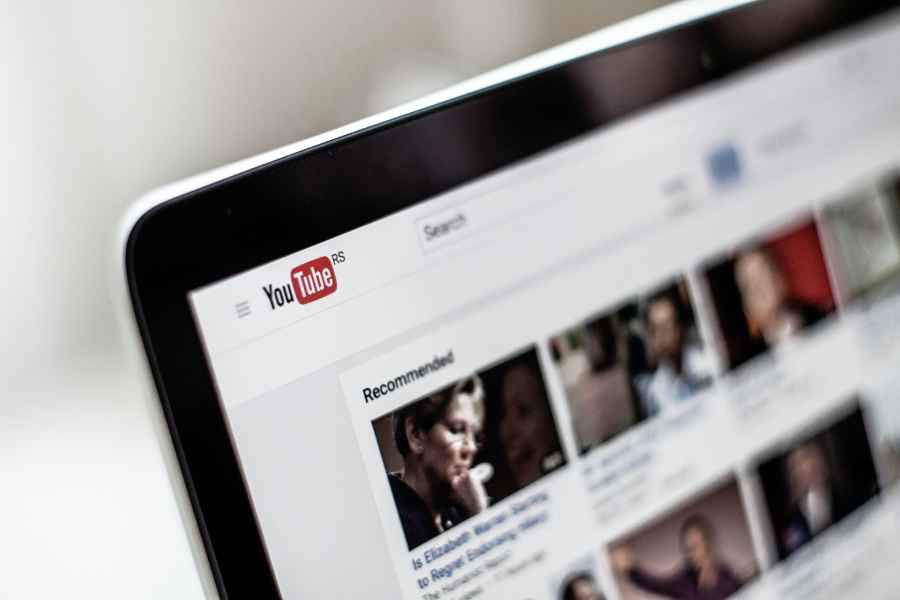
If you haven’t heard about Alix Earle, it may simply be a matter of time. This young influencer — who just graduated from the University of Miami — has more than 5 million followers on TikTok and was recently signed by United Talent Agency (UTA), one of the top three firms that represent talent globally across the media and entertainment ecosystem. She has leveraged her personal brand to partner with beauty companies like Tarte and Rare Beauty.

Watching the myriad of Alix Earle videos online makes her formula quite clear. She has model-like beauty, checking the box for sheer aesthetics. She’s perfected the “get ready with me” (GRWM) format (among others), a short-form video in which she goes from natural beauty to flawless perfection, displaying professional yet replicable makeup techniques and product use. As she applies her look during “selfie” videos, she offers a mix of storytelling, humour, vulnerability, aspiration, relatability, and product mentions in a fast-talking, effortless monologue. She feels just approachable enough to be just another college student.

That approachability is why Earle resonates so much with Gen Z. Authenticity is among this generation’s most important values. As recent EY research highlights: “After an era of fake news and filtered photos projecting the ‘perfect life,’ Gen Z is over it.” They feel empowered to ask and answer their own questions in a variety of social forums on any topic — from beauty to health to home improvement to technology to science. And their view of authority has expanded from traditional sources, like academic institutions or reputable editorial voices, to perceived influence — as demonstrated by Earle’s meteoric rise.

Studying Alix Earle’s success offers brand marketers five powerful lessons for how to tap into this era of influencers — and make authentic connections with Gen Z.

1. Find the right influencers for your brand

Simply force-ranking top influencer lists is not the answer. Brands want to find the person or people who reach their target audience.

Once brands define the category in which they compete, marketers can look for the influencers who have the most engagement and who have a voice and style that resonates with the brand. AI and other tools to analyse data can help you figure this out — for example, data analytics can reveal followers, creative approaches, and communities in common between influencers and brands. There are also companies, from Gallery Media, for example, to leading talent agencies, who curate influencers and manage more complex relationships and execution for brands.

2. Create brand stories for mobile consumption

Gen Z fills their spare moments by scrolling through their algorithmically driven, personalized “for you” feeds on their phones, filled with photos, videos, and memes. Ideally, brands should empower the influencers they work with to create content that is short, compelling, and made for mobile.

Embracing vulnerability and openness, like Earle does in short one- to three-minute stories, enables brands to connect with younger generations in a way that’s personally relevant and authentic. However, brands must understand that this is not a 30-second scripted television spot, and the influencers will take the story in a direction of their own choosing. This is a complement to other brand storytelling — not a replacement.

3. Motivate consumers to make brand content their own

Unlike previous generations, Gen Z does not “broadcast” their posts to social networks writ large. They share more often with far fewer people via “private stories.” Engagement is much higher because of the frequency and the intimacy of these posts, and with this shift, we also see Gen Z moving away from prior generational behaviours of broadcasting their happy moments widely on their social media accounts to sharing more raw moments like personal crisis and tears in more private circles.

A young person who sees a beauty product in a GRWM video from Earle on TikTok who subsequently endorses that product with their friend group in their private story on Snap is an example of how the brand journey goes from high-profile social media influence to deeply personal influence. A brand must earn the right to access this sacred space — and it must understand the opacity and new risks of these more personally intimate venues.

4. Cross boundaries to stand out

It’s going to take new sources of inspiration and creativity to stand out as generative and conversational AI are applied in creative contexts at scale. As all influencers now have access to the same technology to drive research, enhance ideas, and accelerate production, forward-thinking brands will look to differentiate through human originality or true celebrity. The bar for real creativity will only get higher, requiring unorthodox juxtapositions of brands or new invitations to consumers to co-create. Our current definition of influence may shift rapidly as AI manipulates both the targeting and creative driving the algorithms.

5. Avoid clone culture

As marketers, we may prize the opportunity to drive consumption at all costs by engineering trends to have velocity through influencers. But if we succeed too much on the science of it all, are we creating trend echo chambers that contradict our commitments to diversity and inclusion, or cloning repeat behaviours within certain social archetypes? And if influence relies on at least the veneer of originality, will it be harder as everyone uses similar AI-driven insights? Brands drive their commercial ambition with precision using a combination of creativity and data (or art and science), but increasingly, they may seek to broaden strategies to find new audiences, voices, and inspiration to diversify their base of consumers and ideas.

The creator economy is thriving, creative, and valuable, particularly as technology-enabled economic models motivate strong talent to make it a true professional endeavour. Brands that harness its new dynamics to create value will differentiate themselves and drive exponential growth. The key to success is to lean into the newest sources of influence along with all the latest dynamics of risk and reward.

The views reflected in this article are the views of the author and do not necessarily reflect the views of Ernst & Young LLP or other members of the global EY organization.

By Janet Balis

Janet Balis leads EY’s consulting professionals in the Americas focused on the customer agenda and revenue growth, including commercial excellence, customer experience and product innovation and also leads EY’s CMO practice. She has also served as a partner at Betaworks, publisher of The Huffington Post, and EVP Media Sales and Marketing at Martha Stewart Living Omnimedia. Balis is on the global board of the Mobile Marketing Association and the International Television Academy of Arts and Sciences, and she is also an advisor to the Harvard Business School Digital Initiative. You can follow her on Twitter: @digitalstrategy.
Sourced from Harvard Business Review

By Prathamesh Ingle

The most effective ad blockers are now indispensable for everyone using the modern web. Regardless of the sites you frequent, you will need robust security against the countless pop-up adverts, activity trackers, and malvertising that plague the web. The FBI itself advocates for their use.

It’s easy to discover safety now that browser add-ons and specialized ad-blocking programs are available. They’re up there with the top VPN and anti-virus programs as crucial resources. Several ad-blockers are available, so the only questions are which one to use and whether or not the drawbacks are acceptable to you. However, if you feel the benefits outweigh the costs, we’ve compiled a comprehensive list of the most effective ad blockers and privacy enhancement applications. They support every browser and operating system imaginable so that you may surf the web without worry.

AdBlock Plus (ABP)

AdBlock Plus (ABP) has plugins for common browsers like Firefox, Chrome, Safari, Edge, and Opera. With ABP, blocking most advertisements, spyware, and social media links is as easy as loading a preconfigured list of filters and clicking a button. To keep their advertising income positive, savvy users can select additional block lists, implement custom filters, or whitelist their preferred websites. While AdBlock Plus’s “non-intrusive advertising” filtering feature may annoy some users, it can be turned off in the settings menu. The AdBlock Browser for Android provides a Firefox-based browser that blocks incoming advertising, and the AdBlock Plus app for iOS combines with the content blocker system effortlessly and without requiring configuration block advertising on Safari.

AdBlock 

AdBlock is by far the most widely used ad-blocking software worldwide. AdBlock can stop banner advertising, video commercials, and pop-up windows from appearing. Trackers, employed by marketers to keep tabs on your online movements, are also blocked. AdBlock does more than eliminate annoying advertisements; it also increases your online privacy and security. AdBlock does this by obstructing trackers, which advertising uses to follow you as you navigate the web. This can make it harder for them to track your online activities and provide adverts. AdBlock is compatible with Chrome, Firefox, Safari, and Microsoft Edge. It’s also compatible with iOS and Android devices. The “Get AdBlock Now” button may be found at GetAdBlock.com, where AdBlock can be downloaded. After that, the AdBlock browser add-on will be recommended to you. The installation of the add-on triggers immediate ad blocking via AdBlock.

Ublock Origin

Ublock Origin is an ad blocker for web browsers that prioritizes lightweight, effective blocking. The plugin ships with preconfigured filter lists for common advertising and malware domains, and you may download more filter lists or read and write your filters using host files. uBlock Origin does more than block adverts; it also prevents tracking. Small pieces of code called “trackers” are often inserted into websites. They collect data about what websites you visit and share it with advertisers. If you use uBlock Origin, you can prevent certain trackers from accessing your data. In short, uBlock Origin can be set up and used with minimal effort. Once it’s set up, all you have to do to allow adverts on specific sites is add them to a “whitelist.” You can tailor uBlock Origin’s ad blocking to exclude only certain formats—for example, video advertising or pop-ups.

Poper Blocker

Poper Blocker (also known as Pop Up Blocker For Chrome) was not created to replace existing adblockers but to work with them. Poper Blocker is an extension for blocking advertisements focusing on pop-ups, pop-unders, overlays, timed pop-ups, and pop-ups appearing as you scroll down a page. When pop-ups are being prevented, you will see a small notification. Poper Blocker may be kept running in the background with minimal impact alongside other adblocker extensions, and it also allows you to examine your blocking statistics.

Stands Fair AdBlocker

Stands Fair AdBlocker is a quick and lightweight ad-blocking plugin for Chrome. The fully functional add-on prevents annoying pop-up adverts and other tracking forms from appearing in your browser. Stand’s Fair AdBlocker allows you to choose which advertisements to block down to the individual element. You can even choose to have Facebook advertisements blocked. The “Fair” in AdBlocker refers to the option to whitelist ad-supported websites you don’t want to deprive of revenue by blocking all advertisements from or allowing only specific types. Compared to other ad blockers, this one doesn’t go all-out to achieve its goal.

Ghostery 

Ghostery can help you focus on the content while you browse. However, Ghostery’s true worth rests in the privacy safeguards it provides. You can check who is attempting to collect information about you online by using Ghostery to view trackers. You can prevent such tracking with Ghostery as well. If you’re concerned about maintaining your privacy, you can use Ghostery’s Enhanced Anti-Tracking feature. You can get Ghostery without spending a dime, and it will keep you safe online. Premium security begins at just $4.99 monthly, and the $11.99 plan includes a VPN. Ghostery is available for both iOS and Android devices.

Adblocker for YouTube

Ads on YouTube have become increasingly intrusive, prompting developers of ad-blocking add-ons to create even more sophisticated solutions. Whether it’s the pre-roll commercial that loads before your movie or the text and banner advertising that load during it, Adblocker for YouTube is a Chrome extension that promises to block all of YouTube’s advertisements automatically. There is also an AdBlocker for YouTube add-on for Firefox if you want to use something other than Chrome. Same name as a seemingly new creator, but still able to filter out commercials from both videos and websites. This is also compatible with Android smartphones.

Privacy Badger

Privacy Badger is a free and open-source browser extension to safeguard your privacy when surfing the web. It functions by obstructing any tracking attempts made by websites automatically. Privacy Badger is an ad blocker that does not rely on a database of recognized trackers. Instead, it adapts to recognize potential trackers through their actions. This means that Privacy Badger will be effective against even previously unknown trackers. Privacy Badger does more than prevent tracking; it also uses the Global Privacy Control (GPC) signal to prevent your personal information from being sold or shared. If you don’t want websites to share your data with third parties without your permission, you can send them this signal. Using Privacy Badger is a breeze. After installation, it will function exactly like any other web browser. When Privacy Badger detects a tracker, it will immediately shut it down.

AdLock 

AdLock is a complete ad blocker that protects you from pop-ups, flash banners, video advertisements, malware-infected banners, and tracking bugs on the web. It eliminates all advertisements from your web browser, mobile apps, games, and IM client. AdLock is compatible with Mac OS X, Android, iOS, and Windows. The free version filters most advertisements, while the premium version stops trackers and viruses and provides other benefits. AdLock is a powerful ad-blocking software. It filters out commercials from numerous websites, including those used for social networking, news, and video streaming. Apps, games, and IMs are also protected from invasive advertisements.

AdGuard 

AdGuard is a mobile, desktop, and tablet ad blocker that protects you against annoying adverts, tracking software, and malware. It’s a cross-platform app with Mac OS, Windows, Linux, Android, and iOS without cost or restrictions. AdGuard prevents advertisements by preventing requests from reaching ad servers. Ads won’t load and won’t show up on your screen. AdGuard also protects you from tracking technologies. This is for your safety and privacy. When used in conjunction with other security and privacy measures, AdGuard can greatly enhance your online safety and anonymity. It’s accessible from a multitude of devices and has an intuitive interface.

By Prathamesh Ingle

Prathamesh Ingle is a Mechanical Engineer and works as a Data Analyst. He is also an AI practitioner and certified Data Scientist with an interest in applications of AI. He is enthusiastic about exploring new technologies and advancements with their real-life applications

Sourced from Marktechpost

The company hopes that making LLaMA 2 open source might give it the edge over rivals like OpenAI.

Meta is going all in on open-source AI. The company is today unveiling LLaMA 2, its first large language model that’s available for anyone to use—for free.

Since OpenAI released its hugely popular AI chatbot ChatGPT last November, tech companies have been racing to release models in hopes of overthrowing its supremacy. Meta has been in the slow lane. In February when competitors Microsoft and Google announced their  AI chatbots, Meta rolled out the first, smaller version of LLaMA, restricted to researchers. But it hopes that releasing LLaMA 2, and making it free for anyone to build commercial products on top of, will help it catch up.

The company is actually releasing a suite of AI models, which include versions of LLaMA 2 in different sizes, as well as a version of the AI model that people can build into a chatbot, similar to ChatGPT. Unlike ChatGPT, which people can access through OpenAI’s website, the model must be downloaded from Meta’s launch partners Microsoft Azure, Amazon Web Services, and Hugging Face.

“This benefits the entire AI community and gives people options to go with closed-source approaches or open-source approaches for whatever suits their particular application,” says Ahmad Al-Dahle, a vice president at Meta who is leading the company’s generative AI work. “This is a really, really big moment for us.”

But many caveats still remain. Meta is not releasing information about the data set that it used to train LLaMA 2 and cannot guarantee that it didn’t include copyrighted works or personal data, according to a company research paper shared exclusively with MIT Technology Review. LLaMA 2 also has the same problems that plague all large language models: a propensity to produce falsehoods and offensive language.

The idea, Al-Dahle says, is that by releasing the model into the wild and letting developers and companies tinker with it, Meta will learn important lessons about how to make its models safer, less biased, and more efficient.

A powerful open-source model like LLaMA 2 poses a considerable threat to OpenAI, says Percy Liang, director of Stanford’s Center for Research on Foundation Models. Liang was part of the team of researchers who developed Alpaca, an open-source competitor to GPT-3, an earlier version of OpenAI’s language model.

“LLaMA 2 isn’t GPT-4,” says Liang. And in its research paper, Meta admits there is still a large gap in performance between LLaMA 2 and GPT-4, which is now OpenAI’s state-of-the-art AI language model. “But for many use cases, you don’t need GPT-4,” he adds.

A more customizable and transparent model, such as LLaMA 2, might help companies create products and services faster than a big, sophisticated proprietary model, he says.

“To have LLaMA 2 become the leading open-source alternative to OpenAI would be a huge win for Meta,” says Steve Weber, a professor at the University of California, Berkeley.

Under the hood

Getting LLaMA 2 ready to launch required a lot of tweaking to make the model safer and less likely to spew toxic falsehoods than its predecessor, Al-Dahle says.

Meta has plenty of past gaffes to learn from. Its language model for science, Galactica, was taken offline after only three days, and its previous LlaMA model, which was meant only for research purposes, was leaked online, sparking criticism from politicians who questioned whether Meta was taking proper account of the risks associated with AI language models, such as disinformation and harassment.

To mitigate the risk of repeating these mistakes, Meta applied a mix of different machine learning techniques aimed at improving helpfulness and safety.

Meta’s approach to training LLaMA 2 had more steps than usual for generative AI models, says Sasha Luccioni, a researcher at AI startup Hugging Face.

The model was trained on 40% more data than its predecessor. Al-Dahle says there were two sources of training data: data that was scraped online, and a data set fine-tuned and tweaked according to feedback from human annotators to behave in a more desirable way. The company says it did not use Meta user data in LLaMA 2, and excluded data from sites it knew had lots of personal information.

Despite that, LLaMA 2 still spews offensive, harmful, and otherwise problematic language, just like rival models. Meta says it did not remove toxic data from the data set, because leaving it in might help LLaMA 2 detect hate speech better, and removing it could risk accidentally filtering out some demographic groups.

Nevertheless, Meta’s commitment to openness is exciting, says Luccioni, because it allows researchers like herself to study AI models’ biases, ethics, and efficiency properly.

The fact that LLaMA 2 is an open-source model will also allow external researchers and developers to probe it for security flaws, which will make it safer than proprietary models, Al-Dahle says.

Liang agrees. “I’m very excited to try things out and I think it will be beneficial for the community,” he says.

Feature Image Credit: STEPHANIE ARNETT/MITTR | GETTY, ENVATO

Sourced from MIT Technology Review

By VIKRANT SHAURYA 

Learn how successful entrepreneurs leverage authorship as a unique strategy to draw high-value clients and boost their businesses.

n a rapidly evolving business environment, competitive differentiation is no longer a luxury but a necessity. Entrepreneurs must continually innovate and leverage strategies that set them apart from the crowd. The task isn’t simple, but it’s indispensable. Among the arsenal of strategies that can be used to attract high-value clients and position oneself as a leader in the industry, authoring a book has emerged as a powerful tool. Yet, this technique remains underutilized, with many entrepreneurs not realizing the profound impact a book can have on their professional image and clientele.

Establishing authority and dedication through authorship

The process of writing and publishing a book is arduous, requiring intensive research, a deep understanding of the subject matter and the ability to articulate complex ideas clearly and engagingly. The rigor and diligence involved in this process inherently project the author’s authority on the subject, portraying them as experts in their field. This projection of expertise serves as a compelling magnet, drawing high-value clients seeking specialists, not generalists, to solve their challenges.

Moreover, the commitment and dedication inherent in authoring a book serve as testimonials to the entrepreneur’s resilience and perseverance. These traits, highly sought after in the business world, resonate with high-value clients. When an entrepreneur takes the time and makes the effort to write a book, it demonstrates that they are willing to tackle significant challenges, follow through on their commitments and produce valuable results. This resilience cultivates trust and confidence in potential clients, making the author an attractive choice.

Sharing unique insights and innovative solutions

In addition to establishing authority, a book provides an unmatched platform for entrepreneurs to share their unique insights and innovative solutions. It allows them to delve deep into the industry’s challenges and present their ground breaking approaches to solving them. This visible display of creativity and problem-solving aptitude attracts high-value clients looking for unique, cutting-edge solutions.

Additionally, a book allows entrepreneurs to discuss and predict emerging trends in their field, thereby positioning themselves as forward-thinking and proactive leaders. By showcasing their foresight, they further appeal to high-value clients who value being on the cutting edge of their respective industries.

Sharing personal experiences and narratives is another crucial aspect. Entrepreneurs humanize themselves and their brands by weaving their journeys, challenges and triumphs into the narrative. This authenticity and relatability create an emotional connection with potential clients, making the author and their services/products more appealing.

Building credibility and fostering connections

Publishing a book can significantly enhance an entrepreneur’s credibility. The author’s commitment to their field and ability to articulate and share their knowledge is spotlighted in a tangible form, contributing to their perceived credibility. When it comes to attracting high-value clients, credibility is a key factor; these clients are often looking for proven professionals with a track record of expertise.

Furthermore, books can serve as powerful tools for building relationships. A book that offers tangible value in the form of actionable advice, valuable insights, or fresh perspectives can serve as a magnet for potential clients. By engaging readers and encouraging them to think differently, a book opens the door to further discussions, networking opportunities, and, ultimately, the establishment of meaningful connections with potential high-value clients.

The long-term impacts of book publishing

Unlike many other forms of content marketing, a book provides long-lasting benefits. Its impact extends far beyond its initial release, providing a long-term return on investment. The content of a book remains relevant for years, continuing to draw new readers and potential high-value clients long after its publication.

A book is a timeless asset that keeps giving back. Its longevity means the benefits of publishing a book extend far into the future, unlike a blog post or social media update that might quickly fade from memory. The published book keeps the author’s name and expertise circulating, continually attracting potential high-value clients.

In essence, a book is like a business card that doesn’t get discarded — it sits on bookshelves, gets shared among peers and remains available online, continuously making an impression. This continual client attraction is another compelling reason for entrepreneurs to consider writing a book.

Conclusion

In a business world where differentiation is the key to standing out from the crowd, a book can provide that unique edge. By establishing authority, showcasing unique insights, building credibility and fostering connections, a book becomes more than just a product; it’s a tool for personal branding and client attraction.

The impact of publishing a book goes far beyond the immediate short-term benefits. Its influence continues long after the initial release, providing an enduring testimony to the author’s expertise and a persistent attraction for high-value clients. In a competitive business environment, entrepreneurs who leverage the power of a book can position themselves for greater success and a more robust professional presence.

In closing, a book is more than just an aggregation of pages filled with words. For entrepreneurs, it’s a platform to demonstrate their expertise, share their unique perspective, connect with high-value clients, and differentiate themselves from the competition. With these long-term benefits, it’s clear that a book can be a potent tool in an entrepreneur’s arsenal for attracting high-value clients.

BY VIKRANT SHAURYA 

CEO of Authors On Mission

Vikrant Shaurya is the CEO of Authors On Mission, where his team provides Done-For-You book writing, publishing, and marketing services. He has empowered 500+ authors to grow their brands and businesses through their books, making a lasting impact.

Sourced from Entrepreneur

By John Malozzi of Coley Porter Bell

‘When you make something no one hates, no one loves it.’

Rebrands have dominated the headlines in the 2020s. From Burger King’s nostalgia-filled facelift to Burberry’s rebuke of minimalism as it reverted to its rich heritage, brands in all sectors have taken long, hard looks in the mirror and overhauled their images.

Such updates can ensure distinctive and purposeful identities that speak to their cultures and products. But before jumping blindly on the rebrand-wagon, what must companies consider to guarantee they’re heading in the right direction?

Consumers are more opinionated than ever, and their expectations of products and services are high. So, choosing an unpopular font risks catalysing an angry mob in the Twittersphere. Think of HBO Max’s recent misstep. Who knew that losing three little letters and changing colour would cause a frenzy dubbed, “the brand mistake of the decade?”

Embarking on a rebrand, or even refresh, isn’t easy. Balancing change with continuity is a challenge. It’s a surprisingly fine line between Hilton’s “For the Stay” and the heavy-handed, much criticized We ♥ NYC.”

But, like Charles Blondin as he prepared to tightrope walk across Niagara Falls for the first time, brands should remember there are potential rewards for taking risks.

Learning from past rebrand fiascos and triumphs

Some brands fear facing similar fates as Tropicana or Gap in the 2000s. However, by learning from past rebrand mistakes, businesses can be better equipped for the future.

In the cases of Tropicana and the Gap, it felt too much like change for the sake of it. They undermined their brand recognition, loyalty and reputation—all in a matter of days. Ultimately, both reverted to their original design templates.

Keeping customers at the heart of the rebranding process is central to success. Look at Old Spice, once firmly fixed as an older men’s aftershave, now a leading deodorant that engages with its existing core while also reaching a new demographic. (And it’s won plenty of awards along the way.)

What is the purpose of the rebrand? Focusing on this helps businesses ensure they are still liked and respected amid tweaks—and that any activity is being done for the right reason. A rebrand should never be a knee-jerk reaction. It should be an evolution that signifies a change in direction, internally or externally. Example: Peloton recently shift its proposition from exclusivity to “Anyone, Anywhere.”

Peloton adjusted its target from high-earners looking to maintain their gym-lifestyle in lockdown to, well, everyone. Thus, it peddled itself as a tiered mainstream fitness option for a broader customer base. The company ditched its black and red colour scheme, opting for a bolder, brighter palette. The change came from a business imperative, but we must wait and see whether consumers will climb aboard.

Authenticity is always essential

When I worked in the music industry in the ’90s, respected hip-hop artists started to incorporate more R&B in their tracks. They reached new fans without diminishing their street credibility. However, when R&B singers or pop acts tried the reverse approach and put out rap records, listeners found it disingenuous. It was all about believability—much like branding.

Of course, we can over-index on the need to please everyone. In today’s world, that’s becoming increasingly hard, even for mass brands. As the esteemed graphic designer, Tibor Kalman, once said: “When you make something no one hates, no one loves it.” So, while many brands worry about potential backlash and social-media fallout, wouldn’t it be worse if nobody noticed at all?

Disapproval from some quarters is not to be feared. And it shouldn’t be a reason to hold back good work.

By John Malozzi of Coley Porter Bell

John Malozzi is group creative director at Coley Porter Bell.

Sourced from Muze by Clio

By Rachel Dennis

SEO is the great equalizer that gives entrepreneurs, solopreneurs, and side hustlers the ability to get eyes on their platform. But it can be challenging to find affordable SEO services for small businesses to keep costs down during the growth phase.

Especially when you’re first getting started!

In this day and age, with technology booming and driving down the costs of previously expensive services, there are options for all angles of the SEO process.

So are you ready to open up some new doors and start increasing your search engine visibility?

Here are seven affordable SEO services for small businesses to consider as they spruce up their online presence.

THE TOP 7 AFFORDABLE SEO SERVICES FOR YOUR SMALL BUSINESS

These seven affordable SEO services for small businesses are perfect for one-off tasks or low-cost, long-term work. Some work better for certain areas of SEO development than others, so be sure to explore all the options before committing.

1. ON-DEMAND SEO SERVICE PROVIDERS

When small businesses start outsourcing search engine optimization tasks, they’re usually not in a place to commit to an ongoing contract. They need to test affordable SEO services for small businesses to find what’s right for them.

On-demand service providers like Fiverr or Upwork offer opportunities for small businesses to get the SEO help they need with no long-term commitment.

You can choose the price, length of the project, and can even set up a quick consultation to gauge the skill of each potential service provider before you commit.

When searching for SEO agencies and solopreneurs on these platforms, you can find and hire freelance workers for the following (just to name a few):

  • Keyword Research: Hire an SEO expert from Fiverr to conduct thorough keyword research. This will help you identify the most relevant keywords for your business, which can improve your visibility on search engines.
  • SEO Audit: If you’re not sure where to start with SEO, consider hiring a freelancer to conduct an SEO audit. They will analyze your website and provide actionable recommendations to improve your SEO strategy.
  • Technical SEO Services: Some aspects of SEO require technical knowledge, such as site speed optimization, XML sitemap creation, and more. There are freelancers on Fiverr who specialize in these areas and can help improve your website’s technical SEO.
  • Internal and External Linking: A well-structured internal link architecture can help search engines understand the context and relationship between different pages on your website. External links, on the other hand, add value to your content and can improve its credibility.
  • Metric Tracking: It’s essential to track the performance of your SEO efforts. Many freelancers on Fiverr offer services to set up and monitor important SEO metrics like organic traffic, keyword rankings, bounce rate, and more. This can provide valuable insights and help you make data-driven decisions.

HOW TO USE ON-DEMAND SEO SERVICES

So how does Fiverr work? It’s actually quite simple. You post the job you need, and then freelancers from all over the world will bid on it. You can also search for specific services and narrow down your search to find the best freelancer for the job.

Once you hire someone, they will work on the project and deliver it according to the agreed-upon timeline.

This works the same on other on-demand service providers, such as Upwork, where you can find top-notch freelancers and agencies to help with your SEO needs.

2. WORDPRESS OPTIMIZATION SERVICES & PLUGINS

WordPress is one of the most popular content management systems (CMS) used by businesses worldwide. However, to fully leverage its potential for SEO, WordPress websites need to be properly optimized.

WordPress optimization services and plugins focus on various aspects to improve your website’s performance, user experience, and visibility in search engine results.

Here are a few types of plugins that can provide value to a small business website:

  • Speed Optimization: Enhance your website’s load time, providing a better user experience and improving your ranking in search engine results.
  • Plugin Management: Identify and manage the best plugins for SEO to ensure your website is optimized effectively.
  • Theme Optimization: Optimize your WordPress theme to ensure it is SEO-friendly and doesn’t hinder your website’s performance.
  • Image Optimization: Compress and optimize images to improve load times without compromising on their quality.

We recommend WP Authors as one of the best affordable SEO services for WordPress optimization services.

Their team of experts provides comprehensive services that cover all aspects of WordPress optimization, ensuring your website performs at its best and ranks higher in search engine results.

3. WEBSITE MANAGEMENT SERVICES

Plug-ins are an easy way to boost your site’s SEO at an affordable rate. But what about the small business that needs a full-service SEO package? Going with a complete website management service may be the way, and it doesn’t have to be as expensive as you think.

From building to optimizing small business sites, website management services provide a shortcut to building a strong online presence. They’re ideal for those new to owning a website, short on time, aiming to enhance SEO, kickstarting an online business, or preferring a hands-off approach to web growth.

Here are a few ways that a management company can help improve your SEO results:

  • Content Audit: Evaluates the strength and weaknesses of your content to formulate a strategy.
  • Technical Audit: Checks site readiness for search engine crawling and ranking.
  • Content Creation: A dedicated team can deliver regular, search-optimized content to maintain competitiveness.
  • On-Page Optimization: Articles are optimized using appropriate keywords and tags to boost organic traffic.
  • Website Health Improvement: Continuous monitoring of analytics, SEO, security, and content allows for focused business growth.

For managed website services, we highly recommend Brand Builders.io. They can help create a well-thought-out site that not only resonates with your audience but also adheres to SEO best practices.

And if you’re just starting your small business website, you can purchase a pre-made or custom site to get started quickly.

Plus, they can help create a strong brand that resonates with your audience and adheres to SEO best practices.

4. AFFORDABLE CONTENT WRITING AGENCIES

Written content is one of the most important elements when it comes to optimizing SEO for small businesses. This online marketing strategy extends to on-page content, blogs, press releases, and much more.

Content writing services can help you create compelling copy that will engage your target audience and improve SEO. You can find an affordable SEO agency to do this. But make sure not to mistake this for many of the cheap SEO service options out there.

When you underinvest in content, you’ll run into problems such as poorly written content, keyword stuffing, and duplicate content. To avoid this, here are some tips to find an affordable content writing agency:

  • Look for agencies with a proven track record of successful SEO projects.
  • Check their portfolio and work samples to make sure they can deliver the quality you need.
  • Read reviews from past customers to ensure that your chosen agency is reliable.
  • Compare the different packages and services they offer to make sure you get the best value for your money.
  • Always go with a trial writing piece before committing to a larger package.

There are 100s of worthy SEO companies that can provide you with stellar and affordable content.

But to save you a bit of time, we can safely say that The HOTH is a vetted and trusted content writing agency that can provide you with quality content and great customer service.

Many users have reported that their purchased content has helped them to rank on search engine results pages, leading to more traffic and profits.

If you want to dive a bit deeper into this affordable SEO company, check out The Hoth review, which covers the nuts and bolts of this service.

When small businesses build links that reference their website, it gives them authority in the eyes of Google. Link building is like an online vote of confidence for your website.

Link-building services are a great way to improve SEO rankings and get high-quality backlinks, but it should be done carefully. Low-quality backlinks can actually lead to Google penalties, which can hurt your small business.

Luckily, there are plenty of different types of backlinks as well as ethical ways to build them. The process may be quite lengthy to do on your own. But you can save some time by outsourcing the process to SEO professionals.

Here are a few ways that affordable SEO services can help to support your link building strategies:

  • Competitor Backlink Analysis: Analyse your competitors’ backlinks to identify opportunities for you to gain quality backlinks.
  • Link Reclamation: Uncover and reclaim broken links from sites that link to yours, replacing them with active ones in order to maximize SEO benefits.
  • Guest Posting Services: Write content for other blogs that accept guest posts in exchange for a backlink, improving your visibility and authority.
  • Social Media Backlinks: Get backlinks from social media profiles, which can add great value to your link-building campaign.

Our team highly recommends Loganix for link-building services. They provide comprehensive SEO solutions that include low-cost SEO services that help you get quality backlinks without the risk of Google penalties.

6. LOCAL SEO SERVICES

A local SEO strategy can help people in your neck of the woods easily find you, which usually leads to more conversions and sales.

You likely need local SEO search support if your business:

  • Offers custom or regional services
  • Is running out of a physical location
  • Relies heavily on customers within a certain geographic location for its success
  • Targets customers from a particular city, state, or region

In order to dominate local search results, you can pair with an affordable SEO service that focuses on this specific marketing strategy.

We recommend BrightLocal, an SEO agency that provides local search optimization.

And, of course, looking for SEO agencies in your town can also be a good idea. These agencies know about the local market and how to optimize your website to get more visibility in the area.

7. SOCIAL MEDIA SCHEDULERS

A good social media presence can help to boost your SEO efforts and engage with potential customers. Social media posts bring attention to your brand, allow you to engage with your customers, and can pull a lot of traffic back to your site.

This, in turn, helps to build trust and credibility, improving the overall SEO of your site.

Here are a few additional ways that Social media can help the small business owner optimize their platform:

  • Testing new content: Test new ideas and content on social media to see which resonates with your audience. This can help you decide what to focus on in the future.
  • Researching: Social media is a great way to get feedback from customers and learn about their needs and preferences, allowing you to adjust your strategies accordingly.
  • Reach new audiences: Social platforms are great for engaging with a wider target audience while having conversations and creating relationships.
  • Build relationships with potential customers: Posting regularly on social media helps to build trust with potential customers. In this way, social media is a powerful funnel.

Some SaaS services, such as Social Pilot can help with your social content marketing while you’re on a budget. This powerful program allows you to automate the scheduling and posting of content on various social media platforms.

The value here is in consistency. It’s important to post regularly, and when you have an SEO company that is managing scheduling, it helps keep your brand top-of-mind with potential customers.

FINAL THOUGHTS: 7 AFFORDABLE SEO SERVICES FOR SMALL BUSINESSES

From local search support to technical SEO issues to keyword optimization, there are plenty of ways that your online business can take advantage of affordable SEO services.

In order to pick the lane that’s best for your small business, take a moment and ask yourself, “What do I need SEO help with?”

Focus on getting support in those areas and you’ll be well on your way to improving your organic search engine traffic, brand visibility, and ultimately, profits!

By Rachel Dennis

Rachel is a multi-passionate entrepreneur with a love for learning.

Whether she is working on her e-commerce shop, building her blog, or collaborating as a freelance writer, she is always finding ways to make her income streams more meaningful and optimized.

When she’s not working, you can find her traveling, petting dogs, or with her nose in a book.

Sourced from Niche Pursuits

By Joseph Green

Find free courses from the likes of MIT, Google, and IBM.

TL;DR: A wide range of AI and ChatGPT(opens in a new tab) courses are available for free on edX. Enroll in the best courses from the likes of Google, IBM, and Harvard, without spending anything.

Artificial intelligence and chatbots like ChatGPT are not going anywhere, so maybe it’s time to learn something about this technology? The time is now.

edX offers online courses from the likes of MIT, Google, IBM, and Harvard. And better yet, some of the best online courses are even available for free. We’ve checked out everything on offer from edX, and lined up a selection of standout AI and ChatGPT courses that you can take for free.

These are the best free AI and ChatGPT courses as of July 18:

These courses are completely free, but you can receive a verified certificate of completion for a small fee. There’s no pressure to upgrade, but it might be nice to stick something on your CV.

All products featured here are independently selected by our editors and writers. If you buy something through links on our site, Mashable may earn an affiliate commission.

Feature Image Credit: Pexels

By Joseph Green

Joseph joined Mashable as the UK Shopping Editor in 2018. He worked for a number of print publications before making the switch to the glittery world of digital media, and now writes about everything from coffee machines to VPNs.

Sourced from Mashable

By Diwas Haldar

Establishing a robust online presence is imperative for businesses seeking sustainable growth and increased visibility in the ever-evolving digital landscape.

This comprehensive guide will outline eight crucial steps every business should undertake to improve its online presence. By implementing these strategies, you can position your business for success and outrank competitors in the digital realm.

1. Develop a User-Friendly Website

To captivate online visitors and enhance their browsing experience, it is paramount to have a well-designed and user-friendly website. Ensure your website is visually appealing, easy to navigate, and optimized for various devices, including desktops, tablets, and smartphones. Incorporate intuitive menus, clear calls-to-action (CTAs), and visually engaging elements to guide users seamlessly through your website’s content.ll

2. Create a Visual Aspect That Leaves a Lasting Impression

A visually captivating logo and a well-defined brand colour scheme are vital to establishing a solid and memorable brand identity. Let’s explore how incorporating these visual elements can enhance your online presence.

Design an Eye-Catching Logo

Your logo visually represents your brand and can leave a lasting impression on potential customers. It should be unique, easily recognizable, and reflective of your brand’s values and personality. Consider the following principles when designing your logo:

  • Simplicity: Aim for a clean and uncluttered design that is easily understandable.
  • Memorability: Create a distinctive and memorable logo, leaving a lasting impression on viewers.
  • Relevance: Ensure your company logo aligns with your brand’s identity, industry, and target audience.
  • Versatility: Design a company logo that can be scaled and adapted for various platforms, including websites, social media profiles, print materials, and signage.

Select an Appropriate Colour Scheme

Colours evoke emotions and play a crucial role in brand perception. Choose a colour scheme that resonates with your brand’s values, personality, and target audience. Consider the following factors when selecting your brand’s colour palette:

  • Brand Identity: Determine the emotions and qualities you want your brand to convey. For example, blue can signify trust and professionalism, while yellow can evoke feelings of energy and optimism.
  • Audience Preferences: Research your target audience’s preferences and cultural associations with colours. Different colours can have varying meanings across different demographics and cultures.
  • Colour Harmony: Select a harmonious combination of colours that work well together and provide visual cohesion. Consider using colour theory principles such as complementary, analogous, or monochromatic colour schemes.

Investing in a well-designed logo and a thoughtfully selected colour scheme can enhance your brand’s recognition, establish a consistent visual identity, and leave a lasting impression on your target audience.

3. Implement Search Engine Optimization (SEO) Strategies

Enhancing your website’s visibility in search engine results is crucial for attracting organic traffic. Optimize your website using targeted keywords relevant to your industry and niche. Furthermore, conduct thorough keyword research to identify high-value keywords your target audience will likely search for. Incorporate these keywords strategically within your website’s content, meta tags, URLs, and headings to increase your chances of ranking higher in search engine results.

a. Conduct Keyword Research

Keyword research is the base of successful SEO. You’ll want to identify words you will use throughout your content that are relevant to your customers and align with your industry. Check if your target audience uses search to find what they want.

Use keyword research tools like Google Keyword Planner, SEMrush, or Moz Keyword Explorer.

b. Optimise On-Page Elements

On-page optimization involves optimizing various elements within your website to make it search engine-friendly and user-friendly. Pay attention to the following elements:

  • Title Tags: Craft unique, concise, and keyword-rich title tags for each page. Place the primary keyword towards the beginning of the title tag to maximize its impact.
  • Meta Descriptions: Write compelling meta descriptions summarising each page’s content. While meta descriptions do not directly impact rankings, they influence click-through rates (CTR) and can drive more traffic to your website.
  • Headers and Subheadings: Organise your content using headers (H1, H2, H3, etc.) and subheadings to improve readability and help search engines understand the structure of your content. Incorporate relevant keywords in these headings to signal the content’s relevance.
  • Then, URL Structure: Create user-friendly URLs that are concise, descriptive, and include targeted keywords. Avoid using numbers, symbols, or generic parameters in your URLs.
  • Keyword Optimization: Incorporate relevant keywords naturally throughout your content, including in the opening paragraph, headings, subheadings, and body text. However, avoid keyword stuffing, as it can harm your rankings.

d. Build High-Quality Backlinks

  • Earning high-quality backlinks from authoritative and relevant websites is a fundamental aspect of SEO. Backlinks act as votes of confidence and signal to search engines that your website is trustworthy and valuable.

4. Create High-Quality and Engaging Content

Content is king in the digital realm. Producing high-quality, informative, and engaging content is a powerful way to establish credibility, attract visitors, and encourage repeat visits. Develop a content strategy that aligns with your target audience’s needs and interests. Moreover, regularly publish blog posts, articles, videos, infographics, and other forms of content that offer value and keep your audience informed and entertained.

5. Build a Strong Social Media Presence

Harness the power of social media platforms to amplify your online reach and connect with your target audience. Create and maintain active profiles on platforms such as Facebook, Twitter, LinkedIn, Instagram, and YouTube, depending on your business type. Regularly share compelling content, engage with your followers, and foster meaningful conversations to cultivate a loyal community around your brand.

6. Leverage Influencer Marketing

Influencer marketing has emerged as a potent strategy to expand your online presence and reach new audiences. Identify influential personalities, bloggers, or industry experts whose values align with your brand’s identity. Collaborate with them to create content, reviews, or endorsements highlighting your products or services. By leveraging the influence of these individuals, you can significantly boost your brand’s visibility and credibility.

7. Harness the Potential of Email Marketing

Email marketing remains a highly effective tool for nurturing leads, fostering customer loyalty, and driving conversions. Build a subscriber list by offering valuable incentives such as exclusive content, discounts, or free resources.

Craft engaging newsletters, personalized offers, and automated email sequences to deliver relevant and targeted messages to your subscribers. Segment your email list based on user preferences and behaviours to enhance the effectiveness of your campaigns.

According to oberlo.com (Email has made its way from simple messages between academics to widespread global usage. In 2022, the number of email users worldwide was forecast at 4.3 billion (Statista, 2021). This figure is set to grow to 4.6 billion in 2025, making up more than half of the expected world population.

8. Optimise for Local Search

For businesses with a physical presence, optimizing for local search is essential. Claim and optimize your business listings on prominent online directories such as Google My Business, Bing Places, and Yelp. Ensure that your business information, including name, address, phone number (NAP), and operating hours, is accurate and consistent across all platforms. Encourage satisfied customers to leave positive reviews, significantly influencing local search rankings.

9. Analyse and Adapt

Tracking and analysing your website’s performance and user behaviour is crucial to continually enhancing your online presence. Utilize analytics tools such as Google Analytics to gain insights into key metrics like website traffic, bounce rate, conversion rate, and user demographics.

Also, Identify areas of improvement, experiment with different strategies, and adapt your approach based on data-driven insights to optimize your online presence effectively.

Conclusion

In today’s digital landscape, businesses must prioritize their online presence to thrive and surpass competitors.

By following these eight essential steps – developing a user-friendly website, implementing SEO strategies, creating high-quality content, building a solid social media presence, leveraging influencer marketing, harnessing the potential of email marketing, optimizing for local search, and analysing and adapting.

you can strengthen your online presence, attract a larger audience, and achieve sustainable business growth. Embrace these strategies and unlock the immense potential of the digital realm for your business.

Featured Image Credit: Monster; Pexels

By Diwas Haldar

A seasoned professional specializing in digital marketing and blogging. With expertise in various approaches such as content marketing, SEO, SMO, and PPC, his experience in crafting informative and engaging blog content and strategy has proven instrumental in boosting business growth and driving increased traffic.

Sourced from readwrite

By Sarah Cha

Wondering when is the best time to post on YouTube?

Being on Youtube is competitive, and you want to make sure your content reaches your target audience at the best possible time.

Whether you’re a vlogger, a business, or an educator, understanding the secret sauce of timing can transform your channel.

But how do you find out the best time for your channel?

Sit tight, and follow this guide!

Does Posting Time Matter on Youtube?

When we think about content creation on YouTube, we often pay attention to video quality, script, editing, thumbnail design, and, of course, the actual content.

Yet, there’s an aspect we often overlook: the time we post.

YouTube, much like any other social media platform, has peak hours.

These are times when most users are actively engaging with content. Posting during these hours means your video has a higher chance of being seen, liked, commented on, and shared.

Imagine you’ve just created a masterpiece of a video, one that you’re convinced could go viral. But you upload it at 3 am, when the majority of your potential viewers are fast asleep.

By the time they wake up and log in, your video, now several hours old, may have been pushed down their feed by fresher content.

The result? Your masterpiece goes unnoticed.

Now, let’s flip the script.

Say you upload the same video at a time when your audience is most likely to be active on YouTube.

Your video is fresh on their feed, capturing their attention. They click, watch, engage, and share. Your content gets the attention it deserves, all because you hit the ‘upload’ button at the right time.

But in a way, YouTube is different from all other social platforms. How so?

While social media platforms like Instagram or Twitter prioritize recency, YouTube’s algorithm is more focused on viewer engagement.

Instead of prioritizing the newest content, it surfaces videos that viewers are likely to watch through to the end.

In other words, how well your video resonates with your audience matters more than when you posted it.

So if YouTube’s algorithm isn’t all about recency, does posting time even matter?

There’s been plenty of debate around this question. Some creators insist on the significance of timing, while others shrug it off as a minor detail.

Here’s the deal… while timing isn’t the be-all and end-all of YouTube success, it does play a role.

Consider the concept of virality.

The likelihood of a video going viral increases dramatically during the first few hours after it’s posted. This is when your subscribers will receive notifications and your video will have its first shot at the ‘Trending’ page.

If you post when most of your viewers are active, you’ve got a better chance at those initial views, shares, and comments that can catapult your video into the viral stratosphere.

But if you don’t post when your viewers are most active, you reduce your chances of success.

By how much? That depends.

The point is, if you’re looking to optimize your Youtube strategy, timing is certainly a worthwhile factor to keep in mind!

Identifying the Best Times to Post on YouTube

Now, let’s get to the nitty-gritty. When is the best time to post on YouTube?

General wisdom suggests:

  • Weekdays during working hours (specifically Tuesday through Thursday, between 2 PM to 4 PM) when people are looking for a quick break from their tasks is a good time for Youtube posting.
  • Weekends (between 10 AM to 11 AM) are also great, because that’s when viewers are likely enjoying a more leisurely morning and have more time to engage with content.

But remember, these are just general guidelines.

What matters most is when your audience is online.

But when is that?

How to Find YOUR Best Time to Post on YouTube

Want to figure out the optimal time to post for your specific audience? YouTube analytics is your new best friend. Here’s a quick guide on how to use it:

  • Sign in to YouTube Studio and click on the ‘Analytics’ tab on the left menu.
  • In the ‘Overview’ section, you will see a graph of how many views you’ve gotten in the past 28 days.
  • Click over to the ‘Audience’ to the right of the Overview section, and scroll down. You will see a section called “When your viewers are on Youtube” that features a purple heat map. This heat map shows when your viewers are most active on the platform. The darker the colour, the more viewers are online at that time.

Don’t feel like crunching numbers? TubeBuddy, a YouTube-certified management tool, can do the work for you.

It offers a ‘Best Time to Publish’ feature that analyzes your channel’s data and suggests the best time to post for maximum engagement.

If you have Tubebuddy installed, this recommendation will show up right under “When your viewers are on YouTube” in your Analytics dashboard.

And you can use TubeBuddy for more than just data analysis.

It’s also an excellent tool for keyword research, productivity, and bulk processing. It’s particularly handy when you’re trying to gauge the best time to post on YouTube.

Once installed, TubeBuddy presents a ‘Best Time to Publish’ option in the main menu.

Selecting this feature includes a detailed chart displaying your subscribers’ active times throughout the week.

It also offers specific recommended upload times for each day. How neat is that?

But one thing to keep in mind…

Your channel needs to be fairly active, with enough activity for Youtube or Tubebuddy to crunch the numbers for you.

If you are a brand new channel with no viewers or very few viewers, you’ll have to wait until you accumulate more viewer data in order for Youtube and Tubebuddy to give you their reports.

Fine-Tuning Your YouTube Schedule

Remember, YouTube Analytics and TubeBuddy’s heat maps and recommendations are just that: Recommendations.

Don’t take it as an ironclad rule that you MUST post when they indicate. Instead, you need to figure out what actually works for you in real life through trial and error.

You need to post videos at different times and observe when they get the most traction.

For instance, you might try posting at 2 pm one week, then 5 pm the next, and perhaps 8 pm the week after.

Monitor the views, likes, comments, and shares each video garners. Note any patterns or spikes in engagement.

Do you get more views when you post in the afternoon or the evening? Do likes and comments surge when you post on a Wednesday compared to a Friday?

And remember that YouTube’s algorithm favours channels that keep viewers on the platform for longer. So, consistent posting and engagement with your audience is important.

A consistent schedule not only helps to establish a routine with your viewers but also sends positive signals to YouTube’s algorithm, potentially boosting your videos’ visibility.

Now, bear in mind, this isn’t a one-and-done deal.

The beauty (and sometimes, the challenge) of social media is that it’s always changing.

Seasons change, school years start and end, global events shift our daily routines — all these factors can impact your audience’s behaviour on YouTube.

To stay ahead, you’ll need to keep testing and tracking, tweaking your schedule as necessary.

While it may seem like a lot of work, this process has a significant payoff.

By aligning your posting schedule with your audience’s habits, you ensure that your videos get maximum exposure, leading to higher engagement and more substantial growth for your channel.

And remember to be kind to yourself. You’re not going to get everything right straight away. That’s why it’s crucial to keep testing different posting times, tracking your results, and adjusting accordingly.

Make testing and tracking a permanent part of your overall Youtube strategy, and that will go a long way into maintaining and growing your Youtube channel!

Why Posting Consistency Matters

Let’s take a moment to reemphasize the importance of consistency.

Think of your YouTube channel like a TV show. If your viewers know a new episode comes out every Wednesday at 6 PM, they’re more likely to tune in at that time each week.

Consistency does more than just build viewer habits, though.

It also positively impacts how YouTube’s algorithm perceives and promotes your channel. By consistently posting quality content that engages your audience, you show YouTube that your channel is active and valuable to viewers.

Besides, maintaining a regular schedule can help you avoid the worst times to post. If you’re always posting at consistent times, you’re less likely to post during those low-engagement periods.

It’s a win-win.

In the end, understanding the ins and outs of YouTube posting times is about more than just following general guidelines.

It’s about knowing your audience, experimenting with different strategies, and making use of the analytics tools available to you.

Unlocking the Best Time to Post on YouTube

Now you know how to decode the best times to post.

It’s not a one-time deal, but a continual process. And of course, it can be tricky to keep track of your analytics while keeping your content top-notch.

But remember, the power is in your hands. You’ve got the insights now.

With the knowledge you’ve gained, you’re ready to transform your channel and send your engagement rates through the roof.

Ready to conquer YouTube? Make this your year of unprecedented growth!

By Sarah Cha

Sarah Cha is an avid writer, reader, and lifelong learner who loves making magic behind-the-scenes at Smart Blogger. When she’s not wrangling words onto a screen or page, you can find her strumming a guitar, tickling a canvas, or playing fetch with her favourite four-footed friend!

Sourced from SmartBlogger

By Jeff Beer

The viral Maybelline campaign and the debut of the Sphere in Las Vegas point to a landscape dominated by immersive, interactive digital advertising.

The double-decker bus is a London icon, so when one of them appears to be putting on makeup, well, people are going to pay attention.

Late last week, Maybelline posted a video on TikTok of some new outdoor advertising work that essentially appeared as if giant mascara brushes had been attached to the side of a London building and inside a tube station, and a double-decker bus and a subway train passed underneath with giant lashes attached to the front.

The social media reaction was both instant and effusive, with comments like “this is literally the best ad ever” and “raise the salary of the employees who have [sic] this idea.” The coverage spanned not only U.K. outlets but global media as well.

Thing is, it was all fake. Created with artist Ian Padgeham, the project only looks incredibly real, but it is actually completely made with CGI. Padgeham specializes in making surreal fun out of everyday scenes and settings. Maybelline’s U.K. brand manager Lauren Chapman broke it all down on TikTok, saying that when working with a big brand, it can be difficult to make cool, weird work due to the often, um, robust approval process. “We had this idea of doing this, is it real or is it fake-type content. We wanted people to genuinely think that Maybelline’s actually managed to pull this off.”

The brand did something similar in New York for its Falsies Surreal Mascara the previous week, creating a very real looking bus shaped like the mascara’s tube, which has more than one million TikTok views.

Despite these projects’ success, brands should be mindful that there is likely a “Best Before” date on these kinds of stunts. Thanks to more and more IRL experiences such as the just-unveiled Las Vegas Sphere as well as 3D Times Square billboards that blend digital wizardry and physical presence, the public’s patience with fake fun will wane and our expectations will grow to the point that yes, Maybelline will actually need to pull off its brushes and lashes magic, for real.

At the dawn of digital advertising, old school media—print, radio, and outdoor billboards—were often dismissed for being too boring or basic. However, once the thrill of a microsite died down, these legacy platforms, particularly outdoor advertising, have witnessed a renaissance once marketers saw the potential of blending real-world magic with social amplification. All it takes is one social post to make one billboard on one block in one city to go fully global.

Back in 2016, long before Ryan Reynolds was considered the patron celebrity saint of creative advertising, he hilariously used a couple of Los Angeles billboards to make the most of 20th Century Fox’s marketing budget for his then-underdog superhero film. Thanks to social posts from comedian Patton Oswalt and Reynolds himself, these essentially became worldwide ads for Deadpool.

In November 2021, BelliWelli launched a campaign called “Hot Girls Have IBS,” with a single, static Los Angeles billboard, soon adding two more in Portland and New York (in, yes, Times Square). Within a few months, a TikTok video featuring the Portland billboard had two million views, and the company reported the billboards reached more than 2.8 million people on Instagram, and quickly drove an estimated $40,000 in product sales.

While a well-placed, witty billboard can still get plenty of attention, increasingly, brands are stepping things up with cutting-edge technology. New York’s Times Square and Tokyo’s Shinjuku Station have become a haven for anamorphic or 3D outdoor ads. At the latter last year, Nike brought to life an Air Max 1 sneaker. Last summer, BMW worked with agency Goodby Silverstein & Partners to create a 3D Times Square billboard to hype its collaboration with streetwear brand Kith on a new custom-edition BMW i4 M50. “I’d argue that a massive 3D billboard in the heart of New York City, with incredible sharing potential on social channels, is the most powerful way to launch [the car],” BMW VP of marketing Marcus Casey told Muse by Clio at the time. “So far, the strategy has paid off. There has been a huge amount of buzz, including over 11 million views on TikTok.”

Further boosting our expectations and standards of what constitutes a truly amazing amalgamation of experience and technology is the new MSG Sphere near the Venetian hotel in Las Vegas. At about 34 stories high and 516-feet-wide, the concert and event venue took seven years and more than $2 billion to create.

U2 guitarist the Edge told Rolling Stone that the Sphere will be a quantum leap forward in what a concert can be. “It gives you the opportunity to bring people back in time, and to worlds that are completely computer-generated, but completely believable,” he said. “It’s a new genre of immersive experience, and a new art form.”

This new genre of immersive experience is also a 34-story canvas for brands and event advertising, the likes of which we’ve never seen. And it’s in person.

For another creative perspective, I got in touch with Nils Leonard, cofounder and chief creative officer at Uncommon London (which made news earlier this week when Havas acquired a majority stake in the agency). Uncommon won the 2023 Cannes Lions Grand Prix for outdoor advertising last month for a British Airways campaign that put a witty twist on the usual “business” or “pleasure” travel questionnaire. It included 500 individual print, digital, and outdoor executions, as well as more than 32 short films.

[Image: British Airways]

Leonard says that outdoor is a stage now. “[It’s] precious space,” he says. “A destination for brands that want scale and power. The win when you do outdoor right is huge. The best work doesn’t just appear on the poster, but on the phones pointing at the poster.”

Work like Maybelline’s recent projects are a lot of fun, but they skip the crucial step of that in-person experience, only imitating the result of those phones pointing at the poster or billboard. Just as brands used to be able to get away with creating a fake stunt product for April Fool’s Day, but are now expected to actually make these gags and put them up for sale (see: The Coors Light), so too will they be expected to bring these cool, weird, fun ideas to life. “There is a fragility to a physical idea not made real, the world enjoys and respects endeavour,” says Leonard. “No matter how well-crafted the video, it just won’t live as long in the memory. No pain, no champagne.”

The Maybelline work has been a bonafide hit this week, but will undoubtedly seed a sense of doubt for any future work. I asked the brand how it might follow up on these recent CGI projects, but did not heard back by press time. Either way, brands need to embrace the extra endeavour Leonard speaks of, seamlessly combining physical space and digital wonder in order to match new expectations set by the likes of Vegas’ Sphere and 3D Times Square. Otherwise, the tagline might as well be, “Maybe it’s real, or maybe it’s Maybelline.”

Feature Image Source images: rawpixel.com, eberhard grossgasteiger/Unsplash, Jr Korpa/Unsplash

By Jeff Beer

Sourced from FastCompany