Author

editor

Browsing

By Kenneth C. Nzeogu

Creating an online store is an exciting endeavour that allows you to reach a global audience and tap into the vast potential of ecommerce. Whether you’re an aspiring entrepreneur or a small business owner looking to expand your market presence, establishing an online store can be a game-changer.

However, the process may seem overwhelming at first, but with careful planning and the right tools, you can bring your vision to life. From selecting a suitable platform to designing an appealing website and optimizing it for conversions, this guide will walk you through the essential steps to create a successful online store that captivates customers and drives sales.

Chapter 1

What is an online store

An online store is a website where people go to purchase goods electronically choosing from the catalogue of products and services showcased. An online store is also known as an ecommerce website. It’s a virtual site where users or individuals come to purchase goods and services over the Internet.

Online shopping has become even more popular as the day goes on, and surprisingly it has made life easier than ever. Imagine a world void of online shopping, it can be very stressful. The world is rapidly evolving and online shopping seems to be the future of shopping. During the time Michael Aldrich invented the first ever form of electronic shopping in 1978, he had in mind to create smooth online transactions between business and their customers.

As a business owner, adopting this concept will skyrocket you to greater heights and expand your business. As the popularity of online shopping is growing everyday one can say that online shopping will be taking over traditional shopping or maybe become the shopping itself. The power to transform your business is in your hands, you can choose to remain as an in-store retailer or switch over to having an online store. The choice is yours, but also remember that the future of ecommerce lies in our hands, and with time most shopping will be done online, if not all.

Key features of an online store

Here are the key features of an online store to help you succeed:

Easy to navigate

This is one important feature of an online store. This will help customers to easily find whatever products they might be looking for. You wouldn’t want your customers to bounce out once they find your store is a bit stressful to navigate.

Your product should be categorized logically and according to brand or category. Save your audience the stress of trying to find the products manually. They wouldn’t want to solve those puzzles if you put it up, making your site user-friendly and easy to navigate for individuals.

Simple design

Yes, you might want your ecommerce website or online store to look professional but you also have to keep in mind to make it look as simple as possible so people can understand its features and how to access it. A simple online store design leads to a higher conversion rate because it allows customers to find what they need exactly without hassle and stress.

Make your design so that even when a novice enters your store they will be comfortable and easily understand what its features are, where to get the products they need, and also where and how to make payments. When you do this they will likely come back after each purchase.

Mobile optimization

This shouldn’t be an option as the rate of users making purchases online does that with their smartphones and tablets. You wouldn’t want to miss out on the potential, and power of mobile optimization for your store. The majority of people make purchases right from their mobile phones.

By optimizing your store for mobile use, you are setting it up for success, with the increase in the use of ecommerce sites to make purchases of about 54%, and this number is expected to grow. Make it easier to use by mobile optimization, you can also create a mobile app for your store if you wish. However if you still think mobile optimization isn’t worth it, then don’t. Your site will only face penalization from Google for lack of mobile optimization.

Site speed

Slow site? No, I wouldn’t want to experience that myself! If your site’s speed is very slow it will lead to a higher bounce rate and you will only end up losing your customers to your competitors. No one wants to come across a site that almost takes forever to load. Your site’s speed speaks volumes, it converts visitors easily, instead of running away they will stay and navigate through your site to find out more.

According to a study in the U.S., a slow store cost the ecommerce market more than $500 billion annually. Sounds scary right? You wouldn’t want to have an abandoned cart by customers. To avoid such scenarios then try as much as possible to increase your site’s speed, this is more important in this era than in the former. I wouldn’t want a user running away from my site because of a slow loading time, also your sites speed determines your ranking on Google search results so you need to increase your site speed not only because you want to keep your customers coming and not lose them to your competitors, but also to make Google happy so it can rank your site in search results.

To increase your site’s speed, first and foremost you will need a good web hosting, you need to have a company with reliable hardware to host your site. You also need to enable caching, this reduces the loads of some systems in the server. Images and videos are some of the most popular things that can slow down your site’s speed. To avoid this you have to optimize your images and videos by compressing them to reduce their size.


High-quality content 

Whatever is going to be on your site, whether it be products, images, or texts it must be of top quality. You should note that the resolution of your image matters a lot. No one wants to see an outdated photo, and blurry photo, so make every of your single piece of image to be of high resolution. Make them look professional and maintain that professional look. If you consider using stock photos, select ones with high quality, don’t select poor quality images as users can view them as meaningless.

Most people still love the traditional method of shopping, they want to feel the product before buying, if you want them to trust your store, make your image of higher resolution. You can also enable a 3D image model.

You wouldn’t want to be taken less seriously by your customers, because of poor-quality content. However, make sure your contents are not blurry, and make them of high resolution, especially the image. Let your content not only focus on its looks, and clicks but also try as much as possible to focus them in the interest of your customers, making your content add value to their lives.

Customer reviews

The fact that customers cannot see your products, or experience them physically is enough to enable rating and reviews. Your customer reviews are very important for the growth of your online store. It speaks to your customers more and helps convince them. Most customers before making any purchase in any online store or ecommerce website will go through the reviews of those products first to see what other people think and how their experience was with the company.

Include the functionality for customer reviews, because they might be the only thing your clients might rely on before making any purchase. They influence people’s decisions, reviews, and ratings on your store and influence the next action your customers take.

Product recommendations

This uses a special kind of machine called machine learning or predictive intelligence that showcases products to customers based on their interests or purchase history. This is a proven success strategy as customers will be left satisfied feeling that the company cares about their interests and needs, hence enabling them to buy more and also come back to make some more purchases.

FAQ page

This is one of the most important features of an online store. This feature enables your customers to understand your store better. Frequently asked questions are an important feature, it saves you the stress of having to answer some of your customers’ questions about the store or products. Frequently asked questions can easily answer a customer’s questions in detail.

Multiple payment options

An online store should include different payment options for checkout. To avoid losing customers because you don’t have the payment method they use, then make sure you provide different payment options for checkout, and for anyone that you can’t provide, provide the necessary information as to why your store doesn’t haven’t that payment method.

Most customers go for some kind of payment method because they trust the company and they are comfortable with such a payment method, while some also don’t trust that company.

Providing various payment options like debit cards, credit cards, PayPal, Payoneer, credit cards, Google Pay, etc. the more advantage you would have. Also, make sure you make the payment process as easy as possible.

Security features

Your store should have enough security features that are very important in your ecommerce website or online store. Your customers want to know that their details and information are safe and secure.

There are a lot of cyber criminals whose main aim is on online stores or ecommerce websites. To get past their traps you need to make sure the platform of your ecommerce website or online store starts with HTTPS and has an SSL certificate. This allows secure payment on your site. There are some platforms like a self-hosted platform that let you work on your site’s security features. Here are some security features to consider:

– Regular SQL checks

– SSL certificate

– Update and patch your site when necessary

– Use a firewall

– Apply two-factor authentication

All these are some security measures to take to ensure security on your site.

Types of online store

There are several types of online stores and we will be looking at them in this section categorically. We will make sure you understand the models of ecommerce because this is the first thing to do when looking at ecommerce websites.

Here in this section, we will be studying types of online stores according to their different models:

– Business model

– Revenue model

– Website type


Business model

You need to understand the different online store business models before starting an online store. Ecommerce website falls into different business models they include;

Business-to-business (B2B)

This type of business model focuses mainly on selling to other businesses or companies instead of selling to consumers. These types of online stores deliver their products to businesses who request them, these products could either be physical or digital. For example, an online store that operates as a B2B can be a software company like Salesforce, HubSpot, or SurveyMonkey and their  products are for the benefit of these businesses.

Business-to-consumer (B2C)

This type of business model focuses on providing their services to consumers, unlike the B2B business model which focuses on providing their products and services to companies and businesses, this model instead focuses on how their consumers can be satisfied. It’s a straightforward model which provides or sells its products to consumers either online, physically, or through mobile phones.

You already know what a typical B2C business model looks like. This model is what you and I adopt every day like when we purchase food stuff, books, clothes, and home appliances either online or physically we are simply practicing the B2C business model.

Some B2C ecommerce companies include Amazon, eBay, AliExpress, and Alibaba.

Consumer-to-consumer (C2C)

This model involves a consumer selling products to another consumer either physical products or Online products.

Consumers can adopt this model and start selling products to other consumers on Amazon, Etsy, etc. They can also set up their C2C personal website with tools like WooCommerce.

Consumer-to-business (C2B)

This is the last type of business model on our list today. This model involves consumers selling their products or services to businesses or companies. For example, the consumer could be a consultant, a freelancer, or a social media influencer.

Revenue model

Haven looked at ecommerce business models, it’s time to look at types of online stores according to their revenue i.e. according to how they make money.

Dropshipping

This can be a very lucrative and successful revenue model for your online store. In this model it involves selling products you don’t make or own, through a third-party supplier. In Dropshipping the seller may not even come in contact with the products, the seller can decide to sell the products received under his brand but this depends on the partnership agreement with the supplier which can either be a third-party wholesaler, manufacturer, or retailer.

When a customer makes a purchase, they will pay your store, and you as a drop shipper will forward the order to the supplier, you pay for the products, and the supplier ships down the products to the customer.

Affiliate marketing

This is a type of revenue model where you gain commission from selling someone else’s products in your store. Just like affiliate marketing, you get paid by generating leads or sales for them through your store.

White labeling

This model is very common and legit. It involves purchasing a product from a manufacturer and repackaging it or rebranding it. This model is a very common model used by cosmetics companies. You can adopt it too.

Rent and loan

This type of revenue model involves a customer paying for the use of a product instead of buying it. For example, a car rental company is a perfect example of this. Companies like Airbnb and Fat Llama rent out their products, and gadgets such as drones, cars, cameras, camera lenses, etc. to consumers.

Website type 

Online retailers

This is a common type of online store according to their revenue. This type of store can be seen when online retailers purchase different products directly from the company’s brand at wholesale and now sell them at a retail price on their website.

Let’s look at it this way, I can decide to buy products from brands like Nike, Adidas, NorthFace, etc. directly from them at wholesale or I can go to a store that sells varieties of products from different brands. I will buy from them and sell them on my website.

Single brand website

This is a type of website where the owner focuses mainly on a particular brand. They sell a particular brand’s products. Most website stores focus on this type of website. For example, Adidas stores sell only Adidas products and no other brand products can be found there.

You can decide to sell a product from Nike, you will have to sell all of Nike’s products, their shoes, caps, clothing, etc. no other brands’ products will be added.

Multiple seller type

A perfect example of this kind of website is Amazon and Esty. These sites let individuals list their products for sale on their sites. You can be successful if you have this idea. Some of the largest successful online marketplaces are Esty and Amazon.

Chapter 2

Why do you need an online store?

There are several reasons why you need an online store, with the rate at which online shopping is growing one can say that it is the future of shopping. Here are reasons why you need an online store:

1. The internet rules

It’s no longer enough to have just a physical store with the rise in the way consumers make decisions based on the internet, this should be the reason why you need an online store.

Time has passed when people go to physical stores to get the things they need. Now people do online research before purchasing any products, they read reviews and ratings from other buyers and go through the company’s profile before making any purchase online.

2. Greater reach

The physical store has a lot of limitations, the only ones that get to know your business are those who live near your store, but with an online store, you can reach thousands of people in different countries. With an online store, your business will have a wide reach, people can search for your store online and order your product right from the comfort of their home.

People will be more motivated to make a purchase, they have enough time to search for the products they want, and most importantly you won’t have to wait for customers to find your store on the street.

3. Increased sales opportunities

With an online store, you can generate more sales than you would with just a physical store. Thanks to the benefits of online stores your store will be open 24/7 to customers to purchase products at any time they want regardless of where they are located. You don’t need to worry about how to attend to customers during non-business hours. You can generate a lot of sales outside business hours.

4. New sales tools

Unlike a traditional store, an online store is much better, it comes with so many tools to make your business easier. There are tools to help you run campaigns for your store, there are tools to automate various areas of your store. There is a wide range of tools at your disposal.

5. Online shopping will continue to grow

There are billions of online buyers around the world, and it is said that online shopping is the future of shopping. Most individuals prefer buying online to going to a physical store to purchase their products. This is the reason you should start an online store. The Internet has made things easier and so has it made shopping.

If you want to expand your business reach and get more customers, then you need to start an online store. Leverage The power of online shopping by starting an online store.

6. Improve company image 

An online store improves your company’s image. Nowadays any company without an online image leaves customers wondering if they are serious with their business. For your customers to value your company, you should start an online store. It adds credit to your company’s image and establishes you as an authority in your business.

7. Improved customers support

With an online store, you can serve your customers better, they don’t need to travel down to your physical store to lay a complaint concerning any products nor do they have to travel down to make some inquiry about your company.

You can create a video or a FAQ (frequently asked questions) to help answer most questions your customers might be likely to ask. You can also automate some messages for your customers. This doesn’t only save you time, but it also improves your relationship with your customers.

Importance of having an online presence for businesses

Visibility leads to more audience reach. An online presence determines how people will find you. In years past when there was no internet or social media platforms, there isn’t a need for an online presence, people found you only when you told them where you were located. In this section, we will be looking at the importance of having an online presence for your business.

There is so much importance that I can’t wait to let you know. During the COVID-19 building, an online presence became a priority for many businesses and they saw the benefits, after the COVID-19, most businesses adopt the fact that an online presence is beneficial for their business expansion, and growth regardless of the lockdowns in various countries now enjoy streams of revenues, but those that didn’t suffer it. Some businesses went down because of the pandemic while some blossomed because of the pandemic.

Sit tight let’s take this smooth ride:

Accessibility

The more reason why you need an online presence is because your competitors are also online trying to expand their reach. You will likely lose your customers to your competitors when they search for your product online and find out that you are not available online, they will abandon the search and move over to your competitors.

Your business needs an online presence to enhance accessibility. To make sure your company shows up on Google search results, invest in improving your site SEO because this helps Google rank your site above your competitors. Make your business and products effortless for your customers to find, make sure that your site speed isn’t slow because that can be a big turn-off for your customers. Imagine losing potential customers to your competitors because of inaccessibility, or load issues. Avoid this by working on your online presence.

Wider reach

Focusing on selling traditionally in a physical store, limits the reach your business can get. An online presence allows customers to reach you easily and also improves your company’s image and also increases your sales. You don’t need to worry about your business hours, with an online presence your customers can purchase products at any time of the day and also make payments through the payment gateway provided.

Reaching more people is easier when you have an online presence, customers will also refer you to their friends, and families if they love your products and services. This is the reason you need an active social media account. If people want information about your business they can easily come to you.

Helps builds relationship between you and your customers

An online presence helps to boost your relationship with your customers. You can easily reach out to unsatisfied customers and help them resolve their issues. This is why comments and reviews are very important. It helps you know what your customers have in mind about your products or brands, and by replying to their queries you are showing them that you care about their satisfaction and are ready to give them the best shopping experience.

Ignoring bad reviews or comments on your site to move forward with your business sets a bad image for your company. It’s better to resolve an issue if there are unhappy and unsatisfied customers than to make ahead with your normal duties making it look as if their opinions and satisfaction don’t matter.

Showcases your products and services

An online presence makes it easier to showcase your products and services to potential customers. Your online presence will make it easier for the world to know about your business, what you sell, and how you offer your services. With just a search and a few clicks on your sites, customers can see what you offer and make a choice. They don’t need business hours to do this, that’s the interesting part of an online presence, regardless of when your business operates, customers can always make purchases at any time and any day.

Brand awareness and recognition

Your social media platforms, blogs, and website helps to tell your audience about your brand or store. They are the most common ways of increasing your brand awareness. Distance isn’t a barrier to how much your business can reach, and the recognition your business can gain. To get recognized by your audience, build an online presence, invest in having an active social media account, and regularly update and promote your brand to reach a wider audience by doing so, customers can easily share the word about your business with their friends and families.

These are some of the reasons you need an online presence. As a modern business, you shouldn’t be left behind in what the internet can offer you. You shouldn’t be left in the dark and focus only on traditional means of shopping or marketing, leverage the power of building an online presence and see the transformation.

What do you need to start an online store?

To start an online store there are a few things you need to start an online store and here they are:

Business plan

This is a document created that includes your company’s goals, vision, marketing objectives, financial projections, etc. Before starting an online store you will need to sit down and count the cost. Lay out plans, goals which include long-term goals, short-term goals, and mid-term goals.

A business plan is very important for the success of any business, it’s like a light that shines on your pathway, it directs your business to the right place and lets you know where you are going, and when you are moving off the track. As a company grows so should your business plan change, your business plan shouldn’t be rigid, it should evolve with your business. Now even with a business plan most companies fail, having a well-laid-out business plan without a strong leadership or good strategy will make the plan fruitless. To accomplish your business plan you need to stay focused on the plan.

Domain name

A domain name is what helps people find you, they are an integral part of your website, without a domain name visitors can’t find you online.

You can see a domain name as a passcode for your brand, once your visitors input it, it grants them access to your site. Choosing a good domain name for your store is very important, it makes it easier for customers to find you, and it also improves your ranking on search engines. Make your domain names short, let them reflect your brand, and make them unique and easy to remember. You can get a domain name for any domain name registrar like NameCheap, GoDaddy, etc.

Website platform

Before starting an online store, you should select an ecommerce website platform for your online store. However, you can also select a content management system (CMS) that supports online stores. You can also decide to choose a Pre Built ecommerce store rather than hiring a web developer to build one for you.

Some website builders that will help you set up and effectively manage an online store include; Shopify, WooCommerce (built on WordPress), Magento, and BigCommerce.

Website hosting

Website hosting makes your website content accessible to people. It helps to publish your website on the internet. There are different types of web hosting. There is Shared Hosting; this involves multiple people sharing the same servers including memory, processing power, and storage space. We also have Virtual Private Server (VPS) Hosting; Here your website also shares the same servers with other users but the difference here is that there is a virtual partition for each user.

This type of hosting is best for blogs with rapidly growing audiences, medium-sized sites, and ecommerce stores. There is also Cloud Hosting; this type makes use of several virtual servers to host sites. In case one server goes wrong the rest can carry out the task. Businesses with multiple websites, and also some eCommerce stores can benefit from it.

Design and layout

Before creating a website for your ecommerce store, make sure your designs and layouts align with your company’s image. This alone increases your brand reputation and sets you as an authority in your niche. Create a visually appealing interface, you can hire a web designer to do that for you.

Products and services

Of course, before starting an online store you should already get your products ready. Are you selling digital products, will you be selling them to companies or businesses or will you be selling to consumers? Will your store focus on multiple products from different brands or will it focus on products from a single brand? Will you be dropshipping or wholesaling?

Answers to these questions help you to know the track you’re on and help you focus on it.

Payment gateways

As I once emphasized earlier in this article, make sure you adopt different payment gateways for your store. You wouldn’t like to lose a customer to your competitors simply because they can’t find the payment options that are convenient for them. Include various types of payment gateway such as PayPal, Payoneer, Google Pay, Apple Pay, credit cards, debit cards, gift cards, etc.

Security

Your customers will love to know their information is secured. An SSL certificate helps to encrypt customer data, secure payment transactions, and protect sensitive information. Make sure that these certificates are properly installed on your site. Customers won’t like to risk their information only to find out that they aren’t safe with you.

Factors to consider before building an online store

We will be listing 5 things to consider before building an online store. Make sure you read this section carefully.

What Products are you going to sell?

This can be a very difficult question sometimes. Some people may have vast options on their minds, but it’s hard for them to pick one, while for some they might have thought this through before thinking about an online store.

Now the big question is: What products are you going to sell on your online store? Know what you are interested in. Are you interested in selling travel gadgets, scuba diving gear, cosmetics, clothing, Home appliances, homemade products, camera lenses, etc? Make a wise choice, also make sure you research competitors in your niche to see how they are performing and draft a strategy on how you can perform better.

Resale license, business entities, and insurance

You need the presence of an attorney, insurance agent before you start a business. Okay! You might be wondering why! You need these people to be able to find out the legal steps you need to take to protect yourself and your business.

You need them to find out if you need an LLC, to know if your state requires you to register your business name and get a business license. You also need to find out if you will need product liability insurance, and also if you will be needing a resale license (a resale license is very important as it enables you to get discounts from manufacturers if you buy in bulk).

Your customers

Who are your customers? What are their needs, and interests? These are questions you need to ask and also find answers to them before starting an online store.

Don’t stop at the first two factors above, this step is a very important step to take before starting a business. Your customers and who they are helps to provide you with the necessary information you might need in the future and also helps you to draft out a good marketing strategy.

Who are your go-to source

Know who you would be marketing to, and know where you would market. Would you market only on your website, or would you extend to social media platforms or eCommerce retailers?

Online reviews

This is very important when it comes to online shopping. This speaks volumes to your customers more than what you portray. They want to see what others say of your products and services, they want to see those reviews with both negative and positive comments. Reviews influence customers and compel them to take action. Most customers don’t leave reviews but you should learn to encourage them to do so.

By Kenneth C. Nzeogu

Kenneth is a freelance tech writer who’s been in the sector for three years. He loves writing about new technology, focusing on web hosting, streaming, cybersecurity, and how it can benefit people’s lives.

Sourced from techradar.pro

By Diya Chhabra

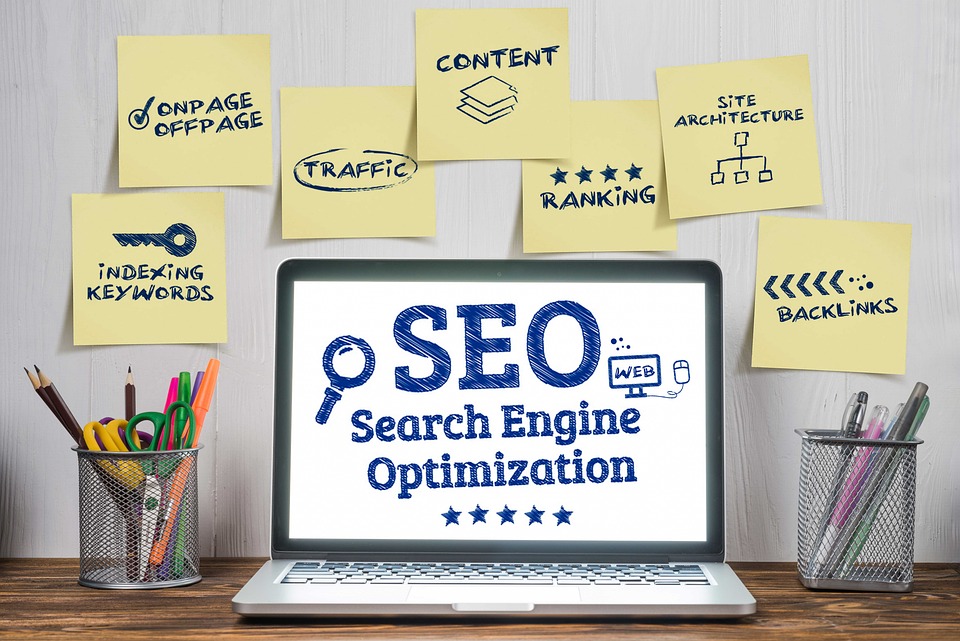
Discover how to leverage ChatGPT for SEO in this enlightening article. We’ll delve into strategies, techniques, and best practices for boosting your website’s visibility and ranking.

Search engine optimization (SEO) is vital for all businesses looking to drive traffic and enhance their online presence. With the emergence of artificial intelligence (AI) technology, new tools are emerging to help SEO professionals streamline their work and achieve better results. One such AI tool is ChatGPT, a powerful chatbot developed by OpenAI with the potential to revolutionize SEO practices.

Collection of top AI tools to use for different tasks.

In this comprehensive guide, we will discuss how to use ChatGPT for SEO effectively, covering various strategies and techniques to optimize your content and boost your search rankings.

Making the most of ChatGPT for SEO

ChatGPT for SEO – Image via Pixabay

In this section, let’s discuss how to use ChatGPT for SEO.

Content optimization with ChatGPT

  • Enhancing relevance and reliability

Creating relevant and reliable content is crucial for SEO success. One way to use ChatGPT for SEO is to optimize your content by ensuring it is up-to-date and factually accurate. By providing appropriate prompts to ChatGPT, you can weed out speculative or unsubstantiated claims and enhance your content’s credibility.

Additionally, you can use ChatGPT to identify unique ways to add relevant keywords to your content for better optimization.

  • Summarizing content

Well-crafted summaries can improve your SEO efforts, as most users often don’t read everything in the content when they’re researching a topic. ChatGPT can effectively summarize content using its natural language processing capabilities.

By inputting the text you want to condense, ChatGPT can generate a concise summary that retains the essential information. You can even set specific parameters, such as creating a bulleted list of key points or focusing on certain aspects of the article.

Dive into the universe of revolutionary AI technology by trying out some of these exciting AI chatbots available today.

ChatGPT for keyword research and analysis

  • Effortless keyword research

ChatGPT can streamline the keyword research process by generating related keywords based on its understanding of search results. By providing ChatGPT with a few target keywords, it can supply you with a list of related keywords that might otherwise take much longer to discover using traditional keyword research methods. Doing so can help you save valuable time and effort in your SEO strategy.

  • Assessing keyword competition

Another valuable feature of this chatbot is its ability to analyze the competition for different keywords.

By asking ChatGPT to compare the competitiveness of various keywords, you can gain valuable insights into which terms are easier to rank for and adjust your strategy accordingly.

Developing content strategy with ChatGPT

  • Generating content ideas

Churning up fresh content ideas can be a difficult task, especially if you don’t have the resources or expertise of a top-notch writer. ChatGPT can help by generating topic ideas for a given keyword. Whether you need ideas for blog posts, whitepapers, or video scripts, ChatGPT can provide creative suggestions within seconds.

You can also ask ChatGPT to give you a writing prompt based on a chosen idea, allowing you to take advantage of AI-human collaboration for efficient content creation.

  • Crafting semantic SEO strategies

Semantic SEO is a modern approach that focuses on the meaning and topics behind keyword searches rather than individual keywords. ChatGPT can help you develop a semantic SEO strategy by categorizing content for search engines to understand the main idea of your web page, allowing it to appear in relevant searches.

It can also help you recognize the intent of relevant keywords, enabling you to adjust your content accordingly and avoid keyword stuffing. This can lead to more targeted search results and higher rankings.

Boosting link building efforts using ChatGPT

  • Identifying link building opportunities

Link building is a vital feature of SEO, involving strategic planning and execution. While there are many link building tools available, ChatGPT can be used as a complementary resource to enhance your link building campaigns.

By providing insights into best practices and effective link building strategies, ChatGPT can help you identify potential link building opportunities and optimize your backlink analysis efforts.

  • Crafting compelling outreach messages

Outreach is one of the most vital aspects of excellent link building. ChatGPT can assist you in crafting persuasive outreach messages that connect with your target demographic, increasing the possibility of obtaining valuable backlinks.

By providing ChatGPT with the necessary context and goals for your outreach campaign, it can generate engaging messages that effectively convey your intentions and build relationships with potential link partners.

  • Writing SEO-friendly titles and meta descriptions with ChatGPT

Title tags and meta descriptions play a vital role in SEO, as they influence both search rankings and click-through rates. ChatGPT can help you create effective meta descriptions and title tags that accurately describe your content and entice users to click on your search result.

By providing ChatGPT with the necessary context, it can generate a variety of compelling titles and descriptions that cater to your target audience and improve your search rankings.

Leveraging ChatGPT for technical SEO tasks

  • Debugging code and writing meta descriptions

Although using ChatGPT for coding might be a more technical process, it can still assist in debugging code and writing meta descriptions. As the learning model continues to grow, it’s likely that utilizing ChatGPT for these tasks will become even more accessible and efficient.

  • Managing analytics report

Analytics are crucial for monitoring how successful your SEO efforts have been and identifying areas where you can improve. ChatGPT can aid in composing and managing analytics reports, helping you identify new ranking opportunities and streamline your data analysis process.

By automating certain aspects of report generation and data parsing, ChatGPT can save you time and effort, allowing you to focus on more strategic aspects of your SEO strategy.

Creating engaging ad copy and landing page content

  • Crafting customized ad copy

ChatGPT can be used to generate engaging ad copy for various customer segments. By providing the right prompts, you can create multiple ad copy variations tailored to different buyer personas.

The generated ad copy can also include relevant keywords to ensure your ads appear in the appropriate search results.

  • Writing captivating landing page copy and CTAs

In addition to ad copy, ChatGPT can assist in writing persuasive copy and clear call-to-action (CTA) messages for your landing pages. Compelling landing page content is essential for driving traffic to your website and increasing conversions.

ChatGPT can create content that matches your design and branding while catering to the interests and needs of your target audience.

Generating FAQs and product descriptions

SEO optimization – Image via Pixabay

  • Crafting comprehensive FAQs

Frequently asked questions (FAQs) are an essential component of any website, as they provide users with quick answers to common inquiries. ChatGPT can help you generate comprehensive FAQs by identifying the most frequently searched questions related to your industry, product, or service.

By addressing these questions on your website, you can improve your search rankings and provide valuable information to your audience.

  • Writing SEO-friendly product and service descriptions

Product and service descriptions are crucial for eCommerce websites, as they can impact both sales and search rankings. ChatGPT can be utilized to create SEO-friendly product and service descriptions that effectively showcase your offerings while incorporating relevant keywords. This can help your product pages rank higher in search results and attract more customers.

Enhancing localizations with ChatGPT

  • Translating keywords and content

ChatGPT’s natural language processing (NLP) capabilities can be used to translate keywords and content accurately, ensuring that the context and intent are preserved. This can enable you to reach a broader audience, especially if you are targeting international markets or catering to multilingual users.

Accurate translations can improve your SEO efforts by ensuring that your content is relevant and accessible to all potential customers.

  • Adapting to local SEO requirements

Local SEO is vital for businesses targeting specific geographic locations. ChatGPT can help you adapt your content and keywords to meet the unique requirements of local SEO. This will ensure that your website ranks well in searches relevant to your target region.

By understanding local search trends and preferences, ChatGPT can help you create content that appeals to your local audience and boosts your search rankings.

Streamlining content creation and distribution

  • Generating newsletter templates and email campaigns 

Email newsletters can play a crucial role in your SEO strategy by distributing content, driving traffic to your website, and creating opportunities for backlinks. ChatGPT can help you create attractive content templates for your newsletters that encourage subscribers to click on your content and share it with others.

By combining AI-generated content with visually appealing designs, you can increase your chances of achieving high open rates and click-through rates.

  • Automating social media updates and blog posts

You can also use ChatGPT to generate content for social media updates, blog posts, and other forms of content distribution. By providing ChatGPT with the necessary context and goals, it can create engaging content that resonates with your target audience and drives traffic to your website.

This can allow you to create a consistent online presence, improve your search rankings, and attract new customers.

Conclusion: Embracing the power of ChatGPT for SEO

Website layout – Image via Pixabay

ChatGPT provides a wide range of potential applications in the realm of SEO, from content optimization and keyword research to localization and analytics management. By harnessing the power of AI, SEO professionals can streamline their work, achieve better results, and stay ahead of the competition.

However, it’s crucial to remember that while ChatGPT is a powerful tool, human oversight is still necessary to ensure accuracy and maintain the quality of your content. By combining the capabilities of ChatGPT with your own expertise and creativity, you can create a winning SEO strategy that drives success for your business.

By Diya Chhabra

Diya is an enthusiastic individual with a zeal to learn new things. She’s a Content Writer and Copywriter who turned her passion for writing poetry into a profession. She has written for various niches under the sun with experience and expertise in writing for topics related to AI and crypto. As a Content Writer at AMBCrypto, Diya tries to offer valuable insights into these subjects to help you keep up with the rapid technological advancements.

Sourced from AMB CRYPTO

By Jeff Haden

And it’s something everyone–regardless of their background, education, connections–can do.

I’m not particularly smart. I’m not particularly athletic. I don’t have any real talents (when talent is the ability to learn a subject or gain a skill more quickly than most). I’m the poster child for average.

Maybe that’s why, out of all the great things the Apple co-founder said, this is my favourite Steve Jobs quote:

I’m convinced that about half of what separates successful entrepreneurs from the non-successful ones is pure perseverance. It is so hard. You pour so much of your life into this thing.

There are such rough moments … that most people give up. I don’t blame them. It’s really tough.

While Jobs was referring to startup founders, the premise is broadly applicable. Whatever intelligence I possess is from reading at least two books a week. My fitness level is due to the fact I work out nearly every day. My writing ability, such as it is, is due to the fact I write every day.

In any pursuit, any success I’ve enjoyed is because I show up, even when I don’t want to.

While that might sound too simplistic — perseverance is just one factor in achieving any worthwhile pursuit — just showing up carries outsize importance. For example, a meta-analysis published in Review of Educational Research found that college students who consistently go to class get (surprise, surprise) better grades.

While that might sound more like correlation than causation — maybe the smartest people tend to go to class more regularly — there’s more to it.

Class attendance (better predicts) college grades than any other known predictor of academic performance, including scores on standardized admissions tests such as the SAT, high school GPA, study habits and study skills.

Results also show that class attendance explains large amounts of unique variance in college grades because of its … weak relationship with student characteristics such as conscientiousness and motivation.

Not particularly smart? Not particularly motivated? Not a great student? As long as you show up, and keep showing up, you’ll likely do well.

That’s true for most things. Say your goal is to make 10 sales cold calls a day, but today you just aren’t feeling it. Just make two calls. Something is always better than nothing, and sticking to your plan, at least in part, will help you maintain the routine. (Habits: really hard to establish, incredibly easy to break.)

Plus, those two calls could break you out of your unmotivated funk.

“If you don’t want to do something,” Instagram founder Kevin Systrom says, “make a deal with yourself to do at least five minutes of it. After five minutes, you’ll end up doing the whole thing.” Even if you don’t, that’s OK: Showing up every day allows you to put at least a partial X in your Jerry Seinfeld calendar chain.

And then there’s this. Do something regularly helps you, as odd as it might sound, become that thing.

Say you want to start a business. At first, you’re checking off to-do lists. You’re following advice from others. You’re finding your way. But in time, you no longer see yourself as a person who is starting and running a business.

You’re an entrepreneur; that’s who you are, and you act accordingly.

Or say you hire employees. At first, you manage them — but when you show up every day, in time you start to think of yourself as a manager. Leading is no longer something you do. You’re a leader; that’s who you are, and you act accordingly.

The same is true for any pursuit. When you show up consistently, over time you become the thing you do. If you’ve just started jogging, you would never call yourself a runner — but by showing up, time after time after time, one day you’ll wake up one day and see yourself not as someone who runs, but as a runner.

Sound too simple? Science says otherwise. A study published in Child Development found that students were 30 percent more likely to clean up when teachers said, “Can you be a helper in cleanup?” instead of “Can you help clean up?”

That small shift isn’t just effective with kids. A study published in Proceedings of the National Academy of Sciences found that people who received a letter encouraging them to be a voter rather than simply to vote were 15 percent more likely to register to vote.

That’s why Jobs put so much emphasis on perseverance. Clearly staying the course matters: While showing up won’t guarantee success, giving up does guarantee you’ll fail.

Don’t have a talent for sales? If you show up, sales skills can be learned. Don’t have a talent for leading people? If you show up, most leadership skills — giving feedback, building teams, setting expectations, showing consideration for others, seeking input, focusing on meaningful priorities, etc. — can be learned.

Success in most pursuits doesn’t require talent. Success simply requires skill.

Skill you can gain — as long as you’re willing to show up.

Feature Image Credit: Steve Jobs. Photo: Getty Images

By Jeff Haden

Sourced from Inc.

By Will Zoobkoff

Smartphones have become an essential part of our lives, revolutionizing communication, work, and entertainment. Choosing the right smartphone can be overwhelming due to the multitude of options available. In the fiercely competitive smartphone market, brands strive to differentiate themselves. Innovation is key as they push technological boundaries with features like advanced cameras, powerful processors, and immersive displays. These brands constantly aim to captivate and retain consumers’ attention.

Performance plays a vital role in ranking smartphone brands. Seamlessly integrating software, optimizing performance, and enabling efficient multitasking contributes to a smooth user experience. Performance greatly impacts user satisfaction, attracting gaming enthusiasts and productivity-driven individuals alike. Design sets smartphones apart, with brands investing in sleek, ergonomic devices that are visually appealing and comfortable. Aesthetics, build quality, and premium materials are carefully considered to create functional and visually stunning devices. Finally, a positive user experience comes from a seamless interface, timely updates, robust security, and an extensive app ecosystem.

Throughout this article, we explore major smartphone brands, thoroughly evaluating their strengths and weaknesses. Join us as we navigate the smartphone market, delving into performance, innovation, design, and user experience, while uncovering the secrets behind their success and revealing which brands reign supreme in this highly competitive industry. Here is every major cell phone brand, ranked from worst to best

10. Huawei

Huawei, a prominent Chinese electronics manufacturer, has earned worldwide acclaim for its exceptional smartphone brands, including Huawei and Honor. Renowned for their partnership with renowned camera maker Leica, Huawei smartphones have become synonymous with outstanding photography capabilities. The co-engineered camera systems capture stunning images, providing users with a professional-grade photography experience.

In addition to their remarkable cameras, Huawei smartphones boast powerful processors, ensuring smooth and efficient performance for various tasks. The devices also feature large high-resolution displays, delivering vibrant visuals and an immersive viewing experience. With long-lasting battery life, users can rely on their Huawei smartphones throughout the day without worrying about frequent recharging.

Huawei’s commitment to innovation is evident in the integration of cutting-edge technologies. The inclusion of 5G connectivity enables faster data speeds and seamless connectivity in an increasingly connected world. Advanced features such as facial recognition, gesture control, and AI-powered voice assistants provide users with intuitive and convenient interactions with their devices.

Despite facing challenges arising from restrictions imposed by the American government, Huawei remains steadfast in its pursuit of excellence. The company continues to prioritize the development of groundbreaking smartphones with exceptional camera performance and forward-thinking features, such as a clamshell design for the Huawei P50 Pocket. By delivering advanced features, premium design, and technological excellence, Huawei meets the demands of consumers seeking top-of-the-line smartphones in a highly competitive market — even if some of their immediate competitors occupy a more prominent position in that market.

9. Vivo

Vivo, a prominent Chinese smartphone manufacturer, has made a mark in the industry by offering a diverse range of devices that prioritize photography and design. Vivo smartphones are widely recognized for their advanced camera systems, boasting high megapixel counts and incorporating cutting-edge features like AI-powered scene recognition. These capabilities empower users to capture stunning photos in various lighting conditions and enhance their photography skills.

In addition to their exceptional cameras found in models like the Vivo X70, Vivo smartphones are known for their premium designs. The brand emphasizes sleek aesthetics, incorporating features like in-display fingerprint sensors and slim bezels. Vivo devices also often sport high-resolution displays, providing vibrant visuals and enhancing the enjoyment of multimedia content.

Vivo keeps pace with technological advancements by equipping their latest smartphones with powerful processors, ensuring smooth performance and efficient multitasking. The devices also prioritize long battery life, enabling users to stay connected and productive throughout the day. Vivo smartphones often support fast charging technologies, minimizing downtime and keeping users on the go.

Innovation is at the core of Vivo’s smartphone offerings. Their devices use features such as gesture controls, allowing users to navigate the interface with intuitive gestures. Moreover, AI-powered voice assistants provide convenient hands-free interaction and assistance. Vivo’s smartphone lineup caters to consumers seeking a combination of premium design, innovative features, and advanced camera capabilities, providing users with a compelling smartphone experience that meets their diverse needs and aspirations.

8. Xiaomi

Xiaomi, a leading Chinese electronics manufacturer, has gained widespread recognition for its Xiaomi and Redmi smartphone brands. These devices have become synonymous with the perfect balance of high-end features and affordable prices, making them a top choice for budget-conscious consumers.

The company’s latest smartphone offerings exemplify its commitment to delivering impressive specifications at Xaomi’s typically accessible price points. These devices feature powerful processors that ensure smooth performance and efficient multitasking. The large high-resolution displays offer immersive visuals, enhancing the user experience for everything from content consumption to gaming. Battery life is another priority for Xiaomi, as their smartphones provide long-lasting usage and incorporate fast charging technologies, minimizing downtime and keeping users connected throughout the day.

One of Xiaomi’s standout features is its advanced camera systems. With high megapixel counts, Night mode, AI-powered scene recognition, and multiple lenses, users can capture stunning photos in various conditions, unleashing their creativity and capturing memorable moments. In addition, Xiaomi smartphones run on MIUI, a custom Android-based operating system that offers a range of customization options. This allows users to personalize their devices and tailor the user interface to their liking, creating a more personalized and enjoyable experience.

Catering to consumers who seek both high-end features and affordability, Xiaomi continues to make waves in the smartphone market. Their devices provide a compelling option for those who desire exceptional performance and innovative features without compromising their budget.

7. Sony

Sony, the renowned Japanese electronics manufacturer, offers a range of smartphones under its Xperia lineup, which is known for its premium features and elegant designs. Xperia devices excel in various aspects, including advanced camera systems with high megapixel counts, large sensors, and advanced image stabilization. Additionally, Sony prioritizes audio excellence by incorporating Hi-Res audio support and powerful speakers into Xperia smartphones.

With sleek profiles and premium materials like glass and metal, Xperia devices boast a sophisticated and refined aesthetic. Powered by Qualcomm Snapdragon processors and running on the Android operating system, they deliver robust performance and a familiar user interface.

Sony’s Xperia lineup targets consumers seeking the perfect combination of premium features and design in their smartphones. These devices offer a remarkable photography experience and ensure captivating audio playback. With their elegant appearance and powerful performance, Xperia smartphones appeal to tech enthusiasts and those who appreciate top-tier craftsmanship.

Sony’s commitment to quality and innovation has established Xperia as a trusted brand in the competitive smartphone market. Their devices consistently deliver the desired blend of cutting-edge features, stylish designs, and reliable performance, making Xperia a compelling choice for users who demand excellence from their smartphones, even if it has yet to achieve the brand recognition some of its competitors enjoy.

6. ASUS

Asus, a distinguished Taiwanese electronics manufacturer, has made a mark in the smartphone industry with its Zenfone lineup. These devices are highly regarded for their exceptional combination of high-end features and affordability, catering to consumers who seek both performance and innovation without breaking the bank.

At the core of Asus Zenfone devices lies powerful processing capabilities, ensuring seamless multitasking and efficient operation. The inclusion of large high-resolution displays enhances the visual experience, providing vibrant colors and sharp details for immersive content consumption.

One of Asus’ strengths lies in its advanced camera systems. Zenfone smartphones boast multiple lenses, allowing users to explore different perspectives and capture stunning photos. Features like Night mode and AI-powered scene recognition enhance photography possibilities, enabling users to achieve impressive results in various lighting conditions.

Asus smartphones are not afraid to push the boundaries of design and functionality. They have introduced unique features like flip camera modules, which can be utilized for both front and rear-facing photography, delivering versatility and convenience. Additionally, advanced cooling systems have been implemented to enhance performance during gaming sessions, ensuring smooth gameplay even during demanding tasks.

Asus aims to cater to consumers who desire high-end features, innovative designs, and affordability in their smartphones. By striking a balance between cutting-edge specifications, distinctive features, and accessible pricing, Asus Zenfone devices provide an appealing option for those seeking exceptional value for their smartphone investment.

5. Motorola

Motorola, an American electronics manufacturer, offers a range of smartphones under the Moto and Motorola One lineup. Renowned for its user-centric approach, Motorola devices prioritize an intuitive and convenient user experience. With a near-stock Android operating system, features like Moto Display and Moto Actions enhance usability and streamline interactions.

Battery life is a key focus for Motorola smartphones, delivering long-lasting performance to keep users connected throughout the day. Fast charging technologies ensure minimal downtime, allowing quick recharges when needed.

The latest Motorola devices feature high-end components, including powerful processors, large high-resolution displays, and advanced camera systems. However, most of Motorola’s smartphone lineup strikes a balance between high-end features and affordability, with a strong emphasis on user experience. Many Motorola devices cater to consumers seeking intuitive interfaces, long-lasting battery life, and the benefits of advanced technology without straining their budget.

By offering devices that prioritize user convenience, seamless interactions, and essential features, Motorola has cultivated a loyal following of users who value a straightforward, reliable, and cost-effective smartphone experience, helping them earn a spot in the top half of our ranking.

4. OnePlus

OnePlus, a highly regarded Chinese smartphone manufacturer, has carved a niche in the industry by offering a range of high-end devices that prioritize performance, design, and user experience. Renowned for their commitment to delivering top-of-the-line specifications and innovative features, OnePlus smartphones present an enticing proposition for tech enthusiasts and discerning users alike.

At the heart of devices like the OnePlus Pro 10 lies their powerful processors, ensuring seamless multitasking, snappy performance, and efficient operation. The inclusion of large high-resolution displays enhances the visual experience, delivering vibrant colors, sharp details, and an immersive viewing experience.

Photography enthusiasts are in for a treat with OnePlus’ advanced camera systems. Beyond that, OnePlus smartphones offer a clean and intuitive user interface through OxygenOS, a custom Android-based operating system. OxygenOS is celebrated for its fluidity, customization options, and optimized user experience, guaranteeing seamless and personalized interaction with the device.

OnePlus sets itself apart with unique features like Warp Charge, a fast-charging technology that delivers lightning-fast charging speeds, reaching 70% battery capacity in just 30 minutes. Additionally, the Alert Slider provides users with effortless control over different notification modes, enhancing convenience and user control.

Catering to consumers seeking a combination of premium design, fast performance, and personalized experiences, OnePlus continues to impress with its dedication to innovation and meeting the expectations of tech-savvy users. This commitment to quality helps this relatively lesser-known company land among the top smartphone brands on the market.

3. Google

Google, an esteemed American technology company, has made a significant impact in the smartphone market with its impressive Pixel lineup. Its devices are renowned for their clean Android OS and exceptional camera capabilities, showcasing Google’s focus on software and user experience.

Pixel smartphones stand out with their high-end cameras featuring advanced features like Night Sight and Super Res Zoom, which allow users to capture stunning photos in low-light conditions and achieve remarkable zoom levels. Additionally, regular software updates from Google ensure access to the latest features, security patches, and improvements.

Notable features like Google Assistant and Google Lens integrate advanced AI capabilities for voice commands and image recognition, enhancing convenience and productivity. The latest Pixel devices boast powerful processors, large high-resolution displays, long-lasting battery life, and additional perks like wireless charging and water resistance.

While lacking some advanced features found in competitors like Samsung and Apple, Google’s smartphone lineup caters to those seeking a premium and straightforward Android experience. By combining cutting-edge technology, regular updates, and AI-driven features, Google continues to solidify its position as a leading player in the smartphone industry.

2. Apple

Apple has long established itself as a prominent player in the smartphone industry with its iconic iPhone. These smartphones are renowned for their exceptional design, cutting-edge features, and highly acclaimed iOS operating system.

iPhone devices boast premium design and craftsmanship, incorporating high-quality materials that exude elegance and durability. Features like Face ID and Touch ID provide secure biometric authentication, ensuring the privacy and convenience of users.

The advanced camera systems of Apple smartphones capture stunning photos with features like Portrait mode consistently delivering impressive results. Complemented by powerful processors, large high-resolution displays, and long battery life, iPhone devices offer a seamless and immersive user experience.

Apple smartphones also showcase a range of advanced features like Siri, Apple Pay, FaceTime, and seamless integration within the Apple ecosystem. Siri allows users to conveniently interact with their devices through voice commands. Apple Pay provides a secure and convenient way to make payments, while the ecosystem integration enables effortless connectivity and synchronization across various Apple devices.

Apple’s iPhones have gained a reputation for being exceptionally easy to use, making them a popular choice among consumers. With intuitive interfaces, straightforward navigation, and a user-friendly ecosystem, iPhones offer a seamless user experience. Apple’s commitment to simplicity and consistency across their devices allows users to quickly adapt and effortlessly navigate through various features and settings placing it high on the list.

1. Samsung

Renowned South Korean electronics manufacturer Samsung is widely recognized for its Galaxy line of smartphones. These devices embody high-end features, innovative designs, and advanced technology, catering to consumers seeking a superior mobile experience.

Galaxy smartphones showcase powerful processors that deliver seamless performance and multitasking capabilities. With their large high-resolution displays, users are treated to immersive visuals for gaming, media consumption, and productivity, while extended battery life ensures uninterrupted connectivity throughout the day.

Samsung’s commitment to photography excellence is evident in its advanced camera systems. However, the company’s dedication to innovation extends to unique Samsung Galaxy features such as Samsung DeX, which enables a desktop-like experience through a monitor, and Samsung Pay, a secure mobile payment system. Wireless charging, water resistance, and the robust Knox security platform further enhance the user experience and provide added convenience and protection.

Samsung’s smartphone lineup combines high-end features, innovative design, and advanced technology to cater to diverse user preferences. Samsung maintains its position at the top by offering a wide variety of devices that allow users to find the perfect fit for their needs. By prioritizing productivity and entertainment, Samsung delivers devices that elevate the mobile experience for users worldwide.

By Will Zoobkoff

Sourced from SLASH GEAR

By Alex Bodra 

As we head into the second half of 2023, it’s more important than ever to take a proactive approach to your business and seek guidance from those who have succeeded before you.

Entrepreneurship is a journey that requires hard work, dedication, and the right mindset. The business world is constantly evolving, and staying on top of the latest trends and strategies is essential for success. As we head into the second half of 2023, it’s more important than ever to take a proactive approach to your business and seek guidance from those who have succeeded before you. In this article, we’ve gathered insights from top entrepreneurs who share their business tips for 2023.

Beatriz Repiso

Beatriz Repiso is a passionate entrepreneur and the founder of a leading international digital marketing agency that specializes in catering to multilingual and multinational enterprises. With a strong focus on the financial niche, Beatriz and her team pride themselves on their ability to provide localization services, ensuring that language and culture are expertly woven into tailored marketing strategies. Beatriz’s agency is dedicated to helping businesses expand their global reach by adapting their marketing efforts to resonate with diverse audiences across various geographies.

Advice For Entrepreneurs:

As an entrepreneur, one of the most valuable lessons you can learn is the importance of adaptability and patience in the face of constant change. Success is rarely achieved overnight, and it takes time for your strategies to bear fruit. Don’t be afraid to explore multiple avenues and have a contingency plan in place for when things don’t go as expected. Remember that language and cultural nuances can significantly impact your business, so it’s essential to remain open to new perspectives and be willing to adjust your approach accordingly. Embrace the journey, and never lose sight of the ultimate goal – building a thriving, sustainable business that transcends borders and makes a meaningful impact on the world.

Nestor Vasquez

Nestor Vazquez is an experienced SEO consultant based in Mexico. He supports entrepreneurs trying to make their businesses more visible and profitable in a crowded online market, with his media experience amounts to thousands of pages, and his expertise in e-commerce is both local and international.

Advice For Entrepreneurs:

Nestor Vazquez is inspired by Reid Hoffman phrase: “If you are not embarrassed by the first version of your product you’ve launched too late.” Which means that an important lesson you can learn is if you wait until your product is perfect before you release it, you may be waiting too long. Instead, you should aim to get your product out to the public as soon as possible, even if it’s not perfect yet. This is because the first version of your product will almost never be perfect, and you will always find ways to improve it.

That’s suggests that it’s better to take action and get your product out there, even if you feel a little embarrassed by its imperfections. This way, you can start getting feedback from your customers and making improvements based on their suggestions. In the end, your product will be better for it, and you’ll be more likely to succeed.

Victor Mäki

Victor Mäki is a serial entrepreneur with a diverse portfolio, spanning across finance, real estate, SaaS, and mobile applications. As the owner of Coin Real Estate, he has established a pioneering position in the web3 and crypto space by accepting bitcoin and various other cryptocurrencies as payment methods. Victor’s innate ability to seize opportunities in a wide range of industries has set him apart as an innovative leader, consistently pushing the boundaries of traditional business practices.

Advice For Entrepreneurs:

Embrace every opportunity that comes your way, and never close doors to new possibilities. The key to success as an entrepreneur lies in expanding your network, treating people with respect, and investing in continuous education. Surround yourself with individuals who share your vision for growth and possess a strong work ethic, as these are qualities that cannot be taught. Remember that those who grow alongside you are more likely to remain loyal partners in your journey. Keep an open mind, cultivate meaningful relationships, and nurture a culture of learning and development – this will not only propel your business forward but also lay the foundation for a fulfilling entrepreneurial experience.

Gregor Gregersen

Greger Gregersen is the Founder of Silver Bullion Pte Ltd. The company provides segregated ownership of physical gold, silver, platinum, nickel, and other metals while minimizing storage, counterparty, and jurisdictional risks in a manner that traditional financial institutions cannot.

Silver Bullion eliminates counterparty default risk through legal title ownership (not credit) of authenticated property and has obtained one of the best insurance coverage to protect your property. Most importantly, their exclusive Singapore jurisdiction and full vertical integration of their precious metals dealership, vault, and vault landlord isolate them from Western gold nationalizations or confiscations.

Their full vertical integration, free of outsourcing, means that their clients have certainty with whom they deal and their upcoming vaulting facility, The Reserve, represents their commitment to being a trusted long-term custodian for investors’ generational wealth.

Silver Bullion is an extraordinarily solid counterparty against global systemic crises such as multiple bank defaults, hyperinflation, or gold nationalizations.

Rooted firmly in Singapore, they have procured 980 metric tons of bullion since 2009 and provide liquidity for their clients by buying back bullion at very competitive prices. They have stored over 680 metric tons of bullion for customers since 2011 and operate their own testing lab to authenticate all customers’ bullion, guaranteeing the bullion’s authenticity.

With the assurance that all stored bullion is genuine, they are able to facilitate secure low-interest lending and borrowing between clients on their Secured P2P Loan program which has matched over 535 million SGD across 13,900 loans since 2015.

Silver Bullion is a member of the Singapore Bullion Market Association (SBMA) and was ranked the 33rd most entrepreneurial privately owned company in Singapore by KPMG and The Business Times (E50).

Advice For Entrepreneurs:

Gold and silver are always considered attractive investments due to their unique properties. Both metals are limited in supply and have been regarded as a store of value for thousands of years. With inflation rising, investors are looking for alternative ways to preserve their wealth. Gold and silver have historically held their value during periods of high inflation and have provided a store of value during times of currency devaluation. It would be wise that entrepreneurs to allocate some investment funds into precious metals given the inflationary and uncertain global economic situation.

Rob Eyerly

Headshot photography trends have evolved over the years, with changes in technology, preferences, and the way people market themselves. In the past, headshots were characterized by department store poses and dated backgrounds, but nowadays, there is a shift towards a more authentic and timeless look. The emphasis is on capturing the individual’s personality and embracing their unique features and character traits. As a result, contemporary headshot photography often embraces a more relaxed technique, with less focus on traditional methods and more emphasis on results that convey a sense of approachability and warmth.

Another evolution in headshot photography is the newest trend of virtual professional headshots. This style embraces the remote culture of the modern workforce and leans into cost-effective and convenient solutions. While the definition of virtual headshots can vary, one option features a simple DIY selfie with limited editing benefits. Another more sophisticated option features a headshot session led by a professional photographer using remote photo capture and offering an extensive suite of retouching services with a post-production house. Blending the best of onsite photography with its digital counterpart, virtual headshots are one of the most accessible solutions to provide connection and brand alignment for teams divided by distance.

With the rise of social media and online networking, headshot photography has become more critical than ever. Keeping up with the latest trends can help individuals or teams make a lasting impression and stand out in a competitive job market.

Advice For Entrepreneurs:

When asked what has been the most significant accomplishment or milestone his company hit, Rob Eyler, CEO at Capturely, responded, “Building my team. COVID brought our onsite photography to a standstill, no revenue. Instead of giving in, our team pivoted and developed professional virtual headshots. This was only possible because we believed in the vision that everyone deserves professional visibility. Most importantly, we believed in each other.”

He added, “That’s the true definition of success, a team so supernaturally unified and striving towards a common goal that we feel like anything is possible.”

Tim David:

Tim David is co-founder of Breakthrough Productions with his wife, Corryn David. Over the past 16 years, their team has executed over 500 events and impacted the lives of over 8,640,000 consumers nationwide. Together they have worked with some of the top brands in the world, executing and producing impactful events. Think of what they do as creating Disney-World-like experiences for Fortune 500 brands.

They take their experience in theatrical storytelling and world creation and tie that with the message a brand wants to deliver to the marketplace and create something memorable and powered by impact. Whether it’s a tradeshow environment, music festival activation, multi-stadium tour, or a pop-up store, Tim and his team are experts at taking an ordinary event and making it an EXPERIENCE… That is why they are fore-runners in the experiential marketing company space. Transforming spaces and creating experiences that the consumers who are impacted will never forget.

If Tim had any advice for an entrepreneur, it would be this: “There are only two things that matter when it comes to business. The first; is the impact you have on people; people are your consumers and your team members… and the second is profit. That’s all that matters, and that’s all you should be focusing on.

Advice For Entrepreneurs:

I’d have you consider that the impact you and your team deliver to the marketplace has a DIRECT impact on the profit of your business. People today are tired of just price shopping. The most successful brands have a true connection with their people… And that can only be delivered with impact and connection. Experiential Marketing is no longer just for Fortune 500 companies, and it can impact your customers in either a healthcare waiting room, a music festival, or a tradeshow… Anywhere people engage with your brand and connect with your experience.”

Daniel Wilson

Advice On Growing A Successful Dental Practice:

Growing a successful dental practice takes a lot of hard work, dedication, and a solid understanding of what it takes to keep your patients happy and healthy. We will go over some of the key strategies and techniques that you can use to grow your dental practice and build a thriving business.

  1. Invest in your staff and provide excellent customer service.
  2. Your staff is the backbone of your practice. Investing in their education and training will help them stay up-to-date with the latest dental technology and techniques. Additionally, excellent customer service can lead to patient referrals and a positive reputation in your community.
  3. Create a welcoming atmosphere and focus on patient comfort.
  4. Patients are more likely to return to your practice if they feel comfortable and at ease during their appointments. This includes everything from the design of your waiting room to the dental chairs and equipment you use.
  5. Embrace technology and stay up-to-date with the latest trends.
  6. Technology is always evolving, and it is essential to be current with the latest dental technology and trends. This includes everything from digital X-rays to social media marketing.
  7. Build relationships with your patients and community.
  8. Building solid relationships with your patients can lead to patient loyalty and positive word-of-mouth referrals. Additionally, getting involved in your community through events or sponsorships can raise awareness about your practice.
  9. Offer a wide range of dental services, such as dental implants, same-day dental crowns, and more.
  10. Offering a wide range of dental services can attract a broader patient base and increase revenue. This includes everything from routine check-ups and cleanings to cosmetic dentistry and orthodontic treatments.
  11. Utilize effective marketing strategies.
  12. Marketing and getting your message out is an essential component of any successful business. Utilizing effective marketing strategies such as search engine optimization (SEO), social media marketing, and email marketing can help attract new patients and build your brand.
  13. Focus on patient education and preventive care.
  14. Educating your patients about proper oral hygiene and the importance of preventive care can help reduce the need for more extensive treatments down the line. Additionally, offering preventive services such as fluoride treatments and sealants can help keep your patients healthy and happy.
  15. Continuing education is essential for any dentist in Vancouver WA, or anywhere looking to provide the best possible care for their patients. Encouraging your staff to attend seminars, conferences, and workshops can help them stay up-to-date with the latest dental techniques and treatments.
  16. Monitor and analyse your practice’s performance.
  17. Monitoring and analysing your practice’s performance can help you figure out areas for improvement and make data-driven decisions. This includes tracking patient satisfaction, revenue, and expenses.
  18. Stay organized and maintain accurate records.
  19. Maintaining accurate records and staying organized is essential for any successful dental practice. This includes everything from scheduling appointments to keeping track of patient files and financial records.

In conclusion, growing a successful dental practice takes hard work, dedication, and a solid understanding of what it takes to keep your patients healthy and happy. By investing in your staff, embracing technology, building strong relationships with your patients and community, offering a wide range of services, utilizing effective marketing strategies, focusing on patient education and preventive care, emphasizing the importance of continuing education, monitoring and analysing your practice’s performance, and staying organized, you can build a thriving dental practice and provide the best possible care for your patients.

George Ligon

Advice For Entrepreneurs:

I started my own law firm for many of the same reasons that every business owner does: I was tired of working for someone else, I wanted to have more control over my schedule, and I thought I could provide better services for my clients if there were less organizational bureaucracy between the client and lawyer.

What I did not expect was how becoming a business owner would make me a better advisor and business lawyer for my clients. Suddenly their problems were problems I also had. Being an entrepreneur has made me a better estate planning attorney and introduced me to many other business owners as well.

To anyone thinking about starting their own business, as a lawyer, I would advise making sure the contracts and legal and tax structures are set up correctly on the front end, as fixing it later can cause lots of problems. As a business owner, I would advise you just to accept that there is going to be a whirlwind of the unexpected, and that’s a good thing. Starting your own business will be the greatest professional adventure you can have.

Chris Hamilton


Outdoor lighting and landscape lighting trends have been evolving in recent years, with an emphasis on creating a warm, welcoming ambiance and highlighting the beauty of the surrounding environment. One of the biggest trends in outdoor lighting is the use of LED lights, which offer a range of benefits, including energy efficiency, longer lifespan, and more options for colour and brightness. LED lights are versatile and can be used for various purposes, such as lighting walkways, highlighting architectural features, or creating a soft glow around outdoor seating areas.

Another trend in outdoor lighting is the use of smart technology, which allows homeowners to control their lighting remotely, either through an app or voice activation. This technology can be particularly useful for landscape lighting, as it allows for easy adjustments to the lighting scheme depending on the time of day or season. Additionally, landscape lighting is becoming more artistic, with designers using a variety of fixtures, colours, and angles to create visually stunning displays. This trend is particularly popular in high-end residential properties and commercial settings such as hotels and restaurants, where outdoor lighting plays a crucial role in creating a memorable and inviting atmosphere.

Advice For Entrepreneurs:

Some advice that I would give would be to other Entrepreneurs, especially nowadays, is to go all in on one thing. It is paramount to separate yourself apart from the competition and carve out your niche in the market. Every interaction with any person, whether it is a customer, friend, etc., is an opportunity to make your mark and leave a lasting impression, not just to create an opportunity for yourself through sales but also a connection. The world right now is disconnected, so it is a low barrier to entry to create a great connection.

Dr. Matthew Hubis, DMD

As an entrepreneur in the dental industry, it’s important to stay up-to-date with the latest trends in dentistry to remain competitive and provide the best possible service to your patients. Being a small city dentist in Rock Hill SC I am seeing some of the latest trends that are currently shaping the industry:

Digital Dentistry: Scanning has become the new norm in dentistry. Analog impressioning still works, but digital scanning offers increased speed, accuracy, and flexibility in workflows. Decreased appointment times and eliminating time spent with an impression tray in their mouth are perks for our patients.

3D Radiographs or CBCT: Cone-Beam Computed Tomography, or CBCT, is a must-have in today’s practice. This technology allows us to view the patient’s maxilla and mandible in 3 dimensions. Diagnosis has never been more clear-cut. Nothing can hide from us anymore. CBCT also aids in implant planning.

Same-Day Crowns: With CEREC chairside software, I’m able to eliminate an entire appointment to complete a crown or multiple crowns. Patients really value this efficiency in our workflow.

Dental Implants: Dental Implants have become very predictable in replacing teeth and stabilizing dentures. This treatment is the standard of care and is very profitable. Digital workflows can be incorporated to reduce the overall treatment time and improve efficiency. Guided implant surgery incorporates scanning and 3D radiographs to pre-plan the implant position and produce a guide for highly accurate implant placement. General Dentists are

3D printing: Implant guides, Same-day restorations, Nightguards, and Dentures are just a few of the dental solutions that can be 3D printed in-office. Most laboratories have 3D printers for outsourcing the prints if not done in-office.

Advice For Entrepreneurs:

If you are looking to start your own dental practice, I would suggest the following steps.

  • Locate an area you want to practice and live in. It must be desirable and fit your life.
  • Do demographics research with Dentagraphics or something similar.
  • Cross-reference a good location with one that’s desirable to you. Your hometown is always a good choice if you want to live there.
  • Create a vision. What do you want your practice to be like? You will spend much time in your practice, so make it pleasant.
  • Find your niche. Your niche must be something you enjoy. It might be something lacking in your area or it might be something you can do better than everyone else.
  • Obtain all the knowledge you can and put it in play. Dental CE is everywhere. Invest in the best and implement what you learn immediately.
  • Try not to move locations. If you can stay in the exact location your entire career, you will build a more profitable practice. If you must move, it’s not the end of the world, but it will set you back some in the building process.

Feature Image Credit: Bram Naus on Unsplash

By Alex Bodra 

Sourced from Entrepreneur Asia Pacific

By Andrea Pacheco

In 2021 I landed my dream job. Working at Apple, the holy grail of minimalistic design, innovation, and creativity. A place where misfits have a seat on the table and where bold, crazy ideas are highly encouraged. As a Product Designer, working at Apple was a life-changing experience, and all I can say is that I’ll keep carrying some of its principles with me wherever I go. In the one year that I worked at Apple, here are the top 10 lessons I learned:

TL;DR

  • Apple is a unique company and I believe that the way they do product design can only be successful due to their business model, which allows for innovation, failure, risks, and a strong focus on design craft excellence, even if it takes a long time to get there.
  • Build a great product, not an MVP.
  • Storytelling is the best skill we need to develop as product designers.
  • A top-down culture is not as bad as we think.

Disclaimer: The opinions presented here are all based on my experience and don’t necessarily reflect how Apple operates.

Great design will take you far, great communication will take you even further: influence people and move things forward.

Projects get built when enough people believe in them. From small talks to elaborating decisions to VP presentations. The way we speak, project ourselves, and elaborate our thoughts is fundamental for getting consensus, influencing people, and moving things forward.

My biggest learning was to put passion into my speech. Not only when presenting work, but especially when talking in meetings. Be truly excited about your work and show this excitement to everyone working around you.

Jobs had an amazing ability to make his ideas understandable and memorable because he spoke with passion. People may not remember what you said, but they will remember how you made them feel: confident, interested, optimistic, bored, reluctant, etc.

At the end of the day, we’re not only selling products to customers externally, but also selling our ideas to teams and stakeholders internally, and the key to any successful sale is communication.

Storytelling is your superpower: are we deck designers after all?

One of the things that surprised me the most was to see that for any piece of work being shared, designers would put together a keynote deck for it. It could be the smallest thing, like a quick look at the latest work progression, or big presentations, of course. At Apple, designers use the power of storytelling to influence others, instead of just showing what they are doing.

A few tips I learned when presenting work on decks are:

  • Tell a story instead of explaining the process.
  • Only focus on one idea per slide. Don’t confuse what you’re saying by having busy slides. Use one bold sentence per slide. Instead of paragraphs of text.
  • Use presenter notes as a script for your speech. Let the image/mockups paint the picture of what you’re saying in the background.
  • Rehearse your presentations. Even if it’s just a small design critique for a few designers, take one hour or less before the meeting to go through your narrative and know exactly what you need to say to get straight to the point.
  • Have fun! It goes back to how you want people to feel and how helping people feel optimistic during your presentation will help you gain their trust and move things forward (even if the work needs some iteration).

Big ideas are more important than usability fixes: the art of balancing long-term vs. short-term goals.

One thing I noticed is that most of the product teams won’t spend their bandwidth working on small wins and fixes. Instead, teams are focused on long-term impact and building the next big thing. This might explain why every year we see at WWDC Apple releasing a new great feature that will blow our minds, but that small minor usability issue is still there.

It comes down to the company culture. Apple is known for being an innovative brand, so there’s a natural expectation that the company will be working towards releasing innovative products and experiences and this affects how the company prioritizes its efforts.

So I guess the learning is if you want to be innovative, focus on the big wins instead of the small ones. Even if it takes more time to get there.

Trust your instinct, you’re an expert: in making decisions without user testing.

In the ideal world, whenever we’re designing, we user test to spot any red flags on usability or accessibility.

At Apple, you can’t just go out there and use usertesting.com to test your new designs. Imagine if word gets on the street and everyone knows what exciting new feature Apple is working on. You need to find new ways to test your designs, without compromising their secrecy of it.

One of the ways to do that is by running internal user tests with selected employees. Another way is to rely on expert reviews. Expert reviews are design critiques with highly knowledgeable people, usually design directors, VP of products, and managers. The stakes are high and you have to elaborate on the intentionality behind every single design choice. You might think this is a biased way of making decisions, but I’ve found those sessions way more valuable than any user testing I’ve been in. The amount of detail that gets challenged is unbelievable and you can see that the brightest people are looking after the user experience so these products are easy and simple to use.

Being a highly-output generator over a strategic thinker.

People say that Apple is a dream company for any designer and I believe most of it is since as a designer at Apple, you focus most of your time on one thing: the craft. The execution. How the product will behave (interaction design), look (visual design), and make people feel and scale on the ecosystem (system design).

And to have time to focus on craft and execution — and master the details — there’s an amazing smart product team (PMs, PMMs, etc) that will focus on product thinking and strategy.

I do have to say that I missed being more involved in product decisions. I was in charge of interaction and system design decisions, but I often missed having a seat at the table to think through the product strategy.

“One more thing”: going beyond the problem you’re solving.

You probably remember the One More Thing practice initiated by Steve. Well, that applies to the work inside Apple as well. This is not a mandatory thing, but I saw it quite a lot, and to be honest, I loved it.

It’s the bonus culture. As I said, everything is a presentation and all presentations are on the keynote. Bonus is a deck section that will go last on your presentation and it shows how you went above and beyond to explore other opportunities related to your project, some stretch goal, or new ways of winning.

In summary, it’s a chance to push the team to think bigger and look at other opportunities that are not being considered (or can’t at the moment). What I love about this culture is it gives designers a safe space to share their creative ideas while getting visibility from stakeholders, without the pressure and judgment of “having” to build it. If it gets buy-in, great, if not, it’s always good to have food for thought!

Simplicity is hard. Very hard. But when you get it, it’s beautiful.

Build a great product, not an MVP: maintaining a reputation of excellence.

When you buy an Apple product you don’t expect it to be in a testing phase. You expect a product of its highest quality and performance. This hardware development culture is also reflected in the software and service development culture at Apple.

I’ll never forget this one time when I was at a meeting with a product team from Apple TV, and someone said that we could do a release on the web and mobile platform, but we didn’t have the experience ready for TV. So the PM said “If we can’t launch the best experience across all our platforms now, we’re not launching it at all. If we need to wait another year to deliver the best experience for our customers, we’ll wait.”

I even got the chills! Never in my entire career have I heard a PM saying that we would delay the release to launch the best experience that people deserve to get.

I guess this story says a lot about the culture of excellence at Apple. Lots of people complain about how Apple takes a long time to launch features or products that the competition already has, but I truly believe this is due to the culture of just launching a product when we think it will be an amazing experience for people. And I know that this software development culture is only possible at Apple since the company is in a unique position of having a business model that allows for that.

Learn to say “no”.

This is one of the best things I’ve learned in my career. Learning to say no it’s all about learning how to prioritize impact. There’s only so much our brain can take and we can get done in a week. It’s important to put your energy into projects, meetings, and activities that will bring the most impact. And because at big tech companies, there are always exciting projects and opportunities all around, it’s quite easy to get involved in everything at once. But the best way to leave your mark is to deliver in great quality, what you promised. So, don’t eat more than what you can take.

“People think focus means saying yes to the thing you’ve got to focus on. But that’s not what it means at all. It means saying no to the hundred other good ideas that there are. You have to pick carefully.” Steve Jobs

A top-down culture is not as bad as we think.

Last but not least, one of the most distinctive traits of Apple is the top-down company. This means there’s a culture of presenting work to Directors, Managers, etc and getting their approval to move forward.

Every time I had a director or design lead disagreeing with my point of view, they were damn right. And that’s because, at Apple, there’s not much ego involved. I found that people are truly looking for the best user experience possible. So if someone disagrees with your point of view, they probably have a pretty good reason for that. There’s a safe space for a healthy debate and again, all-around intentionality.

The reason why I loved the top-down culture at Apple is that important decisions are taken faster. Having an expert give you the green light or not keeps the momentum. How many times in a bottom-up culture, do we spend weeks and weeks, sometimes even months, trying to get alignment with +10 people, because every single person needs to agree with the point of view? It is exhausting.

So again, my experience is that having that one leader to look up to help guide decisions is time-saving, it helps us focus on the design craft, instead of project managing.

By Andrea Pacheco

Sourced from UX Magazine

By Simone Stolzoff

Simone Stolzoff is a writer, designer, and work expert whose work can be found in the New York Times, Washington Post, The Wall Street Journal, and The Atlantic, among others. He is also a former design lead at the global innovation firm IDEO.

Below, Simone shares five key insights from his new book, The Good Enough Job: Reclaiming Life from Work. Listen to the audio version—read by Simone himself—in the Next Big Idea App.

The Good Enough Job: Reclaiming Life from Work By Simone Stolzoff Next Big Idea Club
1. Intrinsic motivation tends to be more fulfilling than extrinsic motivation.

In one of the most famous psychological experiments on motivation, researchers observed how students at a local preschool spent their free time. After identifying which kids chose drawing as their activity, they divided the young artists into three groups. One group was shown a good player award and was told that if they drew, they would receive an award. Group two wasn’t shown an award, but if the students chose to draw, they were given an award at the end of the session. Group three was not shown or given any awards.

Two weeks after the experiment, the researchers returned to the classroom to observe the students again. The students in groups two and three drew just as much after the experiment as they did before. But students in the first group, those who expected to receive an award, now spent less time drawing. It wasn’t the presence of the award, but the expectation of receiving it that dampened the student’s interest in drawing. The researchers concluded that internal satisfaction from an activity may decrease with the promise of an external reward. The experiment has been replicated many times to other students and adults, yielding similar results.

Working for intrinsic validation alone like a high salary, fancy title, or an award is less sustainable than pursuing work you enjoy. The experiment proves something we all intuitively know. Working exclusively for external rewards rarely brings lasting fulfilment. As the old saying goes, How much money is enough, Mr. Rockefeller? Just a little bit more.

2. Valuing time tends to be more fulfilling than valuing money.

In the mid-1970s, the average American, German, and French worker all worked roughly the same number of hours per year. In the developed world, average working hours had fallen for most of the 20th century, thanks to technological advancements, labour organizing, and increases in wealth. Historically, the richer a person or a country becomes, the less they work because they can afford not to. But in the mid-1970s, a strange trend occurred in the US. While the average workers’ hours in our peer nations continued to decline, the average American working hours flatlined, and some American workers (namely college-educated men) started to work more than ever.

“Historically, the richer a person or a country becomes, the less they work because they can afford not to.”

Rather than trade wealth for more free time, as was customary for most of history, American elites started trading their free time for more work. It’s well documented that increasing your wealth can increase happiness to a point, but once our basic needs are accounted for, prioritizing time outweighs prioritizing wealth. Thinking about work’s role in your life, especially if you’re relatively well off, it’s worth considering that valuing more free time over more money tends to be more fulfilling and lead to higher overall well-being.

3. Satisficing tends to be more fulfilling than maximizing.

Imagine you’re buying a sweater and you find one that fits well and looks good for a fair price. If you’re what social scientists call a maximiser, you might ask the clerk to put the sweater on hold so you can spend the rest of the day checking other stores to see if there is a better sweater out there. If you’re a so-called satisfier, which is a portmanteau of satisfy and suffice, you’ll likely feel content buying the first sweater and moving on with your day.

A satisfier determines their criteria and stops searching once they find something that meets their standards. Whereas maximisers want to be sure that every decision is the best decision possible. In the words of psychologist Lori Gottlieb, the satisfier is the one who wants what she has, and the maximiser is the one always chasing what she wants.

“Many of us have internalized the message that there’s one dream job for us and we shouldn’t stop until we find it.”

While there are benefits and drawbacks to each approach, the research suggests that satisfiers tend to be happier. Even if the maximiser exhausts all the options and returns to the store to buy the original sweater, they tend to be less fulfilled than the satisfier who bought the sweater right away.

From a work perspective, many of us have internalized the message that there’s one dream job for us and we shouldn’t stop until we find it. We tweak our resumes and browse LinkedIn in the hopes of finding a role that helps us self-actualize. But perhaps a satisfier approach, where we first determine what matters and then recognize when we have it, is a better recipe for happiness.

4. Define what good enough means to you.

I named my book The Good Enough Job as a nod to the satisfier approach to job seeking. Compared to the perfect dream job, good enough is a more forgiving ideal. It doesn’t idealize what a job can offer, nor accept that work must be endless toil. Fundamentally, good enough is an invitation to choose what sufficiency means to you. Perhaps it’s a job that pays a certain wage, gets off at a certain hour, or gives you the time and energy to do what you love when you’re not working.

The title is also an allusion to a theory by a British psychologist and paediatrician named Donald Winnicott. In the mid-20th century, Winnicott was observing growing idolization of parenting in which parents wanted to be perfect and shield their kids from experiencing any negative emotions. When the kid inevitably felt angry or sad, the parents took it personally. As an alternative, Winnicott proposed the idea of the good enough parent and believed that sufficiency would be better for both the child and parent. The child would learn how to self-soothe and the parent wouldn’t get lost in their children’s emotions.

“Fundamentally, good enough is an invitation to choose what sufficiency means to you.”

The Good Enough Job takes Winnicott’s approach and applies it to our working lives. I’ve observed a growing idolization of work in which people keep searching endlessly for their vocational soulmate, a dream job that will never be frustrating or make them sad. An approach that thinks about what good enough means and then thinks about a job as a part of, not the entirety, of who we are is bound to lead to a more well-rounded and fulfilling life.

5. Diversify your identity beyond work.

If you treat work as your primary source of meaning, identity, community, and purpose, it’s a perilous game. It’s as if you’re balancing on a narrow platform prone to be blown over from a strong gust of wind. We’ve particularly seen this recently in the wake of the COVID-19 pandemic and layoffs and furloughs across many different industries and sectors. If you treat your job as your primary source of identity and you lose your job, what’s left? This mindset also creates massive expectations about what a job can deliver.

When we live a work-centric existence, we can neglect other parts of who we are. When we are working all the time, it doesn’t just take our best hours, but often our best energy too. Carve out time to do things other than work and fill that time with active forms of leisure. It may sound obvious, but creating meaning in your life requires time and energy. You must do things other than work. Active forms of leisure can take many forms, such as investing in relationships by, for example, setting up a weekly breakfast date with your best friend. It can be finding a hobby that you don’t have to monetize or become an expert at, but it’s simply brings you joy. Or it can be finding a community where an identity beyond who you are in the office is reinforced.

To listen to the audio version read by author Simone Stolzoff, download the Next Big Idea App today:

Listen to key insights in the next big idea app


By Simone Stolzoff

Sourced from The Next Big Idea Club

Sourced from PHYS ORG

Researchers from Newcastle Business School, The University of Newcastle, and UNSW Business School, University of New South Wales, have published a new paper in the Journal of Consumer Psychology that provides a comprehensive review of consumer research journals from both marketing and non-marketing disciplines.

By identifying gaps in the literature, the paper offers guidance for those seeking to further progress consumer research.

The article is authored by Edwin Camilleri, Nitika Garg, and Shah Jahan Miah.

A thriving field of study, consumer research provides relevant source material on vast range of issues studied across multiple disciplines, including choice and decision processes, lifestyle and culture, health and wellness, and existing and new technologies. Previous reviews of consumer research focused exclusively on journals, articles, and authors in the marketing field—but not on the impact or citation frequency of specific topics from both “inside” and “outside” the marketing field.

The authors identified emerging, declining and the most impactful topics in both between 1999 and 2019. Based on a review of literature during that period, the authors found that non-marketing journals focusing on consumer research has continually increased, particularly since 2055, while the number of marketing journals publishing has remained relatively consistent.

Through a five-step process of data collection, topic modelling and analysis, the team discovered that several topics from non-marketing disciplines have grown significantly in terms of coverage and citations. For example, topics such as food waste, technology, and sustainability reflect emerging contemporary issues pertinent to consumers. Marketing scholars have taken interest and are applying various marketing concepts and theories to these subjects, adding fresh scholarship to the field.

The authors propose topics for future research based on subjects common “inside” consumer psychology literature that haven’t yet been explored in relation to the topics of emerging interest in other fields. These “gaps” include self-regulation, consumption experience and giving behaviour.

The authors also identified the Journal of Consumer Psychology and the Journal of Consumer Research as two of the marketing journals at the forefront of cutting-edge consumer research.

Given that the study concluded in 2019, the authors note that marketing scholars are also now considering a range of consumer relevant issues in the wake of the pandemic, which will add additional breadth and stimulate new perspectives to the field.

More information: Edwin Camilleri et al, “Inside” versus “outside” trends in consumer research, Journal of Consumer Psychology (2023). DOI: 10.1002/jcpy.1349

Provided by Society for Consumer Psychology

Feature Image Credit: Sourced from PHYS ORG

Sourced from PHYS ORG

By Dirk Petzold

Simplify your social media game with ready-to-use templates.

In today’s digital era, social media has become an integral part of our lives. Whether you’re a business owner, a content creator, or an influencer, it’s essential to have a visually appealing and engaging social media presence. However, not everyone has the time or design skills to create stunning graphics from scratch. That’s where Adobe Stock comes to the rescue! With Adobe Stock contributor @orangeberry‘s set of simple social media post templates in Adobe InDesign, you can effortlessly elevate your online presence.

Simple Social Media Post Templates for Adobe InDesign
  1. Efficient and Customizable Designs: @orangeberry‘s set of social media post templates offers a convenient solution for those seeking professionally designed graphics. Each template comes in a standard size of 1080 x 1080 pixels, optimized for various social media platforms such as Instagram, Facebook, and Twitter. These pre-made designs provide a solid foundation, ensuring your content stands out in a sea of endless feeds.
  2. Versatile Design Options: With 12 unique templates to choose from, you’ll find a wide range of options to suit your brand’s aesthetic and communication needs. From bold and vibrant layouts to minimalist and elegant designs, @orangeberry‘s collection caters to diverse styles and content themes. Whether you’re promoting a product, sharing a quote, or announcing an event, there’s a template for every occasion.
  3. Seamless Customization in Adobe InDesign: The templates are created using Adobe InDesign, a powerful graphic design software known for its versatility and user-friendly interface. With InDesign’s intuitive editing features, you can easily customize the templates to match your brand’s colours, typography, and imagery. Make your social media posts truly unique by adding your own photos, logos, or other visual elements that resonate with your audience.
  4. Time-Saving Convenience: One of the biggest advantages of using @orangeberry‘s social media post templates is the time saved. By starting with a pre-designed template, you eliminate the need to start from scratch, significantly reducing the time and effort required to create eye-catching graphics. Spend more time crafting compelling captions or engaging with your audience while still maintaining a consistent and professional visual identity.
  5. Endless Possibilities: While the templates provide a great starting point, don’t limit yourself to their original design. Use them as a springboard for inspiration and let your creativity shine. Customize the layout, experiment with different fonts, or rearrange the elements to create a design that truly represents your brand’s personality.

Having visually appealing and engaging social media content is crucial. Thanks to Adobe Stock and @orangeberry‘s set of social media post templates in Adobe InDesign, creating stunning graphics has never been easier. With customizable designs and a range of options, you can streamline your social media game and present your brand in a professional and captivating manner. Don’t let design constraints hold you back; unleash your creativity with these ready-to-use templates and make a lasting impression on your audience.


Check out more graphic design templates on WE AND THE COLOR.

By Dirk Petzold

Sourced from WATC

By Stephen Shankland

Adobe’s Firefly AI feature brings new fun and fakery to photos. It’s a profound change for image editing, though far from perfect.

Adobe has built generative AI abilities into its flagship image-editing software, releasing a Photoshop beta version Tuesday that dramatically expands what artists and photo editors can do. The move promises to release a new torrent of creativity even as it gives us all a new reason to pause and wonder if that sensational, scary or inspirational photo you see on the internet is actually real.

In my tests, detailed below, I found the tool impressive but imperfect. Adding it directly to Photoshop is a big deal, letting creators experiment within the software tool they’re likely already using without excursions to MidjourneyStability AI’s Stable Diffusion or other outside generative AI tools.

With Adobe’s Firefly family of generative AI technologies arriving in Photoshop, you’ll be able to let the AI fill a selected part of the image with whatever it thinks most fitting – for example, replacing road cracks with smooth pavement. You can also specify the imagery you’d like with a text prompt, such as adding a double yellow line to the road.

Firefly in Photoshop also can also expand an image, adding new scenery beyond the frame based on what’s already in the frame or what you suggest with text. Want more sky and mountains in your landscape photo? A bigger crowd at the rock concert? Photoshop will oblige, without today’s difficulties of finding source material and splicing it in.

The feature, called generative fill and scheduled to emerge from beta testing in the second half of 2023, can be powerful. In Adobe’s live demo, the tool was often able to match a photo’s tones, blend in AI-generated imagery seamlessly, infer the geometric details of perspective even in reflections and extrapolate the position of the sun from shadows and sky haze.

Such technologies have been emerging over the last year as Stable Diffusion, Midjourney and OpenAI’s Dall-E captured the imaginations of artists and creative pros. Now it’s built directly into the software they’re most likely to already be using, streamlining what can be a cumbersome editing process.

“It really puts the power and control of generative AI into the hands of the creator,” said Maria Yap, Adobe’s vice president of digital imaging. “You can just really have some fun. You can explore some ideas. You can ideate. You can create without ever necessarily getting into the deep tools of the product, very quickly.”

But you can’t sell anything yet. With Firefly technology, including what’s produced by Photoshop’s generative fill, “you may not use the output for any commercial purpose,” Adobe’s generative AI beta rules state.

Photoshop’s Firefly AI imperfect but useful

In my testing, I frequently ran into problems, many of them likely stemming from the limited range of the training imagery. When I tried to insert a fish on a bicycle to an image, Firefly only added the bicycle. I couldn’t get Firefly to add a kraken to emerge from San Francisco Bay. A musk ox looked like a panda-moose hybrid.

Less fanciful material also presents problems. Text looks like an alien race’s script. Shadows, lighting, perspective and geometry weren’t always right.

People are hard, too. On close inspection, their faces were distorted in weird ways. Humans added into shots could be positioned too high in the frame or in otherwise unconvincingly blended in.

Still, Firefly is remarkable for what it can accomplish, particularly with landscape shots. I could add mountains, oceans, skies and hills to landscapes. A white delivery van in a night scene was appropriately yellowish to match the sodium vapor streetlights in the scene. If you don’t like the trio of results Firefly presents, you can click the “generate” button to get another batch.

Given the pace of AI developments, I expect Firefly in Photoshop will improve.

It’s hard and expensive to retrain big AI models, requiring a data centre packed with expensive hardware to churn through data, sometimes taking weeks for the largest models. But Adobe plans relatively frequent updates to Firefly. “Expect [about] monthly updates for general improvements and retraining every few months in all likelihood,” Adobe product chief Scott Belsky tweeted Tuesday.

Automating image manipulation

For years, “Photoshop” hasn’t just referred to Adobe’s software. It’s also used as a verb signifying photo manipulations like slimming supermodels’ waists or hiding missile launch failures. AI tools automate not just fun and flights of fancy, but also fake images like an alleged explosion at the Pentagon or a convincingly real photo of the pope in a puffy jacket, to pick two recent examples.

With AI, expect editing techniques far more subtle than the extra smoke easily recognized as digitally added to photos of an Israeli attack on Lebanon in 2006.

It’s a reflection of the double-edged sword that is generative AI. The technology is undeniably useful in many situations but also blurs the line between what is true and what is merely plausible.

For its part, Adobe tries to curtail problems. It doesn’t permit prompts to create images of many political figures and blocks you for “safety issues” if you try to create an image of black smoke in front of the White House. And its AI usage guidelines prohibit imagery involving violence, pornography and “misleading, fraudulent, or deceptive content that could lead to real-world harm,” among other categories. “We disable accounts that engage in behaviour that is deceptive or harmful.”

Firefly also is designed to skip over styling prompts like that have provoked serious complaints from artists displeased to see their type of art reproduced by a data centre. And it supports the Content Authenticity Initiative‘s content credentials technology that can be used to label an image as having been generated by AI.

Today, generative AI imagery made with Adobe’s Firefly website add content credentials by default along with a visual watermark. When the Photoshop feature exists beta testing and ships later this year, imagery will include content credentials automatically, Adobe said.

People trying to fake images can sidestep that technology. But in the long run, it’ll become part of how we all evaluate images, Adobe believes.

“Content credentials give people who want to be trusted a way to be trusted. This is an open-source technology that lets everyone attach metadata to their images to show that they created an image, when and where it was created, and what changes were made to it along the way,” Adobe said. “Once it becomes the norm that important news comes with content credentials, people will then be sceptical when they see images that don’t.”

Generative AI for photos

Adobe’s Firefly family of generative AI tools began with a website that turns a text prompt like “modern chair made up of old tires” into an image. It’s added a couple other options since, and Creative Cloud subscribers will also be able to try a lightweight version of the Photoshop interface on the Firefly site.

When OpenAI’s Dall-E brought that technology to anyone who signed up for it in 2022, it helped push generative artificial intelligence from a technological curiosity toward mainstream awareness. Now there’s plenty of worry along with the excitement as even AI creators fret about what the technology will bring now and in the more distant future.

Generative AI is a relatively new form of artificial intelligence technology. AI models can be trained to recognize patterns in vast amounts of data – in this case labelled images from Adobe’s stock art business and other licensed sources – and then to create new imagery based on that source data.

Generative AI has surged to mainstream awareness with language models used in tools like OpenAI’s ChatGPT chatbot, Google’s Gmail and Google Docs, and Microsoft’s Bing search engine. When it comes to generating images, Adobe employs an AI image generation technique called diffusion that’s also behind Dall-E, Stable Diffusion, Midjourney and Google’s Imagen.

Adobe calls Firefly for Photoshop a “co-pilot” technology, positioning it as a creative aid, not a replacement for humans. Yap acknowledges that some creators are nervous about being replaced by AI. Adobe prefers to see it as a technology that can amplify and speed up the creative process, spreading creative tools to a broader population.

“I think the democratization we’ve been going through, and having more creativity, is a positive thing for all of us,” Yap said. “This is the future of Photoshop.”

Editors’ note: CNET is using an AI engine to create some personal finance explainers that are edited and fact-checked by our editors. For more, see this post.

Feature Image Credit: Adobe Photoshop’s Firefly AI tool generated this hippo on a Marin County overlook above the Golden Gate Bridge. In the original photo, the dirt patch was unoccupied. Stephen Shankland/CNET

By Stephen Shankland

Sourced from CNET