Author

editor

Browsing

By Deanna Ritchie

Every year, new startup entrepreneurs attempt to launch a business on the leanest budget possible. It could be because they have limited access to funding, because they’re trying to maximize profitability, or another reason entirely. Whatever the case, you’ll need to make some big sacrifices and strategic managerial decisions if you want this lean startup budget to work — and it’s definitely possible.

How to Run a Lean Startup

Here are a few tips on how to launch your lean startup with a small budget:

Operate Your Lean Startup Remotely

Whatever your growth strategy is, you can make it much more likely to succeed if you reduce your operating expenses. One of the best ways to reduce your operating expenses is to reduce or eliminate office costs.

If you take your lean startup remote, forgoing a physical office space entirely, you can cut multiple different costs simultaneously. There will no longer be a need for an office lease, utility expenses, cleaning fees, or office supplies for a whole office.

There are certainly some advantages to having a physical office space, such as enabling better collaboration and teamwork within your departments and creating a more coherent sense of cultural unity within your organization. However, you’ll need to carefully consider whether these advantages are worth the financial price on your lean startup.

If you’re not ready to go fully remote, that’s okay. You can use some of the following strategies to reduce your operating expenses in other ways.

Consider a hybrid workplace.

Instead of going fully remote, you might adopt a hybrid model. In this approach, some of your employees will continue working from home, while others will work from the office. This allows you to attempt to get the “best of both worlds.”

Choose the right location.

Be discerning when choosing a physical office location. Sometimes, choosing a different city or a different part of the city could end up slashing your costs significantly. Business owners are sometimes willing to pay a premium for a hot location, but if all you need is a generic office, you’ll have far more options if you look outside of prime areas.

Pick something small.

Err on the side of a small space. As the square footage of your office grows, so do your expenses. Ask yourself if you need all the extra space. Embrace minimalism and choose a shorter lease in case you need to move to a bigger location in the near future.

Upgrade what you can.

If you want your office to be functional and comfortable, you can make some inexpensive upgrades. For example, you can upgrade the office bathroom on a budget by adding a bidet, redesigning the room, and adding nicer features (like odor control). You can upgrade the break room with a nicer table, better cooking equipment, and something recreational for employees to enjoy, like a dartboard. Even these small investments can make a big difference.

Negotiate the lease.

Don’t be afraid to negotiate the lease. You may be able to bring your rent costs down just by asking.

Hire Only the Best Employee Fits

Another major expense your lean startup will have to carefully manage is labor. Paying your staff can be excruciating in the early years of a business, so use the following strategies to keep costs low without sabotaging workforce quality.

Choose talent over experience.

It’s tempting to hire people based on experience, since experiences correlate with both knowledge and better performance. But experience also comes with a cost. Instead, consider hiring based on talent. There are plenty of young people with ample talent and minimal experience who are worth hiring, and they’re not going to cost your organization much.

Focus on versatile picks.

In the early days of your lean startup, your hires should be versatile. You might be hiring a person for marketing or HR, but would this person be willing to dabble in the responsibilities of another position? Or another department? Obviously, you don’t want to overwork your staff, but your business can operate much leaner if your people are flexible in the responsibilities they take on.

Lead Lean

If you want your employees to operate with a lean mentality, you have to lead with a lean mentality. Essentially, this means making decisions and acting in a way that you want your employees to model. If you want them to be discerning and choosy when selecting a new acquisition for the company, demonstrate that behavior yourself. If you want your employees to be willing to put in extra hours when necessary, make sure you’re putting in extra hours as well.

Be Wary of Technology Upgrades

Your lean startup needs technology to run (and grow), but new technology can also be an expense trap for inexperienced startup entrepreneurs.

Here are some ways you can mitigate that:

Employ technological minimalism.

Technological minimalism means acquiring and using only the technologies that are essential for your business. Overbuying or investing in technologies that complicate your business, rather than streamlining it, can be devastating for your budget.

Choose your acquisitions carefully.

It’s tempting to buy a new tool because of its innovative features or its sheer novelty, but you have to fight back against this temptation and think critically. Choose your acquisitions carefully and add them one at a time.

Invest in now.

Every startup needs long-term thinking, but when it comes to technology, you should focus on investing in what you can use today, with an emphasis on scalability. If you spend three years building the critical technology your business needs in the future, you’ll probably run out of money before you even get a chance to use it.

One simple strategy to employ is to buy used technology whenever it makes sense to do so. There’s no reason everyone on your team needs the latest model when previous generations still work perfectly fine.

Automate Everything You Can for Your Lean Startup

Next, try to automate everything you can. Automation technology ranges from free to somewhat expensive, so this isn’t always going to be possible. But for the most part, investing in automation means greatly reducing your expenses. You don’t have to pay someone to do the work you’re automating. And on top of that, true automation is so predictable and repetitive that you can usually count on higher productivity as well.

Use Organic Marketing

Your business isn’t going to grow reliably unless you employ some kind of marketing or advertising strategy. The problem is, marketing and advertising can be expensive.

That’s why it’s important to lean on organic marketing strategies whenever possible. Strategies like search engine optimization (SEO), content marketing, and social media marketing are free to start, enabling you to reach small but relevant audiences. They are also highly scalable, allowing you to reach millions of people if you’re diligent and a little lucky.

Keep Adapting

Finally, keep in mind that your lean startup isn’t going to be successful if it remains stagnant for too long. Expenses that were too steep in the early days of your business may begin to look more reasonable. The strategies that allowed your lean startup to grow in the first few months may no longer be relevant. Be sure to take periodic assessments of your business’s spending, budgeting, and overall management so you can keep making adjustments.

Running a business on a lean budget isn’t easy, but if you can manage to do it while keeping the core ideas of your business intact, you’ll set yourself up for long-term success. After even a few months of operation, you could be in a better financial position — and potentially, one that could allow you to reevaluate your lean philosophy altogether.

Featured Image Credit: Startup Stock Photos; Pexels.com.

By Deanna Ritchie

Sourced from readwrite

 

By

You should also naturally prepare for any surprises along the way, but most importantly, planning will help you to remain financially stable.

If you’ve just started an SME, then you probably feel you must get investment to keep going, and bring your business to the top of its game. Well, not exactly. You can get by just as well without early investors, and I’ve got some tips on how to do just that.

Competing in a crowded market with other startups in the same sector often means SMEs get off to a difficult start in terms of generating investment. After launching my company, Laundryheap, in 2014, we bootstrapped, and we then waited a further three years before any investment began to come in. This period was and is for many a tricky time, but thanks to some of the tips in this piece, we survived those early years, and went on to flourish.

1. Put things in order It sounds obvious, but it’s always best to start with a plan. Identify your goals, so you can figure out how you’re going to achieve them. You should also naturally prepare for any surprises along the way. But most importantly, planning will help you to remain financially stable. When scaling a business, money is at the forefront of everything you do, so having a well-thought-out plan will ensure you’re spending the right amount of money at the right times.

2. Pick the right talent Your workforce is invaluable to you and your business. Without them, you simply wouldn’t survive. But you can’t just hire anyone. You need the right people for the tasks at hand, so it’s useful to have a hiring strategy. Role delegation is a clear way to ensure everyone knows exactly what is expected of them. It involves scoping out people with the specific talents for the jobs you need to get done. In addition, hiring those with specialist skills will aid in the smoother running of your business. For instance, it’s handy to have a salesperson and someone good with numbers. And you can never go wrong with a tech person. Hiring people with specialisms will help streamline your workflow. Of course, smaller businesses may not have the budget to go on a hiring spree, but sharing resources with other businesses or delegating tasks to the most appropriate team member can work well as a first step. You just need to ensure you prioritize the roles most advantageous for your business.

3. Evolve and adapt to stay relevant The world is constantly evolving, and so are businesses. Whatever it is you offer now, changes will need to be made as you adapt to the markets around you, be it the way something is manufactured, or approaches to bringing in new customers. You’ll need to constantly evolve your thinking and processes to stay one step ahead. What works now may not work next year or even next month. Also, innovation should always be on your mind. But where do you start? Well, it’s a good idea to listen to those employees you’ve hired. They’re on the frontlines, so to speak, they know the ins and outs of daily operations and often experience direct customer feedback. The information they share could be the difference between your business moving with the times and stagnating.

4. Bide your time (if needs be) Whilst I’m sure it’s apparent that not scaling at the right time can be detrimental, I’m afraid to say there is such a thing as growing too quickly. Poor timing can be very harmful, but growing too quickly will leave you with more than you can pay for, while not scaling at the right time could leave you and your business underprepared when things do pick up. It’s best to choose your moments wisely and seek advice. Your planning will help this too.

5. Spread the word Thinking of running your own ad campaign? Go digital. Online advertising is the way to go these days. The rate at which technology is advancing is incredible and only getting faster. Social media platforms like TikTok, Twitter, Instagram, and Facebook all rack up consumers in the millions and billions. Tapping into these sources of exposure can do wonders for your business.

There are, of course, many other steps you can take to scale your SME, but these are some of the most important points. Keep these in mind, and good luck!

Feature Image Credit: Shutterstock.com

By

Sourced from Entrepreneur

By

The new social network and its interconnected ‘fediverse’ is a welcome alternative to blustering rival Twitter and Elon Musk

When Twitter first appeared in July 2006, I was enchanted by it. At one point, some geek created an app that logged tweets and geolocated them in real time on a map of the world, so you could watch little dots popping up all over the globe. (I even made a short video recording of my screen and set it to music, but didn’t put it online because I didn’t own the music rights, and now I can’t find it. Sigh – such is digital life.)

What I loved about Twitter at the beginning was that it enabled you to plug into the thought streams of people you liked or admired. Like all good things, though, that came to an end when the platform embarked on the algorithmic curation of users’ feeds to increase “engagement” (and, it hoped, profits). And from then on, it became increasingly tiresome, though I kept my account. But when it became clear that Elon Musk was going to buy the platform – and wreak havoc – I decided to explore possible alternatives.

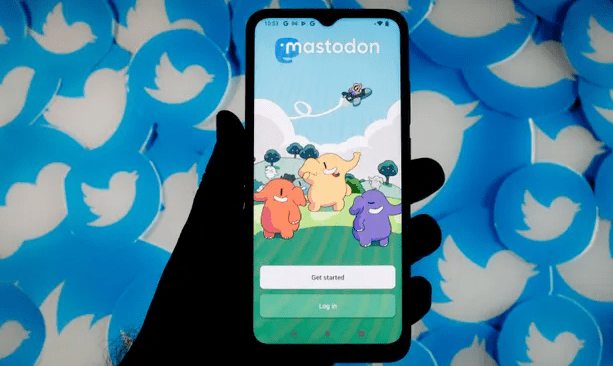
Like many other people, my gaze alighted on Mastodon as a possible refuge from the Musk-induced madness. After all, it offered its users the same kind of microblogging facilities. But there the similarities ended. Twitter is a single site. Mastodon, in contrast, is a protocol – “a system of rules for spinning up your own social network that can also interact with any other following the same code”. So whereas Twitter is a universe, Mastodon is what has come to be called a “fediverse” – that is, a decentralised network made up of a large number of semi-independent nodes, or as one observer put it: “A distributed network of Twitter-like services.”

That sounds intimidating, but in reality, it’s relatively straightforward. Joining Twitter involves just signing up on twitter.com; but to become a Mastodon user, you have to sign up to one of those semi-independent nodes. They’re basically just servers run by individuals or groups, and Mastodon helpfully provides a list of ones that you might consider joining. Once in, your identity is linked to the server on which you have an account. So if you’ve chosen the username “vici” on the server arsenalfc.social, then your username will be @[email protected]. And you can follow any other Mastodon user, no matter what server they happen to be on.

From then on, it’s a bit like using Twitter – posting rather than tweeting, reposting, liking and so on. The big difference is you only see stuff that those whom you follow have posted: your feed is not algorithmically curated for some venture capitalist’s benefit. (Mastodon is open source and administered by a German-based non-profit company, Mastodon gGmbH.)

If you’re coming from Twitter, the first thing you’ll notice about Mastodon is that it seems quieter, somehow – there’s less shouting, less aggro, less posturing, less humblebragging. And of course it may also seem duller at first, because you’re only seeing what your “followees” (is that a word?) have posted or reposted. You’ll also notice that if one of your contacts wants to post something that they feel might be shocking or disturbing, they have been able to flag it beforehand so you don’t click on it.

So far, so good. But since this is technology, there are downsides. The most obvious one is that while you are no longer at the whimsical mercy of an erratic digital emperor called Elon, the administrator of your chosen Mastodon server may not be an angel (or a Democrat) either – as one blogger discovered. “I believed the Mastodon propaganda,” he wrote, “and picked out a small site from the list at joinmastodon.org. That small site turned out to be run by fascists and does not allow one to cancel one’s account. I left and moved on to a small political site… which kicked my moderate liberal ass out for being too radical. I then decided that being one bird in a large flock was a good idea and signed up for an account at mastodon.social, the Mastodon mother site.”

So is it a substitute for Twitter? I don’t think so, any more than avocados are a substitute for mangoes. Twitter is really for broadcasting – for letting the world at large know what you think, or alerting people to your forthcoming book/event/podcast, or complaining about potholes, Rishi Sunak, Brexit, the metaverse and the general awfulness of everything.

At its best, Mastodon seems to be more about conversation rather than shouting, and in that sense reminds me of the early internet – in the 1980s, before the world wide web – and in particular of Usenet, the network’s first global online discussion space. In which case, wouldn’t it be ironic if the Martian adventurer Musk’s chaotic ownership of Twitter turned out to be bringing us back to the future?

What I’ve been reading

Freedom of religion
Remembering Pope Benedict’s Challenge is a fascinating editorial in Noema magazine by Nathan Gardels on the late pontiff’s debate with German philosopher Jürgen Habermas about democratic values.

Data protection
Some really helpful advice on digital security from US cryptographer and technologist Bruce Schneier, who knows this stuff inside out, can be found in the Choosing Secure Passwords post on his Schneier on Security blog.

Grammar school
A Civil War Over Semicolons is an entertaining piece by Gal Beckerman in the Atlantic about the arguments US biographer Robert Caro and his editor, Robert Gottlieb, have been having for 50 years.

Feature Image Credit: REX/Shutterstock

By

Sourced from The Observer

By Rod Berger

Research giant Gartner projects that 80% of B2B sales interactions between suppliers and buyers will occur through digital channels by 2025. The research adds that buying behaviours within B2B have shifted toward a buyer-centric digital model since the beginning of Covid-19. As a result, Gartner forecasts that the future of sales will be permanently transformed in strategy, processes, and resource allocation.

LinkedIn’s Social Selling Index (SSI) scores sales representatives on their relative mastery of four pillars of social selling (creating a professional brand, focusing on the right prospects, engaging with insights, and building trusted relationships). The platform reports that professionals with high SSI scores earn 45% more sales opportunities and are 51% more likely to hit their quotas. Furthermore, they state that “78% of social sellers outsell peers who don’t use social media.”

With estimates that half of the world is active on social media, a natural demand for effective social media marketing strategies appears to be a natural next step to moving products and services. In a recent report by EMR, Global Digital Marketing Market Report and Forecast 2023-2028, the global digital marketing market reached a value of nearly $321 billion in 2022. Furthermore, expectations are for the market to continue growing to a CAGR of 13.1% between 2023 and 2028, reaching a value of around $671.9 billion by 2028.

Education solutions to support a digital sales ecosystem are playing catch-up to the needs of those buying and selling in an ever-digital world. The current state of knowledge acquisition versus application might be gleaned from seller perceptions.

Hootsuite research revealed that 82% of companies agree that social media is a “vital channel for delivering exceptional customer experiences.” However, only 58% of companies surveyed have a defined strategy for supporting social media efforts.

Facebook groups launched on October 6, 2010, and since then, the digital community sandbox has supported lively discussions and social causes, creating connections without the physical constraints of the natural world. Selling through these user-defined groups continues to grow out of personal connections and longstanding user experiences with the technology.

Chris Stapleton and Landon Stewart of Clients & Community represent a growing group of early-career entrepreneurs that recognized the value of an established technology platform in aiding sales opportunities. Like many, the story of their company was ushered in weeks before the world shut down due to Covid-19.

The twist in Stapleton and Stewart’s story is worthy of note in an approach to selling through digital means that has quickly made this duo one to monitor. Stapleton and Stewart leveraged the advertising industry to their benefit by refocusing the power of paid ads. Instead of going outside the confines of a defined group to attract members-turned-customers, they integrated ads within their groups.

They have shared stages with notable marketers and speakers like Tony Robbins, Russell Brunson, Dean Graziosi, Pete Vargas, Taylor Welch, Cole Gordon, and Ryan Holiday. Stapleton and Stewart’s ascent has given them a platform to support others with similar entrepreneurial passions. “We are incredibly focused on supporting the activities of our members to build their businesses into million-dollar companies. We have assisted our clients in generating over $100 million in revenue,” says Stapleton.

As corporations continue to investigate the merits of content marketing strategies across various social platforms, Stewart is committed to the individual entrepreneur. “It is one thing to build a business that is profitable for yourself, but Chris and I have been laser-focused on mentoring the largest contingent of Facebook group millionaires. We’ve helped prop up 17 thus far, and our goal is to support another 100 over the next 24 months.”

In the meantime, higher education plays catch-up to teaching skills native to Gen-Z and Millennials, initial explorers like Stapleton and Stewart will continue to sell their book and courses, accounting for over $10 million in revenue in under two years.

Elizabeth Losh, professor of English and American studies at the College of William & Mary, describes the challenges universities face in figuring out what to teach and through what means in a highly digitized world.

“There’s a lack of clarity about who should be responsible for teaching digital skills,” she explains. “And there’s a tendency for a single discipline to claim that territory—or for no one to claim it. There can also be a stigma attached to taking or teaching courses related to digital material considered “basic.” It just becomes seen as remedial. Anytime something is seen as remedial, people don’t find it very attractive to be associated with,” Losh says. “I would argue the remedial mindset is the wrong one to take.”

One could argue that the group environment within Facebook is a more comfortable classroom environment or lab to attract both buyers and sellers in an ever-increasing digital world. The proliferation of online learning materials to advance strategies for entrepreneurs lends to a burgeoning generation of point-and-click community transactions.


The independence of entrepreneurs can often drive business-building decisions aimed at efficiently meeting customers at the point of sale. Digital environments have cultivated a collaborative rhythm to share ideas, news, and stories reflective of the lives people lead around the world.

While it may be difficult for corporations to fuse authentic selling into community groups of shared interest and practice into juggernauts like Facebook, individual proprietors are finding great value and market traction.

Stapleton and Stewart found themselves tasked with growing their professional mentor’s Facebook group back in 2015. A relatively simple but savvy inversion of established marketing methods like paid advertisements resulted in incredible growth and a company of their own. Millennials and Gen-Z are subsets of a larger and growing community of digital natives equipped to leverage technology in new and previously uncharted ways.

Apparently, a “post” and a “like” have potentially more value than initially expected. Stapleton and Stewart are banking on the explosion of sole proprietors offering digital and virtual products and services to be the norm of the gig economy. After creating one of the largest and most active groups on Facebook with over 44,000 members, they might just have a point (of sale) to make.

Feature Image Credit: getty

By Rod Berger

I am a TEDx speaker, an education and health care industry strategist having covered thought leadership and entrepreneurship for Forbes, Entrepreneur Magazine, Scholastic and Huff Post. I serve as an Advisory Board member with Stand Up & Learn. I didn’t start here. It’s been an adventurous path as a school administrator, college professor, edtech strategist, health care consultant, K-12 PD provider and guest lecturer at Vanderbilt’s Owen Graduate School of Management. I have interviewed the likes of Sir Ken Robinson, Former USDOE Secretary Arne Duncan along with over 500 global education influencers. Email: [email protected] Twitter @DrRodBerger

Sourced from Forbes

Sourced from BOSS Magazine

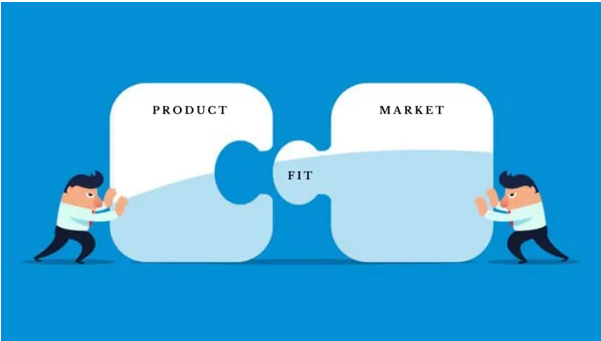
Most startups focus on product-market fit (PMF) in the early stages of their company. But what is PMF? And how can you achieve it? In this article, we will answer these questions and more. So keep reading!

source: upmetrics.co

source: upmetrics.co

What is Product-Market Fit?

Product-market fit is the point at which a product satisfies a particular need in the market and captures a significant portion of that market. It refers to the degree to which your product meets the needs and desires of your target customers. Companies with PMF typically see rapid growth, as their products are in high demand from consumers. Also, it`s important to have MVP in design thinking or to have a minimum viable product (MVP) in agile development.

Why is it important for startups?

One of the biggest challenges for startups is achieving PMF. This is because most startups are focused on building and launching a new product, rather than understanding and addressing the needs of their target customers. Without finding product-market fit, it can be difficult for a startup to succeed in the long run.

So how can you achieve product-market fit?

There are a few key steps that every startup should take to find PMF and grow their business. These include:

  1. Conducting market research and analysis. This involves analysing data about your target customers, such as their demographics, shopping behaviour, and of course MVP in design. It is important to understand these factors to understand what your customers are looking for in a product and how you can best meet their needs.
  2. Conducting customer surveys and interviews. Once you have done your market research, it is important to talk directly with your customers to get their feedback on your product or service. This will help you get a better understanding of what your target customers think about your product, and whether they feel that it meets their needs.
  3. Listening to feedback from your customers. In addition to talking directly with your customers, it is important to pay attention to the feedback they give you online. This can include comments on social media or reviews on review sites like Yelp and TripAdvisor. By taking this feedback into account, you can make changes to your product or service that will help you achieve PMF and grow your business.
  4. Iterating and refining your product. Once you have gathered feedback from your customers, it is important to make changes to your product or service based on their input. This may involve tweaking certain features or adding new ones, or revising your marketing and messaging to better resonate with your target customers.
  5. Focusing on growth. Finally, to achieve PMF and continue growing your business, it is important to have a clear strategy for scaling up your product or service. This may involve hiring more employees, working with partners or distributors, or expanding into new markets. With the right approach and determination, you can find product-market fit and build a successful startup.

How do you know if your business has achieved Product-Market Fit?

One of the best ways to know if your business has achieved PMF is by at its growth metrics. This may include things like sales figures, customer engagement levels, or user retention rates. If your business is growing steadily and consistently meeting the needs of your target customers, then it is likely that you have achieved PMF. But if you are struggling to grow or see a significant drop in these metrics, then it may be time to reassess your approach and make some changes.

Ultimately, achieving product-market fit takes persistence, hard work, and a willingness to listen to your customers and adapt to their needs. But with the right approach, you can build a successful startup that meets the needs of your target market and grows over time.

What are the signs that you’re getting closer to achieving Product-Market Fit?

Some signs that you are getting closer to achieving product-market fit include increasing sales or engagement levels, growing customer retention rates, and expanding into new markets or demographic segments. Additionally, if you see an uptick in positive reviews or feedback about your product from customers, these may be indicators that you are moving closer to PMF.

Overall, the key is to be persistent in your efforts and continue listening to your customers, and iterate on your product or service until you find the right formula for success.

How do you achieve Product-Market Fit?

There is no one-size-fits-all approach to achieving product-market fit, as every business and industry is different. However, some key strategies that may help you achieve PMF include conducting market research and customer surveys to better understand your target customers, paying attention to feedback from your customers online, iterating on your product or service based on this feedback, and focusing on growth through marketing and partnerships.

Another key factor is to be persistent and keep iterating on your product or service until you find the right formula for success. With a clear strategy, strong execution, and the determination to succeed, you can achieve product-market fit and build a successful business that meets the needs of your target market.

With the right approach, a commitment to excellence, and determination, you can achieve product-market fit and build a successful startup. Good luck!

source: medium.com

source: medium.com

What are the benefits of achieving Product-Market Fit?

The main benefit of achieving product-market fit is that it allows your business to grow and thrive. When you have successfully identified a product or service that meets the needs and desires of your target customers, you can focus on scaling up your business through marketing, partnerships, or other means.

Additionally, by consistently monitoring customer feedback and iterating on your product or service, you can ensure that your business remains competitive and relevant in an ever-changing market. And by having a clear strategy for growth and scaling up, you can continue to build on the success of your startup over time.

Also, achieving product-market fit allows your business to focus on its core mission and purpose, rather than spending all of its energy and resources on product development. With the right approach and mindset, you can build a successful startup that meets the needs of your customers and continues to grow over time.

Overall, achieving product-market fit is a key milestone for any business, and the benefits of doing so can be far-reaching and long-lasting. So if you are looking to take your business to the next level, then focusing on achieving product-market fit may be the best strategy for success.

Final Thoughts

At the end of the day, achieving product-market fit is a critical milestone for any business. Whether you are just starting out or have already built a successful startup, focusing on meeting the needs and desires of your target customers will help you achieve growth and success over time. If you are willing to put in the hard work and dedication needed to achieve PMF, then you can build a thriving and sustainable business that meets the needs of your customers and grows over time. Good luck!

Feature Image Credit: medium.com

Sourced from BOSS Magazine

In 2023, the looming recession hangs heavy in the air while departments analyse row after row of resources, projects, talent, business development initiatives, and future campaigns.

The knee-jerk reaction for any chief financial officer prepping for economic disruption is to find the line item under ‘marketing’ and start cutting from there. But as chief operating officer at my agency, I decided to not let fear of uncertainty guide our organization. I gave the directive to increase our marketing budget for 2023. I believe that by harnessing the power of marketing and allocating that increased spending wisely, brands will defy the recession.

Making marketing a priority during a recession

One needn’t search far to find data showing how much better brands that increased their marketing spend during a recession fare compared with those brands that cut back or eliminate it. An Analytic Partners report found that 60% of brands that increased media spend in the last recession saw a greater return on investment; those that spent more on paid advertising saw a 17% increase in incremental sales.

With competitors making cuts, the marketing environment shifts, offering more real estate for advertising. Brands can leverage the availability and lower ad costs to increase awareness. Maintaining your share of voice in the marketplace is much easier (and cheaper) than trying to earn it back. Take it from the marketers at Reckitt Benckiser, which launched a campaign amid the 2008 recession. “Reckitt Benckiser actually grew revenues by 8% and profits by 14%, when most of its rivals were reporting profit declines of 10% or more. They viewed advertising as an investment rather than an expense.”

But it’s not enough to simply increase (or maintain) a marketing budget during a recession. Brands must look to use that marketing spend wisely and allocate it to programs that will drive results. Here are four areas that will prove ROI.

1. Brand building

This is especially important in the B2B world. There has never been a better time to create and celebrate a brand purpose. Usually, a field that was dominated by B2C brands like Apple, last year’s FutureBrand Index (an annual perception study of PwC’s Top 100 companies based on brand perception) ranked four B2B brands in its top five. Maintaining a focus on brand building supports long-term sales through ongoing awareness and perception.

2. Customer retention and loyalty programs

Generating new business leads is always important for the growth of any brand. But customer experience can play a major role in strengthening customer retention – another source of demand through cross-sell and up-sell opportunities. As an added bonus, loyalty programs help increase brand trust and develop reliable customer data.

3. Digital transformation

Recession or none, digital transformation will keep on with its steady (and speedy) growth. To keep pace with B2B buyers’ demands, businesses will need to invest in e-commerce solutions, personalization and strong martech stacks to meet buyers at every step of their journey.

4. Talent acquisition and retention

Finding and keeping talent on board is key to surviving any recession. Marketing can play a major role by using existing marketing channels and strategies to recruit and re-recruit. Businesses need to think about how to best engage with the talent through channels, platforms and messages. Marketing can help create campaigns that attract qualified talent. Once that talent is found, retaining that talent is supported by living the brand values and purpose at every stage of the employee’s journey. Invest in training programs that provide up-skilling and professional development.

Recessions do end. Times can be uncertain, but we’ve weathered recessions before and even navigated a global pandemic. Investing in a brand’s growth for the long term requires an investment in brand awareness and strategic allocation of funds. If done thoughtfully, business leaders can experience a recession as a tailwind, instead of a headwind.

Feature Image Credit: Ibrahim Rifath via Unsplash

Sourced from The Drum

By

Here are three specific things that I’ve seen accelerate success time and time again.

So, you’ve been grinding through the last year or so, trying to make your business successful and profitable. And still, that big breakthrough remains elusive.

As a multi-seven-figure business coach who has helped 700+ entrepreneurs build businesses online, I’m often asked what it actually takes to break through and sustain six-figure months. Of course, maintaining six-figure months does not happen overnight, but I have isolated three specific things that I’ve seen accelerate success time and time again.

While it could be chasing shiny objects, quitting too soon or losing focus on the things that will actually move the needle in your business, you do not need to accept these outcomes for yourself.

1. Get organized and efficient

While still working 60-hour weeks in healthcare, Joanne came to me to start her own coaching business in hopes of being able to cut back on gruelling work days. I told her I wanted to help her, but we were going to have to be as efficient and organized as possible in order to make the most of the time she did have available.

Despite working so many hours outside of her business, Joanne got herself organized from the start and was able to consistently create marketing content, bring on clients and develop her program.

Joanne took massive action, but it was not random. Random action may feel exciting, but it does not work long-term and only creates chaos and confusion. It might feel like you’re taking action, but it’s not meaningful unless there is a clear plan and desired outcome. This doesn’t mean you shouldn’t ever think on your feet — in fact, that is a crucial skill to have as an entrepreneur. But your business strategy and focus should have intention.

Once you have an organized plan, you need to make sure you are operating at your highest productivity level. That doesn’t mean doing the most you possibly can at all times. Being “very busy” is not the answer. It’s being busy taking strategic action and doing what will move your business forward, even if that means some of the “fun stuff” takes a back seat. If you are filling your days with tasks and not seeing profits for your efforts, you’re spending too much time being unproductive.

2. Show grit (or develop it)

I started working with Sarah after she had been trying to gain traction in her business for two years. She had recently quit her successful corporate career and knew she had a gift for helping other women but had fears about charging high-ticket for her program.

On our very first call, it became clear to me that Sarah was not lacking knowledge, ability or self-belief. She was paralyzed by perfection, afraid of making mistakes and not being liked.

After 12 weeks together, Sarah brought in $30,000 in revenue. So, what changed? What shift had to happen to transform Sarah and her business? Grit.

This is the “whatever it takes” stuff that leading entrepreneurs have. It’s perseverance, it’s consistency, it’s failing and starting again over and over and over if you have to. It’s taking ownership and making things happen for yourself.

And what is grit not? Waiting for everything to be perfect, worrying if people like you, complaining and blaming.

Not one successful person in any arena has succeeded without grit. Have you ever heard a top business leader or billionaire get to their level and say “Wow, that was so easy!” Never. When you can develop a high level of grit and resilience, success will happen.

3. Get help

Tamara was still working as a physician when she started her home organization business. Between long days at the hospital, creating marketing content and serving her clients, she was approaching burnout and feeling scattered.

Tamara’s business was making money, but not at the rate she knew it could if she just had more bandwidth. And she didn’t want the momentum that she did have to tank because she couldn’t keep up. It was time to get help.

Tamara hired her first virtual assistant to help with general business tasks and lead generation. Within a few weeks, she had two more clients, had a team member she could rely on to help keep her organized and had renewed energy in her business.

Getting help is vital. If you are doing everything yourself, it’s impossible to grow beyond a certain level and be the best at everything. Finding someone who can identify the weak spots, support where needed and share in your vision of success is key to breaking through to the next level.

This could be your year for a major business breakthrough if you follow these three tips for increasing your organization and productivity, digging deep and developing grit, as well as getting help.

By

Sourced from Entrepreneur

Reach Solutions, the publisher of some of Ireland’s leading media brands is delighted to announce changes to its leadership team.

It has appointed Hugh Crowther as Group Sales Director in the Republic of Ireland and Cherith Andrews as Group Sales Director in Northern Ireland.  Alan Curley takes up the role of Client Strategy Director on an all-Ireland basis.

Commenting on the new appointments, Jonathan Eakin, Commercial Director of Reach Solutions Ireland said:

“It’s an exciting time for Reach Solutions to have this fantastic talent leading the Irish sales function. Both Hugh and Cherith have been driving change through our Customer Value Strategy to ensure we are a robust digital-first publisher whilst Alan brings experience from working on both Media Owner and Agency side.

As a team they encourage a strategic thought process that complements the sales function by producing uniquely targeted and effective solutions for all our customers.”

“This wealth of experience and creativity in our new leadership team alongside our unrivalled Irish audiences ensures a bright future for the Irish business.”

Feature Image Credit: (L-R): Alan Curley, Client Strategy Director at Reach Solutions Ireland; Hugh Crowther, Group Sales Director at Reach Solutions Ireland and Cherith Andrews, Group Sales Director of Reach Solutions in NI.

Sourced from Aimée Rourke, Business Communications Manage.

[email protected]w.reachsolutions.co.uk

Sourced from BOSS Magazine

Starting a business from scratch and ensuring its success while keeping your business at par with the ever-evolving business market is easier said than done. Making a suitable business plan, putting appropriate customer care services in place, and marketing your business is indispensable to a prosperous business. In this article, we have compiled a list of factors to help ensure your business is sustainable and growing.

Start with an Annual Business Plan

Building a well elaborate business plan helps you track your past performance and allows you to govern your future. A sound business plan includes the vision of your company, mission statement, core values, and a well-defined strategic plan. Splitting it into monthly, quarterly, and annual goals will further help you monitor your company’s success. Keep a record of your mistakes, bottlenecks, potential weaknesses, lessons, accomplishments, and opportunities to make the most out of them.

Building the Perfect Website

Your company’s homepage is where most customers will land and decide whether they want to buy your product. A good website will be well designed, fast-loading, display content in a hierarchy, and be optimized for mobiles. Focus on keeping it informative, user-friendly, and a genuinely captivating reflection of what your company is about. You can consider going online to build the perfect website or hiring a professional to do the job.

Marketing

Optimizing your marketing capabilities to showcase your product should be your top priority. The most accessible way to achieve this is by using social media. You can grow your brand via Twitter, Instagram, Snapchat, or Facebook profiles. Utilize SEO and PPC ads to target your audiences through multiple channels. Some of the most reliable marketing strategies include starting a blog, building a lead magnet, using LinkedIn, and utilizing automation for email marketing sequences.

Expand

Ensuring that your business doesn’t stagnate is vital for its survival. If your organization is short on funds needed to grow, seeking a loan from a bank or finding potential investors may be your best shot. Establishing business credit to enhance your business’s ability to borrow is vital. Banks and investors are more likely to give loans to companies with well-established business credit. Enrolling in a business credit course can solve your problems.

Building Staff Relations

Hiring the right staff gives a business a strong foundation. Interview your employees thoroughly to know if their interests align with the core values of your business. Setting up monthly meetings to assess the quality of the workspace is equally essential. You should focus on keeping a healthy relationship with your staff and promoting a friendly, non-toxic environment in the workspace which preserves their mental health. A straightforward approach would be to set up individual and group meetings with your employees every once in a while and observe their behavior.

Customer Care

Connecting with your customer base is essential to elevating your business. The best way to enhance your customer experience is by developing a feedback loop. Consider creating a separate section on your website for feedback purposes. Conducting surveys and introducing in-app popups are some ways to get customer reviews. You might even get revolutionary ideas from your customer base on growing your business or what new products they want you to start making.

Endnote

Growing your business and ensuring its stability can be challenging. Calculating your risks and assessing when it’s the right time to take them will help you give your business the boost it needs. Make sure you have a well-designed website and a detailed business plan, and you’re focused on improving internal and internal relations. This will foster growth and enable you to expand your operations in a sustainable manner.

Sourced from BOSS Magazine

By Rachelle Abbott and David Marsland

Harriet Hastings is the co-founder and MD of Biscuiteers.

Biscuiteers is a London-based luxury food gifts company which is now growing into the American market.

In this episode we talk about:

• Why scaling up “wasn’t as scary as it should have been”

How she learned to “go faster, quicker” on ambitious plans

• The Biscuiteers’ move into the US market

• Why the online retailer decided to open physical stores

• The value of partnerships with companies like Emma Bridgewater and Warner Bros

• Why marketing is the most important skill set for entrepreneurs

• Managing rising costs in the global economy

Harriet will be appearing at the Evening Standard’s SME Expo which is being held at Excel London on April 25th and 26th. To find out more and get free tickets, go to smexpo.co.uk

Listen above, or wherever you stream your podcasts.

By Rachelle Abbott and David Marsland

Sourced from Evening Standard