Author

editor

Browsing

By Ashley Simpson

Are you looking to make money from the comfort of your own couch? With the internet growing more and more every day, there is an abundance of easy online jobs that you can do as a side hustle or even for a full-time income.

Online work is great for stay-at-home parents, college students, and just about anyone who has a device and a steady internet connection.

Are you ready to learn more about how you can earn money online in just a few simple steps?

Let’s dive in.

No time to waste?

Easy Online Jobs For Beginners

Surveys

Taking surveys is one of the top online jobs because you basically get paid to give your opinion on advertisements, products, and more. Many people start to become frustrated with surveys because they must be screened prior to taking them. However, there is an abundance of sites that will match you with companies that need your specific demographics.

Survey Junkie is one of the most reliable survey sites that you can use, but there are others, including:

Depending on the length of the survey, you might be able to make between $1 and $5 per survey. While this doesn’t add up to earning much money online, it’s an easy gig to do in your spare time while watching a movie.


Micro-tasks
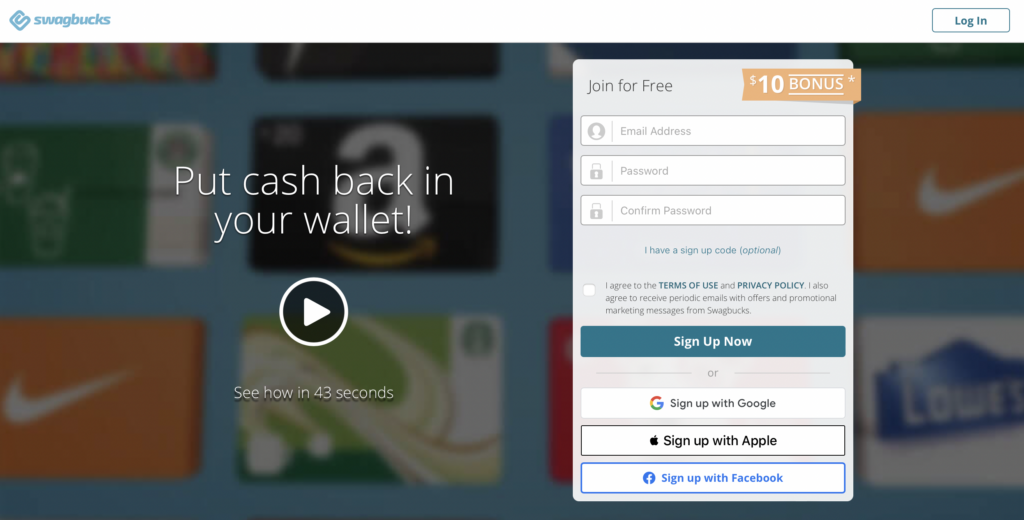
Have you ever wondered how companies get people to take small and easy steps to promote their products? One way that companies do this is by offering micro-tasks. This allows users to do simple things like signing up for an email list, shopping through a link, or downloading an app onto their phone.

Some of the most popular micro-task websites include Swagbucks and Inbox Dollars.

These can be done any hour of the night or day, and you’ll make a small amount of money for each one you complete. Most of these easy online jobs will pay under $3 per action. The number of tasks that you engage in will dictate how much you earn, but it’s often around $5 per hour.


Website Testing
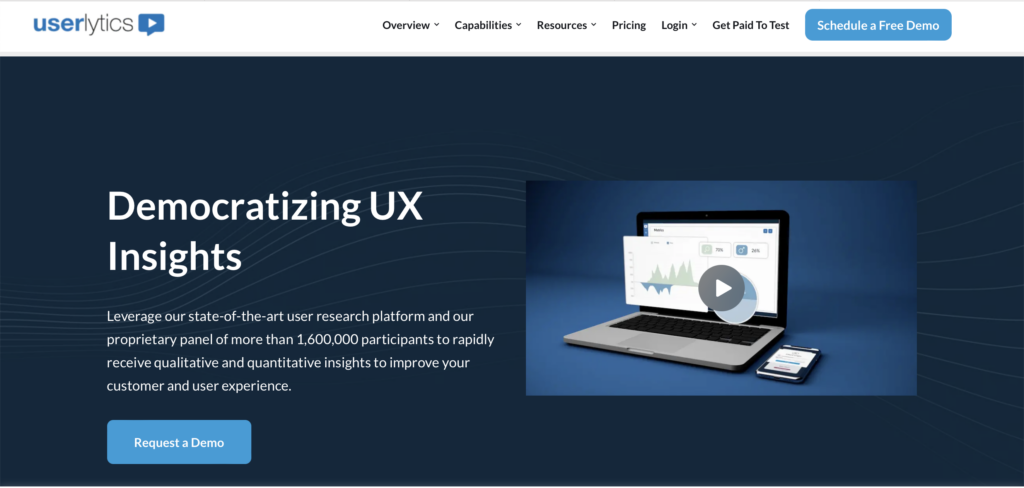
For those looking for a decent income and an easy online job, they might want to consider website testing. You’ll get paid for remote work as you navigate your way through the internet with basic computer skills.

Apps like Userlytics state that it takes an average of 20 to 40 minutes to complete a website test, making it easy for you to complete multiple tests a day. If you have an entire free day, you could make some solid income with one of these best online jobs.

The good news is that website testing is a lot more lucrative than other easy online jobs like taking surveys. Many of these online jobs allow you to earn around $10 per website test.


Product Tester

Among the great jobs for college students and stay-at-home professionals are product tester jobs. You get free items in exchange for an honest review of how they work, how you felt about their packaging, and every aspect of your experience using them. Oftentimes, you will be asked to fill out a survey after testing the product or you might be asked to write a review.

The only downside is that product testers often make very minimal money online. Instead, they are mostly compensated through these free products.

For a better idea on how you can get started be sure to check out our guide on how to become an Amazon Product Tester.


Online Jobs in Sales

Selling Used Items Online
If you like to hunt through thrift stores for hidden gems or you have an eye for flipping old hand-me-down items you find on Facebook Marketplace, then you might be able to sell used items online on sites like eBay.

The amount of money you can earn depends on what exactly you’re selling. If you’re selling high-end fashion from your closet through Poshmark or TheRealReal, then you might earn hundreds of dollars. Flipping furniture earns similar returns because of the size of the item.

However, if you are flipping smaller items like games or small antiques, then you might only be able to pull in hundreds of dollars a month.

Learn more about how to sell on Poshmark here.


Dropshipping on Amazon

If you want to start your own business but don’t want to launch an e-commerce website, then dropshipping on Amazon might be the right fit for you. You can earn money through the sales of products without ever having to handle product fulfilment on your own.

All you need is a product (which can be found through sites like Alibaba and Ali Express), a little search engine optimization to help people find you, and some hard work.

While it may not take off immediately, you can earn a solid 15% margin or so on your items if you place the price tag right.


T-shirt Sales
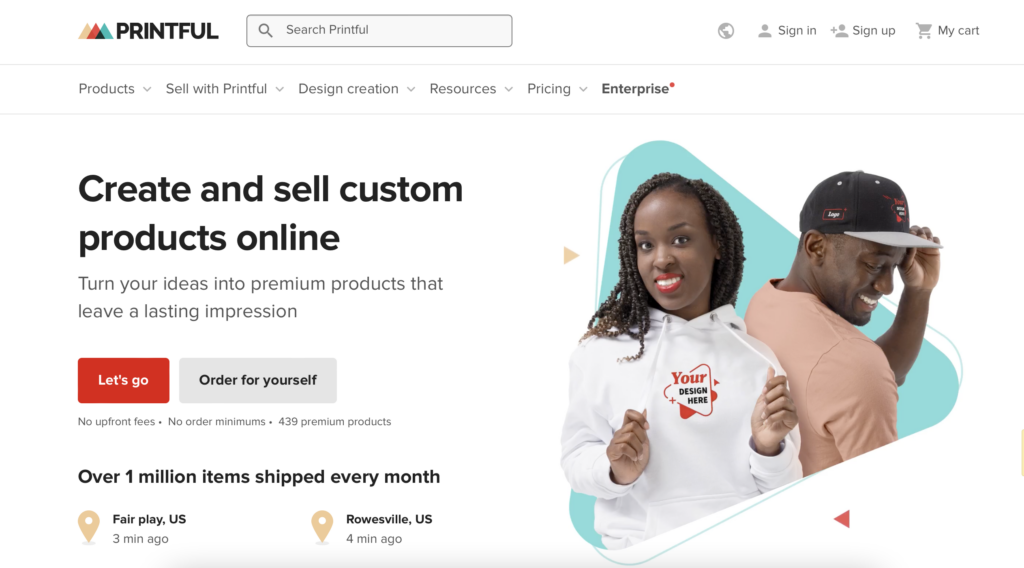
For those who have some graphic design skills, you might want to consider whether you can create t-shirt designs that sell. Print-on-demand companies like Printful and Printify allow you to only print the shirts that have sold, reducing overhead and taking your initial investment down to just the sweat equity of creating the design.

You can set up your own storefront on Shopify to facilitate sales, and money will be transferred directly to your bank account.

With the right marketing and branding, you could earn thousands of dollars per month with a pretty hands-off business approach.


Etsy for Handmade Goods
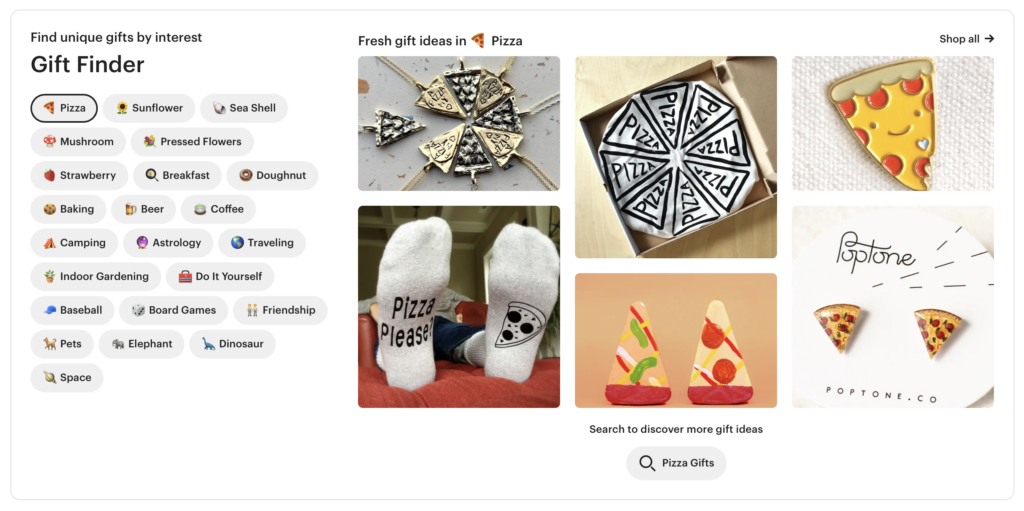
Many people have hidden talents and a bit of a creative flair that they could be capitalizing on. Creative marketplaces like Etsy allow you to make your art and sell it to a ready market of people who want to engage with items like those that you have for sale.

Whether you want to crochet throw blankets, paint coffee mugs, or sell digital downloads, Etsy allows you to sell whatever handmade goods you can dream up.

Depending on how long it takes you to make each item and what you sell it for, it’s quite possible to earn a full time income selling on Etsy. However, it’s best to be realistic about what you can earn as it takes time to build up a following.


Creative Online Jobs

Freelance Writing

Online writing jobs could be an easy way for you to turn your passion for words into a part-time or even a full-time income — all from the comfort of your couch. You don’t necessarily need a bachelor’s degree to make more money this way.

Instead, you can visit sites like Upwork, Fiverr, and Toptal to find writing jobs you’ll love. Choose from a variety of writing opportunities:

  • Search engine optimization (SEO) writing
  • Copywriting or advertising work
  • White papers or technical writing
  • Ghostwriting ebooks or other documents

Pay will vary depending on whether you prefer to work hourly or per word. It usually comes out to be around $10 to $50 per hour though.


Graphic Designer
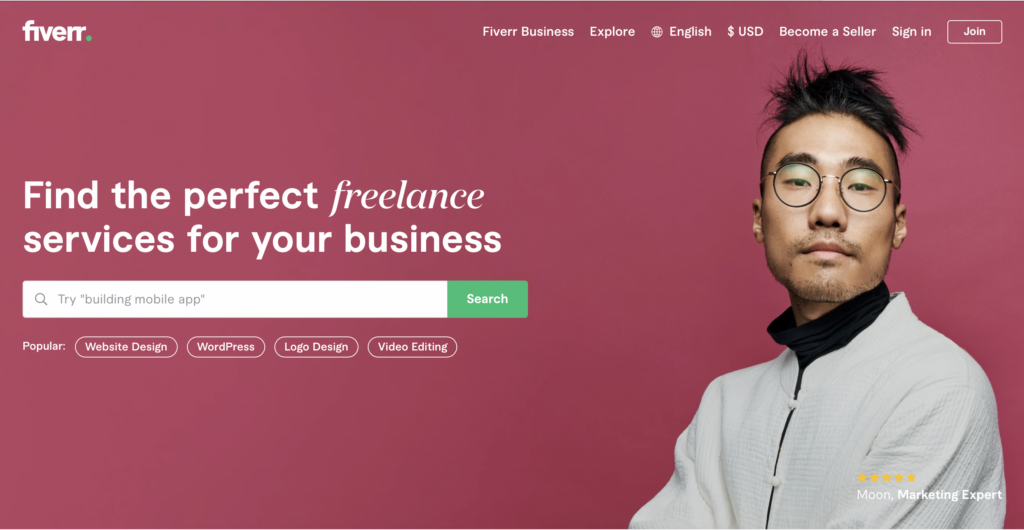
Do you have an eye for design? If so, you can hang out your shingle as a graphic designer on some of these best graphic design websites for freelancers.

Design logos, provide a custom illustration for NFTs, or design marketing materials. The possibilities are endless if you have a great command of design and access to popular programs like Adobe Photoshop or Illustrator.

A full-time graphic designer can make anywhere from $30,000 to $70,000 per year depending on skill level.


Website Designer

Closely related to graphic design, website designers can also make decent money. As one of the best easy online jobs for those with technical skills, you can work on setting up a WordPress website for other businesses or even an individual who wants a personal website.

Full-time web designers tend to make around $55,000 annually.


Blogging
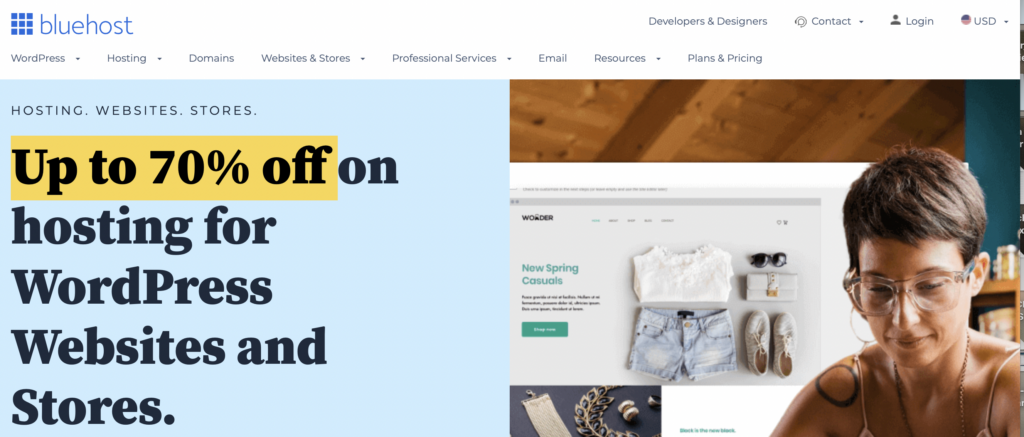
Blogging has been a popular way to make money online for years, but the market feels like it’s already been saturated. If you have something unique to say and a one-of-a-kind way to say it, there can still be time for you to claim a piece of the pie though.

Writing your content isn’t likely to earn you much, but you can capitalize on other ways to earn money online through affiliate marketing and sponsorships.

The best part of blogging is that it is relatively low-cost to get started. If you handle the writing yourself instead of outsourcing it on sites like Upwork and Fiverr, it will cost you only:

In the first year after starting your blog, you might earn an extra $500 per month if you’re able to drive traffic to your site.


Create a Niche Website

Here at Niche Pursuits, we’re passionate about how you can make money by creating niche sites of your own. Similar to blogging, this requires you to create content that people truly care about in a niche that you have deep expertise in – or where you are willing to learn.

Here are a few of our resources for creating a niche website:

If you want to create a niche site and flip it, you can often get a 32x multiple for your site. That means that if it brings in $1,000 per month in revenue, you can flip it for $32,000. Pretty impressive if you’re able to drive traffic!


Course Creation
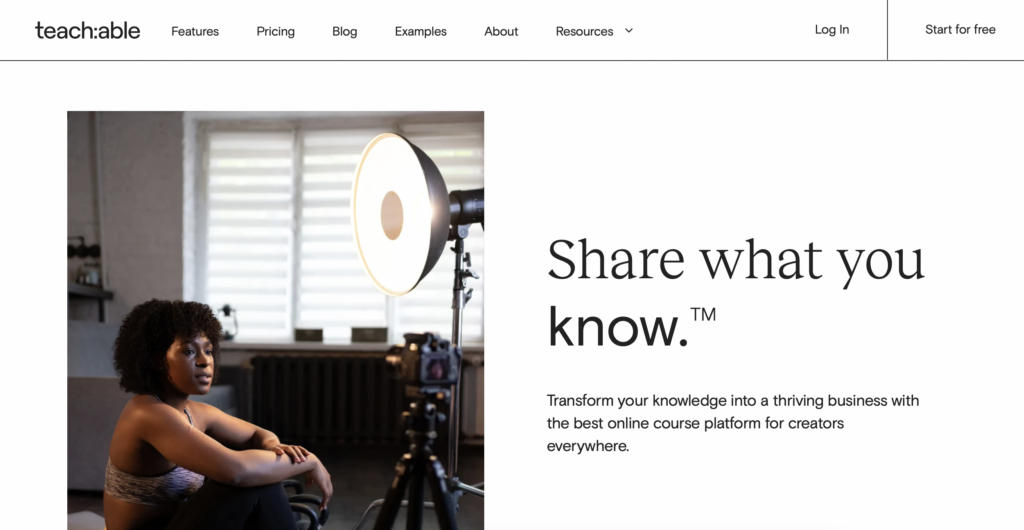
Creating an online course is an easy way to earn passive income and create an easy online job for yourself. Think about what you have deep experience and expertise in whether that is investing in the stock market, baking gourmet cakes, or playing the guitar.

All you have to do is come up with videos that demonstrate how to follow the steps to accomplish these skills for others, and voila – you have an online course!

The best part of an online course is that you only have to make it once and then host it on a platform like Teachable. It has minimal startup costs and ongoing overhead. Plus, you can make hundreds of dollars off each sale depending on how much content your course contains.


Write an Ebook

If freelance writing isn’t for you, why not write a book for yourself? Writing an ebook is a profitable way to make money, and it requires minimal skill. Even if you aren’t an expert on the topic of your book, you can still research and learn more about an area that interests you.

Self-publishing it on Amazon is quick and easy, requiring very few technical skills.

If formatting your book gets you hung up, you can always hire a freelancer from Upwork or Fiverr to help.


Photography (Stock Photo Website)
Do you love taking pictures but don’t know what to do with them when they’re done? If you have a decent camera and an eye for photography, you can contribute photos to a stock photo site or start your own stock photo site.

Starting your own promises to be more lucrative as no one will be taking a cut of the profits. That being said, it also requires an initial investment in getting your website set up with the photos and the payment required.

Most people make around $0.25 per image per month, but you could make more if selling on your own website with monthly subscription fees.


Voiceover or Voice Acting

Has anyone ever told you that you have a great voice? Not for singing, necessarily, but for a YouTube video or a commercial? Voice acting is one of the best easy online jobs because all it requires is a quiet space (perfect for college students who live alone) and a microphone.

Many people even record their voiceovers directly from the notes app on their smartphones.

Entry-level voiceover actors can make anywhere from $13,000 per year to $30,000 per year, with more experienced professionals earning more.


Video Editing
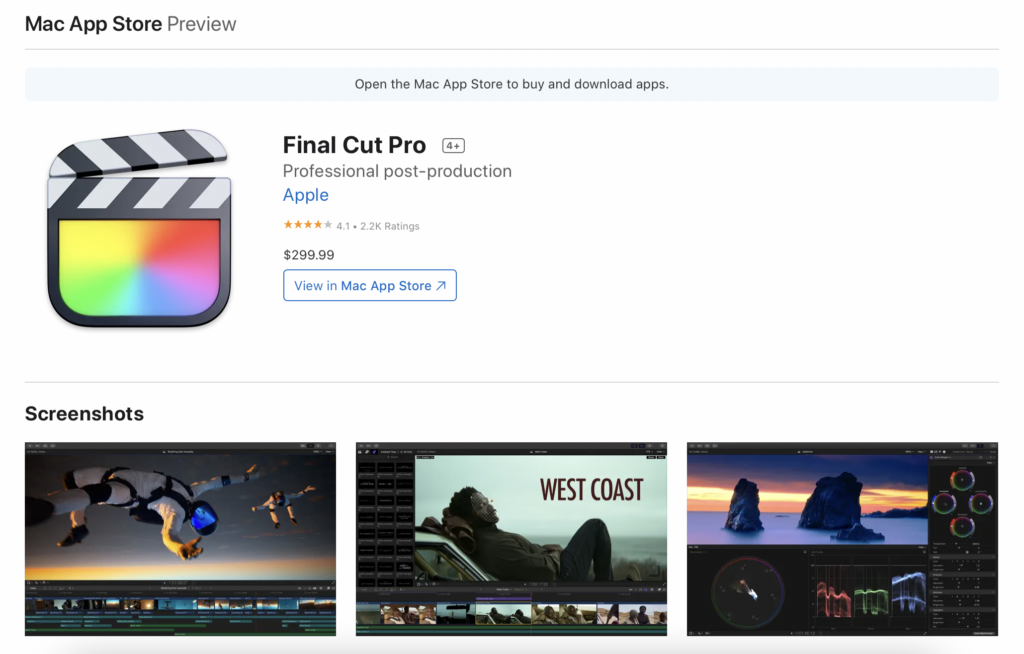
If you have some technical skills and access to software like Final Cut Pro, then you might be able to hang out a hat out as a video editor. This can be a time-consuming endeavor, and not every content creator is good or efficient at video editing. Transform your skills into a real paycheck with these legitimate online jobs.

Pay for video editors is all over the map, depending on whether you work with big-name brands or smaller influencers on their YouTube channels. You could earn anywhere from $30,000 to $90,000 if you pursue this as a full-time job.


Online Jobs Requiring Experience

Data Entry

Are you a quick typer and good with numbers? Data entry is an underrated way to earn money from home and can be a great gig for students. This online work can sometimes be a bit tedious, but it pays well enough and can be done quickly, especially for college students who tend to be more tech-savvy.

If you’re interested in a data entry job, you can usually make around $10 to $15 per hour. Some jobs may pay a little less depending on what type of data entry you would be doing and how well-established the company offering work may be.


Transcription Jobs

Transcribing documents is another online job that pays fairly well if you are quick on the keyboard. It tends to pay a little bit better than data entry, but the skillset required is much the same. You might need some training in order to make the most use of this online job, particularly if you are transcribing medical documents.

Fortunately, the skills required for this are often taught at technical colleges.

Expect to be paid around $20 per hour upon graduation.


Teaching English or Tutoring

Among the most lucrative jobs for college students is tutoring or even teaching English. No matter what your specialty is, you can enjoy sharing your knowledge and expertise with others through virtual tutoring sessions. You might opt to teach English through programs like VIPKid or act as a math tutor for high school kids.

Tutors often make between $20 and $25 per hour.


Proofreader

If you frequently find yourself pointing out errors in the newspaper or typos in the books you read, then you might have a lucrative future in proofreading. This online job can be done anywhere and at anytime. All you have to do is point out typos and grammatical errors to make the documents you look over error-free.

You can get some training in this by taking an online course.

Proofreaders can make anywhere from $25,000 to $65,000 per year with experience.

And we have a whole list of the best places to find proofreading jobs from home!


Online Jobs on Social Media

Social Media Manager

A social media manager might be your calling if you find yourself constantly scrolling through Facebook, Instagram, and TikTok. Surely you have picked up a few ideas of what types of content work on these platforms and how businesses can grow their brand to reach more people through social media.

All you have to do is plan new content, interact with followers, and manage engagement on a company’s social media.

The average salary for a social media manager is right around $50,000 for full-time work. All you have to do is find clients. Start with local businesses or cold call online businesses to find convenient online jobs for yourself.


Ads Manager

Similarly related to social media managers, ads management is another easy online job that you could consider. You can manage advertisements on social media, Google, and even print media, depending on the business type.

Oftentimes, businesses want to see a background in marketing or a bachelor’s degree in some aspect of business before hiring an ad manager. This is what makes it ideal as one of the best online jobs for college students who are up to date with the latest trends in marketing.

Because you may need more advanced training to manage ads, you can also earn more money. Ad managers frequently make $80,000 to $90,000 per year.


Social Media Influencer

If you have a large following on any social media channel, then you might be able to finagle your way into becoming a social media influencer. These influencers are great at promoting other products and services to their audiences in exchange for a negotiated fee or commission on the sale of a product.

Plus, you can make money just for advertising or capitalize on your audience to run a successful blog. Combine being a social media influencer with some of these other online jobs for college students and stay-at-home professionals to get a real return on your time investment.


Start a YouTube Channel

YouTube is another social media channel that can pay big dividends just for having a decent audience. You get paid based on the number of views on your video and how your watchers interact with ads that play before, during, and after your video.

Payment depends on what niche your videos are in, but it can be quite substantial if you have a large audience with hundreds of thousands of views (or more!).


Online Jobs Working with Others

Customer Service Representative

Many companies no longer have customer service jobs in large office buildings anymore. Instead, they rely on a team of remote professionals who can offer the same level of service that their customers are used to. Customer service representatives work to make clients as happy as possible and to remedy their problems, which could be very rewarding for you.

Another similar job is to work in a call centre, reaching out to customers to ensure that they are happy with the services or products that a company provides.

No matter which way you go about customer service, you could earn about $30,000 to $40,000 annually, but it won’t be as flexible as freelance work.


Virtual Assistant

A virtual assistant offers many of the same services that an in-person personal assistant may offer:

  • Setting appointments
  • Making phone calls
  • Organizing travel arrangements
  • Answering emails
  • Handling reviews and customer service
  • Any administrative task

The big difference is that a virtual assistant can do it all from a home office, provided that they have the space and quiet needed to make professional phone calls if this is part of the job description for your employer.

Be sure to check out our list of sites to find virtual assistant jobs here.

You could make anywhere from $20,000 per year to $60,000 per year, depending on how much you work.


Consulting

Do you have a particular skill that you can teach to others? Maybe you already have experience with marketing, building a brand, creating an online course, or managing social media accounts.

You can offer your expertise to another business owner who might need some time and attention to help their company grow.

Consulting or coaching someone through their difficulties is not only rewarding; it also pays extremely well! With the right training and experience, you could easily clear six figures a year without ever having to leave your home.


The Verdict: Finding Easy Online Jobs

Are you ready to start looking for the best online jobs that can support you without ever having to leave your house or dorm room? These 29 easy online jobs will help you start thinking about what skills you have to offer the world.

Depending on how much you want to work (full-time, part-time, or somewhere in between), you can make a decent income by choosing one of these new ventures!

By Ashley Simpson

Ashley is an experienced freelance writer with an enthusiasm for finding creative ways to earn money online. She uses her passion for words to share what she has learned with the world.

She spends most of her time blogging for a multitude of websites and consuming everything she can get her hands on in relation to personal finance and side hustles.

Sourced Niche Pursuits

By Anastasia Emberger

You can use personalization and segmentation simultaneously, and you probably should.

Segmentation. Personalization. Customization. One-to-one marketing. Some people use these terms interchangeably, but the two underlying concepts — personalization and segmentation — are actually quite different from each other. They are, however, not mutually exclusive. You can use both simultaneously, and to optimize your email strategy, you probably should use both.

The Difference Between Personalization, Segmentation

Segmentation involves defining a cohort or segment of your customer database and sending a message (an email, push notification, or text message, for example) that is tailored to that specific audience. You can create segments based on demographic data (e.g., age and gender), behavioral data (e.g., clicks and purchases), or deeper analysis (e.g., customer lifetime value or following the recency frequency monetary model).

On the other hand, personalization is about changing each message to suit the interests of the unique individual. While your basic message outline is predefined — for example, with a hero image, header, call to action and product tile — personalization changes the specific content within your message outline to match each user’s profile. For instance, personalization logic might add your customer’s first name to the header or leverage recommendation technology to find and render products a user is likely interested in based on their browsing history.

Why the Definitions Matter

Understanding the difference between personalization and segmentation matters for a couple reasons. The first is cross-functional collaboration.

Your engineering team will need to understand the exact data you need, where to integrate it and by when. If you intend to personalize a message, your email developer also needs to understand the specific personalization you’re looking for so that they can write and test the email script correctly. Finally, your copywriter will want to know whether the message should be tailored to a specific audience (in the case of segmentation) or if the message should remain more general with key variables inserted based on the user (in the case of personalization).

Effective collaboration across teams is key to email marketing, and it requires getting your terms and requirements right in order to avoid confusion.

The second reason the difference matters is for testing and tracking results. One tactic may be more effective than another depending on the data and tools at your disposal. For instance, when the amount of customer data at the individual level is very limited, dynamic content (personalization) based on a user’s lifecycle stage may not render accurate results. In cases like these, it may be wise to segment based on broader data like purchaser versus non-purchaser or active email opener versus inactive email subscriber. Both tactics in tandem may outperform either tactic on its own.

You won’t know if one or both tactics is truly worth the lift, though, until you differentiate between the two and track their results. Then you’ll really have a business case for continued investment.

Common Challenges With Personalization, Segmentation

One of the main problems with segmentation is that, as you create more segments, your ability to effectively manage each one shrinks. In his book Strategic Database Marketing, Arthur Hughes argues that an ideal customer segment is large enough in potential sales to justify its own marketing strategy and that companies should not create more segments than they can manage.

In a highly collaborative environment, all departments track and think about the same set of segments that are predefined by leadership as having large significance to the business. Examples of such segments are first time purchasers, high CLV users, and customers at risk of churn. Following such an approach naturally limits the number of segments an email marketer has to track.

One of the main challenges to personalization is that it requires mature data strategies and integrations, and many companies lack alignment between their engineering and marketing teams. More specifically, poor data centralization, legacy technology, and inadequate measurement abilities are all barriers, as explained by BCG. Additionally, a lack of dedicated personnel, insufficient cross-functional coordination and project management, and a lack of a clear roadmap were also cited as top barriers to realizing the full potential of personalization.

Getting There: Personalizing Digital Experience Matters

Although the cross-functional lift to segment and personalize may seem seismic, it’s generally worth the effort. Personalization leaders will see higher profits — potentially two to three times faster than those businesses that don’t personalize their digital experiences. Moreover, in addition to producing revenue, segmentation also reduces spam complaints and unsubscribes and increases opens and clicks.

If the primary challenge behind your segmentation and personalization strategies is cross-functional alignment, it may be time for a talk — first with the team you’re struggling with and then potentially with leadership to confirm priorities and find win-win solutions.

Effective personalization may also require design thinking, as recommended by BCG, and the same goes for segmentation. Design thinking is non-linear and iterative in nature and empathizes with the user, focuses on the root problem, proposes new solutions, and continually tests.

Ultimately, it’s about putting the customer experience first. No one said your personalization and segmentation had to be perfect the first time, but these tactics certainly deserve some time and effort — and lots of iteration.

By Anastasia Emberger

Anastasia is a CRM consultant and customer success practitioner with a great interest in technology and project management excellence. She specializes in email, SMS, and push marketing and has managed over 40 clients in a variety of industries, from CPG and grocery to healthcare and telecom.

Sourced from CMSWire

By Jada Jones

Social commerce is already here and it’s only going to get bigger.

Deloitte’s Technology, Media, and Telecommunications 2023 Predictions report looks at some of the global tech trends that are likely to make a difference in the coming year, from online shopping to low-Earth orbit broadband satellites. ZDNET spoke with the consultancy firm’s experts, so you can stay informed about these trends.

Social shopping is here to stay

Deloitte predicts that the social commerce market will exceed $1 trillion next year, thanks to more than two billion people using online social platforms for shopping – and it’s a market that’s growing faster than traditional e-commerce.

A significant contributor to this growth is the success of social media influencers and their ability to get people to spend money, especially Gen Z consumers. As Deloitte notes, Gen Z is the world’s biggest generational cohort, accounting for more than 30% of the population worldwide. The consultant says most of this burgeoning generation of digital natives tends to be “all social, all online, all the time”.

The report notes: “In the future, Gen Zs are expected to continue to be very much online, where they’ll continue to get hypertargeted and personalized ads for products they want and need – straight from the influencers they already know and love.”

Jana Arbanas, vice chair of Deloitte’s telecom, media, and entertainment sector, says the combination of influencers, algorithms and Gen Z’s propensity to buy items online all contributes to the digital-shopping boom.

She says companies investing in marketing via influencers enjoy cheaper campaigns, targeted advertising and increased sales. Arbanas believes that brands can use the algorithms’ knowledge of what’s relevant to buyers to sell more products more effectively.

“Brands can absolutely leverage those algorithms; algorithms that know consumers and their interests and their needs, and ensure that brands are matched with complementary interests with respect to consumers,” she told ZDNET.

Historically, advertisers had to craft ad campaigns for a broad range of consumers, and those campaigns could be expensive to execute. But with the help of an influencer promoting a product to their hundreds of thousands or even millions of followers, ad campaigns are cheaper – and they’re more specific.

“In the old days, people were investing in really expensive, highly produced advertising. It’s not very nimble, and it was very generalized for a large population,” Arbanas says. “On the converse now, with social media, you can very quickly create a series of campaigns in a matter of moments. And you don’t even have to create the content; your influencer is doing that on your behalf.”

Deloitte predicts the features pioneered by social media will soon be found elsewhere: “Looking beyond 2023, most digital experiences are expected to be considered ‘shoppable’, and the same tap-to-purchase behaviour available on social media platforms will likely be possible with other online services, too,” it says, such as perhaps being able to watch a cooking show on streaming services and then have the ingredients added to your shopping cart.

Low-Earth orbit satellites bring down broadband costs

Deloitte predicts by the end of next year that there will be over 5,000 low-Earth orbit (LEO) satellites in the sky, and they’ll be responsible for providing almost one million people with internet – even in the most remote parts of the world.

Satellite broadband connects with a dish – be that on top of your house, RV, or, soon, boat or plane – as it orbits in the sky and sends the internet signal to your device. Then, one satellite hands the connection to another to keep it stable.

“The anticipated surge in satellite broadband deployments spells good news for users. It is likely that new applications will emerge, prices will decline, coverage and reliability will improve, and latency will fall,” Deloitte’s report says.

There’s still lots to sort out with broadband satellites. As more satellites orbit, the risk of collisions and falling debris will call for increased global cooperation, which might be tricky to coordinate.

Jack Fritz, a principal in Deloitte Consulting LLP’s tech, media, and telecommunications practice, explains that the regulatory framework for LEO satellites is still a work in progress as companies like Amazon, SpaceX and OneWeb compete to launch satellites.

“The regulatory framework is trying to catch up to where we are today and position for the future, but it’s not all perfect. You have different countries with different funding and support happening for different constellations,” Fritz says.

“I think the LEO satellites present an opportunity to have pretty strong connections, and there are areas that may not have had great connections, so they’re in this hybrid world where the connection they have is still technology from 15 years ago,” he says.

“Well, our demands for the internet have moved past that. DSLs, for example; that’s the copper our grandparents used for phone lines. That was designed for a one-to-one person call, not for streaming on eight devices in your house.”

Streaming in 2023: Expect more ads

According to Deloitte’s predictions, previously ad-free streaming platforms will begin to offer ad-supported subscriptions. Experts also think these platforms will roll out tiered subscription plans based on ad frequency and user access to the platform’s content library.

Kevin Westcott, vice chairman of Deloitte’s US tech, media, and telecommunications practice, thinks that, in the future, all platforms will introduce multiple tiers for subscribers to choose from, which will be based on their streaming needs.

He says that the number one reason subscribers unsubscribe from a platform is that it costs too much. Platforms are mitigating subscriber losses by offering lower-priced tiers in exchange for consumers watching more ads.

A more expensive, premium subscription would be best for viewers who don’t want to see any ads and want to watch a new TV show as soon as new episodes drop. A cheaper, ad-supported subscription is ideal for those who don’t mind a few minutes of ads and can wait to watch brand-new episodes.

“If you ask me where the world will be in three years, I think all major platforms will have an ad-free, premium-priced tier; then they’ll have ad-supported tiers. And there may be multiple ad-supported tiers,” Westcott told ZDNET.

“You may have one that’s only five minutes [of ads] an hour, and I get access to all of the content the day it’s released. I may have a lower priced one that’s eight to 10 minutes an hour, and I don’t have access to premium content the day it’s released.”

But you can also expect the ads you see to be more targeted and for platforms to make more money off your subscription based on how many ads you see.

“The argument is that a streaming platform knows who you are and what you’re watching,” he says. “They have more context about you, so they should be able to deliver more targeted ads to you.”

Feature Image Credit: Getty Images / iStockphoto

By Jada Jones

Sourced from ZD Net

By

Building a quality team can be challenging, but these five members are crucial to your success.

Starting a business can be a lengthy and challenging process. As a commercial real estate broker, I see companies begin regularly. Observing these business startups has allowed me to see the benefits of proper role delegation. Many sole proprietors are eager to take on the bulk of the business duties. But, the team route is the ideal path when organized correctly.

Some skills are advantageous, no matter what business you are starting. Since it is nearly impossible to do everything yourself, having a team behind you is best. Depending on your business plan, you could either hire your team or have partners. Diversifying your team’s skills is desirable regardless of whether the team is on salary or has an ownership interest.

1. The numbers guru

One skill to have in a team member is strength with numbers. This team member may be an accountant by trade or should have solid bookkeeping skills. In addition, your business will need a team member who is wise with money and understands how to manage business funds. This team member’s duties may include: balancing the business books, keeping tax records and producing financial reports such as profit and loss statements and balance sheets.

2. The analytical

Having strong analytic skills is another essential trait. This person needs to possess the skill of reading and understanding complex documents. Some of the roles of your analytical team member will include managing the process of forming your business and the forms and contracts your business needs. In an ideal world, your analytical team member would be a business attorney, potentially saving your business money on attorney fees.

The money-minded and dedicated document team members will work closely together. Combining these two roles is an option to consider. However, if you coalesce these roles for one team member, it is critical to confirm the team member can handle both functions.

3. The artist

Artistic talent is another skill that can be a massive asset for a business team member to have. Most companies will need a logo, website, flyers, banners and business cards. The entire team will benefit if one of the team members can design these items and is proficient in photoshop or other graphic design software. Although I am a fan of all team members having a voice, especially with logo design, there can often be too many cooks in the kitchen. If you have a team member whose purpose is to put together the best logo possible, trust them and do not have other team members overtake this role. It is also important to note that artistic skills can easily be outsourced. If you need a creative member on your team, you can look online to fill this role.

4. The tech lead

With technology being prevalent everywhere in today’s world, having a team member who is tech minded is highly advantageous. Responsibilities of your tech team member can include setting up your business computers, printers, networking, emails, backups, & virus protection. When you have a computer issue, it can shut down your business. By having an inside tech team member, you will be back up and running sooner rather than later.

If your tech team member can assist with the company’s website, that would be an additional asset. Depending on the complexity of your website, consider outsourcing the initial creation. If the design and programming are highly elaborate, it is not wise for your tech team member to devote time to creating the website. Once it is up and running, you will need to make periodic updates. Having a team member that knows how to make these updates will save your business time and money.

5. The salesperson

From day one, you will need a sales-minded individual as part of your team to grow your business. A sales-minded person can also handle marketing since marketing and sales are closely related. Skills this person should possess include the ability to network and prospect. Strong customer relationship skills are also vital to keeping existing customers. Tasks for this role will involve prospecting for new business, attending networking events and closing deals.

Social media posting will also be the responsibility of the sales and marketing position. Considering it can be challenging to find a non-owner to be as dedicated to this role as an owner, many business owners will be in charge of sales and marketing.

Before you make your team official, have a test meeting. You want to make sure your team works well together. At the test meeting, put together your agenda and stick to it. If any of your team members repeatedly get off-topic, this could be a red flag. You do not want to spend time in meetings with anyone getting off-topic. Sometimes people disagree in meetings to disagree, and it is crucial to have your team be on the same page as often as possible. Additionally, it is a good idea for your team members to be friendly with each other, but it is also important to keep professionalism a top priority.

Good luck with compiling your team. Remember to take it one step at a time and be mindful of your leadership style. A cohesive and happy team is key to a successful and profitable business.

By

Sourced from Entrepreneur

By Mike Faber

The e-commerce marketplace model has been making a splash recently thanks to a plethora of new platforms launched by big retailers such as Macy’s, media companies such as NBC Universal or U.K.’s ITV, top celebrities (Goop, Poosh, Cosmoss) and, most importantly, tens if not hundreds of smaller social media influencers, digital media companies or pivoting e-commerce brands.

The reason for the uptick in brands and companies using the model, in my opinion, is that multivendor e-commerce marketplace—such as those operated by Amazon, Etsy or Farfetch—could be resilient to the current economic downturn.

How An E-Commerce Marketplace Works

As a retailer or a social media influencer looking to get started with the marketplace model, you’ll need to invite domestic, quality e-commerce brands to the marketplace. The brands who agree to a partnership would need to upload their products from whatever platform they use, such as Shopify or WooCommerce, into your marketplace product catalogue.

Seller onboarding generally takes a few minutes per brand and allows your audience to enjoy multibrand and cross-category shopping experiences within multiple categories, such as fashion, beauty, wellness, lifestyle, home and garden or baby and kids. Because of this, buyers would be able to purchase multiple products from any number of sellers in a single order. They could also enjoy marketplace-wide promotions or free shipping when offered.

As a marketplace owner, it could take only a few weeks to onboard tens or hundreds of brands. One of the reasons for the popularity of the model is that a marketplace owner can start running an e-commerce business with thousands of products without investing in inventory or a warehouse, as the sellers take care of order fulfilment and returns in a drop shipping model.

Marketplace owners generally collect a 20% to 30% sales commission from completed orders and handle the commercial relationship with customers.

Because of the low risk, many marketplace entrants are using the model as momentum against the current economic trends. For example, consider these six reasons why the predicted recession may further expand the marketplace model.

1. Recession, Inflation, Uncertainty

Economic downturns have a way of optimizing economies for maximum efficiency. Platforms such as Google and Alibaba emerged from the dot-com bubble. Startups such as Airbnb, Zalando and Uber were built during the Global Financial Crisis.

As VC fund Speedinvest pointed out, the current economic downturn and expected recession may open opportunities for those looking to invest in the marketplace model. Rough seas tend to weed out competitors and make suppliers keener to collaborate, which could allow marketplaces to expand quicker and consolidate their supplier base, building up the defensibility through marketplace network effects.

2. Deflated Company Valuations

Business can be a zero-sum game, meaning that someone’s loss is sometimes somebody else’s gain. Previously overpriced businesses are no longer able to raise funding at the previous valuations to fuel their hyper-growth.

Less money on the market translates into less investment in general and less competition in online advertising in particular. Higher returns on your ad spend shouldn’t be a surprise, as many e-commerce and retail brands reduce their budgets.

3. Privacy Updates Ending The Highest Bidder Era

Say goodbye to cheap online advertising. Say hello to organic audiences. By the end of 2024, Google is going to put an end to user tracking and personally targeted advertising, following in Apple’s footsteps. That move should effectively end the era that ballooned Facebook and the entire AdTech-powered highest-bidder economy.

But it could also give rise to the Creator Economy and high-value ownership of organic, engaged audiences based on authentic authority, shared values, relationships, relatable content and curated commerce. In the words of Shopify president Harley Finkelstein, Gen-Z creators chart a new path to entrepreneurship: Build an audience first and only then launch an e-commerce business.

4. Customers Getting Locked Away In Walled Gardens

Remember the “walled gardens” of America Online, Prodigy and CompuServe? Welcome to the brave new world of Amazon, Apple and Google customer data-collection ecosystems.

Some people only see Cookiemagedon and the inevitable regression to the stone age of making individual customers happy. For others, it’s an opportunity for the consensual collection of first-party data, such as user emails, shopping preferences and wishlists within their own e-commerce platform.

5. Erosion Of DTC E-Commerce

Direct-to-consumer e-commerce will not work without the consumer. While some may see this as the collapse of the DTC rebellion, it also opens the possibility of a fresh start. A new order in which creators and e-commerce operators run niche marketplaces, catering to the needs of their audiences with curated advice, recommendations and products.

In anticipation of Google finally saying “lights out” to personally targeted ads following us around, Shopify has advised its millions of DTC brands to start looking for new sales channels, such as marketplaces, ahead of time.

6. Overstocked Suppliers Looking For Sales Channels

Retail and e-commerce brands’ biggest holiday wish is to get rid of excess inventory. Brands looking for new sales channels and an opportunity to sell through marketplaces may see it as a safe bet because they won’t have to invest upfront in customer acquisition.

Bill Gurley, one of Silicon Valley’s most respected venture capitalists, said lately that “If you’re going to build something from scratch, this might be as good a time as in a decade.”

Feature Image Credit: getty

By Mike Faber

Follow me on Twitter or LinkedIn. Check out my website.

Mike Faber, a co-founder of Vendo, a marketplace SaaS empowering anyone to launch their own eCommerce platform with Shopify brads as sellers. Read Mike Faber’s full executive profile here.

Soured from Forbes

By Arvind Parthiban

Disrupting a market is tough, but it’s even tougher when you fail to use every weapon in your marketing arsenal. My startup recently launched a guerrilla marketing campaign that showed me how valuable this type of marketing could be for early-stage Indian software-as-a-service startups.

We organized a flash mob at our largest competitor’s biggest conference in Washington DC. It was a success – we found more prospects, created noise, got media attention, and we generated a mostly positive reaction. Here’s how we did it.

Taking on the market leader

Ambush marketing or guerrilla marketing is as old as marketing itself. The rivalry between Pepsi and Coca-Cola has created some wonderful case studies of how this kind of marketing works. More recently, Samsung trolled Apple during the launch of the most recent iPhone 14.

Freshworks has also run many campaigns along these lines – examples include the famous Freshworks versus ServiceNow campaigns and, of course, the #Failsforce blimp campaign.

However, it seems to me that early-stage India SaaS startups have rarely attempted such guerrilla marketing tactics.

There is a cultural mindset that we need to overcome: In India, we rarely see brands taking each other on openly and there is a belief that we need to play nice.

But that isn’t enough if you want to disrupt a market – which means taking on the strongest player in the industry. Guerrilla marketing allows you to take on the leader and grab the attention of customers and the industry.

The industry leader has already done the work of getting customers and partners to attend the event, so if you run a well-tailored “gatecrashing” then you build brand recall among prospects and also win the respect of the competition.

Blueprint to a gatecrashing

How you should organize your “gatecrashing” will depend on what it is you’re trying to achieve, but here’s what we did:

Click HERE to read the remainder of the article.

Feature Image Credit: Shutterstock

By Arvind Parthiban

Sourced from TECHINASIA


By

That you have to be a creative professional to build amazing creative online is a myth.

A critical piece of our work at Meta is talking to small business owners about their wins, and, perhaps more importantly, their challenges, so that we can take those learnings to better serve the small- and medium-sized business (SMB) community. And while all small businesses are unique, in many cases, their challenges are the same– whether they’re starting out, or they have been in business for decades.

This is especially true when it comes to marketing, with new tools and trends popping up continuously. A common refrain from business owners is that rather than feeling empowered by the new digital tools at their disposal, they can feel intimidated. In fact, 40% of small businesses say a “lack of experience and understanding of digital marketing” is a top marketing challenge.

Additionally, through our work with small businesses owners, we have learned that time and budget constraints are key blockers when it comes to creativity. Even though entrepreneurs are inherently creative -the ingenuity of small businesses throughout the course of the COVID-19 pandemic proving that beyond a doubt- many business owners have shared that it can be difficult to translate that creativity to their online presence.

I believe it’s essential to help business owners embrace their creativity, allowing them to showcase their companies and connect with customers online and offline. I’m here to myth-bust that you have to be a creative professional to build amazing creative online. Here are three tips to help entrepreneurs tap into their creativity, and effectively market their business online:

1. MAKE FOR MOBILE While the criteria for big ideas haven’t changed, mobile-first is no longer a luxury, but a necessity. So, what are the keys to success when building content for mobile? I recommend following a few best practices. First, we’ve seen that vertical videos perform best, allowing you to take advantage of more real estate on people’s phone or tablet screens. (Imagine if you rent out a massive billboard, and instead of using the whole advertising space, you use 10% of it.) Some other notable insights: content that features people (vs. just product shots) tends to perform better. Think about how you can incorporate humans into your content- whether its employees, paid models, or customers who’ve given you permission to use their images. You also want to communicate clearly and succinctly. Our research has found that ads with short text overlays and captions below 300 words are optimal.

2. ADD VIDEO TO THE MIX Across our platforms, we’ve seen that the majority of video-only or video-plus-static-image campaigns outperform static-only campaigns in both increasing conversions and driving top-of-mind awareness. When experimenting with video and video-plus-static combined content, remember that short is sweet. There is no magic duration- your content should be as short as it can be, but also as long as it needs to be. Think of it as a game of Jenga: you build your content, and then start removing bits and pieces until you reach that critical point, where if you remove one more word, the whole thing will fall apart- this is when you know you’ve reached the right duration. Given this limited amount of time, don’t try to do too much– highlight your brand, and focus on a singular message. If possible, end with a clear call to action that indicates what you want your audience to do next– like visit your website, purchase a specific product or service, or contact you for more information.

3. GIVE REELS A SHOT Reels already make up more than 20% of the time that people spend on Instagram, so we know there is an appetite to explore a brand’s story in this format. When you’re building this type of content, think of it as infotainment. You want the content you’re presenting to be useful and engaging, while inspiring your audience to get to know more about your brand. For example, think about what are some of the most common questions you get from customers, and build video content that answers your top three queries. If you’re launching a new offering, develop a video that previews the new product or service, showing how it benefits customers. Make sure you’re entertaining and informing for optimal results.

From making for mobile, educating while informing and entertaining audiences, and understanding how to add video into the mix, there are a variety of ways business owners can expand their marketing horizons and tap into their creativity. Also, I want to remind all business owners: don’t doubt yourself. You are creative, and your business is unique. Now, you have the tools and skills (to continue) to show the world.

Feature Image Credit: shutterstock

By

Sourced from Entrepreneur Middle East

Whatever the economic outlook, the role of advertising doesn’t change.

While there are thousands of columns and academic papers about the merits of brand building v sales activation, at its simplest level, good advertising works by creating a preference that builds share of wallet.

When wallets are stretched, advertising must work harder to communicate why a brand is worth every penny. We don’t need a crystal ball to tell us that next year will be challenging for both advertisers and the public.

Out-of-home (OOH) has already weathered two years of Covid-related restrictions. It survived not because of luck, but thanks to over a decade of investment in digital screens and the technology that delivers advertising to them, giving OOH the resilience and capability to continue to reach audiences during lockdown – and emerge stronger.

As we look ahead to 2023, this ongoing investment, coupled with OOH’s traditional strengths, gives us reasons to be optimistic for a year of growth.

Real-world reach

OOH has always delivered reach. In fact, national campaigns deliver more inclusive reach than any other channel. Inflation in TV advertising, matched with declining audiences, make OOH a natural choice for brands looking to reach mass audiences.

Of course, there is more to advertising than mass reach. It is OOH’s ability to deliver mass-personalization, at scale, that will deliver more value than ever to advertisers in 2023.

Context at scale

51% of marketers say that personalization is their top priority. Customers now expect it too, with 76% saying they’re more likely to consider purchasing from brands that personalize.

Consumers expect messages to be more tailored and relevant. OOH can achieve that by delivering cost-effective reach in a sophisticated and targeted way. Investment in dynamic digital means that the medium offers the ability to combine context and location to activate shorter-term messaging, flexing to adapt to changes in mood and mindset.

OOH has the flexibility to recognize that audiences aren’t mutually exclusive, and they change throughout the day, week, month and year. In 2023, we want the OOH industry to reinvent community beyond location. There’s a huge opportunity to build on the advances we have already made in targeted reach.

The last few years have been tough. Covid and lockdowns have meant some people are struggling to connect with society, with minority groups finding it more difficult than the mainstream to find a sense of belonging. According to Mindshare, around half of the LGBTQIA+ community feel their worlds have shrunk so much that they do not know what to do with themselves (54%) and they feel they have lost touch with who they once were (47%).

OOH is the most inclusive advertising channel. It exists to provide public utility first, and advertising second. By its nature, it’s for everyone. The opportunity is there for OOH to engage diverse audiences in a way that no other channel can. According to WPP’s Consumer Equality Equation report, if brands get just 1% of people from minority ethnic groups to change their spending habits, this equates to over £2bn ($2.45bn) short-term growth opportunity in 2023.

A matter of trust

In a climate of economic uncertainty, and where fake news and dubious claims by some brands circulate on the internet, OOH is a medium the public trust.

Big, bold advertising gives consumers the confidence that the brands they invest in today will be here tomorrow and are worth spending their money on. OOH has no editorial, it offers a public declaration and enables brands to provide transparent messaging and reassurance. Digital screens powered by investment in programmatic provide the agility to react to real-time events.

It’s no accident that OOH is used so widely for government communications. When social media companies look to build trust in their platforms, they turn to out of home.

Creative commerce

While technology has made OOH resilient, we must not forget the sheer creative power of the medium. At its best, creative OOH has always been a combination of the latest and best techniques and applications from the art, science and innovation communities, nicely combined to accommodate any creative request of context.

Done well, creative executions on a small number of OOH sites have generated huge volumes of earned media and broken into mainstream news, demonstrating how combining and layering creative techniques can produce impressive results.

Last year, Marmite’s special build campaign for its limited-edition Chilli Dynamite generated 194 million impressions and £650,000 ($795,000) in earned media, delivering sales five times higher than previous limited-edition releases.

Let’s be bold, and let’s be confident. The next twelve months will be challenging. Brands need to show courage to continue to reach their audiences and seize growth opportunities. OOH offers the perfect platform.

For more on OOH’s past present and future, check out our Deep Dive hub.

Feature Image Credit: Towfiqu barbhuiya via Unsplash

By Ali MacCallum 

Sourced from The Drum

By Gloria Chou

Scaling a business during a time of scarcity is challenging, but Gloria Chou figured out how to turn crisis into an opportunity for growth. Here are the mindset shifts that helped her pivot and grow after losing all of her client work.

It’s a pandemic-era tale we’re all familiar with at this point: In March 2020, I was happily growing my PR consultancy when, suddenly, everything froze. All my clients decided to pause their monthly retainers, and within a matter of weeks I didn’t know where my next penny was going to come from.

This experience could have easily stopped my business in its tracks, but instead, it challenged me to pivot and ultimately propelled me to new levels of success.

I knew that committing to monthly retainers wasn’t going to be feasible for clients, so I thought about ways that I could still get them results while offering more affordable rates. Ultimately, I decided this was a good opportunity to shift away from one-on-one consulting and productize my offerings while providing the same level of transformation.

By April, I had shifted to more low-touch one-on-one work, where I was providing clients my proprietary pitching framework and helping them write pitches, but then it was up to them to send it out and build those relationships, so they can actually own those relationships.

Six months later, I was launching the first iteration of my online course. And now, by making my methods more accessible and sharing what I’ve learned as an industry outsider, I’ve been able to help 5,000+ small business owners (primarily BIPOC and WOC) get seen, heard, and valued. Plus, I’ve unlocked more stability and earning potential in my own business, regularly having multi-six figure years and even earning seven figures cumulatively since I launched the course.

Doing all of this during a time of scarcity required some serious mindset shifts and letting go of unhealthy narratives that kept me stuck. As inflation and the shaky economy are presenting another challenging season for many business owners, I wanted to reflect back on the approaches that helped me build a thriving business despite what was going on in the world around me.

I let myself be imperfect so I can show up authentically

When launching something new in business, it can be tempting to spend time getting it just right behind the scenes before putting it out in the world. I didn’t have time for that at the beginning of the pandemic—I needed to pivot yesterday to keep my business afloat.

So I let myself be imperfect and show up in whatever version of myself I was in at the time, which helped me connect with others and made me much more relatable as a human. I launched an early version of my new offering even though it wasn’t the more automated version I envisioned. I talked to everyone I knew about what I was doing—in Clubhouse conversations, Slack channels, LinkedIn forums—and looked for any opportunity I could to learn more about what was resonating with people and what they needed that the market didn’t yet offer.

As scary as it was to release something that didn’t feel completely there to me, it ended up benefiting my business greatly. Not only did it mean I had a new revenue stream more quickly, it gave me a testing ground to better understand my customer, their needs, and what about my offering and messaging most resonated with them. This meant that when I was ready to start creating the online program, I could be a lot more confident that I was building something people would actually find valuable.

I tell my PR Starter Pack members this all the time when it comes to their pitches, and I think it’s true in business growth as well: There’s someone out there who can benefit from what you have to offer right now, even in its imperfect form. Don’t wait for the perfect time to release the perfect draft—instead, release that first draft and learn from it. Keep testing, iterating, taking feedback, and improving. That’s how you build expertise.

I practiced radical generosity

Common advice for knowledge-based business owners is to not give away too much for free. For instance, much of the advice around marketing online courses is to tell customers what you will help them do, but never show them the how until they’ve paid.

Maybe that’s true once a business has scaled, but I didn’t feel like it was the right energy to help me get started, especially during a time of scarcity. For one, not everyone had the means to buy my services immediately, but I still wanted to build a relationship with the right customers for the future. But more than that, since my offering was so new, I hadn’t even proven the value I could offer yet.

Instead, I gave everything away for free. I partnered with organizations aligned with my target audience, like iFundWomen and Female Founder Collective, and offered to do free workshops for their members. I shared my entire PR pitching framework during these workshops, and then would have hours-long Q&A sessions where I would stay on and review people’s pitches for free. I would go on podcasts and do Instagram lives and share all of my secrets for small business PR.

It may feel like this is a fast way to lose all my paying customers, but this is how I reached that first six-figure revenue mark without any ads. For one, by having radical transparency into my expertise and process, I was able to build a community and following. More than that, people got results using the method I shared with them. I’d regularly have folks who participated in my free workshops messaging me about features in places like Vogue and BuzzFeed—and then wanting to work with me further. Their thinking was: If your free offerings can help me so much, imagine what your paid program can do.

Now, anytime I see business owners around me holding their knowledge a little too close to the chest, I try and think about how I can let go a little and give more freely. This doesn’t mean I don’t have boundaries—it just means that I do business through the lens of my values, and the decision to give (or not to give) comes from an intentional place within. It helps me stand out and has yet to harm my business growth.

I aligned my marketing with my values

When the world is changing around you, I think it’s a good time to revisit your business playbooks, too. I didn’t want to continue to use so many of the scarcity-minded tactics I saw founders around me using, like fake countdown timers, high-pressure sales tactics, and trying to “sell at all costs” by preying on people’s FOMO

I was guilty of these tactics as well in the beginning, but after doing deep inner work, I realized that this wasn’t authentic to me, my message, or my values. In 2022, I worked with an ethical copywriter, Brittany McBean, to reflect on many unhealthy narratives I bought into by the online marketing world and consider how my messaging could better reflect my values. This process, which I refer to as a decolonization of my mind, revealed some powerful truths that also helped me grow my business in a more value-aligned way. I realized that so much of what I had bought into was also part of bigger systems of oppression, and it was up to me to actively reject this even though it felt easier to do what everyone else was doing.

I decided that, instead of using false scarcity in my marketing, I wanted to provide real support so that customers could make empowered decisions to join my programs, instead of fear-based ones. For example, I never pretend that my on-demand masterclass is live when it’s not—and yet, I still have over 5,000 people who have viewed the masterclass. This is a common tactic among online businesses who want to reach as many people as possible, but it proves to be unhelpful for attendees who want to ask questions in real time. I also reveal the full price of my program at the beginning of my masterclass webinar instead of the end, so that attendees know the details of what I’m selling right away instead of feeling bait-and-switched.

Rejecting the mainstream marketing culture that has worked for so many founders was scary, but it helped me grow a more dedicated audience. Especially during difficult times, people want to buy from businesses that they can feel connected and safe with. Now, I’m always thinking about how I can curate the experience of interacting with my business so the ethos of my values permeates everything that I do.

As we’ve gone through waves of uncertainty over the past few years, I think back to the fear of those early days of the pandemic often. It’s so easy to get sucked into that feeling and make rash decisions about your business, but I’m so glad I used that moment as an opportunity to intentionally create the next stage of growth for my business, reaching new levels of income and impact in the work I’m doing.

By Gloria Chou

Sourced from Buffer

By

Instead of cutting marketing spend, businesses should do these three things to reach and engage customers during a market slowdown.

A recessionary environment can be a make-or-break time for businesses. Some of today’s most successful companies were founded during recessions, such as Google during the dot-com bust of the early 2000s or Uber during the Great Recession of 2008. But for every company that thrives during a recession, there are many more that fail.

One of the key reasons that some companies succeed while others falter is how they handle their marketing and advertising spend during these difficult times. When a recession hits, businesses are quick to cut marketing budgets as they seek to reduce costs. But this can be a mistake.

Recessions provide opportunities for businesses to reach customers who may be more price-sensitive and receptive to new offers. Instead of cutting marketing spend, businesses should focus on reallocating their ad budgets to more efficient channels and developing interactive content that will capture the attention of customers who may be spending more time at home. Here are three ways businesses can reach and engage customers despite a market slowdown:

1. Develop interactive content

Customers are spending more time than ever online, so it’s important to develop content that is interactive and engaging. In a recession, ROI becomes even more important, so businesses should focus on creating content that will drive leads and sales.

Traditional paid advertising can be expensive and is subject to banner blindness, which is when users tune out online ads. Interactive content, such as quizzes, polls and surveys, can be a more effective and cost-efficient way to reach and engage customers.

Instead of non-consensually slapping users in the face with a commercial message, interactive content allows businesses to provide valuable information or entertainment while also gathering data that can be used to improve marketing campaigns.

For example, a fashion company might run a style quiz that helps users find the right clothing for their body type. Not only is this quiz interactive and fun, but it also provides the company with valuable data about its customers’ preferences.

2. Target recession-proof industries

A recession doesn’t impact all sectors equally. In fact, some industries have seen tremendous growth. The energy industry, for instance, has seen a resurgence as renewed consumer demand and limited oil supply have led to higher prices. Year-to-date, as the S&P500 has fallen by around 15%, the United States Oil ETF is up over 30%.

Healthcare is another industry that is relatively resilient to economic downturns. As people age, they require more medical care, and government spending on healthcare tends to increase during periods of economic hardship.

Other so-called “defensive” industries, such as food and beverage, household staples and personal care, also tend to do well during recessions.

Businesses that target these recession-proof industries can still find success even when the economy is struggling. That isn’t to say that your business needs to be in one of these industries to survive a recession, but it may be worth researching how your product or service can be positioned to appeal to these industries.

3. Focus on ROI-positive marketing channels

When businesses are cutting costs, they often reduce their marketing spend across the board. But not all marketing channels are created equal. Some, such as paid search and social media advertising, can be very effective in driving leads and sales but can also be expensive.

Other marketing channels, such as email marketing and content marketing, can be less expensive and just as effective in reaching and engaging customers. In a recession, businesses should focus on allocating their marketing budgets to the channels that will provide the most ROI.

Email marketing, for example, can be very effective in reaching potential customers who may be interested in your product or service but may not be actively searching for it. And because email is a permission-based channel, you’re more likely to reach people who are receptive to your message.

Content marketing can also be an effective way to reach and engage customers. By creating high-quality, informative content, businesses can attract customers who are looking for answers to their questions or solutions to their problems.

In a recessionary environment, it’s more important than ever to focus on ROI-positive marketing channels. By allocating your marketing budget wisely, you can still reach and engage customers despite a slowdown in the economy.

With the right approach, a recession can be an opportunity for businesses to thrive. By focusing on interactive content, targeting recession-proof industries and allocating your marketing budget to ROI-positive channels, you can weather the economic storm and come out ahead.

By

Sourced from Entrepreneur