Author

editor

Browsing

By Alex Kantrowitz

The power of TikTok, YouTube Shorts, and Instagram Reels to distribute videos is astonishing. But each requires a different approach and carries a different risk.

Something wild happened after I posted my seventh TikTok. My newly-active account—set up to promote Big Technology Podcast—had only a few hundred followers, but the video boomed across the network. It hit 10,000 views within hours, then 100,000, and settled above 400,000 the next day. Reaching that many people would’ve taken months with the podcast. On TikTok, it happened overnight.

In three weeks of experimentation on TikTok, YouTube Shorts, and Instagram Reels, I’ve learned much about the way these platforms operate, far more than as an observer. The differences between them surprised me. Their power to distribute videos was something to behold. And the opportunity to capitalize on their needs seemed immense, if a bit risky.

This week, with input from some TikTok experts, I’ll share what I’ve learned:

TikTok is a traffic cannon

TikTok takes videos that resonate with its users and blasts them to thousands—if not millions—of viewers. The platform is reminiscent of mid-2010s Facebook, where anything moderately worthy could find a massive audience on the News Feed. But this time, thanks to TikTok’s algorithm, you don’t need a large following to land the traffic.

TikTok is so popular that its demand for quality videos far outpaces supply, which is why even decent videos go ballistic there. “It’s the place where people are spending the most time, but it’s the platform that’s known least,” said Nick Cicero, VP of strategy at digital analytics firm Conviva. “There’s a huge opportunity for people that are jumping in right now.”

I found similar dynamics on YouTube Shorts, but not on Instagram Reels (more on that in a bit).

How TikTok’s algorithm works

TikTok’s algorithm seems to seed all videos to a test set of users and decide whether to blast them further based on the reaction. Analyst Nathan Baschez calls this “universal basic distribution,” a fitting name. Every video I post on TikTok gets at least a few hundred views. Then it either fades or gets thousands more views almost instantly.

TikTok will distribute posts in brackets of traffic, said Zac Goodsir, co-founder of Supermix, the agency I work with on these videos. Video views on TikTok will jump from a few hundred, to a few thousand, tens of thousands, and hundreds of thousands in an almost step-by-step pattern. Each time, the algorithm distributes, waits, assesses, and then acts. This enables content from anyone, no matter the following, to spread widely across the platform. It ensures that users’ feeds are filled with good stuff, taking a wide universe of content into consideration for each recommendation.

Instagram’s liability 

Instagram does not seem to employ this “universal basic distribution” approach, relying more on your follow graph. I set up a new Instagram account and posted the same videos as I had on TikTok. They went absolutely nowhere. This may be because my account was new, or had only a few followers. But Instagram not seeding Reels from all accounts means it’s missing out on videos its users might like, limiting its ability to please. It also means people will be less inclined to create there, another liability that could lead to worse content. “We don’t push it as much,” said Goodsir of Instagram. “We haven’t seen the results.”

Contentiousness sells

Sparking outrage and division are the surest ways to go viral on traditional social media. I hoped TikTok would be different. But alas, my videos that get the most distribution tend to have flame wars in the comments. “Controversial opinions drive engagement and engagement drives views,” said Goodsir. “That can also be the bad side of TikTok.”

YouTube Shorts in great shape

YouTube Shorts might have the best chance to compete with TikTok. “Their strength has been contextual, AI-based recommendations,” said Margins author Ranjan Roy, in an interview on Big Technology Podcast last week. YouTube, in other words, has been recommending videos based on your watching behavior for years, and applying that technology to Shorts is an advantage. YouTube’s long-form videos are also appealing to users who might want more content from accounts whose Shorts they like. And it’s nice for creators too. I’ve seen Shorts draw a bunch of people into my (still admittedly small) YouTube channel, including some looking for the full episode in the comments.

TikTok remains a big risk

TikTok is not guaranteed to hang around forever, which makes every bit of effort placed into it somewhat risky. “A lot of marketers are really scared to dump their budgets into TikTok because they’re afraid it’ll get shut down,” said Cicero. As established brands and content creators sit out TikTok in favor of safer bets, their hesitancy will make TikTok a solid place to for others to build an audience. But it could all fall apart in a minute.

Feature Image Credit: Photo illustration by Jonathan Raa/NurPhoto via Getty Images) NurPhoto via Getty Images

By Alex Kantrowitz

Sourced from Observer


Photographers understand that marketing is essential to attracting new clients and growing their business. However, marketing strategies are constantly evolving, so what worked in the past isn’t always going to work in the present or future. In this article, we will share three photography marketing tricks and hacks that actually work based on our 12-plus years of experience operating a successful multi-shooter studio!

The list of marketing strategies for photographers is extensive and includes topics like social media (Instagram, short-form video for TikTok and IG Reels, Pinterest, etc.), paid advertising (Google ads, Facebook ads, etc.), SEO (search engine optimization), conventions and bridal shows, online directories, and more. In this article, we’ll focus primarily on referral marketing and save the other topics for subsequent articles.

Note: This education is directly from our free one-hour masterclass called “3 Steps to $100K More.” If you’re interested in learning more about amplifying your business with more leads, more revenue per client, and higher sales conversions, we encourage you to register here.

1. Make Viral Sharing Effortless

With any shoot, deliver teaser images the same day to the clients and the other vendors involved in the shoot, along with clear permissions, instructions, and even tips to make sharing more likely and more impactful.

Most photographers share images with the vendors and clients after they’ve culled and processed all of their images, which can be weeks or even months after the shoot. But by then, much of the hype and interest has cooled off. Sharing the same day or within a few days multiplies the distribution of the images and turns each person involved in the shoot into a marketing engine for your brand. This works for almost every type of shoot, from wedding, to family, to event photography.

Action Steps for Image Sharing

To implement this strategy, follow these steps:

  1. Rate your best images throughout the shoot.
  2. Using Lightroom Mobile and Lightroom Presets, edit a set of teaser images from your “starred” images during a break or shortly after the shoot.
  3. Send the images over to the clients and the other vendors from the shoot, such as the stylist, florist, designer, event planner, the venue/location manager, and more.
  4. Along with the images, include clear permissions for them to use the images on their own social media, asking them to tag you when they share or link to you if they use it on their website. (More on SEO in the masterclass).
  5. You might even go a step further and provide full shoot/vendor credits, sample captions, or event tips for the best ways to post. These can streamline the process and help you maximize your visibility.

2. Create Same-Day Slideshows

If you’re photographing an event, such as a wedding, Bar Mitzvah or other party, then a same day slideshow is one of the best marketing hacks to help you get more referral business.

At the event, show 20-30 of your favourite images from earlier moments of the same event with an iPad, laptop, or even projected onto a display (if the DJ can do this). Next to the presentation, place some of your business cards. Of course, get approval from the client and event coordinator prior to doing this. With a great set of images, this simple strategy can supercharge your referral business.

Think about this. Every event you photograph is filled with guests in the same life stage, age range, and target audience as the actual client. The problem is that most photographers never end up getting their work in front of these people because by the time the images are delivered and shared, often weeks later, very few people see them. To solve this problem, we started showing same day slideshows.

Every same day slideshow we create generates at least two to three additional clients that are sold and ready to book! It’s literally one of the best marketing tools, and it’s also a rock star move that makes the clients ecstatic when they see the images. Create buzz at every event you photograph!

Action Steps for Same Day Slideshows

The process is similar to the teasers mentioned above.

  • During the event, star your favourite images on your camera.
  • Once you have a moment of downtime, transfer those favourites to your phone via your camera’s Bluetooth/wireless app.
  • From there, load them into Lightroom Mobile, and add a quick pre-set. For all of our work, we use Visual Flow Presets.
  • Then, with the images in Lightroom, just click the slideshow icon.
  • If possible, send the images to a DJ to display on the projector.
  • When streamlined, the process can take as little as 15-30 minutes from start to finish. On a busy day, if available, have an assistant work through the process.

3. Use Styled Shoots and Giveaways

Next, let’s talk about collaborative styled shoots. In between your paid jobs, put together a list of your favourite vendors for a styled shoot concept. These vendors are other businesses that match your ideal target audience in terms of location, demographics, age, etc. They need imagery, and you need a network, so it’s a win-win situation!

The styled shoot concept can be a chance to play and create images for you and your vendor team rather than doing what clients want. Nothing new so far, right? But here’s the hack. Instead of models, find real-life “models” with a social media giveaway. How you run the giveaway is entirely up to you, but just check with the social media platform’s terms and conditions. Use this as an opportunity to grow your social media presence and engagement. And by using actual real-life models, you have a great chance of converting the entrants or even the selected models into real-life clients.

Action Steps for Collaborative Styled Shoots

  1. Come up with an interesting concept to pitch to a group of vendors (makeup artists, florists, venues, designers, planners, etc.).
  2. Pitch the concept and gather your team! Be very clear on the expectations and timing.
  3. Determine the entry rules and methods. You can use a third-party giveaway plugin like Gleam.io or just stick to something simple, like using the native tagging and commenting systems of each platform.
  4. Create a marketing image for each vendor to share. This is super easy using consumer design software like Canva.
  5. Require all of the collaborative vendors to announce the contest on their social media accounts at the same date and time.
  6. Select the winner and execute the shoot!

Benefits and Results

Do this right, and let’s talk about all the things you’ll get:

  • Tighten up vendor relationships.
  • Provide 50+ awesome final images that could be used for websites, portfolios, etc.
  • Create content for the blog and for multiple SEO-based articles, which we’ll discuss in other articles.
  • Provide 50+ images for social media that can be published over time as you see fit.
  • Practice new techniques and create new conceptual work.
  • Grow your social media accounts.
  • Get more referrals from the vendors involved in the styled shoot.
  • Convert the entrants and winners into clients.

As you can see, collaborative styled shoots are one of the best ways to check every box through a single shoot!

Conclusion

Even though marketing and technology changes constantly, referral marketing will always be one of the best (and easiest) ways to convert and grow your business! We hope these three articles and the action steps listed above will help you do just that!

In future articles, we’ll review more marketing hacks, tips and secrets such as SEO, short-form viral marketing, directories, and more. If you’re interested in more information, please see our full one-hour free masterclass on ways to add $100K more to your photography business.

Sourced from fStoppers

By Dirk Petzold

Are you wondering what the top graphic design trends will be in 2023? We tell you!

The graphic design industry is ever-changing and keeping up with the latest trends can be tough. But, if you want to stay ahead of the curve, it’s important to know what’s popular in the design world. That’s why we’ve put together a list of the top 20 graphic design trends that we think will be big in 2023. From neon colours to vintage graphics, there’s something for everyone on this list!

So, without further ado, here are the top 20 graphic design trends for 2023:

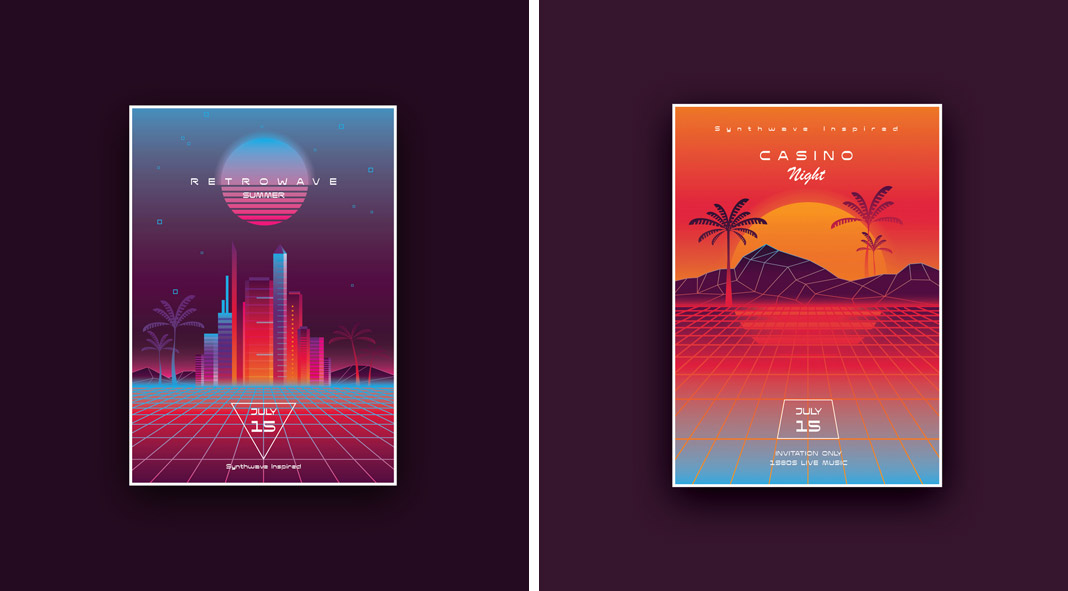
1. Neon Colours

1980s and cyberpunk inspired poster design templates available as fully editable vector graphics.
Retro-futuristic poster templates with neon colours by Adobe Stock contributor Diana Hlevnjak, aka Polar Vectors.

Neon colours are making a comeback in a big way and they’re perfect for graphic design. They’re bright and eye-catching, and add a touch of fun to any design. Neon colors are perfect for logos, flyers, posters, and other marketing materials. That’s right – those garish, eye-catching shades that were once reserved for birthday parties and bowling alleys are now being used in everything from corporate designs to magazine covers. So what sparked this neon revival? Some say it’s a reaction to the muted tones of the digital age, while others believe that designers are simply looking for new ways to stand out in a saturated market. Whatever the reason, there’s no denying that neon is one of the hottest trends in graphic design right now.

So if you’re looking to add a little pizzazz to your next project, don’t be afraid to reach for the neon crayons. Just don’t be surprised if your clients ask you to tone it down a bit.

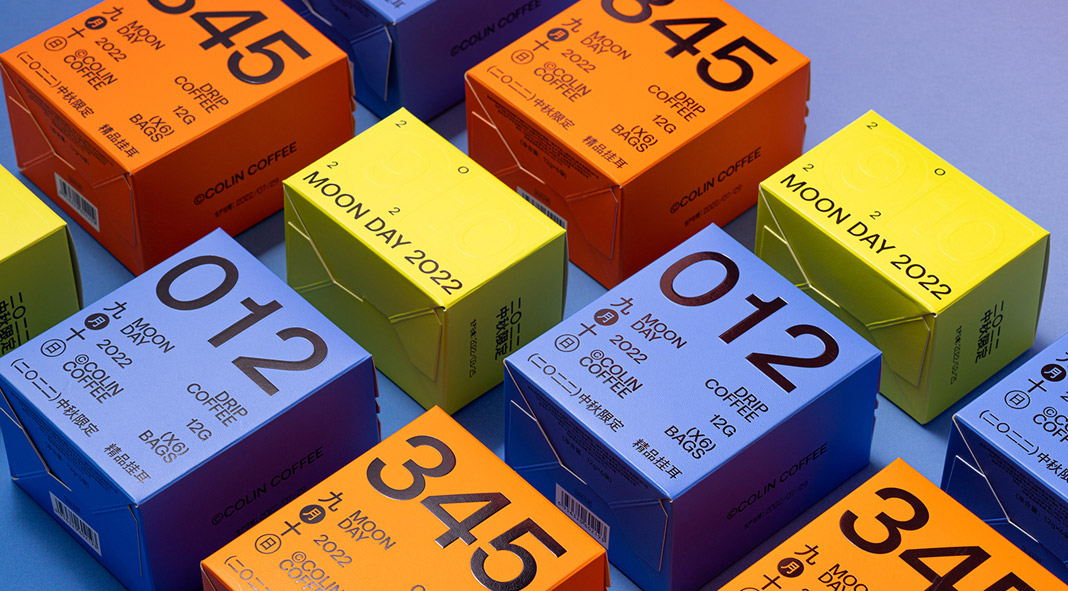
2. Minimalist Design

Colin Coffee - limited edition packaging design by Reesaw Studio
A minimalist packaging design by Reesaw Studio.

Minimalist design is all about simplicity and clean lines. This trend has been popular for a few years now and it shows no signs of slowing down. It’s simple, clean, and modern, making it a great choice for branding, marketing materials, packaging, and web designs. If you want to create a modern and stylish graphic, opt for a minimalist design.

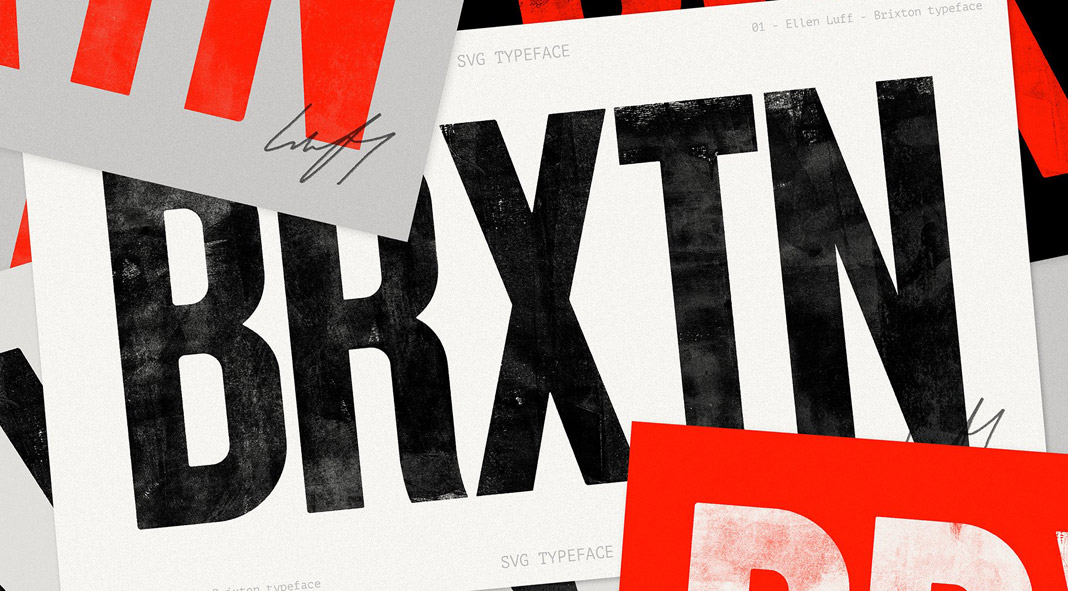
3. Bold Typography

Brixton SVG typeface, a hand-printed font family by Ellen Luff.
Brixton SVG typeface, a hand-printed bold font family by Ellen Luff.

Bold typography is another great way to make your graphic design stand out. Use large, eye-catching fonts to grab attention and add impact to your design. Just be sure not to use too many different font styles in one graphic, as this can look cluttered and confusing. From street signs to movie posters, this style of lettering is everywhere you look.

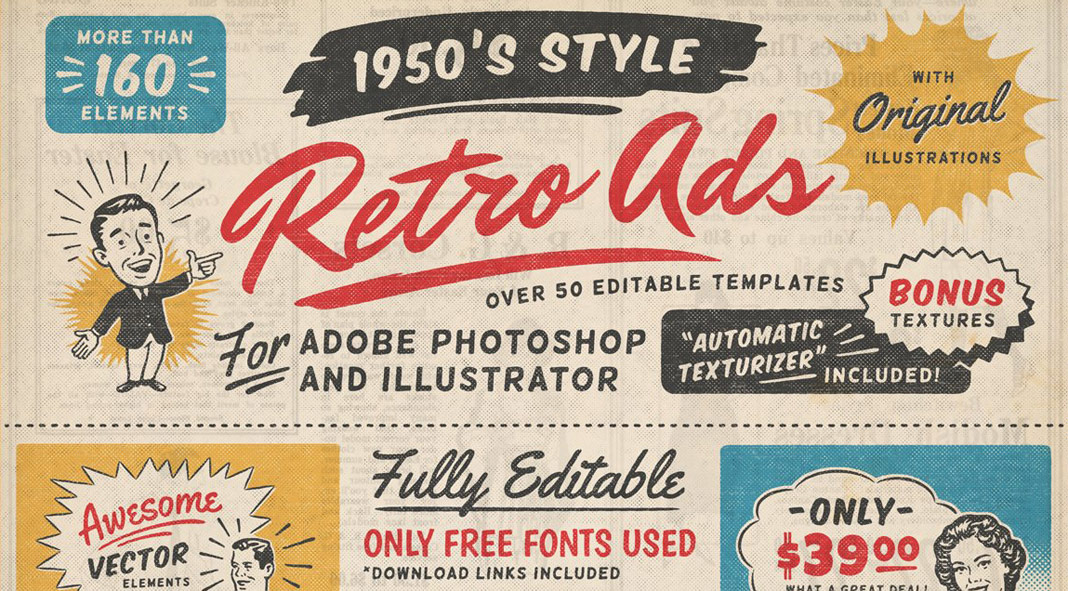
4. Vintage Graphics

1950s retro style vintage ad templates for Adobe Illustrator and Photoshop created by DISTRICT 62 STUDIO.
1950s retro-style vintage ad templates for Adobe Illustrator and Photoshop created by DISTRICT 62 STUDIO.

Vintage graphics are making a big comeback in the design world. If you’re looking for a graphic that has a retro feel, consider using vintage graphics. By pairing vintage illustrations with modern fonts and layouts, designers are able to create stunning visual effects that are both nostalgic and contemporary. This trend is also evident in the resurgence of vintage-inspired logos and brand identity designs. As more businesses seek to create a unique and memorable brand identity, vintage graphics are becoming an increasingly popular design element. With their ability to evoke a sense of history and nostalgia, vintage graphics are sure to remain a popular trend in the world of graphic design. You can find some great vintage graphics online or hire a graphic designer to create something custom for you.

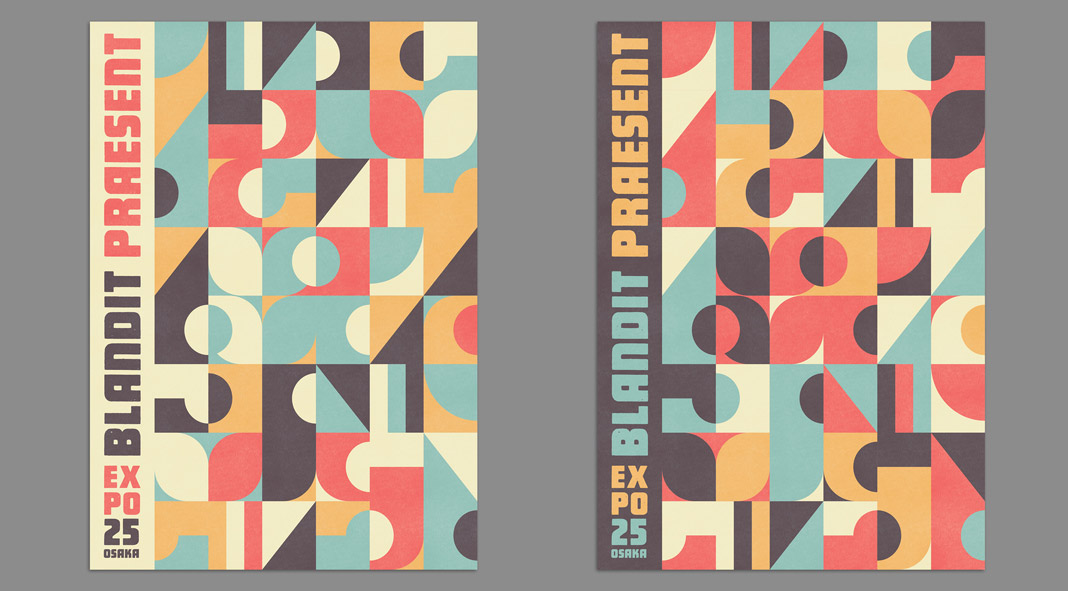
5. Geometric Shapes

Abstract Geometric Poster and Cover Templates with Flat Pattern Design Elements
Abstract geometric poster templates with flat pattern design elements by blackcatstudio.

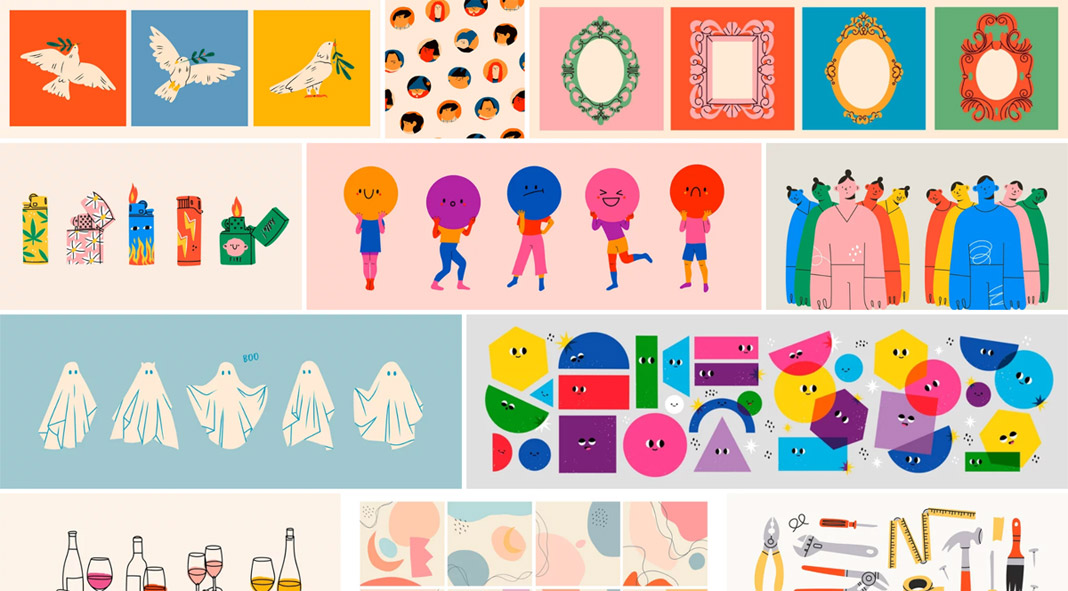
Geometric shapes are simple, yet effective, and they can add interest to any graphic design. Use basic shapes like circles, squares, and triangles to create patterns, or use more complex shapes to add depth and dimension. In recent years, we have seen a resurgence of geometric shapes in both web and print design, and it shows no signs of slowing down. While some geometric shapes are more playful, others can be used to create a more serious or sophisticated look. No matter what your style, there is a geometric shape that will suit your needs. So go ahead and embrace the trend!

6. Hand-Drawn Elements

Figara Line Drawings & Illustration
Hand-drawn line illustrations by Delightful Design.

Natural hand-drawn elements add a personal touch to any graphic design. Whether you use simple sketches or more complex illustrations, hand-drawn elements can add a unique touch that sets your graphic apart from the rest. If you’re looking for a way to add hand-drawn elements to your graphic, there are many resources online that you can use. You can find free clip art and illustrations, or hire a graphic designer to create something custom for you. Just be sure to keep the overall look of your graphic consistent with the overall style of your design.

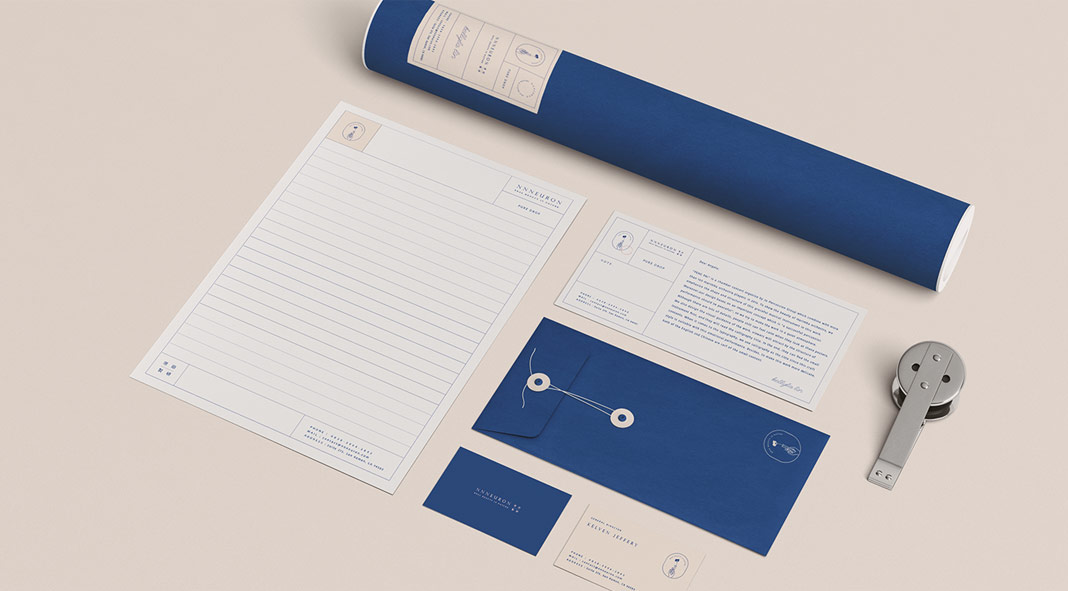
7. Duotone Colors

NNNEURON Cosmetic branding by Studio Pros.
Duotone brand design by StudioPros.

Unlike traditional color schemes, which use three or more colors, duotone schemes rely on just two tones. This minimal approach can create a sleek and sophisticated look, perfect for brands that want to convey a sense of sophistication and style. This trend adds a bit of interest to any design without using too many colors.

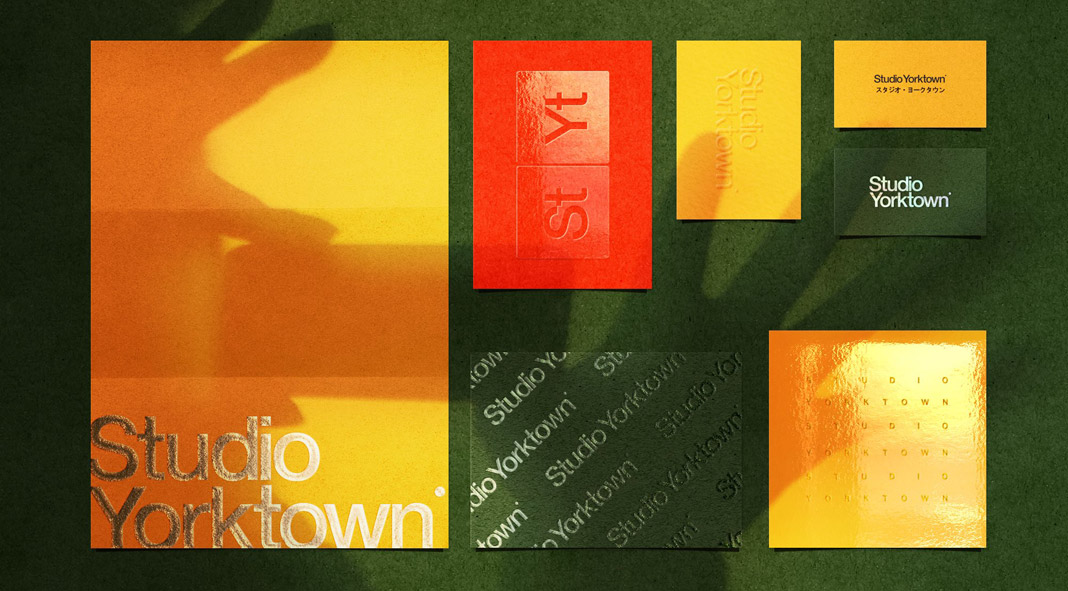
8. Metallic Colors

Meiji, a multi print effects mockup — Adobe Photoshop templates by Studio Yorktown.
Meiji, a multi-print effects Photoshop mockup by Studio Yorktown.

Metallic colors are shiny and eye-catching, making them perfect for graphic design. Use metallic colors to add a touch of luxury to your graphic or to make it pop against a plain background. From shimmering gold to rich bronze, these colors add a sophisticated style to any design.

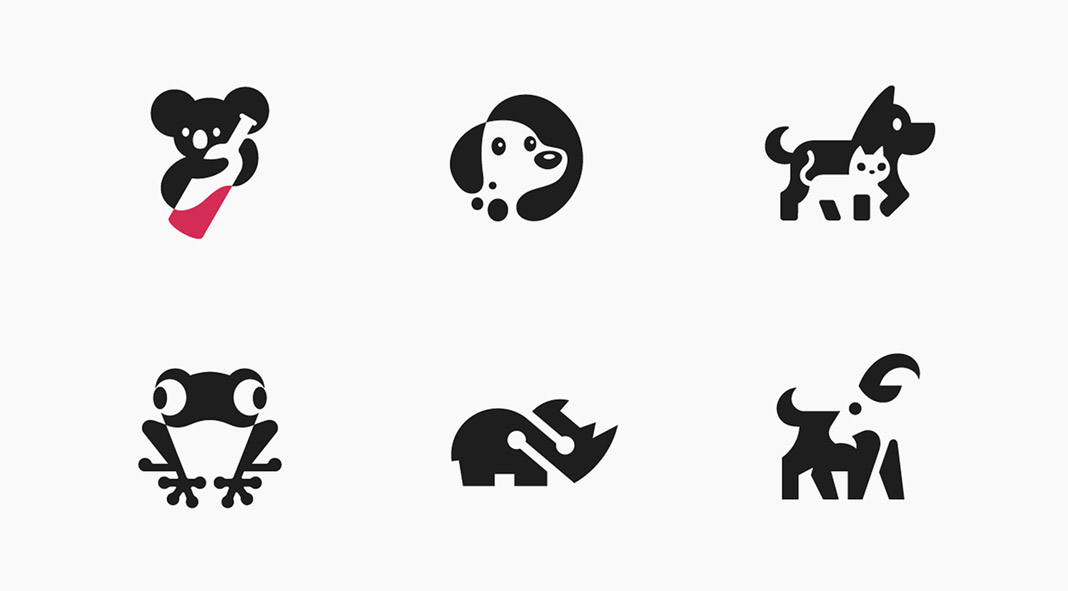
9. Negative Space

Graphic Design Trend: Negative space animal logos by Daniel Bodea
Negative space animal logos by Daniel Bodea

So what is negative space in graphic design? It is the empty space around and between the subjects in a graphic. This trend is all about using negative space creatively to add interest and impact to your design. It’s a minimalistic approach that has been gaining popularity in recent years, as more and more designers strive to create clean and sophisticated designs.

10. Animated Graphics

Nicola Gastaldi, Taking a picture of a picture.
Animated graphics by Gastaloops.

Using animated graphics is a great way to add movement and interest to your graphic design. Everywhere you look, from advertisements to websites to social media posts, businesses are using animation to capture attention and stand out from the competition. And it’s not just small businesses; even major brands are using animated graphics to communicate their messages. While some may dismiss animated graphics as a passing fad, there’s no denying that they are an effective way to engage audiences and deliver information in a memorable way. You can hire a graphic designer to create a custom animation for you or use free resources online to create simple animations.

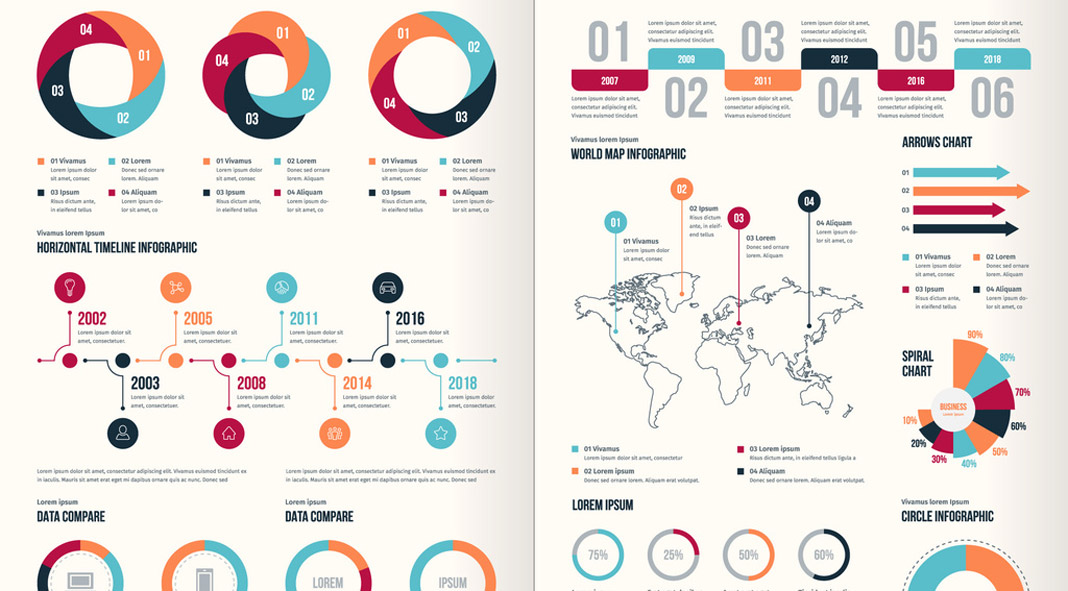
11. Infographics

Download Adobe Stock Business Vector Infographics
Editable business infographics by Petr.

Infographics are a great way to present information in a visually appealing way. As a society, we are constantly inundated with information. In the age of the internet, we have access to more data than ever before, and it can be overwhelming to sift through everything and find what we’re looking for. This is where infographics come in. An infographic is a visual representation of data or information, and they have become increasingly popular in recent years as a way to quickly and easily communicate complex ideas. For graphic designers, infographics offer a unique challenge, as they must distill a lot of information into a single, visually-appealing image. As infographics continue to grow in popularity, we can expect to see more designers experimenting with this trend.

12. Icons

Futuro Next Icons by bloomicon on Adobe Stock.
An icon set by Bloomicon.

Nothing new but icons are simple, yet effective, graphic elements that can be used to represent different concepts or ideas. You’re probably thinking, “Icons are so overdone. Everyone is using them.” But that’s exactly why they’re such a popular graphic design trend right now. Icons are eye-catching and easy to understand, making them perfect for grabbing attention in a crowded marketplace. And because they’re so versatile, they can be used in a variety of ways to communicate your brand’s unique identity. So if you’re looking for a way to make your mark, consider using icons in your next design project.

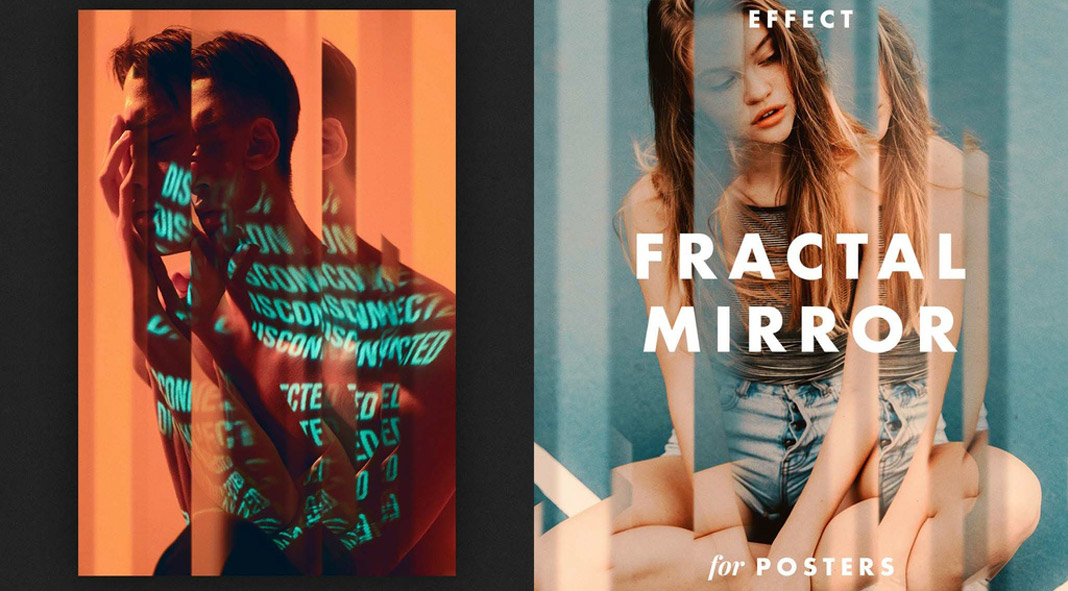
13. Photo Manipulation

Fractal Mirror Poster Photo Effect Mockup for Adobe Photoshop
Photo manipulation effects for Adobe Photoshop by Pixelbuddha.

The creative task of photo manipulation is the process of manipulating images to create a desired effect. This graphic design trend is perfect for those who want to add a bit of creativity to their work. There are many different techniques that can be used in photo manipulation, so it’s a great way to experiment with your graphic design.

14. Vector Graphics

Download fun, playful vector graphics and illustrations in striking colors
Colorful vector graphics by Dariia.

Vector graphics are computer graphics that are created using mathematical objects called vectors. They can be transformed to any size without loss of quality. Sure, vector graphics are nothing new in the design world but the clean and modern style is currently very popular and can be found across any type of media ranging from print to the web.

15. 90s-Inspired Design

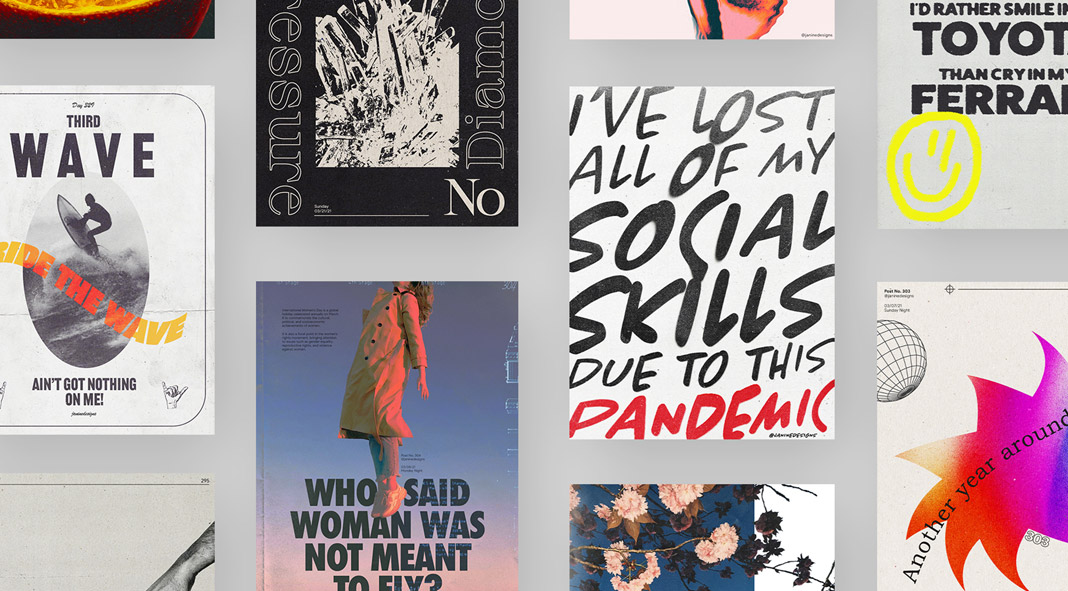
365 Days of Grunge Typography Posters by Janine Heinrichs
365 Days of grunge typography posters by Janine Heinrichs.

90s design was all about big bold statements. From chunky die-cut shapes to DayGlo colors, 90s designers had a knack for making an impact. And while some 90s trends have since fallen by the wayside, others are currently making a comeback. So what makes 90s design so special? Part of it has to do with the fact that 90s designers weren’t afraid to experiment. They pushed boundaries and challenged convention, creating a style that was both eye-catching and forward-thinking. But 90s design also has a certain sense of nostalgia about it. Whether you love it or hate it, there’s no denying that 90s design is here to stay.

16. Grain and Noise Textures

Grain and noise textures by Pixelbuddha
Grain and noise textures by Pixelbuddha.

One of the latest trends in graphic design is the use of grain and noise textures. These textures can add a sense of depth and realism to your design, and they can also be used to create a vintage or distressed look. Grain and noise textures are often used in conjunction with other effects, such as halftone dots or overlays. When used correctly, they can help to create a cohesive and visually arresting design. However, like all trends, grain and noise textures should be used sparingly, as too much of either can quickly become overwhelming. So if you’re looking to add a little grain or noise to your next project, be sure to use it judiciously.

17. Experimental Typography

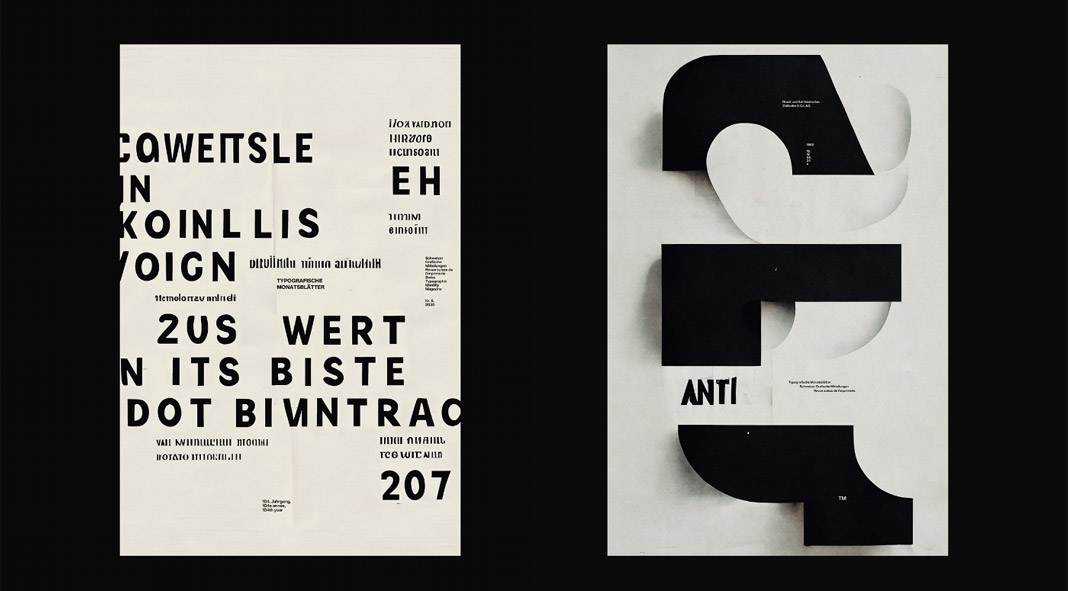
Experimental layer typography by Txaber Mentxaka.

In the world of graphic design, experimental typography is having a moment. This trend involves pushing the boundaries of typefaces to create unique, eye-catching designs. While experimental typography has been around for decades, it has recently gained popularity thanks to the rise of digital design tools and social media. As a result, experimental typography is now being used by everyone from major brands to small businesses. And while not everyone is a fan of this trend, there’s no denying that experimental typography can be incredibly effective when used correctly. So if you’re looking to add a touch of personality to your next project, don’t be afraid to experiment with your typography.

18. Computer-Generated Graphics

Minimalist poster designs by Guangxi Cai and Qiaoqiao Tang

It’s no secret that computer-generated graphics are becoming increasingly popular. Once relegated to the world of science fiction movies and video games, computer-generated graphics are now being used in everything from advertisements to product packaging. And it’s easy to see why. With their ability to create realistic images and text effects, computer-generated graphics offer designers a lot of flexibility. Plus, thanks to advances in technology, computer-generated graphics are becoming more and more realistic all the time. As a result, we’re likely to see even more computer-generated designs in the coming years.

19. 3D Elements

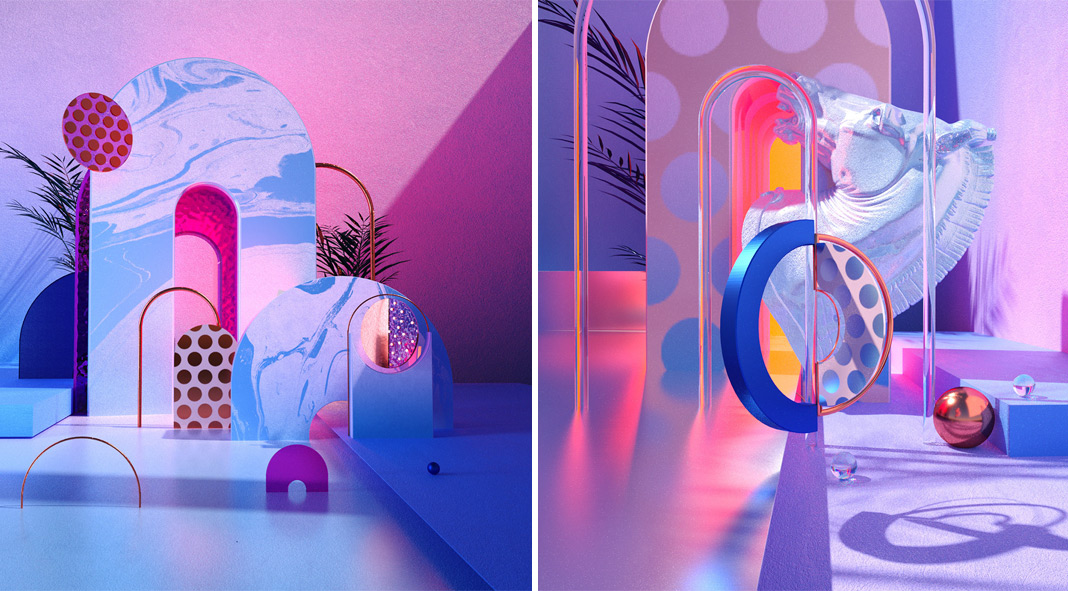
Lumen, a personal 3D project by Anna Caban- Szypenbeil
Lumen: 3D art by Anna Caban- Szypenbeil.

3D elements are nothing new. In fact, they’ve been around for centuries in the form of sculptures and other art forms. However, 3D design is now starting to make its way into the world of graphic design, and it’s definitely making a splash. Thanks to advances in technology, rendered 3D elements can now be created with ease, and they offer a unique way to add depth and interest to any project. From logos to illustrations, 3D elements are becoming increasingly popular, and it’s easy to see why. If you’re looking to add a touch of dimension to your next project, don’t be afraid to experiment with 3D design.

20. Serif Fonts

Perfectly Nineties font by Jen Wagner Co.
Perfectly Nineties font by Jen Wagner.

These days, serif fonts are all the rage in the world of graphic design. And it’s no wonder why! These traditional fonts convey a sense of sophistication and elegance, making them perfect for luxury brands or high-end businesses. But you can also use serif fonts to add a touch of stylishness to more down-to-earth designs. So whatever your project may be, don’t be afraid to add a little serif flair. After all, that’s what all the cool kids are doing these days.

By Dirk Petzold

Sourced from WATC

By Bailey Showalter

TikTok and LinkedIn created room for video resumes and more personalization for applicants

When social media first came into our lives, the common practice was don’t post anything you wouldn’t want your future employer to see. However, as social media has become more ubiquitous, our personal and professional lives have blurred. Social sites like Facebook, WhatsApp, and LinkedIn have offered ways for individuals to find new jobs using their platform of choice.

Even TikTok announced its own feature to help job seekers find opportunities. More individuals are using social media with the goal of getting employed, showcasing their interests, and creating a digital, resume-like portfolio.

For over a decade, social media platforms like YouTube and Instagram have enabled individuals to promote themselves and their personal brands while enjoying creative freedom to showcase their talents. Employers are still struggling to fill open positions and individuals searching for jobs that provide autonomy and higher levels of fulfillment. Luckily, many aspects of social media can help hiring teams reframe their talent attraction strategies to make the best talent match for their needs.

A resume is still the primary currency of hiring

No matter the job, company, or industry, resumes still largely drive the hiring process, but resume formatting and delivery have evolved. Video resumes help employers shift hiring requirements (pdf) from education and experience to skills. Although the need for a resume has remained constant, this new era of hiring calls for a more modern perspective.

The traditional resume emphasizes education and experience, typically with previous jobs and degrees at the top, taking up a significant portion of the document. Job-relevant skills are developed through many avenues, both in and outside of formal training or workplace projects. Yet hard and soft skills, certifications and credentials, general interests, outside activities and ways to express intent for continual upskilling get buried at the bottom of a resume—or left off entirely. While this has been the norm, resumes should now be revamped with candidate skills at the forefront, showcasing what they can do versus what they have done.

Recruiters and hiring teams need to adjust their approach to what a resume should entail—with an emphasis on skills as the forefront of qualifications—to better recruit and hire the right fit for the job.

Quick, easily digestible information is critical

Social media doesn’t show every waking minute of individuals’ lives (depending on who you follow), but instead can highlight meaningful moments, enticing viewers to learn more. In the same way, resumes don’t represent the totality of a candidate’s capabilities and potential for success. Resumes exist to garner the attention needed to advance a candidate through the hiring process. Unfortunately, traditionally formatted resumes struggle to effectively articulate skills, limiting a recruiter’s ability to evaluate whether a potential candidate has the skills to be successful.

Digital credentials can bring greater reliability and trust to the hiring process. By providing a unified language of understanding to individuals’ hard and soft skills, digital credentials signify verified, data-backed qualifications and provide greater insight into the whole picture of an applicant’s abilities rather than saddling hiring teams with the task of filling in the blanks.

Studies show us that a hiring manager spends on average 6-7 seconds reviewing a resume. In that time, hiring managers need quick, easily digestible insights to help determine if the candidate is qualified to move forward in the process. So, while watching 3-minute video resumes might not be easily scalable for most recruiters, the notion of putting one’s skills at the forefront of their resume is here to stay.

Skills-based hiring and digital credentials

There is a nearly unprecedented mismatch between the number of open jobs and the number of people applying for those positions, with over 6 million potential candidates (pdf) and more than 11 million job vacancies in today’s hiring landscape. This large gap has amplified the need for capable workers, with hiring teams shifting expectations from those who “have done” a job to those who “can do” the job because of their skills, qualifications, and interest more than their past experience alone.

Many workers who left roles as part of the great resignation have shifted their career trajectory entirely. While they may be entering new industries without a traditional background, these job candidates likely have transferable skills that match well with their ambitions for a new role. But to match talent with suitable roles and close the hiring gap, talent management teams must be willing to prioritize skills in their review practices.

Additionally, previously identified skills that were a nice-to-have for job requirements are now must-haves for hiring. For example, in this digital world, hard skills such as working with tools like Microsoft Suite are crucial for remote or hybrid work and ensuring collaboration capabilities. Similarly, in a remote-first, digital world, a soft skill companies should prioritize is a candidate’s propensity for learning and upskilling. Both of these skills can be shown through verified digital credentials, whether it is a certificate of completion for mastery of a specific tool or an individual’s many certifications and badges, demonstrating their willingness to learn and expand their skill sets.

For hiring teams, reorienting their talent management strategy is crucial to understanding this new era of skills-based hiring. Social media has provided an excellent opportunity to understand better what does and doesn’t work in this digital environment. Each individual has a chance to show their unique skills,while hiring teams will have a competitive advantage in finding and retaining the best talent.

Feature Image Credit: Photo: fizkes (Shutterstock)

By Bailey Showalter

Bailey Showalter, VP of talent solutions at Credly, a business of Pearson, where she is focused on growth initiatives that help people connect to the right opportunity at the right time on the basis of their verified skills.

Sourced from QUARTZ

And the biggest power users are turning to ghostwriters.

In August, the CEO of Ohio-based marketing company HyperSocial decided that the best way to publicly deal with the layoffs he authorized at his company would be to post a photo of himself crying. “This will be the most vulnerable thing I’ll ever share,” wrote Braden Wallake in a LinkedIn post, then proceeded to detail the emotional toll that letting go of two of his employees had on … him, the CEO, who still had a job.

Within days, Wallake had become a meme, shorthand for the type of oversharing, virtue-signalling hustle bro who racks up thousands of followers on platforms like Twitter, Instagram, and, most especially, LinkedIn. LinkedIn has always had its own curious posting conventions; while ostensibly geared toward average white-collar professionals seeking job opportunities or a talent pool to hire from, this year the company has gone all-in on “creators.” That is, users hoping to build a personal brand by spouting entrepreneurial advice or nuggets of wisdom (LinkedInfluencers, if you will). When such tools are wielded with skill, those who succeed can nab book deals and speaking gigs.

When done sloppily, they may end up on, say, the very popular Twitter account called @StateOfLinkedIn, which is devoted to mocking the worst offenders. A scroll through its timeline reveals long-winded, self-congratulatory threads detailing anecdotes that probably/definitely didn’t happen, bizarrely poetic descriptions of a day in the life of an entrepreneur, and “subtle” flexes of luxury logos. Together they make up a new sort of business-speak — less jargony a la Office Space and more inspiration-porn a la Gary Vaynerchuk — that runs rampant on places like LinkedIn.

For aspiring LinkedInfluencers, the field has never been more competitive. LinkedIn told Vox that there are currently 13 million users with “creator mode” turned on (a setting that expands the kinds of features users can deploy in order to grow their audience). Perhaps unsurprisingly, its focus on making its users famous has made it look and feel quite a lot like Facebook, as many have pointed out. There have never been more people trying to become LinkedInfluencers, and there have never been so many resources they can pay for to do it.

That’s why many of them are turning to professional ghostwriters to spearhead their content strategies. “There’s this perception that ghostwriting is like having someone else do your homework for you, but it’s a collaborative process, and it frees up so much of [the client’s] time,” says Amelia Forczak, founder of the ghostwriting firm Pithy Wordsmithery. In the past few years, her business has doubled.

Forczak specializes in ghostwriting how-to books for her clients, but social media is often a crucial first step. A typical client might be an executive in the corporate world who’s well-respected within their company or industry but not widely known outside of it, and often, those who’ve been in business and tech for decades have no idea how to self-promote. “They’ve had PR training where they’ve learned not to talk about anything personal,” she explains, “or anything that can be used against you.”

Now, the standard advice for LinkedInfluencers is to do the exact opposite: avoid business jargon and sound like a person. Nothing has made this clearer than the pandemic, which forced white-collar workers to move their lives, and more importantly, their reputations, online. “It’s cliché, but it’s true that people want to work with people, people buy from people, people want to see the human side of who you are before they decide to work with you,” says Tara Horstmeyer, an Atlanta-based ghostwriter who offers packages for 12 LinkedIn posts for anywhere between $2,000 and $3,000.

In the same time span, ghostwriting for entrepreneurs has turned into a desirable and potentially lucrative career. Earlier this month, Business Insider published an anonymous account of a tech startup founder who makes $200,000 on his side hustle writing tweets for venture capitalists. “Funders have to build parasocial relationships with founders,” he explains. “A founder might read a tweet from a VC and say: ‘Wow, he’s a cool guy. He’s in on the joke. I want him on my board.’”

LinkedIn ghostwriters I spoke to say that they receive daily inquiries on how to break into the field. Horstmeyer says she’s constantly referring incoming work to other writers she knows, and is considering offering an online course to help aspiring writers build up a client base. Mishka Rana, a 22-year-old college student in India, says that she’s turned down several job offers because her ghostwriting business generates enough income to support her. “I know a lot of people who have left their corporate jobs to start their own agencies,” she says, attributing this in part to the favourable exchange rates (several of her clients are US- or UK-based). Her content packages, which start at $800 for one month and go up to $9,000 for multi-month commitments, have afforded her the ability to buy a car and travel domestically and internationally.

Ghostwriters, though, do more than just write; most of the writers I spoke to also describe their work as content strategy and marketing. Emily Crookston of the Pocket PhD was a philosophy professor before pivoting to ghostwriting; she says her LinkedIn services, for which she charges $2,500 per month, including blogging, strategy, and posts, had become particularly popular during the pandemic. Just like any other social media platform, there’s a little bit of gaming the algorithm, too. Many LinkedIn super users join “pods,” or groups of people who agree to like, comment on, and share each other’s posts in an attempt to increase their engagement. “LinkedIn is really savvy about pods — it knows, and it will hurt your engagement,” she warns. But the biggest mistake people make is “posting and ghosting,” failing to engage with other people’s posts and “using it like a billboard,” she explains.

It’s ironic, considering that one of the major benefits of having a career in tech and finance is the freedom not to have to do this kind of laborious self-promotion. That’s more typically reserved for artists and other people in creative industries, where the field is saturated and competitive and relies heavily on relationships and clout. Like probably any writer, I’ve briefly fantasized about what my life might look like if I worked in, say, finance, or some other high-paying but entirely anonymous job where I felt zero attachment to the numbers I entered into the screen every day and forgot about them on my way out the door. The idea that such a job may also require you to preen and maintain your digital profiles for maximum consumption makes the whole career seem far less enviable — but I suppose that’s why people hire ghostwriters.

Wallake, it seems, has not arrived at this same conclusion. A week ago, the crying CEO ended up on @StateOfLinkedIn again. “My grandma passed away today,” he began his post. The moral of his story was that perhaps hustle culture was making all of us miss out on the important things. A nice sentiment, of course — but not without ending with a plug for his own company.

This column was first published in The Goods newsletter.

Sourced from VOX

By

Entrepreneurs have long been quick to adopt new marketing trends, and personal branding is no exception.

Personal branding has finally become something that most entrepreneurs have accepted as a must-do. Thanks to Elon Musk, Gary Vaynerchuk, and other public-facing founders, more business owners are hopping on the personal branding train and making an effort to put a face to their companies.

The problem is most entrepreneurs are throwing spaghetti at the wall to see what sticks. If you want to build a personal brand that helps your business’s bottom line, you need to be intentional with how you show up.

And no, that doesn’t mean picking out the perfect filter for your Instagram grid or paying for thousands of fake followers to “look” important.

After helping entrepreneurs in all industries step into the spotlight and grow a personal brand people buy from, there are three non-negotiable questions you must ask yourself before getting started. (If you’ve already been trying to grow your personal brand for some time — don’t worry. Take a moment now, ask yourself these questions, and notice the gaps in your strategy that might be stalling your growth).

1. What kind of impression do you want to leave?

Modern-day personal branding is like going to an event, meeting someone new for the first time, and finding yourself talking about them a month later because something about them got etched so deeply in your brain.

When you leave the room at a party (i.e., when you finish having an interaction with an ideal client):

  • What do you want them to take away?
  • What do you hope they remember?
  • What do you want your target market to associate you with?
  • How do you want to be remembered?

These questions all fall under the same roof: defining what kind of impression you want to make on your . By answering these questions, you create (or recreate) the foundation of your personal brand. Without the proper foundation, the house can’t be built.

2. How do you want to make people feel?

Continuing from question one, we’re taking it one step further. While most entrepreneurs on social media spend their time making sure their personal brand “looks” a certain way, they forget that’s not ultimately what makes someone buy.

People buy from you because of how you make them feel.

All humans make their buying decisions based on emotion. We buy with emotion and justify with logic. To grow your personal brand, you must clarify how you want to make people feel at the core. Think about your target audience and how you want them to feel after they come in contact with your personal brand.

Do you want them to feel:

  • Empowered?
  • Brave?
  • Confident?
  • Relaxed?
  • Energized?
  • Calm?

After you answer this question, you will have the creative clarity to craft a content strategy that shares one common goal: to make people feel a certain way.

Gary Vaynerchuk is a shining example of this. His personal brand’s biggest objective is to help people feel empowered and in control. Every single piece of content he puts out aims to help his target audience feel capable of creating a life they truly love.

3. Am I willing to let my audience in?

Here’s the hard truth: today’s biggest, most widely known personal brands are the ones who take their audiences behind the scenes. In other words, if you are serious about growing a personal brand that people not only love — but buy from — you need to be willing to connect with your audience on a human level consistently.

While this can be done in various ways, the easiest way is to tell your story. Instead of the company’s story — tell your story. Show your audience who you were before you were a leader. Show your audience what you overcame to build your company and bring your vision to reality. Show your audience that you’re so much more than your title, and show them that you’re a human just like them.

This doesn’t mean you need to tell all of your deepest darkest secrets. It means you need to decide what things you’re comfortable sharing with your audience from your personal life.

For example, some CEOs share everything from their quirky hobbies outside of work to their family, their kids and numerous other hats they wear. In contrast, others prefer to share only one or two different components of what makes them.

The most important thing to remember is that what works for someone else doesn’t have to be the way you do it. You get to let your audience in whichever way feels most authentic and aligned for you.

As long as you aren’t hiding behind your title, accomplishments and computer, you’re one step closer to building a personal brand that grows your business’ impact and income.

By

Sourced from Entrepreneur

By

Adobe has just made some big announcements at its Adobe MAX event. We explain why creatives should pay attention.

Every year Adobe holds a huge event in Los Angeles, simulcast to the world, called Adobe MAX, where it announces the latest big updates to its industry-leading software, such as Photoshop, Illustrator, InDesign, After Effects and Premiere Pro.

These are the tools that power creative professionals across the world today. So it couldn’t be more important to pay attention and learn how the latest features can save you time and money and help you become more productive and creative.

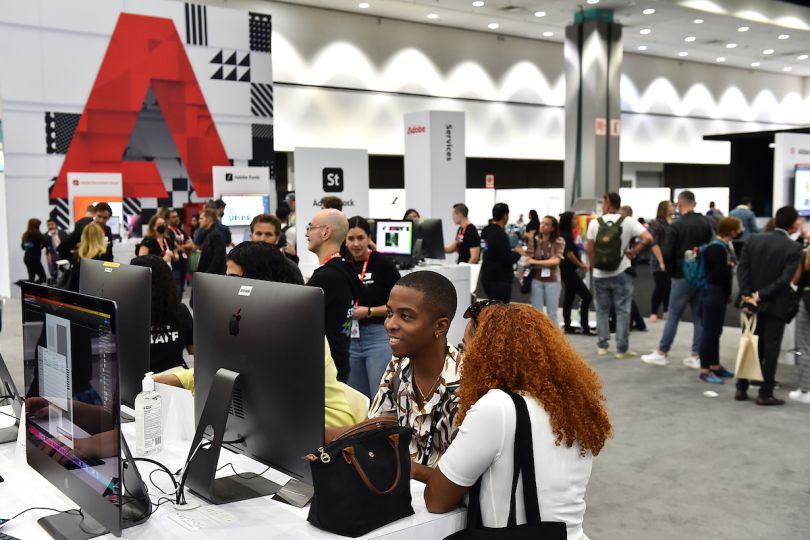
Adobe MAX community pavilion

So, what did we learn from this year’s Adobe MAX? Overall, that creative software is changing fast as it adapts to a fast-changing world. As a result, artists, illustrators, designers, photographers and other creatives can access new and exciting ways to work more quickly and efficiently, collaborate more effectively, and protect their creations from exploitation and misrepresentation.

Read on as we outline the key themes of Adobe MAX 2022, which not only explain how Adobe software is evolving but highlight where the creative industry is going as a whole. So even if you’re not an Adobe user, they’re still worth paying attention to.

1. Creativity is becoming more collaborative

It won’t have escaped your attention that the days when a client briefed a designer or illustrator and then sent them away until they were finished are now a distant memory. Nowadays, it’s typical for multiple people to weigh in on your design, throughout the creative process, from clients to stakeholders, colleagues to bosses.

In theory, this should lead to an end product that everyone is happy with. In practice, though, it often results in endless, confusing email chains, 57 versions of the same visual, and no one being quite sure who’s agreed to what.

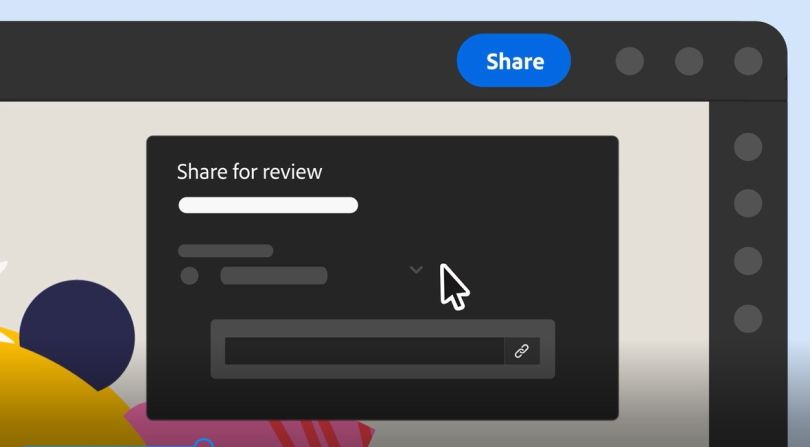
In short, whether you use email, Slack, Dropbox or Google Drive, creative collaboration is never as simple or seamless as you’d like it to be. Which is why one of the biggest announcements of this year’s Adobe MAX is Share for Review.

Share for Review
Share for Review

This feature, now live across a range of Adobe software, allows you to instantly share a link to, say, the Photoshop file you’re working on with others. They don’t need Photoshop themselves: they just need to click the link, and they’ll instantly see your creation in their web browser. They can then add comments, which you can see and feed back on, and everything takes place in Photoshop.

It’s a brilliant feature and one we expect to radically change how we collaborate in Photoshop, Illustrator, InDesign, After Effects, Premiere Pro and more.

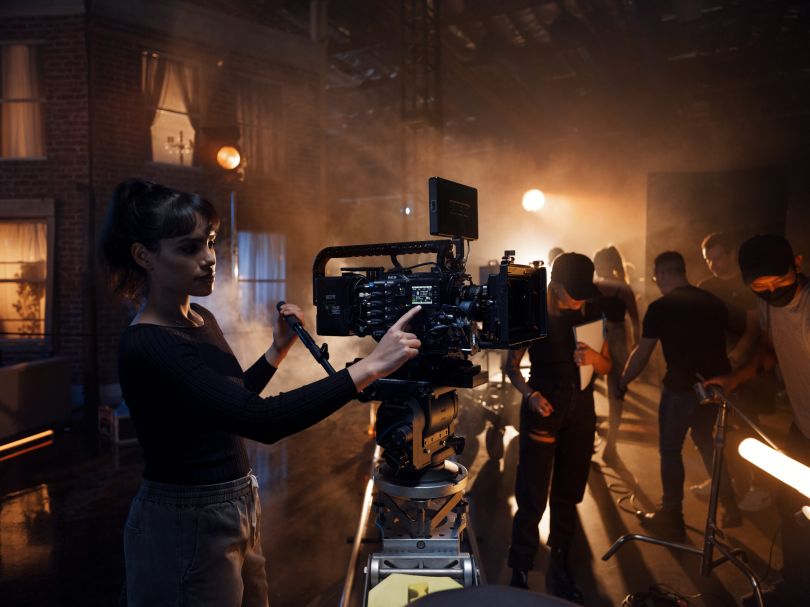
It also fits nicely with Adobe’s recent announcement of intent to acquire Figma, which makes it easy for UX designers to collaborate on app and web prototypes in the browser. Not to mention Adobe’s Camera to Cloud tech, which it’s just announced is being put directly into Fuji and RED cameras. That means 8K footage can be transmitted straight to production houses via the Cloud without any tedious mucking about with memory cards. Another great win for fast and fuss-free collaboration.

Camera to Cloud tech in RED cameras

In short, if there was any doubt in your mind that the future of digital creativity will be more collaborative and primarily based in the browser, it’s time to cast that aside. Yes, in this post-pandemic world, we may spend more time at home, physically by ourselves. But that doesn’t mean we’ll be working alone: far from it.

2. AI can be a friend to creatives

The rise of technologies like generative art can’t have escaped your attention and is scaring a lot of creatives witless. Will such tech make us redundant? Adobe is on the side of the optimists, believing there will always be a need for human creativity, imagination and ingenuity. Instead, it sees huge potential for AI and machine learning to make our creative work easier and allow us to do and produce more.

For this reason, it’s been developing a technology it calls Adobe Sensei, which identifies common time-consuming tasks, and finds ways to let the software take the strain. At Adobe MAX this year, it’s announced some huge leaps forward in this regard.

For example, in Photoshop and Lightroom, it’s made the Object Selection tool work even more accurately, with a wider array of objects. If you’ve never used Object Selection before, it allows you to hover over an object within a photograph and the software will automatically detect and select it. You can then tweak it to your liking or just delete it with a single click. Content-Aware Fill will step in and fill in the background, so no one would ever notice it was ever there. (Read more in this blog post.)

Select Object in Lightroom

It’s a great example of how AI can take the dull grunt of work out of our jobs, giving us more space to be more creative. What this tells us is that the future of creativity will be less about learning complex software skills and more about our ability to engage our imaginations and come up with truly groundbreaking concepts. Sounds good to us!

3. Authenticity is increasing in importance

Is this true? Is it real? Never before, it seems, have these sentences appeared so often across the internet. Whether you’re sharing a photo or video or clicking on a news story, the rise of fake news and propaganda is making us question the evidence of our own eyes. And so Adobe has taken a big step forward this year in helping us authenticate our photos, videos and design work as genuine, in structured and easy-to-access ways.

Content Credentials in Photoshop

A new Photoshop opt-in feature, Content Credentials, automatically capture edits and identities information from your image. This attached metadata establishes a paper trail for images that have been changed or enhanced. In other words, if anyone needs to check who originated an image, who edited it and how they can do so directly within Photoshop.

As well as helping stop the spread of fake news, Content Credentials could also be useful in the fight against NFT theft, whereby scammers mint and sell NFTs based on images they didn’t actually create. And in general, the wild west nature of the internet isn’t going away, so anything Adobe can do to help creators protect their intellectual property is clearly a good thing.

4. The future lies in the metaverse

One of the less-reported announcements at this year’s event is that Adobe is teaming up with Meta to develop products for the metaverse. But in terms of the future of the creative profession, this may turn out to be its most significant.

On the one hand, the metaverse is very much in its infancy, and we don’t really know what it is yet. But on the other, companies are pouring billions into developing the metaverse, and eventually, they will want a return on that investment. That, above all else, is going to require content: 3D, immerse, 360-degree content. And so whether you’re an artist, illustrator or designer, this is an important area where your skills will increasingly become in demand.

Most of us, of course, wouldn’t know where to start. This is why Adobe dedicated a considerable portion of its Adobe MAX keynote this year to the new integration between well-known tools like Illustrator and a new set of 3D tools under the Substance heading.

Substance 3D
Substance 3D

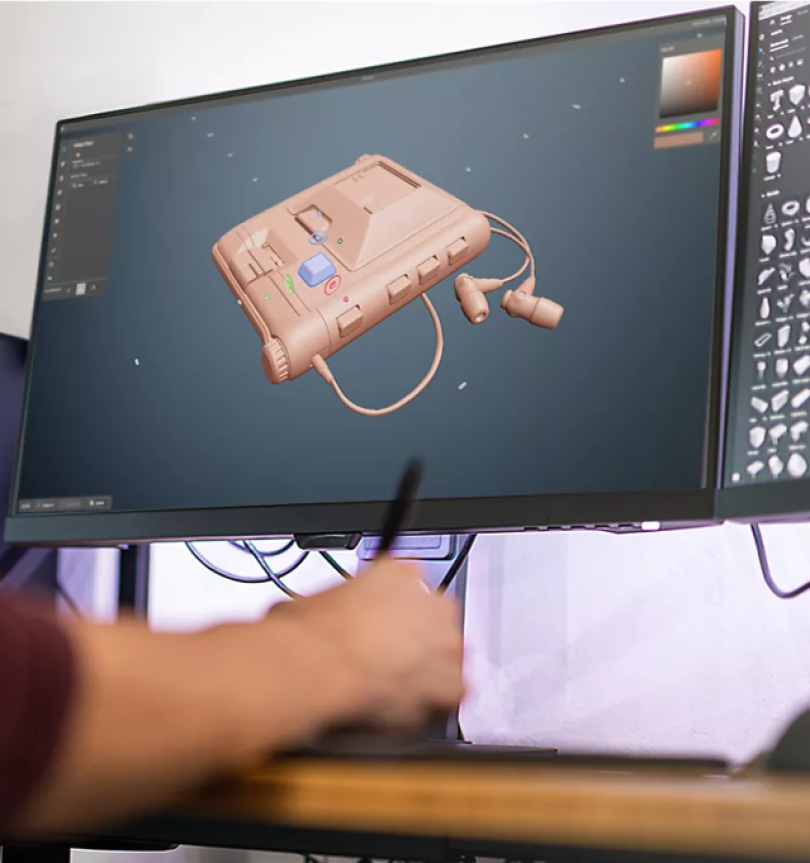
Substance uses a lot of those AI smarts we were talking about earlier. And that means you don’t have to be an expert 3D modeller to create three-dimensional images: you can leverage your existing skills in ways that are surprisingly easy and intuitive.

For example, there’s a cool 3D Capture tool in Substance 3D Sampler you can use to turn a group of photos into a 3D model. You simply have to walk around an object, take a bunch of photos from different angles, and the software creates a 3D model for you to tweak. Anyone who’s been put off in the past by overly complicated modelling software will find this an absolute treat.

Where to learn more

Want to delve deeper into the updates announced at Adobe MAX? Then great news! More than 200 sessions from Adobe MAX are still available to watch online for free, here.

Must-sees amongst them include the Opening Keynote, in which Adobe’s experts outline the latest products, features, and innovations, and Sneaks, in which Adobe’s Bria Alexander and comedian Kevin Hart look at cutting-edge tech the company is planning to bring to products in the future.

As well as software updates, Adobe MAX 2022 featured a wide range of speakers from across the creative world, and the best place to start is watching the Inspiration Keynote featuring illustrator Kadir Nelson, DJ Steve Aoki, photographer Cristina Mittermeier, director Siân Heder, and artist Jeff Koons.

You can access all this content and more on the Adobe MAX website, so we’d urge you to take full advantage and get a huge burst of creative inspiration for free!

Feature Image Credit: Adobe MAX opening keynote

By

Sourced from Creative Boom

By Moneycontrol News 

One of the beauties of life is that the secrets to understanding the complex world lies in a few simple truths.

While recently in London for a series of conferences, I met with fellow Behavioural Strategists and some two dozen CBOs – Chief Behavioural Officers from USA, Europe, Australia and South Africa, across diverse industries. A powerhouse of behavioural change and consumer knowledge, the group shared its findings and experiences of implementing Behavioural Science led solutions in their own organizations, or for client products, brands and people. 

Now, back home, when I sit down to distil four days of intense knowledge sharing and experience to a basic truth, I find it says only this much. 
 Everything in the world is what we think it is. Everything is what we compare it to – A basic truth that the best marketers and strategists have intuitively always known. 
 Zhuge Liang knew he could not fight the 150,000 strong invading force with a bare hundred men at his disposal. But he knew perception is reality. Legend has it, Liang ordered his troops to throw open the city gates, take down his flags and hide. He himself then took a seat atop the most visible part of the city’s wall and lit some incense. 
The attackers came in to find the great strategist in flowing Taoist robes, calmly strumming his lute. They were flummoxed. Surely, Zhuge Liang was luring them to their death with a well concealed army. They decided to retreat. Perception became reality. That was 2000 years ago.
Power of reframing 
Last year, the Heineken-owned beer brand, Tres Cruces, solved a potential marketing disaster using the power of reframing – by turning a silly typo into an opportunity.
While launching Tres Cruces Light in Peru, the team found a printing error in the packaging. Instead of the company slogan ‘Disfrute’ meaning “enjoy” in Spanish, the cans had ‘Difrute’, with the S missing. 3 lakh cans had already been shipped to retailers. Recalling them back was an option to avoid embarrassment. Was there a better way? Could a new reality be created instead?
Tres Cruces did some creative thinking with their agency and turned it into a game. Spot a can with the faulty slogan and you stood a chance to win a prize. Between 1 April and 30 April 2021, those finding cans with the missing ‘S’ were asked to post their details on a dedicated microsite with the code printed at the bottom of the can. Prizes beginning with ‘S’ (such as speakers, smartwatches, scooters, sex toys, and six-packs of Tres Cruces Light) were to be announced in May after a raffle.
The results? Tres Cruces, which sells about 1 crore litres of beer a year, sold the same amount of Tres Cruces Light in just one month!
The campaign also generated 24 million impressions on social media, 90 per cent of which was positive, according to reports.
From ‘Do this’ to ‘Don’t do this’
In another interesting finding for an Indian unicorn, Poorni S and Pavithra S, two behavioural strategists from India, discovered that when it came to products based on complicated logical decisioning like say taxes, or insurance, people ignore the message ‘Do this’. Reframing communication to take action by using a ‘Don’t do this’ message resulted in a 55 percent jump in engagement. Framing creates perception. Perception is reality. 
We’re always trying to attach the right meaning to things, to make better sense of them. It’s why things are always what we compare them to.
BOGO – buy one get one 
When it comes to perceiving value, the human love for anything free is well documented. It is hard to resist BOGO – buy one get one. But we also assign great value to things that are expensive. 
In 2018, social media was abuzz with the news of British fashion label, Burberry, destroying unsold clothes and merchandise worth £28.6m, just to maintain the premium appeal of the brand.
We like free stuff. We also like expensive stuff.
What is going on here?
One answer lies in the way our brain processes information to quickly arrive at a decision – it does so by using a set of rules referred to as biases and heuristics by cognitive and behavioural scientists. These biases are hardcoded in us due to evolutionary biology and are displayed by all humans (with additional influence of our culture and context). The system 1 process of deciding value involves our minds making a superfast calculation by seeking the answer to – compared to what?
If you have two options for buying popcorn at a multiplex, small at Rs 400 and a large at Rs 700, you might choose either one of them.
Add to it a third option, a medium at Rs 650 and suddenly things get interesting. Your mind races quickly and tells you that the large at Rs 700 is the ‘best’ option here. The introduction of a ‘decoy’ option means your mind gave a different answer for ‘compared to what’, skewing the decision towards one particular option.
It is for this same reason it makes sense to sell an expensive car worth Rs 3 crores in a luxury yacht show where the starting prices of the yachts might be Rs 50 crores, as opposed to a corner showroom. 3 crore is a tiny amount in this context. 
In general, folks love saving money. In interesting research for a fintech firm, Priyanka K & Prahlad B discovered that there exists a threshold beyond which the promise of significant savings actually backfired. After a point, a major drop from the anchored price via discounts was just too much to rationalize for the mind and triggered a stressful emotion.
Instead of the desired “Wow! This is so cheap”, the comparison led to ‘Wait, why is this so cheap?”  
Another study of 19,978 Groupon deals found that after a point, when the discount hits a certain threshold, it can actually hurt sales. According to a follow up lab experiment the magic threshold is ‘60 percent discount’, after which quality perception plummets. 
This effect is particularly true for credence products i.e. products for which it is hard to judge quality even after using them (e.g. medical treatment, automotive repair, expert services, health and organic food).
What does this mean for marketers and strategists?
Most of us will agree that solving the human challenge, the way the mind perceives and decides, is the prime task. 
But the frantic pace of brand building, developing and selling inside modern corporate life, both in startups as well as established blue-chip companies, means we are tunnelling most of the time. “Like running with your eyes closed”, as an old timer put it to me, once. 
We operate under a scarcity mode, driven by the pressures of quarterly results. We’re always adding the next shiny feature, latching onto the latest trend and creating a new store on Metaverse. While we do all this and deal with our own cognitive overload, there is often just one big risk. 
 We forget the basics. And the most basic of those truths is that everything is what we think it is, and what we have propped up against it, to let our consumer compare it to. 
As Andre Gide said, “Everything has been said before, but since nobody listens, we have to keep going back and beginning all over again”. A good place to start is to remind ourselves that every business is fundamentally in the business of changing behaviour. 
And maybe begin each strategy meeting with a simple question: “What behavioural truths do we know about our consumer, with certainty?”.

By Moneycontrol News 

Sourced from CNBC TV18

By Vishal Bharucha

The pandemic has significantly impacted businesses all over the world. Different industries learned to adapt and change their business models to survive. The food and beverage industry in particular found it challenging to stay afloat during this trying time. According to the National Restaurant Association, the industry experienced a drastic economic free fall in 2020: 87% of restaurants reported a 36% drop in sales, and 17%—over 110,000—have shut down in the U.S. alone. The good news is that things are starting to look up: In their mid-2021 State of the Restaurant Industry Report, food service and restaurant sales projected a rise of 19.7% from 2020. Indoor dining has started to reopen, and business owners are gaining traction in reestablishing their businesses.

For the purposes of clarity, the food and beverage industry includes restaurants, cafés, fast food businesses, catering, pubs and food manufacturing facilities.

It should be noted that sellers have learned several lessons in their operations as a result of the pandemic. This has ensured that food and beverage businesses pivoted and innovated to diversify their revenue streams. As an incoming owner, these insights may be valuable to you and can afford you an opportunity to leverage these insights to design further growth strategies.

Here are five factors’ buyers should consider when purchasing food and beverage businesses in a post-pandemic world.

Invest In E-commerce

The pandemic demonstrated a drastic shift from in-person shopping to e-commerce. According to Supermarket News, online grocery shopping alone skyrocketed to an unprecedented 300% during the pandemic. At this rate, online food and beverage shopping are now part of the omnichannel strategies for businesses operating in this industry.

The key to buying a food and beverage business is to ensure that it has an efficient e-commerce model or has the systems in place to be able to implement an e-commerce strategy. One aspect to include in a digital strategy is its search engine optimization practice. Is the business visible online? Is there a keyword strategy in place? Do they rank high enough on Google’s search engine for organic search?

Health-Driven Food Products

Customers’ dietary food requirements have been significantly influenced by the pandemic. Health is now a priority for many people, and they are exerting conscious efforts in minding what they eat or drink. From reading labels to calculating nutritional value, the pandemic has had a lasting impact on consumer behavior. According to the 2021 Food & Health Survey by the International Food Information Council, there is a vast growth in people’s positive habits toward healthy food. In fact, 73% of the survey’s respondents are confident in their ability to choose healthy foods.

Food and beverage businesses that aim to improve health and wellness are experiencing an uptick in interest from buyers due to the strong customer demand for their products. The post-pandemic health trend shows no signs of slowing down. Customers are now more aware than ever.

While lockdowns are easing up, the lifestyle that it has introduced to many customers will likely continue to garner traction. With the rise of e-commerce and a change in consumer behavior toward health-driven products, nutrient-dense food is now a staple for every food and beverage business.

Buyers should identify food and beverage businesses that provide nutritious meals for dine-in or takeaway as well as self-branded products that customers can use to cook at home.

Safe Environment For Employees

The key to a successful business is protecting your employees. After all, they’re the manpower you need to run a lucrative venture. In buying and running a food and beverage business, treat your staff as frontline workers. Since the nature of their work is engaging and serving customers, they should be protected at all times. Ensure that your restaurant or food shop follows health guidelines and protocols to safeguard employees.

It is also important to scrutinize the business’s existing healthcare and medical plan in case a staff member becomes ill. The health practices of the pandemic are set to continue long after it’s over due to the health and wellness benefits it has brought about. Ensuring that a business you are intent on buying has the requisite facilities to ensure safety for customers and employees is key.

Diversified Supply Chain

The disruption of trade and supply chain for food products is a great learning experience for all business owners during the pandemic, particularly in the food and beverage industry. According to a survey by HLB International, 58% of business owners are still concerned about international trade flow disruption. To counter this, businesses should implement operationally efficient strategies. From launching new products and services that don’t require complex procurement to sourcing materials and produce from local suppliers, diversifying your supply chain is key.

Industry reports point out a significant decrease in the challenges the food and beverage industry has faced since 2020. As businesses adopt the new normal of running a business in this sector, buyers should understand the importance of being flexible.

Feature Image Credit: getty

By Vishal Bharucha

President of VNB Business Brokers, a leading business brokerage and M&A advisory firm.

Sourced from Forbes

By Sananda Bhattacharya

Discussing excerpts from Netcore Cloud’s Email Benchmark Report 2022, industry experts highlighted the latest insights on email trends, and how email marketers can create highly customised and relevant campaigns for their customers.

Email marketing is one of the most trusted channels at the marketer’s disposal to connect with customers and convert them into loyalists. As emails have become a crucial way for personalised and conversational marketing, many emerging technologies are shaping the future of email marketing.
To explore this, and to gain a deeper understanding of the Email Benchmark Report 2022 (EBR) published by Netcore Cloud, industry experts like Sharon Supriya, Senior Director – Marketing & Growth Strategy, BYJUS; Sandesh Gupta, Head of Digital Marketing – USA, MPL; and Chaitanya Chinta, Global Business Head, Email, Netcore Cloud, came together to share their insights on the report, which is a study of 100 billion emails across 20+ global industries.

Key findings of the report

Chaitanya kick-started the discussion by shedding light on some focal points of the report. “We have witnessed a tremendous shift in the industry in the last few months of the post-pandemic period, in terms of brand strategy innovations that are fundamentally changing the way marketers implement their email programs. So, as part of the learnings from this report, I’ll break it down into two parts – the latest trend shifts and the benchmarks we’ve arrived at,” he said.
According to the report, a larger population engaged with email this year compared to last year from a deliverability standpoint. “Market delivers many emails, but some of them make it to the inboxes, while others go into spam. Often, when the mail is delivered spam, you don’t necessarily get any engagement, or there are hardly any people who visit spam folders and check their emails. So from a deliverability standpoint, the industry average has been around 78-82 percent, and Netcore today delivers around 94-95 percent of emails in the inbox,” explained Chaitanya.

Optimising email marketing for mobile devices

“With an estimate of almost 4.3 billion global email users, and with the number of new smartphone subscriptions increasing by almost 20 percent each year, every business should look at optimising email marketing for mobile skills,” said Sharon.
Sharing her list of commandments for the same, she highlighted, “To start with, the subject lines should be limited to 7-10 words, with fewer emojis. Secondly, call-to-action buttons should be added or summarising the mailer body on pre-headers. Thirdly, lengthy emails should be avoided, and the design and copy should be mobile-friendly. Next, it’s always best to personalise subject lines to your email body based on a persona or user activity based on clicks. Last but not the least, what has worked for a certain industry may not work well for all industries, and thus requires A/B testing to understand your user better.”
EBR also mentions how Send Time Optimization (STO) – an AI-powered feature that delivers email campaigns to users when they are most likely to check their inboxes – can act as a game changer.
“There are time-bound offers in digital marketing. If someone opens this particular email at a certain point, you can always opt for a time-bound experiment, where you know, they are just seeing right, and then there is an offer, which is going to expire, the natural tendency is to rope in another two. Of course, there is a very high chance that the offer will expire at the time they are seeing or opening the email. However, these are a few of the direct and indirect impacts of STO,” added Sandesh.

Email privacy and segmentation

Building on EBR 2022’s point on churn analysis or email churn – users who have either unsubscribed from a mailing list or turned cold by not responding to your emails anymore – Sharon feels that the impact is not just on future sales, but also on the present cost. So, the best way is to avoid churn or prevent it from happening in the first place.
“It’s best to have a predefined mailer journey for pre-sales as well as your postal user. The pre-sale users have made an effort to register as a lead to know more about your product. So, your pre-sales journey should answer and help him discover more about your services or offers, how it is different from the competition, and so on. For the post-sale users, give them reasons to keep coming back by showing them the day-to-day values of using your product. Talk about feature updates or special offers, or build repetitive contests or a fun activity they will love to participate in so they get addicted to it in the near future,” she added.
The next segment discussed was Accelerated Mobile Pages (AMP) for emails delivering a personalised experience to every Gmail recipient. AMP emails act as a website or app, allowing customers to take all actions right inside the emails; they need not click and go out to a web page or app. This greatly minimizes user drop-offs and leakage of valuable leads that happen with conventional HTML emails.
Talking about the importance of AMP for MPL to interact with customers, Sandesh said, “When you are specifically getting AMP for the gaming industry, a user can come and interact with that particular thing. It’s like how quickly you can play this game, try out a few moves, show some tips and tricks, and get your shot better. So, all these can only occur through an interactive platform, and we are able to provide an interactive gaming experience directly inside the AMP emails.”

AI for email marketing

Several retail brands are utilising Netcore Cloud’s AI-powered email delivery feature to impact their email deliverability positively. AI applications for email marketing remain in content optimisation, whether it is set subject line optimisation or personalisation that you can create, and even automated content creation. One of the most powerful aspects of AI is audience segmentation based on past and current behavioural data of the customers. Having the right segmentation is of utmost importance in delivering customized and personalized messaging that resonates with the recipients.
“Netcore added a fourth layer, which is towards email delivery. For example, if you’re sending a signup confirmation, a password reset, or any email when the user is waiting on the other side of the email, speed should be the topmost metric that you should measure. So, by the time a user switches on to the mailbox, the mail should be there, and this is where the delivery layer comes into the picture,” noted Chaitanya.
Sandesh here added his views on modifying their AI features accordingly, keeping in mind the changes in user behaviour while using emails, agreeing to the idea of optimising parameters across mediums.
Experts concluded that interaction, intelligence, and innovation are the three factors driving email marketers to enact next-level strategies. Email enables interaction with users closely, especially in the post-pandemic era. Then, there are tools and technologies today to get a lot of intelligence about users’ data as they engage with you via email. And finally, everything is encircled by innovation which enables us to do things not just more productively, but also efficiently – as exemplified by AMP emails.


By Sananda Bhattacharya

Sourced from YOURSTORY