Author

editor

Browsing

By Peter Roesler

A.I. is at the forefront of the latest and greatest technology developments. Learning how to make the most of this technology for your brand is necessary.

Feature Image Credit: Getty Images

By Peter Roesler

Sourced from Inc.

Sourced from Boss Magazine

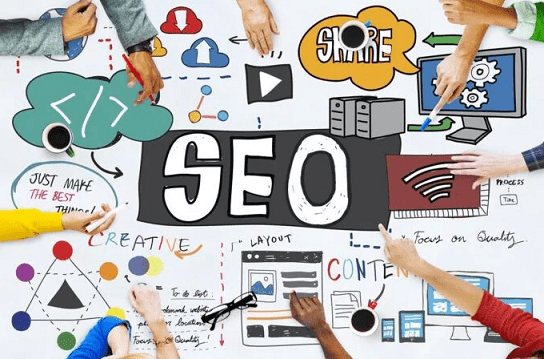
As a small business owner, you might be tempted to take matters into your own hands when it comes to increasing your website’s organic reach. It may seem like finding the right keywords using some popular tools and stuffing your pages with loads of content because “content is king”. 

However, the game of SEO extends over keyword research and content creation. It is an extensive and full-time job that can be best left for an expert to handle.

Still not convinced? Here are three main reasons why you must consider SEO consultant service for your website’s growth.

Take a look.

Off-Site SEO & Content Marketing Strategy

If you speak with one of the SEO experts, you’ll realize that it’s more than just optimizing your site. The most effective SEO practices employ a comprehensive approach and offer a wide range of solutions to boost your website’s visibility.

What is the significance of this?

Numerous things should occur “off-page” to boost your SEO. This includes strategic link building and building citations. It would be helpful to have other trustworthy websites that could link back to your website as authoritative votes (hence the word “backlink “).

A skilled SEO consultant will ensure that your Google My Business account is authentic and optimized for search. It is particularly beneficial to find a consultant who has a deep understanding of the local market and the latest trends. For instance, an SEO company that is specialized in Silicon Valley businesses.

Free up Your Time & Money

If you’re beginning to feel overwhelmed by the plethora of talk of SEO, it’s normal. SEO can be fun; however, make no mistake: SEO is a full-time job. Trying to tackle it yourself can only distract you from the essential aspects of running your business.

SEO is a constant process that requires hours of testing, failures and research. It can consume time for working business people. In the worst case, you’ll be spinning your wheels with outdated methods which won’t benefit (or might even hurt) the SEO of your business.

When you weigh in all these reasons, hiring an experienced SEO consultant will make sense. They’re experts and know the ins and outs of their field, leaving you free to concentrate on your work.

What happens to the money you invest in SEO services? You’ll more than get the money back with a high ROI. Organic search (the core purpose of SEO) generates 51% of the web traffic – over five times the money spent on other advertising methods.

An expert can bring fresh insight to your marketing and website initiatives. Their prior experience coupled with an outsider’s viewpoint of your company can result in exciting and lucrative fresh marketing strategies.

Bring in the Right Kind of Website Visitors

Bettering your SEO efforts involves more than just bringing more visitors to your site. For instance, if you’re trying to attract customers within or around South Carolina, it won’t help draw customers from Miami or New York.

SEO experts concentrate on bringing suitable visitors to your website rather than just increasing the number of people who visit your site. This requires extensive analysis to find out what users are looking for and then altering your web content to satisfy those who have that requirement.

A part of this is identifying the appropriate intention-based keywords that you can use for your website. This can help drive visitors to your website looking for the exact type of product or services and are often eager to buy and not only people who are just browsing to gather data.

They also know (and can utilize) the analytics on your site to find out what is working and what’s not. By constantly updating your website’s content and marketing activities, an SEO consultant can increase your sales, not just your visitors.

Final Word

Learning SEO is a full-time task and one that you might lack the energy or the desire to devote yourself to. It would be beneficial to concentrate on running your primary business and let an experienced SEO expert handle your website’s organic growth.

Sourced from Boss Magazine


By Camomile Shumba

  • Anatoly Yakovenko, who co-founded Solana, says NFTs are essentially self-monetizing social networks.
  • Yakovenko said NFT communities did not rely on “poison marketplaces” to make money.
  • Experts have said NFT communities grow thanks in large part to word of mouth.

Non-fungible tokens might be all the rage right now, but they’re in fact the early foundations of the social networks of the future, according to Solana co-founder Anatoly Yakovenko.

NFTs are often sold as part of a collection, or come as part of a play-to-earn gaming platform, linking up owners all over the world. The sense of community is built in from the get-go and requires no external involvement.

“I think these are the early starts of true web social networks that do not rely on ads for monetization that don’t rely on Google or Facebook to function,” Yakovenko told Insider in a recent interview.

“They are purely these digital communities that can monetize/self monetize from their own content without the need of any of these external poison marketplaces,” he said. Yakovenko is a long-time critic of some of the advertising and data-privacy strategies of larger social platforms such as Facebook or Google.

Hype around the metaverse, a virtual reality where people can buy land, homes, luxury items that they pay for in cryptocurrency, helped make NFTs November’s best performing digital assets.

In the past week alone, a whopping $275.5 million worth of NFTs have been sold, according to Non Fungible data, thanks in part to rockstars’ avatars hanging out in the likes of Decentraland or the Sandbox with those of ordinary people, as well as digital art sales from the Bored Ape Yacht Club and CryptoPunks NFT collections. Community-based NFTs often bring perks to their members too.

The solana blockchain is a smaller rival to the ethereum network. It too can host decentralized finance applications, like smart contracts, as well as run NFTs, which are unique digital tokens that represent a real-world piece of content, such as artwork, music or video. Unlike cryptocurrencies, they can’t be exchanged like for like, making them a kind of digital collector’s item.

Chainalysis, a blockchain analytics platform, says the success of NFTs is a result of “community and word of mouth growth”.

They certainly appeal to communities such as celebrity fan bases. K-pop idol band BTS, pop star Katy Perry, along with fashion houses Burberry and Louis Vuitton are just some of the names that have dived into the NFT space. TikTok, a video-sharing social media platform, launched its own NFT collection in October. Snoop Dog even has his own metaverse called the Snoopverse and a fan coughed up $450,000 for a plot of virtual land to be the rapper’s neighbour.

Even with all the glitz and glamour around NFTs, they’re mainly something ordinary people will own. 80% of all NFT transfers between January and October this year involved people that spent less than $10,000 per transaction.

“I am really excited to see an NFT community go from – 10,000 people to 100,000 and then a million and then 100 million – that’s unbelievable, right?” Yakovenko said.

“What does that look like when there’s 100 million people that are all in – the same community that is driven by this digital content?” he said.

Feature Image: Anatoly Yakovenko

Solana

By Camomile Shumba

Sourced from Markets Insider

By

People depend on social platforms to connect with friends, watch videos, make online purchases, and more. As internet connectivity continues to penetrate the world, social media is now integrated into everyone’s daily lives. Also, these platforms are not just for posting content, they are powerful tools for ecommerce owners. As a result, you can now convert social media followers into your loyal customers with the right video marketing strategies. With the help of a video maker, you can create stunning videos that drive traffic, generate leads, create audience engagement, and increase your company’s bottom line.

Video Is Now More Important Than Ever

As of 2020, the number of online buyers is over 2 billion, which means one in four people all over the globe is an online shopper. And the majority of these buyers conduct online research before making their purchases.Take a look at these astounding figures below:

With these findings, it is clear that you have to leverage social media platforms to promote your business. For marketing to be effective, you need to send your messages to the right place, at the right time on the right channels. In today’s modern world, your clients hang out online. Since a large portion of your leads and customers use various social media apps daily, you need to be where they are if you don’t want to get crushed by your competition.

Gradually, people of the modern world are having reduced attention spans due to the technology that makes everything swift and easy. They don’t like reading lengthy blog articles without pictures. In the same token, a simple image is not sufficient enough to provide ample information. Hence, online users prefer to watch product review videos, how-tos, live demos, webinars, and the like. This is not surprising as videos convey more information using the least amount of time. It also assures better understanding because viewers utilize more senses with an audio-visual format.

The popularity of video content will continue to rise because moving messages prove to be more enticing and engaging. Most of all, viewers understand them better. Clearly, as an ecommerce owner, it is time for you to capitalize on the power of video content by using a video maker to create stunning videos that wow your audience.

What Is Social Media Video Marketing?

Social media video marketing combines two powerful approaches. First, video marketing is a noted strategy designed by marketing specialists to create and curate video content as a method of marketing goods or services to your target audience. It works by keeping viewers engaged with your brand, using an informative and entertaining format they love watching from start to finish. It is effective because video content is simple and easy to digest. It contains the power of words, the magic of images, and the beauty of sound in one remarkable marketing material.

The second component is social media marketing. This means you engage with the target audience using various social media platforms. Since everyone hangs out online, to the point of using their favorite platforms many times daily, it is no wonder why marketers believe you should focus heavily on social media to promote your ecommerce brand. Increasing your marketing efforts by using a video maker to craft stunning masterpieces for social media will allow you to increase your brand’s reach.

Remember, videos create more engagement as viewers prefer to watch them than read a huge chunk of boring text. Whether it’s to learn more about your product or just for pure entertainment, people will click that play button as long as you make compelling videos that resonate with them. For this reason, you need social media video marketing to capitalize on the popularity of social media apps and videos. You can create videos for the following social media platforms:

  • Facebook
  • Instagram
  • Twitter
  • LinkedIn
  • YouTube

Lucky for you, you can utilize multiple types of videos for different social profiles. You can create a video on how you founded the company, product overviews, how-to guides, commercials, and more. For best results, you need to find out the specifications and limits of each platform so you can optimize the videos you create with your video maker.

Why Your Business Needs to Implement a Social Media Video Marketing Strategy

When you look around you, you will realize that your fiercest competitors already use social media. They don’t just post pictures, articles, and updates, but they rely on stunning video content to capture an elusive target market. If you don’t want to get left behind, you need to begin implementing a social video media video marketing strategy for your ecommerce business. Take a look at the top four reasons why you need to use social media videos for your brand.

1.   Video converts viewers into customers.

Video informs, persuades, and entertains, which is why they make the perfect material for converting leads into loyal clients. With the right video content, you can capture your target market’s attention and make a great first impression. The key is using the right hook, and following it up with amazing content that keeps them engaged and interested in what you have to say.

You can use videos to inform them of your products, make announcements, and show behind-the-scenes footage. When they see real faces behind your brand, they feel more affinity for your goods or services. Besides, videos assure engagement with your target market because it is the fastest way to learn information. Videos prove to be more interactive than articles. When everything is presented visually with sound, you can show people what you mean instead of merely telling them. As a result, clients become more inclined to connect with your brand. If you don’t use social media video marketing for your business, you lose out on a fantastic way to help your company grow.

2.   Video builds trust between you and your audience.

If you want to build trust, use videos to make it happen. Trust is a vital component for every business. Remember, customers will only buy your product if they feel they can trust your brand. To maintain your credibility, establish your authority, and build solid relationships with your clients, you need videos. This medium fosters trust because you can be transparent and honest. Take a look at what you can do with videos to bolster customer confidence in your brand:

  • Show what goes on in your factory.
  • Exhibit your company culture.
  • Showcase testimonials from happy clients.
  • Conduct product reviews or how-to guides.
  • Let your authenticity shine with interviews.

As you can see, using videos allows you to create various video content that can help amplify your brand in the eyes of the people who matter. Moreover, leveraging this content on your various social media profiles assure higher visibility because people are more likely to watch, react, and share a video than other content formats.

3.   Mobile users crave video.

Today, your competitors understand the power of videos and social media to make an impact on your audience. Besides, people of the modern world don’t just use smart TV screens or desktops to consume content. Since the advent of mobile technology, from smartphones to mobile data, your clients love consuming content anytime, anywhere. With the rise of Bluetooth earbuds, more people watch videos while on the go. You can often see everyone watching videos as they:

  • Go on with their daily commute.
  • Wait for appointments to start.
  • Relax at home after a long day.
  • Take a breather while at work.
  • Pass the time while using the elliptical in the gym.

The list above is not exhaustive, but as you can see, people can do so much with mobile videos. In today’s forward-thinking society, multitasking is the name of the game. In fact, even kids young as two-years-old have their own favorite YouTube channels. Hence, creating brand videos with a video maker and releasing them on your social media profile will help you generate more leads and entice more prospects for your business.

4.   Video is the best content for social media.

Video works best for social media because it receives the most engagement. People are more likely to watch a video than read an article or view a photo album. Right now, social media users are more inclined to give their likes, comments, and shares for video content.

Besides, people log into their social media profiles throughout the day. And whatever interesting tidbit they see, they quickly react as the various platforms make it easy for everyone to voice out their opinions. Thus, it is not surprising at all why videos hold a strong influence on the viewers. If you want to create leads and convert them into loyal clients, you need to start churning amazing videos for social media.

5 Types of Social Media Videos Perfect for Ecommerce

Videos dominate the social media arena because they catch the eye and prove to be more appealing than text or photo content. As a result, you need compelling videos to drive audience engagement. Doing so assures your ecommerce brand gains tons of visibility, by driving traffic to your website or increasing sales. Now, the most important question to ask, is what kind of video content must you post for social media? Take a look at the top five best video formats to include in your marketing strategy:

1.   About us videos.

A brand is typically just a name and a logo. If you want people to feel more invested in your brand, you have to offer them something more valuable. ‘About us’ videos work well because they do exactly as their name says. They tell your clients what your brand is all about. If you remain a faceless name, people will not care about your brand at all.

If you want to make an impact with your target customers, you need to tell your brand’s unique story. What sets you apart from the other companies who sell the same products or services that you do? Why should they buy things from you? When your customers understand your company’s mission and vision statement, they feel more invested in your brand.

Hence, they begin to trust you more. When you ingrain your brand into their lives, they see you as something they cannot live without. If you successfully build a relationship, they will patronize your products.  To illustrate, Bliss World does a great job sharing various clips on social media to inform the world about their cruelty-free and vegan skincare products. They use:

  • Behind the scenes videos
  • Employee closeups
  • Product manufacturing clips
  • Clients testimonials

2.   Product close-up.

Writing about the product, no matter how in-depth, will never bring the same satisfaction as seeing the product up close and personal. Seeing what you want to up-close makes you feel more confident in spending your hard-earned money. If you want your clients to see the details and nuances of your product, a close-up video is a must.

This allows you to take shots of your product from all possible angles. As a result, your clients won’t miss out on any important details. Sometimes, whatever questions they have on their head will be answered when you show them every intricacy of what you offer. For example, Solo Stove portable fire pit and single stoves did a great job by showing every angle of their unique gadget that’s specifically designed for adventure. Those people asking if this is worth it will get their answers when they see for themselves what a Solo Stove can do.

3.   Product overview.

A product overview offers so much more than a close-up. Apart from showing different angles of the product, you discuss its purpose, features, and pricing structure compared to the others in the market. You can also discuss where you distribute your product so clients know where to buy it. As an example, Natori always does a great job presenting product overviews of their sexy lingerie lines from sexy silk nighties to comfy cotton pajamas.

Take a look at the different types of content you can create for your product overview:

  • Informational: This video covers what your product is all about. It helps you establish authority because you share helpful information. If you want to make sure they buy your products, always have handy informational product overviews.
  • Tutorials: Tutorials or how-to videos are super popular because people want to know how to use your products. Since they’re spending a lot of money, showing them this demo overview inspires confidence in your brand. After all, this is better than just reading any instruction manual. You can even tie this up with industry-related content to make it more engaging.
  • User-Generated: Nothing beats user-generated content because these come from your various clients. These act as testimonials coming from users who are happy with your brand. Best of all, this doesn’t cost you anything, as you can ask the original content creator for permission to share the video.

4.   Messages from the founders.

Hearing from the founder who conceptualized the brand makes people feel at ease. Using this method is a great way to showcase your company culture. Apart from encouraging sales, it can recruit new employees. You can try the following video formats:

  • Announcements: Release new product information and sales announcement to entice clients to keep adding products to their carts.
  • Appreciation: Make a thank you video to show your appreciation for your customers’ loyalty.
  • Q&A: An interview format with the founder makes for an engaging video. It satisfies the need for information. You can announce on your social media profiles before you release the video and ask them what they like to know.
  • Live Videos: Nothing beats a live story when it comes to showing authenticity. You can do a live interview session with questions from the chatbot. Moreover, you can show event videos and actual store footage. This method is effective as you can interact in real-time.

5.   Explainer videos.

As the name of the video implies, this does a great job in providing explanations about your products or services. They are very effective because they showcase both audio and visual stimuli to explain complex information thoroughly. As a result, your viewers can understand what your brand is all about, removing confusion and mistrust.

The key to making an effective explainer video rests on the script. It serves as the strong foundation from which the entire concept is built. Hence, you need to draft a good script with an accompanying storyboard before shooting. With this helpful guide, editing your project using a video maker online becomes a breeze.  You can use this to explain anything you want, and they are effective when used in:

  • Landing page
  • Product page
  • Social media posts
  • Accompanying blog articles

Strategies for Social Media Video Marketing Campaigns

Creating a strategy is essential, as a goal without a plan remains a wish. You need to create a video marketing strategy for social media to further engage with the followers you’ve painstakingly built. This also assures that you can continue to attract new followers. To improve your result, remember to follow these basic rules:

1.   Know your audience.

This tried and tested concept is central to any marketing strategy, and it holds even more true for videos. Since you will use a lot of resources to create your videos, you need to get things right. If you don’t know your audience, you won’t know what topics to include in your content. You need to know them to understand how and where they consume their content. Hence, you must be familiar with your target audience’s pain points, needs, and wants. These details can guide you in making your marketing materials.

Remember, knowing your ideal customers helps you write touching scripts and select images that appeal to their emotions. When you touch their hearts, they feel more compelled to support your brand. Most importantly, they will most likely share, like, and comment on your video uploads, assuring an increase in brand awareness.

2.   Run tests.

Before releasing your videos, it would be highly beneficial to do test runs. It will save you from doing guesswork. For best results, conduct an FGD or focus group discussion with key interviewees who best represent your audience profile. Ask them what they think about your brand and what would work best for videos.

Later on, examine tests and analytics to gauge which among your videos gather the most attention. How many people watch a few seconds as opposed to watching the whole clip? Check your data to see which topics gathered the most engagement. Knowing these details can help you map your content. As a result, you can focus your resources on the topics that your audience love. At the same time, you can figure out what went wrong, allowing you to avoid these costly mistakes in the future.

3.   Fit their videos to their platform.

While YouTube reigns supreme in terms of videos,  you cannot discount that many people watch videos on Facebook Feed, Facebook Live, IGTV, IG Stories, TikTok, and Linkedin.  Thus, your videos must match the platform as they have various specifications. Take a look at the following examples below:

For YouTube:

  1. Always have a call to action at the end of your videos, to guide viewers on what to do.
  2. Though you can upload videos that are 12 hours long, the majority of your users are mobile so stick to 30 minutes or less.
  3. Create a custom thumbnail because people see this when they search for videos.

For Facebook:

  1. When users scroll through the newsfeed, videos will autoplay without sound; so make sure your image clips stand out and consider adding subtitles.
  2. Upload native content on Facebook so your viewers don’t bounce out of your profile to another page.
  3. Max of 240 minutes video with 10GB only.

For Instagram:

  1. Take note of IG’s 60-second time limit on the feed because it will cut off, while IG stories have a 15-second cutoff.
  2. Put the most important information first so in case they don’t watch on IG TV, they have heard what matters.
  3. Use the IG Loop, which continually plays your videos until the users scroll down, to create seamless clips that keep viewers engaged.

For Twitter:

  1. Videos autoplay on Twitter so try to make an impact right from the start.
  2. Use quality captions that keep viewers interested.
  3. Limit videos to 20 seconds or shorter as this is mostly a text-based platform.

For LinkedIn:

  1. Most users of the site are professionals so keep your content the same.
  2. Limit videos from 3 seconds to 10 minutes long, with a total file size of no more than 5GB.
  3. Vertical videos will look square on the newsfeed.

For Tiktok:

  1. Limit videos to 15 seconds.
  2. Longer videos up to 60 seconds must be four 15-second clips recorded natively on the app.
  3. Use compelling captions

If you want to get the right message across to your audience, you must keep the platform in mind. Otherwise, all your hard work crafting the video will be wasted.

Wrapping Up

If you want to increase client engagement levels, generate more prospects, and build trust in your ecommerce business, you need to start capitalizing on videos. Share these on your various social media profiles to stay connected with your loyal clients and possible leads. Remember, videos convert viewers into customers because they are more likely to buy your products if they see them. Most of all, your customers are on mobile and they crave videos. Finally, videos just prove to be the best content for social media and receive higher engagement than any other content format. As you can see, the success of your ecommerce brand hinges in part on a strong social media video marketing strategy. To stay ahead of your competition, you must rely on video content or your voice will get lost amid all the noises online.

By

Tom More is the CEO and founder of Promo.com, the leading video content creation platform for businesses.

Sourced from BIGCOMMERCE

By Chris Davis

All successful businesses must have a strong digital marketing strategy to bring in more clients and more revenue.

Digital marketing means advertising and selling products through various modes such as social media platforms, search engines, mobile applications, emails, websites or any digital marketplace. Usually it involves an electronic device that is used to purchase something online.

Why are These Platforms Helpful?

With these platforms, you can easily promote and advertise products and services to your target audience. And because the world is still dealing with the pandemic, many people prefer to shop and purchase goods over the internet. Consider that 81% of people search online for a product or service, 74% have purchased online via any device and 67% use mobile shopping apps.

Identify Your Target Audience

For your digital marketing venture to be successful, first thing’s first: You need to identify who your target audience will be. No campaign can reach everybody. Every person has a particular taste. It would be best to target people or future clients who describe and exemplify the product, service or brand you are promoting.

To identify your audience, you need to specifically characterize them. For example, you are promoting a skincare product, and you also need to consider people who have sensitive skin that needs more care. Try researching the service area or location of your target audience.

Some examples include:

• Budget.

• Connection.

• Location.

• Hobbies.

• Target age.

• Existing purchases.

• Online searches regarding a product.

Identifying your audience might take you some time. Doing research and conducting surveys can help gather necessary information before you go all out. The more target clients you get, the more profitable your business will be.

Building Your Digital Advertisement

Before we go into the process itself, you need to know what digital advertising means. It is simply promoting products and services through the internet. It is the dissemination of materials using various online platforms such as social media platforms and websites.

Digital advertising is typically included in every business’s marketing strategy. There should be details on how the ad will connect with clients, not only via the promotion proper but also via email, blogs, social campaigns and search engines.

Steps Involved in Digital Advertising

Once you’re aware of what digital advertising is, you are ready to start the process:

1. Strategize

To succeed in your chosen business, you need to find ways to encourage and promote your brand to your clients. This is done by conducting surveys or research. The goal of this process is to identify any possible problems you might encounter and determine how you will solve them without compromising the effects on your audience.

People nowadays are quick to rely on the internet. Many easily trust what they see on social media. But there are still pros and cons to this approach, and it’s important to deploy your critical thinking skills.

2. Set a Budget

Your business won’t be successful if you don’t have adequate funding. After creating your strategy, allocating your budget comes next. This depends on what your goals are and your target market. Make sure to focus on:

• The people: If you decide to make a TV commercial, maybe your client is the general public. You’ll need to be ready to pay the price.

• The timeline: You must have a clear and concrete timeline of activities that will be involved in executing your business.

• The platform: Whether your chosen platform is social media, website or email, it will come at a cost. You will likely be choosing among paid searches or advertising channels.

3. Create a Production

Good production can lead to good business. It involves a creative strategy and teamwork — don’t try to go it alone. Make sure every aspect of the production emphasizes your business’s objectives.

4. Focus on Distribution

Lastly, the distribution process: This is where you want to promote your products and services through various platforms. It includes all those social media platforms, websites and even radio or television. The broader the scope, the better.

Importance of Digital Marketing in the Digital Age

All successful businesses must have a strong digital marketing strategy to bring in more clients and more revenue. Thanks to the rise of modern-day technology, you can easily reach people with just one click.

Here are some of the benefits to keep in mind:

Easy Access

Unlike the typical ways of delivering information to clients, you can quickly promote your products and services to target clients with digital marketing. You can keep them updated on the latest news via social media and email.

Easy Monitoring of Prices and Feedback

Conducting surveys through advertising might be time-consuming and expensive, but you can quickly check the number of clients, purchases and feedback with built-in analytical tools.

Many Affordable Tools to Choose From

Besides Facebook, Google Ads and YouTube, there are a lot of options for marketing your products online. You might want to consider affiliate marketing, which can help you reach a vast number of people.

Conclusion

Digital marketing is just one way of helping your business grow. Still, it can help you be innovative and creative in improving and enhancing your products and services. I hope this information makes you more aware of how digital marketing can help you keep your clients well-informed about your company’s offerings. Remember that as a business owner, the future of your company is in your hands.

Feature Image Credit: Jacob Lund/stock.adobe.com

By Chris Davis

Co-founder, Revcarto

Sourced from Newsweek

By Joe Martin

For many businesses, marketing can feel like a black box that maybe doesn’t always get the return you expect. For example, would you rather spend $500 on search engine optimization, paid advertising, or just burn up the money instead. According to the US Small Business Administration, a company that makes less than 5,000,000 a year should allocate between 7% and 8% of its revenue to marketing.

This budget should be split between brand development costs and the costs of promoting your business. But how do you make sure that the money is well spent?

If you are spending money on marketing, have a marketing plan, and are getting customers, but not making any money, then you probably need to take a look at your customer acquisition costs or CAC.

What is CAC, how do you calculate it and what steps can you take to improve it? By the end of this post, you will know the how what, and when to start tracking CAC to improve your marketing spend, and it will become a long-term piece of your business plan.

CAC Meaning

CAC stands for customer acquisition cost. It describes how much a company needs to spend to gain a new customer. CAC marketing is now used by many companies that use web analytics or intelligence to make data-driven decisions.

CAC helps companies figure out if they’re getting their money’s worth on investments for growing their clientele. This can be from paying to have potential customers, clicking on banners or investing in articles or graphic content. Today, internet marketing methods can now target specific groups of customers. Before, companies had to cast a wide net with advertising.

They had to aim their marketing content at a broad segment of potential customers with the hope that it would bring in some new customers. However, this approach lacks specificity and many companies saw undersized returns on their marketing investments. Modern, targeted campaigns when combined with CAC, hones in on specific groups of people.

It can also tell you how much you’re spending to bring a new prospect onboard and convert them into a paying customer.

What goes into calculating CAC?

There are a few things that need to be considered when calculating the cost of customer acquisition.

These include:

  • Advertising costs
  • Marketing team costs
  • Sales team costs
  • Creative costs
  • Technical costs
  • Publishing costs
  • Production costs
  • Inventory upkeep costs

How to calculate CAC?

CAC is calculated by dividing the costs spent on acquiring customers by the number of customers acquired during the time the money was spent.

For example, a company that spends $1,000 on marketing in a year and gained 100 customers in that same year, their CAC comes out to $1.

The customer acquisition cost formula is $1000 ÷ 1000 customers = $1 per customer.

If the company only gained 500 customers, then the CAC will be $2.

The formula to calculate the CAC is pretty simple.

However, adding up total expenditures takes a lot of factors into consideration including the cost of multiple marketing strategies and staff salaries.

Some companies may even make investments like marketing in a new region or early stage SEO and do not expect to see results from these until a later date.

This creates some issues when calculating the CAC.

It is therefore recommended that you perform multiple variations to account for these situations.

Example of CAC

Let’s take a fictitious home services company that provides HVAC and plumbing services.

The company marketing efforts include:

  • Paid sales and marketing staff
  • Social media campaigns
  • Pay-per-click campaign
  • Magazine ads

The company decides to track how much it costs to acquire new customers for one year from January 1st to December 31st. They will consider what they spent throughout the year and how many customers they have by the end of the year.

Here’s a breakdown of their customer acquisition cost formula.

  • Paid sales and marketing staff – $150,000 total spent
  • Social media campaigns – $12,000 total spent
  • Pay-per-click campaign – $10,000 total spent
  • Magazine ads – $8,400 total spent

Total Marketing Expenses: $180,400

New Customer Acquired: 2,512

CAC $180,400 ÷ 2,512 = $71.82

The calculations show that the company spent on average $71.82 for each new customer they acquired in that year. This CAC is pretty high for a home services company and should definitely be evaluated. You will want your CAC to be lower than the average sales price of your product or service to make sure you are actually making money on your efforts.

However, this is just the start of the CAC story. The company also has to consider how much each customer spends which can be calculated using customer lifetime value (CLV).

Customer Lifetime Value and Customer Acquisition Cost

Customer lifetime value (CLV) or Lifetime Value(LTV) is an estimate of the amount of money a company may generate from a customer throughout the customer’s “lifetime” as their customer. It can take into account reasons why customers stay around beyond just your product as well. CLV is determined by adding up the revenue earned from a customer (annual revenue multiplied by the average customer lifespan) minus the initial cost of acquiring them.

You can also search for a CLV calculator using your favorite search engine. The CLV gives you a better understanding of what the customer acquisition cost means to your company. However, the amount of time a person remains a customer and how much they spend will vary from company to company. This means that you will have to consider other factors that can impact your company specifically.

Here are some of the most important elements of CLV for most organizations.

  • Average customer lifespan – how long the individual remains a customer.
  • Rate of customer retention – the percentage of customers who buy again.
  • Profit margin per customer – takes into account CAC and other expenditures. These can include the overall cost of goods sold (production and marketing costs) as well as how much it costs to run the company.

The profit margin per customer is calculated by taking your net income per customer(minus the CAC) and dividing that number by your revenue from the customer over their lifespan as your customer. Next, multiply that number by 100 to get the percentage.

  • The average amount an individual spends over their lifetime as a customer – Add what each customer spends over their lifetime and divide it by the number of customers.
  • Average gross margin per customer – This can be calculated for a certain period. For example, a year or according to the life span of a customer.

If you’re doing a life span calculation, take the profit margin per customer over their lifetime and divide it by 100. Then multiply that by how much they spend during their lifetime.

Example of CLV

Let’s look at a fake company that provides marketing services for small businesses

Here is a look at this company’s numbers:

  • CAC – $180 per customer.
  • The average customer stays for 10 years.
  • Their profit margin per customer is 19%.
  • The average amount spent by each customer over their lifetime with the company – $57,052.
  • The average gross margin per customer over their lifetime with the company – Calculated by 0.19 x $57,052 = $10,840.

How to Improve CAC

There are several methods you can use to improve your customer acquisition costs, these include:

Know CAC per Marketing Channel

Most marketers want to know the CAC for each of their marketing channels. If you know which channel has the lowest CAC then you know where you can spend more on marketing. The more you put in your marketing budget in the lower CAC channels, the more customers you can get for a fixed budget amount. The best approach you can take is to use your spreadsheet and gather all your marketing receipts for the year and add up those amounts by channel.

Improve on-site conversion metrics

Set up a goal on Google Analytics and perform A/B split testing with new checkout systems. Do this to reduce shopping cart abandonment rate, improve your landing page, speed of your site, mobile optimization and other factors that can enhance your overall site performance.

Add value to your offering

The value users perceive from your product and services is subjective. That is why you may not have the desired effect if you’ve implemented features similar to what other companies use. Take a different approach and try to interact with customers using surveys and emails that can help you figure out what best fits their needs. You can also study statistics like your customer retention rate and subjective feedback from any review you get.

Use a CRM system

A CRM system helps you keep track of new customers, their movements through your sales funnel, how much they buy, loyalty programs and more. It can also be used to manage email lists and campaigns such as promotions, seasonal email advertising and drip campaigns.

What CAC can do for you

Measuring and tracking CAC is important for your company. Companies can use CAC to allocate resources and funds and strategize their marketing campaigns. It can also help to guide them in their hiring and salary process. CAC and CLV combine to make a powerful tool that can help you assess your marketing return on investment (ROI).

By Joe Martin

VP of Marketing

Joe Martin is currently the VP of marketing at Scorpion, a leading provider of technology and marketing to help small businesses grow. Formerly he was CloudApp’s GM and CMO and a Head of Marketing at Adobe. With over 15 years of experience in the industry and tech that makes it run, he provides strategic guidance on how to build and use the right stack and marketing for businesses to grow. Joe believes marketers need smart training and leadership to scale company growth. Connect with Joe on LinkedIn and follow him on Twitter @joeDmarti.

Sourced from readwrite 

By Jhinuk Sen

We’ve seen retail undergo a series of changes and upgrades over the past two years. Before COVID-19 got us to stay in and shut down malls and markets, 85 per cent of all shopping used to happen offline. Forced into quarantine, retailers and brands did the best they could to adapt to a new world order where they had to transition to online for sales or perish.

Digitalisation became the new mantra. Consumers too, quite naturally, weren’t immune to this renewed digital push.

Many took to online shopping naturally. The younger generation had been buying things online for a while now, the elders followed suit gradually, but definitely. But many things were missing when it came to online shopping.

First and foremost, the experience. Pre-pandemic, going out to buy an outfit meant an evening out with friends or family – it was a social outing in most cases. It was all about consulting each other, speaking to the salespeople, trying to find the best deal, and visiting multiple shops until you found just what you were looking for.

Online shopping took all of it away by bombarding customers with a million discounts and offers, and consulting another person for the best suggestion got replaced with sending each other links. And while that’s exactly how things still stand, social commerce and live commerce has brought some action into a space that is cluttered and on the verge of becoming very boring.

Ask Paloumi Das. The 25-year-old, who works as head of content at the fabric retail outlet Cottons and Satins, is no stranger to online shopping and social commerce. Das has been shopping online for years now and the brand she works for has been juggling between ramping up their portfolio on Instagram – where they have about 65k followers – and directing interested users to their website or their brick-and-mortar stores in Delhi and Mumbai if and when feasible.

“I’ve been shopping online long enough to not be hassled when malls were shut down due to the pandemic. One barely needs to go out to buy anything nowadays and while that is very convenient, it is also quite boring,” Das said. She argues that social media has made it easy for consumers to buy something with a click of a button.

While it certainly is easy, but it has killed off the excitement of shopping. And at this point, consumers like Das feel frustrated being confined to this linear mode of shopping, where all it entails is sharing product links to friends so that they can decide what one can buy, and if not that, then after a bout of endless scrolling, chance upon something to buy it using a click of a button.

And this increasing frustration is slowly percolating into the brands as well. They too seem to be asking the same ubiquitous question: how do we liven things up?

The solution lies in the question itself. When social commerce has become mainstream, the next best bet is to go live.

What does ‘going live’ in shopping mean?

Live commerce, simply explained, is a real-time event where customers get a chance to bag some great deals and they also get to engage with other customers, and influencers, ask questions, etc., before they buy the product.

Live commerce is already a huge trend in China and globally people are starting to pay attention, as are the brands. Cartier hosted its first jewellery show on Taobao Live where they unveiled more than 400 timepieces and jewellery items. Kim Kardashian sold more than 15,000 bottles of her perfume in minutes, live.

Closer home, Myntra has taken its first step into the world of live commerce with M-Live. The company said during its announcement that this move is “likely to engage 50 per cent of its monthly active users” over the next few years, while currently, it engages about 20 per cent of them. The company aims to push out about 1,000 hours of video content per month.

M-Live is a real-time, interactive experience that can be found on the shopping app and is currently live. “M-Live is also the nearest to an expert-assisted offline shopping experience that is fully experienced online.

The core benefit is the users’ ability to get interactive descriptions of products independently curated by experts they can trust and identify with while getting instant advice on various aspects like styling, fitment, product quality, and material,” the company explained.

“With several concurrent users joining the live sessions, it also gives users the opportunity to shop as a community and benefit from the community’s knowledge, observations, questions, and comments, enabling a more confident shopping decision that is backed by social validation,” it added.

This community feeling is one of the core benefits of live commerce and the only one that effectively can recreate the social experience of being able to shop with friends and family.

Live commerce has other perks too. For example, it is the best way to publicise and optimise product launches, thematic sales (like Diwali or Black Friday sales) with the aid of celebrity interactions, product demos, and influencer videos. And another very significant feature that live commerce can optimise is impulse purchases.

To make the best of impulse purchases, all that apps, websites, and brands need to do is to embed a clickable layer that presents users with a shortcut to making the purchase fast and smoothly. The good news here – for brands looking to get on board with this – is that there are apps that can help you.

“Indians spend on average over five hours a day online with a large part of that time is dedicated to two activities: consuming content and shopping,” said Firework’s President of Global Business Jason Holland to Business Today. Holland’s company, Firework helps bring these two concepts together to help brands create live commerce experiences on their platforms.

“Global e-commerce growth accelerated dramatically as a result of the Coronavirus pandemic, and it shows no signs of slowing down anytime soon. This, combined with recent forecasts that 82 per cent of global Internet traffic will be video by 2022, make the growth of live commerce in India seem practically inevitable. As a blend of two of Indian consumers’ favourite online activities – content consumption and e-commerce – livestream shopping is arguably the most important factor in the evolution of shopping, both in India and around the world,” Holland said.

Conceptually, all this sounds fair, but would it work in India as well as it did in China? Holland thinks it will.

“India has all the right ingredients to become one of the top three global leaders in livestream shopping, and it’s only a matter of time before it does,” he said. And Holland has data to back his belief.

He points out that according to Comscore’s data, online retail sales increased by 43 per cent over the first several months of the pandemic, from January to October of 2020. “And even now, long after the lockdowns ended, online retail sales still clock significantly higher. This suggests that COVID-19 has not only driven digital adoption in developing nations but has also accelerated digital maturity and established habits,” Holland pointed out.

“The responsibility now rests on brands to embrace live commerce and seize the massive opportunity to be among the first movers in these emerging markets,” he added. And Holland isn’t the only one to think this way.

Achint Setia – VP & Business Head – Social Commerce at Myntra – argues that livestream shopping is that perfect confluence of aspiration, on one hand, and innovation, on the other.

“We are always on the quest to build innovative fashion-tech shopping experiences for our customers that can strengthen our relationships with them by garnering higher trust, creating inspirational and immersive experiences while deeply engaging them.

Livestream shopping is the perfect fit for fashion and beauty shoppers as it blends both aspirational and informative content with commerce, it democratizes fashion, and is a convergence of many current trends, such as influencer-led shopping and social commerce,” he said.

So, what’s the best way forward for brands looking to step into the live commerce space?

“I think it is important for brands to embrace the change first. Brands need to understand that establishing a social media presence isn’t the best path to digital transformation. Additionally, with a significant share of shopping happening online, brands need to remember that competition is only a click away – which is a significant departure from brick-and-mortar retail. That heightened competition makes it incredibly important to offer a differentiated shopping experience – one that embodies the brand identity faithfully, while also delivering on the promise of entertainment,” Holland explained.

The most important factor for brands to succeed in this space is data.

With social media platforms that have incorporated more sophisticated e-commerce elements, businesses end up forfeiting all access to their first-party data, which is an invaluable resource for any brand.

If data is unavailable, that combined with very low engagement and conversion rates can lead to hugely inefficient marketing spends. Brands need to thus pick the right apps that give them access to all the numbers like Firework does so that they can understand their audience.

Live streaming and the influencer

The job of getting all this right lies with the brand – obviously. But there’s a massive lot that content creators and influencers can make off this as well, and short video apps are paying attention.

This year two short video apps, Moj and Bolo Live, ventured into live streaming, while Glance’s Roposo too took a step ahead and moved from live streaming and into live commerce.

“The next decade belongs to creator economy globally and live streaming influencers from India shall dominate the same. Just India is expected to see over a $300 million market for creator economy by 2023 end,” said Tanmai Paul, Chief Product Officer and Co-founder, Bolo Live.

Paul said that pivoting into live streaming from short videos has helped democratise monetisation opportunities for content creators by giving them opportunities beyond brand partnerships.

“Fan-to-creator microtransactions on Bolo Live has led to over 4x increase in creator earnings in just last six months. Already more than 18 live streamers are earning over Rs 1 lakh per month from our platform,” Paul added.

Influencers and content creators will play a significant role in live commerce and its proliferation in the retail space, at least for starters. Live commerce is an ecosystem that can benefit the brand, the content creator/influencer, and the customer, it is only a matter of time till everyone cashes in.

By Jhinuk Sen

Sourced from BusinessToday.In

By

Sound tips on how to market your podcast and increase your audience.

Starting any new business or creative venture is one thing, but learning how to promote and grow it effectively is a completely different beast. The realm of podcasting is no different. The tactics you use to grow your podcast are undoubtedly going to vary from the methods you used when you were first starting out and only needed to make sure your podcast’s messaging and sound quality were just right. When looking to grow your podcast, you’ll have to consider factors such as your target audience’s primary demographics, how to market on a number of different social media channels, and how to implement SEO strategies.

Thankfully, there are tons of ways you can choose to promote and grow your podcast today. I have tried a number of these different strategies myself, to varying degrees of success, in growing my own podcast and brand. Though some strategies may require more time and effort than others, I’ve discovered that finding the right one is as simple as recognizing which growth tactics do or don’t work specifically for you and your podcast.

In order to help you get started, here are a few of the simplest and easiest ways any entrepreneur can use to begin growing their podcast.

Your podcast is a brand: treat and promote it accordingly

What do social media posts from other brands and your podcast episodes have in common? Simple: both are considered forms of digital content. This means that when creating audio content for your podcast, there are a number of factors to consider when looking to promote and grow it, including focusing on the quality over quantity of your podcast content, ensuring that your podcast’s content addresses (and, preferably, helps to solve) a unique problem for your audience of listeners and working as hard to promote your podcast as you do to create its content.

By focusing on creating quality content for a niche audience of listeners, your podcast is already ahead of the curve. Many entrepreneurs start a podcast for their brand or venture as a means to cast a wider marketing net, but it is often more helpful to utilize your podcast as a tool to pinpoint specific user demographics and build greater engagement and loyalty.

The greater the niche your podcast’s content can target, the greater your chances of landing guest speakers who fall within that niche of your podcast. Similarly, the success of your niche-focused podcast increases your odds of landing as a guest speaker on other podcasts in your niche area — Both of these are valuable opportunities to promote your podcast and gain additional listeners, growing your podcast’s following.

Never overlook the value of social media marketing

Today’s podcasting industry and social media go hand-in-hand, with so many different platforms like Facebook, Twitter, Instagram, YouTube, and others at your fingertips, each of these providing a unique opportunity to promote and grow your podcast in ways as creative as they are numerous.

For example, if you’re ready to release your latest podcast episode, try teasing it to your followers and listeners on Twitter and Facebook with a unique image to capture their immediate attention, and include a brief 15-30 second sound clip to grant a glimpse of what the episode is about. That same post can be repurposed for your podcast’s Instagram story, and even reposted for several days across your other social media accounts before the episode itself goes live.

If you also record your podcast episodes with video, this poses another opportunity for promotion and growth. Because Google’s search engine tends to value video content more than 50 times that of text or audio, recording video of your episodes, especially guest interviews, and uploading them to YouTube can provide a great boost to your podcast’s SEO and overall marketing success.

If your next episode primarily consists of you interviewing a key figure in your niche market or industry, you can simply label the video “Interview with X” in order to get more hits on YouTube and draw a greater number of listeners to your podcast on iTunes or Spotify. Annotating YouTube videos of your podcast with accurate transcripts is another way to improve your podcast’s SEO and grow your show’s inbound listener traffic.

Whenever possible, give your listeners extra benefits for free

The allure of receiving something for free, even if it’s not something a consumer necessarily needs, is a huge motivator for consumers to come to your brand. For entrepreneurs looking to grow their podcast through a larger number of five-star reviews, a free offering is a unique strategy. If you have the budget for merchandise, you can announce a merch giveaway on your podcast for listeners who leave a 5-star review within a certain timeframe. Even if you don’t have the budget to offer your listeners free merchandise, offering them discounts on future offers or even a shout-out at the end of your next episode can be all the motivation they need to help you promote and grow your podcast.

This is another area of your podcast’s growth strategy where social media can come heavily into play. Announcing your upcoming giveaway on an Instagram post can be a fantastic way for your followers to tag friends — thus adding more potential listeners to your podcast — while generating essentially free PR for your podcast and its brand. Likewise, if your podcast is looking to partner with other brands for sponsorships, these kinds of giveaways and promotions can provide an opportunity to mention the specific brands you wish to partner with for future promotions, further unlocking potential ways for your podcast to continue growing.

Whatever strategy you ultimately decide to choose in growing your podcast, remember that growth is not linear; it is cyclical. The more evergreen value, or recurring value, you can bring to your audience, the greater your chances are of maintaining consistent growth.

By

Sourced from Entrepreneur Europe

By Lane Ellis

2021 December 10 MediaPost Chart

B2B Buyers Reward Brands That Focus On Six Ingredients, Study Finds
67 percent of B2B buyers have said that it is increasingly important to work with brands offering both positive social and business value, according to newly-released survey data. The report also showed that in 2021 the number of B2B buyers who find that it takes too long to purchase has increased by 28 percent over 2020 figures, to 44 percent. MediaPost

LinkedIn Shares 2022 Predictions on B-to-B Marketing, Sales Intent
Signals of buyer intent will form a new form of currency even — or perhaps especially — in uncertain times, and the importance of zero-party data has increased — two of several insights contained in recently-released B2B marketing prediction data from LinkedIn (client) of interest to digital marketers. Adweek

Budgeting for 2022: Marketers’ Email Spend Plans
Some 37 percent of marketing professionals expect to spend more in 2022 for email marketing efforts, with seven percent planning to boost spending by more than 15 percent next year — two of several statistics of interest to online marketers contained in recently-released survey data. MarketingProfs

How to remove bias from AI models [Forrester Report]
Knowing where and when to rely on artificial intelligence and recognizing when the technology isn’t appropriate are more important and nuanced judgements than ever, according to newly-released Forrester report data examining bias in AI. Tech Republic

“When we look at the kinds of problems we try to solve with AI, the closer a problem is to a problem human intelligence excels at, the more challenging the problem will be for AI.” — Christopher Penn @cspenn Click To TweetReddit adds real-time conversation features, live upvote counts, and more
Social news aggregator and discussion platform Reddit has rolled out an array of new changes, including real-time post metrics that will show how many users are actively reading a message on the platform — features aimed at updating live engagement statistics, Reddit recently announced. Ars Technica

Advertising spending looks to rebound in 2021, driven by digital media
Influencer marketing and social media advertising have been among the primary drivers of ad growth in 2021, contributing to a 7.2 percent rise in global marketing spending in 2021, expected to reach $1.3 trillion by the end of the year, according to recently-released report data of interest to digital marketers. eMarketer

2021 December 10 Statistics Image

LinkedIn Announces New, Privacy-Friendly Approaches to Data Collection and Ad Targeting
Microsoft-owned LinkedIn has launched new advertising targeting options with the release of its Group Identity for B2B features, which include a wider array of first-party data, among other new data collection features, LinkedIn (client) recently announced. Social Media Today

Email Production Times Seem to Be Getting Longer
58 percent of marketers have said that they are taking two weeks or longer for email campaign creation in 2021, an increase of five percent from 2020 figures, while over 80 percent said that the global health crisis had changed their email strategy, according to newly-released survey data. MarketingCharts

Ad market’s growth exceeds broader economic recovery, fuelled by digital
For the first time digital advertising channels will account for more than 60 percent of global ad spending, according to recently-released 2022 forecast data, also showing that overall spending will rise 22 percent next year, reaching a record $710 billion. Marketing Dive

Influencer Marketing Surges 42% To $13.8B In 2021
2021 saw influencer marketing spending grow by 42 percent from 2020 levels, topping the $13.8 billion mark, with the greatest concentration of brand spending found in North America — two of several statistics of interest to digital marketing contained in newly-released report data. MediaPost

ON THE LIGHTER SIDE:

2021 December 10 Marketoonist Comic Image

A lighthearted look at the “decision paralysis” by Marketoonist Tom Fishburne — Marketoonist

#BestOfTweets: Twitter unveils the most popular brand tweet of 2021 — PRWeek

TOPRANK MARKETING & CLIENTS IN THE NEWS:

  • Lee Odden — 100+ Content Marketing Trends and Predictions for Success in 2022 — Content Marketing Institute
  • Lane R. Ellis — Close More Deals with These 10 Email Marketing and Sales Tips — Small Business Trends
  • Dell Technologies — Space Is Bigger Than He Thought: 20 Years Later, Dell’s Dude Is Back — MediaPost

Have you found your own top B2B marketing news for the week? Please drop us a line in the comments below.

Thanks for joining us for the TopRank Marketing B2B marketing news, and we hope that you’ll return next Friday for more of the most relevant B2B and digital marketing industry news. In the meantime, you can follow us on our LinkedIn page, or at @toprank on Twitter for even more timely daily news.

By Lane Ellis

Lane R. Ellis (@lanerellis), TopRank Marketing Social Media and Content Marketing Manager, has over 37 years’ experience working with and writing about the Internet. Lane spent more than a decade as Lead Editor for prestigious conference firm Pubcon. When he’s not writing, Lane enjoys distance running (11 marathons including two ultras so far), genealogical research, cross-country skate skiing, vegetarian cooking, and spending time with his wonderful wife Julie Ahasay and their three cats in beautiful Duluth, Minnesota.

Sourced from TopRank Marketing

Sourced from TED

Sourced from TED