Author

editor

Browsing

By

Are you a content writer? here are 5 ways to earn more!

Being a content creator is currently one of the most sought-after job descriptions, because who wouldn’t want to make a living by being themselves online?

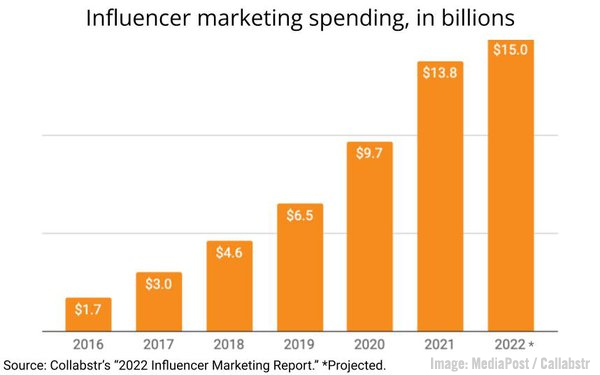
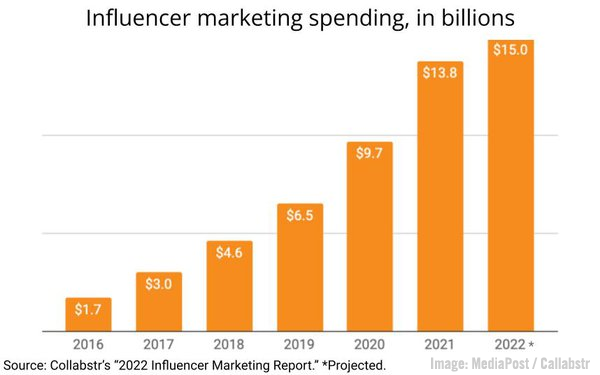
With influencer marketing on the rise, there are now millions of brands willing to pay premiums to place their products in front of the right audience. To stay ahead of the curve, I spoke with Shahrzad Rafati, CEO of BBTV and one of the world’s largest creator solution providers, on her tips for turning your content into a career.

Be discoverable

In 2020, over 3.6 billion people were using social media, which is projected to increase to 4.41 billion in 2025. With numbers like these, there’s no reason you can’t achieve massive reach. To hit that next level it’s all about optimization. Details such as keywords, descriptions and titles may seem small and irrelevant compared to the content itself but they can actually be equally important.

You can’t simply press post and expect to receive millions of views without optimizing the content itself. This is where tools such as BBTV’s VISO Catalyst can be indispensable. This software automatically finds the optimal keywords and metadata to maximize your content’s performance.

Brand safety

Many tools are available to constantly monitor your brand, not only protecting it but elevating its reach. Nowadays creators can calculate an overall “Brand Safety Score”, based on the metadata of your content: the title, the description, the tags, the video and image detection.

A multi-platform approach

Growing an audience in today’s world is about using all of the platforms you can. Once you cultivate a significant following on one platform, e.g. TikTok, your followers will literally follow you from platform-to-platform and that’s when you can begin to diversify and increase your content. Follow the three E’s: expandable (does the post encourage continuous discussion?), evergreen (is the post going to remain relevant and topical?), and engaging (does the post fit your target audience or does it alienate them?).

Use analytics   

Knowing your audience is one of the most valuable tools you can have.  Any social media account can give you your analytics, it’s usually just a simple move from a personal account to a business or pro account. Comparing and contrasting how your reel, video or post performs is a great way to understand the bigger picture of what your really wants.

However, to reach the next level, it’s important to have a little bit of help. For example, a video comparison tool. With built-in key metrics for comparison and defaulted to comparing the first 48 hours of video data, this tool levels the playing field between videos to offer you the best insights for your content strategy. Through their in-depth knowledge of trends and data, it can help you figure out your follower activity, other videos your followers have watched, how long they stay on your page etc. in order to increase your brand visibility, follower count and ultimately your pay check.

Protect your pockets

Thanks to innovation in the influencer market there are more ways than ever to make money. Have you ever found stolen content reposted without your permission? Now there are tools to help creators reclaim this lost revenue. The Plus solutions toolkit ensures that earnings from your content go right to your pocket, and no one else’s. Plus solutions have already helped reclaim billions of views that would have otherwise been completely lost.

Ultimately a combination of engaging content and a savvy toolkit will take any creator to the next level. The key is finding the right combination that works best for your audience, content and career.

By

Sourced from Entrepreneur Europe

Experts say the privacy promise—ubiquitous in online services and apps—obscures the truth about how companies use personal data

You’ve likely run into this claim from tech giants before: “We do not sell your personal data.”

Companies from Facebook to Google to Twitter repeat versions of this statement in their privacy policies, public statements, and congressional testimony. And when taken very literally, the promise is true: Despite gathering masses of personal data on their users and converting that data into billions of dollars in profits, these tech giants do not directly sell their users’ information the same way data brokers directly sell data in bulk to advertisers.

But the disclaimers are also a distraction from all the other ways tech giants use personal data for profit and, in the process, put users’ privacy at risk, experts say.

[Companies] saying they don’t sell data to third parties is like a yogurt company saying they’re gluten-free…. It’s a misdirection.

Ari Ezra Waldman, Northeastern University School of Law

Lawmakers, watchdog organizations, and privacy advocates have all pointed out ways that advertisers can still pay for access to data from companies like Facebook, Google, and Twitter without directly purchasing it. (Facebook spokesperson Emil Vazquez declined to comment and Twitter spokesperson Laura Pacas referred us to Twitter’s privacy policy. Google did not respond to requests for comment.)

And focusing on the term “sell” is essentially a sleight of hand by tech giants, said Ari Ezra Waldman, a professor of law and computer science at Northeastern University.

“[Their] saying that they don’t sell data to third parties is like a yogurt company saying they’re gluten-free. Yogurt is naturally gluten-free,” Waldman said. “It’s a misdirection from all the other ways that may be more subtle but still are deep and profound invasions of privacy.”

Those other ways include everything from data collected from real-time bidding streams (more on that later), to targeted ads directing traffic to websites that collect data, to companies using the data internally.

How Is My Data at Risk if It’s Not Being Sold? 

Even though companies like Facebook and Google aren’t directly selling your data, they are using it for targeted advertising, which creates plenty of opportunities for advertisers to pay and get your personal information in return.

The simplest way is through an ad that links to a website with its own trackers embedded, which can gather information on visitors including their IP address and their device IDs.

Advertising companies are quick to point out that they sell ads, not data, but don’t disclose that clicking on these ads often results in a website collecting personal data. In other words, you can easily give away your information to companies that have paid to get an ad in front of you.

If the ad is targeted toward a certain demographic, then advertisers would also be able to infer personal information about visitors who came from that ad, Bennett Cyphers, a staff technologist at the Electronic Frontier Foundation, said.

For example, if there’s an ad targeted at expectant mothers on Facebook, the advertiser can infer that everyone who came from that link is someone Facebook believes is expecting a child. Once a person clicks on that link, the website could collect device IDs and an IP address, which can be used to identify a person. Personal information like “expecting parent” could become associated with that IP address.

“You can say, ‘Hey, Google, I want a list of people ages 18–35 who watched the Super Bowl last year.’ They won’t give you that list, but they will let you serve ads to all those people,” Cyphers said. “Some of those people will click on those ads, and you can pretty easily figure out who those people are. You can buy data, in a sense, that way.”

Then there’s the complicated but much more common way that advertisers can pay for data without it being considered a sale, through a process known as “real-time bidding.”

Often, when an ad appears on your screen, it wasn’t already there waiting for you to show up. Digital auctions are happening in milliseconds before the ads load, where websites are selling screen real estate to the highest bidder in an automated process.

Visiting a page kicks off a bidding process where hundreds of advertisers are simultaneously sent data like an IP address, a device ID, the visitor’s interests, demographics, and location. The advertisers use this data to determine how much they’d like to pay to show an ad to that visitor, but even if they don’t make the winning bid, they have already captured what may be a lot of personal information.

With Google ads, for instance, the Google Ad Exchange sends data associated with your Google account during this ad auction process, which can include information like your age, location, and interests.

The advertisers aren’t paying for that data, per se; they’re paying for the right to show an advertisement on a page you visited. But they still get the data as part of the bidding process, and some advertisers compile that information and sell it, privacy advocates said.

In May, a group of Google users filed a federal class action lawsuit against Google in the U.S. District Court for the Northern District of California alleging the company is violating its claims to not sell personal information by operating its real-time bidding service.

The lawsuit argues that even though Google wasn’t directly handing over your personal data in exchange for money, its advertising services allowed hundreds of third parties to essentially pay and get access to information on millions of people. The case is ongoing.

“We never sell people’s personal information and we have strict policies specifically prohibiting personalized ads based on sensitive categories,” Google spokesperson José Castañeda told the San Francisco Chronicle in May.

Real-time bidding has also drawn scrutiny from lawmakers and watchdog organizations for its privacy implications.

In January, Simon McDougall, deputy commissioner of the United Kingdom’s Information Commissioner’s Office, announced in a statement that the agency was continuing its investigation of real-time bidding (RTB), which if not properly disclosed, may violate the European Union’s General Data Protection Regulation.

“The complex system of RTB can use people’s sensitive personal data to serve adverts and requires people’s explicit consent, which is not happening right now,” McDougall said. “Sharing people’s data with potentially hundreds of companies, without properly assessing and addressing the risk of these counterparties, also raises questions around the security and retention of this data.”

Few Americans realize that some auction participants are siphoning off and storing ‘bidstream’ data to compile exhaustive dossiers about them.

Letter to ad tech companies from six U.S. senators

And in April, a bipartisan group of U.S. senators sent a letter to ad tech companies involved in real-time bidding, including Google. Their main concern: foreign companies and governments potentially capturing massive amounts of personal data about Americans.

“Few Americans realize that some auction participants are siphoning off and storing ‘bidstream’ data to compile exhaustive dossiers about them,” the letter said. “In turn, these dossiers are being openly sold to anyone with a credit card, including to hedge funds, political campaigns, and even to governments.”

On May 4, Google responded to the letter, telling lawmakers that it doesn’t share personally identifiable information in bid requests and doesn’t share demographic information during the process.

“We never sell people’s personal information and all ad buyers using our systems are subject to stringent policies and standards, including restrictions on the use and retention of information they receive,” Mark Isakowitz, Google’s vice president of government affairs and public policy, said in the letter.

What Does It Mean to “Sell” Data?

Advocates have been trying to expand the definition of “sell” beyond a straightforward transaction.

The California Consumer Privacy Act, which went into effect in January 2020, attempted to cast a wide net when defining “sale,” beyond just exchanging data for money. The law considers it a sale if personal information is sold, rented, released, shared, transferred, or communicated (either orally or in writing) from one business to another for “monetary or other valuable consideration.”

If you are a social media company and you’re providing advertising and people pay you a lot of money, you are selling access to them.

Mary Stone Ross, a co-author of the California Consumer Privacy Act

And companies that sell such data are required to disclose that they’re doing so and allow consumers to opt out.

“We wrote the law trying to reflect how the data economy actually works, where most of the time, unless you’re a data broker, you’re not actually selling a person’s personal information,” said Mary Stone Ross, chief privacy officer at OSOM Products and a co-author of the law. “But you essentially are. If you are a social media company and you’re providing advertising and people pay you a lot of money, you are selling access to them.”

But that doesn’t mean it’s always obvious what sorts of personal data a company collects and sells.

In T-Mobile’s privacy policy, for instance, the company says it sells compiled data in bulk, which it calls “audience segments.” The policy states that audience segment data for sale doesn’t contain identifiers like your name and address but does include your mobile advertising ID.

Mobile advertising IDs can easily be connected to individuals through third-party companies.

Nevertheless, T-Mobile’s privacy policy says the company does “not sell information that directly identifies customers.”

T-Mobile spokesperson Taylor Prewitt didn’t provide an answer to why the company doesn’t consider advertising IDs to be personal information but said customers have the right to opt out of that data being sold.

So What Should I Be Looking for in a Privacy Policy? 

The next time you look at a privacy policy, which few people ever really do, don’t just focus on whether or not the company says it sells your data. That’s not necessarily the best way to assess how your information is traveling and being used.

And even if a privacy policy says that it doesn’t share private information beyond company walls, the data collected can still be used for purposes you might feel uncomfortable with, like training internal algorithms and machine learning models. (See Facebook’s use of one billion pictures from Instagram, which it owns, to improve its image recognition capability.)

Consumers should look for deletion and retention policies instead, said Lindsey Barrett, a privacy expert and until recently a fellow at Georgetown Law. These are policies that spell out how long companies keep data, and how to get it removed.

She noted that these statements hold a lot more weight than companies promising not to sell your data.

“People don’t have any meaningful transparency into what companies are doing with their data, and too often, there are too few limits on what they can do with it,” Barrett said. “The whole ‘We don’t sell your data’ doesn’t say anything about what the company is doing behind closed doors.”

Feature Image Credit: Gabriel Hongsdusit

Sourced from The Markup

By

YouTube is a video-sharing platform that ranks videos by how many views they receive. To rank higher on search engines, it’s important to optimize your videos for YouTube by following proven techniques that Youtube loves.

In this article, I’ll give you some tips and ideas on how to optimize your YouTube channel so that you can get maximum exposure for your videos, increase traffic to your website and generate more leads.

Add keywords to videos that are relevant to the content

With 4 billion videos being viewed every day, including your keywords appropriately is crucial if you want to be successful.

Make sure to include appropriate keywords in the title and description of each video. The first few sentences should be written as though they would be used for a search engine snippet if possible.

If you have a video about “Lead Generation,” add the word in your title and description. If possible, include keywords that are relevant to your product or industry. When people search for keywords related to videos found on YouTube, they will sometimes see other recommendations based on their search.

Both Google and Bing use information from YouTube when ranking keyword-related searches so it’s important to optimize the metadata of your videos appropriately if you want them to be found by customers searching for topics related to your business.

Include a call-to-action in the annotations of each video

Within YouTube’s annotation tool, you can overlay text onto your video that viewers must click before accessing additional details relating to the content displayed in this space.

This is an excellent way to direct your viewers to a specific page on your website including a “resource center” that will provide tutorials, videos, reports, or press releases.

If you want people who’ve watched your video to get in touch with you, download a PDF file, or move down your sales funnel, this is an incredible opportunity to do so.

Don’t forget the tags and description

Tags

Image Source

When it comes to tags, be careful not to make them sound spammy by stuffing keywords where they don’t belong. Write naturally while still incorporating important phrases into your tags. Also, remember that you can upload up to 30 tags per video – though I don’t recommend that you use up all 30.

Create keyword-focused playlists

On your YouTube channel, you can create various sections or “playlists” that separate the videos you choose to have listed under each of these headings. Don’t forget to label them in such a way to make it easy for people searching for specific topics to find what they’re after.

A good playlist will help people find more videos on topics that interest them. Additionally, you can include relevant playlists to optimize your channel’s overall presence online.

Get other YouTube users involved

Invite other people who have relevant or appropriate content to collaborate with you by adding their video links on the “resource center” page of your channel. This will help both of you connect with like-minded viewers and provide useful information in one spot for anyone browsing through these various videos.

You can also ask these partners if they would be willing to mention any website promotions or offers happening on your site in their content.

Inform influencers about your channel

If you are in a related field where it may make sense to approach other YouTube channels and personalities with the offer of collaborating, this is a great way for them to promote content from their viewers and followers.

Sometimes people feel less inclined to link back or mention products featured in videos hosted on YouTube, however, if another YouTuber has demonstrated interest by featuring content from your website in one of their videos, they’re far more likely to provide some type of acknowledgment as well.

Create an appealing banner image

You should have already uploaded an eye-catching graphic that will be displayed at the top of your channel page when someone views it through either Google search results or YouTube itself.

Televisions-Desktop-Tablet

Image Source

This image seems minor but it’s very important to include keywords in this space so that people who are browsing through search results can find your channel and start to remember your personal brand.

Use a similar graphic on all videos uploaded to your channel(s). This way people who click through from one of these videos can still recognize the organization responsible for uploading this content in the first place. Be sure to title it appropriately and include tags that make sense with each video.

Don’t forget video transcripts

You don’t want someone trying to engage with your videos because they’re interested in a specific topic, only to be frustrated by the fact that it hasn’t been captioned and now they must rely on audio alone. This will likely lead them to click elsewhere to view an option where they can avoid this hassle.

Also, transcriptions are an awesome tool for showing videos to people who may not have visual access to the entire video. This might include people that are using screen readers due to vision impairments.

Participate in related YouTube channels

There is a huge community of YouTubers online and many of them will be more than happy to help promote your content if you participate in their channel as well. Highlight any relevant information that ties into yours.

Be sure to add a link back to your site within the description or annotation fields of whichever video you choose to promote and encourage viewers to follow up with either you or whoever owns that particular channel directly. This will allow you to grow your YouTube channel and get more people to come across what you’re creating.

Get creative when it comes to embedding your videos elsewhere

Embedding your videos on other websites is a great way to go viral and get the most out of your YouTube content.

Be sure to add this to your website, blog, or relevant forum posts. You can even include links within your description field that direct interested viewers back to your channel as well as show them more videos and related information.

Optimize videos for search engines by using a keyword research tool

You’ve probably heard the term “SEO”, but what does it mean, and why is it important for your YouTube channel? SEO stands for search engine optimization and is a marketing term that relates to optimizing your video as best as possible.

This will allow more people to find it in YouTube searches as well as search engines like Google, Bing, and Yahoo.

There are many ways to do this; one of the most effective methods is through keyword research. Keyword research allows you to discover long-tail keywords or phrases people use when they’re searching online. For example: if someone searched, “How to make chocolate chip cookies” and you optimized your video for that keyword, your video will rank higher in search engines and you’ll get more traffic.

Using tools to find the right long-tail keyword

Here are some great tools to use to find long-tail keywords:

  • Ubersuggest – Ubersuggest is a free tool that helps you find related keywords in relation to the main keyword. Enter your keyword and select which search engine you want to use: Google, YouTube, or Bing.
  • Keywordtool.io – This is another free tool that offers suggestions for additional keywords if you enter in the main keyword phrase.

This is also an easy way to discover new long-tail keywords related to your business idea without any extra work. You can just enter your keyword and hit the “show me more” button to get some great long-tail recommendations.

Once you have discovered these phrases, simply add them into YouTube’s video editor box under “tags.” This will help boost your overall views as well as your SEO.

What happens if you don’t do the right keyword research?

You might create a great video or even a series of videos, but no one ever finds them. So don’t leave this critical step out of your video creation process. There’s nothing worse than creating a video and then realizing that your title, tags, or descriptions aren’t optimized for these long-tail keywords.

If you don’t optimize your videos correctly, they won’t rank highly in YouTube search results; not only that, but the SEO process will take longer to work because Google needs to understand what the content is about. If you do this correctly, when someone searches for something on Google, they can find your video right away even if it doesn’t show up in YouTube’s main feed.

The most important tip we can give you when it comes to optimizing your YouTube channel and finding keywords: do your research beforehand. You can do a quick search on Google and find tons of keywords you didn’t even know existed (for example: “how to make homemade ice cream” is not just one keyword, but you can come up with many different long-tail keywords based on that).

If you’re planning a series of videos, try and plan so that you can easily add the new keywords into each video description, tag, or annotation.

Expected results with proper keyword research

If you’ve done the proper keyword research, YouTube’s search engine will start to recognize the kind of videos that your channel has and you’ll begin showing up on Google when someone is searching for a topic related to your video.

This allows you to get more traffic right away without having to wait for views and then hope it shows up in the feeds or search results.

Final thoughts on YouTube SEO

In conclusion, you want to spend some time on YouTube keyword research before actually creating your videos. It’s one of the most important steps you can take when creating your channel and making new videos – and the results will start showing both in the short-term and the long term.

It takes some time to plan, but eventually, it’ll pay off with more views, more traffic, and better overall SEO results for your videos. This means that people will find your videos and take the actions you want them to.

By

Guest author: Hanson Cheng is the founder of Freedom to Ascend. He empowers online entrepreneurs and business owners to 10x their business and become financially independent. You can connect with him here.

Sourced from Jeff Bullas

By

What separates those brands that deliver great customer experience from the rest? What qualities are consistently present and what can we learn from them?

When it came to understanding more about how, where and why CX was so effective and important for my book When A Customer Wins, Nobody Loses!, I looked closer at some of the companies that really do have customer experience working for them, and found strong evidence of Four Principles that are vital to the development and sustainability of a customer experience program: Culture, Commitment, Community and Communication.

Let’s look closer and see how these principles relate to, and inspire, our customer experience journey.

1. Culture

Your culture is effectively the bedrock of your company. It is a set of shared beliefs, values, and practices that is developed from the inside out and based on additional, complimentary principles such as fairness, courtesy and empathy. The key word here is ‘shared’, and by doing that you create an environment where it is real, actionable and constantly under review.

Businesses that continue to be successful financially, reputationally and have a strong ethical workforce have almost assuredly done it by involving everyone in the endeavour. Just like other life affirming actions, corporate culture is very much founded on a discipline and a set of behaviours and skills that are defined, refined and guarded by the very people responsible for delivery on the company’s customer promises. Jack Ewing notes in his book Faster, Higher, Farther, “Corporate culture is never written down; it’s just what everyone knows.”

Let’s look at few people who have done this well.

Zappos

While the decision to create an uncompromising customer centric culture often comes, or is influenced from the top, everyone can and should play a role in consistently delivering the company’s customer service culture. In the case of Zappos, the online retailer who took customer experience to new levels, it wasn’t just Tony Hsieh, the former CEO, and his senior team; all of the employees have always had a strong voice, and are directly responsible for designing the core values on which their service culture is built. Their yearly Culture Book is a consistent and evolving testament to the strength and durability of this approach.

Tony Hsieh articulately and succinctly captured the upside of starting with culture in his book Delivering Happiness: “At Zappos, our belief is that if you get the culture right, most of the other stuff – like great customer service, or building a long term brand or passionate employees and customers – will happen naturally on its own.”

John Lewis

A visit to the John Lewis website sums up the importance of culture very simply and succinctly: “Our Partners will tell you that the John Lewis Partnership is a very special place to work. We believe our distinctive culture – our spirit – lies at the heart of this feeling.”

It goes on to say, “The John Lewis Partnership has a visionary and successful way of doing business, putting the happiness of Partners at the centre of everything it does. It’s the embodiment of an ideal, the outcome of nearly a century of endeavour to create a different sort of company, owned by Partners dedicated to serving customers with flair and fairness.”

Senior executive ownership, on an on-going and visibly participatory basis, is a vital element in demonstrating commitment.

If this was something that was very new, then it’s possible that the sceptics among us may suggest that “It can’t last.” But the partnership model, and the values it embodies, was introduced in 1929 and has stood the test of many challenging times and changes in both the retail market and the wider world.

2. Commitment throughout the company

Getting the culture right is a key cornerstone in the foundations of customer experience, but unless and until there is commitment throughout the company, it won’t have the staying power or game changing influence on the company’s DNA to ensure that customer experience is a living, breathing organism and not just an empty promise or a marketing slogan. As with culture, senior executive ownership, on an on-going and visibly participatory basis, is a vital element in demonstrating commitment.

Ritz Carlton

In his book about Ritz Carlton Hotels, The New Gold Standard, Joseph Michelli told us about a general manager who endured fourteen interviews to land his role. Four were with the owners of the hotel, but ten were with other front line staff members who saw that their commitment to quality included having a voice in who joins them as colleagues. This commitment is also visibly and measurably apparent in the fact that any employee has the ability to spend up to $2,000 to satisfy a customer need, without referral to a senior manager, or fear of reprisal.

American author and business guru Stephen Covey pointedly said: “No involvement, no commitment” and goes on “Many organizations have people whose goals are totally different from the goals of the enterprise with reward systems that are completely out of alignment with stated value systems.”

Another way to look at this is to see if business leaders are committed to having customer experience metrics that determine how everyone in the organisation is measured and paid, as American Express has done.

American Express

Jim Bush, former president global network at American Express, put this principle into practice very effectively and measurably. His team of customer service people, known as customer care professionals, were part of a measurement system that surveyed the customer and got the feedback for every servicing transaction which is used that measure their performance, complemented by some productivity indicators.

Those two measures were used to drive incentives that were the basis for compensation for the customer care professionals, and indeed all of the management team. This not only led to increasingly happy customers, but has also contributed handsomely to the bottom line at American Express.

3. Creating a community

In customer experience terms, community resides comfortably and symbiotically with the other three principles. It is dependent on intertwining and bringing together the different parts of an organisation to agree common goals, and ways of achieving them, in a spirit of cooperation and collaboration.

When a business is successful in creating this internal spirit of community, then extending it to customers, partners and the wider geographic community just feels like a natural and rewarding thing to do.

Waitrose (John Lewis Partnership)

When you look at almost any UK customer satisfaction survey, you can always expect to see John Lewis and Waitrose high on the list. John Lewis is not only highly regarded reputationally, but is also highly profitable and the clue to why they are so successful is in the name “The John Lewis Partnership.”

When a business is successful in creating this internal spirit of community, then extending it to customers just feels like a natural and rewarding thing to do.

John Spedan Lewis, the founder’s son, introduced the first profit-sharing scheme in 1920 along with a representative staff council. These ‘radical ideas’ were based on seven basic principles which are still the driving force behind the company today and are prominently featured on the company’s website. Their definition of community is that “The Partnership aims to obey the spirit as well as the letter of the law and to contribute to the wellbeing of the communities where it operates.” What part of this wouldn’t appeal to any right thinking and ambitious organization?

Ace Hardware

Shep Hyken, in his book Amaze Every Customer Every Time, features Ace Hardware as a great example of an extremely successful, but perhaps little-known company whose community spirit is legendary. This has made it stand out against many of its larger, perhaps better known DIY rivals in the US such as Lowes and Home Depot, and outpaces them in terms of revenue, reputation and employee growth. While primarily a US organisation, they also have operations in much of Latin America and Asia, and wherever they go they make a profound and lasting impact on the community. In the USA since 1991, the Ace Foundation has raised over $54 million to help sick and injured kids.

The Ace store owner is totally focused on clearly identifying and standing out within their customer community, and being helpful for each and every person in that community. Their reward for this commitment is being ranked highest in customer satisfaction among home improvement retailers for a several consecutive years in the JD Power and Associates surveys.

4. Successful communication

A lack of communication is why many businesses fail so spectacularly. These often self-inflicted operational failures are usually accompanied by news stories featuring angry customers complaining of “There being nobody to let us know what was going on.”

Proactivity is the key to successful communication and even if there is no news, it’s vital to let people know that at least somebody is aware of the issue and is seeking a resolution. In order to keep customers happy, it helps if your people are able to respond in a powerful and immediate way to service failures — using their own initiative, without waiting for a manager’s okay.

It’s possible though that people are not really in the position to use their initiative, or are prevented from doing so. But communicating with passengers, customers or guests is very much dependent on a company having an open and honest communication policy that builds trust, and provides reinforcement for employees to act with integrity and compassion in those critical moments of truth that can define a great customer experience.

Companies like Four Seasons, Zappos and John Lewis all feature regular two-way feedback sessions, employee briefings and councils, that give all employees and managers a voice in any decisions or issues that positively affect the quality of customer care. When employees have been involved in defining and developing the culture and committing to its delivery, having them act in harmony with the values and principles they helped create and communicate is almost second nature.

In order to keep customers happy, it helps if your people are able to respond in a powerful and immediate way to service failures — using their own initiative, without waiting for a manager’s okay.

In each Four Seasons hotel there is a centrally located hotline that allows front line staff to immediately communicate any customer problems as they arise.

At John Lewis, power in the partnership is shared between three governing authorities: the Partnership Council, the Partnership Board and the Chairman. This ensures that communication is open, frequent, visible and truly participatory throughout the business.

Once again, I’ll turn to Stephen Covey to describe the theme that runs through the communication principle of successful and caring companies. He says “Seek first to understand and then to be understood.” Most companies are so busy with the second part, which is certainly important, that they neglect or pay lip service to the first.

This is an abridged extract from ‘When A Customer Wins, Nobody Loses!’ by Gerry Brown.

By

Sourced from MYCUSTOMER

By Christina-Lauren Pollack

There are many online marketing strategies small businesses can use to get ahead of the competition. One strategy is Pinterest marketing, which leverages the popular social media platform that has become one of the most effective promotional sites on the internet.

Even though Pinterest is considered a social media platform, in truth, it operates more like a search engine, similar to Google or Yahoo!. While users can leave comments and like posts, most people use Pinterest as a bookmarking tool to save content for future reference. So, now that you understand how it differs from other social networks like Instagram or Facebook, we can explore how to actually use it to benefit your business.

Why is Pinterest helpful for small businesses?

The answer is simple: Pinterest users are often searching for products and services to buy. When you optimize your content, research keywords that people might use when they’re looking for your type of product or service, then pin it on a board, potential customers will be able to find you more easily.

In addition to providing you with robust data on the types of people engaging with your content (otherwise known as “pins”), Pinterest also helps your company’s website rank higher in search results. This means, if someone conducts a Google search for specific keywords, your “pin” on Pinterest could show up in the search results if it’s been properly optimized. Why is this important? Well, for one – it enables you to reach a larger audience of targeted users who are actively seeking your type of product or service. And secondly, because it can lead to more website traffic, boost lead generation, and lower bounce rates for your company’s site.

If you’re looking to target Millennials, it’s an especially helpful system to leverage, as it’s an increasingly popular platform for marketers because of its popularity with the younger generation, who are more likely to make purchase decisions based on what they see online.

How can Pinterest boost SEO for businesses?

As an example, my lifestyle blog for women (Inspirations & Celebrations) gets over 70 percent of its organic website traffic from Pinterest. That means every month, my blog gets thousands and thousands of new visitors without me having to hustle hard for this valuable traffic. Considering how impactful that is on my site’s overall reach, it makes it one of the smartest ways to drive traffic more easily, turn leads into subscribers or customers, and create a sustainable business online.

To help your small business stand out, here are five Pinterest marketing strategies that will help put you ahead of the competition.

Establish a business account on Pinterest for your company. This is the first step to any Pinterest marketing strategy because it enables you to enter more information about your company, such as its mission statement or the products that are available for purchase.

Optimize your account’s bio and boards with keywords that are relevant to your products or services. Conduct some research into the types of keywords or keyword phrases that your target audience often searches for.

Include links to your website and blog in the description of pins. Whether you’re promoting blog posts or product webpages, it helps to pin various images that link back to your website. The more high-quality pins that you post, the greater the chance of getting discovered by potential customers or clients.

As you pin images that link back to your website, create eye-catching images or graphics that capture attention. Vertical images often perform better than horizontal ones. So, it’s helpful to keep this in mind when creating content.

Don’t be afraid to promote your work

Last but not least, promote your Pinterest profile. Be active on the site and follow other people that are similar to your target demographic. Share your Pinterest profile on your other social networks, encourage existing customers to follow your Pinterest account (by including a link in your email signature).

As you can see, using Pinterest for more than just pinning recipe ideas or home decorating inspiration photos can be a great way to market your business online. In addition to driving brand awareness to a larger audience, it’s one of the best (free) ways to attract your ideal customers or clients.

By Christina-Lauren Pollack

Digital Entrepreneur, Business Consultant & Branding Course Creator

Sourced from Entrepreneur Europe

Sourced from The Association of  Advertisers in Ireland

We are delighted to welcome Elizabeth Sheehan to take part in our next Toolkit session on Tuesday September 28th.

Date: 28th September
Time: 10am
Location: Online
Registration: Here

Elizabeth will share insights on Sustainability and offer advice on how businesses can embrace the challenges we are facing as a planet and be leaders in driving positive change while continuing to focus on sustainable profitable growth.

She will share her top tips on the sustainability challenges businesses and brands can embrace to create purposeful and change driving growth strategies.

Elizabeth Sheehan is a marketing & sustainability consultant who works with companies building sustainable brand and business strategies. She brings her experience in leading global consumer brands and her passion for sustainability to advise leaders & teams by delivering insight, vision & sustainable business plans while also galvanizing people in the organization to take action for a better future.

Having recently held the role of Innovation & Sustainability Director in Suntory Beverage and Foods Europe, she led the drinks sustainability strategy for Europe. Prior to this Elizabeth was Marketing Director for Suntory in Ireland where she led the sustainable profitable growth strategies for soft drinks and Spirits portfolios that includes brands like Lucozade Ribena, Jim Beam, Kilbeggan & Connemara Whiskey and Roku Gin.

Elizabeth also led the marketing of leading brands in Ireland and globally in; Mars, PepsiCo, Pernod Ricard & Allied Domecq. Her roles took her to gain international experience working Spain, Portugal, Brazil & The Netherlands. She is also a board member of the Advertising Standards Authority of Ireland.
Elizabeth has turned to her experience of innovating to create sustainable future business solutions. She believes in leaving behind a positive imprint on the world, the workplace and teams that she works with.Sourced from The Association of  Advertisers in Ireland

By Elissaveta M. Brandon

Get the creative juices flowing with podcasts on circular design, UX, and a lot more.

The long commute may have been cut short for many of us, but the time Americans spend listening to podcasts is at an all-time high. So is the number of podcasts. With over 2 million to choose from, this is no easy task for those, like me, who want to know everything there is to know, especially when it comes to design. So, here’s a curated list of nine podcasts to get the creative juices flowing. May it help you become better, more creative, and more inspired—whether you’re a designer, or just want to think like one.

Circular with Katie Treggiden


British design writer Katie Treggiden has been championing circular design for years. This is her podcast, in which she explores the intersection of craft, design, and sustainability through interviews with thinkers, doers, and makers of the circular economy. Expect to learn about the culture of mending, modern furniture restoration, and even dying clothes using food waste.

Design Review


This one is for the UX design geeks out there. Every other week, two designers—Chris Liu and Jonathan Shariat—discuss one design principle and connect it to their own experience in the field. From devious dark patterns to the Ikea effect to designing for peace of mind, the scope will surprise you, even if you’re not a UX designer.

Scratching the Surface


Design meets theory meets practice. Hosted by Jarrett Fuller, a designer, writer and educator, whose MFA thesis led to the creation of this podcast, each episode features wide-ranging conversations about the role of design in shaping culture. Expect insightful interviews with a who’s who of design voices, including New York Times architecture critic Michael Kimmelman, MoMA design curator Paola Antonelli, and Dori Tunstall, a design anthropologist and the dean of design at Ontario College of Art and Design University.

Design Matters


Design Matters is one of the first and longest-running podcasts dedicated to design. For 15 years, Debbie Millman’s interviewing style has brought out the best in her guests, from Milton Glaser—the master designer of the I ♥ NY logo—to pastry chef and Milk Bar founder Christina Tosi. The takeaway? Design Matters . . . matters.

Design Lab with Bon Ku


The pandemic has brought to our attention just how interlinked design and health are. This is where this podcast fits in. Launched in September 2020 by physician and host Bon Ku, Design Lab has grown into a popular show about how design can help us live better, with topics that range from designing for equity to designing childbirth.

Material Matters with Grant Gibson


Many designers, makers, and artists have a special relationship with a particular material. This is a podcast about that bond, and about how certain craft skills or materials can shape an entire career. Hosted by design writer and critic Grant Gibson, the show features in-depth interviews with a variety of creatives, such as architect Sarah Wigglesworth on building with straw, and designer Tom Dixon on welding.

Design Thinking 101


What is design thinking and how can you apply it to your goals and challenges? The host is Dawan Stanford, who teaches design thinking at Elon University. Every episode explores different ways to learn from challenges—like designing for trauma and vulnerable populations—and overcome them by applying design thinking and related innovation approaches. Tune in, and you’ll hear an array of stories, lessons, ideas, and resources from guests in fields as varied as business, education, government, and healthcare.

The Design of Business


This podcast from Design Observer runs the gamut. Each show brings in people from a range of industries, from music and retail to technology. There’s the global executive creative director at Coursera. The lead costume designer for the Netflix series Bridgerton. And the president of the Rhode Island School of Design. All of them are creative professionals, yet each of them uses creativity in different ways. 

99% Invisible


Bad design stands out like a sore thumb; good design goes unnoticed. That’s the premise of this podcast, hosted by Roman Mars. From the surprising history of curb cuts to the dangers of a one-size-fits-all culture, the show explores the way design pervades every aspect of modern life, and the takeaways will stay with you for months, if not years.

Feature Image Credit: iStock

By Elissaveta M. Brandon

Sourced from FastCompany

By

While Airbnb is usually a better option than staying at a hotel, people staying at vacation rentals have experienced their share of inconveniences after putting their faith in the temporary lodgings they found online.

Many vacationers renting an Airbnb have dealt with various setbacks—including unforeseen cancellations, owners dropping by without warning, and unlivable circumstances.

Hidden cameras have now become another frequent complaint, adding to a vacationer’s list of “I never signed up for this.”

Marcus Hutchins, a.k.a. TikToker @malewaretech, is a former hacker with 117K followers on the video-sharing app who made a video demonstrating how to detect hidden cameras in their vacation rental accommodations.

“So here’s how to spot hidden cameras in Airbnb or hotel,” said Hutchins in the viral video.

“The first thing you are going to want to look for is devices that are conveniently placed where a creeper would want to look,” he said.

“Take this fire alarm, for instance. It is placed right above the bed. One way to see if the device is a camera is to shine a bright light at it.”

“If you hit a camera lens, it’s going to get a blue-ish reflection.”

“Now you can test this by shining a light at your phone and seeing how the camera looks when placed under a flashlight.”

@malwartech/TikTok

Next, he showed another unassuming device in the room, typically placed on a bedside table.

“This alarm clock is mirrored but if we shine a bright light at it, we can see through the glass and see there is a camera there.”

“This technique can also work on two-way mirrors.”

@malwartech/TikTok

He added:

“These cameras are really small as you can see here, so they can be hidden in anything, even a hole in the wall.”

Hutchins said the alarm clock was powered by a USB cord, and its charger plugged into the wall was also a camera.

@malwartech/TikTok

While the clip—which racked up 5.5 million views—attempted to be helpful, it produced an unintended effect on some TikTokers.

Feature Image Credit: @malwartech/TikTok 

By

Sourced from Comic Sands

By Garrett French

This piece was co-written with James Wirth.

Links drive rankings — that’s one thing that technical SEOs, content marketers, digital PR folks, and even some of #SEOTwitter can agree on. But which rankings, and for which pages on your website?

If you’ve ever wanted to build links that impact rankings for specific pages on your website, we’ve got the guide for you.

Selecting pages for a targeted-impact link building campaign

Preparing a link building campaign often involves helping the client refine their goals in order to be able to effectively measure the campaign. The first step is typically level-setting based on what we can learn from available data.

Comparing link metrics against top competitors will help us size up the competition. Layered against estimated traffic, Page Authority, and SEO “difficulty”, and we’re able to better understand the opportunity. While this isn’t particularly complex or inaccessible, it’s likely deeper than the client has gone, and very often they’re happy to move forward with data-informed recommendations.

If we were preparing a link building campaign for Moz, for example, we might pre-select some sections of the site to focus on in the analysis.

Suppose we start with /products/, /tools/ the beginners guide pages (love those), and a few others that jump out. Here are a few pages from that list:

Target page list

From here, we would compile a list of competitors based on top keywords for each of the pages. That will let us compare average metrics across the top competitors to the metrics for Moz’s pages.

This dataset represents the top 10 competitors from the top 10 keywords for each of Moz’s pages. Once compiled, we’ll have 90-100 rows of competitor data, give or take, depending on where Moz ranks for each page in the list. We can average the competitor data to make it easy to compare, and spot-check from there to look for outliers, or filter out branded or stray keywords we don’t want to compete for anyway:

Now it’s time to look for opportunities. We can eye-ball the metrics in a shortlist like this, but if we’re looking at hundreds or thousands of pages (even after filtering it down), this gets a little cumbersome. Prioritizing the pages will help us look more quickly through the list and find the best opportunities.

In a scenario where it’s a short pilot program, some of these competitors have scary-high linking root domains, and we’re going to have an idea of a monthly budget to set our pilot up for success by not biting off more than we can chew.

So, we’ll add a couple columns to help some of these stand out. To help find the low-hanging fruit, we might look at the relationship to the gap in linking root domains of the competition and our potential campaign page, and the search volume from those top 10 keywords:

By dividing the link gap into the search volume, we can look at higher priority pages for the campaign based on the probability of reducing the linking root domain gap, in order to improve the client’s share of voice on high-converting pages.

Adding rank-order to the rows will help us look at the best potential opportunities:

From this group of pages, the Moz Pro product page seems to be a pretty tasty candidate. We might stay away from the free SEO tools page since, well, “free” doesn’t necessarily scream REVENUE, but it’s worth a conversation to verify. The same can be said for a couple of those beginner guide pages as well.

Even if none end up in the campaign, we’ll still be able to assess the link gap for pages that ARE the targets, and help steer Moz towards effective linking choices

After a few refinements, we’ll have a very solid set of potential campaign pages to recommend!

Finding your most-impactful audience

We build out our model of audience based on the specific client URL that we’re building links to. So, for sales pages, we’re thinking about where, how, when, and why that product or service fits into the customer’s life. What are its various contexts of use? What circumstances or conditions benefit from the use of this offering?

The offering’s contexts of use are intrinsically relevant to the target URL, whether or not the same keyword is used to describe them. For example, if we target the Moz Pro page identified above, we’d start asking ourselves: “when is it that agencies and in-house SEOs start thinking about SEO tools?”

Perhaps we explore that point where someone has to pick up the SEO projects left behind by someone whose career has taken them elsewhere. What’s the checklist like for following behind another SEO? Additionally, what about an SEO crash course for folks who suddenly find themselves in charge of an SEO department (we’ve spoken with people in this situation before). Both of these scenarios could give ample reason and circumstance to mention SEO tools. For either of these examples, an expert survey, expert interviews, and off-site informational placements could enable contextual linking opportunities.

Let’s step outside of the SEO space though and think about insurance sales pages. We could begin mapping out the circumstances and events in life as one decides to seek insurance: Events like having your first child, becoming an independent contractor, buying a home, having a cardiac-related scare, etc.

From these “use-case brainstorms”, we work up into problem areas — and related queries — that the target audience might be having. These give us a basis for discovering publishers that align the audience of the target page with its contexts of usage. For Moz, we’d likely focus on marketing trade pubs — SEO or not. For the insurance pages, we’d likely start with parenting blogs, health/fitness publishers, websites relating to starting a business, and potentially realtor sites.

For good measure, we frequently examine high ranking pages in the target keyword space to learn more about what we call the “linking context” for a given set of keywords. We’re especially focused on the titles of linking pages. This gives instant insight into topics that make sense for prospect discovery. We usually find things like long form guides, tons of coupon pages, review sites, forums, etc. — all of this gives us a better sense of the linking context.

Combined, use-case brainstorms and linking context analysis help us build out a full picture of the audiences and key problems that will lead us to suitable publishers.

Link outreach

Outreach is simple. Well, sort of.

If you understand what the publisher wants, which is ultimately related to how they make a living, then you figure out how to pitch and deliver just that.

If you’re in the digital PR space pitching journalists, you’re pitching your ability to drive “audience engagement” (as we’ve picked up from Neomam CEO, Gisele Navarro). So your subject line and offer need to clearly drip with page views, click-throughs, and social shares. And your content has to deliver. After all, with the high content costs involved you’ll need to reuse your contacts!

If you’re in broken link building (and to a lesser extent, a tactic like unlinked mentions), you’re offering “visitor experience improvements” to a webmaster or page curator who’s dedicated to a particular audience. With this in mind, your subject line and offer (a fix) must demonstrate value to the target audience, as well as mention the impact the broken link could have on an expectant visitor in need.

We find that when pitching guest content, especially to sales-supported publishers, we see higher conversions when we pitch topics that will help drive the publisher’s traffic or conversions. You can learn more about our guest content approach in this Whiteboard Friday, but again, we lean into pitching “publishing benefits” to the site owner.

So your key question: what is this person’s purpose for publishing to their particular audience? Knowing this helps you determine an offer that will resonate, and earn you a link.

One last bit of advice on outreach: avoid directly implementing subject lines, templates, etc. from other experts. Be inspired by the experts, but remember that their advice involves very specific offers, audiences, and publishers, and they are unlikely to align with your actual circumstances. Study them, for sure, but only for understanding general guidelines.

A quick word on link building tactics

Every functional link building tactic earns its links by meeting the target publisher’s unstated “price” for reaching their audience.

The publisher’s cost can certainly be money, but in the earned link space, we’re usually talking about supplying publishers with value such as exclusive news and information, previously unstated but highly useful advice, articles that could help them sell more products or services, and useful corrections that shore up authority.

We’re reminded, as we discuss value exchange, of a campaign by the link builder Debra Mastaler, in which she offered a cement client’s t-shirt to the members of several dues-supported professional organizations. She not only earned links from the organization websites (who got to provide a “special perk” to their members), but earned business and, of course, brand visibility within their precise target audience. Wow!

So, while a free t-shirt may not work in all verticals, Mastaler reminds us of the most overlooked aspect of link building campaigns: finding publishers who reach your target audience and asking “okay, what can we offer that they will actually want?”. Creative, entrepreneurial thinking — perhaps you could call it marketing instinct? — remains the link builder’s most important tactic.

That said, reviewing the existing array of link building tactics can be very useful, especially as you’re starting out, just as a budding chef spends time reading cookbooks to understand key ingredients and guiding principles. And as it is for the budding chef, your greatest lessons will come from the hours spent in the kitchen, working on your craft.

Check out this graphic for a quick overview of some of the more common tactics and their relationships between the publishers and your desired SEO outcomes:

Measurable link building wins

This is one of the most challenging aspects of a campaign for myriad reasons.

It’s also one of the most effective ways to retain clients, or budget, if you’re on the in-house side.

There are a number of ways to track the performance of a link building campaign, but which methods are chosen largely depends on the tactics deployed. In our case, we’re focused on the content side, and specialize in earning placements to hard-to-link sales landing pages. We approach our measurements of success from the perspective of SEO-related metrics that will show both leading indicators of improvements, and the right performance indicators once we have had impact.

Early on in a campaign, we often see a worsening of average position. The cause of this is typically new keywords ranking on the campaign page. Because the page initially begins to rank on SERP #7 or #8, this will initially pull down the average rank of the page, even if the rank for established keywords is improving.

This graph underscores one of the risks of focusing too heavily on rank as the primary success metric. While average position (the purple line) shows a decline in average position, we can see in the stacked columns that not only is the total number of ranking keywords growing, it’s also growing nicely in positions 1-3 (the blue segment at the top), as well as positions 4-10 (the orange segment 2nd from top). Just not enough to keep up with newly ranking keywords further down in the SERPs.

Correlating ranking changes to ranking keyword count was paramount to continuing this campaign.

While we track and report on average position over time, we certainly don’t lead with it. Instead, we focus on metrics that more directly correlate to traffic and conversions, which positions us for demonstrating positive ROI of the campaign.

The metrics that matter for us are share of voice (a search volume-weighted CTR model) and Moz Page Authority.

Share of voice

The benefit for us of prioritizing share of voice over ranking is that it normalizes dramatic shifts in time series reports based on ranking fluctuations from low-volume queries. Ranking reports, as we all know, can be a serious roller coaster.

Share of voice, on the other hand, aligns with an estimated traffic model, expressed as a percentage of total traffic for the keyword set.

As seen in the graph above, we also include a control group: a second set of pages on the site that are not part of the campaign (and preferably not part of any concerted SEO effort). This second set of pages is chosen from similar sections of the site and from similarly ranking and visited pages when possible, to measure the success of our link building campaign against.

While the graph above does indicate positive growth just with the bars, when we determine the percentage difference between our campaign pages and the control group, the results are even more dramatic.

Page Authority

Another critical metric is Moz Page Authority, which is often another early indicator of imminent success. We sometimes see Page Authority increase even before we see improvement to rankings and share of voice.

And again, tracking against a control group helps to underscore the value of our work.

Another benefit of Page Authority: Third party validation of the direct impact of our work.

While many factors outside of the scope of our link building campaign may affect rank, such as core algorithm updates, gaps in page content, topic misalignment or technical issues inhibiting Google’s full valuation of the page), a metric that is best influenced by “improving a page’s link profile by… getting external links”, aligns very well with our offering.

And hey, we think using a third party metric to validate the hard work we’re doing for our clients is pretty okay in our book (now in its second edition!).


By Garrett French

Garrett has been in the marketing, writing & link building business since 2001. He brainstorms strategy for all Citation Labs Agency clients and turns the team’s internal processes into Citation Labs Tools.

This piece was co-written with James Wirth.

Sourced from MOZ

By Timothy Carter

Search engine optimization (SEO) is intimidating for newcomers, and I totally understand why. SEO requires your attention in multiple areas; you’ll need to improve your website, write content, research the competition, build links, and take care of a hundred other responsibilities. On top of that, you’ll need the experience to do all of these actions — well — and you’ll need to jump through hoops to stay current with the latest Google algorithm changes.

Outsource Your SEO Strategy the Right Way

Accordingly, most businesses that practice SEO end up outsourcing it in some way, either by hiring an agency or working with contractors. While this can be an effective strategy for supporting your SEO campaign, it can also work against you — so it pays to be cautious and do your research.

How SEO Outsourcing Goes Wrong

Let’s start by identifying some of the most critical ways that SEO outsourcing can fail.

  • Black hat practices and penalties. Some agencies build their business around “black hat” tactics. In the SEO world, that means using techniques like spamming links, writing low-quality content at high volumes, and even keyword stuffing. In some cases, these tactics can get you a short-term gain – just long enough for your contracting agency to cash the check. But in all cases, eventually, you’re going to face a Google penalty for doing this, ultimately negating any benefits you might have gotten along the way.
  • Scams and lack of work. Some companies don’t really exist; they’re shell organizations meant only to scam you out of money. For example, someone might claim they’re “optimizing your site,” but they might not actually be doing anything. These outright scams tend to be rare in the SEO community, but they can result in a total loss.
  • Cost and value. It’s also important to consider the balance between cost and true value. High-quality SEO services are necessarily expensive since it takes expertise, time, workforce, and other resources to execute effectively. But if you’re stuck paying $10,000 per month for SEO services, and you only see $9,800 in value, that’s not a good trade. SEO is a strategy that’s truly worth investing in, but if you’re not careful, you could end up paying too much when outsourcing.

Researching Potential Partners

So how can you prevent these problems?

Your best option is to seriously research your prospective outsourcing partners before hiring anyone. Generally, you’ll have two main options for who to hire:

  • Agencies. SEO agencies tend to be a bit more expensive. But, in exchange, you’ll typically have access to a bigger roster of experts – and support for every step of the SEO process. You’ll also typically have your own account manager and built-in guarantees to make sure you’re satisfied with the work that’s done.
  • Contractors. Contractors tend to be less expensive and more flexible. You can hire individual contractors to help you with specific needs, like link building or writing, or mix and match to build your own team. Either way, you might save money – but you’ll also need to expend more effort and face higher risks.

Whichever direction you go — you’ll want to research the following in every prospective hire:

  • Expertise. What kind of expertise does this potential partner have? Are they new to the SEO industry, or does the team have decades of combined experience? Are they familiar with your company and your industry, or is their experience mostly from a general background?
  • Services offered/high-level strategy. Figure out what services this partner offers and what kind of high-level strategy they’re going to follow. If they can’t answer your questions in this area, or if they try to avoid the subject, it’s a bad sign. Any SEO practitioner worth working with will explain the entire process to you and work to convince you that they’re capable of creating high-quality work. Good SEO strategies are a mix of technical onsite improvements, quality content generation, and value-focused link building with authoritative publishers. Link spamming and content spamming simply aren’t going to work.
  • Quality of work. You’ll also need to do your own investigating to figure out what quality of work this individual or organization is capable of. The best way to find this out is to ask to see examples. What are some examples of the best content this organization has written? What are some of the best live links currently pointing back to their site? If you’re not satisfied with this component, you may need to move onto someone else.
  • Reviews and testimonials. Next, look at the reviews and testimonials about this company left by its previous clients. Generally, when an agency or contractor follows black hat practices or scams people out of money, they have a cascade of bad reviews to show for it. Of course, good reviews and good testimonials aren’t a guarantee that you’ll get great service, but it’s a promising sign.
  • Past results. In line with this, see if you can get proof of past results. For example, does this agency or contractor evidence the ranking increases they’ve gotten for other clients in the past? New professionals in this industry still have a chance of getting good results for you, but you’re better off working with someone who has a long track record of success.
  • Communication. Reach out to promising candidates you’ve found throughout your research and start talking to the account managers and professionals who will be responsible for managing your campaign. Are they polite, prompt, and articulate? If so, it’s a great sign that you’re going to get the customer service you deserve.
  • Price. Of course, you’ll also need to think about the price of the services you’re getting. A company may check all the boxes above, but they may not be worth it if their service packages are too pricey.

The Working Relationship

Researching and hiring the right partner is a great first step, but you’ll also need to invest in the working relationship to see good results.

  • Push for transparency. A transparent SEO outsourcing agreement is ideal. You should be able to see everything your SEO partner is doing, down to the words they write for offsite content and the backend code changes they make to your website. If your agency or contractor refuses to report on their work, or if you’re not sure what they’re doing, consider it a red flag.
  • Insist on regular reporting. It’s also important to insist on regular reporting. Your partner should be showing you not just the work they’re actively doing on behalf of your brand, but also the results they’re getting you. How have your rankings changed over time? How much traffic is your website getting? Combine these metrics with your onsite sales and conversion statistics to calculate your overall return on investment (ROI).
  • Ask questions. If you don’t understand something, don’t assume that your SEO expert is taking care of it – or even that they know more than you. Ask questions. The more you learn about SEO in the process, the better you’ll be able to direct and make decisions about your campaign. And if your partner can’t answer a question or if they dodge a question, it might be a sign of trouble to come.

Hold the team accountable.

Finally, hold the team (or individual) accountable for their results. For example, if you drop in rankings for a specific keyword, ask them what they’re going to do about it. If you’re not getting the results, you wanted after several months of work, push them to make up the difference or give you a partial refund.

Conclusion

Outsourcing SEO can be incredibly valuable. In a best-case scenario, you’ll get to tap into some of the most creative and experienced minds in the industry while supporting your site with white hat tactics and saving money in the process.

But the worst-case scenario should be enough to scare you into doing your due diligence well in advance. In addition, not all SEO companies will give you a return on your investment (ROI), so keep that in mind during your research.

Feature Image Credit: yan krukov; pexels

By Timothy Carter

Timothy Carter is the Chief Revenue Officer of the Seattle digital marketing agency SEO.co, DEV.co & PPC.co. He has spent more than 20 years in the world of SEO and digital marketing leading, building and scaling sales operations, helping companies increase revenue efficiency and drive growth from websites and sales teams. When he’s not working, Tim enjoys playing a few rounds of disc golf, running, and spending time with his wife and family on the beach — preferably in Hawaii with a cup of Kona coffee. Follow him on Twitter @TimothyCarter

Sourced from readwrite