In the race to implement AI, some companies may overlook important details that can mean the difference between success and failure.
The rush is on to implement in a battle for competitive advantage. However, in the haste to implement, some organizations are stumbling because their initiative lacks a solid foundation.
“People want to solve problems with AI just because it’s AI and not because it’s the best solution,” said Scott Zoldi, chief analytics officer at analytics decisioning platform provider FICO. “It has to be soup to nuts. How are we going to develop AI from a governed perspective of having a governance process that talks about the data, the success criteria and the risks from both a project perspective and an ethical perspective?”
Some AI initiatives falter because the thinking that went into them was inadequate. For example:
The AI initiative is created separately from the business strategy so it fails to make a strategic impact.
The success criteria are overly broad because they fail to include a success metric (E.g., “We want to be more competitive” as opposed to “We want to reduce fraud by 15% while reducing the number of false positives by 30%.”)
The change management aspect wasn’t considered so the initiative faces resistance.
“Shared capabilities or shared data across business units is becoming more important than the autonomy of individual units,” said Marco Iansiti, David Sarnoff professor of business administration at Harvard Business School, who heads the technology and operations management unit and chairs the Digital Initiative. “This causes all kinds of difficulties in traditional organizations because all of a sudden, you have a person who runs investment banking that has never shared anything with the person who runs wealth management. And all of a sudden, they are both interested in leveraging some of the same algorithms and some of the same components. They have to standardize because before they didn’t have to.”
The use of AI has become such a strategic issue that CEOs are getting involved in defining what their company’s AI strategy would look like.
“Earlier, we were seeing it was the CIO, CTO and some CXOs, but now the leading CEOs realize that this is going to redefine the future of their industry and the future of their own company,” said Arnab Chakraborty, global managing director, applied intelligence North America lead at global consulting company Accenture. “They’re looking at this as a reinvention of their business in the context of where things are headed with AI.”
Some of the common missteps can be avoided or minimized by thinking through the initiative in a holistic manner and involving those in the value stream who can help think through the various aspects — opportunities, risks, potential impacts, success factors, data requirements, compliance issues, governance, etc. Other success factors follow.
Lisa Morgan is a freelance writer who covers big data and BI for InformationWeek. She has contributed articles, reports, and other types of content to various publications and sites ranging from SD Times to the Economist Intelligent Unit. Frequent areas of coverage include … View Full Bio
Employees who have a high sense of belonging are more likely to be satisfied with their jobs and more engaged at work. Leaders can set the tone and make a tangible difference for teams and individuals.
Leaders, researchers and productivity experts talk endlessly about teamwork, but teams don’t exist just because an org chart or a boss says they do. To turn a group of individuals into a team, you need them to feel like they belong to one. To feel included is a basic human need. When we belong, we create a safe environment where everyone is willing to offer their diverse perspectives, and take in others’, in service of their team and their shared objectives.
Belonging is central to success in the modern workplace. And it’s an area where the data shows many leaders could easily improve. In fact, one in four employees feel they don’t belong at work, according to recent research from my company, BetterUp. The good news is the same research also suggests simple interventions that can increase belonging and team performance.
The business case for belonging
That fact that 25 percent of your workforce may feel left out is disheartening on a human level. We are all hardwired to want to feel part of a tribe. But it also impacts performance. When employees feel they can’t be their authentic selves at work, when they feel left out, when they feel their talents are not properly welcomed, their performance takes a hit.
In fact, a multi-year Google research project found that the most important factor for a team’s success isn’t the IQ or talent of its members. Instead it’s psychological safety — the feeling that your colleagues appreciate you and have your back. Our own research at BetterUp shows that employees who have a high sense of belonging are 10 times more likely to be satisfied with their jobs and more than twice as engaged at work.
These findings make psychological sense. Humans are less creative when they feel threatened and less loyal to groups and organizations they feel aren’t loyal to them. The research is clear: Belonging is objectively good for business.
Happily for leaders, fostering belonging is not rocket science. You no doubt learned the basic principles of inclusion back when you were in kindergarten. The key insight here isn’t complex interventions, it’s an awareness that the same principles of kindness and fairness apply on the playground and the professional realm. A shift in mindset that views businesses less as machines with cogs and wheels and more as ecosystems made up of people in search of connection and self-actualization, helps leaders reap all the benefits of a strong sense of belonging. Here are a few specific ways to foster that feeling:
1. Acknowledge exclusion
Empower your team members to take control of situations of exclusion. When you sense that someone is feeling excluded or that their ideas aren’t being properly valued, don’t stay silent. Simply engaging in a conversation non-judgmentally about the situation and giving them the space to talk about their experience and feelings can actually increase their sense of belonging. Listening alone is enough to start to move the needle.
Start with something like, “I noticed that we talked right past your comment about the data on the dog-owner market. That surprised me given you owned that customer data. What did you make of that?” Never force a conversation, but if your colleague is happy to talk, you can take your intervention a step further by asking, “What would you change to make sure everyone feels included?” It is everyone’s responsibility to foster belonging.
2. Be an ally
You don’t need to wait for someone to feel excluded to take action. One of the best ways to build a culture of belonging is to remind yourself regularly of the importance of including everyone and treating teammates fairly.
Managers and leaders play a critical role in supporting belonging and inclusion. Managers are the primary driver of employee experience — directly through their interactions and decisions and indirectly by setting the tone for the team through their behaviours. Building a culture of inclusive leadership should be central to any leadership development efforts.
Ask yourself: Am I hearing from everyone on my team? Make a list of team members and periodically track how often they comment across meetings and virtual platforms for a week. Address patterns and imbalances by being deliberate in inviting people into the discussion, slowing meetings down or using collaborative documents or other asynchronous activities to solicit input rather than a free-for-all discussion.
As a leader, praising allies who are supportive and stick up for colleagues demonstrates you value belonging. Think of these actions as an immunization against exclusion and the damage it can do.
3. Gain perspective
Exclusion thrives in darkness. Shine a light on the problem with open conversation and you’re likely to see problems of lack of belonging diminish. Encourage team members to reflect on their own experiences of exclusion and to discuss how to better help others who face similar challenges.
These interventions are straightforward. The only trick is having the courage to actually do them, and the earlier you start, the more benefits you’ll see. Rather than attempting to repair damage caused by exclusion, be proactive. Sow the seeds of belonging in your workplace now by reflecting on the value of belonging and beginning thoughtful conversations around the topic.
That can be harder than it appears on paper, so if you’re nervous about how to proceed, a coach, therapist or other trained pro can help guide you. The research is clear that this small investment in belonging will pay off in higher performance and well being down the road.
Use these three strategies to quickly grab your audience’s attention.
There’s something magical about 10 minutes, and smart entrepreneurs know it.
John Medina, a molecular biologist at the University of Washington, says we have a built-in clock that causes us to tune out of a pitch, presentation, or lecture after 10 minutes. Fortunately, there are proven ways to make the most of that time.
As a communication coach, I know this 10-minute rule is true. For example, Richard Branson used to hold pitch competitions at his home on Necker Island. Each entrepreneur was given 10 minutes to pitch their idea. Branson told me that if you can’t get the idea across in 10 minutes, it’s too complicated.
Similarly, two years ago, military instructors teaching advanced tactics in nuclear weapons proliferation asked me to speak to their class at an airbase in New Mexico. The class had been assigned one of my public speaking books to help them communicate concisely.
One instructor told me, “These officers will be sent to the Pentagon and other parts of the world after this class. They will be asked to share their analysis of a situation at a moment’s notice with senior leaders. And they’ll get 10 minutes to do it — if they’re lucky.”
So whether you’re pitching to a celebrity entrepreneur, sharing key ideas to leaders, or on a call with a potential investor, here’s how to make the most of the 10 minutes you have by answering three questions.
1. What’s the idea?
Journalists often say “don’t bury the lead.” A pitch or informational presentation isn’t a novel where your audience has the patience to wait until the end to find out what happens.
Michael Moritz, an early investor in Google, once told me that Sergey Brin and Larry Page explained their idea in one sentence. “Google organizes the world’s information and makes it universally accessible.” In one sentence, Moritz was hooked.
The same strategy works for an informational presentation. If you’re meeting to discuss the new budget, start with a headline:
“Hi, everyone. You’ll be happy to know that, thanks to our team’s great work, we’ve been approved for a budget increase of 10 percent over last year.”
In one sentence, you’ve got their attention. Now you can answer the second question every person has on their mind.
2. What’s in it for me?
I recently met with a senior manager at one of the world’s largest tech companies. He said sales professionals are taught the 10-minute rule before pitching the company’s services to potential customers — but it’s the first 60 seconds that really count.
A sales pitch might begin like this: “We ran the numbers. By adopting our service, you’ll be saving your company millions of dollars, which your CEO will love to hear, and it’ll cut the time you spend installing updates by 50 hours a month.”
This powerful opening pitch accomplishes two things: It tells the listener that they’ll look like a hero to the boss, and they’ll get precious time back to spend on other activities.
Sell the benefit of your idea as soon as possible.
3. Do you have a story or example?
Few people will remember every detail on your slides, but they’ll remember the stories you tell. Storytelling is an ancient rhetorical technique to transfer information. Today, science is proving that it does, indeed, work like magic.
A CEO of a company that sells software once told me that its top sales staff were those who used a relevant customer story or case study in the first 10 minutes of their presentations. The sales data proved it — good storytellers have a distinct advantage.
So the next time you’re on deck to present in-person or on a Zoom call that’s scheduled for 30 or 60 minutes, make no mistake, your audience will tune out after 10 minutes. They may remain on the call, but their attention will drop dramatically.
Your job in the first 10 minutes is to identify your big idea, sell the benefit, and tell a story. Your audience will love you for it.
Feature Image Credit: Getty Images. Illustration: Inc. Magazine
How do I know if I am on the right track of personalization? These are some of the key elements that you should consider.
I still remember on television in the 90’s when the commercials interrupted the best moment of “our” movie, but worse still, it was what in that commercial they tried to sell us, because it often corresponded to a product that did not quite fit with our interest. Those were the times of publicity that “shot” the flock. How far were we from a Netflix? How distant were we from personalization?
In 30 years the world changed to place personalization at the epicentre of strategy. These days, new consumers demand unique content and experiences. Thus, the most valuable companies on the planet are focused on product personalization, marketing and the customer’s shopping experience.
In a hyper-connected world like the one we are in, if the company fails to establish a personalized and fast bond with the client, it has no chance of surviving in this new decade 2020-2030 “governed” mainly by new generations such as millennials , genZ and gene alpha, which do not respond positively to analogous strategies and tactics typical of the 80s and 90s.
Commercial management now seeks to connect the brand with its customers in a much more individualized way and in real time, which imposes great challenges of creativity and innovation, which allow us to design fast, convenient and unique shopping experiences for each client that us. visit. However, the stark reality is still far from approaching these standards. A recent McKinsey (2019) survey of senior marketing leaders found that only 15% of CMOs believe their company is on the right track with personalization.
All of the above said, here are three key recommendations to personalize your value proposition:
1.- Personalize your value proposition at allonlineandofflinecontact points with the customer
Each contact with the client translates into an experience, and as such, the client will always be evaluating it based on their expectations.
2- If you really want to personalize your value offer, you must ask yourself and answer questions that allow you to know your customers deeply:
What are your customers’ favourite products and what other products would they love to buy? What type of offers and what type of message do your customers respond best to? How much have they bought in the past and when should they buy again? How do your customers buy? and What are your favourite channels?
If you can answer these fundamental questions, then for each person who comes to your website or point of sale, you could create a shopping experience completely tailored to the needs, wishes and demands of your customers, with each step carefully planned to nudge them gently toward that important purchase.
3.- Place your attention on brands that are leading the creation of personalized experiences for their customers
The Sephora case that received the perfect rating for its experience on its website and its email. Walmart which has also earned perfect ratings for its mobile experience and high ratings for its email marketing experience. Nike is always looking to hyper-personalize its marketing by intelligently using the aggregated data of its customers. Netflix that has customization and speed in its DNA. Their service not only shows you recommendations for movies and series based on the content you’ve seen, but it even customizes the covers of the movies, giving prominence to the actors or actresses with whom you are most familiar. And when it comes to customer behaviour targeting, predictive analytics, and personalization, Amazon is the number one company. Its personalized and contextualized advertising is the great commercial value of this e-commerce giant. From individualized website content to personalized emails and offers, Amazon offers dynamic messaging tailored to the customer, based on real-time data.
In conclusion
We can then think that companies are leaders in their industries, when they manage to personalize the relationship with their customers in a valuable way. And this is not mere speculation. In a 2019 study, Monetate described the ROI of personalized marketing very well. In this study, they found that personalized marketing drives growth, as 93% of companies with an “advanced personalization strategy” experienced significant revenue growth.
As Arthur Conan Doyle said “You get good results by always putting yourself in the other’s shoes and thinking about what one would do if it had been the other.” We are on the verge of a new era and His Majesty personalization is entering through the front door.
When talking about “the elephant in the room” these days, it’s sometimes difficult to determine which one. It depends on whether you’re speaking about ecommerce or advertising, but perhaps not for long.
Google My Business (GMB) is increasingly playing a role as a local mediator. Historically, someone would search for information online, contact a small business, go to the retail store, or look up directions. Slowly, the company has been integrating GMB into Maps and into people’s lives and their routines.
This past year, as people dealt with COVID-19 and lockdowns, the industry focused on the growth of ecommerce, but something a little more complicated and interesting happened, said Greg Sterling, vice president of marketing insights at Uberall.
“The internet is now the starting point for everything, either ecommerce or local offline transactions like food ordering, pick-up in store or curbside pickup,” he said.
Google is trying to put its services in the centre of the online-to-offline experience, which includes Maps, product inventory, and search. There’s a lot of money at stake, he said — and Google is trying to influence it all, from reviews to remarketing.
“Last year, I estimated at one point, casually, at least $10 trillion of U.S. economic activity is impacted by the internet,” he said. “That’s probably underestimating it, but if GDP is between $20 trillion and $21 trillion, at least half is impacted by the internet in some form. That’s much more than ecommerce.”
When Inside Performance asked whether Google will become an ecommerce engine, Sterling said the company is headed in that direction. Increasingly, more transactions are happening through Google, including services such as appointments.
The future is a hybrid model of online and offline, Sterling said. GMB is an important part of that strategy.
Last week, Google announced that it is on track to bring more than 100 AI-powered improvements to Google Maps, such as a feature that provides the ability to navigate through indoors spaces with Live View, powered by a technology called global localization.
The technology uses artificial intelligence to scan tens of billions of Street View images to understand the consumer’s location, and helps to understand the precise position and placement of objects inside a building such as on store shelves, in airports, or transit stations, as well as retail stores in malls.
Live View can help someone find the nearest elevator and escalator in an airport, or locate an ATM machine.
“One of the ways you compete with Amazon is you let people know where locally they can buy some of the items they search for online,” he said. “Amazon is trying to compress delivery times to remove the physical store advantage.”
While Google is trying to expose inventory online that’s in local stores to give people a sense of where they can buy it and take it home, online direct-to-consumer brands are moving offline. They got their start online. If you’re a direct to consumer brands and you online have an online stores, you’re vulnerable, Sterling said.
“You need pop-up stores — something Nordstrom is doing,” he said. “You don’t need to build out stores, but you need to give them the experience of the brand.”
If you own a small business, sooner or later you have to make sales. Some entrepreneurs view the prospect of a sales call with the same fear and loathing as having to face an IRS audit. Even if you have salespeople on your team, some customers – especially big customers and clients – need to see the owner before they’ll sign on the dotted line. So you’re going to have to get out there – or on the Zoom call – and make the pitch.
Take heart: Sales is a craft, not an art. It can be learned. Here are a few keys to successful sales:
Listen
No sales skill is more important than the ability to listen. A great salesperson hears what the customer wants – their concerns and priorities.
When calling on a customer, it’s tempting to immediately launch into your sales pitch, but by listening, you better understand how your product or service meets the customer’s needs and desires. Don’t just tell the customer what you think they’ll be interested in or stick to your standard sales patter.
Ask questions
You can’t listen to a customer unless you get them talking. Ask relevant questions to draw them out: “What do you like in your current solution?” “What don’t you like?” “What features are the most important?”
Don’t just ask questions to qualify them as a hot prospect, such as, “Are you ready to buy a car today?”
Tell them what they get, not what you do
When I was first in business, I went to many networking events, and I was struck by how many business owners told others HOW their product or service (or business) worked, not about the benefits. Customers don’t want to know the ins and outs of your business; they want to know how you meet their needs.
Appreciate the benefits of your product or service
Genuine enthusiasm is contagious. If you truly believe you’re offering the customer something worthwhile, you’ll be a more effective salesperson. On the other hand, if you don’t believe in your product, you shouldn’t be selling it.
Don’t oversell
It’s tempting to land a sale by telling the customer anything and everything they want to hear, but that’s almost certain to lead to customers’ being dissatisfied or disappointed. An acquaintance who owned a successful chain of moderately priced hotels told me his strategy was to “promise customers a Chevy, then deliver a Cadillac.” By under promising and overdelivering, he built an exceptionally loyal customer base.
Be honest
Lying is not only unethical and possibly illegal; it’s a sure-fire way to lose customers and potential customers. You may even find yourself facing a lawsuit.
Compare, don’t criticize your competition
Yes, I know, your product or service is so much better than your competitor’s, and they’re really not very nice people either. But disparaging your competition makes you appear malicious. Instead, factually – and positively – compare your benefits and value to those of your competitor.
Build relationships
One of Rhonda’s Rules is “people do business with other people.” We all prefer to do business with people we like and trust. Consider the “lifetime value” of a customer, not just a onetime sale. Often, you might want to make a little less profit to begin an ongoing customer relationship. Get to know your customers; find out about their businesses or families. One way small businesses can compete with the big guys is by building strong customer relationships.
How to structure your sales pitch in a conversation
By listening to customers, you find the issues important to them. At some point, you need to make the pitch – actually ask a “prospect,” to buy. Of course, you don’t push right in. A sales pitch goes something like the following:
► First, you’ve got the pitch itself: the description of your product or service and its benefits and competitive advantage. You can probably do that.
► Next, you wait. You listen for the customer’s concerns and objections. If they don’t say anything, you ask something like, “Does that make sense to you?”
► Third, you reply to their concerns directly. And you ask them something like, “Did I answer your questions?”
► Finally, you muster some courage and say, “I’d really like your business. I think we’re a very good fit for your needs. Can we make that happen?”
Of course, then you’ve got negotiation on price and terms and the like, but you’ve agreed to do business together.
Take heart. Making sales gets easier – not easy, but easier – the more you do it. And you have to do it if you want to grow your business.
By Rhonda Abrams
Rhonda Abrams was named a “Top 30 Global Guru” for Startups. Connect with Rhonda on Facebook, Instagram and Twitter. Register for Rhonda’s free business tips newsletter at www.PlanningShop.com.
It takes confidence to start a business, but entrepreneurs have a lot to gain by going it alone. Here are some of the big perks running a small business can bring you:
Independence – Small business owners can do things their own way, from the business plan and marketing to services or products sold.
Flexibility – Although starting a business takes a decent amount of effort, the payoff is being able to work from home or fit clients around your schedule.
Innovation – When you’re the person in control of the business, new ideas, projects, and opportunities are easy to grab hold of.
Feeling ready to start your business, but still need some inspiration? Read on for 7 of the best business ideas in 2021 for entrepreneurs.
Let’s start out with one of the most versatile business ideas out there. If you’ve ever been tempted to launch a retail business, now is the time.
An eCommerce store is perfect for small business entrepreneurs who want a job they can do from home with surprisingly minimal start-up costs.
Sure, you might want to make and store the products that you sell, but it’s easy to choose a business model like dropshipping that takes away the inventory management side of things.
With dropshipping, you order and ship products from suppliers based on demand from your customers. It’s a super low-investment option which still has traction.
Whatever ideas you come up with, you’ll need a website. The central function of eCommerce businesses, becoming a website owner isn’t as hard as you might think.
The fastest and most low-cost way to start a business online is with a website builder.
Although they’re low-cost, great website builders provide powerful tools to small businesses. Plus, you won’t need any coding skills to get started.
The very best website builder platforms have impressive eCommerce functions for your online store, too. Here’s a quick overview of what you can expect from the key players:
Zyro — Fast and intuitive with smart AI features to help with branding and imagery, Zyro’s online store builder is beginner-friendly, ideal for users with new business ideas.
Wix — Another feature-filled all-rounder, building an online store is made simple on this platform thanks to easily editable website templates and a worldwide customer base.
Shopify — Used globally by businesses and entrepreneurs, Shopify stores come with tons of integrations. Just beware the transaction fees if you don’t use Shopify Payments.
WooCommerce — Built for WordPress and packed with add-ons, this ecommerce platform is a great place for people with a little more website building and business experience.
BigCommerce — Ideal if you’re dropshipping products on your online store, this highly configurable platform has plenty of support for its users.
There are plenty more business ideas, if having an online store isn’t quite your thing. Instead of selling products, you could sell your skills with online courses.
It’s a lucrative home-based business to start in 2021 as people look for new learning opportunities. You can likely find clients willing to pay for your expertise in most industries.
Whether you’re a makeup artist or you can teach writing skills, figure out what sets you apart. Which courses are in demand?
Put together a business plan that takes your idea from side business to main business. Think about things like subscription models and creating video content.
Starting a business like this can be low-investment and easy to launch with just an internet connection. Just make sure that you have a niche and – most importantly – some expertise.
3. Affiliate marketing
Get businesses to pay you to promote their products. If you’re a confident kind of person or a marketing pro, this is one of those business ideas that can grow exponentially.
With affiliate marketing, you promote the products that another business or store sells, and earn commission from your clients if customers end up buying from your referral.
It’s a well-known side hustle that’ll bring in money while you focus on other business ideas, but some people are able start a business focused on affiliate marketing services.
To thrive as an affiliate marketer, it pays to establish a standout online presence and grow from there. You can easily get started from home.
Set up a blog, website, or leverage your social media accounts to bring your clients a wide range of customers.
(Image credit: Shutterstock)
4. Online coaching
Some of the best business ideas are about inspiring other people, not just selling products and services. If you’re that type of person, this idea is for you.
Self-improvement is always in style. If you’re able to offer a service like fitness, life, or career coaching, now is the time to start finding clients.
You’ll have to be an expert at the job, whether you’re a personal trainer or a content marketing guru. Most coaching clients are professionals searching for a high-impact service.
If you want to start a business coaching others, consider carving your niche by creating step-by-step programs or self-publishing a guide.
This is a cool low-cost online business idea that you can start from home. People are willing to pay for self-improvement, so set up a slick website and write your business plan.
Whether you’re a pro chef or a talented home cook feeding friends and family, there’s a small business opportunity waiting for you, too.
Foodie entrepreneurs have been changing the food business landscape for the last few years, making it easier for customers to find and buy healthy options.
People are embracing creative catering services more than ever, so this is an exciting business model to grab onto. Is there a niche that no one has thought of yet?
Storyboard some ideas for your catering service and get cooking. You could cater to specific clients or serve themed food, for example.
While a catering business is cool, make sure you’ve got the right permits if you turn this into your full-time job – especially if you work from home.
(Image credit: Pexels / Pixabay)
6. Craft beer and cocktail making
Some small business ideas aren’t super low-cost but they are super fun. Beer and cocktail making is one of them.
If you have the talent (and the start-up capital), this is a cool and profitable business to start. The demand for craft beer and cocktail kits seems to be soaring.
A lot of people start a business like this from a hobby or passion. It’s possible to get brewing at home, but as with catering services you’ll need to check for certification requirements.
Craft beer and cocktail making takes some real skills, so prepare for the start-up costs and the learning curve.
That said, if you work with the right people and nail your marketing efforts, you can create incredible in-demand products. Check out some brewery success stories to inspire you.
If you’re set on starting a low-cost small business from home, offering your services as a virtual assistant is a worthwhile move.
You might even be surprised to find out that businesses pay good money for someone else’s organizational skills. So if you’re an organized person, get networking.
As a virtual assistant, you could offer a range of services, starting from filing emails to planning calendars and streamlining the day-to-day life of a business professional.
This kind of service takes a proactive approach and a great network of customers. That said, it’s a great home business idea and pretty low-investment to start.
Why not think differently with your business marketing, and use your social media accounts to reach out to younger professionals or other small businesses?
One of the best small business ideas for industry professionals is to simply share your expertise. With some effort, you can seriously monetize your insider knowledge.
Consultants are often in high demand by both large and small businesses looking to scale, adapt, or change how they do things. What do you specialize in?
Include written or video testimonials from previous clients, or ask previous coworkers for positive references when you’re only just starting out with this business idea.
Embrace social media platforms, too. With channels like LinkedIn and Instagram, you can build a global network of business contacts.
(Image credit: McLittle Stock / Shutterstock)
9. Graphic design
People need graphic designers for a huge number of tasks, from building bespoke websites to designing packaging or event posters.
If you’re a trained or immensely skilled graphic designer, it’s time to put yourself out there. This is another business idea that you can start from home.
Like every impressive small business, it starts with a website. Show off your graphic design portfolio with a dedicated site, packed with photos and back-stories.
Stick to what you know, and don’t try to appeal to every business out there to make money. Advertise what makes you unique as a graphic designer and let people find you.
To help them, be sure to nail your marketing efforts. Get on social media, set up a business email address, and perfect your search engine optimization (SEO) setup.
Like the idea of having an online store, but don’t like the idea of storing inventory? Start printing on-demand: it’s low-cost, high-reward, and easy to get started.
From greeting cards to t-shirts, you can create custom designs and outsource the printing and production to a manufacturer. They’ll handle shipping, too.
This is one of the coolest business ideas for creative people who want to earn extra money from a side hustle – you can use your flair for design and let someone else manage logistics.
If you want to go all-in with on-demand printing and turn it into a small business, this is one idea you can easily scale.
Consider sharing your products and services on marketplace sites as well as your own website – before you know it, you’ll be building your own brand.
11. Translation services
There are many advantages to speaking multiple languages, especially when it comes to business opportunities. For starters, you can become a translator.
Translation is an invaluable service for tons of organizations, from governments and schools to blogs and marketing campaigns.
Start a small business from home and make money with a simple translation service, or grow it into a range of services and offer a whole catalog of ways to help people.
You could create online courses, provide virtual interpreting services, and even become a freelance writer if you can speak, read, and write in other languages.
If you’re looking for small business ideas that will make the most of your linguistic skills, look no further. The best part? You can work from home – or anywhere you’d like.
If you’re an accountant looking for a new challenge, or just a super organized person who’s great with numbers, consider this small business idea.
You can build an online business with a wide range of clients, specializing in one industry or generalizing by offering your services far and wide.
Plenty of businesses require bookkeeping support, so if you’re a savvy accountant who wants to make money from home, start networking.
Advertise your services on your professional website, on platforms like LinkedIn, and by reaching out to businesses that you’d love to work with.
Online bookkeeping can be a really low-cost yet lucrative way to build a small business. Make sure that people know you’re trustworthy and ready to assist.
13. Social media marketing
One of the most in-demand services in this list of business ideas, social media marketing is crucial to pretty much every modern online business.
Using social media to get engagement, new leads, and website traffic is key these days, whether you run a big or small business.
If you know how to help people blow up in the right way on social media platforms, start selling your services. Make sure that your own social accounts are in great shape.
From social media consultants to scheduling help and ideas planning, businesses will be looking for a wide range of assistance.
This is one of those business ideas that requires a solid portfolio of work or a network of happy contacts. If you’ve got that, what are you waiting for?
Small business ideas don’t have to be huge. If you’re simply keen to make money from home while flexing your writing skills, look for some copywriting opportunities.
For a low-cost route, advertise your services on freelance or task websites so that people or businesses looking specifically for copywriters can find you.
Of course, having your website is a great idea. You can fill it with examples of your work, positive testimonials, and contact information.
If you don’t have any experience, make and share examples of your writing styles and show people how versatile you can be.
There are plenty of businesses that could use freelance writers – you could do anything from affiliate marketing to SEO blogs, storytelling, or news articles.
So many small business ideas – how do you know which business to start? Well, that’s down to you.
If this long list of business ideas has inspired you, but you’re still not sure whether to open a store or offer cleaning services, here’s how to work it out:
Find your passion – A small business can be low-cost to start, but demanding to run. Ensure you’re pursuing business ideas and customers you’ll love.
Know your strengths – Starting a business needs expertise. Impress people by creating a small business you understand.
Determine your capital – There are plenty of low-cost business ideas out there, but you might need to spend money to make money.
Conduct market research – Make sure you’re offering services or products that people want. Only pursue small business ideas that are in demand.
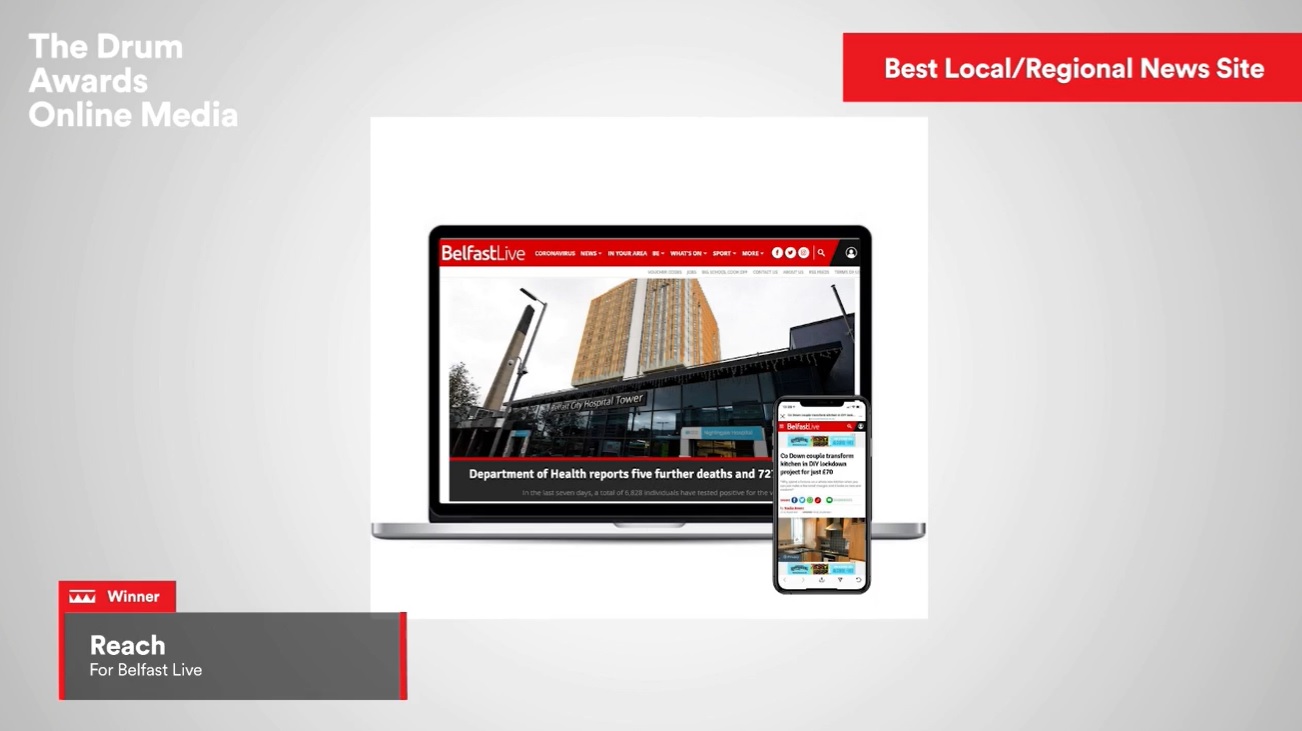
The Reach-owned website was the only Northern Ireland-based news brand shortlisted in this year’s awards which rewards original, clever and thought-provoking work across the best platforms in the UK.
The commercial team at Reach NI was also highly commended in the Commercial Campaign of the Year category for their work with Electric Ireland on the ‘Power of Pause’ campaign which was nominated alongside work by Channel 4, LADbible Group and Evening Standard.
Editor of Belfast Live, Ryan Smith, said: “This is a very proud moment for us and it’s brilliant to be recognised among major titles across the UK.
“More people than ever are choosing Belfast Live for their news, with the latest Comscore figures showing that it remains Northern Ireland’s most read commercial news website.
“We’re nothing without our readers, so a big thanks to them for continually choosing us.”
Mark Whyte, Brand Partnership Director at Reach, whose team worked on the commercial campaign said: “Power of Pause was an honour to work on and be part of and to see it highly commended in these awards makes it all the more rewarding.
“The mental health crisis in NI is well documented and given the year that 2020 turned out to be, helping to normalise conversation around mental health issues and provide wellbeing signposts was the core purpose of this campaign.
“I’d like to pay testament to our partners in Power of Pause, Electric Ireland, whose passion for making a difference in our communities is unwavering.”
Anne Smyth, who is Sponsorship Specialist at Electric Ireland added: “As a brand Electric Ireland cares deeply about issues that impact our customers and local communities in Northern Ireland and our hope when we started to work on Power of Pause with the Belfast Live team was that we would be able to create content that would inform and support people throughout Northern Ireland in the most difficult of times.
“We are delighted to be recognised for the work involved in Power of Pause and proud of this partnership.”
Other winners included ITV, Channel 4 and CNN. View the full list of winners here.
Based on data from a well-respected search engine optimization expert, the The Daily Mail’s parent company, Associated Newspapers, and its U.S. unit, Mail Media, might not have merit to defend their position when it comes to proving an antitrust lawsuit filed against Google on Tuesday.
The lawsuit alleges that Google punishes publishers in search rankings if they don’t sell enough advertising space through Google’s marketplace, but at least one SEO expert believes the site is just not optimized to rank at the top of Google search results.
Lea Scudamore, the SEO lead at agency Aimclear, gave dailymail.co.uk a grade of “F” for an overall performance due to issues including excessive network payloads, long initial server response time, with a fully loaded time of 45.2 seconds. Google PageSpeed Insights gives the site a score of 6 out of a possible 100.
“Ouch, no wonder these pages are not competitive for keywords,” Scudamore wrote in an email to Search & Performance Marketing Daily.
Here are additional stats:
Largest Contentful Paint (LCP) reports the render time of the largest image or text block visible within the viewport and should occur in 2.5 seconds.
First Input Delay (FID) measures the time from when a user first interacts with a page (click a link, a button, etc.) to the time when the browser is actually able to begin to process responses to interactions. A FID of less than 100 milliseconds is the goal.
Cumulative Layout Shift (CLS) that measures visual stability. Here is a link to the Google GIF that shows an example of CLS.
Visual stability means whether elements on the page shift in ways that users don’t expect and potentially interfere with their interactions. The goal is CLS less than .1.
“Popupsoffer users a poor user experience because they are annoying,” Scudamore explains. “The Daily Mail’s site is littered with ads that pop up.”
Some ads cover the content, making it difficult to read. She also explains that the pop-ups slow the loading of the page as the user scrolls, and pop-ups used inappropriately can trigger penalties from search engines.
For example, a pop-up surfaces on the home page of the site when going directly to the URL on a mobile device. In another instance, an ad for pizzas popped up over the headline on the home page and the section titled “today’s top videos” covered the text.
“When you try to click the X to close the video window to read the text, the focus is to the right of the X, so users are forced to another page they didn’t want to visit,” she wrote.
The site doesn’t follow basic SEO guidelines such as the length of URLs, meta titles, and descriptions.
According to Screaming Frog guidance:
URLs should be under 115 characters, 70% are over that length
Meta titles should be under 60 characters, 94% are over that length
Meta descriptions should be under 155 characters, 52% are over that length
SEOs would recommend that these elements be concise and the primary keyword be written to the left of the text.
“Overall, the site is cluttered and old-fashioned like the National Enquirer,” she wrote. “The Daily Mail’s competition is focused on users with clean-looking and fast loading sites and not how much stuff they can force on a page. The competitors are driving sports cars with clean lines and fast engines, The Daily Mail is driving an iron mining truck full of billboards.”
One of the most important, and neglected, skills in business: Valuing employees the way they’d like to be value
Most every manager knows the importance of recognizing their employees when they do good work. According to my research, some 80 percent of managers report they do this all the time. Yet when you ask their employees how much recognition they receive, only 12 percent (according to Maritz, Inc.) say they are recognized in meaningful ways where they work when they do a good job.
What this demonstrates is something I call the “knowing-doing” gap that is so common in companies I have researched and worked with over the last 25 years. Voltaire once observed that “Common sense is often not common practice” and nowhere is this more true than in valuing employees in ways they’d like to be valued.
In a large-based Internet survey I conducted, I found that personal praise and thanks is the #1 motivator reported by employees, 99+ percent of whom say it’s important for them to be thanked by their manager when they’ve done a good job. As Alan Mullany, the former CEO of Boeing and then Ford recently told me: “Everyone wants to contribute and everyone wants to be valued for their contribution. You don’t have to do that much. Just thank them, thank them all the time!”
Research on 65 workplace incentives by Dr. Gerald Graham, professor emeritus at Wichita State University, found 4 of the 5 top motivators to be relatively simple: personal praise (#1), written thanks (#2), public praise (#4) and morale-building meetings (#5). He concluded, “It appears that the techniques that have the greatest motivational impact are practiced the least even though they are easier and less expensive to use.”
Most managers, however, don’t do these things and instead feel that their employees only want more money. Yes, money is important (we all need to pay our bills), but once someone can meet their basic needs, their attention tends to turn to higher-order motivators such as purpose, being a part of something larger than oneself, being held in high esteem by one’s peers and leaders or challenging oneself to overcome obstacles and barriers to reach new heights at work.
Other things that cost little or no money have commonly been reported as top motivators by employees. For example, in employee segmentation research conducted by Dr. Rick Garlick, Vice President, Strategy Consultant for Magid, 8 percent of employees in organizations (a category he labelled “Upward Movers”) would like to be thanked for doing a good job by being given more responsibility. I’ve found that other non-tangible aspects are also important to employees: time with one’s manager, visibility, flexibility, autonomy, choice of working assignments, involvement in decisions, handling mistakes in a positive way, etc. Giving employees those things doesn’t require spending a dime.
Companies also need to STOP doing those things that demotivate workers. According to Maritz, 34 percent of employees report that the things their company does to recognize them and make them feel valued, actually demotivate them instead. Things like years-of-service awards, birthday parties, holiday celebrations, and so forth that mainly recognize presence, not performance, often helping to create a culture of entitlement.
Often such programs are set up with the best of intentions but along the way lose their lustre and often become a joke to employees. What good is having a service award for 5-, 10-, 15- and 20-year employee anniversaries when the average Millennial (the largest sector of today’s workforce) tenure is 1.8 years? Or a once-a-month, one-person quota for excellence when in reality you need EVERY employee to do their best EVERY day?? Companies need to stop doing things they’ve been doing since 1940 and instead find out what their employees most value and then give them those things when they perform in ways that meet or exceed your mutual goals.
Employee motivation is a moving target and the challenge is ongoing wherever you work. It is important to show your employees they are a priority to you through your actions so that they can have a better, more fulfilling and meaningful experience working for you and your company.