The invite-only, audio-based social network launched in April 2020 and now has over 10 million weekly active users. Here’s how participating in Clubhouse can boost your business’s sales.
By now, you’ve probably heard about Clubhouse—the invite-only, audio-based social network where users create or join “rooms” and have conversations about various topics.
Just like any social media platform, participating on Clubhouse can be a time waster, but it can also be helpful if you’re a small business. In fact, you can even get new business from it. The key is finding ways to offer value to clients in this new platform. Here are some real-life examples of businesses that have done just that.
Giving value first
Books ranging from The Bible to The Go-Giver tout the importance of giving first, receiving later. This strategy works in many areas of life, and in Clubhouse, as well.
“From participating in Clubhouse discussions, we were able to sell 15 LLCs and 3 corporations, which led to around $15,000 in sales for our firm,” says Zachary Hanby, client relations manager for Fisher Stone, P.C., a business and real estate law firm in Brooklyn, NY.
“Our business attorney, Greg Stone, and I joined Clubhouse and found groups that were interested in entrepreneurship, sales, business ideas, marketing and finance,” says Hanby. “We listened to the conversations, and then spoke to some of the points people were making, and were able to teach some people about business law in the U.S.” After giving business advice and value to the people listening, we would do a shameless plug of our free 15-minute consultation, he said.
Small business expert and Smart Hustle founder Ramon Ray says, “Consultants, coaches and speakers make money on Clubhouse by providing lots of value and then encouraging folks to direct message them to connect further.”
Ray shares that the connections he has made on Clubhouse led to the following sources of revenue: working with brands who pay him to host Clubhouse rooms and getting booked as a speaker, including at the Listening and Beyond Summit.
Personally, I believe that the most legitimate transactions are the ones that begin as legitimate social interactions.
James Surrey, founder and chief editor, Review Home Warranties
Hosting and moderating rooms in clubs
Terri Holley, of Spencerville, Maryland, is the founder of the Flip The Script After 50 Club on Clubhouse, and is the owner of Holley Creative, a digital marketing firm. In her club, she leads discussions about online marketing. She is also a regular co-moderator for three rooms, including one for Womxn in Business, one of the largest clubs on Clubhouse, that focus on helping current and soon to be entrepreneurs work through challenges and roadblocks.
This exposure has brought Holley new business in the areas of online marketing consulting and website design.
Englewood Cliffs, New Jersey-based dermatologist Naana Boakye, MD hosts the “Holistic Acne Specialists Hangout Club,” on Clubhouse. Each Friday at 2 p.m. experts discuss skincare, acne and beauty. Providing free, useful information has provided exposure for her business.
“I have gained several new patients through Clubhouse,” says Dr. Boakye.
Michele Bellisari, a realtor with Real Broker in Boca Raton, Florida, founded two clubs on Clubhouse: Club Real #REALTORLIFE and The South Florida Network | #SoooBoca. By leading and participating in conversations in these clubs and other clubs on the app, she has built relationships that have led to real estate referrals and listings.
Connecting through shared interests
“Personally, I believe that the most legitimate transactions are the ones that begin as legitimate social interactions,” says Raleigh, North Carolina-based James Surrey, founder and chief editor at Review Home Warranties, which examines the differences of each home warranty and assists clients who need guidance.
Surrey explains, “I spent some time in a gardening room at Clubhouse and introduced myself, and what I do. I mentioned how I reviewed home warranties as a living and did gardening on the side. I was delightfully surprised to get queries about home warranties. A lot of the people in that room (and there were around 60) were confused by the concept, and I told them to hit me up on email so I could write up a quote and get back to them soonest.”
To date, Surrey has successfully closed 16 deals and counting, all because of a shared love for gardening.
CO— aims to bring you inspiration from leading respected experts. However, before making any business decision, you should consult a professional who can advise you based on your individual situation.
Traditionally, brands advertised in the mediums of the day, namely print (newspapers and magazines), television and radio. While those mediums are still used today, the digital marketplace has opened up a multitude of new digital marketing opportunities, including:
Pay-Per-Click (PPC)
Search Engine Optimization (SEO)
Social Media Marketing
Content Marketing
Email Marketing
Influencer Marketing
Mobile Marketing
Viral Marketing
In this article we are going to take a close look at the 8 most popular digital marketing mediums, and tell you how they can be used to your advantage.
Pay-Per-Click (PPC)
Pay-per-click (PPC) is a digital advertising model that is used to drive traffic to websites. An advertiser typically pays a search engine (Google Ads, Amazon Advertising, or Microsoft Advertising) when the ad is clicked. You have likely seen PPC in action when you search for something on Google.
In the image above you can see the first two results of a search for “CRM platform” are ads. In fact, the first four results are PPC ads.
Brands bid on a chosen keyword or search phrase, which then puts the ad into one of four ad spaces offered by Google, for example. The cost per click (CPC) is based on the quality score of the site and the competition of the chosen keyword. Brands typically use the tools provided by Google Ads to determine their keywords and the CPC.
Nate Tsang, founder and CEO at WallStreetZen, a stock market analysis service provider, said that pay-per-click marketing can be a very powerful digital marketing strategy when it is done by those who truly understand the practice. “You should only do this strategy if you are familiar with it or hire someone who is an expert in this field. Doing it on your own without the proper knowledge can be a waste of money,” said Tsang. “I have seen many brands waste thousands on pay-per-click campaigns because they are leading them to the wrong webpage or not being specific on what the visitor must do on the page. A successful PPC campaign must have a great and straightforward landing page so you can convert your visitors and not waste your budget.”
Search Engine Optimization (SEO)
Search Engine Optimization (SEO) is the art, as it were, of optimizing a website so that when a potential customer searches via Google, or to a lesser degree, Bing or other search engines, the web page will show up at the top of the search engine results pages (SERP). If a brand sells monitor speakers for recording artists, and they have a local store in Cleveland, Ohio, then SEO could be used to bring the website up in the listings by using appropriate keywords throughout the website, in the titles of the pages, in the meta keyword and description tags, and in the various headers throughout the page or site.
This is not to say that the site or page should be keyword spammed, that is, stuffed with keywords without relevant content. Content is still king, and long gone are the days when black hat SEO tactics can be effectively used. Tactics today should include backlinks to the site from all of the brand’s social media presences, and web pages should include relevant content. Content can be created about the topic, as in our example, a page that discusses the various types of monitor speakers and their use, with links to the various monitor speakers the brand sells scattered throughout the page (this is Content Marketing, which we will also discuss). Keyword and Description meta tags are still used, but content relevance is more important today. Also, especially for localized businesses, having a Google business page, which puts a brand on Google Maps, as well as a Yelp business page, will help to pull a brand up to the top of the listings.
Below the PPC ads are the organic (non-paid) results, which also include the “People also ask” section, which features pages in which a specific question is answered by the content of the page (search engine gold — this tactic is heavily used by SEO marketers).
PHOTO: CMSWire
Often, SEO is done through a third-party company that specializes in SEO, rather than an in-house SEO team or the marketing department. SEO used to be fairly simple, but continual changes in Google’s algorithms have made it more of a precise practice that involves specialization.
Ian Sells is founder and CEO of RebateKey, an online rebate provider, and like many marketers we spoke with, SEO is at the top of his list, because if customers cannot find your website, no business can occur. With so many websites out there on every possible topic, it’s challenging to get on top of the search engine results pages. “Being on top of SERPs, that is, being on page one, gives you a lot more traffic since your site gets seen by more eyes. The advantage of this is, while it takes a lot more effort initially, once your site gains the momentum, you don’t have to spend so much on it, unlike in ads where you have to continuously spend,” explained Sells.
Social Media Marketing
As one would imagine, social media marketing is when brands use their social presences, such as Facebook, Instagram, LinkedIn, or Twitter, among others, to target their customers. This is accomplished through targeted marketing ad campaigns, “like” campaigns, and posts offering special offers and discounts. Detailed demographic information about gender, ages, locations, times on the site, and more can be used to target specific demographics and groups of people.
“This is actually very powerful since a lot of people are on social media. We’re actually revamping our Instagram strategies as well as our Facebook strategies because we’re seeing the potential of the traffic they bring to our site,” said Sells. “The disadvantage of social media marketing is, sometimes, the engagement stays there. That’s totally useless, if your conversions happen on your site. So you have to make the effort to bring the traffic from your social media handles to your site.”
Content Marketing
We briefly discussed content marketing in the SEO section of this article, when we spoke about creating pages that do not directly sell products or services, but provide information and details about specific subjects that are related to the products or services a brand sells. By providing relevant content that appeals to a brand’s target audience, brands can attract customers to their website, and this content also helps improve SEO for the website.
“Content marketing is broad. In our case, we use several kinds of videos on YouTube, primarily informative ones,” said Sells. “These are helpful to increase awareness about your brand and help people who are interested to get to know your brand, product, or service even more. Sometimes, just a little explanation is enough to convince people to try your service.”
Brad Touesnard, founder and CEO of SpinupWP, a cloud-based server control panel designed for WordPress and he can attest that the right content can be a gamechanger. “We are in the server industry and our most popular blog post compares five of the top server providers. Our experts ran tests on each provider and we shared our results in our blog post. The blog post generated a lot of interest from industry professionals who were eager to see our data,” Touesnard said. “Currently this blog post generates 23.4% of the total search engine traffic to our site and ranks on the first place of Google’s search results for its primary keyword.”
Email Marketing
While many marketers might believe that email is a dying marketing channel, the opposite is true — email marketing is still one of the most effective channels a brand can use. This really shouldn’t be surprising, given the number of email users worldwide. According to a report from Statista, in 2020, approximately 306 billion emails were sent and received each day, with 3.9 billion people using email every day. That’s half the global population! Marketers should take note that according to the DMA Marketer Email Tracker, for every dollar that’s spent on email marketing, the average expected ROI is $42.
Unlike other marketing channels, marketing emails are only sent to those customers who have given permission for the brand to do so — which means they are actually interested in what brands are offering, unlike ads on social media where they do not have a choice but to see ads.
Typically, marketers use email marketing software which allows them to automate the process, send personalized emails, and often includes performance optimization and analytics functionality. By tracking key performance metrics, brands are able to determine which email marketing campaigns are effective, and which ones are not.
Influencer Marketing
Influencer marketing is still relatively new, and relies on people who have gained a following on social media either for being entertaining, informative, or being an expert in their field. Influencers typically promote themselves through blogs, videos, and social media posts. Brands look for influencers that are connected to their customers in some way. Perhaps the influencer has a cooking show on YouTube, such as Sam the Cooking Guy. Not only does he sell his own line of cooking utensils and books, but he is sponsored by Catalina Offshore Products and Lars Remodeling and Design. In the case of Sam the Cooking Guy, these two brands recognized that Sam, who has 2.93 million YouTube subscribers, reaches many people who are likely to be interested in their products or services.
“Majority of the videos we have on YouTube by other people are not sponsored. A lot of sellers and buyers really enjoy our products. And to be honest, this is really more powerful than paid ones. People trust other people’s reviews. Videos from influencers or at least people with a following are also helpful. If influencers say your product or service is cool, people who are following them are more likely to try your product primarily because the influencer said so,” explained Sells.
Dave Herman, president of EZ Surety Bonds, told CMSWire that thanks to the constantly changing digital landscape, there are many different types of digital marketing to take advantage of, but not all of them are appropriate or effective for every business. “Influencer marketing is becoming increasingly popular these days as more and more people gain fame and recognition on social media platforms. This is why a lot of businesses are taking advantage of it. While it really helped many brands grow, not every business can get the growth they need from this type of marketing. It is also not as easy as most people think it is. You need to research the right influencer that will represent your brand and ensure that they get the engagement you need to market your products or services.”
Mobile Marketing
It makes sense for marketers to focus on mobile marketing, given the vast number of mobile users. A report on mobile usage from Statista indicated that in the third quarter of 2020, mobile devices accounted for 50.81% of global website traffic. With those kinds of statistics, it’s pretty obvious that mobile marketing can be used to reach millions of customers.
Seth Lytton is chief operating officer at The Detroit Bureau, an automotive industry news publication, thinks mobile is a big opportunity for marketers. “Millions use their phones every hour. Mobile marketing gives you access to millions at once, and many customers have their phones with them at multiple times during the day. You can accurately determine your audience with mobile marketing,” said Lytton.
That said, as Lytton explained, brands must be careful not to overuse mobile marketing, at the risk of losing their customers completely. “On the other hand, many find ads annoying on their phones,” said Lytton. “Some people go out of their way to avoid some advertisements by using ad blockers, and more still get so annoyed with advertisements that they may blacklist the company entirely.”
Viral Marketing
Viral marketing typically relies on social media networks, but unlike social media marketing, the marketing is done by customers themselves, as they spread information on various social media networks about a product, service, or brand with other people. Marketing is thought to be “viral” when it reaches the point where it’s being shared by the general public, not just the brand’s target audience.
An example of viral marketing is memes, which may include funny text written above an image. Crazy Nate created a meme that features the character Nemo swimming in the ocean, next to a box of McDonald’s fries, with the words “Watching Finding Nemo; Why I Want McDonalds” superimposed on the image. McDonalds obviously had no part in the creation of this meme, but one can be fairly certain that they definitely do not mind that it went viral.
Brands such as Wendy’s, Dennies, and McDonalds will often create funny, light-hearted videos, Tweets, or memes themselves, and post them on social media such as Twitter, YouTube, Facebook, Instagram, TikTok, and other sites. They will then be shared by people who found them to be humorous, and those they shared them with will also share them with others, causing the video or meme to go viral. Here is an example of a Tweet from Wendy’s roasting McDonalds:
Keep in mind that viral marketing is never a certainty — one cannot force something to go viral. Either it goes viral, or it doesn’t. Whatever the case, social listening should be used to monitor mentions of the brand on social media.
Final Thoughts
As you can see, there are many digital marketing strategies that are available to market a brand. Brands are able to take advantage of their social media presences, and use influencers to spread their message, or they can use the more traditional email marketing and content marketing techniques. PPC and SEO are still extremely useful marketing strategies, and mobile marketing has never played as large a role as it does today. Using a combination of these strategies, digital marketers are able to promote a brand’s products and services, and turn leads into customers.
Social media ROI is one of the most important key performance indicators (KPIs) in marketing. It is often expressed as a percentage. KPIs allow you to compare and contrast different marketing channels to determine the effectiveness and efficiency of each channel.
Unlike measurements such as likes or shares, which are specific to social media, you can easily compare the ROI of all your social networks to that of your search engine advertising or email campaigns. This is because analysing your ROI across various channels allows you to rationalize the impact of all your marketing efforts with one clear concise single measurement. This analysis helps you identify immediately which social networks are most profitable as well as cost-effective for your business.
How do you measure customer engagement on social media?
Engagement is often considered to be one of the most valuable metrics for measuring lead generation on social media. However, you need to consider a multitude of factors when it comes to customer engagement. For example, are you addressing the right audience, how will your audience interact with your brand, and what does your audience do to engage with your brand and spread your content? A large follower base and many quality posts mean nothing if users are not genuinely interested in what you are offering.
To measure engagement, you need to measure user reactions. The reality of modern social media is that people see a lot of news and fresh content every day. If a consumer is interested in a piece of content, they will take a moment to comment on or like a post. Customer engagement on social media is a one-time thing. In effect, it shows that the user is interested in your brand’s publication in a well-filled community.
Measuring customer engagement
Retweets, likes, bookmarks and time spent watching your stories or videos can be monitored in real-time. To do this, you need to use social analytics software and web tools. You can also measure customer engagement using a specific formula: customer engagement = (amount of interactions/reach of posts) x 100.
Measuring negative customer engagement
Negative feedback is another form of customer engagement. You can know how a customer feels about your company, even with a negative comment. By taking the time to express themselves, the consumer is in a way showing that they expect a correction, which in turn can improve their experience.
How to measure the success of social media marketing?
As stated above, KPIs help in your company’s decision-making process. There are a few indicators that will be discussed in turn below. Each indicator should be monitored according to the objectives you have set yourself. For ease, we will group them into four sub-categories.
Reach
The reach metric lets you know how far your content reaches in terms of audience. In other words, it is an indication of the number of people who have seen your publication once. However, using reach as a metric for success should be done with caution. This is because the reach metric is often an estimated figure. However, the benefit of this is that it allows you to quantify the size of your potential audience. For example, a reach of 10,000 means that 10,000 people will see your publication at least once in their news feed.
Impressions
The impressions metric should be distinguished from reach. It corresponds to the number of times your publication has appeared on the screen. This content can be seen several times by the same person. For example, if your reach is 1,000 as in the previous example and the number of impressions is 10,000, it could be assumed that users have seen the publication 10 times.
Mentions
Mentions are the number of times your content has been mentioned by a person or influencer. This is one way to reach more people. Being mentioned often can mean that your content is liked for its quality. For example, when a person or influencer mentions you in a post or shares your content, they use the @personname feature. You will receive a notification that they have mentioned you.
Community
This indicator corresponds to your number of subscribers. You can follow its evolution. Its increase or decrease should be closely observed as it is directly correlated to the quality of your content. This indicator also allows you to learn more about the profile of your community (for example, their gender, age or location).
To measure the reach of your posts, impressions, mentions and your community, you can use social media tools such as Facebook Insights, Instagram Insights and Twitter Analytics. Each platform has its specificities. For example, with LinkedIn Demographics, you can learn more about the professional characteristics of your site visitors. Facebook Insights will allow you to know the hours of activity of your community.
There are alternatives to the integrated tools for knowing the results of your actions on social networks. This is the case of tools such as Hootsuite or CX Social, to name but a few.
How do I optimize content for social media marketing?
Ensuring an effective presence on social networks is a marketing challenge for all companies. Global login statistics show that potential customers are online more than elsewhere. This means that companies need to get involved in digital, which is now at the heart of marketing strategies.
Methods for social media and optimizing your marketing strategy
While all companies are now present on social media, not all have the same results. Information with high added value for internet users is needed, but the publication medium plays an equally important role. Even when communicating about your products, the approach must be designed to arouse the curiosity of the user.
Adjusting your brand to your audience
On social networks, you must adjust to the sensitivities of your community, depending on the medium on which you are communicating. As a rule, long texts are not welcome. The preferred format on social networks is images and videos, which may explain the growing success of TikTok and Instagram Reels.
When should I post on social media?
The timing, frequency and target audience of each post should be carefully considered.
Some platforms help you to automate your communication on social networks. From one interface you can control all your social media pages, plan and schedule up-to-the-minute posts, and analyse your marketing strategy.
One of the main advantages of such a tool is of course the possibility to synchronize your posts on all social networks. In addition, you can track your audience in real-time to measure and analyse the reach of each action.
Communicating on social networks to make money is a more demanding and complicated process than you might think. Having innovative tools at your disposal to automate and professionalize this communication can only help the company to achieve its objectives.
Conclusion
In conclusion, when approaching your social media strategy, it’s important that when considering all of the factors mentioned above that they are always considered in light of your brand’s marketing KPIs to determine the success of your campaigns.
50% of people are more interested in a brand when they see its ads on Instagram. Take advantage of it!
If you have a company or want to boost your personal brand, using Instagram can be the difference between having more or less presence and above all, sales. In Mexico alone, a potential ad viewing of 32 million people is reported .
50% of people are more interested in a brand when they see its ads on Instagram and 90% of users follow at least one business, which shows the potential of this social network. If you want to promote Instagram in favour of your business, I share 15 keys that will make your company grow, will make you known and will increase your sales in the long run.
1. Create ads. Ads on Instagram really reach those people who have already visited similar pages or who have a real interest in products and services like yours, so don’t hesitate to use them.
2. Make the most of local reach. If you have a local business, Instagram allows you to reach people who are nearby through ads, you just need to optimize them correctly and set a perimeter around your location. Optimize and attract those interested in similar products or services.
3. Make sure your account is a business one. Do not miss the wide variety of free tools that the social network makes available to businesses, such as the possibility of accessing traffic statistics or generating ads. Set up your account to be a company account and take advantage of them.
4. Make an unforgettable profile description. Create a phrase that reaches your customer’s heart, always giving priority to the benefit that your consumers will obtain from buying from you and the use of keywords relevant to them. Also, use emojis and include your website address.
5. Capture new leads. Do it through an exchange: in the web link of the profile offer some digital asset, be it an e-book, free course, video or tutorial in exchange for the name and email. This list of leads that you will create is ground gold to create a long-term relationship of trust with them.
Optimize and attract those interested in similar products or services / Image: Depositphotos.com
6. Use #hashtags. They work as bookmarks to find specific content, as well as being a way to stay on top of topics of interest. So look for relevant hashtags and use them in your posts. This way, new potential clients will find you organically.
7. Answer your clients. This, in addition to increasing their interaction, will help you learn what they are looking for and how you can satisfy them.
8. Post a good profile picture. If you are looking to enhance your personal brand, use a professional photo of yourself and if you have a logo, use it. The objective is that among thousands of accounts, your clients begin to relate your profile image to your brand.
9. Take advantage of statistics. Every good strategy requires a measurement of results, so take advantage of the statistics that Instagram offers you for free. So you can know the age, interests and location of whoever follows you. This is key information for when you make announcements.
10. Use the stories. While 86% of users use this functionality, only 36% of companies use it. Use them and if you have more than 10 thousand followers, direct them to a website, you will make them visit you and buy from you organically.
11. Generate video content. It is advisable to create between one and two videos per week of at least 30 minutes each. Use them for IGTV and cut them to offer them for 10 minute instalments on your profile.
12. Question your followers. Create posts that invite questions to be answered in the comments. With this, while you get to know your customers more, your publications will have a good reach because the Instagram algorithm will favour this type of content.
13. Make live videos. The algorithm also benefits this type of content, plus it is proven that people like and share it, so take advantage of it!
14. Use Creator Studio. It is Instagram’s own platform that brings together all the tools to effectively publish, manage, monetize and measure the content of your account. Get organized with her and once a month schedule the publications for the next 30 days, so you will optimize your time.
15. Be consistent and persistent. Post daily or at least twice a week. Take care to start with good momentum and maintain it, it is the key to success. Do not despair that you will constantly see your account grow.
Email isn’t going anywhere, and it cannot be ignored.
Millions of consumers worldwide use email and its use continues to increase throughout the years. Email is one of the most popular communication channels, and the majority of emails sent daily are business related.
Think of how many emails you receive on a daily and weekly basis — they consume a large part of our life. From notifications to paperless billing — we rely heavily on emails every single day.
Email marketing has continued to be one of the most effective ways for a business to market to its customers. Email is personal and the open rates put your message in front of its intended recipients more than any other channel.
Email isn’t going anywhere, and while SMS marketing may be experiencing industry-high open rates, specifically in the e-commerce industry, email cannot be ignored. Here is why brands need to be all-in on email marketing.
More customizable and personal than social media
E-commerce brands, especially direct-to-consumer brands, love social media. While social media offers a great platform to market to your customers, it isn’t highly customizable or personal.
If a brand has 100,000 followers on Instagram, for example, every Post or Story is broadcast to that entire audience. What if a D2C apparel brand has both men’s and women’s lines? A post highlighting the women’s spring collection is going to be seen by all followers — male and female.
Email, however, allows an e-commerce brand to segment its list based on data. An apparel brand can have a main list that includes all customers, and then segment that into lists according to purchase behaviour.
Sending an email announcing a new women’s line to customers that have previously purchased women’s apparel is going to perform much better than an offer broadcast to the entire list. The same applies to men’s drops.
Email personalization also helps to create a stronger relationship. A post on social media feels generic, whereas an email addressed to the recipient feels more personal.
Highly measurable data
When you take all of the data available to you and break it down, you can make incredible improvements in your future email deployments. You can further segment your list, identifying your best customers and you can also use data to determine the best days of the week and time of day to send messages.
Numbers don’t lie, and when you take the time to analyse your email data, you will find new opportunities and optimize them to improve your overall results. For example, you might find that general newsletters have a significantly higher open rate on Tuesday afternoon, while special offers convert better on Friday mornings.
Access to this data also allows you to send dynamic content within your emails, tailored to each recipient. When you place an offer for a product they were recently viewing on your website in front of them, they are more likely to convert than they would be if it was just a generic blanket offer designed to appeal to the masses.
Consumers have instant access to their email via mobile devices
Mobile devices have the majority of consumers’ email at the tip of their fingers. You don’t have to wait for them to get home or to login to their email on a desktop or laptop. They are notified as soon as that email hits their device.
Whether or not they open your email immediately depends on several factors. If they are busy, they are going to ignore their email until they have time to dive in. A strong Call to Action in the email subject, however, can potentially get your emails opened very quickly.
Most consumers are glued to their mobile phones all day and all night — from the morning when they wake up until it’s time to go to sleep. Even while working or preoccupied, most will at least glance at their notifications.
Email gives you instant access to the majority of your customer base. Remember, you aren’t the only brand vying for their attention. Strong email subjects to draw high click-through rates are important, as is conveying your message within the first few sentences.
The right offer can trigger an immediate action, which is the beauty of email marketing. A consumer could have no intention of making a purchase, but they become intrigued with your offer, and the next thing they know, their credit card is out and they are completing a transaction on your website from their mobile device.
Cost-effective
Online marketing costs are skyrocketing for e-commerce brands. Facebook ads are becoming increasingly popular, therefore driving costs so high that it’s forcing many brands to look for additional channels that provide a more affordable acquisition cost.
Email is hands-down the most cost-effective, as the hard costs to deploy messages are minimal. Customer emails are collected when they make a purchase and via opt-ins on-site. While there is a cost associated with every email address added to a list, that is a one-time cost.
That email list turns into an asset that becomes more valuable as it grows. Large e-commerce brands can send email marketing offers weekly or bi-weekly and generate a substantial amount of revenue each time without the customer acquisition costs that come with Google Ads and Facebook ads.
We all know that brands and companies don’t quite play with their cards open. And while we can only suspect what happens behind their tightly shut doors, TikToker Selena Wright, @selenawrightcreative, has a lot to say on the matter. In fact, she has made a whole series of videos listing the craziest marketing facts that have amassed hundreds of thousands of views.
The social media manager from New Zealand covers anything marketing-related, from failures our fave brands can’t afford to make but they did to smart design strategies, smart trickeries, and clever product inventions.
Selena’s selection of facts reveals a whole new world of marketing we didn’t know, where every tiny detail has its purpose, and where brands fight in an ongoing Mortal Kombat to get our attention. Let’s read Bored Panda’s interview with the author of these videos right below!
We reached out to Selena Wright, a freelance photographer and social media manager from New Zealand who loves all things creative. “I work with brands to create custom content and get their socials looking perfectly unique to their brand,” she said and added: “I am a self-taught photographer that began shooting on my Mum’s DSLR years ago and went from there.”
#2
In 2012 Dunkin Donuts released a marketing campaign in Seoul, Korea where scent spray devices on buses would release the aroma of warm coffee when triggered by the sound of Dunkin Donuts radio jingle. The marketing campaign reached more than 350,000 people and sales by bus stops increased by 29%.
#3
In 2008 Shreddies launched a marketing campaign launching their new “Diamond Shreddies”. The company was pretty open about the fact that this was basically a joke since they had just just rotated the image of the square Shreddies and it that it was more about getting people talking about Shreddies again. It seems pretty successful as they got an 18% rise in sales.
#4
The T-shirt was invented in 1904 and marketed to bachelors that couldn’t sew or replace buttons.
When asked how she got an idea for her ‘Crazy Marketing Facts’ series, Selena said it was inspired by “a similar series she saw many other creators doing about different things you can do on Canva. I liked the idea of teaching in my own niche while adding a little entertainment value as well.”
And it’s specifically the creative side of things that got the TikToker interested in the marketing industry. “Paid advertising has its place but I really enjoy creating and engaging with high-quality content that tells a story and has a lot of character for brands,” she said.
#5
Joanne Rowling, better known as J.K. Rowling, doesn’t have a middle name according to her birth certificate. The decision to use initials on her book covers was designed so it was more acceptable for the boys to read, who were less likely to read a book written by a women.
#6
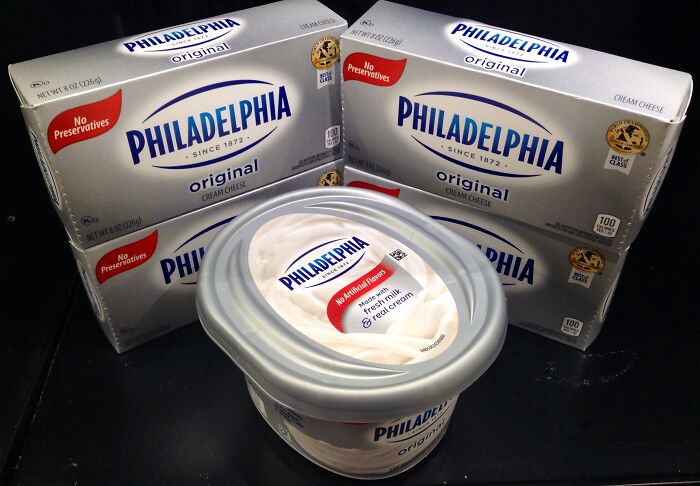
Philadelphia cream cheese was invented in New York, and was never produced in Philadelphia. In the 1880s it was known as a marketing trick, because Philadelphia was known for high quality dairy products.
#7
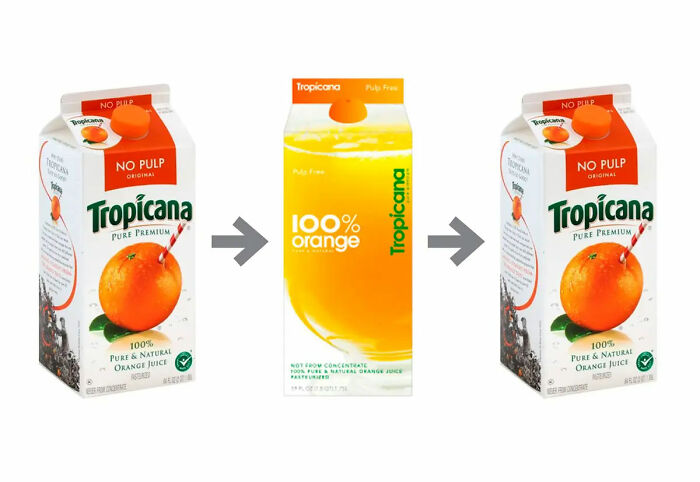
In 2009 Tropicana invested $35 million to change the packaging of their Orange Juice. Within 2 months their sales dropped by 20% and they lost significant market share. So they switched back to the old packaging. The failed marketing campaign cost them over $50 million!
From the marketing facts Selena has posted so far, the fact that she finds the most fascinating is that “Blackberry paid actresses to flirt with men in bars to promote their phones by ladies getting men’s phone numbers and showing off their Blackberries when they saved them.”
#8
In 2011 Jell-O monitored the amount of smiley faces and frowny faces posted on Twitter. When the national average for smiley faces was below 51% Jell-O would release discount coupons for those who had recently tweeted frowny faces.
#9
There’s a rumour that BlackBerry hired actresses to flirt with men in bars in order to push Blackberries on the public. Referred to as stealth marketing, so they would go to bars to get phone numbers and them to put their numbers in their Blackberries, trying to show off how cool they were.
And as for Selena’s plans for the future, the social media manager said that she has “a big passion project announcement coming soon that will be documented all over my social media and TikTok,” so keep your eyes out! Also, be sure to check out her awesome photography work right here.
#10
Before mass marketing of tobacco, doctors considered lung cancer a rare disease. The amount that large tobacco companies spend per HOUR has reached $940,000.
Justin is a photo editor at Bored Panda. He was fascinated with visual arts and arts in general for as long as he can remember. He was obsessed with playing and making music in his teens. After finishing high school, he took a gap year to work odd jobs and try to figure out what he wanted to do next. Finally, around 2016, he started learning how to use Photoshop and hasn’t stopped since. He started working as a visual advertisement producer in 2017 and worked there for almost two years. In his spare time, he creates graphic collages and even had his first artwork exhibition at “Devilstone”.
In an age where all B2B marketing is digital yet very little of it actually works, it’s tough to know whose advice you can trust. Perhaps the first clue is when they acknowledge, up front, just how ineffective most marketing really is.
Alex Boyd, founder and CEO of RevenueZen, isn’t shy about sharing what most B2B marketers get wrong about SEO and LinkedIn. But he’s hesitant to give advice without first understanding the context and nuance of a particular situation, which is usually a sign someone has earned their chops.
I recently caught up with Boyd to hear his thoughts on SEO strategy, demand gen philosophy, LinkedIn spam, and why, at the end of the day, a simple phone call can go a long way.
This interview has been lightly edited for clarity and length.
Kevin Kruse: What have you seen change or shift in marketing and demand generation in the last several years?
Alex Boyd: Anything “mass” has decreased in effectiveness as well as anything easy to measure with a low barrier to entry. Those types of activities have less value because everyone presses the buttons that are easy to press, like sending a lot of emails and running a lot of very general ads. When you think about what marketers need to do to justify their tactics, it’s usually putting up big numbers on a dashboard to show to the CEO who doesn’t always “get it.” And so the easier something is to measure and show on that dashboard, the more marketers will do it, even if the channel is saturated and the leads aren’t converting.
Kruse: What’s a common misconception people have about demand generation?
Boyd: A lot of people think all leads are created equal, but they’re not. How you got that lead in the first place is so important. On paper, a lead is an object in a CRM with an email address. But how would a salesperson define a “lead”? It’s somebody who’s gotten more interested in your product than they were before. The person who says, “I saw your CEO in that great Forbes article and I have a few friends that use your company. I’m ready to sign,” is a lead. But, to many marketers, so is the person who entered their email address just to download a checklist and always dodges your calls when you follow up. Those two leads are not equal. Demand generation isn’t about the quantity of leads. It’s focusing on how the lead got to your company, and whether or not the environment in which they arrived warmed them up to what you sell.
Kruse: In general, what’s working in B2B marketing, assuming “working” means generating a lead that comes to you in the right way and with some interest to potentially buy?
Boyd: You already know it depends, but I’ll share what I’m seeing: first, founder-driven, brand marketing—meaning sharing the perspective of what the leadership team believes in a personal, organic way. LinkedIn is a good example, but this could also look like the CEO giving a fireside chat, or speaking at an event. People want to know what the people behind the product believe because that tells them more than a list of features. The feature list is static, but what the founders and leadership team believe is dynamic—it tells you about the future and where the company is headed. CEOs shouldn’t fool themselves into thinking that managing their social media accounts is “below them”: many prominent CxOs of tech unicorns are very active on social.
Secondly, organic search still has a lot of potential. Most SEO is still done quite badly, even by experts. The biggest thing that Software-as-a-Service companies in particular get wrong about SEO is they think they need to optimize for people searching for exactly what they do. That’s table stakes. What the SaaS companies who see massive growth through organic search do is they compete for the attention of their buyer. It’s not a game of what your product does, it’s a game of attention. And if you get in front of people and put your name, brand and insights in front of them while they’re looking for related content and they happen to encounter your product that way, you’re going to show them a new way of doing things. And that’s the core of SaaS marketing: showing someone a new way of doing things.
Kruse: Do you have a real-world example of how that kind of attention-grabbing SEO works?
Boyd: One of the best ways of doing SEO at first is to talk about the basics. Most companies will create a blog for announcements and news, but nobody is searching for your company. So why not rank for keywords they’re already searching for? A company called lightyear.ai is a great example. They’re a marketplace for IT and networking solutions—kind of like a kayak.com for IT. They don’t assume that people are searching for “IT product marketplace”, because they’re not. They rank for things that people search for to educate themselves on how to buy IT. It’s a subtle shift in thinking: when you’re a small start-up, your new idea is not the centre of your prospects’ universe.
Kruse: How should you approach SEO if you’re trying to sell something new?
Boyd: When you’re selling a brand-new product, the way you do SEO should change. Nobody is searching for your unique new product category – yet. If you sell something new, you need to rank for things that are related to what you do but aren’t your product. If you’re building an AI to help recruiters sort through resumes, you don’t want to rank for “AI resume screener”, you want to write about the Top 10 Ways to Screen Candidates, or How To Write An Amazing EEO Statement. Once your company is larger, this game changes and you then want to focus on people who are already looking for exactly what you do.
Kruse: You’ve been creating a new product for LinkedIn. Tell me about that.
Boyd: The way that people engage on LinkedIn has been broken for a long time. A lot of people see relationship-building as transactional: “I liked your posts, please take a meeting.” There’s a feeling of entitlement. That needs to change.
The right way to engage on LinkedIn involves writing good content, engaging with others, networking, and actually building community. Our product shows you which of your target accounts are talking to your competitors, customers and strong connections. And it tells you exactly which important conversations to take part in. The whole point of our product – Aware – is to give people the ability to send a LOW volume of hyper-targeted messages that have 60%+ conversion rate: unheard of.
Kruse: What’s one piece of advice you’d like to leave marketers with?
Boyd: Don’t be afraid to get your hands dirty. Tech marketers spend so much time geeking out on growth-hacking funnel jockeying, but sometimes you just need to pick up the phone and call a prospect instead of waiting around for an answer. I think we need to spend more time building relationships with people, which sometimes means just calling them up.
Feature Image Credit: Founder of RevenueZen: Alex Boyd
Compare the strengths and weaknesses of each platform to help you decide between Wix vs. Squarespace vs. WordPress.
If you’re looking for an e-commerce platform to launch a small business website, Wix, Squarespace, and WordPress are names that rise to the top of any search. Each is a multipurpose platform that supports various online pursuits, from blogging, ecommerce sales, and online bookings, to event tickets, music and photography sales, and more.
Where these top website platforms differ is in their ease of use, control over design, overall functionality, and expandability. We’ll dive into the specifics below, but let’s start with the highlights of each.
Wix vs. Squarespace vs. WordPress: At-a-glance
Wix
Squarespace
WordPress
Best for
Beginners and basic online sales needs
Image-driven brands, influencers, and online sellers
Growth-oriented online brands, bloggers, and ecommerce businesses
Basic pricing
Free to $39/month
$16 to $26/month
From $3.95/month
Ecommerce pricing
$23 to $49/month
$30 to $46/month
From $6.95/month
Ease of use
Easiest option
Easy to moderate
Moderate to difficult
Design options
500+ free customizable templates
40+ free customizable templates
1000s free and paid themes
Blogging features
Basic
Moderate
Unlimited
Sales functionality
Products and services
Products, services, and memberships
Unlimited
Customer service
Help center, email, and phone
Help center, email, and live chat
Online tutorials and forums
Wix vs. Squarespace vs. WordPress: In-depth review
Clearly, there are similarities and differences between these top-rated website platforms. Once you understand the strengths and weaknesses of each and compare those to your needs, choosing between Wix vs. Squarespace vs. WordPress isn’t difficult. Below, we explore each in-depth to help you find the best fit for your unique small business website needs.
Wix: The basics
Wix is an ideal platform for anyone new to website building and in need of a simple, economical, and functional promotional website or online store. Of the three, only Wix offers a completely free plan, however, the free site displays Wix’s network ads and doesn’t support a unique domain name. For a fully branded website, you’ll need a paid plan.
Wix delivers an incredibly user-friendly turnkey solution with website hosting, design templates, and website functionality—like ecommerce and other online sales features—all in one tidy package. Where Wix falls short of the others is in design versatility. While you have many customization features within the template you select, once you publish your website, you can’t swap it over to a completely new look.
Wix: Pricing
Wix separates its pricing into “Website” and “Business & Ecommerce” plans. It does offer a very basic free plan, but any serious branded service website, blogger, or online business will want the ad-free, custom-domain features available with Wix’s paid website plans. You can seamlessly upgrade your free or lower-level Wix website to a higher plan at any time to extend functionality.
You can toggle between Wix’s “Website” and “Business & Ecommerce” plans to compare features and pricing. Image source: Wix.
Wix’s “Website” plans range from $13 to $39 per month and suit the blogger or promotional website builder. Features such as website analytics, SEO, and video increase with plan pricing, but none of the “Website” plans supports online sales or accepting payments online.
To sell anything online using Wix, you need a “Business & Ecommerce” plan, and these range from $23 to $49 per month. These plans enable online payments for all types of ecommerce functionality, including product sales, digital downloads, and event tickets. Recurring payments for membership and subscription sales require Wix Payments, Stripe, or PayPal as your payment solution.
Your Wix website’s address—also called a domain name or URL— is free for your first year with any paid plan. After that, Wix charges you $14.95 per year for your domain. You might save by registering your domain elsewhere, like GoDaddy, Google, or Bluehost, and connecting it to your Wix website. However, Wix’s domain cost is competitive, and handling everything within one platform is simple and convenient.
Wix: Ease of use and design options
The biggest challenge that most new website owners face is making their website functional and visually appealing. Here, Wix has you covered in both respects. Wix offers over 500 plug-and-play mobile-friendly website design themes that you can customize using simple drag-and-drop tools.
With over 500 website templates and many for specialty needs, Wix delivers design options for any online pursuit. Image source: Wix
Wix also provides design themes geared for specialty websites such as event promotion and ticket sales, restaurants, real estate, online stores, music portals, salons, and the list goes on. In short, Wix lets you build a website that looks and works the way you want it to.
However, once you publish your Wix website, you can’t easily change to another theme. Here, Wix differs from most modern website builders. Its competitors, including Squarespace and WordPress, let you quickly change your entire look by swapping themes. With Wix, you can edit elements of your website using built-in design tools; but to update your look entirely, you need to rebuild your website within a new Wix theme.
Wix: Features and functionality
Wix offers a sound set of promotional and online selling features that suit many small business needs. All paid plans include a custom domain name for branding and a professional email address. You also get built-in search engine optimization (SEO), chat, and analytics tools, along with social media link icons and email marketing tools.
Wix ecommerce plans support online bookings and prepaid services, event tickets, music streaming and downloads, physical product sales, and photography and art sales. Wix doesn’t offer built-in membership and subscription sales, but there are some third-party apps that you can connect to expand your sales functionality.
Blogging tools are built into every Wix plan as well. However, its blogging features are basic compared to both Squarespace and WordPress. You can manage multiple authors and contributors, but content-focused brands that manage hundreds of blog posts might find Wix’s single-tier category structure and menu options too simplistic.
Squarespace overview
Like Wix, Squarespace delivers an all-in-one website builder platform that supports promotional, blogging, and online sales functionality. Squarespace is also extremely user-friendly and you can build and launch a beautifully branded website in just a few hours. However, unlike Wix, Squarespace doesn’t offer a free plan. In fact, with a starting price of $16 per month, it can be the most expensive of the Wix vs. Squarespace vs. WordPress matchup.
Squarespace’s blogging features are more robust than Wix’s offering, but WordPress is the recognized leader for blogging and content-focused websites. Squarespace provides fewer design templates than the other two—around 40—but all are ultra-modern and visually stunning. Plus, you can easily swap out Squarespace templates to change your overall design, unlike Wix.
Squarespace: Pricing
Squarespace doesn’t have a free plan, but it does provide a 14-day free trial so you can test-drive Squarespace risk-free. If you decide Squarespace is the right option, you can convert your free trial to one of four paid plans and keep building without interruption.
Squarespace offers four pricing plans and the features of each are clearly outlined. There’s no free options, unlike Wix, but you can save if you pay a year in advance. Image source: Squarespace.
Promotional websites or blogs that don’t need online sales or payment processing features cost $16 or $26 per month on Squarespace, depending on the features you need. Ecommerce plans run $30 or $46 per month, with sales-driving features like discount coupons, shipping tools, and marketing options included in the higher plan.
Squarespace’s ecommerce features beat Wix for small-to-moderate sales needs. However, for the money, volume sellers and ecommerce-focused brands are generally better off with more robust ecommerce platforms like Shopify or WooCommerce running on WordPress.
When you launch a Squarespace website, your site’s domain name is free for the first year. After that, Squarespace charges an annual fee, which can cost from $20 to $70 per year, depending on your URL and plan. You might save by registering your domain with a lower-cost solution like GoDaddy or Bluehost and connecting it to your Squarespace website.
Squarespace: Ease of use and design options
For those new to building websites, Squarespace is slightly more complex than Wix but far easier to grasp out-of-the-box than WordPress. Squarespace has a section-based website editor that takes a little getting used to, but its sleek and modern designs offer plenty of drag-and-drop customization options. If you’re able to save a web-optimized image and uploaded it to a dashboard, setting up a Squarespace website will take you no time at all.
Squarespace offers fewer website templates than Wix or WordPress, but each is sleek and modern. Image source: Squarespace
Squarespace offers around 40 plug-and-play design templates, which is low compared to Wix’s 500 and WordPress’s near-infinite options. However, all are visually stunning, which explains Squarespace’s popularity with visual brands and style-focused influencers.
Squarespace templates are mobile-friendly and cater to specific businesses, too. Pre-configured designs for blogs, online stores, music and photography sites, membership sales, and more, make setting up a specialized website a cinch.
An added design plus over Wix, you can completely change or update your Squarespace website’s look at any time by simply changing your design template.
Squarespace: Features and functionality
Squarespace’s blogging features are a solid step above what you get with Wix. If you’re planning a content-rich website and want multiple blog categories, tag options, and stunning visuals all wrapped up in a very user-friendly system, try Squarespace.
In fact, many power bloggers and affiliate marketing brands pick Squarespace over WordPress. It delivers plenty of blogging, SEO, social media, and site analytics power, but it doesn’t require the continual plugin updates and theme maintenance of WordPress.
Its ecommerce functionality is impressive, too, and particularly great for image-focused brands that sell digital products like music subscriptions and downloads, photography, or artwork. It supports physical product sales, event management and tickets, and various services, plus it recently rolled out subscription and membership sales with recurring payments.
Squarespace also integrates with many popular third-party services for marketing, shipping, and bookkeeping functions, including MailChimp, ShipStation, and Xero.
WordPress: The basics
WordPress powers over half of the world’s websites and its popularity is driven by its virtually unlimited functionality and low cost. However, new users typically find that WordPress’s impressive power comes with a steep learning curve compared to platforms like Wix and Squarespace. You’ll definitely spend some time learning the WordPress platform—but it’s worth the effort if you want a site with unlimited capabilities.
WordPress isn’t an all-in-one solution like Wix and Squarespace. It’s a free, standalone platform that works on your choice of hosting service, like Bluehost, GoDaddy, WPEngine, or any number of WordPress hosting options on the market. For example, Bluehost’s basic WordPress hosting packages start at about $3.95 per month, and ecommerce hosting starts at $6.95 per month due to added security features.
WordPress is also infinitely expandable via plugins that add all types of functionality, and free ecommerce themes that deliver endless design possibilities. Pairing WordPress with various plugins and design themes lets you create anything imaginable on the internet. Influencer blogs, ecommerce stores, promotional websites, affiliate marketing websites, video lesson portals, membership sites, and more can all be powered by WordPress.
WordPress: Pricing
WordPress itself is a free platform and for small, basic websites, it can be nearly free to operate. However, as your website traffic and functionality needs expand, your costs can grow. Below are the basic costs you’ll encounter when setting up a WordPress website.
WordPress website hosting costs
Hosting a WordPress website can cost just $3.95 or $6.95 per month for basic websites or ecommerce stores. However, if you receive a lot of traffic or have a large site that demands added storage or bandwidth, your monthly hosting costs can quickly increase. Well-trafficked small business WordPress websites tend to average between $20 to $50 in monthly hosting, due to added security, backup, and storage or bandwidth needs.
Most WordPress hosting providers offer various plan levels and features like security, marketing perks, and storage increase as you move up the levels. Image source: Bluehost.
Website domain name costs
Like Wix and Squarespace, most WordPress hosting plans include a year of domain name registration for free. After the first year, your domain renews at the hosting service’s annual fee. Most WordPress hosting options offer discounted multi-year domain registration to reduce your cost and to reserve your website address for several years at a time.
WordPress theme and plugin costs
As we’ve mentioned before, unlike Wix and Squarespace, WordPress isn’t an all-in-one solution that lets you increase functionality by simply upgrading your plan. WordPress is just a basic framework. You make your website come to life by adding a design theme and, in most cases, functionality plugins.
There are thousands of themes and plugins to explore. Some are free, but most offer a free basic version plus a paid version that expands functionality, design features, and so on. Selecting the right theme and plugins all depend on your specific needs. For example, if you’re publishing a simple blog, a free WordPress blog theme and add a few free plugins, like Yoast for SEO and MailChimp for email marketing, might be all you ever need.
Ecommerce sellers often use the popular free WooCommerce ecommerce plugin on WordPress with an ecommerce theme, but plugins for online lessons, subscription sales, online bookings, event ticket sales, and other specialty sales generally aren’t free. In short, what WordPress costs you really depends on your specific plugin functionality and theme design needs.
WordPress: Ease of use and design options
After reading the above, you’re probably thinking that assembling a WordPress website takes some doing—and you’d be right. That’s why WordPress gets a “moderate-to-difficult” rating for ease of use. However, its design options are virtually limitless thanks to thousands of themes available, so it gets an A-plus on that.
You can choose from thousands of free and paid WordPress themes to bring any type of website, blog, or ecommerce store to life. Image source: Themeforest.
Your initial setup steps are simple if you go with a major WordPress hosting provider. Bluehost and other top services come with WordPress pre-installed. From there, you just need to install your theme and plugins, then set up your website. This is where the work begins.
Selecting a design theme and functionality plugins can be time-consuming and a bit overwhelming for those new to WordPress. However, at the same time, it’s fun to see the many possibilities open to your website, brand, or business.
The best way to get started down the WordPress path is to visit YouTube and search for “WordPress starter tutorials,” there are plenty to choose from. These offer a quick education on installing and setting up WordPress themes and selecting the right plugins for your specific needs. You’ll find that much of this is trial-and-error and even seasoned WordPress users are constantly trying out new theme and plugin solutions.
You’ll also need to periodically update your themes and plugins. This is generally just a quick click in your WordPress dashboard, but it’s a task you won’t have with a Wix or Squarespace website.
WordPress: Features and functionality
Vast, unlimited, and endless are three very appropriate terms that describe WordPress’s functional capabilities. Essentially, if you can dream up a need, there’s probably a WordPress plugin that fills it.
Consider these popular plugins to kick-start your WordPress website build:
WooCommerce: Free ecommerce plugin for WordPress for physical, digital, and service sales
Yoast: Free SEO tools for any type of WordPress website
Sucuri: WordPress security, many hosting platforms include this or a similar plugin for free
Jetpack: Multi-feature tool that offers marketing, social icons, security, backups and more
MailChimp: Free basic email marketing; paid version adds more features
Memberpress: Adds membership and subscription features to WordPress
LearnDash: Adds online learning and lesson sales to WordPress
WooZone: Turns a WordPress website into an Amazon affiliate store
AffiliateWP: Affiliate marketing content creation tool for affiliate bloggers
These are just a few of the thousands of plugins that can take your WordPress website in any direction. You can explore the full universe of WordPress plugins on ThemeForest and WordPress.org.
Many WordPress themes come pre-loaded with needed plugins to help simplify your WordPress website build. You can find theme/plugin packages for ecommerce, real estate, restaurants, blogs, affiliate marketing, online lessons, and membership websites, to name just a few.
Most of these are “Premium” themes and they generally cost from $20 to $150—though most average around $49. These premium theme/plugin pairings are generally worth every cent since they save you a ton of time searching and testing various plugins.
Wix vs. Squarespace vs. WordPress: The bottom line
Wix, Squarespace, and WordPress are all leading website builders with features and benefits that cater to different types of users. Wix and Squarespace are simple-to-use platforms that bundle hosting, design, and functionality into an all-in-one package. Wix is the simplest startup solution, while Squarespace offers more control over content, blogging, and design.
WordPress, in contrast, is infinitely customizable and gives users complete control over hosting, design, content elements, and website functionality. However, WordPress’s versatility comes with a far bigger learning curve compared to Wix and Squarespace.
Remember, it doesn’t cost a dime to set up a free Wix website, or free trials with Squarespace and some of WordPress’s hosting services. Diving in is really the only way to know what each platform offers on both the front and back ends. After test driving each, you’re sure to find the clear winner in the Wix vs. Squarespace vs. WordPress showdown for your unique needs.
This article originally appeared on Fundera, a subsidiary of NerdWallet.
Hide My Email will let you use a “dummy” email address without giving away your real email address.
Apple is getting even more serious about privacy, and with its new iCloud+ service, it will offer a new feature called Hide My Email.
Hide My Email lets you create dummy email accounts that automatically forward to an email account of your choosing, meaning you can email people using that dummy email so they don’t see your real email address. That means if you want to correspond with a business, subscribe to some service, or don’t want a particular person to know your real email address, you can hide it from them in iOS 15 and iPadOS 15.
How to create a new email address for Hide My Email
Once you have iCloud+, you’ll need to head into the iCloud settings in the Settings app.
Launch Settings from your Home screen.
Tap your Apple ID banner at the top of your screen.
Tap iCloud.
Tap Hide My Email.
Tap Create new address.
Tap Label your address to enter a label.
Tap make a note and write a note if you want.
Tap Next.
Tap Done.
There you have it, a new dummy email address you can use when you send emails, so you don’t have to use your real address.
How to deactivate an email address for Hide My Email
You can deactivate an email address you’ve created at any time.
Launch Settings from your Home screen.
Tap your Apple ID banner at the top of your screen.
Tap iCloud.
Tap Hide My Email.
Tap the email address you want to deactivate.
Tap Deactivate email address.
Tap Deactivate.
Now you won’t receive emails from that dummy account anymore, so make sure you don’t deactivate it if you’re still actively communicating with someone using that dummy account.
How to change your forwarding address for Hide My Email
If you ever want to change your forwarding address so you can start forwarding all your dummy email account to a different inbox, you can do so in the Hide My Mail settings.
Launch Settings from your Home screen.
Tap your Apple ID banner at the top of your screen.
The search giant has delayed the rollout of FLoC, its controversial replacement for third-party cookies, until 2023.
Google is in an interesting position when it comes to making the internet respect your privacy. It controls the world’s largest advertising platform, the most used search engine, and the most popular web browser. Together, that means Google has more influence over how your data is gathered and tracked online than any other company.
It’s significant then that over the past few years, Google has joined the effort to eliminate the worst offender when it comes to tracking, third-party cookies. Those are the little pieces of code websites use to track your activity across other sites and apps.
Cookies, in and of themselves, aren’t necessarily bad. They serve valuable purposes like keeping you logged in to sites you use regularly. It’s just that they are also used for purposes they were never intended for, like tracking everything you do online.
In 2020, Google announced that Chrome would block third-party cookies by default–something almost every other browser already does. Since that time, Google has been trying to figure out an alternative that will still allow advertisers to target users without invading their privacy.
Google’s solution, known as FLoC, analyses web activity in Chrome and assigns the user to a cohort. Advertisers can then target ads at those groups as opposed to individual users. Google argues that the method is privacy-protecting since individual users can’t be identified. In theory, that sounds great, right?
Except, basically, no one else thinks it’s a good idea. The Electronic Frontier Foundation, for example, calls it a “terrible idea.” Advertisers aren’t fans either. Amazon has said it will block FLoC from working on any of its sites.
That explains why last week, Google said it will delay the rollout of FLoC, and the blocking of third-party cookies, until 2023.
Look, there’s no question that Google, should it decide to, could make the internet respect your privacy. It could simply turn off third-party cookies in Chrome–just flip a switch and make them go away for good.
The cynical take is that Google is dragging this out because it’s addicted to your data and wants to protect its business. The truth, however, is that’s only partially true. In fact, I think you can make the case the truth is actually worse. Google doesn’t even need that data.
While Google could technically make the internet respect your privacy, the problem is that doing so would give it an enormous advantage over every other advertising network and platform. Google collects massive amounts of first-party data on its users, meaning that it is far less dependent on third-party tracking.
Besides, Google’s most profitable advertising platform is search. Google doesn’t have to do any third-party tracking to know what you search for since you literally type what you’re looking for into its website. All it has to do is show you ads at the top of the search engine results page.
Blocking third-party tracking altogether would certainly affect Google’s business, but would have a far greater impact on the rest of the digital advertising industry. As a result, Google is in an almost impossible situation, but not for the reason it might seem.
Eliminating third-party cookies seems like the best possible outcome for Google because it would force advertisers to become even more dependent on Google. In the long run, it would give Google even more control over digital advertising, which you might think would be a good thing for the company.
Except, considering the antitrust pressure Google is facing, the last thing it wants to do is anything that makes it look like the company is becoming more dominant. Google can’t cut off the rest of the industry–not because it’s being charitable, but because to do so would put its entire business at risk.
If you think Google is facing scrutiny now, imagine what would happen if it became even more dominant. It’s hard to see a scenario where it wouldn’t be broken apart by regulators, which might be better for your privacy but would definitely be bad for Google. Once again, when faced with a decision between protecting user privacy and protecting its own business, Google has chosen the latter.