Author

editor

Browsing

By

Video communications are central to the modern workplace as creative teams continue to work together remotely, and Zoom has made it quick and easy for anyone to set up and conduct virtual meetings. Zoom’s mission — to make video communications frictionless and secure — aligns perfectly with one of our goals for Adobe Creative Cloud — making it as easy as possible to do your best creative work in a frictionless environment. That is why, today, we are thrilled to announce Zoom and Adobe are coming together. The new Zoom plugin for Adobe XD is making working together on creative work easier than ever.

We know remote work poses unique challenges for design teams that rely on close collaboration to bring their creations to life. Creativity is best when teams work and design together, feeding off each other’s ideas and building on them. Adobe XD powers collaboration at every step of the design process, from editing together in real-time with other designers to getting feedback from product managers, developers, and other stakeholders. And with the plugin, you can quickly join or start Zoom meetings directly from XD.

Screenshot of how to view and join a scheduled meeting from XD.

View and join a scheduled meeting or by meeting ID right from XD.

The Zoom plugin for XD brings visibility to upcoming Zoom meetings right inside XD so you will never be late for design reviews, user testing, and other sessions where you need to get feedback. This plugin lets you connect and sync your Zoom meetings in Google or Outlook calendar, so you will see them right within the XD Plugins Panel, front and center. When it is meeting time, it takes just one click to join and launch Zoom. You can even join with screen share enabled if you are the one presenting.

Screenshot showing how you are conected to your team with screensharing.

And you are connected to your team with screen sharing in an instant.

Coediting in Adobe XD: More interactive than ever with Zoom

Coediting in Adobe XD lets you and your team work together in real-time. You can invite other designers, copywriters, developers, and anyone else to view and edit documents with you.

In a virtual work environment, Zoom helps teams recreate some of the ways of working together, like discussing design options or reviewing changes. With the Zoom plugin for XD, you can start ad hoc meetings to review XD designs with other editors on the document. Click start to generate invites pre-filled with co-editors on the document, add or delete who you want in your meeting, then click send to email invites to your Zoom meeting — all without ever leaving XD.

Screenshot of how to start design reviews with co-editors on XD documents.

Start design reviews with co-editors on XD documents in a few clicks.

If you and your team use Zoom for virtual meetings, you can install the Zoom plugin for XD here in the XD Plugin Manager to start working with Zoom in Adobe XD now.


By

Sourced from Adobe Blog

By Joanne Lipman.

he first anniversary of the coronavirus quarantine is fast approaching, and for many of us, it’s felt like a lost year. “It’s OK to Feel Overwhelmed and Be Unproductive,” Psychology Today assured its readers. “You’re not lazy: Why it’s hard to be productive right now,” read a recent CNET headline. When the Washington Post asked readers to describe 2020 in a word, among their top suggestions were “fallow,” “limbo” and “lost.” The New York Times suggested “Blursday,” for its repetitive “Groundhog Day-esque quality.” My daughter calls it a collective “gap year.”

Yet this year may not have been as lost as we fear. While researching a book on reinvention, I’ve interviewed dozens of experts on transformation in all its forms. I’ve spoken to neuroscientists who study creativity, psychologists who work with trauma survivors, cognitive scientists who study “aha” moments and business-school professors focused on innovation and career reinvention. The types of transformations they study vary. Yet I’ve been struck by the one step that every type of reinvention has in common: it’s preceded by an in-between time, a seemingly fallow period much like the one we find ourselves in now.

To be sure, these scientists aren’t suggesting there’s a silver lining to a year that’s brought an unimaginable death toll and raging unemployment. What they offer, instead, is a glimpse of how this “lost year” fits in on the journey we are attempting to navigate toward a post-pandemic world and the hope that, whether we experienced devastating loss or an uneasy feeling of stagnation, we will find better days ahead.

The prolonged shutdown, by throwing us off-kilter, may help us reimagine our futures, says psychologist Richard Tedeschi, professor emeritus at University of North Carolina at Charlotte. He would know. When he and colleague Lawrence Calhoun studied survivors of trauma – hurricanes, war, domestic violence, the death of loved ones – they found that after a time, a significant portion of them report feeling renewed. They have a sense of fresh possibilities in life, an openness to following new pathways.

In the mid-1990s, the two men coined a phrase for the phenomenon: posttraumatic growth. Almost half of all trauma survivors ultimately experience it, a 2019 meta-analysis of 26 studies concluded. It can affect societies as a whole after a communal trauma like wartime or pandemic. But to achieve it, you first must go through a period of struggle, when you throw out assumptions about how life was supposed to play out. “It takes time,” Tedeschi told me. “It takes a while to right yourself and figure out which direction you’re going to go.”

Consider the case of a 1987 ferry accident, when the Herald of Free Enterprise capsized on its way from Belgium to England, killing 193 passengers and crew. In the immediate aftermath, psychologist Stephen Joseph and his colleagues were able to interview survivors, who not surprisingly reported suffering nightmares and anxiety. Yet when Joseph interviewed them again three years later, 43% reported that their lives and attitudes had changed for the better.

Survivors of a New Zealand earthquake, state terrorism in Chile, and the 9/11 terror attacks have also reported growth. Tedeschi has found that the positive outcomes generally fall into five categories: appreciation for life, relationships with others, spiritual changes, personal strength and, notably, “new possibilities in life.” A 2013 University of Pennsylvania study of 373 people found the majority also reported increased creativity after trauma.

It’s too soon to know the long-term impact of COVID-19’s “lost year.” But there’s some evidence it is already prompting people to re-evaluate their lives and careers. Millions have lost their jobs, and entire job categories, like those in hospitality and live entertainment, have been wiped out, at least for now. Millions of others who are still employed are rethinking their futures. In a November survey, 64% of Americans said they were either looking for a new job or would consider a new one.

Intriguingly, London Business School professor Herminia Ibarra found that an in-between time when you feel unproductive is critical for people who want to switch careers. She calls it a “liminal period,” when you’re “existing betwixt and between a past that is clearly gone and a future that is still uncertain.” In a Harvard Business Review article published toward the beginning of the pandemic, she wrote that it’s essential to “embrace the liminal” period, even though people going through it “feel unmoored, lose their bearings,” because it “prevents you from shutting down prematurely and missing better options that still lie ahead.”

Scientists who study creativity have similarly pinpointed that fallow period as the key to breakthroughs. In their labs, it’s known as the “incubation period.” It’s what happens when you’re stumped by a problem and give up in frustration, then wake up in the middle of the night knowing the solution. Drexel University psychologist John Kounios explains that breakthroughs often come about after you’re blocked and then are distracted by exercise, or sleep, or taking a shower. That’s when your subconscious brain can weave together disparate thoughts that then may pop up into your consciousness as an “aha” moment. The “wandering mind can stumble on to insights. If you always have those blinders on like a horse, you are only looking straight ahead,” Kounios says. “It’s those peripheral thoughts that trigger insights.” There’s a reason screenwriter Aaron Sorkin has said that when he has writer’s block, he takes a shower – up to eight a day!

This latest research sheds light on why some singular achievements have taken place during previous pandemics. Isaac Newton was a Cambridge student, quarantined because of the bubonic plague at his family’s apple orchard, when he made some of his key discoveries about gravity. William Shakespeare wrote some of his most monumental works during plague outbreaks, including King Lear. Clearly, the plague didn’t make either of them geniuses, nor, sadly, will quarantine make any of us any smarter. But what it did do was create the space for thinking and dreaming, which allowed new ideas to flourish.

The science of these fallow periods may be recent, but the “in-between” period has long played a starring role in history and literature. Consider these examples from recent years: In Katherine May’s Wintering, she defines the title as “a fallow period in life when you’re cut off from the world, feeling rejected, sidelined, blocked from progress, or cast into the role of an outsider.” In Life Is in the Transitions, Bruce Feiler refers to this period as the “messy middle” that leads to a “new beginning.” Brene Brown, in Rising Strong, calls it a “middle space of struggle” when you’re “in the dark.”

In a sense, we’re all in that “middle space of struggle” right now and it’s important to recognize that we won’t be in this limbo forever. But if you do want to give yourself a nudge, the experts have a few suggestions. Among them:

Take a break. A shower, a run, a nap. Drexel’s Kounios has found that distracting yourself when you’re stuck is often the best way to solve a problem or come up with a new idea. In a 2015 survey of 1,114 people, Linda Ovington, a researcher at Charles Sturt University in Australia, found that 80% reported having “aha” moments, and among the most frequent places they had them were in the shower, while exercising, in transport or in nature.

Daydream. We spend 25% to 50% of our time daydreaming, a figure that mental health experts believe has increased for some people during the pandemic. The good news is, in a study of physicists and writers, psychologists at the University of California, Santa Barbara, found that 20% of their most original ideas arose while daydreaming. What’s more, the ideas they had while daydreaming were more likely to solve “an impasse on a problem and to be experienced as ‘aha’ moments” than when they were consciously focused on their work. In a 2013 analysis, meanwhile, University of Minnesota psychologist Eric Klinger found that mind-wandering helps people explore possible new goals “such as job possibilities or personal relationships.”

Talk to an “expert companion.” Tedeschi and his colleagues have found that to achieve post-traumatic growth, it helps to talk to a person who knows you well. The person doesn’t need to be a professional; it’s often a friend or relative. These conversations can be revelatory even without trauma. As a young man, Danny Meyer was considering law school when his uncle told him, “Since you were a child, all you’ve ever talked or thought about is food…Why don’t you just open a restaurant?” That comment set Meyer, now CEO of Union Square Hospitality Group, on a path to become one of the most successful restaurateurs in the world. “I knew I loved restaurants, but it just never occurred to me that that was a viable career choice” until then, Meyer told me.

-Try on “possible selves.” Psychologists believe we can imagine different variations of who we might become. As Ibarra, the business professor who specializes in career reinvention, has written, “the path to your next career will be circuitous. To cover all of the ground you’ll need to cover, it’s vital to let yourself imagine a divergent set of possible selves and futures. Embrace that process and explore as many of them as you can.”

And finally, don’t be too hard on yourself. I’ve certainly had my days and weeks of feeling like I’m spinning my wheels. It’s easy to get caught up in a doomscrolling cycle of despair, even as we feel that we should do something. Yet the experts I’ve spoken with believe this period of fallow, of discomfort, does serve a purpose. “When society gets too comfortable, it gets too rigid,” Kounios says. “It’s when you are forced to think and act differently that it liberates the mind to be creative.”

Feature Image Credit: A commuter walks through a nearly empty Fulton Street subway station complex New York City, on July 7, 2020. Angela Weiss—AFP/Getty Images

By Joanne Lipman

Sourced from TIME

By

2020 was an interesting year, to say the least, and many of us are relieved to see it gone. Cannabis business leaders faced a plethora of new challenges, such as the loss of new business from in-person events, trade shows and conferences, a struggle to build community, and the inability to travel freely or shake new hands like before.

Still, there’s a lot that we can learn to set ourselves up for success in 2021, including a strategic approach to public relations. Most of us aren’t betting on the return of in-person events anytime soon. We understand that taking a digital approach to staying top-of-mind, relevant, and expanding is not only the safest bet also a requirement.

Here are three boxes you need to check in your PR strategy.

1. Amplify brand awareness

You can have the best product and the best service, but if nobody knows, then it’s not serving anyone any good. To drive awareness, focus on collaborating and cross-promoting with others who have robust networks, audiences, and followings that could benefit from what you have to say. For example, participate in more podcasts. When you join a show as a guest and share your brand narrative, showcase your expertise, and cultivate an insightful conversation with the host, listeners will remember you and your brand. You’ve tapped into a brand new pool of business partners and collaborators. Guest blogs, press interviews, and writing thought-leader stories for media publications are also useful.

2. Create quality content

Have you ever heard of thought leadership but been confused by what it actually is? Here’s a little primer that my team and I use: Break down the phrase into two segments: thoughtfulness and leadership.

Thoughtfulness is when you’re genuine, authentic, and thoughtful in your response to a particular subject matter. So ask yourself, Are you just siding with the masses, or are you adding an original, new, innovative idea and perspective to a conversation that’s already taking place?

Leadership represents you being a pioneer and someone who is leading the conversation. By bringing a new perspective to an existing discussion with information and data to back up your thoughts and ideas, you’re leading the way for a new way of thinking, planning, and taking action. Each time you communicate, make an effort to bring something new and game-changing to the conversation so that if this is someone’s first time coming across you and your name, they won’t forget it, and they’ll want to learn more.

Content (whether it’s owned, earned, or paid media) needs to be thoughtful, relevant, and valuable to whoever is consuming it. You want them to respect you and your brand. Otherwise, it’s not thought leadership. It’s just mindless rambling.

3. Focus on community building

Content wrapped in community will drive attention to your brand, build an audience, and develop your business. But with the lack of in-person events, it’s up to the innovators and change-makers to figure out how to establish a sense of community virtually and at a distance. We already see this with virtual conferences implementing virtual booths and networking events using Zoom and virtual communication tools.

I believe one of the best vehicles for creating content wrapped in community is a podcast. When you have a podcast, a lot of great things start to happen. You’ll notice your network and your reach begin to expand. Why? Well, the cross-promotion that takes place when your guest shares the interview on their network results in reaching a brand new audience, which might have taken months or even years for you to get on your own. Multiply this effect by 50 if you’re able to publish fifty episodes in one year. You’ve just expanded your network exponentially over 12 months.

On top of the network expansion, you’ll start to feel more creative and innovative with each new person you talk to. This will naturally lead to greater business development and increasing your chances of boosting business.

It’s exciting that 2021 is finally here, but don’t forget that we need to hit the ground running in ways that embrace distant, digital connections and help us rethink and rebuild how we do business moving forward. Starting with making sure you have the right PR strategy in place is a sure-fire way to kick off the new year in the right direction.

Feature Image Credit: Sky_Blue | Getty Images 

By

Sourced from GreenEntrepreneur

By Hal Koss

Some think we’ve already reached peak newsletter, but signing up for a few more couldn’t possibly hurt, right? Especially if they help you save time or do your job better.

So we rounded up some of the best newsletters that marketers should consider subscribing to right now — whether they want to get inspired, stay on top of industry news or gain actionable insights from colleagues in the trenches.

The best part? All of them are free (or have a free version, at least).

This list is by no means exhaustive — and not every entry is applicable to every kind of marketer — but it should offer a solid starting point.

2PM

About: 2PM’s newsletter provides curation, summary and analysis of the most important stories at the intersection of media and commerce. It also includes original essays and data insights by Web Smith, an investor and advisor of several companies.

Audience: 2PM says it’s for “deep generalists and the intellectually curious.” Start-up founders (especially those in e-commerce), brand marketers and brand strategists would like it.

Frequency: Once a week for regular subscribers, three times a week for paying members.

Sample: No. 390: Enter MrBeast

The B2B Bite

About: Jason Bradwell is on a mission to change the way people think about B2B marketing. It doesn’t have to be boring or buttoned-up, declares his newsletter’s about page. He proves it by curating and breaking down a few stories each week meant to inspire B2B marketers.

Audience: B2B marketers and startup leaders.

Frequency: Weekly.

Sample: Why Every B2B Org Should Be Selling T-Shirts

BrandStreet

About: If you’re trying to grow your brand into a household name, BrandStreet offers a community to guide you on that path. Readers can subscribe to its weekly email, which rounds up several items “to help you build smarter and better,” along with its two additional newsletters, one from each of its co-founders, communications veterans Ari Lewis and Chris Berry.

Audience: Anyone building a brand through earned media, content marketing and social media.

Frequency: Weekly.

Sample: The articles on BrandStreet’s site provide a taste of its point of view.

The Brief

About: The Brief provides a quick-to-read digest of the day’s most essential stories about digital marketing, strategy and social media. It’s written by Junction, a digital strategy agency, and hits inboxes every Monday to help readers start their weeks up to date with industry news.

Audience: Marketers who want to keep up with news and trends.

Frequency: Weekly.

Sample: Subscribe to read.

Chantelle’s Marketing Newsletter

About: Written by marketing strategist Chantelle Marcelle, this newsletter spotlights emerging ideas and trends, curates interesting marketing articles and surfaces research and case studies that marketers should be paying attention to.

Audience: Brand marketers.

Frequency: Weekly.

Sample: Subscribe to read.

The Daily Carnage

About: If you want to start each morning with a quick read that curates a handful of the biggest marketing headlines of the day, you’ll want to check out The Daily Carnage. It also includes a shot of analysis and fun stuff, like a vintage ad and a quote of the day.

Audience: Marketing leaders, people who open too many browser tabs.

Frequency: Daily.

Sample: One Condiment to Rule Them All

First 1000

About: This one’s niche. Each issue explains how a different tech start-up got its first thousand customers, providing a quick history lesson on companies like Snapchat, Doordash and Etsy, and the various marketing strategies they employed to grow into success stories. Much more fun than Wikipedia.

Audience: Startup founders, growth marketers, brand builders.

Frequency: Weekly.

Sample: Spotify

Geekout

About: Whether you run your company’s social media strategy or just want to keep up with the latest Facebook or Twitter news, Geekout provides a weekly digest to keep you in the know. It’s written by Matt Navara, a social media strategist, and he provides original, succinct analysis in every issue.

Audience: Social media marketers.

Frequency: Weekly.

Sample: TikTok Needs to Stop Doing This

ReadShould Your B2B Company Start a Podcast?

The Growth Newsletter by Demand Curve

About: This newsletter curates marketing insights and growth tactics from members of the Demand Curve community, which is made up of growth marketers and start-up founders. Each issue is bite-sized, actionable and features new voices from people in the trenches.

Audience: Startup founders and growth marketers.

Frequency: Twice a month.

Sample: The Growth Newsletter — #010

Lenny’s Newsletter

About: Lenny Rachitsky, previously a growth product manager at Airbnb, writes a weekly advice column for leaders in tech. He addresses reader questions and shares his perspective on topics like growth, product and people management.

Audience: Growth marketers, product managers, start-up founders.

Frequency: Weekly (paid) or monthly (free).

Sample: How to Kickstart and Scale a Marketplace Business

Market Mix

About: If you’re a current — or aspiring — marketer in the cryptocurrency space, Market Mix is aimed squarely at you. Brad Michelson’s newsletter tackles subjects such as brand building, performance marketing and influencer strategy — all written by someone who’s helped build fintech and crypto brands.

Audience: Marketers in crypto and fintech.

Frequency: Weekly.

Sample: Referrals Are the Ultimate Growth Hack for Crypto Marketers

Marketing Brew

About: Written with the trademark smirk of its parent newsletter, Morning Brew, this thrice-weekly newsletter highlights the biggest news items in the advertising and marketing world — along with fly-by commentary and big-picture context — to help busy marketers stay oriented in a fast-moving industry.

Audience: Marketing and advertising professionals, especially those who are Millennials or Gen Z.

Frequency: Three times a week.

Sample: The Driest January

The Marketing Mind Meld

About: Marketing is really all about tapping into human psychology, which is why The Marketing Mind Meld explores the relationship between human behavior and successful marketing. Written by growth marketer Kushaan Shah, the newsletter answers questions like what makes memes sticky, and how scents can influence what we buy.

Audience: Brand marketers, curious people.

Frequency: About every week or so.

Sample: #21: What Can Pollination Teach Us About Branding?

Raisin Bread

About: This newsletter, “baked” by freelance marketer network MarketerHire, curates relevant news, discusses up-and-coming trends and features exclusive Q&As and interviews with some of marketing’s top leaders, such as Cameo’s Greg Caplan and ShipBob’s Casey Armstrong.

Audience: Brand marketers.

Frequency: Weekly.

Sample: Mafia Marketing

#SEOFOMO

About: Whether you’re a newcomer to SEO or a veteran who likes to keep up with ever-evolving best practices, this newsletter offers resources and tools designed to help build out your skills. It also includes an SEO job board if you’re looking for a change of scenery or trying to break into the industry.

Audience: SEOs and digital marketers.

Frequency: Weekly.

Sample: Subscribe to read.

The Sociology of Business

About: Written by executive strategist Ana Andjelic, the Sociology of Business is intended to help marketers see the big picture over time, rather than give them tips and tricks to start using today. Each issue explores new consumer trends and evolving tastes, and how brands can keep up and position themselves for success.

Audience: Brand strategists, culture observers.

Frequency: About three times a month.

Sample: The Taste Map

This Week in AdTech

About: Adtech is a notoriously confusing and rapidly changing industry. This newsletter, from Canadian adtech consultancy AdProfs, attempts to make it just a little bit easier to keep up. Each week, it rounds up and summarizes relevant articles.

Audience: The busy ad tech professional.

Frequency: Weekly.

Sample: Subscribe to read.

Total Annarchy

About: This newsletter, written by Ann Handley of MarketingProfs, is written in the style of an old-fashioned, snail-mail letter: It’s personal, voicey and reads like it’s actually addressed to you. It’s also full of marketing and writing insights from someone with decades of experience.

Audience: Brand storytellers and copywriters.

Frequency: Every other week.

Sample: Brand Storytelling Template; My 2 Proven Ways to Increase Open, Click Rates

VeryGoodCopy

About: Leave it to a copywriting newsletter to be extremely compact yet still effective enough that you learn something every time you read it. VeryGoodCopy provides short articles dispensing nuggets of copywriting wisdom and occasional interviews with successful marketers and writers.

Audience: Copywriters and content marketers.

Frequency: Weekly.

Sample: Subscribe to read.

Feature Image Credit: Shutterstock

By Hal Koss

Sourced from builtin

By Andrei Petrik.

As the CEO of an SME business, 2020 wasn’t exactly smooth sailing. The pandemic left us feeling like we’d had the light switched off and were spun around until we were dizzy. It wasn’t easy, but it looks like we survived. We weren’t the only ones, and most of our peers obviously felt the same trauma.

As a B2B business, everybody found themselves in the same boat rocking back and forth. This meant that the way we communicated with, sold to, and dealt with our customers changed. The year 2020 was one that changed B2B business forever. It required the adoption of new approaches and techniques to get by.

I want to share the same customer experience approaches and techniques that I’ll be taking into 2021 with my community.

The success of customers came first

In 2020, it became clear that customer retention had to take priority over customer acquisition. We realized that businesses would minimize their costs, meaning they might want to stop using our software.

There’s no point in acquiring new customers slower than you’re losing them, so we consolidated and leveled up our Customer Success (CS) program and relied on that as we plunged into the unknown.

It’s a strategy that involves being proactive to customer problems, instead of reactive. It’s all about getting to know your customers and their product so profoundly, that you can reliably give them the very best of your product for their exact niche and need.

I could go on about CS strategies until the cows come home. But in the interest of your interest, I’ll break it down into some smaller points.

1. Onboard and activate customers on an individual basis

Before any one-to-one conversation with a new customer, our CS Team does their research. They find out which industry the customer is in, which problems our product should solve, and which processes and workflows they employ that our product can fit in.

With this information, they can have an educated first meeting, skip the unnecessary questions, and get into the meat of what our product can do for them. 

2. A perpetual education and re-education of customers

CS revolves around shared education. After educating yourself, educate your customers… and never stop. Apart from the newsletter and in-product notifications alongside significant updates and releases, we run live webinars, walk through the features we have added or improved during the assessment calls.

Furthermore, we continuously produce educational and pre-boarding content on our blog such as guides, ebooks, cheat sheets, and checklists.

3. Stay in touch

We’re proactive. We don’t wait for a customer to contact us with a problem, we set regularly scheduled calls to check in on them and their experience of our product. We’re always adding features and tweaking our system. If that’s relevant to a specific customer, we always let them know so they can get the most out of it.

Above all, a successful CS strategy requires complete internal cooperation of the business that is practicing it. It needs sales and marketing singing off the same hymn sheet, using the same data, and putting out the same message. We do not doubt that our Customer Success strategy was one of the main reasons we survived this year.

Personalization needed to go further

Let’s bust the myth that calling somebody by their name in the subject line increases their engagement with an email.

It might be valid to some extent, but in 2020 literally every brand that you could name is doing it. It’s no longer impressive. If anything, it’s the bare minimum. In 2021, we need to go further in our personalization efforts. This all starts with immediate lead enrichment upon a user’s registration with a brand.

Personalisation is easy. Put some effort into it.

In my opinion, the definition of personalization got lost when Mail Merge was invented. In business, personalization should mean giving your brand a personality; humanizing it.

It means implementing a conversational customer experience and aggregating all communication channels so a customer feels a seamless, personalized brand experience, with no disconnect between the different arms of it. As the pandemic adds to even more uncertainty about buying power of leads, this only becomes more important.

1. Conversational Customer Experience (CCE)

A brand providing CCE is one that provides continuous support and guidance and support for customers on an individual basis. It opens up a two-way channel of communication between a brand and a customer, ensuring a smoother path to customer success.

We provide timely, relevant, and helpful information on request, and our relationships with our customers consolidate and grow.

2. Omni-channel, personalized communication

We try to meet our customers where they are, and I appreciate that this sounds somewhat vague at first. Simply put, our different buyers have different preferences.

This means we can’t expect the same approach to work for everybody. Ideally, we should be able to provide different, preferred channels without losing any information; a seamless buying experience. In 2021, we plan to experiment with even more promotional, distribution, and purchase channels.

Continuity is the cornerstone of customer relationships, and our end goal should always be for a customer to become a brand advocate.

We all needed each other

One of our biggest successes of 2020 was our user community, which was set up as a direct response to the coronavirus pandemic. It was initially set up as a simple Facebook page, titled ‘Crisis-Proof Community’, but the success of it meant we coded a section into our product as a new home. Eventually, it just became a general user community, rather than being focussed on pandemic response.


Our community empowered us in so many different ways, giving us benefits that we never planned for.

It lifted the weight off our Customer Success Team’s shoulders, simply because they had to deal with fewer queries and calls for the more simple, more common questions they receive.

  • It gave us more visibility on Facebook because we would pop up on the timeline of our users’ friends. Now the Facebook group redirects users to the native group.
  • We found a new source of product development leads, meaning we could hone our SaaS product. We could gauge how much a particular feature was wanted simply by the number of people who engage with the request for it.
  • It added more personality to our brand because we could reply from our individual Facebook accounts on different user posts. It gave us another, specific channel upon which to share content.

The pandemic drove both brands and consumers into deeper relationships with technology. We’ve been able to take advantage of that by bringing our whole customer base; people who share the same values, interests, and challenges together under one URL.

A little bit of humanity goes a long way

The last point I’ll make is a little bit more common sense. Above everything else in 2020, we understood just how nice it is to be nice. Our users, the exact ones that gave me this platform to share my advice, needed us.

They required us to show compassion and empathy to their situation because not everybody was able to weather the storm to the same end. A chatbot is suitable for solving minor problems, directing a customer to the right department… but it’s no shoulder to cry on.

Now, it’s more important than ever to close feedback loops promptly and satisfactorily to our customers. In 2020, our customers needed us more than ever, they needed our product — not only to drive them to success, but to help them keep their heads above water.

Regardless of whether we were able to implement a request or not, we listened and considered each individual one. If the request was related to their subscription payment, we’d trust our front-line employees to offer the correct discount, payment holiday, or additional service.

In return, we were able to ask our customers for something in return.

  • A review on dedicated platforms like G2 or Capterra.
  • A recommendation for our product to partners and friends.
  • To host a partner webinar if you have an audience overlap.
  • A success story to share on our social media or a blog.

Going forward in 2021, we will continue to be flexible for our customers in the hope that our customers can be flexible for us. A business can get bogged down in bad times at any time, not just during the pandemic. Sometimes it’s easy to get lost in the suit-and-tie of it all; to lose faces behind company logos.

Overall, we’re grateful that we were fortunate as a SaaS business. We’re blessed to be online, with the coronavirus’s impact kept to a minimum. We’re blessed to have been able to learn from it, rather than to be beaten by it. I’m blessed to be able to share the lessons I’ve learned from this year with my fellow business community. After all, as I said in the article… we need each other.

I hereby proclaim 2021 to be normal.

By Andrei Petrik

CEO & Co-Founder, NetHunt CRMAndrei is a customer relations expert with vast knowledge about business processes. When he’s not churning out code, he’s out on the water catching some fish!

andrei_petrik

Sourced from TNW

Opening your work calendar on a Monday morning often comes with a very real sense of dread. You stare and sigh at the colourful squares blocking off hours of your time throughout the day, and the awkward intervals in between the squares confirm that it’ll be a struggle to get any real work done. The most frustrating thing? Most of these meetings aren’t necessary.

More than being expensive, useless meetings are a quick way to stunt team productivity. Across industries, research shows that it takes 25 minutes to return your concentration back to an original task after a significant interruption. Meetings also increase the likelihood of people committing errors during a task, because they miss or repeat important components. And in one survey, 65% of workers said that meetings keep them from completing their own work.
Complicating the issue is the fact that managers and employees don’t tend to operate on the same schedules. In engineering, for example, writers and developers typically plan their workloads in units of half a day, whereas managers work in hours—so there’s an inherent misalignment when it comes to meetings.

With the current need to bridge the physical distance between teams, managers are at risk of using excessive meetings to ease insecurities they have around communication. Yet at the same time, meetings have become more cumbersome than ever, as millions of employees with caregiving responsibilities need flexible schedules throughout the day (and night).

Now that our heads have just about stopped spinning from the impact of the COVID pandemic, and we can ease into more permanent remote habits, we should seize this as a chance to cut the fat, stop managers from micromanaging, and empower employees to self-regulate. How? By relying less on meetings and more on data.

Data is unbiased, accurate, and insightful in a way that humans can’t be (especially after the fifth meeting of the day). It can help managers better understand how teams are working, how projects are progressing, and even how employees are feeling—boosting overall trust and work quality. For many companies, data is the deciding factor in finally getting rid of useless meetings. Here’s why it’s time to follow suit in your workplace:

Data-driven analytics offer greater insight

Meetings aren’t always an accurate or even truthful reflection of the work that’s being done. Employees can only provide a subjective measurement of their progress—and they typically under- or overestimate their performance. We’re only human. Different personality types can also send misleading messages: Someone who appears unengaged or uninterested may actually be one of your most productive employees.

Then there’s the risk of meetings being merely transactional, where team members autopilot their updates (and repeat the work that’s already being done by project management tools), or simply tell managers what they want to hear.

We’ve reached a level of technological progress in which data is the solution for any business—whether they’re a tech company or not. Data gives a more in-depth look at employees’ productivity, objectively telling you most of what you need to know about their progress, quality, and output.

Analytics platforms such as ActivTrak, Timely, and ZeroedIn integrate with a wide range of teams’ project management tools, codebase, and more to document employee performance in real time, and to automate reporting rather than relying on information shared in meetings. Managers can turn to data around priority metrics (e.g., the number of completed tickets or projects finished within budget) to review team or individual productivity without interrupting employees’ workflow.

This data generates more immediate feedback, at any point in the day, without managers having to wait for catch-up meetings to know where everyone is at. It also ensures a level of consistency across remote teams because the data is more standardized and there is less chance of human error when reporting.

Streamlining communication

Imagine you had a clean slate to reinvent how you communicate within your company. Most managers would have similar desires: Interactions should always be fresh and engaging, succinct and minimalistic, and there must be time for people to have informal, friendly chats.

In other words, you want to streamline internal communication, which means condensing necessary information and delivering it exactly where it needs to be, no more, no less.

Reducing the number of meetings starts with being economical about the people you include in your processes. It’s fine to have trainees join meetings as they learn on the job, and for each of your brain trusts to be as diverse as possible. But keep in mind that Stanford professor Robert I. Sutton says meetings are more productive when only seven people (plus or minus two) are in attendance. Also be wary that daily stand-ups and one-to-ones can quickly become disruptive for everyone involved, especially if the narrative for these meetings isn’t based on data.

Be disciplined with the meetings you keep. Send out a concise agenda in advance, stating the topics to be covered. Strip down the attendee list to the bare minimum. Limit people who aren’t presenting to two-minute responses. Appoint someone as the scribe to take notes or create an in-meeting document for people to collaborate on.

Outside of meetings, these practices can be applied to other areas of communication. If your company uses Slack, for example, the number of channels could be reduced, or time parameters could be introduced for when people can send messages. Why not replace some of your individual feedback sessions with online surveys, or one-minute self-recorded videos? This might even allow employees to express their sentiment more freely than they would in person.

Building trust with coworkers

People want to feel that they have autonomy on the job, and excessive check-ins may give them the impression they’re under surveillance. But teams that are given more freedom will in turn be less dependent on their leadership, giving them space to develop their own creativity, resilience, and problem-solving skills.

The point here is that managers need to take a leap of faith. Ask yourself honestly: Where could you be less hands-on when it comes to deliverables? If you’re struggling to give certain employees more independence, why is that? It might be a red flag that something is wrong in your relationship with your staff, or that their work isn’t up to scratch.

Rather than fall back on meetings, see if this is actually a chance to give your employees more educational opportunities. Using performance data, you can easily identify who needs assistance in what areas and offer them corresponding training materials. With such data, employees don’t have to feel shy about asking for extra support, and managers can foster a closer informal relationship with the team.

Making time for employees’ well-being 

With 41% of American adults saying they’ve struggled with mental health due to COVID-19, managers need to take a more active role in employee well-being. Yet they can’t do so when spending a disproportionate amount of time in meetings.

Streamlined communication helps in the first place by reducing anxiety or stress relating to too many meetings. Second, it gives managers the time to delve into data around employee performance and flag any signs that an employee is unwell, stacking up too many hours, or is struggling to maintain their productivity levels. In response, managers can put together a mindful action plan and determine when a personal check-in is needed. It also means they can arrive at a meeting with the full picture of the employee’s performance—where they’re strongest, where they’re lagging—which is a solid springboard to really connect with people.

Meetings have long been seen as a necessary evil at work. As teams go fully remote, it’s tempting to overcompensate for the distance with more meetings. But businesses that opt for data-driven analytics instead will be better prepared to deal with change and to optimize processes for the long term. Take this as an opportunity to disrupt your traditional way of doing things, and to enhance creativity, trust, and support among your workforce.

Feature Image Credit: Getty Images

Sourced from Fortune

By

A common misconception by first-time virtual event organizers is that digital is easier to execute than in-person. But the reality is virtual is just a different beast. A digital execution requires a heavy lift and is a rapidly transforming channel that is still heavily experimental. Rather than trying to force the trappings of what happened in person into an online experience, the most successful companies have reinvented their entire program and strategy from start to finish.

As the organizer of the massive Consumer Electronics Show (CES), the Consumer Technology Association started from scratch in preparation for the fully virtual January 2021 event. “We had to shift our mindset away from producing a physical show,” said Jean Foster, senior vice president of marketing and communications. “Like any organization, we had a playbook on how to approach CES. We’re ripping up our playbook via marketing, via our content, via our sales, and via sales engagement, because physical is a very different experience and we’re really creating a new playbook for a digital environment.”

Ideally, marketers should throw out the in-person roadmap and devise a virtual event strategy from the ground up. eMarketer identified three key best practices for event marketers rewriting the playbook:

  • Reassess the goals of a virtual event strategy. With so much transformation underway, now is the time to reconsider the objectives of an event strategy. Those primary goals may be very different from what could have been achieved in person, and that is OK. A virtual event cannot accomplish all of the same things, but it should accomplish what was intended.
  • Explore what type of event is right to accomplish those goals. There are several varieties of virtual events that B2B companies can execute, whether as a host or as a sponsor. This is a time to experiment and get creative, so it’s important to consider all options and select the appropriate type of event based on the established goals.
  • Realize that virtual events have the power to reach a larger audience (if desired). In August 2020, Bizzabo asked event marketers in Asia-Pacific, Europe, and North America about the benefits of virtual events: 80.2% said they saw considerably more reach and were able to attract a wider audience. There are several reasons for these benefits: Virtual events disencumber both organizers and attendees from the limitations of the venue space; physical accessibility is no longer a factor; travel is not necessary; and it’s often less expensive (or free) for attendees to join.

“Marketers must recognize that a virtual event is a marketing activity that takes place based upon the marketing goal,” said Peter Micciche, CEO of enterprise event management software company Certain. “Are you trying to accelerate a sales cycle? Are you trying to educate your community? Are you trying to penetrate a new marketplace? Are you trying to get customers to upsell? Those are all different objectives and they all require a different strategy and a different approach.”

To get a virtual event off the ground, marketers should use the event life cycle to break planning and logistics into three stages: the pre-event, the event experience, and the post-event.

By

Sourced from eMarketer

By

In 2021, content is still king, and content marketing remains one of the most effective ways of promoting your business. Even if you’re on the smaller side, creating a blog is one of the essential steps you should undertake in your business strategy. While posting frequent entries and managing the blog might seem hard and time-consuming, it’s still entirely worth it, even if your niche is very small.

You improve your internal linking structure

Internal links can be a game-changer for anybody trying to place their business higher in the search results. Such links provide value to your authority score. To build a proper internal linking network, you’ll need relevant pages to post the links in. A great way is to have one or two main pages that bring you the most traffic, and then link to them from appropriate articles. That way, you’re strengthening your website’s linking profile, hence improving your rankings.

“Having a blog helps immensely with establishing a great internal linking structure. Seeing that you simply have more pages to link from, you get to link back to your landing pages or product pages from the relevant posts. Another thing is that internal linking improves navigation on your website, and makes the user experience better.” says Andrew Martins, senior associate at spdload.com

You get to be the expert

Having a blog enables you to gain credibility as an expert in your industry. Posting great content makes you come across as somebody who knows their way around your particular niche. This, in turn, makes you much more trustworthy in the eyes of your customers. See what problems your audience encounters and do your best to answer them as thoroughly as possible. This takes time, but the more you write, the more credible you get.

You provide value to the readers

People might come to your blog simply looking for information. These visitors might then convert to your leads, and, ultimately, become customers. By providing information about your products or services, you’re able to go more in-depth about the various benefits of going with your company.

“Providing great content opens the possibility of sending out a newsletter. If your visitors deem your posts informational and helpful, chances are, they’ll choose to sign up. These are additional leads, gathered solely from your blog posts. Since email marketing is still one of the best way of retaining and acquiring customers, you should create a blog to expand your email database.” remarks Patrick Mazurkiewicz, CEO & Founder of WirEntsorgen

You get more traffic

Simply by posting entries to your blog, you get to rank in Google for different keywords, which then increases the traffic on your website. This is basically free advertising, you only need to spend some time on writing the posts. They don’t even have to be very long, just make sure that they bring insights and valuable information to your audience.

You can improve your SEO

Ranking for long-tail keywords can prove to be your major source of traffic, and what better way to do that than having a blog? Writing about a variety of topics connected with your industry can get you tons of visitors by targeting the low-volume, low-difficulty keywords. The more things you cover, the bigger the possibility of appearing in the search results.

“We’ve got plenty of informational articles on our blog. Each of those targets different long-tail keywords, which prove to be a great addition to the overall traffic we get. We’re a transportation and touring company based in Krakow and people seem to want to know more about the city and its neighborhood. It’s a great opportunity for us to rank for more phrases, which, ultimately, increases our sales.” notes Jacek Ptak, CEO & Founder of Krakow Direct

You can build more links

Having more blog posts equals more probability of becoming an additional resource in somebody else’s post. On top of that, you can conduct cold outreach to make partnerships with people to get reciprocal links. It’s much more likely that they’ll want to link to one of your relevant blog posts instead of your homepage.

Wrap-up

A blog creates a whole array of new possibilities. If you’re still not convinced about the value such a page can provide, take a look at your competitors. I bet that most, if not all of them, have a business blog. This should only further prove the impact that frequent, actionable, and insightful blog entries can have on your profits.

Feature Image Credit: Karolina Grabowska from Pixabay

By

By Lou Whiteman

The company sees opportunities in its government and commercial businesses.

Palantir Technologies (NYSE:PLTR) lost $0.08 per share in the fourth quarter on revenue that came in ahead of analyst expectations. The company is forecasting dramatic sales growth in the years to come, which will be needed to justify Palantir’s current valuation.

Data analytics specialist Palantir went public in late September, and the stock has soared more than 215% in the months since. The company has products catering to both government and commercial customers, but is best known for its work with U.S. spy agencies.

On Tuesday morning, Palantir said it generated $322 million in revenue during the fourth quarter, topping the consensus estimate for $300 million in sales. The company said it closed 21 deals worth at least $5 million in total contract value in the quarter.

The government business led the way in the quarter, generating $190 million in revenue.

For the year, Palantir generated $1.1 billion in revenue, up 47% year over year, and said it expects revenue growth “greater than 30%” in 2021. Palantir is targeting $4 billion in revenue by 2025.

Palantir’s growth forecast is impressive, but arguably a lot of that is already baked into the share price. The company is currently trading at about 42 times its projected 2021 revenue, well above the multiples of other government IT providers and high even for commercial data analytics companies.

Should you invest $1,000 in Palantir Technologies Inc. right now?

Before you consider Palantir Technologies Inc., you’ll want to hear this.

Investing legends and Motley Fool Co-founders David and Tom Gardner just revealed what they believe are the 10 best stocks for investors to buy right now… and Palantir Technologies Inc. wasn’t one of them.

The online investing service they’ve run for nearly two decades, Motley Fool Stock Advisor, has beaten the stock market by over 4X.* And right now, they think there are 10 stocks that are better buys.

See the 10 stocks

Feature Image Credit: Getty Images.

By Lou Whiteman

Sourced form The Motley Fool

By Nandini Sharma Sehdev

Saas (Software as a Service) is the mainstream software that allows data to be accessed from any device equipped with an internet connection. There is no requirement for users to install, maintain or buy any hardware. When it comes to Saas marketing to other businesses, there are different Saas marketing strategies & tactics developed for Saas companies. Saas marketing owes its success to its solid strategic foundations. To grow your saas business on this platform a proper marketing strategy for your Saas solution is a requisite. Saas marketers have developed some best Saas marketing strategies to grow their business. Hence Saas is a delivery model in which software is licensed on a subscription payment basis.

What is Saas marketing?

Saas Marketing refers to the sale of subscription-based products and information services on cloud. It focuses on implementing marketing strategies, techniques and tactics for Saas solution to facilitate connection with the target audience and acquiring leads to reach new customers. Saas is unique in being imperceptible to touch i.e., there is no tangible product that exchanges hands. This is where Saas marketing plays a crucial role as it aids in marketing of the product and convincing consumers to take action which result in higher conversion rates. In simple words, Saas marketing is the process of promoting and selling your Saas product to customers over the internet.

How is Saas marketing different?

  • Saas marketing is unique in a number of ways from traditional marketing. The first feature that fuels the saas marketing engine is the “free trial”. This includes free trials, freemium models, etc. This free trial strategy attracts more customers and in the long run and more members stick till the end of the trial.
  • The content is the boss i.e., the best saas companies have built amazing blogs, articles, podcasts. This quality content enables companies to perfectly promote their brand.
  • With best saas marketing strategies, there is a vast customers base. Hence you build a large network of customers who stay with you.
  • There are marketing strategies for your saas solution. When a customer wants a solution, give it now. Saas has fast sales cycles which makes it different from traditional marketing.
  • Saas works in close integration with the developers, support teams and marketers. This helps in providing fast assistance to the customers. Saas gives the customers the value for the service provided.

Customer journey maps works as a tool to improve saas customers experience and define data to track and attribute. A proper saas marketing strategy should aim at providing a personalized customer journey for each user to offer saas solutions. Each saas business is different and hence there will be a different set of customer journeys. There are 3 saas must have customer journeys:

  • Lead qualification
  • Managing webinar attendees
  • Preventing churn

There are 3 stages in SaaS buyer’s journey which are:

  • Awareness:

GOALS:

Brand Awareness

Increase Traffic

Attract Quality Visitors

STRATEGIES:

Blogging

SEO

Social Engagement

  • Consideration:

GOALS:

Sign Ups

Visitors To marketing-qualified lead

STRATEGIES:

Free Trials

Demos

Product Webinars

  • Decision:

GOALS:

Negative Churn

Expansion Revenue

STRATEGIES:

Phone Calls & Emails

Screen Sharing

Pricing Optimization

21 Strategies for Saas Marketing

If you offer software as a service to other businesses, there are several targeted marketing strategies which will help you differentiate services from your competitors and stand out in the industry. Here are the best Saas marketing strategies that will help you market and grow your Saas service.

1. Define your value proposition

A value product is the value a company promises to deliver to customers/market segments for a product or service. It’s an easy to understand reason why a buyer should invest in the company’s services rather than their competitors.

  • An ideal value proposition should be strong and persuasive to help turn a prospect into a paying customer.
  •  It is directly communicated with the customers either by the company’s website or other advertising marketing tools.
  • An ideal value proposition should stand out and can have various elements in its structure. It can be a headline, phrase, tagline, subtext, visuals, etc.

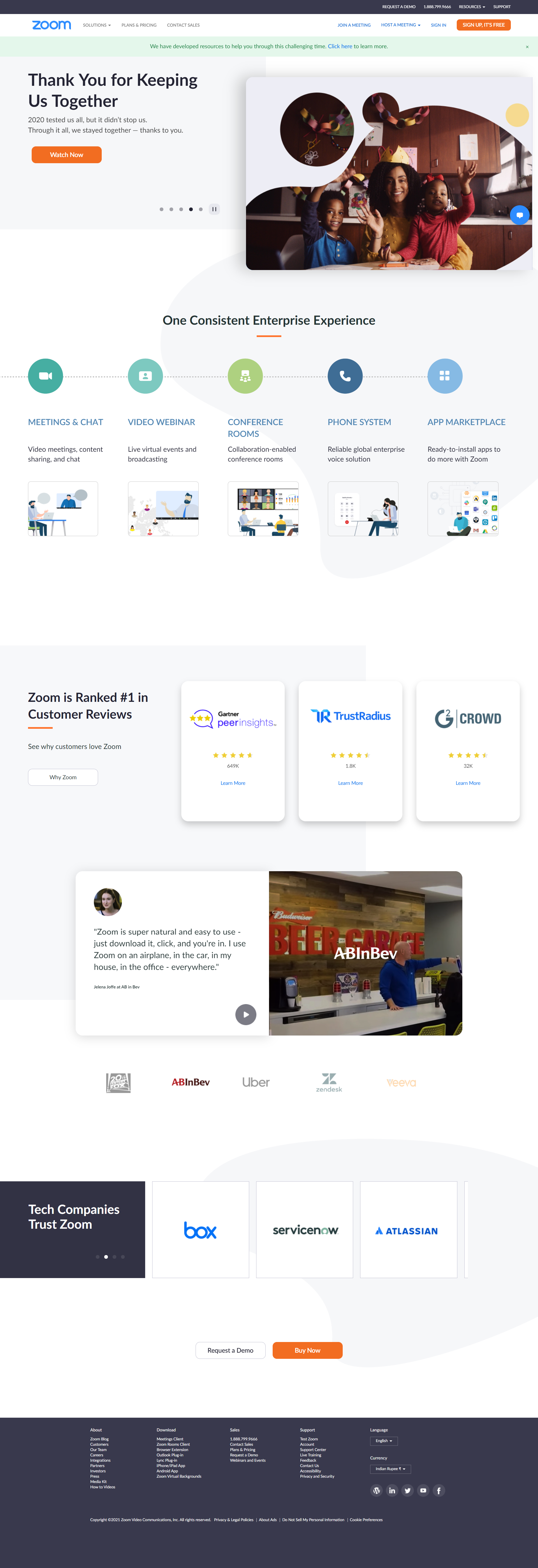
There are different businesses who have successfully created an ideal value proposition which gave the customers a clear idea about the services they would get from them. One such example of a clear value proposition is seen in Zoom video and web conferencing service Zoom’s site. As you visit their site you’re quoted by their VP i.e., #1 video conferencing & web conferencing services. They also provide five points why people should choose Zoom. Zoom offers three primary value propositions: accessibility, performance, and brand/status.

Zoom video and web conferencing service

2. Provide solutions to your customer problems

Pain points are problems that perspective customers of your business experience. These problems are specific, diverse and varied. There has to be a marketing strategy for your saas solution. These solutions can be provided on the landing page of your website for easy access and saving time of your customers. It has to be effective so that you can convince them that your service will help solve it.  A proper marketing strategy would be to identify the customer pain points and conduct qualitative research with your customers and your sales & support teams. For example:

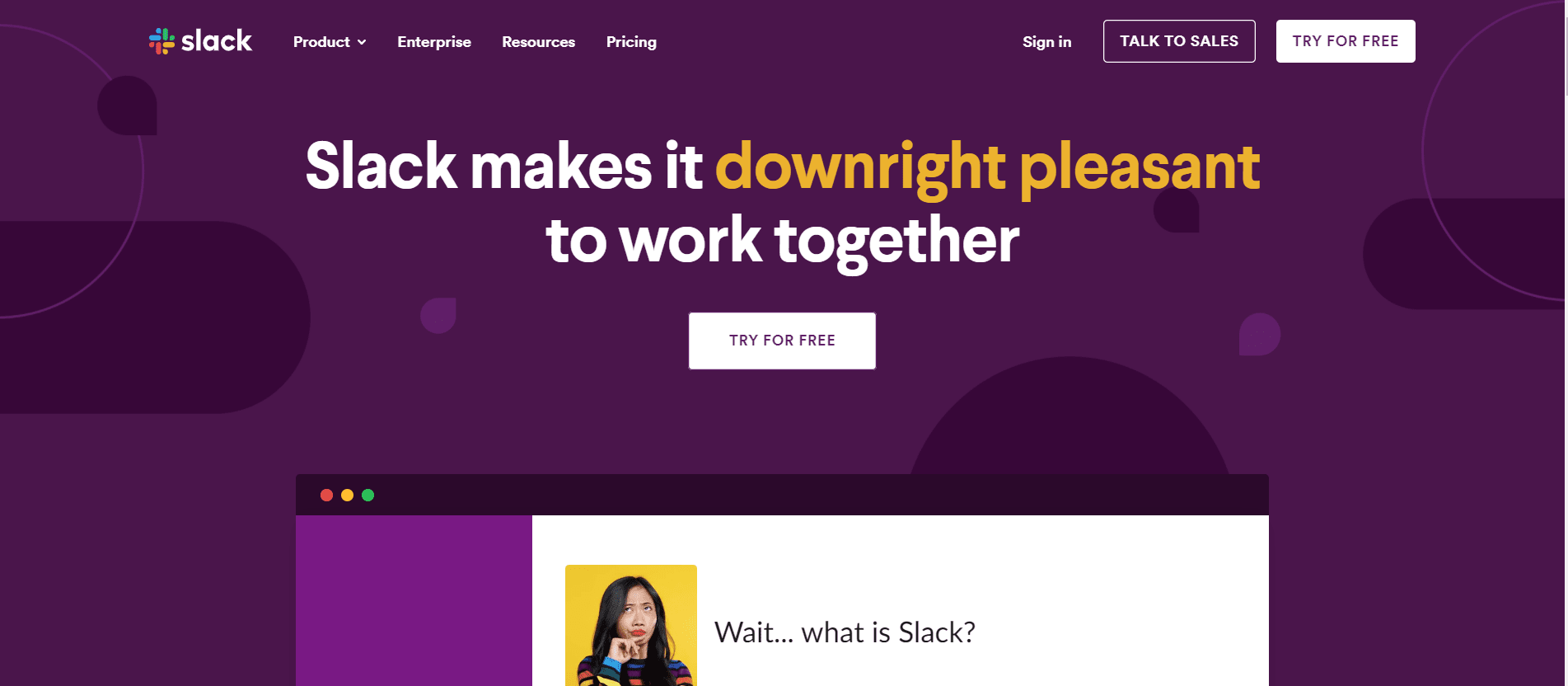
Provide solutions to your customer problems - Slack
  • Slack: It is a messaging app to help communication within teams and aids in finding solutions to customer problems.

3. Content marketing 

A new alternative to traditional marketing is content marketing. It is a strategic marketing approach based on creating and distributing valuable and consistent content to attract the concerned audience and gradually derive profitable customer action. It is used by many leading organizations like P&G, Microsoft etc. This type of marketing ensures increased sales, cost savings and customers who have more loyalty. For this, the content has to be relevant which in turn retains the customers and increases overall engagement. There are several businesses who are setting marketing examples by creating relevant content that caters to their users. An example of content marketing is:

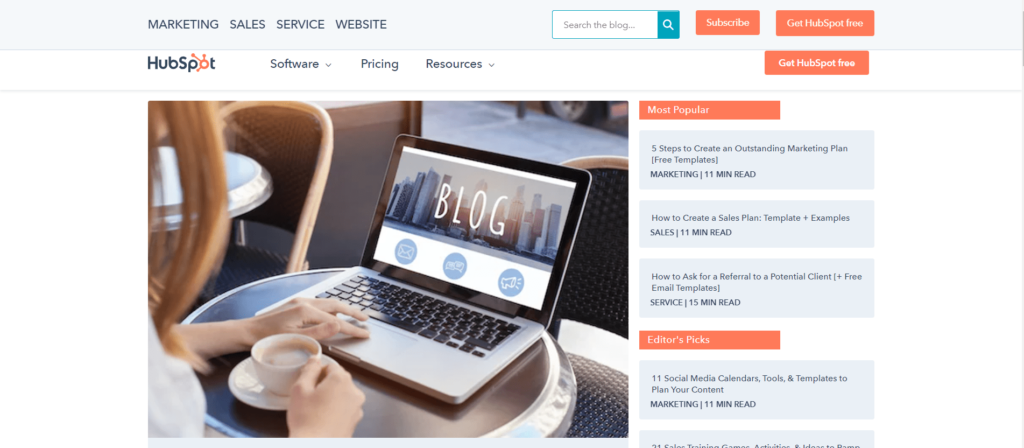
Hubspot
  • Hubspot: It is a marketing, sales and service software that attracts an audience for companies by helping them create compelling content, providing them a platform to create blogs, email sequences and host landing pages.

4. SEO

The process of increasing the visibility of the website/web page in search engine through non paid (organic) search engine results is Search Engine Optimization (SEO). It is about knowing what people are looking for online, the solutions they want and the type of content they wish to engage with. Search engines gather billions of pieces of content and evaluate all the possible factors that are most likely to answer the visitors query. This process is known as “crawling and indexing” and then finally ranking them in the order that matches most to the query.

Also read: Beginners Guide to Keyword Research for SAAS (With Examples & Bonus Tips)

SEO is one of the online marketing outputs that pays dividends over time. Organic search results reach to more searchers and receive more clicks than paid advertisements. An SEO Optimized Homepage requires 3 elements:

  • Headings
  • Call to Action
  • Content

A few strong homepage SEO optimization examples are:

  1. Sprout social: Follows all the 3 elements which makes its exceptional.
  2. HubSpot: Precise description of product and good use of H1 and H2 tags.

5. Email Marketing 

A digital marketing strategy where emails are sent to prospects is email marketing. With effective marketing emails, the prospects convert to customers and then to buyers and loyal customers. It is an emerging marketing strategy. Email is #1 communication channel since most of the users check their emails on a daily basis. No one has the lead to manage or delete your account as in other social media platforms. Email marketing has an excellent ROI and there are more people who buy products marketed through emails.

There are various types of email marketing:

  1. Welcome emails
  2. Email newsletters
  3. Dedicated emails
  4. Re engagement emails

Remember you are a guest in their list so be polite and deliver valued content. Once you have mastered the basics then move on to segmentation and analytics. Few best email marketing campaign examples:

  • Stripo: It provides subscription confirmation email with a simple and clear CTA button. Stripo sends an email to its customers only upon a respective action.
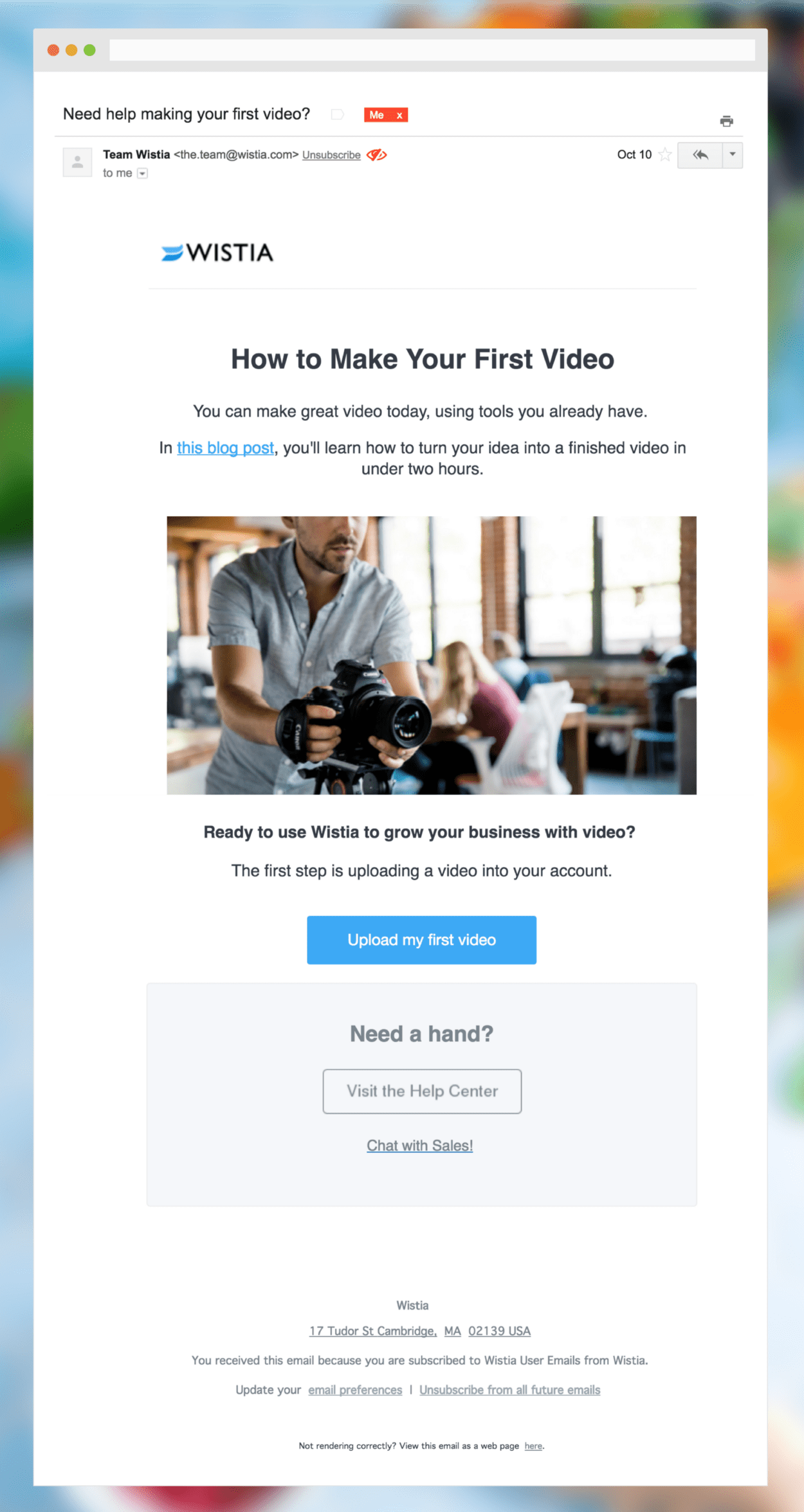
  • Wistia: A video hosting software for business Wistia ensures engaging its users with informative and warm emails. It is creative at the same time informative for the newcomers who wish to join their software.
Wistia Newsletter
Source: https://medium.com/aloha-emails/how-wistia-sends-onboarding-email-dfffaf5bcbfe

6. Free trials

One of the best saas marketing ideas is the “free trial” marketing strategy. The conversion rate to paid depends upon the demo/product that is given. People trust your product / company more if given a free trial. The free trial option gives an opportunity to customers to compare products with others and get adequate information about new products or technology which normally they won’t if it is paid.

Few free trial landing page examples to give you an idea to boost your business:

  • Dropbox: Sign up process is simple, gradually asks information from the visitors, easy to read bullets and excellent visual representation.
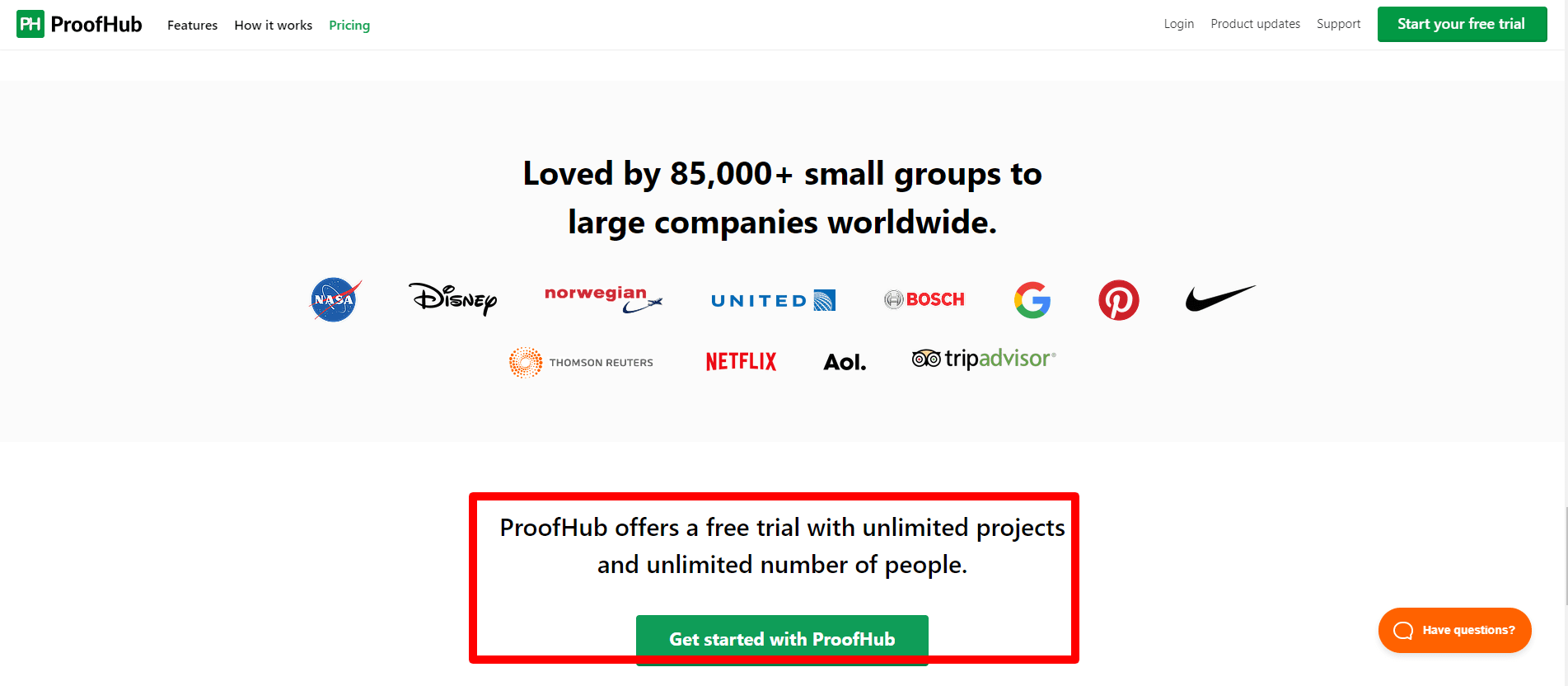
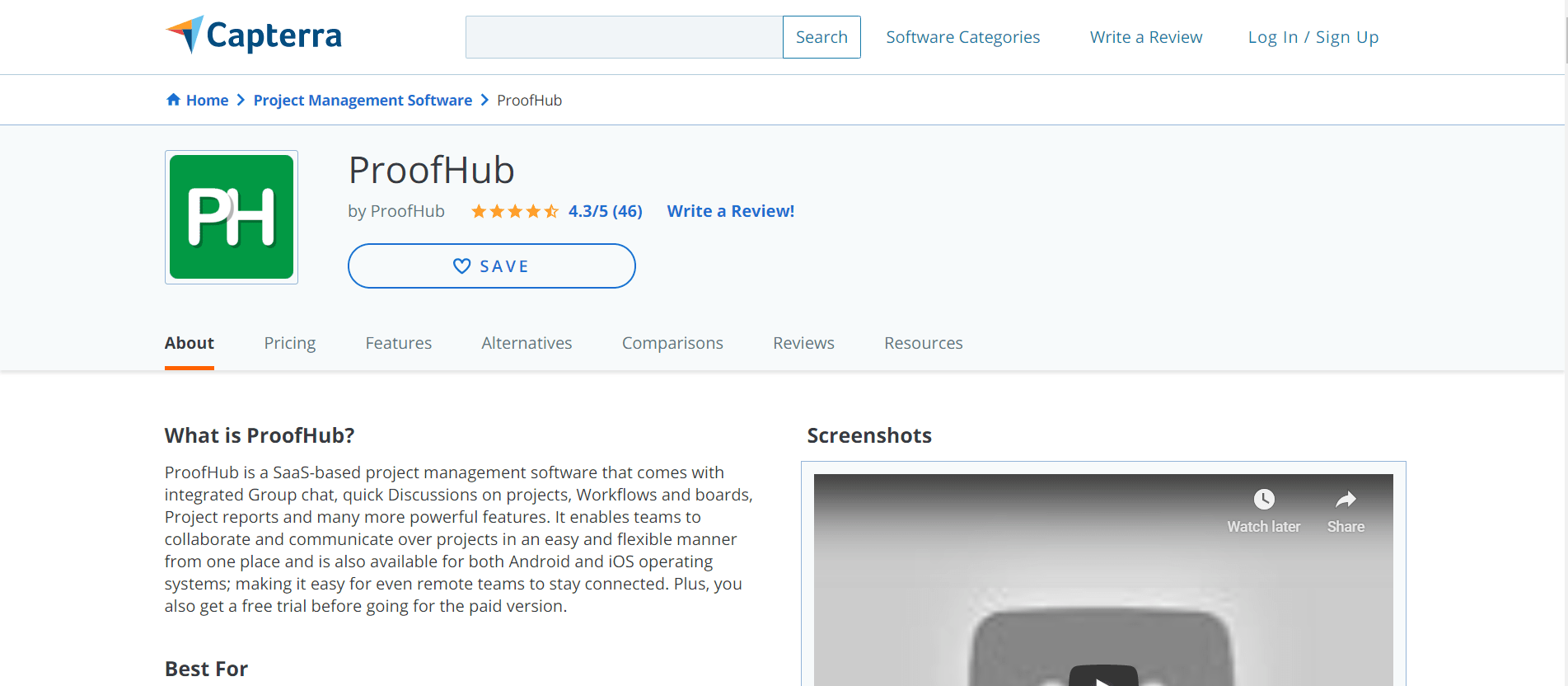
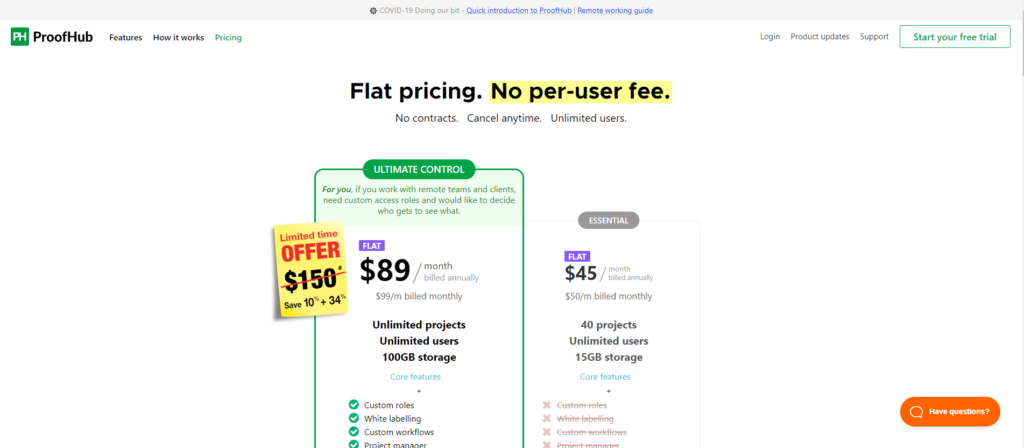
  • ProofHub: It is a project management software which provides its customers with a 14 day free trial period before the paid version with an easy sign up process.
ProofHub

7. Co-Marketing

It is a marketing practice where brands and companies that compliment each other and have similar ideologies and audiences, work as a unit often with a strong marketing campaign. It is a beneficial Saas marketing strategy leading to more audiences and reach, engaging new markets, sharing resources, analysing and evaluating each other’s report. There are few considerations while approaching Co-Marketing which are:

  1. Decide on business Goals
  2. Search out potential partners
  3. Contact brands you want to work with
  4. Strategize your promotional campaign
  5. Analyse and report results

An example of Co-marketing is :

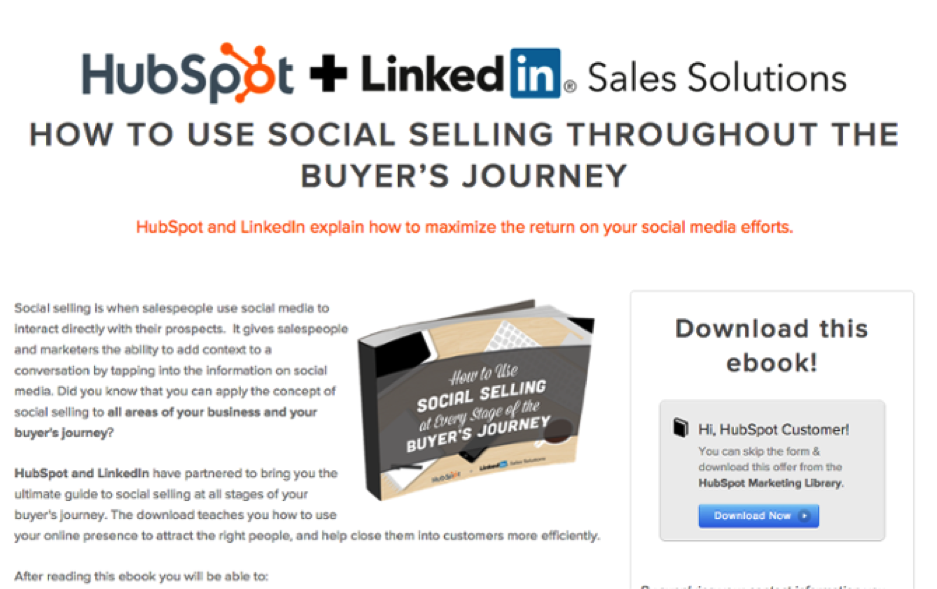
HubSpot frequently partners with other companies in co-marketing campaigns, such as this example of HubSpot and LinkedIn:

Hubspot
source: https://blog.hubspot.com/marketing/strategies-saas-businesses-grow

8. Influencer Marketing

It is a type of social media marketing wherein influencers are used for promotions and brand endorsements. These influencers have loyal fan bases and hence any recommendations from them serve as social proof to your brand’s potential prospects. Some leading social media platforms like Instagram, Snapchat, YouTube, TikTok have grown their own set of influencers over time.

Few steps to approach this strategy are:

  1. Do your proper research as to what type of influencers you wish to work with, what about the expected ROI from your campaign, payment contracts and other details.
  2. Set a budget and management strategy. Create a budget after you have set a rate card; decide the time of execution of planning.
  3. Decide on goals and messages to raise brand awareness and sales.
  4. Review and refine your strategy

Few examples of influencer marketing:

  • Shopify: One of the best examples of ecommerce retail shopping output is shopify. It includes tips sections for other start-ups to learn about other businesses who have benefited and established themselves. Its unique selling proposition appeals to everyone.
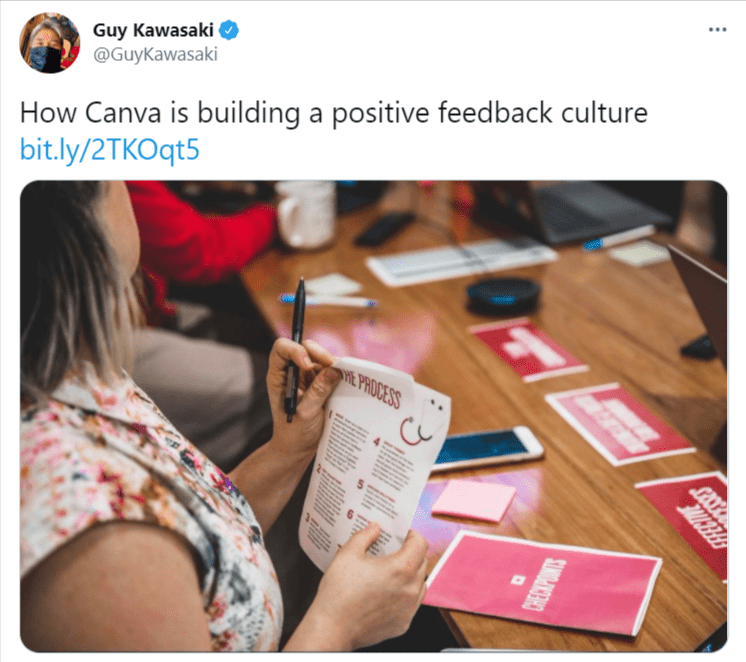
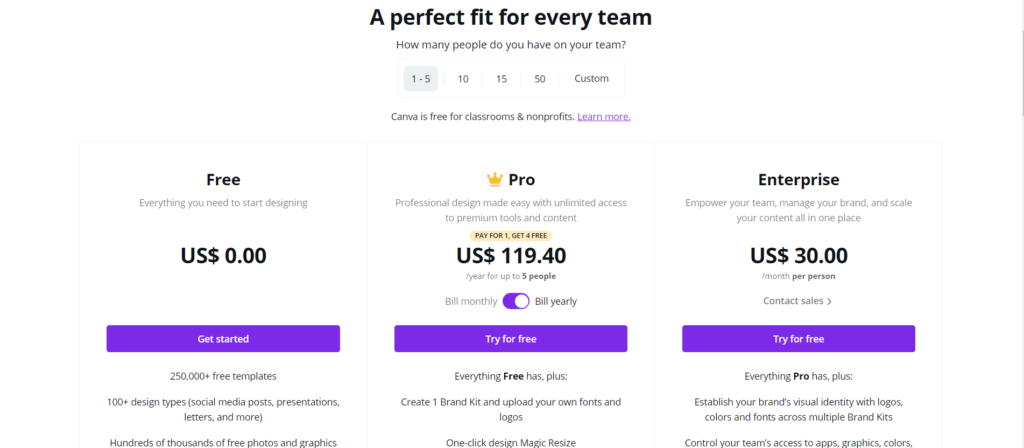
  • Canva: Canva is a graphic design software company that partnered with Kawasaki, a marketing Guru and an Apple employee to promote Canva’s freemium tool. Both Canva and Kawasaki benefited from this by standing out in the competitive marketing segment.
canva influencer marketing strategy

9. Product Reviews

A right Product Review is very important for consumers as they rely on product reviews to give them an in-depth insight into the products services, quality and usefulness. A balanced product review is a review where you highlight the pros & cons of a given product or service without any biased action. The following steps are to be adopted while writing a proper product review:

  1. To build trust between the consumers and reviewer, use the product or service yourself. Your first-hand experience matters more.
  2. To establish yourself as a skilful just reviewer publish your reviews on an appropriate venue such as blogs and online review sites.
  3. Identify the users pain points and assure them proper solutions and guarantee the promise to the consumer regarding a particular product.
  4. The main body of your review should elaborately explain the product.
  5. Present a final verdict stating both pros and cons.

Examples of product review are:

  • Capterra is a free online reviewing software where people can find best business software’s with user reviews.
  • ProofHub, a project management software has more than 40 reviews on Capterra with an overall 4.3 rating.
ProofHub review on Capterra

10. Social media marketing 

Using social media platforms to grow more audience and increase reach of the brand is Social media marketing. The major social media platforms are Facebook, Instagram, LinkedIn, snapchat. There are five core pillars of social media marketing:

  1. Strategy: Research thoroughly about the social media platform you want to use, what type of content you want, your goals and then finally develop a social media strategy and marketing plan.
  2. Planning & Publishing: It is basically being consistent in posting quality content to the users each time. Use inbuilt tools and other tools to manage your reach on social media.
  3. Listening and engagement: Monitor social media conversations about your brand. Use social media listening and engagement tools that engage all your social media mentions, tags and messages.
  4. Analytics: Analyse your brand performance.
  5. Advertisements 

 Few Examples of social media marketing are:

  • Asana: Asana is a work management software that uses Twitter, Linkedin as well as Instagram to grow its business. It uses these social media platforms to generate leads, share case studies and templates as well as show behind the scene activities that occur at its HQ’s.
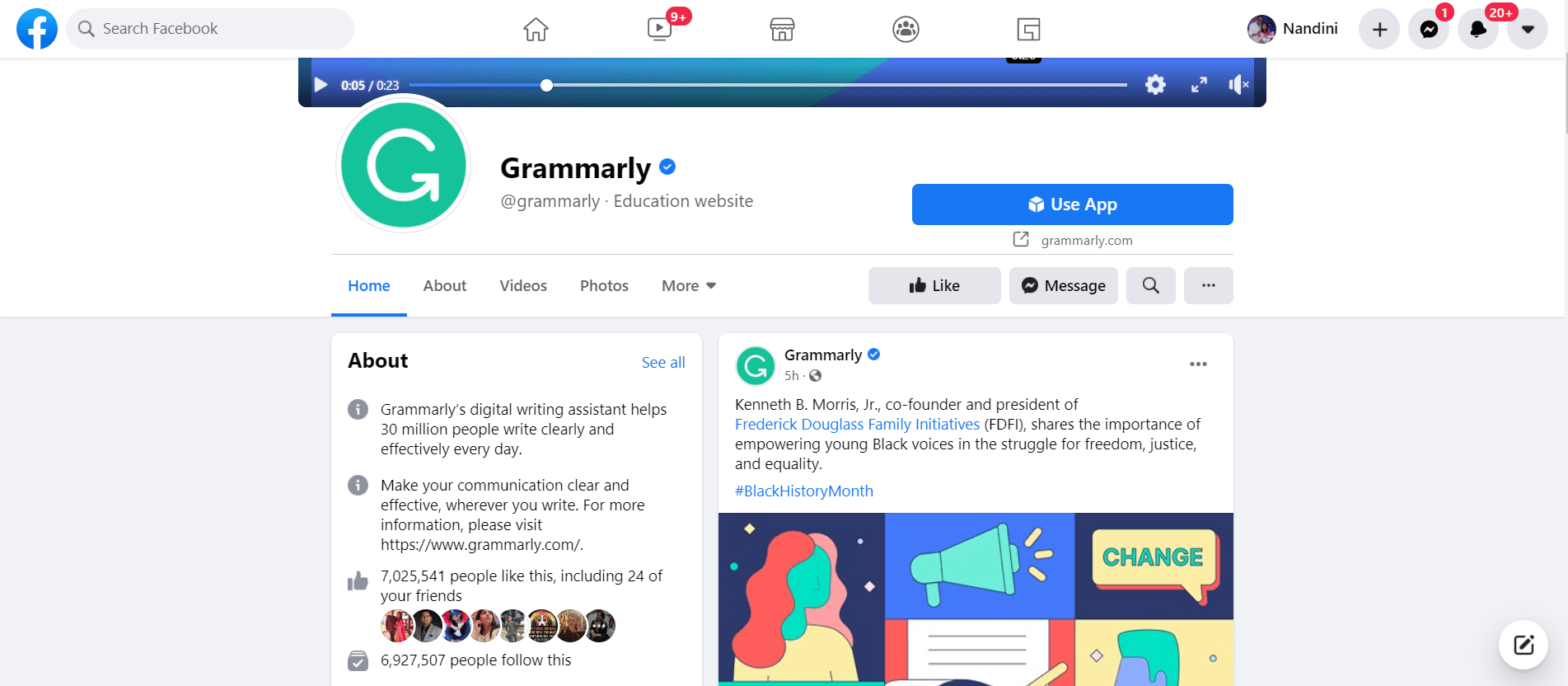
  • Grammarly: It is an English language application used worldwide. It has a huge following of 7 million on Facebook. They post short entertainment and informative clips on Facebook to encourage engagement. They also actively post on Twitter and Instagram good content thereby building a big community.
Grammarly

11. Referral Marketing

Referral marketing is a powerful marketing strategy used in Saas solutions without using traditional advertising in which your existing customers directly refer their network to your business. Word of mouth marketing, where one person recommends a service to another person is also considered as a type of Referral Marketing. The marketing techniques to increase your referrals are:

  1. Build strong customer relationships: As customers refer to other people, it becomes essential to have good customer service and satisfy them with your service. For example, you can send personalized emails that highlight a customer’s individual interest, or send them a well timed promotion. Personalization results in a more engaged customer base that is likely to refer you.
  2. Ask for referrals: Though referrals occur naturally, it can be difficult for a customer to think about your service once they leave. That’s why you should not hesitate to ask for referrals. For example, after purchase of your service, you can ask for referral by giving them additional incentive on that.
  3. Joint venture referrals: Cross promoting with complimentary businesses to reach each other’s customer base is also one of the marketing strategies to increase referrals. For example, discounts or other incentives can be given to the customers from the referring company, in exchange for a percent of sales from the referred business.

12. Pay per Click Marketing

Pay per click marketing or PPC is an internet advertising tactic also used in Saas marketing where you pay the search engine or the publisher for advertising you to generate clicks for your website instead of earning those clicks organically. The common pay per click advertising strategies are as follows:

  1. Bidding on a branded keyword: As the name suggests, it involves the website to bid on a branded keyword to rank at the top in search results.
  2. Remarketing Campaigns: Remarketing Campaigns tag the visitors on their site when they search the internet after they leave the initial tagging site.

Examples of pay per click marketing are:

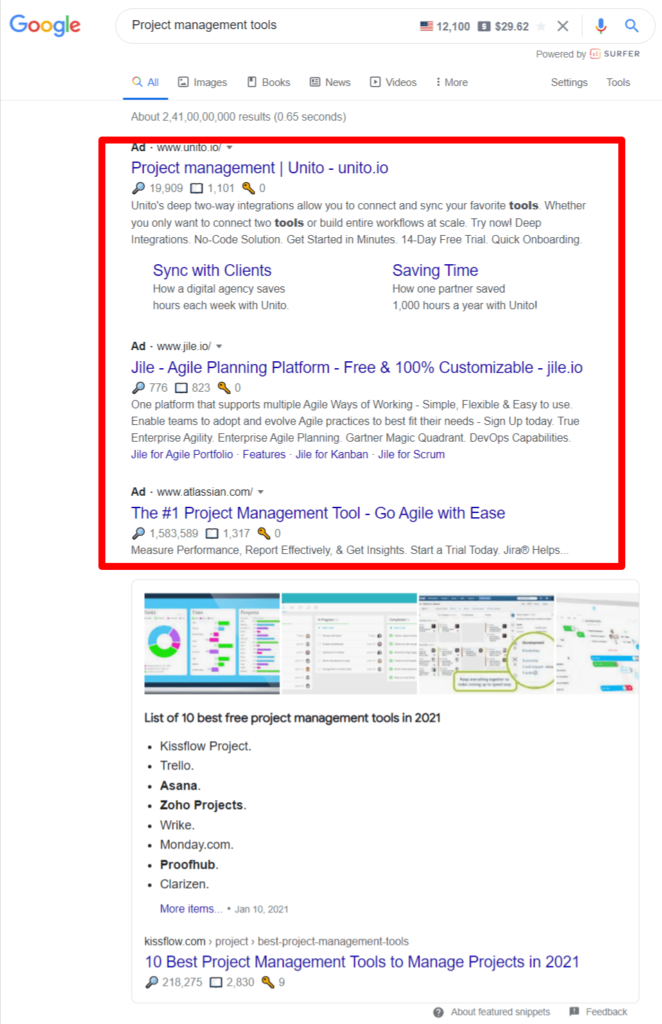
  • PPC on search engine: If you search “Project management tools” on Google, ads appear at the start of search. In this case “unito”, “Jile”, & “Atlassian” uses PPC to attract customers by ranking above the organic searches. That’s the work of PPC marketing.
Project management tools ppc campaign
  • PPC on social media: Social media sites such as Facebook, Instagram, Youtube, etc. also offer PPC marketing. Canva, a graphic designing platform uses Facebook ads to reach out to new audiences for increasing its customer base.

13. Make Saas sign-ups Easy

The first experience any Saas provides its customer is sign up flows. It involves collecting a certain amount of data from your customers to set them in your user base. The way you design it can have a major impact on how users perceive your product. You can optimise Saas sign up flow by:

  1. Asking for all the necessary data forthrightly. This enables the user to complete the signup process without much difficulty. Further, it makes the process of identification as well as data analysis much easier.
  2. Make your field dimension big.
  3. Use a single column for design instead of double column design.
  4. Make your call to action button clear and big.

Examples of some good sign-ups are:

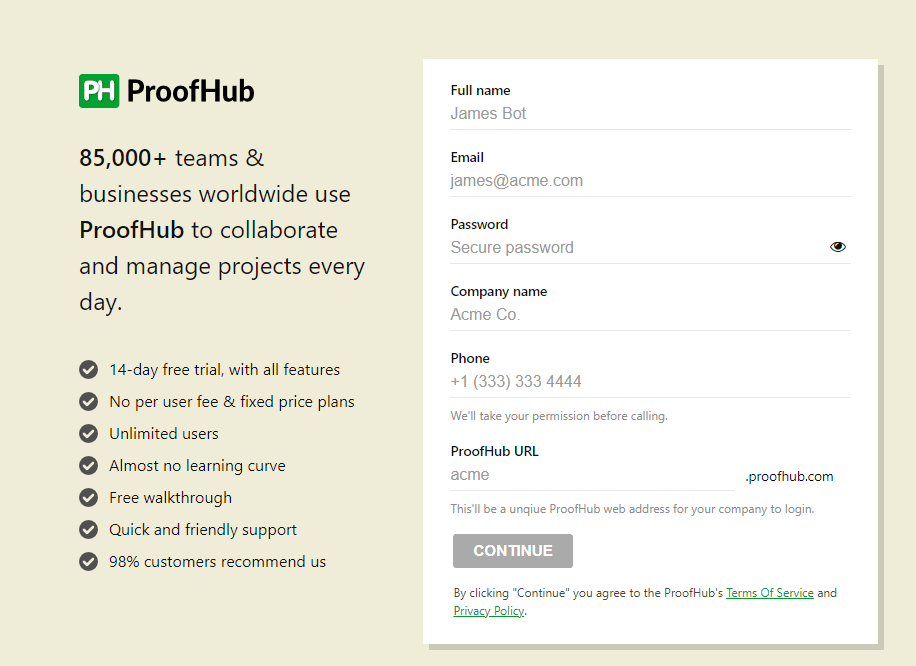
  • ProofHub
  • Netflix:
ProofHub Signup form

Both have clear, well defined and easy sign up flows to ease the custom experience.

14. Refine your call to action

Call to action also known as CTA is a link or a button on a website, usually a landing page (link meaning). It is designed to prompt an immediate response from customers like downloading a service or buying a product. The tactics for refining and creating high performing CTA are:

  1. Use active words: use strong active words usually in the form of commands. Most of the Saas companies use verbs such as “read”, “learn”, “start”,etc.
  2. Make it stand out: The easiest way to make your CTA stand out is by making use of color as a tool. Bold and bright colour button with a clear CTA can easily grab the attention of the customer and result in action. Another way to make it stand out is positioning it in such a way where the user can easily spot it.
  3. Make it easy on all devices: Optimising CTA according to the device customers use is very crucial as small screens make it harder to click. Therefore, it is essential to make the CTA button short and of suitable size.
  4. Create urgency: A popular Saas marketing tactic to boost CTR is to create scarcity and urgency. “Only few left”, “Sale ends tonight”, “Hurry”, etc are some of the phrases used to create urgency.
  5. Urge to belong: The urge to belong and FOMO (fear of missing out) are strong action triggers and are one of the best ways to get better performance with CTAs. A lot of websites use this technique by showing the number of people who have joined their email list or have used their product in crafting their call to action.

Examples of great call to action are:

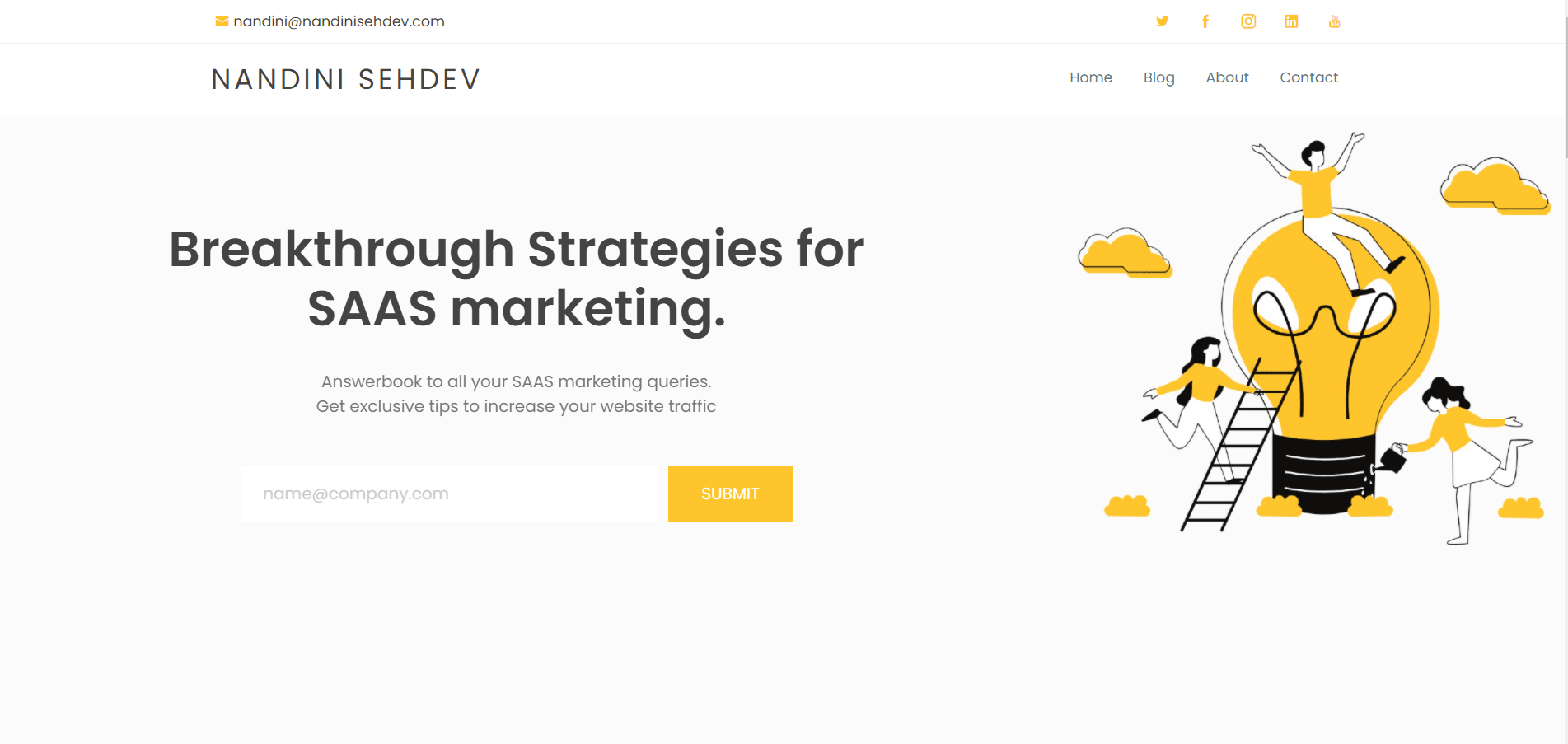
  • In our case, the CTA stands out with the help of strategic placement, use of clear active words and bold colours.
Nandini Sehdev saas marketing strategies
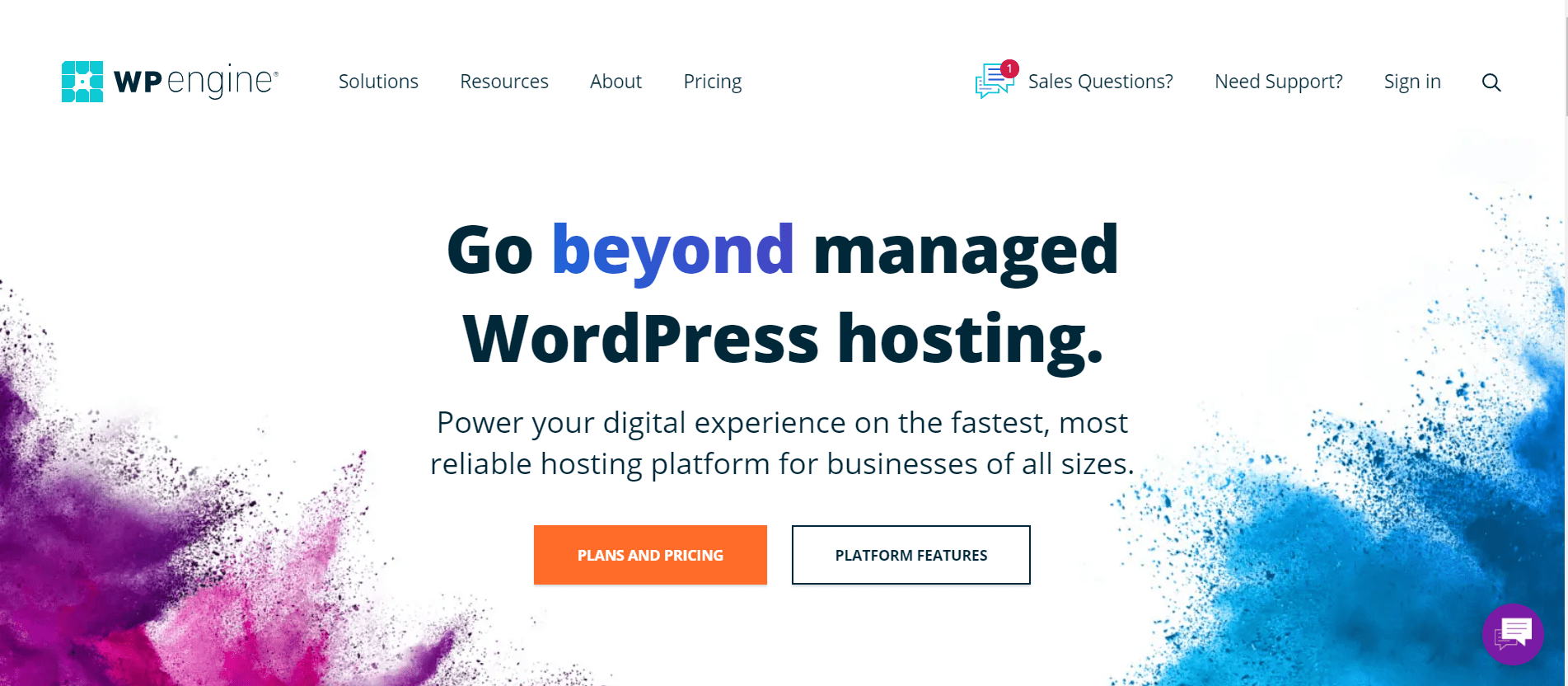
  • WordPress Engine: This website uses strong action verbs like “power”, “fast” and “beyond” to catch user attention.
WordPress Engine
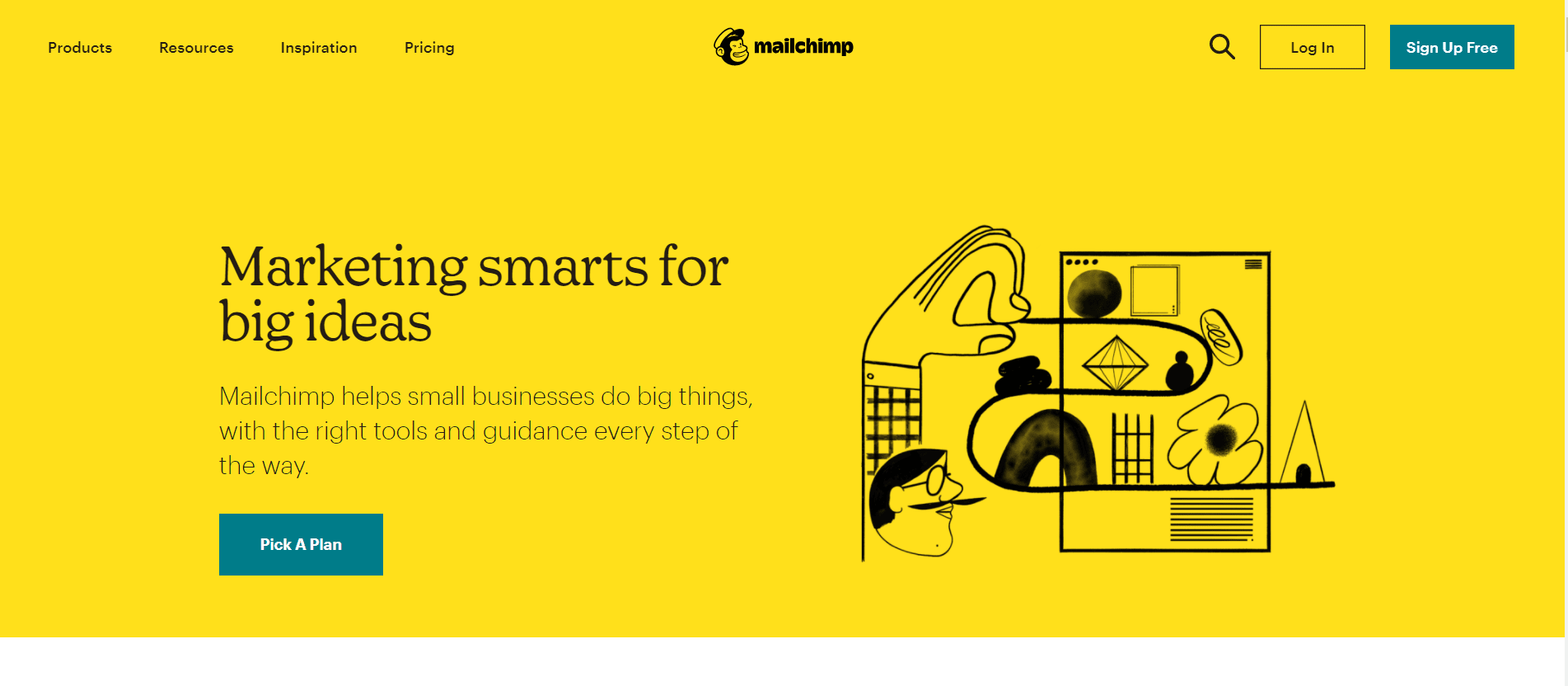
  • MailChimp, an email marketing company, shows the number of customers using their services. This would help convert the first time visitors too.
MailChimp

15. Retargeting

Retargeting is a Saas marketing tactic to re-engage someone who has already visited your site. Essentially it converts window shoppers to potential buyers. Through retargeting, you tag your product to the visitor after he leaves your site, across different platforms like social media and Google. This encourages them to visit your website again and buy your product. Retargeting can help you gain new customers as well as increase brand awareness. Here are few retargeting strategies that can help you do that:

  1. Targeting customers based on the pages they visited on your site.
  2. Customise and target your messages based on your visitors’ needs. Don’t show the exact same message to all your customers.
  3. Focus on the searched keywords which relate to your business and retarget your product to those shoppers who search them.
  4. Know the customer’s product interest and intent.

Some retargeting examples are:

  • After searching for a pair of shoes from Nike’s website, I encountered a series of remarketing ads as I browsed other sites. It had personalized suggestions based on my previous activity on its website.
  • Similarly, Spotify, Amazon, Airbnb also provide hyper focused targeting, messaging and content to their potential customers who have visited their site.

16. Build a great lead magnet

Lead magnet is an incentive that you can give to your potential customers in exchange for their information in the form of email address or other contact information. Some ways of generating highly effective lead magnets are given below:

  1. Provide free trials: It is one such tactic which the customers cannot resist. Such lead magnets are often used by Saas businesses as a way of getting their user to try before they buy.
  2. Coupons/ Discounts: People who shop online are immediately attracted to such offers. Such offers can draw the attention of potential customers towards your business.
  3. Samples: They not only help customers know more about your product but also demonstrate immediate gratification to your audience.
  4. Training videos: Just like providing samples, offering training videos for free can also be a great way to start a relationship with your audience.
  5. Guide: Similar to an ebook, a guide is a lengthier lead magnet used to educate your user. This gives a reason to your audience to invest in your product.

Examples of lead magnets provided by Saas tool:

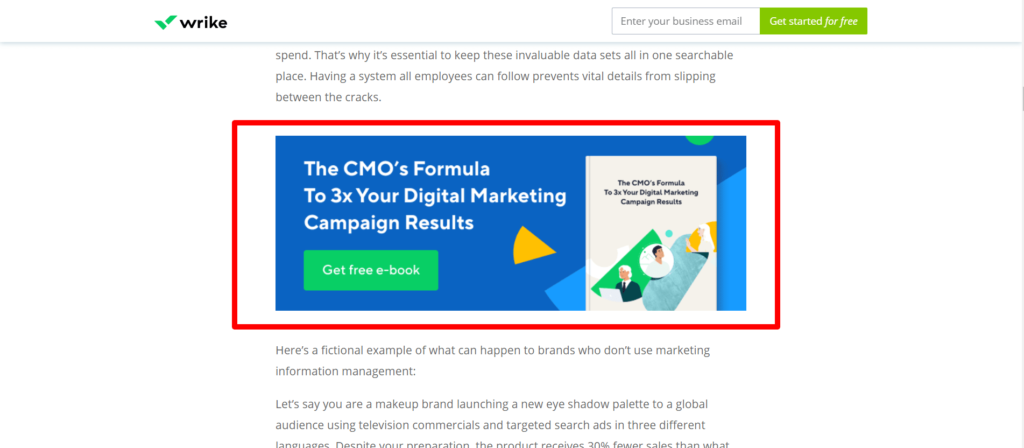
Wrike is a project management guide which uses ebooks and guides in its blogs as a lead magnet to attract more customers.

Wrike lead magnet example

17. Streamline communication with your customers and leads

In order to encourage Saas customer retention, it’s important to have efficient communication and to provide the best experience to your customers. Establishing regular communication with your leads reinforces your brand and boosts your sale in the long run. You can enhance your customer relationship by:

  1. Having a prompt email response.
  2. Consider a live chat option where users can interact with the company.
  3. Add the “Request to call” option through which the customer can schedule a phone call.
  4. Use social media to post special offers, product information and general announcements.
  5. Add feedback form from where you can get insight about your service and ideas to improve.

Here are the examples of customer services provided by various businesses:

  • Chargify, a billing software has automated part of their operations to help their customers. They also provide them with a step by step guide on the phone for providing real solutions.
  • Slack, a messaging and communication app besides providing responses on email and phone, the company also offers an efficient ticketing system with fast service time.

18. Figure out a crystal clear pricing structure

A clear pricing structure is very crucial for the success of Saas businesses. Pricing plays an integral role in helping you monetize your customers and keep your business in good health. There are various pricing models which can help you in that are:

  1. Flat rate pricing: It is the most basic pricing model for any Saas company. In it the product is offered at one particular price with a particular set of features. For example, Basecamp as well as ProofHub, both project management tools, use flat rate pricing.
ProofHub's flat pricing
  1. Usage based pricing: Also known as the “Pay you go” model, in this customers are charged based on their usage of the product, i.e., the more they use, the more they pay. For example, Chargebee, which is a subscription billing software, charges the customers by using this technique.
Chargebee
  1. Per user based pricing: As the name suggests, this model allows businesses to charge a fixed rate per month for each user on the account. For example, Canva charges its customers on a per user basis.
Canva Pricing plan
  1. Tiered pricing: This pricing model is the best suited for most Saas businesses. It offers two or more packages for a specific price. Example of tiered pricing model is Hubspot which has different pricing plans for different buyer persona.
Hubspot
  1. Per feature pricing: In this model the price of the product is based on the features and functionality. This means, the more features, the more price customers have to pay for the product. Such type of pricing is used in Quickbooks.
Quickbooks

19. Deliver amazing service and support 

An amazing product without reliable and proper customer service and support ultimately loses the attention of the customer. That is why investing in customer service is beneficial for long term business success. A great customer service means providing the most useful and reliable information to the users, responding immediately to their concerns, valuing their time and giving them a pleasant experience each time they report .

Few ways to deliver best customer service are as follows:

  1. Know your product: Have an extensive knowledge about your products and services. It is the most essential customer service skill.
  2. Be polite:  “The right attitude changes the negative customer experiences into positive customer services.” Therefore be soft spoken in person and use warm humor and emojis on phone chats.
  3. Solving problems: This is why a customer service and support team is hired. Seek ways to solve the problems of your customers. Go beyond  expectations and figure out the way to help your customers.
  4. Quick responses: Value your customers time. Understand their problem thoroughly and try to fix it in a short span. Don’t take too much time unnecessarily.
  5. Personalize your service: Know about your customers birthdates, hobbies and interests. Personalise gifts and vouchers for them on their special occasions. Make them feel special and valued.

An example of great customer services is:

  • Basecamp: It is a project management and team communication software which uses twitter as one of the main platforms for providing customer services. It gives instant replies to its customers through tweets regarding any query posted by the user. This encourages more customer interaction which will ultimately boost business of the company.
Basecamp customer service

20. Keep a close eye on your competitors 

In the modern world where there is no dearth of content, services and facilities it is a must to keep a close eye on the competitors to stay on track. Competitor intelligence (link meaning) is the prime factor that every business needs to stay updated with. Market trends keep on changing therefore an analysis of the market is important for consistent growth. There are five main reasons to keep a check on your competitors:

  1. Choosing the platform that suits best for your niche: Today there are so many platforms with so much social noise. One cannot be active for 24 hours. Therefore knowing what platforms are working better for your competitors can help you access and know which platforms will work best for your niche.
  2. Selecting the campaign that best resonates with your niche: There are so many viral campaigns that stir the attention of the people. According to your niche target the audiences with the similar but better version of those campaigns. See the engagement and then decide what works best for you.
  3. Take inspiration from your competitors strategies: Take notes of your competitors content. Stalk their social feed and see what kind of contents they mostly post, their posting patterns and their most successful content. Take inspiration from those and create your own reconstructed ideas.
  4. Detect your competitors strengths and weaknesses: See what works best for them and use that in your own projects. Their weaknesses can be a chance for you to do better on what they are not doing. Compare the differences and then make a strategy that incorporates your strengths .
  5. Learn how your competitors handle the feedback: The feedback can be of various types from reviews to general discussions to customer care interactions with users. Check how they interact with their users and what’s working for them and where they lag in attracting customers.

Do your proper R&D (Research and Development) in the market sector. Use proper keywords for better SEO. A proper R&D helps in coming up with new and better ideas. Do this at least once or twice in a year. Innovative content update is the key for racing ahead then your competitors. Further learn and implement the basics of digital marketing for aggressive growth.

Go and check on your competitor and see what is working out for them!

21. Measure and track your goals

Being at the top is the objective of any new venture. A good metric and well aligned goals should be followed by any company, business or even for personal growth. You need to choose good metrics and have a goal oriented team working towards achieving the desired goals. There are 2 types of metrics:

  1. Leading indicators: These are indicative of activities required to achieve the desired goal.
  2. Lagging indicators: These are output metrics indicating the actual results.

There should be a strategic balance between using both the indicators. The most successful entrepreneurs have used and tested what metrics work for them the most and then use those that help them achieve their goals.

Goals are the specific targets that you want to achieve. Each metric needs goals. Number of approaches can be used to align your goals with your key metrics. Two of these approaches are:

  1. OKRs: Objectives and key results are used for achieving fast and accelerated growth. Helps in identifying objectives. Developed by Intel and familiarised by Google.
  2. Useful For: Helps in defining key level objectives and key metrics.

Example:

  • Focus on what key metrics are important for your business growth. It can be a month on month revenue growth, etc.
  • Good metrics indicate progress which means they can be improved. It can be reducing churn by 8% or increasing activation rate.

Saas marketing can be a little tricky if one doesn’t know the tips and tricks to boost his/her business. Therefore, all the above strategies provide tried and tested suggestions which can help any Saas business soar to new heights. Make sure to track your performance after using these and customise them according to your audience for better results.

By Nandini Sharma Sehdev

Nandini Sharma Sehdev brings close to a decade of experience in the field, and has successfully executed a number of brand building and marketing campaigns throughout her career. She is also an Assistant Marketing Manager at ProofHub. With sound knowledge of brand optimization, lead generation, SEO implementation and social media marketing strategies, she has gained finesse in the field of digital marketing. Besides all this She has inculcated deep interest in other fields too. Her passion for art and craft inspired her to start a YouTube channel – Creative Kaksha.