Author

editor

Browsing
By Robert Klara.

Among the most dramatic changes that Covid-19 has had on the economy is turning online grocery shopping into a mainstream activity.

Prior to the pandemic, a wimpy 3% to 4% of grocery spending happened online, according to data from Bain & Co. Now? That number is upwards of 15%. According to a just-released survey from Chicory, there are 18% more online grocery shoppers today than there were before the pandemic began. What’s more, those shoppers appear to be learning habits they will keep. A survey from Good Eggs released Sept. 30 found that 81% of Americans who’ve been buying groceries online intend to keep doing so permanently.

Obviously, this shift has been a boon for the giants of the sector like Walmart, Amazon and Instacart. Just last week, Amazon introduced free, one-hour curbside pickup for customers who order groceries online at Whole Foods (which Amazon purchased in 2017), making it clear that the platform has every intention of grabbing even more market share than it presently has, which is already about 40%.

You might assume, then, that the flush times for online grocers translate to all the brands on those platforms. And you would be wrong.

Founders (l. to r.) Scott Morris, Katie Tyson and Thomas Ellis

As The Washington Post reported last month, the algorithms used by the big platforms—guided in large part by past ordering behavior—tend to keep shoppers locked into established purchasing patterns. As often as not, that means channeling more business to the big packaged-foods companies with correspondingly huge marketing budgets.

It also means consumers are far less likely to encounter any number of smaller names, in particular that subset of brands devoted to sustainability and making a social impact—this despite consumers’ demonstrable interest in supporting them.

See a disconnect? So did entrepreneur Katie Tyson. “More and more brands are born with a mission and ethos at the core, and more consumers are seeking out a way to shop that supports these brands and missions,” she told Adweek. “The problem is, retail was not built to support values-driven shopping, for the brand or the consumer.

“Brands are forced to navigate the high cost of participating in traditional retail/ecommerce,” she continued, while “consumers don’t know how to differentiate what [brands are] actually doing good from what is just good marketing.”

Last week, Tyson and her business partners took the wraps off what she hopes is a partial solution, an online marketplace called Hive. It works much like any other online grocery site, except that you won’t find megabrands from PepsiCo and Kraft Heinz here. The packaged foods (and other household items) that Hive lists are all geared toward sustainability and achieving a stated social impact.

In addition to selecting potential brands for quality, Hive screens them for attributes including a low carbon footprint, sustainably sourced ingredients and environmentally friendly packaging.

For example, hit the Chocolate tab on Hive and you won’t find Hershey bars, Dove or Twix. You’ll find Alter Eco and Tony’s Chocolonely, a B Corp dedicated to fair trade and ending child labor on cocoa farms in Ghana and the Ivory Coast. In a statement, digital marketing coordinator Abigail Noel Davison said the brand is grateful “to have a partner that shares our mission-driven ethos.”
With its strict criteria, Hive is willingly sacrificing the huge selections that draw so many shoppers to places like Amazon.

“The number of products and brands available on Hive is limited in comparison to other marketplaces,” said Tyson, who is Hive’s CCO and held high-level marketing positions at Freshpet and Casper prior to starting this latest venture.

But Tyson believes that socially and environmentally conscious shoppers (who can even browse Hive by causes such as animal rights and combating hunger) will value the concentration of products they want to support over the mainstream (and numerically overwhelming) options that bigger platforms give them.

This isn’t the only recent example of cause-driven brands just saying no to massive online shopping platforms. At the end of August, legacy brand Overland—which prides itself on craftsmanship, natural fibers and sustainable practices—ended its relationship with Amazon because, it announced, listing its goods on Amazon “removed the important elements of authenticity and service from the equation.”

Feature Image Credit: “What Whole Foods did for natural and organic shopping,” CCO Katie Tyson said, “Hive wants to do for sustainable and social impact shopping.” Courtesy of Hive

By Robert Klara.

TWITTER: @UpperEastRob

Email:[email protected]

Robert Klara is a senior editor, brands at Adweek, where he specializes in covering the evolution and impact of brands.

Sourced from ADWEEK

Sourced from Entrepreneur Europe

SyncPen makes it easy to digitally backup your handwritten notes.

A good entrepreneur listens and takes notes. A bad entrepreneur immediately loses those notes. Writing things down is a great way to ensure that nothing falls through the cracks, but when you’re constantly shuffling through papers, it’s easy for things to get lost.

That’s why the SyncPen 2nd Generation Smart Pen with Notebook is such a valuable asset. This ingenious pen allows you to switch between writing traditional notes and electronic editable notes in an instant. The motion-tracking sensor inside the pen turns everything you write into digital text, so you can instantly convert handwritten notes, doodles, and sketches into editable digital files that won’t disappear. The pen comes with a 10″ LCD writing pad, allowing you to take notes in different colors, directly send your notes as an email, collaborate with teams to share notes, and much more. You can even record audio logs alongside your text.

The SyncPen’s notepad enables paperless writing and can be used in offline mode. Once you’ve jotted down your notes, you can store them instantly in the onboard app, allowing you to sort notes by word or date for easy access later. Plus, you can convert any note into a variety of formats, from .doc to PDF or JPG.

Specificity is key for entrepreneurs, and with the SyncPen, you can write down notes, schedules, plans, and more in a way that both makes sense to you and is easily accessible later. SyncPen even identifies 66 languages and allows you to import handwriting as text if you have trouble writing legibly.

SyncPen was successfully funded on Kickstarter because it makes note-taking so extremely simple. Normally $199, you can get a SyncPen 2nd Generation Smart Pen with Notebook and LCD Writing Pad for 24 percent off now at just $149.99. Get it in black or grey.

Feature Image Credit: Entrepreneur Store 

Sourced from Entrepreneur Europe

Disclosure: Our goal is to feature products and services that we think you’ll find interesting and useful. If you purchase them, Entrepreneur may get a small share of the revenue from the sale from our commerce partners.


By .

As counterintuitive as it might sound, chasing happiness so closely could be making us miserable.

t’s a reasonable guess that most people want to be happy. “The pursuit of happiness” is even enshrined as a basic right in the Declaration of Independence, suggesting that whatever road gets you to “happy” — whether it’s daily morning runs, reading with the kids, dinner and drinks with friends or a simple five minutes of silence — is a road you’re entitled to take.

But in the midst of a global pandemic, with hundreds of thousands of lives lost, rampant unemployment and a general lingering air of uncertainty, many no doubt find it harder than ever to grasp even glimmers of happiness, an already elusive state. Even before COVID-19 disrupted everything, levels of happiness had been dropping, indicators suggested. Self-reported happiness in the US, for example, has been declining since the 1990s, according to 2019’s General Social Survey, which gathers data on how Americans feel about a range of topics.

Perhaps more so now, it’s easy to get dialled in — maybe too dialled in — to questions of whether you’re happy, why you’re not and how you could be.

“It almost feels a little bit like a burden,” says Iris Mauss, a psychology professor at UC Berkeley. “Each person, as we’re able to pursue happiness — there’s the baggage associated with that. We’re also then responsible for our own happiness and making that happen.”

Somewhere in there lies a tipping point. There’s nothing wrong with wanting to be happy. But a body of research also shows that chasing happiness, whatever that means to you, might actually be making you miserable.

What even is happiness?

Going at least as far back as the Greeks, defining happiness has been something of a million-dollar question.

Greek philosopher Democritus (460 BC–370 BC) thought happiness had to do with a “man’s cast of mind.” Plato thought it was the “enjoyment of what is good and beautiful,” while Aristotle thought it had to do with living in accordance with virtue.

More recently, Eleanor Roosevelt said “happiness is not a goal, it is a by product.”

And putting it simply, Peanuts creator Charles M. Schulz said happiness is a warm puppy.

In the past, “people associated happiness more with what fate bestows on you, and that changed across time as people mastered their environments more and had more say in their circumstances,” says Pelin Kesebir, assistant scientist at the Center for Healthy Minds at the University of Wisconsin-Madison, “Especially in the West, in more developed countries, we see happiness as something that is probably more under our control.”

For researchers, happiness breaks down into two categories: hedonic and eudaimonic. Hedonic, explains Brock Bastain, social psychologist at the Melbourne School of Psychological Sciences in Australia, refers to pleasure and the concept that the more pleasure we have, the happier we are. Eudaimonic is a broader idea of happiness, or well being. It’s the notion that happiness is experienced through social connections, or the meaningful pursuit of goals or activities.

Scientists don’t even agree on the function of happiness. For some of them, happiness promotes social bonds that build communities, and drives people toward their goals and even makes them more creative. For others, it’s uncertain whether emotions as a whole are the result of some evolutionary mechanism or are a psychological construct, says Maya Tamir, professor of psychology at the Hebrew University of Jerusalem.

Happiness for the sake of happiness

The idea that longing for happiness could make you unhappy sounds counterintuitive.

But as Mauss explains, there’s a point at which placing too much value on being happy creates an expectation that’s too high. The unmet expectation leads to disappointment.

“If … our goal is to feel happy all the time, we have set ourselves up for failure from the outset,” says Kesebir.

If this chain were applied to a goal, like making more money or getting a better grade on a test, the disappointment could serve as a motivator. But being happy isn’t a concrete, objective goal like getting an A. There’s a lot more room to fall short of the expectation.

Consider the impact advertising can have on how happy people think they feel. It’s the ads that suggest a new car with a quiet interior, or a phone with the latest features, will unlock a happy life with smiling friends and fluffy dogs. Or the carefully curated social media posts from joyful friends on sunny beaches that make it seem like life should always be a vacation

Researchers at the University of Warwick looked at life satisfaction survey data from 27 countries in Europe from 1980 through 2011, as well as advertising spending, and found that when ad spending in a country went up, so did dissatisfaction within a year or two.

While the findings were correlational, researcher Andrew Oswald told the Harvard Business Review in 2019, “exposing people to a lot of advertising raises their aspirations — and makes them feel that their own lives, achievements, belongings, and experiences are inadequate.”

Mauss believes that when people are too single-minded about their own happiness, they can often neglect relationships with others. Perhaps chasing that big promotion at work will yield a new swimming pool, but it could also come at the expense of family time. Not only that, but the more people single-mindedly focus on something, such as questions around their own happiness, the more they risk a “watched kettle never boils” situation.

“As we ask and judge our experiences, that also might interfere with actually being happy,” she says. “The happiest experiences we have are actually those, in retrospect, when we didn’t even think about it.”

Research suggests those who accept their emotions, even if those emotions are negative, end up feeling happier overall, Tamir says. For some, negative emotions can feel like failure, and even create a dread and avoidance of unhappiness, when in reality it’s just part of being human.

In a paper Mauss co-authored in 2017, researchers found that “individuals who accept rather than judge their mental experiences may attain better psychological health,” because they had less negative emotion in response to stressors.

“In the West if you don’t feel happy enough, you say to yourself, ‘Hey, there’s something wrong with me’ and then you end up feeling worse,” Tamir says.

Feeling bad is normal, unavoidable. Feeling bad about feeling bad is where things can get dicey.

A healthy pursuit

None of this is to say that happiness, or wanting to be happy, is bad, or will ultimately lead to unhappiness.

Research conducted in 2015 by Mauss, Tamir and others suggest that the desire for happiness was universal. People in the US aren’t more or less focused on achieving happiness compared with, say, people in Japan. But they pursue happiness differently.

In Western countries, the pursuit is more individualistic. Americans’ definition of happiness has less to do with relationships and spending time with friends, family or helping others. They are less social in their pursuit of happiness, Mauss says. They run into a paradox: finding disappointment when chasing happiness.

Bastain says that in societies that place more of a premium on individualism, the pursuit of happiness has become more central to people’s lives.

“[The] idea that we are responsible for our own well being and our own happiness, and therefore our happiness and our well being is an indicator of our personal success, has become prominent,” he says.

Japanese and Taiwanese participants, however, operated differently.

“They could be obsessed with happiness all they wanted, presumably because they understood happiness as a social thing,” she says.

In that way, research suggests that focusing on relationships, hobbies and goals is what yields happiness as a by product.

“If I focus on things in life which I know are likely to lead to happiness, but don’t make happiness itself a goal — focusing on connecting with others, contributing well to society, to other people’s lives, engaging in meaningful pursuits, those things will bring happiness,” Bastain says.

Editors’ note: This story is part of a CNET special report on the science of happiness. For more, read about what science teaches us about happinesshow to boost your happiness hormones; and how a range of people are finding moments of happiness during the pandemic

The information contained in this article is for educational and informational purposes only and is not intended as health or medical advice. Always consult a physician or other qualified health provider regarding any questions you may have about a medical condition or health objectives.

Feature Image Credit: Getty Images

By

Sourced from c/net

By Ashley Cullins.

When an Amazon Prime Video user buys content on the platform, what they’re really paying for is a limited license for “on-demand viewing over an indefinite period of time” and they’re warned of that in the company’s terms of use. That’s the company’s argument for why a lawsuit over hypothetical future deletions of content should be dismissed.In April, Amanda Caudel sued Amazon for unfair competition and false advertising. She claims the company “secretly reserves the right” to end consumers’ access to content purchased through its Prime Video service. She filed her putative class action on behalf of herself and any California residents who purchased video content from the service from April 25, 2016, to present.

On Monday, Amazon filed a motion to dismiss her complaint arguing that she lacks standing to sue because she hasn’t been injured — and noting that she’s purchased 13 titles on Prime since filing her complaint.

“Plaintiff claims that Defendant Amazon’s Prime Video service, which allows consumers to purchase video content for streaming or download, misleads consumers because sometimes that video content might later become unavailable if a third-party rights’ holder revokes or modifies Amazon’s license,” writes attorney David Biderman in the motion, which is posted below. “The Complaint points vaguely to online commentary about this alleged potential harm but does not identify any Prime Video purchase unavailable to Plaintiff herself. In fact, all of the Prime Video content that Plaintiff has ever purchased remains available.”

Further, Amazon argues, the site’s required user agreements explain that some content may later become unavailable.

“The most relevant agreement here — the Prime Video Terms of Use — is presented to consumers every time they buy digital content on Amazon Prime Video,” writes Biderman. “These Terms of Use expressly state that purchasers obtain only a limited license to view video content and that purchased content may become unavailable due to provider license restriction or other reasons.”

Amazon argues it doesn’t matter whether Caudel actually bothered to read the fine print.

“An individual does not need to read an agreement in order to be bound by it,” writes Biderman. “A merchant term of service agreement in an online consumer transaction is valid and enforceable when the consumer had reasonable notice of the terms of service.”

Feature Image Credit: Thomas SAMSON / AFP

By Ashley Cullins.

Email:

Twitter:

Sourced from The Hollywood Reporter

By Jonathan Durante

It’s no secret that creating engagement on social media is not as easy as it used to be, and even those who are successfully sparking quality engagement on social may be missing out on key strategies that could increase engagement further.

Whether they’re posting high-quality content or not, it’s common for brands to distribute organic content and see little to no social engagement as a result. As more businesses turn to Facebook and Instagram for social media marketing, it’s becoming more difficult to spark engagement (likes, shares, comments, saves, direct messages, etc.) with your accounts.

Drawing on my experience with social media advertising, here are three powerful ways to increase engagement going into 2021.

1. Create Compelling Contests

Holding a contest in the form of a giveaway with a cheerful narrative and appropriate call to action is an effective method to instantly increase engagement on social media. The goal is to spark engagement by directing users to take action in order to be entered to win the prize. For example, you could direct users to tag friends in the comment section, share the post on their personal news feed and, finally, follow your page, which opts them in to staying connected with your brand and viewing content that you publish in the future.

The reason contests work so well is because those participating are obviously interested in the product or service being offered, and they are most likely in a position to redeem the offer, emotionally and geographically.

2. Run Engagement Campaigns

Running paid engagement campaigns on Facebook and Instagram is a sure way to increase engagement on social media. By running campaigns with the engagement objective, you can target your ideal clients based on their niche-specific interests, demographics and behaviors and consistently get qualified users to engage with your page, content or ads. Best of all, you can do this for just cents per engagement. We often get qualified engagements for less than 10 cents per unique engagement.

3. Leverage Influencers

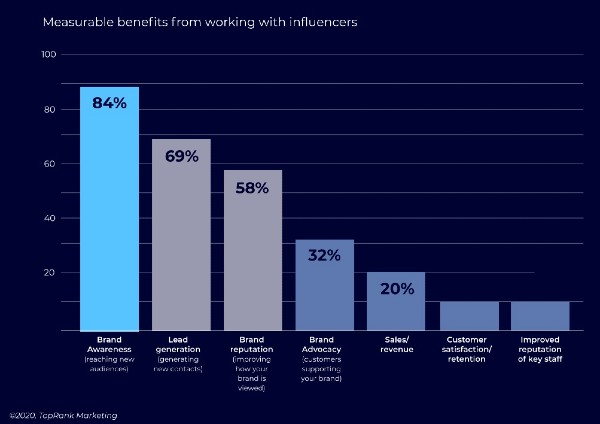
Collaborating with notable influencers is another way to trigger social media engagement. Local influencers — especially those who have a genuine community of interested and niche-specific followers — work great. Many people believe that influencers are more helpful and trustworthy than brands, which is a compelling reason to use influencers to cross-promote your product or service. Not only are influencers a great tool to help increase overall client engagement, but they also can help boost opt-ins and, most importantly, sales and profit.

Compensation normally depends on the size of the influencer’s following and how well known they are. Some solely exchange products or services for promotion, and others charge high prices.

At our agency, we aim to partner with influencers who we believe will help drive meaningful engagements for our clients. To get started on this yourself, reach out to influencers and be clear about the opportunity you’re offering, and establish an agreement on collaborating that mutually benefits both parties.

So there you have it: three effective ways to increase engagement on social media. If you want to attract attention and spark engagement on your pages, consider employing these strategies in your upcoming marketing campaigns. Creating compelling contests, running engagement campaigns and leveraging influencers can all help increase quality engagement on social media.

Feature Image Credit: getty

By Jonathan Durante

Co-founder at Expandify Marketing, a leading digital marketing agency. Read Jonathan Durante’s full executive profile here.

Sourced from Forbes

By .

Microsoft on Wednesday released a free analytics tool it calls Clarity that has been in beta for two years. The technology has several features revolving around heat maps that aim to help website managers better understand website visitor behaviour.

Employees at Microsoft initially used the tool. Now Microsoft is extending it to companies, mainly to help them build a user-friendly website that is a privacy complement.

Clarity — designed to have a low impact on page-load times and there are no caps on traffic no matter what the number of visitors to the website — helps give marketers a deeper understanding of why at website performs one way and not another.

It also provides anonymized heat maps and data that show where site visitors clicked and scrolled, and enables marketers to analyse use behaviour on the website exactly as it happened through a job description code. Some of the data includes the name of the browser, and whether they are using a PC, tablet or mobile phone to access the site.

Heat maps provide a visual way to examine large numbers of site visitor interactions. Microsoft built two types: click maps and scroll maps.

While the heat maps tell marketers which pages get the most clicks, the click maps tell marketers what website page content visitors interact with the most. Areas in the map marked in red have the highest frequency of clicks and are usually centred on focal points.

These align with portions of the site marketers want visitors to click on. If they don’t, modification can be made.

Filters allow marketers to segment recordings. Machine learning gives marketers insight into patterns in session recordings including “rage clicks,” “dead clicks,” and “excessive scrolling” — all used to clarify and classify sessions.

Reporting also includes “Rage clicks,” which are behavioural patterns where site visitors click several times on a portion of a web page they believe should hyperlink somewhere, but do not.

These repeated clicks can be a good indicator of non-intuitive portions of the web page or can help to identify clicks that do not work, but should.

A dashboard of aggregate metrics provides an understanding of overall traffic patterns on the site. It shows where people click on non-existent links or how many scrolled up and down a page in search of something they could not easily find.

It also tracks concurrent javascript errors and how much time visitors spend navigating the site.

Microsoft says the platform is compliant with General Data Protection Regulations.

By .

Sourced from MediaPost

By Kim Komando.

It can be unsettling when you consider what makes a smart TV in your home “smart.” Because a smart TV connects to the internet, collecting data about you and your viewing habits is possible. Add apps into the picture and the data tracking accelerates.

What are TV manufacturers getting? Your viewing history, the ads you watch or skip, as well as other details. This data is shared with advertisers and marketing companies. You can turn the tracking off, so long as you know precisely where to look in the TV’s settings menu.

Tap or click here for steps to turn off the data tracking and spying on a Vizio, Samsung, LG, Amazon Fire TV, Roku TV and more.

But it’s not just the TV makers. Streaming companies are also tracking. Let’s take a look at the top streaming services and tell you how to take back your privacy:

Netflix lets you erase and get a copy of all the data collected about you.

Netflix collects data primarily to provide recommendations on other things you might want to watch. Simply stated, its algorithms want you to see value in continuing your monthly subscription.

Whether the recommendations are off or you want a private Netflix experience, you need to delete your viewing history.

1. Sign-in to your account at Netflix.com.

2. Choose your profile and click on the profile icon in the upper-right corner.

3. Click Account, then scroll down to Profile and Parental Controls.

4. Click your account icon. Then, click Viewing Activity.

5. On the menu, click the circle icon on the right of each entry to remove it from your watch history. To remove your entire watch history, scroll down and click hide all.

Netflix will provide a copy of data it collects about you. This dossier includes more than just your watch history and ratings for content. Netflix hangs on to your device information, account email preferences, IP address, billing information and data from other profiles on your account.

To request a copy, go to netflix.com/account/getmyinfo and follow the instructions. It can take up to 30 days for Netflix to process the request. Your data file will be sent to the email address attached to your account.

While you’re waiting for a copy of your data to arrive, why not dive into some hidden features in Netflix? You can find something new to watch using secret codes, stop that annoying “Are you still watching” prompt and much more. Tap or click here for 7 Netflix tricks you can use all the time.

Amazon Prime membership extends into personalized ads.

Amazon tracks your Prime account activities, including what you watch on Prime Video. This data includes your searches, items you recently viewed, shows and movies you recently watched and product categories you looked through.

PRIME SECRETS: Amazon Prime membership includes way more than free shipping and video streaming. Tap or click here to see my favorite perks, including at-home clothing try-on, free magazine subscriptions and 5 GB of photo storage.

This data helps Amazon create targeted ads. That’s why you’ll see products and suggestions similar to what you’ve watched or looked up. Here’s how to stop Amazon from tracking your browsing activity:

1. Log in to your account at Amazon.com.

2. Click on Browsing History from the menu under the Amazon search bar.

3. On the page that opens, click on the Manage history drop-down arrow.

4. Toggle Turn Browsing History on/off to the Off position.

You can also stop your data from being used for advertising.

1. Hover over Accounts & Lists and click Your Account.

2. Under Communication and content, click on Advertising preferences.

3. Choose Do not show me interest-based ads provided by Amazon. Click Submit.

HOT GIFTS: Top tech gifts under $100 you can buy on Amazon.

Amazon Fire TV users need to take one more step.

If you watch Prime Video on a Fire TV Stick or Cube, there’s one more step you need to take to stop Amazon from tracking you. The Fire TV’s privacy menu gives you the option to limit device data collection, app data collection and interest-based ads.

1. From the Fire TV main menu, select Settings.

2. Click Preferences, followed by Privacy Settings.

3. In the menu that opens, turn off Device Usage Data, Collect App Data Usage, and Interest-based Ads.

You can also disable Data Monitoring, which sends Amazon additional usage stats about your device.

1. From the Fire TV main menu, select Settings.

2. Click Preferences, followed by Data Monitoring.

3. In the menu that opens, turn Data Monitoring off.

Want more Fire TV know-how? Here are 10 tricks only the pros know.

How to stop your smart TV from spying on your viewing habits
Smart TVs have settings for adjusting your preferences. You can take control and tell the TV manufacturers not to sell your data.
USA TODAY

Hulu has three different steps for you to opt-out.

Hulu collects your watch history, personal details, and activity on the service. The service sells some of this data.

To clear and reset the Watch History for the profiles associated with your account, do the following:

1.     Log in to Hulu and open your Account page on a web browser.

2.     Select California Privacy Rights under Privacy and Settings. (Note: Hulu is based in California and follows the state’s regulations.)

3.     Under Manage Activity, click Watch History and Clear Selected. This will clear the entire watch history that Hulu stores for you.

Next, let’s take care of Hulu’s Nielsen Measurement. This collects viewership data that determines ratings for TV and streaming.

1. Log in to Hulu and open your Account page on a web browser.

2. Select Manage Nielsen Measurement under Privacy and Settings.

3. Click Opt-out.

Finally, let’s stop Hulu from selling your data to advertisers. Due to the state of California privacy regulations, you can opt-out of having your personal information and activity data sold.

1. Log in to Hulu and open your Account page on a web browser.

2. Select California Privacy Rights under Privacy and Settings.

3. Under Right to Opt Out, click Change Status.

4. Click Opt out.

Like what you’re reading? Get tips like this delivered to your inbox for free. Sign-up now while you’re thinking of it.

YouTube tracking can be stopped.

Google-owned YouTube uses your search history to build a detailed advertising profile about you. To remove what YouTube knows about you, start with your Google profile.

To get started, let’s tackle our search and activity history.

1. Visit myaccount.google.com and log in. Then, click on Manage your Google Account.

2. Click Manage your data & personalization, found under Privacy & Personalization.

3. Under the Activity controls menu, you will see checkmarks next to Web & App activity tracking, Location History and YouTube History. Click each one to change settings. Toggle each off to stop Google from tracking you.

4. Under Activity controls, click My Activity under Activity and timeline.

5. On the menu that appears in the left sidebar, click on Delete activity by. Choose how far back you would like to delete your history in the pop-up menu. Click Delete to confirm your changes.

Once you’ve followed these steps, you’ll have removed your search history and disabled tracking through apps, location history and YouTube activity.

Next, let’s turn off personalized ads. This is how Google serves you ads based on your activity and history.

1. Visit your Google Account settings once again and click on Data & personalization from the left-hand panel.

2. From the Ad personalization panel, click on Go to ad settings.

3. Toggle the switch next to Ad personalization is ON. You should now see Ad personalization is OFF.

If you use the Chrome browser, you can turn off ad personalization by installing Google’s Interest-Based Ads Opt-Out extension.

Roku makes it simple to opt-out.

Roku is less of a service and more of a hub for many other streaming platforms. But Roku keeps tabs on your data and sells it to advertisers, unless you personally opt-out of ad tracking. Here’s how to do it:

1. From the Roku main menu, open Settings.

2. Open Privacy, followed by Advertising.

3. Check Limit ad tracking to stop Roku from sharing your viewing data.

From Guest Mode to parental controls to custom screensavers, there’s a lot to learn about your Roku. Tap or click here for 8 smart tips (With examples).

By Kim Komando.

Learn about all the latest technology on the Kim Komando Show, the nation’s largest weekend radio talk show. Kim takes calls and dispenses advice on today’s digital lifestyle, from smartphones and tablets to online privacy and data hacks. For her daily tips, free newsletters and more, visit her website at Komando.com.

Sourced from USA Today TECH

By Christina Hager.

Many marketing executives, social media managers and business executives have been struggling to adapt their marketing and branding efforts so their social media content remains relevant and appropriate during the pandemic.

In a previous article, I addressed how you can use social media to communicate during a time of crisis, but now where do we find ourselves? The sheer length of the pandemic means we can’t continue to function in full-scale crisis mode, but many of us simply aren’t “business as usual” yet. How do we move our efforts forward in smart, meaningful ways that are sensitive to this ever-changing climate?

According to the “Digital 2020” report, released at the beginning of the year, 4.54 billion people worldwide were using the internet. That’s a 7% increase from the previous year, and we’re nearing 60% worldwide internet penetration.

Once the pandemic hit, internet and social media use increased across demographics. More time is being spent on social media sites, but the ways people are using social media has changed. Here is what marketing executives and social media managers need to know now:

1. Logging In For News

It’s no surprise that back in March and April of this year, people flocked online to get updates on Covid-19. Many chose to visit specific social media channels, and they used those channels’ internal search engines to find updates, news and information. We had started to see this trend in news consumerism over the last few years. Last year, for example, 55% of Americans got at least some of their news from social media. But reliance on social media for news seemed to really take off in response to the pandemic.

With so many people using social media for news, it’s important that your content stay topical and also sensitive to the news cycle. While your brand may be fun or sarcastic, you’ll need to understand how your content might be viewed in a user’s feed when sandwiched between two news stories.

That said, embrace this trend and share news about your business! Your customers and even your employees might be looking at your social media for updates — to see if you’ve made modifications to your services during the pandemic or find out if you’re still in business.

2. Best Times To Post

In January, I would have said that while key times to post vary by industry, channel and demographic, we commonly see surges in use at lunchtime, in the early afternoon and between 7 p.m. and 9 p.m. However, that’s all changed since the start of the pandemic.

With so many people working from home, using Zoom for conference calls instead of in-person meetings, I’ve found that social media peak times have shifted to the morning. In fact, one key window is from 10 a.m. to 12 p.m., with much less use in the evening. Maybe we can assume that by that time, many people are seriously “screened out” and want to relax.

So, in order to target most segments of the population, I recommend focusing on distributing your content and key engagement in the morning. Don’t make the mistake of trying to reach your demographic when they aren’t online.

3. Give Them An Escape

When it comes to the kind of content users are consuming, I find that content that is inspirational, educational and fun (as opposed to just sales-pitching) always does better on social media. This applies even more right now. According to a recent study on consumer sentiment during the pandemic, “43% of survey respondents said it’s reassuring to hear from brands they know and trust.”

So keep posting, but stop trying to sell (this is great advice for content creation efforts anytime). Tell a story about how your organization is contributing to the greater good or about an employee who has overcome adversity. Share how your product or service can make life a little easier in the current conditions, or post a nice graphic that will make people smile. Such posts help link your brand with good feelings and entertain people who are hungry for entertainment. Remember, many may want an escape from the reality of their daily lives.

Also, be sure to share how your company is handling issues related to Covid-19. Are you open for business? And how have things, in general, changed for you? The same research mentioned above found that 40% of users want to know what brands are doing to adjust during the pandemic. Giving a glimpse behind the scenes is a good way to keep people interested in your organization.

At the very least, post regular updates. That might be a daily LinkedIn update or a quick video from a senior leader. Or choose to go live on Facebook so you can “talk” with your customers. Going live can also help you get good placement in people’s feeds.

4. Adjusted Ad Spend

Ad spend is always a hot-button question: How much money on a particular channel will lead to how many views and what kind of engagement? Or how many leads? While that’s different for each social media channel and each industry, it’s safe to say that ad spend is down at the moment.

In short, your social media ad dollars can go pretty far right now. Start by boosting your organic posts that already have the greatest engagement. Then, you can create micro-targeted ads and run an A/B test to see how your audience responds. This is a great way to test the waters if you’re new to social media advertising.

To stay relevant, business leaders, brands and organizations of all kinds must adjust to the new online landscape. People have shifted their use of social media, and your strategy, content and distribution efforts must shift with them. Don’t get left behind because you’re using best practices from before the pandemic. Meet your consumers where they are. Stay open to the next wave of changes, and keep telling your story. And remember, if you don’t, your competitors will.

Feature Image Credit: getty

By Christina Hager

Follow me on Twitter or LinkedIn. Check out my website.

I help transform individuals and brands into industry leaders through social media strategy. President, Ovations DigitalRead Christina Hager’s full executive profile here.

Sourced from Forbes

By Anna Hensel.

Now that the threat of a potential TikTok ban has all but subsided, e-commerce startups are ready to give their advertising dollars to TikTok. And TikTok wants to make it easier for them to do so.

TikTok and Shopify announced that Shopify merchants can now create and run TikTok campaigns from directly within the Shopify dashboard, thanks to a new TikTok channel within the Shopify app store.

Shopify has similar partnerships with the other digital advertising channels, including Snapchat, Facebook and Pinterest. But the new Shopify partnership signals that TikTok — and e-commerce companies’ interest in it — is here to stay. Modern Retail spoke with leaders of four digital advertising agencies, two of whom said they have seen an increase in e-commerce clients eager to test out advertising on TikTok since the threat of TikTok getting banned seems to have subsided. They say that the interest in TikTok is largely driven by companies’ eagerness to find cheaper advertising alternatives to Facebook, and to reach a consumer that skews younger than the typical Facebook user. At the end of September, President Donald Trump, said he gave his “blessing” to a deal in which Oracle and Walmart would each get a stake in a newly-formed entity that would own TikTok, but the deal has yet to be finalized.

Brandon Doyle, founder of Wallaroo Media, estimated that about 25% of his clients are now running ads on TikTok, up from 15% a few months ago. “A vast majority is because the uncertainty [around TikTok’s future] is now gone,” said Doyle, whose clients include Cotopaxi and Rhone. Freelance media buyer Savannah Sanchez said that she’s had some clients who paused TikTok advertising while they were still waiting to see what happened with the app. They’ve since reached back out in recent weeks to solidify TikTok budgets for November and December; “Whereas before they were kind of on the fence whether they were going to use it for their fourth quarter strategy.”

“The majority of Shopify merchants are preparing for a busy online holiday shopping season,” Satish Kanwar, VP of Product at Shopify said via email in response to a question about whether or not Shopify has seen an uptick in the number of its merchants who are interested in advertising on TikTok. “We believe empowering merchants to connect with new audiences using content that feels authentic and genuine to the TikTok experience will be pivotal as they head into the holiday season.”

“Shopify is a leader in the commerce industry and with over a million merchants leveraging the platform to build their businesses, we see an incredible opportunity to connect the TikTok community with merchants of diverse backgrounds to explore and discover products they love,” a TikTok spokesperson said in a request for comment on the Shopify partnership.

In search of digital advertising alternatives
Katya Constantine, founder of Digishopgirl Media, said that she’s also seen an uptick in clients interested in advertising on TikTok, but attributes it more to the fact that TikTok has added more sophisticated features for advertisers in recent months, including rolling out a self-service advertising platform. Constantine, whose clients include Caraa and Dolls Kill, also added that what is ultimately driving the interest in TikTok “was them wanting to diversify from Facebook.”

However, brands by and large still aren’t spending as much money on TikTok as they are on Facebook — or even Snapchat. “I don’t know if we have any clients that are thinking about putting more than 20% of their budget on TikTok ads,” said Doyle.

And what’s keeping brands from investing more in TikTok is the fact that compared to other digital advertising platforms, TikTok has less sophisticated tools for advertisers that can help them track how their ads are performing. As part of the Shopify partnership, Shopify merchants will be able to install the TikTok tracking pixel with one click, whereas before they may have had to use a developer to install it.

“The pixel integration is great — but [the pixel] still needs to get better at tracking. It’s still a ways behind Snapchat and Facebook’s pixel,” said Doyle. Namely, TikTok can only track a purchase if a person clicks on an ad in TikTok and then makes the purchase right away. Facebook and Snapchat’s tracking pixel, by comparison, can still determine whether or not a person made a purchase after clicking on an ad even if the user visits multiple other sites before making the purchase.

How the Washington Post is creating impact through socially minded branded content

Jason Wong, managing partner at brand incubator Wonghaus, said that he’s currently spending about $15,000 per month on TikTok ads for one of his brands, Doe Lashes. But because TikTok’s ad platform is still young, he sees TikTok more as a “discovery channel,” to introduce the brand to new customers, rather than to drive direct sales.

“A lot of the data [TikTok] has is on watch time — what type of content gets watched, what type of people engage, what type of people comment,” he said. Whereas Facebook, he said has more data on “what type of people want to buy, what type of people are more likely to add to cart,” and can then target ads to those group of people.

Right now, one of the biggest benefits of TikTok for e-commerce advertisers is the fact that it’s typically cheaper to reach ads on Facebook. Sanchez estimated that the CPMs on TikTok for her clients are around five times cheaper than they are on Facebook, while Constantine estimated advertising costs on TikTok are 80% cheaper for her clients.

All of the advertisers Modern Retail spoke with, however, said that they feel TikTok’s biggest drawbacks are due to the fact that its advertising platform is still young — and they expect the company to continue to add better features for e-commerce advertisers over time. A TikTok spokesperson said that the company plans to partner more with Shopify, and “plans to start testing new in-app features that will make it easier for users to discover Shopify merchants and their products.”

“I know that they are working on a lot of stuff,” said Doyle

By Anna Hensel

Sourced from DIGIDAY

This article was reported on — and first published by — Digiday sibling Modern Retail

By .

Brave wants to protect its users from a practice known as CNAME cloaking

Privacy-focused web browser Brave has unveiled improvements to its service designed to protect users from even the most sophisticated trackers.

Built upon the notion that advertisements should be optional and web browsing private, Brave is committed to allowing its users to protect their metadata, shield activity from internet service providers (ISPs) and block ad trackers.

In its latest blog post, the company sets out a new feature that mitigates against a technique used by trackers known as CNAME cloaking – a process whereby a tracking domain masquerades as a genuine subdomain of whatever site the user has landed on.

With the rollout of Brave 1.17, to be completed by November 17, the browser will protect more effectively against this threat by cross-referencing CNAME records with canonical name records.

“If the request has a CNAME record, and the same request under the canonical domain would be blocked, then the request is blocked,” stated the firm.

Brave browser update

As explained in the blog post, one way Brave prevents trackers from monitoring its users’ activity online is by blocking domains that are known to pose a threat to user privacy.

However, this process boils down to a game of cat-and-mouse; trackers are always hunting for ways to circumvent these protections, and privacy services are always working to increase their level of sophistication.

“Some trackers use a technique called ‘CNAME cloaking’ to make their tracking code look like a ‘first-party’, more trusted resource,” explained the firm.

“Others use [the technique] to serve their code from unexpected or frequently changing origins, in combination with techniques like domain generation algorithms.”

According to Brave, the privacy community has long been aware of these techniques, but only relatively recently have trackers begun to capitalize on the fact that ad blocking extensions do not have access to CNAME information.

Served under a first-party subdomain, trackers can gain even more information about users’ browsing habits than previously possible, with privileged access to cookies and other local identifiers.

With Brave 1.17, the new CNAME uncloaking feature will be toggled on by default and, beyond safeguarding user privacy, should also deliver a small saving to network bandwidth and CPU cycles at the same time.

Feature Image Credit: Brave

By

Sourced from techradarpro