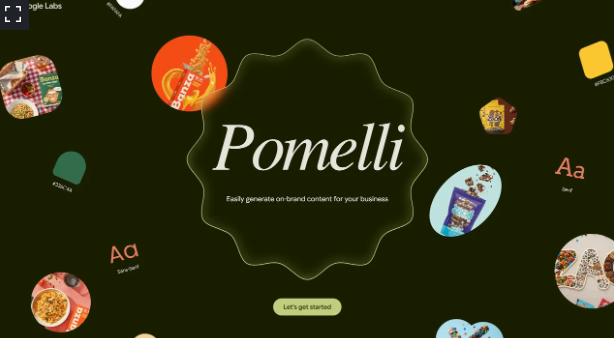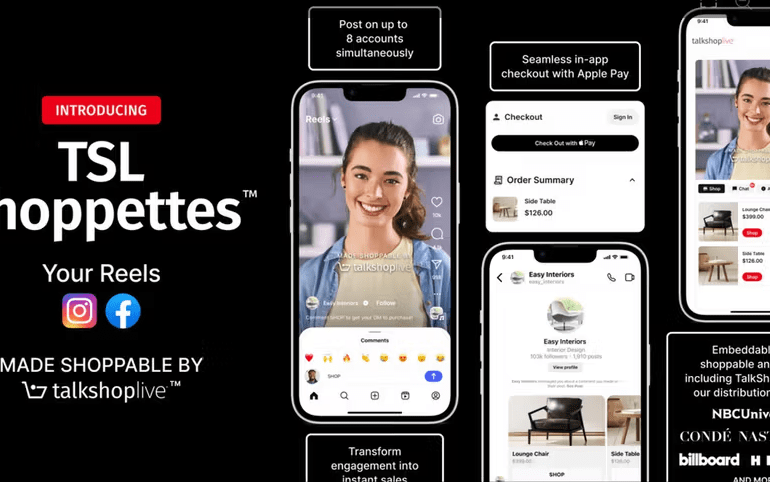
(Reuters) -Meta Platforms aims to allow brands to fully create and target advertisements with its artificial intelligence tools by the end of next year, the Wall Street Journal reported on Monday, citing people familiar with the matter.
The social media company’s apps have 3.43 billion unique active users globally and its AI-driven tools help create personalized ad variations, image backgrounds and automated adjustments to video ads, making it lucrative for advertisers.
A brand could provide a product image and a budget, and Meta’s AI would generate the ad, including image, video and text, and then determine user targeting on Instagram and Facebook with budget suggestions, the report said.
Meta also plans to let advertisers personalize ads using AI, so that users see different versions of the same ad in real time, based on factors such as geolocation, according to the report.
The owner of Facebook and Instagram, whose majority of revenue comes from ad sales, referred to CEO Mark Zuckerberg’s public remarks about AI-driven ads, when contacted by Reuters.
Zuckerberg last week stressed that advertisers needed AI products that delivered “measurable results at scale” in the not-so-distant future. He added that the company aimed to build an AI one-stop shop where businesses can set goals, allocate budgets and let the platform handle the logistics.
Social media firms such as Snap, Pinterest and Reddit are increasingly investing in AI and machine learning tools to attract advertisers in an intensely competitive ad market.
Meta’s shares were up nearly 1% in morning trading, while stocks of ad giant Interpublic Group and Omnicom Group fell 1.9% and 3.2%, respectively.
Shares of France’s Publicis Groupe SA slid 3.8%. U.S.-listed shares of WPP, the owner of agencies GroupM, Ogilvy and VM, were down 2.2%.
Technology firms such as Google and OpenAI have also launched video and image-generation AI tools, but their widespread adoption in advertising remains in doubt as marketers weigh concerns over brand safety, creative control and quality.
(Reporting by Jaspreet Singh in Bengaluru; Editing by Leroy Leo)
Here’s a step-by-step system for startup founders to build their first 1,000 engaged email subscribers — without guesswork or gimmicks.
he digital world is saturated with social algorithms, pay-to-play platforms and constantly changing SEO strategies. However, one channel remains consistently consequential, direct and owned: email.
Building an email list early on in your business development isn’t just a marketing move for startup founders and business leaders; it’s a smart growth strategy. Yet many wait until too late, focusing instead on social media followers or one-off ad campaigns. Email is where genuine relationships are nurtured, conversions happen and loyal communities are built.
The magic number? Your first 1,000 subscribers. This isn’t a vanity milestone or one I simply pulled out of nowhere — it’s the start of a high-value, compounding asset. Here’s a framework to get you there faster and smarter.
1. Define who you’re talking to (and why it matters)
Before writing a single email or designing a signup form, answer this: Who are your ideal subscribers, and what do they want from you?
You’re not collecting email addresses to simply just collect them. You’re doing so to start a conversation. Getting hyper-specific with your audience will be the best thing you can do to ensure those conversations are valuable. For example:
A productivity app may target remote tech workers struggling with distractions.
A wellness brand may target millennial parents looking for five-minute self-care tips.
Once you’re clear on your ideal audience, define your unique value proposition. It should answer the following questions: Why should someone join your list? What will they get in return?
2. Create an irresistible lead magnet
In 2025, people won’t give away their email for just a “newsletter.” They want value, and they want it now.
A lead magnet is a free, high-value offer that your target subscriber can receive instantly in exchange for their email. Effective lead magnets typically include:
Checklists or cheat sheets
Industry trend reports or whitepapers
Templates or toolkits
Short video tutorials or mini-courses
Quizzes with personalized results
Discount codes or early access (for product-led businesses)
Your lead magnet should be hyper-relevant to your offer and audience. Make it:
Easy to consume (no 50-page PDFs)
Immediately actionable
Aligned with what you plan to sell later
3. Optimize your signup experience
You’ve got attention. Now, remove friction.
Place your opt-in form or landing page where it matters most:
Website homepage
Blog posts with relevant content
Top bar or exit-intent popups
Product pages
Social bios and link trees
Partner content (guest blogs, webinars, etc.)
Make the form frictionless:
Ask only for what’s essential (usually just name + email)
Use persuasive microcopy (“Get the free guide” instead of “Submit”)
Add social proof if possible (“Join 850+ founders getting weekly growth tips”)
And make sure the design is clean, mobile-friendly and aligned with your brand voice.
4. Launch a welcome series that converts
Your first few emails set the tone. A welcome series isn’t just polite — it’s strategic.
Here’s a simple three-email sequence to start:
Email 1: Deliver the lead magnet and set expectations
Introduce yourself. Explain what they’ll get from your emails and how often.
Email 2: Your origin story and value add
Share why you started this business and how it helps them. Include a helpful tip or insight.
Email 3: Social proof and soft CTA
Highlight a testimonial, case study or popular product. Include a light-touch call to action (visit your website, book a call, check out your offer).
This sequence helps build trust before selling — the key to sustainable growth.
5. Drive targeted traffic to fuel growth
Now that your system is ready, it’s time to get eyes on it. Don’t wait for organic search to work; get proactive.
Here are five scalable traffic sources:
Organic social: Share lead magnet snippets on LinkedIn, Instagram and X. Use storytelling and pain-point content.
Partnerships: Do email swaps or joint webinars with complementary businesses.
Paid ads: Run low-budget tests on Meta or Google Ads with lead magnet landing pages.
Communities: Engage in relevant Slack groups, subreddits and forums — share value and link to your opt-in.
Content marketing: Blog posts optimized for long-tail keywords that tie into your lead magnet.
Pro tip: Use UTM parameters to track which channels bring the highest-quality subscribers.
6. Segment and engage (even with a small list)
You don’t need 10,000 subscribers to start segmenting — you just need an intelligent system.
Tag or segment based on:
Source: where they signed up
Behaviour: what they clicked or downloaded
Interest: what content they engage with
Then, personalize future content, send relevant offers and nurture based on behaviour. The more relevant your emails, the faster your list will grow because people will start sharing them.
7. Don’t just build — engage
Your email list is not a vault; it’s a living asset. Keep it warm.
Show up consistently — whether it’s weekly, bi-weekly or monthly
Deliver value more often than you pitch
Encourage replies (and read them)
Test different types of content: behind-the-scenes stories, how-tos, Q&As, curated lists
When people feel heard and helped, they stay. And they share.
Reaching 1,000 subscribers isn’t about overnight success. It’s about setting up a repeatable, value-driven system that compounds. Once you have it, every new partnership, blog post or campaign fuels a growing engine.
Email marketing isn’t just a channel — it’s your direct line to the people most likely to become loyal customers, fans and ambassadors. Start building that line early, and your future self (and business) will thank you.
Jonathan Herrick is CEO and chief high-fiver at Benchmark Email, BenchmarkONE and Contacts+, bringing together 150 employees serving over 25,000 customers and 1 million users in 15 countries and nine languages worldwide.
The rise of founder-led Substacks isn’t just another content trend — it’s reshaping how brands communicate.
I started noticing the shift last summer. Then came the on-point predictions: Emily Sundberg of FeedMe noted, “We will see more brands trying out Substack this year,” echoed by Rachel Karten’s “Here Come the Brands” (Link In Bio) and Coco Mocoe’s take that brands are headed to Substack.
The momentum hasn’t slowed. Every time I went to hit publish on this piece, new brands joined the movement.
Photo Credit: PEOPLE BRANDS AND THINGS
“Substack has found success because it offers what people have been craving: community,” shares the (anonymous) founder of People, Brands And Things.” Unlike mainstream social media, it thrives on creativity and niche interests. It’s a refreshing departure from data-driven content.”
In a world where organic reach is shrinking and attention spans are short, Substack gives founders something rare: a direct line to an audience that chooses to hear from them. No middlemen. Just unfiltered insight, behind-the-scenes stories, and real connection with superfans.
With over 5 million paid subscriptions across newsletters and podcasts, Substack has become the new group chat for brand builders: a space for storytelling, industry hot takes, and content that humanizes the business. And the best part? Readers opt in.
Unlike other platforms where brands are building on “rented” land, Substack offers something more stable: ownership. Founders control the narrative, enjoy full creative freedom, and maintain access to their subscriber list. Substack has remained ad-free, relying on its subscription-driven model where creators keep 90% of paid revenue.
For founders in fashion, beauty, and consumer goods, Substack is where you go deep — without the noise of algorithms or ads. It also serves as a content playground to spark delight for the engaged consumer.
Inspired to join the movement? Let’s get into it.
One thing to know, right from the jump: don’t consider launching a Substack as another promotional channel. This is a place to showcase your personality as a founder, while doubling as a portal to immerse consumers in the brand world you are building. These might be newsletters, but they don’t follow the same rules as traditional email marketing.
It’s about the long game and longer-form, text-first content. Instead of chasing fast metrics, Substack is an intentional way for a founder or team member to connect with audiences. It’s about three Cs: Connection. Consistency. Community.
It’s also about meeting true fans where they’re at.
Another disclaimer: don’t jump in just because it’s trending. Loyal fans and Substack readers looking for deeper dives into a brand world can sniff out when something is done strictly as a marketing play. Substack only works when it feels like a natural extension of your brand.
In the case of Crown Affair (Dianna Cohen), Set Active (Lindsey Carter), and Megababe (Katie Sturino), their founders have leaned into Substack to spark joy, offer transparency, foster community, and give super fans a behind-the-scenes glimpse into their brands.
I spoke with these founders, as well as Christina Loff, Substack’s head of lifestyle partnerships, and the founder of People, Brands And Things, about how to navigate the platform as founders while remaining authentic and unsubscribing from marketing gimmicks.
Christina Loff puts it best: “The most successful brand Substacks feel personal. They bring value, care about community, and share with intention.” This is where niche communities can thrive.
Loff cites Clare Vivier’s “La Vie De Clare V” (founder of Clare V), Somsack Sikhounmuong’s “Somstack” (creative director at Alex Mill), and Melanie Masarin’s “Night Shade” (founder of Ghia) as standout examples. “People don’t want to be marketed to. They come to Substack for authenticity and connection.”
Thinking of starting your own? Here are some factors to keep in mind:
1- Share, Don’t Sell
Substack thrives as a platform for inspiration and connection.
“Don’t come to Substack to sell,” Loff advises. “Come to understand your community, share meaningfully, and stay consistent.”
She adds, “Make it a space for original content — something readers can’t get from your social feed.”
This isn’t transactional. It’s intimate. It’s a way of pulling back the proverbial curtain to see the founder’s thoughts. It’s also where fans connect with the founder behind the brand, from the quirks, the creative spark.
“Think more about your brand’s ethos than your product,” adds the founder of People, Brands And Things. “Let that lead the way and guide your content.”
Dianna Cohen’s “Take Your Time” is a powerful example: Crown Affair’s ethos doubles as the name of Cohen’s newsletter.
“Substack is a special place on the internet that allows me to dive deep into my inspirations — both personally and behind the brand or product,” Cohen explains.
Her newsletter blends Crown Affair’s DNA with personal inspiration: from an ode to Jim Henson to the magic of mood boarding. These long-form reflections wouldn’t fit elsewhere, but they shine on Substack.
“The Magic of Moodboarding,” Photo Credit: “Take Your Time”, Crown Affair
Photo Credit: “Take Your Time”, Crown Affair
“It doesn’t feel like a sales pitch,” says the founder of People, Brands And Things. “It’s an intimate, inspiring extension of Crown Affair.
One standout piece — “The Magic of Mood Boarding” — pulls back the curtain on how Cohen built Crown Affair’s visual world. Equal parts educational and inspiring, it enhances appreciation for the brand and its visual universe, without ever veering into promotional territory.
As the founder of People, Brands And Things shares: “Given this unique environment, brands must be thoughtful and cautious when launching their own Substacks. Brands should tap into content amplifying the ‘brand world’ they are creating and view their Substack as an extension of that world — an avenue for building community through long-form writing.”
Incorporating a founder’s thoughts and inspiration, as well as their brand, is a delicate dance — one that toes the line between authentically sharing versus selling.
2- Build Community
Lindsey Carter (Set Active) uses her Substack to preview launches, share business decisions, and reflect on founder life.
Her Substack is positioned as the “front-row seat to Set,” bringing readers into the fold before news hits the larger community.
Carter also published a post detailing the brand’s marketing strategy, attracting marketers and industry professionals alongside Set fans. “This approach attracts a new audience outside of Set’s immediate community. And it’s smart,” notes the founder of People, Brands And Things.
“I use Substack to genuinely connect with people. I love human connection and can’t help but be unapologetically myself. Substack is the opportunity to be creative at the intersection of both of those things.”
It’s what creates real connection between Carter and her Set community — and she wouldn’t have it any other way.
As Loff adds, “Launching any new platform takes effort, but Substack offers a unique space to tell your brand’s story in a more authentic, narrative-driven way that doesn’t feel like traditional marketing. This can help build a genuine connection with your audience.”
Katie Sturino’s “Lobby Coffee” is a masterclass in using the Chat feature, with her book club series and real-time conversations surrounding topics like body positivity and divorce.
“Chat is a smart way to engage your community on Substack,” Loff adds. “It provides access to people in a way you just can’t get on social media. And oftentimes, the community connects with one another in really lovely ways.”
“Community is at the core of everything I do. I truly exist to serve my community,” Sturino shares. “Body Talk: The Course was a chance to go deeper with each chapter of my book. We did multiple live Zooms together, where our paid subscribers could go deeper. This type of closed community where we can chat 1:1 is one of the reasons I love Substack. It allows readers to engage with others in a non-public space, so there’s a sense of safety.”
Over at “Take Your Time,” Cohen launched a multi-week series tied to The Artist’s Way, offering her paid subscribers a space to share progress and hold themselves accountable — a blend of book club and creative workshop.
3- Offer Timeliness and Relevance
Substack gives founders the agility to respond to cultural moments, current events, or evolving audience moods in real time.
Take Cohen’s viral posts around New Year’s: her newsletter on manifesting and “What To Release & Carry Into 2025” wasn’t about product. It reflected the mood, the mindset, and the lifestyle Crown Affair champions.
When wildfires hit Los Angeles at the start of this year, both Set and Crown Affair addressed it directly. These weren’t press releases — they were thoughtful updates that grounded the brands in the moment.
And when Set and Parke’s pre-order for their collaboration sold out too quickly, Carter didn’t spin it. She posted a sincere apology on Substack, owning the hiccup and further humanizing her leadership. Vulnerability like that builds trust.
More tips to keep in mind:
Be Clear on Your Why: Are you writing to connect, educate, or build authority? Define your purpose early.
Embrace Imperfection: Your audience wants to hear your real voice, not polished corporate speak.
Commit to Consistency: Whether weekly or monthly, set a cadence you can stick to. Substack rewards regularity.
Engage With Your Readers: Newsletters shouldn’t be a one-way street. Encourage replies, start discussions, and create a sense of community.
Cohen offers this reminder: “Just start! You never know what your audience will resonate with, so start sharing what’s inspiring to you — they’ll let you know what they connect with most over time. Also, if you feel intimidated because you don’t have an audience just yet, the north star I always go back to is this: of the people you reach, how many do you move? That’s what I’m working towards these days. Making content that inspires.”
When you’re job-hunting, you know the old adage: It’s all about who you know. But what if you don’t know anyone in your career path yet? Here’s how to start creating that professional network.
When you’re job-hunting for the first time, that old adage—who you know matters more than what you know—can seem daunting.
In my two decades of helping new professionals access their desired industries, I’ve learned that creating meaningful networks can start from scratch—but conventional networking advice doesn’t always hold up. Instead, you need to emphasize your value. Here’s how to tackle it.
1. Launch an Outreach Campaign: The 100-Connection Method
The most successful networking strategy I have observed requires a deliberate approach to building professional relationships. Develop a list of future workplaces within your industry, then aim to reach out to 100 of their professionals.
How to execute this:
Use LinkedIn, company websites, and industry publications to find professionals who work at your target organizations.
Build a system with a spreadsheet to handle your outreach efforts over a period of 3–6 months.
Develop specific connection requests that show your serious interest in their professional development, with personal messages via email or LinkedIn.
Don’t request employment opportunities; rather, ask to hear about their professional path.
The majority of experts are willing—and even eager—to discuss their careers with young professionals who make thoughtful approaches to them. When your outreach is authentic and specific, I’ve seen a positive response rate of up to 40%. Once you start, make it scalable: Aim for 2–3 new connections per week.
2. Offer Value Before Seeking It
Young professionals fail to understand that networking requires them to provide value first before expecting anything back. Here’s how to do it.
Offer industry trends to relevant professional networks during face-to-face interactions.
Connect professionals to contacts in your existing network, regardless of their network size.
Write blog posts, LinkedIn articles, or research summaries that demonstrate your understanding of the industry.
People naturally feel compelled to give back to you when you help them. When you’re reaching out to 100 people, that multiples.
3. Use Technology to Remove Traditional Barriers
Modern technology has made networking more accessible to all people than ever before. Use these tools strategically:
Virtual meeting platforms: Geographic limitations no longer exist. Through video calls you can establish business relationships with leaders from across the country (or beyond).
AI-powered research tools: The combination of LinkedIn Sales Navigator and company websites and industry databases helps you find appropriate contacts and discover their professional backgrounds prior to making contact.
Professional transcription services: Use tools like Otter.ai during informational interviews to generate precise recordings, which enables you to maintain full attention on relationship development during discussions.
4. Master the Art of Informational Interviewing
The standard job interview places you in a position to request something from the interviewer. Through informational interviews, you provide an opportunity to acquire knowledge from professional expertise. Here’s how to get the full use out of an informational.
Create 5–7 well-prepared questions that focus on your acquaintance’s career development, professional understanding, and industry advice.
Keep meetings to 20–30 minutes maximum.
During the conversation, ask for the names of three professionals who can provide valuable insights.
Send a thank-you note to the participants right after the meeting.
Not sure where to start? These are some helpful questions to ask.
What changes has the industry undergone during your professional lifetime?
What are the most important skills that are rising to prominence in your field?
Who should I reach out to next in my industry exploration?
5. Transform Conversations into Lasting Relationships
Young professionals who succeed maintain valuable relationships from their business contacts instead of just collecting business cards. Turn these conversations into assets.
You should document the most important information that comes from your conversations.
Write about the lessons you’ve learned and share it with your network.
Develop a system for staying in touch with connections, whether that be quarterly check-ins, sharing relevant articles, or congratulating them on achievements.
Look for ways to reconnect contacts with each other when it makes sense.
Develop a personal advisory board from your 100 connections; 10 to 15 people will establish long-term mentorship roles. Nurture these relationships consistently.
The Long-Term Payoff
Recent graduates who focus on value creation instead of value extraction have successfully made industry-changing career transitions and built strong professional networks.
Begin by establishing one professional connection during this present week. Focus on what you can learn from them and how you might be helpful. Strategic and consistent relationship building produces surprising opportunities that surpass your expectations.
Remember: You’re not building a network to get something—you’re building relationships to contribute something. It’s from there your network will grow.
Barry Garapedian spent four decades as a financial advisor on Wall Street and is now the president and CEO of MAG 7 Consulting, a boutique coaching, mentoring, and advisory firm that caters to high-school and college-aged students, setting them up for career success. Additionally, for the past 15 years he has volunteered as a career coach at Pepperdine University, having mentored close to 1,000 students, and is a sought-after speaker on the topics of career and financial readiness for young adults entering the workforce for the first timeMore
Two years after partnering with OpenAI to automate marketing and customer service jobs, financial tech startup Klarna says it’s longing for human connection again.
Once gunning to be OpenAI CEO Sam Altman’s “favourite guinea pig,” Klarna is now plotting a big recruitment drive after its AI customer service agents couldn’t quite hack it.
The buy-now-pay-later company had previously shredded its marketing contracts in 2023, followed by its customer service team in 2024, which it proudly began replacing with AI agents. Now, the company says it imagines an “Uber-type of setup” to fill their ranks, with gig workers logging in remotely to argue with customers from the comfort of their own homes.
“From a brand perspective, a company perspective, I just think it’s so critical that you are clear to your customer that there will be always a human if you want,” admitted Sebastian Siemiatkowski, the Swedish fintech’s CEO.
That’s a pretty big shift from his comments in December of 2024, when he told Bloomberghe was “of the opinion that AI can already do all of the jobs that we, as humans, do.” A year before that, Klarna had stopped hiring humans altogether, reducing its workforce by 22 percent.
A few months after freezing new hires, Klarna bragged that it saved $10 million on marketing costs by outsourcing tasks like translation, art production, and data analysis to generative AI. It likewise claimed that its automated customer service agents could do the work of “700 full-time agents.”
So why the sudden about-face? As it turns out, leaving your already-frustrated customers to deal with a slop-spinning algorithm isn’t exactly best practice.
As Siemiatkowski told Bloomberg, “cost unfortunately seems to have been a too predominant evaluation factor when organizing this, what you end up having is lower quality.”
Klarna isn’t alone. Though executives in every industry, from news media to fast food, seem to think AI is ready for the hot seat — an attitude that’s more grounded in investor relations than an honest assessment of the tech — there are growing signs that robot chickens are coming home to roost.
In January of last year, a survey of over 1,400 business executives found that 66 percent were “ambivalent or outright dissatisfied with their organization’s progress on AI and GenAI so far.” The top issue corporate bosses cited was AI’s “lack of talent and skills.”
It’s a problem that evidently hasn’t improved over the year. Another survey recently found that over 55 percent of UK business leaders who rushed to replace jobs with AI now regret their decision.
It’s not hard to see why. An experiment carried out by researchers at Carnegie Mellon University stuffed a fake software company full of AI employees, and their performance was laughably bad — the best AI worker finished just 24 percent of the tasks assigned to it.
When it comes to the question of whether AI will take jobs, there seem to be as many answers as there are CEOs excited to save a buck.
There are grey areas, to be sure — AI is certainly helping corporations speed up low-wage outsourcing, and the tech is having a verifiable effect on labour market volatility — just don’t count on CEOs to have much patience as AI starts to chomp at their bottom line.
Email marketing is an incredibly effective channel for businesses to leverage to reach their audiences. Although this can confuse beginners, picking the correct tool dramatically simplifies the process. This guide looks at some of the best email marketing tools for beginners.
What Is Email Marketing?
While there is a range of tools, it is vital to understand email marketing first. This includes broadcasting emails to a specific group of recipients to sell products or services, communicate with customers, or provide information. However, the profitability of these campaigns must depend heavily on selecting tools, such as email marketing tools, that best fit your goals and skills.
Choosing the Right Tool
Numerous factors must be considered when choosing an email marketing tool, such as ease of use, price, functionality, and customer support. For beginners, opting for tools with an easy-to-use interface, affordable pricing plans, and fundamental features such as templates, automation, and analytics is better.
User-Friendly Interfaces
If you, like many others, are just beginning your A/B testing journey, an intuitive tool can help you save lots of time and possible frustration. Search for services that feature drag-and-drop editors that allow you to easily create visually appealing emails. These interfaces typically require zero coding knowledge, with users focusing more on content than technicalities.
Affordable Plans
For newbies, money probably plays a big role. If your mailing list is relatively small, you can get away with using an email marketing service with free or low-cost plans! Such plans typically offer limited features best suited for a beginner’s use and are also cost-effective.
Must-have Functions
Although beginners may not require all the advanced functionalities, a few features are a must for effective email marketing. For example, automation features enable users to program emails, sending them at a particular time or in response to any number of triggers. Analytics tools help track the open rate, click-through, and similar metrics that help refine the strategy.
Importance of Customer Support
Responsive customer service makes a difference, even more so if you are an absolute beginner and may run into roadblocks. Support availability also makes a huge difference. Choose a platform that will provide all the expected help through live chat, email, and help centres with thorough answers. The learning curve can be a lot easier when responsive support is considered.
Common Beginner Tools
Multiple email marketing tools exist for beginners, with a good balance between feature-rich and straightforward functionality.
All-in-One Marketing Tool
A few of the tools are widely recognized for their broad applicability, providing various tools catering to personal and business requirements. They typically offer templated designs, low-code automation, and some level of analysis. They also usually provide scalable plans so users can upgrade as their lists grow in subscribers.
Strong Community Support
Another standard option is to choose platforms with well-developed community support. These tools usually have active forums or user groups, which can be invaluable networks for beginners to share experiences and ask questions. They offer a comforting sense of community, solidarity, actionable advice, and encouragement.
Tools With Seamless Integrations
Beginners also need to consider integration features. Specific tools could have great integration features with other platforms, like social media or e-commerce sites. This allows users to reduce the hustle by managing all their marketing facets from one dashboard.
How to Take Advantage of Email Marketing
After selecting the right tool, you must consider how to create effective campaigns. Here are tips for beginners who want to get the most out of their email marketing.
Crafting Engaging Content
When it comes to email marketing, content is king. Newbies should start with messages that the audience will respond to. By making recipients feel appreciated, you can engage them much more since you offer a personalized experience. One way of doing this is to segment your audience based on their interests to serve them highly relevant content.
Testing and Optimization
For example, testing different subject lines or your call-to-action button in an email can be very informative. Users can use A/B testing to compare different versions and determine their performance. That means that more optimization, analysis, and correction are needed continuously.
Building a Subscriber List
A robust list of subscribers is the bedrock of efficient email marketing! Motivate website users to enlist by providing clear call-to-action buttons and great sign-up offers. A simple sign-up process with proper consent and trust is essential.
Conclusion
Choosing the right tool is the first step towards success for beginners in email marketing. First-timers can assess ease of use, budget-friendliness, and core features before settling on a platform that suits them best. Campaigns don’t have to be hard; an easy-to-use tool can make it rewarding. Whether for content creation, testing, or list building, the opportunity to dive into email marketing is massive.
Your LinkedIn feed says a lot about who you are. Most people’s feeds look identical. Creator after creator sharing the same structures, posting the same types of carousel, tweeting the same quotes. When everyone follows a template, no one stands out.
The most trusted voices on LinkedIn don’t rely on hooks and formulas to build their presence. They stand out by being real humans sharing actual experiences.
I quadrupled my LinkedIn following in 2024 from 7k to 30k with consistent action and a commitment to authenticity. My AI for Coaches newsletter hit 8,000 subscribers in under three months without promotion. The growth happened because I shared real stories, honest opinions, and actual results. No formula could have created that level of trust.
Real trust comes from dropping the mask
The creators building real influence share their genuine experiences and original perspectives instead of following formulaic approaches. Here’s how to join them.
Share your actual journey
Top creators document their path as it happens. They talk about clients they’ve helped, projects they’ve launched, and failures they’ve encountered. They let you see behind the scenes to understand how they work and what they believe. This builds genuine connection with their audience. Your real experiences solving problems for clients prove your expertise without you claiming it.
Show exactly what went wrong, the methods you used to fix it, and specific results that followed. Your audience will see themselves in these stories and trust that you can help them too. Never exaggerate results or make claims you can’t back up. The messy reality of building something valuable creates stronger bonds than polished perfection ever could.
Call out industry nonsense
The most trusted voices aren’t afraid to challenge conventional wisdom. They spot trends that don’t work and call them out directly. This honesty signals confidence and establishes them as independent thinkers who care more about truth than being liked. Take a stand against practices that waste people’s time or money.
Share what you’ve learned about approaches that sound good but deliver poor results. Your audience will appreciate your willingness to protect them from common pitfalls. They’ll see you as someone who puts their interests first, building trust that leads to real engagement. Growing your personal brand proves you can focus on serving over selling.
Write in your natural voice
People trust what feels authentic. The best creators write exactly how they speak. They don’t use templated language, corporate jargon, or unnecessarily complicated terms. You can tell a human wrote their posts because they sound like actual conversations. Record yourself explaining a concept to a friend, then transcribe it.
Notice the words you naturally use, how you structure your thoughts, and the examples that come to mind. This becomes the foundation of your authentic writing style. Keep sentences short. Skip fancy words. Make your point clearly and move on. Your audience will connect with content that sounds exactly like you.
Post consistently without fear
Building trust requires showing up regularly. The best creators maintain consistency without obsessing over perfection. They commit to sharing what they know, even when they worry it might not resonate. This courage builds a following that appreciates their reliability. According to LinkedIn, businesses that post weekly see twice the engagement of those that post randomly. Make your plan.
Schedule time in your calendar for creating and sharing content. Treat this as a non-negotiable business activity, not something you’ll do only if you feel inspired. Consistency means creating a reliable presence your audience can count on. When you show up regularly with memorable insights, your followers learn to look for your content.
Build direct connections
Top creators treat comments as conversations, not vanity metrics. They respond thoughtfully to people who engage with their content. They ask questions. They continue discussions. This attention turns casual readers into loyal fans who feel personally connected. When someone comments on your post, respond with something meaningful.
Ask a follow-up question about their experience. Share additional resources related to their situation. Take the conversation to direct messages if appropriate. These one-to-one interactions build stronger relationships than any perfectly optimized post could achieve. Turn comments on your LinkedIn posts into brand new clients with authentic engagement.
Your authenticity becomes your advantage
Stop worrying about what your posts should look like and start sharing what you actually believe. Trust comes from consistency and truth, not tricks and templates. Share stories only you could tell. Describe failures and successes with equal honesty. Take stances that matter to you, even if they aren’t popular. Attract the right people, building a network based on genuine connection rather than algorithm manipulation.
When you show up as yourself, you stand out and attract opportunities you never thought possible. Give your audience something real.
A frustrated Jamie Lee Curtis went straight to the top at Meta seeking to have the company remove an AI-generated commercial that featured her likeness for “some bullshit that I didn’t authorize, agree to or endorse.” Shortly after she posted her appeal on Instagram to Meta CEO Mark Zuckerberg, a company rep said it had removed the fake ads.
“It’s come to this @zuck,” Curtis wrote in a the Instagram post Monday, tagging the Meta chief. “Hi. We have never met. My name is Jamie Lee Curtis and I have gone through every proper channel to ask you and your team to take down this totally AI fake commercial for some bullshit that I didn’t authorize, agree to or endorse.”
Curtis, who has 6.1 million Instagram followers, soundtracked her post with Aretha Franklin’s “Integrity,” from the singer’s album “Who’s Zoomin’ Who?”
Meta spokesman Andy Stone said in an email to Variety that the ads in question violated the company’s policies “and have been removed.”
In the Instagram post, Curtis did not identify the fake AI-generated ad, but said it used footage from an interview she gave to MSNBC host Stephanie Ruhle about the devastating wildfires in Los Angeles area earlier this year.
“If I have a brand, besides being an actor and author and advocate, it is that I am known for telling the truth and saying it like it is and for having integrity and this (MIS)use of my images (taken from an interview I did with @stephruhle during the fires) with new, fake words put in my mouth, diminishes my opportunities to actually speak my truth,” the actor-producer-director wrote.
Over the years, Curtis has appeared as a paid spokesperson for Activia yogurt, L’eggs pantyhose and Hertz.
Curtis concluded in her post addressed to Zuckerberg, “I’ve been told that if I ask you directly, maybe you will encourage your team to police it and remove it. I long ago deleted Twitter, so this is the only way I can think of reaching you. Thank you in advance, JLC.”
Last November, Curtis announced that she had deactivated her account on X/Twitter, which is owned by tech mogul Elon Musk, offering the Serenity Prayer by way of comment: “God, grant me the serenity to accept the things I cannot change. Courage to change the things I can. And the wisdom to know the difference.”
People aren’t friending each other as much on Facebook these days. The iPhone might not feel necessary in a decade. And Google searches on one of the world’s most popular smartphones are declining.
Those were some of the unusually frank admissions from two separate antitrust trials against Meta and Google. It was a rare acknowledgement from tech leaders that the once-cutting edge products their companies were founded on could someday lose their relevance.
Silicon Valley prides itself on innovation, change and a constant quest to find “the next big thing.” The race for relevance is a constant one.
Still, the admissionsunderscore the mounting pressure tech giants face amid new threats from artificial intelligence and new social media apps – and how quickly any product can get left behind.
Apple did not respond to CNN’s request for comment. A Google spokesperson pointed to the company’s public statements, while a Meta spokesperson directed CNN to specific responses from CEO Mark Zuckerberg’s courtroom testimony.
The three tech giants helped shape the modern web over the last two decades.
Google’s search engine triumphed in the late 1990s and early 2000s due to its system of ranking results by relevance and importance rather than sorting them by topic.
And Meta, Facebook’s parent company, is largely responsible for turning social platforms into an addictive feed of likes, comments and other interactions.
Fuelling both of those trends was the smartphone, allowing users to access these services from almost anywhere, which Apple set the stage for with the first iPhone in 2007.
The success of those products catapulted Apple, Google and Meta to mega-valuations. But during courtroom testimony, executives indicated consumers are losing interest in some of the very tasks Facebook and Google were initially built for.
Eddy Cue, Apple’s senior vice president of services, revealed last week that Google search queries on its devices decreased for the first time last month, according to Bloomberg. The comments came during his testimony in the Justice Department’s antitrust trial against Google. (Google pays Apple to be the default search engine in the iPhone maker’s Safari browser.)
It’s another sign that consumers may be shifting to AI chatbots to fulfil some of the duties of a traditional search engine. Market research firm Gartner estimated last year that search engine volume would drop 25% by 2026 as consumers gravitate toward AI tools.
Google said in a statement on Wednesday that it continues “to see overall query growth in search,” and that includes “an increase in total queries coming from Apple’s devices and platforms.”
Meta, too, is seeing consumers shift away from its original use case: adding friends and sharing content.
“The amount that people are sharing with friends on Facebook, especially, has been declining,” Meta CEO Mark Zuckerberg said during an April trial for an antitrust lawsuit brought by the Federal Trade Commission. “Even the amount of new friends that people add … I think has been declining. But I don’t know the exact numbers.”
Instead, Zuckerberg said the company has seen a big boost in direct messages.
Zuckerberg’s comments come as research showsFacebook is falling behind other online platforms with younger crowds. A Pew Research Center report from December found that Facebook usage has dropped off over the last 10 years, with just 32% of teens saying they use what was previously Meta’s namesake social network. That compares to 71% in 2014 and 2015, although teens still use Instagram frequently.
Meta has aggressively shaped its apps to keep up with new trends. In 2013, Facebook failed to buy Snapchat, but about three years later it introduced its own alternative in Instagram Stories. Instagram’s short-form video feed, known as Reels, came to take on TikTok in 2020, and Zuckerberg said in his testimony that video content is where people are spending most of their time on Facebook these days.
Even the iPhone may be at risk of losing favourover the next decade, an Apple executive said.
“You may not need an iPhone 10 years from now, as crazy as it sounds,” Apple’s Cue said during his courtroom testimony in the Google trial, according to Bloomberg.
With 19% of global smartphoneshipments in the first quarter of 2025, according to the International Data Corporation, Apple’s iPhone is the world’s second most popular smartphone brand.
But Apple, along with other tech behemoths, is determined to figure out what comes next.
And the answer could be smart glasses that use AI to analyse the world around you to execute tasks without reaching for your phone — a vision that Meta, Samsung and Google are already betting on. Zuckerberg said in his testimony that he believes consumers will eventually interact with content through “smart glasses and holograms,” removing the need to use a “glowing rectangle” to access digital platforms. Amazon’s head of devices and services Panos Panay also didn’t rule out the possibility of camera-equipped Alexa glasses similar to those offered by Meta in a February CNN interview.
Liza-Bart Carroll wears Meta Ray-Ban Smart Glasses during the Second Annual White House Correspondents’ Weekend TGAIFriday Lunch hosted by The Washington AI Network at The House at 1229 on April 25 in Washington, DC. Paul Morigi/Getty Images
Apple, too, believes the next step in computing will involve devices worn on the face, as evidenced by the $3,500 Vision Pro. That device, while niche, could be a precursor to the types of smart glasses Apple’s rivals are working on or currently selling.
At the same time, consumers aren’t upgrading their phones as frequently now that mobile devices no longer dramatically change each year.
For now, consumers will continue scrolling through Instagram and typing Google Search queries on their iPhones. And change is a good thing for corporate giants like these; it lets them show Wall Street there’s still room to grow while boosting their arguments to lawmakers that they face stiff competition.
What’s changing, though, is that the tech companies that ruled the early 2000s and 2010s may have to fight a bit harder to stay ahead of the curve.
Feature Image Credit: David Swanson/AFP/Getty Images
Networking for introverts: Strategies to avoid the introvert hangover.
Key points
Networking isn’t transactional—it’s about building real, lasting relationships.
Prep in advance: know who’s attending and plan conversation starters.
Arrive early, bring a friend, and give yourself a time limit.
You’ve heard it before: “It’s not what you know—it’s who you know.” But what if just the idea of going out to meet more people feels draining, and you know it will likely end in an “introvert hangover”—that post-event crash from overstimulation? But you know you need to do it. LinkedIn just announced that 90% of hiring managers say referrals are critical for job placement. Now more than ever, networking and relationship-building need to be at the top of your to-do list.
But if the thought of making small talk and walking up to strangers makes you break out into a sweat, and after one evening of small talk, you crave solitude and a good book, you’re not alone. As Susan Cain describes in Quiet, introverts often lose energy in group settings, making traditional networking events particularly draining.
Even if you are the type of person who has never met a stranger, talking to people you don’t know is hard, and can be completely depleting if you are more introverted. The good news? There are simple strategies to make it less stressful.
Change your outlook
When you enter a room, do you think to yourself, I need to find my new best friend or life partner? Probably not. If you walk into a room and think to yourself that you need to meet someone who can help you get a job, internship or land your next client, you are going about it all wrong.
That mindset treats networking as a transaction, when it’s really about planting seeds, building professional relationships, and seeing what you have in common with people so that they can know, like, and trust you. It’s not about what they can do for you, but more about what you have in common with them, or even better, how you can help them.
Networking starts at home
Before you go to an event, look at the invite or guest list and try to identify whom you might know. Reach out to them in advance with a quick message asking if they will be there and that you look forward to catching up with them.
Networking strategies to conserve your energy
There are several strategies you can implement to reduce anxiety and exhaustion during a social or networking gathering.
Arrive early. While you might want to arrive late because you’re thinking “I’d rather be anywhere else,” consider the strategy of arriving while the room is calm, quiet, and you can get one-on-one time with the host. You can also look for a quiet corner or room to retreat to when you need to recharge.
Don’t go alone. Walking into a crowded room is difficult for most people, so avoid the uncomfortable situation by arriving with a friend or colleague. Having just one familiar face creates a safety net—and they can introduce you to others.
Give yourself a time-limit. No one says you need to be there for the entire event. Decide how long you wish to be there, or who you want to talk to. When that is done, you are free to leave. There are no bonus points for staying until the end—sometimes, just being seen is enough.
Have “starter” and “closing” sentences. No one wants to talk about the weather, so having a surefire way to start and end a conversation is critical. Having some ways to kick off the conversation will remove the awkwardness. “I loved your presentation,” “Where did you get that latte?” or “Where did you fly in from?”—these are all great ways to kick things off. Need a list of great openers? Read my post on 9 Easy Ways to Start a Conversation With a Stranger.
Equally as important is to have a graceful way to conclude the conversation when you’ve had enough. “I have to call the babysitter” or “I’m going to grab a drink” are simple, graceful ways to close the loop.
When networking aligns with your energy, it shifts from draining small talk to meaningful connection. If you don’t think of networking as being transactional, do some preparatory work, give yourself time limits, and have some ways to kick off and close conversations, you’ll be well on your way to meeting new people in a way that energizes rather than depletes you.
Ruth Gotian, Ed.D., is an associate professor of education at Weill Cornell Medicine and author of The Success Factor and Financial Times Guide to Mentoring.