Author

editor

Browsing

By

But not in every country, and China has its own players

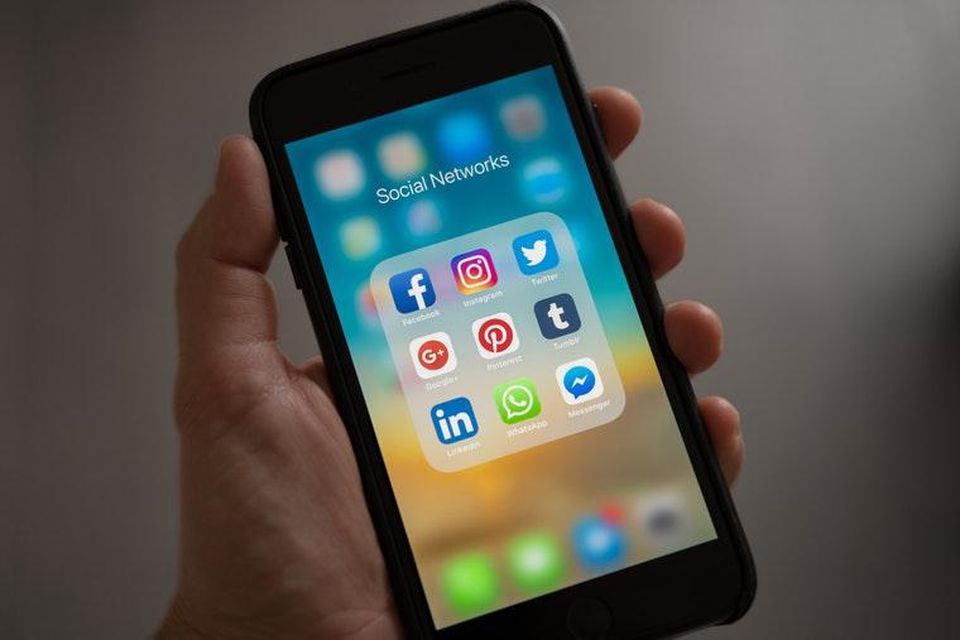
Influencer marketing is a powerful tactic that targets consumers where they already spend much of their time: social media. Globally speaking, Instagram is the primary platform for many influencer-brand campaigns, but it’s hardly the only one.

Take China, for example. Most of the major international social networks, including Facebook, Instagram, Snapchat and YouTube, are banned by the government. That means that the country’s influencers hold court on local services, of which Weibo and WeChat are the most popular.

And in the DACH region—which includes Austria, Germany and Switzerland—Instagram and YouTube are neck and neck, at least in terms of influencer marketing spending. According to Goldmedia data, sponsored content on the two platforms accounted for 34% and 31% of total influencer revenues in 2017, respectively.

Spending figures don’t always tell the whole story. While Goldmedia took into account both monetary and nonmonetary compensation, such as product gifting, influencers may charge a premium for a post on a certain platform, which could inflate its share of spending.

But those findings make sense when looking at where consumers in the region follow influencers. According to a March 2018 survey by M Science for Wavemaker, social media users in Germany were just as likely to follow an influencer on YouTube as they were Instagram, each cited by 73% of respondents. Roughly half said they followed influencers on Facebook.

That said, the importance of Instagram for influencer campaigns is rising in nearly every market worldwide.

In a February 2018 survey by influencer marketing agency Activate, 88.9% of worldwide influencers said they were using Instagram for influencer marketing campaigns more than they did one year ago. Excluding posts on their feeds, Instagram Stories was the most popular tactic used for sponsored campaigns.

Instagram’s rising popularity for influencer campaigns goes hand in hand with the platform’s strong user growth, as marketers tend to go where their customers are.

India is one example of that. According to our latest forecast, the number of Instagram users in the country grew by an explosive 123% in 2017—the fastest growth rate worldwide. So it’s no surprise that 78% of influencers in India cited Instagram as the platform that would rise in importance for influencer marketing this year, according to a December 2017 survey from influencer marketing agency Buzzoka.

Overall, we expect the number of worldwide Instagram users to rise by 18.4% to 714.4 million in 2018. Sweden will have the highest Instagram user penetration rate in the world, at 68.9% of social network users, followed by Indonesia (62.8%) and Norway (57.7%).

By

Sourced from eMarketer

By Maria Jones

Affiliate marketing is an online market where advertisers or merchants pay the individuals or companies who do the task of promoting the services and products on the basis of their performance.

It is fundamentally a profession of referring the products to clients by utilization of effective marketing strategies and skills. The people or company who carry out the task of promoting these commodities are known as affiliates. They range from blog writers to content post makers who execute the promotion business by writing or by making videos.

It is a great passive source of income for people desiring to be a part of this online money earning pursuit. The major reason why affiliate marketing has the possibility of providing enormous money-making contingency is that of the income credited based on the work performance of the affiliates. This is an exceptional feature that differentiates it from the rest of the businesses prevalent on the market. The commission received on the affiliate marketing business depends on various factors and is largely influenced by:

1. Rational program:

The commission paid by the affiliate marketing program to the affiliates depends on the scale of the program. It also depends on the type of services offered to the affiliates with many of them ranging from less demand driven to more demand driven. It is similar to selecting a supplier for a service that is available through multiple resources. The niche picked up for affiliate marketing program has a great impact on the prosperity of the affiliate marketing. If the affiliate marketing program does not have enough sufficient followers, income generated through it will be very less.

The profitability and success of a particular niche should be estimated prior to making the decision. The nature of opportunity provided by the affiliate marketing program will predominantly determine the amount of revenue generated out of it. The choice of the program has a great impact on the monetary gains achieved through it.

2. Selection of equitable product:

The success rate in affiliate marketing is directly proportional to the amount of wealth accumulated through marketing. The type of services and products offered by affiliate marketing program will largely determine the sales generated through it. Some products may have a large amount of sale irrespective of the type of crowd drawn towards it while the sale of certain products will be highly saturated which destroys the opportunity of earning money out of it.

The potential of the product can be determined by analysis of its past performance and accordingly, the decision can be made. Another way in which reputed products can be ascertained is by visiting different affiliate marketing websites which offer a fair picture of the present profitable scenario.

3. Proficiency and expertise:

Provision of online sources for gaining knowledge and training about affiliate marketing is widely available which helps get background knowledge about the business. Education about the subject and skills for execution are crucial for being successful in creating a proficient working space in the business. They play a significant role in shaping up the work experience as an affiliate for any marketing program. The necessary expertise can be harnessed through the means of various affiliate marketing tutorials, videos, and podcasts which are available online.

Along with a good working culture, a good client-customer relationship is also needed to bring about success in marketing. There are a lot of affiliates in the market but if the work and services provided are customer driven, it can actually make a drastic difference.

4. A vast expanse of network links:

Becoming a member of different market networks can prove to be beneficial from a future perspective as it increases opportunities for learning, sharing of knowledge and understanding various marketing associations and professionals. It provides an occasion of becoming accessible to all the related data and information about affiliate marketing. Having good network links can also help acquire additional knowledge about the products and sales which will eventually help in framing up sound marketing strategies. Although strong network connections do not directly influence affiliate marketing, it cannot be denied that it can specifically bring about substantial transformation in the quality of performance.

5. Authentic discernment:

Affiliate marketing can prove to be a boon for earning enormous amounts of income if genuine business and marketing strategies are adopted instead of unrealistic ones. A clear perception about the objective to be carried out is very essential to give money-making outputs. To get a clear perception and insight about the marketing business, thorough research on the persistent market requirements needs to be done.

Apart from these, there are certainly other factors like the type of market chosen to carry out marketing and conversion time for the customers to perform the desired action can play a defined role in influencing the affiliate marketing either positively or negatively. Even though these factors are minor in nature, their direct or indirect impact on affiliate marketing cannot be denied.

By Maria Jones

Sourced from Digital Doughnut

By 

The one constant about social media is change, so it’s a good practice to step back once in a while and ensure that your company’s strategy is still current and effective.

As we enter the second half of the year, it’s time to take stock in the social media strategy that was probably developed in late 2017 or early 2018. Is your company up to date on all of the social media platform changes? Do you know what’s working and what’s not?

I asked 10 social media professionals to name “the ONE thing that marketers must do this year to stay ahead of the curve in social media,” and here’s what they said:

“Marketers need to understand that social media algorithms will always favor over brands. With that in mind, they must also understand that influencer marketing is about community and fostering advocates from that community. They need to not only understand the community better, but also better engage with it in order to generate more word-of-mouth marketing for them in social media. Influencer marketing is, therefore, not a campaign but an ongoing effort to influence social media communities that are essential for brands to be heard — and trusted — in social media.” | Neal Schaffer, Author of The Business of Influence

“The one thing marketers should be doing to stay ahead of the curve is to build communities. It’s all about people! People are getting sick of automation and being sold to; we want real experiences and real humans to talk to. When you create a loyal engaged community and reward them by surprising and delighting them for their loyalty, then those people will always share your content and feel part of your brand’s journey! On Twitter in particular it’s easy to build communities by creating a Twitter chat at the same time every week. Use hashtags and encourage people to use Twitter video. Build communities, then take those online communities to an offline setting. Create an event that adds value to them and watch the magic happen.” | Samantha Kelly, Founder/CEO of the Women’s Inspire Network

“The one thing brands must do in social this year is understand that the balance of power is shifting from company to consumer. Brands must find a way to change the messenger, as social content produced and distributed by ‘real’ people not only often gets more algorithm-driven reach, but performs better on persuasion and activity/engagement measures. Find a way for your customers, employees, partners to become your best and most consistent social content creators.” | Jay Baer, Founder of Convince & Convert

“I think a detailed audit of what’s working and what is no longer working is in order right now. With limited resources and time, it’s appropriate to let the under-performing projects go to make way for new opportunities. Too many marketers attempt to ‘do it all,’ at the expense of doing what works. Exciting new opportunities with IGTV, bots, video won’t go away. There’s no huge rush. But if you or your team have bandwidth, then dive right in.” | Michael Stelzner, Founder of Social Media Examiner

“The one thing that marketers must do this year to stay ahead of the curve is to go all in on video and/or live video. This can be IG Stories, IGTV, Facebook Live, Twitter Live/Periscope, YouTube, YouTube Live or whatever else comes out. The landscape changes almost daily but the objective is the same. Get seen and heard using video. According to a study by Forrester, if a picture is worth a thousand words, then video is worth 1.8 million words.” | Madalyn Sklar, Host of the #TwitterSmarter and #SocialROI chats

“Marketers must embrace social video as participatory content. Create meaningful interactions with video content that allows the community to feel included. All businesses are in the business of trust and there’s no better way to build trust at scale in an authentic way than leveraging video.” | Brian Fanzo, Founder/CEO of iSocialFanz, LLC

“Video is likely a recurring theme of this round-up, and the hottest topic these days is ‘Stories,’ whose creation and consumption is up 842% over the last two-plus years. According to consulting firm Block Party, by the end of next year, Stories are expected to outpace Feeds as our primary mechanism of content creation. Every marketer should be thinking of an effective, sustainable and human-first Stories strategy — especially on Instagram — before it’s too late.” | Chris Strub, CEO of I Am Here, LLC

“Beginning right now, marketers need to appreciate that traditional advertising and marketing are becoming extinct. In just the past 20 years, the global advertising market of all print media has been surpassed by Facebook and Google. The gap grows bigger each day. Artificial intelligence and voice will be the gateways to a new buying process. Understanding this new digital and social dynamic will allow smart marketers to position their clients for future success.” | Mitch Jackson, Trial lawyer at Jackson and Wilson and expert on social media legal issues

“If you want to stand out in an over-saturated market where customers have the paradox of choice, I recommend a surprisingly simple paradigm shift for marketers. Shift from hyper-transparency to utter simplicity. Today’s marketers are burning out trying to create tons of content to educate and inform customers. However, the customers are overwhelmed and reaching out to contact centers for assistance. Millennials want simple, personal, friction-less interactions. The answer? Partner with customer experience teams in your organization to eliminate complexity and advertise the simplicity of working with your brand. This works brilliantly for brands like Apple.” | Frankie Saucier, Host of the Socially Supportive Podcast

“As always marketers need to put the customer first. The foundation of a social media strategy remains ‘listen and respond.’  Understand what your customers are saying across social about your brand and competitors, then respond to every query, every time, on every channel. This should now be table stakes in 2018 but sadly it is not the case. If the foundations aren’t there, don’t worry about the shiny new stuff. Active and genuine listening is an underrated skill set.” | Adam Fraser, Founder of EchoJunction

Feature Image Credit: A phone with a Facebook logo. (Photo illustration by Jaap Arriens/NurPhoto via Getty Images)

By 

Hear more from Dan on Twitter (@dgingiss), in his book (Winning at Social Customer Care) and on his podcast (Experience This!).

Sourced from Forbes

By Mark Schaefer

For the last few years “influencer marketing” has been the hottest topic around so it is only reasonable that we would hit a period where people start to question what this is all about.

Quite a bit of noise has been made in the last few weeks about the illegitimacy of this practice and so I thought it was time to examine this trend and answer the question: Will influencer marketing last, or will it be next year’s MySpace?

I’ll cut to the chase. Influencer marketing is still in its infancy. If you don’t believe this is a long-lasting and crucial trend, you’re just not paying attention.

Influencer marketing has its problems, but almost everything in marketing is problematic these days. Here’s why influencer marketing will be is an essential part of the marketing mix going forward.

The other channels are drying up

Slowly but inexorably we are moving toward an ad-free world. People are consuming TV through streaming services, audio through satellite radio and audio books, digital versions of print publications that are virtually ad-free. We block ads, skip ads, and VCR our way around them.

We need a new way to reach consumers because the old foundations of marketing are crumbling before our eyes. Two-thirds of the customer journey is taking place through some form of word-of-mouth online, in reviews and from influencers.

We must figure out influencer marketing because it is one of the few things that still works.

People don’t trust you

According to the Edelman Trust Barometer, trust in companies, brands, and advertisers has declined 10 years in a row.

So even if people see your ads, they don’t trust them.

Who do people trust? Friends, experts, entrepreneurs, influencers.

If you take one thing away from this post it should be this: People don’t care about your company, your ads and your press releases. People care most about people.

“Social media” has become “influencer media”

There are no solid options for organic social media success for many companies today. If you’re putting our your daily posts like you did five years ago, please stop reading this post right now and take a hard look at your analytics. Go ahead. I’ll wait for you.

See? It’s probably not working any more is it?

But what about consumer-generated content from trusted friends? Several studies consistently find that consumer-generated content gets between 600 percent and 700 percent more engagement than the same type of content out out by a company.

The influencers are all around you

I think a lot of the bad press comes from the image of teen influencers who are out there pushing the limits of civility and taste.

But the social media elite getting paid $100,000 for a YouTube placement is a small part of influencer marketing. On average, we spend 30 percent of our day in conversation and 15 percent of those conversations mention a brand or service. Those numbers are too big too ignore.

Influence marketing through word-of-mouth recommendations is happening all around you, everywhere, as it always has been — whether you participate in it or not. So … participate in it.

Yes, you can measure it

One of the main problems detractors bark about is lack of measurement. Undoubtedly this is a challenge, but the world is moving fast on this.

I recently completed a research study on behalf of Traackr and had a chance to speak to some of the leading B2B influencer marketers from companies like Microsoft, Dell and SAP. You better believe they are measuring the results and plowing a lot of money into new software and techniques to connect influencer communications with results.

We are still in the early days and the measurement is improving in some creative ways. Meanwhile it works. Companies are reporting 2X and 3X sales through influencer marketing. So if you’re waiting around for perfect measures, your competitors are probably going to toast you.

The world is moving without you

I have to admit having a severe bias against people who wholly dismiss influencer marketing. The only explanation I have is that they are out of touch with the real world.

  • I did a search on LinkedIn and there are already 144, 293 people with “influencer marketing” in their titles.
  • A study last year showed that influencer marketing was the second-fastest growing line item in the CMO budget (behind content)
  • According to Google Trends, searches for “influencer marketing” have increased 10X since 2014.

I would say that these are signs that the corporate world is embracing this trend.

Are you?

By Mark Schaefer

Mark Schaefer is the chief blogger for Businesses Grow, executive director of Schaefer Marketing Solutions, and the author of several best-selling digital marketing books. He is an acclaimed keynote speaker, college educator, and business consultant.  The Marketing Companion podcast is among the top business podcasts in the world.  Contact Mark to have him speak to your company event or conference soon.

Sourced from Businesses Grow

By 

Even if you think you are anonymous online, the truth is you’re not. You may be hiding behind a username and a neutral profile picture, but if people really want to know who you are, they can easily. They can find out your name, where you work and what you do. They can find out not only where you live, but what your house looks like and how they can enter it without knocking on your front door, if they are so inclined.

It’s difficult to stay offline these days because almost everything revolves around the world wide web now. But you can still opt for a modicum of privacy, starting with your home.

All thanks to Google Maps, strangers can find out what colour is your front door and if you have second-floor windows that are near elevated structures. Almost everybody’s house is on Google Maps, but you don’t need to accept that your house is on the Internet in full colour if you don’t want to.

Just have Google Maps hide your house online. You can’t have your whole neighbourhood erased from the popular mapping service, but you can do something about your home. It’s a simple process, and here’s how you can do it.


By 

Sourced from Mike’s Gear Reviews

By Sylvia Jensen

A recent survey of UK consumers by Acquia revealed lacklustre demand for personalised experiences. Sylvia Jensen, VP EMEA marketing at Acquia, argues that these findings shouldn’t dissuade marketers from investing in personalisation.

What do consumers care about most when it comes to digital experiences? Engaging content? Effective social media? Personalisation? That was a question we at Acquia asked recently of consumers in a survey, and the results were, in some ways, surprising, and in other ways, completely understandable. Actually, when it comes to digital experiences, consumers say they value simplicity above all — saying all they want is just a brand website that’s quick and easy to navigate. Personalised experiences fall way down the list of consumers desires.

Personalisation works

Our initial reaction to consumers’ lacklustre opinion of personalisation was that of surprise. Certainly, from a business point of view, personalisation is paramount to success, and multiple studies have shown that it’s key to driving brand loyalty and repeat sales. McKinsey believes effective personalisation can lift revenue growth by as much as 15%. Econsultancy concluded through research that 93% of companies see an uplift in conversion rates from personalisation. And Gartner predicts that by 2020, personalisation technology that recognises customer intent will enable digital businesses to increase profits by up to 15%.

So, if businesses believe in it, why don’t consumers? Our argument is that while consumers may say they don’t care about personalisation, marketers must not take that to mean that personalisation efforts are futile. Part of the reason consumers told us they don’t care about personalisation is almost certainly down to the fact that it’s much subtler than a website that’s easier to navigate. Arguably, the best kind of personalisation is when the customer doesn’t even know they’re getting a tailored experience. So, it’s understandable that consumers don’t list it as a top priority.

Having said all that, the whole marketing industry is going through an incredible change at the moment, thanks in part to GDPR and thanks in part to scandals like Cambridge Analytica and Facebook. Consumer awareness around data collection and personalisation is increasing, and now is the time for brands to hammer home the message that they’re using customer data to improve the experience for customers through personalisation rather than anything sinister.

But getting personalisation right is still a massive challenge

The trouble, though, is that brands are finding personalisation to be a huge challenge. Previous Acquia research found that 48% of large businesses struggle with personalisation because they don’t know anything about their website visitors. 45% say they don’t have the budget for it, and more worrying still, a third (34%) say they don’t have the support of their board of directors. We conducted that research more than a year ago, and then took the opportunity to ask how things were getting on again at our inaugural Acquia Engage Europe event in June 2018, which saw the heads of digital at major world brands like Virgin Sport, Hiscox, Warner Music and Stage Entertainment come together to share their experiences with digital. It turns out, everybody’s still finding it difficult. Only 11% of attendees had the confidence to say they weren’t struggling with personalisation.

Why personalisation is difficult

When you’re a big brand that operates in multiple regions, cultures and languages, and you have different business units in each region working towards their own objectives with their own level of autonomy, it’s no wonder personalisation is difficult. This kind of global structure makes executing on even the most basic of marketing principles difficult, let alone the newest and hottest trends like personalisation.

And quite often as you grow as a business, your technology infrastructure takes a while to catch up. The number of times we at Acquia have spoken to big businesses operating on small-business technology is huge. And it’s the technology that was once fit for smaller businesses that’s holding back from taking advantage of the biggest marketing trends like personalisation.

My recommendation — a global platform to manage a global brand before crawling, walking and running with personalisation

Before doing anything, you need to make sure you have the right infrastructure in place. Using a single content management system that enables you to manage a brand at a global level while giving each specific region the autonomy they need to succeed is key. This kind of setup will help you maintain a consistent brand in multiple regions, enable you to spin up new sites quickly, and help you to manage content much more easily.

Once that’s in place, your next step is to read our recent blog on how to crawl, walk and run with personalisation… No-one’s every said it would be easy, but it’s an approach we take with clients to help them beat their competition that works.

By Sylvia Jensen

Sourced from Digital Doughnut


By Connor Neshcov 

Remember the days when Instagram was nothing more than the trendy new kid on the social media block? How the times have changed.

The mammoth of a platform now has over 800 million monthly users and is growing steadily with no end in sight. Whereas Instagram was once an app where trailblazers shared their favourite photos and personal memories, it has quickly blown up to become one of the most lucrative online marketplaces in the world (the app is projected to generate $6.8 billion in mobile ad revenue in 2018).Instagram is unique because it offers a gateway into the hearts and wallets of one of the world’s hardest to reach generations — millennials. While millennials are known to be tough to reach and influence through traditional advertising mediums (cable TV, for example), a whopping 59 percent of 18-29 year-olds use Instagram. This newfound cultural phenomenon has given brands everywhere a new way to reach potential buyers.

Furthermore, 80 percent of Instagram users follow at least one brand on the platform. So, not only are loads of people using the app, but they’re also welcoming brands directly into their content feed. It’s something that arguably hasn’t been seen on this scale since the advent of TV.

There has never been a better time to take advantage of Instagram as a sales tool, especially if you run an e-commerce store. As 14 percent of users are likely to make a purchase right on the platform, it is clear why Instagram continues to prove to be so lucrative for e-commerce brands.

So, where do you start? How do you kickstart your Instagram sales funnel? Following the six tactics below should set you off on the right foot.

Use Instagram Ad Placements

Instagram ads have proved to be incredibly useful for businesses and organizations of all types and sizes. Because of the way Instagram’s content stream functions, ad placements seamlessly slip into the feed of your audience and appear to be just another post from someone they’re following. Once they take a second look at the ad, they will usually realize that it’s a paid placement.

The good thing about Instagram, though, is that no one seems to care — audiences don’t mind seeing ads on the platform nearly as much as they do on other apps and media channels. Since they are mostly non-intrusive and are highly targeted simplistic pieces of content, audiences generally aren’t bothered by them.

If you are able to keep your cost-per-acquisition (CPA) low and see a clear profit by using ads, keep doing what you’re doing. Continue to up your budget and scale your campaign to find continued success.

Whether or not you choose to use Instagram stories or placements in the main feed for your ads, the general guidelines for your posts will be the same. Primarily, ensure that your ads are designed well and match up with your audience’s tastes. They should be minimalistic and slip into the feed/stories as well as possible. Remember, Instagram is a photography app — make sure your ads fit the ethos of the platform!

Turn Your Bio into a Call to Action

Your profile’s bio is your prime real estate. We’re talking the penthouse of Instagram here.

Using this space to create a compelling call-to-action is one of the first things you should do on Instagram. As the app doesn’t have a lot of other space for text or links throughout its interface, you really need to get creative and use what you have to the best of your ability.

We recommend ensuring the text in your bio supports the CTA at the end of it — none of this space should go to waste. The good thing about this form of CTA is that you can directly update your bio whenever you need to, say if you have a new product line or promotion you would like to drive traffic to.

For most accounts (accounts with under 10,000 followers), this is the only opportunity you will have to link your customers somewhere — make sure you make good use of it! There are some paid tools like Link in Profile that allow you to have multiple links in your profile.

Engage Your Customers Using User-Generated Content

Ask yourself: why do people use Instagram in the first place?

If you understand that the vast majority of people use the app with the intention of gaining a sizeable following, you’ve got the right idea.

Knowing this, you need to take advantage of it. The best way to do so is to encourage users to post their own photos of them using your product or service and tag your account or use a hashtag to get involved. Using this tactic, you are able to create an online community centred around your business.

Reposting these user-generated photos on your feed will further entice your audience to get involved and keep trying to get featured. Doing this drives continuous engagement and increases your brand’s visibility. Spivo, an Ottawa-based selfie stick manufacturer, does an incredible job of this:

Use Influencers to Your Advantage — Get Collaborating!

Influencer marketing has become extremely lucrative, both for influencers themselves and for the brands using them. An estimated $1 billion is spent annually on Instagram influencer marketing, so it’s no wonder why international corporations are paying thousands and even millions of dollars a year for the service.

Influencers vary from local food bloggers all the way to the likes of Beyoncé, who can earn more than $1 million per post. While A-list celebrities earn vast amounts by promoting products, the average sponsored post costs more around $300 — a much more reasonable figure for smaller companies.

Even though there are relatively tight restrictions regarding sponsored content transparency, the legions of followers amassed by these Insta-stars welcome their recommendations and product endorsements.

By using the right strategy, you too can take advantage of this loyalty and leverage the influencer’s network to drive your own business’s conversions. Since your audience (the influencer’s followers) will see these placements as coming from a place of trust in the hands of their influencer, your ads won’t even seem like real ads to them.

Now that we’ve sung the praises of influencer marketing, let’s talk about how to stay vigilant.

Just because they have plenty of followers or charge a lot doesn’t mean they will be a good fit for your particular brand or product. Nothing is guaranteed with influencer marketing.

The main thing you need to look out for is fake followers. Social Blade is a useful tool which lets you peek into their Instagram Analytics profile — just enter their username to get started. If they have a legitimate following, their follower graph should show a steady increase. Fake followers usually show up as peaks and steady declines. Beware of bought followers — these are all but useless!

Real Followers:

Fake Followers:

If you’re unsure, reach out and ask them for a media kit or details regarding their demographics. Remember, influencers with higher followers cost more. Smaller accounts have modest yet loyal followings with high engagement rates — sometimes these accounts will work much better with your efforts.

Use Links in Instagram Stories

While being a highly useful feature, being able to post links/CTAs to your Instagram story is a right reserved for accounts with more than 10,000 followers.

Instagram Stories is a fun tool that allows users to post images and videos that disappear after a day. This is perfect for posts that while pertinent, don’t belong in your feed permanently. As stories are a quick-hitting feature, users have 10 or fewer seconds to decide whether or not to act on your CTA — this excites the users and gives them a rush when they click through to the destination.

Using hashtags in your stories is a way to compound your efforts and give new people a chance to find your story and access the CTA. You are even able to hide them by making them match the background — use the photo match tool beside the colour swatch.

When using hashtags, make sure to do your research and pinpoint which ones will gain you the most business. While targeting niche hashtags may seem pointless due to the smaller search volumes, you will be much more likely to find a paying customer than by targeting a broad keyword. If you want to use a more popular hashtag, try not to aim for those with search volumes past 500,000 users.

Turn Posts into Purchases with Shopify Integration

Engaged followings and streamlined, product-friendly feeds have naturally turned Instagram into a highly functional sales channel for Shopify users. This has lead to the development of shoppable Instagram posts.

This new feature allows merchants to tag products directly in their posts, allowing users to enter into the purchasing process straight from the app. Using hashtags as you usually would and leveraging your Instagram reputation allows you to showcase your products directly to people all over the world.

In order to use this feature, you must have the Facebook channel installed in your Shopify store, have an approved Facebook shop, have an Instagram Business account, and operate your business in a supported country.

Let’s Wrap it Up

Your main takeaway in reviewing these tactics should be that Instagram now offers so much more than it used to for businesses — it’s no longer simply a social media platform; it’s a goldmine for e-commerce merchants (and is being continually optimized for success).


The tactics we reviewed today are all proven ways to optimize your Instagram sales funnel. By implementing some or all of them as a part of a larger cohesive strategy, you can expect to see increased brand loyalty and conversions as a result.

Whether you plan on using simple, free methods or large-scale tactics, ensuring that your efforts align with your brand identity and your customer’s wants and needs will solidify your place in the market and guarantee your sustained success on Instagram.
Read more at https://www.business2community.com/instagram/6-key-tactics-to-kick-start-your-instagram-sales-funnel-02090408

By Connor Neshcov 

Sourced from Business 2 Community

By 

Don’t put the social media cart before the brand strategy horse.

To excel at social media, you must be a social media expert, right? While this is true in some respects, having narrow social media knowledge can also be limiting. A social media-only focus can actually hold back your social media strategy from reaching its full potential. You are building more than a social media presence — you are building a brand. Social media is not an end unto itself. Vanity metrics — followers and likes — may be early indicators of good content, but the true test of social media is business impact. Management will eventually stop paying for social media activity that doesn’t lead to bottom line action.

Despite the hype, spending on social media has failed to live up to expectations. In 2017, actual social media spending was nearly half of predicted levels. This stems from a continued struggle to show the real impact of social media and to integrate social media with wider marketing strategy. CMO Survey results indicate marketers still rank social media low in its contribution to company performance (46 percent) and low in how well it is integrated with the wider marketing strategy (59 percent). Social media actions, and even plans can exist on their own, but without having an understanding of the larger marketing and business strategy behind them, they could be acting in vain. Are you putting the social media cart before the brand strategy horse?

To help understand how social media fits into the bigger picture of marketing and business, consider the following key questions to help develop a basic brand understanding of your business or organization. The questions emphasize the consumer perspective which is especially important in social media. Answering these questions can help create a broader understanding of a business, its marketing and how social media contributes. They can help you gain more of a branding perspective, speak the language of business and move towards integration and improving ROI.

1. Why does the business exist?

Vision and mission matter to today’s consumers. To make money is not a sustainable answer for customers or employees. What does the company behind the product or service stand for, and where is it headed? This could be a focus on solving a greater problem or spreading a bigger message. Maybe the business supports a cause, community or the environment. Perhaps the mission is simply being the absolute best at something specific.

2. How did the business get started?

A brand’s backstory is important. People buy for rational and emotional reasons that can come from an organization’s origin story. Show the human side of the business starting in a garage, the founders investing their last five dollars or making a childhood dream come true. Perhaps an event put the cause on their heart, or something they couldn’t get as a customer motivated the creation of the company. Even large corporations can benefit by showcasing their humble roots.

3. How does the business measure success?

Business objectives are where the rubber meets the road. All marketing action, including social media, must help support business needs such as sales, average spend, market share, leads, contracts, awareness, customer satisfaction, retention, referrals, volunteer, or donations. To do this, brand building must start with specific objectives clearly defined. Make sure they are SMART:

  • Specific (quantified such as XX percent or $XX)
  • Measurable (data you can access)
  • Achievable (not too high)
  • Relevant (support vision/mission)
  • Timely (deadline like X months or X years)

4. What does the business sell?

Don’t take knowledge of the brand’s products and services for granted. Start by literally listing every product and service offering, lines and versions. But then go further to describe each from the consumer’s perspective. What is the real value to the customer? Turn product and service features into consumer benefits. Then look for gaps in product lines and offerings from the company, but also its competitors. This can uncover key messages to emphasize and may uncover key opportunities for growth.

5. What is happening in the industry?

An industry overview provides valuable context. Is the industry and category growing or declining? What innovations and trends are important? Are there gaps in offerings? What do consumers care about most? What are their pain points, threats and opportunities? What are the consumer’s unmet needs? Once identified, clearly communicate how the brand meets these needs.

6. Who is the business trying to reach?

Be clear on the overall market and ensure you have the right target market. Don’t merely identify everyone who could possibly use the product or service. Focus limited resources on the segment with greatest possibility of return. Narrowly define the group most likely to have the unmet needs the business provides. Be specific with demographic (gender, age, income, education), psychographic (attitudes, values, lifestyle) and behavioral (products used, brand loyalty, usage) bases. Who needs the solutions the brand offers the most?

7. Who else targets this market?

Brands are evaluated by consumers against key competitors. Identify several top competitors by market share and sales in same industry and/or by replacement products and services outside the category. What do you offer that is different? Why should they pick you? With this understanding summarize the main distinctions of the brand.

8. How can you sum up your branding strategy?

Understanding your main message focuses effort, ensures consistency and improves integration. Summarize all the answers above into a positioning statement written to the target market. Boil it all down to a main overall message. What is the essence of what the brand means to the target audience?

Now that you have a larger brand understanding, take that knowledge and apply it to current social media presence and actions. Where is the target market active in social media? Look at social networks, messaging apps, blogs/forums, ratings/reviews and podcasts. Look for ways to leverage geosocial, crowdsourcing, influencer marketing, social care, user generated content and paid social media. Identify the top social platforms for the target and then compare to the current business social media accounts. Do you need to make some adjustments based on the target market?

What about messages and content? Are you talking about the right things based on your products and services, industry and competitors? Look at business objectives. Are you driving to the right places and actions that matter? Are you telling the complete brand story? Don’t miss out on parts of the mission, vision and backstory that could drive consumer action. Finally, ensure that all social media is integrated in message, tone and look with other forms of digital and traditional marketing communication to optimize efforts. It could be a good time to perform a social media audit.

Being a better social media professional can start with improving your business intelligence and gaining a better understanding of overall branding. Having a strong foundation in branding will lead your social media activities in the right business building direction. The latest CMO Survey results indicate that the top use of social media by companies is for brand awareness and brand building. Answering these questions will increase your brand knowledge and help improve your social media strategy.

Feature Image Credit: Kelvin Murray | Getty Images 

By 

Associate professor Messiah College, social & digital marketing expert

Sourced from Entrepreneur Europe

By Co.Design and The Creative Independent

Ten pros share their tricks for staying engaged with your work.

Burnout can strike at unexpected moments, regardless of whether you’re your own boss or work with a team. We’re living in an era when round-the-clock communication is simply a fact of life, and the always-on culture of many workplaces can take an outsize toll on creatives, who need mental and physical energy to do their best work.

So, how do you avoid burnout? Co.Design collaborated with The Creative Independent, a resource for creative people with a deep archive of how-to guides and interviews, to bring you 10 takes from leading artists, designers, musicians, and chefs on what they do–or don’t do–to keep themselves sane, energized, and creatively fulfilled.

Plan “slow-downs” in your yearly calendar

“The burnout thing is real. I went hard for the last year and a half. I ran a great Kickstarter, and had my first proper book come out, and then took it on a book tour, and traveled all over the place, and was gone constantly. It was lots of adventure, but also lots of hectic stuff, and that definitely took a toll. I psychologically told myself that I would stop, and somehow, it took me [many months of] pumping the brakes to actually feel like I was slowing down. I think as a freelancer, you fall into the trap of thinking that your time and your schedule is very flexible, and I’ve started to come to grips with the fact that it’s not. I have to set time aside a year in advance, and hold it sacred.”

Illustrator and cartoonist Lucy Bellwood on the pros and cons of being an independent creator

[Source Image: VPLA/iStock]

Treat your work like a 9-to-5 job, even if it’s not

“I schedule out hours to work. I know that if I’m working during those hours, then I can have that night to myself to exercise or watch a TV show or read a book or whatever. That’s a difficult thing, because you want the record to do well and you have your management and your publicist and the label working to get you press opportunities, [so it can be hard to be like,] ‘I’m just not going to do this today.’ But, with the songwriting process, it’s really important because you don’t want to burn out. You don’t want to feel like you don’t enjoy playing music.”

Musician Alicia Bognanno on managing your creative time

Find a totally unrelated creative outlet

“The only time I was really on my way to burning out was when I was working at fancy restaurants doing only desserts. That’s when I started playing music again after a few years of not doing that. Playing music helped me keep myself in check. I was able to do this other thing that balanced things out–something totally and completely different from my job.”

Chef, restaurateur, and musician Brooks Headley on how running a restaurant is like being in a band

[Source Image: VPLA/iStock]

Take a day off

“I’m very lucky because I’m able to do what I love every day, [and] I always feel like there’s something that I can take from life and sublimate into fiction. Of course, I have many days that feel like pulling teeth—like the worst dentistry. Days where I delete everything and start over. Taking one day off a week is good, so is going to a museum, or the galleries in Chelsea, or an afternoon movie, or walking around New York if the weather is in a good mood.”

Novelist Katherine Faw on not multitasking

Work in spurts, and keep a rhythm

“I do very well under duress. My voice sounds better when I’m dehydrated and tired. So, burnout is actually okay when it happens. That’s why I live upstate; it’s a tank and a vacuum where I can go in for several weeks—get up at six, lunchtime, dinnertime, same time every day. Go to sleep at nine. An amazing amount can happen in three weeks, maybe a year’s worth of work.”

Artist and composer Sahra Motalebi on working without a map

Practice saying “no”

“I was definitely burnt out this past fall and it was rough. I’m learning the value of sleeping more. I’m learning the value of longevity and projects that take time. For me, something I’ve also been learning is how so many black women feel like we can’t say ‘no,’ or that we have to work extra just to prove our existence in a certain space. I’m trying to resist all of that.”

Curator Erin Christovale on curating

[Source Image: VPLA/iStock]

Don’t treat your work like something you need to escape from

“Honestly, the only time that I feel things start to spin out is when I buy into the whole ‘work really hard and then just don’t work at all’ idea. It’s the retirement model. It’s the ‘I’m trying to do as little work as possible model,’ which is unfortunately what happens to a lot of touring musicians. You come off the intensity of being on the road and then you want to just be the king of pina coladas on the beach for the three months. For me, the only time when I actually feel like my creative drive starts to wane is if I fall for that bullshit. I only burn out when people try to convince me that somehow this is a job that I don’t want.”

Musician Emily Haines on commitment

Work on multiple things at once

“I think I avoid burnout by doing different things. Moving the headspace from one thing to another thing helps me keep moving. It becomes easier once you go away from something to go back into it. Like, with books. I’m not really a one-book-at-a-time person. Sometimes I’ll stop feeling like I’m enjoying a book, that I overall am enjoying, and I go look around somewhere else and then go back. I think that’s how I avoid the burnout. It more feels like coming back to something, and it’s different when I come back to it.”

Musician Greg Fox on doing things on your own

[Source Image: VPLA/iStock]

Be honest about when you need a break, and then really give yourself one

“I think it’s important to keep a schedule, a ritual even. Usually I can go long periods of time with a routine, then one day something will click and I’ll switch it up for a week. I think allowing for mistakes in your creative work is important. You’re allowed to give yourself a break when you need it. This will include for me: being in nature, being still in my own space, or writing ideas down instead of actually working on them.”

Visual artist and teacher Angela Pilgrim on creating work in your own voice

Be true to yourself

“You have to feed yourself creatively. I hate using the term ‘self-care’ but I think that’s a part of it. Even if it’s just going to bed early. I think those little things you do for yourself can help. I also think being realistic helps . . . Eventually you just find the part of what you do that is evergreen and true and you focus on that.”

Designer and architect Emily Fisher on finding a path that makes you happy

Check out more interviews on The Creative Independent.

[ Feature Source Images: laflor/Getty Images (photo), VPLA/iStock]

By Co.Design and The Creative Independent

Sourced from Fast Company