You don’t need money to grow on LinkedIn. You need sharp opinions and strong proof.
Most people stay invisible because they say the same things as everyone else. Playing it safe keeps you broke. The pain of playing small is watching louder, less qualified people get the clients you wanted.
If you’re tired of watching opportunities pass you by while others claim your market share and dream clients, this changes now. These five LinkedIn hacks transform your presence from invisible to irresistible. No ad spend required. Just strategy, consistency, and the courage to stand out.
Master the art of LinkedIn disruption: become famous in your niche
Post contrarian takes that challenge beliefs
Your niche has accepted truths that nobody questions. Challenge them. Not to be difficult, but to start conversations that make you memorable. When you post something that means people pause and think “wait, is that true?” you’ve won half the battle.
Start with industry assumptions everyone accepts. Maybe your field believes cold outreach is dead. Share why it’s more alive than ever, with proof. Perhaps everyone thinks you need certifications to succeed. Show them your results that prove otherwise. The goal isn’t controversy for attention. It’s offering fresh perspectives backed by real experience. Your contrarian view consistently delivers insights others miss.
Comment with original ideas that build authority
Comments build your brand faster than posts, and they’re easier to write. But the opportunity in comments is even bigger because fewer people do them well. AI-generated platitudes arrive in droves, so when someone adds something real, people notice.
Contribute effectively by adding layers to the conversation. When someone shares a strategy, share the edge case where it failed for you and what you learned. When they celebrate a win, ask the question that digs deeper into the process. Your comments should make the original poster think “I hadn’t considered that.” Original thinking in comments positions you as someone worth following. And best of all, it’s free.
Share weekly proof that demonstrates results
Screenshots tell stories. Once every week, share visual proof of your work. Client transformations. Revenue graphs. Behind-the-scenes processes. Keep a folder on your computer called “wins” and add every casual testimonial until you have a bunch.
Your proof doesn’t need to be million-dollar wins. Share the email where a client thanked you. The before-and-after of a project you transformed. The metric that moved because of your expert insight. Weekly proof posts accomplish two things: they show you’re actively working (not just talking), and they demonstrate exactly how you create value. No one can argue with results they can see.
DM engaged followers with strong offers
Now you have the visibility, take action. Dominating your niche only matters if people are willing to pay for your specialist knowledge. When someone engages with your content, assume they are interested and have raised their hand. Then don’t let the moment pass. Turn every comment, every reaction, every profile view from your dream clients into a conversation.
Get in the habit of sending DMs. Not “thanks for the like” messages. Chats you’d have with a friend. Ask a question that shows you noticed what they’re building. Share a resource that solves their specific problem. Make an introduction to someone in your network who can help them. Build familiarity on a one-to-one basis as part of your daily routine.
Pin proof posts for instant credibility
Your profile’s featured section is your billboard. It’s one of the first things visitors to your profile see. Pin your best proof post, the one that instantly shows your authority within your niche. Update it monthly as you generate better results. Don’t let someone scroll down your profile without knowing the extent of your effectiveness.
Maybe it’s the case study where you 10x’d someone’s leads. Perhaps it’s the framework that changed how your industry operates. Whatever you pin should make visitors think “I need to work with this person.” No one cares how long you’ve been in business. They care what you believe, who you help, and how fast you get results.
Dominate on LinkedIn by showing up differently: get serious about your personal brand
Say it clearly, say it often, and dominate your niche by showing up daily on LinkedIn and optimizing everything around your main message. Post contrarian takes, comment with original messages, and share weekly proof. DM your engaged followers and make your results impossible to miss. You’re probably wasting time on LinkedIn right now. You could be spending that same amount of time getting actual results. Follow these steps to do it.
Optimize your LinkedIn profile to attract ideal coaching and consultancy clients.
In an era where AI is amplifying content production at unprecedented scale, the real differentiator for brands isn’t volume — it’s relevance, resonance and strategic alignment. Business leaders aren’t just seeking to publish more content; they’re striving to build content engines that scale with growth, support long-term business goals, and still connect meaningfully with the people they’re meant to serve.
To explore what that looks like in practice, I turned to members of Women Executives Group, a Forbes Communications Council community I lead. Here’s what they shared about the content strategies their teams rely on to scale without sacrificing quality or impact.
1. Build A Content Hub
A content hub is a powerful strategy for aligning with business goals, scaling easily and engaging your target audience. By creating a centralized platform with valuable, evergreen content, you can drive traffic, generate leads and establish authority. It allows continuous expansion, supports SEO and caters to diverse audience preferences through various content formats. This also builds trust and loyalty over time. – Heather Stickler, Tidal Basin Group
2. Have Every Asset Of Your Content Ecosystem Feed Into A larger Narrative
Build a strategic content ecosystem where every asset feeds a larger narrative. Start with cornerstone content (e.g. white papers, reports, in-depth analyses) that reinforces business goals. Then, distil key insights into multi-channel assets —thought leadership articles, short-form videos, executive commentary and social storytelling. This keeps messaging consistent, extends content lifespan and keeps your brand top of mind. Scalability isn’t about volume — it’s about precision and impact. – Janita Pannu, OPIIA Inc.
3. Define A Core Set Of Aspirational Messages
Define a core set of foundational and aspirational messages that position your business against peers, industry trends and where your company will be in 10+ years. This should be super concise (think: elevator pitch length) and be memorable, so all leaders and employees can easily sing from that same song sheet. Then start building messages around that core talk track that resonates with and is specifically speaking to your various target audiences. – Diana Scholz, Bayer AG
4. Focus On Authentic Stories
My fail-proof method is to tell authentic impact stories. They’re scalable, goal-driven and impossible for your audience to ignore. – Amber Roussel Cavallo, Civic Builders
5. Have A ‘Message House’ Be The Backbone Of your Strategy
Building a “message house” to be the backbone of content manifestations is the most effective content strategy, which stems from alignment with business goals. In companies like Accenture, there are training programs for content strategists to build them. I am also a great believer of turning to customer and prospects for insights based content. A named customer testimonial highlighting benefits over features of the product is more impactful that a product literature brochure. – Namita Tiwari, Namita Tiwari
6. Choose A Common Theme for Quarterly Campaigns
Choosing a common theme for your quarterly or annual campaigns is important for a successful content strategy. A single thematic area of focus makes sure all content creators focus on the same audience, align with your business goals and leverage shared research. A single theme provides clear guidance while giving teams the flexibility and creativity to develop unique content and activate it in various ways. – Rekha Thomas, Path Forward Marketing
7. Have A Couple Of Strategic Pillars That Stand The Test Of Time
Making sure you have at least two or three strategic pillars that your content stands up against in categories of foundational blocks, growth opportunities and challenges. Most professionals run towards the tactical and executing thought leadership episodically, but the strategy to thread common themes through and exercise a consistent POV is missing. Once you have the strategic pillars set up, the type of content, how it is deployed, the right audiences and the proper cadence will more easily be determined. – Melissa Sierra, USIM
Meta enhances Threads Insights to support content creators.
Meta has announced a significant update to Threads, its microblogging platform, aimed at giving content creators a better understanding of how their posts are performing. Revealed on Tuesday, the improved Threads Insights will provide deeper analytics and visibility into content discovery, a move that could help attract more creators to the growing platform.
In a blog post, Meta explained that the upgraded Insights feature is designed to offer creators a more detailed view of post performance. Unlike earlier, when Threads only offered basic analytics, users will now be able to track various metrics including total views, interactions, and follower growth. This overhaul marks a major step in Meta’s strategy to make Threads a more creator-friendly space, especially as its daily active users (DAUs) continue to grow, reportedly hitting 115.1 million across iOS and Android.
One of the key features of the new Threads Insights is the ability to tap into specific metrics. Users can now explore detailed breakdowns of engagement, including likes, replies, quotes, and reposts, directly through the Interactions section. The platform also now highlights a user’s top-performing posts and gives visibility into how many views, comments, and likes each piece of content has received.
In addition, the Followers section has been improved to show follower growth trends, top cities and countries where audiences are based, and demographic information like age and gender. These features give creators valuable audience data to help tailor content strategies more effectively.
Threads is also introducing performance tracking over time, with new charts that display trends in views and interactions across a selectable range of seven to 90 days. This allows content creators to analyze what types of content perform well and when. Importantly, the updated Insights tool will now reveal where a post was discovered, even if it surfaced through other Meta apps, providing greater clarity on content reach and visibility.
The move follows the recent appointment of Connor Hayes, a long-time Meta executive, as the new Head of Threads. Hayes has been involved in developing several Meta products and is now tasked with overseeing the platform’s daily operations.
As Threads seeks to challenge platforms like X (formerly Twitter), these improved analytics features appear to be part of a broader push to bring more creators on board. With better tools to track engagement and audience growth, Threads is positioning itself as a serious contender in the social media space.
Growing on Instagram in 2025 is brutal without social proof. This guide breaks down the top trusted sites—like Goread.io, Buzzoid, and Rushmax—to buy real, active followers safely.
Instagram remains one of the hottest social media platforms for individuals and brands looking to build an audience. However, simply creating great content is no longer enough to stand out in this hypercompetitive landscape. The brutal truth is that most users won’t follow your profile unless you already have a substantial following as social proof.
Fortunately, there are now services that allow you to buy real Instagram followers from active accounts that match your target demographic. When used strategically, buying followers can give your brand the initial boost it needs to trigger organic growth. One of the most trusted platforms for this is Goread.io, known for delivering high-quality followers safely and efficiently.
In this article, we’ll review the top sites to safely and effectively buy Instagram followers in 2025 based on criteria like follower quality, customer support, delivery speed, pricing, and more.
The Challenges of Gaining Followers Organically
Gaining followers organically often feels like an impossible uphill battle. The Instagram algorithm makes it harder than ever for new posts to gain traction, and users have endless content vying for their attention.
Without an existing following and engagement, your brand likely won’t make it onto the Explore page where accounts go viral. You might feel stuck watching your high-quality content disappear into the void without any growth to show for your efforts.
This catch-22 makes buying followers so appealing – you need followers to get followers. Once you have initial social proof, the algorithm starts working in your favour to drive real engagement.
Key Benefits of Buying Followers
Purchasing followers offers a shortcut for new accounts to build credibility and appear more established. While bought followers should supplement, not replace, an organic growth strategy, the key benefits include:
Social Proof. Followers signal to others that your brand is worth following.
Explore Page Reach. More followers mean a higher chance of hitting the coveted Explore page.
Brand Credibility. A substantial following makes your brand seem more legitimate and influential.
Organic Growth. Having an initial following triggers real engagement and followers.
Market Testing. See if your target audience connects with your brand before investing heavily in content.
However, not all sites for buying followers are created equal. Low-quality services deliver fake bot followers that can damage your account. The key is finding a reputable provider of real, active followers.
Vetting Follower Quality and Safety
The best sites connect you with real human accounts as followers. Here are the top signs that a service offers high-quality followers:
💯 Percent Human Accounts. Services should manually verify that followers are active human users. Bots don’t drive meaningful engagement.
📈 Gradual, Staggered Delivery. Reputable sites slowly deliver followers to mimic organic growth patterns. Sites that promise thousands of followers delivered in seconds likely use fake accounts.
📊 Niche Targeting. You want real followers genuinely interested in your content, not random accounts. Quality providers target followers based on your brand’s niche.
🛡️ Drop Protection. Even real followers may unfollow later. Good services replace any lost followers for a certain period to protect your numbers.
📋 No Password Requests. Beware of services asking for your login credentials, which may violate Instagram’s terms and pose account security risks.
✅ Refund Policies. The best sites stand behind their service quality with money-back guarantees if you lose followers.
When assessing safety, prioritize services with a long-standing reputation for delivering real followers from human accounts. They understand how to strategically grow your followers without getting your account flagged.
Research reviews to confirm they have a track record of successful delivery without compromising client accounts. With the right provider, buying followers is a safe, effective growth tactic.
The Top Services for Buying Instagram Followers
After comparing dozens of sites offering to boost Instagram followers, we narrowed it down to the top services meeting the above criteria across factors like safety, quality, reliability, support, and affordability.
GoreAD – Best for Niche Targeting and Retention
GoreAD tops our list as the premier service for buying niche-targeted Instagram and TikTok followers. Their industry-leading retention rate keeps new followers engaged with your brand long-term.
With options ranging from 100 to 400k followers, GoRead offers packages for all account sizes. Count on their responsive 24/7 live chat support team to expertly guide you through the setup.
Standout Features:
✔️ Drop Protection.
✔️ Gradual Delivery.
✔️ 99.7% Human Accounts.
✔️ 400k Followers Maximum.
✔️ 24/7 Support.
Buzzoid – Best for Brand Awareness and Social Proof
As an Instagram-focused platform with over seven years of experience, Buzzoid knows exactly how to deliver results. Their expertise has helped thousands of brands launch viral growth campaigns.
Choose high-quality followers from their extensive database or premium followers boasting above-average engagement. Buzzoid’s managed growth packages will keep the momentum going with a steady stream of relevant new followers.
Standout Features:
✔️ Managed Growth Plans.
✔️ Premium Active Followers.
✔️ 20k Followers Daily Maximum.
✔️ Exceptional Customer Support.
Rushmax – Best for Speed and Reliability
For those who want to boost their numbers quickly, Rushmax reliably delivers between 100 to 5,000 high-quality Instagram followers instantly. Their long track record cements them as a trusted industry leader.
Rushmax pledges never to use fake bot accounts or jeopardize your account safety – only genuine followers. With their 24/7 support team, you can get personalized assistance tailored to your brand’s specific growth goals.
Standout Features:
✔️ 5,000 Followers Maximum Daily.
✔️ Lightning-Fast Delivery.
✔️ Simple Buying Process.
✔️ Stellar Customer Reviews.
✔️ Buy Followers + Likes / Views.
Although purchasing your followers should never be an alternative to the organic growth strategy, it is a priceless shortcut to get you going on Instagram. When applied in the right way purchasing followers assists in generating actual engagement which becomes a self-perpetuating loop of growth.
It is important to remember that the finest services will spend much on providing high-quality followers who have real accounts and interact with your niche. Sign up with one of the above-mentioned reputable providers to take your Instagram marketing to a new level in 2025!
The social media director just launched a new venture with Michael Corcoran following the abrupt closure of Frankly amid allegations its financial controller misappropriated company funds. We reflect on her career so far and what the future holds in store.
Born and bred in Wales, Beth Thomas dreamed of working in the beauty space. What that might look like, though, she wasn’t sure. Social media was still in its infancy at the time and blogs were thriving. Inspired by Brit Crew members such as Zoe Sugg, or ‘Zoella’ as she was known then, Thomas began writing about beauty brands and posting on YouTube in 2013. “I’ve always really enjoyed storytelling, creating content and connecting people,” she explains. “Social media, accidentally, gave me a career where I could do that.”
Thomas still creates content today, though it’s more “thoughtfully” curated and draws on over a decade of experience in the industry. Along with her friend Molly, she has amassed 1.2m likes on TikTok and 35,200 followers.
“The people who are best at social always have their hats in the ring,” she adds. “Because there are certain things that you would never know unless you were literally in the back end of TikTok.”
Her next dream was to move to London, which seemed a “magical” place for a young creative. In 2019, she began working at Birchbox, a beauty subscription service, and would go live once or twice a week on Facebook to host a “game show” for a few hours. “It was the first idea that I felt confident in pitching and making happen,” Thomas recalls. “And it ranked in the top three lives globally that year; it ended up with 1,600 comments a minute.” Building this relationship with customers (Thomas doesn’t use the word community lightly) laid the groundwork for everything that would come next in her career.
“I don’t think brands build communities, but I think in this case we really did. And that was from spending so much time live with audiences every week, with the same people. I knew about people getting married, people having babies. People in the chat were becoming friends, so it really was such a special place.”
Toothpaste brands don’t have ‘communities’
The topic of communities on social media is a hot one. “Community management,” as it is sold, means that people need to reply to comments, says Thomas. “If you’re a toothpaste brand, what do you mean you have a community?” Thomas believes that a true community on social media forms when people in the comments share a common interest or belief.
“I think a community on social is where people in the comment section actually have something in common with each other and share this thing they believe in,” she says. “So if you’re a fan of a football team or Call of Duty… If you’re in places where people have this passion and shared love, then, yes, I think people are part of those communities.”
She says that while brands strive to have a personality online, more often than not that is just the personality of the admin managing the account. She’s a firm believer that social shouldn’t sit apart from the brand; the tone-of-voice, so to speak, should be consistent throughout the entire business.
She emphasizes the importance of strategic thinking in social media, noting that many brands still treat it as a siloed space. In her view, there is often too much focus on being different on social platforms without considering how those efforts contribute to the broader goals of the business.
Social media managers face ‘tough’ questions
While standing out can be effective, she believes brands should take a step back and evaluate the bigger picture. Increasingly, those working in social media will face tougher questions about the real impact of their work and how it supports the overall business strategy.
Over the past week, in typical fashion, we’ve seen brands jump on the ‘Astronomer CEO’ meme, which Thomas has thoughts about. “Every piece of social content is an ad – and not in the sense of paying money, but you creating something to show to an audience,” she explains. “If you wouldn’t put that on the TV – obviously, social content and TV content are very different – but if you wouldn’t confidently as a brand put it somewhere else, why do we think it’s OK for it to live on social?”
In 2022, Thomas joined TikTok as its UK live content and campaign operations manager. It was a dream role that came at a time when she felt incredibly confident in her abilities. With a boss who truly believed in her vision, Thomas helped grow the Live team from 13 people to 130 in two years.
“At the time, live content was the biggest revenue maker for the platform,” she says. “It wasn’t this kid dancing app any more. That perception had already shifted. But the live content team was so new. And that was quite cool.”
Working at Frankly with Michael Corcoran
In 2024, Thomas left TikTok to join social media consultancy Frankly as director of social media. There, she worked closely with Michael Corcoran, known for his standout marketing work with budget airline Ryanair. While there, Frankly partnered with global brands across the industrial goods, pharma and finance sectors.
However, just two weeks ago, on Friday the 13th, the company made headlines for alleged financial misappropriation. According to The Irish Times, liquidators were appointed to Frankly’s parent company, Frank & Bear. The company, which employed 12 people, was reportedly “unable to meet its debts” and “two of its three directors” were said to be involved in “promoting a petition through the courts for the winding up of the firm.”
Thomas was gutted. “€1.75m. That’s how much our company’s financial controller is alleged to have misappropriated. According to the reports, it funded house renovations, holidays, cars and even a Premier League season ticket,” she wrote on LinkedIn to her 17,000 followers.
Thomas says the news was “unexpected” and tells The Drum she was “gutted.”
“Frankly was a business I helped build and then for it to all crumble and us not have a chance to do anything about it was a hard pill to swallow.”
Legal proceedings are still ongoing, so it’s a touchy subject for Thomas. She explained that, after she posted the news on social media, she received so much support from people in the form of messages and calls, even from people she didn’t realize had been following her career.
“I’ve spent my whole career trying to build a ‘network,’ a ‘community,’ because I didn’t have one starting out. I didn’t intern at a big name. I didn’t know the right people. I didn’t grow up around this world – as I’ve said 63,939 times, I really thought The Apprentice was what this world was like. But I do love people.”
A look to the future
From the ashes of Frankly, Thomas, Cochoran and Chris Barton have rebounded this week to open a new social media consultancy, Slice. “We’re here to slice through the BS,” she laughs. “We know that, when you do social right, you can actually have an impact for businesses. And Michael is the poster boy of that. How he changed Ryanair is insane, building this cult brand that Gen Z and Millennials now love. So we decided to do it together. We wanted to create a consultancy that helps brands get more serious about how they think about social because it’s still not taken very seriously.”
In addition to developing a strategy that genuinely drives business impact, the team recognizes that many social media managers and heads of social often aren’t operating at the level they need to be. As part of their approach, they not only deliver the strategy but also work closely with internal teams, coaching them, running workshops and holding weekly meetings. The goal is to upskill everyone involved so that, by the time the engagement ends, the team is in a significantly stronger position than when it began. A key part of that process is also building confidence within the team.
“By having a strategy, this one pager that everybody buys into, it gives social teams the ability to push back,” Thomas adds. “Because if you don’t have it – which most don’t, they have some content pillars and a little tone of voice document – you don’t get the respect from people [within brands]. They just see it as a channel on which to dump whatever messages they want. And we know that, so it’s about giving everyone confidence to deliver something better for the brands.”
Thomas says she’s excited to do something different now and feels that will set Slice apart in the industry. It will operate as a consultancy rather than a traditional agency. She explains that, unlike many agencies that push for retainers or encourage clients to produce large volumes of content, this team often advises the opposite. It focuses on what’s truly effective, often recommending that clients create significantly less content but with greater strategic impact.
“Having my own name as part of it, that was so far away from anything I imagined, being from this little Welsh valley. Even working at the brands I’ve worked at was so far out of whatever I had previously thought was possible. So now to co-found a company doesn’t seem real, but I’m really excited.”
Doing PR is critical for startups, yet many entrepreneurs are so busy developing their product that they forget to make a media plan.
Startups often spend months perfecting their product, but forget to tell the world it exists.
That’s a costly mistake.
A classic study in the Journal of the Academy of Marketing Science found that public relations is nearly three times more effective than advertising when it comes to launching new products. PR doesn’t just promote — it positions, builds credibility, and creates the kind of buzz money can’t buy.
But here’s the catch: you only get one shot at being “new.” If you miss the PR window during your launch, the opportunity doesn’t come back. That’s why timing and strategy are everything.
Why the media cares about your launch (but only once)
Journalists are wired to cover what’s new. New company. New product. New idea. But only while it’s new. Once your startup is live and quietly running in the background, it’s no longer a story — no matter how brilliant it is.
That makes the months leading up to your launch critical. PR isn’t something you add after you go live — it’s something you bake in beforehand.
Startups that treat PR as an afterthought don’t just lose media opportunities. They lose credibility, visibility and momentum right out of the gate.
A smarter launch: Build buzz before you go public
Think of PR as your soft opening. Reporters love early access. Just like music journalists get advance streams and book reviewers receive early copies, your product should be previewed by media insiders before the public sees it.
Offer select journalists early access. Create an experience that makes them feel included and excited, not just informed.
Ideally, set aside at least three to six months before launch to focus exclusively on PR. If that time’s not built into your plan, consider delaying the launch. Seriously. The lost attention from skipping PR often costs far more than a postponed release.
Step-by-step: Laying the foundation for a successful PR launch
Here’s how to start building your PR momentum now:
1. Identify the right journalists
Look for reporters who already cover your space. Study what they write about. Note which ones your target audience follows. Then gather their contact details — Twitter, LinkedIn, email — and track everything in a media list spreadsheet.
2. Build relationships before you pitch
Start engaging now. Comment on their articles. Share their stories. Send a quick message of appreciation. Do not pitch your company yet — the goal is simply to get on their radar in a genuine way.
3. Develop a clear PR strategy (not just a press release)
PR isn’t marketing. Your goal is to help journalists tell a story that matters to their readers. Ask yourself: What’s the angle here? Why would this audience care?
In addition to press releases, consider:
Hosting a pre-launch event or virtual demo
Sending out early access or product samples
Creating a media advisory (not just a press release)
Developing unique story pitches for different outlets
Start with broad business outlets. Then move to trade publications. Then niche verticals. This staggered strategy protects your team from being overwhelmed and keeps your brand in the spotlight longer.
Don’t have time? Outsource to experts who do
Yes, this takes real effort. But you don’t have to do it all yourself.
Some PR agencies now specialize in short-term launch campaigns — no expensive retainer required. These firms often have pre-existing media relationships and know exactly how to turn your launch into a headline.
This approach also avoids the cost and complexity of hiring full-time, in-house PR staff.
Even if your business is already live, bringing in trusted PR professionals can help you recover momentum. Journalists are far more likely to respond to a pitch from someone they already know.
You only launch once — make it count
You can always tweak your product or adjust your marketing. But you only get one shot at a first impression — and that’s what PR is built for.
Whether you run your own campaign or hire an expert team, don’t waste your “new” status. The right PR strategy at launch can earn the visibility, trust, and authority that advertising can’t match.
Scott Bartnick is the CEO and co-founder of Otter PR, an Inc. 5000, Gator100 and Gold Stevie Award-winning agency. A recognized expert in public relations and business strategy, he helps brands grow through media exposure, reputation building and strategic planning.
Considering how fast-paced the current digital world has become, where just a blink consumes a second to fill up, consumers want information right away. If a brand succeeds in making a positive impression during the few seconds of a consumer’s online search for something, there is a possibility to create a lasting impression.
What Are Micro-Moments, And Why Do They Matter?
Micro-moments are brief, seconds-long situations in which people turn to their mobile devices to find an answer or solution, like when searching for a restaurant’s menu or an in-the-moment tutorial.
Micro-moments matter because these events happen at the exact onset of demand. You aren’t just browsing casually; you are searching with intention, and brands that appear with an appropriate answer can create a big impact.
The brands that know how to meet consumers in such moments are changing the rules of digital engagement. Marketing during the micro-moment is essential.
How Are Brands Winning With Micro-Moments?
Brands that have mastered this strategy remain focused on fulfilling what a consumer needs at the moment. In an age when digital marketing is trending toward personalization, real-time engagement comes before anything else. Here are some ways I see brands achieving this:
Using Data To Offer Instant Personalized Services
Make use of elaborate data analysis to foresee customer behaviour and display hyper-targeted content tailored to an individual. In other words, understand a consumer’s journey and feed them appropriate content before they even ask for it. Provide them content based on their previous interactions with your website or services, such as browsing history or prior purchases.
I’d also recommend looking into incorporating AI design into your ad creatives. This helps to optimize ads in real time, showing the most relevant messaging to consumers at the right time.
Offering Around-The-Clock Support
Brands must avoid being seen as a disinvestment by offering instant support to consumers. Such instances of immediate engagement are so precious in converting these micro-moments, whether it means resolving service queries or simply providing first-tier information.
AI bots are a great way to offer your customers a 24/7 live chat, where they can receive an immediate reply and not be kept waiting. Chatbots and live chats can also be helpful for putting suggestions forward even before a customer asks for them, which allows for a more proactive customer service experience.
Optimizing Mobile For Instant Gratification
Because of their very nature, more micro-moments occur on mobile than any other channel. Thus, a mobile-friendly site is not enough; it must be optimized for maximum speed and easy navigation so that the experience is seamless.
• Mobile-First Design: The website should be most and best viewed and navigated on a mobile device.
• Instant Loading: In micro-moments, anything that allows faster loading is a boon; tools such as Google PageSpeed Insights can be used to cut down on loading time.
Capturing Attention With Engaging Video Content
Short video content has become more important for micro-moments. Social media platforms are great for sharing quick, relevant messages that consumers can identify with. Consider TikTok or Instagram Stories, which allow brands to produce content in a “snackable” format and can be consumed quickly.
Interactive video ads, wherein users interact with the content, can also help brands differentiate themselves in a crowded digital space.
By creating content that is clear, engaging and informative, brands are more likely to capture attention and drive engagement during micro-moments.
Voice Search Optimization: Speak Directly To Consumers
As voice search gains momentum, content must be optimized for voice queries. More and more people are seeking immediate answers from their voice assistants, and brands need to have their content optimized so as to appear during these key moments.
Voice queries tend to be longer and more conversational, so brands need to take that into consideration in their SEO strategy. And since voice search is usually oriented to local queries, brands need to be optimized for “near me” searches so that customers nearby can find the brand—and its solutions—easily.
Real-Time Social Proof Application
Social proof has one big way of driving energy toward micro-moments. Consumers seek out reviews and testimonials when they are thinking about purchasing something. Presenting such compelling content at the right moment can swing the balance in favor of the brand. This includes displaying real-time reviews and ratings on the customer’s journey and sharing user-generated content, like pictures of happy customers or video testimonials, to enhance trust and authenticity.
Micro-Moments Of The Future
Going one step further in technological advancement, the prospects of micro-moments seem even more exciting. Artificial intelligence, augmented reality and predictive analytics will enhance these micro-moments in becoming even more personalized and instant. Wouldn’t it be amazing if you could virtually try on clothes or get a recommendation right there in front of you as you stand on the cusp of purchasing? Brands ready to adopt these technologies will have an early lead in gaining consumer attention through newer methods.
Big Opportunity In Quick Moments
Interacting with a customer for a few seconds might seem too trivial to place value upon, but those few seconds of interaction are the very times during which brands can humanize themselves. Shrinking attention spans and rising consumer expectations demand a responsive, dynamic brand that is always there to offer help. That’s what brands must have ingrained in their mission. By working at becoming the de facto provider of immediacy and usefulness during those few seconds of interaction, brands can ensure that these fleeting moments turn into enduring relationships.
The brands that respond to this challenge will work toward converting in those few seconds of opportunity.
Dr. Bin Tang, Founder & CEO of Noah Digital, is an internationally recognized AI & digital marketing leader & author of “Local to Global.” Read Bin Tang’s full executive profile here.
From unhinged content and creator chaos to community-powered growth, big shifts are happening in social and marketers can’t afford to scroll past them. This cheat sheet breaks down 10 of them.
Social media never sleeps. While you were scheduling your next brand post, entire trends popped off, platforms rebranded and Gen Z decided the algorithm was a vibe or a villain depending on the day. But while the formats change and the filters glitch, one thing holds true: social is still where culture starts.
We’ve decoded 10 trends shaping social right now and, because this is Social Media for Drummies, we’re not stopping at observation – we’re giving you a tactical tip for each one. So, keep scrolling the feed to discover what’s trending and what it means for you.
1. Unhinged authenticity is in
What’s happening: Perfect is out. Personality is in. From Ryanair’s sassy airplane to Duolingo’s chaotic owl, brands are ditching the polish and embracing self-aware, lo-fi content.
What to do about it: Ditch the corporate script. Test reactive, personality-driven content – especially in comments or TikTok duets. Bonus points for in-character responses.
2. Creators > influencers
What’s happening: It’s not about who has the most followers but who has the most influence. Niche creators with tight-knit communities are winning trust and conversion.
What to do about it: Audit your creator roster. Shift budget toward micro and niche creators who genuinely align with your brand values, not just aesthetics.
3. AI as your social sidekick
What’s happening: Generative AI is helping brands write captions, edit videos and ideate campaigns faster, but authenticity still rules.
What to do about it: Use AI for speed, not tone. Let it generate first drafts, but always humanize and sense-check. Start small: repurpose existing posts into new formats using AI tools.
4. Social search is the new SEO
What’s happening: TikTok, Reddit and even Instagram are now search-first platforms for Gen Z. Traditional search is losing relevance for lifestyle and product queries.
What to do about it: Optimize your posts like you would a blog – strong hooks, keyword-rich captions, relevant hashtags. Create Reels or TikToks answering real user questions.
5. Short-form video is the default
What’s happening: Reels, Shorts and TikToks dominate discovery and engagement. Attention spans are short, scrolls are infinite.
What to do about it: Go vertical. Use captions on screen. Hook in the first three seconds. And always design your videos for sound-off and sound-on.
6. Reactive listening = real-time wins
What’s happening: The trend cycle is faster than ever. Brands such as Chipotle, Ulta, and Dove win when they act fast, not when they overthink.
What to do about it: Set up daily trend tracking. Use tools such as TrendTok or TikTok Creative Center. Empower your social team to act in hours, not weeks.
7. IRL x URL = maximum reach
What’s happening: Social isn’t just reflecting events, it’s driving them. IRL activations are being designed for TikTok-first moments.
What to do about it: Treat every event like a content shoot. Create Instagrammable sets, brand filters, creator invites and social-first storyboards before doors even open.
8. Digital detox is real
What’s happening: The rise of ‘dumbphone’ minimalism and burnout culture is shifting how audiences want to engage. Slow, intentional content is gaining traction.
What to do about it: Test longer-form posts, emotional storytelling or series-based content. Meet your audience where they are, even if they’re slowing down.
9. Community is the new currency
What’s happening: Brands such as Glossier and Discord-based communities are winning by treating followers like co-creators, not passive audiences.
What to do about it: Invest in community managers. Launch private spaces (Discord, Geneva, IG Close Friends). Build loyalty by involving fans in product ideas or creative direction.
10. Social = commerce (yes, still)
What’s happening: Live shopping may be stalling in the west, but shoppable content and in-app checkout are still booming across TikTok and Instagram.
What to do about it: Simplify the path from discovery to checkout. Use TikTok Shop or Instagram tagging. Partner with creators who know how to demo, not just promote.
One thing’s for sure, social doesn’t stand still – and neither should your strategy. Trends are tools, not just noise. When you understand where the culture is going, you can design content (and campaigns) that don’t just ride the wave, they help make it.
As its AI previews cut referral traffic, Google’s looking to help publishers continue to generate income, via a new promotional offering that will enable them to effectively gate their content, in order to drive more subscriptions, showcase more ads, etc.
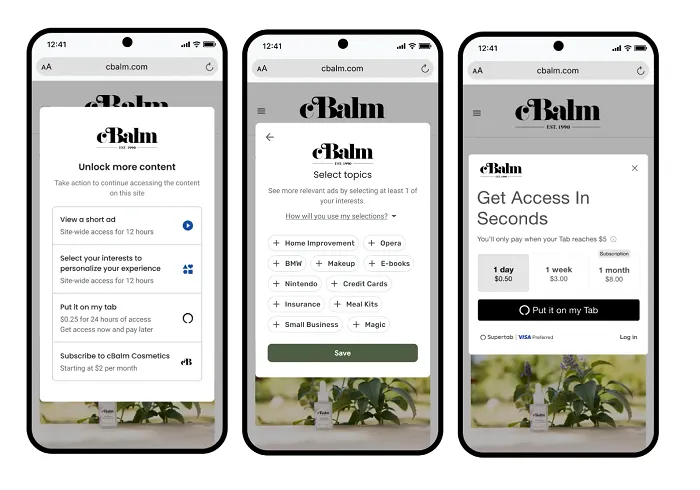
Google’s new “Offerwall” system gives web publishers the option to add an additional pop-up alert when users visit their website, providing another means to drive direct action.
As you can see in this example, with Offerwall, publishers can insert additional promotions between content access.
“When publishers choose to use Offerwall, they can offer audiences a number of ways to access content. People might decide to watch a short ad, complete a quick survey or pay in micro payments. Publishers can even add their own options, like newsletter sign-ups. These options empower audiences to decide how they want to access publishers’ sites and help ensure diverse content remains available to everyone.”
I save on my monthly internet bill thanks to these tips.
You don’t need a computer science degree to make sense of the internet plan you’re paying for, but you do have to do a little research. ISPs often use flashy advertising or marketing to distract you from the hidden fees or price increases in your internet bill. Often, the clues to what your internet service bill will look like and the plan’s speed are right in front of you, albeit engulfed in jargon; you just need to know what to look for.
In the past year, as a broadband writer, I’ve spent hours reading through internet service provider offerings — and the customer service reviews about those offerings. It can be boring, but the key to getting a decent internet deal — one that saves you money and comes with enough speed — is reading the fine print.
If you share the sentiments of thousands of Americans who hate their internet service providers, you’re probably not thrilled about the prospect of sifting through ISP promotional offers for hours. When the time comes to shop for home internet, it can be tempting to just buy whatever convenient internet plan your friends and neighbours are using and move on with your life.
While our internet options are sorely limited depending on where we live, keep in mind that you’ll have to live with the internet plan you pick. If it’s too slow, you’ll be picking up the phone in a few months to call customer service again. If you’re getting lured into a plan with hidden fees and promo pricing, you might find your bill doubling after a year or a few months have passed.
We rely on the internet for nearly everything these days. With fears of a looming recession and prices rising due to tariffs, it’s crucial to find ways to save a little money on such an essential service. Here’s my fool-proof method for finding the best internet plan for you.
10 common mistakes made when picking internet plans
A little patience and some reading will go a long way with buying an internet plan — but there are some specific terms to look out for. Before you even start shopping, you should have a good idea of how much speed you’ll need and your budget.
Here are the top 10 mistakes I’ve noticed people making when picking out an internet plan:
We’ll go over each of these in depth below so that when it comes to finding a good internet service provider, you’ll be a pro.
1. Paying for internet speeds you don’t need
Getty Images
Internet is already expensive once you factor in the equipment fees, hidden fees (more on those later) and potential yearly price increases. Don’t overpay for internet speeds that you just won’t use — but you shouldn’t settle for a low tier only to go crawling back to customer support for an upgrade to a higher tier later.
The easiest way to avoid that strife is to take stock of how much internet speed your household is actually using before you begin shopping for a new plan. To start, count the number of gadgets and smart home devices in your home. Smart devices can be sneaky bandwidth hogs, often overlooked when considering internet usage. If you have more than 10 devices online concurrently during a typical day, with internet usage involving more than just browsing the web, a good rule of thumb is to stick to speeds of 500 megabits per second or higher.
If you only have one or two devices on during the day and only one or two internet users working remotely, browsing the web, streaming or gaming at a time, you should be safe with 150 to 300Mbps. Since I work remotely and typically only use two devices simultaneously, AT&T Fibre’s cheapest 300Mbps tier works just fine for me.
If you’ve experienced excessive lag, buffering and Wi-Fi issues with your current tier, it might be time to size up. Your Wi-Fi setup could be to blame for your internet connectivity issues, so run down the list of possible solutions before upgrading.
Advertised vs. actual speeds
On that note, keep in mind that what your ISP is advertising as a maximum speed (in my case, 300Mbps), may not be the actual speeds you’ll get consistently.
Your actual speeds will likely be much slower — especially if you’re relying on Wi-Fi and connecting multiple devices to your network.
Even 1,000Mbps tiers may face congestion and slowdowns, as CNET’s Trisha Jandoc discovered in her home. When looking for a reliable internet plan, make sure you’re taking a holistic look at your speed usage and factoring in slowdowns you may experience depending on the number of devices, the type of internet users in the house and the internet connection type.
2. Not considering the internet connection type
Did you know there’s more than one type of internet connection? You may have multiple internet connection types at your address; evaluate them all instead of opting for whatever is most convenient. Here’s a quick rundown:
Fibre internet: Typically considered the gold standard of broadband, fibre internet can deliver symmetrical upload and download speeds — a feat no other internet connection type can boast of yet. You may be eligible for fibre internet at an address previously only serviceable for cable, so it’s worth asking your landlord or calling a fibre provider to see if you can get fibre.
Cable internet: Since fibre internet is much less available than cable internet, you’re much more likely to be serviceable for cable instead of fibre. Cable is a decent second-best option, with speeds that can reach multi-gig levels (though upload speeds remain sorely lacking).
5G or fixed wireless internet: If you can’t get either fibre or cable, consider 5G internet. Wireless internet is becoming increasingly popular, and Verizon 5G and T-Mobile Home Internet have dominated the space in recent years. Verizon’s 5G home internet plans claim to offer speeds up to 1,000Mbps and T-Mobile just boosted its speeds and added a new speed tier.
Satellite internet: With nearly 100% availability, satellite internet is a safe bet for rural communities or those on the go, but it tends to be high in costs and is prone to network congestion. Unless you don’t have another option, consider satellite and DSL internet a last resort.
3. Falling for promotional pricing and flashy advertising
A recent CNET survey found that 63% of adults are paying more for their internet than they paid last year. Internet providers are profit-motivated first. If you stumble upon a cheap internet plan or deal that seems too good to be true, it probably is. Plus, if you decide to call before you do some research, your customer service representative will probably try to talk you into either upgrading to a faster (more expensive) plan or adding some services you simply don’t need.
Xfinity’s FCC-mandated broadband nutrition label displays the “post-introductory price” after one year of service: the monthly cost jumps from $55 to $89. Screenshot by Cierra Noffke/CNET
Pricing traps and promotional bait are popular among ISPs. Your best defence is to always read the fine print — especially before you pick up the phone to sign up for a plan. If you’re not careful, you could be roped into a two-year contract, with your bill increasing exponentially in the next year. Cable providers Xfinity, Astound and Spectrum are notorious for price increases that can range from $20 to $30 more after a promotional period. In the case of Xfinity, your bill might double after the first year, unless you sign up for a price-lock.
4. Not reading the fine print to look for contracts, hidden fees or data caps
OK, I know it’s boring and arguably the worst part about picking a good internet plan, but reading through the terms of service is the best way to figure out what the internet plan you’re looking at actually entails.
Consult your ISP’s broadband nutrition labels for basic facts and read their full terms of service for any follow-up issues you uncover. If you still have outstanding questions, write them down and make sure you ask them when you call.
First, make sure you’re not signing up for a contract unless you have no other option. Contracts require you to stick with an internet service for the entire term. If you decide your internet plan isn’t working for you halfway through, you’ll either suffer for the next six months or pay a hefty termination fee.
Screenshot of Sparklight’s broadband nutrition labels across three plans. Notice how Sparklight describes the data included with each plan as “Unlimited.” If you read the fine print, you’ll find it actually enforces a soft cap of 5TB. Screenshot/CNET
Next, make sure you’re checking for data caps. The broadband nutrition label should indicate any data caps, but sometimes, ISPs won’t use the broadband labels to clearly state whether they’re enforcing a data cap (looking at you, Sparklight), so you’ll have to read through the fine print. Also, sometimes ISPs enforce “soft caps” or use “priority data,” which means your internet speeds will be throttled once you max out your allotted data.
Lastly, are there any hidden fees or junk fees you should worry about? That promotional price of $30 a year for 150Mbps may seem attractive initially, but if your provider leases equipment for an additional $15 and enforces a maintenance fee of $12 monthly, you’re looking at $57 monthly.
The cost per Mbps is a great way to gauge how good of a deal your internet plan is. Internet prices fluctuate depending on the internet connection type, regional pricing or related market issues. The cost per Mbps is the ratio between the monthly rate (excluding taxes and extra fees) and the advertised speeds — or the price you’re paying for 1Mbps of speed.
You can find the cost per Mbps by dividing the monthly rate by the plan’s max speed. A good rule of thumb is to stick to a cost per Mbps between 10 and 25 cents or lower — if you can. Anything lower than 10 cents per Mbps is usually a good deal.
I’ll caution that the high speeds of fibre internet plans can make using the cost per Mbps approach confusing. For example, AT&T’s fastest tier of 5,000Mbps costs $245 a month. That’s a hefty price for a lot of speed. The cost per Mbps of that plan comes out to 5 cents, which is pretty good by broadband standards but an unrealistic monthly rate for home internet.
If you’re thinking of picking a plan with promotional pricing, compare the cost per Mbps for both the introductory and post-introductory rates. Spectrum’s $50 for 500Mbps plan comes out to a decent 10 cents per Mbps, but if you stick with that plan for a year, your monthly rate will jump to $80, which is a much higher 16 cents per Mbps. In that case, consider shopping around after your promo period ends.
6. Not comparing internet plans or reading customer reviews
I know, I know, I’ve already asked you to read the terms of service for one ISP, and now I’m asking you to cross-analyse the offerings from multiple ISPs. It’s tedious work but the only way to ensure you’re getting the best deal is to carefully read and compare the terms of service of all the ISPs in your area. Now that you know what to look for, you can compare the cost per Mbps and terms of service across different ISP plans. If you’re one of the lucky few who can choose between more than one or two decent internet providers, you should choose carefully.
The terms of service will give you a good sense of what to expect from your internet plan but those words are written from an ISP perspective. You should always take customer reviews with a grain of salt but they’re usually an honest portrayal of how those service terms actually play out. For example, if people express consistent confusion about price hikes, consider that a red flag about promotional pricing traps. You can turn to resources like Reddit for city-specific threads about ISPs or the Better Business Bureau for a closer look at what people didn’t like about their service.
7. Ignoring tech support and security
We usually don’t think about our internet until something starts going wrong. Like most internet shoppers, you’re probably not planning for connectivity issues and if you pick a good ISP and speed, hopefully, you won’t have to deal with those issues. But internet connectivity problems are inevitable, whether it’s a problem with your equipment, your Wi-Fi setup, outages your provider is experiencing or more significant problems beyond your control.
If you can choose between a good ISP without free tech support and a good ISP with free tech support, opt for the support. You’ll never know when you’ll have to make a phone call to troubleshoot your connection or your equipment.
8. Not buying your own router
Adrian Hancu/Getty Images
Before I started writing about home internet, I never considered my router and I couldn’t tell you the difference between a modem and a router. But now I know that it can save you money to buy your equipment upfront instead of paying an extra $10 to your ISP every month. Most routers cost $200 or less, which will pay for itself in a little more than a year.
Plus, you won’t have to worry about racing to return your equipment when your plan ends. There’s also a chance your router can offer better performance than the one your ISP offers. CNET’s Joe Supan saved nearly $1,000 by buying his own router instead of renting from Xfinity and he noticed improved upload speeds after doing so.
Just note that if you buy your own router, you likely won’t be eligible for tech assistance from your ISP anymore, and they may even try to blame your internet connectivity issues on your router. Most router manufacturers — notably TP-Link, Netgear, and Linksys — offer their own customer service support anyway.
9. Not looking at mobile bundle discounts (or other deals)
The best home internet discounts typically come from bundling with your ISP’s mobile service. Switching over your mobile service provider can be a hassle if you don’t already get service from the same company but you could save as much as $35 each month on internet by doing so. Astound and Mediacom offer some of the best mobile discount opportunities but you may have other options, too.
ISPs often try to lure customers with low pricing or other add-ons, and while some deals aren’t worth signing up for, others, like T-Mobile’s $300 gift card and Frontier Fibre’s $30 plan for 500Mbps, are worth a try.
10. Not thinking twice about your router placement
Last but not least, after you’ve done your research and committed to a plan, you’ll have to pick a date for installation. Most people trust that the technicians who install their equipment will pick the best place in the house, but that’s not always the case.
Wi-Fi works best with an optimized setup. If you can place your router/modem in a central spot in the house, closest to where you’re working or where your most used TV is located, work with your technician to make that happen. You can always invest in some Wi-Fi extenders or a mesh network if you think the connectivity will be an issue but don’t assume your technician knows what’s best. After all, this is your internet plan, and you’ll be using it every day.
FAQs
How do I shop for internet?
If you don’t know where to start when looking for a new internet plan, don’t worry. We have an internet shopping guide with plenty of resources and tips.
That said, your first step should be to put your address into the FCC’s broadband map and pull up a list of all available internet providers. Occasionally, this map is incorrect; the FCC might not include a local ISP or an ISP may not serve your address, but it’s a good starting point. Next, consider how much internet speed your household needs and use that information to compare different plans. You should also consider what internet connection type you’d prefer (if you have a good array of options, which isn’t always the case).
Lastly, stay wary of promotional offers and price traps. ISPs often lure customers into cheap starting rates, only to double those prices after one year or a few months of service. Check your forecasted bill for hidden fees and don’t be afraid to try negotiating with your ISP when it’s time to make a phone call.
Should I rent or buy my modem or router?
It may seem daunting to buy your own router, but the decision could save you money in the long run. Most routers cost around $200, which should pay for itself after a year since many ISPs charge $10 to $15 for equipment rental. If you buy your own router, your ISP won’t be able to offer tech support if there’s an issue with the equipment, but router manufacturers often come with their own tech support anyway. Plus, newer routers often perform better than the routers ISPs rent out — CNET broadband writer Joe Supan bought his own router (which saved him nearly $1,000), and he saw improved upload speeds with his cable internet.
What is the best internet plan for home internet?
The best internet plan depends on your household’s internet usage. Not everyone needs 1,000Mbps of download speed; in fact, most households don’t exceed 500Mbps of download speed, according to the latest report from OpenVault. Once you determine how much speed you’ll need (or don’t need), the next step is to get the best deal for those speeds. Evaluating the cost per Mbps is a good way to evaluate the cost-efficiency of a plan. By dividing the monthly rate by the advertised speeds, you can find the cost you’ll be paying for 1 Mbps. A good rule of thumb is that a cost per Mbps between 10 to 25 cents is “good,” but anything lower is “great.”
What should I look for when buying home internet?
Shopping for internet is overwhelming when you’re not sure what to look for. Once you’ve determined what internet providers are available at your address, there are a few things to keep an eye out for when comparing plans:
The internet connection type: There are a few different internet connection types, and each comes with different benefits and drawbacks. You’ll be limited to what’s available at your address, but there’s a chance you’ll be eligible for either fibre internet, cable internet, cellular internet like 5G internet, satellite internet or DSL. Fibre internet is the fastest internet connection type but the least available. Cable internet offers decent speeds for decent prices, albeit with much slower upload speeds. 5G is an increasingly popular wireless option; satellite and DSL should be your last resort.
Promo pricing and price traps: Watch for flashy advertising and low prices. ISPs tend to use the bait-and-switch approach with some internet plans: a low promotional price seems alluring, but after a year of service, that price may double. Always read the broadband nutrition labels on the ISP website. You may want to switch to another internet provider or a new plan after the promo pricing is up.
Cost per Mbps: The cost per Mbps is a great way to evaluate the cost-efficiency of an internet plan. First, consider how much speed you actually need. Next, find a plan with those speeds and divide the monthly rate by the advertised speeds. You’ll come up with the cost per Mbps for each plan; a good rule of thumb is sticking to plans with a cost of 25 cents or lower per Mbps.
Data caps: Does your plan have a data cap? Read through the broadband nutrition label and the terms of service to find out. Sometimes, ISPs won’t post their “soft caps” on the broadband labels, so you’ll have to read the fine print to make sure.
Contracts: Does your ISP enforce a contract? Again, carefully read the terms of service to ensure you’re not entering into a contract agreement. You’ll have to pay a hefty termination fee to cancel.
Hidden fees: ISPs are also notorious for adding extra costs to your monthly internet rate. Double-check your broadband label to see how much you’ll actually be paying for internet each month. If you’re trying to lower the monthly cost, consider buying your router up-front. You can also call to negotiate with your ISP about waiving some of those fees.
Tech support: If you can pick a plan with good tech support, do it. Home internet is subject to outages, equipment failure or other issues beyond our control. Having a good tech support system is key to troubleshooting those issues quickly and efficiently.