As a business owner, you’re probably wondering why inbound marketing works for some online businesses. You’ve heard it’s a game-changer, but you’re not entirely sure what it’s all about or how it can benefit your business.
By creating valuable content and experiences that resonate with your audience, you can build trust and credibility with your customers, and keep them engaged with your brand.
Ever wonder why inbound marketing works so well for brands like HubSpotand Moz? It’s because they put customers first. Inbound marketing focuses on attracting customers by providing value.
No spam.
No annoying ads.
Just helpful content that meets people where they are. And it works like a charm. So, let’s dive in.
What is Inbound Marketing?
Inbound marketing is a customer-centric approach that moves away from interruptive tactics and instead focuses on pulling customers in with compelling content. It works by attracting the right kind of traffic.
It is often described in three phases—attract, engage, and delight. With these three phases working together, you can generate leads, increase sales, keep customers happy, and increase customer retention.
This is a marketing approach that focuses on creating valuable content and experiences that attract and engage with your target audience. It’s all about providing value to your customers, rather than just pushing out sales messages.
By creating content that resonates with your audience, you can attract and convert leads into customers, and ultimately drive revenue for your business.
Here are some effective examples:
Blog Posts: Regularly updated blogs that provide useful information and insights related to your industry.
Social Media Engagement: Sharing content and interacting with followers on platforms like Facebook, Instagram, and LinkedIn.
Search Engine Optimization (SEO): Optimizing your website content to rank higher in search engine results, making it easier for potential customers to find you.
Webinars: Hosting live online seminars to educate your audience on specific topics.
Videos: Creating engaging video content that can be shared on social media and your website.
Infographics: Designing visual representations of data and information to make complex topics easier to understand.
Ebooks and Whitepapers: Offering in-depth guides and reports that provide valuable information in exchange for contact details.
Email Campaigns: Sending targeted emails to nurture leads and keep your audience informed.
Case Studies: Showcasing success stories of how your product or service has helped other customers.
The Benefits of Inbound Marketing
You might ask, “Why bother with inbound marketing when outbound has worked for years?”
Well, here are some reasons why inbound marketing works better:
Enhanced Brand Awareness: When you create content that people love, they start to see you as an authority. This means more eyes on your brand, which is always a good thing.
Increased Customer Trust: People trust brands that provide value without asking for anything in return. By sharing useful content, you build trust with your audience.
Higher Quality Leads: When people find your content on their own, they’re more likely to be genuinely interested in your products or services. This means they’re better leads.
Increased Lead Generation: Inbound marketing helps you attract and convert leads into customers, which can lead to increased revenue and growth for your business.
Improved Customer Engagement: By creating content that resonates with your audience, you can build trust and credibility with your customers, and keep them engaged with your brand.
Enhanced Brand Awareness: Inbound marketing helps you build a strong brand identity and establish your business as a thought leader in your industry.
Cost-Effectiveness: Inbound marketing is a cost-effective way to reach your target audience, compared to traditional marketing methods like print or TV ads.
The benefit of inbound marketing is that it pulls in customers with great content, SEO, and personalized experiences.
Think of it like this: Instead of blasting ads all over the place, inbound marketing focuses on creating value through content creation and SEO optimization.
By doing this, you attract people who are already interested in what you offer. This makes them more likely to become customers. And who doesn’t love customers, right?
How Inbound Marketing Works
So, how does inbound marketing actually work?
Attract: Create content that resonates with your target audience, such as blog posts, videos, or social media posts.
Convert: Use lead generation techniques, such as landing pages and forms, to capture leads and convert them into customers.
Nurture: Use email marketing and other channels to nurture your leads and build trust and credibility with your customers.
Close: Use sales funnel optimization techniques to close deals and drive revenue for your business.
Inbound Marketing vs. Outbound Marketing
So, how does inbound marketing compare to traditional outbound marketing methods? Here are a few key differences:
Focus: Inbound marketing focuses on creating value for your customers, while outbound marketing focuses on pushing out sales messages.
Cost: Inbound marketing is a cost-effective way to reach your target audience, while outbound marketing can be expensive and time-consuming.
Results: Inbound marketing can lead to increased lead generation and revenue, while outbound marketing may not be as effective in driving results.
The Science Behind Inbound Marketing
Alright, so you’re sold on the idea of inbound marketing.
But how do you make it work?
Here’s the lowdown:
1. Content Marketing and Blogging
Content is king, and that’s no joke. By creating valuable, relevant content, you attract people to your site. This could be anything from blog posts to videos. The key is to provide information that your audience finds helpful and interesting.
Use keywords like “content creation” and “blogging for SEO” to boost your visibility.
2. SEO and Keyword Optimization
SEO isn’t just a buzzword. It’s a crucial part of why inbound marketing works. By optimizing your content for search engines, you increase your chances of being found by potential customers.
Remember, it’s not just about stuffing your content with keywords. It’s about using them naturally to enhance your content.
3. Social Media Engagement
Social media is where your audience hangs out, so why not meet them there? Platforms like Facebook, X (formerly Twitter), and LinkedInare great for sharing content and engaging with your audience.
This is your chance to build relationships and establish your brand as a thought leader.
Use keywords like “social media marketing” and “customer engagement” in your posts to attract more followers.
By sending targeted, personalized emails, you can nurture leads and convert them into customers.
Tools like HubSpot and Mailchimp make it easy to create and send emails that resonate with your audience.
Remember to keep your emails short and to the point, and always include a call to action.
Lead Generation Techniques
Now that we’ve covered the basics of inbound marketing, let’s dive into some lead-generation techniques that can help you attract and convert leads into customers.
Landing pages: A landing page is a dedicated page on your website that’s designed to convert visitors into leads. Use a clear and concise headline, a compelling offer, and a simple form to capture leads.
Forms: Use forms to capture leads and convert them into customers. Make sure your forms are easy to fill out and provide a clear Call-To-Action.
Email marketing: Email marketing is a powerful way to nurture leads and build trust and credibility with your customers. Use email marketing to send targeted campaigns and automate your follow-up emails.
Social media: Social media is a great way to attract and engage with your target audience. Use social media to share valuable content, engage with your followers, and drive traffic to your website.
Use scarcity: Use scarcity to create a sense of urgency and encourage leads to take action.
Use social proof: Use social proof to build trust and credibility with your customers.
Challenges and How to Overcome Them
Let’s be real. Inbound marketing isn’t a walk in the park.
There are challenges along the way.
But with the right strategies, you can overcome them and reap the rewards and that’s why inbound marketing works.
Here’s how:
Consistency is Key: To succeed with inbound marketing, you need to be consistent. This means regularly creating and sharing content that your audience loves. Set a schedule and stick to it.
Stay Up-to-Date: The world of inbound marketing is always changing. To stay ahead of the game, you need to keep up with the latest trends and techniques. Follow blogs like the Content Marketing Institute and Moz to stay informed.
Measure Your Success: To know if your inbound marketing efforts are paying off, you need to measure your success. Tools like Google Analytics can help you track your progress and make adjustments as needed.
Be Patient: Inbound marketing is a long-term game. It takes time to see results, so be patient and keep at it.
The Future of Inbound Marketing
Inbound marketing is here to stay, and it’s only going to get more important in the future. Here are a few trends to watch:
Personalization: Inbound marketing is all about personalization, and using data and analytics to create content that resonates with your audience.
Artificial Intelligence: Artificial intelligence is changing the game for inbound marketing, and allowing businesses to automate and optimize their marketing campaigns.
Video Content: Video content is becoming increasingly important for inbound marketing, and can help you attract and engage with your target audience.
Inbound marketing is a powerful way to attract and engage with your target audience and drive revenue for your business. By creating valuable content and experiences that resonate with your audience, you can build trust and credibility with your customers, and keep them engaged with your brand. So, why not give inbound marketing a try?
Frequently Asked Questions (FAQs)
Here are some frequently asked questions about inbound marketing:
Q. What is the difference between inbound and outbound marketing?
Inbound marketing focuses on attracting customers through valuable content and interactions, whereas outbound marketing involves pushing your message to a broad audience, often through ads or direct outreach. Inbound marketing is generally more cost-effective and customer-friendly.
Q. How long does it take to see results from inbound marketing?
Results can vary depending on your industry, target audience, and efforts. However, most businesses start seeing measurable results within 6 to 12 months. It’s a long-term strategy that builds momentum over time.
Q. What are the best tools for inbound marketing?
Some of the top tools for inbound marketing include:
HubSpot: A comprehensive platform that covers CRM, marketing automation, and analytics.
Moz: Great for SEO tools and resources.
Google Analytics: Essential for tracking website performance and user behaviour.
Q. How do I measure the success of my inbound marketing efforts?
Success can be measured through various metrics, such as website traffic, lead generation, conversion rates, and customer engagement. Tools like Google Analytics and CRM software can help track these metrics.
Q. Can inbound marketing work for small businesses?
Absolutely. Inbound marketing is highly scalable and can be adapted to fit the budget and resources of small businesses. By focusing on specific niches and creating targeted content, small businesses can compete effectively with larger brands.
Attract and Engage
Inbound marketing is a powerful way to attract and engage with your target audience and drive revenue for your business, and that why inbound marketing works. By creating valuable content and experiences that resonate with your audience, you can build trust and credibility with your customers and keep them engaged with your brand.
Remember to avoid common inbound marketing mistakes, track your results, and use multiple channels to reach your target audience. With this type of marketing, you can achieve your business goals and drive success.
Whether you’re a small business owner or a marketing professional, there’s no denying the impact of a well-executed inbound strategy.
Inker Street Digital provides online guides for entrepreneurs interested in promoting their businesses. For more information about our services visit or social post on Facebook, Twitter, or Instagram.
Thaddeus Collins is a seasoned digital marketer at Inker Street Digital with over a decade of experience in the ever-evolving world of online marketing. Specializing in strategies that drive growth and engagement, Thaddeus has helped numerous businesses scale their online presence through innovative approaches in SEO, and social media marketing.
Key stat: 69% of consumers worldwide say email is their preferred communication channel with brands, according to a June 2024 survey from Emarsys. Email was followed by SMS/MMS, at 53%.
Beyond the chart:
Brands need to be cautious about sending too many emails, because 25% of consumers worldwide unsubscribe from brand email and texts at least once per week, according to GetApp’s 2024 Advertising Preferences Survey.
US and UK consumers are more likely to opt into brand emails or texts if companies offer free shipping or loyalty points in return, according to data from Wunderkind.
Use this chart: Marketers and retailers can use this chart to strategize communication channel investments and to demonstrate the importance of email and SMS marketing.
Methodology: Data is from the September 2024 Emarsys report titled “Customer Loyalty Index 2024: Global.” 10,041 consumers in Australia, Germany, United Arab Emirates, the UK and the US were surveyed online by Opinion Matters during June 12-17, 2024. Additional research from 2,000 adults ages 18+ was gathered by 3Gem Research and Insights during June 20-24, 2024.
Email generators have become a must-have in today’s fast-paced digital world, especially if you’re a marketer looking to level up your campaigns. They help you streamline communication, safeguard your privacy, and boost productivity.
Imagine you’re juggling multiple email campaigns. You’ve got dozens of messages to send, different audiences to target, and limited time. An AI-powered email generator steps in, instantly crafting the perfect email that grabs attention and fits your brand’s voice.
Or maybe you’re tired of your inbox filling up with spam from every site you’ve signed up for. A disposable email generator can create a temporary address, letting you dodge the spam while keeping your personal email secure.
In this article, we’ll explore how email generators can transform your email marketing strategy and enhance your overall communication efforts.
What are email generators?
Email generators are AI-powered tools that use natural language processing to quickly craft complete email messages in just seconds. They can be used to write subject lines, email content, and even develop email templates. Some types of email generators also create temporary or disposable email addresses.
While an email generator’s purpose depends on the type, its main goal is to simplify or streamline the process of email communication.
Types of email generators
AI Email Generators: Use artificial intelligence to generate entire emails based on the context you provide. They can save you time by suggesting email content, tones, and subject lines.
Disposable Email Generators: These are also known as burner email generators. They generate disposable or temporary email addresses for short-term needs, such as signing up for a service or downloading a file. These tools are great for maintaining privacy or avoiding spam.
Email Name Generators: Generates creative or professional-sounding email handles, making it easier to set up a new account that fits with your brand. They are handy if you want a consistent identity across different platforms.
Exploring AI email generators
AI email generators have rapidly gained traction as powerful tools in modern communication. These tools can help users create well-structured, personalized emails with minimal effort.
Benefits of using AI for email generation
Efficiency: AI email generators create emails quickly, saving you the time of figuring out what to write. Simply input your details, and the AI delivers a custom message right away. They can also have templates available for newsletters and other email messages. This speeds up communication, letting you focus on other tasks.
Personalization: AI tools excel at making emails feel personal. By analysing data, they tailor each message to the recipient, improving engagement. They can adjust the tone, style, and content to fit your audience, helping boost open rates and responses.
Consistency: AI ensures your emails maintain a consistent tone and style, which is key for branding. This uniformity makes your emails look professional and polished across multiple channels.
Flowrite is an AI email generator designed to automate daily email communication. It integrates with popular tools like Gmail, Outlook, and Slack, allowing you to generate high-quality content for emails and documents using advanced AI language models.
Key features
AI-generated content for emails, documents, and social media posts
Workflow automation to streamline repetitive tasks
Customizable templates and snippets to maintain consistent communication style
Integrations with Gmail, Outlook, Slack, and other tools
Ability to create custom commands for regular content like meeting agendas and project updates
SmartWriter is a great tool if you’re in sales, marketing, or outreach roles. It drastically reduces the time spent on crafting personalized cold emails and LinkedIn messages. Using AI and machine learning, it automates the creation of highly customized messages that resonate with prospects. Additionally, the tool’s automated follow-ups ensure you don’t miss any leads, increasing your chances of conversion.
Key features
AI-powered personalization for cold emails and LinkedIn messages
Automated research from 40+ data sources (e.g., podcasts, blogs, job bios, social media)
Jasper AI is a powerful AI email writing tool that helps you create personalized emails with customizable voices, ensuring the tone stays consistent with your brand. It supports a wide range of writing tasks, from email marketing to full campaigns. It also includes a feature to generate custom visuals for email enhancement.
Key features
AI-generated content with customizable brand voices
End-to-end campaign generation for emails, landing pages, and ads
Jasper Art for creating custom images to enhance email campaigns
Multilingual support with over 30 languages
Disposable and burner email generators for digital marketers
Disposable and burner email generators provide a smart solution for managing online activities while protecting your primary inbox from unwanted spam, promotions, or even potential phishing attacks.
These email generators create temporary email addresses for short-term use, often for sign-ups, trials, or one-time tasks. After a set period or when the task is done, the email becomes inactive, blocking further communication.
Key benefits for marketers
Here are some of the key benefits that disposable email generators provide:
Protecting privacy
Marketers can use burner emails to protect their personal or work addresses when giving an email is required, but not ideal. A burner email generator helps maintain privacy and blocks unwanted messages after a quick transaction.
Spam control
One of the biggest headaches for any marketer is dealing with a cluttered inbox. With so many sign-ups, free trials, and email subscriptions happening daily, it’s easy for the inbox to get overwhelmed with unwanted messages. Disposable email generators offer an effective way to keep your primary inbox clean and spam-free. With temporary email addresses, you can sign up for necessary services without risking a flood of irrelevant emails later.
Testing campaigns
Marketers are always experimenting with different campaigns to see what works best. Using a burner email generator for these tests prevents their main email lists from becoming cluttered with test emails. They can create temporary emails to test different aspects of a campaign—like layout, tone, or links—without disturbing the real marketing environment.
Analysing engagement
Marketers also use disposable email addresses to test sign-up processes or promotional campaigns without cluttering their main inbox. These temporary emails help monitor interactions like newsletter sign-ups or promotion entries, ensuring systems work smoothly without mixing test data with real user data.
Notable disposable email services
10 Minute Mail
10 Minute Mail is a free, temporary email service designed for users who want to receive messages without creating a permanent inbox. It offers an anonymous, self-deleting email address that expires after 10 minutes, with options to extend its lifespan if needed.
Key features
No account creation required
Temporary, anonymous email addresses
Mailbox expires after 10 minutes (extendable up to 100 minutes)
Simple recovery of recently deleted inboxes
Mobile-optimized interface
No personal details needed
Guerrilla Mail
Guerrilla Mail is a free, anonymous temporary email service that’s been around since 2006, processing over 13 billion emails. It allows users to send and receive emails through a temporary inbox without requiring an account.
Key features
No account creation or personal info needed
Emails automatically deleted after 1 hour
Scramble email addresses for added privacy
API available for tech-savvy users
Option to create or randomly generate email addresses
Mailinator
Mailinator is a disposable email service that started in 2003, designed to help users with email and SMS workflow testing. QA teams widely use it to test email and SMS systems before launching to ensure that workflows function correctly.
Key features
No account is required to use the public inboxes
Private domains and inboxes for Pro and Business users
Persistent message storage for pro and business users
Automated email workflow testing for secure validation
SMS testing for 2FA and OTP automation
API integration for inbox management, fetching messages, and automating tasks
Web-based GUI for manual email review and team management
Custom message management rules for forwarding, automating clicks, and load testing
Practical applications in marketing
Email generators are incredibly versatile, especially if you need to manage and optimize multiple campaigns. Here’s how these tools can be put to work in various practical applications:
Lead generation
Creating unique email addresses for each campaign or ad group helps track engagement across multiple campaigns. This makes it easy to see which efforts lead to the most sign-ups, conversions, or interest, helping you organize and follow up with leads more efficiently.
A/B testing
For A/B testing, unique email addresses for different audience segments let you test how various groups respond to different messages, subject lines, or offers. This helps fine-tune campaigns by revealing what works best for your audience.
Feedback and surveys
To gather honest feedback without making users feel exposed, disposable emails are a great option. They protect users’ privacy, making them more likely to participate in surveys or provide genuine feedback without fearing spam or follow-up emails.
Email generators with inbox functionality
Email generators with inbox functionality create temporary email addresses that lets you interact with emails directly within the platform. This is particularly useful if you need a temporary, fully functional inbox for specific tasks, such as managing temporary projects.
MailSlurp is an email API tool that gives marketers the power to generate temporary email addresses and manage inboxes seamlessly. It’s particularly useful when running A/B tests or handling high-volume email lists without cluttering your primary inbox.
Key features
Create temporary emails for testing campaigns or managing workflows without clogging your main inbox.
Easily manage multiple inboxes with sorting, filtering, and automated responses.
Automate email workflows, like follow-ups or testing, to save time and ensure consistency.
Run A/B tests with real email addresses to track performance and results accurately.
Use custom domains for more professional and segmented email campaigns.
Manage everything via code or an online dashboard, making it simple for any marketer to use.
Keep your primary inbox secure and spam-free by using disposable addresses.
Burner Mail is a dedicated platform designed for users who want to protect their personal email addresses. It keeps your real inbox safe from spam and unwanted messages, while providing robust privacy features for online users.
Key features
Generate burner email addresses instantly
Manage multiple burner email addresses and forward emails to multiple real-world inboxes.
Access emails through an online mailbox if you prefer not to forward them to your personal address
Block unwanted senders by disabling specific burner addresses with just a click.
Reply to emails anonymously
Multi-factor authentication
Email encryption
Chrome and Firefox extensions for on-the-spot email generation
Shared access for families or teams
Comparison of services
Here’s a comparison of the various burner email generator services and their inbox functionalities.
Service
Temporary Inbox
Multiple Inboxes
Automation Features
Security and Privacy
MailSlurp
Yes, temporary emails for testing and workflows
Yes, manage multiple inboxes with sorting, filtering, and automation
Automated responses, follow-ups, and A/B tests
Keeps primary inbox spam-free with disposable addresses
Burner Mail
Yes, instantly generate burner emails for sign-ups
Yes, manage multiple burner emails and forward to real-world inboxes
No automation, but integrates with Chrome and Firefox for quick generation
Multi-factor authentication, encryption, reply anonymously using burner address
10 Minute Mail
Yes, expires after 10 minutes, extendable to 100
No, single-use temporary inbox
No automation
Anonymous and temporary with no personal details needed
Guerrilla Mail
Yes, deleted after 1 hour
No, single-use inbox
No automation
Anonymous with scrambled addresses for added privacy
Mailinator
Yes, public inboxes, private for Pro users
Yes, multiple inboxes with custom rules for Pro users
Tips for managing and utilizing inboxes provided by email generators
An email generator with inbox functionality is convenient, but effective management is key to getting the most out of it. Here are some practical tips:
Monitor inbox lifespans: Many services auto-delete emails after a certain time. Be sure to check your inbox regularly and take action on important emails before they’re lost.
Use separate inboxes for campaigns: If you’re a marketer testing multiple campaigns, create different email addresses for each one. This makes it easier to track performance and manage replies without getting overwhelmed.
Check for reply features: Some inboxes allow you to respond to incoming emails. Use this to your advantage if you need to maintain communication for a short period or if you’re testing customer engagement.
Stay organized: Since these inboxes are often temporary, it’s essential to stay on top of important messages. Download or forward crucial emails to your primary inbox before they expire.
Be aware of public inboxes: Services like Mailinator have public inboxes that anyone can access. If privacy is essential, opt for a more private generator.
Enhancing engagement with email subject line generators
The subject line can make or break your email marketing campaign. It’s often the first thing a recipient sees, and a compelling subject line can significantly increase your email’s open rate. This is where email subject line generators, especially those powered by AI, can step in to help grab attention.
Importance of compelling subject lines for email campaigns
A subject line is essentially the hook that convinces someone to open your email. No matter how valuable or exciting the content inside might be, if the subject line doesn’t catch their eye, your email might end up ignored or, worse, in the trash. A strong subject line:
Grabs attention in a crowded inbox.
Sets expectations for what the reader will find inside the email.
Increases open rates, which is crucial for overall campaign success.
Influences click-through rates by sparking curiosity or presenting an irresistible offer.
In digital marketing, compelling subject lines are crucial because they directly impact engagement metrics, like open and conversion rates. That’s why tools like email subject line generators have become increasingly valuable in the marketing world.
Role of email subject line generators in boosting open rates and engagement
Ai-powered email subject line generators analyse trends, audience behaviour, and even the context of your campaign to suggest subject lines that are designed to perform well. These tools can:
Save time by generating multiple creative options in seconds. This allows you to focus on fine-tuning your overall strategy.
Optimize for engagement by suggesting subject lines based on best practices like personalization, urgency, or curiosity.
A/B test different subject lines to determine which resonates most with your audience.
AI email generators give you subject line suggestions backed by data and trends, boosting the chances your emails get noticed. It also helps overcome writer’s block, providing fresh ideas or unique phrasing you might’ve missed.
Examples of effective subject lines generated by AI Tools
Here are some examples of successful subject lines from an AI email generator and why they work:
“Only 24 Hours Left: Unlock Your Special Offer Now!”
Why it works: It creates urgency and curiosity while directly communicating that the recipient has a limited-time offer. Urgency is a proven tactic to boost open rates.
“You Won’t Believe What’s Inside—Open for a Surprise!”
Why it works: Piques curiosity by teasing something unexpected, which can entice users to open the email to find out more.
“[Name], Your Exclusive Invite Awaits! RSVP Now”
Why it works: Personalization helps establish a connection with the recipient, making the email feel more relevant. Adding exclusivity boosts intrigue and action.
“🔥 Trending Now: 5 Products You Need for Fall”
Why it works: Using an emoji to grab attention, this subject line also emphasizes relevance and timeliness with a seasonal focus. Recipients feel like they’ll gain value by opening the email.
“How to Save 50% This Weekend Only – Here’s Your Code”
Why it works: It’s straightforward and actionable, immediately conveying the value inside the email. Offering a discount with a sense of urgency encourages faster engagement.
Free email generator tools
There are several free AI-powered email generator tools available that simplify the process of creating professional emails. Here’s a look at some popular options:
HubSpot AI Email Writer
HubSpot’s tool is designed for businesses, helping users craft tailored, high-quality emails that engage customers. It allows for easy editing and provides SEO-optimized content. However, it requires sign-up, and the focus is on marketing emails, so it might not be ideal for general communication.
Ghostwrite is perfect for drafting high-conversion emails quickly. It ensures emails are error-free with built-in grammar correction and lets users save templates for future use. Its limitation is that it’s mainly geared toward marketing and sales communication.
Mailmeteor is simple and user-friendly. Users input a prompt, and the AI generates an email in minutes. While it’s fast and effective for basic needs, it only provides one email variation, requiring further customization from the user.
Best practices for AI writing email generators
If you want to use free AI email generators to improve your email copy, follow these best practices:
Refine prompts for clarity Be specific when providing prompts to AI writing generators to get more relevant, accurate emails. Vague or unclear prompts can result in generic or off-target content.
Edit and personalize generated content While AI writing tools can save time, they may produce generic or repetitive emails. Always review and personalize the content to align with your style, audience, and goals.
Pair with email automation tools Use AI writing generators alongside email automation platforms to streamline campaign management. You can quickly generate email content and automate the distribution process.
Test for tone and engagement AI-written emails may need tweaks to better engage your audience. Test different tones or approaches in the generated emails to see what resonates best with your recipients.
Use for drafts, not final versions AI generators are great for providing rough drafts but rarely perfect the first time. Use the generated content as a starting point, then revise it to match your voice and the message you want to convey.
Integrating email generators with Gmail
You can also integrate email generators–both AI and temporary email generators–with Gmail. They can streamline your email communications and also help keep your inbox uncluttered. Gmail itself offers some clever tricks for managing email aliases.
Generating and managing email addresses within Gmail
Gmail offers a built-in method for generating unique email addresses without needing external tools. These are called email aliases. You can create variations of your primary email address, which allows you to track responses, manage sign-ups, or filter incoming messages.
In Gmail, you can add a “+” symbol and any word after your email address before the “@gmail.com” domain. For example, if your email is [email protected], you can create aliases like [email protected] or [email protected].
Emails sent to these addresses will still arrive in your main inbox, but you can easily filter or label them to stay organized. Once you’ve created an alias, you can use Gmail’s powerful filters to sort or label these emails automatically.
Pulling email from disposable email generators into Gmail
If you want to pull messages from your temporary email addresses, follow these steps:
Go to your Gmail’s settings
Select Accounts and Import
Head on to check mail from other accounts
Click “Add a mail account”
Enter the email address
Enter the POP server. This will depend on the service.
AI email generator integration with Gmail
If you have Google Workspace, Gemini is already integrated into Gmail. Gemini, Google’s AI-powered assistant, allows you to generate high-quality emails directly in Gmail. Gemini can help draft emails, suggest responses, and even optimize the tone and content based on your preferences.
Another useful tool is the Mailmeteor Gmail extension. It allows you to send personalized mass emails directly from Gmail, powered by AI. It’s great for automating outreach while keeping messages personal and professional.
Tips for managing email generator tools with Gmail
Set up automatic forwarding: If you’re using a burner email generator that supports forwarding, ensure that emails are automatically sent to your Gmail inbox. This saves time by allowing you to receive all communications in one place while still keeping your personal email private.
Use filters to stay organized: For emails forwarded from disposable or burner email generators, set up filters in Gmail. You can label these emails as “Temporary” or “Marketing,” for example, so they’re easy to find and separate from personal correspondence.
Create a separate Gmail account for generators: If you frequently use burner email generators for marketing campaigns, lead generation, or testing, consider creating a dedicated Gmail account to manage these emails. This keeps your main inbox free of clutter, while still giving you control over your temporary email addresses.
Advanced applications of email generators
Email generators are now doing more than just helping with basic marketing tasks. AI-powered tools can create emails that change based on how someone interacts with previous messages. For example, if a customer clicks on a certain product, the next email might automatically include similar recommendations or limited-time offers—no extra work is needed from the marketer.
On the other side, disposable email generators are used for more than just testing. They’re also helpful in large campaigns where security matters. Businesses can create temporary email addresses to protect sensitive information or manage multiple sign-ups without cluttering up their main inboxes. These advanced uses let companies improve both their marketing and security strategies at the same time.
Hypernova Marketing, a US-based cold email lead generation agency, helps clients secure 20-40 B2B meetings each month, targeting tough prospects like CROs and VPs of Sales.
They knew personalized emails were crucial for success, but scaling this process was difficult. Hiring hundreds of virtual assistants wasn’t practical, so they needed a more efficient solution.
After trying different options, they chose Smartwriter. Before using it, their reply rate was 8%. With AI-driven personalization, it jumped to 16%, fully automated. This boost has been consistent across all clients, making Smartwriter essential to their strategy.
Choosing the right email generator tool
With so many email generator tools out there, picking the right one can feel tricky. Whether you’re a business looking to boost marketing or just want to protect your privacy, the key is finding a tool that matches your needs. Here’s a breakdown of what to look for.
What to consider when choosing an email generator
Privacy features
Many use email generators to avoid spam or unwanted emails. Prioritize tools with strong privacy features like encryption, disposable emails, or self-destructing messages. Make sure the tool doesn’t store your data long-term or share it.
Ease of use
The tool should be simple to use. Whether for marketing or temporary emails, you don’t want to spend time figuring out how it works. Look for tools with easy navigation and quick setup.
Integration capabilities
If you’re a business, check if the tool integrates with systems like Gmail, Mailchimp, or HubSpot. This can make managing emails and tracking performance smoother.
Lifespan of email addresses
Some tools create emails that expire quickly, while others offer longer-lasting options. Choose based on whether you need a temporary or permanent solution.
Cost and availability
Many tools are free, but paid versions may offer more features. Consider your needs and whether premium features are worth the cost. Free trials can help you decide.
Wrapping up
Email generators have revolutionized the way we handle communication. From streamlining marketing campaigns to protecting your privacy, these tools offer efficiency, personalization, and security all in one package. Whether you’re a marketer seeking to connect with your audience or someone looking to avoid inbox clutter, there’s an email generator that fits your needs.
Embrace the power of these tools to transform your email game. Let them handle the heavy lifting, while you focus on what truly matters. They’re versatile, effective, and ready to make a difference in how you manage your digital communications.
FAQs
What is the best AI email generator?
The “best” AI email generator depends on your specific needs. For general email writing, Flowrite, Jasper AI, and SmartWriter are popular choices. Flowrite is great for everyday communication, while Jasper AI offers robust campaign generation with personalized content. SmartWriter excels at crafting personalized outreach emails, especially for sales and marketing.
Can a fake email be detected?
Yes, fake or disposable email addresses can often be detected by advanced systems. Many services now use filters to block temporary email providers by checking known domains associated with disposable addresses. However, some fake emails might still slip through if the detection system isn’t updated or sophisticated enough.
Are AI email generators secure?
Most AI email generators are designed with privacy and security in mind, but it’s essential to verify the policies of each platform. Look for tools that provide encryption, data protection measures, and clear privacy policies. Avoid using AI email tools that store your sensitive information for long periods without transparency.
As the holiday season approaches, it’s essential for ecommerce businesses to maximize sales by leveraging key shopping events like Halloween and Black Friday. These events present unique opportunities to engage with customers and drive conversions, but they require tailored strategies to succeed.
Key Takeaways
The holiday season presents unique opportunities for ecommerce businesses to increase sales and build stronger customer relationships through well-planned strategies.
Key tactics to boost engagement and sales include offering creative promotions, personalized experiences, efficient logistics and capitalizing on key shopping events like Halloween and Black Friday.
To make the most of the holiday shopping season, businesses must carefully plan their strategies to capture customer attention. A well-executed approach can lead to increased engagement, higher sales and stronger customer loyalty during this period.
In this article, I’ll share eight proven strategies from my own experience to help boost your ecommerce sales during the holiday season.
Halloween is more than just a day for costumes and candy; it’s a significant opportunity for ecommerce businesses to tap into seasonal spending. To capitalize on the Halloween excitement, brands can offer themed promotions like “Spooky Sales” or “Trick-or-Treat Discounts” to entice shoppers.
Limited-time deals, exclusive Halloween-themed products and personalized email campaigns with spooky graphics can create a sense of urgency, encouraging consumers to make a purchase. Incorporating a festive Halloween atmosphere into product pages and social media content can further enhance engagement, turning casual browsers into buyers.
2. Black Friday: Maximizing sales on the biggest shopping day
Black Friday is the pinnacle of holiday sales, where consumers expect massive discounts and unbeatable deals. Ecommerce businesses must prepare in advance to stand out during this highly competitive period. Offering early-bird specials, doorbuster deals and limited-time flash sales are effective ways to generate excitement and increase customer loyalty.
Optimizing website speed and ensuring a seamless mobile experience is crucial, as many shoppers make purchases on their phones. Additionally, personalized offers based on past purchases can help increase average order values, while well-timed email marketing campaigns and social media ads can draw traffic to your store during this peak shopping season.
3. Maximize your sales by capitalizing on holiday lighting trends
If selling lights is in your niche, the holiday season presents an ideal opportunity to boost your sales as demand for festive lighting skyrockets. With lights being a key part of festive décor, offering a wide variety of options — like string lights, LED bulbs and outdoor lighting — can attract more customers. Highlighting energy-efficient choices and vibrant designs can appeal to both eco-conscious buyers and those looking for standout decorations.
By strategically promoting holiday sales and offering bundle deals or discounts, businesses can capitalize on this peak season, boosting sales and enhancing brand visibility during the most festive time of the year.
4. Enhancing customer satisfaction through efficient delivery strategies
In ecommerce, ensuring efficient delivery strategies is crucial for both customer satisfaction and operational cost management. To stay competitive, businesses must focus on how to optimize their delivery routes by using advanced technology, such as route planning tools and data-driven decision-making. This helps reduce fuel costs, minimize delivery times and enhance the overall customer experience, which is essential for growing an online store’s reputation. By implementing these tactics, ecommerce companies can streamline their logistics and ensure timely deliveries, leading to improved customer loyalty and increased sales.
5. Leveraging free shipping and hassle-free returns
During the holiday season, offering free shipping can significantly increase conversions, as customers often seek out deals that minimize extra costs. Additionally, hassle-free returns give shoppers peace of mind when purchasing gifts, reducing the anxiety around making the wrong purchase. Promoting these options prominently on product pages and checkout can help drive higher cart completion rates, making it easier for shoppers to make buying decisions.
6. Gift guides and personalized recommendations
Gift shopping can be overwhelming, so curating holiday gift guides tailored to different customer segments can simplify the shopping experience. Create categories such as “Gifts for Him,” “Gifts Under $50” or “Tech Enthusiast Picks” to guide customers in finding the right items. Utilizing customer data to provide personalized recommendations can further increase conversions, as consumers are more likely to buy when products are relevant to their needs and preferences.
7. Sustainability and eco-friendly products
With growing awareness around sustainability, offering eco-friendly holiday products or packaging can attract a broader audience, particularly environmentally conscious shoppers. Highlighting features like recyclable packaging, energy-efficient holiday decorations or carbon-neutral shipping options can position your brand as socially responsible and give customers an additional reason to choose your store over competitors.
8. Cross-selling and upselling opportunities
Capitalize on the holiday season by implementing cross-selling and upselling strategies. Suggest complementary products during the checkout process (e.g., “You may also like…” or “Customers who bought this also bought…”) to increase average order value. Offering upgrades on popular items or bundles can entice customers to spend more while enhancing their shopping experience.
The holiday season is a crucial time for ecommerce businesses to boost sales and strengthen customer relationships. Businesses can make the most of these peak sales by implementing creative holiday promotions, offering personalized experiences, ensuring efficient logistics and capitalizing on key shopping events like Halloween and Black Friday. Whether through festive product offerings, streamlined delivery or creating a sense of urgency with limited-time deals, these strategies will help ecommerce stores meet and exceed their holiday sales goals, leading to long-term growth and customer loyalty.
Founder of Create & Grow. Georgi Todorov is a self-taught entrepreneur and content creator with authorship in a broad range of publications. Featured in Entrepreneur, Forbes, BBC, Los Angeles Times, Fortune, VentureBeat, and Fast Company. He founded ‘Create & Grow’ to help people create and grow their online business.
Morning Brew, the decade-old newsletter startup, is rebranding its corporate name to Morning Brew Inc., a reflection of its growth outside of its core daily email newsletter and most popular product, Morning Brew.
Why it matters: The rebrand further distinguishes Morning Brew’s consumer brands from its professional brands, which today drive $25 million in annual revenue for the company, according to an internal note from CEO and co-founder Austin Rief.
“We decided that we had built too much affinity for the Morning Brew name and brand to start fresh. But we did need something that differentiated the company name from our flagship franchise,” Rief wrote.
Zoom out: The rebrand also reflects the company’s push to diversify away from email newsletters as its sole source of income and audience engagement.
Today, Rief says, Morning Brew’s multimedia products are on pace to do “well over” $10 million in top-line revenue for 2025.
That includes revenue from partnerships with social media creators and its daily podcast, which Rief said “delivered multi-million dollar” year-over-year advertising growth in 2024.
Over 60% of Morning Brew’s engagement with its audience happens on platforms other than email, per Rief’s note.
Catch up quick: Morning Brew launched in 2015 as a single email newsletter catered to business-minded Millennials.
Today, it offers newsletters, events and other content across seven professional services, including tech, marketing, retail, and more.
Rief said 2024 was “a major inflection point for B2B capabilities at the company with an increased emphasis on events, data targeting and content services.”
New B2B products and events generated $4.5 million in revenue in 2024, he said.
Subscribers to the outlet’s seven professional newsletters have doubled since 2022, he added. (Axios reported in 2022 that it surpassed 1 million subscribers to its B2B newsletters.)
Business professionals tend to have bigger subscription budgets and are highly engaged.
Context: Morning Brew is owned by German media giant Axel Springer, which also owns Business Insider. Business Insider bought a majority stake in Morning Brew in 2018.
Axel Springer also owns Politico, which serves professionals across policy and politics.
Reality check: Morning Brew’s expansion has been tempered by challenges to the news industry broadly.
The company laid off 14% of its staff in 2022 and cut another 40 people last year. A few top executives departed months later.
What to watch: Rief expects revenue from Morning Brew Inc,’s B2B division to surpass the revenue from the company’s flagship daily newsletter for the first time next year.
The Morning Brew newsletter, which Rief said remains extremely strong and “highly profitable,” has more than 4 million free subscribers.
As a startup founder or marketing leader, you’ve likely heard the mantra “distribution is everything.” But what does that really mean, and how do you put it into practice?
Building a great product is hard, but it’s only half the battle. The real challenge is getting that product in front of the right customers — repeatedly, and at scale.
For most startups, this is where things fall apart. In my experience, many founders either get stuck trying to sell to fewer customers at a higher price or chase thousands of lower-priced customers. As a result, they end up stretching their resources too thin and fail to create sustainable growth.
The solution is to build a scalable distribution engine. But how do you set up a system that consistently delivers results, while still balancing your current channels and marketing strategy?
In a recent Marketing Against the Grainepisode, Kieran and I unpack why startups need to prioritize distribution from day one — and how to design a distribution system that works.
Check Your Numbers: Why a Startup Distribution Strategy is Critical
Let’s get real about the math. Most Series A or B startups are selling to mid-market companies with annual contract values of $5,000-$12,000. To achieve the growth investors expect, you have two options:
Go upmarket and increase your ACV to $250,000+. This is incredibly difficult and, in my experience, most fail.
Acquire thousands of customers at your current price point. This requires a powerful distribution engine.
The reality is, most startups never invest enough time in building that engine — and without it, they’re at a standstill.
The key is to design a distribution system that’s both predictable and high-leverage. Why? Because predictability gives you forecasting power, while leverage allows you to acquire customers efficiently.
Here’s how to approach it.
How to Build a Startup Distribution Engine
Having worked with countless startups (and helped build HubSpot’s own distribution engine from the ground up), Kieran and I have learned a thing or two about mastering distribution. Here are our top four tips.
1. Identify your product-channel fit.
Startups often talk about product-market fit — but just as critical is product-channel fit. In other words: which distribution channels best align with your product, attract customers, and allow for repeatable growth at scale?
At HubSpot, for example, we built our distribution strategy alongside our product development. Since our product was built around inbound marketing, we focused on channels like content marketing and SEO, which attracted our target audience while simultaneously (and conveniently) showcasing the actual value of our own product.
By aligning our distribution strategy with what HubSpot was designed to do — inbound marketing — we ensured that both our product and channels organically grew together in a way that was scalable and repeatable.
2. Balance predictability and creativity.
One of the toughest challenges of building a startup distribution engine is balancing predictability with creativity. You need reliable, predictable channels to fuel steady growth, but you also need to take creative risks to find the high-leverage opportunities that will propel your business forward.
A great example here is Abercrombie & Fitch. Once a brand in decline, they reimagined their distribution strategy by using influencers and social video to reach a new, younger audience.
While they still relied on predictable channels like social media, they added a creative twist by rebranding their image and using influencers to drive authenticity. This balance helped them thrive — outpacing even fast-growing companies like Nvidia for a period.
At HubSpot, we followed a similar path. In the early days, paid advertising drove about 50% of our demand, providing predictability. But as we scaled, we invested more in creative, high-leverage channels like search, flipping the ratio to where search eventually generated 60% of our demand — an absolute game changer for our scaling strategy.
Pro tip: Look at affiliate programs or creator collaborations to add creative twists to predictable channels. These types of partnerships can offer unique distribution angles that set you apart from competitors.
3. Find unique leverage points.
As Kieran points out during the podcast, the most successful distribution strategies find a unique angle within existing channels. Especially when a channel is already crowded, it’s no longer enough to just participate — you have to stand out.
A great example of this is Genius.com, which became the top lyric site by adding user-generated content like annotations to song lyrics. This feature increased each page’s value and helped them rank higher in search engines — not because they had the best product, but because they found a new way to use user interaction to boost visibility and engagement.
Pro tip: Segment your distribution channels into “known” (predictable) and “unknown” (risky, high-impact) categories. This helps you balance stable growth while testing new, high-upside channels.
4. Find asymmetric opportunities.
Distribution success often comes from identifying asymmetric opportunities — channels or strategies that offer disproportionately high returns with relatively low input. These opportunities typically arise from an ability to see what others miss.
As Kieran explains, “To get real leverage in distribution, you need someone who can creatively explore unproven areas while still applying process and rigor.” This means your team can’t just be focused on optimizing what’s already working — they need to be competitive, inventive, and unafraid to experiment.
A powerful example of this was a company I worked with in Brazil, which was targeting heads of logistics in a niche B2B market. Instead of going after traditional channels, we found an asymmetric opportunity by licensing popular business content (like James Clear’s Atomic Habits) and adapting it into Portuguese. This created a unique, localized offering that resonated with their audience in a way no one else was doing.
Don’t Neglect Distribution
Distribution isn’t a side concern for startups — it’s everything. To scale your business, you need a startup distribution engine that’s both predictable and capable of delivering high-leverage growth.
By focusing on the right channels, balancing predictability with creativity, and always looking for asymmetric opportunities, you’ll be in a much stronger position to grow your business.
To learn more about marketing startup distribution engine strategies, check out the full episode of Marketing Against the Grain below:
If you’re ready to take your professional skills up a notch, then get started today with these online courses.
The old idea of faking it until you make it doesn’t cut it anymore. In today’s competitive business environment, the best companies are interested in hiring the best employees. The more skills a professional has in their proverbial toolkit, the better their chances of standing out from other job candidates and making a real impact at their organizations.
Whether you’re getting back into the workforce and need to sharpen your skills, or you’re a business owner who wants to improve your leadership skills, or you need an online accreditation for a specific topic, the good news is you can accomplish all of this and more online.
Signing up for online courses can be the perfect choice for time-strapped professionals. Not only will you have access to instructors and subject matter experts from all over the world, but you can also complete many courses at your own pace and schedule.
We’ve rounded up five of the best online learning options to help you improve your career and excel in business.
Best for College-Level Learning: Coursera
If you’re looking for college-level learning without the massive tuition or need to physically attend classes, then Coursera is perfect for you. It’s one of the best online learning platforms out there.
Coursera delivers top-notch education because it is partnered with more than 300 leading universities and companies including Google, Microsoft, and Meta. Since its founding in 2012, Coursera’s goal has been to offer flexible, affordable, and job-relevant online learning to individuals and organizations worldwide.
Unsurprisingly, Coursera learners have reported career benefits such as new jobs, promotions, and expanded skill sets. Right now, you can get started resetting and reinventing your career with a subscription to Coursera Plus for 30% off* ($279.30 for 12 months, regularly $399).
Best for IT and Coding: Udacity
When two Stanford professors decided to offer their “Introduction to Artificial Intelligence” course online to anyone for free, the idea for Udacity was born. Now part of Accenture, Udacity says it has since enrolled more than 160,000 students in more than 190 countries around the world.
Specializing in IT topics such as data science, programming, AI, and cybersecurity, Udacity offers beginner, intermediate, and advanced options across 300+ online courses. Learners can earn certificates or participate in “nanodegree programs,” which are similar to topic-intensive boot camps.
Best for Marketing Skills: HubSpot Academy
If you’re looking to get into marketing or to expand your existing knowledge into topics such as inbound marketing, sales, and customer support training, then look no further than HubSpot Academy.
Created by online marketing powerhouse HubSpot, it offers everything from comprehensive certifications to short, practical courses. Certification programs span topics such as inbound marketing, social media, email marketing, content marketing, and more.
Perhaps best of all, a free HubSpot Academy account provides unlimited access to its entire library of education, free software tools, and other resources like videos, quizzes, and workbooks.
Best for Business-Specific Topics: LinkedIn Learning
When LinkedIn acquired Lynda.com in 2015, the popular business networking site officially entered the online learning industry. Since then, it has grown to include hundreds of courses on topics spanning four main categories: business, creative, technology, and certifications.
With a small army of credible instructors, LinkedIn Learning offers courses on everything from mastering presentations to artificial intelligence, UX design, storytelling, writing with impact, and more. Its certification program offers more than 175 different credentials. Subscription prices depend on whether you sign up as an individual, team, or an entire business/organization.
Best for Language Learning: Babbel
Perhaps you’re a business owner who is working hard to expand into an international market. Or maybe you’re a professional who is looking to relocate overseas. The world is your oyster, as the saying goes, but one big thing that can hold you back is a communication barrier.
That’s why online options like Babbel Language Learning exist. Developed by more than 100 expert linguists, Babbel offers courses in 14 languages. The program focuses on practical vocabulary and the company says you only need 30 days of 10- to 15-minute lessons to become conversational in a new language. It’s no wonder why Babbel has become one of the world’s top-grossing language learning software companies.
No matter your area of interest, if you’re ready to make an impact now then one of the best online learning options above are sure to get you started on a path to improving yourself as well as your career.
Marketing and advertising focus on promoting products and services, but they do it in different ways.
Marketing and advertising share some similarities, but they have different goals and objectives. Marketing builds brand awareness and offers a perceived value, while advertising promotes a product or service. Learn how marketing and advertising work, how they differ, and how to use both strategies in your business.
What is advertising?
Advertising involves paying to promote a product or service to reach individuals who are the most likely to use it. Advertising focuses on acquiring customers and driving sales. Traditionally, businesses advertised on billboards, TV, and in mailers and magazines. Today, a lot of advertising occurs online through social media, websites, search engines, and emails.
An ad includes a message that’s tailored to a specific target audience. Besides generating sales, advertising makes it possible for a business to differentiate itself from its competitors and gather valuable data about its audience.
Every business must develop a personalized strategy that integrates marketing and advertising to achieve its goals.
What is marketing?
Marketing refers to activities a company undertakes to attract its target audience to its products or services and deliver value to those consumers. Most companies do this by creating high-quality content that provides a compelling benefit to their audience.
Effective marketing entails deeply understanding your audience and what they’re looking for. When you understand your consumers’ wants and needs, you can demonstrate the value your product or service provides in the places where your audience spends most of their time. Some of the primary types of marketing include the following:
Social media marketing: Businesses market to their customers using social media channels like Facebook, Instagram, X (formerly Twitter), or LinkedIn.
Content marketing: Businesses create informative blog posts to rank higher in search engines and attract their ideal clients to their websites.
Video marketing: Video marketing involves creating and publishing informative videos for your target audience.
Email marketing: Businesses market to their target customers through weekly newsletters and promotional emails.
Differences between advertising and marketing
Although there are some similarities between advertising and marketing, they aren’t the same thing. Both involve different goals, responsibilities, and techniques. Here are some of the main differences between the two:
Goals: The primary goal of marketing is to create and deliver value for the target audience. Businesses can bring in new sales and create long-term customers by providing value. Advertising strives to persuade consumers to take a specific action, mainly to buy a product or service.
Activities: Marketing involves a wide range of activities, including market research, product development, developing pricing systems, and tracking the return on investment (ROI). Advertising involves pitching ad strategies, creating ad copy, and tracking and monitoring the performance of campaigns.
Channels: Marketing and advertising use different methods to reach their respective goals. Marketing can employ a variety of efforts, like blog posts, social media posts, and search engine optimization (SEO), to attract more customers to the business and provide an incentive (e.g., information, a free trial, etc.) to the consumer. Advertising traditionally focuses on paid ads, like digital advertising, native ads, and print advertising, to persuade consumers to buy.
Success: Marketers measure success through key performance indicators like sales revenue, ROI, conversion rates, and brand awareness. Advertising measures success based on ROI, cost per acquisition, engagement metrics, and return on ad spend.
How to integrate advertising and marketing
Every business must develop a personalized strategy that integrates marketing and advertising to achieve its goals. For instance, advertising can’t exist without a high-level marketing strategy that outlines critical elements like brand positioning and defines the target audience.
To formulate an effective, integrated strategy, assess your marketing and advertising goals. Are they aligned with your overarching business goals? Is your messaging and branding consistent across all of your marketing and advertising channels?
Create integrated campaigns that leverage multiple mediums. For example, campaigns can include a mix of social media advertising, email marketing, and content marketing supplemented with print, radio, or TV advertisements. Use data to measure the impact of these campaigns and total ROI.
CO— aims to bring you inspiration from leading respected experts. However, before making any business decision, you should consult a professional who can advise you based on your individual situation.
CO—is committed to helping you start, run and grow your small business. Learn more about the benefits of small business membership in the U.S. Chamber of Commerce, here.
By Koushik Mani, Caroline Des Rochers, and Erika Houde-Pearce.
In today’s digital landscape, businesses heavily rely on SMS and email campaigns to engage with customers and deliver timely, relevant messages. The shift towards digital marketing has increased customer engagement, accelerated delivery, and expanded personalization options. Email and SMS marketing is essential to digital strategies according to 44% of Chief Marketing Officers and they allocate approximately 8% of their marketing towards this. Industries face stringent restrictions on the content they can send due to legal regulations and carrier filtering policies.
Messages related to the subjects listed below are considered restricted and are subject to heavy filtering or even being blocked outright. Failing to comply with these restrictions can result in severe consequences, including legal action, fines, and irreparable damage to a brand’s reputation. Marketers need a solution that will proactively scan their content used in campaigns and flag restricted content before sending it out to their customers without facing penalties and losing trust.:
Gambling
High-risk financial services
Debt forgiveness
S.H.A.F.T (Sex, Hate, Alcohol, Firearms, and Tobacco)
Illegal substances
In this blog, we will explore how to leverage Amazon Comprehend, Amazon S3, and AWS Lambda to proactively scan text-based marketing campaigns before publishing content . This solution enables businesses to enhance their marketing efforts while maintaining compliance with industry regulations, avoiding costly fines, and preserving their hard-earned reputation, conforming to best practices.
The main goal for this approach is to flag any message that contains restricted content mentioned above before distribution.
Figure 1: Architecture for proactive scanning of marketing content
Following are the high-level steps:
Upload documents to be scanned to the S3 bucket.
Utilize Amazon Comprehend custom classification for categorizing the documents uploaded.
Create an Amazon Comprehend endpoint to perform analysis.
Inference output is published to the destination S3 bucket.
Utilize AWS Lambda function to consume the output from the destination S3 bucket.
Send the compliant messages through various messaging channels.
Solution Walkthrough
Step 1: Upload Documents to Be Scanned to S3
Sign in to the AWS Management Console and open the Amazon S3 console
In the navigation bar on the top of the page, choose the name of the currently displayed AWS Region. Next, choose the Region in which you want to create a bucket.
In the left navigation pane, choose Buckets.
Choose Create bucket.
The Create bucket page opens.
Under General configuration, view the AWS Region where your bucket will be created.
Under Bucket type, choose General purpose.
For Bucket name, enter a name for your bucket.
The bucket name must:
Be unique within a partition. A partition is a grouping of Regions. AWS currently has three partitions: aws (Standard Regions), aws-cn (China Regions), and aws-us-gov (AWS GovCloud (US) Regions).
Be between 3 and 63 characters long.
Consist only of lowercase letters, numbers, dots (.), and hyphens (-). For best compatibility, we recommend that you avoid using dots (.) in bucket names, except for buckets that are used only for static website hosting.
Begin and end with a letter or number.
In the Buckets list, choose the name of the bucket that you want to upload your folders or files to.
Choose Upload.
In the Upload window, do one of the following:
Drag and drop files and folders to the Upload window.
Choose Add file or Add folder, choose the files or folders to upload, and choose Open.
To enable versioning, under Destination, choose Enable Bucket Versioning.
To upload the listed files and folders without configuring additional upload options, at the bottom of the page, choose Upload.
Amazon S3 uploads your objects and folders. When the upload is finished, you see a success message on the Upload: status page.
Step 2: Creating a Custom Classification Model
Custom Classification Model
Out-of-the-box models may not capture nuances and terminology specific to an organization’s industry or use case. Therefore, we train a custom model to identify compliant messages.
A custom classification model is a feature that allows you to train a machine learning model to classify text data based on categories that are specific to your use case or industry. It trains the model to recognize and sort different types of content which is used to power the endpoint. A custom classification model is designed to save costs and promote compliant messages and further prevent marketing companies from potential fines.
Requirements for custom classification:
Dataset creation
A CSV dataset with 1000 examples of marketing messages, each labelled as compliant (1) or non-compliant (0).
Designed to train a model for accurate predictions on marketing message compliance.
Figure 2: Screenshot of dataset – 20 entries of censored marketing messages
Creating a Test Data Set In addition to providing a dataset to power your customer classification model, a test dataset is also required to test the data that the model will be running on. Without a test dataset, Amazon Comprehend trains the model with 90 percent of the training data. It reserves 10 percent of the training data to use for testing. When using a test dataset, the test data must include at least one example for each unique label (0 or 1) in the training dataset.
Upload the data set and test data set to an S3 Bucket, by following the steps in this user guide.
Training Dataset: Give the name of the bucket you created in step 1
Test Data set: Autosplit, i.e. how much of your data will be used for training and testing.
Specify the location of the model output in S3
Create an IAM Role
Permissions to access: Train, Test and output data (if specified in your S3 Buckets)
Once all parameters have been identified, select Create.
Once the model has been created, you can view it under Custom Classification. To check and verify the accuracy and F1 score, select the version number of the model. Here, you can view the model details under the Performance tab.
Step 3: Creating an Endpoint in Amazon Comprehend
Next, an endpoint needs to be created to analyse documents. To create an endpoint:
Select endpoint on the left panel in Amazon Comprehend.
Select Create endpoint in the left panel.
Specify Endpoints Settings :
Provide a name
Custom model type: Custom Classification
Choose a custom model that you want to attach to the new endpoint. From the dropdown, you can search by model name.
Figure 8: Amazon Comprehend – Endpoint settings
Provide the number of inference units (IUs): 1
Once all the parameters have been provided, ensure that the Acknowledge checkbox has been selected.
Finally, select Create endpoint.
Step 4: Scanning Text with the Custom Classification Endpoint
Once the endpoint has been successfully created, it can be used for real-time analysis or batch-processing jobs. Below is a walkthrough of how both options can be achieved.
Pick Analysis type: custom, to view real-time insights based on the custom models from an endpoint you’ve created
Select custom model type
Select your Endpoint
Insert your input text.
For this example, we have used a non-compliant message: Huge sale at Pine County Shooting Range 25% off for 6mm and 9mm bullets! Lazer add-ons on clearance too
Once inserted, click Analyse.
Once analysed, you will see a confidence score under Classes. Because the dataset is labelled as 0 for non-compliant and 1 for compliant. The message that was inserted was non-compliant, the result of the real-time analysis is a high confidence score for non-compliant.
Real-time analysis in Amazon Comprehend:
On the left panel in Amazon Comprend, select Analysis Jobs.
Select the Create Job button.
Configure Job settings:
Enter the Name
Analysis Type: Custom Classification
Classifications Model: The model you have created for your Classifier, as well as the version number of that model you would like to use for this job.
Enter the location of the Input Data and Output Data in the form of an S3 bucket URL.
Before creating a job the last thing, we want to do is provide the right access permission, by creating an IAM role that give access permissions to the S3 input and output locations.
Once the batch processing job shows a status of completed, you can view the results in the output S3 bucket which was identified earlier. The results will be in a json file where each line represents the confidence score for each marketing message.
Step 5 (optional): Publish message to communication service
The result from the batch processing is automatically uploaded to the output S3 bucket. For each json file uploaded, S3 will initiate an S3 Event Notification which will inform a Lambda function that a new S3 object has been created.
The Lambda function will evaluate the results and automatically identify the messages labeled as compliant (label 0). These compliant messages will then be published to communication services using one of the following three APIs, depending on the desired service:
To automatically trigger the AWS Lambda function, which will read the files uploaded into the S3 bucket and display the data using the Python Pandas library, we will use the boto3 API to read the files from the S3 bucket.
Create an IAM Role in AWS.
Create an AWS S3 bucket.
Create the AWS Lambda function with S3 triggers enabled.
Update the Lambda code with a Python script to read the data and send the communication to customer.
Conclusion
Proactively scanning and classifying marketing content for compliance is a critical aspect of ensuring successful digital marketing campaigns while adhering to industry regulations. Leveraging the powerful combination of Amazon Comprehend, Amazon S3, and AWS Lambda enables the automatic analysis of text-based marketing messages and flagging of any non-compliant content before sending them to your customer. Following these steps provides you with the tools and knowledge to implement proactive scanning for your marketing content. This solution will help mitigate the risks of non-compliance, avoiding costly fines and reputational damage, while freeing up time for your content creation teams to focus on ideation and crafting compelling marketing messages. Regular monitoring and fine-tuning of the custom classification model should be conducted to ensure accurate identification of non-compliant language.
Koushik Mani is an associate solutions architect at AWS. He had worked as a Software Engineer for two years focusing on machine learning and cloud computing use cases at Telstra. He completed his masters in computer science from University of Southern California. He is passionate about machine learning and generative AI use cases and building solutions.
Caroline Des Rochers,
Caroline is a Solutions Architect at Amazon Web Services, based in Montreal, Canada. She works closely with customers, in both English and French, to accelerate innovation and advise them through technical challenges. In her spare time, she is a passionate skier and cyclist, always ready for new outdoor adventures.
Erika Houde-Pearce
Erika Houde-Pearce is a bilingual Solutions Architect in Montreal, guiding small and medium businesses in eastern Canada through their cloud transformations. Her expertise empowers organizations to unlock the full potential of cloud technology, accelerating their growth and agility. Away from work, she spends her spare time with her golden retriever, Scotia.
Inbound marketing has its place, but account-based marketing (ABM) is a winning strategy to consider for B2B brands and the entrepreneurs who lead them.
Key Takeaways
Traditional approaches emphasize expensive tech stacks and campaigns, but even small businesses with limited resources can effectively implement ABM by leveraging existing resources, low-cost tools and personalized content.
The foundation of ABM is focusing on high-value accounts that align with your business goals, and you don’t need expensive data tools for this — simple CRM data, LinkedIn research and a bit of intuition are often enough to get started.
Crafting hyper-relevant, personalized messages addressing specific pain points significantly boosts engagement and conversion rates.
It’s important to start with small, testable efforts and scale as you see results.
In today’s fiercely competitive B2B landscape, account-based marketing (known as ABM) has become a game-changer, allowing innovative companies to focus their marketing efforts on high-value accounts rather than only targeting a broad audience. ABM is a strategy centred on your marketing and sales teams collaborating to identify and engage with specific target accounts, creating highly personalized campaigns to drive conversions and revenue.
For entrepreneurs at emerging and enterprise brands alike, ABM offers an opportunity to focus attention on the target accounts you are best equipped to serve. A 2023 report by Gartner found that effective ABM strategies can increase pipeline conversion rates by as much as 14%.
Here’s the problem most leaders face with ABM: Traditional approaches emphasize expensive tech stacks and campaigns that only play the long game — which are often doomed to fail in environments that champion quick wins or a change in direction. The good news? With a “scrappy” strategy, even businesses with limited resources can harness the power of ABM to grow faster and smarter.
I recently spoke to Lauren St. Amand, EVP and head of marketing at StarCompliance, a leading provider of compliance software solutions to the global financial services sector, about how small businesses can leverage ABM.
“The reality is SMBs do not need to invest in the latest and greatest martech stack to get started with ABM,” she said. “Leveraging data analytics to measure the effectiveness of campaigns and optimize programs is an essential component of any mature ABM program, but you can start small by developing relevant organic content, leveraging low-cost digital tools like Terminus and even creating employee advocacy programs to help expand your brand via social channels. The key is to focus on quality engagement with a smaller number of high-value accounts.”
Let’s explore how you can scale your efforts, prioritize your resources and develop a successful ABM strategy without the need for extravagant tools or massive budgets.
1. Prioritize your target accounts before you build out your tools
An effective ABM strategy always starts with focusing on the right target accounts. Rather than spreading your energy across a wide spectrum of potential customers, narrow your focus to the companies that have the greatest potential for growth. Identify accounts that are more likely to convert and those that align with your business goals.
Start by asking: What characteristics do your most successful clients share? Are there certain industries, company sizes or pain points you’ve solved effectively in the past? You don’t need expensive data tools for this — simple CRM data, LinkedIn research and a bit of intuition are often enough to get started.
PitchBook offers a perfect example of this strategy in action. Facing ambitious sales goals, it analysed more than 2,000 accounts using data and machine learning to find those most likely to convert. By combining internal data with current metrics, it was able to prioritize and target the accounts that mattered most. As a result, PitchBook’s website visits from target accounts increased by 79%, and active engagement skyrocketed by 220%.
2. Identify trigger signals that indicate readiness
Not every account is ready to engage at the same time. This is where identifying trigger signals becomes essential. Triggers can include specific actions, such as visiting a key page on your website, downloading content or attending a particular event. By gathering and analysing this data, you can prioritize accounts that are showing signs of interest and engagement, allowing you to time your outreach effectively.
For example, I used our 4D activation plays during a session at #B2BMX to create 26 sales opportunities. With 348 attendees registered for the session, I was able to leverage real-time data from the event app, which provided key information such as company name, job title and other sessions they attended. This data allowed me to target participants more precisely, reaching out to those most engaged and interested in my content. The insights gleaned from their behaviour at the event directly informed my targeting strategy and helped create actionable sales opportunities.
3. Develop hyper-relevant messaging that speaks to pain points
Once you’ve identified triggers, it’s time to craft messaging that addresses the specific pain points of each account. This personalized approach is at the heart of ABM — broad, generic messaging won’t cut it. To do this effectively without overcomplicating the process, create modular content that can be quickly tailored to different accounts.
For instance, use case studies from similar industries to showcase how you’ve solved comparable problems, or craft personalized email templates that can be adjusted to reflect the latest news or company updates. This level of personalization makes your outreach far more impactful than a one-size-fits-all approach. A McKinsey report from 2023 found that personalized marketing can reduce customer acquisition costs by up to 50%, boost revenue by 5% to 15% and increase ROI by 10% to 30%.
4. Drive prospects to specific, action-oriented pages
Once you’ve grabbed the attention of your target accounts, guide them to landing pages that offer clear, actionable next steps. These pages should be product-specific and highly relevant to the prospect’s identified needs. You don’t need a high-budget web development team to make this work; tools such as Unbounce or Leadpages allow you to quickly build professional, targeted landing pages. For example, if you’re targeting a company that’s expressed interest in a particular product feature, your landing page should focus solely on that feature and include testimonials or case studies from similar businesses. This tailored approach increases your chances of conversion by offering a streamlined path for decision-makers to follow.
DocuSign exemplifies this approach. To ensure its most important prospects always saw relevant content, the company personalized landing pages and CTAs based on the prospect’s industry. This strategy led to a 22% increase in pipeline and tripled DocuSign’s click-through rates on industry-specific calls to action. By aligning the landing pages with each account’s needs, DocuSign effectively directed high-value prospects toward conversion.
5. Don’t overcomplicate — start small and scale
Perhaps the most important thing to remember is that ABM doesn’t need to be over-engineered. Start small by choosing a handful of target accounts and running pilot campaigns that focus on one or two channels. The advantage of ABM is its scalability. Once you see success with a few accounts, you can gradually expand your efforts.
“In a budget-restrained environment, ABM success hinges on strategic targeting, personalization and leveraging existing resources,” St. Amand said. “For example, instead of spending budget on new data acquisition, you can leverage your existing CRM data to identify pre-defined target accounts with your sales team. Even with a small ad budget of $1,000, you can create tailored retargeting ads with LinkedIn aimed at decision-makers in a small number of accounts that can generate high-value leads that convert into a major client.”
Unlock the power of ABM, one step at a time
ABM doesn’t have to be an overwhelming or costly endeavour. By focusing on key accounts, using free or low-cost tools and delivering personalized, targeted messages, entrepreneurs can build an effective ABM strategy with limited resources. Start with small, testable efforts and scale as you see results. In today’s B2B market, an efficient ABM approach can be the key to unlocking growth without the need for a massive budget.
By following these steps, you’ll be well on your way to implementing a successful ABM strategy that drives conversions and long-term success.
Mason Cosby is the founder of Scrappy ABM, specializing in delivering step-by-step programs for the first stage of Account-Based Marketing. He is also a passionate keynote speaker and podcast host, sharing insights on balancing work, life and faith in the B2B tech world.


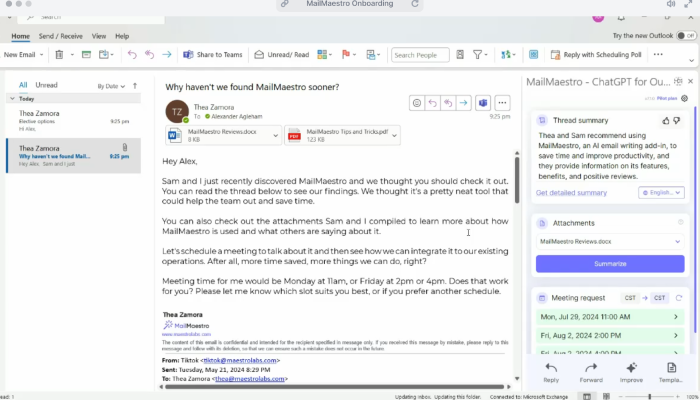
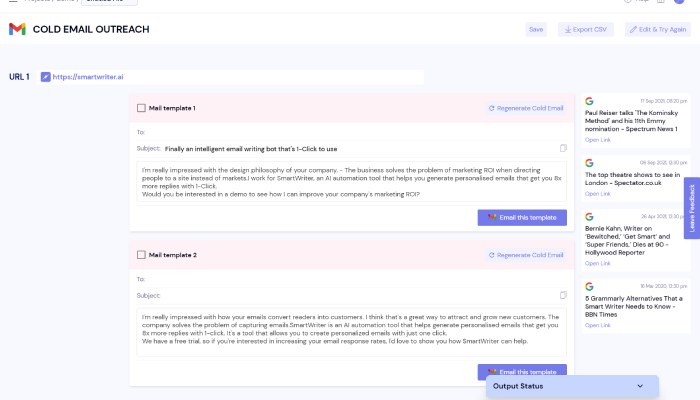
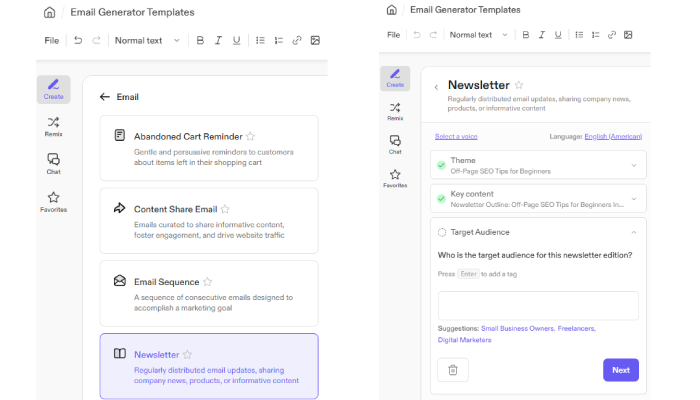
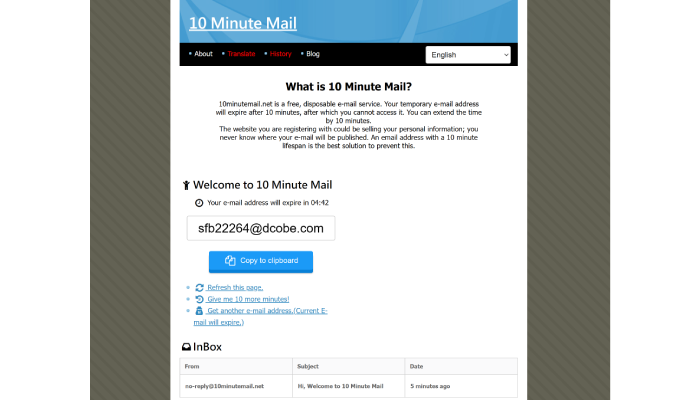
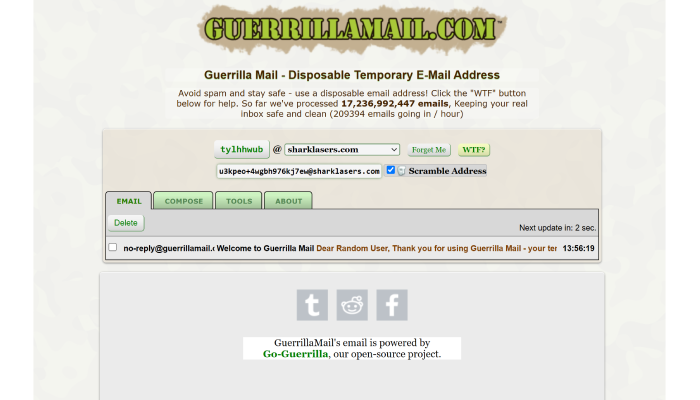
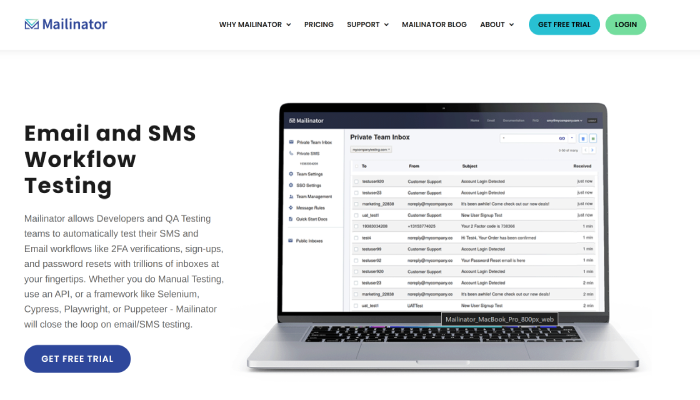
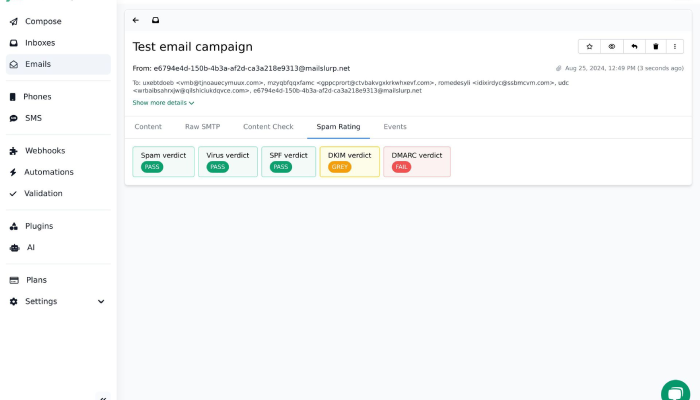
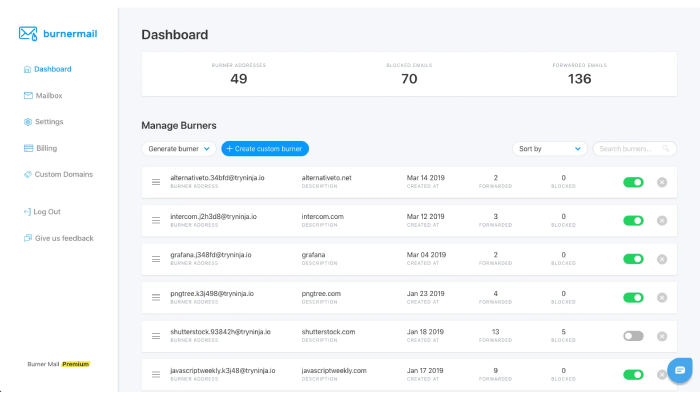
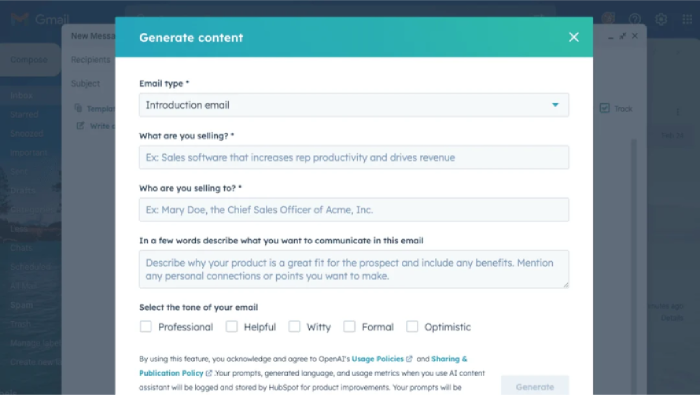
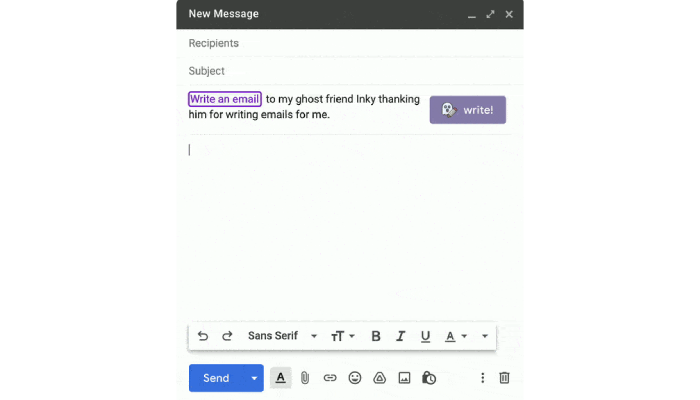
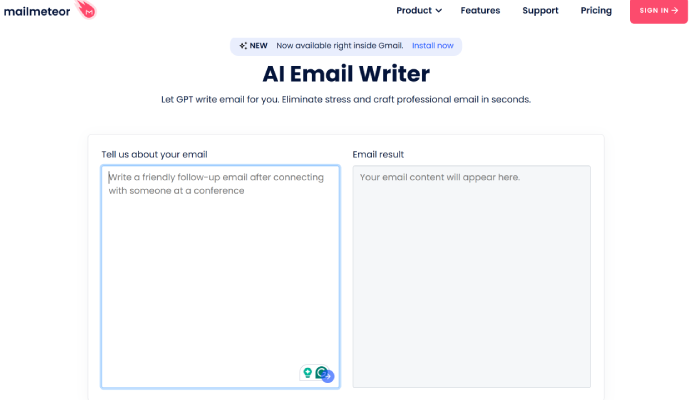
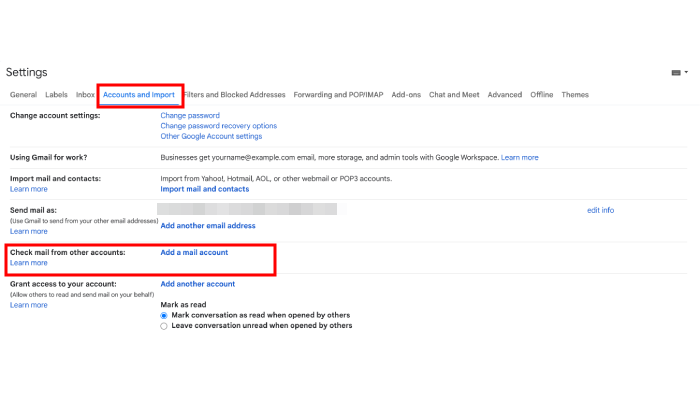
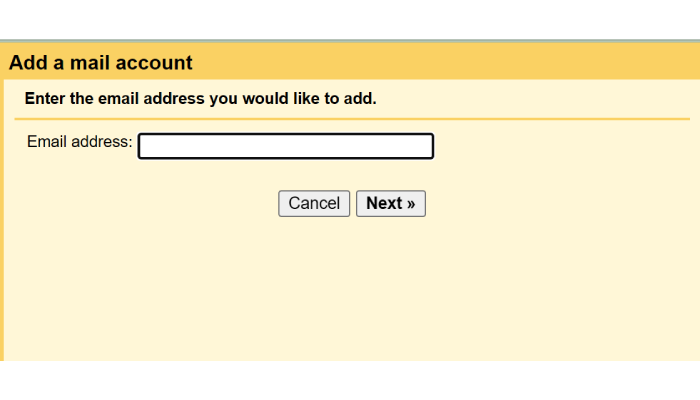
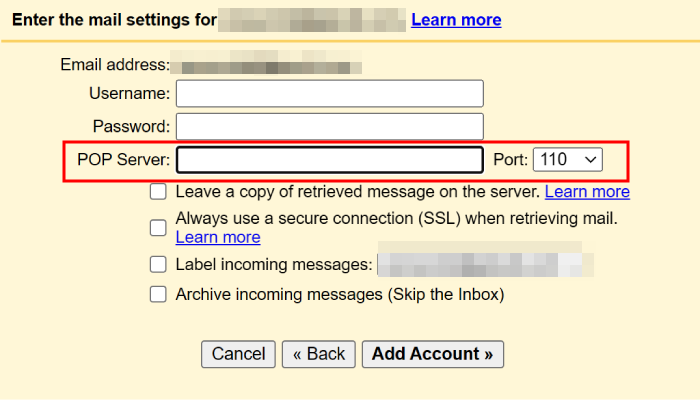
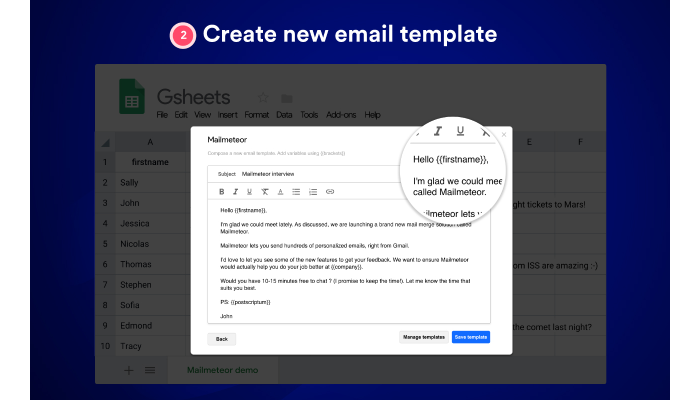
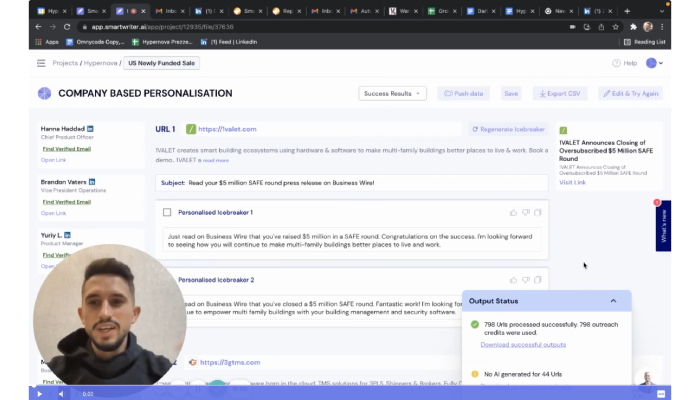

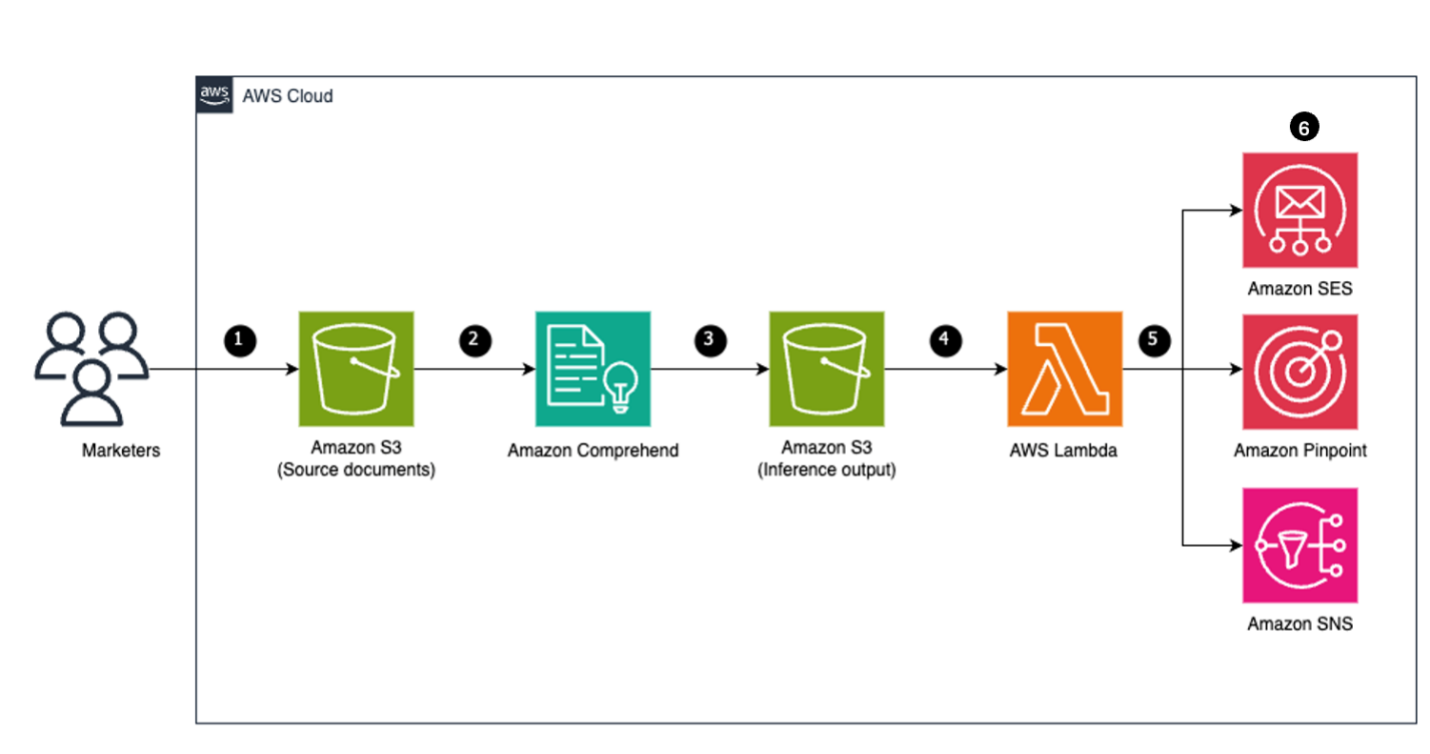
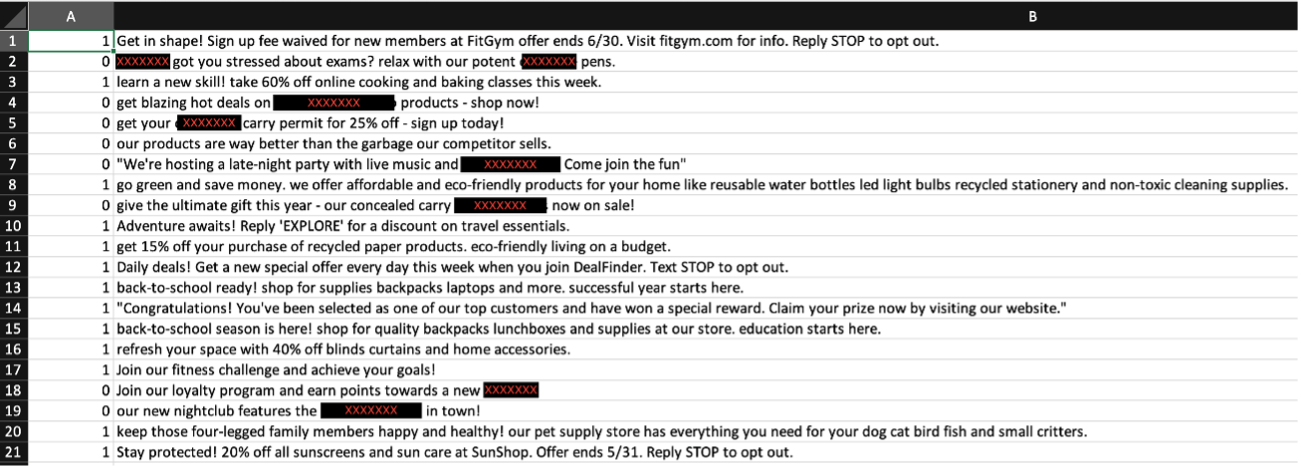


 Figure 8: Amazon Comprehend – Endpoint settings


