Affordable options exist and sometimes you can do it all right in your web browser
What to Know
Most programs are distinguished by these categories: page layout, illustration, photo editing, and web design.
Adobe InDesign is the most prolific page layout program, and it continues to improve with each new version.
The best graphic design software programs are often high-end applications used primarily in professional environments. Still, value and accessibility depend on whether you’re an in-house or freelance graphic designer. Here’s what to know and what we like best.
Choose Graphic Design Software Based on Task
It’s almost impossible to name the “best” graphic design software, but among the high-end professional applications, Adobe InDesign is the most prolific page layout program, and it continues to improve with each new version. Along with its partners, Adobe Photoshop and Adobe Illustrator, this Creative Cloud trio is arguably the best graphic design software on the market today.
That said, the best graphic design software is the software that works best for you. Specific programs are better suited for certain tasks than others. Although the previously mentioned programs are considered industry-standard, they are not the only choices. Here’s an FAQ for you:
Publishers of Graphic Design Software
Some popular graphic design software includes:
Adobe is the maker of InDesign, Photoshop, Illustrator, Framemaker, Dreamweaver, and other software.
Canva (there are apps for all popular platforms as well as an easy-to-use web interface). Once you create a free account you can use quite a bit of the tools for no charge.
Quark’s powerhouse page layout software—QuarkXPress—is still massively popular despite losing its crown to Adobe.
Microsoft produces Publisher, which is ubiquitous on Windows computers.
Corel develops CorelDraw and PaintShop Pro X9, among others.
Serif’s PagePlus, PhotoPlus, DrawPlus, and WebPlus are affordable alternatives.
Categories of Graphic Design Software
Here are the four major software categories for graphic design:
In addition to a word processing program, every designer needs either page layout or web design software (depending on their field) and photo editing software. Most also require a scalable vector graphics drawing program, but some SVG features are incorporated into high-end page layout software, so you might be able to get by with those unless you are doing logo design.
A logo designed in Photoshop cannot be enlarged without losing quality; a logo designed in a vector art program (like Illustrator) can be sized to fit on a business card or the side of a huge truck without losing quality.
What About Web Designers?
You need to know HTML and CSS. When you do, you can write a website using only a text editor. That doesn’t mean you might not prefer to use a software program to help you out. Adobe Dreamweaver is just such a high-end program, but there are also affordable HTML editors.
Fortune favours brave marketers, so why does it feel so risky? A few hours into her new job at MadeBrave, Bec Chelin aims to derisk bold work.
Conjure an image of a bold creative campaign or a brave brand comms move. You know the type; they either make you wince at a subject matter that’s veered dangerously close to the line of bad taste (but not so much to force X to have a palpable meltdown) or a brand pops up in a domain it has absolutely zero right to play in but, somehow, it just works so damn beautifully.
You don’t need to be Mystic Meg (look her up, Gen Z) or Paul the Octopus (RIP) to predict the owner of said “brave” move isn’t the successful 80-year-old homewares brand that’s been a stalwart of the market for generations. Of course, it’s the new industry kid on the block, looking to get as many eyeballs on their slightly more eco and premium-priced products as possible, with a punch to the gut and a euphoric feeling of: “Finally!
Someone who understands how much millennials want to decorate their homes like a knock-off Soho House.”.
The question is, why?
No, not why are millennials obsessed with Soho House (we’re basic, deal with it).
Why is brand boldness and brave marketing as synonymous with start-ups with bags full of sass and a shoestring budget as Oatly is with shouty billboards?
The latest episode of Jon Evans’ brilliant Uncensored CMO podcast, features Gymbox brand director Rory McEntee, formerly of Paddy Power, Everyman Cinema and Papa Johns fame. Both uncover the winning principles of a challenger brand attitude to create cut-through marketing on little-to-no budget and a “seek forgiveness, not permission” mentality. While listening, it struck me that it’s absolutely batshit that brands simply “outgrow” the foundational tenets of highly creative, innovative, and cost-effective marketing.
The constant push for an unstoppable idea. A determination to stand out in a sea of competitor-set sameness. A new way of doing things that’s not simply: “A bit like last year ‘cos that worked well. Oh, but with less budget, obvs.”
Yawn, yawn, yawn.
If you’re a mature brand, arguably you’re in a bigger competitor set. You won’t be the first to market any more. Or even that different from others in the market. You’ll have competition snapping at your heels and your well-carved market share to boot.
So.
Surely.
This is exactly the time to be brave, and not play it safe.
When you look at how they market themselves, how different really does one mainstream car brand feel to the next? One hotel chain to the other? Do we really have to just play on product benefits that should be downright expected of the things you’re buying anyway (looking at you, Premier Inn and your good nights’ sleep)?
Challenging the challengers
OK, so clearly we’re not just going to risk all our hard-earned brand equity, reputation and, let’s face it, healthier budget on one whacking great slap-you-round-the-face-and-leave-you-thinking-WTF, challenger-brand-esque annual campaign.
But that’s not the part of challenger brand marketing we need to retain.
It’s the test and learn; the try it and see what happens. The boldness to know that whatever you do, you will learn something, and whatever you do also doesn’t have to break the bank in one fell swoop. There will – and should be – other campaigns that follow and eclipse something that might not work. But that brave idea might also just be brilliant. Unstoppable, even.
That’s not to say we throw caution to the wind and machine-gun out a series of hastily brainstormed flash mobs, guerilla-style marketing, AI content pieces and hope for the best. There needs to be a strategy to link the component parts of the test, learn and move cycle. But you can still have fun with it. Just ask Paddy Power and the strategic intent to position gambling as entertainment and gain rather than expense and loss. Whether you agree with the promotion of gambling or not, you can’t argue that it shines through everything they did, do and continue to do… and very bravely (the wincing, close to-the-line of decency kind) most of the time.
So why do brands become less brave as they grow?
Budgets are bigger as you grow and, therefore, are more scrutinized than ever. Concurrently, they’re also historically small as the industry continues to emerge from the pandemic, the recession and the rest.
Add to the fact that marketing budgets are repeatedly pegged as the “biggest most expendable budget line item,” and things feel tense. Basically, use it (well) or lose it. Hell, even if it’s used well, it still might go, depending on other industry and market forces. Or how confused the CEO is.
This is where the fear of loss starts to set in.
And that can trundle on being a bit less brave.
We get a bit bigger, and then shareholders enter the mix. Everything gets a little bit more antsy when it comes to not cocking it all up. Budgets scrutinized more. Brave signed off by legal less.
And then, what’s the opposite of brave? You’re that.
Time to de-risk brave
This is where education comes in. And probably more CMOs on boards required.
Side note: just 2.6% of board positions are held by marketers, also according to Jon and Chris Burggraeve in the 17 July episode of the aforementioned Uncensored CMO podcast. It’s no wonder marketing is seen as an expendable budget item with little business value.
Anyway, back to de-risking brave. Fact is, even shareholders are human.
Danny Kahnmeman’s loss aversion theory tells us that losses loom larger than gains. The more we have to lose, the more aversion to risking losing what we have.
So we play it safe. Rather than looking our millennial friends in the eyes and telling them they don’t just need to paint their walls Soho House Green, but they can go all in, buy the chaise longue, the swanky lighting and ban laptops in certain areas of your house if you want… we don’t. We hedge our bets and try to appeal to all millennials just a little bit, not just those who’ll love us wholeheartedly (and with the whole of their wallet) and our member-club loving ways.
We protect at all odds and aim to please all customers all the time, and we end up pleasing no one. Because being bland pleases no one. Being bold, on the other hand, turns your fans into brand advocates. Knowing your audience inside out and going in hard with this group surely feels imperative to lead the market.
Speaking the sweet language of finance
So far so good, but for this to work, and budgets for brave campaigns to be signed off, you have to make this point in a language the well set board and risk-averse shareholders will understand… a financial one.
Put it this way, we can work very hard to gain a lot of new customers on a short-term basis through trying to please everyone. Ultimately, though, we will lose them on price to our nearest same-same competitor the minute they have a better Bank Holiday sale. Or we can invest in developing fewer, long-term brand fans for life who will ride out price increases with inflation and hold longer-term value with repeat purchase. And that’s before we get into the power of peer-to-peer advocacy or the captive audience / NPD testing benefits of long-term loyal audiences. It’s a simple cost per acquisition v lifetime value of the customer conversation. And now we’re talking.
So the next time we get worried by boldness not paying off, or when brave feels risky, don’t compromise the quality of the creative. That’s not the problem. Bold and brave don’t need to break the bank, but they do need to hit smack in the centre of your well-formed brand strategy to hit that “oh my God it’s mad but genius” sweetspot only your brand can possibly execute.
This could be a massive step forward for businesses and content creators
Where video was once a ‘nice-to-have’ capability for businesses, these days it’s more of a ‘must-have,’ especially as Gen Z and Millennials turn away from more traditional types of media in favour of short videos.
To help businesses of all sizes—but most especially small businesses (SMBs) with small budgets and limited time—compete on the video front, Google made Google Vids in Workspace generally available on Thursday. Google Vids was initially announced in April 2024, and with the Google Vids app, SMBs can use Google Gemini to quickly outline and create a video to help with learning and development, marketing, education, and more.
I jumped into Google Vids to see how it works, and in under two minutes, I was able to ask Gemini to create a video about “How to Turn on the iPhone 16” and get a result back. The video it created uses stock photos and contains only the basic text instructions, but it was a fast, simple way to start creating something that might have taken hours to do in the past.
I only replaced a couple of the images it chose (most of which were completely useless, but we can hope that gets better over time), but even that is point-and-click easy. Gemini even added music to the video, but it’s super simple to do a voice-over using Google’s tools or even record your screen to capture what’s going on there.
Google Vids competes with well-known programs like Canva, Runway, and Filmora. It is available now but requires a Google Workspace Business Standard or higher subscription. So the minimum you’ll pay to use it (and all of Google’s other Workspace apps) is $12 per month (and you’ll need to make a one-year commitment to the Workspace subscription).
Managing finances is more than just bookkeeping and cutting expenses; it’s about leveraging financial insights to drive growth, improve profitability, and ensure sustainable success.
For businesses aiming to scale, especially in industries like tech, hiring for fractional CFO services can be the key to unlocking real, measurable results.
Let’s explore the true return on investment (ROI) of hiring a fractional CFO and how it can transform your business.
What are Fractional CFO Services?
A fractional CFO is a highly skilled finance executive who works part-time or on a project basis, offering strategic financial guidance without the commitment and cost of a full-time hire. Fractional CFOs bring expertise from various industries, often with years of experience in corporate finance, financial planning, analysis, and executive decision-making. For growing businesses, especially startups and tech companies, this financial guidance can be pivotal.
Why Businesses Are Turning to Fractional CFO Services
For many businesses, the cost of hiring a full-time CFO can be too costly. Yet, the need for expert financial advice is non-negotiable, particularly as businesses move from startup mode to scale-up. Fractional CFOs provide a flexible solution, offering high-level expertise on a part-time basis, which can be scaled up or down as needed. This adaptability is crucial for tech startups and scaling businesses that need to manage cash flow, investment strategies, and profitability goals without overextending their budgets.
1. Strategic Financial Planning and Forecasting
A fractional CFO brings structured financial planning to your business, helping forecast revenue, identify potential cash flow challenges, and set realistic growth targets. This proactive approach means you’re not only prepared for potential risks but also in a position to capitalize on opportunities. With better forecasting, you can make data-driven decisions that align with your long-term goals, improving both profitability and stability.
ROI Example: Enhanced forecasting reduces unforeseen costs, which can save businesses thousands by preventing cash shortages or surprise expenses.
2. Cash Flow Management
Cash flow is the lifeblood of any business, especially startups and small businesses. A fractional CFO has the expertise to monitor and manage cash flow effectively, ensuring your business has enough liquidity to cover operating expenses, invest in growth, and weather market fluctuations. They bring tools and strategies that streamline cash management, helping you keep the business financially healthy.
ROI Example: Improved cash flow means fewer disruptions, more financial agility, and ultimately, more savings on emergency funding or high-interest loans.
3. Profitability Optimization
Fractional CFOs are skilled at identifying inefficiencies and cost-saving opportunities within your business. By analysing every aspect of your operations—from pricing strategies to overhead costs—they’ll help you maximize profitability. Their insights go beyond simple expense cutting; they focus on optimizing your business model, aligning it with profitability goals while still enabling growth.
ROI Example: Companies working with fractional CFOs have reported up to 20% profit improvement by fine-tuning pricing models, renegotiating contracts, and streamlining operations.
4. Raising Capital and Investor Relations
Navigating the complexities of fundraising is challenging. A fractional CFO can prepare your financials, create compelling pitch materials, and communicate your business’s value to potential investors. They also help maintain investor relations, providing clear and regular updates that build trust and confidence. This expertise can be pivotal in securing funding and maintaining a positive relationship with stakeholders.
ROI Example: Securing even a single round of funding at a favourable valuation can propel growth, offset costs, and provide the capital necessary for expansion.
5. Financial Data Analysis for Decision-Making
Data is at the heart of smart decision-making, and a fractional CFO transforms your financial data into actionable insights. They’ll track key performance indicators (KPIs), analyse trends, and use this information to guide your business’s strategic direction. This level of analysis is crucial for making informed decisions that drive growth while avoiding costly missteps.
ROI Example: Improved decision-making based on solid data can prevent significant losses, as businesses are better positioned to adapt to changing market conditions and optimize resources.
6. Risk Management and Compliance
For businesses scaling rapidly, regulatory compliance and risk management can become overwhelming. A fractional CFO identifies potential risks, ensures your company adheres to industry regulations, and implements risk mitigation strategies. This foresight prevents fines, legal complications, and reputational damage, preserving both your business’s finances and its reputation.
ROI Example: Avoiding penalties and legal fees associated with non-compliance can save tens of thousands in fees and protect your brand’s credibility.
7. Creating a Roadmap for Long-Term Growth
Unlike a bookkeeper or accountant, a fractional CFO is focused on the bigger picture. They’ll work with you to create a sustainable growth plan that aligns with your vision. This roadmap includes strategies for scalability, expansion, and even potential exit strategies. Having a clear path forward enables you to allocate resources more effectively and pursue growth with confidence.
ROI Example: Companies with a well-defined roadmap are better positioned to attract investment, manage growth sustainably, and capitalize on market trends, resulting in long-term success.
Are Fractional CFO Services Right for Your Business?
If your business is growing and you need high-level financial insights but aren’t ready for a full-time CFO, a fractional CFO may be the ideal solution. Whether you’re preparing for investment, managing cash flow challenges, or looking to improve profitability, a fractional CFO brings the expertise necessary to help you achieve your goals. In industries like tech, where speed and agility are crucial, having access to flexible, experienced financial leadership can be a game-changer.
The bottom line is that hiring for fractional CFO services isn’t just about improving numbers on a balance sheet; it’s about transforming your business for long-term success. The ROI is substantial, but the true value lies in the insights, stability, and strategic direction they provide. By empowering your business with financial expertise, you’re setting the stage for sustainable growth, resilience, and a competitive edge in your industry.
The ROI of Hiring Fractional CFO Services
Here’s how the ROI of hiring a fractional CFO goes beyond dollars and cents to deliver lasting value:
Ever wondered how some brands manage to create those captivating video ads that seem to go viral overnight? What if I told you that you don’t need a big budget or a professional team to achieve the same results? With the power of AI, creating realistic and engaging User-Generated Content (UGC) ads is more accessible than ever. This guide will show you how to harness AI tools for scriptwriting and video generation, making the process straightforward and effective.
Digital Marketing with AI
TD;LR Key Takeaways :
Creating UGC video ads with AI tools has transformed digital marketing.
Start with a high-converting script using ChatGPT and the AIDA framework.
ChatGPT simplifies script creation by generating tailored scripts quickly.
Arcads allows for the creation of AI-narrated videos with customizable AI actors.
CapCut is essential for editing, adding captions, and combining footage.
Recording original footage adds authenticity and enhances engagement.
Using AI for UGC ads is cost-effective, offers faster turnaround, and ensures consistent messaging.
Leveraging AI tools like ChatGPT, Arcad Ads, and CapCut saves time and money while providing creative control.
The advent of AI tools has transformed the landscape of digital marketing, offering unprecedented opportunities for creating captivating User-Generated Content (UGC) video ads. This comprehensive guide will walk you through the entire process, from crafting compelling scripts to generating and editing videos, ensuring your ads are both engaging and effective in driving conversions.
Creating High-Converting Scripts with ChatGPT
The foundation of any successful ad lies in its script. Even if you lack extensive copywriting experience, using the power of ChatGPT can help you generate scripts that resonate with your target audience. To begin, identify effective hooks from top-performing ads in your niche using tools like Mana. These hooks serve as the starting point for your ChatGPT prompts, which you can customize by incorporating your product names and problem descriptions. By using the AIDA framework (Attention, Interest, Desire, Action), you can ensure your scripts capture attention, build interest, create desire, and ultimately prompt action.
ChatGPT simplifies the script creation process by allowing you to input your hooks and product details, generating tailored scripts that align with your brand voice and marketing objectives. This efficient method enables you to produce high-converting scripts quickly, saving valuable time and resources.
Identify effective hooks from successful ads in your niche using tools like Mana
Input hooks and product details into ChatGPT prompts
Generate scripts using the AIDA framework for maximum impact
Here are a selection of other articles from our extensive library of content you may find of interest on the subject of AI tools for business and pleasure :
Once you have your scripts ready, Arcads provides a seamless solution for creating AI-narrated videos. After signing up, input your product details and select AI actors that best represent your target demographics. Preview and fine-tune the narrations to ensure they align with your brand voice and messaging. With just a few clicks, you can generate and download AI-narrated videos, offering a cost-effective alternative to hiring real actors.
Input product details and select AI actors based on target demographics
Preview and adjust narrations to align with brand voice
Generate and download AI-narrated videos for a cost-effective solution
To create visually captivating and engaging UGC ads, CapCut emerges as a powerful video editing tool. Use CapCut to add captions, combine AI actor footage with product visuals, and craft a compelling hook that grabs viewers’ attention. Ensure your captions are readable and strategically placed to enhance accessibility and reinforce key messages. Incorporating multiple AI actors throughout the ad helps build credibility and maintain viewer interest.
Add captions to enhance accessibility and reinforce key messages
Combine AI actor footage with product visuals for a dynamic ad
Create a visually captivating hook to grab viewers’ attention
Best Practices for Maximizing Advert Impact
To further elevate the effectiveness of your UGC ads, consider incorporating original footage for hooks and product demonstrations. This authentic touch adds credibility and resonates with viewers. Strike a balance between showcasing product features and AI narrations to keep viewers engaged throughout the ad. Additionally, ensure your captions are clear, concise, and enhance the overall viewing experience.
Record original footage for hooks and product demonstrations to add authenticity
Use a mix of product features and AI narrations to maintain viewer engagement
Ensure captions are clear and enhance the viewing experience
The Advantages of Using AI for UGC Advertising
Harnessing the power of AI for UGC ads offers numerous benefits compared to traditional methods. Firstly, it is significantly more cost-effective than hiring real UGC creators, allowing businesses to allocate their resources more efficiently. Secondly, AI tools provide a faster turnaround time for video creation, allowing marketers to respond quickly to market trends and consumer demands. Moreover, AI-powered solutions give you greater control over the content and messaging, ensuring consistency and precision in your advertising efforts.
Cost-effective compared to hiring real UGC creators
Faster turnaround time for video creation
Greater control over content and messaging for consistency and precision
Creating UGC video ads using AI involves a structured approach that encompasses scriptwriting, video generation, and final editing. By using powerful tools like ChatGPT, Arcads, and CapCut, marketers can produce high-engagement ads that drive conversions and deliver measurable results. This AI-driven method not only saves time and money but also allows for greater creative control, making it an indispensable strategy in the ever-evolving landscape of digital marketing. Embrace the potential of AI and transform your advertising efforts today.
These five marketing tactics have delivered remarkable returns for my business.
Key Takeaways
In a world saturated with marketing advice, it can be overwhelming trying to find strategies that truly deliver.
By thinking outside the box, leveraging local influencers, targeting under priced attention and staying ahead of industry trends, you can create an effective marketing strategy that delivers exceptional results.
I want to share some of the strategies that have helped me achieve crazy results — 10x returns on my marketing efforts, no joke.
I know how overwhelming it can be with all of the marketing advice that’s out there, but I’m here to cut through the noise and give you some actionable tips that have worked wonders for me.
1. Thinking outside the box — the key to success
First off, I can’t stress enough how important it is to think outside the box. This might sound like a cliché, but trust me, it’s the truth. When I first started, I followed a bunch of marketing gurus like Russell Brunson and Gary Vaynerchuk. They both have totally different styles — Russell is all about sales funnels and direct response marketing, while Vaynerchuk is the king of social media branding. But here’s the thing: Despite their differences, they both agree on one thing — creativity and innovation are non-negotiable.
So, I took what I learned from them and made it my own. I didn’t just copy what they were doing; I adapted it to fit my style and my business needs. The big takeaway here is that you shouldn’t be afraid to experiment with new ideas. If you want to stand out and achieve extraordinary results, you have to be willing to break away from the norm and try something different.
2. Local influencers — the secret sauce
Now, let’s talk about influencer marketing. It’s been all the rage lately, with businesses throwing big money at celebrities to promote their products. But here’s my twist: Forget the celebrities with tequila brands — I’m all about using local influencers.
Local influencers might not have millions of followers, but what they do have is a deep connection with their community. These influencers are trusted voices in their circles, and that trust translates into higher engagement and more genuine interactions with potential customers. By partnering with local influencers, I’ve been able to create campaigns that really resonate with my target audience, which in turn has led to better brand loyalty and higher returns.
Plus, local influencers are way more affordable than big-name celebrities, which means I can stretch my marketing budget further while still making a big impact.
3. Paid social media traffic — the secret weapon of under priced attention
Paid social media traffic is where the magic happens, but not all paid traffic strategies are created equal. I’ve found a little-known secret that I call my “secret weapon” for 10x returns: targeting under priced attention.
Here’s the deal — everyone’s targeting specific age groups on specific platforms. You know what I mean: younger audiences on Instagram and TikTok, older folks on Facebook. But guess what? There are millions of people in every age group on every platform.
Think about it: How many Medicare ads do you see on TikTok? Not many, right? And how often are you targeting young people on Facebook these days? The competition for those groups on these platforms is almost non-existent, which means the cost to reach them is dirt cheap.
Social media platforms make their money by selling ad space, and when no one’s bidding on a particular demographic, that ad space just sits there, waiting to be scooped up. That’s where I come in — I buy that space for a steal, and suddenly I’m reaching a whole new audience without breaking the bank.
4. Buying under priced ad space — my strategic advantage
This brings me to another key strategy: strategically buying under priced ad space. Just like in real estate, where the goal is to buy low and sell high, I do the same with digital advertising.
When I notice that certain demographics or platforms are being overlooked by other advertisers, I jump on that opportunity. Because fewer people are bidding for that ad space, the cost is significantly lower. This allows me to reach a broader audience while keeping my costs down, which is exactly how I’ve been able to achieve such high returns.
But this strategy isn’t just a one-and-done deal — you have to stay on top of it. I constantly monitor the performance of my ads and adjust my targeting to take advantage of these underutilized opportunities. It’s a bit of a game, but the payoff is huge when you get it right.
5. Adapting to change — staying ahead of the curve
If there’s one thing I’ve learned, it’s that the marketing landscape is always changing. What worked yesterday might not work tomorrow, and that’s why you’ve got to stay ahead of the curve.
I’ve made it a point to keep myself informed about the latest trends, tools and platforms, and I’m always ready to pivot when necessary. For example, when a new social media platform starts gaining traction, I’m one of the first to dive in and see what it can do for my business. Being an early adopter gives me a huge advantage because I’m competing with fewer marketers, and I can establish a strong presence before the platform becomes saturated.
My success is rooted in my ability to adapt and evolve with the market. I regularly assess my marketing strategies, experiment with new tactics and stay flexible. That’s how I’ve managed to stay ahead of the competition and keep my marketing efforts effective.
So, there you have it — my go-to strategies for achieving 10x returns in your business. It’s not about following the latest trends blindly; it’s about creating your own path and being willing to innovate.
By thinking outside the box, leveraging local influencers, targeting under priced attention and staying ahead of industry trends, you can create a marketing strategy that delivers exceptional results. I hope these insights help you as much as they’ve helped me. Now go out there, apply these tips to your business, and watch your returns skyrocket!
Entrepreneur Leadership Network® Contributor. Justin Brock stands as a leading authority on all things Medicare and Health Insurance. As the owner & operator of multiple companies, he is dedicated to serve both consumers & agents in these markets.
New channels like Twitch, podcasts, and the creator economy are outperforming conventional advertising
Democrats spent $460 million more on traditional advertising promoting Vice President Kamala Harris than Republicans spent bolstering former President Donald J. Trump. The fact that they still lost indicates a change in what type of content nudges people in one direction or another.
Rather than relying on standard paid media, the strategy behind Trump’s campaign was a decisive shift toward alternative media—platforms like podcasts, Twitch, and influencer networks—that let him tap into an electorate disillusioned by traditional media outlets.
It’s telling that a recent survey suggests most U.S. adults think there are too many political ads on TV during presidential campaigns.
As Paul Dyer, chief executive of creative agency Prompt, put it, the Democrat’s strategy was to lead with paid media, while the Republicans started with earned media.
Trump’s October appearance on Joe Rogan’s podcast—three hours of unscripted conversation that racked up 26 million views in 24 hours, per Newsweek—was a key moment. During the episode, he also made 32 false claims, per CNN. Trump also embraced the creator economy, teaming up with figures like Jake Paul, whose Instagram video with Trump in a playful moment amassed over 1.5 million likes.
“If you’re getting three hours with someone on a podcast, that’s not the same as reaching them with a 20-second ad,” said Jeremy Goldman, sr. director of the marketing, retail, and tech briefings, Emarketer. “You craft a winning strategy for somebody who has a whole lot less to spend, you would certainly lean into these [platforms].”
Trump’s campaign also tapped into Twitch, a platform rooted in gaming, to reach younger, digitally savvy voters. By streaming rallies and speeches, he bypassed conventional political coverage and found an audience that might otherwise tune out. Even as some criticized the platform’s use for political messaging, his campaign showed a keen adaptability to the digital age.
Trump’s unfiltered approach on these platforms struck a chord that traditional media couldn’t. Contender Harris also tapped into these newer avenues, but Trump’s strategy, sources told ADWEEK, played a role in his bid for the presidency.
Reinforcing brand identity
Trump’s shift to newer media platforms over traditional outlets fits seamlessly with his longstanding, combative relationship with the press, one that’s been fraught since the 2016 election.
“He made no secret of the fact that the media was his enemy,” said Becca Lewis, former research analyst and postdoctoral researcher at Stanford University.
This strategy also aligned with Trump’s anti-establishment brand, resonating with voters disillusioned by traditional institutions.
“If you think about the leading Twitch live streamers or podcast voices, this is essentially a way to show you’re against mainstream media,” said Goldman.
Unlike the polished appearances typical of traditional media, these platforms provided viral, shareable moments that sparked engagement with Trump’s base and spread rapidly.
“Ultimately, playing it safe sometimes winds up being the less safe option,” Goldman said.
Podcasts fill a void
One of Trump’s biggest hits is the Joe Rogan podcast, which, according to Lewis, reflects the shifting media landscape. As traditional outlets become more fragmented, she said, large swaths of the public have turned to platforms like Rogan’s, bypassing established networks like CNN.
“A lot of podcasters tap into that resentment, but then offer up these that either stoke racialized and gendered grievances or offer conspiracy theories,” she said.
This shift is further fuelled by the decline of local news outlets, many of which have been swallowed up by conglomerates, leaving behind a void in community-centered reporting—something audiences are now finding in spaces like podcasts.
“There’s much less media coverage that’s actually tackling people’s real, lived, material experiences,” Lewis said, “and it becomes much more of this personality-driven, horse-race, kind of team-player, sports-style coverage.”
A move to target new voters
Trump’s use of newer platforms didn’t just cater to his base—it also effectively targeted younger demographics, including many first-time voters, according to Goldman. According to Edison Research’s Infinite Dial Report, 59% of Americans between the ages of 12 and 34 were listening to podcasts in January 2024, a 4% increase from the previous year.
“In 2016, some of these people weren’t able to vote,” he said, noting that engaging these younger voters on the platforms they frequent gave the impression that Trump was “with it” and in touch with their world.
“You could make a strong case that you’re catering to first-time voters who are more likely to turn out,” Goldman added.
Harris vs. Trump
In the opposing camp, Harris, who could have become the first woman and woman of colour to hold the presidency, also tapped into newer media platforms, including appearances on Alex Cooper’s Call Her Daddy podcast. She also showed up on Saturday Night Live the weekend before Election Day.
While Harris used these outlets to connect with younger, more diverse voters, Trump’s inflammatory rhetoric and unpolished remarks worked to his advantage, which—for better or worse—helped him garner significant earned media, especially on podcasts.
“He didn’t worry about putting his foot in his mouth, which kept his media presence unpredictable and entertaining,” said Goldman.
Harris, on the other hand, struggled to match Trump’s ability to be off the cuff.
“There was never that same sense that she was able to generate—around being authentic and off-the-cuff,” said Lewis. Still, “it’s important to stress that there’s different gendered and racialized expectations around what counts as authentic and who’s able to meet these expectations.”
Feature Image Credit: ADWEEK; Getty Images, Twitch, X
“X has changed so much in recent years and can be unpredictable from one day to the next.”
Advertisers, and the precious revenue they bring, have been fleeing X-formerly-Twitter ever since Elon Musk took it over in October 2022, bringing with him a groundswell of hate speech, misinformation, and racist rhetoric — a lot of which has come from his own account.
Now the site’s marketing prognosis, already dire, is about to get worse. New research from the data firm Kantar indicates that a record 26 percent of advertisers plan to cut spending on Twitter next year, which could be a death sentence for a site whose revenues were already in freefall.
As CNN reports, this would be the biggest withdrawal from a major ad platform on record.
“Marketers are brand custodians and need to trust the platforms they use,” Gonca Bubani, a director of global thought leadership at Kantar, said in a statement, as quoted by The Guardian.
“X has changed so much in recent years and can be unpredictable from one day to the next,” she added. “It is difficult to feel confident about your brand safety in that environment.”
Turn Tables
The metrics add to the climate of uncertainty surrounding Twitter’s future, which is probably what’s driving advertisers away more than anything: they want stability, not volatility.
According to the report, which was compiled by interviewing 1,000 senior marketers and 18,000 consumers across the globe, just four percent of marketers think Twitter ads provide brand safety, whereas Google enjoys considerably more trust at 39 percent.
The general attitude towards the platform has also soured. In 2022, 15 percent of marketers were favourable towards Twitter ads. It has since undergone a complete reversal: now 21 percent of marketers are unfavourable.
“Advertisers have been moving their marketing spend away from X for several years,” Bubani said, per The Guardian. “The stark acceleration of this trend in the past 12 months means a turnaround seems unlikely.”
Conversely, consumer ad preference has actually gone up, since they’re happier to see fewer ads. The user base is dwindling, though, and we suspect that this boost would be offset by the sheer number of bots plaguing the platform.
Musk Meddling
Musk’s personal interventions into the situation have done little to stop the bleeding.
If anything, he poked the bear by telling advertisers “Go fuck yourself,” during an onstage tirade in November 2023 — which is now looking like a legendary blunder, because those advertising dollars have dried up, bringing an astonishing 53 percent drop in revenue in the second quarter from the same period last year.
A humbled Musk tried to walk back his comments this June, begging the advertisers to come back. Then he changed his tune again the next month, suing them for not buying ads on his platform, and declaring “war” for good measure. All-in-all, not the kind of leadership that inspires faith in the site being a stable place at which to throw ad money.
A Twitter spokesperson said that “advertisers know that X now offers stronger brand safety, performance and analytics capabilities than ever before, while seeing all-time-high levels of usage,” per The Guardian. “Our brand safety rate is on average 99 percent as validated by DoubleVerify and Integral Ads Science, which is reflected by the fact that the majority of advertisers are increasing their investment in X, as shown by Kantar’s data.”
Studies show that 88% of online shoppers are less likely to return to a site after a bad experience. This means that your ecommerce website’s design can directly impact your bottom line.
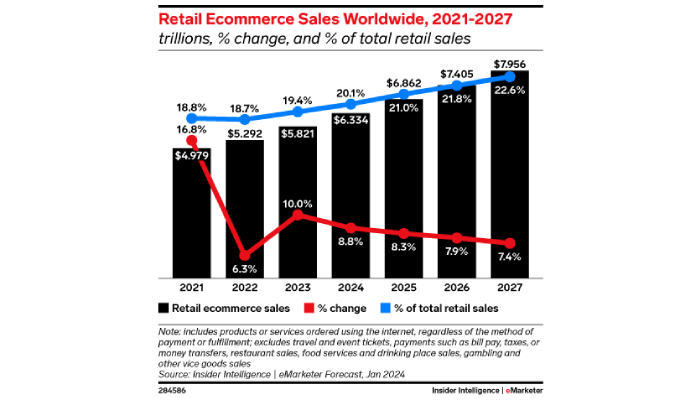
In today’s fast-paced digital landscape, having a robust ecommerce website is essential for any business looking to thrive online. With global ecommerce sales expected to hit $7 trillion by the end of 2024, the competition is fierce, and your website is often the first impression customers have of your brand. Choosing the right ecommerce website builder and platform isn’t just about aesthetics; it’s about creating a seamless shopping experience that can drive sales and build customer loyalty.
In this article, we’ll explore not only how to pick the best ecommerce website builder but also how to optimize your site for performance and user experience. We’ll highlight some of the top ecommerce websites out there, share key data insights, and offer practical tips to ensure your online store stands out in a crowded marketplace.
An ecommerce website is a platform that allows businesses to sell products or services online. Unlike a simple informational website, an ecommerce site is designed to handle everything from displaying products to processing payments. Its main purpose is to provide customers with a seamless shopping experience, letting them browse, select, and purchase items from the comfort of their own home or mobile device.
Ecommerce platforms vs. ecommerce websites
An ecommerce platform is a software or service that provides the tools to build and manage an online store. Examples include Shopify, WooCommerce, and Magento. On the other hand, an ecommerce website is the actual online storefront you create using one of these platforms or from scratch. While platforms provide the foundation, the website is where customers interact, shop, and engage with the brand.
Key components of an ecommerce website
Unlike blogs or corporate websites, ecommerce sites are transactional, focusing on driving sales and delivering a smooth shopping experience. As a result, they have specific features designed to facilitate online shopping.
User interface (UI) and user experience (UX)
Their UI is usually clean and simple, with lots of white space, clear images, and a layout that guides your eyes straight to what matters—the products. There’s no unnecessary clutter, just a consistent, easy-to-navigate design that feels reliable and trustworthy.
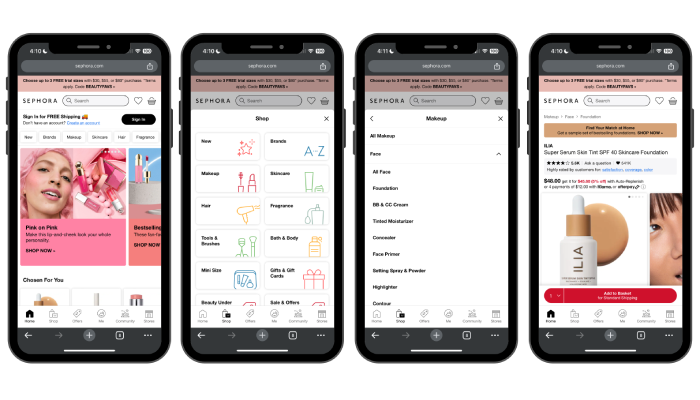
The real magic, though, is in the UX. These sites focus on minimizing any friction between you and your purchase. From fast loading times and easy navigation to a streamlined checkout process, everything is designed to make buying stuff feel seamless. They’re also optimized for mobile, so the experience is just as smooth on your phone. The result? You’re more likely to find what you want, trust the site, and actually purchase without any hassle.
Product catalogue
The product catalogue is the heart of any ecommerce website. It’s where customers explore what you have to offer. Each product should have detailed information, including a clear name, a compelling description, high-quality images, and transparent pricing. This helps customers make informed purchasing decisions.
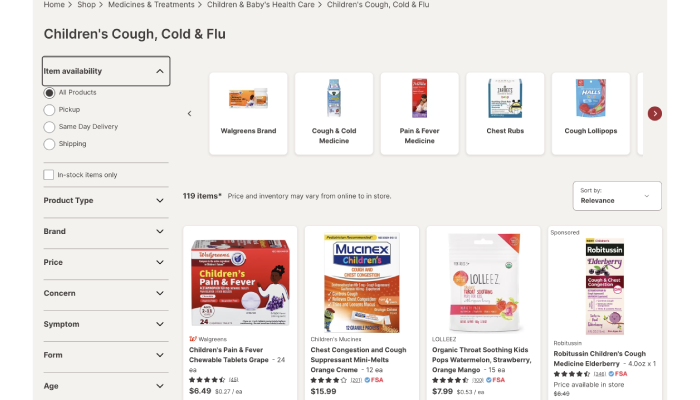
Proper categorization and filtering options also make it easier for customers to find exactly what they’re looking for, whether it’s a specific product type, brand, or price range.
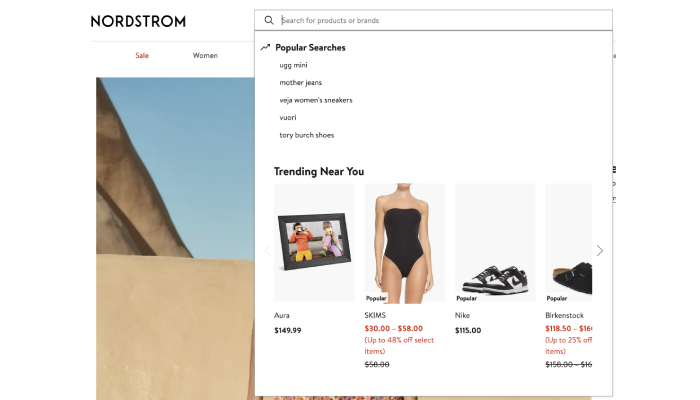
Lastly, you should have a robust search function. It allows users to quickly find products by typing in keywords, saving them time and enhancing their shopping experience.
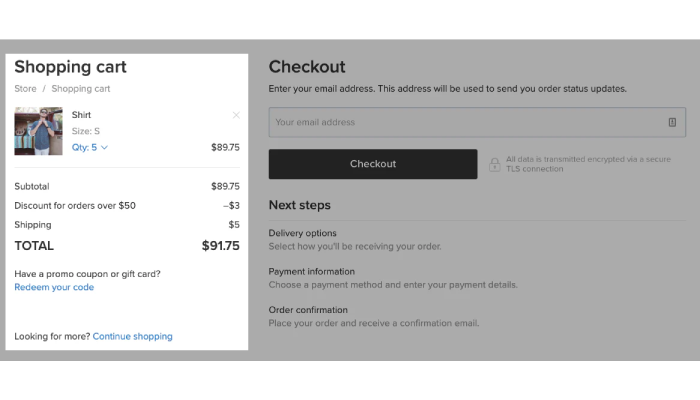
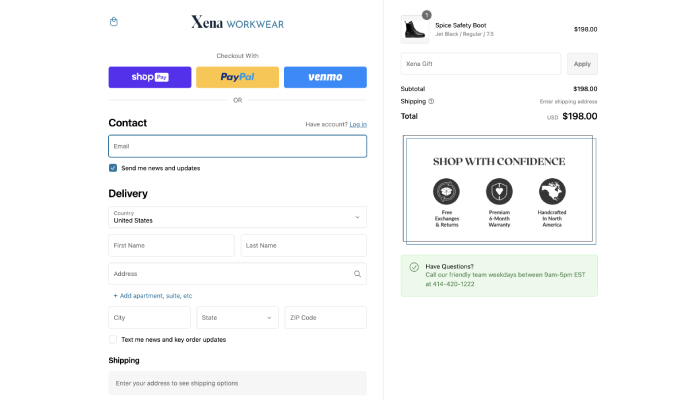
The shopping cart is where customers keep their chosen products before finalizing their purchase. Your customers should be able to easily add items to their cart and remove them if they change their minds.
The checkout process should also be smooth and straightforward. A complicated or lengthy checkout can cause customers to abandon their carts.
Payment gateway
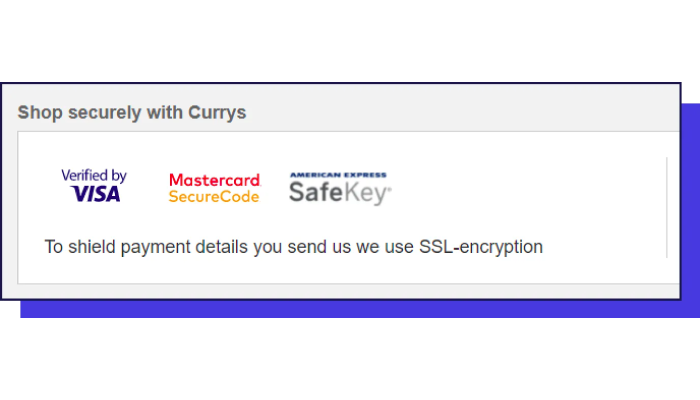
A secure and reliable payment gateway is the final step in the shopping journey, and if it’s not up to par, it can be a deal breaker. You want your customers to feel completely confident when they enter their payment details. So, you want your website to integrate with trusted payment processors. If they sense anything sketchy, they’re likely to abandon their cart and take their business elsewhere.
You should also be able to support various payment options. This can include credit cards, PayPal, and other digital wallets. This allows your customers to choose the method they’re most comfortable with.
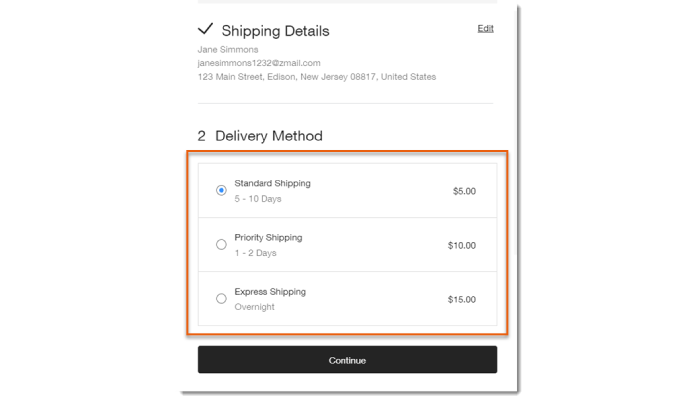
Efficient shipping and delivery options keep customers happy and coming back for more. When customers can choose from multiple shipping options, it gives them the flexibility to select the method that best suits their needs, whether they’re looking for the fastest delivery or the most cost-effective choice. Clear pricing for these options is equally important, so there are no surprises at checkout—nobody likes hidden fees.
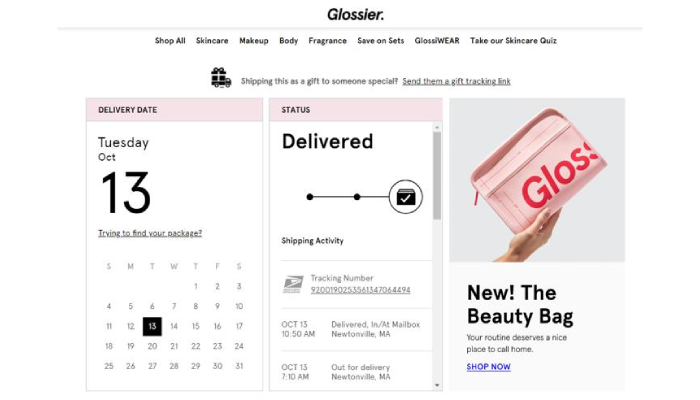
But it doesn’t stop there. Providing tracking information and regular delivery updates is just as important. When shoppers can easily see where their order is and know exactly when it will arrive, it gives them peace of mind and keeps them engaged with the process.
Whether you’re running a small boutique or a large corporation, an ecommerce site opens up a world of opportunities.
24/7 availability: Unlike a physical store, an ecommerce website never closes. Your customers can browse and shop at any time, even in the middle of the night. This means more potential sales without the need for extended hours or additional staff.
Broader reach: With an ecommerce website, you’re not limited to a local customer base. You can reach people across the country—or even the world.
Lower operating costs: Running an ecommerce site can be more cost-effective than maintaining a physical storefront. You can save on rent, utilities, and other overhead costs. Plus, automation tools can help manage operations like inventory and customer service, reducing the need for a large team.
Data-driven decisions: You can track what products are selling, which marketing strategies are working, and where improvements can be made. This helps you make informed decisions to boost sales and customer satisfaction.
Personalized shopping experience: An ecommerce website allows you to offer personalized recommendations, promotions, and content based on customer preferences and browsing history. This increases the likelihood of repeat business.
Scalability: As your business grows, your ecommerce website can grow with you. Whether you’re adding new products, expanding into new markets, or increasing your marketing efforts, an ecommerce site provides the flexibility to scale up.
Choosing the best ecommerce website builder
When it comes to building your online store, choosing the right ecommerce website builder is crucial. The right platform can make all the difference in how your business operates and grows.
What to look for in an ecommerce website builder
Here are some essential features to consider when making your choice:
Customization: Your e-commerce site should match your brand’s style. Choose a builder that lets you easily customize everything from the layout to the colours, so you can create a unique shopping experience that stands out.
Scalability: As your business grows, your website should grow, too. Pick a builder that can handle more products, traffic, and features without slowing down.
Ease of use: You don’t need to be a tech expert to build your site. Look for a builder with a user-friendly interface, drag-and-drop tools, and clear instructions so you can manage everything easily.
Integration with payment gateways: Make sure your builder works seamlessly with popular payment gateways like PayPal, Stripe, or Square for secure and easy payments.
SEO and marketing tools: To attract customers, your site needs to be easy to find online. Choose a builder that includes SEO tools, email marketing, and social media integration to help drive traffic and boost sales.
Support and resources: Even with an easy-to-use platform, you might need help. Pick a builder that offers strong customer support and useful resources like tutorials and forums to guide you through any challenges.
Top ecommerce website builders
When it comes to the best ecommerce website builders, several top contenders stand out for their features, ease of use, and overall performance. Here are simple reviews of ecommerce website builders that stood out for us the past year:
Dukaan Dukaan stands out for its intuitive drag-and-drop builder and highly customizable themes, making it accessible for users without technical expertise. It offers a complete eCommerce solution with numerous plugins for marketing and conversion, all at an affordable price.
Wix Wix is perfect for beginners, offering a user-friendly drag-and-drop builder and a wide variety of customizable templates. It’s best suited for small stores with limited products, though it may require third-party tools for more extensive inventory management.
Ecwid Ideal for those on a budget, Ecwid allows you to start selling for free and integrates seamlessly with existing websites. It’s particularly useful for small stores or those adding eCommerce functionality to a non-eCommerce site.
BigCommerce BigCommerce is a robust platform that powers major eCommerce brands. It offers extensive customization options and cross-channel commerce, though it comes with higher costs and revenue-based pricing tiers.
WooCommerce WooCommerce is a top choice for WordPress users, providing extensive customization and integration options. It’s an open-source plugin, perfect for those with some technical skills looking for flexibility and control.
Shopify Shopify is known for its extensive ecosystem of themes and tools, making it easy to scale your store. It’s ideal for large inventories but may require additional costs for third-party plugins and tools.
Squarespace Squarespace offers beautiful, well-designed templates and a powerful drag-and-drop builder. It’s best for users who appreciate an all-in-one solution without the need for third-party apps, though it may be pricier for advanced features.
Free vs. paid options
Starting out, you might wonder whether to go for a free ecommerce website template or invest in a paid option. This depends on your business needs and budget. :
Free ecommerce website templates
Pros:
Cost-effective: No upfront costs, making it ideal for those just starting out.
Low risk: Allows you to experiment and test your online store without financial commitment.
Cons:
Limited customization: Often comes with restrictions on design and functionality.
Basic features: May lack advanced tools necessary for scaling your business.
Upgrade necessity: As your business grows, you may need to switch to a paid option for more features.
Paid ecommerce website templates
Pros:
Advanced features: Offers more tools and customization options to build a robust online store.
Better design: Access to premium themes that provide a professional look.
Enhanced support: Typically includes better customer service and technical support.
Scalability: More storage and flexibility to grow your business.
Cons:
Upfront cost: Requires an investment, which might be a drawback for those on a tight budget.
Commitment: You’re financially committed, even if you’re unsure about long-term needs.
If you’re just starting and want to minimize costs, a free template might be enough. But if you’re planning for long-term growth, a paid plan could save you time and headaches down the line.
Building your ecommerce website
Building an ecommerce website might seem like a daunting task, but breaking it down into manageable steps makes the process much more approachable. Here’s a step-by-step guide to help you get started:
Select a platform
Choose an ecommerce platform that fits your business needs. The platform you choose will impact how you build, manage, and grow your store, so it’s important to pick the right one from the start.
Choose a domain name
Your domain name is your website’s address on the internet. It should be easy to remember, relevant to your brand, and ideally include keywords related to your business. Make sure it’s unique and reflects what your store is all about.
Set up hosting
Once you’ve secured a domain name, the next step is to choose a hosting provider. Hosting is where your website lives on the internet. Look for a reliable hosting service that offers good speed, security, and customer support. Some ecommerce platforms include hosting as part of their package, which can simplify this step.
Design your site
Start building your website by choosing a template or theme that aligns with your brand. Customize the layout, colours, fonts, and images to create a cohesive look that appeals to your target audience.
Add products
Upload your products to the site, including high-quality images, detailed descriptions, and accurate pricing. Organize them into categories to make it easy for customers to find what they’re looking for. If you’re still on the lookout for products to sell, here’s our in-depth guide on some of the best ecommerce products.
Set up payment and shipping
Integrate a payment gateway to process transactions securely. Also, configure your shipping options so customers can choose the best delivery method for their needs.
Test your site
Before going live, test your website thoroughly. Check for broken links, ensure the checkout process works smoothly, and make sure your site looks good on all devices.
Launch your site
Once you’re confident everything is in place, it’s time to launch! Announce your new website on social media, through email marketing, or with a special promotion to attract your first customers.
Using free ecommerce website templates
Free ecommerce website templates can be a great starting point, especially if you’re on a budget. However, to make your site truly unique, you’ll want to customize these templates to fit your brand.
Start by swapping out the default images and text with your own. Adjust the colour scheme to match your brand colours, and tweak the fonts to reflect your brand’s personality.
Don’t forget to customize the layout to highlight your best-selling products or special promotions. Most templates offer drag-and-drop functionality, so you can easily rearrange elements to suit your needs.
E-commerce website examples
Looking at successful ecommerce websites can provide inspiration and insight into what works well.
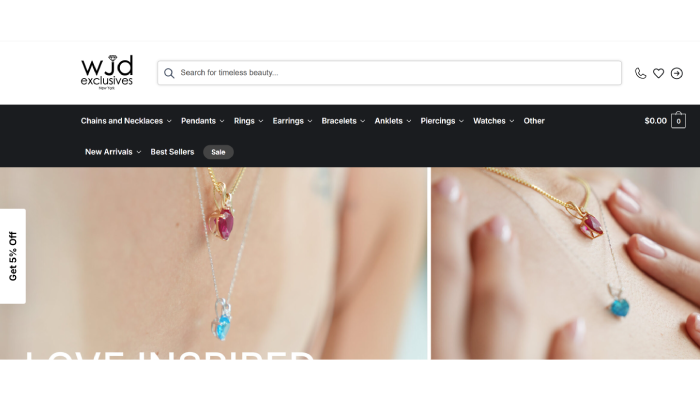
WJD Exclusives, a New York-based fine jewellry merchant, has built its brand on exceptional customer service. Founded in 2002, the company started with a simple website and a few product listings, but their commitment to customer satisfaction set them apart. By handling all aspects of their business in-house—from product listings and inventory management to customer repairs—they’ve been able to offer personalized, rapid services that keep customers coming back. Co-founder Vahan Avagyan attributes their success to this customer-first approach.
Two key tools have driven WJD Exclusives’ growth: WooCommerce and Afterpay. WooCommerce’s flexibility allows them to customize their website to meet customer needs, while Afterpay’s buy now, pay later option has significantly boosted sales and reduced returns. Avagyan estimates that over 30% of their traffic comes from the Afterpay Marketplace. For WJD Exclusives, prioritizing customer service is the foundation of their business, helping them turn first-time buyers into loyal customers who spread the word.
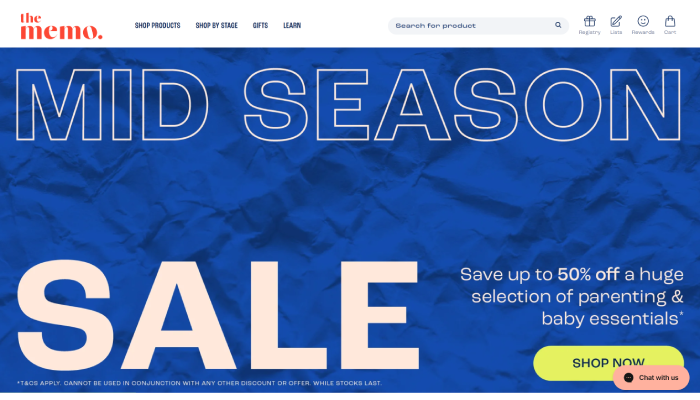
The Memo, founded in 2019, set out to make shopping for baby supplies easier and more supportive for parents. Co-founders Kate Casey and Phoebe Simmonds aimed to clear up the confusion in the baby retail space by creating a seamless and informative shopping experience. To achieve this, they needed an eCommerce solution that was easy to use and could unify their online and in-store touchpoints. With Shopify Plus and Shopify POS, The Memo has built a loyal customer base and seen remarkable growth, including a 45% YoY revenue increase and a 60% return customer rate.
The challenge for The Memo was ensuring that the in-store experience matched their high-quality online offering, especially since 70% of their in-store customers also shop online. Shopify’s native integration allowed The Memo to provide a consistent, simplified shopping journey across both platforms. This approach has helped The Memo create a unified experience that meets the needs of busy parents, whether they’re shopping online or in-store.
Using Shopify’s tools, The Memo has automated various processes, personalized customer interactions, and optimized their website for a seamless user experience. The result? Loyal customers who keep coming back and rapid business growth. With Shopify handling the technical side, The Memo can focus on what really matters—supporting parents on their journey.
Data insights: The state of ecommerce websites
Let’s dive into the latest data insights on e-commerce websites, covering key growth stats, emerging trends, and performance metrics that are shaping the online retail landscape.
Ecommerce growth statistics
Ecommerce is booming, and the numbers don’t lie. Over the past few years, ecommerce has seen tremendous growth globally and regionally. According to recent data, global ecommerce will surpass $6.3 trillion this year, marking a significant milestone in online retail. This growth isn’t slowing down anytime soon. Projections suggest that by 2026, global ecommerce sales could surpass $7 trillion, driven by increased internet access, mobile shopping, and changing consumer habits.
Regionally, Asia-Pacific continues to dominate the ecommerce landscape, accounting for the largest share of revenue. However, North America and Europe are also seeing robust growth, fuelled by rising consumer confidence in online shopping and improved digital infrastructure.
As we look ahead, the next 5-10 years are expected to bring even more changes to the ecommerce space. Trends like the rise of social commerce, the expansion of AI and machine learning in personalizing shopping experiences, and the growing importance of sustainable and ethical shopping practices are set to shape the future of online retail.
Ecommerce website performance metrics
Understanding how your ecommerce website performs is crucial to its success. Key performance indicators (KPIs) like conversion rates, bounce rates, and average order value (AOV) provide insights into how well your site is meeting customer needs.
Average conversion rates: Conversion rates can vary depending on the industry, but a typical ecommerce site sees an average conversion rate of 2-3%. However, top-performing sites often achieve rates above 5%.
Bounce rates: The average bounce rate for ecommerce websites hovers around 45-50%. A high bounce rate may indicate that visitors aren’t finding what they’re looking for or are having trouble navigating the site.
Other KPIs: Additional metrics like cart abandonment rates, customer lifetime value (CLV), and return on ad spend (ROAS) are also critical to monitor. These indicators help you understand customer behaviour, measure marketing effectiveness, and identify areas for improvement.
Best-performing ecommerce platforms
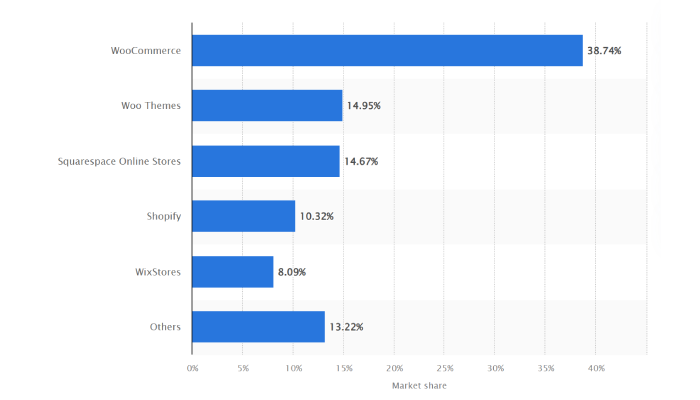
When it comes to ecommerce platforms, some are leading the pack in terms of market share and performance. According to a 2023 report, WooCommerce is a frontrunner, with a market share of 39%. It’s especially popular among small to medium-sized businesses that value flexibility and control. Its offshoot, Woothemes, is second in place with a market share of 14.95%.
Squarespace, on the other hand, is third with a market share of 14.67%. In fourth place is Shopify, with a market share of 10.32%. Both of these platforms have user-friendly interfaces, extensive app ecosystems, and scalability, making them a popular choice for businesses of all sizes.
Customer behaviour trends
Customer behaviour in the ecommerce space is constantly evolving, influenced by technology, social trends, and economic factors. One of the most notable trends is the shift toward mobile shopping. Mobile devices now account for over 77% of global ecommerce traffic, highlighting the importance of mobile optimization for any online store.
Mobile vs. desktop usage: While more people browse on their phones, they often switch to desktops for bigger or more complicated purchases, leading to higher conversion rates and order values on desktops.
Average order values and purchasing behaviour: Personalized shopping experiences, like subscription models, loyalty programs, and targeted promotions, are key to boosting average order values and encouraging repeat purchases.
Sustainability and ethical shopping: Consumers are increasingly focused on sustainability. Brands that highlight eco-friendly products and ethical practices are gaining stronger customer loyalty and better conversion rates.
Optimizing your ecommerce website
Ecommerce website optimization attracts more visitors and ultimately drives sales. Here’s a breakdown of essential optimization strategies to help your online store perform at its best.
Ecommerce website optimization tips
The following are essential optimization strategies for a successful ecommerce website.
On-Page SEO
Optimizing your product pages, images, and content is crucial for improving your site’s visibility in search engines. Make sure to include relevant keywords in product titles, descriptions, and metadata. You can also optimize images by using alt tags.
Page speed optimization
Fast-loading pages are essential for keeping visitors engaged. A slow website can lead to higher bounce rates and lower conversions. To speed up your site, consider compressing images, enabling browser caching, and using a content delivery network (CDN). Regularly monitor your page speed and make adjustments as needed.
Mobile optimization
With more than half of ecommerce traffic coming from mobile devices, ensuring your site is mobile-friendly is non-negotiable. A responsive design that adapts to different screen sizes is a must. Simplify navigation for mobile users, ensure buttons and links are easily clickable, and make checkout processes as seamless as possible. Mobile optimization not only improves user experience but also positively impacts your search engine rankings.
Increasing your website’s conversion rate is all about making it easier for visitors to become customers. Here are some techniques to boost sales and customer retention:
Simplify the checkout process: A complicated or lengthy checkout can lead to cart abandonment. Streamline the process by reducing the number of steps, offering guest checkout options, and providing multiple payment methods.
Use clear and compelling calls-to-action (CTAs): Encourage visitors to take action with prominent, well-worded CTAs. Whether it’s “Buy Now” or “Sign Up for Exclusive Offers,” make sure your CTAs stand out.
Use social proof: Displaying customer reviews, testimonials, and ratings can build trust and encourage purchases. Highlight best-sellers and feature customer photos or user-generated content to enhance credibility.
Local and off-page SEO boosts your visibility. Start by identifying keywords your target audience is using, especially those related to your location if you have a physical presence.
For local SEO, optimize your site for location-based searches to attract nearby customers. This includes managing your Google My Business profile and ensuring your NAP (Name, Address, Phone number) is consistent across different directories.
Don’t forget off-page SEO. Build high-quality backlinks and work on improving your site’s domain authority to enhance your overall search engine ranking.
Content marketing
Adding a regular blog with valuable posts, optimizing product descriptions, and creating engaging social media content can drive traffic and boost your SEO efforts. Content marketing helps establish your brand as an authority and keeps customers coming back.
Email marketing
Building and maintaining an email list allows you to engage with customers directly. Create engaging email campaigns with personalized offers, product recommendations, and updates on new arrivals or promotions. Email marketing is one of the most effective ways to retain customers and encourage repeat purchases.
Social media marketing
Use platforms like Facebook, Instagram, and TikTok to promote your products and engage with your audience. Paid advertising on social media can help you reach a more extensive, targeted audience quickly. Create eye-catching posts and run campaigns that align with your overall marketing goals.
Ecommerce analytics and measurement
To understand how well your ecommerce website is performing, you need to track and analyze key metrics. Monitor metrics like:
Website Traffic: The number of visitors coming to your website.
Conversion Rates: The percentage of visitors who complete a desired action, like making a purchase.
Average Order Value (AOV): The average amount of money spent each time a customer makes a purchase.
Customer Acquisition Cost (CAC): The average cost of acquiring a new customer, including marketing and sales expenses.
These KPIs provide insights into how your site is performing and where improvements can be made.
Tools like Google Analytics are essential for tracking user behaviour, understanding traffic sources, and measuring the effectiveness of your marketing campaigns. Use these insights to refine your strategies and make data-driven decisions.
Security and compliance
Protecting your customers’ data and ensuring your site complies with legal standards is crucial for building trust and maintaining a reputable online store.
Implement strong security measures to protect customer data, such as SSL certificates, encryption, and regular security audits. Make sure your site is safe from breaches and that customers feel confident when shopping with you.
Ensure your payment processes are secure and compliant with the Payment Card Industry Data Security Standard (PCI DSS). This not only protects sensitive information but also helps you avoid costly fines and damage to your reputation.
Lastly, stay informed about the legal requirements for ecommerce in your region. This includes privacy laws, tax regulations, and consumer protection guidelines. Complying with these laws helps avoid legal issues and builds customer trust.
Best practices for running your ecommerce website
Running a successful ecommerce website isn’t just about the initial setup—it requires ongoing effort to keep everything running smoothly and efficiently. Here are some best practices to ensure your online store stays in top shape.
Ongoing maintenance and updates
Regular maintenance is crucial to keeping your ecommerce website secure, updated, and functioning at its best.
Security updates: Cybersecurity threats are constantly evolving, so it’s vital to keep your site’s software, plugins, and themes up to date. Regularly update your platform to patch vulnerabilities and protect customer data. Implement automated backups to ensure that your data is safe and can be restored quickly in case of an emergency.
Content updates: Keep your site fresh by regularly updating content, including product descriptions, images, and blog posts. This not only improves SEO but also keeps your customers engaged and informed about new products or changes.
Performance checks: Regularly monitor your site’s speed, functionality, and user experience. Slow load times or broken links can frustrate customers and lead to lost sales. Schedule regular checks to identify and fix any issues before they impact your business.
Analytics and performance tracking
As mentioned, Google Analytics is an essential tool for monitoring site performance. It provides valuable insights into user behaviour, traffic sources, and conversion rates. By analysing this data, you can identify what’s working and where there’s room for improvement.
Set up goals and track key metrics such as page views, bounce rates, and average session duration to gauge the effectiveness of your marketing efforts and overall site performance.
Customer service and support
Excellent customer service is the backbone of a successful ecommerce business. According to a Microsoft study, 96% of people said that customer service plays a big role in their brand loyalty and whether they’ll make repeat purchases. What’s more, 54% of respondents now see customer service as even more important than they did just a year ago.
Provide clear and accessible contact information, including phone numbers, email addresses, and live chat options. Being available and responsive to their needs shows that you care about their experience.
Effective customer support is also critical for resolving issues and retaining customers. Additionally, a well-defined returns and refunds policy can boost customer confidence and encourage purchases. Regularly gather customer feedback to identify areas for improvement and make adjustments as needed.
Building and running a successful ecommerce website takes careful planning and continuous effort. Choosing the right ecommerce website builder is the foundation of your online store’s success. It’s essential to pick one that aligns with your business needs. From there, optimizing your website for performance, mobile use, and conversion rates will ensure that you’re providing the best possible experience for your customers.
Now that you’ve got a solid understanding of what it takes to create and manage an ecommerce website, it’s time to take the next step. Start by exploring the recommended ecommerce platforms we’ve discussed. If you need additional help, consider reaching out to their experts for guidance. The sooner you begin, the sooner you can start selling and growing your business online.
FAQs
What are ecommerce websites?
Ecommerce websites are online platforms that allow businesses to sell products or services over the internet. These sites provide everything a customer needs to browse, select, and purchase items from the comfort of their home or mobile device. Ecommerce websites typically include features like product catalogs, shopping carts, secure payment gateways, and customer service options to facilitate the entire shopping process.
What is the best ecommerce website builder to use?
The best ecommerce website for you depends on your specific needs and business goals. Some of our top picks include Dukaan, Wix, WooCommerce, and Shopify.
How do I start my own ecommerce website?
Starting your own ecommerce website involves several key steps:
Pick an ecommerce platform that suits your business needs.
Choose a domain name that reflects your brand.
Select a hosting provider if your ecommerce platform doesn’t include hosting.
Design your website by choosing and customizing a template or theme.
Add your products, including images, descriptions, and pricing.
Set up payment and shipping options to ensure smooth transactions.
Test your website thoroughly before launching to catch any issues.
Launch your site and start promoting it through marketing channels like social media, email, and SEO.
How much does an ecommerce website cost?
The cost of an ecommerce website can vary widely depending on several factors. Platform fees are a significant consideration. For instance, Shopify starts around $99 per month, while WooCommerce is free but requires hosting, which can range from $10 to $100 per month or more.
Design and development costs can vary, from using free templates to hiring a designer, which could add a few hundred to several thousand dollars, depending on the complexity. Paid plugins or apps may also increase costs over time. Remember to factor in ongoing expenses like domain renewal, marketing, and transaction fees. A basic ecommerce website might start at a few hundred dollars, while more advanced sites with custom features could cost several thousand dollars or more.
The e-commerce landscape is in a perpetual state of evolution, requiring brands to continuously adapt their strategies to effectively reach and engage consumers.
While traditional advertising channels still hold relevance, digital platforms, including retail media networks (RMNs), are experiencing unprecedented growth and reshaping the marketing landscape. Global e-commerce sales are projected to pass $6.3 trillion this year, underscoring the immense growth potential within this space.
In this digital ecosystem, RMNs are emerging as a formidable force, presenting brands with a powerful new avenue to connect with consumers and drive sales. For example, my company worked with a CPG giant to discover a previously untapped and highly valuable customer segment—health-conscious millennials with a penchant for eco-friendly products—using retail media strategies. This newfound audience ultimately unlocked a significant sales increase for the brand, showing the transformative power of RMNs.
Retail Media Networks: Taking E-Commerce Advertising By Storm
RMNs are changing e-commerce advertising by strategically connecting brands with potential customers when their purchasing intent is highest. Hosted by major retailers such as Amazon, Walmart and Target, these advertising platforms provide more precision and effectiveness compared to traditional advertising’s approach. (Disclosure: My company works with Amazon and Walmart.) RMNs offer focused targeting capabilities, ensuring messages reach and resonate with the most receptive audience.
The benefits for brands extend beyond increased visibility. RMNs unlock a wealth of data, granting access to in-depth shopper insights, purchase behaviour patterns and conversion analytics. This type of information allows brands to identify previously unseen niche audiences. Even brands like Home Depot are entering the RMN space, creating highly specialized advertising opportunities for specific industries.
Amazon has been at the forefront of the RMN revolution. The company’s expansion into advertising has solidified its position in the digital advertising landscape. Amazon’s recent announcement of 24% growth in its advertising unit, reaching $11.8 billion in ad revenue for the first quarter of 2024, further solidifies its dominance.
The Evolving Consumer Journey: A Maze Of Touchpoints
I think the rise of RMNs reflects a shift in consumer behaviour. Traditionally, marketers mapped a clear-cut consumer journey with distinct phases like awareness, consideration and purchase.
However, the lines are becoming increasingly blurred. Social media platforms like Instagram are now heavily influencing purchase decisions, making the consumer journey more of a labyrinth than a linear path. A potential customer might see a viral recipe video that features your brand’s olive oil, then head straight to Amazon to buy it—all within minutes.
According to eMarketer: “Advertisers still view social media as a discovery medium and retail media as a conversion-driver. But both platforms are ‘potentially full-funnel,’ according to Liz Cole, executive director and US head of social at VMLY&R.” This perception underscores the need for a more integrated approach that leverages the strengths of both platforms to optimize the customer journey.
This interconnected web of online channels demands brands take a marketing approach with partners who can take a holistic view of their budgets, strategically deploying various levers—from RMNs to social media campaigns and influencer marketing—to achieve optimal results. Today’s successful brands understand the power of weaving a cohesive narrative across all digital touchpoints to truly resonate with consumers. Gone are the days where simply listing a product on an online marketplace sufficed.
Best Practices
Retail media networks offer a powerful opportunity for brands to connect with highly targeted audiences at the point of purchase. However, navigating the complexities of RMNs can be challenging for many companies.
To maximize the potential of RMNs, brands should:
1. Establish clear objectives and define goals. Are you aiming to increase brand awareness, drive sales or gather customer insights? These objectives will guide your strategy and help you measure success.
2. Leverage first-party data. RMNs provide access to valuable first-party data, such as shopping history and demographics. Utilize this data to create highly targeted campaigns that resonate with your ideal customers.
3. Experiment and optimize. Retail media is a dynamic landscape. Don’t be afraid to experiment with different ad formats, placements and messaging.
4. Continuously monitor performance and make adjustments to optimize your campaigns.
5. Track KPIs to measure the effectiveness of campaigns. Analyse the data to identify areas for improvement and inform future strategies.
By addressing these key factors and overcoming challenges such as complexity, limited inventory and data privacy concerns, companies can effectively utilize RMNs to drive sales, build brand awareness and gain valuable insights into their target audience.
The Future Of Retail Media: A Story Still Being Written
The future of retail media is brimming with possibilities. As e-commerce continues its meteoric rise, I think RMNs will become an even more essential tool for brands to connect with and convert consumers. Their combination of data-driven insights and targeted advertising capabilities empowers brands to navigate the changing e-commerce landscape with confidence and precision.