Author

editor

Browsing

By Rishad Tobaccowala

  1. It is about understanding people as people and not just as consumers, customers, members, and users.
  2. It is about getting people to advocate for a brand to other people.
  3. It is about upgrading the status of marketing people and upgrading marketing people.

Marketing is about understanding people.

For too long marketers have fixated on consumers, customers, members, and users.

While these are important what is critical is seeking to understand people as people.

When one looks at a person as a consumer one is liable to miss a lot for the following reasons.

1) Narrow lens:  When one looks at a person as a consumer it is looking to understand the person through brand usage which is by very definition one of hundreds of brands filling met and unmet needs of a person. People do not define themselves by brands and rarely want to have relationships with brands. Some marketers define themselves by brands and have the delusion that people want to have a relationship with Tylenol versus just wanting their headache to go away.

2) Failure to see competitive threats: Viewing people as consumers or users means evaluating and benchmarking one’s brands with their use of other brands in one’s category. However, the greatest threat and opportunity tends to come from outside one’s category today due to technological disruption and changing behavior. Newspapers were disrupted by Google. Magazines by Instagram and today Television by Netflix and TikTok for example. Focusing on consumers and users meant that none of the incumbents were monitoring these other players. A focus on one’s category may lead a brand to be less pathetic than others in their category but not great or relevant for the future.

3) Failure to understand needs: One of the reasons categories get disrupted from outside is because by seeking to understand a person through category dynamics one may miss understanding what they are truly seeking. Dollar Shave Club and Harry users were not just looking for the best shave but a decent shave at a great price and convenient purchase. Multiple blades, vibrating blades, heated blades were no longer the key.

Marketing is getting people to advocate for you to other people.

The most powerful form of marketing has always been word of mouth.

Word of mouth has become exponentially more powerful due to social media and new tools and technologies.

TikTok provides editing and other tools to let anyone create and mix videos. Substack enables reaching tens of thousands to millions of people. It is easy to create and distribute podcasts.

Social media channels enable distribution.

Influencers and creators become key to a brand.

Instead of marketing to people we should consider marketing through people by arming them with assets, information, tools, and incentives.

Also, every marketing company should fixate on their employees and suppliers.

Make employees advocates by treating them well and aligning them with the marketing program.

Inform, trust, and pay suppliers well. They can be a source of ideas, marketing, and competitive intelligence.

Emerging AI tools such as ChatGPT will further empower the individual and the underlying trends of Web3 will now give them not just a voice but ownership.

Every company’s marketing and media programs should be grounded in marketing through people with significant investment and emphasis on generating and building advocacy among one’s external and internal audiences and partners.

One should fixate as much if not more on people than fixating on first party data, AI and the Metaverse.

Marketing is about upgrading the status and skills of marketing people.

Forty years ago, in my first marketing class at the University of Chicago we read Philip Kotler (a renowned marketing guru operating a few miles away at Northwestern University) who defined marketing as “understanding and meeting people’s requirements.”

For the next four decades I got to work with some of the best marketing companies in the world and looking back two things stood out which taken together raises concerns:

1) Marketing has become more critical: People became more empowered as technology enabled them to have “God Like” power particularly in the past two decades since the scaling of Search, Social, E-Commerce and Mobile. These new technologies also have merged offline/online, above the line/below the line and fused marketing and experience into one. Therefore, understanding and meeting the requirements of people/gods became more important. So marketing was growing more and more critical.

2) Marketers power has diminished in most companies: The first two decades of my career it was not just Agencies that got to present to the Board room, but marketers did. Today look at the Board of Directors of companies including marketing firms, and few have CMO’s on the Board. There is the voice of money in the CFO, the voice of technology in the CTO/CIO, the voice of talent in the Chief Human Resources/Talent officer but where is the voice of the people/customer/consumer just when they are growing more and more powerful?

Companies will find it very difficult to succeed in a world of empowered people unless they have empowered marketers, marketing fuses into every part of the company and every individual upgrades their skills. Marketers need to be in the room where decisions are made rather than implementing or informing decisions.

But the wheel may be turning…

Recently there are signs that marketing is getting a voice by transforming the CMO role to one of a Chief Growth Officer, Chief Experience Officer, or Chief Transformation Officer or combining a CMO role with a Chief Data Officer role and no longer separating CMO from Chief Digital Officer.

Companies are beginning to look for “full-stack” marketers who can drive performance leveraging data and technology and platforms in the short run while building brand and reputation with storytelling, design, cultural relevance and more.

Marketing people need to have a greater voice and to have a greater voice marketing people need to upgrade our skills and capabilities for a world where marketing is not a side car attached to a motorcycle but the engine that makes the motorcycle and its engine throb.

The future of marketing is people.

Contributed to Branding Strategy Insider by Rishad Tobaccowala, Author of Restoring The Soul Of Business: Staying Human In The Age Of Data

The Blake Project Can Help: Please email us for more about our purpose, mission, vision and values and brand culture workshops.

Branding Strategy Insider is a service of The Blake Project: A strategic brand consultancy specializing in Brand Research, Brand Strategy, Brand Growth and Brand Education

FREE Publications And Resources For Marketers

By Rishad Tobaccowala

Sourced from Branding Strategy Insider

By Sean Parnell

Lost in the B2B inbox? Find out how to stand out.

The Gist

  • Campaign precision. Pinpoint your ideal client profile for more effective B2B email campaigns.
  • List quality matters. Maintain a validated, high-quality email list to boost engagement and ROI.
  • Engage, don’t ask. Provide valuable resources over sales pitches to enhance B2B email effectiveness.

In a crowded digital environment rife with companies clamouring for attention at every click, B2B email marketing remains a powerful tool for engaging with B2B prospects to generate quality leads. The reason: Most of your target market isn’t actively searching for your solutions, so it’s more effective to go to them and generate interest (demand generation) than it is to wait for them to find you (demand capture).

The image shows a row of archery targets lined up under a clear blue sky. Each target has concentric circles with colors progressing from white, black, blue, red, to a yellow bullseye. Arrows are accurately lodged in the bullseyes of several targets, illustrating precision and successful targeting in piece about B2B email marketing.
Effective B2B email marketing starts with a clear target.Sashkin on Adobe Stock Photos

5 Steps to B2B Email Marketing Gold

The challenge: 9.7 billion emails are sent in the U.S. daily so standing out requires a calculated approach. Below are five steps for creating effective email campaigns that resonate with prospects and fuel demand.

1. Understand & Target Your Top Ideal Client Profile (ICP)

Effective B2B email marketing starts with a clear target.

Define your ICP based on your most successful client relationships, by industry, company size, and titles of decision-makers and influencers. For example, we ran a successful campaign targeting owners/CEOs of rental service providers in the U.S. between $20 million and $250 million in revenues for an integrator of ERP systems.

It’s common to have at least three-to-four distinct ICPs. Focus on the one with the most potential for several months to gain traction.

2. Build & Maintain a High-Quality Email List

A robust B2B email marketing list of your top target market is key to the success of your campaign. Begin by sourcing contacts from reputable services like ZoomInfoUpLead and BookYourData offer more cost-effective alternatives.

To ensure deliverability and maintain your sender reputation, run your list through validation services such as ZeroBounce. This minimizes bounce rates and avoids penalties from platforms like HubSpot, which enforce strict bounce rate limits.

3. Craft Active, Compelling Content

B2B email marketing content that educates your prospects about how you can solve their problems is the core of email marketing. This is the essence of B2B brand storytelling: Prospects are the hero of the story and will let you be their guide if you demonstrate that you understand their problems. Don’t lead with products, services, features and benefits.

Give your top ICP something instead of asking for something. Offer resources that encourage engagement, such as guides, webinar invitations, case studies, and relevant blog posts. Don’t send fluffy, top-of-funnel content or newsletters that ramble on about your business. Videos can triple your click-through rates compared to other content types.

Include an offer: a clear, compelling call-to-action (CTA) that encourages recipients to take the next step. It should be something better than “request a free consultation” or “get a demo,” which they may want later but not as a starting point.

4. Optimize Subject Lines & Preview Text

Your subject line and preview text are crucial for grabbing attention and boosting open rates. It could be argued that this is the most important part of the entire email since without a subject line that gets your recipient to open it, the rest is like that tree that falls in a forest, unheard.

In B2B email marketing, subject lines and preview text need to be concise, engaging, positive and relevant to the recipient’s problems. For guidance, consider a formula proven over the past 100 years that combines appealing to the self-interest of prospects, sharing news, stimulating curiosity, and communicating that there’s a quick and easy way to solving problems while creating a sense of urgency.

5. Manage Expectations & Follow Up

B2B email marketing is a marathon, not a sprint. Initial prospecting emails typically achieve open rates between 10% to 20%, and it’s common to receive few responses at first. While knowing 80% to 90% of recipients won’t open your email can be discouraging, persistence is key so follow up with recipients who click on your emails or open them multiple times. Note: If you see that someone has clicked on every link in the email, it’s likely that automated software opened it to check for viruses and phishing scams.

Personalized follow-up emails and calls can significantly enhance engagement and conversion rates but limit your follow-up attempts to no more than three. Keep them on your B2B email marketing list so that the next email may prompt them to contact you. Sometimes an email campaign gets a response months after it was sent because it was the right message at the wrong time.

While digital communication is prevalent, traditional direct mail can complement your B2B email marketing campaigns. With some audiences, a well-crafted direct mail piece can garner more attention than an email, making it an effective tool for reaching your audience in a different format and reinforcing your message.

B2B Marketing Email Campaigns That Work

When it’s done well, B2B email marketing remains one of the most cost-effective outbound methods for generating demand by connecting you to high-quality leads who aren’t actively searching for your solutions.

Anyone who tells you otherwise likely didn’t put the right level of effort into their campaigns. Some just send a few emails, get disappointed, and abandon the effort.

By day, Sean is a B2B marketing strategist, educating small and mid-sized businesses on how to use marketing to fuel their growth; by night, he is a historic bar enthusiast. Connect with Sean Parnell: 

Main image: thomas

By Sean Parnell

Sourced from CMSWIRE

By Kathrin Hamm

Paid media isn’t the only way for direct-to-consumer brands to reach new customers.

Over the past five years, paid media and acquisition costs have skyrocketed, making it increasingly challenging for brands to reach new customers through paid advertising alone. For direct-to-consumer brands, in particular, this has caused significant disruption and revenue decline.

As the CEO and founder of wellness brand Bearaby, I have experienced this shift in the digital marketing landscape and know that it is increasingly necessary to experiment with outside-the-box methods to build branded consumer awareness. Brands are diversifying beyond paid media to reach consumers. Here are three methods I’ve found to be effective and why I believe they work.

  1. Experiential marketing
    As an e-commerce brand, providing unique and valuable in-person experiences helps you reach new, highly engaged brand loyalists.

    When we were looking to expand Bearaby’s in-person presence, we took inspiration from on-the-ground ambassador programs frequently adopted by apparel brands. Lululemon, for example, has focused on cultivating a community of fitness instructors who are intensely loyal to the brand, tapping into strong preexisting communities within their target demographic.

    The key to successful experiential activations is tailoring the experience to your product. Consider whether seeing the product is enough for potential customers or would new customers prefer to interact with it more extensively? What is the most important factor that will influence a new customer’s decision to purchase—or, even better, to buy into your brand values and get on board with your mission?

    At Bearaby, we’ve leaned into the benefits of weighted blankets for meditation by partnering with wellness studios like Remedy Place, Sage + Sound, and THE WELL to include weighted blankets in sound bath and meditation experiences. Visitors get to feel the full benefits of resting under a weighted blanket, while learning about an often overlooked use case for the product. As a result of these activations, meditation instructors and wellness enthusiasts have become organic brand advocates, incorporating weighted blankets into their personal practice and beyond.

    Whether you activate your product through traditional ambassadors, a pop-up shop, or a unique one-of-a-kind event, staying true to your brand’s authentic mission is the key to finding success through experiential marketing.

  2. Proximity marketing
    If an ad spend doesn’t allow you to meet consumers where they are, consider meeting them somewhere nearby. For example, a Super Bowl ad will run you $7 million dollars, but creating on-site experiences in the host city, or targeting digital out-of-home screens in fan hubs, may allow you to reach the most engaged consumers at a fraction of the cost. This is an excellent way to make the most of big events without going over budget. You can apply this same strategy to smaller, localized events that draw super fans who fit your audience.

    For direct-to-consumer brands, it can also be useful to examine retail partnerships through the lens of proximity marketing. Brands often focus on the high sales volumes that come through securing placement in national chains, but placement in smaller, targeted boutiques lends itself to a more branded experience, potentially amplifying your presence in a particular state, city, or neighbourhood.

    If you’re hoping to achieve this, proper branding and signage remain essential. Even if a customer doesn’t choose to buy your product, they should have an opportunity to see your brand name, read more about it, or enter your digital marketing funnel.

  3. Stunt marketing
    Stunt marketing should be true to your brand while containing an unexpected element. Nobody would be surprised by Duolingo offering in-person language lessons, but when the brand went as far as to open a taqueria where diners could practice their Spanish in exchange for discounts, people took notice!

    For newer brands, it can be helpful to tie stunt marketing to a particular holiday or time of year—something in the cultural landscape that already has people’s attention.

    April Fools’ Day is a great time to flex your stunt marketing muscle with plenty of wiggle room for experimentation. Consumers are on the lookout for surprising, playful activations from the brands they know best, so they’re prepared to be delighted by something truly over the top.

    At Bearaby, we’ve seen community engagement skyrocket during fake product launches for April Fools’ Day, like our weighted blanket for hedgehogs. Our most recent “Bearabulky” April Fools’ campaign gave us valuable product feedback. We launched a fake 50-pound weighted stuffed bear, and brand fans we had never heard from before started sharing that they would love to purchase a slightly heavier version of our real 3.5-pound weighted stuffed animals. This stunt campaign helped us catch the attention of new customers, while simultaneously strengthening our understanding of our existing community.

    When planning a stunt marketing campaign, it’s important to cater to both brand fans and new customers without alienating either group. Before launching your campaign, think through what success will look like for both groups and let that guide your messaging and budget.

With paid ads continuing to become more expensive, brand building will be put to the test more than ever. The more expensive it is to acquire a new customer, the more critical it will be for that customer to have a touchpoint where they can buy into your mission and become a brand fan. Strategies like experiential, proximity, and stunt marketing won’t replace the need for digital ads, but they can be high-value extensions of the brand backbone that ultimately makes paid advertising pay off.

Feature Image Credit: Getty Images

By Kathrin Hamm

Kathrin Hamm is founder and CEO of Bearaby.

Sourced from FastCompany

By Dirk Petzold

Undoubtedly, the right typeface can convey a brand’s personality, evoke emotions, and influence consumer behaviour.

This article explores the art and science behind choosing the perfect typography for your brand, highlighting its importance and providing actionable insights to help you make informed decisions.

The Power of Typography in Branding

Typography is more than just selecting a font; it’s about creating a visual voice for your brand. When done right, typography becomes a powerful tool that enhances brand recognition and strengthens brand identity. Here’s how typography impacts branding:

  1. Conveys Brand Personality: Typography can communicate the essence of your brand. For instance, a luxury brand might use elegant, serif fonts to exude sophistication, while a tech startup might opt for sleek, sans-serif fonts to convey modernity and innovation.
  2. Creates Emotional Connection: The style of your typography can evoke specific emotions in your audience. Rounded, soft fonts might create a sense of warmth and friendliness, while bold, angular fonts might evoke a sense of strength and confidence.
  3. Enhances Readability and User Experience: Good typography is not just about aesthetics; it’s also about function. The right typeface ensures that your content is easily readable across different devices, enhancing the overall user experience.
  4. Differentiates Your Brand: In a crowded market, unique typography can set your brand apart. Custom fonts or carefully chosen typefaces can make your brand instantly recognizable, even without a logo or other visual elements.

Key Elements of Typography in Branding

When selecting typography for branding, several key elements must be considered to ensure that the typeface aligns with your brand’s identity and goals.

  1. Font Family: The font family you choose—whether serif, sans-serif, script, or decorative—should align with your brand’s personality. Serif fonts, with their traditional and formal appearance, might be suitable for legal firms or luxury brands, while sans-serif fonts, known for their clean and modern look, might be ideal for tech companies or startups.
  2. Font Weight and Style: Different weights (light, regular, bold) and styles (italic, condensed) can add versatility to your typography. Using a combination of weights and styles within the same font family can create a visual hierarchy, guiding the reader’s attention to the most important information.
  3. Kerning and Tracking: Kerning (the space between individual letters) and tracking (the overall spacing between characters in a block of text) play a crucial role in typography. Adjusting these elements can improve readability and ensure that your text looks well-balanced and cohesive.
  4. Line Height and Line Length: Line height (the vertical space between lines of text) and line length (the horizontal width of a block of text) are essential for readability. Proper adjustments to these can make your text more accessible and easier to read, especially on digital platforms.
  5. Colour and Contrast: The colour of your typography should complement your brand’s colour scheme while ensuring readability. High contrast between text and background is essential for accessibility, making sure that your message is clear and easy to read for all users.

Examples of Effective Typography in Branding

Let’s take a look at some brands that have mastered the art of typography:

  1. Coca-Cola: The Coca-Cola logo is one of the most recognizable in the world, thanks in part to its custom script font. The flowing, cursive typeface exudes a sense of tradition and nostalgia, perfectly aligning with the brand’s identity.
  2. Apple: Apple uses the San Francisco typeface, a sleek, sans-serif font that reflects the brand’s minimalist and innovative ethos. The clean lines and modern look of the typography complement Apple’s products and overall design philosophy.
  3. New York Times: The New York Times uses a classic serif font that conveys authority and tradition. This choice of typography reinforces the brand’s identity as a reliable and established source of news.
  4. Netflix: Netflix uses a custom sans-serif font called Netflix Sans. The bold, modern typeface reflects the brand’s innovative approach to entertainment and is easily readable across various devices and screen sizes.
Vary font family by Monotype
Choose a versatile typeface like the Vary font family by Monotype.

Best Practices for Choosing Typography in Branding

Here are some best practices to consider when selecting typography for your brand:

  1. Understand Your Brand’s Personality: Clearly define your brand’s personality before choosing a typeface. Is your brand playful or serious? Modern or traditional? Your typography should reflect these characteristics.
  2. Prioritize Readability: While it’s tempting to choose a unique or elaborate font, readability should always come first. Your audience needs to easily read and understand your message, regardless of the device they are using.
  3. Be Consistent: Consistency is key in branding. Use the same typefaces across all your brand’s touchpoints—website, social media, packaging, etc.—to create a cohesive and recognizable brand identity.
  4. Consider Scalability: Your typography should look good at all sizes, whether it’s on a business card or a billboard. Choose a typeface that scales well and remains legible across different applications.
  5. Test Before Finalizing: Always test your typography choices in various contexts and on different devices before finalizing them. This ensures that your typeface works well in all scenarios and maintains the desired impact.

Typography is a fundamental part of branding that goes beyond mere aesthetics. It’s a powerful tool that shapes how your brand is perceived, helps convey your brand’s personality, and enhances user experience. By carefully selecting and implementing typography, you can create a strong, memorable brand identity that resonates with your audience. Use the insights and best practices outlined in this article to make better decisions and create a visual identity that truly represents your or your client’s brand.


Don’t hesitate to find fitting typefaces for your next design and branding projects on WE AND THE COLOR. The section includes a wide range of styles.

By Dirk Petzold

Sourced from WATC

By Pranay Parab

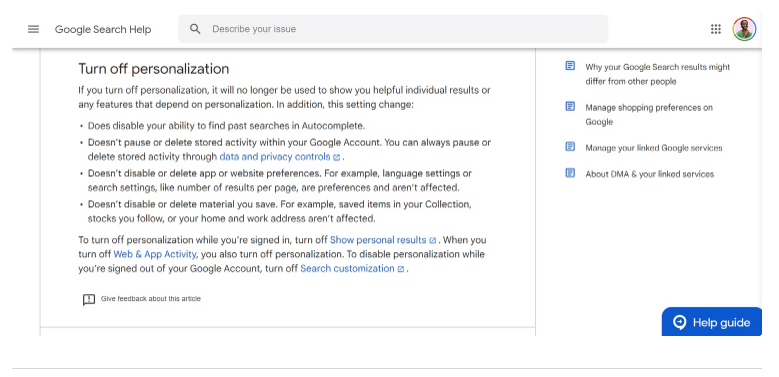
Firefox 128 enables a feature that wants to fix ad tracking, but there are some concerns.

Firefox finds itself in a tricky position at times, because it wants to be a privacy friendly browser, but most of its funding comes from Google, whose entire business is advertising. With Firefox 128, the browser has introduced ‘privacy-preserving ad measurement,’ which is enabled by default. Despite the name, the actual implications of the feature has users upset.

What ‘privacy-preserving ad measurement’ means

In a blog post, Firefox’s parent company Mozilla has explained that this new feature is an experiment designed to shape a web standard for advertisers, one that relies less on cookies but still tracks you in some way. Mozilla says privacy-preserving ad measurement is only being used by a handful of sites at the moment, in order to tell if their ads were successful or not. At the moment, advertisers do this by using cookies and other kinds of trackers, which gather as much data about you as possible and violate your privacy. Mozilla wants to help advertisers track the success of their campaigns without identifying your individual activity, and is using these ad measurements as a compromise.

With privacy-preserving ad measurement, sites will be able to ask Firefox if people clicked on an ad, and if they ended up doing something the ad wanted them to (such as buying a product). Firefox doesn’t give this data directly to advertisers, but encrypts it, aggregates it, and submits it anonymously. This means that your browsing activity and other data about you is hidden from the advertiser, but they can see if their campaign delivered results or not. It’s a similar feature to those in Chrome’s Privacy Sandbox, although Google itself has run into regulatory issues implementing them.

Why you should disable this feature

Even though Mozilla’s intentions appear to be genuine, this feature should never have been enabled by default, as no matter its label, it still does technically give advertisers your data. When advertisers started tracking people online, there were no privacy protections, laws, or standards to follow, and the industry chose to track all the data that it could lay its hands on. No one ever asked users if they wanted to be tracked, or if they wanted to give advertisers access to their location, browser data, or personal preferences. If I’ve learned one thing from the way the online ad industry evolved, it’s that people should have a choice in whether their data is being tracked. Even if it seeks to replace even more invasive systems, Firefox should have offered people a choice to opt into ad measurement, instead of enabling it silently.

Given that there are ways to block trackers and cookies without accepting this compromise, I feel no desire to share any data with advertisers, and neither should you.

How to disable ad tracking in Firefox

A screenshot of Firefox, showing how to disable privacy-preserving ad measurement.
Credit: Pranay Parab

To disable privacy-preserving ad measurement in Firefox 128, click the three-lines icon in the top-right corner in the browser. Then, go to Settings > Privacy & Security and scroll down to the Website Advertising Preferences section. There, disable Allow websites to perform privacy-preserving ad measurement.

Feature Image Credit: rafapress via Shutterstock

By Pranay Parab

Pranay Parab is an independent tech journalist based in Mumbai, India. He covers tech for Lifehacker, and specializes in tutorials and in-depth features. Read Pranay’s full bio

Sourced from LIFEHACKER

TikTok has shared some new insights into key trends in the app, as an addendum to its “What’s Next 2024” report.

TikTok published its What’s Next trend prediction report in December last year, which outlined the key engagement shifts it was seeing in the app. And now, it’s published a new “What’s Next: In Action” update, which aims to provide more insight into how its trend predictions have evolved throughout the year, and what marketers should be aware of heading into the second half of 2024.

And there are some interesting notes.

First off, the report looks at each of its What’s Next report predictions, and provides an overview of how they’ve evolved over the first six months of the year.

TikTok What's Next 2024

As you can see, TikTok has also included an updated list of key hashtags to help marketers tap into each trend.

Each summary also includes a brand example, and key notes:

TikTok What's Next 2024

While there are also some broader trend notes relating to TikTok user behaviors and shifts.

TikTok What's Next 2024

The report also includes overall summaries and tips, linked back to its initial trend notes.

TikTok What's Next 2024

It’s a good overview of the current state of TikTok trends, and where brands should be looking, with some practical examples of how marketers can tap into key trends.

And with TikTok driving some of the bigger trend shifts, it is worth paying attention. Of course, you can also do your own research on hashtags related more specifically to your brand in TikTok’s Creative Center, but it may also be worth noting these more general shifts, and considering if and how they fit your messaging.

If you’re looking to tap into TikTok for your holiday push, it’s worth checking out.

You can download TikTok’s 20-page “What’s Next: In Action” report here.

Sourced from SocialMediaToday

By Jason Feifer 

Want to get the right attention? Here are three social strategies to stop — and three ones to start.

Want to get attention for your brand? Here’s the most important thing you need to understand, according to Gary Vaynerchuk:

“Actualized attention versus potential attention,” he says.

Vaynerchuk is in the business of attention. His company, VaynerMedia, works with the largest brands in the world, helping them gain attention through advertising and social media campaigns. And of course, he’s built an enormous following himself.

Here’s the big problem he sees: Most brands chase potential attention — spending tons of money on advertising, even though most people ignore the ads. That’s why Vaynerchuk says brands should focus on actualized attention, to engage people who are actually engaged.

How to do that? Vaynerchuk’s new book, Day Trading Attention, breaks down a strategic process of getting attention. He shared that strategy on my podcast, which you can listen to here.

Below, we break down six social media trends we discussed on the show — three that Vaynerchuk says you should do, and three you must stop right now.

6 Social Strategies to Stop and Start

STOP: Pouring your heart out on LinkedIn

A company lays people off. Then its CEO posts a weepy video on LinkedIn, explaining how hard the decision was.

Versions of this story have played out many times on LinkedIn, as executives seek to humanize the difficult decisions they’ve made. Sometimes it’s an action they took, like a layoff. Other times it’s a mea culpa for a mistake.

Stop it, Vaynerchuk says. The performative emotion will always come off as disingenuous. “You’re not tricking anyone,” he says.

Instead, he suggests that CEOs be brutally honest about the unpopular decisions they make. Just be upfront and say something like, “I had to fire these people because I want to hit a certain profit margin,” he says. It may sound cold, but it’s at least the truth.

START: Dancing on social media, even if you’re the boss.

TikTok is full of dancing, so should company leaders join in? Many have, and many have been mocked for it — like when Microsoft’s then-CEO Steve BALLMER DID IT.

But Vaynerchuk sees nothing wrong here. Have fun and let the haters hate.

“Dancing is always the right decision, even if you suck at it,” he says.

STOP: Doing giveaway campaigns to drive audience growth.

How do you build your social media or newsletter following? Many people run a giveaway — saying, essentially, “If you follow my page, you’ll have a chance to win this MacBook!”

“This is a tricky one,” Vaynerchuk. “Perception is reality, so I get why people want more followers because it makes them feel like the brand is stronger.”

But even though a free MacBook might lure in a lot of new followers, Vaynerchuk says you shouldn’t do it — because those followers don’t care about you, and almost certainly won’t stick around.

“The kind of user you get that came for like a free Tesla isn’t staying for you anyway. So there’s, the lifetime value of that user is very low,” he says.

START: Using AI chatbots

Yes, AI chatbots are everywhere. Yes, they’re very imperfect. But according to Vaynerchuk, they’re still worth the effort — if not for their value today, then at least in building towards value tomorrow.

“AI is oxygen, it is the internet, it is one of the most profound technologies,” he says. “You’ve gotta start getting used to it, because it’s going to eat up most of the rest of your life.”

START: Posting longform content on social

Did you know you can post 10-minute videos to TikTok? Most people don’t — but Vaynerchuk thinks they should.

“Go with anything long-form,” he says.

First of all, it can help you cut through the noise — sharing deep and thoughtful content in a sea of quick hits.

But more importantly, social media success isn’t about length, he says. It’s about quality. If you create something excellent and compelling, the length doesn’t matter.

Twitter threads are another great example. (“I’m always going to call it Twitter,” Vaynerchuk says.) “Some of the best stuff I’ve ever consumed was a 40-tweet rant from someone who really knows something about something and we’re able to articulate it in written form. Though, obviously a lot of people stink at it.”

There’s also a long-term reason to post long-form content, Vaynerchuk says: He believes it’s where social media is going next. “My prediction is that one of the major social networks will become one of the most important streaming services in the next decade,” he says. “The attention’s there. Why wouldn’t they?”

STOP: Having lousy workplaces

Is this a social media thing? Yes, Vaynerchuk says — because great offices are showcased on social media, and facility tours make for great content.

But, a word of caution: Don’t be cliché. A foosball table in the corner won’t cut it.

“There’s plenty of great businesses doing the right thing,” he says. “Something unique or clever will capture a lot of people’s attention.”

Feature Image Credit: Noam Galai | Getty Images

By Jason Feifer 

Entrepreneur Staff. Editor in Chief.

Jason Feifer is the editor in chief of Entrepreneur magazine and host of the podcast Problem Solvers. Outside of Entrepreneur, he is the author of the book Build For Tomorrow, which helps readers find new opportunities in times of change, and co-hosts the podcast Help Wanted, where he helps solve listeners’ work problems. He also writes a newsletter called One Thing Better, which each week gives you one better way to build a career or company you love.

Sourced from Entrepreneur

By Duncan Smith

The biggest challenge facing today’s marketers isn’t a lack of creativity – it’s a lack of resources and time to be curious.

The Gist

  • Embrace curiosity. Marketers must prioritize curiosity over data overload to develop impactful, cohesive strategies.
  • Authentic engagement crucial. Genuine connection with consumer interests leads to more effective audience retention.
  • Curious lately? A lack of resources and time to be curious is holding marketers back.

Brand marketing strategies today rely, as they always have, on winning in two ways: getting people to your brand as fast as possible and keeping them there as long as possible. The change has come in how marketers and their agencies can now make every dollar more measurable and accountable than ever before.

However, not everything that can be measured should be. As automation increasingly finds its way into both the delivery and creation of brand content, it’s more important than ever to separate the signal from the noise.

For too long, brand marketing strategies have been chasing the wrong goals — fixating on reaching consumers when they believe they’re paying attention rather than forging meaningful connections that resonate with their interests, needs and aspirations.

This is making it harder to tell the difference between real brand attraction and mere distraction, and knowing when to focus on consumer intention to bring in new audiences or switch to retention to keep them for longer.

The Curiosity Gap Holding Marketers Back

The biggest challenge facing today’s marketers isn’t a lack of creativity — it’s a lack of resources and time to be curious, exacerbated by an overwhelming amount of data to navigate. We’re so consumed with juggling the latest tactics, technologies and resulting information that we’ve neglected to ask ourselves the fundamental question: “How do all these pieces fit together into a cohesive, impactful strategy?”

This curiosity gap is costing us dearly. We’re drowning in digital noise, mistaking chatter for substance while losing sight of brand marketing strategies that truly resonate with audiences. Sure, we can track clicks and scrolls and insert our brands into places we believe the audience is engaged, but are we genuinely understanding consumer behaviour? Or are we simply adding to the noise?

To bridge this divide, marketers must become students again — open to learning how new strategies, channels and metrics can interlock to engage audiences in authentic, lasting ways.

The Silver-Bullet to Integration

Newer brand marketing strategies are powerful ways for brands to deliver resonant content to target audiences — building trust, awareness and understanding, boosting visibility, while aligning with search engines’ prioritization of quality over quantity. Ultimately, it’s about creating a people-focused approach that can help brands cut through consumer scepticism around AI-generated content.

Sizzler did this recently, transforming its digital strategy to bring it back to the top of the fast casual category. By leveraging insights and using a performance-driven approach to reach specific demographics like families and business travellers through precise geo-targeting, they were able to increase engagement, conversions and brand visibility, leading to a significant increase in restaurant visits.

Prioritizing Data-Driven Relevance

The path forward is illuminated by data, but not just any data. We must look beyond vanity metrics and surface-level engagement stats to unlock true value. Prioritize relevance, emotional resonance and measurable impact — the elements that create enriching experiences your audiences crave.

Two divers carry photography equipment and lighting in the ocean for underwater photography in piece about brand marketing strategies.
We must look beyond vanity metrics and surface-level engagement stats to unlock true value.ndsoll137 on Adobe Stock Photos


With consumers’ desires in constant flux, real-time insights are critical for staying ahead of trends. The ability to nimbly adapt strategies based on emerging demands allows brands to demonstrate an empathetic understanding of what matters most to their customers — fostering trust and enduring relationships.

This ethos should permeate all your content and channel strategies, from earned and owned media to paid tactics. For instance, SEO has long been relegated to the bottom of the marketing toolbox — viewed as more of a hygiene factor than a value driver. But search algorithms have evolved, and the relevance of your content to the end viewer’s needs now has the strongest correlation to visibility.

Tapping Into Unspoken Desires

Beyond data-driven relevance, the most vital element for fostering enduring consumer connections is tapping into unspoken desires — the emotional undercurrents and aspirations driving human behaviour.

We’re not just selling products and services; we’re selling feelings, experiences and identities people yearn to embrace. So while clicks and algorithm hacks are being penalized, the opportunity lies in doubling down on authenticity and true consumer value.

Take TikTok’s meteoric rise in search for a masterclass in discovering and engaging with content people deeply crave. The platform climbed from the seventh to the first most visited website by redefining how users explore and interact with content aligned with their unspoken passions.

It’s not simply about the scale of attention you capture but what you do with that attention that counts. Ensuring your brand cuts through the clutter by delivering relevance to every audience segment, in the right moments and contexts, is what will fuel measurable success.

The Way Forward for Brand Marketing Strategies

To stay ahead with brand marketing strategies, despite the twists and turns of our industry, we must become skilled navigators — harnessing data to steer us toward relevance and meaningful connections.

It starts by closing the curiosity gap that’s preventing more rapid progress. Stay hungry to learn, question the status quo and evolve your approaches holistically, based on emerging trends (Spoiler: Most times that won’t be answered by a paid placement at all).

Prioritize relevance over empty metrics across your entire content ecosystem — from on-site and owned content to those paid placements that need to exist in spaces designed to attract, not distract. Lean into innovative earned tactics that cut through scepticism to deliver resonant narratives.

And above all, remember the humanity behind the data points. We’re not just selling; we’re becoming curators of relevance who tap into the unspoken desires that truly enrich people’s lives.

By Duncan Smith

Duncan Smith is a seasoned media and communications strategist with over two decades of experience in media planning, buying, and agency leadership roles across London, Europe, and New York. Throughout his career, he has spearheaded the launch of a connections planning department, managed global multinational clients, and led winning pitches for over $4 billion in new business.

Sourced from CMSWIRE

By Lucas Murray

4 tips for crafting and committing to your new brand identity

Over the past few years, sonic branding has evolved from a niche, nice-to-have marketing asset to a must-have for any complete brand ecosystem.

Forward-thinking companies realise they must use sound and music to stand out both in traditional media and on audio-first platforms like TikTok, Spotify and other social media and streamers.

However, knowing your company needs sonic branding and learning how to create an effective sonic identity are very different things. In my time as a producer, I’ve seen brands achieve varying levels of success—and there are four main reasons a sonic identity might be doomed to fail. These are obstacles that will never go away, but fortunately, by knowing where the dangers are, you can aim to avoid them while becoming one of the select few brands with a truly iconic sound strategy.

Music is subjective

Music is extremely abstract and difficult to talk about. I sometimes witness teams trying to make it more tangible by pushing for specific musical elements: “We need an ascending melody because that feels happy and positive.”

Maybe, but there are just as many successful examples of “happy” descending melodies in music. By only pushing for ascending melodies, your sonic identity may risk sounding like the rest—not providing the differentiation you desire.

Instead of relying on what we think is appealing, seek more objective measures that tell us what is effective. For example, we know through research that the most subconsciously appealing sound is baby laughter.

While not every sonic logo needs to hit the same mark, it’s helpful to get real data around where your sonic assets are landing on KPIs like recall and emotional appeal. Not only will this confirm whether you’re truly appealing to your audience, but it will also help get buy-in from stakeholders involved in the process.

Commitment is hard

Creating a sonic identity is like getting married—ideally, you are signing up to be with your identity for life. The best predictor of sonic success is sustained, frequent use. You must commit to using it across touchpoints as often as you can.

Though, as Chris Rock once put it, “commitment will give you a headache.” It’s difficult to find “the one” sonic identity and stick with it; newer, shinier sounds will always beckon you away from your brand. However, you must resist your wandering ears by understanding that the benefits of commitment far outweigh the difficulties.

For example, the psychological phenomenon known as the mere-exposure effect teaches us that people like things merely because they are familiar with them. This is doubly true for music, like when a once-annoying earworm creeps into your head enough times to become your favourite song. Commit to your sonic identity, and your audience will learn to love it too.

The landscape is changing

Gone are the days in which you could rely on a sonic logo at the end of a commercial to fully reach your audience. Linear television is evolving, and culture is being shaped by social media. In 5-10 years, we’ll be adapting to yet another iteration of the media landscape.

Yet some brands are still falling into the trap of creating sonic identities with only broadcast TV and terrestrial radio in mind. These may currently be important touch points for your brand, but they may not be soon. The important thing is to design your sonic identity with enough flexibility in mind that it can expand around, adapt to and perpetuate on new and evolving platforms.

Brands contain multitudes

It is difficult enough to translate your brand purpose and personality into music that perfectly represents your brand. It is even more difficult to get buy-in from various departments that need to approve or implement your sonic identity. C-suite execs, brand managers and partner agencies will likely all have different needs for it. You might hear: “It needs to be flexible like McDonald’s,” “It needs to be instantly familiar like Intel” and of course, “It needs to have fewer notes to fit into video.”

There’s nothing wrong with any of these notes individually, but there is no way to satisfy all of these disparate desires in one sound without creating something that sounds indistinct and unmemorable.

Instead of trying to hang your hat on a single sound that does everything, you must create a sonic identity system—one that encompasses a creative concept, long- and short-form sound, music curation guidelines and a strategy for rollout and use. You can then address your team’s many needs without having to water down the work.

Creating a sonic identity is hard work, but when done correctly, it’s an incredibly effective tool for attaining brand recognition, brand love and higher KPIs. If you rely on objective measures, commit to your new identity, plan for flexibility and create an entire system, you are well on your way to creating an enduring sonic identity.

Feature Image Credit: Sandipkumar Patel/Getty Images

By Lucas Murray

Lucas Murray is vp, supervising music producer at Made Music Studio.

Sourced from ADWEEK

By Ananya Gairola

Elon Musk was taken by surprise when he discovered that Tesla influencers on YouTube earn significantly more than on his social media platform X, formerly Twitter.

What Happened: On Thursday, responding to allegations of being a “paid promoter” for Tesla, Farzad Mesbahi revealed that his YouTube earnings from ad revenue were 50-100 times higher than what he made on X.

“YouTube pays me 50-100x what X does [through] advertising revenue, yet these folks think my sharing the same exact content on X, which I’ve been making since 2021 before Elon’s acquisition, somehow makes me and others “paid promoters” even though I’ve received precisely $0.00 from Tesla and/or Elon to make content,” he said.

Musk, surprised by this revelation, asked, “Wow, you really get so much more from YouTube?” In response, Mesbahi confirmed, explaining that the majority of YouTube ad revenue comes from midroll ads and higher video retention rates.

Tesla investor Sawyer Merritt also joined the conversation, stating that most Tesla YouTubers he knows earn 25 to 75 times more revenue per video on YouTube compared to X. He said that X has so far enabled pre-roll ads for only a few creators, but it still doesn’t compare to YouTube’s payout.

Why It Matters: This revelation comes in the wake of Musk’s efforts to challenge YouTube’s dominance by introducing new ad-targeting features on X. The platform now allows advertisers to run ads before videos from their chosen creators, as well as on the main timeline and the creator’s profile.

Despite these changes, a poll conducted by Benzinga in June revealed that a low percentage of people are paying for the subscription plans on X.

Previously, content creator Jimmy Donaldson, popularly known as MrBeast also tested the monetization efforts on X and found them lacking compared to YouTube. In February, while sharing the result of his experiment, MrBeast said, “My first X video made over $250,000! But it’s a bit of a façade. Advertisers saw the attention it was getting and bought ads on my video (I think) and thus my revenue per view is prob higher than what you’d experience.”

Check out more of Benzinga’s Consumer Tech coverage by following this link.

Image via Shutterstock

By Ananya Gairola

Sourced from Benzinga