New channels like Twitch, podcasts, and the creator economy are outperforming conventional advertising
Democrats spent $460 million more on traditional advertising promoting Vice President Kamala Harris than Republicans spent bolstering former President Donald J. Trump. The fact that they still lost indicates a change in what type of content nudges people in one direction or another.
Rather than relying on standard paid media, the strategy behind Trump’s campaign was a decisive shift toward alternative media—platforms like podcasts, Twitch, and influencer networks—that let him tap into an electorate disillusioned by traditional media outlets.
It’s telling that a recent survey suggests most U.S. adults think there are too many political ads on TV during presidential campaigns.
As Paul Dyer, chief executive of creative agency Prompt, put it, the Democrat’s strategy was to lead with paid media, while the Republicans started with earned media.
Trump’s October appearance on Joe Rogan’s podcast—three hours of unscripted conversation that racked up 26 million views in 24 hours, per Newsweek—was a key moment. During the episode, he also made 32 false claims, per CNN. Trump also embraced the creator economy, teaming up with figures like Jake Paul, whose Instagram video with Trump in a playful moment amassed over 1.5 million likes.
“If you’re getting three hours with someone on a podcast, that’s not the same as reaching them with a 20-second ad,” said Jeremy Goldman, sr. director of the marketing, retail, and tech briefings, Emarketer. “You craft a winning strategy for somebody who has a whole lot less to spend, you would certainly lean into these [platforms].”
Trump’s campaign also tapped into Twitch, a platform rooted in gaming, to reach younger, digitally savvy voters. By streaming rallies and speeches, he bypassed conventional political coverage and found an audience that might otherwise tune out. Even as some criticized the platform’s use for political messaging, his campaign showed a keen adaptability to the digital age.
Trump’s unfiltered approach on these platforms struck a chord that traditional media couldn’t. Contender Harris also tapped into these newer avenues, but Trump’s strategy, sources told ADWEEK, played a role in his bid for the presidency.
Reinforcing brand identity
Trump’s shift to newer media platforms over traditional outlets fits seamlessly with his longstanding, combative relationship with the press, one that’s been fraught since the 2016 election.
“He made no secret of the fact that the media was his enemy,” said Becca Lewis, former research analyst and postdoctoral researcher at Stanford University.
This strategy also aligned with Trump’s anti-establishment brand, resonating with voters disillusioned by traditional institutions.
“If you think about the leading Twitch live streamers or podcast voices, this is essentially a way to show you’re against mainstream media,” said Goldman.
Unlike the polished appearances typical of traditional media, these platforms provided viral, shareable moments that sparked engagement with Trump’s base and spread rapidly.
“Ultimately, playing it safe sometimes winds up being the less safe option,” Goldman said.
Podcasts fill a void
One of Trump’s biggest hits is the Joe Rogan podcast, which, according to Lewis, reflects the shifting media landscape. As traditional outlets become more fragmented, she said, large swaths of the public have turned to platforms like Rogan’s, bypassing established networks like CNN.
“A lot of podcasters tap into that resentment, but then offer up these that either stoke racialized and gendered grievances or offer conspiracy theories,” she said.
This shift is further fuelled by the decline of local news outlets, many of which have been swallowed up by conglomerates, leaving behind a void in community-centered reporting—something audiences are now finding in spaces like podcasts.
“There’s much less media coverage that’s actually tackling people’s real, lived, material experiences,” Lewis said, “and it becomes much more of this personality-driven, horse-race, kind of team-player, sports-style coverage.”
A move to target new voters
Trump’s use of newer platforms didn’t just cater to his base—it also effectively targeted younger demographics, including many first-time voters, according to Goldman. According to Edison Research’s Infinite Dial Report, 59% of Americans between the ages of 12 and 34 were listening to podcasts in January 2024, a 4% increase from the previous year.
“In 2016, some of these people weren’t able to vote,” he said, noting that engaging these younger voters on the platforms they frequent gave the impression that Trump was “with it” and in touch with their world.
“You could make a strong case that you’re catering to first-time voters who are more likely to turn out,” Goldman added.
Harris vs. Trump
In the opposing camp, Harris, who could have become the first woman and woman of colour to hold the presidency, also tapped into newer media platforms, including appearances on Alex Cooper’s Call Her Daddy podcast. She also showed up on Saturday Night Live the weekend before Election Day.
While Harris used these outlets to connect with younger, more diverse voters, Trump’s inflammatory rhetoric and unpolished remarks worked to his advantage, which—for better or worse—helped him garner significant earned media, especially on podcasts.
“He didn’t worry about putting his foot in his mouth, which kept his media presence unpredictable and entertaining,” said Goldman.
Harris, on the other hand, struggled to match Trump’s ability to be off the cuff.
“There was never that same sense that she was able to generate—around being authentic and off-the-cuff,” said Lewis. Still, “it’s important to stress that there’s different gendered and racialized expectations around what counts as authentic and who’s able to meet these expectations.”
Feature Image Credit: ADWEEK; Getty Images, Twitch, X
“X has changed so much in recent years and can be unpredictable from one day to the next.”
Advertisers, and the precious revenue they bring, have been fleeing X-formerly-Twitter ever since Elon Musk took it over in October 2022, bringing with him a groundswell of hate speech, misinformation, and racist rhetoric — a lot of which has come from his own account.
Now the site’s marketing prognosis, already dire, is about to get worse. New research from the data firm Kantar indicates that a record 26 percent of advertisers plan to cut spending on Twitter next year, which could be a death sentence for a site whose revenues were already in freefall.
As CNN reports, this would be the biggest withdrawal from a major ad platform on record.
“Marketers are brand custodians and need to trust the platforms they use,” Gonca Bubani, a director of global thought leadership at Kantar, said in a statement, as quoted by The Guardian.
“X has changed so much in recent years and can be unpredictable from one day to the next,” she added. “It is difficult to feel confident about your brand safety in that environment.”
Turn Tables
The metrics add to the climate of uncertainty surrounding Twitter’s future, which is probably what’s driving advertisers away more than anything: they want stability, not volatility.
According to the report, which was compiled by interviewing 1,000 senior marketers and 18,000 consumers across the globe, just four percent of marketers think Twitter ads provide brand safety, whereas Google enjoys considerably more trust at 39 percent.
The general attitude towards the platform has also soured. In 2022, 15 percent of marketers were favourable towards Twitter ads. It has since undergone a complete reversal: now 21 percent of marketers are unfavourable.
“Advertisers have been moving their marketing spend away from X for several years,” Bubani said, per The Guardian. “The stark acceleration of this trend in the past 12 months means a turnaround seems unlikely.”
Conversely, consumer ad preference has actually gone up, since they’re happier to see fewer ads. The user base is dwindling, though, and we suspect that this boost would be offset by the sheer number of bots plaguing the platform.
Musk Meddling
Musk’s personal interventions into the situation have done little to stop the bleeding.
If anything, he poked the bear by telling advertisers “Go fuck yourself,” during an onstage tirade in November 2023 — which is now looking like a legendary blunder, because those advertising dollars have dried up, bringing an astonishing 53 percent drop in revenue in the second quarter from the same period last year.
A humbled Musk tried to walk back his comments this June, begging the advertisers to come back. Then he changed his tune again the next month, suing them for not buying ads on his platform, and declaring “war” for good measure. All-in-all, not the kind of leadership that inspires faith in the site being a stable place at which to throw ad money.
A Twitter spokesperson said that “advertisers know that X now offers stronger brand safety, performance and analytics capabilities than ever before, while seeing all-time-high levels of usage,” per The Guardian. “Our brand safety rate is on average 99 percent as validated by DoubleVerify and Integral Ads Science, which is reflected by the fact that the majority of advertisers are increasing their investment in X, as shown by Kantar’s data.”
Studies show that 88% of online shoppers are less likely to return to a site after a bad experience. This means that your ecommerce website’s design can directly impact your bottom line.
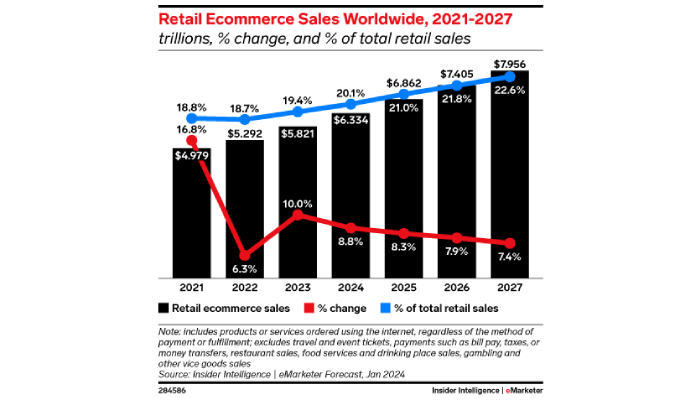
In today’s fast-paced digital landscape, having a robust ecommerce website is essential for any business looking to thrive online. With global ecommerce sales expected to hit $7 trillion by the end of 2024, the competition is fierce, and your website is often the first impression customers have of your brand. Choosing the right ecommerce website builder and platform isn’t just about aesthetics; it’s about creating a seamless shopping experience that can drive sales and build customer loyalty.
In this article, we’ll explore not only how to pick the best ecommerce website builder but also how to optimize your site for performance and user experience. We’ll highlight some of the top ecommerce websites out there, share key data insights, and offer practical tips to ensure your online store stands out in a crowded marketplace.
An ecommerce website is a platform that allows businesses to sell products or services online. Unlike a simple informational website, an ecommerce site is designed to handle everything from displaying products to processing payments. Its main purpose is to provide customers with a seamless shopping experience, letting them browse, select, and purchase items from the comfort of their own home or mobile device.
Ecommerce platforms vs. ecommerce websites
An ecommerce platform is a software or service that provides the tools to build and manage an online store. Examples include Shopify, WooCommerce, and Magento. On the other hand, an ecommerce website is the actual online storefront you create using one of these platforms or from scratch. While platforms provide the foundation, the website is where customers interact, shop, and engage with the brand.
Key components of an ecommerce website
Unlike blogs or corporate websites, ecommerce sites are transactional, focusing on driving sales and delivering a smooth shopping experience. As a result, they have specific features designed to facilitate online shopping.
User interface (UI) and user experience (UX)
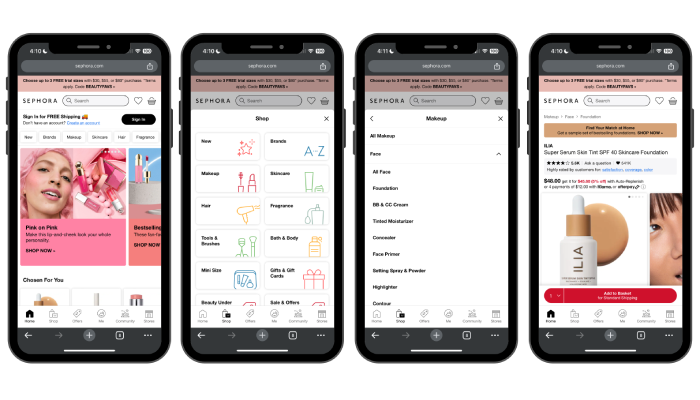
Their UI is usually clean and simple, with lots of white space, clear images, and a layout that guides your eyes straight to what matters—the products. There’s no unnecessary clutter, just a consistent, easy-to-navigate design that feels reliable and trustworthy.
The real magic, though, is in the UX. These sites focus on minimizing any friction between you and your purchase. From fast loading times and easy navigation to a streamlined checkout process, everything is designed to make buying stuff feel seamless. They’re also optimized for mobile, so the experience is just as smooth on your phone. The result? You’re more likely to find what you want, trust the site, and actually purchase without any hassle.
Product catalogue
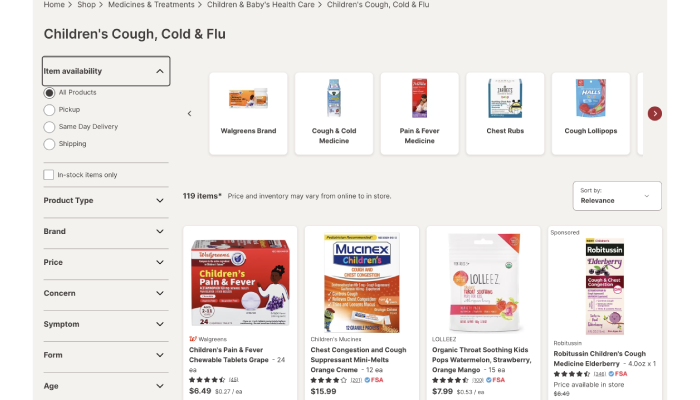
The product catalogue is the heart of any ecommerce website. It’s where customers explore what you have to offer. Each product should have detailed information, including a clear name, a compelling description, high-quality images, and transparent pricing. This helps customers make informed purchasing decisions.
Proper categorization and filtering options also make it easier for customers to find exactly what they’re looking for, whether it’s a specific product type, brand, or price range.
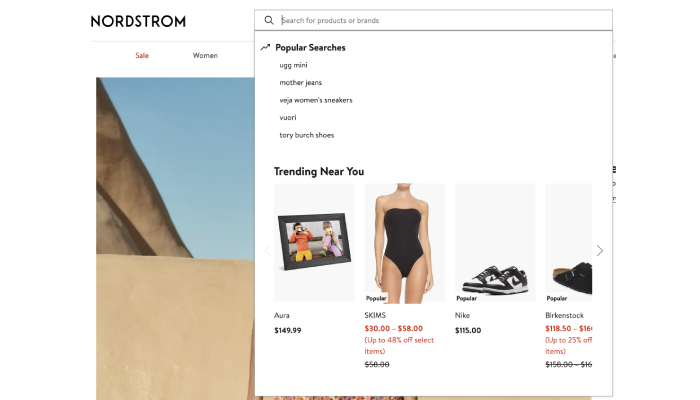
Lastly, you should have a robust search function. It allows users to quickly find products by typing in keywords, saving them time and enhancing their shopping experience.
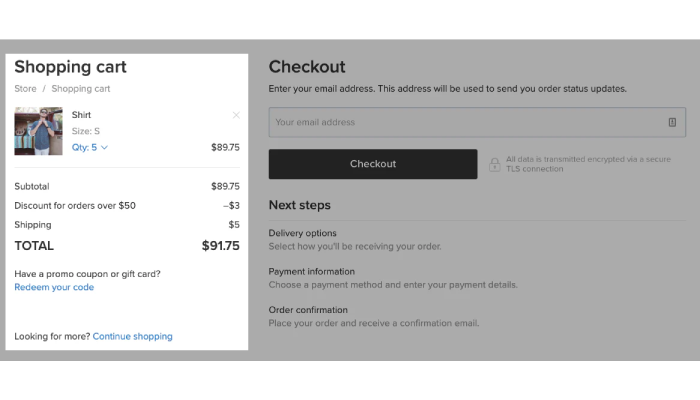
The shopping cart is where customers keep their chosen products before finalizing their purchase. Your customers should be able to easily add items to their cart and remove them if they change their minds.
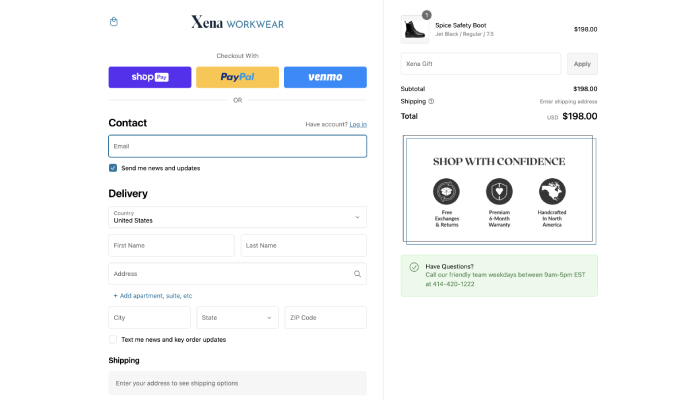
The checkout process should also be smooth and straightforward. A complicated or lengthy checkout can cause customers to abandon their carts.
Payment gateway
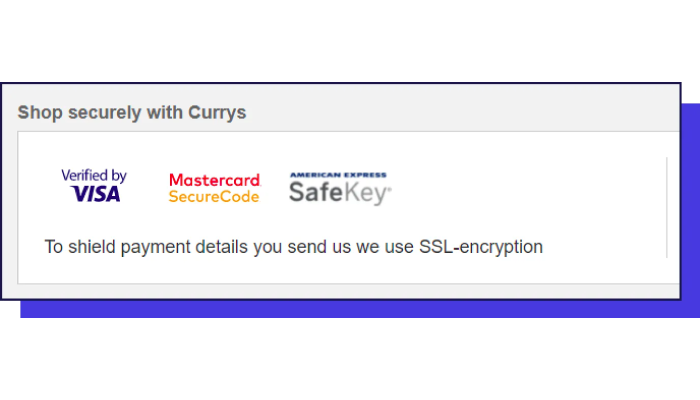
A secure and reliable payment gateway is the final step in the shopping journey, and if it’s not up to par, it can be a deal breaker. You want your customers to feel completely confident when they enter their payment details. So, you want your website to integrate with trusted payment processors. If they sense anything sketchy, they’re likely to abandon their cart and take their business elsewhere.
You should also be able to support various payment options. This can include credit cards, PayPal, and other digital wallets. This allows your customers to choose the method they’re most comfortable with.
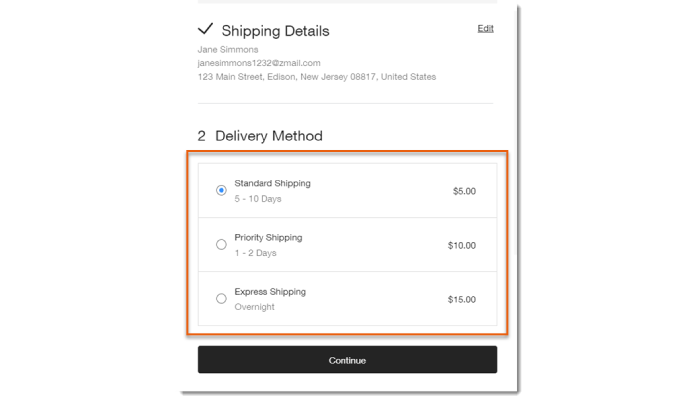
Efficient shipping and delivery options keep customers happy and coming back for more. When customers can choose from multiple shipping options, it gives them the flexibility to select the method that best suits their needs, whether they’re looking for the fastest delivery or the most cost-effective choice. Clear pricing for these options is equally important, so there are no surprises at checkout—nobody likes hidden fees.
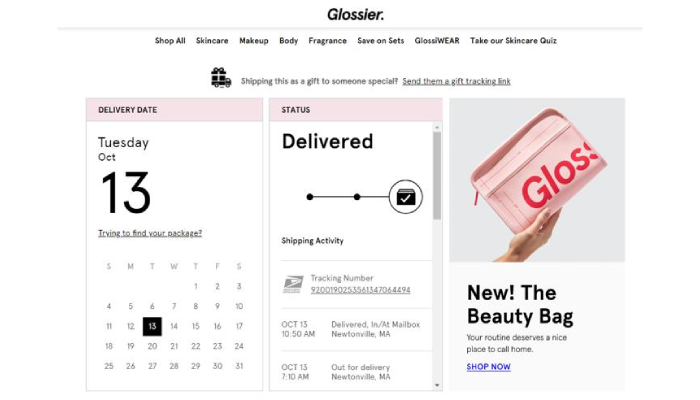
But it doesn’t stop there. Providing tracking information and regular delivery updates is just as important. When shoppers can easily see where their order is and know exactly when it will arrive, it gives them peace of mind and keeps them engaged with the process.
Whether you’re running a small boutique or a large corporation, an ecommerce site opens up a world of opportunities.
24/7 availability: Unlike a physical store, an ecommerce website never closes. Your customers can browse and shop at any time, even in the middle of the night. This means more potential sales without the need for extended hours or additional staff.
Broader reach: With an ecommerce website, you’re not limited to a local customer base. You can reach people across the country—or even the world.
Lower operating costs: Running an ecommerce site can be more cost-effective than maintaining a physical storefront. You can save on rent, utilities, and other overhead costs. Plus, automation tools can help manage operations like inventory and customer service, reducing the need for a large team.
Data-driven decisions: You can track what products are selling, which marketing strategies are working, and where improvements can be made. This helps you make informed decisions to boost sales and customer satisfaction.
Personalized shopping experience: An ecommerce website allows you to offer personalized recommendations, promotions, and content based on customer preferences and browsing history. This increases the likelihood of repeat business.
Scalability: As your business grows, your ecommerce website can grow with you. Whether you’re adding new products, expanding into new markets, or increasing your marketing efforts, an ecommerce site provides the flexibility to scale up.
Choosing the best ecommerce website builder
When it comes to building your online store, choosing the right ecommerce website builder is crucial. The right platform can make all the difference in how your business operates and grows.
What to look for in an ecommerce website builder
Here are some essential features to consider when making your choice:
Customization: Your e-commerce site should match your brand’s style. Choose a builder that lets you easily customize everything from the layout to the colours, so you can create a unique shopping experience that stands out.
Scalability: As your business grows, your website should grow, too. Pick a builder that can handle more products, traffic, and features without slowing down.
Ease of use: You don’t need to be a tech expert to build your site. Look for a builder with a user-friendly interface, drag-and-drop tools, and clear instructions so you can manage everything easily.
Integration with payment gateways: Make sure your builder works seamlessly with popular payment gateways like PayPal, Stripe, or Square for secure and easy payments.
SEO and marketing tools: To attract customers, your site needs to be easy to find online. Choose a builder that includes SEO tools, email marketing, and social media integration to help drive traffic and boost sales.
Support and resources: Even with an easy-to-use platform, you might need help. Pick a builder that offers strong customer support and useful resources like tutorials and forums to guide you through any challenges.
Top ecommerce website builders
When it comes to the best ecommerce website builders, several top contenders stand out for their features, ease of use, and overall performance. Here are simple reviews of ecommerce website builders that stood out for us the past year:
Dukaan Dukaan stands out for its intuitive drag-and-drop builder and highly customizable themes, making it accessible for users without technical expertise. It offers a complete eCommerce solution with numerous plugins for marketing and conversion, all at an affordable price.
Wix Wix is perfect for beginners, offering a user-friendly drag-and-drop builder and a wide variety of customizable templates. It’s best suited for small stores with limited products, though it may require third-party tools for more extensive inventory management.
Ecwid Ideal for those on a budget, Ecwid allows you to start selling for free and integrates seamlessly with existing websites. It’s particularly useful for small stores or those adding eCommerce functionality to a non-eCommerce site.
BigCommerce BigCommerce is a robust platform that powers major eCommerce brands. It offers extensive customization options and cross-channel commerce, though it comes with higher costs and revenue-based pricing tiers.
WooCommerce WooCommerce is a top choice for WordPress users, providing extensive customization and integration options. It’s an open-source plugin, perfect for those with some technical skills looking for flexibility and control.
Shopify Shopify is known for its extensive ecosystem of themes and tools, making it easy to scale your store. It’s ideal for large inventories but may require additional costs for third-party plugins and tools.
Squarespace Squarespace offers beautiful, well-designed templates and a powerful drag-and-drop builder. It’s best for users who appreciate an all-in-one solution without the need for third-party apps, though it may be pricier for advanced features.
Free vs. paid options
Starting out, you might wonder whether to go for a free ecommerce website template or invest in a paid option. This depends on your business needs and budget. :
Free ecommerce website templates
Pros:
Cost-effective: No upfront costs, making it ideal for those just starting out.
Low risk: Allows you to experiment and test your online store without financial commitment.
Cons:
Limited customization: Often comes with restrictions on design and functionality.
Basic features: May lack advanced tools necessary for scaling your business.
Upgrade necessity: As your business grows, you may need to switch to a paid option for more features.
Paid ecommerce website templates
Pros:
Advanced features: Offers more tools and customization options to build a robust online store.
Better design: Access to premium themes that provide a professional look.
Enhanced support: Typically includes better customer service and technical support.
Scalability: More storage and flexibility to grow your business.
Cons:
Upfront cost: Requires an investment, which might be a drawback for those on a tight budget.
Commitment: You’re financially committed, even if you’re unsure about long-term needs.
If you’re just starting and want to minimize costs, a free template might be enough. But if you’re planning for long-term growth, a paid plan could save you time and headaches down the line.
Building your ecommerce website
Building an ecommerce website might seem like a daunting task, but breaking it down into manageable steps makes the process much more approachable. Here’s a step-by-step guide to help you get started:
Select a platform
Choose an ecommerce platform that fits your business needs. The platform you choose will impact how you build, manage, and grow your store, so it’s important to pick the right one from the start.
Choose a domain name
Your domain name is your website’s address on the internet. It should be easy to remember, relevant to your brand, and ideally include keywords related to your business. Make sure it’s unique and reflects what your store is all about.
Set up hosting
Once you’ve secured a domain name, the next step is to choose a hosting provider. Hosting is where your website lives on the internet. Look for a reliable hosting service that offers good speed, security, and customer support. Some ecommerce platforms include hosting as part of their package, which can simplify this step.
Design your site
Start building your website by choosing a template or theme that aligns with your brand. Customize the layout, colours, fonts, and images to create a cohesive look that appeals to your target audience.
Add products
Upload your products to the site, including high-quality images, detailed descriptions, and accurate pricing. Organize them into categories to make it easy for customers to find what they’re looking for. If you’re still on the lookout for products to sell, here’s our in-depth guide on some of the best ecommerce products.
Set up payment and shipping
Integrate a payment gateway to process transactions securely. Also, configure your shipping options so customers can choose the best delivery method for their needs.
Test your site
Before going live, test your website thoroughly. Check for broken links, ensure the checkout process works smoothly, and make sure your site looks good on all devices.
Launch your site
Once you’re confident everything is in place, it’s time to launch! Announce your new website on social media, through email marketing, or with a special promotion to attract your first customers.
Using free ecommerce website templates
Free ecommerce website templates can be a great starting point, especially if you’re on a budget. However, to make your site truly unique, you’ll want to customize these templates to fit your brand.
Start by swapping out the default images and text with your own. Adjust the colour scheme to match your brand colours, and tweak the fonts to reflect your brand’s personality.
Don’t forget to customize the layout to highlight your best-selling products or special promotions. Most templates offer drag-and-drop functionality, so you can easily rearrange elements to suit your needs.
E-commerce website examples
Looking at successful ecommerce websites can provide inspiration and insight into what works well.
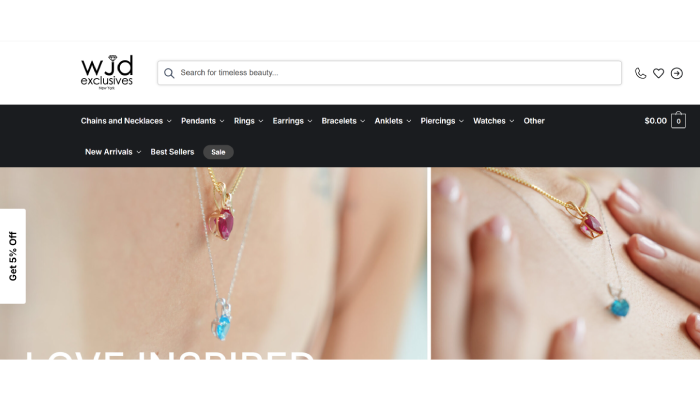
WJD Exclusives, a New York-based fine jewellry merchant, has built its brand on exceptional customer service. Founded in 2002, the company started with a simple website and a few product listings, but their commitment to customer satisfaction set them apart. By handling all aspects of their business in-house—from product listings and inventory management to customer repairs—they’ve been able to offer personalized, rapid services that keep customers coming back. Co-founder Vahan Avagyan attributes their success to this customer-first approach.
Two key tools have driven WJD Exclusives’ growth: WooCommerce and Afterpay. WooCommerce’s flexibility allows them to customize their website to meet customer needs, while Afterpay’s buy now, pay later option has significantly boosted sales and reduced returns. Avagyan estimates that over 30% of their traffic comes from the Afterpay Marketplace. For WJD Exclusives, prioritizing customer service is the foundation of their business, helping them turn first-time buyers into loyal customers who spread the word.
The Memo, founded in 2019, set out to make shopping for baby supplies easier and more supportive for parents. Co-founders Kate Casey and Phoebe Simmonds aimed to clear up the confusion in the baby retail space by creating a seamless and informative shopping experience. To achieve this, they needed an eCommerce solution that was easy to use and could unify their online and in-store touchpoints. With Shopify Plus and Shopify POS, The Memo has built a loyal customer base and seen remarkable growth, including a 45% YoY revenue increase and a 60% return customer rate.
The challenge for The Memo was ensuring that the in-store experience matched their high-quality online offering, especially since 70% of their in-store customers also shop online. Shopify’s native integration allowed The Memo to provide a consistent, simplified shopping journey across both platforms. This approach has helped The Memo create a unified experience that meets the needs of busy parents, whether they’re shopping online or in-store.
Using Shopify’s tools, The Memo has automated various processes, personalized customer interactions, and optimized their website for a seamless user experience. The result? Loyal customers who keep coming back and rapid business growth. With Shopify handling the technical side, The Memo can focus on what really matters—supporting parents on their journey.
Data insights: The state of ecommerce websites
Let’s dive into the latest data insights on e-commerce websites, covering key growth stats, emerging trends, and performance metrics that are shaping the online retail landscape.
Ecommerce growth statistics
Ecommerce is booming, and the numbers don’t lie. Over the past few years, ecommerce has seen tremendous growth globally and regionally. According to recent data, global ecommerce will surpass $6.3 trillion this year, marking a significant milestone in online retail. This growth isn’t slowing down anytime soon. Projections suggest that by 2026, global ecommerce sales could surpass $7 trillion, driven by increased internet access, mobile shopping, and changing consumer habits.
Regionally, Asia-Pacific continues to dominate the ecommerce landscape, accounting for the largest share of revenue. However, North America and Europe are also seeing robust growth, fuelled by rising consumer confidence in online shopping and improved digital infrastructure.
As we look ahead, the next 5-10 years are expected to bring even more changes to the ecommerce space. Trends like the rise of social commerce, the expansion of AI and machine learning in personalizing shopping experiences, and the growing importance of sustainable and ethical shopping practices are set to shape the future of online retail.
Ecommerce website performance metrics
Understanding how your ecommerce website performs is crucial to its success. Key performance indicators (KPIs) like conversion rates, bounce rates, and average order value (AOV) provide insights into how well your site is meeting customer needs.
Average conversion rates: Conversion rates can vary depending on the industry, but a typical ecommerce site sees an average conversion rate of 2-3%. However, top-performing sites often achieve rates above 5%.
Bounce rates: The average bounce rate for ecommerce websites hovers around 45-50%. A high bounce rate may indicate that visitors aren’t finding what they’re looking for or are having trouble navigating the site.
Other KPIs: Additional metrics like cart abandonment rates, customer lifetime value (CLV), and return on ad spend (ROAS) are also critical to monitor. These indicators help you understand customer behaviour, measure marketing effectiveness, and identify areas for improvement.
Best-performing ecommerce platforms
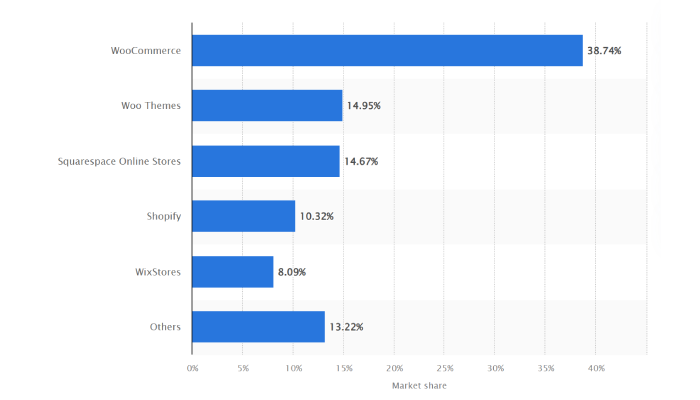
When it comes to ecommerce platforms, some are leading the pack in terms of market share and performance. According to a 2023 report, WooCommerce is a frontrunner, with a market share of 39%. It’s especially popular among small to medium-sized businesses that value flexibility and control. Its offshoot, Woothemes, is second in place with a market share of 14.95%.
Squarespace, on the other hand, is third with a market share of 14.67%. In fourth place is Shopify, with a market share of 10.32%. Both of these platforms have user-friendly interfaces, extensive app ecosystems, and scalability, making them a popular choice for businesses of all sizes.
Customer behaviour trends
Customer behaviour in the ecommerce space is constantly evolving, influenced by technology, social trends, and economic factors. One of the most notable trends is the shift toward mobile shopping. Mobile devices now account for over 77% of global ecommerce traffic, highlighting the importance of mobile optimization for any online store.
Mobile vs. desktop usage: While more people browse on their phones, they often switch to desktops for bigger or more complicated purchases, leading to higher conversion rates and order values on desktops.
Average order values and purchasing behaviour: Personalized shopping experiences, like subscription models, loyalty programs, and targeted promotions, are key to boosting average order values and encouraging repeat purchases.
Sustainability and ethical shopping: Consumers are increasingly focused on sustainability. Brands that highlight eco-friendly products and ethical practices are gaining stronger customer loyalty and better conversion rates.
Optimizing your ecommerce website
Ecommerce website optimization attracts more visitors and ultimately drives sales. Here’s a breakdown of essential optimization strategies to help your online store perform at its best.
Ecommerce website optimization tips
The following are essential optimization strategies for a successful ecommerce website.
On-Page SEO
Optimizing your product pages, images, and content is crucial for improving your site’s visibility in search engines. Make sure to include relevant keywords in product titles, descriptions, and metadata. You can also optimize images by using alt tags.
Page speed optimization
Fast-loading pages are essential for keeping visitors engaged. A slow website can lead to higher bounce rates and lower conversions. To speed up your site, consider compressing images, enabling browser caching, and using a content delivery network (CDN). Regularly monitor your page speed and make adjustments as needed.
Mobile optimization
With more than half of ecommerce traffic coming from mobile devices, ensuring your site is mobile-friendly is non-negotiable. A responsive design that adapts to different screen sizes is a must. Simplify navigation for mobile users, ensure buttons and links are easily clickable, and make checkout processes as seamless as possible. Mobile optimization not only improves user experience but also positively impacts your search engine rankings.
Increasing your website’s conversion rate is all about making it easier for visitors to become customers. Here are some techniques to boost sales and customer retention:
Simplify the checkout process: A complicated or lengthy checkout can lead to cart abandonment. Streamline the process by reducing the number of steps, offering guest checkout options, and providing multiple payment methods.
Use clear and compelling calls-to-action (CTAs): Encourage visitors to take action with prominent, well-worded CTAs. Whether it’s “Buy Now” or “Sign Up for Exclusive Offers,” make sure your CTAs stand out.
Use social proof: Displaying customer reviews, testimonials, and ratings can build trust and encourage purchases. Highlight best-sellers and feature customer photos or user-generated content to enhance credibility.
Local and off-page SEO boosts your visibility. Start by identifying keywords your target audience is using, especially those related to your location if you have a physical presence.
For local SEO, optimize your site for location-based searches to attract nearby customers. This includes managing your Google My Business profile and ensuring your NAP (Name, Address, Phone number) is consistent across different directories.
Don’t forget off-page SEO. Build high-quality backlinks and work on improving your site’s domain authority to enhance your overall search engine ranking.
Content marketing
Adding a regular blog with valuable posts, optimizing product descriptions, and creating engaging social media content can drive traffic and boost your SEO efforts. Content marketing helps establish your brand as an authority and keeps customers coming back.
Email marketing
Building and maintaining an email list allows you to engage with customers directly. Create engaging email campaigns with personalized offers, product recommendations, and updates on new arrivals or promotions. Email marketing is one of the most effective ways to retain customers and encourage repeat purchases.
Social media marketing
Use platforms like Facebook, Instagram, and TikTok to promote your products and engage with your audience. Paid advertising on social media can help you reach a more extensive, targeted audience quickly. Create eye-catching posts and run campaigns that align with your overall marketing goals.
Ecommerce analytics and measurement
To understand how well your ecommerce website is performing, you need to track and analyze key metrics. Monitor metrics like:
Website Traffic: The number of visitors coming to your website.
Conversion Rates: The percentage of visitors who complete a desired action, like making a purchase.
Average Order Value (AOV): The average amount of money spent each time a customer makes a purchase.
Customer Acquisition Cost (CAC): The average cost of acquiring a new customer, including marketing and sales expenses.
These KPIs provide insights into how your site is performing and where improvements can be made.
Tools like Google Analytics are essential for tracking user behaviour, understanding traffic sources, and measuring the effectiveness of your marketing campaigns. Use these insights to refine your strategies and make data-driven decisions.
Security and compliance
Protecting your customers’ data and ensuring your site complies with legal standards is crucial for building trust and maintaining a reputable online store.
Implement strong security measures to protect customer data, such as SSL certificates, encryption, and regular security audits. Make sure your site is safe from breaches and that customers feel confident when shopping with you.
Ensure your payment processes are secure and compliant with the Payment Card Industry Data Security Standard (PCI DSS). This not only protects sensitive information but also helps you avoid costly fines and damage to your reputation.
Lastly, stay informed about the legal requirements for ecommerce in your region. This includes privacy laws, tax regulations, and consumer protection guidelines. Complying with these laws helps avoid legal issues and builds customer trust.
Best practices for running your ecommerce website
Running a successful ecommerce website isn’t just about the initial setup—it requires ongoing effort to keep everything running smoothly and efficiently. Here are some best practices to ensure your online store stays in top shape.
Ongoing maintenance and updates
Regular maintenance is crucial to keeping your ecommerce website secure, updated, and functioning at its best.
Security updates: Cybersecurity threats are constantly evolving, so it’s vital to keep your site’s software, plugins, and themes up to date. Regularly update your platform to patch vulnerabilities and protect customer data. Implement automated backups to ensure that your data is safe and can be restored quickly in case of an emergency.
Content updates: Keep your site fresh by regularly updating content, including product descriptions, images, and blog posts. This not only improves SEO but also keeps your customers engaged and informed about new products or changes.
Performance checks: Regularly monitor your site’s speed, functionality, and user experience. Slow load times or broken links can frustrate customers and lead to lost sales. Schedule regular checks to identify and fix any issues before they impact your business.
Analytics and performance tracking
As mentioned, Google Analytics is an essential tool for monitoring site performance. It provides valuable insights into user behaviour, traffic sources, and conversion rates. By analysing this data, you can identify what’s working and where there’s room for improvement.
Set up goals and track key metrics such as page views, bounce rates, and average session duration to gauge the effectiveness of your marketing efforts and overall site performance.
Customer service and support
Excellent customer service is the backbone of a successful ecommerce business. According to a Microsoft study, 96% of people said that customer service plays a big role in their brand loyalty and whether they’ll make repeat purchases. What’s more, 54% of respondents now see customer service as even more important than they did just a year ago.
Provide clear and accessible contact information, including phone numbers, email addresses, and live chat options. Being available and responsive to their needs shows that you care about their experience.
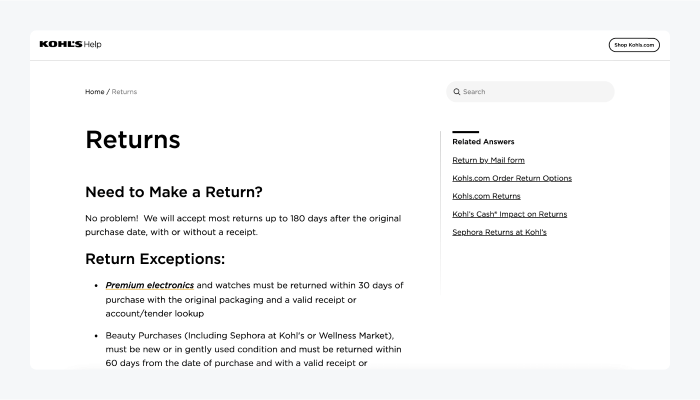
Effective customer support is also critical for resolving issues and retaining customers. Additionally, a well-defined returns and refunds policy can boost customer confidence and encourage purchases. Regularly gather customer feedback to identify areas for improvement and make adjustments as needed.
Building and running a successful ecommerce website takes careful planning and continuous effort. Choosing the right ecommerce website builder is the foundation of your online store’s success. It’s essential to pick one that aligns with your business needs. From there, optimizing your website for performance, mobile use, and conversion rates will ensure that you’re providing the best possible experience for your customers.
Now that you’ve got a solid understanding of what it takes to create and manage an ecommerce website, it’s time to take the next step. Start by exploring the recommended ecommerce platforms we’ve discussed. If you need additional help, consider reaching out to their experts for guidance. The sooner you begin, the sooner you can start selling and growing your business online.
FAQs
What are ecommerce websites?
Ecommerce websites are online platforms that allow businesses to sell products or services over the internet. These sites provide everything a customer needs to browse, select, and purchase items from the comfort of their home or mobile device. Ecommerce websites typically include features like product catalogs, shopping carts, secure payment gateways, and customer service options to facilitate the entire shopping process.
What is the best ecommerce website builder to use?
The best ecommerce website for you depends on your specific needs and business goals. Some of our top picks include Dukaan, Wix, WooCommerce, and Shopify.
How do I start my own ecommerce website?
Starting your own ecommerce website involves several key steps:
Pick an ecommerce platform that suits your business needs.
Choose a domain name that reflects your brand.
Select a hosting provider if your ecommerce platform doesn’t include hosting.
Design your website by choosing and customizing a template or theme.
Add your products, including images, descriptions, and pricing.
Set up payment and shipping options to ensure smooth transactions.
Test your website thoroughly before launching to catch any issues.
Launch your site and start promoting it through marketing channels like social media, email, and SEO.
How much does an ecommerce website cost?
The cost of an ecommerce website can vary widely depending on several factors. Platform fees are a significant consideration. For instance, Shopify starts around $99 per month, while WooCommerce is free but requires hosting, which can range from $10 to $100 per month or more.
Design and development costs can vary, from using free templates to hiring a designer, which could add a few hundred to several thousand dollars, depending on the complexity. Paid plugins or apps may also increase costs over time. Remember to factor in ongoing expenses like domain renewal, marketing, and transaction fees. A basic ecommerce website might start at a few hundred dollars, while more advanced sites with custom features could cost several thousand dollars or more.
The e-commerce landscape is in a perpetual state of evolution, requiring brands to continuously adapt their strategies to effectively reach and engage consumers.
While traditional advertising channels still hold relevance, digital platforms, including retail media networks (RMNs), are experiencing unprecedented growth and reshaping the marketing landscape. Global e-commerce sales are projected to pass $6.3 trillion this year, underscoring the immense growth potential within this space.
In this digital ecosystem, RMNs are emerging as a formidable force, presenting brands with a powerful new avenue to connect with consumers and drive sales. For example, my company worked with a CPG giant to discover a previously untapped and highly valuable customer segment—health-conscious millennials with a penchant for eco-friendly products—using retail media strategies. This newfound audience ultimately unlocked a significant sales increase for the brand, showing the transformative power of RMNs.
Retail Media Networks: Taking E-Commerce Advertising By Storm
RMNs are changing e-commerce advertising by strategically connecting brands with potential customers when their purchasing intent is highest. Hosted by major retailers such as Amazon, Walmart and Target, these advertising platforms provide more precision and effectiveness compared to traditional advertising’s approach. (Disclosure: My company works with Amazon and Walmart.) RMNs offer focused targeting capabilities, ensuring messages reach and resonate with the most receptive audience.
The benefits for brands extend beyond increased visibility. RMNs unlock a wealth of data, granting access to in-depth shopper insights, purchase behaviour patterns and conversion analytics. This type of information allows brands to identify previously unseen niche audiences. Even brands like Home Depot are entering the RMN space, creating highly specialized advertising opportunities for specific industries.
Amazon has been at the forefront of the RMN revolution. The company’s expansion into advertising has solidified its position in the digital advertising landscape. Amazon’s recent announcement of 24% growth in its advertising unit, reaching $11.8 billion in ad revenue for the first quarter of 2024, further solidifies its dominance.
The Evolving Consumer Journey: A Maze Of Touchpoints
I think the rise of RMNs reflects a shift in consumer behaviour. Traditionally, marketers mapped a clear-cut consumer journey with distinct phases like awareness, consideration and purchase.
However, the lines are becoming increasingly blurred. Social media platforms like Instagram are now heavily influencing purchase decisions, making the consumer journey more of a labyrinth than a linear path. A potential customer might see a viral recipe video that features your brand’s olive oil, then head straight to Amazon to buy it—all within minutes.
According to eMarketer: “Advertisers still view social media as a discovery medium and retail media as a conversion-driver. But both platforms are ‘potentially full-funnel,’ according to Liz Cole, executive director and US head of social at VMLY&R.” This perception underscores the need for a more integrated approach that leverages the strengths of both platforms to optimize the customer journey.
This interconnected web of online channels demands brands take a marketing approach with partners who can take a holistic view of their budgets, strategically deploying various levers—from RMNs to social media campaigns and influencer marketing—to achieve optimal results. Today’s successful brands understand the power of weaving a cohesive narrative across all digital touchpoints to truly resonate with consumers. Gone are the days where simply listing a product on an online marketplace sufficed.
Best Practices
Retail media networks offer a powerful opportunity for brands to connect with highly targeted audiences at the point of purchase. However, navigating the complexities of RMNs can be challenging for many companies.
To maximize the potential of RMNs, brands should:
1. Establish clear objectives and define goals. Are you aiming to increase brand awareness, drive sales or gather customer insights? These objectives will guide your strategy and help you measure success.
2. Leverage first-party data. RMNs provide access to valuable first-party data, such as shopping history and demographics. Utilize this data to create highly targeted campaigns that resonate with your ideal customers.
3. Experiment and optimize. Retail media is a dynamic landscape. Don’t be afraid to experiment with different ad formats, placements and messaging.
4. Continuously monitor performance and make adjustments to optimize your campaigns.
5. Track KPIs to measure the effectiveness of campaigns. Analyse the data to identify areas for improvement and inform future strategies.
By addressing these key factors and overcoming challenges such as complexity, limited inventory and data privacy concerns, companies can effectively utilize RMNs to drive sales, build brand awareness and gain valuable insights into their target audience.
The Future Of Retail Media: A Story Still Being Written
The future of retail media is brimming with possibilities. As e-commerce continues its meteoric rise, I think RMNs will become an even more essential tool for brands to connect with and convert consumers. Their combination of data-driven insights and targeted advertising capabilities empowers brands to navigate the changing e-commerce landscape with confidence and precision.
As TV operating systems become smarter, they present new privacy concerns. Here’s what you need to know about automatic content recognition (ACR) – and how to turn it off.
Did you know every time you turn on your smart TV, you’re inviting an unseen guest to watch it with you?
These days, most popular TV models utilize automatic content recognition (ACR), a form of ad surveillance technology that gathers information about everything you watch and transmits it to a centralized database. Manufacturers then use your data to identify your viewing preferences, enabling them to deliver highly targeted ads.
What’s the incentive behind this invasive technology? According to market research firm eMarketer, in 2022, advertisers spent an estimated $18.6 billion on smart TV ads, and those numbers are only going up.
To understand how ACR works, imagine a constant, real-time Shazam-like service running in the background while your TV is on. It identifies content displayed on your screen, including programs from cable TV boxes, streaming services, or gaming consoles. ACR does this by capturing continuous screenshots and cross-referencing them with a vast database of media content and advertisements.
According to The Markup, ACR can capture and identify up to 7,200 images per hour, or approximately two images every second. This extensive tracking offers money-making insights for marketers and content distributors because it can reveal connections between viewers’ personal information and their preferred content. By “personal information,” I mean email addresses, IP addresses — and even your physical street address.
By understanding what viewers watch and engage with, marketers can make decisions on content recommendations to create bespoke advertising placements. They can also track advertisements that lead to purchases.
But the most disturbing part is the potential for exploitation. In the wrong hands, sensitive information gathered through ACR could be exploited or misused, which may result in security risks or, at worst, identity theft.
Because ACR operates clandestinely in the background, many of us aren’t even aware of its active presence each time we’re enjoying our favourite shows. Opting out of using ACR is complex and sometimes challenging. Navigating through your TV settings might take several dozen clicks to protect your privacy better.
If you, like me, perceive this feature to be intrusive or unsettling, there’s a way to dismiss this data collection feature on your smart TV. It might take some patience, but below is a How-To list for five major brands demonstrating how to turn off ACR.
How to turn off ACR on a smart TV
For Samsung TVs…
Press the Home button on your remote control.
Navigate to the left to access the sidebar menu.
In the sidebar menu, choose the Privacy Choices option.
Select the Terms & Conditions, Privacy Policy option.
Ensure that the checkbox for Viewing Information Services is unchecked. This will turn off ACR and any associated ad targeting.
Select the OK option at the bottom of the screen to confirm your changes.
For an LG TV…
Press the Home button on your remote control to access the home screen.
Press the Settings button on your remote.
In the settings side menu, select the Settings option.
Navigate to and select the General option.
In the General menu, choose System.
Select Additional Settings.
In Additional Settings, locate and toggle off the Live Plus option.
LG further allows you to limit ad tracking, which can be found in Additional Settings.
In the Additional Settings menu, select Advertisement.
Toggle on the Limit AD Tracking option.
You can also turn off home promotions and content recommendations:
In the Additional Settings menu, select Home Settings.
Uncheck the Home Promotion option.
Uncheck the Content Recommendation option.
For a Sony TV…
Press the Home button on your remote control to access the main menu.
Navigate to and select Settings.
Choose Initial Setup.
Scroll down and select Samba Interactive TV.
Select Disable to turn off Samba TV, which is Sony’s ACR technology.
Sony also allows for enhanced privacy by disabling ad personalization:
Go to Settings.
Select About.
Choose Ads.
Turn off Ads Personalization.
As an extra step, you can entirely disable the Samba Services Manager, which is embedded in the firmware of certain Sony Bravia TVs as a third-party interactive app.
Go to Settings.
Select Apps.
Select Samba Services Manager.
Choose Clear Cache.
Select Force Stop.
Finally, select Disable.
If your Sony TV uses Android TV, you should also turn off data collection for Chromecast:
Open the Google Home app on your smartphone.
Tap the Menu icon.
Select your TV from the list of devices.
Tap the three dots in the upper right corner.
Choose Settings.
Turn off Send Chromecast device usage data and crash reports.
For a Hisense TV…
Press the Home button on your remote control to access the main menu.
Navigate to and select Settings.
Choose System.
Select Privacy.
Look for an option called Smart TV Experience, Viewing Information Services, or something similar.
Toggle this option off to disable ACR.
To disable personalized ads and opt out of content recommendations:
In the Privacy menu, look for an option like Ad Tracking or Interest-Based Ads.
Turn this option off.
Look for options related to content recommendations or personalized content.
Disable these features if you don’t want the TV to suggest content based on your viewing habits.
For a TCL TV (and other Roku-powered TVs)…
Press the Home button on your TCL TV remote control.
Navigate to and select Settings in the main menu.
Scroll down and select the Privacy option.
Look for Smart TV Experience and select it.
Uncheck or toggle off the option labelled Use Info from TV Inputs.
For extra privacy, TCL TVs offer a few more options, all of which can be found in the Privacy menu:
Select Advertising.
Choose Limit ad tracking.
Again, select Advertising.
Uncheck Personalized ads.
Now, still in the Privacy menu, select Microphone.
Adjust Channel Microphone Access and Channel Permissions as desired.
Remember that while these steps will significantly reduce data collection, they may also limit some smart features of your TV. Also, it’s a good idea to periodically check these settings to ensure they remain as you’ve set them. Especially after software updates, your revised settings may sometimes revert to their default state.
The driving force behind targeted advertisements on smart TVs is ACR technology, and its inclusion speaks volumes about manufacturers’ focus on monetizing user data rather than prioritizing consumer interests.
For most of us, ACR offers few tangible benefits, while the real-time sharing of our viewing habits and preferences exposes us to potential privacy risks. By disabling ACR, you can help keep your data to yourself, and enjoy viewing with some peace of mind.
AI boosts marketing effectiveness and ROI, with privacy in focus
AI in Marketing: Transforming Strategies and Enhancing Engagement
Let’s talk about how technology and AI in marketing are changing the game for businesses. We all know how much we rely on our smartphones, tablets, laptops, and even smartwatches to stay connected and get things done. Social media makes it super easy to communicate and share ideas, and the internet has completely reshaped how we shop, learn, and even job hunt. With the rise of artificial intelligence in marketing, especially in the financial world, we’re seeing some really exciting developments.
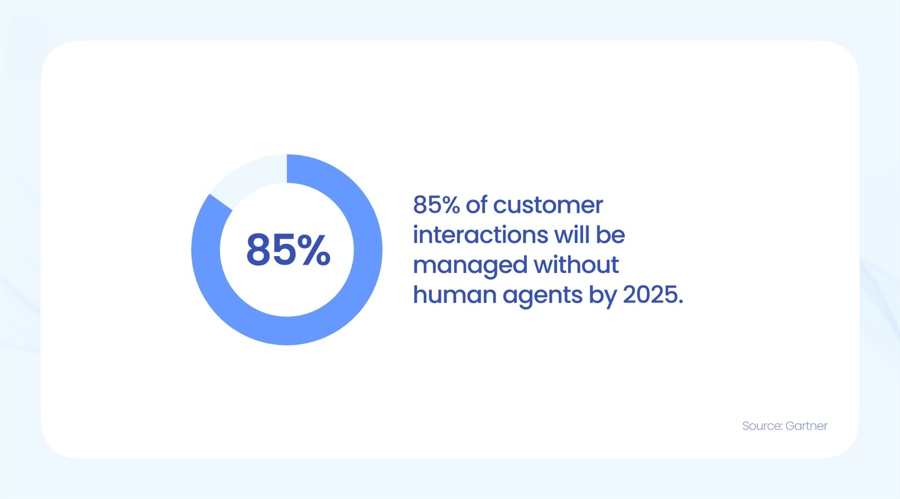
85% of customer interactions will be managed without human agents by 2025 source Gartner, 2021
This is all about understanding how AI helps us figure out mobile users’ behaviour and makes marketing strategies with AI way more effective.
How AI Influences User Behaviour
Technology plays a huge role in shaping how we act as consumers. It’s now easier than ever for customers to jump from one platform to another if they’re not satisfied. That’s where mobile devices and AI tools come in.
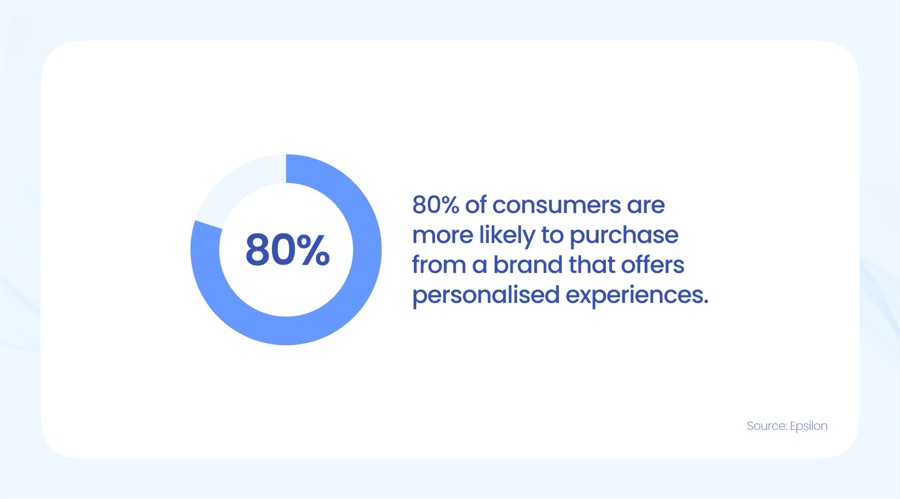
80% of consumers prefer brands offering personalized experiences (Epsilon, 2021)
Key benefits:
Analyses vast amounts of data in real-time
Predicts customer preferences based on behavioural patterns
Personalizes user experiences to enhance engagement
Increases customer retention through targeted messaging
These tools help businesses predict and analyse what customers want, making marketing efforts more personalized. Back in the 1950s, AI started gaining attention, and now it’s helping businesses process data to create personalised strategies. AI and data analytics are important for businesses to stay competitive and deliver better customer experiences.
An example of PMax campaign
With PMax, the AI-driven tool took over the heavy lifting by analysing customer data across platforms like search, display, YouTube, and Gmail.
The goal was simple: deliver the right message to the right audience, regardless of where they were online. Within weeks, the PMax campaign started delivering the first results. and by the end of the campaign, the conversion rates are 25% higher than the traditional campaigns, as the AI automatically optimized ad placements and budget allocations.
Example of Pmax Campaign
It also provided real-time insights, revealing that younger customers engaged more with YouTube videos, while older clients preferred detailed search and display ads. So in this case, we took full advantage of AI in the PMax campaign; we were able to increase lead generation while reducing ad spend, conversion rate, and cost/conversion. This not only improved the performance but also allowed us to target specific customer segments with highly personalized content.
AI in Mobile Marketing
Mobile marketing is all about getting the right info to the right people, anytime and anywhere. It allows businesses to fine-tune their strategies based on gender, age, and location.
As technology evolves, AI in mobile marketing brings more interactive, visual, and audio experiences, making marketing more effective. But let’s not forget about the challenges—small screens and ad fatigue can mess with the user experience.
Research shows that success in mobile marketing comes down to factors like entertainment, personalization, and trust. People respond well to engaging content but get turned off by repetitive, annoying ads.
AI-driven segmentation can increase marketing ROI by up to 30% (Source: McKinsey, 2021).
Factors Influencing Mobile User Behaviour
A bunch of things affect how people use mobile devices—income, age, gender, occupation, and even socio-cultural elements like beliefs and family. for example: Younger users might focus on fashion, while older users are more into household goods.
Economic factors also play a big part in purchasing decisions. When it comes to mobile marketing, how people feel about the benefits and risks of sharing their data is huge. AI steps in by helping businesses analyse user behaviour and deliver more personalised experiences, which improves marketing strategies.
AI has a massive impact on marketing, especially in areas like product management, service innovation, and pricing strategies. These tools assess how well products meet customer needs and enhance recommendation systems.
They even adjust prices dynamically based on customer preferences and competitor actions; it also delivers personalized messages and helps align social media content with customer preferences, making marketing efforts more effective.
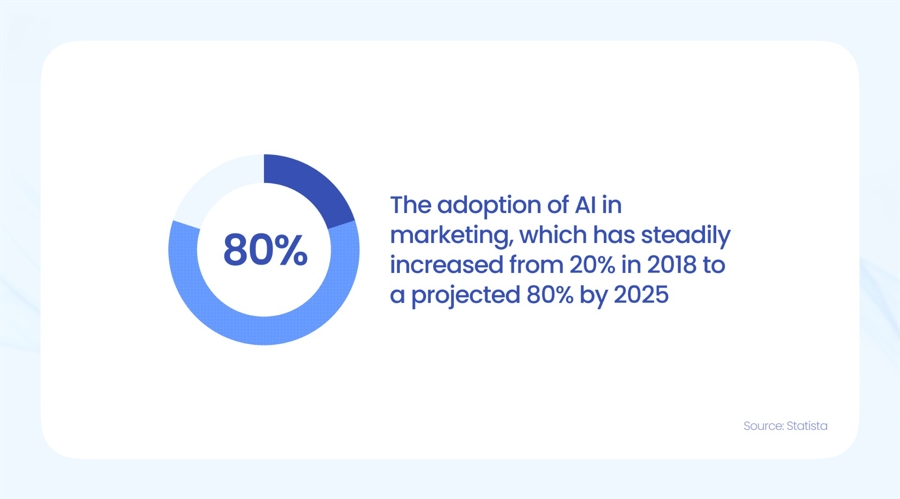
AI adoption in marketing has grown from 20% in 2018 to a projected 80% by 2025 (Statista, 2022)
Consumer Behaviour
AI is transforming how businesses connect with customers. It processes data quickly, helping marketers target content and meet customer needs in real time. By analysing big data, AI enables more efficient marketing strategies and personalized user experiences.
In short, it’s all about understanding consumer behaviour and adapting to market trends. The data-driven insights that AI provides are what help businesses build customer satisfaction and loyalty.
To dive deeper into the transformative role of AI in consumer behaviour and how it shapes marketing strategies, I recommend checking out the recent paper by Cutler and Culotta from MDPI’s 2023 review. This paper provides detailed insights into how AI tools analyse big data and how it has a direct effect on enhancing consumer engagement and optimizing marketing campaigns.
Personalization
AI-powered personalization is all about delivering content that fits user preferences. This not only enhances the user experience but also boosts brand loyalty and sales. A good example of this will be that Google has integrated AI-powered tools into its shopping services, allowing users to get personalized style recommendations and even virtually try on products. “No two shoppers are alike.”
To quote Sean Scott, VP/GM Consumer Shopping, “No two shoppers are alike,” shows you how these AI-driven features are making sure that users see products tailored to their tastes, creating a more intuitive and enjoyable shopping experience.
However, while personalization saves time and improves engagement, it also raises privacy concerns. Still, users tend to share more data when they see clear benefits like easier decision-making and better experiences.
Optimization
This is where the big role of AI comes into play, as it can optimize various aspects of ad campaigns, from cutting costs to improving targeting and content relevance. which helps businesses spend more efficiently by analysing user behaviour and ad performance. It also ensures that ads reach the right audience by checking preferences, behaviours, and demographics. and we know how important this level of optimization is, especially during the early phases of the campaigns.
Segmentation and Positioning
Its no secret that segmentation is a key to success for email marketing, but what if I tell you it goes beyond that? Segmentation is any step of every marketing channel, and AI helps advertisers segment their audience more accurately by analysing big data, and this allows them to tailor their messages for different groups, improving campaign effectiveness. It also helps in positioning products by evaluating market trends and consumer preferences, making sure that it remains relevant and impactful.
Ethical Considerations in AI-Driven Marketing
While AI brings plenty of benefits, it also raises ethical concerns, especially around data privacy. We know that AI relies on large datasets to improve customer experiences, but we all agree that businesses must respect privacy rights and give users control over their data. Transparency and security are key concerns, and collaboration between all stakeholders is a very important step to make sure that AI is used responsibly.
Marco Iansiti, professor of business administration at Harvard Business School, highlights the importance of ethics in AI, stating, “As firms drive immense scale, scope, and learning, there are all kinds of really important ethical considerations that need to be part of the management philosophy from the get-go.”
And to wrap this up, I will go with the people’s favourites, the headline grabber, who is well known for his cautionary view, and almost on every occasion he highlights the potential dangers of AI, and one of the leads advocates for regulations: “AI developers and researchers should prioritize building systems that align with human values and moral principles.” — Elon Musk
Conclusion
In conclusion, we know now that integrating AI in marketing is revolutionizing how businesses connect with consumers, and the rise of mobile devices has created new opportunities for marketing. One of the key aspects is to analyse mobile user behaviour and process large datasets to help businesses develop more effective strategies and optimize user experiences.
The power of AI not only makes marketing campaigns more efficient but also opens new doors for data-driven decision-making. As we increasingly rely on these tools, one thing we must always keep in mind is the ethical considerations regarding data, privacy, and user consent. A transparent approach is important for any AI-driven strategy.
Let’s not forget, we are still in the early stages, and we are continuing to explore the potential of AI in marketing.
By Ramzi Ahmad
Ramzi Ahmad is a marketing expert with over 15 years of experience in strategic planning, digital marketing, and brand management. A thought leader in the marketing industry, he provides insightful analysis of current trends and effective strategies. Ramzi combines academic insights with practical experience, delivering a unique perspective that appeals to both seasoned professionals and those new to the field. His writing skilfully translates complex marketing concepts into practical advice, making sophisticated market dynamics accessible to a wide audience.
Triggered (or automated) marketing can have a domino effect on your leads and revenue. Here are four marketing automations to set up and knock down before the new year to supercharge your 2025.
There is something exciting about watching one action trigger a chain of reactions. This is potentially why setting up domino tiles and then watching them fall down sequentially is so satisfying.
In 1976, Bob Speca, Jr., at just the age of 18, achieved the first world record for the most dominoes toppled in a chain reaction, which was a total of 11,111 pieces. After debuting this event on The Tonight Show, a domino-toppling craze started.
But there is one type of special trigger I know of that could set off a positive chain of reactions for your business, and that is triggered direct mail. In 2023, one survey reported that 74% of marketers agreed direct mail delivers the best return on investment, response rates and conversion rates out of all marketing channels.
Not only does direct mail consistently deliver real results, but it also makes a significant, lasting impact that builds brand loyalty. This is due to the physical nature of mailers, something lacking in digital marketing. Scientific research has confirmed brand recall is 70% higher for direct mail compared to digital ads.
But the best part about direct mail advertising is its domino effect — put it into place, and watch your business’s marketing momentum cascade. Here are my top four ways to do that automatically with set-it-and-forget-it direct mail triggers that will help you get a jump start on the new year.
1. Implement a new mover mail trigger to improve conversion by as much as 50%
Research shows more than 30 million people will move at least once in the next 12 months, which is an astounding 6% of the U.S. population. You have a valuable opportunity to market your services and/or products to movers with marketing mail that includes discounts or free gifts.
From finding a new dentist, bank, internet service and pizza place, millions of movers have to discover new businesses to meet their needs. To get them to choose you over the competition, you have to reach them within this just-moved timeframe.
Studies have found 50% of buyers go with the vendor that responds first, so getting mailers to new movers as quickly as possible is essential. An automated trigger that mails postcards daily to brand-new residents in your service area will put you in a prime position to generate a ton of new business.
2. Add a birthday trigger to improve transaction rate by 481%
Most people look forward to birthday cards in the mail, and whether it comes from a friend or business down the road is no different — especially if it includes a free gift or discount.
You can treat prospects and current customers alike with birthday offers in the mail to generate revenue. Studies also show that birthday promotions are more successful as they improve your transaction rate by 481%.
A pro tip is to include the recipient’s first name on the card as well. This detail personalizes your message, makes them feel extra special and gets noticed instantly.
3. Automate mail to prospects over 55 since 78% look at mail every day
While statistics show that every generation loves checking their mail, Baby boomers and Gen X have the strongest affinity for mailers — especially if they include a coupon. Research confirms 78% of men and women over the age of 55 look at their mail every day.
Medicare enrolment agents, in particular, can target men and women turning 65 to enrol. However, many different types of businesses can benefit from mailing postcards to this age group. From pet care to routine home cleanings or lawn maintenance, this age group will pay special attention to your mailers.
You can set up your triggered mailing to go out in the days leading up to their birthday of 65, the day of, or within the week or month. Since mailers tend to stay in a person’s home for weeks afterward, your contacts will also have a physical reminder from you that they can keep in touch for future interactions.
4. Boost sales by mailing retargeted postcards to unconverted website visitors
Retargeting is essential to an effective campaign strategy and has the potential to be the biggest driver of sales for your business. By marketing to prospects who have already shown interest in you, you lead them to make a purchase decision faster.
Studies have found that it takes 6-8 marketing touches to generate a viable lead, and sending a mail piece to a website visitor is a strong step toward building trust and helping initiate an action.
My company PostcardMania launched a service called Website to Mailbox a few years ago, and it has proven to be an affordable option for small businesses who want to take advantage of a direct mail marketing plan with low cost of entry. Within 24-48 hours of a website visit, a postcard is deployed to your prospect’s mailbox, inviting them back to your website to complete their purchase.
Businesses can mail as few as a handful of postcards a month to website visitors and achieve a very high return on investment as a result.
One of my real estate investor clients mailed 111 retargeted postcards to website visitors, closed one deal and generated $70,000 in revenue. His return on investment amounted to 10,710%, which is almost unheard of. Another client, a roofer, mailed only 17 retargeted cards before landing a new roofing job worth $40,000. If you only have the budget to try one type of triggered mail, this is the one I recommend you start with.
Given all of the success my clients have had with automation already, and the mere fact that this is the fastest-growing portion of my business, I can tell you that pulling the trigger on triggered mail could be the best decision you make now to make 2025 amazing. Utilizing this technology may have a domino effect that leads you to achieving your goals and growing your business far bigger than you imagined.
Joy Gendusa founded PostcardMania in 1998 with just a phone & a computer (no funding or investments), and today we generate over $100 million annually with over 380 staff. I’m passionate about helping small businesses succeed at marketing and grow — because when small business does well, we all win.
The insight: Some ad agencies are pushing their clients to be more strategic with their retail media spending due to concerns about the ballooning number of retail media networks (RMNs), high CPMs, and the lack of standardization, per Digiday.
The note of caution comes as retailers push for a greater share of marketing budgets—particularly dollars set aside for national media campaigns—in an attempt to entrench themselves firmly in the advertising landscape.
Growing pains: The biggest concern among agencies is the question of whether spending more with a RMN results in higher sales and increased brand awareness. One anonymous executive told Digiday that “continuing to invest in sponsored products does not always translate to incremental sales,” adding that “there’s a point of diminishing returns.”
Smaller retailers in particular face an uphill battle to win over brands, unless they can offer up access to unique, differentiated audiences that justify the cost of advertising.
Two in three advertisers don’t plan to invest in new RMNs over the next few years, per data from the Association of National Advertisers.
Lack of standardization is also holding back investment—which is why players like Kroger and Albertsons, as well as trade groups like the Interactive Advertising Bureau, are pushing for industrywide standards that would make it easier for brands to measure the impact of their spending.
Yes but: Despite their doubts, advertisers continue ploughing money into retail media.
We expect it to account for $1 in every $4 spent on advertising by 2028.
While the lion’s share of that money will go to Amazon—with Walmart as a distant second—retailers that can offer brands the ability to reach new or incremental audiences, access their first-party data, and deliver strong return on ad spend have a better chance of standing out in a crowded field.
These five marketing tactics have delivered remarkable returns for my business.
Key Takeaways
In a world saturated with marketing advice, it can be overwhelming trying to find strategies that truly deliver.
By thinking outside the box, leveraging local influencers, targeting under-priced attention and staying ahead of industry trends, you can create an effective marketing strategy that delivers exceptional results.
I want to share some of the strategies that have helped me achieve crazy results — 10x returns on my marketing efforts, no joke.
I know how overwhelming it can be with all of the marketing advice that’s out there, but I’m here to cut through the noise and give you some actionable tips that have worked wonders for me.
1. Thinking outside the box — the key to success
First off, I can’t stress enough how important it is to think outside the box. This might sound like a cliché, but trust me, it’s the truth. When I first started, I followed a bunch of marketing gurus like Russell Brunson and Gary Vaynerchuk. They both have totally different styles — Russell is all about sales funnels and direct response marketing, while Vaynerchuk is the king of social media branding. But here’s the thing: Despite their differences, they both agree on one thing — creativity and innovation are non-negotiable.
So, I took what I learned from them and made it my own. I didn’t just copy what they were doing; I adapted it to fit my style and my business needs. The big takeaway here is that you shouldn’t be afraid to experiment with new ideas. If you want to stand out and achieve extraordinary results, you have to be willing to break away from the norm and try something different.
2. Local influencers — the secret sauce
Now, let’s talk about influencer marketing. It’s been all the rage lately, with businesses throwing big money at celebrities to promote their products. But here’s my twist: Forget the celebrities with tequila brands — I’m all about using local influencers.
Local influencers might not have millions of followers, but what they do have is a deep connection with their community. These influencers are trusted voices in their circles, and that trust translates into higher engagement and more genuine interactions with potential customers. By partnering with local influencers, I’ve been able to create campaigns that really resonate with my target audience, which in turn has led to better brand loyalty and higher returns.
Plus, local influencers are way more affordable than big-name celebrities, which means I can stretch my marketing budget further while still making a big impact.
3. Paid social media traffic — the secret weapon of under priced attention
Paid social media traffic is where the magic happens, but not all paid traffic strategies are created equal. I’ve found a little-known secret that I call my “secret weapon” for 10x returns: targeting under priced attention.
Here’s the deal — everyone’s targeting specific age groups on specific platforms. You know what I mean: younger audiences on Instagram and TikTok, older folks on Facebook. But guess what? There are millions of people in every age group on every platform.
Think about it: How many Medicare ads do you see on TikTok? Not many, right? And how often are you targeting young people on Facebook these days? The competition for those groups on these platforms is almost non-existent, which means the cost to reach them is dirt cheap.
Social media platforms make their money by selling ad space, and when no one’s bidding on a particular demographic, that ad space just sits there, waiting to be scooped up. That’s where I come in — I buy that space for a steal, and suddenly I’m reaching a whole new audience without breaking the bank.
4. Buying under priced ad space — my strategic advantage
This brings me to another key strategy: strategically buying under priced ad space. Just like in real estate, where the goal is to buy low and sell high, I do the same with digital advertising.
When I notice that certain demographics or platforms are being overlooked by other advertisers, I jump on that opportunity. Because fewer people are bidding for that ad space, the cost is significantly lower. This allows me to reach a broader audience while keeping my costs down, which is exactly how I’ve been able to achieve such high returns.
But this strategy isn’t just a one-and-done deal — you have to stay on top of it. I constantly monitor the performance of my ads and adjust my targeting to take advantage of these underutilized opportunities. It’s a bit of a game, but the payoff is huge when you get it right.
5. Adapting to change — staying ahead of the curve
If there’s one thing I’ve learned, it’s that the marketing landscape is always changing. What worked yesterday might not work tomorrow, and that’s why you’ve got to stay ahead of the curve.
I’ve made it a point to keep myself informed about the latest trends, tools and platforms, and I’m always ready to pivot when necessary. For example, when a new social media platform starts gaining traction, I’m one of the first to dive in and see what it can do for my business. Being an early adopter gives me a huge advantage because I’m competing with fewer marketers, and I can establish a strong presence before the platform becomes saturated.
My success is rooted in my ability to adapt and evolve with the market. I regularly assess my marketing strategies, experiment with new tactics and stay flexible. That’s how I’ve managed to stay ahead of the competition and keep my marketing efforts effective.
So, there you have it — my go-to strategies for achieving 10x returns in your business. It’s not about following the latest trends blindly; it’s about creating your own path and being willing to innovate.
By thinking outside the box, leveraging local influencers, targeting under priced attention and staying ahead of industry trends, you can create a marketing strategy that delivers exceptional results. I hope these insights help you as much as they’ve helped me. Now go out there, apply these tips to your business, and watch your returns skyrocket!
Justin Brock stands as a leading authority on all things Medicare and Health Insurance. As the owner & operator of multiple companies, he is dedicated to serve both consumers & agents in these markets.
By funnelling all of your internet traffic through their own servers, VPN providers expose their customers to the very privacy risks they claim to help defend against, including having their internet browsing records stolen by cybercriminals or obtained by legal order.
If you’re in the majority who don’t need to use a VPN, there are still easy and effective ways to reduce the trail of data that you leave behind as you browse the web. Some of these ways include the use of simple tools in your browser that can automatically prevent online trackers from collecting information about you to begin with, and encrypting your web browsing traffic that makes it more difficult for anyone to snoop on the sites and services you access.
There are no one-size-fits-all solutions or a panacea for absolute privacy. Instead, all of these simple steps can provide additional and meaningful privacy as you use the web, and we’ll explain how.
Ad blockers are web browser extensions that automatically prevent ads from loading on websites and in search results. The obvious upside is that your visual browsing experience will improve, but ad blockers also stop your browser loading the underlying tracking code that ads rely on to collect information about you. By blocking the code, ad companies can’t track the websites you visit as you browse the web, which makes it more difficult for the ad and tech companies to infer your tastes and interests and otherwise monetize your browsing data. (Of course, you can always temporarily switch off your ad blocker on any website.)
Using an ad blocker is one of the most effective ways of preventing the majority of online tracking by making it much more difficult for advertising and tech giants to know which websites you visit as you browse the web.
An ad blocker prevents ads — and their privacy-invading tracking code — from loading on websites and in search results. Image Credits:TechCrunch (screenshot)
One of the best low-memory ad blockers for web browsers is uBlock Origin, which works in most modern browsers, and its code is open source (allowing anyone to look at the source code to make sure it’s safe to use). AdGuard also has an open source ad blocker for a variety of devices and platforms. Remember to always download from trusted and verified sources, like their official pages, before installing.
Once you’re set up with an ad blocker, the online rights group Electronic Frontier Foundation has a tool called Cover Your Tracks that lets you stress-test your browser’s anti-tracking defences and tells you what you can do to help improve them. This other online open source tool is an easy way to quickly test your ad blocker on any device.
Use an encrypted DNS provider
Almost every website on the internet today can be delivered to your browser over an encrypted connection (known as HTTPS), which prevents anybody else on the internet from seeing what loads on your screen or tampering with it before it gets there.
But because of the way that the internet inherently functions and routes your information around the world (through a public and global system called DNS), you can still leave behind a record of the specific website you visited because DNS traffic has historically largely been unencrypted.
For most, your unencrypted DNS traffic — which can reveal which websites you’re visiting and the apps you’re using — typically routes through your internet provider, which, like advertisers and tech giants, can monetize and sell that data or make your information available to requesting legal authorities.
Switching to an encrypted DNS service is fairly quick and simple, and it can have immediate effect.
Some browsers (like Chrome and Firefox) began encrypting DNS traffic by default back in 2020, and have long included options to use an encrypted DNS provider, such as Cloudflare and NextDNS, to handle DNS traffic instead of your local internet provider.
You should be aware of how long the provider retains your information; some of the large DNS providers provide reasonable security and privacy assurances. Also, if your DNS provider briefly goes down, your internet activity will suffer until the problem resolves or you switch your DNS provider. This is also why picking a reputable DNS provider can be helpful.
You can go beyond just your browser’s settings by changing your DNS in the settings for your device, so that all of the DNS traffic on your device gets encrypted. If you want all the devices on your home network to take advantage of encrypted DNS, you can opt to change the DNS settings on your network router, too.
A multi-hop service, like Apple Private Relay, can have privacy benefits
A core problem with VPNs is that you have to trust a single provider that it won’t sell or snoop on your data, or provide it to someone who will. Since 2021, Apple has allowed its paying customers to stay more private online through its “multi-hop” service called iCloud Private Relay, which sends a user’s encrypted internet traffic through two separate internet relays (or “hops”), including one that isn’t run by Apple.
Because iCloud Private Relay uses two separate internet relays to route a user’s traffic, this prevents either of the internet relays, including Apple, from being able to see or analyse your internet traffic. That also means that requesting law enforcement authorities cannot get your information from a single internet relay; they instead have to demand the data from both relays. Apple’s partners, like Cloudflare, help to provide the multi-hop relay service.
iCloud Private Relay hides your browsing activity in Safari and other apps to prevent snooping on your web traffic. Image Credits:TechCrunch (screenshot)
iCloud Private Relay helps to protect both web and app traffic on your Apple device, and is available for Apple customers who pay for Apple’s premium iCloud+ service. iCloud Private Relay isn’t available in all regions, such as countries like China and Russia, where internet freedoms are considerably limited.
While services like iCloud Private Relay offer some privacy benefits, beware of non-reputable providers that purport to offer multi-hop services or make other claims that cannot be independently verified.
Tor is the gold standard for online anonymity
Wherever you are in the world, using Tor is one of the universally best tools for allowing users to browse the web freely while bypassing censorship and avoiding surveillance.
For some people, Tor is synonymous with the “dark web,” which some automatically (and wrongly) conflate with criminality. In reality, Tor is a privacy tool used every day by journalists, researchers, activists, and anyone else who wants to browse the web with a high degree of privacy and anonymity.
You might want to browse the web anonymously for any reason, but this can include searching the web without wanting the search engine (or anyone else) connecting you to those search results, or simply accessing a news website or resource that might be banned by a government or regional authority.
The BBC News website, which is accessible through the Tor Browser. The dark web doesn’t have to seem scary.Image Credits:TechCrunch (screenshot)
Instead of relaying your data through a single virtual tunnel (like a VPN) or through two separate relays (like a multi-hop service), Tor works by encrypting and routing its users’ internet traffic multiple times through thousands of servers set up around the world. This way, the user’s internet traffic is shielded from everyone else on the network as well as the regular internet. As such, using Tor is often slower than the regular internet and is not designed to be used for accessing high-bandwidth services, like music or video streaming.
Most people use Tor by downloading and running the Tor Browser, a custom-made version of Firefox, in which anything that happens in that browser window privately routes over the Tor network. Other implementations of Tor are available, including mobile apps.