By Chris Ryan
Despite increasing influencer marketing budgets, brands and agencies are still getting ghosted by influencers and their reps.
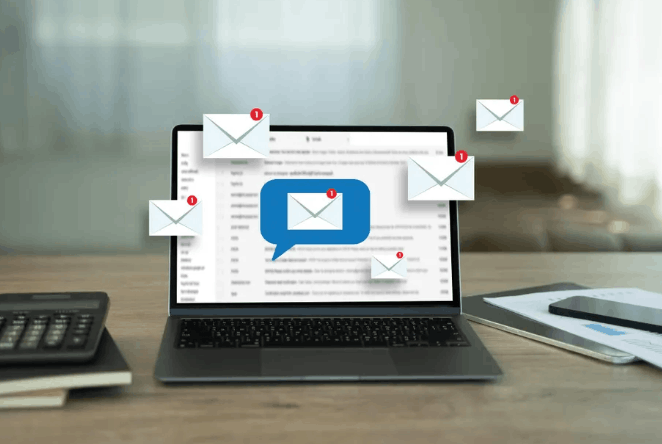
I delete roughly 50 partnership emails every week. So do my colleagues at agencies from LA to New York to Nashville. It’s not about timing or being too busy. Most emails fail basic credibility checks before we even finish reading them.
The mistakes are consistent and, more importantly, avoidable. Here’s what makes us hit delete.
1. Your Email Screams “Spam”
Look, we evaluate credibility fast. First in the inbox: your email address and subject line. If those pass, we open it. Then we check your signature and greeting. The whole thing? Seconds.
Omar Cruz of Handle Talent Agency says his team immediately evaluates the sender’s email address, the professionalism of the wording, and whether the message feels unnecessarily urgent. But the signature is where credibility really shows: “What’s included or missing there often reveals a great deal about a company’s credibility and overall approach to professional partnerships.”
The red flags? Always the same. Erik Nguyen of Signature Talents puts it simply: “Another red flag is when someone claims to represent a brand, but emails from a non-business domain, or the company website doesn’t even work. I verify senders on LinkedIn to confirm they actually work at the company they claim to represent. Phishing in this space is very real.”
And he’s right to be paranoid. I’ve seen plenty of fake outreach from people impersonating real brands.
Incomplete signatures are another killer. When someone signs with just a first name and no title or company, we can’t verify they’re legitimate.
Generic greetings are instant giveaways. Nikki Claudine of Claudine Public Relations sees this constantly: “The biggest red flags we see are generic mass emails that start with ‘Hi dear’ or don’t even use the influencer’s name.”
Emails signed from “The Team” raise immediate suspicion. When someone won’t put their name on an email, it’s often because they know the deal terms are going to be problematic or the payment might not materialize. We’ve learned to recognize this pattern.
Instagram DMs are equally problematic. Use professional email for initial outreach. Personal and even business Instagram DMs often land in Hidden Requests and never get seen.
2. You Haven’t Done Your Homework
Last month, a skincare brand pitched one of my clients on anti-aging face cream.
Let me paint the picture: He’s a 26-year-old guy who makes challenge and travel videos. His audience is other young guys. He’s never mentioned skincare. Not once. Not in 300 videos.
They wanted him to sell wrinkle cream to an audience that barely started shaving.
Nikki Claudine sees the same pattern: “Most influencer emails don’t get ignored because they feel automated; they get ignored because they feel misaligned. When a brand pitches without clearly understanding the influencer’s audience demographics, positioning, or long-term brand narrative, it signals a lack of research.”
I see this constantly. Lingerie brands pitching male creators. Fast fashion companies going after wellness influencers who’ve spent years building credibility around sustainable living. Random supplement brands asking Olympic-level athletes to risk everything on products nobody’s heard of.
It’s lazy. And we can tell.
If a creator doesn’t use your product category, or your brand is too unknown to vouch for, we won’t risk our client’s credibility.
Nathaniel Cooke Jr. of Claudine Public Relations frames the shift: “The gap isn’t about volume. It’s about understanding how the creator economy has professionalized.”
We can tell the difference. A brand that’s done its homework references specific content, understands what the creator stands for, and knows who’s watching. Everyone else gets deleted.
3. You’re Not Treating This Like a Real Business Deal
Laura Filipowicz of Z Star Digital sees this constantly: “Some brands don’t see the value in working with creators on paid campaigns. They only offer a free product in exchange for hard work valued at way more than a free product.”
The disconnect can be staggering.
This week—literally this week—I got an email offering one of my clients $200 for a custom TikTok video. Two hundred dollars. For a creator with 1 million followers who averages 200,000 views per video.
I showed it to him. He laughed. Then he asked if I could frame it.
These offers don’t just get declined. They get remembered.
Beyond compensation, the lack of transparency kills deals before they start. Nikki Claudine of Claudine Public Relations explains: “If there’s no defined scope, no usage terms, no timeline, no budget range, and no clarity on whether it’s gifted, affiliate, or paid, it feels unserious. Serious brands respect creators’ time by leading with transparency.”
4. You’re Wasting Everyone’s Time
We remember the agencies that waste our time. When the same company repeatedly pitches deals that fall through or never close, we stop opening their emails. It’s not worth the effort.
The other major time-waster? Emails asking creators to “apply” for campaigns. These are often data collection exercises disguised as opportunities. Legitimate brands with serious budgets make direct offers to creators they’ve researched, not mass requests for applications.
Once you’ve established a pattern of unreliable outreach, no amount of professional formatting will get your emails opened.
How To Fix It
So what actually works?
Here’s the thing: it’s not complicated. You just have to treat influencer outreach like actual business development. Not like throwing spaghetti at a wall.
Kevin Herrera of The Machine is direct: “Creators are bombarded with information on a daily basis. They don’t have time for games. Put your ask in the subject line: ‘Paid sponsorship budget of X for Y posts. You are brand approved.'”
Lead with the ask upfront: budget, deliverables, and timeline. Use professional email addresses with complete signatures. Be transparent about compensation and terms from the start. Demonstrate you’ve researched the creator by referencing specific content they’ve made and explaining why they’re the right fit.
The brands that get responses treat outreach like a partnership proposal, not a cold blast. They show they understand the creator’s audience, outline compensation clearly, and communicate that this is a business transaction between professionals.
Focus on finding the best fit, not the lowest price. As Herrera puts it: “Don’t try to get the lowest price. Try to get the best fit, and you’ll be winning.”
If you’re going to use Instagram DMs, do it right. Use a verified business account if possible. Comment on the creator’s latest post first. Something simple: “We’d love to collaborate with you on a partnership. Just sent you a DM with details.” This signals legitimacy and increases the chance they’ll actually see your message instead of it disappearing into Hidden Requests.
The creator economy has matured into a professional, revenue-driven industry. Outreach that fails to reflect that reality will continue to be ignored.
Feature image credit: Getty
By Chris Ryan
Find Chris Ryan on LinkedIn.