Tag

brand expectations

Browsing

By Richard Barrett

If you work in marketing, you might want to look away now. The brutal truth is… the vast majority of people don’t care about your brand. In fact, 81% of the brands sold across Europe could disappear overnight and consumers wouldn’t be concerned… They probably wouldn’t even notice.

Various dynamics are at play here. Firstly, abundance. With up to 30,000 new products being launched every year, we’re all spoilt for choice. With so much variety on offer, very few brands feel truly indispensable. Secondly, unbrands. We’re increasingly exposed to no name brands from the likes of Amazon, Aldi and Lidl. When these perform well, it undercuts the perceived value of traditional brands. Finally, loss of trust. It doesn’t take many rotten apples to spoil the brand barrel and there have been lots of examples recently of world-famous brands apparently acting in bad faith.

These are all significant, but there’s one factor that’s even more important. People’s expectations of brands have risen faster than brands’ ability to meet those expectations. It’s an important issue, one we first touched on in our previous MarTech focused article on why marketing technology needs to be brand-led and how to achieve it.

This expectation gap can’t be ignored. And the first step towards tackling it is understanding what people want from ‘new world’ brands.

  • CLARITY OF PURPOSE. This isn’t necessarily about ‘doing good’ for society. It’s more about any brand being crystal clear on the role it wants to play in people’s lives.
  • TRANSPARENCY. People demand that brands be authentic and consistent in their behaviour. When they ask questions, they want the brand to respond quickly and honestly.
  • ACTIVE CONTRIBUTION. Increasingly, people want brands to help them do or experience more. They expect brands to go beyond providing mere product utility.
  • PERMANENCE. Thanks to social media, people are ‘always on’ and they want the same from brands. They’re looking for brands to be working 365 days a year, constantly feeding their social and cultural passions.
  • DEMONSTRABLY NATIVE. People are highly attuned to the codes and customs of individual media channels. For brands to be welcomed in these spaces, they must act in a way that is perfectly tailored to the environment.
  • EXCEPTIONAL EXPERIENCES. It’s never been truer that the customer is always right. Consumers drive the agenda and they expect brands to deliver excellence however and whenever they engage.
  • CONTEXTUAL RELEVANCE. ‘Good enough’ isn’t good enough. People want brands to provide solutions that specifically resolve their needs in the moment.
  • APPROPRIATE PERSONALISATION. People don’t see themselves as part of the crowd and they don’t want to be treated as such, especially if they’re current customers. If it’s dangerous for brands to be overly familiar, it’s even more dangerous when they appear blind to existing relationships.

Meeting these expectations consistently is an extraordinarily high bar, one that will require technology to reach it. Not tech just for the sake of it, but solutions specifically designed to meet one or more of the expectations outlined above. One single imperative should drive every decision: will this help me provide better answers to my customers’ needs?

By Richard Barrett

Sourced from The Drum

By 

Gen Alpha loyalty is all about world-building, and brands need to keep up.

It may seem crazy to be talking seriously about children’s brand expectations, but as Gen Z edge towards thirty and the first wave of Gen Alpha hit fifteen, their entry into adulthood is rolling in fast and with that, an evolving P.O.V.

Every generation arrives with its own cultural wiring, but Gen Alpha is the first to grow up in a world where interactivity isn’t a novelty, it’s the default. They learned to swipe before they could talk, navigated YouTube long before they could read, and moved through digital worlds with an ease that makes ‘digital native’ feel outdated.

Participation Is the new loyalty

Apple projections of Christmas tree onto Battesea Power Station

Apple’s latest competition invites participation (Image credit: Apple)

For years, marketers have obsessed over Gen Z’s loyalty problem. It’s not going to stop with Gen Alpha.

According to YPulse, their brand attachment is conditional and fluid, driven less by habit and more by participation. They don’t pledge allegiance; they engage. If you give them something to do – something to unlock, remix, design or win – they’ll come back.

Apple is giving a great demonstration of this in the run up to Christmas – Design a Christmas tree with your iPad and it might be projected on to Battersea Power Station.

Gen Alpha has been raised in worlds (Minecraft, Roblox, Fortnite) that reward contribution, curiosity and co-creation. They’re all too familiar with the dopamine of designing and building, and being a part of the process. So when it comes to loyalty, while traditional loyalty programmes are built on repeat purchase, Alpha loyalty is built on reciprocity.

The takeaway is that brands will need to consistently show up and continue to offer different opportunities for interaction and participation. Shout out to JD Sports and their Christmas ad (above); a brand with campaigns rooted in youth integration.

From campaigns to ecosystems

A campaign has a beginning, middle, and end. An ecosystem doesn’t. It expands. It adapts. It gives you somewhere to go.

Gen Alpha is used to open environments where they can choose a path, double back, discover something hidden, or bring their friends along for the ride. While they don’t need a cinematic universe to feel engaged, they do want to feel like there’s opportunity to contribute or reinterpret.

LEGO creates endless ways to build, remix, and reimagine – both physically and digitally. Spotify lets people narrate their own identity through playlists, Wrapped, shared listening, and social moments. Both brands release ingredients, not finished stories, and let the audience assemble something that feels like their own.

Why linear ads fall flat

Linear campaigns, even great ones, feel restrictive and static to a generation raised on open-world play. They grew up moving through infinite digital spaces, switching roles, and shaping narratives that evolve with every decision. A 30-second ad, or even a beautifully crafted brand film, simply doesn’t match how they experience culture. They’re used to stories that branch, respond and evolve with them.

The format matters less than the feeling

Instead of linear ads, brands should build modular, explorable stories – ones that reward participation, remixing and discovery. Think playable storytelling, dynamic content that responds to audience actions, and narratives that unfold across touchpoints instead of following a single script. The format matters less than the feeling. It’s that sense of agency, participation, and shared creation that hooks them in.

The takeaway

Brands that want to matter to them need to hand over the tools, open the doors and give them room to play. Build systems where they can influence the shape of an idea, customise their experience, and feel the impact of their participation. Reward the contribution, not just the transaction.

And don’t mistake early enthusiasm for commitment. They behave like explorers: curious, mobile, quick to move on if there’s nothing new to discover. Keep the path open with ongoing prompts, unlocks and fresh layers that give them reasons to return. The goal isn’t to hold their attention – it’s to give them somewhere to go.

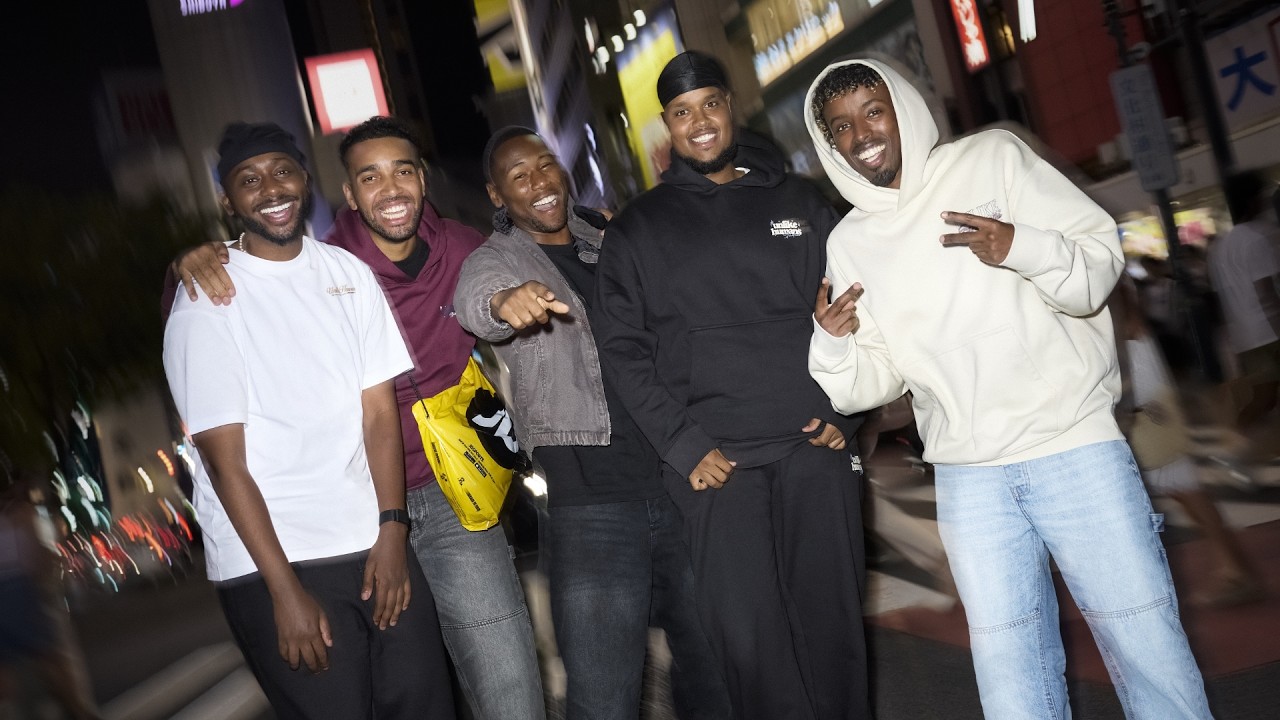
Feature Image credit: JD Sports

By 

Louise is strategy director at Seed and a youth-focused brand experience strategist known for turning moments into measurable conversion. With roots in PR, social and creator-led comms, she brings an amplification-first mindset to everything she builds. She has partnered with brands including LEGO, Amazon Prime Video, Spotify, Diageo, Campari and Revolut.

Sourced from CREATIVE BLOQ