Tag

brands

Browsing

By

Brands need to focus on hyper-localisation by connecting with consumers where they are, as Covid-19 has dramatically changed consumer behaviour and altered the path-to-purchase, according to Facebook and Boston Consulting Group.

According to a new report called ‘Turn the Tide’, released by Facebook India and Boston Consulting Group, the use of micro-targeting can help brands get the first-mover advantage. This is because countries are being divided into different zones, with distinct restrictions due to the pandemic, so they need to build social connections despite social distancing, by engaging with consumers in their context

To cope with pandemic lockdown, which has caused significant disruption for communities and businesses, people are spending more time on social media platforms. This means brands have an opportunity to build stronger dialogues and deeper connections with users.

The aim of the guide, according to Facebook India and Boston Consulting Group, is to guide brands to adapt to the pandemic and ensure business continuity.

Nimisha Jain, the managing director and partner at Boston Consulting Group, says: “We are experiencing unprecedented shifts in consumer attitudes and behaviours as 80%+ consumers will continue to practice social distancing and are bringing the outside inside, over 40% of consumers are dialling up on health and wellness spends, e-commerce adoption has already advanced by two-three years, to name a few.”

“These aren’t just temporary surges, and many will last longer and become more defining traits. Our analysis reveals that only one in six companies emerged stronger in past crises. Players who show the agility to reinvent their value propositions, go-to-market plans and business models to address these demand shifts, will be the ones that set themselves apart from the pack.”

In addition, the report also shares actionable guidance for brands to build for the new consumer journeys in times of Covid-19 and beyond.

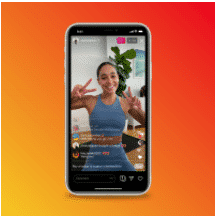
For example, brands can bring alive experiences through virtual launches and product demos as people turn to virtual experiences for every facet of their life. Facebook said it is already seeing more brands explore Facebook and Instagram ‘Live’ to connect with their followers and customers, with brands now thinking about using social media platforms for new product launches too.

Heeru Dingra, the chief executive officer at WATConsult tells The Drum the agency has modified its planning and strategy around the new consumer journeys, urging its clients to follow a simple mantra of ‘solve, serve and sell’.

She explains brands should focus on solving the problems their consumers face, serve their purpose and the result thereof could be the sale of services or products. She notes a lot of brands have understood this concept and have already started altering their approach to fit this mantra.

“We leveraged the power of gaming and re-created one of the most iconic games of all time, Ludo, for our client Tata Motors. Titled #SafetyFirst Ludo, this version aims to spread awareness about the importance of personal hygiene and social distancing amid the Covid-19 outbreak,” she says.

She also calls out work by Bajaj Allianz General Insurance called #CareWillOvercome, which salutes frontline workers, while a #ReconnectWithStarbucks campaign turned the act of baristas calling out people’s names into a digital phenomenon.

She adds: “These examples summarize how we integrated the need of the hour that is to maintain social distancing, continue to concentrate on personal hygiene and at the same time have our heartfelt appreciation for the ones who have been fighting for us day and night, into our brand approach in some way. This helps to amplify the brand message while being sensitive to the current situation, serving the purpose of extending the required communication and increasing as well as sustaining brand recall.”

The report also advised brands to look at their media mix models to drive growth by aligning to new media landscapes. According to the report, when brands, especially those with traditional product categories, start spending more online, they need to understand incremental outcomes, as well as cross-platform efficiency.

This would increase the need for digital measurement standards, such as custom mix modelling (CMM) by Nielsen, which Facebook said it had piloted last year.

Gautam Mehra, the chief data officer for South Asia and chief executive officer of programmatic at Dentsu Aegis Network observes the importance of moving away from traditional marketing metrics to real business metrics that can be measured and improved on an ongoing basis.

“With the impetus of commerce, CRM and digital transformation, I think, every company will now have a direct-to-consumer line of business and will want to bring themselves closer to the consumer, and rely less on the intermediaries,” he explains.

While most brands are dealing with huge change across many aspects of business, focusing on the changing customer journey is a good place for marketing to focus attention.

Feature Image Credit: the report also shares actionable guidance for brands to build for the new consumer journeys in times of Covid-19 and beyond.

By

Sourced from The Drum

Marketers came roaring into 2020 with plans to spend heavily on in-store experiences and brand activations such as pop-ups and parties. But with a large number of Americans still facing stay-at-home orders, industry experts are observing a shift to a different marketing approach: influencers on video platforms.

“Many small- to mid-size apparel brands are focusing in on three platforms: TikTok, YouTube and Instagram,” said Clayton Durant, founder and managing partner at consulting firm CAD Management. “Quarantine has bumped up the amount of time spent on these platforms.”

Influencer marketing is not new, but the financial strain felt by many consumers is changing the way brands approach it. Durant said traditional advertising campaigns are no longer deemed tasteful nor are they driving the meaningful engagement required to convert sales. Instead of glamorous, aspirational images, consumers want meaningful, authentic content from sources they trust. Increasingly, that means social media micro-influencers.

For many brands, partnering with a series of micro-influencers is becoming a more reliable source of marketing than traditional campaigns. These influencers usually have 50,000 to 2 million followers on social media, but speak to an engaged audience with more followers than many top celebrities. They are also less expensive to partner with.

“Many of these influencer deals give the brand the most amount of leverage in the transaction, allowing the brand to get a better ROI,” said Durant. “If you handle micro-influencer campaigns right there is more of a ‘partnership’ feel to these transactions; many micro-influencers are going above and beyond their deal points.”

Finding the most cost-effective marketing approach is more critical than ever, with many brands suffering from sales drops. But the disappearance of live marketing has also allowed for the redistribution of resources to social media, SEO and influencer campaigns. Durant believes that investing in these partnerships now could also pay off in the long term, as brands and consumers adjust to the new retail landscape.

“I expect brick-and-mortar foot traffic to take at least a year to get back to ‘normal,’” said Durant. “To make up for the loss of foot traffic, brands are going to turn to platforms like YouTube, TikTok or Twitch to create one-of-a-kind virtual shopping experiences that mimic walking in the store. That is where partnering with influencers to host digital store experiences could be quite powerful.”

TikTok, one of the pandemic’s success stories with 315 million app downloads this quarter, has also observed this shift. The platform has recently launched an ad format for influencers, enabling its more prominent users to include “shop now” links in their videos. For brands to capitalize on this feature, though, they will need to partner with that select group.

Feature Image Credit: Shutterstock

By Madeleine Streets

Sourced from FN

By

Self-quarantining and social distancing have taken a toll on the business of fashion, and on a personal level, many of us have swapped ready-to-wear for loungewear. In a lot of ways, fashion’s taken a back seat to the booming world of self-care — and topping our list is skincare. To transition from style snob to beauty snob, we’ve enlisted the expertise of grooming connoisseur Garrett Munce, who cleverly compares your favorite fashion brands to their skincare equivalent.

Skincare is like fashion in a variety of ways, and not just because they’re both aesthetic pursuits. First, it’s a personal journey. The same products that work for your friend might not work for you. Second, both skincare and fashion are about branding.

Think about it: what makes you pick up one item off a rack packed with others? The label plays a big part. The same goes for why you pick a certain skincare product off a crowded shelf: you’re drawn, know it or not, to the brand. And, these days, guys want their face cleanser and moisturizer to do more than just cleanse and protect their skin. We want products that fit into our lifestyle, that we’re not embarrassed to leave out on our bathroom counters, that have vibes instead of just ingredients.

If you know fashion, you’ll understand skincare. These are the brands you should know, alongside their fashion equivalents.

Bode = Vintner’s Daughter

Highsnobiety

Bode represents a world where people are willing to pay huge sums of money to feel like they’re acting sustainably, and those people are also using Vintner’s Daughter. One of the brands that launched the current Green Explosion, Vintner’s Daughter only has two products: a serum and an essence made from all-natural ingredients, both of which will set you back a couple of hundred dollars. A cult following of green-minded fancy people has popped up around both brands, who believe that conspicuous consumption and harsh chemicals aren’t necessary to be cool.

Chanel = La Prairie

Highsnobiety

Like the storied House of Chanel, favored by fancy grandmothers and young hypebeasts alike, the skincare “house” of La Prairie has a long history. The brand extends back to 1931 with the opening of Clinique La Prairie and the cellular rejuvenation research of Dr. Paul Niehans. Like Coco Chanel, Dr. Niehans had a vision, and almost a century later that vision is still something you want to put on your body. Nowadays, also like Chanel, La Prairie is expensive AF, but completely worth it, according to brand acolytes. The rich moisturizers and silky eye creams might have a decidedly old lady scent, but if you ask us, that only adds to the experience.

Goyard = Biologique Recherche

Highsnobiety

Even when Goyard wasn’t at the front of every stylish dude’s mind, it was still churning out luggage for those in the know. You’ve probably never heard of its skincare equivalent unless you follow beauty influencers on Instagram: Biologique Recherche. Its hero product, an exfoliating toner called Lotion P50, has been referred to as “Jesus in a bottle,” and seems to be the desert-island product of anyone serious about skincare. It’s expensive and hard to find, but using it means you know something your friends don’t.

Tom Ford = Tom Ford

Highsnobiety

OK, this is an easy one, but think about it: can any brand get to the level of Tom Ford without actually being Tom Ford? The notoriously well-groomed designer first extended his taste level to fragrance, creating an extensive line of instantly iconic scents and, just last year, came out with a new unisex skincare line to match. Tom Ford Research isn’t going to set you back as much as a sharkskin suit, but in skincare terms, it comes pretty close. There are only three products: a moisturizer, serum, and an eye cream, but if we’re to learn anything from Ford, luxury is in the details.

1017 ALYX 9SM = The Nue Co

Highsnobiety

The whole point of 1017 ALYX 9SM is to blend what we know — streetwear, tailoring, and technical fabrics — to create something surprising. The same ethos goes into The Nue Co, an innovative grooming and wellness company from the UK. All of the supplements are fused with the combination of nature and science, and can combat everything from bloating to skin issues. Teaching us that better skin is possible from the inside is the type of out-of-the-box thinking that The Nue Co is best at. Plus, the bottles fit perfectly in a 1017 ALYX 9SM harness pouch.

Snow Peak = SK-II

Highsnobiety

Japanese brand Snow Peak is the gold standard of design-minded functionality, even for people who have never built a campfire in their lives. Knowing about Snow Peak gives you instant cred, and the same goes for its skincare equivalent SK-II. The products themselves, like the essence and mask, are beloved around the world because they’ve been perfected over the years to not just work, but make life easier. But more than just using the products, both SK-II and Snow Peak are about a lifestyle, and actually owning a piece of the brand signals that you value functionality and design (and are willing to pay a premium for it).

Jil Sander = Dr. Barbara Sturm

Highsnobiety

The similarities between Jil Sander and Dr. Barbara Sturm go beyond just the founders (both are blond, German ladies). While Sander made her mark on the fashion world with her minimal designs and created a global brand founded on a “less is more” attitude, Dr. Sturm’s ethos comes from using scientifically-proven ingredients to perfect your skin. The simple, minimal packaging is one thing, but inside the bottles are advanced formulas that work to rebuild skin and attack a variety of issues, including some you can’t even see (like pollution). A Dr. Barbara Sturm serum is the Jil Sander white button-down of skincare: not everyone will get it (or understand why you paid so much for it), but the trained eye can tell you’re onto something.

Supreme = Glossier

Highsnobiety

Every hypebeast waiting in line outside the Supreme store in Manhattan has a girlfriend waiting in a similar line a few blocks away: outside Glossier. Are the logos similar? Yes. Have both brands mastered the art of the drop? Yes. Can people get enough? No. Where Supreme constantly reinvents classic garms like tees and sweats and makes them cool just by slapping on a logo, Glossier has done the same to easy, no-fuss skincare. You don’t need to reinvent the wheel with every face serum, they say, you just need to put it in a slyly designed bottle and give it a great marketing campaign (or lack thereof). For the record, both brands are unisex, and in the case of Glossier, there’s even an Instagram account to prove it.

J.Crew = Kiehl’s

Highsnobiety

Peek into the closets of half of America (and most of the Brooklyn dad population), and you’ll find at least one item from J.Crew. Peek into those same dudes’ medicine cabinets, and you’ll likely find Kiehl’s. Both classic American brands are now mainstays of any red-blooded guy’s style. Thanks to both brands’ availability at malls, they’re easy to find and meet a need that most guys have: to look put together without necessarily standing out or opening their wallet too much. Like J.Crew’s democratic, slightly-elevated basics, Kiehl’s has an extensive line (and sub-lines) of skincare products that work for every type of guy and make you look good without going over the top.

Gucci = Buly 1803

Highsnobiety

Did Alessandro Michele directly reference Buly 1803 when he took the helm of Gucci? If we were to take that bet, we’d put our money on “yes.” Now, it’s easy to confuse the packaging of the two-centuries-old French apothecary brand with what we think of as Michele’s signature style: maximalist, ornate, and vaguely mystical. Lotion tubes with tarot hands printed on them, face cleanser bottles with script words you can’t quite pronounce, hand soaps that smell like a grandma but in a good way — they’re all at home in the print-crazy, layered, cartoonish world of Gucci. Is it something you stole from your grandmother or something you bought from Mr. Porter last week? In the case of both brands, it’s almost impossible to tell.

Nike = Unilever

Highsnobiety

While global force Nike has gradually taken over closets and decided what we wear in and out of the gym, another conglomerate has taken over our personal care: Unilever. What it lacks in name recognition, Unilever makes up for in reach: it’s the company that owns Axe, Suave, Noxzema, Dove, Vaseline, and tons more. Walk down any men’s grooming aisle (or look in your own bathroom) and half the products are made by Unilever. It even has its own version of high-end NikeLab: a luxury portfolio that includes brands like Dermalogica (a science-backed, very high-end skincare brand), REN (cutting-edge, clean skincare), and Living Proof (guy-friendly, solution-based haircare).

Acne Studios = Aesop

Highsnobiety

Acne Studios’ clothing signifies a certain commitment to an art degree (or anyone who wants to look like they have one). The clothes are minimal, sure, but hidden in the details are codes that the wearer might be wearing a T-shirt, but their T-shirt is cooler than yours. It’s a similar ability to build a lifestyle through subtlety that makes sustainably-minded, minimal-but-not skincare brand Aesop so desirable. One of the OG natural-inspired grooming companies, Aesop is all about effective ingredients in easy-to-use formulas with just-advanced-enough sounding names to confuse those left out of the loop. Everyone who’s anyone can identify a bottle of Aesop soap or hand cream sitting on a sink counter (and if they can’t, it’s lost on them).

Uniqlo = The Ordinary

Highsnobiety

From its innovative technology, like Heat Tech, to the consistent roster of surprising artist collabs to its high-end collabs that sell out in seconds, Uniqlo has cemented its place as a fashion force, price point be damned. Similarly, when The Ordinary launched in 2016, skincare pros were left gobsmacked at how such great products could be sold at such low prices (many of the products have a single-digit cost). And, like Uniqlo, The Ordinary prides itself on its ability to infuse its products with technology and craftsmanship more commonly found in products with much higher price tags.

By

Sourced from HIGHSNOBIETY

By Cartier Stennis.

We are living in extraordinary times. And while it may not be business as usual, social media data can help us navigate this new norm. By looking at the conversations happening on Twitter and listening to direct feedback from people on the platform, we’ve gained a better understanding of what people expect from brands during this time.

Here’s what we’ve learned based on Twitter data:.

1. People are turning to social media during this crisis.

At a time like this, knowledge can be a grounding force. That’s why so many are logging on to Twitter to stay informed. In fact, as of March 23, quarter-to-date monetizable daily active users (mDAUs) increased by 23 percent year-over-year to 164 million.

It’s about more than information, though. People are turning to Twitter to learn the latest, but they’re also coming to find levity, take a mental break from the pandemic and stay connected with each other during this time of isolation.

This increase in people on Twitter has also led to higher video consumption. There’s been a steady year-over-year growth in video watch time across key categories such as entertainment (85 percent), news (73 percent), creator content (34 percent) and sports (31 percent).

twt1

So what does this mean for the state of ad performance on social media in general and Twitter specifically?

 2. Ad performance remains stable.

Media Rating Council video view rates increased by 5.5 percentage points in March 2020 compared with March 2019 in the U.S., showing that ad receptivity remains strong, as people consume more promoted video content.

On top of that, the brand impact of ads remains healthy. Internal Twitter data from January to February 2020 compared with March 2020 shows that brand effect study results have remained positive. In fact, ad recall and brand awareness metrics increased modestly by 0.3 and 0.6 percentage points, respectively.

3. Ads translate to normalcy for users.

People on Twitter say seeing ads gives them a sense of normalcy. In fact, only 37 percent of people on Twitter in the U.S. believe it’s insensitive for brands to continue advertising as normal. What’s more, there’s particularly strong support for brands that use ads to showcase how they’re supporting their communities.

Now that we know people expect to hear from brands, what should you say?

4. Actions speak louder than words.

Of those surveyed, people on Twitter specifically want to see how brands are supporting others, be it vulnerable individuals (86 percent), frontline staff (82 percent), their own employees (80 percent) and their local communities (77 percent).

twt2

What you say matters. So does the way you say it. People on Twitter are most interested in seeing brands take on supportive (45 percent), informative (44 percent) and positive (35 percent) tones on social media.

When it comes to advertising during crises, don’t steer clear. People want to feel a sense of normalcy in these trying times, and advertising in content they’re engaging with can provide that while positioning brands for the new normal.

Feature Image Credit: Twitter

By Cartie r Stennis.

Sourced from AdAge

By Ted Rubin

It’s not just the brand, product or price, IT’S The EXPERIENCE…. especially now when Health at Safety are the top of everyone’s list!


Think about your favorite song or artist and consider why it’s your favorite. Do you remember when you first heard it? Does it transport you back to a certain time in your life? It may not be the ‘best’ song you’ve ever heard on a technical level, but it means something unique to you because of the way that you experienced it. If you happened to be listening to a different song frequently at that important time in your life, perhaps that one would be your favorite instead.

While we interact differently with art than we do with brands, there’s no doubt that our personal experience with a brand plays a more important role in where we shop than any name, logo, or marketing materials. That personal experience is often a reflection of the brand’s overall commitment to the customer. The consumer’s interactions with employees, trust in the company, quality of service, ability to get what they need, when they need it, and so many more factors shape a consumer’s experience with a brand. If the experience isn’t there, then the consumers won’t be either.

Unless you make the brand the experience

The most effective brands understand that the experience is what matters most to consumers, and that brand loyalty can evaporate instantly if the experience no longer delivers what the consumer is seeking. If you want the consumer to be loyal to your brand, then you need the brand to be synonymous with the experience that it represents. Making that happen takes work, because loyalty must be earned, and the process of earning loyalty never really stops.

You don’t need me to tell you that Amazon is the behemoth of online retail, or that it offers an experience that is hard for many brands to replicate. For most of us, the Amazon experience is very familiar and is constantly associated with the brand. The selection of products, prices, diverse services, convenience, marketplace and innovation of Amazon is the experience. If you’re a loyal Amazon customer, then that experience is likely what drew you in and keeps you coming back.

But what about small, mid-sized, or chain businesses that have nowhere near the clout of Amazon? Why do you buy your hardware, automotive supplies, food, or anything else you need at one local store instead of another? So often, it comes down to the quality of the people, and the small, meaningful connections that you build with the brand over time. If a smaller business remembers you, caters to your needs, makes you feel welcome, stocks your favorite items, and helps you find what you want in a quick, convenient way, then it’s creating an experience that earns your loyalty.

Never be satisfied with a substandard experience

In fact, don’t even be satisfied with an excellent experience. Always look for new ways to make your brand more valuable to consumers, and never take their loyalty for granted. The experience can always be improved, and there will always be competitors working hard to earn the loyalty of your customers. If you don’t adapt, they will.

Every consumer is a micro-influencer, because ‘everyone influences someone.’

Ultimately, the experience is what defines your brand, and not the other way around. Consumers are simply too savvy. They read reviews, compare their experiences with others, and they’re not afraid to speak up when the experience is substandard. This makes every consumer a micro-influencer, because ‘everyone influences someone.’

Warby Parker is a great example of experience defining the brand. Its product is not the best, BUT it is good enough… because the experience is outstanding in every way. It is not simply a company that ‘gets’ the OmniChannel experience, it exercises the concept of being OmniPresent… be where your customers are, and be prepared to deliver and communicate in the way they prefer. The store shelf is now wherever the consumer wants it to be.

The good news is that, when the experience is a consistently positive one, consumers are willing to speak up about that, too. Smart brands understand the influence that each consumer wields, and work to create an experience that causes consumers to use their influence in a positive way for the brand. A referral alone isn’t close to enough to build brand loyalty, but it does provide the opportunity to show one more consumer why your experience is worth their loyalty. #WeAreInThisTogether… Be Safe Everyone.


By Ted Rubin

Sourced from Medium

B

The coronavirus pandemic continues to change the way we shop, work, socialize, travel and much more. It’s a fast-moving situation, but we’ve pulled together another of our regular, up-to-date snapshots of how brands are responding to the crisis. We hope this is informative and helpful – please circulate it to anybody you think might find it of use.

Manufacturing & Retail

Alibaba co-founder, billionaire Jack Ma, has promised to donate one million face masks and 500,000 testing kits to the US. The first shipment took off from Shanghai on Monday. He has already sent supplies to five other countries. “Drawing from my own country’s experience, speedy and accurate testing and adequate personal protective equipment for medical professionals are most effective in preventing the spread of the virus,” he said in a statement. “We hope that our donation can help Americans fight against the pandemic!” China is the world’s biggest supplier of face masks. As the coronavirus crisis in China ramped up in January, the country cut face mask exports to the rest of the world while buying up most of the world’s supply.

Several supermarkets including Stop & Shop in the US and the UK’s Iceland are opening earlier to serve older customers, and German-based retailer Aldi has just donated £250,000 to charity AgeUK.

UK-based greetings card and stationery retailer Paperchase is refusing to accept cash payments due to infection worries. If this policy spreads, New York City’s recent decision to ban cash-free stores may have to be rethought.

Luxury goods conglomerate LVMH has announced that its perfume and cosmetics production facilities will switch to making hand sanitizer, to be distributed free to French authorities and health organizations. The facilities usually make upmarket products for LVMH’s luxury brands such as Christian Dior and Givenchy.

Pernod Ricard’s Swedish vodka brand Absolut has offered to supply Swedish authorities with high-proof neutral alcohol for use in hand sanitizer.

Research firm Gartner has just released a report on brands’ reaction to the virus in China. Unsurprisingly, time spent online shot up by 20%, and brands reacted to that in a variety of ways.

  • Estée Lauder’s Weibo hashtag “We Can Win This Fight”, associated with the brand’s celebrity video messages, has been viewed more than 61 million times and has generated 328,000 discussions.
  • Louis Vuitton’s physical stores were closed in the lead-up to Valentine’s Day, so the brand launched an online pop-up store within the WeChat app, with live chat for pre-sale consultations and promotions shared via store associates online. Online sales were double those of Valentine’s Day 2019.
  • Activewear brands have been quick to promote in-home exercise content at a time when usage of the short video app Douyin (known as TikTok in the West) has seen usage as much as double. Nike began posting workouts to the platform, and its account has amassed 346,000 followers and more than 2 million likes.
  • Transparency proved important too; household cleaning brand Dettol took to its Weibo account to detail how it was handing the spike in demand.
  • Reactivity is also vital: When the dog of a beauty influencer began trending on Weibo after appearing in a livestream, beauty brand Perfect Diary used his sudden celebrity to launch a “Dog Eyeshadow” pallet; 16,000 pieces sold out in 10 seconds.

However, Gartner analyst Danielle Bailey warned that what is appropriate in China might not work as well in the West. “China has a much higher tolerance for sales messaging than the West, and a business-as-usual strategy approach is not advisable for Western markets,” she said. “Brand-building should be prioritized in this period. During a crisis, timing is critical. Determining the appropriate cadence and striking the right balance between commercial and branding messaging will be key.”

Amazon has announced that it is hiring an extra 100,000 employees in the US to cope with unprecedented demand for deliveries. It will also raise pay by $2 an hour. Earlier this month, Amazon relaxed its attendance policy for warehouse workers, allowing them to take unlimited unpaid time off through the month of March and launched a $25 million relief fund. The “Amazon Relief Fund” will allow employees to apply for grants that are equal to or up to two weeks of pay if they’re diagnosed with coronavirus.

Apple has closed all of its stores outside China until March 27. That’s more than 450 sites. However, employees will continue to be paid during the outage. Outdoor clothing brand Patagonia has already implemented store closures, and Starbucks are said to be considering it after a case of the virus at one of their sites in Seattle.

The UK government has put out an open call for businesses including Ford, Honda and Rolls-Royce to help produce medical ventilators. However, it is not immediately clear how a manufacturer of jet engines or cars could turn to producing specialist medical equipment, which international parts would be needed or what certification would be required. One option could be to adopt defense industry rules which can be used to order certain factories to follow a design to produce a required product quickly.

Mercedes has been hit by a wildcat strike at its Vitoria plant in Spain’s Basque Country. After a case of coronavirus was confirmed at the plant, the firm asked its 5,000 workers there to continue working. However, they refused, forcing the closure of the factory.

Technology

Chinese-owned computing company Lenovo pitched in quickly to help with the initial Wuhan outbreak, donating all of the IT equipment for the Wuhan Pneumonia Prevention and Control Headquarters, a temporary hospital constructed seemingly overnight. Lenovo is now working with Intel to provide the data analytics and computing needed by researchers from the Beijing Genomics Institute (one of the world’s largest genomics organizations) to crack the new coronavirus’s genome in a race for a cure. Knowing the disruption that was coming, the company early on strengthened its VPN capacity globally to support employees who would be working remotely.

Global cloud computing company SAP has responded to the crisis by opening up free access to its Ariba Discovery supply chain solution and Tripit, its travel itinerary manager. Other could-based connectivity providers such as Google and Microsoft are offering free trials of their enterprise collaboration tools.

Pinterest is redirecting anyone who searches coronavirus to a dedicated page in collaboration with the WHO, while Google has set up a separate search module for verified Coronavirus information. Apple, meanwhile, has changed the rules of its App Store to ensure that any virus-related apps can only come from approved health bodies.

Human resources software provider Workday is offering employees a bonus worth two weeks’ pay. Workday said it hopes the pay can “help alleviate some of the pressures” brought on by school closures and other changes, and said it would also create a relief fund “to help employees who may need additional support and have significant hardships that go above and beyond.” The company will also expand benefits like paid sick leave for employees infected with COVID-19 and Care.com coverage for back-up childcare. It’s also giving employees one year of access to the meditation app, Headspace.

Online commerce facilitator Shopify is offering its 5,000 employees a one-off $1,000 to set up a home workspace, while requiring them all to work remotely.

Healthcare & Fitness

The growing telehealth industry has, for obvious reasons, seen a huge bump in uptake. Doctor On Demand has reported a 15-20 per cent increase in virtual visits; Austin, Texas-based startup Wheel, which vets and trains clinicians for other telemedicine firms, has seen what it describes as “a remarkable increase” both in demand for visits and from doctors wanting to join the network.

Home fitness is booming, with some interesting results. Peloton, who have shifted from static bicycles and treadmills to all-round fitness training, is offering free 90-day trials of its app, which allows users access to yoga, strength training, stretching and other classes whether they own one of the company’s treadmills and bicycles or not. Nintendo’s Ring Fit Adventure game, which retails at $79.99, is selling on some sites, particularly in China, for up to $250, and is out of stock in many outlets. The fitness-training game contains physical controller accessories so can’t just be downloaded, and the manufacture of those has been hit by factory closures. 

Travel & Tourism

This sector has been particularly hard-hit, with airlines, travel companies and cruise lines among the worst affected by both the global pandemic’s travel bans and the stock price crash. Virgin Atlantic has just announced that it is to cut 80 per cent of flights by March 26th and is asking staff to take eight weeks’ unpaid leave during the next three months, which has sparked a social media backlash against its billionaire founder Richard Branson. The Virgin Group’s chairman has meanwhile asked the UK government to provide £7.5bn of state support to the aviation industry. British Airways and American Airlines also plan to cut capacity by around 75 per cent, and Irish-based budget airline Ryanair has cancelled 80 per cent of flights until May.

Many hotel chains are now offering travelers free cancellations – but as with many businesses, their policies are evolving on a minute-by-minute basis. Hyatt, Hilton, Marriott and Intercontinental, among others, are waiving cancellation fees for bookings up to the end of April. One snag, though – if the booking was made through a third party, as so many are, it may not be eligible for the program. Expedia has so far offered free cancellations or changes in certain circumstances but their call centres are reportedly overwhelmed.

European travel giant Tui is suspending the “vast majority” of its operations, including package holidays, cruises and hotel operations and applying for state aid.

Sports & Media

While Formula 1’s Australian Grand Prix was cancelled at the last minute, a hurriedly-arranged online event proved surprisingly successful. The All Star Esports Battle featured real-life F1 drivers, plus endurance, IndyCar and Formula E stars, battling against professional esports contestants. Ferrari and McLaren both have professional esports teams, with the former winning last year’s F1 esports championship. The event attracted more than half a million viewers – ­90 per cent more than any previous esports racing event.

Legendary and long-running motorcycle race the Isle of Man TT has also announced the cancellation of 2020’s event. This will be a major blow to the small island, which estimates that the event brings a £28m boost to the local economy. The event has been run since 1907.

The TV and film industry is starting to cancel filming, which won’t be good for workers in an industry which relies heavily on freelance talent. The BBC has just announced the postponement of several headline TV series, while Disney has paused its film productions of Batman and The Little Mermaid. More will undoubtedly follow.

Disney did bring a little cheer to families stuck at home, however, by releasing Frozen 2 three months ahead of schedule on its Disney Plus streaming channel. The move, according to new Disney CEO Bob Chapek, is about “surprising families with some fun and joy during this challenging period.”

Film studio NBCUniversal, hit hard by the lack of cinema audiences, has started streaming current movie releases via Apple, Sky, Comcast and Amazon, pricing them at a premium $19.99 for a 48-hour rental. The crisis “could serve as a catalyst for long-delayed change,” noted Variety’s Andrew Wallenstein. That includes the prospect of premium video on demand – that is, making movies available earlier to watch at home, for an elevated fee that would help offset lost theatrical revenues.

One of the more interesting media pivots of the last few years has been the global Time Out Group’s move from publishing increasingly unprofitable print city guides to running hip restaurant-based food markets, now operating five worldwide. Unfortunately, they’ve just announced that all five are to close for an unspecified period. Not good news for a brave operation.

19-year-old NBA star Zion Williamson has pledged to pay the salaries of all workers at New Orleans’ Smoothie King Center arena for the next 30 days. “These are the folks who make our games possible, creating the perfect environment for our fans and everyone involved in the organization,” he wrote on Instagram. ”My mother has always set an example for me about being respectful for others and being grateful for what we have.” Other NBA players and team owners have also pledged amounts in the hundreds and thousands of dollars to support laid-off workers.

B

Sourced from brandchannel

By Kati Chitrakorn.

Influencers are charging fans for a more intimate social media experience, calling the future of brand partnerships into question.

Key takeaways:

  • Influencers with big followings on Instagram and other platforms are starting to put up “paywalls” by charging fans for exclusive content.

  • Some charge a monthly fee to become a “Close Friend” on Instagram, while others are trialling WeChat’s new paywalls. In effect, content quality is becoming a focus.

  • While these payments add another revenue stream for influencers, analysts say brand partnerships will remain as a source of credibility.

Caroline Calloway, a 28-year-old internet personality known for her lengthy Instagram captions, and, more recently, the controversy surrounding her workshops and her relationship with Natalie Beach, started offering her 717,000 Instagram followers the option to sign up for paid access to her “Close Friends” list in August 2019. She decided the content on her Instagram was personal enough to warrant paying for.

“What I do provides value and I should be compensated for that service, just like anyone else,” says Calloway. “A stranger is not entitled to consume what I make, just as I am not entitled to reap the benefits of whatever job they are employed at.”

Patreon, a membership platform that launched in May 2013, lets creators set up pages for subscription payments from patrons by offering certain perks or incentives, and donors can pledge certain sums of money based on those tiers and perks. Today, it counts over 150,000 creators and more than 4 million patrons.

Fans of Calloway can pay a monthly fee of $2 via Patreon to see her “Close Friends” Instagram Stories, or $100 for exclusive content plus a monthly 25-minute FaceTime session with the influencer herself. “Because my content is monthly, I want what I make to be really special and meaningful,” she explains. For Valentine’s Day, she planned to share with her 419 Close Friends the details of her secret boyfriend.

Caroline Calloway

© Caroline Calloway

Gabi Abrão has used Instagram’s Close Friends feature in a similar vein. The 25-year-old Los Angeles-based artist behind the popular meme account @sighswoon, which counts over 104,000 followers, discovered Patreon last summer. “It was a lot of people wanting more from me. They wanted more things about my life and more content,” she says. “I thought about how I could make content that was more personal but have a guaranteed income.”

Abrão currently has 415 subscribers on Patreon: for $3.33 a month, she’ll add users to her Close Friends list on Instagram. For $9, she’ll share a vlog every week on a password-protected Vimeo site. For $55 a month, users can receive merch. Fans who pay the highest tier — $222 a month — receive personal emails from Abrão every week, answering questions, giving advice or just talking about their lives.

Calloway and Abrão aren’t fashion influencers, but the industry has a collection of Instagram personalities who have massive, monetisable audiences: Chiara Ferragni has over 18.5 million followers on Instagram; Aimee Song has 5.5 million. There’s also opportunity for magazine publishers like Vogue — 26.2 million people follow US Vogue on Instagram alone — to offer exclusive behind the scenes content for a fee. (Vogue Business and US Vogue share a parent company, Condé Nast.)

Influencer marketing is a growing industry. The global influencer market is expected to reach $15 billion by 2022, up from $8 billion in 2019, according to Media Kix data. But it’s nascent, and any shift can spell change for the entire category. Last year, Instagram experimented with hiding the number of likes on posts, with the intention of minimising the social pressures that come with social media. Some experts believe if this becomes a permanent feature, it could incentivise brands to spend more on ads and less on posts that feature influencers.

Influencers who develop a second revenue stream through the monetisation of close friends and private groups could be seen as a threat to brand partnerships, as they can drive their own income and might be less likely to want to introduce ads or sponsored content to an already-paying audience.

But it could also be a benefit for brands, as the influencers they work with could be more likely to develop stronger partnerships and produce higher quality content. “It will enable influencers to avoid having ‘one night stands’ with brands and rather focus on creating long-term ambassadorships with brands that are truly authentic to their lifestyle,” says Krishna Subramanian, CEO of influencer marketing and branded content firm Captiv8.

Private subscriptions for fans

“It’s the way of the future,” says Subramanian. “If you look at these fan clubs or VIP memberships that have launched, it’s tied to exclusive, specific types of content being provided by influencers and celebrities.” Erotic models have paved the way here by offering private subscriptions for their most loyal fans on platforms like Onlyfans.

Instagram introduced its Close Friends feature in November 2018 as a way to give users a space to post less curated content, similar to what has become increasingly popular with secondary “Finstagram” accounts. (The launch of Close Friends was a transparent move to recapture the interest of younger people, who were turning to platforms like Snapchat and TikTok for content they don’t want parents, teachers or any unapproved eyes to see.)

According to a spokesperson at Instagram, the Close Friends feature is used by millions of people worldwide today, with the average Close Friends list being around 20 people.

While influencers like Calloway use the Close Friends feature as a hack to charge money for more intimate access, others ask that their fans fund and support specific projects. Former venture capitalist Jenny Gyllander, who runs the product-review Instagram account @thingtesting with 42,700 followers, charges a one-time fee of $100 for a spot on her Close Friends list, which includes exclusive content such as a behind-the-scenes look at her product review journeys. (Three hundred people have been granted access so far, and Gyllander says there’s currently a waitlist.)

Gabi Abrão of @Sighswoon

© Gabi Abrão

This gives creators a way to monetise their work without relying on brand-sponsored posts. It also incentivises them to make more quality content. Millennial astrologer Aliza Kelly charges users anywhere from $5 to $200 a month for varying access to The Constellation Club — which she describes as “a private virtual community built around astrology, magic, spirituality and esotericism”. Of her 28,500 Instagram followers, about 300 have signed up for a paid subscription, which at its most basic level offers access to the chat group on Discord and private Instagram account @constellationclub.

“I’m trying to provide a balance of free content for people to enjoy on my Instagram, while also being able to give paid-for, personalised attention,” she says, like providing birth charts or answers to questions about compatibility.

For Tribe Dynamics president Conor Begley, the opportunity for influencers to monetise their fans “should give more freedom to post content that their audience will find interesting rather than purely branded content. We’ve recently seen a decline in the volume of branded posts being created by influencers that this could be connected to”.

According to Kelly, her fans are global, with most being in the US, followed by Canada, Australia and the UK. She says that the paywall approach has been a significant way to “build a community, scale my business and offer my true dedicated fans the type of quality content they wouldn’t be able to receive on a free basis”.

New forms of social media transactions

While Patreon has helped build out this model, other platforms enable similar transactions. On Twitch, people can buy virtual goods as gifts for creators. TikTok allows users to “tip” live streamers (although some creators have been linking their Venmo handles in their captions so fans can send donations directly). YouTube quietly rolled out a subscription-inspired “join” button in 2018 where fans can pay creators a monthly $4.99 fee in return for rewards such as members-only content, early access to new videos and merch discounts.

In January 2020, WeChat — China’s most popular social messaging app, with over 900 million users — began rolling out optional paywalls on a trial basis. According to the platform, articles published by its 500 most popular accounts received 39,000 views on average in 2019.

Li Huanxin, a content creator with over 500,000 followers on WeChat, was among the first to introduce a paywall to his account, where he publishes commentaries on social issues. His article about WeChat’s new paywalls costs RMB 1 ($0.15) to read and has been purchased over 5,000 times since it was published on 15 January.

The Constellation Club founder Aliza Kelly

© Bridget Badore

Meanwhile, Li Jianqu, who runs a history and politics-focused account, with 33,480 followers, normally has an article open-rate of 37 per cent, far above the industry average of 1.2 per cent. On 17 January, he posted an article discussing issues in Iran that was available to read for RMB 3 ($0.43). Nearly 700 readers paid for the post, accumulating him RMB 2,064 (about $295).

These paywalls don’t always pay dividends. According to data from Tom Boruta, a developer who tracks Patreon statistics under the name Graphtreon, only 2 per cent of Patreon’s creators — 1,393 people — made the equivalent of federal minimum wage of $7.25 an hour, or $1,160 a month, in October 2017, indicating that in this network initially designed to support creatives, most of the money is still concentrated at the top.

If influencers make money directly from their followers, it would be an added revenue stream, but it doesn’t mean they won’t still go after brand partnerships, says Harry Hugo, co-founder of influencer marketing agency Goat, because being associated with brands like Mac or Gucci still represents a level of clout.

“As influencers get larger, they can monetise in a variety of ways that don’t involve brand partnerships, whether it’s launching their own brand, getting a cut of advertising revenue through YouTube or paid subscription services to exclusive content,” adds Tribe Dynamics’ Begley. “But brand partnerships will continue to be a part of the equation because these brands can have a positive impact on an influencer’s credibility and audience.”

To receive the Vogue Business newsletter, sign up here.


By Kati Chitrakorn

Sourced from Vogue Business

By Maghan McDowell.

Brands are advertising partnerships with startups like Klarna, Affirm and Afterpay to acquire customers.

Key takeaways

  • As customer acquisition costs climb online, brands are treating payment instalment services as a marketing tool.

  • Deferred payment options are attractive to younger, price-sensitive customers who are new to the concept of layaway.

  • While positioned as an alternative to promotions and credit cards, brands are treading carefully.

SAN FRANCISCO— Style360, a New York Fashion Week event organised by publicity firm A-List Communications, is known for hosting celebrity fashion presentations. Last autumn, Serena Williams’s S by Serena collection made its debut; Kim Kardashian West, Eva Longoria and Ashley Graham came before her.

This season’s featured star is decidedly more technical. Klarna, a Swedish bank that partners with brands to let e-commerce customers pay for goods through instalment plans, is hosting the Klarna Style360 shoppable presentations and pop-up event. Klarna clients including Saski Collection and Just Drew will debut collections that guests can then buy. It’s similar to the “see now, buy now” retail model that designers like Rebecca Minkoff and Tommy Hilfiger have adopted, the difference being that customers don’t have to put down the full payment at once. In lowering the barrier to purchasing, the marketing message is “buy now, wear now — pay later”.

Klarna’s fashion week sponsorship is part of a surging courtship between payment companies and fashion. Online retailers already offer an assortment of services like Paypal, Shopify Pay and Apple Pay that help customers breeze through checkout. Now, retailers are partnering with companies that let customers pay in instalments, sometimes with no interest, including Affirm, Afterpay, Four, Quadpay, Viabill, Sezzle and others, in addition to Klarna. Investors are fuelling competition in the category: in 2019, payments-related companies accounted for $12 billion of the total $40 billion in financial tech funding in 2019, tripling in the last five years, according to Venture Scanner.

A modern spin on layaway, these payment instalment startups are being used by retailers as a marketing tool. They serve a similar function to promotions, but without the discounts: a Revolve shopper considering a $140 Jeffrey Campbell shoe, for example, will see that it can be had for four monthly instalments of $35, securing a purchase that otherwise might have been out of reach. And they can help draw customers in at a time when dollars spent on social media are getting brands less visibility. Women’s footwear startup Birdies shouts out Affirm in its online ads; when Kylie Jenner’s cosmetics brand began offering instalments, she enthusiastically promoted it on Facebook to her 22 million followers.

A different customer acquisition cost

Klarna, used by brands and retailers globally including Farfetch, Marchesa, Givenchy and Burberry, charges retailers between 4.5 and 5.9 per cent of each transaction depending on each retailer’s negotiated rates; in exchange, the retailer is paid upfront, and Klarna assumes the risk of collecting payments.

This is more expensive than credit card companies, which typically charge up to 3 per cent plus 30 cents per transaction. Klarna head of US David Sykes says “community” benefits are built into the cost. When Klarna onboards a major retailer, it will typically invest in a co-marketing campaign, he says. When the company launched with watch brand Daniel Wellington in New York, for example, it contributed to funding a campaign wrapping the city’s subways. It also promotes brand partners to customers, targeted based on shopping history, and emails relevant discounts to its 70 million US users.

He says Klarna can drive new customers to stores thanks to its marketing effort, which Sykes compares to the cost of paid social media, adding that partners should think of it as an affiliate marketing channel. One apparel startup CEO says that some of these platforms will go so far as to supplement advertising costs, depending on the size of the business, with the stipulation that the payments platform is mentioned.

The cost of paid social customer acquisition is on the rise, and it’s squeezing margins for fashion and direct-to-consumer brands, says eMarketer principal analyst Andrew Lipsman. The RealReal’s CAC, for example, averaged $139 per person in 2018. Norwest Venture Partners general partner Sonya Brown, whose firm has invested in Birdies and luxury handbag brand Senreve, says investors are looking for increasingly diversified customer acquisition strategies.

Senreve, which offers instalments through Quadpay, has been “extremely scrappy” when it comes to paid marketing spend, says CEO Coral Chung, adding, “We also realise it’s really important not to be too reliant on any single platform.”

Los Angeles-based workwear brand Argent partnered with Afterpay before scaling its digital advertising efforts this year. Founder and CEO Sali Christeson says that an instalment service is complementary to digital marketing because it might be more appealing to a customer who discovered the brand through a Facebook or Google ad.

“We made Afterpay a priority because we know that more new shoppers mean less familiarity with our brand and price point, and for some of those shoppers an instalment-based payment lowers purchase barriers,” Christeson says.

The Klarna Style360 is one of many recent fashion marketing partnerships.

© Klarna

Klarna

Conversion without discounting

With instalment payments, brands can lower the barrier to making a purchase without relying on discounting. This format is particularly appealing to young consumers who may not yet be able to afford upfront the fashion brands they aspire to buy but are wary of credit cards.

Jamie Slye, founder and designer of an eponymous Seattle-based hat brand, recently began offering instalment payments through Miami-based Four in part to appeal to younger, price-sensitive customers. The payment option is promoted in a banner on her brand’s website. While payments haven’t typically been part of her marketing strategy, she wants customers to know that they don’t have to pay full price, which can range between $140 and $225, upfront. Otherwise, she says, someone who is price-conscious might be deterred. “I really like the idea that I can expand my audience,” Slye says.

Birdies wanted a pay-over-time provider after learning that 65 per cent of shoppers avoid credit cards for retail purchases. Co-founder and CEO Bianca Gates says that the brand ultimately chose Affirm because it offers customised repayment options; Birdies customers often prefer to divide payments over three months, she says. Birdies promotes Affirm on product pages and in its online advertising, emails and social campaigns. Gates says it’s especially popular with the brand’s younger demographic.

Younger customers see new payment options as “ubiquitous and necessary”, says Gartner senior director analyst Derek Stubbs. “Consumers are going to places to make a purchase and not necessarily thinking about payments. But if a purchase can’t be made by the platform they expect to use, they just won’t go there.” That includes offline purchases. Klarna has now expanded into physical retail, including H&M and trials with Good American, and is seeing comparable traction there, Sykes says.

While younger customers are a primary target, Revolve co-CEO and co-founder Mike Karanikolas says that customers who use Afterpay on his site are not exclusively of a younger demographic. “We find it’s universally appealing,” he says. Revolve has promoted Afterpay through its influencer network, and during marketing moments throughout the year.

In addition to promoting Afterpay on product pages, Revolve has promoted the partnership through its influencer network and in other “key marketing moments,” such as #RevolveSummer.

© Revolve

Revolve

Credit with caution

For its deferred payments option, Canadian apparel brand Kotn chose New York-based Quadpay, which Kotn’s chief digital officer Ben Sehl says has led to better conversion and a slightly higher average order value. But the brand doesn’t actively promote it, in part because of concerns that customers will use deferred payments as a “try before they buy” service while only having to pay for a quarter of the merchandise upfront.

Others have criticised instalment plans for encouraging financial irresponsibility and disguising the fact that many still make money off of customers who are unable to pay their balances in time. Afterpay, for example, made about 19 per cent of overall earnings from late fees in 2019.

Ultimately, fintech startups hope that fashion brands will increasingly see pay-over-time services as a way to make high-value purchases more accessible; Shopify director of product Andre Lyver anticipates that merchants will increasingly diversify payment methods with instalments, micro-payments and split payments in the years ahead.

But while Klarna might sponsor the fashion week shows of emerging brands, a luxury brand might be less inclined to broadcast instalment plans with a splashy marketing campaign. “Brands are, quite rightly, very conscious about how they position their brand,” he says. “It’s going to be a slow process, and there’s always going to be hold-outs, but when you think about so many of these retailers, they’re chasing a millennial audience.”

Correction: An earlier version of this article stated that Afterpay made 25 per cent of overall earnings from late fees last year. That figure was from 2018, not 2019.

To receive the Vogue Business Technology Edit, sign up here.

By Maghan McDowell

Sourced from Vogue Business

By

Brands that use direct mail as well as email can send triggered postal campaigns, thanks to a new integration between PostcardMania and Zapier.

The service is available to users of over 238 CRMs and marketing platforms, including Salesforce, Hubspot, Pipedrive and Acuity Scheduling, PostcardMania says.

Brands can add trigger-based direct mail to marketing pipelines and funnels on an ongoing basis, the company says.

Zapier allows users without technical skills to connect unrelated web applications such as their chosen CRM and PostcardMania’s API, it adds.

Presumably, a triggered direct mail campaign would work best when done in tandem with a triggered email effort.

In one potential use cited by PostcardMania, a local gym can send a triggered postcard to someone who signed up for a free one-day trial pass, saying, “John, here is your 1-day trial pass to your local gym. Thanks for signing up!”

Such businesses can send such personalized postcards for $0.55 to all new leads added to their CRM, regardless of low numbers. This would have been impossible in the past, the firm claims.

By

Sourced from MediaPost

It’s the most efficient route toward long-term success

When was the last time you looked up? That’s a question I’ve been asking myself a lot lately.

Amid endless to do lists and nonstop distractions, we spend our days overwhelmed with urgency. We’re so focused on what matters right now that we rarely take the time to look ahead and consider what will matter next.

What we all need is more time to spend thinking, to prove an idea, to do the things that inspire us. But time is the one thing that we’re not often afforded.

As business leaders, our success is often measured by delivering immediate results. So it’s no surprise that we spend the majority of our time focused on the day to day. According to a recent CMO survey, two out of three marketing leaders tend to focus on “managing the present” rather than “preparing for the future.”

Of course, we all know we need to look further ahead to promote long-term success for our businesses. History has proven this again and again.

Think of Disney. The company that launched as an animation studio took the notion of entertainment and film and brought it to life across experiences from theme parks to travel to stores. Today, nearly 200 years after launching, Disney is one of the most successful companies in the world. Or consider IBM. A decade ago, they made a decision to stand apart from competitors and stop selling hardware. Instead, they focused on their intelligence products like Cloud and Watson that imbued that hardware with value and functionality.

Disney and IBM have one thing in common. They looked up from the present, and in doing so, they charted a path to long-term success. This is what I mean by having a higher perspective and how you can apply these principles to your own ways of working to drive success in the decades to come:

Investigate deeper human truths

It’s easy to get caught up in trends, but brands of substance that endure can separate fads from fundamental shifts and uncover the underlying drivers of change.

We can all do this with a mindset shift. Rather than fixate on the present, create space for higher order thinking. Get into the habit of asking why an issue or story is resonating, why certain behaviors are changing. What you are missing about your audience and how their attitudes are evolving.

Find the answer to these questions and apply the learnings to evolve your brand to meet consumers’ changing needs.

Stand apart from competitors by taking a bolder, unconventional approach

A recent study shows that 63% of global consumers prefer to purchase products and services from companies that stand for a purpose. That shouldn’t surprise anyone reading this, as purpose has become paramount across the industry.

However, it’s becoming increasingly harder to stand out. Only 12% of consumers can link brands and the causes they support.

Purpose-driven brands need to take a bolder point of view and apply unexpected perspectives or lenses, to stand apart, even on mainstream issues.

Remember the medium is the message

In 1964, Marshall McLuhan coined the phrase “the medium is the message.” The media landscape is vastly different today than it was 50 years ago, but we’d all be wise to remember McLuhan’s advice. The channels through which a message is shared can say a lot about a brand. Choose credible partners that not only elevate the perception of your brand but connect with an audience using a conscious, engaged mindset.

Create time for clarity

As leaders, we need to create space for our teams for higher perspective thinking. An average worker spends 1,700 hours a year in front of their computer, but great ideas don’t come from sitting still. They come from experiencing the world, collaboration and cultural insight.

Encourage your teams—and give them the time—to leave the office. Schedule an offsite devoted to hacking an issue that’s been unsolved. Go on a field trip to inspire more creative thinking.

The beginning of a new decade creates the opportunity to look up and look ahead. It is essential we not only make the time do so but absolutely hold ourselves accountable; we are creating and living our own future now.

Feature Image Credit: Getty Images. The beginning of a new decade creates the opportunity to look up and look ahead.

By

Hayley Romer is the publisher and chief revenue officer of The Atlantic.

Sourced from ADWEEK