By Marc Berman
The definition of celebrity has fundamentally changed. Fame is no longer dictated by movie deals, television appearances, or tabloid visibility. Today, it’s built through direct audience relationships, creative ownership, and the ability to convert attention into measurable business value — a shift most clearly visible across digital platforms.
Instagram, TikTok, and YouTube have evolved into full-scale media ecosystems, functioning simultaneously as production studios, distribution channels, and monetization engines. In many cases, they now rival traditional entertainment and advertising infrastructures. As a result, social media creators represent the first generation of celebrities built entirely on platforms — measured not by studio backing or legacy exposure, but by engagement, trust, and originality. In this environment, no category of celebrity is out of reach.
Enter Anastasia Tupitsyna
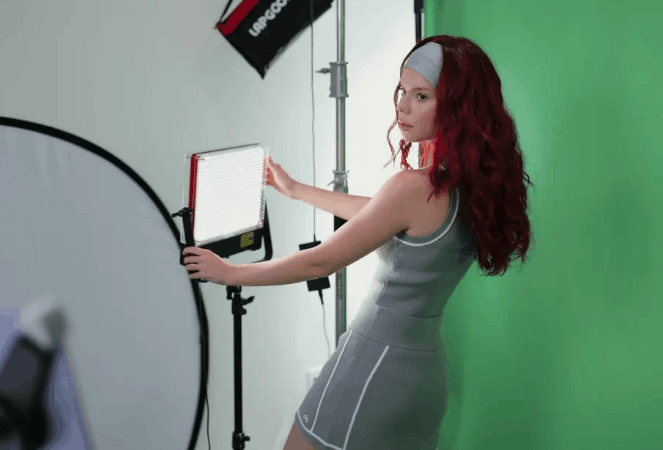
Known to millions as Anastasile, Anastasia Tupitsyna exemplifies this transformation. Rising to prominence through makeup transition videos, she built a global audience entirely online, demonstrating how creators can achieve both celebrity status and commercial power once reserved for traditional media stars.
Anastasia’s recognition is rooted squarely in social platforms. Her influence derives from sustained audience engagement, original storytelling, and creative discipline — not early television exposure or magazine coverage, which increasingly follows digital success rather than leading it.
She has collaborated with brands including Dior, Guerlain, Morphe, and e.l.f. Cosmetics, producing campaigns that go beyond standard influencer placements. These partnerships reflect a broader shift in the creator economy: monetization is increasingly tied to creative ownership, production quality, and audience trust, rather than raw follower counts. For brands, social-first creators offer an integrated content-and-commerce model that traditional advertising struggles to replicate.

The economics of influence have evolved alongside the platforms. Success is now measured through audience retention, engagement depth, and the ability to generate reusable, platform-agnostic content. In an oversaturated market, high-quality production and storytelling have become critical differentiators—allowing creators like Anastasia to command premium pricing while remaining selective about partnerships.
Technical Skill and Creative Control
Unlike many creators who outsource production, Anastasia controls every stage of her content, from scripting and filming to makeup, styling, and editing. With a degree in 3D and visual effects, she applies technical expertise to produce polished, cinematic visuals that stand out in crowded feeds.
“Brands aren’t paying for eyeballs alone,” she notes. “They’re investing in vision, in trust, and in a creative process that feels irreplicable.”
That combination of technical proficiency and creative direction enables consistent, high-level output—an increasingly valuable asset in a market driven by rapid trend cycles.
Audience Metrics and Selectivity
By the numbers, Anastasia commands significant scale, with approximately 4.3 million followers on Instagram and more than 8.8 million on TikTok, where her videos routinely reach millions of views. Yet she limits brand collaborations to roughly four campaigns per month, prioritizing quality over volume. This disciplined approach helps preserve audience trust, deepen brand relationships, and support sustainable long-term monetization.
TV-Ready and Cross-Platform Influence
Social-first creators are increasingly crossing into traditional media. Beauty entrepreneurs such as Huda Kattan, Michelle Phan, and Rachel Zoe have leveraged digital followings into television visibility, while Bobbi Brown and Tyra Banks have expanded their influence through hosting and commentary roles. Charli D’Amelio, meanwhile, offers one of the most prominent examples of this evolution.
After rising to fame on TikTok, Charli competed on — and won — ABC’s Dancing with the Stars, demonstrating that platform-native stars can bring built-in audiences, cultural relevance, and credibility to legacy television. Her success reinforced a growing industry realization: digital creators are no longer novelty casting choices, but viable stars capable of anchoring major entertainment projects.

Anastasia’s trajectory reflects this same crossover potential within beauty. While her content centres on visual storytelling rather than performance, her command of narrative, creative control, and on-camera presence align with what networks increasingly seek in digital-native talent. Platform-first fame is becoming a pathway to broader media opportunities without sacrificing authenticity.
Broader Implications for the Creator Economy
Anastasia’s career underscores the maturation of the creator economy. High-concept, narrative-driven content can simultaneously drive engagement, loyalty, and revenue. Creators today operate as producers, business partners, and cultural contributors—reshaping traditional notions of celebrity.
Her success also highlights a structural shift in how influence is built. Social-first stars achieve relevance through originality, consistency, and trust rather than studio contracts or institutional gatekeepers. Daily engagement converts directly into measurable business outcomes, creating a model designed for longevity.

Looking Ahead
For creators like Anastasia, the next phase lies in longer-form storytelling — branded short films, digital series, and cross-platform projects—while maintaining a careful balance between creative autonomy and commercial alignment.
Her trajectory illustrates a defining truth of modern fame: visibility alone no longer creates celebrity. Creativity, technical skill, audience trust, and business acumen now matter just as much. Social media influencers are not simply the next generation of stars— they are redefining what celebrity means in a digital-first world. And both audiences and the industry are paying attention.
Feature image credit: Anastasia Tupitsyna
By Marc Berman
Find Marc Berman on LinkedIn and X.