Tag

Creative inspiration

Browsing

Created by Uncommon Creative Studio, The Markup Marché is stocked with everyday grocery products relabelled with grossly inflated prices

Skincare advertising is full of products promising ‘magic’ results and ‘medical-grade’ formulas, often dressed up in the kind of glossy branding that’s designed to heighten perceived value. But The Ordinary has spent the last few years doing the opposite, dismantling the industry’s marketing machinery in full public view.

The brand’s recent work with Uncommon Creative Studio has consistently challenged beauty’s reliance on pseudoscience and celebrity culture. Last year’s The Periodic Fable campaign turned skincare buzzwords into a fake periodic table of ‘elements with zero science’, while another activation mocked the economics of celebrity endorsements by revealing how much consumers effectively pay for famous faces in beauty ads.

The Ordinary The Markup Marché group shot
All images: The Ordinary / Uncommon Creative Studio
The Ordinary The Markup Marché toilet roll

Now, The Ordinary are taking aim at another industry bad habit: inflated pricing. Running this month across six cities globally, The Markup Marché is an immersive retail activation that transforms ordinary supermarket goods into absurdly overpriced “luxury” items.

Created once again by Uncommon, the pop-up spaces resemble the kind of minimalist concept store currently dominating luxury culture. But the products quickly reveal the joke. A banana is relabelled as an ‘All-Natural Magical Energy-Boosting Bar’ and priced at $175.90, an avocado becomes a ‘100% Natural Glow-Enhancing Vitality Orb’ retailing for $305.90, while a toilet roll is rebranded as a ‘High-Retention Cleansing Cylinder’ costing $96.20.


According to research cited by the brand, 20% of UK consumers say they would pay up to £20 more for a product described as ‘magic’, while US shoppers are willing to spend 45% more on identical products if the packaging appears more premium. The Markup Marché turns those statistics into a physical metaphor, with shelves, signage and installations unpacking the pricing psychology behind beauty marketing.

Alongside the store itself, visitors can explore interactive elements including a ‘naming department’, where they can generate exaggerated ingredient labels, and The Jargon Bar, which applies skincare-style buzzwords to juices and drinks.

The Ordinary The Markup Marché, Toronto
The Ordinary The Markup Marché receipt

Nils Leonard, co-founder of Uncommon, said: “We wanted to take the codes the beauty industry relies on – language, packaging, presentation – and apply them to the most familiar products possible. When you see those same tactics used on everyday items, it exposes just how powerful and sometimes absurd those signals of value can be.”

The activation launched in Toronto before being rolled out across London, Paris, Melbourne, São Paulo and Mexico City, extending The Ordinary’s increasingly pointed critique of the industry it operates within. In a market saturated with miracle claims and marketing jargon, The Ordinary’s commitment to openness and transparency remains its sharpest point of difference.

uncommon.studio

Sourced from CREATIVE REVIEW


BY LILLY SMITH

Creative inspiration without the workplace ethics violations.

It’s pretty difficult to go outside for creative inspiration right now. So it makes sense that people increasingly turned to Pinterest as a place to organize visual inspo for home décor, crafting, wedding planning, recipes, and a lot more during COVID-19 (Pinterest saw a 13% increase in monthly active users between Q1 and Q2 of 2020, though revenue dropped).

But there could be reason to think twice about using the popular platform. As Fast Company reported in July, two former employees sued Pinterest for pay discrimination based on race and sex, as well as retaliation for reporting it. In August, former COO Francoise Brougher alleged rampant “discrimination, hostile work environment, and misogyny” at the company. The platform may appear wholesome, but working for Pinterest may be a whole different story.

So if you want to put a pause on Pinterest—but not inspiration—here are some alternative tools actually worth pinning.

MIX

[Screenshot: Mix]

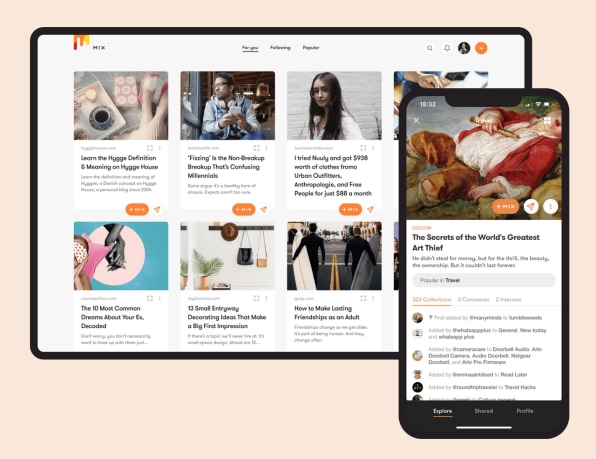
Mix has a grid setup similar to Pinterest, and you can personalize it by selecting categories that interest you, like architecture, arts, DIY, décor, and fitness. Once you’ve created an account, click “mix” to save for later, share to the community, or add to “collections” of your own curated content. 

FANCY

[Screenshot: Fancy]

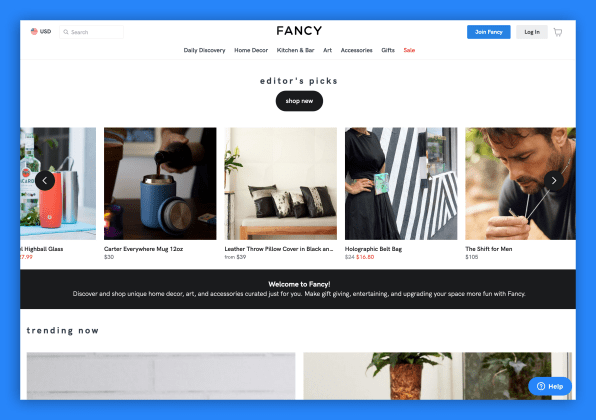
This site is geared toward thoughtfully designed home goods, apparel, and upscale hipster gear you probably don’t need but might impulse buy (does anyone need a “classic leather apron”?). It’s a curated shopping experience by Fancy editors, with the option to “fancy” an item to save for later. In case you really do need to mull that apron over. 

CUT OUT

[Image: Cutouts]

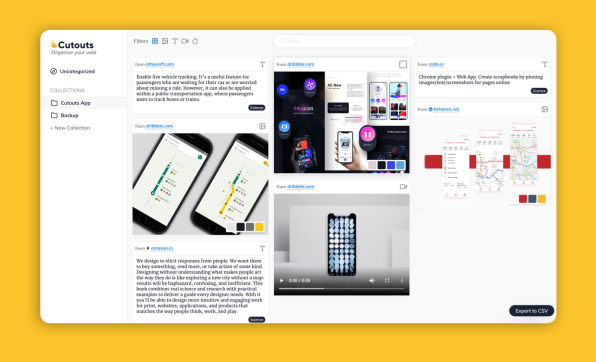
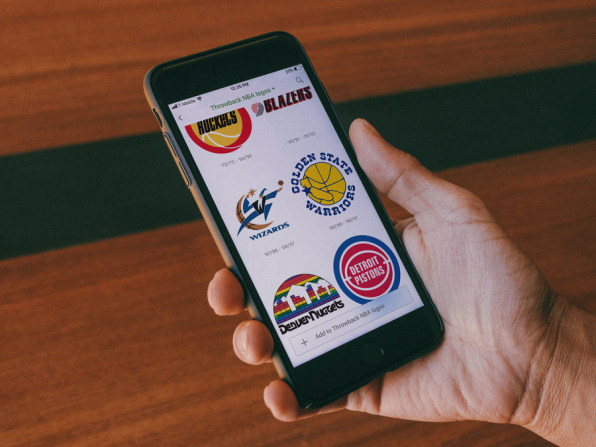
Cut Out is a handy chrome extension that acts like Pinterest but isn’t actually Pinterest. In fact, they literally refer to it as a “Pinterest board for your Clipboard,” so you can clip what find online into your own personal bulletin board. Download the extension in your Google Chrome browser to save and organize images, text, and videos in a super visual grid for reference later. 

ARE.NA

[Photo: Are.na]

Don’t plan to save any wedding or home décor hacks with this platform. Are.na isn’t focused on products, but it’s a great starting point for cerebral, creative design inspiration and connection. Explore posts or “blocks” grouped via curated channels made by fellow users such as the somewhat vague “inspiration” and “memory and matter,” or choose the “random” option to roll the dice and see which posts pop up. They range from photos of a poster’s sketchbook to photography, and a huge array of creative projects in between. If you see something that strikes you, click “connect” to reach out to the person behind the work. Or post something yourself. It’s Pinterest for creators. 

INSTAGRAM

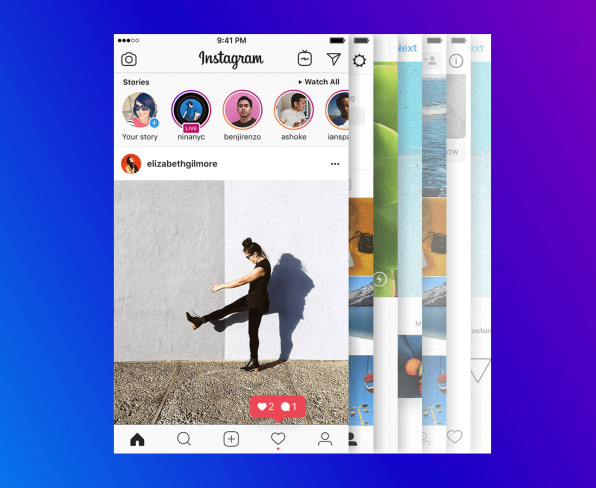
[Image: Instagram]

I know, I know, it’s owned by Facebook, and it has a host of problems of its own. But if you’re already on Instagram, try its bookmark feature. You can save posts you might want to come back to and organize them into folders so they’re available for handy reference by clicking “saved” from the menu in the top right corner of your profile. 

DRIBBLE

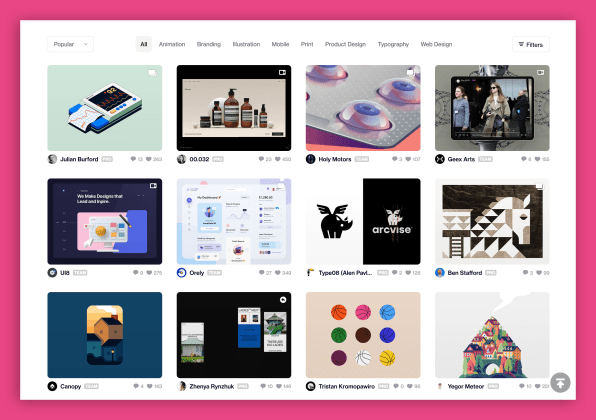
[Image: Dribbble]

Dribbble is like a Pinterest for design nerds. Peruse designer portfolios via subcategories such as animation, branding, or mobile to find creatives you might want to work with (or just for creative inspiration on its own!).

SOME IDEAS JUST FOR CHEFS

A lot of people use Pinterest as a recipe aggregator. But there’s no need to be reliant on that platform alone—there are several great alternatives to save recipes from across the web, like EpicuriousFood52, and Serious Eats, which all have options to favourite and save tasty concoctions to your personal online recipe box. (Keep in mind you can only save recipes to the sites if they come from them, so you’d have to have a few accounts going at once.)

Paprika is a handy app that goes beyond recipe organizing—you can also interact with recipes you save (like crossing off ingredients or bolding text), and you can make meal plans and grocery lists. And with the ability to save recipes from anywhere, it’s probably the most universal option out there for at-home cooks hungry for new culinary ideas. Another option is the Big Oven app, which has similar meal prep and grocery list features, and also has feeds with editor picks and trending recipes. A lot of sites offer capabilities to make your own virtual recipe box.

HACK THE SITES YOU ALREADY USE

While they won’t tick all the boxes of Pinterest’s usability, there are also handy platforms to save combinations of text and images. If you already use Slack for work, try slacking links to yourself for future reference. Note apps like Evernote and Notion are great options too, if the mental bulletin board you have going needs an assist. Pocket is also a great way to save stories to read later. And Miro is another note keeper and project management platform, but it’s great for visual teams and organizing all your images. One colleague in Fast Company‘s art department says, “I really don’t know how the art team would be doing anything without it.”

BY LILLY SMITH

LILLY SMITH IS AN ASSOCIATE EDITOR OF CO.DESIGN. SHE WAS PREVIOUSLY THE EDITOR OF DESIGN OBSERVER, AND A CONTRIBUTING WRITER TO AIGA EYE ON DESIGN.

Sourced from Fast Company