Tag

Social Media

Browsing

Snapchat is over. Influencers are oversaturated. And content is everything.

Those were some of the takeaways from a panel discussion about social media marketing held Tuesday at the FN Platform trade show in Las Vegas.

The participants included Rollie founder and CEO Vince Lebon, Sam Edelman marketing director Lizzi Bickford, Chinese Laundry marketing manager Alle King and Karen Bueno, Blowfish Malibu’s VP of marketing. FN’s women’s editor, Nikara Johns, moderated the conversation.

FN Platform Social Media Panel
(L-R): Karen Bueno, Alle King, Nikara Johns, Vince Lebon and Lizzi Bickford.
CREDIT: Jim K. Decker

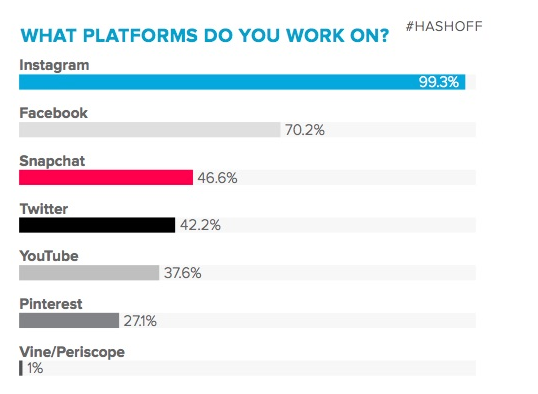
All four executives agreed that the strongest social platforms for brand marketing right now are Facebook and Instagram — particularly Instagram, thanks to its highly visual format.

“With Instagram, we focus on brand awareness and engagement, and there we’re able to build a visual around who the brand is,” said Bueno. “With Facebook, it’s more of a VIP feel, and with those people, they give us their true feelings about [Blowfish Malibu]. That’s been helpful for us in finding out what customers like about the brand and what they don’t.”

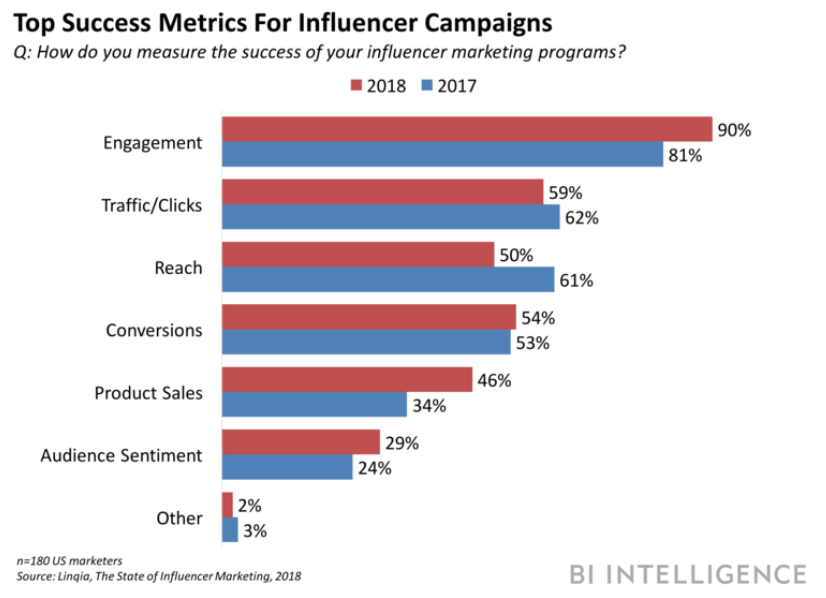
Bickford added that gauging the effectiveness of the programs is twofold: “We measure success through engagement, and conversion is also optimal. We’re seeing a rise year over year of about 170 percent on a swipe or click-to-shop [tool]. Those features have definitely enhanced the platforms for us from a brand side.”

As for platforms that don’t work, the executives said they have all abandoned Snapchat completely and use Twitter sparingly. “The biggest result we’ve had with Twitter is if a celebrity or influencer is wearing our shoes and tweeting about it,” said King. “For me as a consumer, I only pay attention to big people and what they’re saying.”

When it comes to working with online influencers, the marketing experts recommended a careful and strategic approach. “Go in with a plan and make sure you’re aligning with the right people. Influencers are great, but the market has become really saturated,” said Bickford, who noted that she likes to meet — or at least speak with — every influencer who works with the Sam Edelman brand. “I want make sure that we vibe and they understand our messaging.”

King noted that microinfluencers have proved to be highly effective at driving online buzz for Chinese Laundry.

But Blowfish’s Bueno advised always checking the numbers before signing a partner. “Look at the engagement of their followers. They may have 2,000 likes on an Instagram photo but no comments,” she said.

For Rollie, while the label does work with social influencers, Lebon and his wife have become increasingly visible in its marketing. “When I first launched the brand, I tried to keep myself separate. But a brand is not what you say it is; it’s what they say it is,” said Lebon. “We found that people connected with our story. So now we’re putting up more photos of me and my wife, and we’re starting to document us living our bucket list. Because we want to empower our community, and the only way is by living what you say. We’ve become the face of it — not by choice, but it feels honest.”

Overall, the executives stressed that in today’s environment, it’s challenging to keep up with changing technologies and to stand out in a noisy digital landscape. But what is essential is having a strong identity.

“Make sure you have a voice, your tone is consistent, and make sure you have a story to tell,” said Bickford. “People want authenticity and content that they can learn from.”

And in the end, brands also need to be realistic about expectations, explained Lebon. “There’s no quick fix,” he said. “We would look at these big influencers and think, ‘If only we could work with them.’ And then you’d get them, and it wasn’t massive. Accept that and stop chasing. Just work on great content and add value to people’s lives. Instead of looking for that one influencer, create something where everyone you touch is inspired and they retell it and then become your brand advocators.”

FN Platform Social Media Panel
(L-R): Alle King, Karen Bueno, Nikara John, Vince Lebon and Lizzi Bickford.
CREDIT: Jim K. Decker

Sourced from FN

By Danielle Winski 

As we come to the end of summer, consumers are looking ahead to the holiday season, but the upcoming months are more than just pumpkins and holiday decorations. For brands, it’s a time to reflect on what has worked for their business’ content marketing strategy and determine what they need to change for the new year ahead.

As you begin creating your new content marketing plan, it’s the perfect time to expose some of the top industry secrets for successful email, blogging and social media strategies. Keep reading to find out what they are.

5 Email Content Marketing Secrets Exposed

It’s hard to believe that email marketing is frequently overlooked as a valuable content marketing tool for businesses with statistics like:

Sending out an e-newsletter on a regular basis is very important for your company’s overall strategy. In fact, e-newsletters have a return on investment (ROI) of 122 percent. That’s huge! Ready to use email as part of your business’ content marketing strategy? Here are my top-secret insights to create a winning email marketing campaign.

  1. Make the Subject Line a Priority. This is probably one of the most important writing tips! A subject line can make or break your email’s success; in fact, almost a third of recipients open an e-newsletter based on just the subject line. Take the time to really think about the topic of your letter, what would make you want to open an email and incorporate words that boost open and click-through rates like:
  • Alert
  • News
  • Bulletin
  • Daily
  • Weekly
  • Sale
  • New
  • Video

Once you think you have a strong subject line, run it through a headline analyzer, like CoSchedule, to see how it scores. Make adjustments until you get the best possible subject line you can think of.

  1. Include Your Mobile Readers. Is your primary target ages 18-44? Email is the most common activity for smartphone users in this demographic, and the majority of decision-makers check their email from their mobile devices. It’s vital that your e-newsletters are easy to read and are pleasing to the eye on smartphones, tablets and computers.
  2. Keep it Easy to Digest. Speaking of keeping your e-newsletters easy to read, think about their length (this is one of those writing tips that applies to every area of marketing). Remember to keep each e-newsletter easy to digest. Instead of including 7 paragraphs about your latest product, put the details on your website so you can share the most exciting highlights and link to it from your newsletter.
  3. Stick to a Schedule. How often do you send your e-newsletter out? Although a daily distribution is probably too often, you don’t want subscribers to forget about you completely either. Create a schedule and stick to it. I recommend sending at least two distributions a month, making sure to send them approximately the same time every month.
  4. Analytics Are Your Friend. By actually taking the time to look at your open rates and click-throughs, you can determine the best day of the week to send your e-newsletter, in addition to what type of content readers are most interested in.

6 Blogging Content Marketing Secrets Exposed

Follow these six blogging content marketing secrets to take your blog to the next level.

A well-rounded content marketing strategy should also include blogging. As we’ve shared before, updating your business’ blog on a regular basis is incredibly valuable for making your organization visible online (see the statistics in this blog post). While blogging regularly is key, there are a few secrets that will take your blog to the next level; here are six of them.

  1. Quality and Consistency is More Important than Quantity. Even with a staff that can help you write blog posts, updating your website seven days a week requires a LOT of content creation. It’s better to only upload one post per week if you’re consistent – down to the same day of the week and time of day.
  2. Write for Search Engine Optimization (SEO) AND the Reader. SEO is important! But it’s also vital that you write your blog posts with people in mind, not Google’s algorithms.
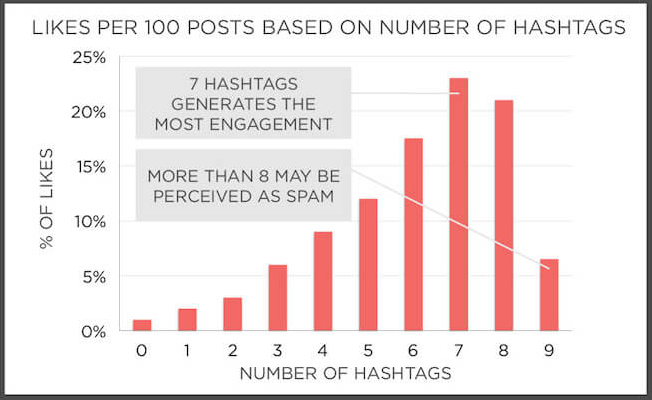
  3. Share the Love. You’ve uploaded a post to your blog. Great! Now what? You can’t let your post sit there and hope that people will find it. You need to take an active approach to gain readers. Share the post on your social media pages, too. Depending on which networks you use, add a few relevant hashtags to make it more visible as well.
  4. Success Takes Time. Don’t be discouraged if your blog isn’t an instant success. It takes time to build a strong following. It can take 18 months to a year to build momentum and start seeing a noticeable return on investment, but if you are patient and diligent you will reap the rewards!
  5. Take Advantage of Your Email Lists. Yes, social media is a great way to share your blog posts, but so is your email newsletter! Your email lists are made up of readers that have opted-in to hear from you, so use it to your advantage. There are many ways you can use your blog posts on your newsletters including teasing an already published post on your site or giving recipients access to an article before it’s live on your main website. Test out different ways to share your blog posts over a few newsletters and see what resonates the best with your audience.
  6. Images and Formatting are Important, Too. As important as words are, the overall appearance of your website and the blog posts on it make a difference. Use high-res images, think about formatting and consider how your site appears to new visitors. This blogging secret should also include the length of your posts. Keep your blog interesting by including a mix of long (1,200-1,500 words) and short (500-800 word) posts which are easy to read and informative.

4 Social Media Content Marketing Secrets Exposed

With these social media content marketing secrets, you’ll make your audience fall in love with your business.

Social media can be a powerful, cost-efficient tool. When developing a social media content marketing strategy it is natural that some mistakes will be made. However, using it the wrong way could have a big negative impact on your business. Here are four social media marketing secrets that will help you avoid making destructive mistakes.

  1. Learn about Your Customer Base. An important social media marketing strategy that some businesses miss is learning about who their customer base is. You can add people to your contact list and get Facebook fans and Twitter followers ‘till you’re blue in the face. However, if you don’t know who they are, those Facebook fans or Twitter followers are useless to your business. You need to make sure you’re engaging with your customer base. Find out who they are and what they’re interested in to convert those fans and followers into solid sales leads.
  2. Each Social Media Platform is Unique. One big mistake many businesses make in their social media content marketing strategy is treating all their social media networks the same. Each social media network is different, has its own language, customers and audience. It’s important to learn how people are communicating and sharing on each site.

Many businesses blast the same exact message at the same time across all their social media networks not realizing that this can come across as fake, impersonal or even spam-like. To avoid this, you need to be strategic when writing and posting. Make sure you are writing different status updates for each social media network. Also, make sure to learn a bit about how your fans and followers are responding to posts on your social media networks. What are people engaging with more? What times are you seeing the most activity? Once you learn these two things, you can better plan your social media updates so your business is getting the most out of every post.

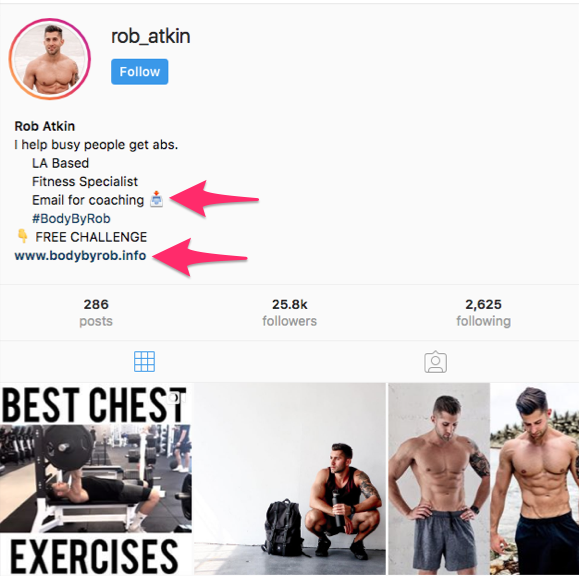
  1. Make Sure Your Social Media Profiles Are Complete. One of the first things new users go to when they check out your social media network is your company’s bio. If you have nothing written in your “about” section or it’s missing your businesses’ location or website, you’re also missing out on a huge social media marketing opportunity. If visitors don’t know what your company does then why should they follow your social media network? Don’t assume people know who you are and what you do. Even big brand names make sure to have their about sections filled out in detail.

Bonus tip: Be creative! Try to make your “about” section intriguing, fun and engaging. If you’re writing your bio and it seems boring, then it is most likely boring to your Facebook fans too. Check out these two company bio sections for some inspiration: bareMinerals and Wendy’s.

  1. Focus on Quality, Not Quantity. Like newsletters and blogging, quality will always be more important than quantity. Many businesses are far too worried about the number of followers and fans they have, but that number doesn’t necessarily translate to sales. The truth is, your business needs to be more worried about the quality of your audience. It’s more valuable for your business to have a hundred highly engaged brand advocates than a thousand followers or fans that never engage with your brand. The goal is to build a strong community of loyal, lifelong consumers who will boast about your company to their friends and family.

With these email, blogging and social media secrets now at your fingertips, you’re ready to take to your content marketing strategy to the next level.

By Danielle Winski 

View full profile ›

Sourced from Business 2 Community

By

When it comes to social media related to auto buying, carmakers should not put too much emphasis on “all the feels” as most demographic groups are looking more for facts.

The days of social as an optional marketing channel are over. Now that social has its rightful place at the table, it is vital to understand where in the funnel social efforts should be targeted, according to Spout Social.

Per its 47-page annual social index, the top consumer content preference is for product information (48%), followed by promotions and deals (46%), education content (18%), news (17%), business updates (12%) and entertaining content (9%). Only 8% want to see “inspirational content” and only 4% want to see content including celebrities or other influencers they follow.

“Consumers want brand awareness and consideration stage content from brands on social,” according to the report. “But 80% of social marketers are hyper-focused on awareness activities, leaving out the consideration piece of the puzzle. The social marketer’s No. 1 challenge is still ROI. Return on investment is the top concern for 55% of social marketers. This makes sense for two reasons: They aren’t meeting the full needs of their social audience with both brand awareness and consideration content and they’re defining ROI incorrectly to begin with.

Facebook remains a dominant force in marketing strategies and consumer behavior. A whopping 97% of social marketers list Facebook as their most used and useful social network, and Instagram blows Snapchat out of the water by social marketer usership and consumer adoption. In fact, 83% of marketers use Instagram and 13% use Snapchat; 51% of consumers use Instagram and 30% use Snapchat.

The automotive industry-specific data provides a pulse on effective social media marketing strategies to note for 2018.

“As marketers, we hear about ROI every single day—and social marketers remain anxious about it,” according to the report. “To truly understand what ROI means in the social marketing industry, and how social marketers are aligning with consumer preferences, we asked more than 2,000 social marketers how they approach structure, goals and content. We asked about their priorities and what they need to do their best work. Then we cross-referenced their reports against what consumers actually want. “

Millennials and Gex X differ in that Millennials prefer inspirational and entertaining content and business updates more than Gex X. Gen X prefer product information and news more than Millennials.

A recent Pew Study differentiated between Millennials (ages 22-37) and Generation X (ages 38-53) and their media consumption patterns. Sprout wanted to see how this differentiation translates to social.

As it turns out, Millennials are twice as likely to use Snapchat as Generation X. Millennials want to see only friends’ content on social 52% more than Gen X Millennials and Gen X prefer the same content from companies: Discounts or sales, posts that showcase products or services and educational posts.

“We found that social is still very much a personal platform,” according to the report. “People spend time on social, first and foremost, to interact with family and friends. As brands put together campaigns and messaging, they must remember that they are guests at dinner, not members of the nuclear family: their role in user feeds is delicate, valuable and should be treated with great care.:

So how can brands disrupt the user experience in the least intrusive and most relevant way? Data shows the answer: with awareness and consideration stage content. Think long-term, not quick fix. Think relationships, not attribution, per Sprout.

“Where there is alignment (is) customer service,” according to the report. “On the front lines with customers and prospects everyday, an overwhelming majority (88%) of social marketers understand the importance of customer service on social; nearly half (45%)
of consumer respondents have reached out to a company on social.”

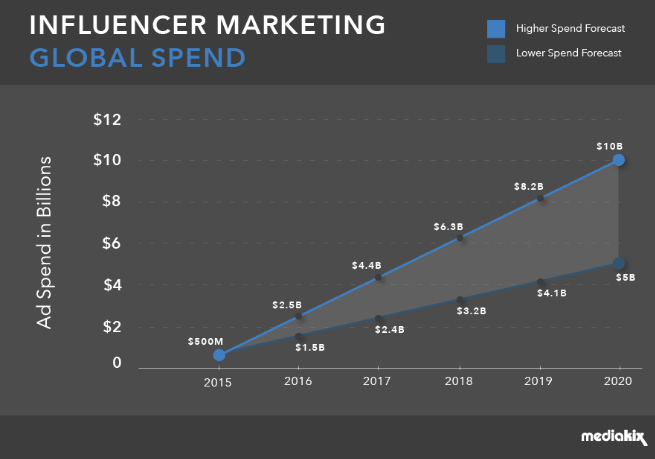
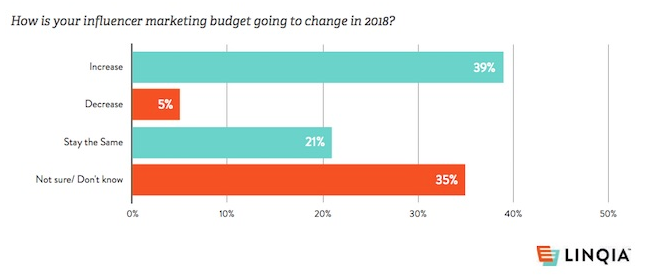
Employee advocacy is the new influencer marketing. Social marketers in 2018 see the value in employee advocacy as a cost-effective, scalable alternative to influencer marketing. Seventy-one percent of social marketers use employees as influencers or advocates today or want to in the future, while only 19% of marketers surveyed had the budget for an influencer program. This shift reflects consumer tastes: 61% of consumers said they would be more likely to research a product or service recommended on social by a friend vs. 36% for influencers/celebrities.

By

Sourced from MediaPost

By Caroline Knorr

Unfortunately, simply cutting off social media isn’t necessarily the answer.

From cyberbullying to FOMO to cruel comments, social media can be a land mine for kids. Issues we parents never had to worry about, such as an intimate photo texted to the entire school or Instagram videos of a birthday party we weren’t invited to, are now a risk for many tweens and teens. With kids’ digital well-being a concern, researchers are exploring potential links between social media and the rise in teen suicide rates, tech addiction, and loss of real-life social skills. And many parents are wondering: Is social media causing my kid to have anxiety?

It’s an important question ― and one that makes for compelling headlines for worried parents. While it’s too early to say with certainty (this is, after all, the first generation of “digital natives”), the reality is somewhat nuanced. Some research has observed a relationship between social media use and anxiety in kids, but it’s difficult to know if and when social media is causing anxiety or whether kids who are anxious are turning to social media as a way to soothe themselves or seek support. How kids use social media matters, too: Social comparison and feedback-seeking behaviors have been associated with depressive symptoms, which often co-occur with anxiety.

Of course, it’s common for kids to feel anxious sometimes. But there’s a big difference between occasional anxiety and an anxiety disorder that requires professional care. If your kid is overly self-conscious, has uncontrollable and unrealistic anxiety, is unable to make it go away, and avoids things, you may want to seek help. (Learn more about anxiety in kids at the Child Mind Institute.) For these kids, social media may act as a trigger for ― though not the root cause of ― their anxious feelings. There are also kids, who, for a variety of reasons, may be more sensitive to the anxiety-producing effects of social media. For example, kids with social anxiety disorder may prefer online interactions over face-to-face interactions. Bottom line: You may not know the impact of social media on your kid until issues surface.

Unfortunately, simply cutting off social media isn’t necessarily the answer. It’s such a huge part of many kids’ lives that not having access to social media could take a toll. In fact, being connected to friends through social media may counterbalance some of its negative effects.

Without conclusive research to back up claims that social media causes anxiety ― and some evidence to show it’s beneficial ― it’s up to you to keep tabs on how your kid’s doing. Though it adds an extra layer to your parenting duties, it’s a good idea to get a good sense of your kid’s online life. Ask kids to give you a tour of their social media world. As they’re showing you around, you might hear some of the positive stuff you weren’t expecting, as well as some of the problem areas your kid could use help with. Also, add social media to the “wellness checks” that you already do. For example, when you ask how they slept and what they ate, ask how they’re feeling about social media. Is it mostly positive, helpful, and supportive, or do they want to step back but aren’t sure how? Here are some more tips for keeping social media a positive for kids:

Encourage self-care. Seeing photos of a trip to the beach your friends didn’t invite you to can really sting. If your kid is super bummed or tired of digital drama, suggest they take a break from social media for a while. In fact, if they post a status update that they’re taking a break, their friends might be very accepting because they’ve had similar feelings.

Help kids put social media in perspective. People post stuff that makes their lives look perfect ― not the homework struggles, or the fight they had with their dad, or the hours it took to look as good as possible for the camera. Remind kids that social media leaves the messy stuff out ― and that everyone has ups and downs.

Encourage offline activities. In a world where kids could spend their days lying around looking at Instagram, it’s doubly important for them to feel as though they’re cultivating their inner lives. Prompt them to balance social media with soul-nourishing activities such as hobbies, exercise, reading, and helping others. Otherwise, what are they going to brag about on social media?

Talk about their feelings. Ask them what it feels like to look at other kids’ feeds. Is there a tipping point from when they feel OK to when they start to feel bad about their own lives? Encourage them to stop before that feeling sets in and do something good for themselves instead.

Let them know you’re there for them. You may not understand everything about your kid’s online social life. But recognizing it’s important to them makes your kid feel valued ― and more likely to come to you when they encounter problems.

Get help. If you see any cause for concern, including mood swings that seem to result from social media, not taking pleasure in activities he or she used to enjoy, and having accompanying symptoms such as headaches and stomachaches, visit your kid’s pediatrician for a professional opinion.

The Child Mind Institute contributed to this article. Learn more at childmind.org.

Feature Image Credit: Photo by Kev Costello, Unsplash

By Caroline Knorr, Common Sense Media

Sourced from HUFFPOST

By Lora Kellogg

As any franchise leader knows, developing and expanding your brand isn’t easy. Traditional methods of franchise development, such as working with franchise brokers and using public relations, can be successful. But they’re much more effective when paired with newer methods, such as digital marketing.

Social media platforms provide great lead generation options for advertising. Consumers already feel comfortable engaging on social platforms, and platforms such as Facebook have lead generation-specific ads that provide outstanding targeting options. Users can submit their information on Facebook or Instagram without having to leave the app or website, which makes the process easier for mobile users and delivers more leads to your franchise development team’s inbox.

Brands with an active social media presence already understand the benefits of social platforms. Users interacting with brands on social media aren’t looking only for promotions and discounts; they also are looking for business opportunities.

Brands hoping to interact with potential franchisees should take note. Leads generated through social media are highly motivated. Here are four ways your franchise can increase leads generated from social media platforms.

1. Increase overall brand awareness

Want more consumer interaction on social media? Start by telling your brand story. Tell customers what your company stands for and what it has to offer through articles, videos, and other posts on social media. Seize this opportunity to introduce your brand to potential franchisees on platforms where they’re already comfortable engaging.

Approximately 68 percent of American adults use Facebook — which towers above adult user statistics for other platforms. YouTube takes second place, with 40 percent of adults using it regularly. Talk to your franchisee candidates on the platform or platforms of their choice.

2. Develop lookalike audiences on Facebook

Facebook engagement reigns supreme among adults on social media platforms, so take advantage. Develop new leads by uploading an existing email leads list and using Facebook to create a target “lookalike” audience based on common characteristics shared by members of your email list.

Similarly, you can develop an audience by examining which people have visited your franchise development website. These potential franchisees have shown a clear interest in your brand and already are being served your remarketing ads. Create a lookalike audience based on these users to find similar leads to add to your remarketing list.

3. Create personas among your target demographic

Even among your target demographic, there are a lot of variations. Millennials, for example, share similarities, but they can be subgrouped into young married people with kids, young married people without kids, single college graduates in their first jobs, and other categories. Develop personas within your preferred demographic to more clearly define your target audiences.

Take inventory of the traits you look for in new franchisees to divide your target demographic into desirable categories, then take advantage of hypertargeted social media ads to talk to each persona differently. Recent college graduates are looking for something different from young married people with children. Provide messaging that forges authentic connections with each persona in your audience.

4. Take advantage of Facebook’s new lead-gen ads

Using Facebook’s hypertargeted lead ads can point your qualified audience members to a landing page. This page should offer relevant gated content in exchange for an email address. The content could include an e-book, webinar, or promotional offer.

Once you have collected this email list of qualified leads, target them with remarketing ads. This list also can be used in an email drip campaign. Despite all of Facebook’s offerings, don’t forget to follow up in real life. Digital platforms can’t replace the personal touch, after all.

Growing a franchise is a challenge every franchisor must meet. But in this digital-first world, social media provides a strong tool for lead generation. Follow these four simple tips to ensure your team is getting the most out of its social endeavors.

By Lora Kellogg

Lora Kellogg is president and CEO of Curious Jane, an ad agency specializing in franchises. With nearly 15 years of experience and a portfolio of top brands, she and her team work with established and emerging franchises to grow sales, increase traffic, build brand awareness, and generate leads.

Sourced from Franchising.com

By 

Don’t put the social media cart before the brand strategy horse.

To excel at social media, you must be a social media expert, right? While this is true in some respects, having narrow social media knowledge can also be limiting. A social media-only focus can actually hold back your social media strategy from reaching its full potential. You are building more than a social media presence — you are building a brand. Social media is not an end unto itself. Vanity metrics — followers and likes — may be early indicators of good content, but the true test of social media is business impact. Management will eventually stop paying for social media activity that doesn’t lead to bottom line action.

Despite the hype, spending on social media has failed to live up to expectations. In 2017, actual social media spending was nearly half of predicted levels. This stems from a continued struggle to show the real impact of social media and to integrate social media with wider marketing strategy. CMO Survey results indicate marketers still rank social media low in its contribution to company performance (46 percent) and low in how well it is integrated with the wider marketing strategy (59 percent). Social media actions, and even plans can exist on their own, but without having an understanding of the larger marketing and business strategy behind them, they could be acting in vain. Are you putting the social media cart before the brand strategy horse?

To help understand how social media fits into the bigger picture of marketing and business, consider the following key questions to help develop a basic brand understanding of your business or organization. The questions emphasize the consumer perspective which is especially important in social media. Answering these questions can help create a broader understanding of a business, its marketing and how social media contributes. They can help you gain more of a branding perspective, speak the language of business and move towards integration and improving ROI.

1. Why does the business exist?

Vision and mission matter to today’s consumers. To make money is not a sustainable answer for customers or employees. What does the company behind the product or service stand for, and where is it headed? This could be a focus on solving a greater problem or spreading a bigger message. Maybe the business supports a cause, community or the environment. Perhaps the mission is simply being the absolute best at something specific.

2. How did the business get started?

A brand’s backstory is important. People buy for rational and emotional reasons that can come from an organization’s origin story. Show the human side of the business starting in a garage, the founders investing their last five dollars or making a childhood dream come true. Perhaps an event put the cause on their heart, or something they couldn’t get as a customer motivated the creation of the company. Even large corporations can benefit by showcasing their humble roots.

3. How does the business measure success?

Business objectives are where the rubber meets the road. All marketing action, including social media, must help support business needs such as sales, average spend, market share, leads, contracts, awareness, customer satisfaction, retention, referrals, volunteer, or donations. To do this, brand building must start with specific objectives clearly defined. Make sure they are SMART:

  • Specific (quantified such as XX percent or $XX)
  • Measurable (data you can access)
  • Achievable (not too high)
  • Relevant (support vision/mission)
  • Timely (deadline like X months or X years)

4. What does the business sell?

Don’t take knowledge of the brand’s products and services for granted. Start by literally listing every product and service offering, lines and versions. But then go further to describe each from the consumer’s perspective. What is the real value to the customer? Turn product and service features into consumer benefits. Then look for gaps in product lines and offerings from the company, but also its competitors. This can uncover key messages to emphasize and may uncover key opportunities for growth.

5. What is happening in the industry?

An industry overview provides valuable context. Is the industry and category growing or declining? What innovations and trends are important? Are there gaps in offerings? What do consumers care about most? What are their pain points, threats and opportunities? What are the consumer’s unmet needs? Once identified, clearly communicate how the brand meets these needs.

6. Who is the business trying to reach?

Be clear on the overall market and ensure you have the right target market. Don’t merely identify everyone who could possibly use the product or service. Focus limited resources on the segment with greatest possibility of return. Narrowly define the group most likely to have the unmet needs the business provides. Be specific with demographic (gender, age, income, education), psychographic (attitudes, values, lifestyle) and behavioral (products used, brand loyalty, usage) bases. Who needs the solutions the brand offers the most?

7. Who else targets this market?

Brands are evaluated by consumers against key competitors. Identify several top competitors by market share and sales in same industry and/or by replacement products and services outside the category. What do you offer that is different? Why should they pick you? With this understanding summarize the main distinctions of the brand.

8. How can you sum up your branding strategy?

Understanding your main message focuses effort, ensures consistency and improves integration. Summarize all the answers above into a positioning statement written to the target market. Boil it all down to a main overall message. What is the essence of what the brand means to the target audience?

Now that you have a larger brand understanding, take that knowledge and apply it to current social media presence and actions. Where is the target market active in social media? Look at social networks, messaging apps, blogs/forums, ratings/reviews and podcasts. Look for ways to leverage geosocial, crowdsourcing, influencer marketing, social care, user generated content and paid social media. Identify the top social platforms for the target and then compare to the current business social media accounts. Do you need to make some adjustments based on the target market?

What about messages and content? Are you talking about the right things based on your products and services, industry and competitors? Look at business objectives. Are you driving to the right places and actions that matter? Are you telling the complete brand story? Don’t miss out on parts of the mission, vision and backstory that could drive consumer action. Finally, ensure that all social media is integrated in message, tone and look with other forms of digital and traditional marketing communication to optimize efforts. It could be a good time to perform a social media audit.

Being a better social media professional can start with improving your business intelligence and gaining a better understanding of overall branding. Having a strong foundation in branding will lead your social media activities in the right business building direction. The latest CMO Survey results indicate that the top use of social media by companies is for brand awareness and brand building. Answering these questions will increase your brand knowledge and help improve your social media strategy.

Feature Image Credit: Kelvin Murray | Getty Images 

By 

Associate professor Messiah College, social & digital marketing expert

Sourced from Entrepreneur Europe

By 

Don’t put the social media cart before the brand strategy horse.

To excel at social media, you must be a social media expert, right? While this is true in some respects, having narrow social media knowledge can also be limiting. A social media-only focus can actually hold back your social media strategy from reaching its full potential. You are building more than a social media presence — you are building a brand. Social media is not an end unto itself. Vanity metrics — followers and likes — may be early indicators of good content, but the true test of social media is business impact. Management will eventually stop paying for social media activity that doesn’t lead to bottom line action.

Despite the hype, spending on social media has failed to live up to expectations. In 2017, actual social media spending was nearly half of predicted levels. This stems from a continued struggle to show the real impact of social media and to integrate social media with wider marketing strategy. CMO Survey results indicate marketers still rank social media low in its contribution to company performance (46 percent) and low in how well it is integrated with the wider marketing strategy (59 percent). Social media actions, and even plans can exist on their own, but without having an understanding of the larger marketing and business strategy behind them, they could be acting in vain. Are you putting the social media cart before the brand strategy horse?

To help understand how social media fits into the bigger picture of marketing and business, consider the following key questions to help develop a basic brand understanding of your business or organization. The questions emphasize the consumer perspective which is especially important in social media. Answering these questions can help create a broader understanding of a business, its marketing and how social media contributes. They can help you gain more of a branding perspective, speak the language of business and move towards integration and improving ROI.

1. Why does the business exist?

Vision and mission matter to today’s consumers. To make money is not a sustainable answer for customers or employees. What does the company behind the product or service stand for, and where is it headed? This could be a focus on solving a greater problem or spreading a bigger message. Maybe the business supports a cause, community or the environment. Perhaps the mission is simply being the absolute best at something specific.

2. How did the business get started?

A brand’s backstory is important. People buy for rational and emotional reasons that can come from an organization’s origin story. Show the human side of the business starting in a garage, the founders investing their last five dollars or making a childhood dream come true. Perhaps an event put the cause on their heart, or something they couldn’t get as a customer motivated the creation of the company. Even large corporations can benefit by showcasing their humble roots.

3. How does the business measure success?

Business objectives are where the rubber meets the road. All marketing action, including social media, must help support business needs such as sales, average spend, market share, leads, contracts, awareness, customer satisfaction, retention, referrals, volunteer, or donations. To do this, brand building must start with specific objectives clearly defined. Make sure they are SMART:

  • Specific (quantified such as XX percent or $XX)
  • Measurable (data you can access)
  • Achievable (not too high)
  • Relevant (support vision/mission)
  • Timely (deadline like X months or X years)

4. What does the business sell?

Don’t take knowledge of the brand’s products and services for granted. Start by literally listing every product and service offering, lines and versions. But then go further to describe each from the consumer’s perspective. What is the real value to the customer? Turn product and service features into consumer benefits. Then look for gaps in product lines and offerings from the company, but also its competitors. This can uncover key messages to emphasize and may uncover key opportunities for growth.

5. What is happening in the industry?

An industry overview provides valuable context. Is the industry and category growing or declining? What innovations and trends are important? Are there gaps in offerings? What do consumers care about most? What are their pain points, threats and opportunities? What are the consumer’s unmet needs? Once identified, clearly communicate how the brand meets these needs.

6. Who is the business trying to reach?

Be clear on the overall market and ensure you have the right target market. Don’t merely identify everyone who could possibly use the product or service. Focus limited resources on the segment with greatest possibility of return. Narrowly define the group most likely to have the unmet needs the business provides. Be specific with demographic (gender, age, income, education), psychographic (attitudes, values, lifestyle) and behavioral (products used, brand loyalty, usage) bases. Who needs the solutions the brand offers the most?

7. Who else targets this market?

Brands are evaluated by consumers against key competitors. Identify several top competitors by market share and sales in same industry and/or by replacement products and services outside the category. What do you offer that is different? Why should they pick you? With this understanding summarize the main distinctions of the brand.

8. How can you sum up your branding strategy?

Understanding your main message focuses effort, ensures consistency and improves integration. Summarize all the answers above into a positioning statement written to the target market. Boil it all down to a main overall message. What is the essence of what the brand means to the target audience?

Now that you have a larger brand understanding, take that knowledge and apply it to current social media presence and actions. Where is the target market active in social media? Look at social networks, messaging apps, blogs/forums, ratings/reviews and podcasts. Look for ways to leverage geosocial, crowdsourcing, influencer marketing, social care, user generated content and paid social media. Identify the top social platforms for the target and then compare to the current business social media accounts. Do you need to make some adjustments based on the target market?

What about messages and content? Are you talking about the right things based on your products and services, industry and competitors? Look at business objectives. Are you driving to the right places and actions that matter? Are you telling the complete brand story? Don’t miss out on parts of the mission, vision and backstory that could drive consumer action. Finally, ensure that all social media is integrated in message, tone and look with other forms of digital and traditional marketing communication to optimize efforts. It could be a good time to perform a social media audit.

Being a better social media professional can start with improving your business intelligence and gaining a better understanding of overall branding. Having a strong foundation in branding will lead your social media activities in the right business building direction. The latest CMO Survey results indicate that the top use of social media by companies is for brand awareness and brand building. Answering these questions will increase your brand knowledge and help improve your social media strategy.

By 

Sourced from Entrepreneur Europe

By 

Contributor Peter Minium explains how connections are formed on social media, the purpose of these connections and how they can be leveraged to win the social media marketing game.

Thousands of years ago, clans gathered around fires to share their day’s experiences and to tell stories that established group norms and shaped social organization. Today, the fire’s embers have been replaced by the glow of internet-connected devices, but the communal exchange of stories and perspectives remains a fundamental force in social development.

From a business standpoint, a few important differences emerge from this evolution. Social media users can now publicly discuss their experiences with brands or products, forming large coalitions of interest that exert vast social pressure on brands and other organizations. From the presidential election to the newest cereal, everything is now a matter of public interest.

The essential principle, however, of shaping our world by sharing stories remains the same. The connections we build with others around us are the infrastructure of social change. Understanding how these connections are formed on social media, the purpose of these connections and how they can be leveraged is foundational to social media marketing.

Understanding social mechanics with game theory

Though the need to participate in social exchange is obvious, it has proved challenging to effectively model how social systems work, especially when considering the impact of new media and technology on societal discourse. Game theory, a mathematical evaluation of competition and cooperation between interested actors, is a promising solution.

Despite what its name may suggest, game theory has little to do with “games” as we might typically think of them. It seeks instead to understand how rational participants, bound by a set of rules, respond to different stimuli. The application of game theory to social media can help us identify the objectives of social media users, and how they work to achieve them.

The “players” of the social media “game” are clearly the users — brands and consumers alike. Brands use social media to reach new customers, build a loyal audience and respond to consumer reviews, while the private social media user wants to keep up with friends, stay current and participate in social conversations about matters large and small.

Gaining powerful allies in the social media status game

Brands and consumers have different objectives, but how they achieve their ends is the same: social influence. All social media users compete for a limited supply of influence, clamoring for their voice to be heard. The mistake that many brands make is to see consumers as targets, or even enemies, instead of the powerful allies they can be.

If brands cooperate with consumers, assisting them in achieving their objectives, both can win the social media game. Above all, this means brands must provide social media users with the tools they need to increase their status, and thereby their influence on the conversation. By doing so, brands can proliferate their messaging and gain the vocal support of a vast audience.

Social status is at the core of every human interaction, and one of our most central drives. Its significance has recently been underlined by the discovery that changes in status are processed by the striatum, the same part of the brain that processes money. Researchers found that an increase in social status triggers a definite and quantifiable neurological reward.

Increasing and measuring status with game mechanics

In conversation, we largely seek to increase our prestige, which can be done in one of three ways:

  • Creating new content.
  • Sharing content.
  • Challenging content.

Each of these adds value to the conversation, introducing a new perspective, supporting, or critiquing an existing perspective, which in turn increases our status.

These avenues are built into most social media platforms, with “likes,” “shares” and “comments” all enabling us to quantifiably assign status to others and evaluate our own. Like points and levels in a video game, these features allow us to measure how popular we are in a community, and our brain rewards us each time we win a point — or punishes us if we lose.

In terms of game theory, these features should be thought of as game mechanics, which leverage our:

  • Desire to accumulate.
  • Preoccupation with social standing.
  • Appreciation of feedback.
  • Interest in connecting.
  • Enjoyment of personalization.

By tapping into deeply embedded psychological drives, these mechanics make social media engaging and rewarding.

Brands help themselves by giving consumers a voice

Each time brands elicit feedback from consumers or release content that is exciting or interesting, they give social media users another opportunity to score social points.  Making a witty comment or sharing a fun video will increase a user’s status in their community. This is clearly a win for the brand, just as much as it is for the consumer.

It is equally important to avoid disapproval as it is to build support. Social media can magnify consumer condemnation as easily as it can bolster approval. Many brands have found themselves the targets of social media callouts when consumers chastise brands for an unsatisfying product, an ill-phrased comment or a poorly timed campaign.

Game mechanics are only part of the picture

The dangers of social media are exemplified in Pepsi’s 2017 ad featuring model Kendall Jenner, which referred to recent protests against police brutality. Though it portrayed Pepsi as a reconciliatory force, bridging the gap between opposing factions through the unifying power of its product, an irate public condemned the ad as tone deaf on social media.

Pepsi’s ad failed for two important reasons. Despite the brand’s intentions, audiences found the ad inauthentic, feeling it did not align with the brand’s purpose. More importantly, the ad did not respect the seriousness of the conflict, whose racial overtones and mortal significance demanded a great degree of sensitivity in the eyes of the public.

A winning application of game theory

In stark contrast, Heineken’s Worlds Apart ad won widespread acclaim the same year. The ad depicted ideologically opposed pairs working together to build a bar, before electing to share a beer and discuss their differences.  Though Heineken’s ad responded to the same social climate and expressed a similar theme of unity, it could not have been more differently received.

It is possible that the public saw beer as a more genuine point of unison over such serious issues, but the real difference lies in Heineken’s treatment of social concerns. Rather than positioning itself as a heroic savior in a trivialized conflict, it showed itself facilitating participants in their individual struggle to have their voice heard and to improve their world.

We can look at Heineken’s ad not only as a case study in sensitive and authentic messaging, but also an effective example of game theory in action. Heineken allied itself with social media users, providing them a platform from which to express themselves. In doing so, it enabled them to become heroes in their own story, winning likes, comments, and shares in their own networks.

Winning the social media marketing game

To win the social media marketing game, brands are increasingly using the behavioral insights offered by game theory to craft effective social media strategies.

While brands and consumers have seemingly different objectives, they share the same drive for social influence. By recognizing this and enabling buyers and prospects to enhance their social status, brands can create a win-win situation for consumers and shareholders alike.

By 

Peter Minnium is President of Ipsos Connect, where he leads the US team in helping companies measure and amplify how media, brands, and consumers connect through compelling content and great communications. Prior to his switch to market research, Peter was Head of Brand Initiatives at the IAB focused on addressing the under-representation of creative brand advertising online.

Sourced from Marketing Land

By

Unilever’s chief marketing and communications officer Keith Weed has commended Twitter for taking steps to eliminate fake accounts on the social platform.

On Wednesday, he tweeted that he is pleased to see Twitter “taking a big stand against the fake followers polluting the digital ecosystem.”

His comments are in response to Twitter’s recent decision to remove locked accounts from follower counts across profiles globally. Twitter locks accounts when it detects sudden changes in account behavior, like tweeting a large volume of unsolicited replies or mentions. Until now, those locked accounts remained in follower counts, but moving forward they will be removed.

“Most people will see a change of four followers or fewer; others with larger follower counts will experience a more significant drop,” wrote Vijaya Gadde, Twitter’s legal, policy, and trust & safety lead, in a blog post. “We understand this may be hard for some, but we believe accuracy and transparency make Twitter a more trusted service for public conversation.”

The move comes one month after Weed expressed his concern over the issue of follower fraud at Cannes Lions. At the festival, Weed said Unilever will no longer work with influencers who buy followers and encouraged the industry as a whole to do more to curb the issue.

“The key to improving the situation is three-fold: cleaning up the influencer ecosystem by removing misleading engagement; making brands and influencers more aware of the use of dishonest practices; and improving transparency from social platforms to help brands measure impact,” Weed said at the time.

Feature Image: Keith Weed

By

Sourced from The Drum

By David Nield

In theory, social media promises to connect you with the world. In practice, it compromises your personal privacy, puts you at risk of online abuse, and makes you unsatisfied and unhappy with your real life. If you’re irritated by Twitter or depressed by Facebook, you don’t have to stick around.

We’ve previously discussed a few methods to help you avoid social media for limited periods of time. When you’re ready to say goodbye for good, it’s time to delete those social apps from your phone—and shut down your accounts entirely. Here’s how to do it, one network at a time.

First steps

Before you start erasing all of your content, you might want to download some or all of it. This will let you preserve a personal copy for posterity. To do this for the biggest social networks—Facebook, Twitter, Instagram, and Snapchat—follow our guide to saving social media posts.

Next, make sure you’re deleting your account for the right reason. If you’re ready to bid farewell to the whirlwind of social media, that’s fine. But if you’re only closing down your current social media account so you can create a new one for a fresh start, hit pause. Your first step should be to check the do-over options the network gives you. On Instagram, for instance, you can change your username without shutting down your existing account. Once you’ve exhausted the existing options, you can move on to deactivating or deleting your account.

Facebook

When you get fed up with Facebook, you have two ways to remove yourself from the giant network: deactivation or deletion.

Let’s start with the less extreme option. If you deactivate your account, it will disappear from Facebook, but you can bring it back at any time: The network retains all of your data, which will be waiting for you if you decide to go back. Simply log in to your account again, and Facebook will reactivate it.

To deactivate your account from a web browser, visit the site and click the drop-down arrow on the top right of the screen. Choose Settings, then General, and look for the Manage account category. Next to it, you should see an Edit option. Click Edit and choose Deactivate your account. Next, Facebook will prompt you for your password and ask you to give a reason for leaving, such as privacy concerns or wasted time. Make your choice, click Deactivate, and you’re done.

You can also deactivate your account through a mobile app. On iOS, open the app and hit the menu button—a grid icon—in the lower right corner. Then tap Settings, Account Settings, General, Manage account, and Deactivate. On Android, you follow the same process, but the menu button looks like three horizontal lines and you can reach Account Settings from the first submenu.

Deactivation is a good way of testing the waters to see if you can live without Facebook. Give it a few months and see how you feel. When you’re ready to say goodbye to your account forever, it’s time to delete it. To do so, you have to visit this page in a web browser and click Delete my account. As far as your friends are concerned, you will disappear immediately. However, Facebook may take up to 90 days to fully erase all of your data. Once you do that, there’s no going back.

Twitter

If you’ve had all you can take of hashtags and tweetstorms, you can deactivate your Twitter account. For a set period, the social network will hang on to your data, but after that, it will permanently get rid of your account.

To get rid of Twitter, you need to visit this page in a web browser and scroll down to the Deactivate your account option. Read the information that Twitter provides, then click Deactivate. You’ll receive a prompt to enter your password and to confirm that yes, you really do want to deactivate your account.

Once you do so, the process of erasing your Twitter presence starts. As far as other users can see, your profile and tweets will vanish immediately. However, Twitter hangs on to your data for a grace period of 30 days (verified users get a full 12 months) to make sure you don’t change your mind. During this time, you can still log back into the site, an act that will restore your profile and all of your tweets from the digital grave.

After that 30- to 365-day period ends, Twitter will officially delete your data and you will lose it forever. So if you repent your decision and decide to return to Twitter, you’ll need to sign up for a brand new account.

Instagram

Nothing instills FOMO quite like your friends’ smug Instagram photos. Remove them from your life by either deactivating or deleting your account.

To deactivate, you have to go through the Instagram website rather than the mobile apps. Log in, click your profile icon on the top right, choose Edit Profile, and select Temporarily disable my account. Once you do that, you have to decide on a reason why you no longer feel the Instagram love—options range from Just need a break to Too many ads. Finally, enter your account password and click Temporarily Disable Account.

Much like Facebook’s deactivation option, this choice will put your account on hold. As far as other users know, your Instagram page is gone, but the social network will hang on to your photos, comments, and other data. Log into the site again, and it will instantly restore your account.

For a more permanent fix, you need to go to the dedicated Delete Your Account page online. Log in, give a reason for your defection, and enter your password. Finally, click Permanently delete my account. This will wipe all traces of your Instagram life from the network’s servers, including the likes and instant messages. If you decide to come back, you’ll have to start again from scratch.

Snapchat

If Snapchat loses its appeal, have your account disappear like the vanishing photos that made the social network a hit.

To do that, you need to open your web browser and head to this page (yes, Snapchat has a website too). Sign into your account if necessary, then enter your username and password again on the subsequent screen. (Why sign in twice? You have to prove that it really is you and express your determination to get rid of Snapchat.) Click Continue, and the process of removing you from Snapchat begins.

From this point on, your friends won’t be able to contact you on Snapchat, but as with Twitter, you get a grace period before permanent deletion occurs. Over the next 30 days, you can decide whether you really do want to depart from the world of Snapchat or not. If you log back into the network before that time is up, your account will reappear and you can carry on as before with the same username and contacts list.

After the 30 days pass, Snapchat will permanently erase your account from its network. To come back from that, you’ll have to start adding friends and collecting Snaps all over again.

Other networks

Although Facebook, Twitter, Instagram, and Snapchat currently dominate the app charts, they’re not the only social networks out there. Still, you can always find the option to close your account.

While these networks will let you delete your account, they won’t always make that option easy to find. So if you get stuck, check the support pages for that network, which should point you in the right direction. (To deactivate Tumblr, for example, you simply scroll down to the bottom of the settings page.) Support pages should also provide details about exactly what happens to your data when you click “delete” and how quickly it disappears from existence.

Feature Image Credit: Ditch your social apps—for good. Rahul Chakraborty via Unsplash

By David Nield

Sourced from Popular Science