You can’t go a step in the advertising and marketing world these days without running into someone’s hot new application of artificial intelligence (AI) technology.
It’s the shiny new object of the moment that has captured our attention, and it’s driving agencies and brands into a mad dash to be first to market.
Admittedly, AI can offer us lots of advantages and innovations, and I gladly acknowledge that it’s important for the future of business. However, just like when we raced to be the first to launch branded NFTs, hurriedly adopted social media once it started exploding, or rushed to get our web pages up in the mid-1990s, I fear we’re pushing forward without much of a plan.
Instead of focusing immediately on the kind of technology, channel, or tactic we’re using, let’s take a quick breath and remember why we’re doing what we do. Because whenever I have a conversation with a C-suite executive or business owner, they’re only focused on two things:
Growing revenue and market share
Defending revenue and market share
In our eagerness to show expertise and forward thinking, we too often forget a simple truth: No matter how much the technology or media changes, the fundamentals of achieving business goals and creating positive customer experiences do not. So, no matter how cool a new technology may seem, it accomplishes little if we don’t consider whether it improves the customer’s perception and purchase-readiness for the brand.
ALWAYS APPLY YOUR MARKETING BASICS
Over the last century, the basics of marketing have changed very little—because they work. We have a core set of tools that allow us to create awareness, generate sales, and create advocacy. We call it the customer lifecycle. And it clearly defines where the customer is in their relationship with a brand, guiding us to the next reasonable interaction with them.
Whether we’re talking radio, TV, digital, mobile, out of home, or any media you can think of, the fundamentals remain true. For every marketing challenge, we first look at where the customer is in the lifecycle, we determine which media is best for reaching them, and then we send out an appropriate marketing message.
The hype around AI would seem to suggest that it reinvents this process—that somehow AI can be applied in every use case and every situation. Let me assure you, it doesn’t and it shouldn’t.
AI provides executional advantages. Sending out more personalized messages, enhancing response time on customer requests, or generating creativity in the blink of an eye are amazing features. But these advantages become meaningless if your system sends out an invasively personal email at the wrong point in the lifecycle.
We always need to know why we’re using a media or technology each time we apply it. Because the customer matters and we need to follow their lead to know why, when, and how they would like to receive communications from us.
AVOID SOLUTIONS THAT DON’T SERVE YOUR CUSTOMERS
Some of the biggest advantages of new martech and adtech solutions come down to efficiency and cost savings. AI in particular is lauded for its ability to simplify complex tasks and make the workplace more productive.
The trouble is we’re kidding ourselves if we believe that our internal efficiency positively impacts the customer’s experience in any perceivable way. It certainly doesn’t contribute to growing sales, that’s for sure. It simply dehumanizes consumer interactions for the sake of cost cutting.
On the surface, a faster response time might be able to improve the customer experience when contacting a brand, and a more personalized message that’s timed perfectly may better inspire a customer to respond. However, when most AI today can’t even pass a Turing test, why would we entrust our entire customer pipeline to its flawed reasoning?
Again, the basics apply here. We are in the business of serving customers in marketing. Assuming this is true, we need to always measure our solutions against the lens of: Is this serving my customers and improving their experience as I try to meet my company’s goals? If not, we need to question the usefulness of the tactic.
EVOLVE THE RULES RATHER THAN JUST BREAKING THEM
Shiny new things are great fun. I get it. They allow us to push the boundaries of what’s possible and evolve the marketing world in interesting ways. But we need to embrace the basics first. The rules are there for good reason, and if we break them all without any consideration to why they were there in the first place, we may find ourselves doing more harm than good to our brands and our customer relationships.
Tim Ringel is a cofounder and global CEO of Meet The People.
Without sounding too ‘Been there, done that’ – when it comes to live stream events – we were early adopters at Asos.
During my time leading the social media team there, we ran an earlier iteration of this e-commerce revolution. Albeit a little scrappier than what we’re seeing now.
Ours included live and interactive Twitter competitions. Yes, remember Twitter?
We also coordinated live virtual games of Pass the Parcel and Take Me Out (although the latter was a total disaster!) on our social media platforms. But that was then, and in the seven years since, live events have evolved into something altogether slicker, cooler and oh-so profitable. So much so that Coresight Research predicts that by the end of this year, sales from livestream events will reach $32bn, and by 2026, will account for over 5% of total e-commerce sales.
Huge.
This contrasts sharply with a retail environment that feels more than a little flat. We’re hearing of super low conversation rates of around 1-2% and basket abandon rates of 90%. People are not finding what they want online. And if they do, about 20-30% return them afterward. But then there are live shopping events. The unicorn of e-commerce. A bastion of hope for brands and influencers.
Although it might seem gimmicky – may I refer you to my team’s earlier experiments at Asos – livestream shopping actually solves a significant customer problem. Although convenient, shopping online can feel boring, impersonal and wholly functional. There’s none of the human access and interaction that stores and social platforms can offer, and in the case of beauty in particular, none of the tailored advice those hallowed beauty counters provide. It’s all just transactional.
This is why we’ve seen so many brands and creators pivot in recent years. To take everything they’ve learned from their social media presence – and combine it with products they really know and believe in. The result is a new e-commerce revenue channel that feels engaging and interactive, like social, but sells products at speed and scale. The result is livestreaming.
So, what do I mean by livestreaming? I mean video content hosted on social media platforms like TikTok Live and Instagram Live or on a brand’s website. Presented by a personality, the content will usually be themed around a trend, product launch, seasonal moment etc. (think of it like a campaign), and when the presenter mentions certain products, the platform will show the product on screen. It will be easily-shoppable for viewers. Chat functionality allows viewers to ask questions in real-time to make their shopping experience feel even more tailored and special.
The success stories are rolling in thick and fast. In one week this summer, make-up artist and brand owner Mitchell Halliday earned $2m selling his Made by Mitchell (MBM) mystery bundles live on TikTok. Flash sales are nothing new in retail. But the power of his personality, the entertainment of not knowing what bundle a customer would get, the unboxing videos that followed, and his deep understanding of his followers and products made his flash sales feel entirely new.
But social media platforms don’t have a monopoly on providing this service to brands and creators. Most of them have lagged behind D2C e-commerce sites. In the UK, beauty brands like Pai Skincare have led the way. Mostly presented by the brand’s founder, Sarah Brown – it has gone live with 65 live shows since 2020, which, like Made by Mitchell’s, now live under a ‘Watch ’tab on its website. And just like MBM, it is being presented by a charismatic personality that embodies the brand and knows everything there is to know about the products – because it created them. That makes them totally authentic and, more importantly, unflappable during a live show. No question could derail them; no accidental deleting of a script would be an issue. And that’s why it works. In fact, by 2021, 10% of Pai’s online revenue was generated by live shopping. And its conversion rate from livestreamed shows? A staggering 17%.
The tech that enables live streaming is getting better and better, too. Third-party providers like Wonder.live or Bambuser – whose livestream shopping clients include fashion brands like Adidas, Stella McCartney, Net-A-Porter, Fendi and Farfetch – boast four times higher engagement than Instagram, three times longer session time than traditional e-commerce and ten times higher conversion.
There’s no longer the need to question whether the Western markets are ready for livestreaming; it is time to test, learn, go live and sell.
In this article, get ideas for your next LinkedIn carousel from different creators plus best practices to make this engaging format easy to produce.
LinkedIn carousels are a great content format for many reasons. First, the LinkedIn algorithm prioritizes this content format, probably thanks to the visual appeal and subsequent engagement. Much like Instagram carousels, they tend to be very appealing because they differentiate from the other types of content you might come across on your feed.
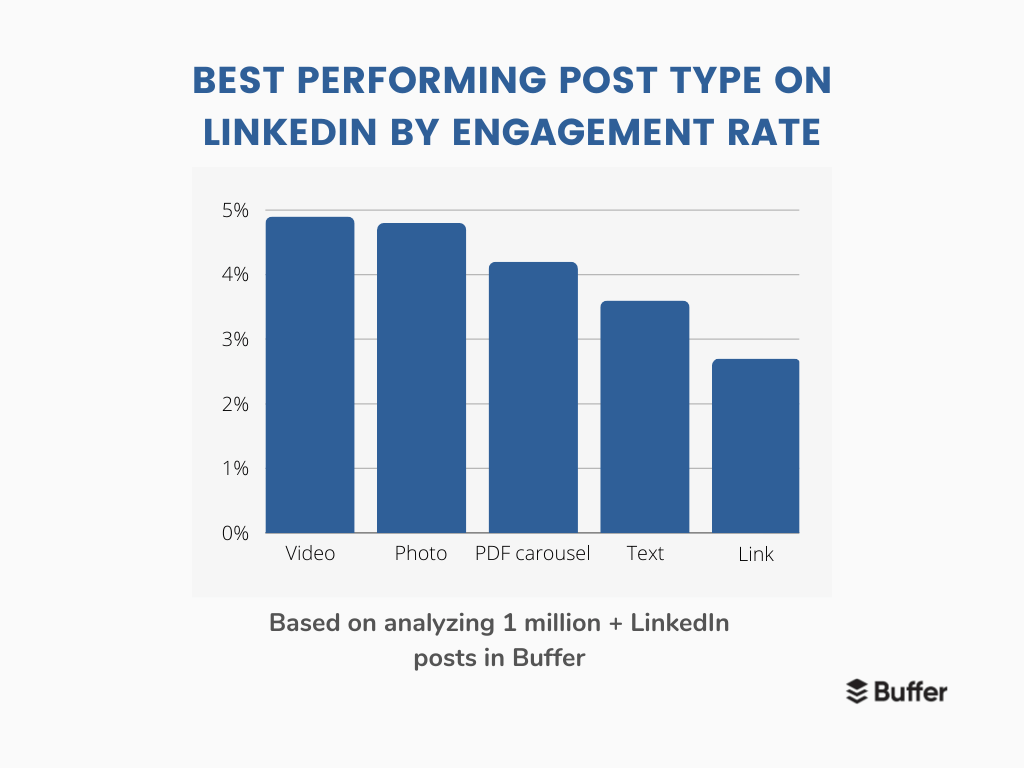
They also tend to perform quite well – I’ve only posted a few, but they tend to be one of my top-performing formats, a win for my personal branding efforts. And according to our internal data, they have the third-highest engagement rate after video and photo posts at 4.2 percent.
However, I’ll also be the first to admit that they can be difficult to work with, especially if your design skills are sorely limited. Thanks to tools like Canva (and our handy guide to creating and scheduling this format in Buffer), that hurdle is less difficult to climb – until you reach the next one: idea generation.
So, in this article, I’ll give you some ideas for your next carousel from different creators and share some best practices to make this engaging format easier than ever to produce.
1. Share news related to your industry
Keeping your audience informed about the latest industry news not only positions you as a knowledgeable source but also provides value to your followers.
Here are two creators who have mastered the art of sharing industry news through LinkedIn carousels:
Girl Power Marketing uses a distinct tone of voice and visual branding to share important social media updates.
Why this works: The carousel is visually appealing, and the information is presented in a concise, easy-to-understand format. This makes it easy for the audience to stay informed about the latest trends and changes in the social media landscape.
Pretty Little Marketer shares their favourite marketing moments of the year in a visually engaging carousel.
Why this works: By highlighting key campaigns and explaining their effectiveness, they provide valuable insights and learnings for her audience. The carousel is not only informative but also invites engagement by asking the audience to share their own favorite marketing moments.
2. Share company culture and employee highlights
Showcase your company’s culture, values, and team members through a carousel. This can help build brand awareness, humanize your brand, and build trust with your audience. For instance, you could create a carousel featuring employee spotlights or behind-the-scenes glimpses of your office.
Beehiiv uses LinkedIn carousels to welcome new hires. In this post, they introduce two new employees, sharing their roles and expressing excitement about their joining the team.
Why this works: This approach works because it not only introduces new team members but also gives a sense of the company’s growth and global reach. It creates a sense of community and shows that the company values its employees. This can help to attract potential employees and customers who value a strong, inclusive company culture.
Deel, an international company, uses LinkedIn carousels to highlight individual employees. In this post, they spotlight David Alejandro Lira, expressing their excitement about having him on board and hinting at his potential future influence.
Why this works: This approach works because it puts a face to the company, making it more relatable and human. It also shows that the company values its employees and their individual contributions. This can help to build trust with potential employees and customers, who may be more likely to engage with a company that values its people.
3. Give step-by-step instructions and advice
Use carousels to provide step-by-step instructions or guides. This can be useful for sharing how-to content, tutorials, or tips. For example, you could create a carousel that walks users through setting up a specific software or tool.
Jay Clouse shares a guide to posting over the holiday season. He provides a step-by-step approach to repurposing content and scheduling posts.
Why this works: This approach provides actionable tips clearly and concisely. The step-by-step format makes it easy for the audience to follow along and implement the advice. Additionally, the timely nature of the content (posting over the holiday season) makes it particularly relevant and useful for the audience.
Alex shares five things everyone should know about strategy. He breaks down complex strategic concepts into easily digestible points.
Why this works: This approach simplifies complex ideas (strategy) into easily understandable points. The use of a numbered list helps to structure the content and guide the reader through the key points. This makes the content more accessible and engaging, helping the audience to better understand and apply the concepts.
4. Share interesting information and facts
Sharing interesting facts, trivia, or insights related to your industry or niche can position you as a thought leader and engage your audience. For instance, you could create a carousel highlighting little-known facts about your industry.
Mad Over Marketing shares an interesting fact about how Heinz is fighting ketchup fraud with a genius hack, ‘The Label of Truth.’
Why this works: This approach works because it shares an intriguing story about a well-known brand, which can capture the audience’s attention. The post also highlights the brand’s innovation and customer-centric thinking, which can inspire other businesses and marketers. The information is presented in a fun and engaging way, making it more likely to be shared and remembered by the audience.
Verneri Brander shares a comparison between Claude AI and ChatGPT for email marketing. He provides insights into how these AI tools can be used to create effective email marketing campaigns.
Why this works: This approach works because it provides valuable insights into a trending topic (AI in email marketing). The post not only shares information but also provides a practical application, making it more useful for the audience. By sharing his experiences and opinions, Verneri adds a personal touch to the post, making it more relatable and engaging.
5. Turn complex data and ideas into easily digestible frames
Transforming complex data or information into visually appealing slides is an excellent way to make your content more accessible and engaging.
For example, you could create a carousel that breaks down a complex topic or showcases key statistics to help your audience better understand and retain the information.
Here are some creators who excel at turning complex data and ideas into easily digestible frames:
Why this works: Josue’s carousel effectively breaks down his content system into simple, actionable steps. The clean and consistent visuals make it easy for the audience to follow along and understand the process.
Why this works: Chase’s carousel highlights three design principles from an eye-catching ad. The carousel itself is visually appealing, with clear and concise explanations that make it easy for the audience to grasp the concepts and apply them to their own marketing efforts.
Why this works: Erica’s carousel focuses on the importance of parallelism in writing. By using clear examples and explanations, she helps her audience understand the concept and how to apply it to their own writing. The visuals are simple and consistent, making the content easy to digest.
6. Showcase your products or services
Use carousels to showcase your products or services in a visually appealing way. By highlighting different features, benefits, or use cases with each slide, you can demonstrate how your product solves a specific problem for your target audience. For example, you could create a carousel demonstrating how your product solves a specific problem for your target audience.
Jens Joseph Mannanal, Co-founder & COO at Passionfroot, shares a case study of how Superhuman, one of the biggest and fastest-growing AI newsletters globally, leverages Passionfroot to streamline their workflow and sponsorship process.
Why this works: This approach works because it provides a real-world example of how the product (Passionfroot) solves a specific problem (inefficient and inconvenient ways of organizing sponsorships and tracking payments). The post also includes a testimonial, which adds credibility and shows the product’s value. The carousel format allows for a detailed breakdown of the problem, solution, and results, making the case study easy to follow and understand.
Remote, a company that provides solutions for global employment, shares information about hiring talent in Portugal. The post highlights their services, such as visa sponsorship and standard onboarding processes.
such as visa sponsorship and standard onboarding processes.
Why this works: This approach works because it provides valuable information related to the company’s services. By addressing potential challenges (like visa applications and health checks) and explaining how their services can help, Remote positions itself as a solution provider. This makes the content more accessible and engaging, helping the audience to better understand the services offered by Remote.
7. Create zero-click content from your existing media
Zero-click content offers valuable, standalone insights or engaging material without users needing to click on a link.
While clicking might provide additional information, it’s not required for users to gain value from the content. Here are some examples of great zero-click content pulled from existing media.
We shared tips on creating content pillars for social media platforms, providing a clear and organized framework for content creation.
Why this works: This approach offers valuable insights and advice directly within the carousel without requiring users to read the whole article. The content is concise, visually appealing, and easy to understand, making it more likely to be shared and remembered by the audience.
SparkToro shares research findings on how much web traffic social networks send without correct attribution, shedding light on the undercounting of social media and word-of-mouth referral traffic.
Why this works: This approach presents intriguing research findings directly within the carousel, making it easy for users to grasp the key points without clicking a link. The content is informative and thought-provoking, which can help position SparkToro as a thought leader and engage its audience.
8. Share collaborative content
Elevate your content by embracing the power of collaboration. Collaborative content not only provides a fresh perspective to your audience but also expands your reach by tapping into the networks of your collaborators. This strategy can be particularly effective on platforms like LinkedIn, where professional networks intersect and overlap.
In this post, Ryan Musselman collaborates with Richard van der Blom to share insights on how to create a LinkedIn banner that positions you as an expert and attracts your ideal customers. The post provides a clear, step-by-step guide, complete with examples and ideas for incorporating social proof into your LinkedIn banner.
Why this works: This approach works because it combines the expertise of two thought leaders, providing a comprehensive guide that is both practical and actionable. By collaborating with Richard, Ryan can offer his audience a fresh perspective and additional insights. The post encourages engagement by inviting the audience to follow and support Richard’s content. This not only provides value to Ryan’s audience but also helps to expand Richard’s reach, creating a win-win situation for both parties.
In this post, Thinkific promotes a webinar featuring Jon Youshaei, a top creator and educator.
Why this works: This post works because it offers direct value to Thinkific’s audience, who are likely interested in the topic of conversation. By bringing in an expert like Youshaei, Thinkific can provide high-quality, relevant content to its audience. Furthermore, the promise of a special offer creates an additional incentive for viewers to attend the webinar.
9. Sharing thought leadership or how-to content
Share your expertise and knowledge through carousels that provide valuable insights, tips, or advice. This can help establish you as an authority in your field and attract new followers. For instance, you could create a carousel that offers tips for improving productivity or shares insights on industry trends.
Why this works: The post combines personal storytelling with educational content. Lara’s story resonates with her audience, and her SLAY framework provides actionable advice that others can apply to their own LinkedIn strategies
Why this works: Sam’s post empowers the audience to share their own experiences and learnings rather than conforming to generic content norms. It also promotes the idea that LinkedIn can be a platform for genuine connections and personal growth, not just business transactions.
Why this works: This post works because it challenges conventional wisdom and offers a fresh perspective on content creation.
10. Highlight members of your audience or community
Highlighting members of your audience or community is a powerful strategy to foster engagement and build a sense of belonging.
Passionfroot showcases the work of various creators in their “Creator Gallery.” This not only highlights the creators’ specialties but also provides them with potential sponsorship opportunities.
Why this works: By showcasing the creators that are part of its clientele, Passionfroot is not only promoting their work but also building a sense of community. This strategy can lead to increased engagement, as creators feel recognized and valued, and it can also attract new creators to the platform.
Klaviyo has built a thriving community where users and partners can learn, grow, and share tips on enhancing their ecommerce businesses. They encourage active participation and even suggest that members search the community for answers before starting a new thread.
Why this works: This approach not only fosters a sense of community but also positions Klaviyo as a valuable resource hub. It encourages peer-to-peer learning and engagement, which can lead to increased customer loyalty and brand advocacy.
ConvertKit highlights how Allea Grummert navigates the challenge of recommending other creators without shifting her audience’s attention away from her own work.
Why this works: This approach provides valuable insights to other creators and fosters a sense of community. It also positions ConvertKit as a thought leader in the creator economy, offering practical advice and solutions to common challenges.
11. Share micro interviews
Micro interviews are a concise and engaging way to share insights from industry experts or thought leaders. These bite-sized interviews can provide valuable information to your audience in a digestible format, making them ideal for platforms like LinkedIn, where users often consume content on the go.
In this post, Eddie Shleyner, founder of VeryGoodCopy.com, shares a 165-word “Micro-Interview” with copywriter, creative director, and author Cameron Day. The interview is concise, with clear questions and answers, providing valuable insights without wasting the audience’s time
Why this works: This approach provides valuable insights in a concise and engaging format. The micro-interview format respects the audience’s time, making it more likely for them to engage with the content. Additionally, by featuring an industry expert, Eddie can provide his audience with unique insights and perspectives, further enhancing the value of his content.
Best practices to consider when creating LinkedIn carousel posts
Creating a LinkedIn carousel that stands out and engages your audience requires a blend of creativity, strategy, and attention to detail.
We’re not afraid to defer to the expert, and no one has more LinkedIn expertise than Richard van der Blom, an expert LinkedIn consultant. He shared some best practices for LinkedIn carousels that are immensely valuable, which we’ve incorporated into the following list.
Structure your carousel for easy consumption: Aim for around 12 slides, with 25-50 words per slide and 500 characters to keep your content digestible and maintain audience interest.
Tell a story: Use your carousel to take the reader on a journey, whether sharing insights, presenting a case study, or explaining a concept. This storytelling approach helps to engage your audience and make your content memorable.
Include a clear call-to-action (CTA): What do you want your audience to do after viewing your carousel? Whether it’s visiting your website, signing up for a newsletter, or downloading a resource, make sure to include a clear and compelling CTA.
Maintain consistent visual branding: Design your carousels with your brand’s colors, fonts, and style to create a cohesive and recognizable look. This consistency helps to reinforce your brand identity and make your content stand out in the feed.
Optimize for mobile viewing: Since many LinkedIn users access the platform on their mobile devices, ensure your text is large enough to read and your visuals are clear on smaller screens. This will improve the user experience and increase engagement.
There are also a few common threads across the examples we’ve shared that can help you improve your LinkedIn carousels. The most successful carousels:
Distill necessary information for their audience into a digestible and fun-to-read format.
Distinct branding and visuals that stay consistent week over week.
Does the work for the audience by pulling from different sources for one cohesive piece of content.
Transforms complex data and information into easily digestible frames.
As you explore these ideas, remember to create carousel content that’s engaging, visually appealing, and relevant to your audience.
The ‘Shark Tank’ investor and serial entrepreneur says he stopped advertising on X months ago. The writing was on the wall.
X, the social media company formerly known as Twitter, made headlines recently as advertisers have left in droves. Many have blamed the mass exodus on the actions of X’s owner, Elon Musk, along with companies’ unwillingness to be associated with the X brand.
“I spend about 2 million [dollars] a month on social/digital buys with my 40-plus companies,” O’Leary explained. “But nine weeks ago, we stopped investing in Twitter. Only because it wasn’t giving us good CAC, customer acquisition cost numbers, and ROAS, return on advertising spend. So those numbers were the worst of all the platforms.”
He continued, “I would put money to work if they could fix this mess. I don’t know what to say. It’s not working.”
It’s not working.
With those three words, O’Leary sums up why he left advertising on X, and it has nothing to do with Musk or the controversial issues he’s been dealing with. In fact, O’Leary said he’s “agnostic” to the controversial issues, and that his goal is simply to “put money to work where it returns customers.” He also said he has “high hopes for Elon to fix it.”
There’s a deeper lesson to extract here, one that could be valuable not only to X, but also to you and your business. And it has to do, not with X’s advertisers, but with its customers.
The reason behind the reason
It’s important to recognize that O’Leary isn’t the only one to say X isn’t providing enough return on investment.
So, what’s the problem? Why aren’t ads on X providing the return companies like Walmart and those owned by O’Leary are looking for?
Well, it may be a temporary problem. But it’s also important to realize that the X audience and user experience is much different from that offered on other social media platforms.
Since Musk’s takeover of Twitter over a year ago, and the subsequent rebranding to X, the platform has become much darker–literally and figuratively. The logo and branding send emotional signals of “extreme” and “edgy.” Even Grok, the A.I. chatbot that Musk is billing as a direct competitor to ChatGPT and which is already being made available to X Premium Plus subscribers, has gained notoriety for its ability to use vulgar language.
This positioning is much different from that of Facebook, Instagram, and TikTok. Although those companies have their own problems, they are generally considered “family-friendly” and “mainstream”–at least by their users.
And herein lies the problem: X’s positioning limits the potential audience that mainstream advertisers hope to reach on the platform.
Maybe it’s true that the majority of advertisers who have left X did so because of disalignment with Musk and his company’s policies. But their decision to leave becomes an easy one if their ads are getting better performance on other platforms anyway.
Of course, Musk has repeatedly stated that his goals for Twitter/X are to completely transform the platform. He wants X to be an everything app, where users come not only for conversation and entertainment, but also to do their banking and other financial activities. If he succeeds at creating a new product type that people actually use, the loss of advertising dollars may no longer be so important.
But we’re a long way from that. And if X continues to push users and advertisers away, it’s questionable whether it will survive the interim.
So, what’s the lesson for you as a business owner?
If you’re considering a rebrand of your business, remember that the changes you make will have an emotional impact on your customers. Those decisions will have far-reaching consequences–some intentional, others not. So, take your time to think things through, and make sure the message you’re sending continues to be one that resonates with your target audience.
Of course, it’s very possible Musk anticipated many of these consequences, and he’s willing to live with them. But it appears that many of his company’s advertisers aren’t.
4 reasons why mascots are still alive and kicking, and 2 drawbacks to using a mascot in your brand.
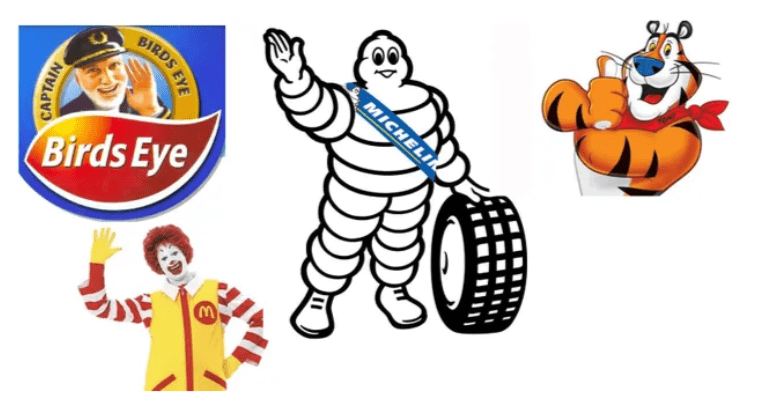
Over the years, a common design choice for companies has been to incorporate mascots into their logos – think of Michelin’s Michelin Man or KFC’s Colonel Sanders. Even companies that don’t have mascots in their logos themselves use them as part of their branding, like McDonald’s with Ronald McDonald and Kellogg’s with Tony the Tiger. And, of course, sports teams around the world have mascots, which they’ll bring on the field whenever they play.
But with the ubiquity of minimalist design and brands relying much more heavily on social media than they used to, is the age of the mascot over? And will they still work in 2024? Here, we take a look at some of the benefits and drawbacks to brand mascots when thinking about how to design a logo or a brand system.
If all this talk of mascots spurs you on to create your own, then you may find a good place to start is by playing around with one of the best free logo makers.
THE BENEFITS OF MASCOTS
01. They offer recognisability and familiarity
(Image credit: Michelin)
One of the main advantages of mascots is that they’re instantly familiar and recognisable, and eye-catching too. And, they encourage brand loyalty from people who grew up with the brand.
RECOMMENDED VIDEOS FOR YOU…
0 seconds of 1 minute, 28 secondsVolume 0%
PLAY SOUND
Take the Michelin Man logo. He’s one of the world’s oldest trademarks still actively used, having been introduced in 1894. And he’s one of the world’s most recognisable mascots too, as he’s used to represent Michelin in over 150 countries. Your parents know the Michelin Man, and so do your kids.
You probably wouldn’t think a tire company would have one of the world’s most recognisable logos, but it does. And that’s a testament to the company’s marketing – and the enduring popularity of the Michelin Man.
02. They break language barriers
We live in a world that’s getting smaller, and many of the biggest companies operate all over the planet.
This isn’t always easy, with language barriers posing a challenge. This can be a problem if, for example, you’re a British or American company branching out into places where English isn’t spoken by many.
Consider KFC. The fried chicken behemoths began life in the US, but now boast over 25,000 restaurants in over 145 countries and territories worldwide, from North America and Western Europe to East Africa and South Asia.
But you don’t need to speak any English at all to recognise Colonel Sanders, KFC’s iconic founder – who’s become the mascot. You don’t even need to see and understand ‘KFC’ to understand that, when you see the depiction of Sanders, you’re approaching the most famous fried chicken eatery in the world.
03. They’re attractive to children
(Image credit: Kellogg’s)
Many companies use mascots to target a young audience. Even children who can’t read yet might be attracted to a friendly face, be it a clown, a mythical creature, or an animal.
Kellogg’s Tony the Tiger is one of a number of Kellogg’s mascots, and is most often associated with their Frosties cereal, while Kellogg’s also has Coco the Monkey on their Coco Pops and the gnomes Snap, Crackle and Pop on Rice Krispies. Tony is fun and friendly, and many British adults can remember getting swimming badges and certificates sponsored by Kellogg’s, complete with Tony on the front, as children.
On the other side of things, however, a brand changing its image to one that’s more mature or adult-oriented may retire its mascot.
04. They can provide a sense of comfort
(Image credit: Birds Eye)
Some mascots provide a sense of comfort or nostalgia. Birds Eye, who specialise in frozen food, have Captain Birdseye (also known as Captain Iglo) as their mascot. He’s most often portrayed as a kindly old sailor – a sort of grandfatherly figure – and he’s been the company’s mascot since the 1960s.
Likewise, there’s Aunt Bessie, who appears in the logo for – you guessed it – Aunt Bessie’s. Aunt Bessie’s produces food items associated with classic, hearty British cuisine: frozen Yorkshire puddings, roast potatoes, jam roly-poly, apple pie. The logo hasn’t changed much over the years, and it lends itself to the idea of a small family business selling comforting British food.
However, mascots like these can sometimes be the source of controversy. Breakfast brand Aunt Jemima underwent a rebrand in 2020 after people accused the brand of racism for basing the Aunt Jemima mascot on the ‘mammy’ stereotype of African-American women. Likewise, the Uncle Ben’s brand of rice and related products, featuring an elderly African-American man, changed its name to Ben’s Original, minus its mascot, that same year.
THE DRAWBACKS OF MASCOTS
01. There have been ethical concerns
(Image credit: McDonald’s)
In today’s more socially conscious world, there have been ethical concerns around some mascots – like those targeted to children,
Ronald McDonald is one of the world’s most famous mascots, and he represents one of the most famous companies. McDonald’s even created the fictional world of McDonaldland and gave him friends like the Hamburglar, Grimace and Mayor McCheese. And then there are Ronald McDonald Houses, where the parents of ill children in hospitals nearby can stay.
But it’s not all been rosy, McDonald’s has been criticised for trying to target children with a clown mascot due to their food being unhealthy. In 2011, over 500 doctors and healthcare professionals took out a newspaper advert to urge the company to retire him.
02. They don’t work on social media
Do mascots still have a function in the age of social media? Companies today are savvy, and realise that more complex or detailed logos don’t lend themselves well to smaller screens like those on smartphones.
Mascots often have quite complex designs – certainly more so than basic symbols and lettering, so they can put brands at a disadvantage in the digital world. Therefore, it wouldn’t be a surprise to see more tech-focused brands, or those aimed at young adults, doing away with mascots.
So are brand mascots still relevant in 2024? Certainly, for some brands and companies, mascots may still be effective next year. But there’s a definite need to keep things fresh and to reflect both modern-day social and cultural attitudes and our digital, global world. Though it’s difficult to see the likes of the Michelin Man and Colonel Sanders going anywhere any time soon.
Adam is a freelance journalist covering culture and lifestyle, with over five years’ of experience and a Master’s degree in Magazine Journalism from Cardiff University. He’s previously written for publications including The Guardian, The Independent, Vice and Dazed, and was Senior Editor at DogTime.com from 2022 to 2023. When he’s not writing, he’s probably drinking coffee, listening to live music, or tinkering with his Apple devices.
The value of PR extends beyond immediate numbers, emphasizing long-term brand reputation and loyalty, which ultimately contribute to sustained business success.
Should PR serve the purpose of boosting sales along with other strategies? This question has long been a subject of discussion among business experts. While PR professionals traditionally focus on brand awareness, reputation and media exposure, business owners want to see these factors reflected in increased revenue.
PR is an invaluable tool that becomes an integral part of many business processes, from shaping consumer perceptions to influencing people’s purchasing decisions. Although PR emphasizes brand image and visibility first and foremost, its ripple effect extends to consumer behaviour, which ultimately translates into increased sales figures for businesses.
In this article, you’ll learn how PR can positively influence sales when implemented as a long-term strategy and get tips on maximizing this effect.
Perceive PR as part of the business ecosystem
PR is part of a larger chain reaction in your company. Product quality, marketing strategies and customer service all shape the image and value of a business, and PR can amplify their impact through media storytelling. In other words, don’t expect PR to create a strong brand narrative out of nothing. Build it into the fabric of your company’s culture, values, and actions. PR is most effective when it aligns with the authentic identity of your brand, highlighting and amplifying the inherent strengths that already exist within your business.
To leverage this ecosystem, you need to encourage your sales, marketing, and other specialists to use PR as an extra asset in their work.
Make sales reps and PR professionals work together
Incorporating PR into sales will boost the effect of the former by highlighting brand credibility. It leads to enhanced customer confidence and increased conversion rates.
Here’s what sales managers can do in conjunction with PR:
Provide potential customers with a media list that reflects the company’s recognition and reputation as an industry leader;
Use media publications to create branded presentations that align with the overarching brand narrative;
Browse publications for comments and identify potential leads among commenters, etc.
This collaboration works wonders. PR itself doesn’t have immediate ROI because it takes time to build a solid brand reputation and boost the SERP ratings of your web pages. However, sales managers can leverage PR’s groundwork right away in their strategies.
Marry PR to marketing
PR and marketing have essentially the same goal – to attract and retain customers and drive business growth. That’s why it’s only natural that the two should work in tandem.
While marketing can quickly and powerfully impact sales, PR is a long-term game. Luckily, marketing managers can tap into PR to make it instantly valuable and important for sales growth. For instance, marketers can:
Use PR insights for targeted ad and marketing campaigns. PR-generated data, such as media coverage analytics or customer feedback obtained through PR efforts, helps marketers refine and adjust their strategies. This information can help tailor marketing campaigns to cater to the audience’s preferences and trends observed in PR engagements.
Enhance influencer collaborations. PR experts know how to find celebrities and influencers to endorse your brand and expose it to their followers and fans. Marketers can work with PR to identify the best potential collaborators, initiate contact, and score a great deal to boost your product promotion, leading to more sales.
Choose the right media outlets to generate quality leads
Don’t go random when you want to secure publications about your business in media. Selecting the appropriate outlets is crucial for generating high-quality leads through PR strategies. Choose the media that resonates with your niche and target audience — this way, your message will reach the right demographics.
For instance, if your product caters to tech-savvy consumers, collaborations with tech review websites or guest features in relevant industry online magazines can yield valuable leads. These leads can then be further nurtured through engaging content tailored to the specific audience’s interests and pain points. Tech-savvy consumers often seek in-depth information and insights, so providing them with detailed guides or informative articles that bring real value. The leads will associate this value with your brand and be more likely to turn into paying customers.
Engage in industry events to communicate with your target audience directly
PR is not just about media engagement. Active participation in industry events provides a direct line of communication between a business and the target audience. This creates fruitful opportunities for lead generation and reputation building.
Have a PR specialist you work with track relevant industry events and pick those that will best align with your brand’s goals and target audience. It may be trade shows, conferences, or exhibitions that allow brands to engage with potential customers face-to-face, showcasing products or services in a personalized manner.
For instance, hosting a booth at a beauty expo enables cosmetic companies to offer live demonstrations and active engagement with attendees. This exposure translates into potential leads and increased sales prospects.
Last but not least: Don’t chase (just) numbers
Remember: PR is not directly responsible for sales. It deals with building relationships, enhancing brand perception, and shaping public opinion. While sales metrics are important, PR primarily focuses on fostering trust, credibility, and goodwill among stakeholders.
The value of PR extends beyond immediate numbers, emphasizing long-term brand reputation and loyalty, which ultimately contribute to sustained business success. Prioritizing meaningful connections and a positive brand image over solely chasing numerical metrics allows PR efforts to lay a solid foundation for future growth.
If you want to track the specific metrics pertinent to PR campaigns and their impact, pay attention to:
Media impressions. Measure audience reach through media coverage
Sentiment analysis. Assess public perception (positive, negative, neutral)
Website traffic. Monitor increased visits due to PR efforts
Lead generation. Measure leads attributed to the campaign
If all these metrics demonstrate positive trends, you can be sure that PR is working in your favour and contributing to sales growth, even if this correlation is not immediately obvious.
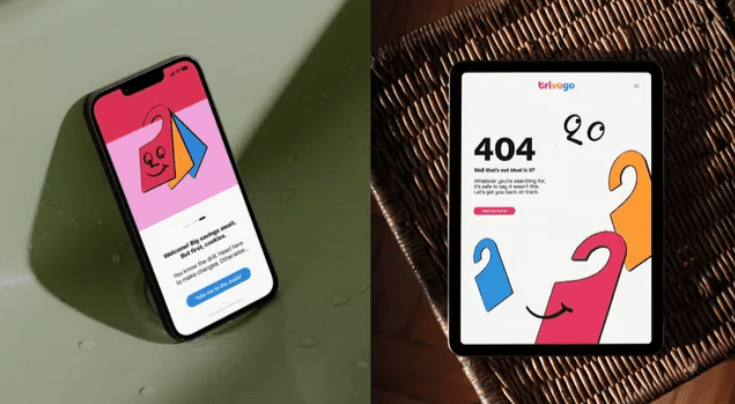
Hotel booking service Trivago has unveiled a brand new visual identity, complete with a new wordmark, a cute illustrated mascot and a bold new illustrative style. Also at the centre of the refresh is what Trivago calls a “first of its kind” AI-driven ad campaign.
The new look is delightfully friendly, right down to the smiley door hanger mascot and the new wordmark’s clever incorporation of a checkmark (“representing how easy it is to find a hotel that suits your needs”). The graphic design work here is top notch, so it’s a little bizarre that Trivago has chosen to dedicate so much precious press release space to the aforementioned AI ads – arguably the least visually striking aspect of the campaign.
Designed by DesignStudio, the new visual identity is centred around the new tagline, “Search savvy. Feel super.” According to the studio, “the witty and characterful nature of the brand is brought to life through playful hand-drawn illustrations, created in partnership with Niceshit. The illustrative scenes are inspired by the trivago persona, Hank – a simple yet lovable door-hanger character.”
“Our goal was to create a simple design system that heroes our warm & witty tone of voice,” shares Diane Dear, senior designer at DesignStudio. “Hank can play a key role in this by welcoming and guiding users through the customer journey.”
Meet Hank (Image credit: Trivago)
In an age of flat, monochromatic, sans-serif wordmarks, it’s refreshing to see such a fun and playful visual identity. But this is also the age of AI, which explains why the brand has also decided to make a song and dance of its new “first-of-its-kind” ads. Anyone worried about AI taking jobs, look away now: the ads use AI to translate a single actor’s dialogue into various languages, removing the need for various actors. “The spot is an evolution of the Mr. Trivago or Mr. and Mrs. Trivago spots that in the past had 20 spokespeople and 35 productions,” Trivago CEO Johannes Thomas told Skift. “The beauty now in leveraging AI is to have one actor in one production, and being able to cut production times in half.” You can view two different versions of the ad below.
But AI-powered translations aren’t anything particular new, and the ads themselves are missing most of the fun of the new visual identity itself. Instead of this slightly dead-behind-the-eyes actor (perhaps showing little emotion to make the AI translation job easier) couldn’t we have had lovely old Hank? Instead we have a somewhat generic-looking ad that, unless the viewer chooses to watch in its various translations, does little to belie the supposedly revolutionary artificial intelligence at play.
Still, that doesn’t detract from DesignStudio’s brilliant rebrand. Like Burger King’s sizzling new look in 2021, this is a personality-filled delight. With mascot logos seemingly on the decline, we’ll be hang(er)ing our hopes on Hank for a comeback.
Daniel John is Senior News Editor at Creative Bloq. He reports on the worlds of art, design, branding and lifestyle tech (which often translates to tech made by Apple). He joined in 2020 after working in copywriting and digital marketing with brands including ITV, NBC, Channel 4 and more.
The American Dream has always been about chasing success and making a better life for yourself and your loved ones.
And these days, it seems that many people are chasing the dream of making money on YouTube and becoming a successful YouTuber.
YouTube can be a lucrative platform for creators, with many YouTubers earning significant amounts of money from their channels.
Mr. Beast, whose real name is Jimmy Donaldson, is practically a household name YouTuber who has made tens of millions of dollars from his YouTube presence. Examples of other successful YouTubers who have made significant earnings include PewDiePie, who reportedly earned $15 million in 2019; Shane Dawson, who earned $30 million in 2019; and Ryan Kaji, who earned $26 million in 2020. Some lifestyle YouTubers are making over $10,000 a month building meaningful content on their channels.
Additionally, there are several case studies that demonstrate how much money can be made from YouTube. For example, the channel “Casey Neistat” had over 10 million subscribers and was able to earn over $12 million in a year just from YouTube ads, sponsorships and merchandise. Another example is Jenna Marbles, who has made over $30 million from her videos alone, plus additional revenue from merchandise and sponsorships.
These examples show that it is possible to make significant amounts of money from YouTube through advertising, sponsorships, and merchandise sales.
How are people using AI to make money on YouTube?
With the help of AI, the dream of making money on YouTube and becoming a successful YouTuber is becoming more accessible than ever before.
There are many AI tools that can help you create and publish videos designed to go viral, optimizing video content for maximum engagement, monetize video content through affiliate links and identify influencers who can promote your products or services to a large audience. AI can also automate the creation of video content and predict which video content will be successful, saving you time and increasing the efficiency of your video production process.
So, if you have always dreamed of making a living by creating and sharing videos on YouTube, now is the time to chase that dream with the help of AI.
It’s worth noting that YouTubers can greatly increase their revenue depending on the niche, audience, and engagement. Some niches are more valuable than others. For example, the ad earnings for a channel focused on personal finance or cooking might be more than one focused on video games or general sports news.
However, with the help of AI, creators can optimize their content, monetize their channel and use predictive analytics to make informed decisions about their content and strategies. Overall, YouTube can be a highly profitable platform for creators, but it requires a significant investment of time and effort to build a large and engaged audience.
There are several ways that people are using AI to focus on maximizing their earnings on YouTube.
Creating and publishing original video ideas
Original content is important on YouTube. To monetize, your video must be fully original and not plagiarize. This starts with the building blocks for your video, the script. You can use AI to generate the script and narration for your videos, which can be used to create viral videos that are designed to capture the attention of your audience.
For an 8-minute long video – the sweet spot for monetization – you can use these tools to help create a script that’s about 2000 words
Actionable example: Use WriteSonic,Jasper , or Rytr to write a voice over script for your YouTube videos.
Text-to-speech
AI-powered text-to-speech tools can help you generate the script and narration for your videos. These tools can use natural language processing to create human-like speech, making it easier to create engaging and high-quality videos.
One way AI can help is by using natural language processing (NLP) to generate scripts that are engaging and high-quality. This can be done by using AI-powered text-to-speech tools, which can generate scripts by analysing large amounts of data and identifying patterns in language.
Additionally, by analysing the performance of their videos, AI can help YouTubers optimize the script by identifying which elements of the script are more likely to engage the viewers, such as the tone, the pacing, the humour and the emotional appeals.
Actionable example: Use Synthesia orMurf AIto create an audio file of your script to use as a voiceover in your YouTube videos.
Optimizing video content
The most time consuming part of making YouTube videos is the editing process. Simply put, you can rush perfection. You can use AI to analyse the performance of your videos and make adjustments to improve their reach and engagement. This can help increase the number of views and likes on your videos, which can lead to more monetization opportunities.
Actionable example: Use In Video to make your video more visually engaging. Use Designs.AI to optimize the visual assets of your channels. Use Glasp to highlight key information in your YouTube videos for compelling summaries and descriptions.
Monetizing video content
You can use AI to identify products or services that would be relevant to your audience and then include affiliate links in your videos. This can help you earn money by promoting other people’s products or services to your audience.
Actionable example: Use ChatGTP to generate affiliate and sponsorship ideas. Use Surfer SEO to optimize search traffic for your video.
Automating content creation
You can use AI to automate the creation of video content, such as by using AI to generate captions, thumbnails, and titles for your videos. This can help save time and increase the efficiency of your video production process.
If you’re looking for innovative ways to generate AI-based images, Shutterstock just launched an AI feature in their Creative Flow online design platform. Harnessing the power of OpenAI and Dall-E 2, subscribers can create images based on text prompts.
Example: Use Pictory or Synthesia to make AI generated videos from text or Cutout.Pro to make compelling thumbnails for your videos.
Influencer marketing
You can use AI to identify influencers in your niche who can promote your products or services to a large audience. This can help increase your reach and bring more customers to your business.
Actionable example: Use ChatGTP to brainstorm strategic influencers – both macro and micro – on a video topic.
Predictive analytics
Prediction engines help creators understand how a video might perform based on previous success. You can use AI to predict which video content will be successful and which won’t, and to optimize your video content accordingly. This can help increase the chances that a larger audience will see your videos, resulting in more monetization opportunities.
Actionable example: Use vidIQ to identify and optimize your YouTube channel to grow your viewership and audience.
Contributing editor at Wealth Gang. An entrepreneur at heart, he’s passionate about meaningful ways to leverage technology and social media for business opportunities and side hustles.
The future is AI-driven, trust-centric dialogue between brands and consumers
The generative AI race is well underway, and we’re already seeing applications in advertising and marketing for creative ideation and development.
This includes one of the key pillars of digital advertising—search. As consumers, we have grown accustomed to being overwhelmed with ads and information in search engines, while being underwhelmed by experiences and results from brands on their own sites.
In the last six months, the breadth and pace of innovation has been intense. Google has had more core updates and helpful content updates targeting potential misuses of gen AI. At the same time, they’ve expanded their own use of their Search Generative Experience, which is constantly improving and prompting important debates in the SEO community. Microsoft’s Bing has expanded its partnership with OpenAI, and CEO Satya Nadella’s annual shareholder letter could have been called the “Copilot chronicle” expansion. This doesn’t even cover the mind-blowing expansion of image generation and other advancements over this same period of time.
Brands must recalibrate their approach to harness the potential of these emerging technologies. Gen AI is revolutionizing online search experiences with three pivotal shifts every brand should keenly understand.
Dialogue over monologue
For over 25 years, people have become accustomed to using shorthand when searching for something online. Searching in keywords is a skill that grows increasingly complex as the amount of available online content skyrockets, and by using more keywords in each query, people have attempted to find more precise or helpful information. This is often termed the “long tail” of search and has also caused a gap between how people normally speak with how they search online.
For instance, if someone’s ankle is hurting, they might type into a search engine, “ankle pain lower heel.” Today, this kind of search will usually return a list of monologues, such as nearby orthopedic surgeons or conditions where pain could be indicative of something serious. Alternatively, conversational AI is now able to begin a dialogue, perhaps by asking basic questions like, “How long has your ankle been hurting?” Instead of just trying to rank with SEO for a string of keywords, gen AI will enable marketers to help people refine their concerns or questions through natural, humanized conversations.
For marketers, these dialogues will drive massive changes in their quest for personalization. With conversational AI as the interface, consumers can share exactly what they want to share, and brands can focus on great responses instead of suboptimal guesses. Once consumers become more comfortable with engaging in a dialogue, the days of creepy targeted ads and invasions of consumer privacy will be over. When a consumer freely offers details on what they seek and why, the brand can leverage that zero-party data to personalize their experience. Trust is built through dialogues, not infinite monologues algorithmically ranked in search engine results.
Most importantly, these AI-driven dialogues open unprecedented opportunities for brands to engage each person individually. AI-powered discussions will meet every consumer where they are in terms of their language, reading level, cadence and more—an entirely new level of cognitive accessibility.
Offers, not ads
The future of AI-powered conversations points to sweeping changes in brands’ approach to advertising. Today, significant portions of ad budgets are spent on merely defending objective search questions in top search engines: “What time does [brand] store open?” “Does [brand] have [service] available near me?” These types of questions often require defensive ad expenditure, even though the question is clearly for a particular brand. But competitors bid on these brand terms and similar keywords to try to disintermediate the consumer from their brand.
Instead of defending their brand, marketers will be able to shift from ads to offers with gen AI. 90% of consumers find targeted ads intrusive and annoying—often to the point of depleting the consumer experience. However, if a consumer has a trusted dialogue with a brand, sharing only the information necessary to get the answers they need, then brands can deliver truly individualized offers. For example, a consumer planning a trip could engage with a resort directly by first indicating interest in visiting, and the resort could ask questions such as what dates the consumer wants to travel and who they’ll be traveling with. After gathering specific information, the resort is well-equipped to share offers such as activity and room discounts relevant to the consumer and what they’re looking for.
Where in that exchange is an ad appropriate? Never. Conversations like these build trust and enable the brand to customize an offer that meets the needs of that individual customer. This is the future of offer-based interactions, directly controlled by a dialogue with the customer.
Moving from privacy-invasive ad models to trust-centric dialogue models will take time. But for objective questions—which often directly precede conversion and purchase decisions—brands will utilize gen AI aggressively to take back the consumer dialogue from centralized search systems that seek to monetize ad spend.
Subjective data over objective data
Gen AI’s transformation of search starts with a massive surge of AI or AI-human output. The internet is about to see infinite content growth that will clog classic, centralized search or force it to reconsider its algorithms. This is somewhat inevitable, as marketing monologues are still necessary to attract traffic. Despite cries of resistance from SEO strategists, the use of gen AI to create billions of relatively useless blog posts is well underway.
With infinite content comes infinite subjectivity and misinformation. However, objective facts about a singular business will only come directly from that business or brand. For instance, when a consumer searches “What time does Wendy’s open?” they don’t want to see irrelevant answers (or ads) from 10 other restaurants. Wendy’s should be known as the authority on this type of objective question, and a competitor shouldn’t spend ad money on these types of scenarios.
Compare this to subjective questions, where both ads and centralized search have inherent value. With searches like “best burgers near me,” there is a genuine benefit for centralized search systems. The issue here, however, is that gen AI will cause such an explosion in subjective content that major search engines will need to carefully prioritize how to answer these questions. Reviews and digital opinions already suffer from inauthenticity, but the next wave of AI-generated subjective content will be impossible to prevent.
Once consumers become more familiar with objective search benefits, gen AI dialogue will create opportunities for brands to have honest conversations and find out what consumers want. A dialogue (through search and chat) powered by gen AI and authoritative knowledge graphs of information is the best way to get started.
Tech savviness has long been critical for marketers to succeed. And while gen AI’s impact on the industry is just beginning, now is the time for marketers to better understand how it affects and will affect search and chat. By embracing the opportunities AI creates—trust-centric dialogues and personalized offers based on objective data—marketers have more opportunities to personalize their campaigns and build deeper, more trusted relationships with their customers.
Companies pivoted away from weird names in 2023, but some made questionable decisions to walk away from established branding built up over decades.
Making a good first impression with potential customers is critical for any business, and your brand name has a lot to do with that. Still, choosing a name can be an underappreciated aspect of branding.
That’s according to Justin Angle, a marketing professor at the University of Montana, who points out that few touch points on the customer journey are as meaningful as the initial introduction to the brand itself. “The name of the brand is often the first thing that the customer–or potential customer at that point–encounters, so it’s a critical part of the puzzle,” Angle says.
The names founders choose for their companies often reflect the broader culture at the time, and 2023 was no exception. Fordham University professor Dawn Lerman, who researches how language impacts consumers as they evaluate and choose brands, says 2023 marked a pivot away from weirder names and a return to normalcy. For years, startups, particularly in the technology sector, embraced disemvoweled brand names like Tumblr, Flickr, and Mud/Wtr out of necessity to avoid existing trademarks, and as a way to communicate that the company offered something unique and innovative. But over this past year, Lerman says, brand names have instead tended to be shorter, straightforward, and actual words.
“Consumers are looking for some stability in their lives at a time when there is economic trouble, social trouble, political trouble, cultural trouble, you name it,” says Lerman. “Having a brand name that is more simple, that communicates what it offers, I think is a reaction to that.”
Here are some of the brand names that resonated with consumers over the past year–and some that missed the mark.
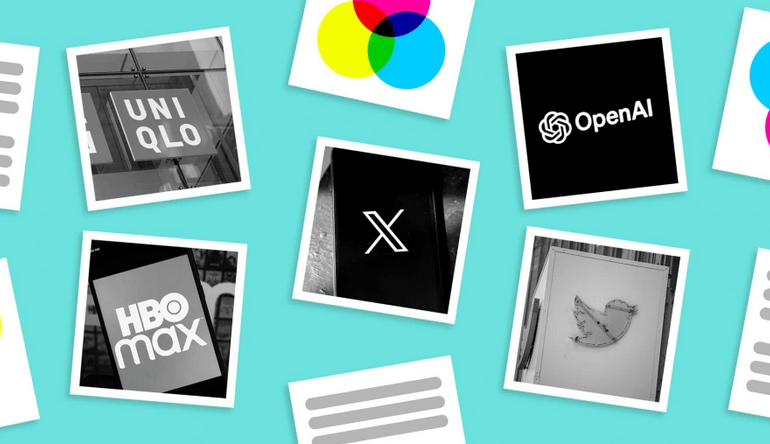
OpenAI
OpenAI, which has dominated headlines over the last 12 months with its launch of ChatGPT and the board’s short-lived ouster of CEO Sam Altman, uses its name as a direct nod to the open-source nature of the company’s technology.“It’s a great example of a tech company that put a very simple name out there that tells us consumers, the world, what they’re all about,” says Lerman.
The name also represents broader trends in our use of language, according to University of Calgary marketing professor Ruth Pogacar, who studies how linguistics can impact brand perception and consumer choice. “Names beginning with vowels are having a resurgence perhaps with both people and brands,” she says. Think Swiss athletic brand On, supplement company Athletic Greens, and buy-now-pay-later business Afterpay, as well as iconic brands such as Adidas, Amazon, Apple, and Instagram.
Shein and Uniqlo
While OpenAI leaned into an adjective that best described the company’s ethos, two of the most successful clothing companies over the past year have names that don’t convey much of anything about their brands. They are not even English words. Still, that hasn’t deterred American consumers. Gen Z favourite fast-fashion brands Uniqlo, whose Japanese parent company reported record net profits of $1.99 billion for the fiscal year ending August 31, and Shein, which is reportedly seeking a $90 billion valuation for its planned IPO, have cultivated massive customer bases in the U.S. with names that don’t represent specific styles or product lines.
“They defy branding in a way, because there’s not much branding on the products they sell,” says Angle. “The products are sort of generic, like nice merino sweaters with no logos or patterns that aren’t really brand specific.”
Max, formerly HBO Max
This past year also included some high-profile examples of questionable branding decisions, the biggest lesson from which may be: don’t rebrand if you don’t have to. There’s no reason to throw away years of brand equity that your company has worked hard to build up. After the merger of Warner Media and Discovery, the HBOMax streaming service dropped what were arguably its three most important letters, rebranding as just Max. “HBO, to jettison decades of brand equity by renaming its app Max, which is meaningless,…it doesn’t make a lick of sense,” says Pogacar.
The University of Montana’s Angle says this name change is the latest in a long line of missteps for the brand, which has cycled through four names for its streaming app. “The HBO brand has been terribly managed in the streaming era…They just diluted it in so many ways by slicing it up.” he says. “Consolidating it into a single brand with Max is, I think, a step in the right direction, but it still feels like it’s an attempt to clean up a self-generated mass.”
Twitter rebranded to X
Warner Bros. Discovery CEO David Zaslav was not the only executive to walk away from years of valuable brand equity in 2023. This past July, Twitter ditched its bird logo and its name when owner Elon Musk rebranded the social media site as X.
Angle says it’s difficult to try to theorize a real rationale for the Twitter name change outside of Musk’s own eccentricness. “That one is like the biggest head-scratcher to me,” he says. “There is a story that’s trying to be told there. I just don’t think it makes a lot of sense.”
Despite the questionable branding decisions of Max and X, Pogacar predicts that we will see fewer embarrassing brand flops in the future. “As globalization has evolved and companies have gotten savvier, I think we don’t see as much of that anymore–which is too bad for the joke lists of terrible brands, but it’s probably good for business.”