Making as many large-scale decisions as possible alleviates the pressure of dwelling too long on their micro counterparts, saving oceans of time and effort.
Every day we are faced with a barrage of decisions, from the macro (including hiring, firing and product development) to micro (personal attire, coffee section… even which road to take). As the rate of change and pace of work life increase, business leaders who don’t get smart about categorizing choices run the risk of succumbing to their sheer volume. Decision fatigue is all too real, but for many, it’s entirely avoidable. Here’s how:
Tackle as many macro decisions as possible
Macro decisions are big-picture items: the direction of the company, key staff and new product launches or offerings, to name a few examples. These extend beyond professional realms into the personal, such as partner selection, buying a home and having a child. Of course, they also wind up being the ones we spend the most time thinking about, including weighing pros and cons and enlisting the help of friends and colleagues. What we may not realize, however, is that macro pivots have the power to point us in a direction that makes a lot of micro decisions for us, if we let them. The aim is to answer big questions such as “What is this business going to be?”, “What are we going to do?” and “What are our goals?”
The psychological attrition of unmade micro decisions
“Getting stuck” or stymied is an important signal of an ongoing (and unmet) challenge, one that, in my experience, has everything to do with the interplay between macro and micro decision-making. The latter category encompasses smaller-ticket items: a modest business expense, a role shift for an assistant or what fonts to use on a website. This category, too, has personal components (whether to exercise in the morning or night, when to take vacation days and what to eat for lunch).
Often, these micro decisions can have a compounding effect: We might think that we are being paralyzed by the enormity of macro moves, but usually it’s an aggregate of micros that stop us in our tracks. Unaddressed, these chip away at conscious efforts, and are made manifest as an undercurrent of stress and pressure that can build to a breaking point. This is one reason why we may find ourselves in decision fatigue: a condition symptomized by staring at the sandwich counter completely stumped, never being able to choose what to watch on TV or daily pushing a small item to the next day’s to-do list.
The outcome of effective macro decision-making
Macro moves point the ship, which should have a cascading effect on their micro cousins. In other words, if you’ve decisively answered big-picture queries, you’ve also dealt with the majority of small-picture actions.
Let’s connect those big items.
“What is this business going to be?”
If you have answered this macro-level question, then you have essential identity addressed. A new partnership proposal? Armed with the above-sentence answer, the right option will suddenly be clear. New branding ideas? They either do or don’t reflect the now-certain knowledge of what your business is, so the decision is likewise essentially made. Macro decisions function like a North Star: whatever doesn’t line up shouldn’t merit much consideration.
“What are we going to do?”
Setting out to implement a brand identity or company vision usually takes the form of a roadmap, KPIs and quarterly goals, etc. All of these are macro decisions that immediately qualify or disqualify smaller tasks and activities. Little opportunities along the way either categorically do or do not fit into this broader work — they are in or out, with little consideration required.
“What are our goals?”
Knowing your professional and personal goals usually means charting one-year, five-year, ten- and twenty-year plans. This puts metaphorical bumpers on the lane, outside of which are all the micro moves you won’t need to consider. Branding, staffing, budget allocation, new initiatives, office location: all of it either does or doesn’t help you achieve these broad stated goals, so what weight to give them is already decided.
Can it really be this easy?
These examples may seem like oversimplifications, but they are truly illustrative. If, say, part of “what my business is going to be” for you is forming a world-class copywriting agency, then you wouldn’t entertain the thought of hiring entry-level copywriters, or offering graphic design services or anything else non-copywriting-related. If such extraneous options present themselves to me (and they often do), I don’t have to struggle with consideration: such smaller decisions have already been made by the macro ones of my business identity. To use another example, say part of a personal goal is to be fit and healthy, then it’s a piece of cake (as it were) to open a restaurant menu and immediately rule out the majority of options. It also makes it easier to organize a schedule — knowing that the question is not “If I will go to the gym”, but when. This radically cuts down on mental gymnastics.
An exercise in categorization
Most of us do annual and quarterly planning. Here’s my suggestion: get out a digital or physical piece of paper and make a vertical line. Label the left column “Macro” and the right “Micro”. List all left-side decisions, professional and personal (A new car? Vacation? Staffing? Budgets? Business objectives?), then make those decisions in batches, as they will inevitably impact each other. (They may also change due to circumstances outside your control, but will be a start.) For each macro decision, list micro decisions that relate to it, and you’ll find that many if not all have been made for you as a result of that first step. This shrinks the “gray space” of unforeseen daily choices, because, if there’s anything we know about productivity, it’s that the more predictable patterns become, the faster people are able to engage in tasks.
Differentiating between large- and small-scale considerations is also a vital exercise to honing your instincts. The more you’ve settled on cardinal directions for life and business, the more intuitively you will steer your ship, every day.
Joy Youell is an experienced copywriter, content strategist and on-page SEO specialist. She’s addicted to novelty and innovation, which has led her to considerably expand her field of study to include marketing, branding, voice development and numerous entrepreneurial endeavours.
Working for ourselves is more possible today than ever before. Thanks to the pandemic, the world was force-fed the idea of working from home and the feasibility of hiring contractors instead of staffing up a brick-and-mortar office. Now it’s an accepted norm, but even so, the idea of freelancing as a solid, relied-upon income, still holds a degree of trepidation to many.
Many freelancers earn respectable if not inspiring incomes. The question for a new freelancer, however, is how to get from ground level to that pinnacle of success so many seem to have obtained. Some guides tell you how to find markets. Others tell you how to manage your day. Others wax philosophical about how to establish the proper mindset.
Where do you find a quick and easy checklist of how to take your first step? Let’s give it a go.
Mindset
Independence. Being independent, the great aspect is that you make your own decisions. The bad side is . . . you make your own decisions. Embrace this autonomy and make this new life yours. Make it one of the best things you’ve ever done for yourself. Until you commit to being a success, you’re handicapping yourself from the start.
Thick skin. The buck stops on your desk. You assume the accolades and the blame. You get accepted and rejected, over and over. Learn to roll with the highs and lows of this way of life.
Pride. Show the world your stories, your writing, your ability to communicate with words. The more acceptances you receive, the greater you feel, and the more motivated you are to do more and better.
Awareness. Your freelance work intertwines with your personal life, and you cannot help it. While on an errand you run into someone about a potential gig. Anything around you is fodder for a story. An idea can flash in your mind from a discussion at a parent-teacher meeting, and if you don’t write it down, it’ll be gone. You might shut down at a certain time of the day, but the world still turns and your brain still cranks out ideas. Write them down. Let your senses remain active 24/7. Accept that you never stop scouting for freelance writing work.
Logistics
Time management. You have writing deadlines but also the administrative tasks that are the foundation of your work. Find the calendar system that enables you to keep track of assignments, interim follow-ups with clients, interview appointments, research, quarterly tax deadlines, and even the non-writing items like soccer games and doctor appointments. This writer maintains a phone calendar for on the go, a notebook for ideas, and a desk calendar for deadlines.
Administrative management. Define early on a system to manage your invoices, receipts, and expenses. Very early on, like, before the first month goes by.
Gig management. Define another system for work going out and work coming in with deadlines and benchmarks assigned to each. This system might be nothing more than a spreadsheet, but never rely upon memory. When you get going, you’ll be shooting out a dozen pieces, hunting for more, and may forget to follow-up on one from two months ago or overlook you already pitches that publication with a similar idea.
Travel management. Keep a log of mileage from just picking up office supplies to meeting an interview. Keep receipts for those meals you share with clients and people in the business. Be ever aware that a personal trip can introduce you to a person, event, or idea that merits research for a piece. The mileage then flips to professional.
Financial Groundwork
Health insurance. Simply put, have some. Not having it can drain your savings in days if not catapult you into bankruptcy. Health issues are costly, and sooner or later you have them. Options include: a family member’s policy, COBRA (if you left an employer), the Affordable Care Act (income levels apply), the local chamber of commerce (requires membership), the Freelancer’s Union and other professional organizations, a Health Savings Account, Medicaid, and private insurance companies.
Savings. Try to have three to six months’ worth of savings for basic living expenses. As you earn money, try hard to tuck at least 10 percent aside for taxes and savings, adjusting this percentage after you realize your income tax obligation.
Banking. Some have a separate bank account for the business and others let it filter through a personal account, especially if you remain a sole proprietor versus an LLC or other entity. But be prepared for clients wanting to pay via methods like PayPal, Square, Zelle, Google Wallet, Apple Pay, Venmo, bank transfer, credit card, or check. Internationally, there are additional options like Wise, Dwolla, and Payoneer. Don’t let an inability to negotiate payment be the reason you lose repeat business.
Presentation
Website. Initially, people must see you as a professional since your word-of-mouth hasn’t taken off. Post what you offer and why you can do it. As you grow, use your website to flaunt your experience, testimonials, published clips, samples, and services offered. Show variety. As for design, you don’t need sliders or deep customization. Whether you use a free service like Wix or hire a professional, the appearance just need to appear clean, crisp, navigable, and easy to understand. Look at the websites of professional freelancers like Diana Kelly, Kat Boogaard, Mandy Ellis, Mukti Masih, and Carol Tice.
Blog. While blog maintenance sounds tedious, a weekly, 500- to 1,000-word blog post can not only show off your writing chops, but also brand you. This blog demonstrates the lessons you’ve learned as you grow as an entrepreneur, teaches potential markets how they can grow from what you have to offer, and flaunts your personality.
Social media. Yes, you need at least one, and, frankly, LinkedIn and Twitter are the ones most geared toward freelancers with Instagram close behind. Then Facebook. Do not mix these with your personal sites, and frankly, your personal opinions might need to be tempered once you decide to become an entrepreneur.
Chamber of Commerce. These organizations are regional and aid business and entrepreneurship. The networking can be astounding, and surprisingly, not many writers join them, which only makes you stand out to those needing a freelance writer.
Business card. Yes, you still need these, and you should have them on you at all times.
Brand
Name. Use your name or name your company, but invest serious effort into the result. It needs to be memorable and is difficult to change later.
Logo or Image. Not necessary but if done well, it will paint you as a professional. Humans are visual animals, so give them something to latch hold of in their busy brains.
Niche. The world of freelancing is huge. Technical to copywriting, advertising to bios, ghostwriting to journalism. Define the types, genres, and topics that drive you and own them. That’s not to say you cannot diversify, but define that by which you wish to be labeled. It could be as narrow as food writing or as wide as copywriting for anyone and anything. You could only write for magazines and online sites, or across the board from corporate manuals to motivational speeches, but somewhere in all of that, be memorable.
Finding Work
Mine your life. Your neighborhood, previous coworkers, spouse’s coworkers, local businesses, schools, nonprofits, and government entities in your immediate area are the best places to start rather than taking your first step on an international, national, or state map. Who do you know? Let your profession be known amongst them.
Social media. Not only do you need a presence on social media for potential clients, but also you need a persona to interact in freelance groups, niche groups, and professional groups. Follow and interact with markets you’d love to work for. Follow professional freelancers (they often sub work to other writers). Share open gigs with fellow writers. If you are highly niche driven, make sure your posts and media page show it like Jerine Nicole, the Multipassionate Creator on Twitter. Opportunity doesn’t happen unless you are present and prepared.
LinkedIn. Be accurate, current, and polished in your resume. Study the work gigs available, and be willing to come off the hip for the paid version of LinkedIn Jobs. But also, rather than wait for people to contact you, find a company that fits you, study their online presence, click on Jobs at LinkedIn and see if they are seeking writers. Also click People, giving you a list of who works there. See if any of them are content creators, connect, and send them a letter of introduction.
Testimonials. After every gig, ask for a testimonial and permission to use it.
Repeat business. After completing a gig, go right back to that client and seek additional work. You are fresh in their mind and they already know your work. Hopefully a couple of these entities will soon become anchors that you can rely upon each month for steady work.
Diversification. Accept work outside your norm periodically to seek new clients, appease a current one, or broaden your portfolio. In other words, don’t quickly turn down a request because it isn’t in your niche. However, do not accept an assignment you aren’t sure you can complete in a quality manner. When you start as a newbie, take different types of assignments and work for a variety of clients. Many topics will be foreign, but so can the types of writing like a blog post versus a white paper, or social media posts versus advertising copy. Your early days are hungrier days, and until you establish your brand and reputation, be daring and willing.
Mine yourself. New writers start off with what they know. Don’t discount your prior employment, personal experiences, hobbies, or enjoyments for ideas. Just don’t make it about you.
The Basics
Meet deadlines. Your client has more than you to worry about, and missing your deadline can create a domino effect on them that not only costs you repeat business but hurt your reputation. These people talk to each other.
Turn in clean work. A lone typo can ruin a second chance. Your misstep becomes your client’s gaffe when the words go live. It’s more than a little mistake.
Know SEO skills. These days writers must understand SEO, (Search Engine Optimization). Any online writing must drive customers to a business, and good content marketing writers are in high demand since their work also helps websites rank higher in search results. If you are uncomfortable with this strategy, you will find many simple SEO classes online. It’s not rocket science. SEO is needed in such writing as blog posts, web copy, magazine articles, mission statements, success stories, biographies, and more. And don’t forget that SEO matters on your own web and blog copy as well.
Style guides. Whether the Associated Press Stylebook or the Chicago Manual of Style, follow one of the main style guides that dictates writing formalities like grammar, style, spelling, and punctuation usage. Clients may not have a preference, but some do. Have access to each to be prepared.
Learn the LOI versus the pitch. A pitch asks for a specific assignment, like sending an article idea to a periodical or website. An LOI introduces the writer, in an attempt to make themselves known for future assignments. Study guidelines, website, social media posts about whether an entity prefers one or the other. Some magazines, for instance, solely want pitches. A corporate entity might prefer an LOI. When starting out, submit a mixture of both and a lot of them. Some writers do a certain number a week. Others keep a certain number in play, replacing them only after they’ve received a response.
A quick glance at online freelance job sites clearly reveals how much freelancers are in demand. After a quick study of YouTube, LinkedIn, and Facebook, you’ll find freelancers making serious dollars in filling that demand.
You learn as you go in this profession, and the speed is yours to dictate. Don’t overwhelm yourself, but realize you are the driver or your own success.
There’s a place for you, no doubt, in this freelance writing world. The difficult part is deciding which part of that market share is going to be yours. A little or a lot, you decide. Again, the best part of being your own boss is all the decisions are yours.
C. Hope Clark is the founder of FundsforWriters.com, noted by Writer’s Digest for its 101 Best Websites for Writers for 20+ years. She is a freelance writer, motivational speaker, and award-winning author of 16 mysteries. www.chopeclark.com | www.fundsforwriters.com
Finding email marketing examples to follow takes a lot of work.
But it’s essential to find a way to engage with your readers and promote your products.
You need to know which type of email campaign to compose and when.
So, we curated this list.
We subscribed to email lists, so you don’t have to and narrowed it down to the top 9 best email marketing examples.
Our post explains why each email stands out and offers 8 tips to help you achieve your lucrative email marketing strategy.
Are you ready to stimulate a successful campaign?
Read on!
What is an Email Marketing Campaign — Definition & Purpose
Email marketing campaigns are marketing strategies where emails sent gain leads and turn readers into customers.
The purpose is to build familiarity and trust with your subscribers through marketing automation. Thus creating a marketing funnel that will segment and target your desired customers.
9 Top Email Marketing Examples (& Why They Are So Powerful)
On any given day, your inbox can be full of emails reminding you of an email campaign you might want to unsubscribe from or delete.
Yet every so often, you come across a great example that stands out.
But how do you create these emails?
We picked 9 email campaigns that reflect the best email marketing examples to follow and emulate.
We’ll show you examples of transactional, relational and promotional emails.
All campaigns have a time and place to be used, but first, the examples…
1. LinkedIn
Type of Email:
Relational email — thank you promotion.
Email Intention:
The primary purpose is to gain leads by turning existing subscribers into buyers.
What Makes This Email Standout:
Everyone likes to feel appreciated, and the top of the email newsletter states, “Thanks for being part of the LinkedIn community – we’re so glad you’re here.”
We all like free things — the perfect engagement from a company is to offer something free as a thank you for being a “loyal subscriber.”
CTA (Call to Action) is attractive and uses branded colours to stand out.
2. Paramount
Type of Email:
Promotional email — re-engagement with the customer.
Email Intention:
The primary purpose of the email campaign is to offer a personalized sale to regain a lost customer.
What Makes This Email Standout:
Being offered a sale of 50% off is enticing, and if they left because of cost, this might be enough incentive to re-join.
The visual flashing sign at the top is eye-catching and bold.
There are several embedded CTA buttons, which will direct customers to their website if they click on the email almost anywhere.
3. Eyebuydirect
Type of Email:
Transactional email — seasonal limited time sale.
Email Intention:
The primary purpose of the marketing campaign is to create a sense of urgency. The business wants customers to act upon a time-limited sale (Black Friday) and make a purchase.
What Makes This Email Standout:
A large countdown clock at the top creates a sense of urgency.
Rich, colourful photos that rotate under the countdown clock, demonstrating the products worn by various cultures and genders. It’s appealing and offers a “virtual try-on” before purchasing.
A clever CTA at the bottom, “Still thinking about it,” to entice customers who haven’t clicked yet or might be wavering on price or purchase.
The primary purpose is to share tips to help users learn how to use their tool. It adds an element of engagement and gets readers to return to their site, thus creating a loyal customer base.
What Makes This Email Standout:
The skill level needed varies for each user, and Canva has a brilliant marketing campaign to educate each user and help them succeed using their tool.
Simplicity that nurtures and attracts subscribers’ attention.
It uses a CTA to show how to implement the tips.
5. Starbucks
Type of Email:
Promotional email — time limited sale.
Email Intention:
The primary purpose is to create a sense of urgency by nudging email subscribers to complete their purchases.
Also, Starbucks has added another element by giving subscribers rewards for their transactions.
What Makes This Email Standout:
A single image with light colours on the background draws the reader in and has them thinking about that coffee.
A large contrasting CTA button is like a beacon to readers — encourages them to click and sign up for the membership.
The date range is given to create a sense of urgency.
6. McDonald’s
Type of Email:
Promotional email — mobile app engagement.
Email Intention:
The primary purpose of the marketing strategy is to convert subscribers into buyers by downloading the McDonald’s app.
What Makes This Email Standout:
A simplistic email draws the reader’s attention to the product, using lots of white space and relevant images.
Offers free food to entice subscribers to sign up for the app.
Scheduled email to arrive in your inbox at lunchtime to increase sales.
7. Audible
Type of Email:
Transactional email — order confirmation and cross-selling to subscribers.
Email Intention:
The primary purpose is to give email subscribers a visual receipt of their purchase and cross-sell relevant items.
What Makes This Email Standout:
The CTA button, “start listening,” at the top allows readers to easily click and start their book.
The simplistic layout draws the reader’s attention to the primary points in the email.
Strategically places other product suggestions to encourage cross-selling.
8. Sephora
Type of Email:
Relational email — birthday email sent on the subscriber’s birthday, offering a free gift.
Email Intention:
The primary purpose is personalized email marketing to acknowledge the subscribers’ birthday and offer a free birthday gift. It creates a connection between the business and the email subscriber.
Personalization with the subscribers’ names creates a bond and sense of connection.
The image is the primary focus of the email — a bright and colourful visual of gift choices.
9. Medium
Type of Email:
Relational email — welcome campaign.
Email Intention:
The primary purpose is to thank subscribers for signing up for the email list with a recap of what they get.
What Makes This Email Standout:
It states “1 of 4 welcome emails,” showing readers there is more to come and learn about the membership.
It eliminates all distractions and draws the readers to the benefits by opting for a simplistic background.
Contrasting green CTA button at the bottom of the email to draw the readers in and encourage them to click.
8 Top Tips For A Lucrative Email Marketing Campaign
We’ve explored the ten best email marketing examples, so let’s dive deeper and see the 8 steps needed to create your own lucrative email marketing campaign.
1. Pick a Goal To Focus On
Each marketing campaign will have a different goal, depending on what outcome you’re trying to achieve.
Whether you’re welcoming a potential customer, email subscribers, sending abandoned cart emails or cleaning up an inactive subscriber, picking your goal is the first step.
Essentially, you need to determine what outcome you have in mind.
For example, you may be a new company trying to build your email list, nurture leads and build relationships with your customers.
So, sending a new subscriber, birthday, or referral email is just some of the starting emails a new company should include to the target audience they are trying to reach.
Yet, your primary goal should always be to develop a connection with your audience. You’ll need to show the readers you can be a source of trusted information; only then will they become loyal.
2. Talk to Your Subscribers and Advance Them Down the Marketing Funnel
Talking to your subscribers about your business allows you to build rapport and advance subscribers down the email marketing funnel.
Your first email should be the welcome email and is your one shot at making that big first impression.
So, you want to appeal to every subscriber on the email list, but not in a sales pitch way. You are making that first contact to thank them and impress them.
As Aman states, “welcome emails have the highest open rate.”
So it’s imperative to get it right.
After that initial welcome email, subscribers will continue to open your emails and newsletters as they will be informative and beneficial to them.
You are creating the marketing funnel where you cultivate the relationship until the subscriber is ready to buy.
Furthermore, regardless of your subscriber’s stage in the marketing funnel, you should deliver content they find valuable. This indirect approach will build trust with your readership and boost open rates.
Plus, when they are loyal subscribers, they share it with family, friends and social media.
Word of mouth is your golden key!
3. Personalise Emails With Your Subscriber’s Name
Everyone wants to feel special in some form, so having personalized emails in your inbox grabs your attention.
How often have you breezed over an email with a generic Mr./Ms./Mrs.?
It demonstrates a lack of customer knowledge and could be considered spam.
So, use your subscriber’s chosen name, speak directly to them and keep them engaged with your content.
After all, creating a reason for them to open your email will lead to higher click-through rates. Statistic show 84% of users will share their data for a more personal experience.
Given such a high rate — it’s a wonder why more companies don’t personalize their emails.
Their loss is your gain, as you just have to create personalized emails!
4. Enchant Them With Relevant Images
When someone opens an email, they don’t want to stare at white screens filled with black text. They want to be wowed and encouraged to scroll. They need a reason to pause on your email.
But a white screen filled with text would bore most. Email readers are scanning; they will likely delete and unsubscribe without anything to pizzazz or engage them.
So, captivate your readers with colour and style through fun images and fonts.
For example, include relevant images to captivate your readers and show a product launch, new features or specials you are having.
Offering a clear, crisp image will charm readers and arouse their interest to know more. They will want to read about the product or marketing campaign.
In simple terms, it’s like the kid in a candy shop. They want the most prominent and brightest candy. Children are captivated by the shiny candy, just as your readers are by your images.
5. Optimize For Mobile
We are in a time when almost everyone has a mobile device of some sort that they use to check their social media and emails, plus communicate with work, friends, and loved ones.
Since nearly everyone has a screen, from kids to seniors, you should optimize emails for computers, tablets, phones, etc.
After all, as Greg Hickman pointed out, 65% of marketing emails get opened first on a mobile device. That’s a high open rate!
So, follow this quick video to learn how to optimize your emails for mobile devices today!
6. Your Subject Line is Crucial
One of the most crucial parts of marketing emails is the subject line, as it could make or break the open rates of your marketing campaign.
So, ensure it’s short, sweet, and clearly beneficial to the reader. You can even add an element of curiosity.
For example, let’s say you offer a productivity class and want to encourage subscribers to sign up. Your subject line could be:
“Stop wasting time on mindless work.”
There is a clear benefit; it intrigues the reader to open the email.
Furthermore, you don’t want it to be truncated and have the reader miss your message.
So, check with your Email Service Provider (ESP) to see your character limit.
With an attention-grabbing subject line and a mobile-optimized email design, you’ve almost constructed perfect marketing emails.
7. End Your Email with an Enticing Offer
The enticing offer or CTA is the last piece to add to the perfect email marketing strategy.
You’re missing a valuable opportunity if you create an email with just knowledge and no follow-up.
So, give subscribers a reason to click through to your website or landing page by creating a clear CTA with contrasting colours to ensure it stands out.
For example, you could use a primary CTA such as signing up for a service, more information on a product hunt, clicking through to your webpage, social media, etc.
Then as shown in the examples above, you could use secondary CTA’s to further prompt subscribers that aren’t quite ready to convert to being a customer yet.
8. Use Email Marketing Templates
An email marketing template is pre-made. It gives you a starting point for any email you want to send, saving you time and energy for other tasks — like running your business.
Furthermore, all email templates consist of reusable code, where you copy and paste your content, links or images, and then an email is created for you.
So, there is no need for hours of creating or hiring it out to others with a technical or graphic design background.
Equally, when you use a ready-made template, email marketing can be less stressful, and you can become more efficient and consistent in customer engagement.
There are several options for an email template that all have the same goal in mind.
To give you the gift of time.
Email Marketing Examples That Inspire Confidence
The essence of email marketing examples is to increase email subscribers and convert leads to sales.
But gaining sales can only happen after your company has established trust with their readers.
By connecting with current and potential customers around the globe, you build that trust and gain followers and email subscribers.
Engage with readers, so they will want to know more about you and your company.
Then you can promote your products seamlessly through the emails you send.
You might initially feel overwhelmed, but your email campaigns will thrive if you follow the steps above.
You just need to take the bull by the horns and start today!
By following these tips, you can skyrocket your site’s traffic and improve your business’s bottom line.
Contents:
Use Bucket Brigades
Focus on Search Intent
Include Related LSI Keywords
Leverage Topical Authority
Create Rich Media
Use the AMSR Formula
Optimize Meta Tags
Gather Industry Data
Answer the Audience’s Questions
Avoid Mistakes and Misspellings
Use Bucket Brigades
Bucket brigades are short sentences that grab the reader’s attention and encourage them to continue reading.
The bucket brigades usually consist of two or three words, such as “but wait,” “check this out,” or “here’s the bottom line.”
Also, questions like “have you wondered why?” can be used as bucket brigades.
By strategically placing these types of phrases throughout your SEO copywriting, you can keep your readers engaged and improve the time they spend on your pages.
Focus on Search Intent
When building new content, it is important to consider search intent. This means understanding what the user is looking for and how they want the information presented.
There are three different search intents:
Informational
Navigational
Transactional
Before starting writing, it is essential to find out which type of search intent the user has and structure the content accordingly.
For example, if someone searches for a product review, they’re probably looking for pros and cons as well as a detailed analysis of the product.
By understanding the user’s intent, you can tailor your copy to match what they’re searching for.
Include Related Keywords
Including related and long-tail keywords in your copywriting will help search engines better understand the context of your content.
Using related keywords also helps Google determine if a page is relevant to a given query.
For example, if someone searches for SEO tips, using related words such as “Search Engine Optimization” or “Google ranking” will signal that the page is relevant.
You can find these keywords by using tools like Google Keyword Planner or Ubersuggest.
Leverage Topical Authority
Topical authority refers to the relevance of a website in relation to a particular topic. SEO copywriting can be used to increase topical authority and improve rankings.
When creating content that is focused on a specific subject, you are more likely to rank better if you try to cover everything about that topic.
For example, if you write about medical subjects, you should show your expertise by creating content that will answer every user’s questions related to medical issues.
Create Rich Media
Using rich media such as images, videos, and infographics can help engage readers and improve the time they spend on your site.
The addition of multimedia elements helps search engines discover the purpose of the page and its relevance to certain queries.
Try using original media, such as custom images and videos, to make your copy stand out from the competition.
There are tons of free image creation tools online to help you create custom visuals with ease, such as Canva and Adobe Spark.
Using the AMSR Formula
The Attention-Motive-Solution-Result (AMSR) formula helps copywriters create compelling content that is optimized for search engines.
It consists of four steps:
Attention: Grab the reader’s attention with an engaging headline or opening sentence
Motive: Explain why they should care
Solution: Provide them with a solution to their problem
Result: Show them the result of using your product or service
Optimize Meta Tags
Meta tags provide search engines with information about a web page, including its title, description, and keywords.
By optimizing meta tags, you can ensure that your content appears in search results for relevant queries, thus improving SEO rankings.
To increase the chance users click on your title in SERPs, use these tips:
Keep your titles concise – a maximum of 65 characters
Include the focus keyword
Make it descriptive and enticing
Write something catchy
Gather Industry Data
Adding industry data such as statistics and metrics to your copies can help users better understand your content.
This can also improve rankings by signalling to search engines that the page is relevant to certain topics or queries.
You can use surveys such as JotForm or Google Forms to collect industry data and incorporate it into SEO copywriting.
Answer the Audience’s Questions
Providing answers to the audience’s questions through copywriting is another way to improve rankings.
You can find these questions by using tools such as AnswerThePublic or Ubersuggest.
Or focusing on the “People Also Ask” section in Google SERPs.
By writing compelling and informative content, you can provide readers with the valuable information they are looking for.
Avoid Mistakes and Misspellings
Poorly written copies, including typos and misspellings, can harm your rankings as it signals a lack of quality control.
To ensure SEO success, always double-check your work for mistakes before publishing it online.
Use free tools such as Grammarly or SEO Spellchecker to identify errors and correct them quickly.
Final Words
With these ten copywriting tips, you can skyrocket your Google rankings and improve your marketing results.
By optimizing content for search intent, using related keywords, creating rich media, leveraging topical authority, and gathering industry data, you’ll be able to drive more organic traffic to your website.
So what are you waiting for?
Start copywriting today, and get ready to see your rankings soar.
Your business website should be broadly accessible by users with disabilities; here’s how to achieve that.
If you made a list of goals for your website, I bet three things would be near the top:
Get more value out of your customers.
Find new customers.
Increase your website’s conversion rate, whether you want more leads or more sales.
Each of these goals requires a functional, easy-to-use website. Yet a staggering 97% of the internet today is inaccessible to people with disabilities — meaning there are accessibility issues that can make it hard for some visitors to navigate a website or engage with its content.
That’s a big problem — and it’s not just a matter of what’s fair or legally required. (Although the U.S. Department of Justice has repeatedly maintained that accessibility laws like the Americans with Disabilities Act (ADA) apply to websites and physical locations.)
It’s also a matter of what makes sense for your business.
In the United States, one in four adults lives with some type of disability, from visual impairments that require them to navigate websites using assistive technology, such as screen readers, to hearing impairments that make it hard to follow videos without captions. Globally, people with disabilities — and their friends and family — control more than $13 trillion in disposable income.
That’s a lot of potential customers who could be left behind if you don’t take steps to make your website accessible to everyone.
Now for the good news: Every accessibility issue is fixable if you have the right tools and know what to watch for. Here are some of my favourite accessibility resources to help you:
One of the most useful is the alt Decision tree, which describes how to use the alt attribute of the element in various situations. With the decision tree, you can make faster, more informed decisions on whether your image needs alt text — and, if so, what information to include.
Alt text is a written description of an image that screen readers can read aloud — or convert to Braille — for people with visual impairments, sensory processing disorders or learning disorders.
Done right, alt text can help paint a fuller picture of your products and services for people who use screen readers to navigate websites. Unfortunately, many businesses forget to provide alt text. Or they write something so generic — for example, an image of a restaurant menu that simply says “menu” — that it may as well not be there.
Note: As a general rule, I always recommend writing alt text like you’re describing an image to your friend over the phone. What are the key details they need to know in order to understand the image?
2. Check your website’s accessibility
When it comes to digital accessibility, one of the biggest challenges is the dynamic nature of most websites. Just think about how often your website changes, whether it’s new product photos or updated website copy.
Each update is a chance to introduce new accessibility issues to your website accidentally, so it’s important to monitor your website constantly. Unfortunately, most businesses lack the time or internal resources to test the accessibility of every new design and line of code. That’s where an automated solution like AudioEye’s Website Accessibility Checker — which runs more than 400 tests to check your content against accessible coding standards like WCAG, then generates a detailed report of accessibility issues on your site — comes into play.
3. Add automated captions to your videos
People are watching more video content than ever, but you could be leaving a large part of your audience behind if you don’t add captions to your videos.
There are plenty of tools that can help you save time by automatically generating captions. However, it’s important to note that voice recognition technology is not perfect. Errors do occur, which can confuse or frustrate people who rely on captions.
For that reason, I always recommend proofing automatically generated captions with human eyes and ears.
Closed captioning is a great example of the overlap between “good” and “accessible” design. When you add captions, you aren’t just helping people with hearing impairments or cognitive disabilities — you’re helping anyone who chooses to watch the video with the sound off. For example, someone might be watching your video in a public space or while multitasking.
Adding captions can ensure a positive experience no matter how people consume your content.
4. Check your colour contrast
The colours on your website might seem like a purely aesthetic decision, but they have a significant impact on how usable your website is for people with colour vision deficiency (also known as colour blindness) and other visual impairments.
Low contrast between foreground and background elements (think white text on a grey button) can make it harder for people to navigate your site, engage with your content and ultimately take the actions — whether it’s filling out a contact form or making a purchase — that matter to your business.
AudioEye’s Colour Contrast Checker makes it easy to determine if your colours meet WCAG’s requirements on contrast ratio. To conform with Success Criterion (SC) 1.4.3 Contrast (Minimum), you should aim to have a contrast ratio of at least 4.5:1 between the foreground and background colour.
Take the first step toward a more accessible website
For most businesses, there are two hurdles that can slow down accessibility efforts.
The first hurdle is awareness. Many business leaders are unaware of digital accessibility or that it could present a problem for their online business, both in terms of user experience and legal risk. However, the rise in digital accessibility-related lawsuits is bringing more attention to the importance of accessibility.
The second hurdle is a common misconception about the cost and difficulty of digital accessibility. Some organizations believe that making a website accessible would cost too much, or require building a new website from scratch. The truth is that there are plenty of things you can do to improve your website’s accessibility without touching a line of code.
To help you get started with your business’s overall accessibility strategy, the W3C and the UK’s Business Disability Forum have created self-assessment tools that can help organizations understand their current level of accessibility and implement measures to improve their accessibility policies, processes, and outcomes.
Alisa Smith is a veteran accessibility advocate with a 20-year technology career working in design, development, and QA in the digital marketplace, automotive, and financial services industries. As AudioEye’s Accessibility Evangelist, Smith helps businesses create inclusive experiences.
One of the hottest topics on the net right now is how to make money with ChatGPT. Our article discusses 13 simple ways to use the AI tool to make money. And we’ll provide a few practical examples of what to do to get what you want from the AI.
Open AI, co-founded by Elon Musk and headed by CEO Sam Altman, created ChatGPT based on GPT-3.5 (Generative Pre-Trained Transformer) technology. The AI chatbot is remarkably capable of engaging in real conversations and responding with astonishingly human-like text.
ChatGPT is exciting and opens up endless possibilities for how we interact with technology.
Our List of How To Make Money With ChatGPT
A large language model can predict the next word and generate written content.
ChatGPT learns to follow instructions and provide appropriate responses to humans using RLHF (Reinforcement Learning with Human Feedback). RLHF is a fantastic extra training layer. ChatGPT is a great example of how the field of NLP (Advanced Natural Language Processing) is advancing exponentially. This new natural language model allows users to have real conversations with a machine more intuitively and naturally.
Keep in mind the importance of crafting clear and detailed prompts when using ChatGPT. It’s not so much that you have to train the AI bot. Rather, you have to train yourself in what you should ask it to do, how you phrase your requests, how much detail you need to provide, etc.
You’ll need to carefully review what ChatGPT writes and then review the instructions you’ve given it. Keep adding or changing until you get the correct answer. You can also use a great tool called Originality.ai (still in beta at this stage) to check your work. It helps by assessing the text for % AI-generated content and plagiarism.
ChatGPT is a very powerful and large AI system, yet some generated information may be inaccurate. Edit anything and everything it produces and check the facts.
1. Create Videos Using ChatGPT
You can combine ChatGPT with other technologies to create videos you can sell to make money. Use these programs together and cleverly to make excellent videos.
Below are some examples of these technologies.
Pictory, Murf.ai, Speechify, etc., use AI technology to automatically turn long-form text and video content into short videos. Short videos are great for social sharing, product recommendations, explainer videos, product demos, or other marketing videos. And ChatGPT is the perfect tool to create the right scripts or video instructions.
Once you’ve created your video, you need voice-over. ChatGPT can create voice-over scripts. And text-to-speech technologies can transform them into the voice-overs you want.
How to make money online with ChatGPT? You could use ChatGPT to generate scripts or instructions to create visual elements of the videos and scripts for professional-sounding voice-overs.
Below is an example of a voice-over and video script that took seconds to generate. Adding more detailed instructions will get the best results. You can also add the keywords you’ll need for SEO.
Video production is always in demand; people generally prefer watching rather than reading.
2. Update Video Descriptions
YouTube gives us about 5000 characters or around 500 words for video descriptions. It’s usually the first 150 characters that will show in your search results. This is the part that has the most impact on what the audience does, and YouTube classifies it for SEO purposes.
Copy and paste your existing video description in the ChatGPT prompt and instruct it to rewrite. Make sure ChatGPT uses the simplest language possible, writes no more than 150 characters, and includes what the video is about from an SEO standpoint.
YouTube’s default sorting algorithm is by relevance. So the more relevant you can make the title to the search query, the more likely it is to appear in a search.
Once you get used to the instructions you need for ChatGPT to update YouTube video descriptions, it can almost become your virtual assistant. You can offer your services as a description updater and SEO optimization specialist.
Bear in mind there are billions of videos on YouTube; if you market your services well, you should get plenty of work.
3. Offer Copywriting Services
Copywriting can be tedious, especially if you have to write day in and day out. I find that ChatGPT helps with inspiration or writer’s block. A content creator crafting persuasive and effective copy that will convert often just needs a push or a new direction.
You can instruct ChatGPT to write using specific copywriting frameworks like PAS, AIDA, and BAB. For example, use prompts such as:
Generate a PAS (Problem, Agitate, Solve) for this written content.
Write a BAB (Before, After, Bridge) about this topic.
Create an AIDA (Attention, Interest, Desire, Action) for this article.
Get the AI to rewrite till you get something close to what you can use. Then you can offer professional copywriting services, whether it’s website copy, product descriptions, or ad copy.
By using ChatGPT to assist you, you can generate copy much faster.
4. Write and Self-Publish E-Books
Trying to get ChatGPT to write a full-length fiction novel is a time-consuming process. You need to work with the AI to get what you want and keep refining your prompts. Below is an example for a standard romance novel.
Romance novels are great sellers and are pretty formulaic. Once you get used to the formulas and which person in the novel is the hero, you can quickly write and sell romance books.
Keep going with ChatGPT. If you’re persistent, prepared to do the work it can’t, and patient, ChatGPT may be the answer to making money faster in writing E-books.
5. Offer Translation Services
Language translation seems straightforward, but there is much more to it than meets the eye. To successfully translate text, you have to consider cultural subtleties, technical words, purpose, audience, etc.
Since ChatGPT is a machine learning model, you can train it to translate all the subtleties in languages. But it would cost a fortune and take time.
The fastest way to make money providing translation services is to offer the simplest form of translation. Standard translation doesn’t need idioms or cultural differences in the text. So you can use ChatGPT to translate manuals, training materials, and product descriptions which are massive areas of opportunity.
For example, if you want to test ChatGPT’s abilities, choose a paragraph that’s easy to check. In the example below, a paragraph on standard translation written in English is translated into Spanish.
To check the accuracy of the translation, you could check with Google Translate or ask ChatGPT to translate the generated Spanish back to English and compare the two.
If you look at the example below, the comparison was perfect, with only one word different from the original. This means you could do standard translations without knowing the languages at all.
6. Generate Business Names and Slogans
It is relatively easy to generate business names and slogans using ChatGPT. You could always follow a guide like how to name your business. But you could also prompt the AI model with details on what you want, who the name and slogan are for, location, financial demographic, etc., and it will generate suggestions based on its training data.
For example, ask it to generate ten business names and slogans for a new shoe store in New York City.
It only took a few seconds, and it generated ten suggestions. Test them on Google first to see if there’s anything similar. Then search social media platforms for variations to see if it might already be taken. And you can do a national trademark search online for free or search state by state.
Fiverr is the best place to sell business names and slogans; finding something fresh and new with ChatGPT could help you make some money.
7. Use ChatGPT to Write Code for Simple Web Tools
ChatGPT can do more than generate human-like text. You can use it to design web tools for your website. For example, if you need a calculator that your sales team can use to calculate commission, ChatGPT can create one for you. And if your commission rates change, it takes very little time to change them without paying someone to do it.
8. Blogging
As we all know by now, clear, detailed instructions are necessary for ChatGPT to produce high-quality content that is more likely to be highly original or adopt a certain point of view. You’ll need to include the angle you want to take on the article and any relevant background information.
You have to make the blog your own though, with your own unique voice and perspective. Here you can put Originality.ai to good use by checking the percentage of AI text and plagiarism.
This one’s a bit easier since you’re not asking the AI to write new content for you but only to update existing blog post content to increase traffic. You’ll have to research SEO and decide which keywords to include. Copy and paste and let ChatGPT do the work for you.
As usual, you’re not going to get perfect output, but it can save a lot of time, especially if you need to rewrite or update multiple blog posts. Updating blog posts is essential and needs to be done often, so offering your services to do this may be highly lucrative.
10. Write Social Media Content
Social media posts are where ChatGPT is really impressive. Short tweets, Instagram captions, lengthy articles and postings on LinkedIn, replies, retweets, comments, and scripts from TikTok, Facebook Messenger, and YouTube Shorts are all examples of social media content writing. The shorter the post, the better the output, and it’s so fast!
Below is an example of a recent post for LinkedIn showing how much detail was needed in the query. And you’ll have to keep adding and revising.
At first glance, the output looks quite good. But ChatGPT tends to offer the same sorts of intros, such as “Are you tired of..” etc. It needed editing and personalizing but what ChatGPT gave was a good start.
11. Create a Course and Sell it on Online Learning Platforms
Create a course using ChatGPT and video generation platforms like Synthesia, and sell it on platforms like Udemy, Skillshare, Thinkific, etc.
ChatGPT is great for structuring your courses. It will generate course outlines and advertising copy for you to promote your course. Use Synthesia to create multimedia content to make the course more engaging.
Below is an example of a ChatGPT outline for a 4-week – 2 hours per day course on Prompt Engineering.
12. Write Resumes and Bios
It can be exhausting to look for a job. Just the preparation you need to do before applying can feel a bit like a full-time job. You may need to:
Optimize and update your LinkedIn and other social media profiles
Update your resume
Modify your resume and short bio for each job you apply for
Use ChatGPT to write your resumes, bio, and cover letters and sell your services as an expert.
13. Offer Services Planning Travel Itineraries
Bear in mind, ChatGPT only scrapes data up to 2021. So it’s not current, and the information may not be entirely accurate.
ChatGPT is ideal for itinerary planning because of its extensive knowledge of the world’s nations, cultures, and general geography. Based on your input into the chat, ChatGPT can create and improve an itinerary with an easy level of interaction.
You can use the output as a starting point and add current logistical and price data. The results are outstanding and almost ready to use. This is a great way to use ChatGPT to make money planning travel itineraries.
Wrapping Up: How To Make Money With ChatGPT
Our article just scratched the surface of how to make money with ChatGPT. The possibilities are endless, and you can be creative about how you use it.
As always, new technology can be scary for many people. The first thing to worry about is: will the AI take my job. In some areas, yes, it will, just like any new machine that can move humans out of the way. However, it opens a whole new world of possibilities and paves the way for new job descriptions. For example, prompt engineering is already an in-demand skill set.
ChatGPT is far from perfect and what it generates often needs more editing and input than it’s worth, but it’s getting there, and you can already make money with it.
Read our article on the anticipated release of GPT-4 and how advancements in AI could help your business.
Finally, while using it is free right now, very soon, it will be monetized and expensive to use; after all, it cost billions to develop. According to the Wall Street Journal, Microsoft Corp. (an early investor in the OpenAI startup) intends to integrate ChatGPT and other artificial intelligence capabilities into its products and make them accessible as platforms for other companies to build on.
Amy is a content writer specializing in SaaS and B2B topics. When not writing, she runs a few small niche websites with her husband. They are both accomplished artists and love to travel.
Authors Felix Gillette and John Koblin explain how your favourite shows kept HBO afloat.
BO started as an experiment. It was a way to get people to switch from getting TV over broadcast antennas to cable by offering events you’d otherwise need tickets to see: sports, plays, movies. That’s where the name Home Box Office comes from.
But it grew from there in surprising ways: HBO was a major innovator in satellite distribution, in working with cable operators around the country, and of course in programming. The company’s taste and style have influenced and shaped culture for a generation now. And importantly, HBO did it without any real data: the cable companies owned all the subscribers, so HBO made decisions through instinct and experience.
The amazing thing about HBO is that it has stayed true to itself through an absolutely tumultuous set of ownership changes and strategy shifts. If you’re a Decoder listener, you know about the chaos of AT&T and HBO Max and the sale to Discovery to create Warner Bros. Discovery, but it’s so much twistier than that.
I talked through all of those twists with Felix Gillette and John Koblin, authors of the terrific book It’s Not TV: The Spectacular Rise, Revolution, and Future of HBO. Felix and John also peeled back the curtain on your favourite HBO shows, from Sex and the City to Game of Thrones.
Before we get into the episode, I have to do our usual set of disclosures: I’m a Netflix executive producer. We made a Netflix show called The Future Of. You should watch it. I’m hopelessly biased in favor of the show we made. Also, Vox Media has a minority investment from Comcast. They don’t like me very much. And I worked at AOL Time Warner. I quit to start The Verge.
Okay, that’s that. Let’s get into the interview — it’s a good one.
Felix Gillette, you are an editor and writer at Bloomberg News.
FG: That’s correct.
And John Koblin, you are a reporter at The New York Times.
JK: Hi.
Collectively, you are authors of It’s Not TV: The Spectacular Rise, Revolution, and Future of HBO. Welcome to Decoder.
JK: Thanks for having us.
I am really excited about this episode. I loved the book. I am completely obsessed with whatever is happening with Time Warner, the company that gets passed around from company to company over time. It seems like if you buy Time Warner, you’re doomed. Something very bad has gone on. But HBO is this shining jewel that seems to persist regardless of that noise. I think that’s a really interesting thing to unpack, and the book does a really good job of that, so thanks for coming on. I also want to commend you. Bloomberg and the Times are pretty fierce rivals, yet you came together to write a book.
FG: Well, we’re long-time buddies. It did take a little smoothing over, but it worked out well in the end.
We’re doing a media episode of the show, but there’s also a media subplot here, which is that you guys had to smooth that over. It’s good.
Let’s start with the beginning of HBO. I think most people listening to Decoder think of HBO as a legacy brand, as this thing that gets passed around that has to make the shift to streaming in the context of Netflix and all this other stuff. It’s actually a much more interesting story. It basically started out as a value-add to a local cable system in New York. Take us through the genesis of HBO.
Listen to Decoder, a show hosted by The Verge’s Nilay Patel about big ideas — and other problems. Subscribe here!
FG: In the early days, it was basically Charles Dolan, who went on to Cablevision fame and owning the New York Knicks and the New York Rangers. It was Dolan’s idea originally. He got backing from Time Life, which at that point was a magazine empire that was attempting to diversify. Dolan’s idea was basically like, “I’m trying to build out the first cable system in lower Manhattan.”
There were neighbourhoods in New York that just couldn’t get good broadcast television coverage because the buildings would block the signals. They were like, “Oh, we’re going to build cable in the city,” but it was a huge mess. It was struggling and losing a lot of money.
While on vacation in France, he thought, “What’s a way to entice people to actually pay for TV when most people are already getting it for free?” He thought that maybe people would pay if they started a channel where you could get Hollywood movies and some sports from Madison Square Garden. That was its humble origin, and it really did not work for many, many years. It almost died immediately, so it’s kind of incredible it survived.
What’s the turn that made it work in those early cable days?
JK: I mean, as Felix put it before, it was a novel concept to pay for a TV network. Even going back to the days of radio, you expected that to come into your home for free. HBO decided, “All right, let’s just look at that name: Home Box Office. Let us offer something where a viewer or a subscriber will get access to something they can’t get at home,” whether that’s a ticket to a movie that was in theatres just a few months earlier, a boxing match, a concert, or a standup special.
HBO started programming that content really aggressively in the late 1970s and into the mid-1980s. That included making their own original movies as well. That’s sort of the thing that really started to turn HBO into a viable business by that point.
FG: It also couldn’t have happened without this big technological leap forward, which I thought was really interesting and didn’t know about before we started working on this book. Originally, for the first couple years after they launched HBO, there was really no way to distribute it. Only with the advent of satellite-distributed channels did that happen, and HBO was the first cable channel that made the leap onto satellite. Without that, it never would have been able to reach subscribers across the country. That happened in the mid-1970s, when HBO was about to be put down to death because it just wasn’t going anywhere.
At that point, Time Life made one last investment and said, “You know what? Okay. We’re going to rent some space on this new RCA satellite that, in theory, could beam moving pictures to anybody around the country that puts up a little satellite dish.” They tested it with the “Thrilla in Manila” boxing match in the Philippines, and it ended up being this great success. They could, in fact, distribute it around the country.
“Once they made that leap onto satellite, everyone else followed.”
Once they made that leap onto the satellite, everyone else followed. That was really the advent of all of these other cable channels that we’re all so familiar with, like MTV, BET, and Comedy Central. They all followed HBO’s lead to go onto satellite.
I actually thought that was an utterly fascinating component of the book. A theme that comes up on Decoder over and over again is how your distribution affects what you make. The content is always inevitably and completely shaped by its distribution method. What’s really interesting about that to me is that in the internet age, we think about distribution as being pretty direct, right? There’s a creator, there’s a viewer, and there’s the YouTube algorithm that will shape what you make because that’s the distribution. At the end of the day, there’s a pretty direct relationship there.
That’s not what you’re describing with HBO on satellite; it’s not a DirecTV consumer satellite system. They’re wholesaling out to other cable networks, who are effectively their customers, who then retail it out to their cable subscribers. They had to invent this whole system and put up these huge satellite dishes. This is a business that didn’t exist, but HBO manages to create it. How did they get through that? That’s a business model innovation and a very serious technical innovation. It seems like they lost the ability to do that later on. I’m curious, where did that culture come from at HBO in the beginning?
FG: I think they made a really smart decision early on. They decided, “If we’re going to charge people, say, $10 a month to get this channel of Hollywood movies in their home, we’re going to split that 50 / 50 with the cable operator. For anyone that is incentivized to go out and invest $100,000 or whatever to buy a big satellite receiver and then wire it into people’s homes, here’s something else you can offer them besides what you’re just going to see on broadcast television. Here’s a channel of Hollywood movies.” It was something else they could sell customers to get them into the cable ecosystem when it was really a new concept to pay for TV, and they would get to keep half the money.
That really made HBO into something that these nascent cable operators wanted to sell to their customers. It also created this interesting dynamic that played out for the next several decades, where HBO was removed from the customer. They were a wholesaler, and they never had a direct relationship with the customers. That was good and bad in many ways and really shaped the network’s history all throughout and up to the day when the streaming era was born. We saw that play out in several other interesting ways.
“They didn’t really know much about their subscribers, so HBO’s executives basically just had to wing it.”
JK: The good of it is, they didn’t really know much about their subscribers, so HBO’s executives basically just had to wing it. They had to decide, “Okay, here’s what we think is good. We think they want this George Carlin special, we think they want to see Robin Williams, and we think they want this movie about the Exxon Valdez disaster.” By trusting on their own core instincts, it really helped influence HBO’s programming efforts throughout the 1980s.
I think this is a good time to bring up Netflix. I don’t want to start talking about HBO versus Netflix quite yet, but what you’re describing is a culture of creativity, of unbound artistic, subjective decision-making. Netflix is a totally data-driven organization. The HBO culture came up in a very different way. With Netflix, you get three episodes, they look at the streaming numbers, and then they cancel your second season before you even started. HBO is saying, “Here’s a group of executives. We trust them to make cultural decisions.”
FG: I think when we got into the book, even really from the beginning, we realized that this would be an amazing opportunity not just to contrast these two different companies as a New York-based company versus a California-based company and the cable and satellite era versus the streaming era, but also to do exactly what you mentioned. A company like Netflix, from its very origin, was so direct-to-consumer and really using the internet to figure out the data and patterns.
Even before streaming happened, when they were just mailing out the DVDs to you by mail, they were looking at all the choices that you made through their website. What did you want to watch? What time of year was it? All those patterns were guiding them. It was such an incredible contrast to HBO, which never had any data on customers, could never rely on anything, and had to come up with some other way of figuring out what it was that people would watch — and they did. Over the course of several decades, they created this very instinctive way of trusting artists and not really worrying at all about data and signals in the marketplace. I thought this part of the book was so much fun, contrasting those two different methods, those two different institutions, and the strengths and weaknesses of both models.
That piece of the puzzle, where their customers are the cable networks, creates a lot of opportunities. HBO gets really good at selling to those networks, and those networks get really good at selling to the customers. But it also creates this blind spot, where HBO doesn’t really know its viewers. It also creates another pretty major blind spot, which is that there were just a lot of boobs on HBO at the beginning, because they thought only men were going to buy cable.
It seems like that has maybe diminished now, but it’s just a part of HBO’s culture. I actually want to start at the beginning and trace it back to that lack of data, which created some enduring cultural opportunities for HBO and its creative culture, but it also created this pretty massive blind spot.
FG: Yeah, in the beginning, they were trying to figure out the format and the mix. “What is it we’re going to put on the air in addition to Hollywood movies?” One of the early executives was this guy named Michael Fuchs, who was the head of programming in the early days and became the CEO of HBO. He had this idea — and again, this wasn’t really based on data, it was just his own reading of the landscape — that the broadcast networks were very focused on female viewers. His idea was, “Well, they are ad-supported, and commercial sponsors want to reach women in their households. They want to sell them household goods. So if you look across the whole landscape, it’s slightly skewed towards female viewers.”
Because the broadcast networks were so powerful — this was during the era of ABC, CBS, NBC — they had to figure out, “Well, what can we do differently?” I mean, the whole idea of HBO was basically counter-programming against the networks. One idea was, “Okay, if they’re skewing the programming towards women, then we’re going to focus on men and do things that will attract male viewers.”
That idea was very explicit at the beginning. HBO’s original programming mix included things like late-night documentaries that had tons of sex in them — Real Sex was the franchise eventually — and boxing, which the broadcast networks were growing wary of because of the violence. And yeah, it involved a lot of female nudity.
In those early days, there was a code word inside of HBO for, essentially, more female nudity: ‘cable edge’
In those early days, there was a code word inside of HBO for, essentially, more female nudity. These writers and producers of shows would get a script back and say, “Yeah, it’s a great script and we really like it, but could it include a little more ‘cable edge’?” That was the code word. The idea was that they were pandering to male viewers, and they could include things that you couldn’t see on broadcast television, like nudity, bad language, violence. HBO’s early original programming was just littered with that stuff. It turns out that alone wasn’t really enough to create great programming.
The book is very much structured era by era of HBO, and every era of HBO has its set of signature shows. One era that I think breaks away from this legacy of very male HBO is the Sex and the City era, when that was HBO’s dominant product. How did they make the turn from, “All right, we need more ‘cable edge’ to attract male heads of household to buy this product,” to, “Actually, what we are known for is Carrie Bradshaw”?
JK: In the spirit of winging it, it was basically an accident. In the mid-1990s, Demi Moore was at the height of her celebrity, and she wanted to produce a movie about abortion. It was called If These Walls Could Talk, and it was going to be unflinchingly pro-choice and it was going to examine abortion through three different periods of American history: the 1950s, the 1970s, and the then-present day of the mid-1990s.
She had originally made the deal to do the TV movie with TNT, and TNT got skittish just as they were about to begin production. They were like, “Ugh, our advertisers might not like this pro-choice abortion movie.” Again, it was the mid-1990s. It was the height of the culture wars at that point and abortion was a red-hot topic.
Once HBO heard this, they swooped in and they said, “We’ll make it.” They did not think that their mostly male viewers were going to stampede to come and watch a movie about abortion. They wanted Demi Moore on their airwaves. And the cast also included Sissy Spacek and Cher, so this was just like a win-win. “Why not? Let’s do it.” Then it aired and the ratings came in the next day, and they were the highest ratings HBO had ever seen for an original production.
HBO executives were floored. They were like, “Wait, are there female viewers out there who are watching HBO and want to watch a show or movie about the female experience? What is out there right now?” What was out there was Darren Star, a former top producer on Beverly Hills, 90210 and Melrose Place. He was shopping a project with Candace Bushnell, who was adapting her book from a series of columns that she wrote for the New York Observer, called “Sex and the City.” Within 10 weeks of If These Walls Could Talk debuting, HBO made a deal to do Sex and the City.
This is another theme that comes up on Decoder all the time, which is that data can only tell you about the past. The data that HBO had would’ve never told them that these things would be successful in the future. How did that culture change around the sudden influx of data, both from Nielsen ratings and from the internet? Did anything happen inside of HBO to make it more expansive?
FG: Yeah, there was the issue of data and how it was going to be used. I think one way it changed HBO a lot was actually through a misunderstanding. In 2000, when the internet was taking off, AOL came in and acquired Time Warner. It was a famously disastrous merger of cultures, and at the time, it was the biggest merger in American business history. Part of what was driving that, weirdly, was AOL wanting more information on customers themselves.
In the book, we talk about how it took a long time for the merger to go through regulatory issues. When it was finally consummated and the AOL managers were showing up, we tell the funny story of the first time they arrived at HBO’s sales and marketing offices. They came in and they were very excited. “We love HBO. It’s an incredible brand. It has all these customers that love it. So the first thing we want to know is if you can just give us all your customer data?”
Everyone was looking around this conference room nervously like, “Customer data? What are these guys talking about? You just paid $100 billion. I hate to break it to you, but we don’t have that information. It’s the cable operators who have that.” That was one of the fundamental misunderstandings: that somehow there would be this synergy — that you could use HBO’s knowledge of what customers wanted with the internet, and that was going to turn into this incredible vortex of new synergy in this new world of the internet and entertainment.
I’m sorry, “vortex of synergy” is actually a great phrase. It’s perfectly accurate to what happens.
FG: The whole thing was just such a mess, and it obviously didn’t work out. That story has been told a lot of times, and we tell it through the HBO lens. It left this incredible hangover within Time Warner. I think that’s one thing that became apparent in our book, and it was really interesting to me. I had no idea beforehand.
It was just a disastrous experience for all of these television executives within Time Warner, at HBO, and for all these cable brands that had to deal with these AOL managers. They had this famous culture clash. Eventually, the stock price craters and everyone gets tossed out. They say, “Okay, the AOL guys didn’t know what they were doing. It was a total mess, so we’re going to go back to letting the TV people run this company.”
That was great, except it left them with this incredible distaste for the idea that people from the internet knew what the hell they were talking about. The problem with, “Oh, the internet is full of phonies and doesn’t matter,” was that it was really not a great lesson to be learning for a huge media company in the 2000s.
With each passing year, the internet was becoming more important and the technology was getting better in streaming. Time Warner, I think in many ways, got left behind because of that. We call it internet PTSD in the book. It was like that experience with AOL was so bad that they just rejected anything in the coming years that said, “Oh, maybe you should be investing in streaming technology, data acquisition, and in understanding what new modes of distribution are coming down the pipeline, because at some point it is going to happen.” That was a really fascinating dynamic to watch play out.
This brings us to Netflix and that PTSD hangover about the internet where the distribution was changing. Netflix was the classic disruptor there, right? They were mailing DVDs to people, and then they were starting their streaming service, which wasn’t very good. It really had no original shows and no movies, but everybody looked at it and said, “Okay, that is going to happen. This is going to get better.” HBO looked at it and said, “No, we’re good,” for quite some time. But Netflix was cheaper and more convenient. This is just a very classic disruption tale. What happened there?
Contact centre leaders who want to improve the way their teams engage with customers this year should keep one critical objective front and centre.
According to RingCentral’s latest State of Customer Experience Technology report, contact centre leaders who want to improve the way their teams engage with customers in the coming year should keep one critical business objective front and centre.
“Customer satisfaction is still the most important objective leaders should focus on,” said Erik Smith, Digital Principal, RingCentral. “If you want to retain customers and attract new ones, you must get this right. It’s easy to get caught up in cost savings and the latest artificial intelligence (AI) technologies, but always look to evolve your contact centre through the lens of providing great customer service.”
RingCentral is a provider of cloud-based communication solutions based in Belmont, California and a sponsor of Simpler Media Group’s virtual Digital Experience Summit (DXS). During the conference, Smith presented the session, “Top Digital CX Technology Trends Heading Into 2023.” Here, he shares with us some of the most important ideas uncovered in the report and how contact centre leaders can use these findings to enhance the support experiences they provide to their customers.
Tech Spend and Channel Preferences in the Contact Centre
CMSWire: During your presentation, you discussed findings from your State of Customer Experience Technology report. Where are contact centre leaders investing their technology spend in the coming year?
Erik Smith: We’re seeing an increasing trend towards conversational AI and other self-service functionality in order to meet changing customer communication preferences, and in some cases, find more economic ways to handle inbound contact centre volume. We’re facing lots of uncertainty in the macroeconomic environment, and that can be worrisome. Choosing your new technology tools wisely and through the lens of enhancing customer service can help alleviate some of that worry.
CMSWire: Which digital channels are people engaging in most for their support needs?
Smith: It largely depends on the industry, but the original three — chat, email and SMS — remain prevalent, followed by direct messaging channels on Facebook, Twitter, and Instagram. We’ve been encouraging companies to look into Apple Business Chat (now Apple Messaging for Business) and WhatsApp, even for domestic use cases, and finding that many don’t yet understand how easy these channels make communication for their own customer base, which should be the goal.
Why Omnichannel Support Is Key
CMSWire: As customers continue to raise their expectations, offering support across channels has become table stakes. How many organizations are still failing to meet these expectations for omnichannel support?
Smith: There’s still a wide spectrum of omnichannel maturity in most industries, with tech leading the way in digital communication options for their customers. Companies that are feeling pressure to improve should seek to understand the benefits of the various digital channels and how to properly deploy them — not just jump into the deep end with no plan. That can backfire quickly.
CMSWire: What are the biggest challenges organizations face when providing support through email, chat, voice and other channels, and how can they overcome them?
Smith: There are a few tricks to perfecting a strong omnichannel approach. The first is ensuring that your agents have the right skills for adding new digital channels. Communicating on Twitter is quite a bit different than answering the phone, with different consequences for making an error.
The second is providing smart self-service options for easy-to-answer questions so your agents are free to handle the higher priority, and often more challenging, issues. The sooner you can connect a frustrated customer to an agent with the correct answer, the better chance for resolution, and for retaining them as a customer. And finally, provide your agents with the tools necessary to serve your customers competently while providing coaching for continuous improvement.
CMSWire: During your presentation, you discussed how more organizations are investing in AI, yet it hasn’t been consistently implemented in the contact center. How can AI be used most effectively, and what can organizations do to ensure they successfully incorporate these capabilities into their systems and processes?
Smith: As individual customers, we’ve all had frustrating experiences with bots, whether on a website or in an interactive voice response (IVR) system. There are many pitfalls to nailing this strategy. Once you’ve had a bad experience, either as a customer or as someone trying to implement AI, you’re less likely to try again. It’s just human nature.
Fortunately, the tech is improving and there isn’t much you can’t automate these days. We often recommend starting small with the easiest automation options—such as FAQs, password reset, and even appointment scheduling — and really nailing that. Once you have it completely dialed in and you’re comfortable with the technology, then seek to expand to more complex options.
Start and End with Your Customer
CMSWire: What does workforce engagement management (WEM) mean to you, and what are the benefits of implementing this approach?
Smith: To us, WEM is all about continuous improvement, both in the tools we give our agents and teams to self-improve, as well as the management tools to analyse, diagnose, and coach those agents and teams. You should be asking questions like: How do we optimize? How do we improve at the individual level so our entire organization gets better? What can we learn from our customer feedback that we can scale to improve our company? There’s so much valuable data that comes through the contact center, and we want to capitalize on those insights.
CMSWire: What are the top recommendations contact center leaders should take away from this report to help them more effectively engage with customers across channels?
Smith: I’m going to end where I started — with the customer. Isn’t that why we’re all here? How do we get customers, keep them happy, and retain them for life? Same thing we’ve been doing forever, just now through different mediums. The more you spend time learning the nuances of each channel or technology, the more comfortable you’ll be applying the same timeless best practices of customer service.
The CMSWire STUDIO team transforms clients’ data, concepts and thought leadership into accessible and engaging articles that appeal to the broader CMSWire audience and are optimized for findability. These works are created independently of CMSWire’s editorial operations.
Amazon‘s (AMZN -2.02%) struggles with rising inflation aren’t new. In fact, the e-commerce giant has wrestled with this problem in two ways for more than a year. It’s added to Amazon’s overall costs — from transporting goods to running warehouses. Higher inflation also is hurting customers’ wallets, and that means they’re looking to spend less on their shopping.
The bright spot always has been Amazon’s cloud computing business, Amazon Web Services (AWS). Until recently. Yes, the business’s revenue still is growing in the double digits. But growth has slowed, and even here, customers are looking to cut costs. Should you worry about this latest shift?
AWS and the earnings picture
First, let’s talk about how AWS generally fits into the Amazon earnings picture. Prior to this difficult period — and back when Amazon’s earnings were climbing — AWS was a key contributor to profit. For example, in 2021, AWS’ operating income represented more than 70% of Amazon’s total operating income.
Not only is AWS the global leader in the cloud computing services market, but it’s also continued to post significant growth over time. For instance, AWS has regularly reported quarterly sales growth in the range of 30% to 40%. And operating income growth has often topped 40%. This even continued as economic woes settled in and major indexes strayed into bear territory.
So, even though Amazon’s e-commerce business has suffered recently, the company still could count on significant growth from AWS. But in the past two quarters, Amazon started talking about a shift in AWS clients’ behaviour. They’ve started to focus on cutting costs when possible, and this now is weighing on AWS’ growth. AWS offers clients various data storage options, some costing less than others.
In the fourth quarter, AWS net sales rose 20% and operating income fell 2%. Operating margin also narrowed to 24.3%. That’s compared to nearly 30% in the year-earlier quarter.
AWS’ revenue only grew in the mid-teens in the first month of this year, too, showing this movement isn’t over. In fact, Amazon expects this challenge to continue for the next couple of quarters.
Increasing investment
Meanwhile, Amazon has favoured investing in this business that’s driven profit over time. The company last year increased investment in technology infrastructure, to support AWS development, by $10 billion.
This picture may look kind of grim. But before you decide to sell your Amazon shares — or avoid the stock — let’s consider some other points.
First, customers aren’t leaving AWS. They’re just adjusting their spending right now because budgets are tight. This is a temporary situation. And the fact that AWS has flexible solutions for them could encourage them to stick around over the long run. This is important because it should help AWS keep its global leadership in the market.
Second, AWS’ pipeline of new customers is “healthy and robust,” Amazon said in its recent earnings call. So, AWS continues to grow its market position — even if customers are spending less at the moment.
AWS’ sales contribution
It’s also important to consider AWS’ sales contributions to Amazon even in these difficult times. AWS’ sales climbed to $21.4 billion in the quarter and more than $80 billion for the year. Amazon’s total sales reached about $149 billion and $514 billion for those periods, respectively.
Amazon isn’t out of the woods yet. Today’s economic headwinds are still weighing on the company — and even on its biggest money-maker, AWS. But this is a temporary situation linked to the economic environment. And, in spite of it, AWS continues to grow and bring in new customers. At the same time, Amazon is making the necessary investments to keep AWS on top once the economic pressure eases.
All of this means you shouldn’t worry about the AWS slowdown, even if it persists as Amazon predicted. That’s because this doesn’t change AWS’ long-term outlook — or your chances of winning as a long-term investor in the company.
Should you invest $1,000 in Amazon.com right now?
Before you consider Amazon.com, you’ll want to hear this.
The Motley Fool Stock Advisor analyst team just revealed their 10 Best Buys Now… and Amazon.com wasn’t one of them.
Stock Advisor is the online investing service that has beaten the stock market by 3x since 2002*. And the team just revealed their 10 Best Buys Now.
In a situation that should surprise absolutely no one, Truth Social users are proving to be easy marks for shady online ads, and they’re reportedly pleading with Donald Trump to do something about it. Thanks in no small parts to those users, who are extremely right-wing and dwindling by the day, Truth Social isn’t exactly a desirable target for major brands.
The predicament has forced the platform to be overrun with questionable ads for “alternative medicine, diet pills, gun accessories and Trump-themed trinkets.” Case in point: One ad boasted a gold $1,000 bill that Trump was supposedly giving to his supporters free. It was not free or made of gold.
Devin Nunes, the chief executive of Trump Media, said in an announcement last year that the company’s ad strategy would help it “displace the Big Tech platforms” as a major way to reach Americans. But ad experts say the wariness from prominent brands on far-right social networks, which have positioned themselves as free-speech alternatives to Silicon Valley giants like Meta and Google, is driven by the kinds of conspiracy theories and hyperpartisan politics often found on the sites. In addition, they say, Truth Social has a relatively small user base and many older users, who are less desirable for the brands.
The situation has reached a boiling point as the few remaining users on Truth Social have reportedly turned on Trump. One user even hopped into the former president’s replies to plead for his help.
“Can you not vet the ads on Truth?” the frustrated user wrote. “I’ve been scammed more than once.”
However, thanks to the demographics of Truth Social and it’s less than helpful tracking system, the ad problem is probably not improving anytime soon or at all. There are also reports that Trump could leave the platform once his contract is up, but Devin Nunes has denied that’s the case. For whatever that’s worth.


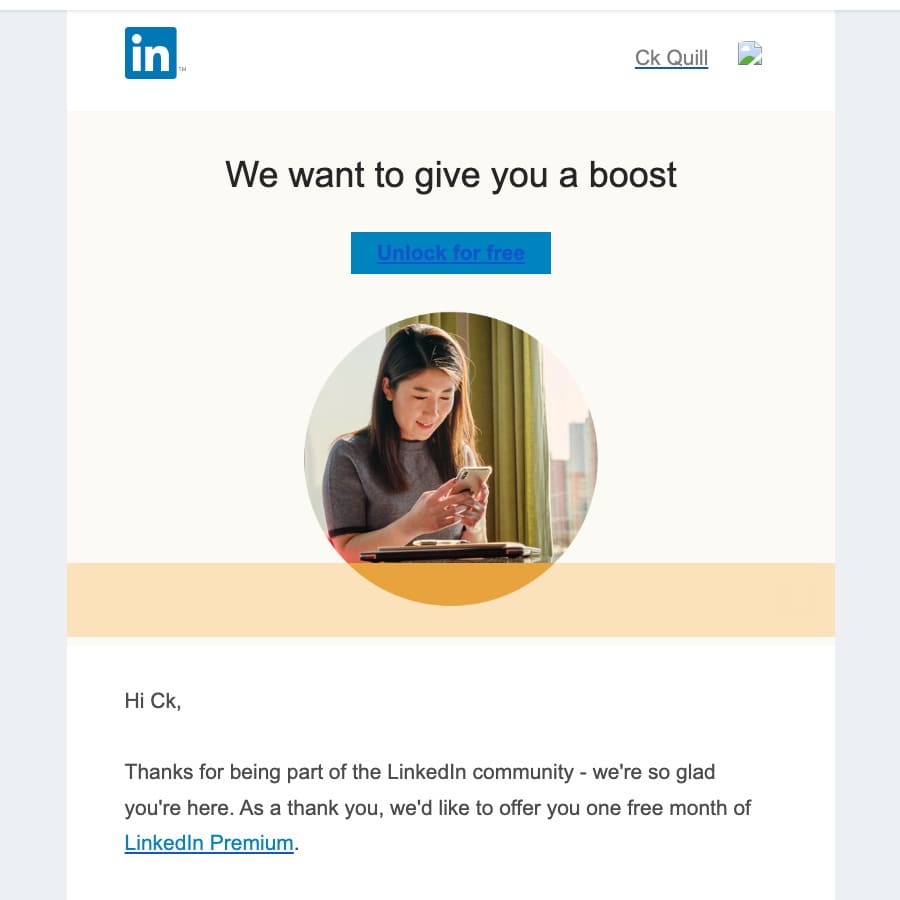
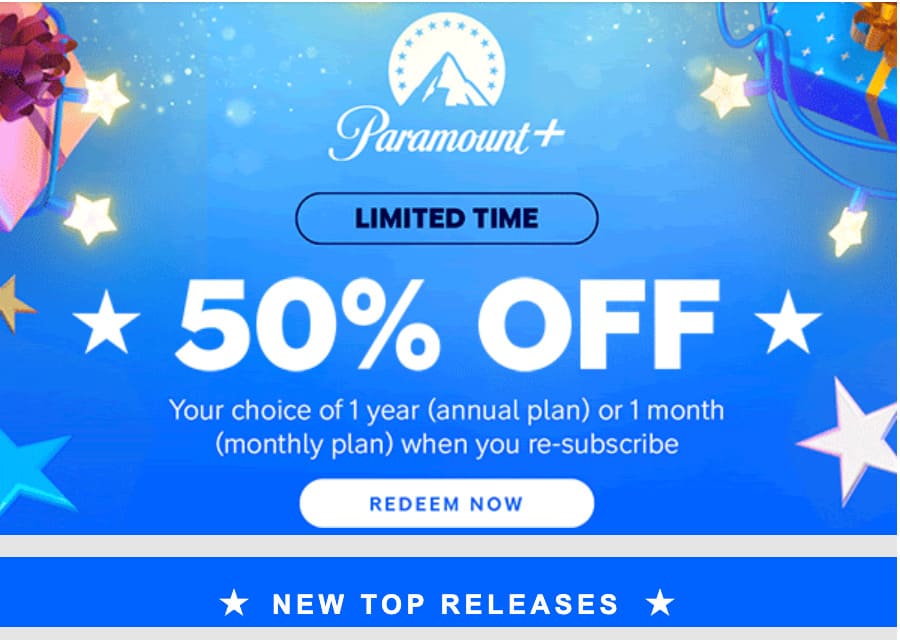

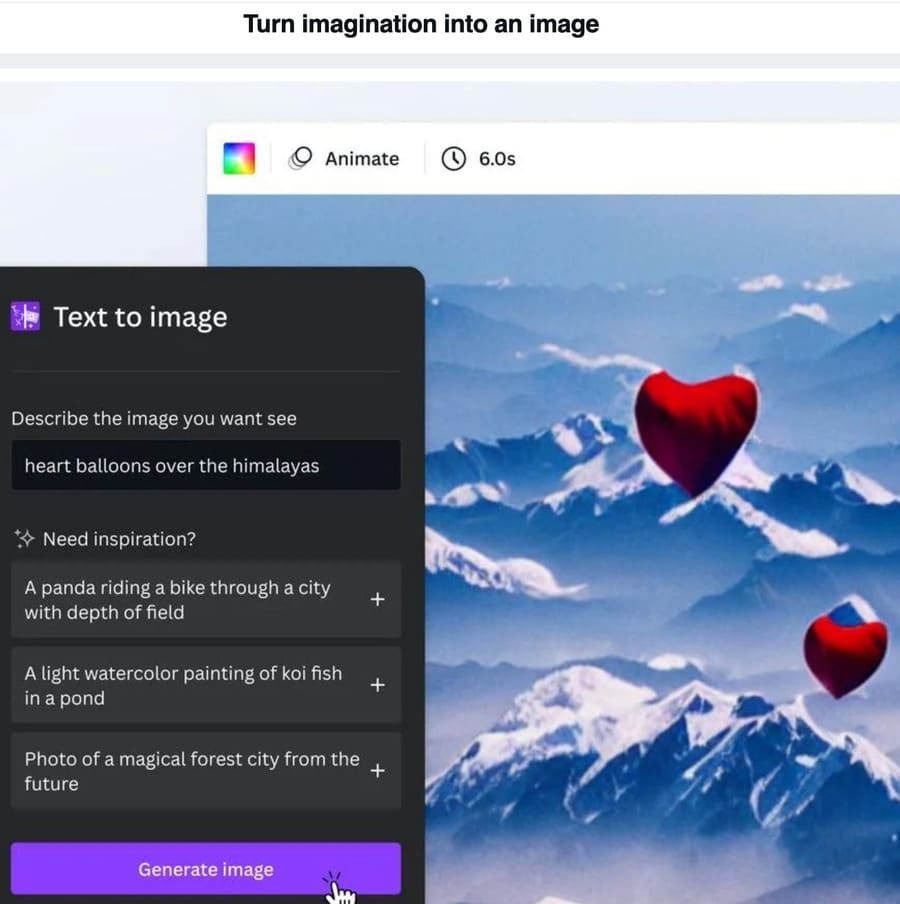

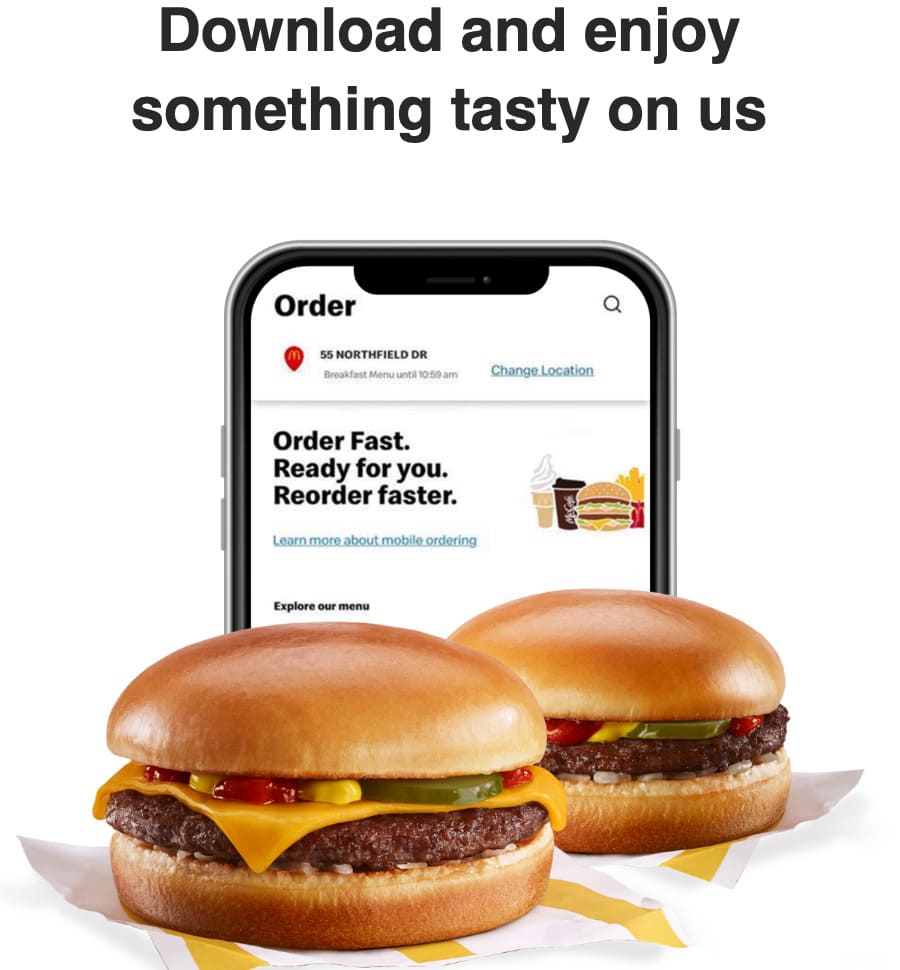
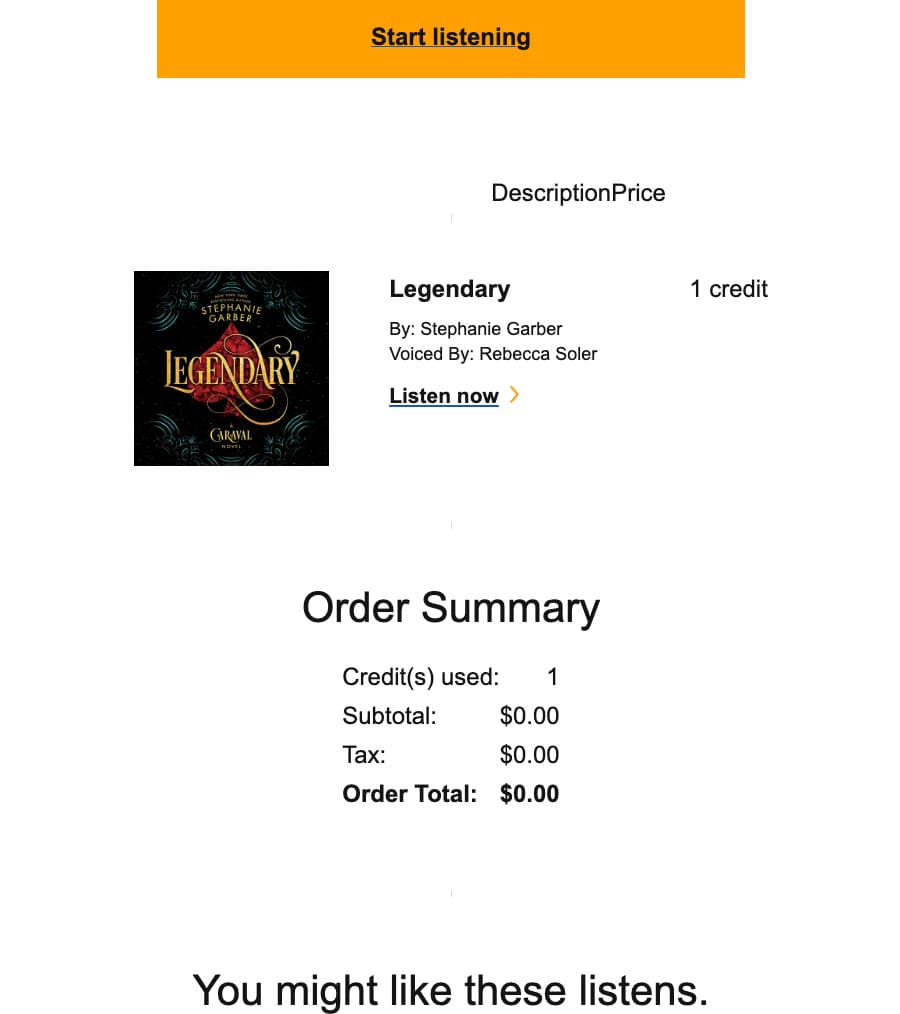
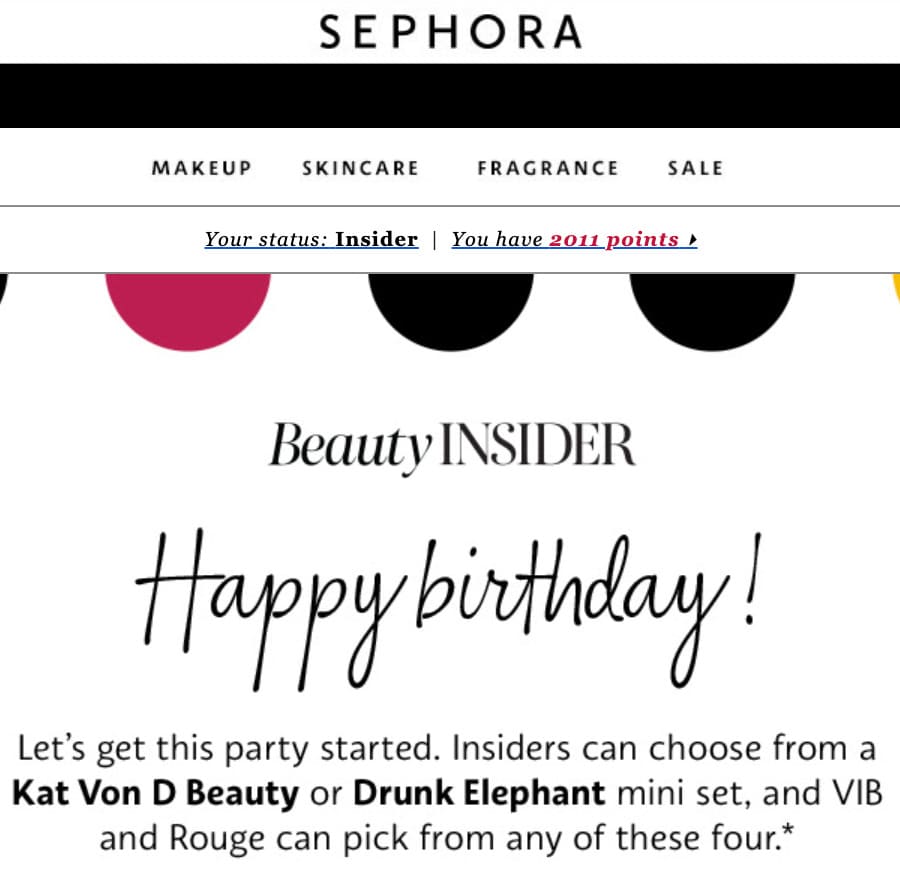
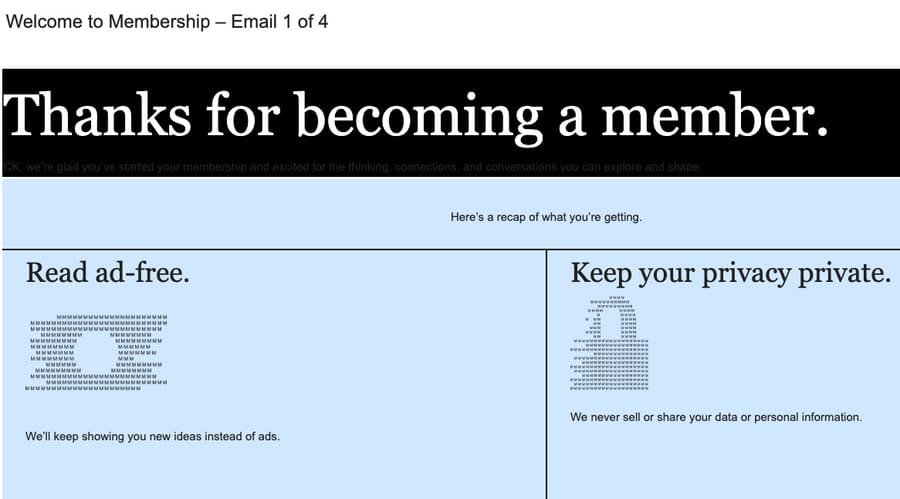










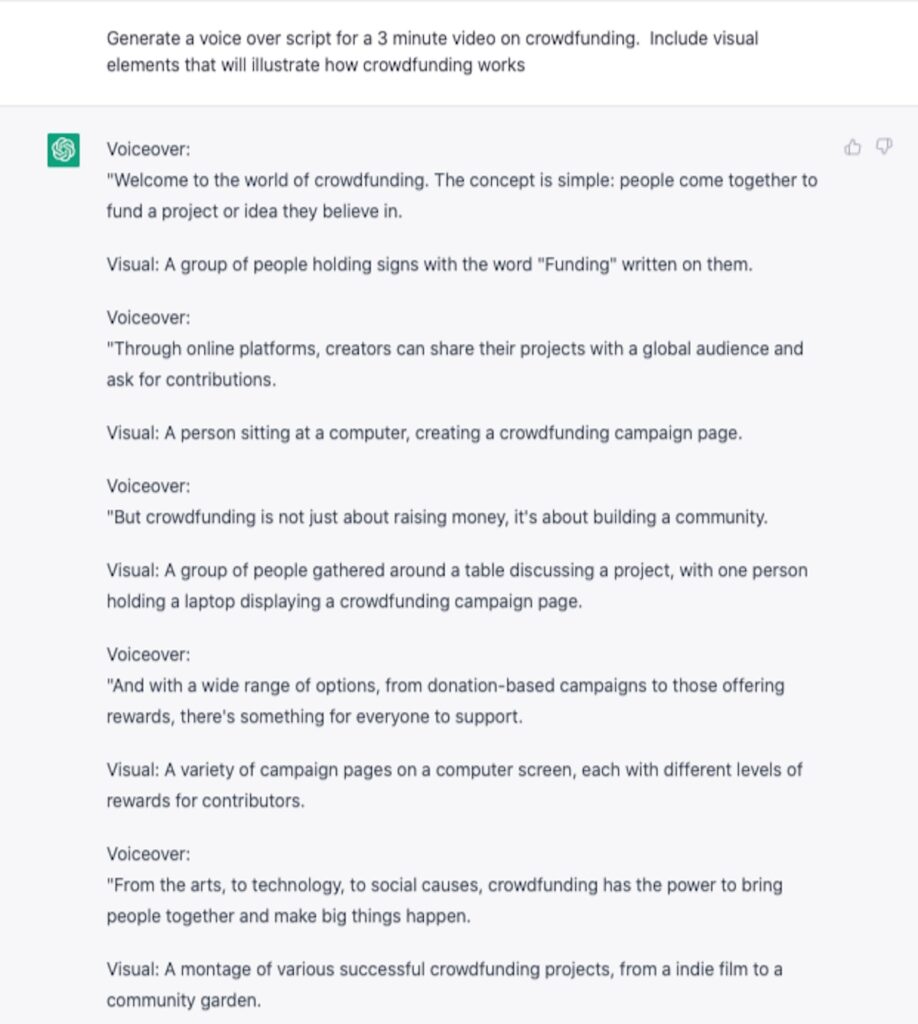

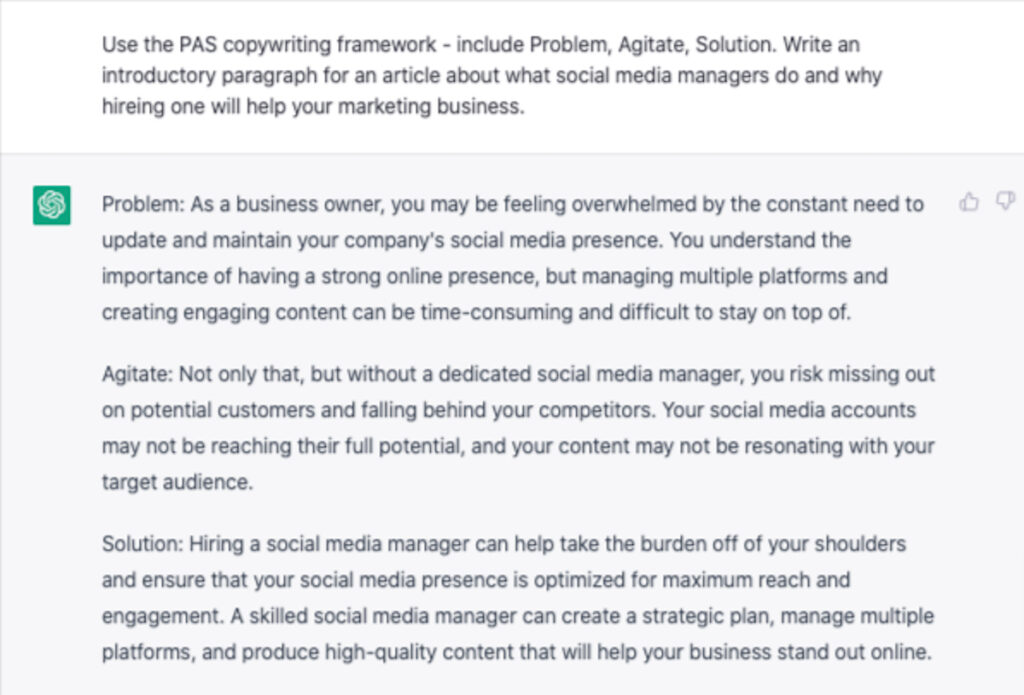
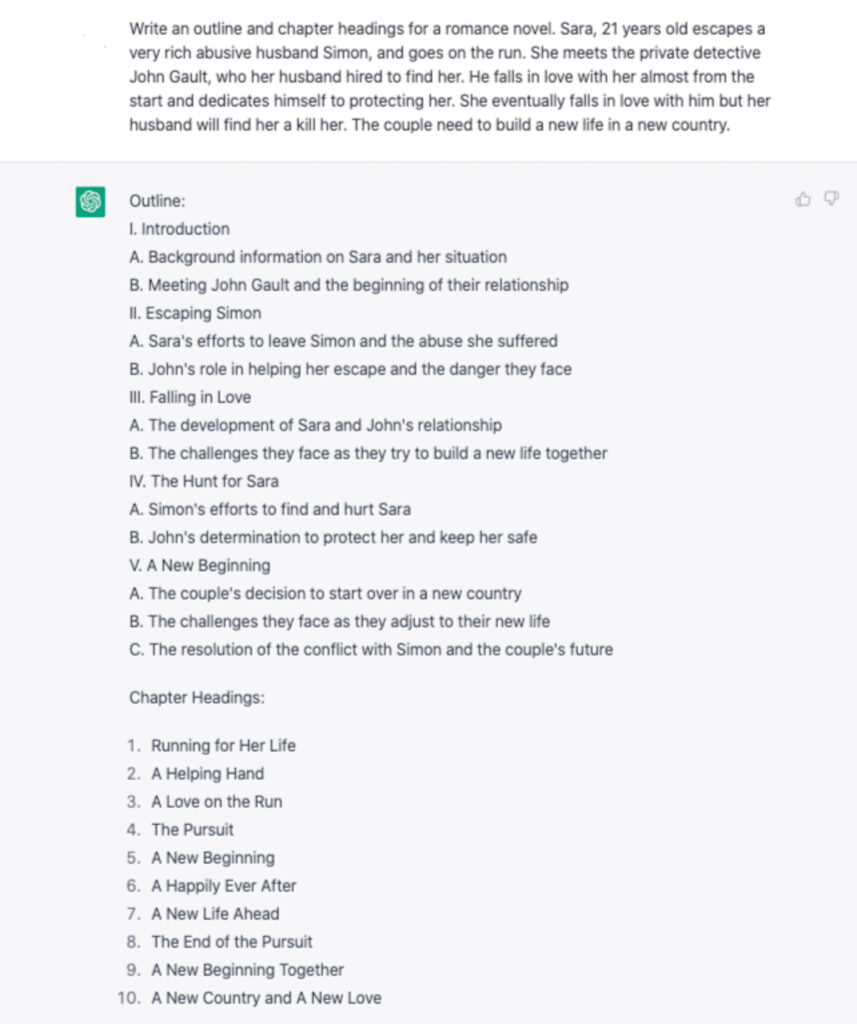


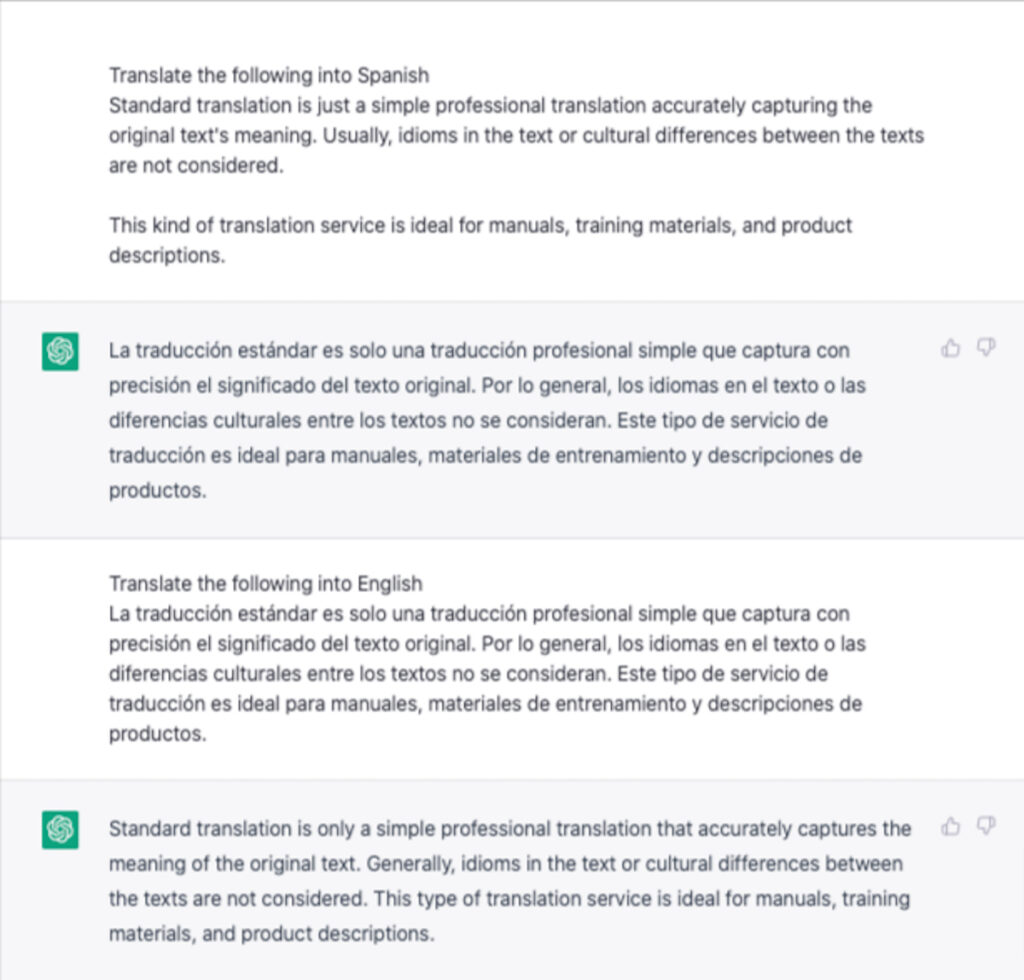
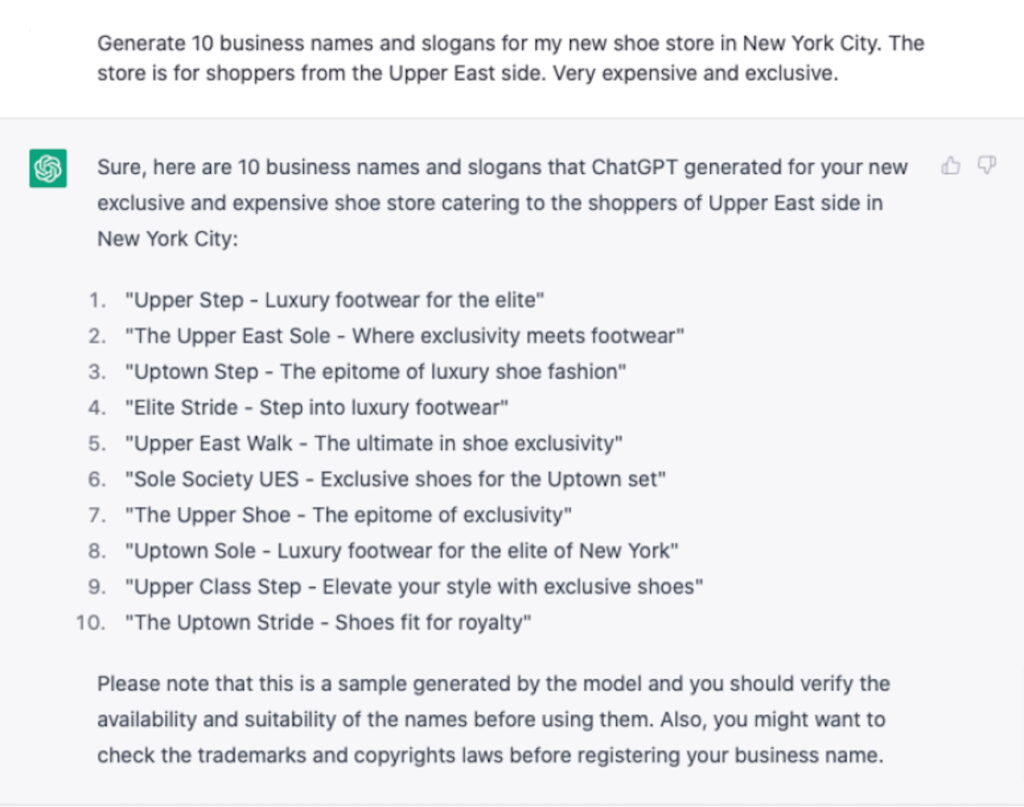
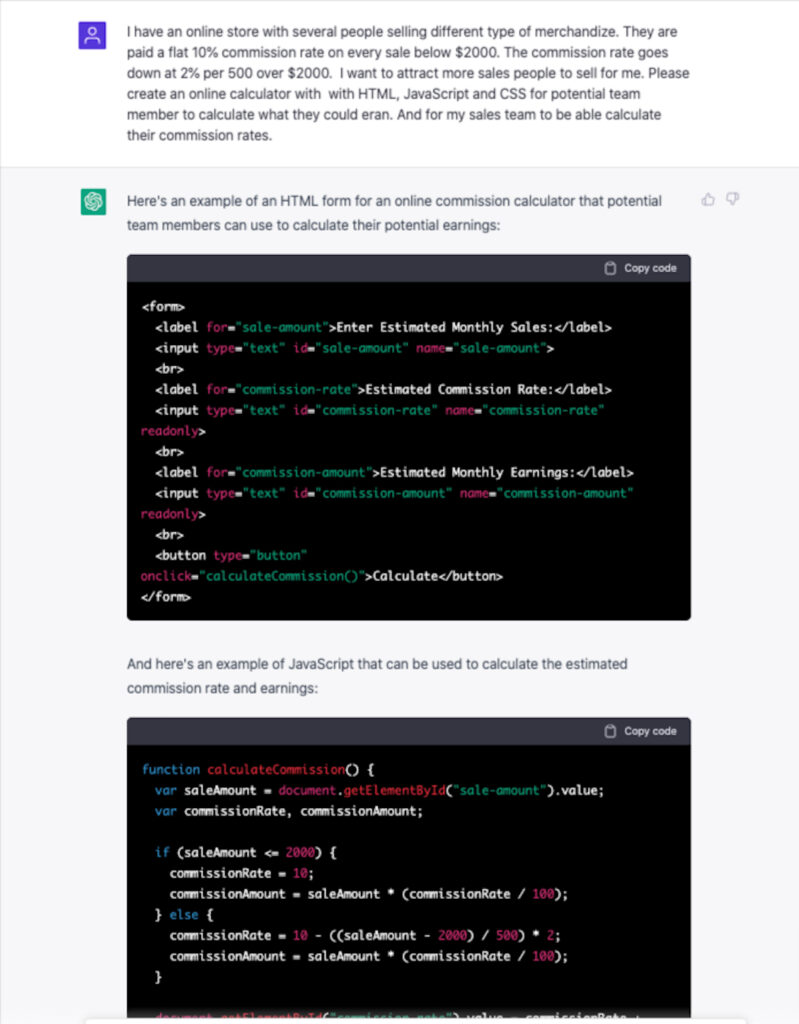
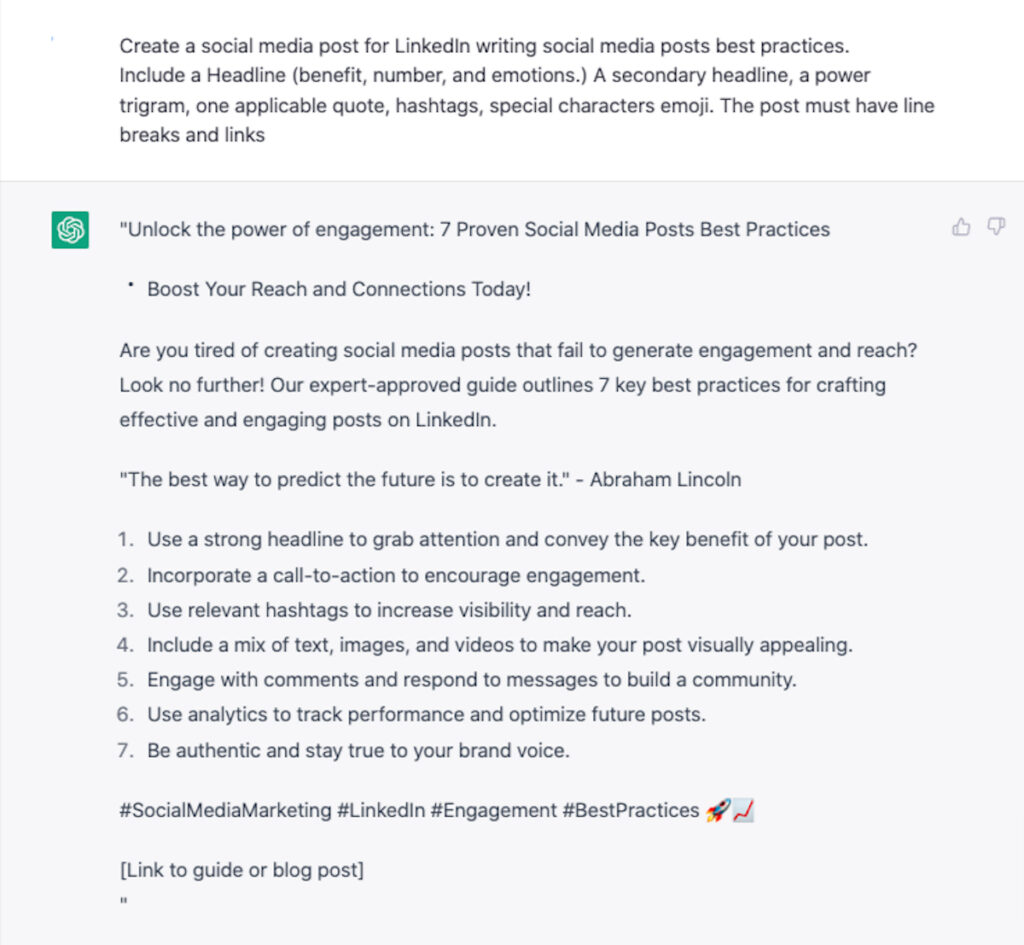
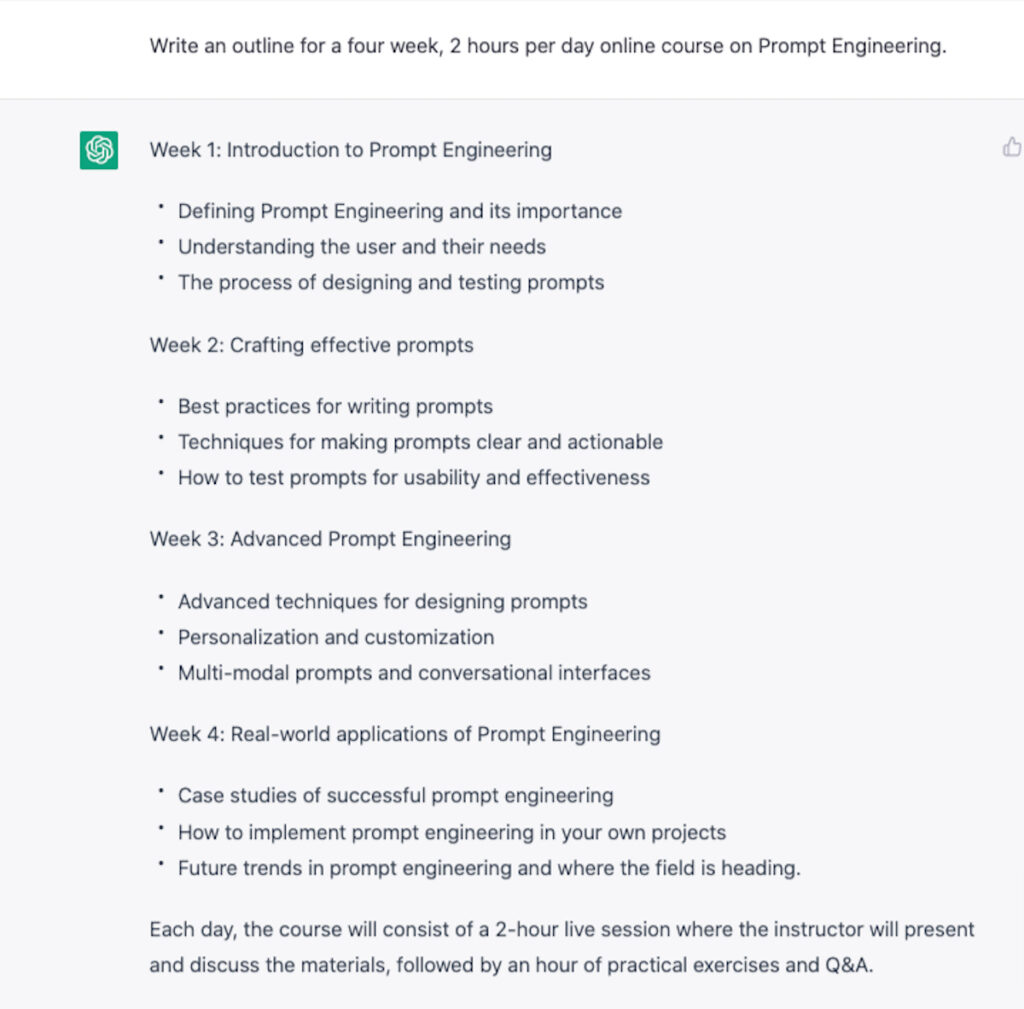
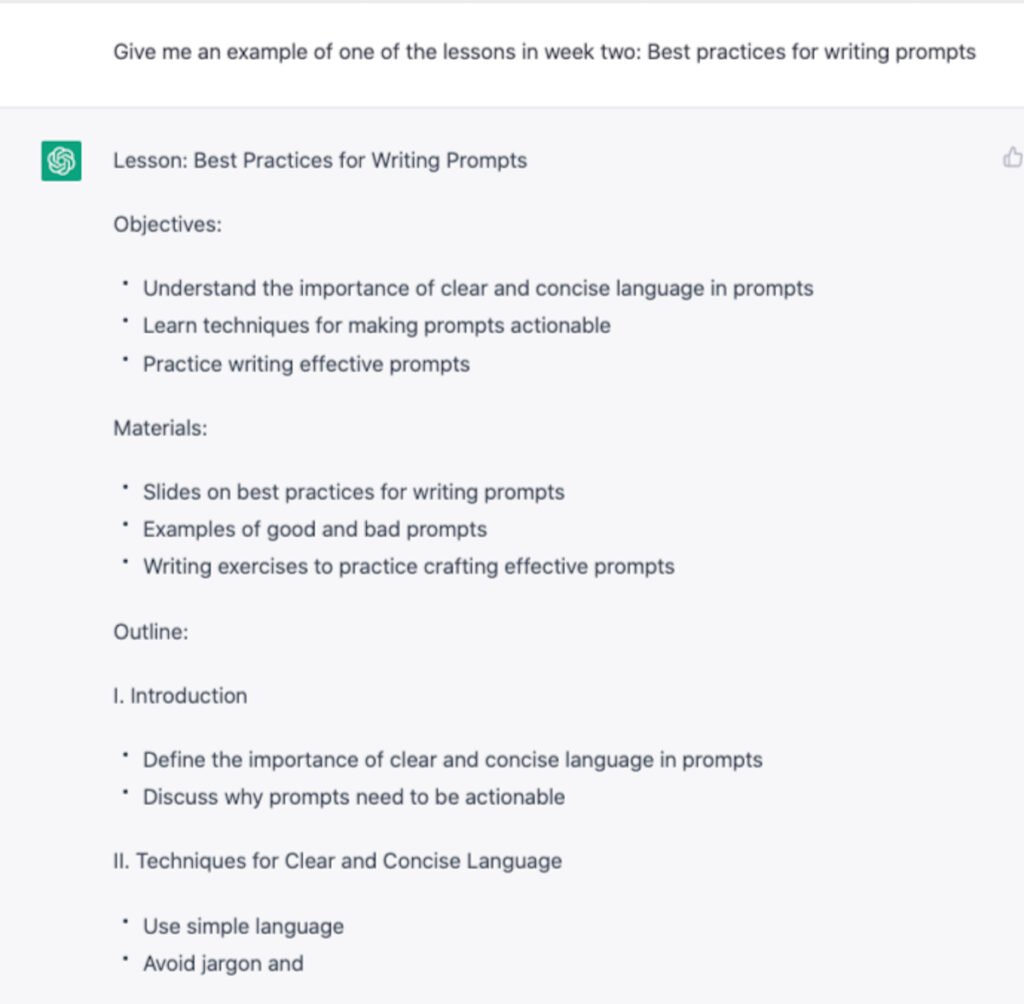

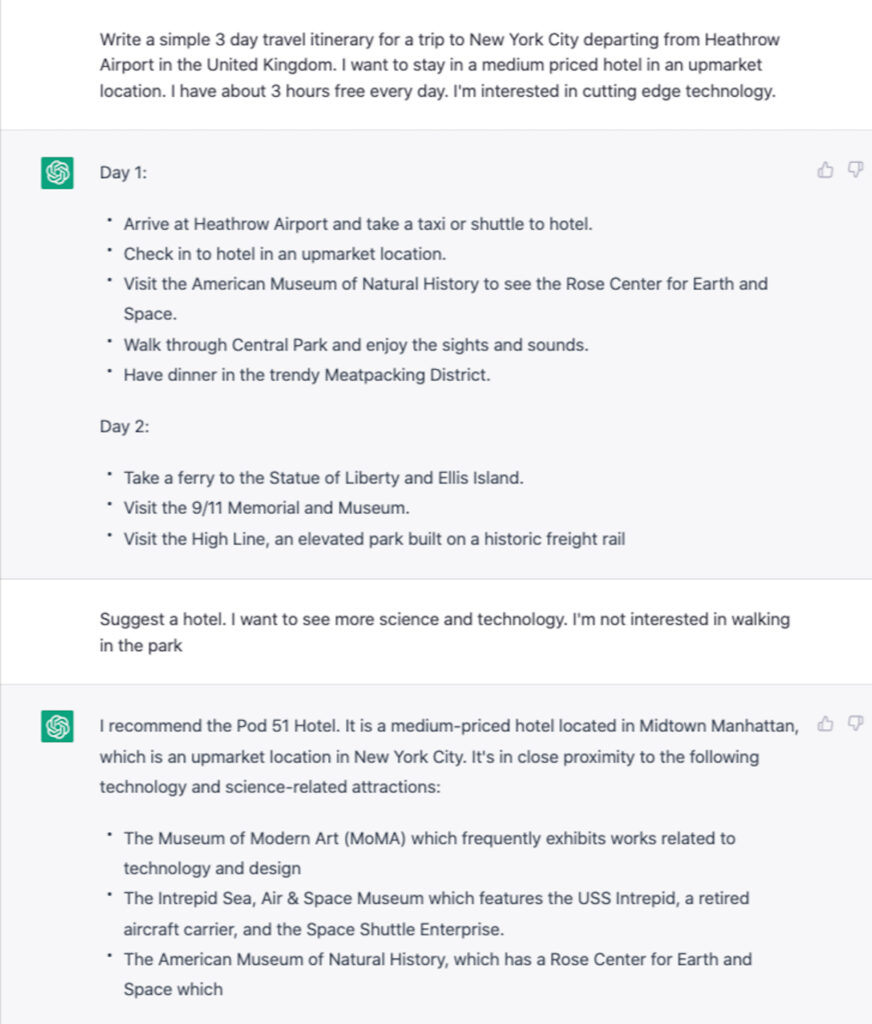

:format(webp)/cdn.vox-cdn.com/uploads/chorus_asset/file/21990397/Decoder_Banner_Nilay02_1200x1200.jpg)