Your business website should be broadly accessible by users with disabilities; here’s how to achieve that.
If you made a list of goals for your website, I bet three things would be near the top:
Get more value out of your customers.
Find new customers.
Increase your website’s conversion rate, whether you want more leads or more sales.
Each of these goals requires a functional, easy-to-use website. Yet a staggering 97% of the internet today is inaccessible to people with disabilities — meaning there are accessibility issues that can make it hard for some visitors to navigate a website or engage with its content.
That’s a big problem — and it’s not just a matter of what’s fair or legally required. (Although the U.S. Department of Justice has repeatedly maintained that accessibility laws like the Americans with Disabilities Act (ADA) apply to websites and physical locations.)
It’s also a matter of what makes sense for your business.
In the United States, one in four adults lives with some type of disability, from visual impairments that require them to navigate websites using assistive technology, such as screen readers, to hearing impairments that make it hard to follow videos without captions. Globally, people with disabilities — and their friends and family — control more than $13 trillion in disposable income.
That’s a lot of potential customers who could be left behind if you don’t take steps to make your website accessible to everyone.
Now for the good news: Every accessibility issue is fixable if you have the right tools and know what to watch for. Here are some of my favourite accessibility resources to help you:
One of the most useful is the alt Decision tree, which describes how to use the alt attribute of the element in various situations. With the decision tree, you can make faster, more informed decisions on whether your image needs alt text — and, if so, what information to include.
Alt text is a written description of an image that screen readers can read aloud — or convert to Braille — for people with visual impairments, sensory processing disorders or learning disorders.
Done right, alt text can help paint a fuller picture of your products and services for people who use screen readers to navigate websites. Unfortunately, many businesses forget to provide alt text. Or they write something so generic — for example, an image of a restaurant menu that simply says “menu” — that it may as well not be there.
Note: As a general rule, I always recommend writing alt text like you’re describing an image to your friend over the phone. What are the key details they need to know in order to understand the image?
2. Check your website’s accessibility
When it comes to digital accessibility, one of the biggest challenges is the dynamic nature of most websites. Just think about how often your website changes, whether it’s new product photos or updated website copy.
Each update is a chance to introduce new accessibility issues to your website accidentally, so it’s important to monitor your website constantly. Unfortunately, most businesses lack the time or internal resources to test the accessibility of every new design and line of code. That’s where an automated solution like AudioEye’s Website Accessibility Checker — which runs more than 400 tests to check your content against accessible coding standards like WCAG, then generates a detailed report of accessibility issues on your site — comes into play.
3. Add automated captions to your videos
People are watching more video content than ever, but you could be leaving a large part of your audience behind if you don’t add captions to your videos.
There are plenty of tools that can help you save time by automatically generating captions. However, it’s important to note that voice recognition technology is not perfect. Errors do occur, which can confuse or frustrate people who rely on captions.
For that reason, I always recommend proofing automatically generated captions with human eyes and ears.
Closed captioning is a great example of the overlap between “good” and “accessible” design. When you add captions, you aren’t just helping people with hearing impairments or cognitive disabilities — you’re helping anyone who chooses to watch the video with the sound off. For example, someone might be watching your video in a public space or while multitasking.
Adding captions can ensure a positive experience no matter how people consume your content.
4. Check your colour contrast
The colours on your website might seem like a purely aesthetic decision, but they have a significant impact on how usable your website is for people with colour vision deficiency (also known as colour blindness) and other visual impairments.
Low contrast between foreground and background elements (think white text on a grey button) can make it harder for people to navigate your site, engage with your content and ultimately take the actions — whether it’s filling out a contact form or making a purchase — that matter to your business.
AudioEye’s Colour Contrast Checker makes it easy to determine if your colours meet WCAG’s requirements on contrast ratio. To conform with Success Criterion (SC) 1.4.3 Contrast (Minimum), you should aim to have a contrast ratio of at least 4.5:1 between the foreground and background colour.
Take the first step toward a more accessible website
For most businesses, there are two hurdles that can slow down accessibility efforts.
The first hurdle is awareness. Many business leaders are unaware of digital accessibility or that it could present a problem for their online business, both in terms of user experience and legal risk. However, the rise in digital accessibility-related lawsuits is bringing more attention to the importance of accessibility.
The second hurdle is a common misconception about the cost and difficulty of digital accessibility. Some organizations believe that making a website accessible would cost too much, or require building a new website from scratch. The truth is that there are plenty of things you can do to improve your website’s accessibility without touching a line of code.
To help you get started with your business’s overall accessibility strategy, the W3C and the UK’s Business Disability Forum have created self-assessment tools that can help organizations understand their current level of accessibility and implement measures to improve their accessibility policies, processes, and outcomes.
Alisa Smith is a veteran accessibility advocate with a 20-year technology career working in design, development, and QA in the digital marketplace, automotive, and financial services industries. As AudioEye’s Accessibility Evangelist, Smith helps businesses create inclusive experiences.
One of the hottest topics on the net right now is how to make money with ChatGPT. Our article discusses 13 simple ways to use the AI tool to make money. And we’ll provide a few practical examples of what to do to get what you want from the AI.
Open AI, co-founded by Elon Musk and headed by CEO Sam Altman, created ChatGPT based on GPT-3.5 (Generative Pre-Trained Transformer) technology. The AI chatbot is remarkably capable of engaging in real conversations and responding with astonishingly human-like text.
ChatGPT is exciting and opens up endless possibilities for how we interact with technology.
Our List of How To Make Money With ChatGPT
A large language model can predict the next word and generate written content.
ChatGPT learns to follow instructions and provide appropriate responses to humans using RLHF (Reinforcement Learning with Human Feedback). RLHF is a fantastic extra training layer. ChatGPT is a great example of how the field of NLP (Advanced Natural Language Processing) is advancing exponentially. This new natural language model allows users to have real conversations with a machine more intuitively and naturally.
Keep in mind the importance of crafting clear and detailed prompts when using ChatGPT. It’s not so much that you have to train the AI bot. Rather, you have to train yourself in what you should ask it to do, how you phrase your requests, how much detail you need to provide, etc.
You’ll need to carefully review what ChatGPT writes and then review the instructions you’ve given it. Keep adding or changing until you get the correct answer. You can also use a great tool called Originality.ai (still in beta at this stage) to check your work. It helps by assessing the text for % AI-generated content and plagiarism.
ChatGPT is a very powerful and large AI system, yet some generated information may be inaccurate. Edit anything and everything it produces and check the facts.
1. Create Videos Using ChatGPT
You can combine ChatGPT with other technologies to create videos you can sell to make money. Use these programs together and cleverly to make excellent videos.
Below are some examples of these technologies.
Pictory, Murf.ai, Speechify, etc., use AI technology to automatically turn long-form text and video content into short videos. Short videos are great for social sharing, product recommendations, explainer videos, product demos, or other marketing videos. And ChatGPT is the perfect tool to create the right scripts or video instructions.
Once you’ve created your video, you need voice-over. ChatGPT can create voice-over scripts. And text-to-speech technologies can transform them into the voice-overs you want.
How to make money online with ChatGPT? You could use ChatGPT to generate scripts or instructions to create visual elements of the videos and scripts for professional-sounding voice-overs.
Below is an example of a voice-over and video script that took seconds to generate. Adding more detailed instructions will get the best results. You can also add the keywords you’ll need for SEO.
Video production is always in demand; people generally prefer watching rather than reading.
2. Update Video Descriptions
YouTube gives us about 5000 characters or around 500 words for video descriptions. It’s usually the first 150 characters that will show in your search results. This is the part that has the most impact on what the audience does, and YouTube classifies it for SEO purposes.
Copy and paste your existing video description in the ChatGPT prompt and instruct it to rewrite. Make sure ChatGPT uses the simplest language possible, writes no more than 150 characters, and includes what the video is about from an SEO standpoint.
YouTube’s default sorting algorithm is by relevance. So the more relevant you can make the title to the search query, the more likely it is to appear in a search.
Once you get used to the instructions you need for ChatGPT to update YouTube video descriptions, it can almost become your virtual assistant. You can offer your services as a description updater and SEO optimization specialist.
Bear in mind there are billions of videos on YouTube; if you market your services well, you should get plenty of work.
3. Offer Copywriting Services
Copywriting can be tedious, especially if you have to write day in and day out. I find that ChatGPT helps with inspiration or writer’s block. A content creator crafting persuasive and effective copy that will convert often just needs a push or a new direction.
You can instruct ChatGPT to write using specific copywriting frameworks like PAS, AIDA, and BAB. For example, use prompts such as:
Generate a PAS (Problem, Agitate, Solve) for this written content.
Write a BAB (Before, After, Bridge) about this topic.
Create an AIDA (Attention, Interest, Desire, Action) for this article.
Get the AI to rewrite till you get something close to what you can use. Then you can offer professional copywriting services, whether it’s website copy, product descriptions, or ad copy.
By using ChatGPT to assist you, you can generate copy much faster.
4. Write and Self-Publish E-Books
Trying to get ChatGPT to write a full-length fiction novel is a time-consuming process. You need to work with the AI to get what you want and keep refining your prompts. Below is an example for a standard romance novel.
Romance novels are great sellers and are pretty formulaic. Once you get used to the formulas and which person in the novel is the hero, you can quickly write and sell romance books.
Keep going with ChatGPT. If you’re persistent, prepared to do the work it can’t, and patient, ChatGPT may be the answer to making money faster in writing E-books.
5. Offer Translation Services
Language translation seems straightforward, but there is much more to it than meets the eye. To successfully translate text, you have to consider cultural subtleties, technical words, purpose, audience, etc.
Since ChatGPT is a machine learning model, you can train it to translate all the subtleties in languages. But it would cost a fortune and take time.
The fastest way to make money providing translation services is to offer the simplest form of translation. Standard translation doesn’t need idioms or cultural differences in the text. So you can use ChatGPT to translate manuals, training materials, and product descriptions which are massive areas of opportunity.
For example, if you want to test ChatGPT’s abilities, choose a paragraph that’s easy to check. In the example below, a paragraph on standard translation written in English is translated into Spanish.
To check the accuracy of the translation, you could check with Google Translate or ask ChatGPT to translate the generated Spanish back to English and compare the two.
If you look at the example below, the comparison was perfect, with only one word different from the original. This means you could do standard translations without knowing the languages at all.
6. Generate Business Names and Slogans
It is relatively easy to generate business names and slogans using ChatGPT. You could always follow a guide like how to name your business. But you could also prompt the AI model with details on what you want, who the name and slogan are for, location, financial demographic, etc., and it will generate suggestions based on its training data.
For example, ask it to generate ten business names and slogans for a new shoe store in New York City.
It only took a few seconds, and it generated ten suggestions. Test them on Google first to see if there’s anything similar. Then search social media platforms for variations to see if it might already be taken. And you can do a national trademark search online for free or search state by state.
Fiverr is the best place to sell business names and slogans; finding something fresh and new with ChatGPT could help you make some money.
7. Use ChatGPT to Write Code for Simple Web Tools
ChatGPT can do more than generate human-like text. You can use it to design web tools for your website. For example, if you need a calculator that your sales team can use to calculate commission, ChatGPT can create one for you. And if your commission rates change, it takes very little time to change them without paying someone to do it.
8. Blogging
As we all know by now, clear, detailed instructions are necessary for ChatGPT to produce high-quality content that is more likely to be highly original or adopt a certain point of view. You’ll need to include the angle you want to take on the article and any relevant background information.
You have to make the blog your own though, with your own unique voice and perspective. Here you can put Originality.ai to good use by checking the percentage of AI text and plagiarism.
This one’s a bit easier since you’re not asking the AI to write new content for you but only to update existing blog post content to increase traffic. You’ll have to research SEO and decide which keywords to include. Copy and paste and let ChatGPT do the work for you.
As usual, you’re not going to get perfect output, but it can save a lot of time, especially if you need to rewrite or update multiple blog posts. Updating blog posts is essential and needs to be done often, so offering your services to do this may be highly lucrative.
10. Write Social Media Content
Social media posts are where ChatGPT is really impressive. Short tweets, Instagram captions, lengthy articles and postings on LinkedIn, replies, retweets, comments, and scripts from TikTok, Facebook Messenger, and YouTube Shorts are all examples of social media content writing. The shorter the post, the better the output, and it’s so fast!
Below is an example of a recent post for LinkedIn showing how much detail was needed in the query. And you’ll have to keep adding and revising.
At first glance, the output looks quite good. But ChatGPT tends to offer the same sorts of intros, such as “Are you tired of..” etc. It needed editing and personalizing but what ChatGPT gave was a good start.
11. Create a Course and Sell it on Online Learning Platforms
Create a course using ChatGPT and video generation platforms like Synthesia, and sell it on platforms like Udemy, Skillshare, Thinkific, etc.
ChatGPT is great for structuring your courses. It will generate course outlines and advertising copy for you to promote your course. Use Synthesia to create multimedia content to make the course more engaging.
Below is an example of a ChatGPT outline for a 4-week – 2 hours per day course on Prompt Engineering.
12. Write Resumes and Bios
It can be exhausting to look for a job. Just the preparation you need to do before applying can feel a bit like a full-time job. You may need to:
Optimize and update your LinkedIn and other social media profiles
Update your resume
Modify your resume and short bio for each job you apply for
Use ChatGPT to write your resumes, bio, and cover letters and sell your services as an expert.
13. Offer Services Planning Travel Itineraries
Bear in mind, ChatGPT only scrapes data up to 2021. So it’s not current, and the information may not be entirely accurate.
ChatGPT is ideal for itinerary planning because of its extensive knowledge of the world’s nations, cultures, and general geography. Based on your input into the chat, ChatGPT can create and improve an itinerary with an easy level of interaction.
You can use the output as a starting point and add current logistical and price data. The results are outstanding and almost ready to use. This is a great way to use ChatGPT to make money planning travel itineraries.
Wrapping Up: How To Make Money With ChatGPT
Our article just scratched the surface of how to make money with ChatGPT. The possibilities are endless, and you can be creative about how you use it.
As always, new technology can be scary for many people. The first thing to worry about is: will the AI take my job. In some areas, yes, it will, just like any new machine that can move humans out of the way. However, it opens a whole new world of possibilities and paves the way for new job descriptions. For example, prompt engineering is already an in-demand skill set.
ChatGPT is far from perfect and what it generates often needs more editing and input than it’s worth, but it’s getting there, and you can already make money with it.
Read our article on the anticipated release of GPT-4 and how advancements in AI could help your business.
Finally, while using it is free right now, very soon, it will be monetized and expensive to use; after all, it cost billions to develop. According to the Wall Street Journal, Microsoft Corp. (an early investor in the OpenAI startup) intends to integrate ChatGPT and other artificial intelligence capabilities into its products and make them accessible as platforms for other companies to build on.
Amy is a content writer specializing in SaaS and B2B topics. When not writing, she runs a few small niche websites with her husband. They are both accomplished artists and love to travel.
Authors Felix Gillette and John Koblin explain how your favourite shows kept HBO afloat.
BO started as an experiment. It was a way to get people to switch from getting TV over broadcast antennas to cable by offering events you’d otherwise need tickets to see: sports, plays, movies. That’s where the name Home Box Office comes from.
But it grew from there in surprising ways: HBO was a major innovator in satellite distribution, in working with cable operators around the country, and of course in programming. The company’s taste and style have influenced and shaped culture for a generation now. And importantly, HBO did it without any real data: the cable companies owned all the subscribers, so HBO made decisions through instinct and experience.
The amazing thing about HBO is that it has stayed true to itself through an absolutely tumultuous set of ownership changes and strategy shifts. If you’re a Decoder listener, you know about the chaos of AT&T and HBO Max and the sale to Discovery to create Warner Bros. Discovery, but it’s so much twistier than that.
I talked through all of those twists with Felix Gillette and John Koblin, authors of the terrific book It’s Not TV: The Spectacular Rise, Revolution, and Future of HBO. Felix and John also peeled back the curtain on your favourite HBO shows, from Sex and the City to Game of Thrones.
Before we get into the episode, I have to do our usual set of disclosures: I’m a Netflix executive producer. We made a Netflix show called The Future Of. You should watch it. I’m hopelessly biased in favor of the show we made. Also, Vox Media has a minority investment from Comcast. They don’t like me very much. And I worked at AOL Time Warner. I quit to start The Verge.
Okay, that’s that. Let’s get into the interview — it’s a good one.
Felix Gillette, you are an editor and writer at Bloomberg News.
FG: That’s correct.
And John Koblin, you are a reporter at The New York Times.
JK: Hi.
Collectively, you are authors of It’s Not TV: The Spectacular Rise, Revolution, and Future of HBO. Welcome to Decoder.
JK: Thanks for having us.
I am really excited about this episode. I loved the book. I am completely obsessed with whatever is happening with Time Warner, the company that gets passed around from company to company over time. It seems like if you buy Time Warner, you’re doomed. Something very bad has gone on. But HBO is this shining jewel that seems to persist regardless of that noise. I think that’s a really interesting thing to unpack, and the book does a really good job of that, so thanks for coming on. I also want to commend you. Bloomberg and the Times are pretty fierce rivals, yet you came together to write a book.
FG: Well, we’re long-time buddies. It did take a little smoothing over, but it worked out well in the end.
We’re doing a media episode of the show, but there’s also a media subplot here, which is that you guys had to smooth that over. It’s good.
Let’s start with the beginning of HBO. I think most people listening to Decoder think of HBO as a legacy brand, as this thing that gets passed around that has to make the shift to streaming in the context of Netflix and all this other stuff. It’s actually a much more interesting story. It basically started out as a value-add to a local cable system in New York. Take us through the genesis of HBO.
Listen to Decoder, a show hosted by The Verge’s Nilay Patel about big ideas — and other problems. Subscribe here!
FG: In the early days, it was basically Charles Dolan, who went on to Cablevision fame and owning the New York Knicks and the New York Rangers. It was Dolan’s idea originally. He got backing from Time Life, which at that point was a magazine empire that was attempting to diversify. Dolan’s idea was basically like, “I’m trying to build out the first cable system in lower Manhattan.”
There were neighbourhoods in New York that just couldn’t get good broadcast television coverage because the buildings would block the signals. They were like, “Oh, we’re going to build cable in the city,” but it was a huge mess. It was struggling and losing a lot of money.
While on vacation in France, he thought, “What’s a way to entice people to actually pay for TV when most people are already getting it for free?” He thought that maybe people would pay if they started a channel where you could get Hollywood movies and some sports from Madison Square Garden. That was its humble origin, and it really did not work for many, many years. It almost died immediately, so it’s kind of incredible it survived.
What’s the turn that made it work in those early cable days?
JK: I mean, as Felix put it before, it was a novel concept to pay for a TV network. Even going back to the days of radio, you expected that to come into your home for free. HBO decided, “All right, let’s just look at that name: Home Box Office. Let us offer something where a viewer or a subscriber will get access to something they can’t get at home,” whether that’s a ticket to a movie that was in theatres just a few months earlier, a boxing match, a concert, or a standup special.
HBO started programming that content really aggressively in the late 1970s and into the mid-1980s. That included making their own original movies as well. That’s sort of the thing that really started to turn HBO into a viable business by that point.
FG: It also couldn’t have happened without this big technological leap forward, which I thought was really interesting and didn’t know about before we started working on this book. Originally, for the first couple years after they launched HBO, there was really no way to distribute it. Only with the advent of satellite-distributed channels did that happen, and HBO was the first cable channel that made the leap onto satellite. Without that, it never would have been able to reach subscribers across the country. That happened in the mid-1970s, when HBO was about to be put down to death because it just wasn’t going anywhere.
At that point, Time Life made one last investment and said, “You know what? Okay. We’re going to rent some space on this new RCA satellite that, in theory, could beam moving pictures to anybody around the country that puts up a little satellite dish.” They tested it with the “Thrilla in Manila” boxing match in the Philippines, and it ended up being this great success. They could, in fact, distribute it around the country.
“Once they made that leap onto satellite, everyone else followed.”
Once they made that leap onto the satellite, everyone else followed. That was really the advent of all of these other cable channels that we’re all so familiar with, like MTV, BET, and Comedy Central. They all followed HBO’s lead to go onto satellite.
I actually thought that was an utterly fascinating component of the book. A theme that comes up on Decoder over and over again is how your distribution affects what you make. The content is always inevitably and completely shaped by its distribution method. What’s really interesting about that to me is that in the internet age, we think about distribution as being pretty direct, right? There’s a creator, there’s a viewer, and there’s the YouTube algorithm that will shape what you make because that’s the distribution. At the end of the day, there’s a pretty direct relationship there.
That’s not what you’re describing with HBO on satellite; it’s not a DirecTV consumer satellite system. They’re wholesaling out to other cable networks, who are effectively their customers, who then retail it out to their cable subscribers. They had to invent this whole system and put up these huge satellite dishes. This is a business that didn’t exist, but HBO manages to create it. How did they get through that? That’s a business model innovation and a very serious technical innovation. It seems like they lost the ability to do that later on. I’m curious, where did that culture come from at HBO in the beginning?
FG: I think they made a really smart decision early on. They decided, “If we’re going to charge people, say, $10 a month to get this channel of Hollywood movies in their home, we’re going to split that 50 / 50 with the cable operator. For anyone that is incentivized to go out and invest $100,000 or whatever to buy a big satellite receiver and then wire it into people’s homes, here’s something else you can offer them besides what you’re just going to see on broadcast television. Here’s a channel of Hollywood movies.” It was something else they could sell customers to get them into the cable ecosystem when it was really a new concept to pay for TV, and they would get to keep half the money.
That really made HBO into something that these nascent cable operators wanted to sell to their customers. It also created this interesting dynamic that played out for the next several decades, where HBO was removed from the customer. They were a wholesaler, and they never had a direct relationship with the customers. That was good and bad in many ways and really shaped the network’s history all throughout and up to the day when the streaming era was born. We saw that play out in several other interesting ways.
“They didn’t really know much about their subscribers, so HBO’s executives basically just had to wing it.”
JK: The good of it is, they didn’t really know much about their subscribers, so HBO’s executives basically just had to wing it. They had to decide, “Okay, here’s what we think is good. We think they want this George Carlin special, we think they want to see Robin Williams, and we think they want this movie about the Exxon Valdez disaster.” By trusting on their own core instincts, it really helped influence HBO’s programming efforts throughout the 1980s.
I think this is a good time to bring up Netflix. I don’t want to start talking about HBO versus Netflix quite yet, but what you’re describing is a culture of creativity, of unbound artistic, subjective decision-making. Netflix is a totally data-driven organization. The HBO culture came up in a very different way. With Netflix, you get three episodes, they look at the streaming numbers, and then they cancel your second season before you even started. HBO is saying, “Here’s a group of executives. We trust them to make cultural decisions.”
FG: I think when we got into the book, even really from the beginning, we realized that this would be an amazing opportunity not just to contrast these two different companies as a New York-based company versus a California-based company and the cable and satellite era versus the streaming era, but also to do exactly what you mentioned. A company like Netflix, from its very origin, was so direct-to-consumer and really using the internet to figure out the data and patterns.
Even before streaming happened, when they were just mailing out the DVDs to you by mail, they were looking at all the choices that you made through their website. What did you want to watch? What time of year was it? All those patterns were guiding them. It was such an incredible contrast to HBO, which never had any data on customers, could never rely on anything, and had to come up with some other way of figuring out what it was that people would watch — and they did. Over the course of several decades, they created this very instinctive way of trusting artists and not really worrying at all about data and signals in the marketplace. I thought this part of the book was so much fun, contrasting those two different methods, those two different institutions, and the strengths and weaknesses of both models.
That piece of the puzzle, where their customers are the cable networks, creates a lot of opportunities. HBO gets really good at selling to those networks, and those networks get really good at selling to the customers. But it also creates this blind spot, where HBO doesn’t really know its viewers. It also creates another pretty major blind spot, which is that there were just a lot of boobs on HBO at the beginning, because they thought only men were going to buy cable.
It seems like that has maybe diminished now, but it’s just a part of HBO’s culture. I actually want to start at the beginning and trace it back to that lack of data, which created some enduring cultural opportunities for HBO and its creative culture, but it also created this pretty massive blind spot.
FG: Yeah, in the beginning, they were trying to figure out the format and the mix. “What is it we’re going to put on the air in addition to Hollywood movies?” One of the early executives was this guy named Michael Fuchs, who was the head of programming in the early days and became the CEO of HBO. He had this idea — and again, this wasn’t really based on data, it was just his own reading of the landscape — that the broadcast networks were very focused on female viewers. His idea was, “Well, they are ad-supported, and commercial sponsors want to reach women in their households. They want to sell them household goods. So if you look across the whole landscape, it’s slightly skewed towards female viewers.”
Because the broadcast networks were so powerful — this was during the era of ABC, CBS, NBC — they had to figure out, “Well, what can we do differently?” I mean, the whole idea of HBO was basically counter-programming against the networks. One idea was, “Okay, if they’re skewing the programming towards women, then we’re going to focus on men and do things that will attract male viewers.”
That idea was very explicit at the beginning. HBO’s original programming mix included things like late-night documentaries that had tons of sex in them — Real Sex was the franchise eventually — and boxing, which the broadcast networks were growing wary of because of the violence. And yeah, it involved a lot of female nudity.
In those early days, there was a code word inside of HBO for, essentially, more female nudity: ‘cable edge’
In those early days, there was a code word inside of HBO for, essentially, more female nudity. These writers and producers of shows would get a script back and say, “Yeah, it’s a great script and we really like it, but could it include a little more ‘cable edge’?” That was the code word. The idea was that they were pandering to male viewers, and they could include things that you couldn’t see on broadcast television, like nudity, bad language, violence. HBO’s early original programming was just littered with that stuff. It turns out that alone wasn’t really enough to create great programming.
The book is very much structured era by era of HBO, and every era of HBO has its set of signature shows. One era that I think breaks away from this legacy of very male HBO is the Sex and the City era, when that was HBO’s dominant product. How did they make the turn from, “All right, we need more ‘cable edge’ to attract male heads of household to buy this product,” to, “Actually, what we are known for is Carrie Bradshaw”?
JK: In the spirit of winging it, it was basically an accident. In the mid-1990s, Demi Moore was at the height of her celebrity, and she wanted to produce a movie about abortion. It was called If These Walls Could Talk, and it was going to be unflinchingly pro-choice and it was going to examine abortion through three different periods of American history: the 1950s, the 1970s, and the then-present day of the mid-1990s.
She had originally made the deal to do the TV movie with TNT, and TNT got skittish just as they were about to begin production. They were like, “Ugh, our advertisers might not like this pro-choice abortion movie.” Again, it was the mid-1990s. It was the height of the culture wars at that point and abortion was a red-hot topic.
Once HBO heard this, they swooped in and they said, “We’ll make it.” They did not think that their mostly male viewers were going to stampede to come and watch a movie about abortion. They wanted Demi Moore on their airwaves. And the cast also included Sissy Spacek and Cher, so this was just like a win-win. “Why not? Let’s do it.” Then it aired and the ratings came in the next day, and they were the highest ratings HBO had ever seen for an original production.
HBO executives were floored. They were like, “Wait, are there female viewers out there who are watching HBO and want to watch a show or movie about the female experience? What is out there right now?” What was out there was Darren Star, a former top producer on Beverly Hills, 90210 and Melrose Place. He was shopping a project with Candace Bushnell, who was adapting her book from a series of columns that she wrote for the New York Observer, called “Sex and the City.” Within 10 weeks of If These Walls Could Talk debuting, HBO made a deal to do Sex and the City.
This is another theme that comes up on Decoder all the time, which is that data can only tell you about the past. The data that HBO had would’ve never told them that these things would be successful in the future. How did that culture change around the sudden influx of data, both from Nielsen ratings and from the internet? Did anything happen inside of HBO to make it more expansive?
FG: Yeah, there was the issue of data and how it was going to be used. I think one way it changed HBO a lot was actually through a misunderstanding. In 2000, when the internet was taking off, AOL came in and acquired Time Warner. It was a famously disastrous merger of cultures, and at the time, it was the biggest merger in American business history. Part of what was driving that, weirdly, was AOL wanting more information on customers themselves.
In the book, we talk about how it took a long time for the merger to go through regulatory issues. When it was finally consummated and the AOL managers were showing up, we tell the funny story of the first time they arrived at HBO’s sales and marketing offices. They came in and they were very excited. “We love HBO. It’s an incredible brand. It has all these customers that love it. So the first thing we want to know is if you can just give us all your customer data?”
Everyone was looking around this conference room nervously like, “Customer data? What are these guys talking about? You just paid $100 billion. I hate to break it to you, but we don’t have that information. It’s the cable operators who have that.” That was one of the fundamental misunderstandings: that somehow there would be this synergy — that you could use HBO’s knowledge of what customers wanted with the internet, and that was going to turn into this incredible vortex of new synergy in this new world of the internet and entertainment.
I’m sorry, “vortex of synergy” is actually a great phrase. It’s perfectly accurate to what happens.
FG: The whole thing was just such a mess, and it obviously didn’t work out. That story has been told a lot of times, and we tell it through the HBO lens. It left this incredible hangover within Time Warner. I think that’s one thing that became apparent in our book, and it was really interesting to me. I had no idea beforehand.
It was just a disastrous experience for all of these television executives within Time Warner, at HBO, and for all these cable brands that had to deal with these AOL managers. They had this famous culture clash. Eventually, the stock price craters and everyone gets tossed out. They say, “Okay, the AOL guys didn’t know what they were doing. It was a total mess, so we’re going to go back to letting the TV people run this company.”
That was great, except it left them with this incredible distaste for the idea that people from the internet knew what the hell they were talking about. The problem with, “Oh, the internet is full of phonies and doesn’t matter,” was that it was really not a great lesson to be learning for a huge media company in the 2000s.
With each passing year, the internet was becoming more important and the technology was getting better in streaming. Time Warner, I think in many ways, got left behind because of that. We call it internet PTSD in the book. It was like that experience with AOL was so bad that they just rejected anything in the coming years that said, “Oh, maybe you should be investing in streaming technology, data acquisition, and in understanding what new modes of distribution are coming down the pipeline, because at some point it is going to happen.” That was a really fascinating dynamic to watch play out.
This brings us to Netflix and that PTSD hangover about the internet where the distribution was changing. Netflix was the classic disruptor there, right? They were mailing DVDs to people, and then they were starting their streaming service, which wasn’t very good. It really had no original shows and no movies, but everybody looked at it and said, “Okay, that is going to happen. This is going to get better.” HBO looked at it and said, “No, we’re good,” for quite some time. But Netflix was cheaper and more convenient. This is just a very classic disruption tale. What happened there?
Contact centre leaders who want to improve the way their teams engage with customers this year should keep one critical objective front and centre.
According to RingCentral’s latest State of Customer Experience Technology report, contact centre leaders who want to improve the way their teams engage with customers in the coming year should keep one critical business objective front and centre.
“Customer satisfaction is still the most important objective leaders should focus on,” said Erik Smith, Digital Principal, RingCentral. “If you want to retain customers and attract new ones, you must get this right. It’s easy to get caught up in cost savings and the latest artificial intelligence (AI) technologies, but always look to evolve your contact centre through the lens of providing great customer service.”
RingCentral is a provider of cloud-based communication solutions based in Belmont, California and a sponsor of Simpler Media Group’s virtual Digital Experience Summit (DXS). During the conference, Smith presented the session, “Top Digital CX Technology Trends Heading Into 2023.” Here, he shares with us some of the most important ideas uncovered in the report and how contact centre leaders can use these findings to enhance the support experiences they provide to their customers.
Tech Spend and Channel Preferences in the Contact Centre
CMSWire: During your presentation, you discussed findings from your State of Customer Experience Technology report. Where are contact centre leaders investing their technology spend in the coming year?
Erik Smith: We’re seeing an increasing trend towards conversational AI and other self-service functionality in order to meet changing customer communication preferences, and in some cases, find more economic ways to handle inbound contact centre volume. We’re facing lots of uncertainty in the macroeconomic environment, and that can be worrisome. Choosing your new technology tools wisely and through the lens of enhancing customer service can help alleviate some of that worry.
CMSWire: Which digital channels are people engaging in most for their support needs?
Smith: It largely depends on the industry, but the original three — chat, email and SMS — remain prevalent, followed by direct messaging channels on Facebook, Twitter, and Instagram. We’ve been encouraging companies to look into Apple Business Chat (now Apple Messaging for Business) and WhatsApp, even for domestic use cases, and finding that many don’t yet understand how easy these channels make communication for their own customer base, which should be the goal.
Why Omnichannel Support Is Key
CMSWire: As customers continue to raise their expectations, offering support across channels has become table stakes. How many organizations are still failing to meet these expectations for omnichannel support?
Smith: There’s still a wide spectrum of omnichannel maturity in most industries, with tech leading the way in digital communication options for their customers. Companies that are feeling pressure to improve should seek to understand the benefits of the various digital channels and how to properly deploy them — not just jump into the deep end with no plan. That can backfire quickly.
CMSWire: What are the biggest challenges organizations face when providing support through email, chat, voice and other channels, and how can they overcome them?
Smith: There are a few tricks to perfecting a strong omnichannel approach. The first is ensuring that your agents have the right skills for adding new digital channels. Communicating on Twitter is quite a bit different than answering the phone, with different consequences for making an error.
The second is providing smart self-service options for easy-to-answer questions so your agents are free to handle the higher priority, and often more challenging, issues. The sooner you can connect a frustrated customer to an agent with the correct answer, the better chance for resolution, and for retaining them as a customer. And finally, provide your agents with the tools necessary to serve your customers competently while providing coaching for continuous improvement.
CMSWire: During your presentation, you discussed how more organizations are investing in AI, yet it hasn’t been consistently implemented in the contact center. How can AI be used most effectively, and what can organizations do to ensure they successfully incorporate these capabilities into their systems and processes?
Smith: As individual customers, we’ve all had frustrating experiences with bots, whether on a website or in an interactive voice response (IVR) system. There are many pitfalls to nailing this strategy. Once you’ve had a bad experience, either as a customer or as someone trying to implement AI, you’re less likely to try again. It’s just human nature.
Fortunately, the tech is improving and there isn’t much you can’t automate these days. We often recommend starting small with the easiest automation options—such as FAQs, password reset, and even appointment scheduling — and really nailing that. Once you have it completely dialed in and you’re comfortable with the technology, then seek to expand to more complex options.
Start and End with Your Customer
CMSWire: What does workforce engagement management (WEM) mean to you, and what are the benefits of implementing this approach?
Smith: To us, WEM is all about continuous improvement, both in the tools we give our agents and teams to self-improve, as well as the management tools to analyse, diagnose, and coach those agents and teams. You should be asking questions like: How do we optimize? How do we improve at the individual level so our entire organization gets better? What can we learn from our customer feedback that we can scale to improve our company? There’s so much valuable data that comes through the contact center, and we want to capitalize on those insights.
CMSWire: What are the top recommendations contact center leaders should take away from this report to help them more effectively engage with customers across channels?
Smith: I’m going to end where I started — with the customer. Isn’t that why we’re all here? How do we get customers, keep them happy, and retain them for life? Same thing we’ve been doing forever, just now through different mediums. The more you spend time learning the nuances of each channel or technology, the more comfortable you’ll be applying the same timeless best practices of customer service.
The CMSWire STUDIO team transforms clients’ data, concepts and thought leadership into accessible and engaging articles that appeal to the broader CMSWire audience and are optimized for findability. These works are created independently of CMSWire’s editorial operations.
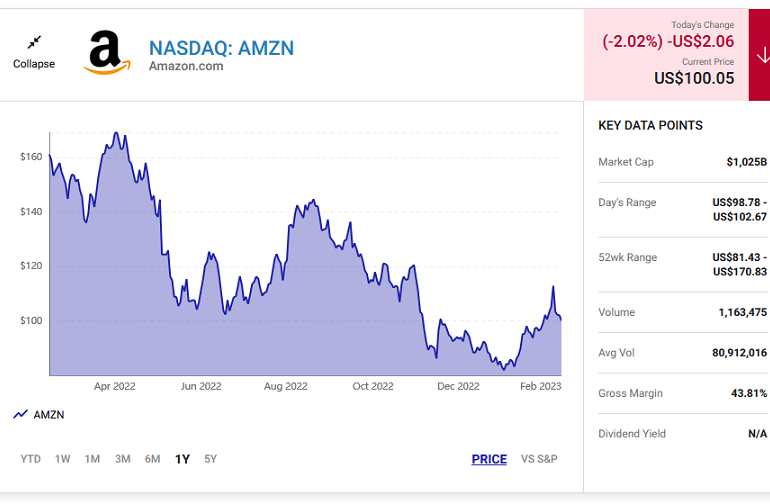
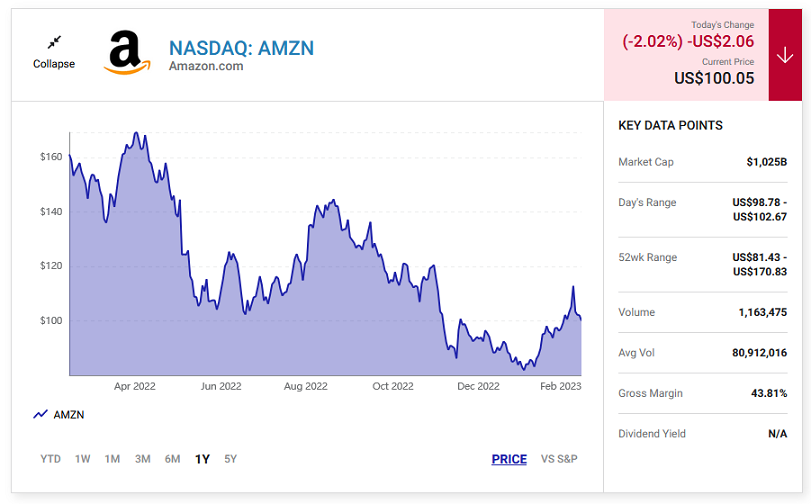
Amazon‘s (AMZN -2.02%) struggles with rising inflation aren’t new. In fact, the e-commerce giant has wrestled with this problem in two ways for more than a year. It’s added to Amazon’s overall costs — from transporting goods to running warehouses. Higher inflation also is hurting customers’ wallets, and that means they’re looking to spend less on their shopping.
The bright spot always has been Amazon’s cloud computing business, Amazon Web Services (AWS). Until recently. Yes, the business’s revenue still is growing in the double digits. But growth has slowed, and even here, customers are looking to cut costs. Should you worry about this latest shift?
AWS and the earnings picture
First, let’s talk about how AWS generally fits into the Amazon earnings picture. Prior to this difficult period — and back when Amazon’s earnings were climbing — AWS was a key contributor to profit. For example, in 2021, AWS’ operating income represented more than 70% of Amazon’s total operating income.
Not only is AWS the global leader in the cloud computing services market, but it’s also continued to post significant growth over time. For instance, AWS has regularly reported quarterly sales growth in the range of 30% to 40%. And operating income growth has often topped 40%. This even continued as economic woes settled in and major indexes strayed into bear territory.
So, even though Amazon’s e-commerce business has suffered recently, the company still could count on significant growth from AWS. But in the past two quarters, Amazon started talking about a shift in AWS clients’ behaviour. They’ve started to focus on cutting costs when possible, and this now is weighing on AWS’ growth. AWS offers clients various data storage options, some costing less than others.
In the fourth quarter, AWS net sales rose 20% and operating income fell 2%. Operating margin also narrowed to 24.3%. That’s compared to nearly 30% in the year-earlier quarter.
AWS’ revenue only grew in the mid-teens in the first month of this year, too, showing this movement isn’t over. In fact, Amazon expects this challenge to continue for the next couple of quarters.
Increasing investment
Meanwhile, Amazon has favoured investing in this business that’s driven profit over time. The company last year increased investment in technology infrastructure, to support AWS development, by $10 billion.
This picture may look kind of grim. But before you decide to sell your Amazon shares — or avoid the stock — let’s consider some other points.
First, customers aren’t leaving AWS. They’re just adjusting their spending right now because budgets are tight. This is a temporary situation. And the fact that AWS has flexible solutions for them could encourage them to stick around over the long run. This is important because it should help AWS keep its global leadership in the market.
Second, AWS’ pipeline of new customers is “healthy and robust,” Amazon said in its recent earnings call. So, AWS continues to grow its market position — even if customers are spending less at the moment.
AWS’ sales contribution
It’s also important to consider AWS’ sales contributions to Amazon even in these difficult times. AWS’ sales climbed to $21.4 billion in the quarter and more than $80 billion for the year. Amazon’s total sales reached about $149 billion and $514 billion for those periods, respectively.
Amazon isn’t out of the woods yet. Today’s economic headwinds are still weighing on the company — and even on its biggest money-maker, AWS. But this is a temporary situation linked to the economic environment. And, in spite of it, AWS continues to grow and bring in new customers. At the same time, Amazon is making the necessary investments to keep AWS on top once the economic pressure eases.
All of this means you shouldn’t worry about the AWS slowdown, even if it persists as Amazon predicted. That’s because this doesn’t change AWS’ long-term outlook — or your chances of winning as a long-term investor in the company.
Should you invest $1,000 in Amazon.com right now?
Before you consider Amazon.com, you’ll want to hear this.
The Motley Fool Stock Advisor analyst team just revealed their 10 Best Buys Now… and Amazon.com wasn’t one of them.
Stock Advisor is the online investing service that has beaten the stock market by 3x since 2002*. And the team just revealed their 10 Best Buys Now.
In a situation that should surprise absolutely no one, Truth Social users are proving to be easy marks for shady online ads, and they’re reportedly pleading with Donald Trump to do something about it. Thanks in no small parts to those users, who are extremely right-wing and dwindling by the day, Truth Social isn’t exactly a desirable target for major brands.
The predicament has forced the platform to be overrun with questionable ads for “alternative medicine, diet pills, gun accessories and Trump-themed trinkets.” Case in point: One ad boasted a gold $1,000 bill that Trump was supposedly giving to his supporters free. It was not free or made of gold.
Devin Nunes, the chief executive of Trump Media, said in an announcement last year that the company’s ad strategy would help it “displace the Big Tech platforms” as a major way to reach Americans. But ad experts say the wariness from prominent brands on far-right social networks, which have positioned themselves as free-speech alternatives to Silicon Valley giants like Meta and Google, is driven by the kinds of conspiracy theories and hyperpartisan politics often found on the sites. In addition, they say, Truth Social has a relatively small user base and many older users, who are less desirable for the brands.
The situation has reached a boiling point as the few remaining users on Truth Social have reportedly turned on Trump. One user even hopped into the former president’s replies to plead for his help.
“Can you not vet the ads on Truth?” the frustrated user wrote. “I’ve been scammed more than once.”
However, thanks to the demographics of Truth Social and it’s less than helpful tracking system, the ad problem is probably not improving anytime soon or at all. There are also reports that Trump could leave the platform once his contract is up, but Devin Nunes has denied that’s the case. For whatever that’s worth.
Personalization is by no means a guarantee your emails will feel more personal.
I often hear marketers say they want to use more personalization in their marketing. Using profile data to make emails more tailored and user specific. And a lot are doing it. In fact, a recent report from the Data-Driven Marketing Association (DDMA) found that 63% of organizations say that personalized customer contact has already proven its value to them.
But personalization is by no means a guarantee your emails will feel more personal.
Notice the word “feel.” That’s because a personal email isn’t about the amount of data used to personalize, it’s about the email feeling personal. So how to make it feel personal?
A preferred way is to use the content and language to make that personal connection. Let’s look at seven ways to make your email hit harder without using actual personalization or data.
1. For Better Email, Use the Right Ideology Patterns
Your word choice reflects what’s important to you. Brands that write from their own perspective overly use “me,” “myself” and “I” and talk about themselves — a lot. Their brand, their gains, their goals, their interests, their news, etc.
The research “Top Language Tips for Better Email” from Everlytic & BreadCrumbs gives some great insights. They analysed 23,000 words and over 50 emails from the financial industry. Now financials are known for using complex and impersonal text, but the research discovered two very interesting things.
One is the use of ideology patterns. Language reflects what we find important. You can imagine that these themes are the ones they found most frequently in financial industry email marketing. The themes are Incentives, Aspiration, Trust and Support. By setting the ideologies to match the reader, you are setting yourself up for a valued experience.
Switch out your own goals in favour for the readers’ pain (and how you solve it). It is very easy to start writing from a writer’s perspective. But instead, just skip all that. Your message should end with the benefits your reader gets. So not what the writer wants, but what the reader gets. That makes it easier to focus on WIIFM: What’s in it for me. Don’t say, “I hope you will enjoy … ” just skip the whole, “I hope you will.” Even stronger is to motivate those benefits (why should they care?) by focusing on the problem, the pain, first.
2. Get Closer Through Connection-Based Language in Email
What I found even more interesting was the conclusion from the same research by Everlytic:
“Brands that use connection-based language create a better reader experience that results in boosted levels of engagement. And the trend for top mailers is that they all used connection-based language.”
The four most used connection words from the study are “your,” “you,” “we,” and “our.”
Subjective, objective, possessive and reflective. Here is a table that shows the various options in addressing people.
When using words like “your,” “you,” “we,” and “our,” it helps build a stronger relationship with the person on the other side.
An example to show the difference:
essence of email
This is an interesting example of a welcome email we can learn from — it is a great illustration of what goes into connection based language.
For quick and casual readers the email seems to have great copy. It involves the audience in a personal way, and shows personality, so that is already great. But depending on how you read it, it can feel very self-centred (and trying a bit too hard). Now why is that?
The text is self-centred, because the writer uses “I,” “me,” “mine” very often: 12 times. Almost every sentence starts with an action or feeling of the writer.
3. Do the Email We-We Test
It’s pretty easy to spot a selfishly written message, once you know how. Use the We-We test: Count how many times you use “I, me, our, us, our product, company name etc.” vs. “You, your, ours, etc.”, then see how you can reduce the mentions of yourself in favour of connection-based language.
A few small tweaks and an email can feel way less about yourself and more about the reader feeling appreciated and engaged. So when we add more connection-based language, focus on the connection, the reader and the relationship. So yes, the example is a personal letter, and has merits. But as a rule — there has to be value in it for the reader, in contrast with 100% conversion focused emails.
4. Make the Reader Feel Part of a Group in Your Email
What if we are able to make the reader feel like a part of a group of insiders, a community? Not only would it be focusing on the relationship, it would also redefine what “us,” “our” and “we” means in your writing. For example: “Us both being marketers, we know that…” Or wording like, “let’s,” meaning, “let us both.” In this case the meaning shifts to the connection, the community, the relation.
5. Simply Say It in a Conversational Tone
Hmmm … when you want to make your emails more personal, a conversational tone works like magic. Now how to “go convo”? The easiest way is to write like you talk and like you’re specifically talking to one person.
Take that very literally. So we aren’t writing, we are talking. And not to a group, but to someone specific.
For instance, my man John. This can be a real person you know, or a persona if you have ’em. Start talking with John, move your lips. Now we’re starting to get there.
What happens? Sounds, tiny sentences, exaggeration, emotion, shorthand, contractions, emphasis and lyrical devices start to pop up. Hallelujah, amazing! It is the million dollar tip. Conversational writing comes over way more natural and personal.
A lot of people vocalize your text when reading. That means when they read, they’ll hear it. A voice in their mind. Very weird, I know. But you may be doing the same right now reading this text.
Bonus tip: Use “my” in your call-to-action. This may feel a bit odd in the beginning, but test it. Use the possessive singular in the call to action and buttons. So use “my.” That switch of perspective does make sense for the reader, even if it doesn’t seem to make much sense at first.
Don’t say: “Claim a seat.”
Better: “Claim your seat.”
Even better: “Claim my seat.”
Conclusion on Getting Personal With Your Emails
A personal email is all about making the email feel personal — 53% of email marketers do not use any segmentation or personalization in their email campaigns. But with language to make that personal connection, you can make your emails more relatable and hit harder. Pick the right ideology patterns, use connection based language, make them part of the group and always keep the text conversational.
Jordie van Rijn is an independent email and eCRM marketing consultant. Entrepreneur Magazine titled him “One of 50 Online Marketing Influencers to Watch”.
Whether we realize it or not, influencers are shaping our understanding of the world around us. They teach us new recipes, show us new looks and introduce us to new places.
In Colorado, there are some influencers who are shattering stereotypes and changing the game of influence.
“When I first got to Colorado and heard about hiking, I really didn’t know anything about it, and I just went out, because I wanted to try something new… and eventually I noticed that there weren’t too many people that looked like me out there,” recalls Nelson Holland, a Colorado transport from New York and outdoors influencer. “When I started hearing from people that they needed representation, they needed to know, they had no idea, and I found out that I could be the source for that, I mean, I just felt like I had to.”
Nelson Holland Kati Weis, CBS
He added, “somebody’s got to let these people know that the outdoors is for everyone, and it can completely change your whole perspective on life.”
Holland’s handle on TikTok and Instagram says it all: @fatblackandgettinit. He says his TikTok videos about hiking in Colorado’s beautiful Rocky Mountains first took off about a year and a half ago and suddenly he went from driving food deliveries to a full-time career on social media.
“I guess North Face was the first brand to kind of reach out to me, saying they wanted to work with me, and yeah, that kind of opened the doors for other companies to see me,” Holland recalled. “I had the opportunity to work with Merril, and Colorado Tourism, and UCHealth last year, it was just an amazing year. Blessed.”
He says influencing wasn’t even something he ever imagined doing.
“I’m one of those early 90s babies that didn’t completely transition into social media,” Holland said. “I had no idea what an influencer was. I never saw myself as a leader or anything like that. So yeah, I never expected anything like this. I’m kind of an introvert, so really, I get starstruck by myself a lot.”
Instagram: @fatblackandgettinit
Katrina Nichole Tijerina, who moved to Colorado Springs from Ohio in 2019, also never imagined social media influencing in her future.
She used to work in higher education, and what was once a hobby for her on social media catapulted her into a full-time career as an influencer after someone else in the industry noticed her work online and gave her advice to move forward in a big way.
“I started this whole entire career because someone DMed me on Instagram and told me, ‘hey, I like your content, I’m looking for a plus size person to add to my content that I’m creating, would you be interested?'” Tijerina recalled. “So, I was not doing this as a career, wasn’t something that I was intentionally going after, at the time. In April of 2019, I met with her, and she kind of took me under her wing, and taught me everything, introduced me to people in the industry, and then we started sailing from there.”
Katrina Nichole Tijerina The Katrina Nichole
She says what keeps her motivated are the comments and messages complimenting her work she gets from people around the world.
“What keeps me going is the contacts that I get from people who are just like, ‘thank you so much for that, I’ve never seen someone like you talk so openly or be so confident in themselves,’ and I really, really just feel so privileged and honoured to be able to be a voice for people who don’t necessarily feel like they are represented in the media,” Tijerina said.
She added, “I think so many women and men oftentimes say, ‘I’m going to wait until I’m a certain size, or I’m going to wait till I look X, Y, or Z until I’m going to fully live my life,’ and we’re not promised tomorrow. So, I just highly encourage you to start living your life for yourself and just start doing it now.”
Tijerina hopes her work can continue to inspire others for years to come.
“I think just as in education, representation, and diversity matters, the same is true in content creation, in the fashion industry, in the creator and influencer space as well,” Tijerina said. “I think it’s so important to see someone that looks like you in the media, and represents who you are, who you aspire to be in your life. So, for me, I think it’s so empowering that I’m inspiring women of all ages, of all backgrounds, of all different races, to just live their life most authentically to who they are.”
Now, Tijerina has her own company called “The Katrina Nichole,” complete with deals and discounts on athletic gear and fashion and beauty advice.
“I would say that a lot of people think that being a social media influencer means that you’re just taking one quick picture of yourself, and that’s it, all you have to do is post a picture and you’re done, and truly, that’s not accurate. You are a full business owner. You have to file taxes for people that work for you. You have to negotiate deals and work with a legal team, and there’s so much that goes into creating that one post that you might see,” Tijerina said. “It can be really, really taxing… but I would not change it for the whole world. I absolutely love what I do.”
Marketing experts say mid-tier and micro-influencers, like Tijerina and Holland, are the most sought-after right now by major companies for advertising.
“Trust is really what it’s all about,” said Maia Brusseau, an account director with Left Hand, a media advertising agency. “The main reason that brands will want to work with influencers is because of the trust that influencers can bring to their brands, they have this following that they’ve built through native content, organic content, and then that gives them that sort of right to offer up something that they’re getting paid to do.”
Brusseau says 60% of people decide what to buy based on recommendations from influencers.
“The influencers that I grew up with were mostly celebrities,” Brusseau said. “Today, it’s really amazing to see that there are influencers of all different walks of life.”
Maia Brusseau, Left Hand Agency CBS
She says of Instagram’s two billion users, 30 million of them are influencers, and the global influencing industry has an estimated value of about $15 billion.
Brusseau says marketing campaigns have an average engagement rate of 6.7%, compared to 1.5% for traditional forms of digital marketing and influencer marketing has an average return on investment of $5.20 for every $1 spent.
“If you ask children today what they want to be when they grow up, one of the top answers is that they want to be a social media influencer, because that’s who they see, there’s children that are influencers even online right now,” Brusseau said.
She says influencers tend to make about $100 per 10,000 followers for each ad post they create for a company. She says they also make money through affiliate links with companies, so when people buy something through their link, the influencer earns a percentage of the commission.
“I think it’s really great that we are able to see and hear from more people through these influencers,” Brusseau said. “It’s really cool to see just how many different people are out there and having the opportunity.”
So, how do you break through as an influencer on social media? Tijerina and Holland offer their advice:
“I would say whatever it is that you choose to share on social media, make sure that it’s something that you actually care about, because the more you’re passionate about something, the more that someone can see that this is something that you really believe in, the more successful that you’re going to be, because it’s going to be easier for you to want to talk about it and want to share that component of your life,” Tijerina said. “So, whether it’s cooking, or your life with your dog, or fashion, it can be anything, but find that thing that you’re passionate about and share it with the world.”
“You got to put in the time, it definitely takes longer than people make it look,” Holland said. “You have to be consistent. Make sure you don’t burn out, and go for it. So many people want to do it, but they take forever to get out there and post, and they’re second guessing themselves. You just got to get out there and do it.”
When asked what a day in life is like, Holland said, “there’s always nature involved, lately I’ve been trying to start my day with a sunrise, whether I hike or just go watch it from a spot. I’ll go back home, go through these social media comments and the emails and the messages.”
CBS
He added, “I’m tired of being on my phone, so it’s about time to get outside. If it’s a little too cold, maybe I’ll just hit the gym, but… at least once a week I’ll go find someplace new to go check out. It’s pretty much random, except for the fact that nature is going to be involved in some way every day.”
Holland says for him, putting in the time has been worth every minute.
“Means the world to me,” Holland said. “The outdoors is for everyone, and nature is everywhere.”
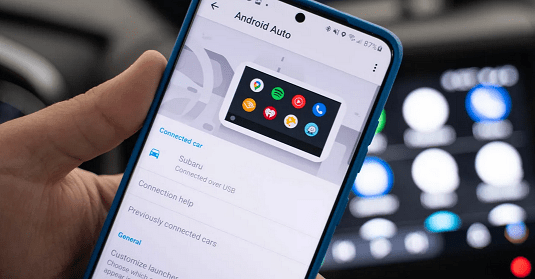
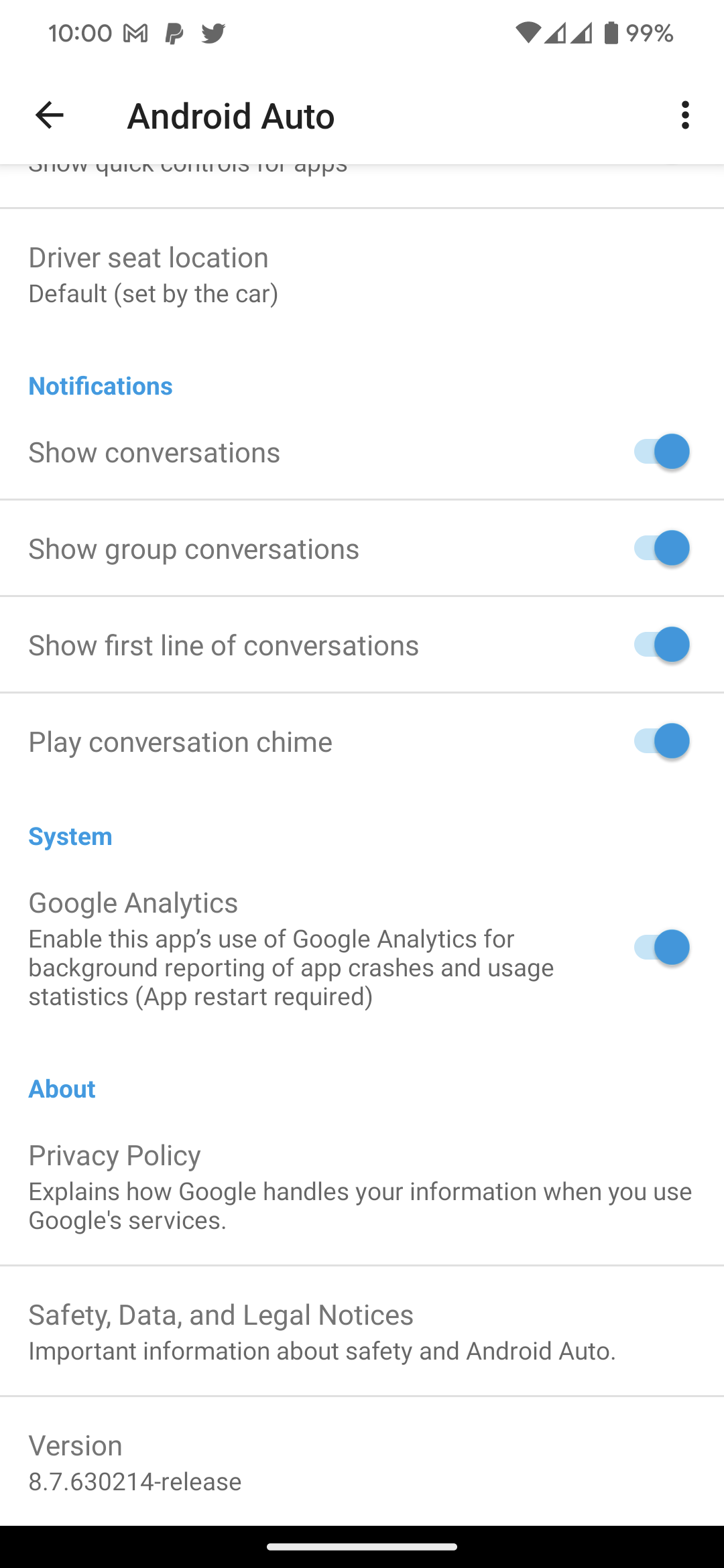
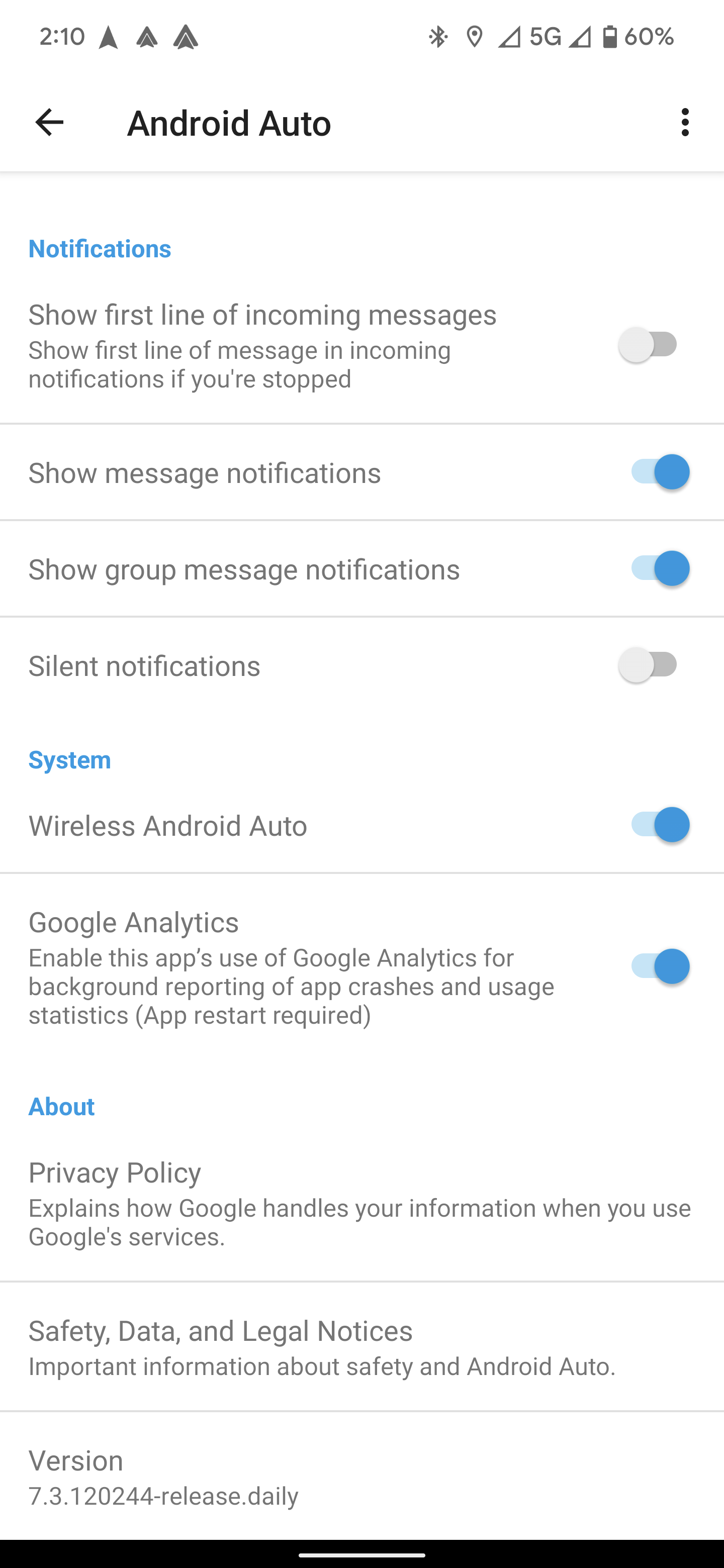
Android Auto has supported wireless connections for a few years now, but it’s only been over the past year that folks have been able to use it widely. And, now, Google has decided to remove the toggle that made it easy to turn off wireless Android Auto in the latest app update.
Android Auto 8.7 which started widely rolling out this week removes the toggle for “Wireless Android Auto” that has been available in the settings menu for ages now. The toggle was visible under the “System” section directly above the option to turn off Google Analytics. The change is also in place on Android Auto 8.8, which is available to some beta program participants.
In years past, this toggle was disabled by default in many cases, leading to users needing to dig into their settings to use wireless adapters for Android Auto such as AAWireless. Now, Google appears to be leaving that toggle on by default, but that also removes the option to turn off the functionality.
To be clear, wireless Android Auto isn’t affected by this change. You’ll still be able to jump into your car and continue using the feature as you have, you just can’t turn off wireless Android Auto on your device. As SmartDroid points out, that could be a little frustrating if you wanted to turn off the functionality on just one device so a partner’s device could connect. However, it is relatively easy to block the connection by simply turning off Bluetooth, or briefly activating airplane mode while the other device is connecting.
Android Auto 8.7Older Android Auto versions
Another notable change in Android Auto’s settings is the renaming of “Silent Notifications” to “Play Conversation Chime,” but that seems to have been added in an older update and just not noticed by most folks. Google has also recently stripped the option to “show first line of incoming messages” when the vehicle is stopped, since that functionality is now baked into “Coolwalk” by default.
It is a little odd to see Google removing the toggle for wireless Android Auto, but in the end it might lead to less confusion from users. And, notably, there’s technically still a toggle to turn off wireless Android Auto in the developer settings (accessed by tapping the version number over and over again), it’s just not easily accessible by the average Joe.
In a recent study, we found that our pillar pages are magnets for links, organic traffic, and newsletter subscribers — especially compared to regular blog posts. Here are the results that both types of SEO content generated over the course of a year:
Do these results mean you should ditch your blog strategy in favour of pillar pages? Not exactly.
Here’s the catch: You really can’t have one without the other, and it all comes down to content mapping. I’ll explain exactly what I mean in this article.
What is a pillar page?
A pillar page is a piece of content that comprehensively covers a broad topic. Pillar page — also sometimes referred to as hub and spoke — content weaves together a wide range of relevant subtopics (spokes), organizes them all in one place (hub), and effectively showcases your subject matter expertise for the broad topic.
Pillar page content should be easy to navigate for readers looking to learn — at a high level — about a particular topic, but should also offer relevant resources for them to dive deeper.
Example of related resources found on a pillar page.
It’s kind of like the choose-your-own-adventure of content marketing.
Topical authority: why it’s important
When it comes to content creation for SEO and digital marketing, you don’t want to create content around any old topic. Instead, you want to reinforce your brand’s topical authority with every new piece of content you create (be it a blog, a pillar page, an eBook, etc.).
Let’s put it this way: If you’re in the business of selling mechanical keyboards, it doesn’t make sense to publish a blog article about the best recipes for a summer BBQ. Unless you’re recommending that your customers grill and eat their mechanical keyboards, which is (highly) unlikely.
Instead, it’s more helpful to your brand — and your audience — if you cover topics related to mechanical keyboards, like:
What is a mechanical keyboard?
Mechanical keyboards vs. regular keyboards.
Custom mechanical keyboards.
How to transition to a mechanical keyboard.
Pros and cons of a mechanical keyboard.
By covering as many topics related to mechanical keyboards as possible, you’re building a foundation of informational content that tells search engines: “Hey, I know a lot about mechanical keyboards!”
And the more content you have that starts to rank for important search terms related to mechanical keyboards, the more likely searchers will see you as an authority on the subject. Ideally, they will start coming back to your content when they need to learn more about this specific topic.
Pillar pages + blogs = a match made in content marketing heaven
A well-executed and organized pillar page is one of the best ways to showcase to your audience (and search engines) that you have topical authority in a specific area. Blog posts help you achieve topical authority by allowing you to cover a wide range of relevant subtopics in great detail, and pillar pages organize all of that content into a nice, user-friendly package.
Let’s take a look at this tactic in action.
We built our content marketing guide as a pillar page, which allowed us to cover a slew of subtopics related to the broader topic of content marketing, all in one piece of collateral.
All of these subtopics are organized into sections on the page, with a hyperlinked table of contents at the top to allow readers to pick and choose exactly what they’d like to learn about:
Then, throughout the page, we offer readers the opportunity to go deeper and learn more about each subtopic by linking to relevant blog content:
What is content mapping?
A pillar page is a great tactic if you’ve got a lot of existing blog content all focused on a particular parent topic. It’s one of our favourite ways at Brafton to repurpose and repromote our blogs.
But you can also create a pillar page with all brand-new content — it’ll just take more research, planning, and production time to complete.
Enter: content mapping.
Content mapping is the process of assessing your target audience, understanding what they are trying to achieve, and helping them along that journey with branded educational and commercial content. Its scope can span the entirety of your content marketing strategy or a single piece of pillar page content.
Why content mapping matters in content marketing
The planning (or content mapping) of a pillar page is just as important as the research done to choose the correct keyword to target for your business.
Pillar pages are kind of like the books of the marketing world. If you were an expert birder, for example, you wouldn’t set out to write a book about bird-watching without doing any research. Especially if you’ve spent a lot of time writing and publishing articles about bird-watching on your blog. You’d want to understand a few things before starting that book, like:
Which of my blog posts generated the most interest from new and returning readers? (i.e. pages with the most new and returning visitors, as seen in your web analytics tool).
Which blogs kept readers coming back for more? (i.e. pages with the most newsletter subscriptions, or the best newsletter subscription rates).
Which blogs did my industry peers find most useful? (i.e. pages with the greatest number of high-quality referring domains and backlinks).
These questions can be answered by looking through your web analytics tools, such as Google Analytics and Moz Pro.
Example of content analysis by top linking domains.
You’d also want to understand what the competition looks like before you spend dozens of hours writing thousands of words to fill a book.
You’d want to answer questions, like:
What do my competitors’ books on bird-watching look like? (i.e. the types of bird-watching subtopics the page 1 results cover).
What does Google think searchers want to see when they search for bird-watching? (i.e. the types of content that are found on page 1 for your target keyword — and surprise! it might not be books).
How long and detailed are my competitors’ books? (i.e. the level of complexity and comprehensiveness of the content ranking on page 1).
These questions can be answered by manually reviewing relevant SERPs and utilizing TF-IDF tools like Clearscope or MarketMuse to understand the breadth of subtopics and types of content ranking on the first page.
Example of manual SERP inspection.Example of TF-IDF content analysis.
Once you understand which of your content performs best and which content Google and other search engines prefer to rank highly for your target keyword, you can start piecing together a plan for your pillar page.
A note about internal linking
Before we dive into the how-to portion of this piece, we should also acknowledge the importance of internal linking to this whole process.
And I’m not just talking about throwing in a link to a related product/service at the end of the page and calling it a day. The internal linking structure of your pillar page is literally the glue that holds the whole thing together. It helps readers easily navigate to related resources to continue learning from your brand. And it helps search engines understand the relationship between your pillar page content and the additional content you’re highlighting on the page.
But when it comes to internal linking, there is such a thing as too much of a good thing.
Including too many internal links throughout your content can cause a frustrating user experience or look spammy, so use caution and make sure the only internal linking you do on the page is extremely relevant to the parent topic.
If you’re unsure whether or not you’ve got too many internal links on the page, you can run it through Moz’s On-Page Grader tool, which automatically counts the number of links on your page and flags if you’ve got too many.
Tip: Keep in mind that this tool will count ALL links found on the page, including those in your main navigation and footer, so the “Too Many Links” warning could be a false positive.
As Moz explains: Google recommends you don’t go over 100 internal links per page, because it can dilute the SEO value sent from the pillar page to the linked pages, and it can also make it more challenging for users and crawlers to navigate all of the content.
Two data-led ways to map out content for a pillar page
There are a couple of different ways to approach the construction of this type of content, but they each rely on organic search data to lead the way.
1. Planning a pillar page and related resources (all from scratch)
Let’s pretend you don’t have any prior content created about a particular topic. You’re basically starting from scratch. Let’s also assume the topic you’ve selected is both core and commercially valuable to your business, and that your domain realistically has a chance of ranking on page 1 for that keyword.
Let’s say you’re a pet food company and one of your main products is cat dental treats. Once you’ve determined that this is the exact keyword you want to target (“cat dental treats”), it’s time to start your research.
Step 1: Manually inspect SERP to understand searcher intent
First, we’ll start by manually inspecting the first SERP for this keyword, and answering the following questions:
What types of content are on the first page of results?
Why are people searching for “cat dental treats”?
By answering these two questions in our SERP analysis, we’ll make sure that our plan for creating a pillar page to rank actually makes sense and it’s what searchers want to see on the SERP. We’ll also better understand all the reasons behind why someone might search this keyword (and we can then address those reasons in the content we create).
So let’s answer these questions:
Question 1: What types of content are on the first page of results?
Answer 1: The first SERP includes a variety of product ads, a People Also Ask section, and a selection of organic blogs and product pages.
Types of content found on the SERP for “cat dental treats.”
Question 2: Why are people searching for “cat dental treats”?
Answer 2: From a quick analysis of the SERP, we can deduce that people want to know why and how cat dental treats are important to a cat’s health, and they also want to know which cat dental treats work best. Perhaps most importantly, it’s highly likely that they plan to purchase cat dental treats for their furry companion(s) in the near future.
Step 2: Select related keyword ideas for blog content
Since you don’t just want to create a pillar page for just the primary keyword, you also want to pinpoint a selection of related subtopics to be written as blog content.
For this part of the process, head over to your keyword research tool, plug in your target keyword and (with an eye for topics that you’re well-suited to cover), jot down a list of keywords and phrases.
Here’s our list of potential blog topics:
Best cat dental treats.
How do cat dental treats work?
What to look for in cat dental treats.
Do cat dental treats work?
Can cat dental treats replace brushing?
Vet recommended cat dental treats.
Grain-free cat dental treats.
Step 3: Choose subtopics to cover in your pillar page content
Next, you’ll want to review the subtopics mentioned in the top ranking results. While this process can be done manually (by clicking into each result on the SERP and jotting down the topics mentioned), a TF-IDF tool like MarketMuse makes this part of the process much quicker:
These TF-IDF tools analyse the top 10-20 results for your target keyword and automatically present the common subtopics mentioned in each piece. This gives you a very good understanding of what you’ll also need to cover in your piece to compete for a top-ranking spot.
Here’s the list of subtopics we’ll want to cover in this pillar page, based on our MarketMuse data:
Cat dental treats.
Clean teeth.
Purina dentalife.
Feline greenies.
Fresh breath.
Natural ingredients.
Veterinary oral health council.
Best cat dental treats.
Artificial flavours.
Cats dental health.
Step 4: Create your outline and plan content
Now it’s time to connect the dots from your research. The best way to do this is to start by structuring your pillar page outline, and then going back in and filling in the areas where you want to create supporting blog content.
Here’s an example of what the end result might look like:
H1: The Complete Guide to Cat Dental Treats: For a Fresh-Breath Feline Friend
H2: What are cat dental treats and how do they work?
Topics to cover: Cat dental treats
Blog post to support section:
Title: How Cat Dental Treats Work (& Why Your Kitty Needs Them) Keyword: how do cat dental treats work
H2: What are the benefits of cat dental treats?
Topics to cover: Clean teeth, fresh breath
Blog post to support section:
Title: Do Cat Dental Treats Really Work? (Here’s What The Experts Say) Keyword: do cat dental treats work
H2: Are cat dental treats an acceptable alternative to brushing?
Topics to cover: Cats dental health
Blog post to support section:
Title: Cat Dental Treats Vs Brushing: Everything You Need To Know Keyword: can cat dental treats replace brushing
H2: Do vets recommend using cat dental treats?
Topics to cover: Veterinary oral health council
Blog post to support section:
Title: Vets Recommend Using Cat Dental Treats — Here’s Why Keyword: vet recommended cat dental treats
Blog post to support section:
Title: 5 Of The Best Cat Dental Treats & Why We Love Them Keyword: best cat dental treats
Blog post #2 to support section:
Title: What To Look For In Cat Dental Treats Keyword: what to look for in cat dental treats
Creating an outline for a pillar page isn’t easy, but once laid out, it helps us understand the content that needs to be produced to bring the whole thing to life.
Here is our list of content to create (based on our outline):
Pillar page: The Complete Guide to Cat Dental Treats: For a Fresh-Breath Feline Friend
Blog #1: How Cat Dental Treats Work (& Why Your Kitty Needs Them)
Blog #2: Do Cat Dental Treats Really Work? (Here’s What The Experts Say)
Blog #3: Cat Dental Treats Vs Brushing: Everything You Need To Know
Blog #4: Vets Recommend Using Cat Dental Treats — Here’s Why
Blog #5: 5 Of The Best Cat Dental Treats & Why We Love Them
Blog #6: What To Look For In Cat Dental Treats
The best way to tackle this list of content is to create and publish the six blog posts first, then once they are live, you can write the pillar page content, placing hyperlinks to the supporting blog posts directly in the copy.
2. Planning a pillar page from top performing content
For this next method, let’s say you already have a ton of published content about a particular topic, and you’d like to reuse and repromote that content within a pillar page dedicated to that topic.
All of the steps in the previous process apply, but for Step 2 (Select Related Keyword Ideas for Blog Content), do the following:
First, you’ll want to understand which of your existing pieces generates the most interest from your audience. Let’s use our web analytics data for this. In this example, we’ll look at Google Search Console data because it shows the actual search performance of our website content.
Let’s use the topic of “content creation” as our desired pillar page keyword. Search for the query in Google Search Console (choose the “Queries containing” option):
Pull all of the pages currently generating impressions and clicks from terms containing your topic, placing those with the highest clicks and impressions at the top of your list. Here’s what this might look like:
As you can see, most of the content we’ve created that also ranks for keywords containing “content creation” is blog content. These will be highly useful as related resources on our pillar page.
Now, go back to your TF-IDF tool and select the subtopics related to “content creation” that you want to cover in your pillar page. Example:
Social media content
Content creation tool
Content creators
Content strategy
Content creation process
Finally, map your existing blog content to those “content creation” subtopics. The initial mapping may look something like this:
You may not be able to map each blog perfectly to the subtopic you’re covering in your pillar page, but that’s OK. What’s important is that you’re providing readers with relevant content (where applicable) and that content, as you’ve seen in your Search Console data, is already proven to perform well with your organic search audience.
Pillar page planning templates and resources
Pillar pages take an incredible amount of time and planning to execute, but they are worth every penny.
Here’s an example of the success we saw after producing one of our more recent pillar pages, “How to Rank on Google:”
Growth of referring domains and links to the page since its launch in April 2022.
Here’s a template of the outline used to bring the page to life (and you can use it for your own pillar page). Just make a copy and off you go. Good luck!
Lauren Fox is the Director of Marketing at Brafton. She has grown the Brafton blog from 30K to 230K monthly visitors and tripled its newsletter subscriber base over the course of three years. Her expertise ranges from content research and planning to performance analysis, with a focus on content strategy.




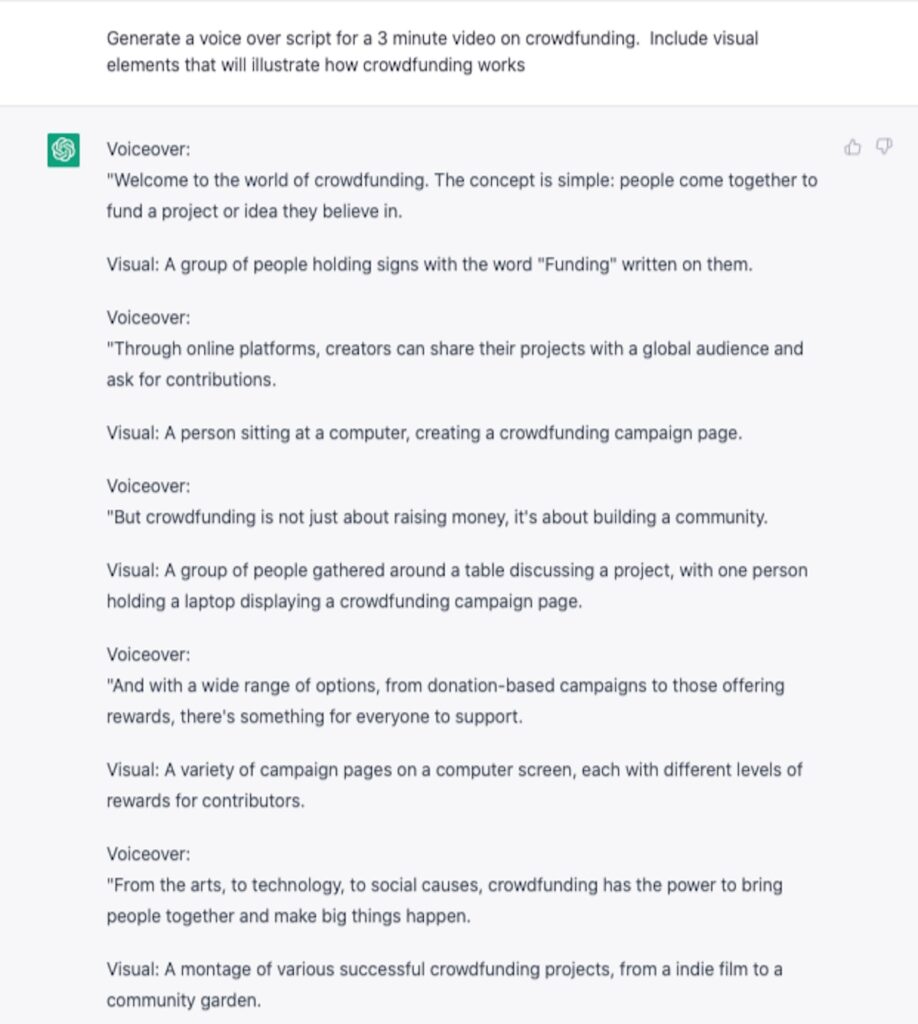

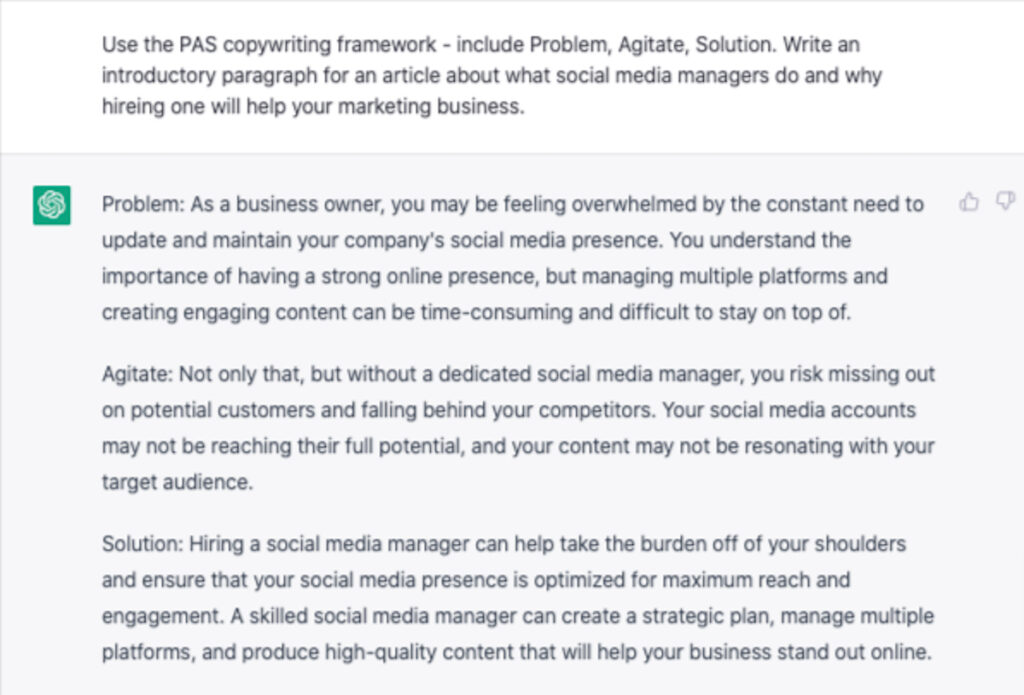
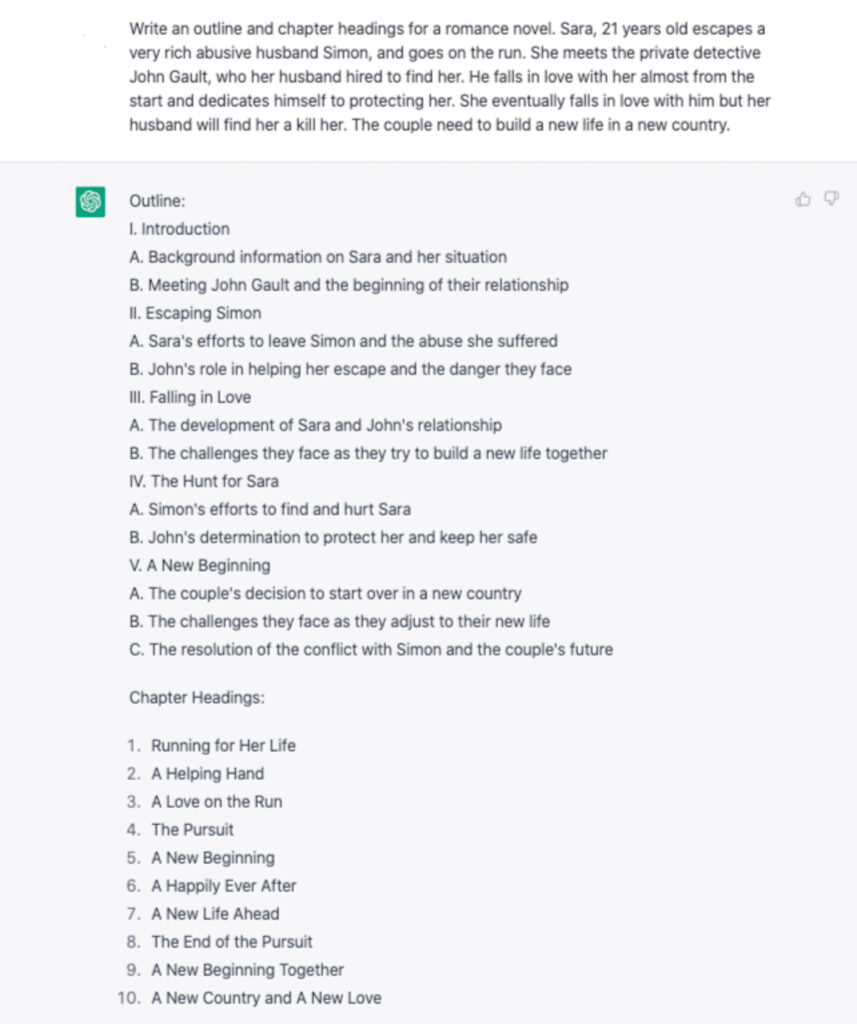


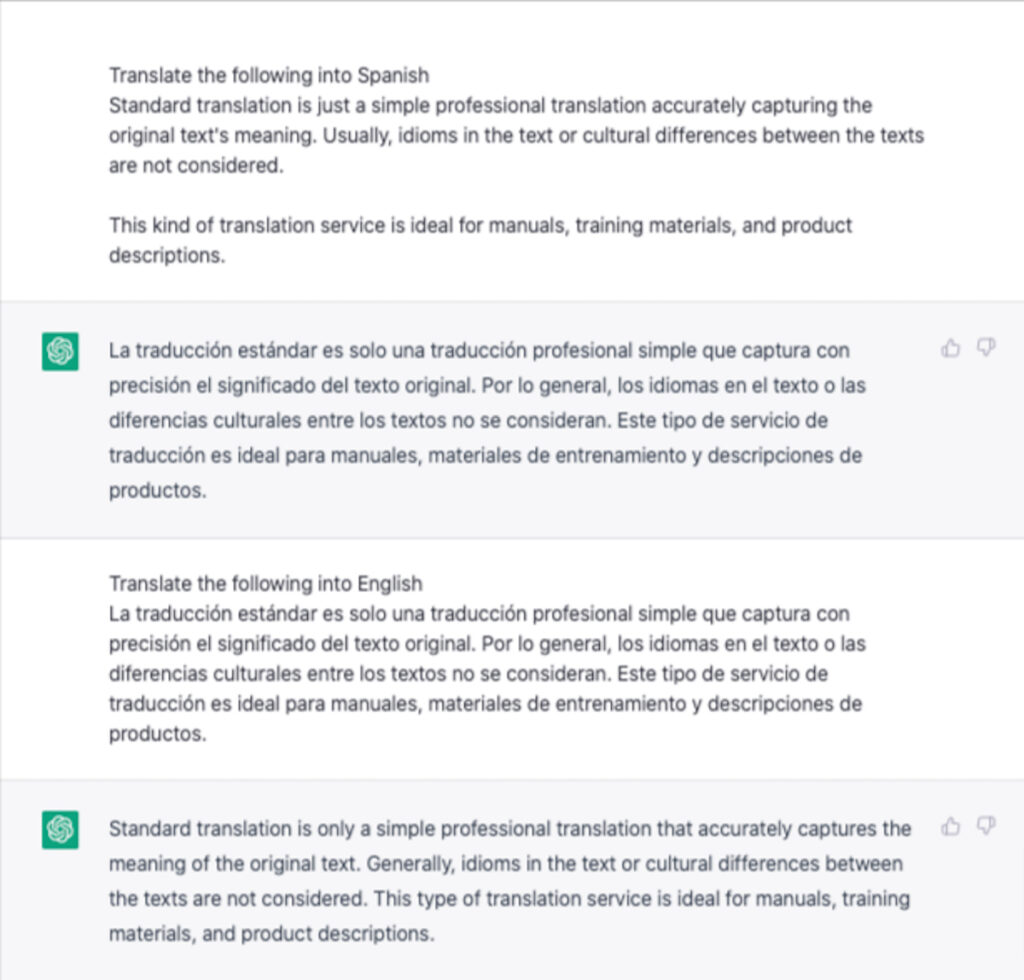
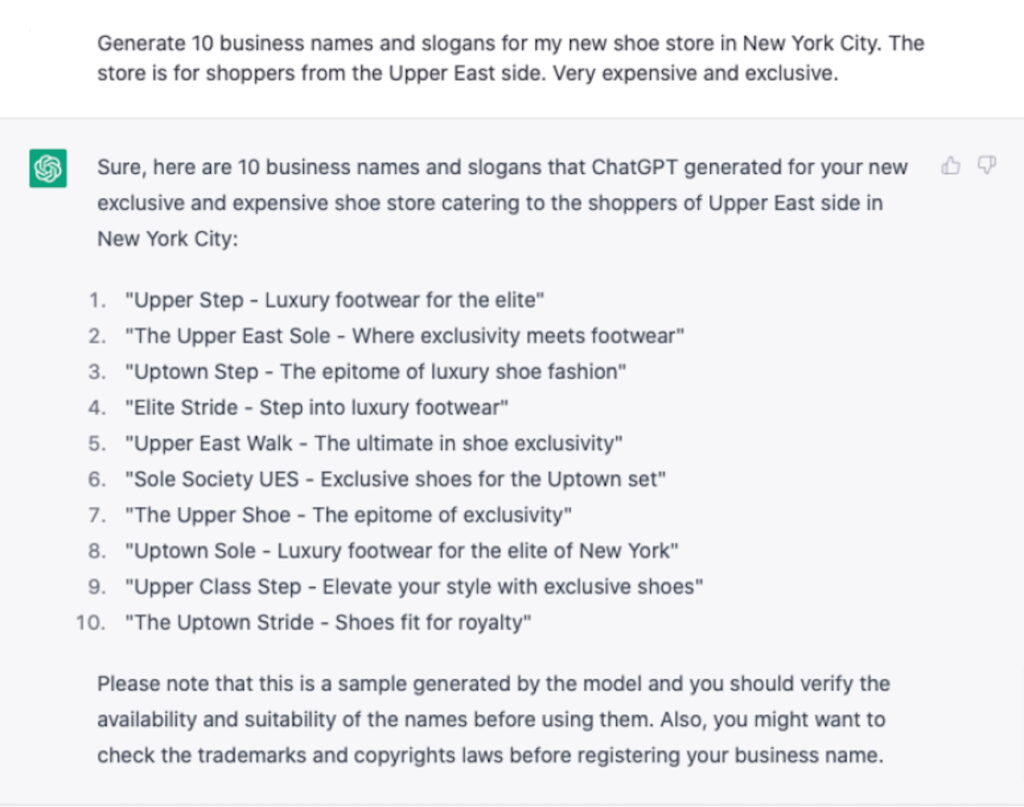
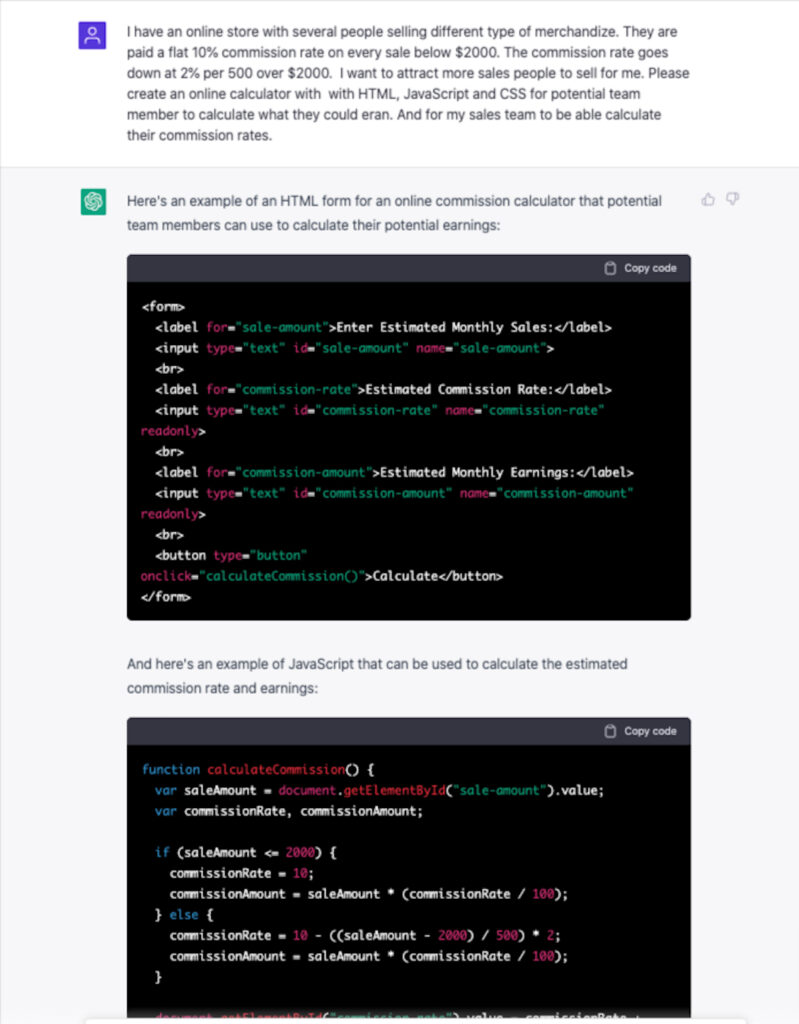

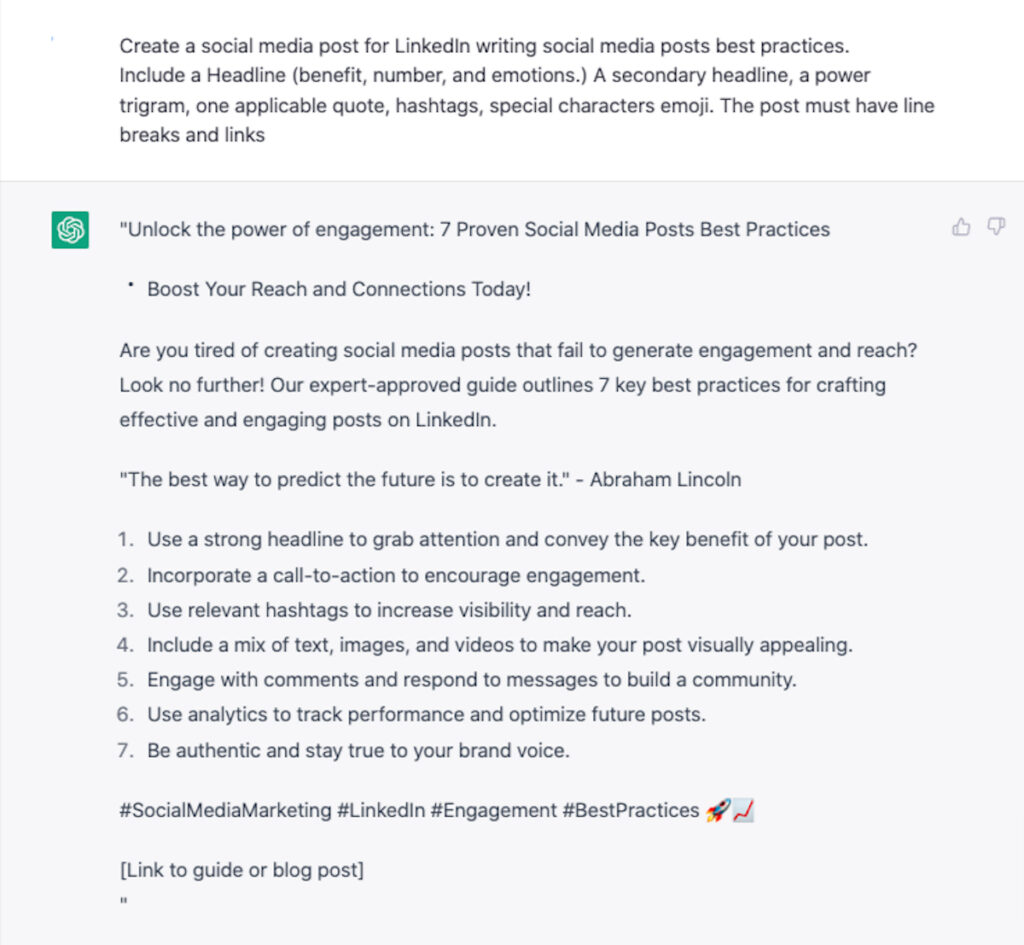
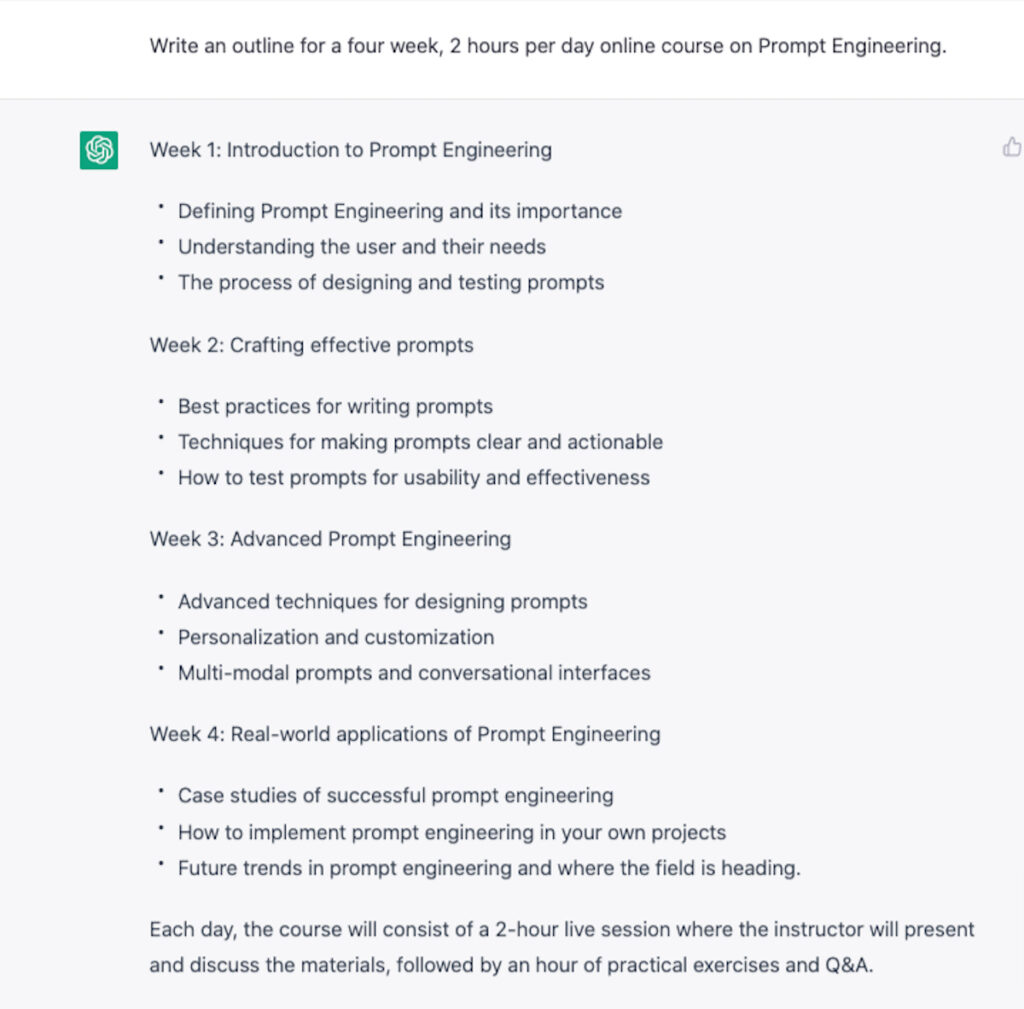
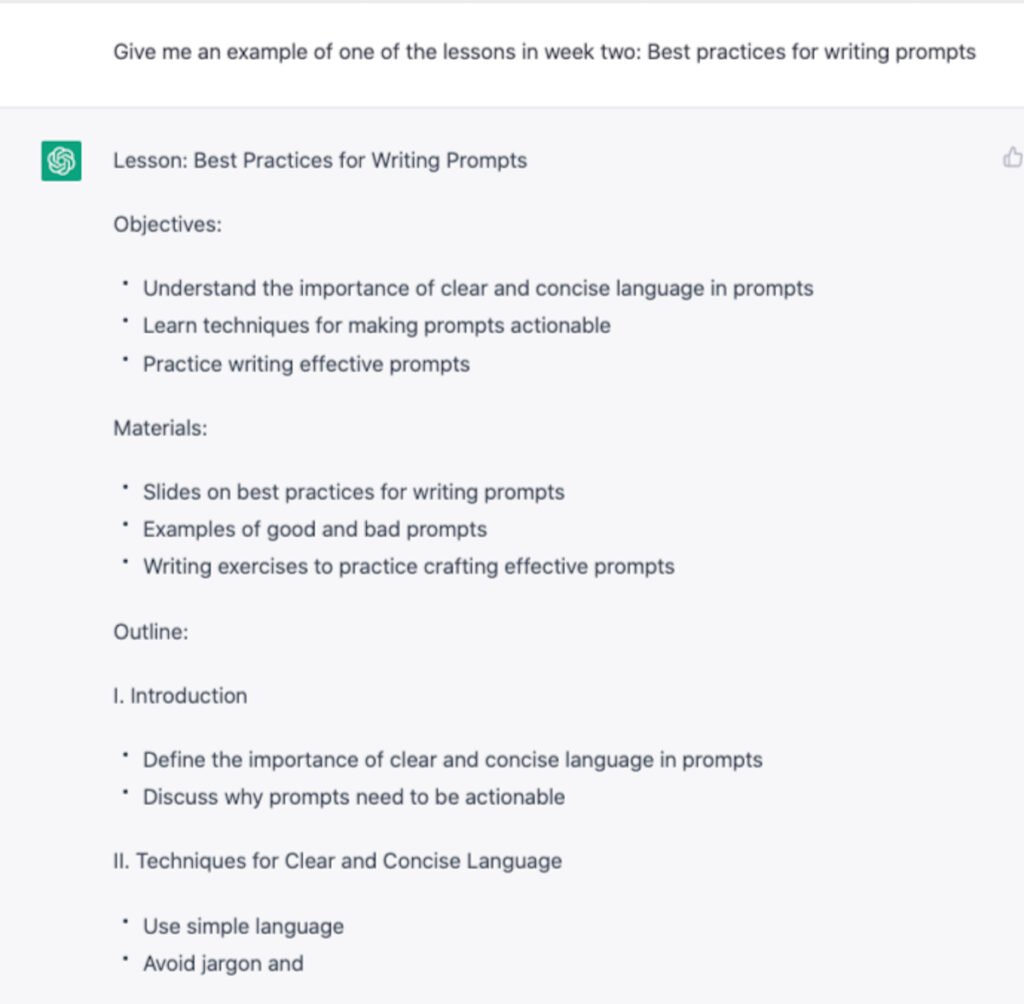

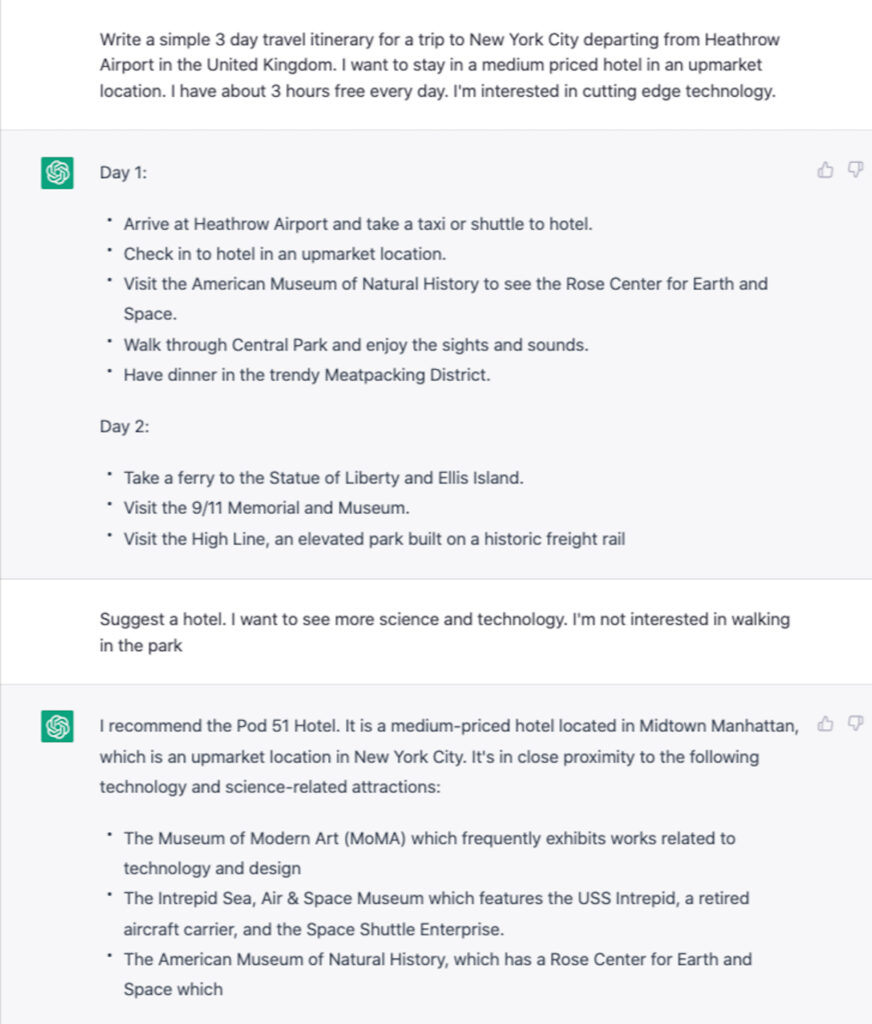

:format(webp)/cdn.vox-cdn.com/uploads/chorus_asset/file/21990397/Decoder_Banner_Nilay02_1200x1200.jpg)