Without a doubt, innovation drives today’s fast-paced, technology-driven and highly competitive business environment. To survive, companies must lead with innovation to evolve, adapt and anticipate the needs and wants of their consumers.
The radical shift in how companies conduct business due to the pandemic has accelerated conversations around innovation and strategy. Business leaders are looking for new ways to enhance customer experience, reduce costs, drive revenue and grow market share. To meet these objectives, many have embraced the concept of innovation. However, their efforts tend to fall flat or end up delivering undesirable results because they fail to include certain critical elements of a successful innovation strategy.
5 Elements of a Successful Innovation Strategy
Five critical elements lie at the core of any successful innovation strategy: Innovation Culture, Leadership Buy-In, Enable Team Members, Reward and Recognize, and Defined Metrics and KPIs. These concepts are imperative to achieving results and maintaining a scalable, sustainable innovation model.
1. Build an Innovation Culture
Companies successful at innovation have a specific mindset and pattern for generating and implementing new ideas. Pushing innovation without having a culture to support creative thinking will fail – wasting valuable time, money and resources in the process.
The first step in building an innovative company culture is to get a pulse and accurate read on where the company stands with innovation. Meetings with leadership and surveys of your team members will help you gauge the level of existing innovation culture. From here, you can focus your efforts on how to build or support your innovation culture.
Remember: Transparency plays a significant role in engaging all team members in innovation. Constant communication, training and check-ins at all levels help establish transparent dialogue on how innovation can create positive change – fuelling innovation culture.
2. Innovation Requires Leadership Buy-In
Leaders must be aligned with one another and have a shared appreciation for innovation principles. Leadership buy-in may come from a passion for client service, constantly seeking faster and simpler ways to do business, making time to innovate, or sharing and scaling results. When leaders don’t believe in the process, their mindset quickly trickles to the rest of the team — which stops innovation culture in its tracks. Remember: It’s not just what you say. It’s explicit decisions and subtle behaviours that inspire innovation and keep it at the forefront of a company’s culture.
A successful innovation strategy reinforces leadership buy-in by consistently highlighting the positive outcomes of innovation through team member engagement at all levels throughout the innovation process.
3. Team Members Need the Tools and Resources to Innovate
Equip your team members with the right tools and resources to innovate. When you provide everyone in your company with the structure, process and tools necessary to connect and share their knowledge, you give anyone permission to innovate. Many of the most impactful, innovative ideas come from those who do the work, day-in and day-out. Remember: Enabling your team members gives them the power to have a voice and take ownership in the innovation process.
Whether ideating independently or collaborating in a group, it contributes to enhancing a company’s innovation culture. Cloud-based innovation platforms also enable businesses to strengthen engagement and collaboration. Innovation platforms are another tool to keep your people inspired, ideas organized and teams accountable throughout your innovation journey.
4. Reward and Recognize Innovation at Its Roots
A big reason companies fail to innovate is because they do not recognize and reward their people for their contributions to innovation. When you fail to give credit or always acknowledge those who lead the teams rather than those involved in the ideation of an innovative concept, other team members grow discouraged and quickly lose the desire to think creatively.
Recognizing individuals who contribute to your innovation goals is an essential piece of a successful innovation strategy. Remember: Acknowledgment reinforces desired innovative behaviours and promotes an innovation culture.
Also, realize everyone has different strengths, so some will be better at different phases of the innovation process than others. Therefore, you must reward and recognize often at every stage of the innovation process – from ideation through execution. Try a combination of financial incentives like gift cards or bonuses, paid time off, office parties, company-wide emails, awards, workspace decorations, or a celebration hub and digital wall of fame. Whatever incentive fits your company culture, ensure you reward and recognize team members for their innovative contributions.
5. Define Metrics and KPIs Which Drive Innovation (and Support Business Objectives)
As a business leader, defined metrics and key performance indicators (KPIs) are essential to tracking your company’s goals. The same logic applies to innovation. Choose KPIs that relate to your business objectives, corporate mindset and team behaviours.
Be transparent on what metrics and KPIs support and drive company-wide innovation. Some examples of innovation metrics and KPIs include:
Number of team members trained
Number of ideas submitted
Number of ideas executed
Total revenue generation
Total cost savings
Remember: If you don’t measure it, you won’t achieve it.
What’s Your Innovation Strategy?
When you look at your company’s approach to innovation, does it include the five elements of a successful innovation strategy? If not, revisit your approach. In a rapidly evolving business environment, harnessing the power of creativity is the key to staying competitive. Don’t risk failure and being surrounded by a pool of innovative ideas just out of reach.
Feature Image Credit: Elements of a Successful Innovation Strategy
Molly Goins-Cox is the Chief Innovation Officer at Withum. In her role, Molly partners with Withum’s executives, senior leadership across the business, and key cross-functional teams to strategize, build and execute company-wide technology initiatives.
Your iPhone has secret apps. Do you know how to find them?
There’s no reason to let your iPhone keep secrets from you, especially when those secrets could be so helpful in your everyday life. For instance, you may not be aware that any iPhone with a relatively modern version of iOS installed has hidden apps that you might actually want to use. Here’s how to surface the ones that aren’t so easy to find.
Code Scanner
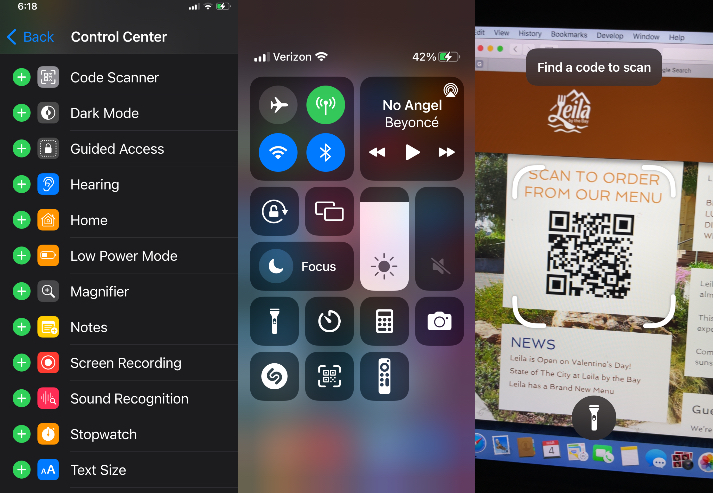
You can scan a QR code by opening your Camera, but there’s also a Code Scanner app in iOS 14 and later that doesn’t come up when you search your iPhone apps. From Settings, tap Control Centre, scroll down to find Code Scanner and then hit the plus sign to move it into the Included Controls section. When you’re ready to use Code Scanner, just swipe down from the top right of your iPhone to open the Control Centre, then tap on the Code Scanner icon, which will bring up a camera view with the prompt, “Find a code to scan.”
IDG
Magnifier
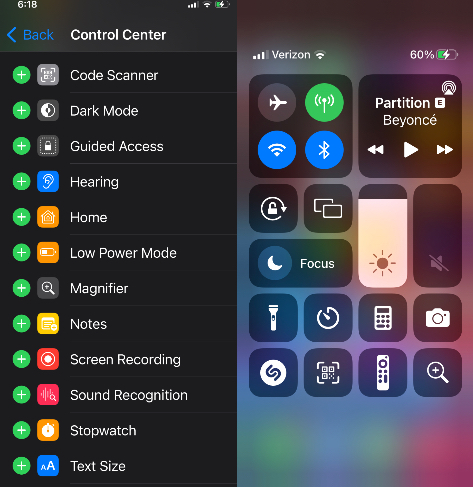
Likewise, Camera isn’t the only app that will allow you to get a zoomed-in view of your immediate environment. The hidden Magnifier app will not only bring you closer, but it’ll also allow you to adjust the brightness. Use the same process as with the Code Scanner to put Magnifier in your Control Centre. Tap Settings, Control Centre and the plus sign next to Magnifier, then swipe down from the top right of your iPhone to open the Control Centre. The slider adjusts zoom level (or you can pinch to zoom), and you can swipe up on it for more controls, including a shutter button, settings, flashlight, and adjustments for brightness, contrast, colour filters, etc.
IDG
Field Test Mode
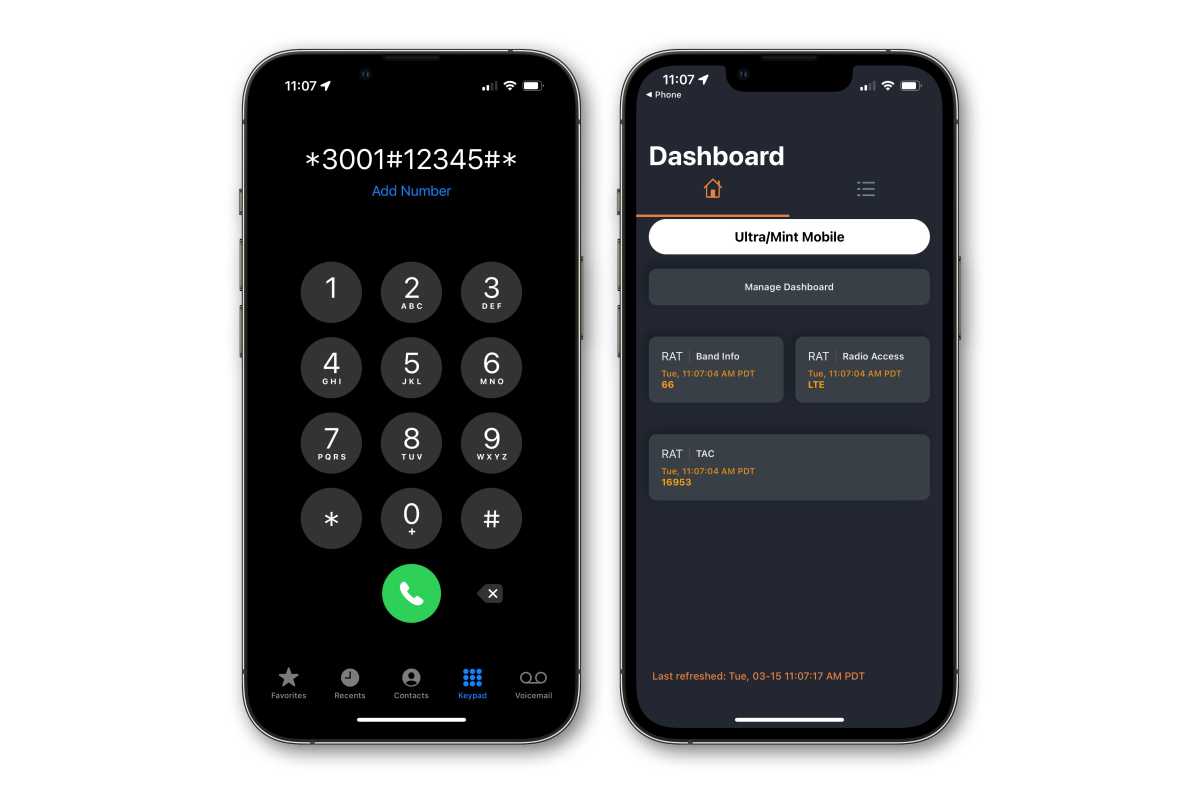
It may be Murphy’s Law that your iPhone has the weakest connectivity in the part of your house where you want to use it the most, but Field Test Mode can help you figure out the strength of your signal in numbers, not bars. In order to use Field Test Mode, you should first turn off Wi-Fi in your Control Centre or Settings. Then, open the Phone app and enter the following sequence of symbols and numbers:
*3001#12345#*
Then press the Call button, which will bring up the Field Test dashboard, where you can see which cellular bands you’re connected to, signal strength, and so much more.
IDG
Feedback Assistant
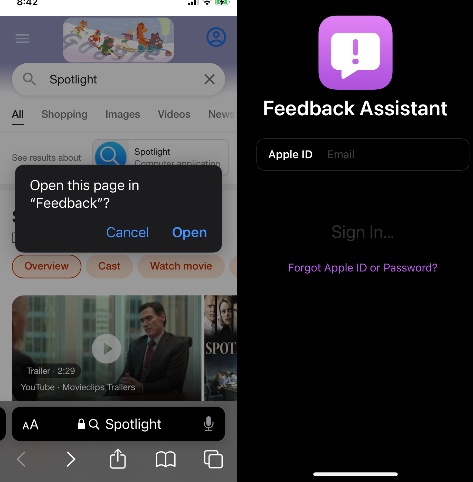
If you’re good at identifying bugs, you should use Feedback Assistant (on iOS 12.4 and later) to report any that you find on Apple TV, Apple Watch, or HomePod. Automatic might catch a lot, but there’s no substitute for a good personal bug report. Open the Safari app and type applefeedback:// as the URL. This will open the Feedback Assistant which will prompt you to sign in using your Apple ID. If you’re using an iOS beta release, this app is likely visible in your App Library and may have been added to your home screen, but it’s secretly there even if you’re not running a beta version of iOS.
From web development to branding and design, there are plenty of moving parts when launching a new website, but your SEO strategy shouldn’t be an afterthought.
In fact, your SEO strategy should be one of the primary considerations before you even start your website. To take things a step further, the best case scenario would be that your website structure is fully built based on the SEO strategy you already have in place. Doing this from the get-go saves lots of headaches for things like web development, content formatting and design, URL structures, and more.
So instead of fighting to make your website SEO-ready later on (which, trust me, is always an uphill battle), start with this holistic SEO checklist for new websites and save yourself valuable time and resources, and experience the beauty of good SEO (i.e. revenue) in a fraction of the time.
Why is SEO valuable for new websites?
New websites are like infants. They can’t comprehend language yet (no indexed pages), they don’t have many friends (no backlinks), and thus also have no authority (aka they can’t do much for society, yet).
As time presses on, Google starts to sniff out and apply changes as your website matures (assuming the SEO strategy is done right), and you’ll soon see that there are some big kids on the playground to contend with.
But don’t be afraid, all you need is a clever SEO strategy.
A baby website can start by focusing on longtail, low-competition keywords until it works its way up to toddler, then teenager, then full-fledged adult. Over time, with some tender SEO love and care, your new website can grow to compete and even overtake the strongest of competition.
So, if you’re ready to fast forward your baby website to an adult and beat the competition, just follow this SEO checklist for new websites!
1. Pick the right domain name (you can’t change it after!)
The right domain name is associated with SEO equity, so aligning your company and brand name with your domain name is critical. When you have a new domain, you’re essentially starting your SEO from scratch.
So, how do you find a domain name?
Here are some popular options to check if the domain you’d like to purchase is available:
Bonus points if your brand has a keyword similar to what you do as a business. It’s helpful, although not a must. If in doubt, choose a smooth brand name over a keyword.
2. Choose a high-speed website hosting provider
I personally recommend Siteground for its 100% uptime reliability, quick page time loads, and support (specifically for WordPress users). The host’s quality has a gigantic impact on your site’s performance, especially when it comes to a dedicated IP, SSD, HDD or other forms of storing, processor, and operational systems.
Google Search Console is like your SEO fairy godmother. It’ll provide you with tons of that that you need to achieve SEO success. With Google Search Console, you can check things like:
Page speed issues
Organic keywords that bring in website clicks
Your average click through rate (CTR)
Sitemap submission
Crawl and index errors
Page performance
…and much more!
But before we get too ahead of ourselves, make sure to verify your website in Google Search Console, so that it starts to collect data. You’ve got a few options to do this, which are outlined here.
Once you buy your domain name, Google Search Console is up and running, and you’ve got a speedy host, you’ve built the bare minimum for a website, and it’s now time to focus on developing your SEO strategy.
Quick note: at this stage, you may want to also consider adding Google Analytics to your website, as that is often the starter database for all of your marketing data. However, with recent updates regarding data privacy changes in the EU, I suggest not to rely too heavily on it and check for an analytics platform that matches your country’s customer data privacy laws.
4. Study your SEO competition
Once you’ve completed the essentials for your website, it’s time to study the competition. When analysing and making a list of your competitors consider these questions:
How is their company similar to yours? How is it different? Check out their unique selling points.
What topics do they write about?
What keywords are they already ranking for?
One super important thing to consider here is your true “SEO competitors”. Every business has product and service competitors (people who sell similar stuff), but that doesn’t mean they have an SEO strategy that’s worth trying to outperform. The key here is to identify who sells similar stuff, writes similar content, and is piling up top keyword rankings. Those are your “SEO competitors”, and they’re who you want to beat.
Once you’ve identified your SEO competitors, it’s time to perform a keyword gap analysis. A keyword gap analysis uncovers the keywords you need to rank for in comparison to competitors, in order to close the gap. And with a bit of intentional filtering, you can indeed use this information to soon outrank them.
Here’s a snackable checklist to perform a keyword gap analysis:
Add your root domain versus your chosen competitor root domains into an SEO tool like Moz.
Review the competitor overlap and shared keywords.
Export that into a spreadsheet and filter for the keywords that are relevant for your website (this is where the manual work comes into play, but it’s time that’s extremely well spent, especially because it helps you build your keyword map).
Keywords are at the centre of your SEO strategy, because they’re what connects search queries to your content listed in the SERPs.
Google’s goal is to use the keywords used in search queries to identify and present the most valuable information to searchers, otherwise known as “search intent”.
For example, let’s say you live in Los Angeles and you want to order delivery pizza, so you Google “pizza delivery Los Angeles”. Something similar to the image below pops up (though it can vary based on your search history and IP address):
As the searcher, Google has understood that your “search intent” was to order delivery pizza from businesses in Los Angeles, so the SERPs directly show businesses that match that criteria. Google uses that concept to match keywords with content all day, every day, no matter whether someone wants to buy pizza, compare CRM software, or find socks for their boyfriend.
A keyword is only as powerful as the search intent it matches.
Say you want to make some vegetarian dishes, but you don’t have all the time in the world to do it so you type “quick vegetarian dishes” into Google.
You tap the first one and find it takes two hours to make.
“Ugh! That’s not the one” you think to yourself.
You’re onto the next one and then the next.
Finally the third link down only takes 15 minutes to make.
“Okay, now we’re talking!”
If there are enough people intending to find a quick vegetarian meal and discover that the third option delivers on that “quick” part, then chances are that page will rank higher for intent and keyword matches and eventually overtake the first option.
Let’s now put this into context for your SEO strategy.
Understanding search intent plays a major role with buyer journey stages, so ensuring that you’re crafting content that’s appropriate for buyers in the awareness, consideration, and decision stage is crucial to carrying out the most effective SEO plan.
I often create SEO strategies for the B2B world, so understanding where the reader is in their decision-making process is crucial. If someone searches “what is marketing automation”, you wouldn’t want to give them a full-blown software landing page, because they’re probably not even ready to buy it yet. They just want to understand what marketing automation is. That’s where SEO comes into play and provides that informational content in order to build up brand credibility — emphasis on the “informational” part there. When done correctly, that same reader will come back to you when they’re ready to buy.
As with all things in marketing, being helpful is always more successful than aggressively trying to sell something to someone who isn’t ready.
So when choosing keywords, you’ll need to consider both search intent and the buyer journey by asking questions like:
Does the keyword truly match my product or service?
Does the keyword match questions that customers have asked (or might ask) throughout their buying journey?
What is the keyword’s difficulty? (level of competition to rank for that keyword)
What is the search volume of the keyword?
What page types appear in the SERPs for this keyword? (blog vs landing page vs home page)
The number one SEO strategy essential: your keyword map
At AS Marketing, we make this keyword selection process simple by using an SEO playbook to create a keyword map, which ultimately becomes the content strategy for new websites:
Step 1: We review where the website is now in terms of what’s ranking, what the top pages are, and create benchmarks for key SEO and website engagement stats. With a brand new baby website, this probably zero, but that’s ok, because this playbook also turns SEO zeros to heroes!
Step 2: We do a keyword gap analysis based on top SEO competitors, expand on the keyword list with our own keyword research, and then create a website structure that can achieve the desired business goals. If we know where the website is versus where it wants to be, we can strategize to make that happen. We also consider how users will find content coming from Google organic search as well when searching around on the website, so we always strive to find a balance.
Step 3: We then build a thorough keyword list that spans across the entire buyer journey, including all relevant product or service keywords and organize that into the main content verticals (content that scales and compounds organic search volume over time). Content verticals are often website sections such as industry pages, the blog, use case pages, product pages, and more.
Step 4: Now it’s time for the keyword map – the most important part of your SEO strategy. When creating this map, we cluster keywords (put related keywords into groups), so we know exactly what pages to create in terms of landing pages, blog articles, services pages, or collections and products. Importantly, we’re also getting aligned on the most efficient keyword for a website to try and rank for. Once we know this, we write out the URLs, headings, meta data, and more.
Now comes the fun part, building out your content calendar and breathing life into your website.
6. Build a strategic content calendar (and keep posting)
When done consistently and with intention, a strategic content calendar naturally attracts customers and helps you rank for keywords.
Here’s how to build such a content plan:
Prioritize sections of your keyword map: You might well end up with a keyword map that spans 100+ pages. This is actually a good thing, as it means you have a lot of space to accumulate organic traffic (remember, even multi-million monthly traffic websites like HubSpot began with zero!). To start, you’ll want to prioritize pages that your website needs right away, such as product or service pages, as those have the highest likelihood to result in conversions and generate revenue for your business.
Optimize your content: Writing content that ranks does take some best practice flex. Don’t forget to use keywords in the H1, URL, and metadata. If you’ve truly matched keywords with search intent, this comes naturally through writing anyways – keyword stuffing be gone!
Track your keyword rankings: Once you publish content, keep an eye on how it’s performing. Even if you start out way down at the bottom, content can absolutely move up over time as Google perceives your content to be trustworthy, you provide a good user experience, and your Domain Authority increases. Patience is a virtue here!
Post consistently: In order to improve those last three points, you need a consistent publishing schedule. There’s no one exact number, but I often recommend at least 4 new website pages per month. Remember that SEO has a compounding effect, so the more individual pages rank, the more likely it is that content across your entire domain ranks.
7. Ensure an optimized URL structure
I mentioned putting keywords in your URL briefly above in the content calendar section, but I’ll mention it again, because it is super important for ensuring that your content is being set up properly.
In the words of Rand Fishkin, “if there’s other keywords you haven’t used, or URLs you haven’t targeted with certain keywords, you do so during this process. This way you’re covering your tracks, making certain there are words and phrases that are covered early on.”
Also remember that URLs are permanent, so changing one is like starting any SEO attached to that URL from scratch. It’s always best to choose a URL-friendly system and stick with it to avoid any sudden drop in organic traffic or rankings. And if you have to update them, be sure to redirect the old URL to the new one, so any backlinks attached to it don’t disappear.
8. Review Core Web Vitals and page experience
Just like you go to check your core vitals at the doctor, you should do the same for your website to steer clear of any unnecessary issues.
SEO has been around for a while. There’s tons and tons of content out there and more is being published every day. This means that Google is having an increasingly tough time differentiating who to give the top spots, so CWV and page experience are a way to differentiate the SEO winners and losers. SEO is no longer just about putting keywords in the right places, it now also involves content format, design, page load speed, as well as user behaviour — like time on page and bounce rates.
In a nutshell, sustainable SEO success no longer ends with the click, you have to wholeheartedly satisfy your readers while they’re on the page in order to consistently rank.
The simplest way to review your website’s Core Web Vitals and site speed chops is to pop your domain into PageSpeed Insights.
While this is an extremely technical part of SEO, PageSpeed Insights quickly identifies errors and suggests how to fix them in plain English.
Here’s an example of what the results might look like:
If you have a score that comes up as yellow or red, you’ll see suggestions you can show to your developer in order to improve.
9. Observe accessibility
Accessibility simply means how easy it is for users (and search engines) to access the information on your website. This element is taken into consideration as a ranking factor. You want an accessible site for everyone, right? Of course, you’ll want to make sure that your content is being indexed and crawled correctly, but you can also take these steps to ensure that happens:
Optimize alt text in images (for screen readers)
Use enough contrast (make sure your colours are easy on the eye)
Correctly label elements like buttons
Make your font size big enough to read
10. Promote, promote, promote
Whether for SEO or not, your website content shouldn’t just be published and sit there. The phrase “build it and they will come” is completely untrue when it comes to SEO.
You have put in the effort to create your content, so it deserves to be shown to your audience. Think about where you already have a strong presence and harness that. Maybe it’s on social media, YouTube, or your email list. Whatever the case may be, think about how you can use other channels to drive even more traffic to your website. This in turn improves your SEO, because the more people who spend time on your website, the more Google identifies that you have trustworthy content.
And if you aren’t getting the traction you hoped for when all your SEO efforts are said and done, you may even think about paid traffic for the first few months (after all, Google loves their money, and rewards those who pay). Doing this will help you to test your website design and content with pay per click visitors, so you can use this data to quickly adjust your SEO accordingly!
Now you’re set for SEO success
Ultimately, SEO is a marathon, and not a sprint. Your overall focus point should be laying down a strong website structure from the get-go, so you can scale easily and accumulate monthly organic traffic.
As you move along with your SEO strategy, continue to monitor and update so you can optimize for the best results. With ever-changing competitor strategies and trends, your SEO strategy should never be put in autopilot. Consistent hard work brings in consistent results.
Bam! There you have it – a bulletproof SEO checklist for new websites!
You’ve taken the time to capture customers’ attention and signed them up for your email newsletter. This is a great way to keep in contact with your audience so they remain attentive and loyal. Inevitably, however, some of those email subscribers will lose interest and stop interacting. What then?
When business-as-usual communications like email newsletters aren’t working like they used to, it’s time to cook up some content specifically designed to get inactive subscribers’ eyeballs back where they belong: on your brand.
It’s time to send a re-engagement email.
The exact form of your re-engagement email will differ depending on whether you’re a business-to-consumer (B2C) or business-to-business (B2B) company, as well as the interests and preferences of your unique audience. The overall goal is always the same, however: Re-engagement emails are meant to reinvigorate a customer connection that has lost its spark.
Email Re-Engagement: What It Is and How It Works
Every company that engages directly with its customers hopes that those customers will respond in kind, clicking through links and coming back to shop with the business again. Re-engagement emails are for the other customers.
The targets of re-engagement messages may have subscribed to a mailing list, but stopped opening or interacting with the messages they’re receiving. Or they might have started making an e-commerce purchase but didn’t finish it. Companies use re-engagement email campaigns to shake up the normal communication cadence and turn at least some of these disengaged customers and dormant subscribers back into active participants.
Businesses can reach out with special offers, new subscription options, specially targeted messages and more. At best, they’ll stoke engagement without the effort that goes into finding new leads.
Even if the email campaign doesn’t work, the company has gathered useful intelligence about what customers are interested in. This is a source of knowledge marketers shouldn’t take for granted. The Content Marketing Institute asked B2B marketers about the metrics that provided insight into the overall performance of their content. Nearly two-thirds, 64%, said email engagement is a useful indicator.
Remember: Some Disengagement Is Natural
Before getting started on a re-engagement email strategy, it’s important to acknowledge that you can’t bring everyone back. Flodesk pointed out a few legitimate reasons why unengaged subscribers stop interacting with brands:
The passage of time has changed the customers’ circumstances, and the products aren’t relevant anymore.
Customers are connecting with the company through another channel, and are ignoring email.
Subscribers simply want fewer marketing emails, so they’re not engaging with as many companies anymore.
In these cases, it’s better to simply cull those lapsed subscribers from the mailing list, therefore making the email list a more accurate representation of engaged customers.
However, as Flodesk added, there are cases when a brand can change up its tactics and win an inactive customer back. This is where re-engagement emails shine.
How Re-Engagement Works
Re-engagement emails break up the normal cadence of communication, serving as a break from something that isn’t working. They are designed to speak directly to a customer’s interests, so that person will return to the fold. There are a few types of re-engagement tactics, each with its own approach:
1. Encouraging a Customer To Complete an E-Commerce Transaction
Cart abandonment in e-commerce is a major problem. Fresh Relevance found in its Q2 2021 report that customers abandon their carts at a rate of 59.2%. Immediately following up with these shoppers through an automatic email can win some of them back. Maybe they forgot about the items, or perhaps the message will remind them why they wanted it in the first place.
2. Re-Engaging an Inactive Subscriber
Has a customer signed up to receive emails from your company, but not engaged with the links in those emails? In that case, it’s time to launch a more thorough re-engagement campaign, compared to abandoned cart email. It could begin with a direct question about whether the person wants to keep receiving emails, an offer to modify subscription settings or a free gift or coupon.
3. Deepening an Interaction With a Customer
Not every re-engagement campaign is about winning over a customer who has stopped communicating with a brand. Sometimes, it’s beneficial to be proactive and ask follow-up questions of someone who has clicked a link in a previous email. This is a way to gather feedback and keep the company top of mind, as kind of a preemptive effort to prevent disengagement.
While each of those objectives is different, the approach to achieving them is basically the same: The company sends a well-crafted email outside of its normal pattern and, ideally, gets a response.
Due to the prevalence of email marketing automation platforms, there is not much overhead associated with sending out messages. This means email re-engagement can be a low-risk tactic that yields potentially great rewards.
Examples of Successful Re-engagement Emails
Re-engagement emails work when they earn attention. This is broadly true of any email communication, but when it comes to re-engagement, awareness is absolutely critical. The email subscriber or e-commerce customer in question hasn’t been doing something the company wants, so this new message is designed to bring them back before their attention wanders further.
So, what are some examples of messages that have piqued recipients’ interest?
The Old Farmer’s Store
The situation: The company sent an email recommending aprons in its e-commerce store. The recipient clicked on one of the aprons to learn more, then didn’t follow through on buying it.
The response: A few hours later, The Old Farmer’s Store sent a second email, this time directly asking the shopper to “take another look” at the apron in question with the subject line “We love what you found”.
Craftsy
The situation: A customer was browsing the Craftsy website, but didn’t engage with the company’s services, due to an unwillingness to pay the price to use them.
The response: The site sent out a re-engagement email saying that the customer’s browsing “makes us feel pretty special,” and included a discount code.
Xero Shoes
The situation: A shopper signed up for the Xero Shoes newsletter, but did not purchase any products from the company.
The response: Xero’s re-engagement email combined an eye-catching subject line (“my apologies… :-(“) with two different discount offers, as well as the honest admission that the company was sending the email because the subscriber had not read its recent emails.
The messages in each email example are designed to work on a different time frame, and they offer a range of enticements to encourage re-engagement. The first represents a quick hit to keep a transaction going, while the latter two are customer appreciation emails designed to drum up business with discounts and offers. The third combines that appeal with the must-click factor of a bold headline.
By mixing and matching email marketing strategies, companies can turn all types of situations into opportunities to re-engage customers and create engaged subscribers, building their own email success stories.
Best Practices for Email Re-Engagement
Creating a re-engagement email is not the same as crafting a standard email. After all, the objective of a re-engagement campaign is to get a different reaction than what the recipient has shown so far. That means the business has to switch up its approach to reclaim customers’ attention.
What are some tactics that can elevate a re-engagement email and get results?
Don’t send anything without a compelling headline: As Industrial Marketer pointed out, the headline of a re-engagement email is essentially the most important part. Without a headline that encourages a click, the actual content of the message won’t be read, and as such is meaningless. Industrial Marketer suggested being professional and straightforward in B2B spaces, with B2C campaigns leaving more room for emotion, such as saying “I miss you” directly in the text.
Pick your moment to follow up: How long is long enough to wait for a customer to respond or act before you send a re-engagement email? According to GetResponse, that depends on what type of action you’re looking for from the recipient. For example, more than 50% of emails will be opened within 6 hours, so if a company is running a limited-time promotion, the 6-hour mark is a fine moment to reach out to customers who haven’t acted yet. In longer-term situations, GetResponse recommends waiting a day or more, or simply not responding in all cases. Not every disengagement demands an immediate re-engagement.
Use what you know about customers: There is one tactic that applies to all forms of email marketing. Namely, sending relevant content. Effective email campaigns are based on audience segmentation, giving offers and recommendations that will resonate with segments of the customer base. Re-engagement campaigns should be the same. Impersonal or irrelevant email blasts aren’t appreciated the first time around, so they don’t stand much chance of winning over a disengaged subscriber.
A successful re-engagement campaign uses key features of email marketing, such as tailoring content to maximize open rate, picking the right send interval and targeting customers based on their interests. It simply dials these approaches up to make sure the emails are especially compelling and able to serve their purpose.
How We Use Re-engagement Tactics in Email Campaigns
As a content marketing agency, Brafton has helped clients design a variety of email marketing strategies, and these include re-engagement offerings. The following are a few specific tactics we’ve employed to reconnect companies with their customers, across a variety of industries and scenarios:
1. Quick Follow-up for Feedback
This approach applies when a customer has clicked through to a piece of content, such as an eBook they requested. It asks for a customer opinion on the deliverable. That, in turn, is a good prompt to gather some insights from the recipient. Additionally, if they haven’t looked closely at the content, it could encourage them to check it out.
2. Unopened Email Follow-up
A more direct form of re-engagement than a follow-up to an opened email, this line of action is basically a do-over. When a customer has engaged with content in the past but not checked out a recent email message, this is just a reminder to take a look.
3. Direct Request for Reply
If a company is looking for a specific response from a client who has been out of touch for a while, sometimes the best approach is to be direct. Rather than a marketing email with links to click on, the business can send a message asking for the recipient to write back directly.
4. Newsletter Email Subscriber Survey
This type of email can re-engage people who have not been interacting with scheduled emails. It gives them a chance to voice their opinions about what they would like to see differently in the future.
5. Straightforward Re-engagement Campaign
When a customer has been out of touch for a while, the best way to check-in can be via an email that asks, in the subject line, whether that person still wants to receive emails. If they say yes, it’s a direct re-engagement with the brand, and if not, it’s a sign to cull a lapsed customer. In either case, the recipient may appreciate that the company is giving a chance to opt-out, not clinging.
6. New Subscription Type Offer
A variation on the newsletter subscriber survey, this kind of email gives customers the chance to subscribe to a new and different newsletter from the same sender. It’s a good tool for reaching once-active subscribers who have recently not been as responsive.
7. Giveaways and Offers
A little incentive can be just what a customer needs to take a second look at a company. Of course, the giveaway or coupon should have value and be tied to the recipient’s interests, or else it will end up seeing the same fate as all the other communications the customer has been ignoring.
These are just a few of the re-engagement tactics available. Any company can set its own terms of re-engagement, based on what matters to that business. Cart abandonment, a lack of engagement, a change in account status — any trigger can earn an email response.
As long as a company has accurate customer data, a well-thought-out email marketing strategy and the technology to support its efforts, there’s nothing stopping that business from re-engaging its inactive email subscribers. Next time you’re worried about your own audience slipping away, ask yourself if there’s a message that could lure people back.
By Anthony Basile
Anthony Basile has been part of Brafton since 2012, having written and edited every form of content that Google’s algorithm has favoured (there have been a few). When off the clock, he sings and plays guitar at the pubs and clubs of Boston.
Building a remote services business requires more than just finding clients via advertising.
With the power of the internet and the impact of the Covid-19 pandemic, the world of business services–which includes industries like marketing and consulting–has gone more and more remote. Yet the value of real relationships has become critical to your business services growth and success. The challenge is how to build client relationships without meeting face-to-face.
In my experience, the good news is that everyone is becoming more comfortable with relationships via social media and technology. The bad news is that I still find a lot of founders and business leaders who don’t use these tools effectively or haven’t learned the rules for nurturing remote relationships.
That said, here is my list of some key recommendations to help you get your fair share of business.
1. Customize and personalize every communication you can.
Generalized email blasts and social media ads may be great for finding interest in your services, but these are not enough to close and maintain new clients. Real relationships require frequent and personalized communication, to make them memorable experiences with loyalty.
Just to be clear, I’m not suggesting long rambling texts about the weather, or “Hello, how are you?” but rather a recognition and real insights into specific challenges that you know this client is facing. Couple this with a specific proposal for the next step or your solution.
2. Maximize online referrals and positive service reviews.
Just as consumers give top priority to peer feedback and experiences on social media or review sites, you need to give your clients an incentive to tell others about you and become your advocate. I still find too many service organizations that ignore or discount online reviews and satisfaction surveys.
Another major source of services clients these days is online industry directory sites and ranking review articles. It pays to invest more in building remote relationships with these site owners or spending quality time with podcasters and popular blog influencers.
3. Highlight your personal leadership values and experience.
Through frequent communication and your website, make sure clients see you as a person and a leader, rather than as a robot who can do their job. We all have goals and expectations, and a backstory that may be inspirational, memorable, and important to potential partners.
Unless you represent one of the huge brands in the services arena, such as Accenture or Oracle, clients today want to hear why you personally are the right answer for them. What are your academic credentials, firms serviced, and industry accolades and participation?
4. Make sure clients know how you manage your business.
Clients need to feel comfortable that you expect quality work from your team and technology and have metrics, modern tools, and controls in place to make it happen. Be proactive in answering potential questions about peak load scheduling, special services, and billing questions.
In this context, you might also offer free seminars on, say, the latest trends in tax accounting or reports on best practices in a given discipline. Every good relationship is a shared one, where you also offer to learn from every potential client.
5. Seek out your client’s purpose, priorities, and expectations.
Nothing galvanizes a client’s loyalty and support than the feeling that you understand that their purpose is shared with yours, and goes well beyond what you can do for them. This has always been the realm of face-to-face communication, but it can be done as well remotely.
6. Provide relevant case studies illustrating your results.
Every business service, from logo design to tax preparation, means something different to business owners in different stages of growth. People like to see examples of your work that they can relate to, with results, including costs and savings. Focus on proposals, rather than hourly rates.
If you intend to stay in the business services market, it’s time to face the reality that much of it will be remote from this point forward. You need to tune your processes for finding prospects, building relationships, and delivering results, per the recommendations outlined here.
Your challenge is to find even more innovations, and make these changes a growth opportunity, rather than a barrier.
More and more, success is tied to hard metrics like financial results. CMOs are having to show how various advertising and marketing tactics led someone to purchase their company’s product, as well as whether they drove softer metrics like raising people’s awareness of a brand. That proof has to convince CFOs — who still see marketing as a “cost center” despite CMOs’ best efforts — to maintain marketing budgets.
One approach is to use marketing mix modelling, which allows CMOs to show business leadership how their efforts help the bottom-line. “CFOs love it because a lot of analysis is done in silos,” said Jon Turner, global chief analytics officer at Mediahub, adding that those silos can add discrepancies into reporting. “With marketing mix modelling, you look holistically so it can’t explain more than what your sales actually are. It explains all the sales and allocates them to various marketing drivers.”
Sure but what is marketing mix modelling?
It’s a way of using statistical analysis as a tool to look back at sales over a period of time to determine what exactly caused those sales. Essentially, it’s a way of helping marketers and agency execs contextualize what’s working and what’s not. For example, say a marketer who typically spends the majority of their ad dollars on TV reallocated that spending to digital channels and offered a discounted product price. If that approach accounted for higher sales figures, that marketer could then take that analysis, tweak their approach and optimize it to spend more of their budget on what’s working and less on what’s not.
Sounds like an obvious thing to do. How does it work?
Marketers and agency execs input data to the analysis based on not only the marketing tactics they are using but each activity that a brand may deploy or encounter. So they’re not only accounting for digital, TV, out-of-home, radio, podcast and social media advertising but the price of a product and various promotions that are being run. Of course, that’s not all. That’d be too easy. They’re also accounting for things like inventory levels, seasonality, even shifting weather patterns — basically anything and everything that could impact sales. That data is then compared to previous sales data, often at least three years’ worth, to show how sales have changed and give a reason as to why they have changed. It’s correlation over causation.
If that sounds like a vague synopsis, well, that’s because it is one. The model is specified for each brand and has to account for anything that would cause sales peaks for valleys.
OK so it’s just another attribution method. Big whoop.
Well, yes and no. While it is a way for marketers to point to a reason for sales, it’s also a predictive model to help marketers make decisions for the months ahead. Marketers will use the analysis — often on a quarterly basis — to see the shifts that are happening and move dollars around to hopefully continue positive trends. Should the model show that a particular channel is working more, they’ll likely move more marketing dollars there. Take out-of-home, for example. As people returned to travel and commuting following lockdowns, it’s become a more useful channel again so marketers are spending more there.
But you just brought up the pandemic. Doesn’t that throw a wrench in the whole thing?
In some ways but not really. That’s why marketers use a few years’ worth of data for marketing mix modelling. “When you have a shock to the system like Covid, having years’ worth of data becomes even more important,” explained Larry Davis-Swing, evp of advanced analytics at Spark Foundry. “By having plenty of data before it and plenty of data after you can start to understand and isolate all of the stuff you saw happening during Covid.”
Davis-Swing continued: “When markets shut down, we saw consumer behaviour shift. People went from going to restaurants to doing takeout and delivery. We saw delivery explode. So we can account for that initial explosion, not because of advertising or marketing, but because consumers had to change their behaviour.”
So yes, data from mid-March 2020 to the end of 2020 — maybe even summer 2021 — is a bit of a wash as consumer behaviour changed significantly, making it harder for predictions to come to bear. However, as people get back out of their homes and return to pre-pandemic activities, marketers can then weigh the data from 2019 higher and factor more normal behaviours in to help future predictions be more accurate.
That’s why you have to make sure the inputs are correct.
Exactly. Marketers and agency execs have to think through everything that might account for sales variation so the model can work properly and help with predicting how they should be allocating their marketing mix. If you have a model that’s trying to explain the variation in champagne sales, you’re going to have to input a peak on New Year’s and Valentine’s Day, explained Trisha Pascale, group director of analytics at The Many. If you don’t account for that, the model could be inaccurate and the predictive element of it useless.
Accounting for shifts in marketing and advertising strategies is important too. With the turnover of one CMO to another, which tends to happen every 18 months or so, there’s often a shift in strategy. If you haven’t accounted for more digital advertising or whatever the change may be in the marketing mix modelling, then it won’t show how that shift is working.
OK but aren’t you using a bunch of data. What about the death of the cookie? Won’t that be a problem?
Unlike multi-touch attribution, marketing mix modelling isn’t run at the consumer level, so the more personalized data that could go away with the death of the third-party cookie isn’t as important for marketing mix modelling.
“We’re talking about really big trends, and we’re not building these models at the consumer level,” said Michael Salemme, svp of analytics at Zenith. “There are ways to run aggregate data to continue to run [marketing] mix modelling. We’re trying to explain changes in sales typically at a national or regional level, so we just need to know approximate exposures.”
As a small business owner, attracting new customers can be daunting. It might seem as if there is someone better and older in the business, but this is precisely why you should focus on nailing lead generation and customer acquisition tactics. It’s essential to be creative and aggressive in your marketing efforts, constantly network, and look for new leads.
To attract new customers, a small business needs to have a clear plan for how it will stand out from the competition. One way to do this is by developing a unique selling proposition, which clearly explains why a customer should buy from your business instead of a competitor.
It would be best to focus on providing excellent customer service and creating a long-lasting impression, ensuring customer retention and building a loyal following. Another thing that enables your business to attract new business is spot-on digital marketing, including paid advertisements and other tactics.
Other techniques include:
Using social media to build relationships with customers.
Developing a solid branding strategy.
Targeting a specific niche market.
11 Ways to Attract your Customers
Looking for ways to attract more customers to your business? If so, you are in luck, there are several things you can do several things to draw in more customers, so I have narrowed down 11 ways to get more customers. Scroll down and keep reading more!
Know your customers
Do you know your customers? It may seem like an obvious question, but many people miss out on actually getting to know their clients. The fact is that you can’t serve your audience effectively if you don’t know who your customers are. Knowing your customers is essential to creating an effective marketing strategy that will resonate with them and encourage them to buy your product or service.
To understand your customers, you need to know their demographics – their age, gender, income, education level, and so on. You also need to know their interests and what motivates them. Knowing what your customers want and need is the key to creating a product or service that they will want to buy. The best way to get to know your customers is to talk to them. Survey their interests.
2. Offer new customers discounts and promotions
One way to entice new customers to your business is to offer them discounts and promotions. This could include giving them a percentage off their first purchase or a free item with each order. You could also offer a discount for customers who refer a friend. Whatever promotion you choose, make sure you are clear about the terms and conditions, and be sure to advertise it prominently on your website and social media pages.
3. Recontact old customers
It’s always a good idea to reconnect with old customers, especially if they haven’t done business with you in a while. A simple email or phone call can remind them of your business and give them a reason to return. Plus, it’s a great way to keep your name top of mind and stay in front of your competition. If you are connecting your old customers then try Instagram metrics so that you get to know all the insights of your audience.
4. Start a Contest
One great way to get your customers more involved with your social media account is to start a contest. When creating a contest, make the rules clear and ensure that you follow any applicable laws. You’ll also want to make sure that you have a plan for how you will choose a winner.
When announcing the contest, be sure to use creative and eye-catching visuals to get people’s attention. You can also use social media to promote your contest. Promote it on your website, in your email newsletter, and on your other social networks. Starting a contest can be the best LinkedIn marketing strategy that drives traffic towards your posts.
5. Promote your expertise
As a business owner, you know that promoting your expertise is a great way to attract customers. By sharing your knowledge and skills, you can show potential clients that you’re an authority in your field.
Not only does this help you attract new customers, but it also helps you build trust and credibility. There are several ways you can promote your expertise, including writing blog posts, creating e-books and white papers, and speaking at events. In addition, you can also use social media platforms like Twitter and LinkedIn to share your insights. When it comes to promoting your expertise, the most important thing is to be consistent. Make sure you’re sharing valuable content that helps your audience.
When customers are looking for a product or service, they often rely on online reviews to help them make a decision. This is especially true for products and services that are relatively new to the market or for those with a limited number of businesses that provide the service.
Online reviews are a valuable source of information for customers, and businesses should use them to their advantage. Businesses can show that they care about their customers and satisfaction by monitoring online reviews and responding to customers who have left reviews. Businesses can also use online reviews to improve their products and services. Businesses can get a higher reach by looking at the most positive and the primarily negative reviews.
7. Online advertising
One growing way to do this is through online advertising. Online advertising can take many different forms, from text ads to video ads, and can be targeted to specific customers based on their interests and demographics.
Online advertising can be a great way to connect with more of your customers and can be a little expensive way to reach a large audience. It’s also a great way to build brand awareness and connect with potential customers who may not have been aware of your business before.
8. Choose the Best Social Media Platforms
When it comes to social media marketing, businesses have a lot of choices. Which platforms should you use to reach new customers? The answer depends on your business and your target market.
All social media platforms are created to cater to different types of audiences. Therefore, it is super important to figure out the best for your business.
Another platform that’s popular with younger audiences is TikTok. TikTok is a social media app that lets users create short videos. It’s a great platform for promoting products and services that are fun and trendy.
Once you have decided on your social media platform now the next thing is to decide your social media management tool.
9. Know your competitors
Competition is the lifeblood of business. It can make you stronger or it can kill you. In order to be successful, you must know your competition. What are they doing? What are their strengths and weaknesses? What can you do to stay ahead of them? To stay ahead of your competition, you must be constantly aware of what they are doing.
Keep track of their latest products, services, and marketing campaigns. Monitor their social media activity and see what new things they are doing on their websites. Stay up-to-date on their pricing and what new discounts or offers they are running. When you know your competition, you can develop strategies to stay ahead of the competition.
10. Create compelling content
Creating compelling content is one of the best ways to attract your customers. It is important to produce content that is not only engaging but also relevant to your customers. You can do this by developing a content strategy that focuses on your audience and their needs.
Additionally, you can use various tactics such as videos, infographics, videos and blog posts to engage your customers and keep them coming back for more. You can use relevant and engaging content that helps you to connect with your customers and convince them to stick around.
11. Leverage the power of social media
Social media has forever changed the way businesses communicate with their customers. The power of social media lies in its ability to connect businesses with their customers in a highly personal way.
Through social media, businesses can communicate with their customers directly, share updates and announcements, and solicit feedback. Additionally, social media allows businesses to build relationships with their customers by providing valuable content and engaging in conversation. By leveraging the power of social media, businesses can create powerful connections with their customers that can lead to increased sales and loyalty.
Conclusion
It is essential that a small business adopts a target marketing strategy to attract new customers. However, it doesn’t mean that you have to spend a fortune on marketing. There are several ways to boost your visibility and attract new customers without breaking your bank. So use these above tips and watch your business grow.
By Tahniat Alam
Tahniat Alam is a Social Media Marketing Manager with deep insights into Content Marketing. Apart from being a national player, I can be well defined as a pluviophile, a giraffe admirer, and a travel enthusiast who wishes to travel the world one day. Vibrant as myself, I like to keep my writings the same. You can ping me at [email protected]
We take a look at some essential branding tips for new luxury start-ups to ensure your products or services quickly become the most coveted – and that your brand gets everyone talking, for all the right reasons.
The global luxury brand market is big business, with its value today exceeding £1 trillion annually – and despite the pandemic that has dominated the past two years, that number has continued to grow. At a time when more of us are launching new business endeavours than ever before, it has never been more important to get a handle on what it takes to be a success – and brand marketing is the key.
From luxury car manufacturers like Bentley, Rolls Royce and Ferrari, to designer brands like Gucci, Fendi and Chloe, if there’s one thing all of these esteemed names have in common, it’s excellent brand marketing, and being able to carve out an image and brand story that resonates with your target customer is essential if you’re looking to turn some impressive profits in your first year of operation.
Crafting the kind of reputation that makes for a highly sought-after brand doesn’t happen overnight, and it takes time to win the trust and respect of customers. But by presenting your brand in the right way from the outset and focusing on growing awareness in the first instance, you’ll be setting yourself up for success.
Here, we take a look at some essential branding tips for new luxury start-ups to ensure your products or services quickly become the most coveted – and that your brand gets everyone talking, for all the right reasons.
Create a memorable brand logo
There are several key elements to consider when having your logo designed. Image credit: MarlonTrottmann/Bigstock.com
The best luxury brands are instantly recognisable, but that doesn’t mean going all out with colour and shape or getting over-excited when it comes to creating your logo. While every good luxury brand should have one, simplicity is the key to presenting yourself as a high-end offering – and simple yet stylish typography and monochrome or muted tones will ensure you create the right impression. While once upon a time, pictorial logos were all the rage, those days have long gone, and luxury brands should avoid them at all costs if they want to come across as tasteful and exclusive – which is exactly what every high-end offering should be.
There are several key elements to consider when having your logo designed. Monograms are an easy way to ensure your brand is perceived as having status from the beginning, so consider a logo which comprises one or two overlapping initials rather than spelling out its name in full. Brands like Gucci and Louis Vuitton are great examples of how to do this well. Minimalism is key, so take inspiration from the likes of Burberry and Dolce and Gabbana, which have both opted for flat, block typographic logos. There’s no need for drop shadows or other special effects when you’re a luxury brand, because the name alone should speak for itself.
Design the perfect business card
Your logo will feature across all of your marketing materials – from your website and social media channels, to your business cards – and should look cohesive across all of them
Your logo will feature across all of your marketing materials – from your website and social media channels, to your business cards – and should look cohesive across all of them. While much of your target audience will likely come across your brand online, there will be instances where face-to-face meetings are essential for building your entity and making connections, so it’s essential to have an impactful business card you can hand to important people at conferences, events and meetings to ensure you and your senior team are remembered.
Traditionally, business cards come in a rectangular shape, but increasingly, we’re seeing modern twists on this, with brands opting for interesting or unusual shapes that represent what they do. For example, a company that produces honey might opt for a business card in the shape of a honey pot. However, when it comes to luxury brands, simplicity will always win out, so keep to the expected format and ensure a minimalistic layout to avoid overwhelm. An effective business card for a luxury brand should feature your logo, brand name and the name and job title of the carrier, along with some basic contact details like their phone number and email address.
With such a limited amount of space, it’s important to use it well, and to do that you’ll want to keep to the holy grail of luxury brand marketing: minimalism. Have your chosen designer create a name card mockup so you can see what it will look like before having it printed in large volumes, as this will allow you to make any necessary tweaks beforehand.
Leverage your social media channels to tell your brand story
Your social media channels are responsible for expanding on your brand story, as well as reaching and building relationships with potential customers – before ultimately directing them to your website to make a purchase. Image credit: Chinnapong/Bigstock.com
While your website acts as your virtual shop front, your ideal customer will be unlikely to find it on their own. Your social media channels are responsible for expanding on your brand story, as well as reaching and building relationships with potential customers – before ultimately directing them to your website to make a purchase.
Each of your social media channels should feature your logo as your profile image, and a short, identical brand description so that your target audience always knows what to expect and can quickly gain clarity on your brand and what it’s about.
Instagram is a particularly important channel for luxury brands to leverage, as its visual focus makes it the perfect platform through which to emphasize the symbolic value of a brand. It will also enable you to create a visual of the lifestyle that comes with your brand, which is important because this is what persuades many customers to buy.
Embrace your brand’s heritage
Take inspiration from the likes of Ralph Lauren, which has continued to tell an enthralling ‘rags to riches’ story since its inception, successfully epitomising the American Dream and appealing to high-achieving customers who can relate to starting from the bottom and rising to the top. Image credit: chrisd2105/Bigstock.com
Every luxury brand has a unique story to tell, and doing so is a powerful way of reinforcing the exclusivity perceptions of your offering. Embracing your brand’s heritage will ensure that it stands out from the crowd and help your target market to connect to your brand, so playing on this can be a powerful marketing tool.
Take inspiration from the likes of Ralph Lauren, which has continued to tell an enthralling ‘rags to riches’ story since its inception, successfully epitomising the American Dream and appealing to high-achieving customers who can relate to starting from the bottom and rising to the top.
Leaders from The LEGO Group, Taco Bell, Delta, YouTube, and more share the most underdeveloped marketing skills today.
What it takes to unleash great marketing today–marketing that truly moves people–requires buy-in both internally, communicating creativity’s direct tie to commerce, as well as externally, connecting creativity to what’s most important to your consumers.
It can often take a decade or more of experience to hone in on the skills necessary to succeed in our field. Fortunately, we have insight from some of the boldest and brightest marketers out there.
We asked our recently featured Innovators what’s the one skill you feel is currently underdeveloped in marketing? Here’s what they said:
The science of marketing
“The belief that creativity and quantitative skills are mutually exclusive. I love art but also believe that science is equally important, so for me, the best marketers are those who can think both creatively and analytically. … Ultimately, I think my understanding of finance has made me a better marketer.”–Shannon Womack, general manager of U.S. brand marketing, Delta
“One of the biggest skill gaps that I have seen is an understanding of business strategy and analytics. Ultimately, as marketers, we are only as valuable in our ability to understand the biggest areas of opportunity and to quantify our impact on how we move that North Star forward. If you don’t understand the dynamics of the business, it is next to impossible to earn a seat at the table with the C-Suite.”–Chris Marino, global head of performance marketing and media, Bloomberg Media
Playfulness to pique consumer curiosity
“I have to say playfulness. My favourite campaigns and activations are the ones that do not take themselves too seriously, while also having deep meaning behind them, and that is the same as play. … I think more of us could use play in our process of campaign planning.”–Cristina Liquori, head of U.S. marketing, The LEGO Group
“Dialing up the mystery piece is what’s missing in marketing. I think marketing feels like it must be literal and obvious sometimes. However, I think there is a lot of room for creating mystery through marketing, which draws on people’s curiosity and, thus, to the brand.”–Miki Agrawal, founder, Tushy
“I really admire brands that are taking swings in various industries through playful and meaningful marketing. I think about the work that Sweetgreen has done with Naomi Osaka or what Liquid Death has done with their packaging.”–Jordan Schenck, cmo and co-founder, Sunwink
Listening first and translating into action
“Truly hearing what your target consumer and fans are saying, asking and expressing. … Because the current landscape is so competitive and so loud, marketers feel the need to shout or to be first, even when there’s no brand connectivity. The importance of being a brand that ‘gets me’ and ‘aligns with my beliefs’ is huge, especially with the newer generations. And you don’t get there by shouting—you get there by listening.”–Matt Prince, senior manager of PR and brand experience, Taco Bell
“The ability to translate creative concepts into execution, or simply put, moving from conversation to action. Ideation is an integral part of marketing, but the work doesn’t end there. Many marketers are great at coming up with strategic ideas; however, they struggle with turning big ideas into executable initiatives. As we build the next generation of marketers, it is critical to foster creativity and innovation while also teaching the importance of the how.”–Elizabeth Del Valle, global head of marketing, gaming and creator communities, YouTube
As an SEO expert, your job will include optimizing websites to attract quality traffic through organic searches. Many companies and online business owners are constantly looking for professionals with SEO skills and SEO experience to help them monetize their web content, generate good leads, build brand awareness, and optimize user experience.
If you’re interested in building a successful career in the industry, this article can help you learn how to get a job in SEO and discover what’s attainable on the job market. We will outline educational programs and SEO skills you need to secure the highest-paying SEO jobs in the industry.
What Is SEO?
Search engine optimization (SEO) is a technique used to maximize the searchability of content on a webpage to increase its visibility and position in search engine rankings. SEO Knowledge makes it possible to generate organic links for your client’s website. It is used in online marketing to incite and increase interaction with prospective customers.
SEO makes it easy to measure the success of marketing campaigns and efforts, as well as substantially draw actionable insights from these SEO campaigns. Before you start earning your dream pay in this exciting profession, you need to understand the technicalities of this field, how it relates to the online business world and how it can be integrated.
SEO Job Outlook
SEO is a budding field, and as such, the demand for SEO professionals is growing consistently. According to the Advertising, Promotions, and Marketing Managers grouping by the US Bureau of Labour Statistics, advertising, promotions, and marketing managers, which includes SEO experts, have a positive job outlook, 10 percent higher than in the average career. Between 2020 to 2030, there will be an employment growth of 31,800 new entrants.
What Education Do I Need to Become an SEO Expert?
To become an SEO expert, you need to learn the applicable skills and then devise workable SEO strategies that will impress your clients. Most positions in SEO require bachelor’s degrees in marketing, business management, and information technology. Alternatively, you can secure an SEO position with certifications. You can get these through coding bootcamps or online courses.
Can I Get an SEO Job Without a Degree or Certificate?
Yes, you can. You don’t necessarily need a certificate or a college degree for a job in SEO. While some potential hiring managers prefer to hire college graduates, you’ll definitely find many who place more emphasis on your hands-on experience and technical skills. In most cases, having a well-tailored portfolio will make you stand out as a potential employee.
Can a Coding Bootcamp Help Me Get a Job in SEO?
Yes, a coding bootcamp can help you get a job in SEO. Enrolling in a digital marketing bootcamp, business bootcamp, or information technology bootcamp can provide you with the SEO skills you need to succeed in this field. Coding bootcamps are specialized in preparing students for lucrative career roles in the tech industry.
These programs offer interested students well-structured immersive curricula spread out over a few months. If you enrol in any of the bootcamps listed, you’ll be taught by industry experts and career advisors. These instructors will provide you with mentorship in building your portfolio and social media profile. You’ll also have access to job placement services.
How Long Does It Take to Get a Job in SEO?
It could take you anywhere between one month and four years to get a job in search engine optimization. This mostly depends on the education path you choose, your learning speed and the platform you choose to conduct your job search. If you learn through online courses, it could take you anywhere from a few hours to six months.
Coding bootcamps offer an intensive curriculum and excellent student services, usually requiring about four months to complete. Typically, earning a degree takes longer. Associate degrees take up to two years, while bachelor’s degrees take three to four years. You should also consider the time it takes to build a portfolio of projects and a strong resume.
Common SEO Education Paths
Several educational platforms can help you gain the SEO training you need to apply for job openings in this field. We’ve outlined the most popular training platforms, along with their mode of operation, so you can choose the best fit.
SEO Bootcamps
SEO bootcamps are a popular education pathway for people looking to get started in this field. With this training, you’ll learn more than just the SEO basics. You’ll build your soft skills, technical knowledge, social profiles, and portfolio. You’ll learn about key SEO tools and how to scrape websites for data. You’ll also learn how to devise useful marketing strategies.
Community College
Community colleges offer both certificates and associate degrees to college students looking to get started in SEO. Certification training in either social media marketing or digital marketing from community college can provide sufficient education for a career in SEO. You’ll study topics such as content marketing, key SEO tools, link-building strategies, and click advertising.
SEO Degrees
You can gain search optimization knowledge and professional SEO marketing skills by attending a University or a four-year college. A college degree offers a strong knowledge base and a wide range of career options. Most SEO firms prioritize students with broad degrees in a related field.
You can learn how to efficiently measure SEO efforts, build search engines, and use advanced SEO factors through a bachelor’s degree program in digital marketing or information management.
Key SEO Skills to List on Your Resume
To impress prospective hiring managers, you have to structure your resume in a way that efficiently highlights your core skills. Your resume should list your transferable skills, as well as your technical skills. Below are some of the key SEO skills your resume should highlight.
Front End and Backend Programming
SEO specialists and managers need skills in programming. Knowledge of HTML, CSS, and JavaScript is essential for making websites easier to find on the web. A front end developer utilizes programming languages, web design skills, and keyword research when optimizing a website to meet SEO standards.
On the other hand, an SEO expert with backend development skills will ensure the website URLs are properly canonicalized to facilitate organic searches.
Data Analytics
Every SEO expert should understand and be able to implement SEO analytics. SEO analytics is the process of gathering and organizing datasets from websites into useful patterns to evaluate the organic performance of a website based on specific indicators. The information extracted from the analysis is used to make predictions and improve future results.
The types of analysis you can conduct on your website include on-page SEO, off-page SEO, content audit, site audit, local SEO, backlink analysis, and technical SEO.
Copywriting and Marketing
Copywriting and marketing in the digital world involve applied SEO. Your job may require you to create engaging and directional sales copies or marketing campaigns using search engine optimization. In cases like this, you need to know how to utilize specific keywords and links organically to ensure your content promotes authority, actionability, and brand awareness.
Professional content marketers and copywriters know how to identify the components of Google Analytics or Bing ranking algorithms to create compelling sales or ad copies.
Where to Find SEO Jobs
You can monetize your communication and analytical skills by becoming an SEO expert.
Now that we’ve covered the essential skills particular to SEO experts, it’s time to identify the best platforms for SEO job search. If you’re ready to start applying to reputable firms under contracts or freelance work, below are some of the best platforms to use.
Upwork
Upwork is one of the leading players in the gig economy. This freelance platform provides opportunities for SEO professionals to advertise their expertise through service offerings to potential clients. You’ll find different types of real-time SEO jobs on this platform, including on-page SEO, off-page SEO, SEO keyword research, and SEO audit jobs.
Search Engine Journal
Founded in 2003, Search Engine Journal was developed to enable SEO professionals to find lucrative remote and onsite jobs in different parts of the United States. If you’re interested in careers in content marketing, social media marketing, software development, web development, copywriting, data entry, and customer support, this platform may be for you.
MarketingHire
MarketingHire is a freelance job website for marketers in various niches, including SEO. It provides job placement services for interested marketers. All you have to do is apply as a job-seeking marketing professional and you’ll be matched with prospective employers in less than a week. This platform supports full-time, part-time, and hourly pricing.
» MORE:How to Land a Job at Intel
How to Prepare for Your SEO Interview
Your SEO interview will require you to display your impressive knowledge of SEO as a discipline and field. You may be asked technical and non-technical questions to determine whether you’re the best fit for the position. Here are some common questions you may encounter.
SEO Interview Questions
What are the most important Google ranking factors?
What is a canonical error?
How do you integrate SEO into content video marketing?
How do you measure SEO performance, using Google analytics?
*The job outlook for SEO digital marketers has been sourced from the US Bureau of Labour Statistics under advertising, promotions, and marketing managers.
Search Engineer
Salary: $117,423
A search engineer is a professional who builds search engines for Internet users and programs them to optimize website content, using keywords for search ranking purposes.
SEO Director
Salary: $112,857
An SEO director leads and coordinates an SEO team. This professional develops and approves SEO strategies that are adopted by the company. They determine how the company utilizes these strategies in generating organic traffic and brand awareness.
SEO Technical Specialist
Salary: $84,063
An SEO technical specialist is an IT specialist that coordinates the backend technical operations of a website. Their job is to improve search optimization and increase a website’s visibility in search engines like Google and Bing.
SEO Digital Marketer
Salary: $69,301
An SEO digital marketer is a marketing professional who utilizes the practices of SEO in devising and implementing useful online marketing schemes. This includes improving access to products or services using different ecommerce platforms.
SEO Engineer
Salary: $65,289
An SEO engineer is a web engineer that focuses on building websites in such a way that they are optimized for search engines. This professional uses knowledge of front end and backend development in devising responsive websites and web pages.
SEO Career Path
SEO can be implemented in different tech careers. Below are some of the possible SEO career pathways.
Entry-Level SEO Jobs
Search Engine Marketer – Search engine marketing is an entry-level role that involves promoting products and services on search results or search engines through paid ads.
SEOTechnical Specialist – An SEO technical specialist works on the backend of a website, ensuring web pages load faster by optimizing server response time. They also create sitemaps and indexes.
SEO Copywriter – An SEO copywriter creates sales copies using keywords that target a specific group of users to stimulate immediate purchase or engagement.
Mid-Level SEO Jobs
SEO Analyst – An SEO analyst evaluates web pages and websites to identify areas that need improvements. This analysis can be done on the client’s website or their competitor’s website.
SEO Manager – An SEO manager helps an SEO team implement marketing campaigns and keeps the team updated on the latest SEO trends.
SEO Developer – An SEO developer builds and designs websites and web pages to optimize SEO, increasing your search engine ranking potential.
Senior-Level SEO Jobs
SEO Director – SEO directing is a senior-level duty in the SEO hierarchy. Professionals in this role utilize their leadership and communication skills in coordinating the SEO efforts of marketing teams.
SEO Marketing Manager – An SEO marketing manager coordinates and evaluates the marketing efforts of a company.
SEO Engineer – The SEO engineer defines the technical website needs, devises a workable plan and collaborates with the development team to build an SEO-optimized website.
SEO Certifications
If you’re looking for the best SEO certifications to accelerate your career, below are some of the best ones you should consider earning.
SM Certified SEO Professional
This certificate is awarded to professionals who display relevant expertise in performing on-page and off-page SEO which enables a website or web page to rank high for certain keywords. For this certification, you must follow a study guide and take an examination.
ClickMinded SEO Specialist
ClickMinded offers students a professional certificate at the end of its training course. This certificate is issued after the student has successfully completed a prerequisite final exam. The certificate can be uploaded on LinkedIn and other social platforms to display competence to future employers or clients.
Moz SEO Essentials
Moz is one of the most popular SEO platforms in the world. It specializes in building SEO tools and techniques that other clients integrate into their marketing strategies. Its training academy offers a series of six-part courses and examinations to help students build a comprehensive knowledge of SEO. At the end of each exam, candidates receive completion certificates.
Tips on How to Get a Job in SEO
Below are the best tips for securing a job in SEO.
Build knowledge through SEO courses
Before you apply to any SEO jobs, you should have at least gone through basic SEO training. You shouldn’t expect to learn all the concepts of SEO on the job. Employers typically go for competent professionals who are trained and can deliver on set goals. There are several SEO courses online to get you up to speed.
Familiarize Yourself with SEO Tools and Techniques
Make sure to familiarize yourself with SEO tools that professionals use to gather actionable insights from data analysis. These tools help to determine the visibility and performance of websites on search engines. There are SEO tools for different purposes, such as checking page ranking, page speed, gathering keywords, scraping websites and generating blog posts topics.
Create a Professional Profile
Once you’ve learned the techniques of SEO and how to use the various tools in gathering useful information from websites or webpages, you need to build your professional profile. You can use personal websites and social platforms such as LinkedIn, Instagram, and Facebook to promote your availability and services. Your profile should draw attention to your portfolio.
Create an Impressive Resume
To apply for desired jobs in this field, you need a professional resume. Your resume is the document that informs the hiring manager of your compatibility with the job role. Your resume should create a good first impression and highlight your relevant education and work experience. You can use platforms, like Indeed, that offer resume services.
Prepare for Possible Interviews
An impressive resume gets you to the interview stage, not necessarily the job. Your interview preparation helps you secure the job. Before going into an interview, review your knowledge of the techniques of the discipline, the company’s history and vision, the latest industry trends, and general employment information.
Should You Get a Job in SEO in 2022?
Yes, you should. SEO is a relatively new field that has been recently experiencing high demand because of its practicality in increasing the revenue and customer relations of a company.
According to Research and Markets’ Agencies SEO Services Global Market Report in 2021, the SEO services market will grow at a CAGR of 19.6 percent between 2021 and 2025. Professionals in this field will enjoy higher median salaries, career growth, and opportunities.
SEO Expert FAQ
Can you become an SEO expert without a degree?
Yes, you can. You don’t need a university or college degree to secure a job in this field. There are other alternatives for people interested in breaking into this field. A coding bootcamp is an excellent choice for those who need in-depth theoretical and practical training.
Is it hard to get into SEO expert?
No, it’s not. It’s very easy to break into the SEO field. There is a wide range of career options to choose from and several affordable professional training courses to get you started. This article contains some of the best training resources available.
Is SEO a good career?
Yes, it is. SEO is an engaging and lucrative career. Professionals who choose this career path are likely to experience high job satisfaction as a result of the flexibility and autonomy offered by the profession. As an SEO expert, you can choose to work remotely and on your desired schedule. You also get to decide your rate and pick your clients.
Do SEO jobs pay well?
Yes, most SEO jobs pay well. As an entry-level SEO specialist, you could earn an annual salary as high as $75,500, according to the salary review from ZipRecruiter.