An internal email shows that despite its anti-war stance, the company bowed to Kremlin decrees.
In early March, contractors working for Google to translate company text for the Russian market received an update from their client: Effective immediately, the ongoing Russian war against Ukraine could no longer be referred to as a war but rather only vaguely as “extraordinary circumstances.”
The internal email, obtained by The Intercept, was sent by management at a firm that translates corporate texts and app interfaces for Google and other clients.
The email passed along instructions from Google with the new wording. The instructions also noted that the word “war” should continue to be used in other markets and that the policy change was intended to keep Google in compliance with a Russian censorship law enacted just after the invasion of Ukraine.
Asked about the guidance, Google spokesperson Alex Krasov told The Intercept, “While we’ve paused Google ads and the vast majority of our commercial activities in Russia, we remain focused on the safety of our local employees. As has been widely reported, current laws restrict communications within Russia. This does not apply to our information services like Search and YouTube.”
According to a translator who spoke to The Intercept, the orders apply to all Google products translated into Russian, including Google Maps, Gmail, AdWords, and Google’s policies and communications with users. (The translator asked for anonymity to avoid reprisal by their employer.)
The internal memo helps explain why some Google webpages, including an advertising policy and video help document found by The Intercept, use euphemistic terms like “emergency in Ukraine” in their Russian version but “war in Ukraine” in the English version.
The censorship law, signed by Russian President Vladimir Putin on March 4, created harsh criminal penalties of up to 15 years in prison for disseminating so-called false information about the Russian military. This is widely believed to include referring to Russia’s assault on Ukraine as a war or invasion, given that the Kremlin had previously drawn a hard line against such terms. The Kremlin calls the war a “special military operation,” and its internet censorship board has reportedly threatened to block websites that use terms like “invasion.”
Like many other American companies, Google swiftly declared its support of Ukraine and opposition to the Russian invasion after the attack began. And like several other Silicon Valley titans, it also implemented new policies to stifle the Kremlin’s ability to propagandize. A March 1 company blog post by Google global affairs chief Kent Walker stated, “Our teams are working around the clock to support people in Ukraine through our products, defend against cybersecurity threats, [and] surface high-quality, reliable information.” Walker added that Google had “paused the vast majority of our commercial activities in Russia,” including sales to Russian advertisers, sales of advertising directed at Russian YouTube viewers, sign-ups for Google Cloud in Russia, and “payments functionality for most of our services.”
Western commentators have generally lauded Google’s efforts related to the invasion. But the email and translations in Google’s Help Centre suggest that its principled stand against Russian state propagandizing is to some extent outweighed by the company’s interest in continuing to do business in Russia.
In an English-language version of a Google advertising policy update note titled “Updates to Sensitive Events Policy,” dated February 27, 2022, the company explained it was freezing online ads from Russian state media outlets because of the “current war in Ukraine,” considered a “sensitive event.” But the Russian version of the post refers only to the “emergency in Ukraine” rather than a “war.”
A Google advertising policy page in Russian describes the war in Ukraine as “current events that require special attention (emergency in Ukraine).”
Screenshot: The Intercept
In the Video Help Centre, the post “Restricted Products and Services” repeats the warning: “Due to the ongoing war in Ukraine, we will temporarily pause the delivery of Google ads to users located in Russia.” In the Russian version, the warning is again changed: “Due to the emergency situation in Ukraine, we are temporarily suspending ad serving to users located in Russia.”
A Google support document explains why the company is freezing certain online ad sales. The English version says it’s because of the “war in Ukraine,” while the Russian version refers to the “emergency situation in Ukraine.”
Screenshot: The Intercept
Another help post found by The Intercept shows a Russian-language version written in compliance with the new censorship law:
A Google policy page, restricting advertising on certain content, references the “war in Ukraine” in the English version. The Russian version on March 10 referenced the “emergency” in Ukraine, and on March 23 was updated to state, “Due to the extraordinary circumstances in Ukraine, we are suspending the monetization of content that uses, denies or justifies the current situation.”
Screenshot: The Intercept
In some cases, Russian help pages include both a reference to “war” and a state-sanctioned euphemism; it’s unclear why.
It’s possible an automated translation system is at fault. According to the translator, most translations are done automatically via software. In more sensitive cases — community rules and support pages — there is usually human oversight to ensure accuracy. This source added that any potential usage of the term “war” in the context of Ukraine would be censored across all Google products still available in the Russian market. They also said the euphemism policy would hypothetically apply beyond support page text to other Google products like Maps.
The move is only the most recent instance of acquiescence to Russian censorship demands by Google and its major Silicon Valley peers. In 2019, Apple agreed to recognize the Russian annexation of Crimea in its iOS Maps app in response to Kremlin pressure. In 2021, Google disclosed that it had complied with 75 percent of content deletion requests it had received from the Russian government that year; that same year, both Google and Apple agreed to remove apps affiliated with prominent Putin critic Alexey Navalny.
Social media marketing may seem straightforward enough, but unless your content is optimised, your campaigns may prove fruitless. Creating killer content that connects with as wide an audience as possible requires careful thought.
Firstly, you’ll need a defined tone of voice and a firm handle on your brand’s core values. Next, you’ll need to consider the content you’re aiming to put out there and which channels are most viable for your goals. Looking for some inspiration on how to optimise content across key social media platforms? Read on for our roundup of the most important tips to remember.
1. Capitalise on Video Content
Social media provides the perfect platform for sharing all manner of mixed media. However, it’s the appetite for short-form video content that has exploded in recent years. Video content is particularly effective when it comes to lead generation. Furthermore, short-form videos shine on social media platforms, where impatient users may only have moments to scan for the latest content. The good news for content creators is that short-form videos don’t require much technical ability to produce and publish. Pretty much every major social platform allows users to upload videos, with big hitters like Facebook and Instagram supporting live streaming.
2. Embrace User-Generated Content
User-generated content (UGC) and social media go hand in hand. In fact, you can quickly bolster your social media presence by encouraging followers to create and share photos, videos, memes, and more.
The benefits of encouraging user-generated content are obvious. For starters, you don’t have to invest time and effort into creating content yourself. Furthermore, UGC is geared specifically to your brand and curated by an enthusiastic audience.
3. Build Brand Loyalty with Interactive Content
Interactive content is not only more likely to engage your followers, but it will also bolster your standing in the eyes of social media crawlers. If your content is receiving considerable likes and comments, it’s more likely to be looked upon favourably by crawlers. The best way to generate an enthusiastic response is to make your content as interactive as possible. Creating interactive content isn’t that difficult. You can keep things simple with polls and quizzes, or instead roll out a promotion that pushes for shares and likes. If you’re feeling adventurous, schedule a live stream or arrange a Q&A session with industry experts.
4. Demonstrate Your Industry Insights
If you’re looking to engage your audience, showcasing an intimate knowledge of industry trends is a sure-fire way to do so. Demonstrating that you’re an authority in your chosen industry won’t just endear you to your audience, it will also bolster your reputation as a real authority in your chosen field. You may already have the resource in place to focus on trend forecasts and editorial pieces. If not, think about inviting guest bloggers and creators to produce one-off pieces for your social platforms. Focus on seasonal trends and important industry calendar dates.
There’s no point investing in a premium piece of content if you publish it days or weeks after your competitors. Even if users aren’t immediately convinced to buy your goods or services, there’s a good chance they’ll keep coming back for more first-rate posts and content.
5. Take the Time to Respond to Comments
Taking the time to read and respond to comments on your social platforms is a relatively easy thing to do. Furthermore, it’s a successful way of engaging with your audience and fostering a sense of brand loyalty.
In many ways, social media has supplanted conventional customer service avenues. Nowadays, consumers choose to engage with the brands they buy directly over social media, rather than wait days for a response via email. Neglecting queries on your social media channels is something to avoid. It not only leaves the user posting the query feeling disgruntled, but it can also damage your broader reputation. Engaging with user comments demonstrates that you’re a responsible business that cares about the concerns of its customers.
6. Present the Human Side of the Operation
Some brands create social media platforms and leave them largely devoid of content. Social channels present a unique branding opportunity, so ditch the corporate mentality and use them to show the human face of your organisation. The content you post should be accessible and informal, granting your audience an insight into the inner workings of your business. To keep it personable, consider rotating social media managers regularly.
It’s a good idea to introduce followers to a varied mixture of personalities, rather than a single authoritative voice. You can also think about uploading behind the scenes videos of your workplace itself. If you have more resources at your disposal, a regular schedule of podcasts or video programming is also something to consider.
7. Establish a Clear Tone of Voice
It’s easy to lean heavily on humour when creating content for social media channels. While a light-hearted tone is all well and good when posting memes, you’ll need to rethink your angle when promoting brand values. Even if you’ve established a corporate online presence already, your social channels are where you can truly find your brand’s tone of voice. You’re free to have fun with things, but just remember to be consistent. Your tone of voice is what encapsulates your brand’s personality and core values.
8. Don’t Be Afraid to Ask for Likes and Shares
Social media makes networking easier than ever. For fledgling brands, this makes building a brand and establishing connections straightforward. Asking for a like, share, or follow via a social media platform isn’t frowned upon. In fact, it’s par for the course. Make asking for a like or share standard practice when publishing a new piece of content. This will ensure your content gets seen by as many people as possible and serves as an effortless strategy for lead generation.
Strengthen Your Social Media Strategy with Optimised Content
By now, you should have a clearer idea of the work involved in optimising content for social media campaigns. If you’re looking to produce punchy, captivating content, short-form video is the way to go.
You can take the further strain off content creators by encouraging your followers to produce user-generated content. Folding interactive content into your strategy is another guaranteed way to maintain engagement with your audience. It’s also crucial you don’t neglect your social audience. If you’re inviting queries from followers, make sure they’re being read and responded to. Social channels can also be used to give your audiences a glimpse behind the scenes. Think about posting Q&As or candid videos to present the human side of your operation.
Finally, make sure you’re capitalising on potential leads. There’s a huge audience out there to engage with via social media. Asking for likes, shares, and tags is standard practice in social media circles.
By Ian Carroll
Ian Carroll is the owner of Digital Funnel, a Digital Marketing agency that specializes in SEO in Cork and SEO in Dublin alongside Web Design. Ian and his team have helped numerous local businesses increase their online presence.
Currently, there are 1.8 billion active websites on the internet, with more on the way. As a result, business owners must think of innovative strategies to attract new clients.
The landing page is a useful marketing tool for this. It is, in fact, a requirement for any internet business. And having the right URL is paramount to designing a high-converting landing page.
Continue reading for advice on how to choose the right URL for your landing page.
What Exactly Is a Landing Page?
A landing page is a web page created particularly to route users to when they respond to a promotion. This is a ‘response’ page on the organization’s main website, not the promotional domain name (which will host a purpose-built website or minisite).
So, consider your end goal before starting to create a landing page. What are your objectives? Is it to expand your email list, offer a certain service or product, or publicize an upcoming event?
What Makes a Good Landing Page URL?
It’s always a good idea to modify your URL with something that suggests what your landing page supports to tell your viewers where they’ll go when they click your link.
Because we prefer to consume information fast online, the most effective URLs have a total length of 50–60 characters. Consider how you could change your URL if it’s considerably longer than that. Concentrate on your keywords and important details.
Things To Know for Having a Perfect URL for Your Landing Page
Many people believe that the most significant component of your landing page SEO is your headlines or meta tags, however, Google, Yahoo, and Bing look at your URL first.
You obtain even more visibility than you would from an optimized landing page if your URL is appropriate to the keywords you’ve picked for your practice.
Here’s a comprehensive guide to serving as a one-stop-shop resource for all of your landing page URL structuring needs to assist you on your SEO path.
Maintain a straightforward and consistent approach
Consider search engines to be those reliable, dependable, and responsible people in your life. They dislike surprises and don’t like too much excitement or change. They’re looking for readability, uniformity, and steadiness.
When it comes to keeping things simple, the length of your landing page URL is also vital to consider. Short URLs (the shorter the better) are more likely to appear on Google’s first page.
Shorter URLs improve the user experience, increase browser confidence, and are more easily shared.
Don’t jam keywords into the URL of your landing page
Try to include one or more of your keywords in the title of your website when choosing a URL. This is an excellent approach to guarantee that your website’s landing page and deep pages appear in the search results for that term. Google is particularly adept at indexing websites based on their URLs.
When optimizing the URL of a web page or landing page for SEO, keep it brief and minimize “spammy” keyword stuffing. It’s completely common to have three, four, or five words in your URL…ask yourself: how does this seem to a regular user?
Because if someone visits your page and sees 15 words strung together as though they are variants of the same term, it appears to be spam.
So, don’t make it a habit to put a lot of terms in there, because there are lots of areas on a website where you can have relevant phrases and have them be useful to visitors – without coming off as keyword stuffing.
Keep it reliable.
Everything comes down to a question of reliability. Google prioritizes its users’ needs and the user experience.
As a result, your website will be ranked based on a variety of factors, including how long it has been live since it was initially indexed, the type of material you publish, and the security mechanisms you employ.
Use HTTPS instead of HTTP. The “s” in HTTPS means secure, and it means exactly that. Your browser’s contact with that specific website is encrypted and safe.
This is the industry standard for all websites that exchange financial data, such as online banking and e-commerce.
Best Landing Page URLs Practices
Customizable landing page URLs have the primary benefit of making them more recognizable to your audience. Here are some pointers as per the experts at QRG101, the best US business listing directory, on how to create good URLs to help you make the most of this functionality.
Ensure that URLs correspond to the content of the page
It’s always a good idea to modify your URL with something that suggests what your landing page supports to tell your viewers where they’ll go when they click your link.
Make it comprehensible
These URLs are most likely familiar to you. They consist of extensive strings of numbers and special characters that don’t reveal much about the destination of the link. Use whole words whenever feasible when customizing your landing page URL.
Don’t use stop words
Remove stop words like “and” or “the” from your URL to shorten and simplify it. These words aren’t normally necessary for readers to understand the URL, but consider readability and length when considering whether or not to eliminate them.
Wrapping it up
Landing pages are critical to your internet business’s success and survival. They’re one of the most effective ways to gather leads and move prospects through the sales funnel.
That’s why creating a good landing page necessitates planning and a laser-like concentration on a certain goal.
Publisher Reach, flags massive success of its ‘Morning Market’ offering as it passes one year since both daily newspapers, the Irish Daily Mirror and the Irish Daily Star joined forces. Ireland’s most trusted ‘Morning Market’ offering has been welcomed by readers and advertisers across the industry.
The joint print offering will continue to provide the strongest audience solution in the Irish popular market as it will offer advertisers a combined reach of 248,000 readers going by latest TGI figures.
Commenting on the success of the joint print offering, Catriona Byrne, Head of Reach Publishing said: “It has been an incredible year for us, with our strong brand attracting a host of new partnerships across all of our daily and Sunday print and digital titles.
“The combined reach and the common demographics of both our Irish Daily Star and Irish Daily Mirror titles offers more value for our clients giving the perfect audience and environment as well as adding more efficiency for our agency and direct partners.
“We have seen great demand so far for our ‘Morning Market’ product since formation with some of Ireland’s leading brands benefiting from our increased scale. Our combined titles together offer the winning package for news, sports and entertainment!”
The Morning Market has managed to double its advertising revenue from bookmakers for the week of Cheltenham 2022.
Catriona added: “With the calibre of our editors, sports reporters & columnists, we are the ‘go-to’ newspapers for canny punters for all up-to-date sports and racing information.
“It is a testament to the quality of our papers and our editorial and advertising teams. All of our print titles grew over Cheltenham week, which is great to see that press is still going strong and holding its own.”
The Morning Market has various package deals secured across all three print titles. Some brands include M&S, Tesco, William Hill, BoyleSports, Ladbrokes, Betfair, Hidden Hearing, Screwfix, ISI, Harvey Norman to name but a few.
Get the word out about your blog with these strategies
Writing high-quality content is only a small part of creating and maintaining a successful blog. To further increase site traffic and attract more readers to your site, you’ll need to work on blog promotion.
Luckily, there are plenty of strategies that are cost-effective and easy to implement.
Read on to discover how to promote your blog effectively in ten different ways – start experimenting with any of these solutions and watch the traffic roll into your site.
(Image credit: Shutterstock)
1. Utilize SEO for your blog
Before learning how to promote your blog, the first step you should take is optimizing your site for search engines. With good SEO, it will be much easier for a blog to rank high on search engine result pages (SERPs) and attract more traffic.
Many factors impact a site’s SEO performance, including the website platform and hosting service you choose to create a blog. These two aspects determine the overall consistency of the site experience you offer to visitors.
When choosing a platform to build a blog, consider starting with a content management system (CMS). This tool makes it easy for non-technical users to create and manage a website. It also offers complete control over a site’s design, functionality, and SEO.
One of the best CMSs to get started with is WordPress. It comes built-in with many SEO features, including meta descriptions, a customizable URL structure, and the ability to use page titles.
Keep in mind that there are two different versions of WordPress – WordPress.com and WordPress.org. Although both platforms provide the same quality of SEO performance, the latter gives users more freedom to utilize plugins to further improve their SEO.
Make sure to also pick the best web hosting service – one that’s reliable, fast, and secure. Some of the top hosting providers to consider are:
Hostinger – has excellent performance and comes with an SEO toolkit to evaluate technical SEO issues on a website. Their hosting prices start at $1.39/month.
Bluehost – offers several SEO tools to increase site traffic. The cost of starting a WordPress blog with their shared hosting plans starts from $3.95/month.
HostGator – provides great uptime and speed. The fee of creating a blog with this web host’s shared hosting solutions starting at $2.75/month.
Aside from choosing the right platform and hosting service, there are other blog SEO practices to keep in mind in order to increase blog traffic:
Choose a mobile-friendly theme – Mobile page load speed is a key metric that Google uses when determining a site’s search ranking. That’s why it’s crucial to make a blog responsive to any device.
Internal linking – Internal links can boost a blog’s traffic since they help Google understand and rank the site better. Internal linking also allows visitors to navigate a blog easily.
Use a CDN provider – A content delivery network (CDN) can boost the speed and reduce the resource usage of a website.
Link out to other sites – Including links to some high-quality and authoritative websites can help search engine crawlers understand what a post is about.
Compress images – Reducing the file size of blog posts’ images can speed up a site and improve page loading times.
To manage and monitor your blog’s search engine rankings, make sure to use the best SEO tools for the job, such as SEMRush or Ahrefs.
Additionally, take advantage of free Google SEO tools such as Google Analytics to see the in-depth breakdown of your blog traffic, helping you identify how well your SEO efforts are working.
Knowing the important keywords to use on your blog posts can also improve the blog’s ranking on SERPs and generate valuable traffic. These terms can be discovered by doing keyword research.
Keyword research helps bloggers to create content their visitors are searching for. This process also reveals how many people are searching for a specific keyword and how high the competition is.
(Image credit: SpyFu)
There are plenty of keyword research tools such as KWFinder and SpyFu that can be used to discover keywords, common questions, and topics for content.
When doing keyword research, consider these aspects to decide the best keywords for your blog:
Searcher’s intent – This refers to website users’ intention when searching Google for a specific term. To attract qualified traffic, be sure to choose keywords that match your target audience’s user intent.
Search volume – A keyword’s search volume shows how competitive the term is. Try to target keywords with great search volume since they can increase a blog’s chance to generate significant organic traffic. Keep in mind, however, that it requires more effort to rank for terms with high search volume.
Traffic potential – To identify the keyword’s traffic potential of a topic, use tools like Ahrefs and see how much traffic the current top-ranking pages get and what other keywords they rank for. This process can help you prioritize your keywords and find related terms that users are searching for.
Keyword difficulty – Many SEO analytics tools provide this metric to show how difficult it is to rank for a specific keyword. The higher the score of the term, the more competitive it is.
(Image credit: Pixabay)
Once you have a list of terms to rank for, it’s time to use them for on-page SEO. Here are some key places on a blog to use these keywords:
Page titles – A blog page title is the first element of a site page that people notice in the SERPs. Make sure to use a target keyword at the start of the page title to have both Google and your audience recognize the main subject of the page.
Subheadings – The purpose of subheadings is to make content scannable. Using target keywords in subheadings can increase a content’s relevance for the readers.
Content – It’s one of the most important search ranking factors. Thus, try to include keywords naturally throughout the content and avoid keyword stuffing.
URLs – Using a clean URL with a keyword can improve a site’s architecture, make a blog easier to navigate, and help it rank higher in relevant search results.
Meta descriptions – A meta description is a short explanation that shows up on SERPs under the page title. To boost a page’s click-through rate, try to create a compelling description using target keywords.
Images – Always use alt text for pictures to help search engine crawlers understand your images. Additionally, alt text is vital to a blog’s accessibility since it allows visually impaired users better understand an on-page image.
Remember to use Google Search Console to track your current keyword positioning and analyse which pages drive traffic to your blog.
(Image credit: Geralt / Pixabay)
3. Use email marketing
Email marketing can be one of the most effective ways of promoting your blog and converting visitors if done correctly. This blog promotion strategy helps you notify readers of new blog posts or share any good news with ease.
Sending personalized messages to blog visitors can also help create meaningful relationships with them, keep the audience hooked with high-quality content, and boost engagement on a blog.
The first step to take before getting started with email marketing is to build an email list, a collection of email addresses used to send promotional material.
Here are a few ways to build an email list:
Offer an incentive – Consider giving readers an incentive like a free course, eBook, or cheat sheet in exchange for their email address.
Collect emails directly from the blog – Create a signup form and place it on your home page. Make it stand out and attract readers’ attention with a strong and compelling call to action (CTA).
Create content upgrades – A content upgrade is a valuable offer that complements an article that the reader is already interested in, created to get a visitor’s email address.
Once you have a mailing list, look for email marketing software like Constant Contact or MailChimp. Using an email marketing tool makes it easier to create attractive email templates, deliver emails to large groups of contacts, track messages, and view analytics.
The next step is to craft email content that can lead visitors back to your blog. Here are some tips on how to promote your blog with the use of effective promotional emails:
(Image credit: Darius Foroux)
Provide valuable insight for readers – Use your email to convince readers that your blog post can solve their problems. This email newsletter from Darius Foroux is a great example:
Highlight the content value in the email subject – Readers might receive dozens of promotions every day, so try to capture their attention by creating a short, compelling email subject that clearly states the value of your content.
Create personalized subject lines – Including recipient names in the email’s subject can lead to a 21.2 percent open rate. It can also make the subscribers feel like the email is crafted specifically for them, which helps to build relationships and establish trust.
Make it easy to read – Keep the email clean and easy to digest by using appealing pictures and paragraph breaks.
Use links – Avoid adding attachments to a message since it can affect email deliverability, making it more likely to get lost in spam filters. Instead, use call-to-action links to grab subscriber’s attention and encourage them to act.
Proofreading – To make your emails look more professional, be sure to check for any grammar errors before sending them out.
To get more exposure quickly and efficiently, try sharing your blog post on popular social networks such as Facebook, Instagram, or Pinterest.
Here are some of the benefits of using social media sites to promote your blog:
Increase blog traffic – Sharing content on different social networks helps bloggers reach a wider audience. Additionally, if the content provides value to the users, they might share it further and recommend it to others.
Cost-effective – With social media channels, bloggers can make their site visible to a targeted audience for free.
Improve engagement with the audience – A blogger can also have a personal and meaningful conversation with their readers through social networks. Devoting time to communicate with the audience will help to build trust.
Social media platforms aren’t all created the same, so try to focus on the most relevant social networks that suit your target audience. For instance, if you’re targeting female readers, then Pinterest might be the right social media for you.
Here are other tips for leveraging social media and bringing more traffic to your blog:
Add a blog link to the bio – A social media bio is the first thing people see on an account. Make sure to use it to drive traffic to your site or blog content.
Share engaging content using existing posts – Use a free tool like Canva to convert your top blog articles into appealing graphics.
Integrate social media icons into the site – Adding social media icons to a blog makes it easier for visitors to share blog content with their audience.
Post regularly – Be sure to know how often you should share in a specific social network. For example, Twitter users should share at least one tweet a day.
Use hashtags – Utilizing a hashtag is a great way to expand the reach of a post and connect it to a specific conversation, topic, or event. Hashtags also make it easier to locate other relevant content around particular terms.
Join online groups – Become part of a social community such as the ones found in LinkedIn, or a Facebook group to share content and increase the visibility of your blog.
Find the optimal time for posting – Knowing the optimum time to post on your chosen channel can help you get more clicks and engagements. Thankfully, most social platforms have an analytics or insights tool that provides this information. Once you know the best times to post, start planning and preparing your content in advance using social media management tools like Buffer.
Remember that social media is a two-way engagement platform that requires actual interaction. Don’t just reappear whenever you have a new blog post – instead, maintain a regular presence on a social network by starting conversations, responding to comments, and answering questions.
5. Promote your blog with online paid advertising
If you have a budget you’re willing to spend, consider using online paid advertising to promote your blog content. This strategy refers to a marketing method where you pay for ad spots to attract internet traffic.
Wih the paid promotion, your page can appear right in front of your target audience in no time. It’s also possible to see the results as soon as your ads go live.
Online paid marketing can feature one or more digital channels, including search engine results pages (SERPs) and social media platforms.
The process of increasing blog visibility on SERPs through paid advertising is usually known as search engine marketing (SEM). This method relies on keywords to target users when they’re performing searches in a search engine.
Here’s an example of how advertisements appear for the keywords “how to boost your SEO”:
(Image credit: Google)
To promote a blog with search advertising, try using a popular online marketing service like Google Ads.
Also, consider the following suggestions before getting started with paid search ads:
Be clear on budget and expectations – Make sure to have a specific budget to avoid overspending and clear goals in order to analyse whether a campaign works or not.
Keep the quality score up – A quality score rates the relevance of both your ads and keywords. Having a great quality score can help to keep your ad costs low.
Bid on competitive blog keywords – If your competitors have a lot of traffic for their brand name, try to target those keywords with your ads. This way, searchers will see your relevant content and go to your blog post instead of those of the competitors.
Another form of paid advertising is social media ads. This blog promotion method lets you target users based on their locations, specific interests, and buying behaviours.
Some of the best social media sites for advertising are Facebook, Instagram, LinkedIn, and Twitter.
Here are a few tips on how to promote your blog with social media advertising:
Design the ads with mobile in mind – Since 91 percent of users access social channels via mobile devices, ensure your ads incorporate easy-to-view images on the small screen.
Use videos – A video is more engaging and has a better return on investment (ROI) than other media types.
Test your ads – Try A/B testing your ads to see what works best for your campaign and make the most of your spending.
(Image credit: Pixabay)
6. Guest post on popular blogs
Guest posting on other blogs is an excellent way to promote your blog since it lets you expose your brand to other bloggers’ loyal audiences. This method also helps to establish yourself as an authority figure and connect with other thought leaders in a niche.
(Image credit: OnTopList)
To find guest blogging opportunities, go to blog directories like AllTop, Bloglovin, and OnTopList. These websites can help people discover relevant blogs in a niche that might accept guest posting.
Once you have a list of potential blogs to guest post on, use a backlink analysis tool like Moz to check the domain authority for each of the sites you’re considering – the higher a blog’s domain authority, the easier it can rank in search engines. Doing this also showcases whether these sites provide good value in terms of links.
Keep the following tips and tricks in mind to get started with guest blogging:
Form a genuine relationship with the site owners – Many website owners only take guest content from bloggers they already know and trust. Thus, try to connect with them first before sending a pitch by subscribing to their newsletter, leaving comments on their blog posts, and commenting on their social content.
Keep the pitch short and straight to the point – Since most site owners don’t have the time to read long emails, keep your email as brief and direct as possible.
Link to your blog articles – Some sites might let guest bloggers backlink to their site, helping to drive referral traffic and lead to better search visibility for the blog. Bloggers can use Google Analytics to track traffic from this guest posting effort.
Ask the audience to leave comments – Encourage readers to post their opinions and share the content. This helps to have the content rank for different keywords that are naturally mentioned in the comments.
Take advantage of the author’s profile – Guest bloggers can also include their blog’s link in the author’s bio, which helps to drive people to their site.
7. Reach out to other bloggers
Advertisement
Another viable blog promotion solution is the conduction of blogger outreach. It’s a marketing strategy that involves getting the help of well-known bloggers or influencers to improve a blog’s exposure by offering something in return, such as a fee, backlink, product, or service.
With this blog promotion method, new bloggers can acquire high-quality backlinks, attract quality traffic, and expand their network.
(Image credit: Lumanu)
To get started with blogger outreach, look for influencers in your niche using tools like GroupHigh, Influencity, and Lumanu.
Then, refer to these tips on how to promote your blog by leveraging the loyal audience of others:
Get the influencers to notice you – Mention influencers on social media and promote their relevant content to make them recognize you.
Interview professionals – Aside from asking for an inbound link from influencers, bloggers can also invite them for an interview. When the interview is published, the influencers might also share it with their audiences.
Try broken link building – A great tip to get backlinks from influencers without paying a dime is to identify broken links on their blogs and present your content as an alternative replacement.
Track the results – Use a backlink checker like Majestic to see which influencers are giving you the best coverage and the most leads.
Cultivate relationships – After getting blog coverage from an influencer, make sure to maintain your relationship with them. The stronger the relationship, the longer the benefits can last for your blog.
8. Get your blog on social bookmarking sites
A social bookmarking site is a platform to read and save a specific web page or article. With this tool, users can access their bookmarks from any device at any time.
Social bookmarking sites are great places to share blog posts with new readers. When your content is listed on or shared through a bookmarking site, it can result in massive increases in traffic back to your blog.
To begin with this blog promotion method, bloggers need to choose a platform to participate in and submit their content to that site. Some of the most popular bookmarking websites are Digg, Flipboard, and Pocket.
(Image credit: DZone)
Bloggers can also share their blog posts on niche social bookmarking sites like GrowthHackers and DZone to generate more relevant shares and traffic.
Here are a few tips on how to promote your blog content on a social bookmarking site:
Make the headlines count – Some social bookmarking platforms might only display the article’s title. Thus, compel potential readers to click on your link by using a catchy, captivating headline.
Add a featured image – Make the article stand out on the news feeds by using attractive graphics.
Keep the description length in mind – Some sites might limit the description space to 150 characters, so try to make the description short and match the content.
Utilize social bookmarking buttons on the blog – Consider adding a social bookmarking button on your site to let readers bookmark content with ease.
9. Promote your blog in online forums
Another excellent method of blog promotion is to join online forums. Being part of online communities lets you interact, contribute, and bring value to a niche group of people.
Joining online forums also allows bloggers to share their knowledge, which can help establish their expertise in a field.
However, finding niche forums can be overwhelming, especially in some of the biggest online communities like Reddit.
(Image credit: FindAForum)
To discover a forum that matches your field faster, try using an internet resource like FindAForum. Simply go to its categories section or enter your niche in the search bar to find a list of discussion forums.
Here are some suggestions on how to promote your blog via online forums:
Participate – To develop trust and make people more willing to engage in a blog, be prepared to contribute to the forum regularly. Try to answer questions, provide quality responses, and link to helpful resources.
Start a thread – Another way to prove that you’re a valuable member is to create your own threads. Begin by making a shorter and different version of your blog content and use it to start a new thread.
Create a signature – Some forums let users create a signature or a text that appears below a post or thread. Take advantage of this signature to make a call to action to bring traffic to your site.
10. Try reciprocal sharing sites
Bloggers can also use a reciprocal sharing site to promote their blog. Using this method, they need to share other users’ content on their social media accounts to get their blog posts promoted.
(Image credit: Triberr)
One of the most popular reciprocal sharing websites is Triberr. This tool makes it simple and easy to grow your audience, find great posts to share with readers, and network with other bloggers.
When using a reciprocal sharing site, make sure to share content that is editorial in line with the type of post you want to be known for curating – it helps increase your credibility and exposure in a specific niche.
Also, remember to include relevant images, graphics, or relevant stock photos to make your content stand out.
Another tip is to be consistent and make it a habit to regularly share posts or respond to comments. The more consistent you post and interact with other users, the more reliable you seem to be.
(Image credit: Pixabay)
Promoting your blog
Aside from publishing awesome content, bloggers must also spend time and effort promoting their blogs. Without a promotion strategy, it can be difficult for a blog to grow and generate a steady stream of readers coming to check the site out.
The most effective strategy for you also depends on the resources at your disposal, such as the budget, skill set, and timeframe.
Here are ten strategies on how to promote your blog and get more qualified visitors:
Utilize SEO for your blog
Do proper keyword research
Use email marketing
Share your blog on social media
Promote your blog with online paid advertising
Guest post on popular blogs
Reach out to other blogs
Get your blog on social bookmarking sites
Promote your blog in online forums
Try reciprocal sharing sites
Keep in mind that it may take a few weeks or months before you notice a significant increase in your traffic and online ranking.
Also check out our complete list of the best web hosting services
Désiré has been musing and writing about technology during a career spanning four decades. He dabbled in website builders and web hosting when DHTML and frames were in vogue and started narrating about the impact of technology on society just before the start of the Y2K hysteria at the turn of the last millennium.
In the new virtual or hybrid world of work, it’s harder to remain visible among our stakeholders. This makes your presence in social media even more important than it was in the pre-Covid times. You want to avoid the “out-of-sight, out-of-mind” career trap. Yet many professionals I speak with are just not that interested in spending a lot of time creating and sharing content online every single day. It feels like a distraction from their “real work” and a giant time sink.
If that’s how you feel, here’s some really good news. There’s a way to be visible, available and valuable to the people you seek to influence without having to take on the new job title of Social Media Maven. It’s called content curation, and it should help you breathe a sigh of relief. When you share other people’s content, lots of great things happen. You:
Save time
The first benefit is the most obvious one. You save time. Lots of it. When you curate, instead of spending an hour on creating new content, you just spend a minute making others’ content visible to your audience.
Learn
When you’re curating others’ content on the topic you want to be known for, you’re learning from their experience and perspective. This gives you insights you can use to amp up your performance at work, and it helps you hone your own point of view. And this is critical to defining your thought-leadership and personal brand differentiation. Let’s face it, there are lots of people who do what you do, so it’s valuable to have your own opinions, systems and processes so you can stand out.
Connect authentically
By sharing someone else’s content, you’re helping them increase their visibility. This is a great way to start to build a relationship with an author or thought-leader in your field. We all know the best way to create a solid network is to give to others. One of the greatest gifts you can give people is acknowledgement of their hard work and the opportunity to be visible to a wider, yet targeted community. This is a powerful long-term networking strategy that doesn’t come with the slimy feeling of asking someone for something. Dorie Clark in her bestselling book The Long Game put it this way: “True networking is not about trying to get something as fast as you can. When we set out to make friends and build relationships, rather than to simply get something, it feels entirely different.”
Boost your brand
By connecting yourself with the author’s content and by putting the spotlight on the experts quoted in the article, you start to connect your brand with theirs. It’s called brand association. You link yourself with those who are known or revered or at least visible to a community you seek to impact. That brand association affects what others think about you.
Demonstrate company loyalty
When you share content that comes from your company (through your company’s LinkedIn page, for example), you become a digital brand ambassador, and a few good things happen. First, you get seen internally as someone who’s engaged in what the organization is doing. By actively pursuing content to share, you learn about what’s happening outside your job function or department, and you become visible to others in different parts of the organization. You also make your company’s content much more visible and valuable. We know from the LinkedIn Blog that only 3% of employees post or share company related content to their feed, but these posts make up 30% of social actions (likes, and shares).
So if you’re feeling like you should be more involved in social media, but the thought of the effort has been holding you back, consider consistently curating content. It’s a simple but speedy way to increase your visibility without having to work the night shift on social media.
There’s no doubt that we live in a world where instant gratification is a constant demand. Those of us with something to sell are confronted with the challenge of being the shiniest object in a universe of shiny objects. Brands want to get noticed fast.
In an ever-increasing competition for customers, it may be tempting to just put on a show. However, it takes time and dedication to build your company’s online credibility. You’ll regret taking shortcuts when someone sees what’s really behind the curtain and lets everyone else know.
Instead, create and stick to an honest strategy for building your online credibility. Here are four things you should avoid doing along the way.
1. Varnished Truths
If you exaggerate, mislead or outright lie about your company to make it sound incredible, you have missed the point of credibility. Central to credibility are honest and consistent communication, as well as delivering to your customers what you promise.
Don’t attempt to skirt the truth by using fancy or vague language. If you’d respond to potential objections about your website content by saying that “technically” it’s not dishonest, don’t use that content. Lying by omission does not build credibility.
Irrelevant content is dishonest in its own way, so don’t create it either. Readers despise clicking a link they’re interested in only to find something unrelated and immaterial. In fact, they’re getting wiser about filtering out irrelevant content, and they loathe the brands who put it out there.
You also won’t fool anyone by publishing only positive reviews on your website and social media channels. Someone is going to express issues with your product or customer experience. Publish the poor review along with your response to it, and your brand will be believable.
Consumers are increasingly sceptical and savvy. They have a multitude of brands to choose from when making a purchasing decision, and they do their research to find the best fit. A little polish is fine, but aim to give them the unvarnished truth.
2. Anything Ad Nauseam
Avoid being too promotional in your online marketing efforts. Grandstanding may attract attention, but not the right kind. No one likes a show-off, including consumers, competitors and search engines.
Spammy online marketing practices aren’t just enormously annoying. They can destroy trust in your brand and send leads and customers running for cover. How do you steer clear of these tactics?
Make sure your website design is clean, informative and easy to navigate on a variety of devices. Beware overuse of pop-ups, slide-ins and video clips that launch without the user’s request or, worse, without them even knowing they’re there.
Not that you need to forgo these tactics altogether. One well-placed exit-intent pop-up may be all you need to convert a lead. What you should eschew, however, is one-upmanship. It’s OK to let consumers know what’s great about your product without claiming to be infinitely superior to a crowded field of competitors. Instead, use your competitors’ strengths to lift up the industry, honestly compare your products and demonstrate your industry expertise.
Consumers are generally wary, knowing that if something sounds too good to be true, it probably is. And nothing will irritate search engines faster than overtly promotional content. There’s an abundance of spammy ways to promote your brand ad nauseam. Resist them or risk losing credibility forever.
3. Poor Context
Your brand will be judged by the company you keep, so be choosy about the connections you make. Of course, you want to see your brand’s name mentioned and your content printed in top-tier publications. You want to find your products ranked highly in best-of listicles on reputable sites. You want respected media outlets to interview you for stories.
Scores of other brands are reaching for these goals, too, so you’ll need to be patient and strategic. Avoid the temptation to link your brand in any way with sketchy publications because you think it’s better than nothing at all.
You may opt to hire an agency to help you develop placement strategies and content. There are nearly as many agencies out there as there are online publications, and not all of them are reputable. Shun the keyword stuffers and spam commenters. The publications and blogs you want to appear in know who those bad actors are.
Vet your agencies by checking references and reviews. It will be worth paying one more than another if the more expensive agency demonstrates a commitment to professional ethics and a record of results.
Bad press, or press in bad publications, really isn’t better than no press at all. So be selective about the context in which you place your brand. Keeping good company may make you the company consumers keep.
4. Trendy Topics
Trends are the shiny objects du jour. Too many brands, hoping to capitalize on them, leave their carefully crafted and executed marketing strategies in the gutter to follow the latest fads.
There’s nothing wrong with using a trend in a clever way so long as it’s relevant to the brand and your audience. But avoid going from one flash in the pan to another as a regular practice. By their very nature, trends are fleeting.
If you want your brand’s credibility to remain for the long term, stick to what’s working in your marketing strategy. For sure, social media makes latching onto fads easy. Content responding to the latest internet meme or celebrity trend can be created and pushed out into the world within minutes, often at the expense of credibility.
In fact, trends can do irreparable harm if they’re off-target. Do you really comprehend the nuances of today’s trending hashtag? Once you’ve put it out there, it’s too late to pull it back, so beware.
Smart use of a trendy topic here and there is fine and may in fact attract new audience members. But at the end of the day, it’s your brand’s evergreen content that will cultivate trust in your company. Use anything else with extreme caution.
Online credibility is built over time, so avoid seeking quick fixes, no matter how appealing they may be. Instead of grasping at the shiny new tactic, apply some spit and polish to the ones you’re already using. You’ll give readers, customers, search engines and competitors something to believe in.
John Hall is the co-founder and president of Calendar, a scheduling and time management app. He’s also the strategic adviser for Relevance, a company that helps brands differentiate themselves and lead their industry online. You can book him as a keynote speaker here and you can check out his best-selling book “Top of Mind.” Sign up for Calendar here.
People are tired of being pushed into something they don’t want.
According to a study by Stackla, 90% of customers place a premium on authenticity when selecting which companies they like and support. But what exactly is authenticity? How can we show our customers that we’re human and relatable and not just a brand with an agenda?
Here are six practical tips on how to bring authenticity into your start-up’s marketing strategy.
What is authenticity in marketing?
Authenticity is having a genuine connection with your target audience. If you’re not authentic, it’s difficult for customers to connect with what you do. People want brands that they can relate to — companies who are just like them, only better at their job or service because of experience and expertise. Authenticity is also about transparency and showing the world who you are and what you believe in. So, think of authenticity as your company’s personality; it should be unique to every brand out there.
How can start-ups bring authenticity to their marketing
Did you know that nearly 90% of all start-ups fail? Start-up marketing is difficult because you are often underfunded, have a limited customer base or are just getting started. As a co-founder and owner of a business, I understand the challenges that you are facing. I’ve failed many times. That’s why I’d like to share some of the marketing strategies that have worked well for me and have helped people connect with us on an emotional level every day.
1. Know your target audience
You need to know who your target audience is and what their needs and interests are before you can create a message for them or speak about them on social media channels like Facebook, Instagram and Twitter. The more you know, the better your marketing will be.
It’s your job to create an emotional connection between your brands and customers, and authenticity is key here too. Once you understand your target audience and their needs, you can speak to them more effectively on the proper social media channels.
2. Be genuine in your marketing messages
Knowing your target audience does not mean you should be overly promotional. You can still show people who you are as a brand and what makes your company unique while also being more realistic about your company’s benefits. Establishing authenticity in marketing means not trying to be something you’re not. People will see right through anything that seems fake or disingenuous. If you decide to be honest with people, then put all your cards on the table. Don’t try to market your start-up as something it’s not.
3. Be consistent with messaging across social media channels
It’s no secret that social media has changed the way that brands communicate with customers. Social media channels like Facebook, Instagram, Twitter and TikTok are potent tools that can help you build relationships with people interested in your start-up’s product or services. Your brand messaging must be consistent across all these channels. You need to be consistent with your words, images and tone of voice if you want your target audience to trust what you’re saying. Why should, for example, potential consumers believe you if you send conflicting messages on social media?
Don’t forget to keep in mind that social media is a two-way street. Start-ups need to be engaging and respond quickly when people ask questions or have concerns about their product or service — this also helps build trust. It’s best to create one voice for your brand across all your social media channels. It will help you communicate with people more personally, and this is what authenticity is about: being real.
4. Give people something to talk about
Don’t just sell people your product or service. You need to give them a reason why they should buy from you. If someone isn’t interested in what you have to offer, there’s no point in pursuing the relationship. Give potential customers something that will make them want to work with you instead of against you.
5. Create an authentic voice for your brand
If you’re looking to create a brand that people will love, your voice must be authentic. Without an authentic voice, your customers may not get the experience they expect and could have negative feelings about your company. Don’t expect to win customer loyalty or get people excited about your product if you don’t sound like yourself. It’s not just what you say that matters. It’s also how you say it. Having an authentic voice for your brand means letting go of the idea that marketing is all science and no artistry. You need to put creativity into everything that comes out of your business, from product development to marketing and sales.
6. Use metrics and data analysis to improve your marketing
Just because you’re authentic doesn’t mean that your marketing will be successful every time. Even if you put a lot of effort into it, everything can still fall flat on its face. Remember that marketing is half art and half science. You need to put creativity into everything you do and keep in mind that metrics and data analysis are essential for adding substance to those creative decisions. What works today might not work next month or even tomorrow, so don’t get too attached to a single marketing strategy.
Take advantage of cutting-edge marketing tools such as social media advertising, influencer marketing and even email campaigns to get your startup’s name out into the world. Keep track of everything you do to improve it over time.
Marketing to businesses requires special strategies and tools.
If your business caters to other businesses, the manner in which you promote your products and services will be very different from the way you market to consumers. This is because customers who are purchasing on behalf of a business or a company have different requirements and buying journeys compared to those who are looking to purchase something for personal use.
As such, businesses that are selling to other businesses need to master the art of B2B marketing and understand the best B2B marketing software to use. When done correctly, this will help you reach key decision-makers and turn them into paying customers.
In this article, we’ll cover the ins and outs of B2B marketing, including what it is and how to implement it. You’ll also learn the different types of B2B marketing and see examples of campaigns in the wild.
Let’s get started.
How is B2B marketing defined? B2B Marketing definition
The definition of B2B marketing is exactly what it sounds like: it’s the practice of marketing to businesses. Simply put, it’s about getting your products or services in front of people who work in the business sector.B2B marketing is different from marketing to individuals. When you market your products to businesses, you’re dealing with clients who buy products or services for their companies. B2B buyers are looking for things that can help them meet a business objective. Examples of such objectives include:
① Increasing revenue
② Improving employee efficiency
③ Saving the business money
Generally speaking, B2B buyers are looking for products or services that can provide a good Return on Investment (ROI) for the companies they work for, as opposed to B2C buyers who purchase products for personal consumption.
So, when did B2B marketing start? While trade journals did run ads targeting businesses during the 1800s along with early content marketing-style articles, B2B marketing didn’t really come into its own until the 1930s after the stock market crash of 1929 changed modern buying habits.
As the Great Depression forced consumers and businesses to purchase products based on utility rather than fashion, industrial buyers demanded more data-driven market research. This sparked early “industrial marketing” with marketing materials offering statistics and case studies for industrial buyers.
Over time, new mediums like radio and television provided additional B2B marketing platforms and tools to reach businesses. With the coming of the Internet, marketers gained a way to connect with millions of people on a regular basis. Now, B2B marketers come up with ways to make it easier for businesses to find their companies online.
Today, both small business owners and large companies can access more information on products and services through business and review sites. This requires B2B marketers to provide useful and relevant content that engages prospective clients and helps retain current customers.
Why is B2B marketing important?
(Image credit: Pexels)
B2B marketing is — and will continue to be — important for as long as the business sector exists. Companies, just like consumers, have certain needs; without B2B marketing, businesses that can fulfil other businesses’ needs won’t be able to get their products and services in front of their target audiences and customers.
What is the difference between B2B and B2C marketing?
(Image credit: Slack)
Although there is some overlap, business-to-business (B2B) and business-to-consumer (B2C) marketing have different strategies and goals. B2B marketing is focused on educating and communicating ROI to key decision-makers, while B2C marketing communicates how a product fits into the customer’s personal life.
There are also some key distinctions when it comes to the channels leveraged by B2B and B2C marketers. And while there is a bit of overlap — e.g., B2B and B2C buyers both use email marketing — the manner in which campaigns are executed is completely different.
Here is a table outlining the biggest differences between the two:
B2B Marketing
B2C Marketing
Customers
Sells to businesses like retailers, software companies, manufacturers, and suppliers
Sells directly to individual consumers
Buying journey
Can take weeks or months; B2B buyers often take time to research solutions, work with multiple stakeholders, and engage with sales reps to figure out the best vendor
With certain exceptions, the buying journey of consumers is shorter and more direct; often, it simply involves adding an item to a physical or digital shopping cart
Messaging
Usually centered on educating buyers and communicating the solution’s ROI
Usually focused on communicating how a product or service fulfills a personal need (e.g., entertainment, social status, making life easier, etc.)
Sales and marketing channels
Email marketing, TV and radio ads, account-based marketing, SEO, paid search, social media platforms like LinkedIn, Facebook, and Instagram
Email marketing, SMS, TV and radio ads, retail marketing, SEO, online marketplaces (Amazon, Etsy), social media platforms like Facebook, Instagram, Snapchat, and TikTok
What are the types of B2B marketing?
(Image credit: Future)
Marketers have a wide range of digital B2B marketing strategies to reach prospective clients. Some of the most effective ones include:
Content marketing. Content marketing offers useful information like business guides and industry studies to prospective clients. The information can be shared via blog posts, podcasts, online videos, and email newsletters. As more people view your content as a valuable resource, your B2B company’s brand awareness, leads, website traffic, and sales will grow.
Lead generation. B2B marketing teams need to identify their ideal potential customers, or “leads,” and convince them to buy from their company. Lead generation can be accomplished by capturing prospect information (usually through the use of online forms and landing pages). Lead generation can also be done at live events like trade shows where businesses market to other businesses.
Email marketing. Email campaigns generate a high ROI, with $42 for every $1 spent. This makes email newsletters a powerful way to share facts, statistics, and studies with leads and convert them into customers.
Social media & viral marketing. Social media posts like an Instagram video of valuable tips and tutorials can be deemed useful by potential B2B clients. These posts are shared on the Internet, increasing your brand awareness. With enough shares, your posts can go viral and reach thousands of potential clients, creating an effective form of viral marketing.
Affiliate marketing and native advertising. Affiliate marketing enables you to get existing clients and other content creators to promote your business on their sites via affiliate links that earn them a commission when someone clicks on the link (pay-per-click) or when you make a sale (pay-per-sale).
Native advertising allows these affiliate links to look like part of the site they appear in. For instance, your ad may appear as content recommendations on an affiliate site, making it more likely B2B clients will visit your site.
Search engine marketing (SEM). SEM is all about increasing your brand presence in search results, typically through the use of paid ads. It involves creating search ads and bidding on keywords. The goal is for your ads to show up whenever people enter relevant search queries.
Mobile (MMS & SMS) marketing. Mobile marketing uses devices like tablets and smartphones to market products and services. This can be done through Multimedia Messaging Service (MMS) which sends enhanced text messages or Short Message Service (SMS).
B2B marketing teams use various platforms for different advertising campaigns. If you want to promote your company on social media, LinkedIn, Instagram, and Facebook are popular sites frequented by potential clients. Many businesses also use WordPress to build blogs for content marketing.
Ultimately, your choice of B2B marketing tools and platforms depends on your objectives and Key Performance Indicators (KPIs) for measuring the success of your campaign.
B2B marketing objectives and measurable KPIs
As you build your B2B marketing campaign, clarify your objectives. Are you looking to increase sales, improve your brand awareness, or retain your current clients?
Have the B2B marketing tools for tracking and measuring your Key Performance Indicators. Important KPIs include:
(Image credit: Unsplash)
Example of a successful B2B marketing strategy
Thanks to its strong B2B marketing strategy, Ahrefs, a company that provides SEO software, has managed to become one of the go-to tools in a very crowded market.
Here are some of the components involved in its strategy.
Long-form content. The team at Ahrefs has produced hundreds of detailed tutorials, articles, and opinion pieces on topics that search marketers care about. Because Ahrefs consistently publishes high-quality content, many of its articles rank high on Google, which then helps drive traffic to its website.
(Image credit: Ahrefs)
Ahrefs Academy. The company also set up an educational hub on its website, which is packed with SEO courses and training materials. Ahrefs even offers a certification course designed to teach people how to use its platform more effectively.
(Image credit: Ahrefs)
Data and studies. In addition, Ahrefs publishes its own research reports based on proprietary data gathered from its platform. These reports shed light on trends and insights that Ahrefs’ audience can use in their businesses.
(Image credit: Ahrefs)
All in all, the different components of Ahref’s B2B strategy work together to increase brand awareness as well as position Ahrefs as a leading authority in the space. Because of its efforts, Ahrefs has earned the trust of the SEO community, and this has helped it rapidly grow its userbase.
Example of a successful B2B marketing campaign
CB Insights is a company that provides market intelligence on private companies and investor activities to venture capital firms, investment banks, and other companies with a stake in high-growth private companies. Its business analytics platform and global database help companies respond to potential threats, predict emerging tech trends, and uncover competitor strategies.
(Image credit: CB Insights)
Sounds heavy, but to promote itself, CB Insights offers a fun and informative e-newsletter that examines lucrative trends in the business world — like the profitability of funny GIFS and the popularity of Internet memes.
This strategy gets clients to open their emails and recognize CB Insights as a source of relevant information. Subscribers then have an incentive to go to the company website and become clients, making this the type of effective campaign that wins B2B marketing awards.
Conclusion
By using B2B marketing strategies like content marketing, email campaigns, and social media marketing, you can show how your company helps solve business problems. This lets you connect with lucrative businesses and convert them into regular clients.
Of course, in order to form these connections, you need effective B2B marketing platforms and software.
Learn more about how the right tools can help expand your business by reading additional resources on the best B2B marketing software to help you reach more clients in our guides: the Best CRM software, the Best email marketing software and the Best SEO tools.
Francesca has over 10 years experience as a B2B writer and content marketeer, creating content about retail, ecommerce, technology, and SMB. And has written for websites such as Entrepreneur.com, The Huffington Post, Lifehack, MediaBistro, Independent Retailer, Retail Touchpoints, and many more.
Showcasing the right hard and soft skills on your résumé will make it standout. This is exactly how to do it.
Writing a good résumé is a difficult balancing act. Sometimes it can be a challenge to keep your résumé length short and sweet while also including enough quality information to make a lasting impression.
Hiring managers will also hold a particular interest in the skill set you possess. This means it’s very important to know what is relevant to the job when thinking of skills to list on your résumé. And though it goes without saying, we’ll say it just in case: any job skills listed on your resume should be skills you truly possess.
So how do you figure out the best skills to put on your résumé? And what if you’re looking to find a remote job?
Hard Skills vs. Soft Skills in Your Résumé
There are endless skills that you can include on any résumé, and you have to decide which ones will be the most effective. There are hard, industry-specific technical skills, as well as soft skills that every job demands.
Hard skills are technical abilities that are specific to a particular job and are often measurable. For software developers, their set of hard skills would include specific programming languages. Soft skills are personal skills or creative abilities that can come naturally or be strengthened over time. Some examples of soft skills are adaptability, self-motivation, people skills, time management, and the ability to work under pressure.
Let’s take a closer look at the skills section for your résumé.
Top Skills to List in Your Résumé
Top Soft Skills For Your Résumé (Examples)
There are tons of soft skills (personal skills) that you can include in your résumé, but how do you know which ones to include? Here is a quick list of soft skills examples you should list on your résumé. (Be sure to carefully look at the job description and determine which soft skills you possess that are most applicable for the job.)
– Problem Solving Skills
No matter what the job is, eventually something will go wrong and employers want to know that you’re capable of coming up with a quick and effective solution. In fact, there are jobs that are essentially nothing but solving problems for the company, the clients, or both.
– Critical Thinking Skills
Being able to think rationally and thoughtfully is the basis of critical thinking. Employers want workers who can think through a problem or a project and determine the best steps needed. Critical thinkers come up with new and better ways to work, making it an invaluable skill to put on a résumé.
– Flexibility
Many organizations and industries covet employees who are dynamic and adaptable to every situation, or who have a natural ability to use a variety of methods and approaches in different circumstances to get the best end result.
– Communication Skills
Whether it’s written or verbal, being able to communicate with your boss, co-worker’s, and clients/customers in all situations is very valuable. The better you are at it, the better results you will generate.
– Teamwork
Most jobs will sometimes require you to work with other people at some point, and employers want to know that you can succeed in a team environment. Some jobs will prize this skill more than others.
– Organization Skills
This is not just about having a neat desk, but organizing tasks and projects for your co-workers, management, and at the very least, yourself! If you want to show off your organization skills, having a tightly structured résumé certainly helps.
– Creativity
Thinking outside of the box and coming up with creative solutions can be a real asset in any role. Perhaps you’re good at thinking about something in a way that hasn’t been done before. Creativity can be shown on your résumé through a problem you solved or through a creative skill like writing or design.
– Emotional Intelligence
According to Psychology Today, “Emotional intelligence refers to the ability to identify and manage one’s own emotions, as well as the emotions of others.” In the workplace, this means you’re rational and even-keeled, and can handle ups and downs without losing control. While this is important for everybody, it’s a must-have skill to include on a résumé for management.
– Attention to Detail
On the job you need to ensure you follow all instructions in order to complete your work. This can be especially important when you work with others. Paying attention to detail will be needed at any role you have. Consider times when you caught or fixed a potential mistake due to your attention to detail.
– Responsibility
Part of being a good employee is taking responsibility for your duties and even owning up to mistakes. Most managers don’t want to have to check in on their employees to ensure every part of their job is getting done. Responsibility means doing what you need to do to complete your tasks.
Top Hard Skills For Your Résumé (Examples)
Hard skills tend to be more technical, and each industry or type of job will usually have its own required set. Finding out what range of hard skills you’ll be expected to have in your field might require some research. Here are hard skills examples that tend to be in-demand across many industries. (Be sure to carefully look at the job description and determine which hard skills you possess that are most applicable for the job.)
– Computer Software and Application Knowledge
The list of professions that does not require you to use computers and certain types of software is very short. You could very likely break up “computer skills” into two or three specific technical proficiencies for your field.
– Design
Aside from the obvious professions like graphic or web design, there are jobs in marketing, advertising, branding, engineering, and construction that require some type of design skills—even if it’s only for drawing up presentations.
– Data Analysis
Understand data is very much in vogue right now, and there are a lot of jobs out there where you will be called upon to analyze metrics and extrapolate a practical use from it, making analytical skills extremely valuable to put on your résumé.
– Negotiation
There are many jobs that involve selling a product or service, purchasing stock or merchandise, brokering deals for production or transportation, establishing partnerships for advertising or investments, and so on.
– Mathematics
Finance, business, engineering, construction, manufacturing, logistics, healthcare, and operations will require you to be competent with math in some capacity. If you’re in a profession that is more math-heavy, consider splitting it up into a few more specific skills areas.
– Project Management
Many jobs will require project management skills. The ability to manage your task flow and complete assignments on time is part of project management. Perhaps you have used project management software in the past or have completed a project early—these all show good project management.
– Marketing
Marketing involves selling and promoting products and services. Even if you’re not a marketer per se, many companies may desire this hard skill. Knowing the highlights and benefits of your company’s products and services, and being able to speak or write about them, can be valuable to many different jobs. If you have specific marketing or social media experience, even better.
– Administrative
Even if your job is not administrative in nature, it’s likely a part of your role. Administrative skills involve the things you do to manage your role: organizing, planning, scheduling, writing emails, managing files, etc. Employers want to know you’re able to take hold of the details.
– Writing Skills
Many jobs involve writing. Whether it’s to clients or coworkers, having a basic writing ability is necessary and an absolute skill to put on your résumé. Emails filled with typos and grammatical errors will not reflect well on you, and poor tone can send the wrong message. Demonstrate this skill through your cover letter and emails with the recruiter, and list any specific writing-heavy projects you’ve completed.
– Foreign Languages
Being bilingual can be a great hard skill and set you apart from your competition. Even if a role or company doesn’t initially have a need for a bilingual employee, they may look favorably on your ability. It is common to need someone with fluency in another language to help customers or clients, so play up this skill on your résumé.
Look for Target Keywords
If you’re still not sure if any of these skills are right for your situation, one quick way to check which skills the employer is seeking is to check the job description.
Read through it a few times and you’ll likely spot three or four key skills mentioned several times throughout the document. If that’s the case, you should do your best to focus on those skills in your résumé, too.
How to List Skills In Your Résumé
Sort Skills By Relevance
If you are applying for a sales job, your prior experience as a car mechanic is not the most relevant. You will want to emphasize experience that can be applicable to a sales role. However, if you lack the experience, search through your existing positions for relevant skills.
For example, if you were responsible for providing customer service as a mechanic, that is something that can be transferable to a sales role.
Add a Highlights Section
Modern résumés are built to be value-oriented, which requires providing information that is more achievement-based as opposed to task-based. If you’ve had multiple roles with varying achievements, select the top four you are most proud of and incorporate them into a Career Highlights section.
Try to avoid adding more than four as this section is meant to be the highlights of your achievements, and you don’t want to create sections with long lists of bullets, creating a very boring way to read content.
Categorize by Skill
If you are higher up in your career level, you likely have multiple responsibilities that cross several platforms or departments. If you are a manager or director of operations at a company, your responsibilities may include: managing staff, maintaining smooth daily operations, communicating with key stakeholders and/or vendors, developing and managing projects, and hiring and training staff.
With either your task-based information or achievements, you can categorize the content into sections to illustrate the diversity in your responsibilities.
For example:
Process Improvements: information of responsibilities and/or achievements that relate to creating and implementing processes to improve operational efficiencies.
Customer Service Skills: content that illustrates how you maintain or improve the customer experience at your company.
Change Management: information that can relate to restructuring staff, developing training programs for employees, and coaching individuals or groups on company best practices.
Your soft skills and hard skills are the very things that will either qualify you or disqualify you for a job. Be sure to include some of these top skills on your résumé for maximum results.
Feature Image Credit: [Source illustration: Anna Duvanova/Getty Images]



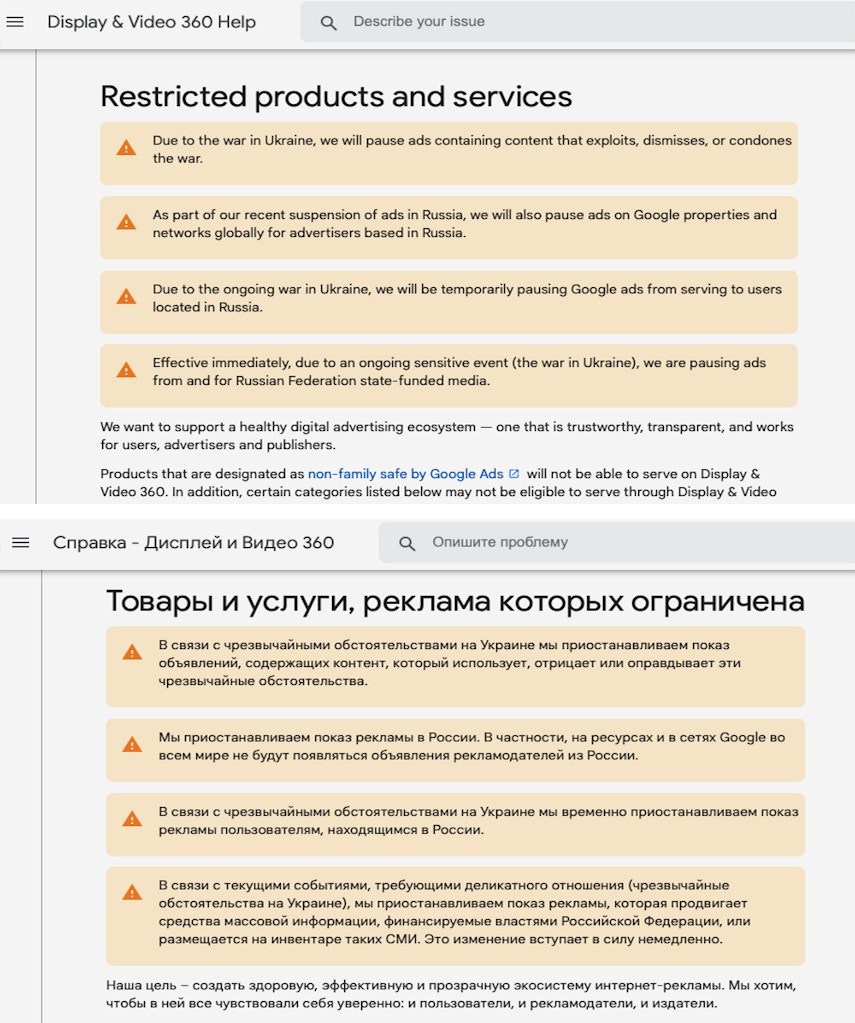





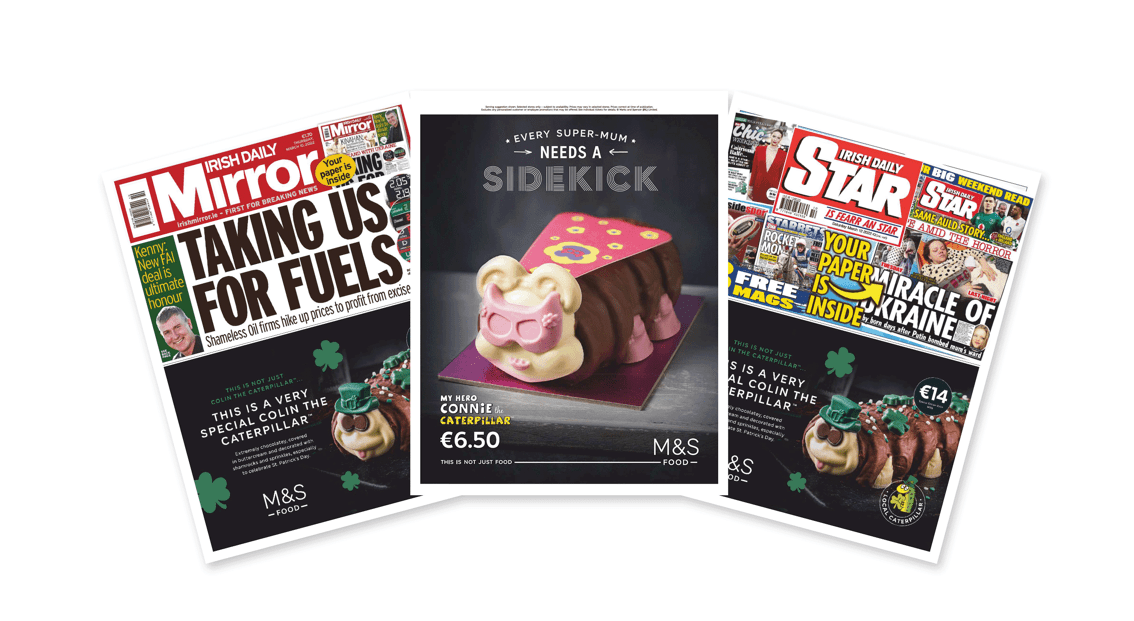


















 Hard Skills vs. Soft Skills in Your Résumé
 Top Skills to List in Your Résumé
 Look for Target Keywords
 How to List Skills In Your Résumé