Author

editor

Browsing

By Gargi Ghosal

Digital business cards are the future. Here are some of the best apps that will help you make one for yourself and share it easily.

You’ve probably heard of digital business cards; they are a staple in the online world. But with so many apps out there, how do you know which one to choose? Whether you’re a blogger, business owner, or brand ambassador, this article will help you get noticed.

Today we want to talk about digital business cards and how you can use them to expand your business and connect with other like-minded people.

What Is a Digital Business Card?

You’re probably wondering what a digital business card is, right? It’s similar to a physical business card, except it is digital and can be stored on your computer or mobile device. A digital business card is a super effective way to show off your contact info.

It’s sophisticated, slick, and makes you look remarkable. Why walk around with a business card, when you can have a digital business card that showcases your information in a simple, easy-to-access format?

Why Should You Use a Digital Business Card?

Digital business cards provide a new way of making business connections. While the old-style vCard is still used, more sophisticated digital business cards provide larger amounts of information and can be designed to look more pleasing.

Because digital business cards don’t have to be small like a physical card, you can put as much information on your card as you want. People enrich their cards with photos, logos, or links to social media profiles.

Some people even include their Venmo accounts or Twitch profile information on the back of a business card. Since you don’t have to worry about printing costs, you can have more cards printed than you would with a regular business card.

Related: How to Send and Receive Virtual Business Cards (vCards) in Mail on a Mac

Some people even include their Venmo accounts or Twitch profile information on the back of a business card. Since you don’t have to worry about printing costs, you can have more cards printed than you would with a regular business card.

The 6 Best Tools to Create & Share a Digital Business Card

If you are looking for a quick way to share your contact information with potential clients, digital business cards can help you get in touch with your audience. With these six best apps, you’ll find it much easier to create and generate a business card that will translate well across any device platform.

1. HiHello

HiHello is a service that helps you create and share business cards, create virtual backgrounds and email signatures, and manage your contacts with your phone. You have the option of creating multiple cards, each with different information.

With HiHello, digital business cards can be created in just minutes within the iOS, Android, or on the computer. Your business card can be completely customized to show yourself in the best light.

Moreover, you can send a digital business card from HiHello to anyone, even people who don’t have the app. It’ll open in their browser, as a fully functional card, ready to be downloaded and saved.

2. Dibiz

Dibiz lets you create excellent digital business cards with impressive rich content and share them anytime, anywhere. They are ready in no time and are entirely free of cost.

Trusted by leading companies, you can save your digital business cards on your device, and share them on any channel you’d desire.

Related: Free Project Proposal Templates That Grab Attention

Additionally, they offer two premium versions that provide a host of useful features such as unlimited custom links, unlimited images and videos, a contact form, easy access to custom domains, colour adjustment, etc. You can also have Dibiz design your digital business card.

3. Haystack

Haystack is designed for your team’s digital business cards. You can use it to set up a style that everyone within your organization can easily tap into. All they’ve got to do is add their user-specific contact details, and they’ll quickly create a digital business card.

Being a tech-savvy marketing tool, Haystack makes it easy to see who views your company’s contact cards, which helps you effectively target marketing efforts. It also has useful CRM and app integrations to help the job of sharing it more effortlessly.

4. Switchit

Switchit is a virtual business card tool that helps you create and share custom cards quickly. Switchit comes with pre-built templates and designs, but also supplies the ability to completely customize cards with a few clicks and drag-and-drops.

Switchit is also a good option because the recipients don’t even need to use the app to view your card. You get an easily shareable link or template that you can drop into a variety of outlets, including email and social media.

5. L-card

L-card is a great tool for creating digital business cards. It comes with dozens of templates, so you can launch your card much faster than designing one from scratch.

Digital business cards on L-Card are designed to replace physical copies thanks to their ability to be scanned and shared easily. You can build a deep and easy-to-browse library with their organization tools as well.

6. about.me

Another cool site for building a quick virtual business card is about.me. It creates an easily shared website customized with your contact information.

With Intro, users create a business card by signing in with their Facebook or about.me accounts, and can customize the business card with the appropriate email address, contact photo, and phone number they want to share with others.

You can get started for free, but the premium version gives you access to great features like connecting a domain, page stats, visitor details, customizable spotlight button, and more.

Digital Business Cards Are the Future

Digital business cards seem like a step towards the futuristic world, which so many people dream of. It is only a matter of time before they will become as common as physical business cards are now, if they already aren’t. You may not be interested in them now, but you never know when you might change your mind.

The great thing about creating digital business cards is that you have the power to design them however you please. Since there are several apps available, you can try designing with different ones and see which one best suits your needs.

All in all, digital business cards are a great way to make an efficient, lasting impression. No one can lose your email address or accidentally give out the wrong information. And when your job changes, you can easily transfer all of your contact info to a new card. Plus, they’re reusable, so they require very little in the way of replacement.

By Gargi Ghosal

Sourced from MUO

By Dr. Brian Krupp

Smartphones hold some of our most personal data. This not only includes material like personal photos, but also data that is sensed from the device, such as your location.

With smartphone users spending on average more than five hours a day on their devices, it is critical that we understand how to protect our privacy by controlling what data apps and services can access.

Often, these “free” apps and services are funded by our data. With many of them, if you are not paying for the product, you are the product.

Fortunately, there are now more ways to protect your data. Let’s dive into a few basic steps you can take to shield your information.

By Dr. Brian Krupp

Guest columnist Dr. Brian Krupp is an associate professor of computer science at Baldwin Wallace University. He leads the MObile, Privacy and Security Research Group (MOPS) at BW and also advises BW’s CS+ group that provides educational opportunities for young minds in the community to learn computing. More information is on his website.

Sourced from cleveland.com

By

Marketing your services and your business through YouTube sounds super simple, but there are guidelines to be aware of if you want your videos to be found.

Leveraging YouTube means being able to know and understand the users of the platform, what metrics to track and what to create content about in the first place. When you have these pieces of the puzzle down, your channel will become a natural extension of your lead generation efforts.

Here are three things to keep in mind when marketing on Youtube:

1. Obey the laws of YouTube SEO

SEO (search engine optimization) is a fancy term for making your content visible in search engines such that when people search for a term your content comes up in search results. In other words, if you’re searching for “how to start a podcast with an iPhone”, then your content should be optimized with keywords, tags and a title supporting that search phrase.

Another point to remember is that you should not be making content that people aren’t searching for. If you’re trying to answer a question people don’t have or solving a problem that doesn’t exist, your videos will go nowhere and people won’t find your business or your content.

2. Know which metrics to measure

Like any platform, there are many metrics you could use to measure the success of your channel and its ability to generate leads and revenue. Most often people look at subscriber count and number of views to measure success, but that’s not actually what YouTube loves to see. YouTube, like any other platform, wants to keep viewers on the platform for as long as possible — so it’s going to pay attention to metrics in support of that goal. To that end, what you want to pay the most attention to is your average view duration and click-through rate.

The average view duration is a good indication of how long your viewers are spending watching your content. When that’s high, YouTube recognizes that your content is good for the platform and will likely push out more of it on their platform. The click-through rate is a measure of the percentage of viewers who click through to your view after it’s been presented to them (like on the home page or as a suggested video). This is an important signal in determining that your content is relevant to viewers and is more likely to keep them on the platform and coming back for more.

3. Answer specific questions

People come to YouTube to be entertained and to learn. YouTube is, after all, a search engine. Your video should be able to provide the information they need. In return, you are boosting the authority of your business and your channel in the eyes of the viewer. They are then more likely to get to know you and your business.

When you answer specific questions with your YouTube videos, it can be as specific as, “How to change the colour of a menu item on Elementor” (I know because I Googled that very thing this afternoon.) If you’re not sure where to start, begin by listing the 25 most frequently asked questions in your niche or line of work. Don’t worry that they seem too basic because people are looking for the answers to these questions.

The more videos you make, the larger your audience will eventually be. Then, you’ll be able to tailor your content to their questions. But it all starts with answering specific questions.

By

Entrepreneur Leadership Network Contributor

Zach Benson is the founder of Assistagram, a company that empowers influencers and Fortune 500 companies to connect with real followers in their target audience. Benson helps influencers and brands cut through the noise to accrue millions of new followers on Instagram.

Sourced from Entrepreneur Europe

Sourced from Association of Advertisers in Ireland

We are delighted to welcome Lisa McNulty and Siobhán Weafer from Nielsen Media Ireland to take part in our next Toolkit session on March 29th at 10am.

Date: 29th March
Time: 10am
Location: Online
Registration: Here. 

This month marked a positive milestone in Ireland with the final COVID-19 restrictions being lifted. As consumers emerge from the unforeseen circumstances of the past couple of years, media consumption and advertising spend levels will continue to evolve and change. While the restrictions had an impact on all media suppliers, categories and advertisers, the impact across different media types and categories was varied and Nielsen Media observed these trends first-hand in their data.

In this session, Lisa and Siobhan will talk through key trends in advertising spend in 2021 and give an overview of the insights and data Nielsen provides to help media suppliers, advertising agencies and brand owners stay on top of overall market trends, trends in categories and their competitive position in the market.

Lisa McNulty has worked in the Irish Media industry for over 20 years. She is currently the Managing Director of Nielsen Media Ireland, overseeing their two main services, Television Audience Measurement (TAM) and Ad Intel, having started with the company in 2014 as TAM Manager. Before joining Nielsen, she was a Research Executive in RTÉ and worked across various Research & Marketing roles across Radio and TV. She is a committee member of AIMRO (Association of Irish Market Research Organisations).

Siobhán Weafer leads Nielsen’s Ad Intel Service. She joined Nielsen in 2013 as Panel Controller for the Television Audience Measurement service. She then moved to the Ad Intel Client Service in 2018 and currently leads the Ad Intel Service, where she works with multiple co-operator groups within the media industry to continually expand and improve the service. Before joining Nielsen, Siobhán worked for Kantar Millward Brown as a Research Executive working across multiple client accounts.

Click to Register Now

Sourced from Association of Advertisers in Ireland

By Heidi Zak

Here’s how to know which strategies are worth trying again

What’s that old saying about not succeeding the first time?

In 2019, my company ThirdLove launched its first pop-up physical retail location–and just a few months later the Covid-19 pandemic hit. Due to pandemic restrictions and our short-term lease, we decided to abandon the strategy–only to try, try again two years later. This time we’re optimizing processes, finding stronger partners, and adapting the store’s design based on what didn’t work last time. The result: a store fitted to what customers told us they wanted, rather than what we thought they wanted.

Failure is indeed the foundation of success–but only if you ask the right questions and iterate intentionally. Otherwise, you’re doomed to Einstein’s definition of insanity: “Doing the same thing over and over and expecting different results.” For founders and companies who have tried something in the past and are thinking of trying the same thing again, ask yourself these three questions:

1. Do you truly believe in the strategy?

What was the strategy or idea you tried that didn’t result in a great outcome? Was it something you realize now wasn’t a good idea, or is it something you truly believe in?

ThirdLove decided to relaunch physical retail stores not because we really wanted it to work, but because we really believed it would work. Our core belief in 2020 was that the in-person bra-buying experience still had a lot of room for improvement — and that many women want to feel a product before buying it. That belief is still with us today in 2022, and has been proved both qualitatively and quantitatively. Closing the first store didn’t have anything to do with this belief. It had to do with a surprise pandemic and a store design that was based on the first set of ideas, which we hadn’t had a chance to iterate. With that experience behind us, and the belief still intact, we had the perseverance to try again with a new approach.

So, if you dig deep and still have confidence in the original strategy or idea, you have some reflecting to do.

2. What didn’t work the first time?

Just because an idea didn’t work the first time you tried it doesn’t mean it will never work. Have you ever attempted something you really believed in and failed? Ask yourself what went wrong.

For our first store, the plan was for customers to come in, interact with our Fit Finder on iPads, and then try on the best size they’d found using the technology. We designed the store accordingly, having the iPad section at the front of the store, taking up a good amount of space. Unlike a traditional shopping experience, the way the physical product was displayed was not a focal point. And we stocked only a few styles in the backroom for purchase, the idea was that we’d ship the product to our customers from our warehouse.

But it turned out that the majority of women in the store had already used our Fit Finder online. They already knew their sizes — they just wanted to try products on to confirm their size, and walk out with a product. They also wanted to interact with our in-store Fit Experts, not with an iPad. Upon reflection, another big issue was that the first store took much more time and leadership bandwidth than we thought it would. Our team was not full of brick and mortar retail experts, which makes sense, as we were a digital-first company. This was distracting to other work and initiatives for our core business (selling online).

My point is, when you reflect on your first experience trying a new strategy and ask yourself why it didn’t pan out, you’re able to make a more objective decision as to whether it’s something you can (or should) try again. Once you know what went wrong, you have another question to ask yourself.

3. Can you solve those things now?

With an understanding of why you failed the first time at something, you can ask yourself how you can have a different result if you decide to try again.

The solution to our store experience was to draw up a new design based on prior learnings. Importantly: Trying again didn’t mean trying the same approach and hoping for a different result. Our new store relies on experienced Fit Stylists, a robust merchandising experience, and a stocked backroom. As for leadership resources, our new solution was to use an experienced partner who is an expert in helping digital brands launch retail stores. This allowed a small, tight team at our company to focus on the design and merchandising direction of the store, but to let our partner leverage their best practices in store build-out, hiring, and operations.

The combination of our first retail experience and their body of work meant a store designed to our exact specifications, and a much faster, smoother launch process. We understood what didn’t work — and more important, we understood that we could address what didn’t work. If the issues were out of our control, or we didn’t have good options the second time around, that would have been a different story.

The take-two flow goes through three steps: Strength of belief, then past flaws, then present solutions. You won’t be able to transform every failure into a success, but at the very least, every failure should give you information that informs future projects.

Feature Image Credit: Getty Images

By Heidi Zak

Co-Founder and CEO, ThirdLove@heidizaks

Sourced from Inc.

By Laura Hautala

Those five-star reviews are reassuring. But what if a seller asks you to write one – for cash?

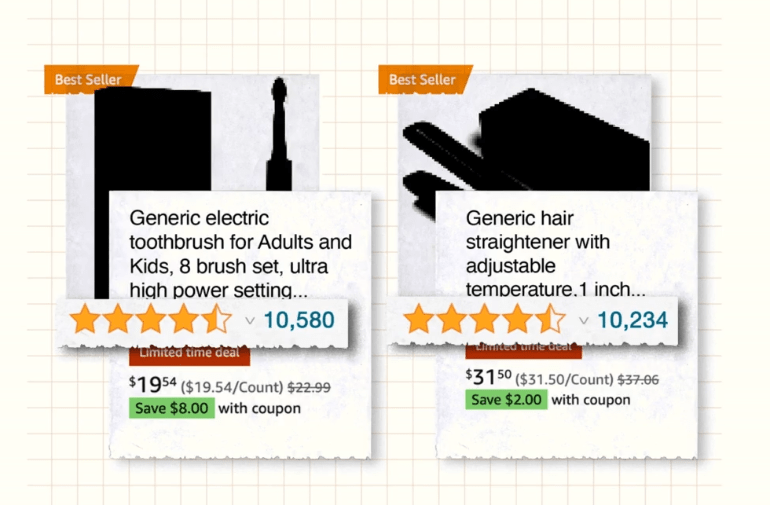
Not everything is as it seems on Amazon’s marketplace, where products are rated in a five-star system and a heavy number of positive reviews can help one brand stand out from a pack of competitors. Amazon has acknowledged it has a fake reviews problem, as it struggles to rein in coordinated efforts on other websites to flood product listings with good reviews in quid pro quo schemes that violate the company’s terms of service.

But for shoppers comparing 15 versions of that wireless phone charger or dashcam, the overload of stars and comments — real and fake — can be overwhelming.

This isn’t a new phenomenon. Some Amazon shoppers accept refunds and gift cards in exchange for positive reviews, despite the company’s ban on the activity. The e-commerce giant calls these “incentivized reviews,” because they come from real shoppers who are paid for their positive opinion. Before Amazon banned the practice in 2016, reviewers would often admit they got a product for free in exchange for a review, but the practice is now fully in the shadows.

Amazon has cracked down on the practice, kicking companies off its marketplace when it finds out the seller has broken the rules. In May, it removed listings for electronics sold by Aukey and Mpow amid reports the companies had engaged in incentivized review schemes. Amazon also says it puts resources into removing fake reviews and the accounts that post them, adding that it blocked 200 million suspected fake reviews before they were posted in 2020. A company spokesperson said 99% of Amazon’s actions on incentivized reviews take place proactively, before problems are reported to the company.

“We want Amazon customers to shop with confidence knowing that the reviews they read are authentic and relevant,” the Amazon spokesperson said.

But the problem remains pervasive enough — with many retailers eager to edge out their competitors — that shoppers can’t really tell if the number of five-star reviews on a product is legit or artificially inflated. That leaves consumers unsure of what to believe when they’re up against the prospects of dozens of copycat items in an Amazon marketplace that hosts nearly 2 million sellers globally. Amazon also struggles to identify fake reviews that come from real customers who’ve bought and used a product. Their behaviour looks legitimate, and the same customer might write some reviews that are paid and others that aren’t.

Another major challenge to Amazon is that the fake reviews are often coordinated on social media sites the company doesn’t control. In May, a UK regulator said it would continue scrutinizing these groups on Facebook and Instagram, and noted that 16,000 social media groups that coordinated refunds for fake Amazon reviews had been removed.

Meta, the company that runs those social media platforms, bans the trade of reviews and has automated processes to detect the schemes. The company said that people can report this type of group and that it removes groups and content if they’re found to be in violation of the rules. Amazon also monitors social networks for groups coordinating the reviews and last year reported 6,000 of the groups to social media companies.

The problem has a circular nature. The faster a product can build up good reviews, the more visibility it can get as a “best seller” on Amazon and the faster it can earn the trust of shoppers who’ve never bought from that company before. As that company gets more customers, it also has more people it can solicit paid reviews from, speeding up its ratings success even further.

Here’s how these schemes work, and how they keep themselves going:

Step 1

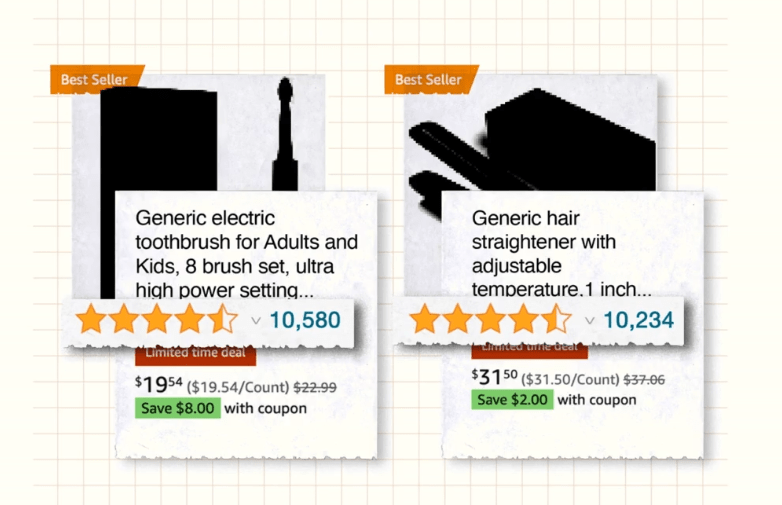
When a shopper logs into their Amazon account and starts searching for something to buy, a product’s star rating is one of the first things they see. With so many third-party sellers listing products on the company’s marketplace globally, the ratings can help shoppers decide whether to trust products from brands they’ve never heard of before.

Robert Rodriguez

The shopper might see a promising hair straightener, cabinet, coffee maker, toothbrush — or really anything — from a brand that has some hit products on Amazon’s top sellers lists. The brand’s positive reviews might help the shopper trust a product that they could otherwise buy from a name brand.

Since positive reviews are so central to sellers’ successes, Amazon’s ban on reviews in exchange for refunds aims to keep these reviews trustworthy.

Step 2

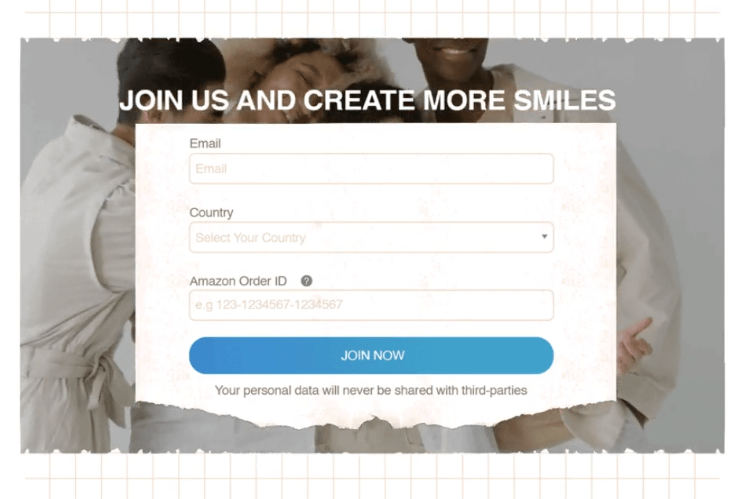
After buying a product based on positive reviews, an honest shopper might get recruited for a fake review scheme in a couple of different ways. In the first scenario, the product arrives in the Amazon smile box, and the customer notices a card with a QR code or a website printed on it. This is so common no shopper would blink, and the link might lead to a regular customer support website that’s above board.

However, it might also lead the shopper to a group on Facebook or another social media site where the brand offers up more products for review — in exchange for a refund.

03-gift-card-image.png
Robert Rodriguez

The second scenario is more direct. The card in the package might directly offer a gift card or PayPal credit in exchange for a positive review. If the shopper follows through on the offer, it will add an “incentivized” review to the listing for the product they just purchased.

Step 3

On a Facebook group that’s coordinating positive reviews, shoppers will see posts from page administrators announcing new products that need reviews on Amazon or another online marketplace. This situation can lead the shopper to leave positive reviews for the brand’s other products, including newer products that don’t have as many reviews yet.

The shopper might also invite their friends to the group, recruiting more people to write reviews in exchange for products.

Robert Rodriguez

Sometimes multiple brands use the same group to trawl for reviewers. Once shoppers are in this world, they might receive private messages or friend requests from unrelated companies looking for more people to review their products.

Step 4

In either scenario, the shopper writes a positive review and then sends proof to a representative of the company. That could be in an email or private message on Facebook. They may share their PayPal details or accept a gift card in return for their efforts.

Facebook group administrators try to make themselves available to shoppers as much as they can, sometimes adding group members as friends on the platform and keeping them apprised of when they’ll be available to answer questions or process refunds.

04-facebook-post.png
Robert Rodriguez

Step 5

When a new Amazon shopper goes online and looks for products in categories sold by the third-party seller, they’ll see even more positive reviews. Even if the product is genuinely good, it will rack up positive reviews much faster than it would if it relied on traditional marketing and refrained from offering refunds in exchange for reviews.

The ever increasing number of positive reviews on the brand’s listings might convince the shopper to trust the product. They buy it and then find a card inside with a QR code or website on it.

And the cycle continues.

Correction: This article has been updated to reflect that 99% of Amazon’s actions on incentivized reviews take place before problems are reported to the company.

By Laura Hautala

Sourced from C/NET

By Zapier

You know who loves to give advice? Everyone. Especially when it comes to marketing. But what do you do when that advice requires a budget—a budget you don’t have? What happens then?

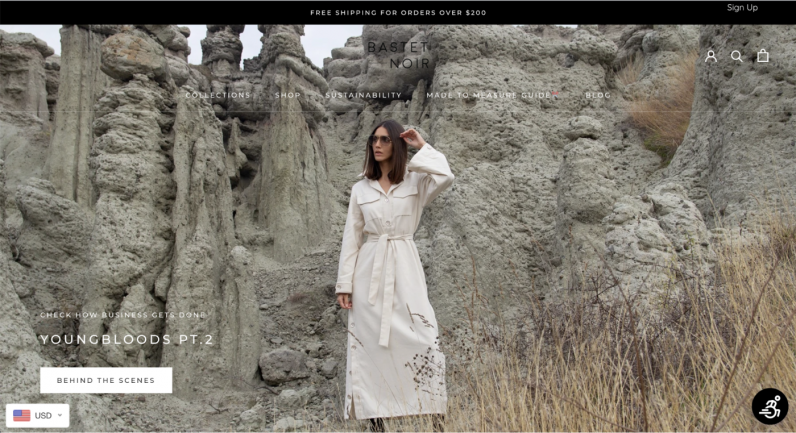
I’m the founder of a small sustainable, socially responsible, and zero-waste fashion label that works with a community of women single parents in North Macedonia. Operating from a country with such limited resources can be, to put it mildly, challenging. I founded the company back in 2013. It started as a marketplace for local designers, which quickly expanded to cover international designers from all over the world.

business

Four years into it, we pivoted to become a standalone fashion label. The shift was driven by my desire to make a change in the society I lived in. At the time, I was working with a woman-run studio, and the seamstress became a single parent. I was not only impressed by her strength but also inspired by her tenacity and an iron will to provide her child with better circumstances than she was born in.

That’s when I made the decision to make Bastet Noir, a socially responsible brand. And as the business grew, so did our community of women single parents. Today, we’re proud to say that we work with five woman-owned studios, operated by either women single parents or women micro-entrepreneurs.

What used to be a small, local business has grown into—granted, still small—a global brand with customers from all over the world.

We used every tool in our toolbox to make it happen with virtually no budget—just a pipe dream and persistence and will to make it real. Here, I want to talk about what we did on social media to make it happen.

The power of social media for a local business

Even if you don’t choose to invest in social media, you should still have an up-to-date presence. One way to do this is by automating your brand’s social media, doing things like automatically sharing all new blog posts with your followers.

As a bootstrapped company operating from a country with limited resources, our marketing budget was—and still is—practically non-existent. Everything we make is reinvested back into our community of women single parents, so throughout the years, we had to think of creative ways to attract customers. Social media was one of the most successful.

Succeeding on Instagram without a budget

Ok, let’s rewind for a second. When we started out back in 2013, Instagram still wasn’t a thing. That’s why it took us a while to get to our desired target market in the United States. When we finally got on the platform two years later, it took us almost a year to decode it and figure out a way to grow and attract the right followers.

Since we weren’t located in the U.S., our first few hundred followers were based in Macedonia. The only way to target the U.S. was to pay for ads—which we, of course, didn’t have the money for. So how did we make it work? Through a lot of trial and error, yes, but most importantly, by establishing a captivating and powerful story behind the brand.

All of our posts and stories aligned with the narrative we were trying to tell. The gist: we were a sustainable, zero-waste, and socially responsible label that worked with women single parents in North Macedonia, and we helped these women earn much more than the industry average monthly income of $300. In addition to the storyline, the feed needed to have an aesthetic that would be recognizable for our brand, so we chose several color tones that best represented our label.

We planned our content a month out, which gave us time to hone the copy and research hashtags (we found that sustainability- and small business-related hashtags were our first priority). For all of this, we used the social media planning tool Later, which helped us a lot, especially with the visual part of how the feed would look.

Next, we attempted to bridge the gap between our social media strategy and our content strategy. We began by using People Map to create a list of the women we wanted to cover on our blog. The app helped us target editors, writers, social media managers for fashion magazines, and women entrepreneurs, all located in the U.S. Once we found their profiles, we found their emails—either from their Instagram profiles or using Rocket Reach.

Note: Be sure to follow all applicable rules around cold emailing prospects and give people ways to opt out of continued communication.

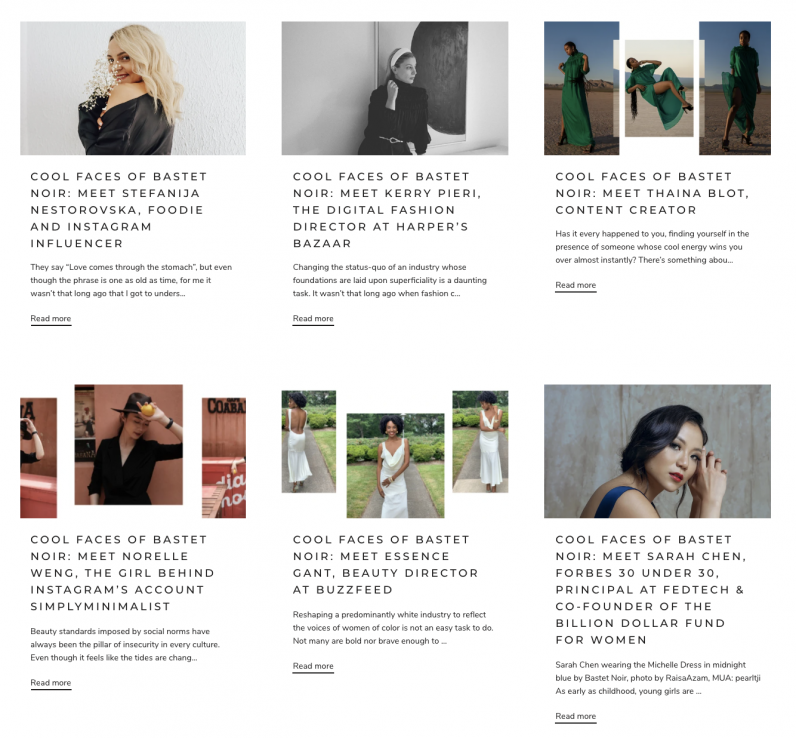
We composed an email to each woman, explaining our business and personalizing it to each recipient to demonstrate our interest (for example, we mentioned what had impressed us about them). Most of them didn’t respond back, but the ones that did were more than happy to extend their selfless help: we got a number of women to do interviews with us for our blog series, Cool Faces of Bastet Noir.


business


Since all of these women worked for publications like Harper’s Bazaar, Vogue Business, and Elle, this enabled us to gain credibility. And since most of them shared the stories on their social media accounts (including Instagram), we started getting engagement from their followers. We even got traction on our website, since they were sharing the links on their feeds and stories.


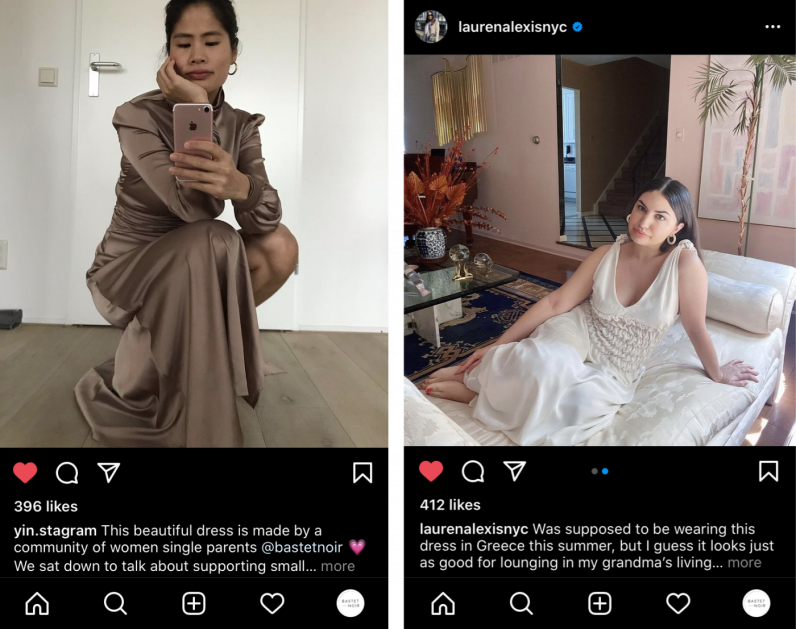
Since advertising wasn’t an option due to lack of funds, this was the only way for us to utilize the power of influencers. Our entire investment was the production of the piece and the shipping cost to send them the outfit—and all we asked for in return was a few photos of them wearing the pieces, so we could include them in our blog posts.

You can start small even on social. To help, here are three workflows that can help you automate your Instagram for Business account so you can focus on the more personal parts of marketing.

Using Reddit for marketing

Reddit is a bit tricky because many of the communities prohibit advertising and, of course, anything they consider spammy, like sharing discount codes, links to your own website, and even introducing your brand. That means you need to engage with the community on another level. Start a conversation, answer questions, and show that you’re an authority on the topic. Then, if they’re interested in learning more about your brand, you can share links. If you do it before someone asks, you risk being banned from one of the most engaged internet communities.


reddit


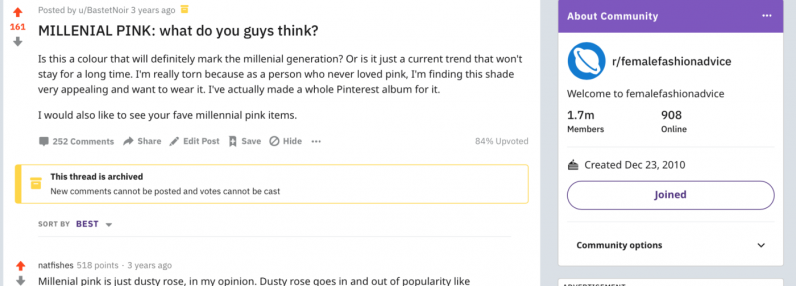
We joined a few subreddits, including r/findashion, r/ethicalfashion, and r/Etsy, but r/FemaleFashionAdvice was the most important one for us. This community has 1.7 million members that we knew would be interested in our brand. We started talking with people on various threads, mostly giving them styling advice. This gradually evolved into me posting photos of my outfits, wearing Bastet Noir of course. People started asking where I got some of the items, so I shared links to the website. And that did the trick: we saw a tremendous increase in traffic, and orders started rolling in.

How to use YouTube for free marketing

We only started working with YouTubers at the beginning of 2020. I guess you could say we arrived a bit late to the party, but in our defence, we truly believed that we weren’t able to afford their rates—which was true to a point. A YouTuber who has more than 10,000 views on a video charges at least $3,000 for a 30-60-second brand mention. And that’s just for a mention, not a dedicated brand video. For a brand like ours, it’s way too expensive.

Instead, we decided to see if anyone would like our clothes enough to promote them for free. First, we prepared a list of hundreds of YouTubers whose styles we believed matched our brand aesthetic. We found them by searching on YouTube for keywords like “minimal style,” “ethical fashion,” and “environmentally friendly fashion”—and several variations. Most of them didn’t even respond back, which makes sense. But the ones that did were so taken by our cause that they selflessly offered to cover our brand.

Here’s an example from Chloe Kian and one from Cat Creature. These reviews and their support helped us bring in more traffic to our website and create brand awareness—and as a result, we saw increased revenue.

Using Pinterest for eCommerce marketing

Pinterest is the best social media platform for discovering new things to buy. Since the platform itself is highly visual, people usually go there to organize their shopping lists—that makes it great for any eCommerce brand. And if your store is on Shopify, you can use the Pinterest app to get what they call rich pins, which means that the description and price on Pinterest will be pulled directly from your website.

The best way to increase followers and get repins is to use shared boards, community boards made usually by Pinfluencers (yes, that’s a thing). And how do you find these boards? You can do a little Google search, or you can use PinGroupie like we did. PinGroupie lets you find and filter boards according to categories, number of followers, and other criteria.

If you decide to lean into Pinterest for your marketing, here are 5 tips for using Pinterest for business.

We’re currently members of about eight boards. The most important one for us is called Fashion + Friends, and it has more than 600k followers. The beauty of these boards is that, once you’ve been approved by the admin, the things you post appear on the feed of every follower in that board. That means millions of potential customers around the world—without investing a single dime. These boards sent traffic directly to our site and also helped us rank higher on Google.

One tip: go for boards with more than 10k followers. Boards with fewer followers probably won’t do you any favours—they’ll just sit on your profile and collect dust.

And there you have it: that’s how we used our no-budget social media strategy to increase traffic and get sales.

This article by Daniela Milosheska was first published on the Zapier blog. Find the original post here.

By Zapier

Sourced from TNW

By Sammi Caramela

If you’re just getting started with Facebook for Business, here are five tips for your small business Facebook strategy.

Facebook is a great platform for small businesses to market their brand and engage with consumers. The platform offers countless features to utilize and opportunities to connect with prospective clients and customers. If you’re just getting started with Facebook for Business, here are five tips for your small business Facebook strategy.

Take advantage of Facebook Live

Facebook Live allows you to broadcast in real time to go behind the scenes of your business, show off your products and/or services, or simply connect with existing customers while introducing yourself to new ones. Going live on Facebook, which can be done on a mobile device, desktop or laptop, is a great way to boost engagement and get more personal with your audience, which builds trust and credibility. Promote your upcoming livestream via email or on your website or other social media channels so people know to tune in.

During your livestream, it helps to have someone else monitor and reply to any comments that might come in. You can go live directly on your business page or in a Facebook group, which will provide a more exclusive experience for members.

Use Facebook for customer service

Many customers turn to social media to voice concerns or ask questions, expecting to receive immediate help. Facebook and its Messenger app are great platforms for resolving customer service issues. Here, you can provide any necessary information that a customer requests, respond to direct messages or comments on your page and resolve any problems a customer might bring to your attention. Doing this publicly will also show your customers you are proactive in addressing their concerns.

Providing a space for your customers to connect with you directly will make them feel more involved in your brand.

Promote your content on Facebook

Facebook is a great place to share relevant and valuable content for your consumers. From blog posts and product information to news about your brand and upcoming events that you’re hosting, publishing updates, photos, videos and other forms of content will engage your audience and keep you top of mind.

When deciding what content to share on your Facebook business page, consider your target audience and what they’d like to see. For instance, if you own a restaurant, consider sharing blog posts with recipes, photos of your dishes or upcoming deals you’ll be offering in-store.

Optimize your page for engagement

In 2018, Facebook announced that its algorithm would prioritize content that sparked “meaningful interactions” among users and their connections, and it continues to do so to this day. Therefore, your business’s Facebook page should encourage interactions with your visitors, such as asking thoughtful questions to elicit comments and responses. Providing a space for your customers to connect with you directly will make them feel more involved in your brand.

Another option for engagement is adding a call to action on your page and in your posts. Your CTAs can range from asking a customer to visit your website or make a purchase to simply following your Facebook page or commenting a response on a post.

Analyse your stats

To ensure you’re on the right track with your strategy, analyse the following Facebook statistics against your goals to establish a benchmark and future progress.

  • Impressions: Your impressions tell you the number of times your audience has seen a specific Facebook post.
  • Reach: Your reach describes the number of times a new user sees your content.
  • Engagement: Your engagement measures how often someone interacts with your posts. This includes both positive (e.g., a user commenting on your post) and negative engagement (e.g., a user hiding your post).
  • Page followers: As the name suggests, page followers count the number of users who are following your Facebook page. It helps to track and analyse this stat over time.
  • Video performance: Your video performance tells you how many people are watching and engaging with your videos.
  • Pages to watch: The “pages to watch” section of your analytics overview shows you how your page measures up to your biggest competitors’ pages.
  • Local: If you’re a local business, the “local” tab tells you information and demographics about customers in your area.

Learn more about marketing your business on Facebook in our guide.

Feature Image Credit: Getty Images/Tirachard 

By Sammi Caramela

Sourced from CO

CO— aims to bring you inspiration from leading respected experts. However, before making any business decision, you should consult a professional who can advise you based on your individual situation.

By 

A business plan defines how you’re going to run your business (yes, also important), but a mission statement helps you define that passion and purpose.

Just because your business is small, doesn’t mean it doesn’t have big dreams. Starting your own small business requires taking risks, working long hours, and, most likely, making some personal and financial sacrifices.

Most entrepreneurs wouldn’t take the risks without having some kind of passion, core values, or beliefs about improving the world or their community. Oftentimes, it’s the passion, values, and beliefs that drive them to build their start-up—whether it’s creating an app to help families stay connected long-distance or making the world’s most sustainably made vegan pizza.

A business plan defines how you’re going to run your business (yes, also important), but a mission statement helps you define that passion and purpose.

What Is a Good Mission Statement?

A company’s mission statement captures its purpose and trumpets it to the world. It’s a short statement that articulates the “why” and “how” of the business.

There’s a lot riding on the mission statement. An effective mission statement is a powerful tool for guiding efficient decision-making, creating company culture, attracting and keeping employees and customers, informing your marketing and advertising messages, and helping you build a strong brand.

This should serve as your “north star,” keeping everyone in your company together and working toward the same goal. With a clear view of your mission, you can develop scalable, repeatable operating processes that enable your business to grow in a more or less orderly fashion. Without it, you’re likely to experience communication breakdowns, inconsistent delivery of your products and services, and chaos as you try to grow.

Building a High-Quality Mission Statement

Companies sometimes pair mission and vision statements. Technically, these are two different ideas—a mission statement defines the business’s objectives and how it will achieve them, while a vision statement speaks to the future state of the business, and perhaps even the world. However, some companies combine their mission and their vision into a single statement.

There is no one right way to do it. So before we get started on creating your mission statement, we suggest reviewing some mission statement examples. Start with big-name brands like Amazon, Patagonia, and Coca-Cola. Then check out the brands you expect to compete with so you can get some inspiration on how to write your mission statement. If you’re feeling lost, it’s OK to use a mission statement template to help you get started!

Some brands choose to focus their mission statement on how their company impacts the world, while others stick closer to defining what the company does and how it benefits its customers. One thing to keep in mind is that in a larger company, a mission and vision exercise will typically involve dozens of people and outside agencies to ideate, draft, and polish different versions of the statement or statements until all of the stakeholders are aligned. What you see is the winning, world-class version. No doubt there were other unchosen versions that some people liked better.

The point is, don’t get hung up on perfection. Your mission statement will be unique—just like your company.

How to Write a Mission Statement

The exercise of creating a mission statement can be a powerful one. It’s sure to result in deep thinking and debate about the company, values, direction, and vision for the future. If you plan to make this decision with a business partner or team, it’s a good idea to layout a process ahead of time to ensure that everything is engaged and the debate is constructive.

Decide On a Process

The first thing you’ll need to decide is who should be involved. Is it just you running the show? You and co-owner? A few key team leaders and employees?

While you will probably not want to involve every person in the company, everyone on your leadership team should participate in the exercise and ideally, align on the outcome. You might also want to include customers, board members, advisors, and, perhaps, some key team members. To get the best result, it’s wise to include a diverse group of people that will have different perspectives on the company.

After you get the group together, decide how you’d like them to be involved. Maybe you want to send out a questionnaire to a wide range of people, compile the answers, then present them to a smaller group that will work together to draft the statement. Or maybe you’d like to have a writer take down the answers and create some drafts for debate before you meet.

Set aside some dedicated time for group discussion, but don’t leave it open-ended. Define a process and an outcome. For example, we will block out three hours to brainstorm and draft some options, then we will vote for one. Or, we will vote on our top three drafts and test them on a defined group of stakeholders, collect feedback, and reconvene for a final vote. Appoint a moderator or facilitator to keep the group on track.

If you are a very small company, maybe all you need are three people in a room for a couple of hours. For a mid-size company with several stakeholders, you may need to use some strategic planning, or even bring in an outside firm to make sure all points of view are included.

The Anatomy of a Mission Statement

So, what are the ingredients of a solid mission statement, and what makes it stand out? Here is a breakdown of the three basic elements:

1. Your Company’s Purpose

This should go beyond simply stating what you do. Think of the benefit and impact of what you do. Is your purpose to connect people, make life easier, or improve productivity? What wants or needs do you fulfil for your customers?

2. Describe How You Do It

How you do what you do is part of what makes your business unique. That could include sustainable sourcing, a commitment to diversity, working through partnerships, extra convenience, cost-effectiveness, or serious dedication to customer service.

3. Who You Do It For

Who are your current and desired customers? Are they athletes? Busy moms? Pet owners? Making sure your mission statement identifies your customers helps your customers identify with your mission.

Making It Resonate

Once you have gained clarity on the three basic elements, it’s time to make it sing. There are three keys to doing this:

1. Keep It Short

Less is more. The ideal length of a mission statement is two to four sentences, and no more than 100 words. Remember, this is a central tenet to your business. It’s something you want employees to think about every day. It should be easy for them to keep top of mind, without having to open their employee handbook and read a paragraph or two to refresh their memory. It should be easy for customers to grasp and remember, as well.

2. Keep It Simple

Don’t make people have to think, piece things together, or have to Google a word. (They probably won’t.)

3. Make It Engaging

Smart copywriters make the writing compelling by using powerful verbs to trigger certain emotional responses. Think: “empower” vs. “enable”; “challenge” vs. “question”; “discover” vs. “find.”

There are tons of “power word” lists available on the internet, sorted by the type of emotion they are known to elicit. Simply search for “copywriting power words” and note a couple of your favourites to have on hand while you’re doing your writing exercise. Play around with different buzzwords and see how they change the feeling of your mission statement.

Your Mission Statement In Action

A well-crafted mission statement that resonates with your employees, customers, and partners is a valuable asset to your business. Work to incorporate it in as many places as you can—on your website, on social media and LinkedIn, and in your advertising. Internally it should be prominently featured for employees to see and absorb on a regular basis.

While it should not change often, the world is always evolving, and your business may evolve with it. If you are using it as your north star every day, you may eventually notice that it is losing its resonance and needs to be reworked. If you get to that point, congratulations! Your mission statement has probably served you well and carried you far. Now go and write another.

By 

Sourced from TheStreet


Sourced from Boss Magazine

You’ve probably heard of demand generation and lead generation in regards to inbound marketing strategies. However, you might be struggling to differentiate the two. Both…

You’ve probably heard of demand generation and lead generation in regards to inbound marketing strategies. However, you might be struggling to differentiate the two. Both are sales techniques that are used by companies that are trying to generate prospects and sales.

A key difference, though, is that they are both used at different stages of the sales cycle and therefore have independent aims. These strategies are generally used by B2B companies as a way to establish a presence on the market and draw new prospects in so that they eventually buy products and services from the company.

Having a good understanding of both demand generation and lead generation strategies can help your sales team generate qualified leads from an established target audience.

In this article, we’ll take a look at the differences between the lead generation process and a demand generation campaign. We’ll also look at how you can apply these methods to make successful sales.

Demand generation vs lead generation

Demand generation and lead generation are closely linked as one stage follows the other. The aim of demand gen is to spark interest from prospects in the company’s services and products, whilst lead gen aims to establish a relationship with them and convert the prospects into customers and sales.

Demand generation content should create awareness of how your company can provide the solution to a prospect’s problem and therefore create interest in your services and products. Lead generation, on the other hand, is the process by which you turn these prospects into paying customers.

If demand generation is at the top of the sales funnel, then lead generation is at the bottom. Companies usually create gated content as part of their lead generation tactics and then ask for the prospects contact information so that they can receive that information.

Continue reading to find out about both tactics in greater detail and how you can use both to generate leads into sales.

What is demand generation?

Companies use demand generation to create awareness and demand for their products and services. This includes data-driven strategies that are focused on revenue creation. Some examples of demand generation content include blogs, ebooks and videos that are aimed at your target audience.

You could post this content on your website and advertise it on other platforms (such as social media) once you have established your target customer group and know what they will be looking for.

The main goal of demand generation is to raise brand awareness and customer association between their need and your products and services. For example, if a customer has run out of face cream, you want them to immediately think of your company when they go to buy some more.

Thought leadership and a good social media presence are both important aspects of demand generation. The main aim of thought leadership is to establish your company as experts in your field so that when people think of a particular topic or problem, they instantly think of you.

Social media is also a good way to gain a public presence that helps with brand recall. Various sites such as Facebook, LinkedIn and Twitter can all help you advertise your products and services to your target audience.

Sponsored adverts and posts can also lead prospects to your website, where you can encourage them to sign up to a mailing list for more content. This is when you can move on to the lead generation part of your sales plan.

What is lead generation?

The main aim of lead generation campaigns is to turn prospects into paying customers. You can gain their attention through your demand generation efforts and then your sales team can seal the deal through lead generation tactics. One way that lead generation nurtures qualified leads is through the use of gated content.

Gated lead generation content includes things such as eBooks and PDFs as well as courses, free trials and events. The prospect must provide their contact information to your company in order to access these documents and content.

Good lead magnets for lead generation include sign-up content upgrades. For example, you could offer a PDF version of a web page if the prospect enters their email address. Once you have their contact information, you have already established a connection and can nurture this into real sales.

You will have already established brand recall and thought leadership through demand generation, so this is the time to build a relationship with your prospects and help them translate into long-term customers.

What are the main differences between demand generation and lead generation?

Demand generation is used to attract customers to your company whilst lead generation turns those prospects into actual leads and moves them on to the next stage of the sales journey.

You want to create a positive experience for potential prospects during your demand generation campaigns. However, along with brand awareness, you also need to increase conversions by identifying your target audience and creating buyer personas. You then need to think about their customer journey and how each individual persona will experience it.

Lead generation efforts differ from demand generation because these strategies are more targeted. Gated content is a popular lead generation strategy because prospects can only access specialised content once they have given personalised contact information, such as their email address.

Prospects will be expecting relevant and targeted content in return for giving you personal information. Lead generation, on the other hand, provides free information so the content is broader.

A strong demand generation campaign builds brand awareness and nurtures opportunities that will generate high-quality leads and will build your business through increased sales.

How do demand generation and lead generation work together?

Despite their differences, lead generation tactics and demand generation ideas are closely linked and can have a big impact on one another. They are used at different stages of the sales process, which means that they don’t work at the same time. Lead generation relies upon the interest and excitement that demand generation has built for prospects and then converts their interest into actual sales.

Demand generation is at the top of the funnel whilst a lead generation campaign is at the base. This means that you can broadly appeal to lots of prospects with demand generation and then filter down to actual customers and sales with lead gen content.

You want to attract leads through your content, whether that be blogs, social media or videos on YouTube. The next time the prospect needs an item or service, the goal is that they will remember your company because of the content they’ve seen.

After this, you should aim to get their contact information so that you can share specialized content with them through email campaigns in the hope that they will turn into paying customers.

Sourced from Boss Magazine