Advertisement industry watchdog, the Advertising Standards Council of India (ASCI), has made it mandatory for online influencers to prominently label promotional content and do appropriate due diligence about products or services they promote. The rules for influencers’ advertising on digital media platforms come into effect from June 14.
The much-needed rules were in the making since February. The draft guidelines were issued in February and feedback from all stakeholders was sought. Based on that, the ASCI yesterday unveiled the final guidelines for influencer advertising on digital media.
Basically, social media influencers will have to make adequate disclosures regarding promotional content to ensure transparency regarding their paid partnerships with brands. Influencers will be required to label and identify paid content as advertisement and won’t be allowed to run them simply as content.
As per the new guidelines, the disclosure label should be clear, identifiable and prominent, and specify exactly where, how and for how long these labels must appear.
Subhash Kamath, chairman of ASCI, said that consumers have the right to know the difference between paid and organic content so that they make an informed choice.
ASCI has partnered with a French technology provider to keep tabs on social media platforms and pick out errant influencers. Reech is expected to put to use artificial intelligence (AI) to scan digital content.
The ASCI said the guidelines are applicable for content across blogs, apps, websites, social media platforms, video streaming and audio platforms, and digital terrestrial television, among others.
The guidelines also require influencers to perform due diligence of technical and performance claims that they make about a product.
However, as of now it is not clear as to how these rules will be enforced and what kind of penalties will be levied on influencers in the event of them not adhering to the prescribed code.
India’s influencer industry is growing
The guidelines had, in a sense, become a necessity as the influencer industry is burgeoning in India. According to industry estimates, India’s influencer market is pegged around $75-$150 million a year. As an industry it has become mainstream within the advertising space. Brands across sectors are associating with influencers to get across their products and services to the general public.
For the record, the ASCI guidelines define influencer as “someone who has access to an audience and the power to affect their audiences’ purchasing decisions or opinions about a product, service, brand or experience, because of the influencer’s authority, knowledge, position, or relationship with their audience.”
The ASCI is also simultaneously launching its social platform, asci.social, a one-stop destination for all information related to the guidelines. It will be interactive with dos and don’ts, FAQs, information related to the guidelines etc. Over time, it will create a community of social media influencers, consumers, advertisers, and talent management agencies.
Get up close with consumer tech news that you can use, latest reviews and buying guides. Follow TechRadar India on Twitter, Facebookand In
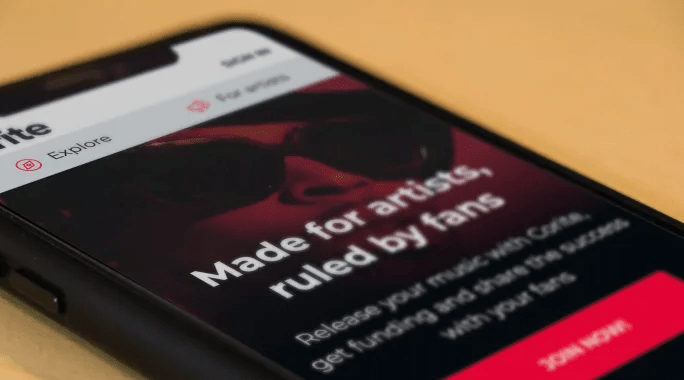
Emelie Olsson, Director of Artist Relations for Corite, a crowdfunding platform, shares her advice on how artists can best engage with their fans on social media.
Corite’s mission is to keep artists in control of their careers. Speaking with Emelie Olsson, Director of Artist Relations for the company, it’s clear the entire business model is predicated upon empowering independent artists and their fans. A crowdfunding platform based in Stockholm, Sweden, Corite allows fans to “invest with their hearts” and become “true collaborators” across artists’ careers.
The Corite model exists to push the music industry into a future where major-label backing stops being the be-all-end-all. With Corite, artists secure funding, distribution, and marketing support from fans-turned-backers. In return, artists share their revenue in real-time when their music is streamed. An artist sets up a campaign on Corite—complete with a detailed presentation, so fans understand what they’re getting into—setting a funding goal, which is met by their fans and repaid over the course of a year’s worth of streaming payouts.
“Our mantra is ‘Fan Power,’” Olsson explains. “We’re building a world ruled by independent artists, driven by the power of the fans. By inviting fans to be a part of your release, you turn your fans into backers and gather the ones who truly believe in you and actually are willing to pay money for your music.”
Once the supported song is released, backers and artists get access to a detailed streaming dashboard, wherein everyone can track the song’s success. In essence, Corite activates fans in the digital world much like street teams were once the pinnacle of artist-to-fan marketing.
“Everything we do today is about engagement,” Olsson says. “The bridge between the artist and the public is very big. Regular people can, all of a sudden, talk to a famous person. It’s definitely all about how everyone wants to support artists these days.”
For Audiomack World, Emelie Olsson shares nine keys to fan engagement on social media.
Don’t be shy on social media. “With social media, the possibilities for an artist are endless and a great asset. These days you can build, grow, and engage your fans with no or very little money at all. Having patience, being creative, updating with high-quality content, and dedicating time to getting to know and understand your fans will lead to both growth and engaged followers.”
Be consistent with your posts. “As in many other cases, the saying ‘consistency is key to success’ can be applied. Following someone on social media could be compared to following a TV show. The fans and followers are eager for you to post more content, and they’re waiting for you to post the next update.”
Get creative with your social strategy, and have fun. “The reason the ‘tired’ social media tactics don’t work is because it’s no fun following them. And if you don’t think it’s fun, the fans will notice.
“Find your spark in what you’re doing. What lights your spark? Is it writing, video editing, telling stories, or perhaps going live on Instagram? Do what you think is fun; everything that isn’t will never work, and if none of that is fun to you, maybe finding someone who can help you with social media will make it easier.”
Be generous with your followers. “In its essence, it’s all about being generous towards the ones who follow you, whatever that means to you. It doesn’t necessarily mean being personal, but inviting your fans to be a part of your creative journey, your life from the studio until the performance on stage.
“Find your true connection with your fans by figuring out what you have in common. What matters to them? Ask your fans what they want more of on your social media, and take your time talking to them, answering their questions, and small things like liking their comments could make your fans’ days.”
Develop your social media voice. “This is so the fans immediately recognize your posts in their feeds. This could be done by always using the same font and color when you update on TikTok or Instagram, using a specific filter or combination of colors in your pictures. It could even be a personal greeting you always start with. It’s the same way that big brands think to build brand recognition, like how we connect colors with the McDonald’s brand.”
Storytelling is key. “Everyone loves a good story, so make sure you have yours written down and that you have put thought into it. Being an artist who loves music will not make you stand out in any way, but your story will!”
Be prepared to blow up. “Music today is largely driven by single tracks that are trending on social media, so it’s something that everyone tries to figure out and struggles with. You should always be prepared for your music blowing up or going viral. That way, when it happens, you already have the next release in mind to keep the momentum going. I think most artists dream about it happening, but when it does, there isn’t a plan, and you could even get more anxious with what you should put out there or what the next step is.”
Collaborate and network. “Reach out to artists in the same genre and try to build a relationship with them. Try to get them to listen to your music. If the music is great, they will definitely like it and are more likely to show it to their fans.”
Over-communicate your message. “Lots of artists tend to believe that once they’ve said something once, they’ve said it enough, and everybody knows about it. Most of it gets lost in the loud noise where everyone fights for attention. You have to repeat your messages over and over again for them to stick.
“I think Justin Bieber is a good example of an artist who successfully managed to get the story out there. Even if you’re not a fan, you probably know that Justin Bieber made his way to success by being scouted on YouTube when he was very young. We’ve heard the story so many times that we can connect the music to it once it’s being played, putting everything in context and aligning it with his story itself.”
Optimising your social media accounts across all platforms is key if you do business online. Here’s 7 simple tips on how.
Your social media profiles, also known as your personal brand, are essentially the face of your business in 2021. If you’re anything like me, I’m sure you’ve been hit with random messages over Facebook or Instagram, with just one glimpse at the person’s profile causing immediate ignorance of their message. Building a personal brand is more important than ever – particularly with people preferring to talk to people, not just a business.
Communication is incredibly important, both visually and verbally. According to cognitive biases such as The Halo Effect, from the moment someone lays eyes on your profile they’ve already subconsciously made an assumption about you. Making a good first impression is now more important than ever, as we don’t have the same opportunity to save a conversation like we do in face to face interactions.
With that being said, having your social media optimised truly is the key to building trust, rapport and letting the world know how you can serve them. Here is my simple 7-step guide to optimise your social profiles.
1. Get a Great Headshot or Profile Picture
This is really the pinnacle when it comes to your personal brand. Your profile photo can be the “make or break” when it comes to prospecting. More often than not, it’s the first thing people will see on your profile – meaning it is what the first impression will be made upon.
I highly suggest that you invest a hundred bucks into having a few professional photos done. They truly make a massive difference when it comes to making a good first impression, and having a bad headshot can cost you thousands. I would also invest in using canva to make an aesthetically pleasing cover photo for both your Facebook & Instagram accounts
2. Find Your Colours
When it comes to a good personal brand, having clear, defined and consistent colours across all your content, is highly important when it comes to being memorable and standing out. Associating yourself with a particular colour will enable you to be at the top of your consumers mind each time they see a particular colour.
For example, check out my Instagram account. I like to use blue, specifically with a gradient to make the colour pop more. Remember, the goal here is to make your brand stand out and be as memorable as possible. Also putting the ring around your profile photo is another great way to catch attention.
3. Invest in Your Content & Get Creative
Let’s be honest, sometimes photos can get a little boring. And everyone loves creativity. In my opinion, you really need to invest time, money and energy into making your brand stand out. Personally, I use Canva to get creative with my content, to make images and thumbnails that grab people’s attention.
If you want tips and tricks on how to do this, join my free facebook group here for insane value on optimising your personal brand & creating scroll-stopping content.
4. Create Content That is Relative
If you’re a business owner trying to talk to high-level CEO’s and executives, you probably don’t want photos on your profile of you drinking and smoking with your buddies on the weekend (save that for the group chat). Your content should all be relevant to your work, your industry and your target audiences pain points and desires.
Remember to always be authentic with your content, but post things that can actually help people. Study your audience in depth: what topics they talk about, the language they use and what they’re trying to accomplish.
5. Tell People What You Do
Chances are that a complete stranger stumbling across your profile will have no idea what you do, without you telling them. Save time and energy by optimizing your bio to tell people how you can serve them, and more specifically: what you do. Keep it clear, concise and attention grabbing. For example, “I help companies scale ridiculously fast”. If you want some feedback or opinion on your bio, send me a DM on Instagram.
6. Be Consistent
If you’re using multiple channels or social platforms, consistency is a must. Many business owners are bombarded with dozens of messages a day, and you want to be sure to make an impression where they won’t forget you.
For example, if you were to connect with someone on LinkedIn, Instagram and Facebook in the same week, and your profile picture was different across all 3, they might think that it’s a different person adding them each time. The same thing applies
7. Be Authentic
In true fashion of saving the best for last, authenticity in my opinion, is the key to great content. By being open, honest and sometimes even vulnerable, you create a bond and emotional connection with your audience that is far stronger than you’d be able to achieve otherwise. In a world that’s full of fakes, choose to be real.
In the competitive environment of business and personal branding in 2021, you need to do everything you can to stand out. Follow these tips to optimise your social profiles to position your brand for success.
Just like a website needs optimisation to rank higher in search engines, so do mobile apps. New apps are introduced daily in app stores. There are 3.14 million apps in Google Play and 2.09 million apps in the Apple App Store, according to Statista. The exact number can change from a day to another because Apple and Google periodically remove low-quality apps from their stores, but the number of available apps has been steady for a couple of years. With the high number of apps, there is also growing competition. Digital marketers know how important SEO is for a website, and similarly, in the app world, an SEO marketing strategy is vital.
How does Search Engine Optimisation work for mobile apps? Let us explain it to you.
What is mobile app SEO?
Mobile app search engine optimisation upgrades your mobile app to rank higher on a search results page according to keyword searching trends. Similarly, to optimising the content on your website by creating high-quality headings and metadata (on-page SEO strategies), you can work on your mobile app’s content to ensure search engines identify and index it. Google always favours and directs Internet-users towards mobile-friendly websites first and recommends apps related to their searches at the top of search engine results pages.
The latest Google’s mobile-friendly update brought some algorithm changes in mobile devices and SERP, so now mobile-friendly web pages and mobile apps rank higher. Google prefers the apps optimised for mobile searches. It created the search menu to allow users to discover both websites and apps, so it’s crucial to optimise your app if you want it to register traffic and be more visible on the web. Google stated that 40% of mobile users search for new apps directly in app stores, but they have numerous apps for each category, and if you want yours to be more visible and rank higher than your competitors, you need to refine your SEO strategies to help your target public to find your app on the app store.
SEO strategies you should use to rank your mobile app higher in SERPs
Keyword research
All SEO strategies rely on keyword research. Keywords are search queries that help people discover the information, products, or services they’re looking for. Search engines use them to match the search with the best results. Websites and mobile apps use keywords to reach their target audience, and the more relevant keywords they include in their content, the more relevant they are for search engines and the public looking for an app like yours.
When you do keyword research, start by analysing your competitions and the keywords they use to attract users. When you have a list of keywords they include in their content, use a keyword rank checker to determine how well they rank. These keywords are your digital marketing strategy’s foundation.
Optimise your app’s name, title, and URL
You need to help search engines discover your app, so use the most searched keywords in the app name, title, and URL. Pick a name that highlights what it offers. When you use keywords in its name and title, you make it easier for users to determine if they need it, and allow search engines to discover it, and suggest it to users who’re looking for something similar. Search engines discover easier apps with optimised names, titles, and URLs and list them higher in search pages.
The app title should include the keyword with the greatest amount of search traffic. Undertake thorough keyword research before picking a keyword to add to your app’s title because you cannot change it as often as the ranks change. Pick an app title that shares your brand’s values and goals because as the app begins to gain ratings and visibility, word of mouth increases, and it gets easier to promote it. You should make it easy for users to find your app by searching for the name or title.
Implement app indexing
App indexing helps your mobile app appear on Google search results together with websites. This feature allows search engines to crawl and index the app as they do with websites. It helps you reach a wider public who is looking for the kind of features your app provides. The benefit of app indexing is that people can find your app when searching for informative content. This means that your mobile app can generate more traffic, register more downloads, and reach even audiences outside the app store.
Build quality backlinks
Backlinks are essential tools for a successful digital marketing campaign because they help Google determine if a website is trustworthy and reliable. When other credible sources recommend your app, they tell Google it’s legit and that it can list it as a suggestion in search results. The first step in creating quality backlinks is to add the app’s link on your official website. Then create a digital marketing strategy that implies collaborating with other reliable websites that talk about your app and help you build quality backlinks. Ensure that only websites with a good domain authority send links to your app. Otherwise, this strategy can negatively impact your rankings.
Monitor and measure SEO
A well-crafted SEO strategy can help your mobile app rank higher on search engines and within app store searches. Before you establish what strategies you want to employ, use a tool like rankchecker to identify its position in search engine results. After you optimise the app, monitor its evolution and measure the results because search engine optimisation is a continuous work that implies fine-tuning the content and metadata regularly. Create engaging content to describe the app’s features and benefits and include snippets from the app to help the users picture what they get if they install it. Ensure that metadata is up-to-date and text it on different operating systems to identify any bugs that can impact the user’s experience.
Optimising your mobile app is essential to make it more visible to your target public. If you neglect SEO, it doesn’t matter how good its features are because it’s invisible in the app store.
Ever get that eerie feeling somebody’s watching you? I hate to break the bad news, but there are endless tech companies, advertisers, snoops, and enterprising hackers out there trying to get their hands on as much of your info as possible.
It’s nearly impossible to delete yourself from the web totally, but you can wipe out quite a bit if you know where to start.
1. Facebook
The term “data collection” and Facebook go hand in hand. We’ve known the social media giant follows you across the web for years, and it hasn’t exactly been careful with all our private information. Just this year, a breach exposed info on over 530 million users.
If you don’t want to bother with all that, you can delete your profile. Here’s how to do it on a computer:
• Click the down arrow icon in the upper right corner.
• Click Settings & Privacy > Settings then click Your Facebook Information in the left column.
• Choose Deactivation and Deletion.
• Select the option to Delete Account.
• Then click Continue to Account Deletion.
You’ll be asked if you want to deactivate your account or download your information. If you want to deactivate, your information will remain available for the taking. To delete:
• Choose Delete Account.
• Enter your password, click Continue and then click Delete Account.
Once you’ve deleted your account, you have 30 days to log back in and restore the account if you change your mind. Keep in mind you will lose access to Facebook Messenger as well.
2. Instagram
This Facebook-owned social media platform is all about photos, and you better believe yours are being analysed if you have a public account. Even if yours is private, it’s hard to keep track of exactly who can see what you post unless you closely monitor your friend list.
You won’t find the option to delete right there in the regular menu. Here’s how to wipe out this account:
• Select an option from the drop-down menu for Why are you deleting your account? and type in your password.
• Select Delete(your username).
Instagram will delete your profile and account details one month from the day you hit that delete button. You won’t be visible on Instagram at that time, and you can log back in before that date if you change your mind.
3. Twitter
If you’re erasing your online presence, don’t forget about Twitter. Maybe you haven’t shared quite as much there, but it’s still a piece of the puzzle.
Deleting your Twitter account is easy. Log in on your computer and follow these steps:
• Click on Settings and privacy from the menu. You’ll find this by clicking More in the right-hand menu when you’re logged in.
• Select Your Account > Deactivate your account.
• Enter your password when prompted and confirm you want to continue by clicking the Deactivate account button.
Just like Facebook, Twitter waits 30 days before fully deleting your account. During this time, your personal information is hidden from the public. If you log in, your account will return in full.
As Twitter warns, even some deleted tweets may still show up in online searches.
4. Amazon
Amazon sells it all, at great prices. Still, you probably don’t want others to see comments and ratings you have left on products purchased on the site, your biographical information, and other site interactions.
Your public profile doesn’t include purchases or browsing history, but there’s still a lot to be gleaned from it. Here’s how to change that:
• Sign in to your Amazon account. Click Account and Lists.
• Under Ordering and shopping preferences, click Your Amazon profile.
• Click the orange box marked Edit your public profile.
• Here, you’ll see Edit public profile and Edit privacy settings.
Click through the various options to review. You can adjust the about me section, shopping lists, wish lists, any pets you added, and more. Check your community activity section, too.
Think about it. If you use Google for searches, email, navigation, photo storage and watching videos on YouTube, the stream of data is never-ending.
Step one is wiping out your search history and activity. You can also delete what you’ve said to Google Assistant, block personalized ads and clear your info from Google Chrome.
These online databases go by a few names: People search sites, people finder sites, people search engines, background check sites … The list goes on.
They all operate in much the same way. They scrape publicly available social media profiles and public records sites to compile as much information as possible about you. Browse a few, and you’ll realize just how much they know. The scariest part is most of this information is free for anyone who decides to look you up.
How can you stop it? By law, these sites are required to delete your information if you so request. That doesn’t mean they make it easy.
7. Delete yourself from ancestry and genealogy websites
DNA kits sound so cool, in theory. Learn about your background and find out where you came from. But what does it mean to send your actual genetic information to a company? I don’t love the idea.
Start with FamilyTreeNow, a genealogy site that reveals more than you’d want. Tap or click for directions. Be sure to follow these carefully. You should never pay anything to remove yourself from this or any other site.
Then there’s 23andMe. If you no longer wish to share your private information with 23andMe, you can delete your account through the Account Settings page. Here’s a big caveat: “Genetic Information and/or Self-Reported Information that you have previously provided and for which you have given consent to use in 23andMe Research cannot be removed from ongoing or completed studies that use that information, as stated in any applicable Consent Document.”
NEED A HAND WITH A PESKY PRINTER, NASTY UPDATES, OR WI-FI PROBLEMS YOU CAN’T CRACK? Get answers! Post your tech questions for concrete answers from me and other tech pros. Visit my Q&A Forum and get tech help now.
Learn about all the latest technology on the Kim Komando Show, the nation’s largest weekend radio talk show. Kim takes calls and dispenses advice on today’s digital lifestyle, from smartphones and tablets to online privacy and data hacks. For her daily tips, free newsletters and more, visit her website at Komando.com.
Over the last three years, LinkedIn‘s active user base grew by a staggering 27 percent, from 500 million in 2018 to 740 million in 2021. Business owners and entrepreneurs can leverage the platform to grow their brand, generate new leads, establish partnerships and make connections.
The following seven ways can help you utilize LinkedIn to grow your brand and gain a competitive edge over your competition.
1. Optimize your company profile and connect with people
If you haven’t worked on your LinkedIn profile, please take some time and perfect it. Make sure it provides all the essential details about your company’s products and services. Put more emphasis on the headline and summary to ensure that it’s compelling, engaging, interesting and professional. Furthermore, optimize it for more B2B and B2C lead generation.
Within no time, you will start seeing the “Someone has viewed your profile” notification. Don’t just view their profile back. Instead, track the individuals who viewed your business’s profile. If they are an ideal prospect, invite them to connect. An individual who views your company profile is most likely finding out more about your brand. There could be a chance they are also interested in your products or services.
2. Post valuable content on LinkedIn publisher
You can use LinkedIn Publisher to publish blog posts that users can engage with and share. With more shares of your blogs, the higher the impact it has on growing your brand. The post can also get prospects interested in your products, triggering an open door for more partnerships.
Make it a habit to publish content on LinkedIn consistently — but remember quality is key. It can build a community of loyal followers who admire your brand. Through them, you have ambassadors who can create a good reputation out there about your business. When users see the value and insights in your content, it gives them the conviction to check out more about your company. It’s one of the most straightforward and subtle ways of promoting your brand on LinkedIn without being pushy.
3. Follow other companies
Don’t forget to follow other businesses within your industry, including those you have partnered with and those who can be potential partners. This way, you have a chance to learn about them and what they offer. Still, don’t limit yourself from poking around as it might be an eye-opener to some techniques other companies use to get more leads. Also, the more you position yourself out there, the higher your chances of getting more returns.
4. Join LinkedIn groups where your target clients gather
The right groups can be a very powerful tool in growing your brand. By using advanced search, you can locate practitioners within your sector and your firm. Group conversations can give you vital insights into your industry. You can also learn about emerging industry pains and the options you can use to solve these issues.
While in the group, learn about the rules to know if content sharing is allowed. If so, create your credibility by sharing relevant content that capture potential prospects. It can include links to articles about your brand, relevant blog posts, event notices for webinars and posts that quote your business. However, make sure the materials you post are a helpful source and avoid dominating the conversation.
5. Utilize plugins
LinkedIn can be an even more powerful lead generation tool by itself when you utilize the complementary add-ons. Tap into the following plugins:
LinkedIn Connection Revealer: The LinkedIn Connection Revealer shows you the following that your connections have. By pinpointing the users who travel in big circles, you can engage with them to leverage their platform and promote your brand.
LinMailPro: It’s a Chrome extension that gives you the capability to automatically find and invite individuals who have recently viewed your profile. You can also send personalized messages to them about your brand or deliver marketing messages.
Headlinr: You may have sponsored a great story, uploaded ads or put up posts, but without a great headline, your potential targets might not click on them. When you use Headlinr, a chrome paid plugin, it automatically generates multiple headline combinations with the keyword you specify depending on your industry. You will get compelling titles that lure users into clicking through your ads and stories.
Rapportive: If you are a Gmail user browsing in Chrome or Firefox, Rapportive can be a handy tool in getting more leads. It enables you to get LinkedIn profiles that have email addresses in your contacts. You can then send them personalized invites to their inbox to help you grow your network.
6. Create a sponsored InMail campaign
By utilizing sponsored InMail campaigns, you have an easier route to cut through the clutter and reach inboxes of individuals who matter to your business. You can send your target prospects compelling offers and rich content.
7. Ask your employees to post your business’s content
In most cases, entrepreneurs search for powerful brand advocates who can share their brand case studies and blogs. Yet, you can also do it through your employees. Research shows that about 50% of employees are already posting on social media platforms about their employers. Ask them to post blog content and other pieces relating to your brand to generate more traffic and leads. In fact, some organizations allow their marketers to pick company-approved content that their employees can share on LinkedIn.
LinkedIn can be a goldmine in attracting new clients and growing your brand, but correct execution is critical. Take your time to create your LinkedIn strategy, get clear about how you can offer prospective clients value first — then implement like crazy!
Because knowledge isn’t power unless you actually use it.
When I read books, like many people I occasionally scribble a note or bookmark particularly interesting passages I want to remember or refer to later.
Unlike many people, I rarely go back and refer to them later. So I did a little experiment and went back to Adam Grant’s book Think Again to see what I had bookmarked. Right away I found something I had forgotten.
Research into how forecasters form their opinions in areas like politics, technology, and the economy shows that accurate forecasting is based more on how you think than what you know. Sure, intelligence matters.
But what matters most is how often people update their beliefs: how often they look for new information. How often they revise their predictions. How willing they are to change their minds when they uncover new facts or discover new information.
In short, you have to be willing to be wrong — a lot — to eventually be right.
Cool premise.
Why had I forgotten it?
Because, as Jim Kwik says, I didn’t ask myself three questions:
Using new information requires framing. How could I use what I learned about making better predictions? At the moment, I didn’t consider a use. I just thought it was a cool premise.
I could have thought, “Hmm. The next time I take a position, I should first take a step back and see if I can find information that disproves my belief, and whether I’m emotionally invested in my perspective.” (I never liked being supervised, so I’m quick to see greater employee latitude and responsibility as a good thing.)
That’s the how. As for why must I use it? Easy: My goal is to provide useful, actionable, beneficial information — not just spout some half-assed opinion. That’s a simple, yet powerful, “must.”
As for when must I use it? That’s also easy. Whenever I think, without thinking, that I’m right. (Which happens all the time.)
Or, better yet, the next time I sit down to write. That way my “when” won’t be fuzzy or indeterminate, which is the kiss of death for good intentions.
Had I asked myself those three questions, I would have remembered — because my new knowledge would have had a purpose, a motivation, and a time frame.
It would have been useful, meaningful, and actionable — which means it would have become a process, and not just a cool perspective.
Try it. The next time you learn something — better yet, the next time you want to learn something — ask yourself the three questions. Determine how. Determine why. Decide when.
And then actually follow through.
Because, as Kwik says, nothing you read works … unless you work.
Many newbies overlook the importance of video marketing. It appears to them that no one is going to waste their time watching even short clips, not to mention the long ones. Nevertheless, there are plenty of successful video marketing examples out there to contradict this point of view.
That being said, let’s delve more into B2B video marketing.
B2B video marketing – Why is it a thing?
Video production is a blessing for the employees of both producing and consuming companies. The first ones get the chance to express themselves, while the others can rest a bit from textual information and enjoy someone’s creativity.
So, back to the point. For B2B businesses, video promotion is a part of a digital marketing campaign that still maintains its important role. Video articles, tutorials, interviews, and many other forms of video content marketing stay popular among approximately 80% of consumers. Creators find this way of promotion effective as well. Almost 82% of businesses currently use it in their marketing strategies and plan to continue in the future.
Top 7 tips on how to start a video marketing strategy
While it’s clear that videos attract and engage a variety of people, how does the behind-the-scenes process of developing a cost-effective B2B video strategy look? There are 7 relatively easy steps to follow.
Step 1. Make sure you actually need videos
If it ain’t broke, don’t fix it. Video series can be completely unnecessary and redundant for some companies. Marketers and business owners must define whether they really need to develop and use video content strategy. And if they do, it’s worth thinking about how to do it effectively.
Step 2. Define the goal of your strategy
The next step is to understand why a company needs to introduce business videos. Sales funnel conversion rate won’t increase itself simply because a couple of cat videos were uploaded to the blog posts. There must be a purpose behind the content, and certain video goals should be defined:
how many views should videos get?
how many likes (and dislikes) are expected?
how high should the content be on the search results page?
It’s necessary to think about these and other content marketing goals a company could benefit from.
Step 3. What does your audience think?
If your target audience appreciates videos, B2B marketers should conduct research on which content will suit their needs best. Usually, it includes such brand videos as:
event videos;
explainer videos (tutorials);
customer testimonials;
product reviews;
interviews, and many others.
Step 4. Choose your marketing platform
Choosing the right video platform requires knowing your audience’s preferences. While the majority of people use YouTube, there are other possible options for uploading a product brand video:
Twitch;
Dailymotion;
9GAG TV;
TED, etc.
Step 5. Analyse
Promoting a product or service is impossible without collecting the data and analysing it. It’s vital to understand:
what types of videos receive the most attention;
what time is the most optimal for a video to be uploaded;
how many new clients were attracted by videos;
which people leave most comments and likes, and many other things to consider.
Step 6. Adjust
Learn from your mistakes and make some corrections to your B2B marketing video strategy if necessary. It’s almost impossible to get it right the first time unless there is someone experienced and competent to assist.
Step 7. Enjoy the progress
Watch your views and likes grow and feel free to start working on the next project.
To sum up B2B marketing videos
It’s more natural for people to actually see the subject rather than read a text about it. This applies to B2B companies as well. There is always a person behind every firm, not some sort of collective intelligence to whom it’s easier to process enormous textual information rather than simply watch a video on YouTube or other platforms.
Companies can get a piece of advice from professional marketing teams concerning all types of marketing, including video promotion. Such agencies can be found in the USA, Europe, Canada, USA and other parts of the world. While it’s entirely possible to develop and launch a marketing company by own efforts with 7 easy steps, opting for a skill never hurts.
From virtual networking opportunities to strategies focused on fostering a healthier work-life balance, these remote work tips could optimize your virtual routine.
In the last year, many professionals have transitioned to the home office with varying degrees of success. Compared to the traditional work environment, telecommuting comes with its own unique set of challenges. This includes ergonomic considerations when designing a workspace, crafting new pre-and post-work routines to more abstract considerations around work-life balance. We spoke with a number of academics, executives and remote workers to compile a list of WFH tips to enhance the virtual 9-to-5 grind.
Work from home tips: Understanding your tendencies
Before adding new strategies to your virtual workflow, it could be a good idea to take an introspective look at your approach to telecommuting and work boundaries, in general. In more basic terms: What type of remote worker are you?
Timothy Golden, a professor at the Lally School of Management at Rensselaer Polytechnic Institute, discussed tips to structure the workday based on these preferences and traits for two general types of remote workers: “Segmentors” and integrators.
“Segmentation and integration of work and home lives has to do with how comfortable people are with mixing these two aspects of their lives together. Some prefer to keep them separate and distinct, while others are comfortable carrying out both at the same time,” Golden said.
These segmentors prefer to separate their work and home lives, Golden explained, and as a result, he “often” finds these remote workers “are sure” to log off “after work hours and refrain from checking” messages in their personal time. Additionally, Golden said segmentors are “disciplined in their work habits” and “reserve work time for work, and family time for family.”
Conversely, integrators are fine with mixing their home life with the professional workday, he explained, noting that successful telecommuters with a penchant for integration “permit their work to spill over into their family lives” and do not mind answering person calls on the clock or check the inbox after logging off for the day. Although there are integration caveats to consider.
“While integrators are more comfortable with letting work spill over into their family lives and vice versa, they still need to carefully balance the demands from both their work and their family,” Golden said.
Image: iStock/lightfieldstudios
Ergonomics, movement and focus
At the onset of the coronavirus pandemic, many organizations switched to virtual operations on short notice. While some companies offered stipends to help employees festoon their remote office, many people were left to finagle workstations with in-situ materials a la kitchen tables, stackable accouterments and more.
To this point, Chad Henriksen, the director of WorkSiteRight at Northwestern Health Sciences University, discussed ways to ergonomically utilize everyday items around the house to complement remote workflows. This includes using an ironing board as a standing desk if so inclined.
Additionally, Henriksen recommended following the “90-degree rule,” and this means ensuring a person’s “arms and legs are parallel to the floor” and “as close to a 90-degree angle at the elbow and the knee as possible.” Henriksen also suggested taking steps to ensure your eyes are looking straight ahead.
“Keep your eyes in line with the screen. If you are slightly looking down or gazing up at your screen, use some books or a box to raise your screen to the proper height,” he said.
Additionally, Henriksen suggested taking “micro-breaks” for approximately 10 to 15 seconds every half hour to stretch, add activity to the workday and “refresh” a person’s focus.
As a “bonus tip,” he also encouraged people to take their meetings standing up and or tuning in to calls while on a walk to incorporate movement to the task.
Tweaking the daily commute
The lack of a daily commute is one of the top remote work perks and this can save some professionals multiple hours each week. Although for some, this dedicated buffer space does serve as a beneficial time to ramp up and wind down before and after work. Gabriel Dungan, founder and CEO of ViscoSoft, said that he has incorporated a “fake commute” of sorts into the remote workday.
“Rather than just rolling out of bed and immediately checking Slack and email, I take at least 30 minutes to ‘commute’ to my home office. Instead of driving, I take a walk around my neighbourhood and listen to music or a podcast,” Dungan said. “This act of leaving the house, getting fresh air, and ‘commuting’ means that when I get back home, I’ve signalled to myself that it’s time to be at work.”
Over the last year, the home has pulled double and triple duty as a residence, virtual learning center and home office for many households, blurring the lines between personal and professional spaces.
Psychotherapist Angela Ficken who has been working remotely for the last 12 months, made note of some of the benefits of telecommuting while also detailing the downsides, stating that many people have difficulty setting boundaries between home and work life.
“Responding to emails at all hours and not shutting off notifications after regular business hours, all of this means that they are now working longer, which increases stress, and they are now not honouring their own time,” she said.
A few strategies Ficken suggested include turning off inbox notifications after 5 pm, scheduling short periodic breaks to stretch, get some air and enjoy a snack. Ficken also recommended remote workers plan at least one “fun thing to look forward to each week.”
“Maybe that’s seeing a friend, trying a new recipe, or going for a bike ride. You don’t need to move a mountain to feel better. These are small steps that do help increase self-care, overall wellbeing, and can help you manage your stress,” Ficken.
Some remote workers are devising clever tactics to help compartmentalize and separate the workday from their personal lives. Nicole Graham, a lifestyle and relationship coach at Womenio, has “adorned” the office door with various signs to signify when the workspace is offline or open for business.
“As ridiculous as it may sound, if you promise yourself that you will not work once the sign reads “closed,” it will work,” Graham said.
“It’s easy to want to appear productive when you work from home, and it’s simple to let your work time spill over into your personal life. But before you know it, you’re up until the wee hours of the morning, wondering where the day went,” Graham said. “Working from home, I’ve discovered that having clear boundaries between work and personal life makes me [a] lot more productive and happier.”
Image: iStock/nortonrsx
Expanding your professional network
Compared to the traditional office environment, working from home lacks the social interactions and haphazard water-cooler conversations afforded by on-site work. Interestingly, about half of professionals believe telecommuting has negatively impacted their careers and many feel as though working from home has reduced internal and external networking opportunities, According to a 2020 Blind survey.
Alison French, CEO and co-founder of Emerged, a healthcare-focused SaaS company, made note of the phrase “your network is your net worth” and detailed a few remote networking strategies to consider.
“Working from home can stifle the growth of your network so take advantage of university alumni groups or professional organizations to maximize your future net worth,” French said.
Additionally, French said people are “never too busy to say yes to an invite to coffee, lunch, etc.” adding that these social opportunities “are key to your sanity if you plan to WFH for the long haul.” She also suggested creating a network of other remote works in a person’s industry.
“Start a group chat or Slack channel. A quick Slack or group chat to share a joke, idea or vent help break up the monotony of spending the day alone in your house,” French said.
Emphasizing empathy
Anna Lyons, senior vice president of people and culture at Alegeus, said she encourages employees to have “realistic” remote work expectations and this includes making “concise and focused” to-do lists covering the “critical” tasks so people can “feel a sense of accomplishment at the end of every day.”
The last year has come with no shortage of stressors for remote teams wrestling with new collaboration tools, less than optimal work setups and technical issues amid a global pandemic.
Speaking to pandemic-related stressors, Lyons suggested that remote workers “lead with empathy and understanding – for ourselves and our colleagues.”
“Work-life balance doesn’t exist in COVID (cue the screaming child in the background). When we recognize that, we can give ourselves and others the space and grace we need,” she said.
The elimination of the third-party cookie will profoundly impact e-commerce. This shouldn’t be a shock. We were headed down this path long before Google announced that it would deprecate the cookie in Chrome in 2022. Perhaps more than any arrow in the marketer’s quiver, e-commerce’s targeting accuracy has traditionally been built around the cookie. However, Happy Cog’s Lee Goldberg says instead of viewing this scenario as dire, e-commerce players should view this inflection point in data-driven marketing as an opportunity to rethink it all.
During the era of the third-party cookie, the e-commerce community has fallen prey to the fixation on short-term sales conversions. As tempting as this paradigm is, over the long haul it can actually stunt long-term consumer engagement and limit lifetime customer value. The opportunity and challenge in 2022 and beyond is to flip this script – and get customers and prospects to voluntarily opt in. Yes, emphasizing lead gen over sales in the short-term doesn’t sound particularly sexy, but over the long haul it will actually increase ROI.
A more methodical, incremental approach will bear greater results. Instead of driving hard for a purchase, perhaps appeal to your customer base through softer engagement promotional activity that targets an email address or an account creation instead of a purchase. Facebook, LinkedIn and Google (through Discovery campaigns) all offer lead generation opportunities. By deploying a robust CRM platform (such as MailChimp, Klaviyo or Salesforce) to organize these emails for dynamic ad targeting, e-commerce brands can focus on establishing ongoing, positive relationships with both prospects and customers. If you have a compelling offer or value proposition, customers are generally willing to opt in.
By rewiring your priorities to place demand generation over sales, your brand will forge deeper connections with consumers. E-commerce marketers tend to get hung up on quick conversion metrics while losing sight of the RFM model (recency, frequency and monetary value). RFM modelling is an under-used marketing analysis tool to help companies better predict which customers are more likely to make future purchases, as well as to glean insights to turn occasional buyers into habitual ones.
Interestingly, there has already been growing pressure on e-commerce retailers to re-orient around first-party cookies, built by the collection of data from their own domains like user log-ins, passwords and shopping cart data. Google and Facebook have both been pushing this with their evolving product suites. Before third-party cookie deprecation picked up steam over the past few years, it had become readily apparent to anyone paying attention that dynamic retargeting through networks like Criteo and AdRoll were not long for this world. Both of these retargeting pioneers have now adapted and repositioned themselves for a post-cookie world.
The winners of the post-cookie world
While most of our industry was retargeting customers with abandon, Amazon was quietly off to the side for years amassing an enormous amount of first-party data. Amazon’s dominance in the paid search world will now pay off by orders of magnitude. It wouldn’t be at all shocking to see Amazon sunset its relatively nascent demand-side platform (DSP) despite the heavy investment. With the growing marketer interest in other formats such as connected TV (CTV) and connected audio, expect Amazon to reshape its DSP to meet these opportunities – much as players such as The Trade Desk have already done.
In a post-cookie world, the push towards first-party data will make it easier for brands to do their own attribution rather than relying on Facebook and Google. While true multi-touch attribution remains elusive, e-commerce folks will be able to attain a deeper, more nuanced understanding of full-funnel consumer behaviour.
Life beyond the third-party cookie will be complex and there will be many new twists and turns, but a new paradigm will coalesce around stronger customer engagement. Privacy regulations like the General Data Protection Regulation (GDPR) and the California Consumer Privacy Act (CCPA) have been the catalysts for change. While compliance may be a big motivator, ultimately an ability to maintain the big picture by putting engagement – not targeting – first is the secret to long-term success.
That lesson may not be resonating at scale yet, as evidenced by the continuing obsession with targeting within the context of new identity solutions like Google’s Privacy Sandbox, as well as in the conversations around first-party data utilization and contextual targeting 2.0. Unless we flip the script and focus on engagement first, the mistakes of the past will likely be repeated.