Author

editor

Browsing

By Jane Anderson

It’s easy to be distracted by all the things that are expected of a business owner or expert when they are building their personal brand. And doing those things is important. That’s why podcasts are on the rise. Blog creation is growing, with over 70 million new posts appearing each month on WordPress alone. And online courses are thriving, with the global online learning market projected to be $325 billion by 2025.

But now, those people who have begun their personal brands, created content, and built engagement and impact are wondering how to take this to the next level. They want to know the next steps to elevate their brand to a world-class personal brand.

Seven Elements Of A World-Class Personal Brand

To become a world-class personal brand, you need to focus your attention on the most important elements.

1. Brand Identity

To become a world-class brand, you must have world-class branding. This means branding that is customized to who you are and what you want to be known for. Of course, this includes logos and a style guide, but it’s also about all the other parts that define the brand’s value across the website and other platforms. This includes your LinkedIn profile, YouTube channels, social media, business cards, photography, signature blocks, podcasts, webcasts and thought leadership.

2. Marketing

World-class brands have a cadence in their communications with their customers and clients. They offer value and tailor their marketing to give their potential leads what they want and need when they want and need it. And they ensure this works across their marketing avenues with search engine optimization, social media, white papers, content and books.

3. Sales

World-class brands also have proposal and sales documents. The best of these — and the most forward-thinking — are digital versions that include video elements to capture interest and share what is possible.

They also have customer management systems to enable them to move their potential leads down the sales funnel. Interestingly, they tend to sell at a premium price point because they are industry leaders.

4. Delivery

The delivery of your services and intellectual property is vital. World-class brands have a superior delivery system. This includes slide decks, virtual experiences and project management delivery systems such as Asana or Monday. Storytelling allows the brand the opportunity to deliver its own message in its own voice. Each of these things makes delivery seamless and effortless for the recipient and, therefore, world-class.

5. Personal Presence

World-class personally branded businesses have leaders with world-class presence. This comes down to things like their appearance, of course, though it’s also more than that.

World-class leaders do have a way of dressing and composing themselves, but it’s not necessarily a three-piece suit. Consider Steve Jobs, who wore a sort of uniform, with his black turtleneck, jeans and sneakers, throughout his tenure at Apple. This gave him presence.

Personal presence goes beyond how you look and dress, however. It’s also that thing that shows the world that you are the leader in the room. Often called gravitas, but so much more than that, it’s what draws people to you.

6. Mindset

Personally branded businesses that are world-class have a leader with a strong mindset. They have their own sense of optimism, enthusiasm and grit that comes from inside themselves, not from external factors that may change day to day. These types of people get a lot done. They know how to move through their work efficiently and productively and they know when it’s better to delegate.

7. Support

Mindset leads directly to support. World-class brands have a strong team around them, and their leaders trust them to contribute to the brand, despite the personal nature of it. Both their network and their inner circle have been carefully crafted to align with the brand values and build on that day by day. And they support their own teams with the implementation of efficient and workable technology.

To truly become a world-class brand, you need to think of it as a five-star hotel. I had always wanted to visit the Encore at Wynn Las Vegas. It’s award-winning and widely touted as one of the best hotels in the United States. In 2012, I was able to do just that, and I was impressed with the proactive and helpful staff, the attention to detail, and the experience of great service. And this is exactly what you need to be in order to elevate your personal brand to world-class status.

Each of the elements — brand identity, marketing, sales, delivery, personal presence, mindset and support — is vital to elevating your personal brand. But in each case, you also need to make sure that you’re implementing those elements to a world-class standard with attention to detail, proactivity and extraordinary service.

Feature Image Credit: Getty

By Jane Anderson

By Rivka Abramson

  • With so many challenger banks popping up, digital banking solutions are struggling to stand out.
  • How challenger banks package their cards could be key to staying memorable and top of wallet.

As of December 2020, there were 256 active challenger banks worldwide according to data by Exton Consulting.

With so many digital banking solutions, standing out is challenging.

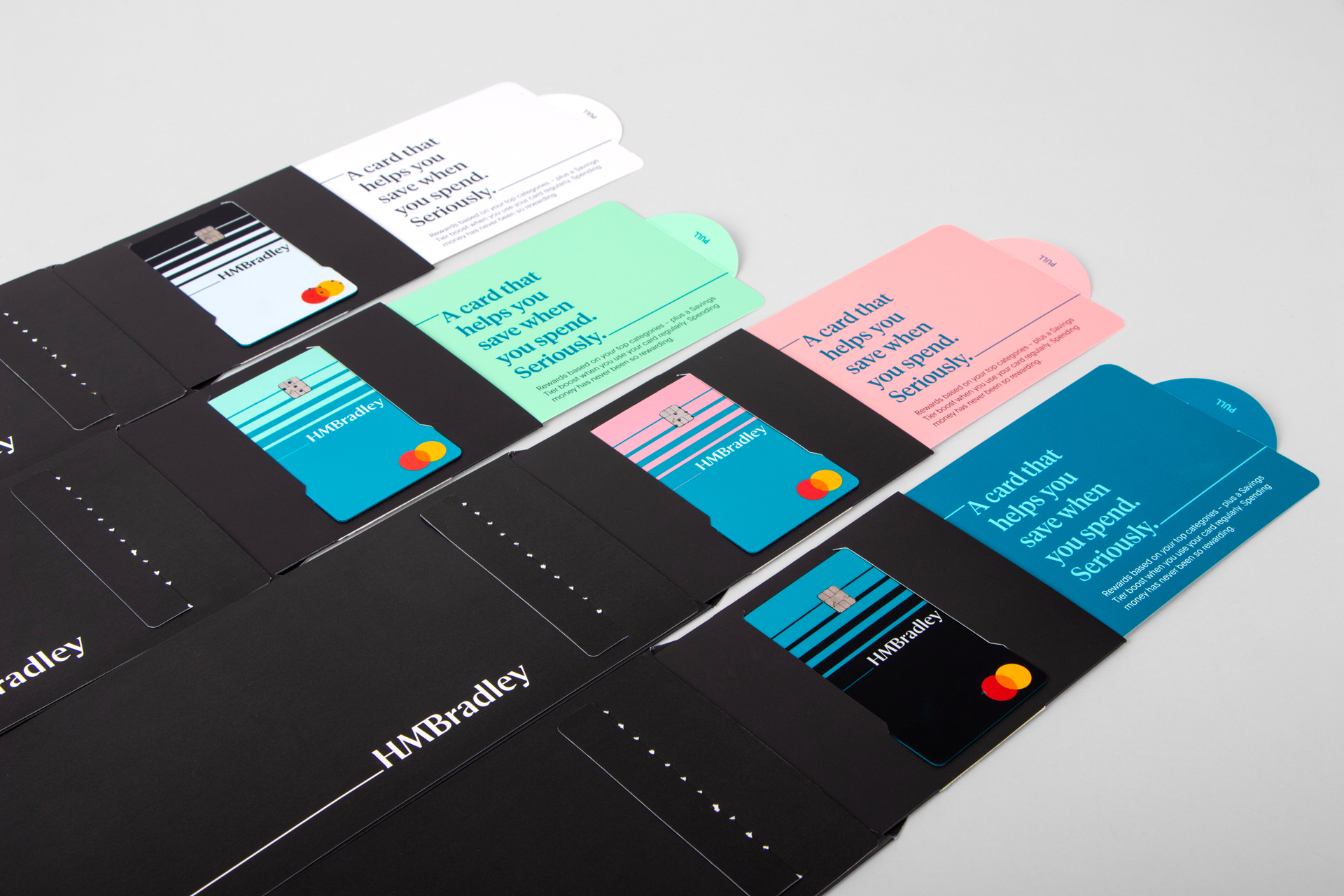
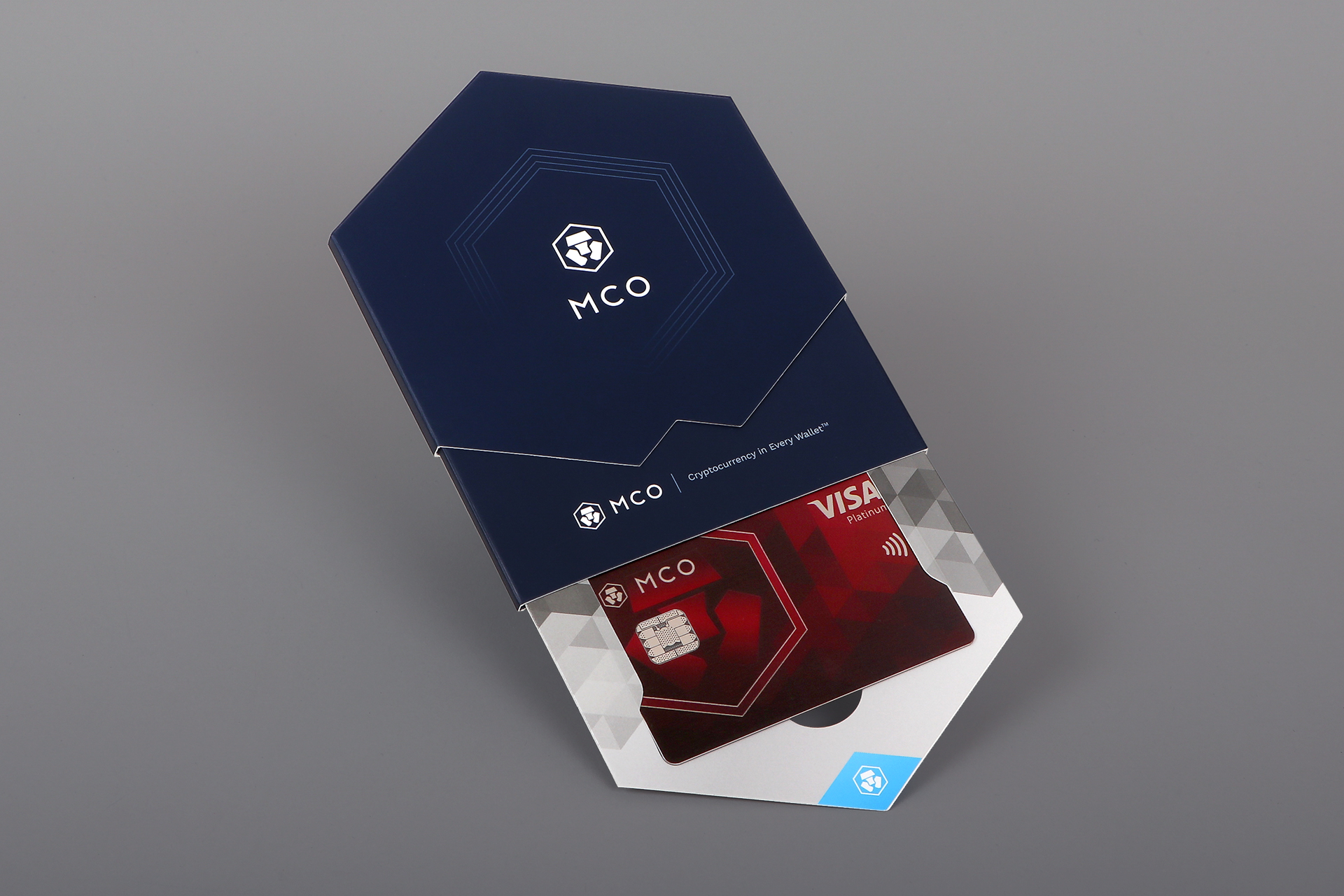
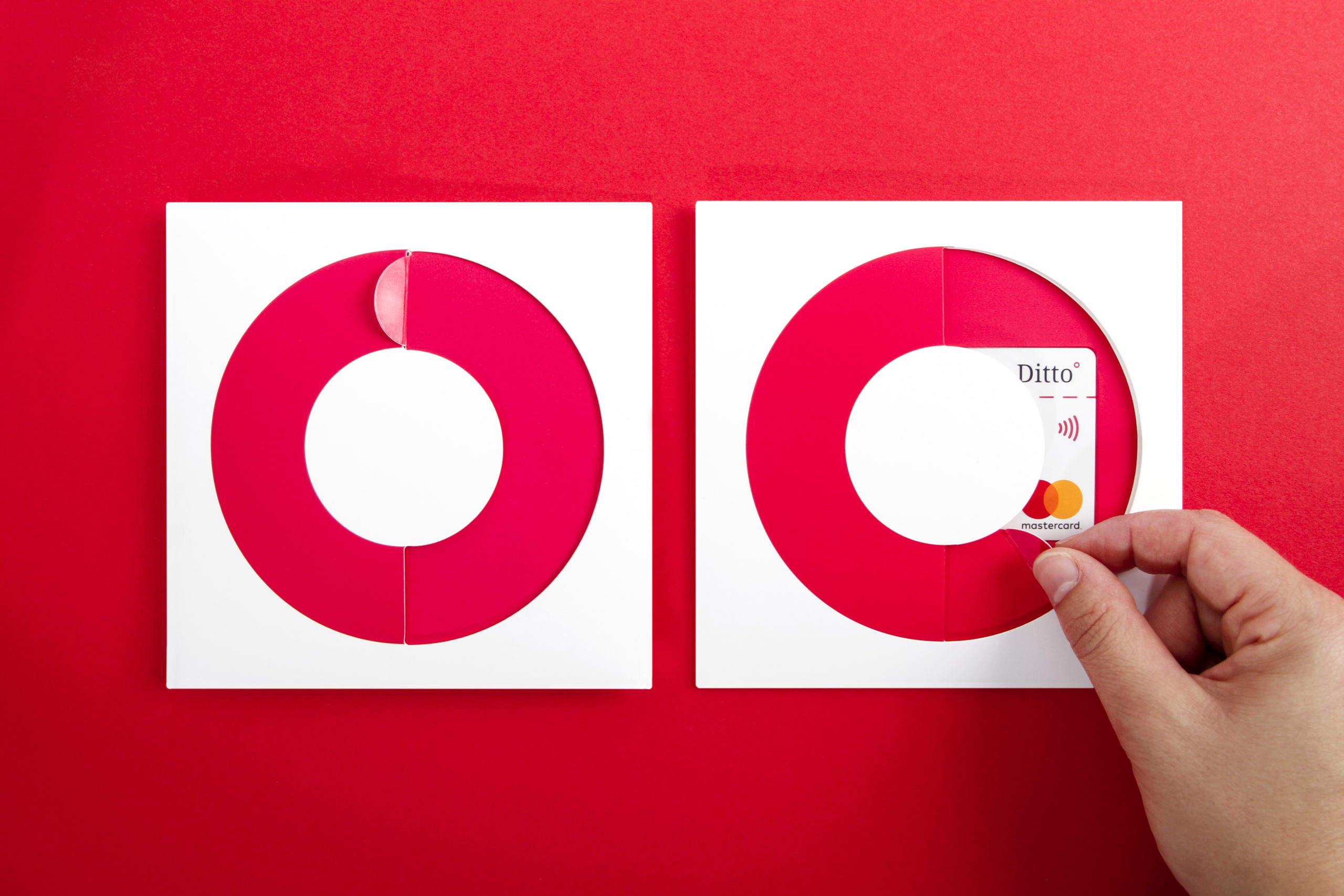
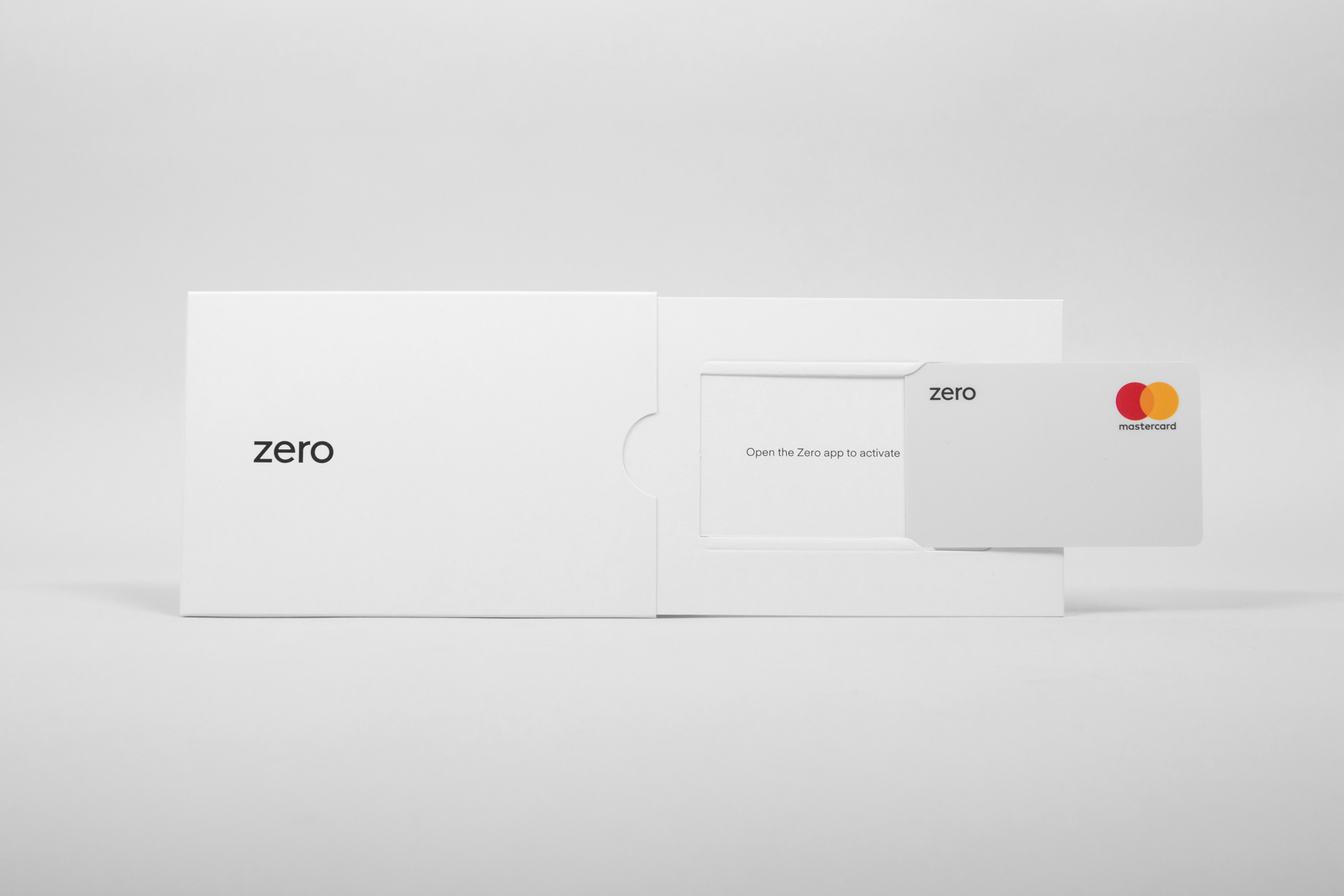
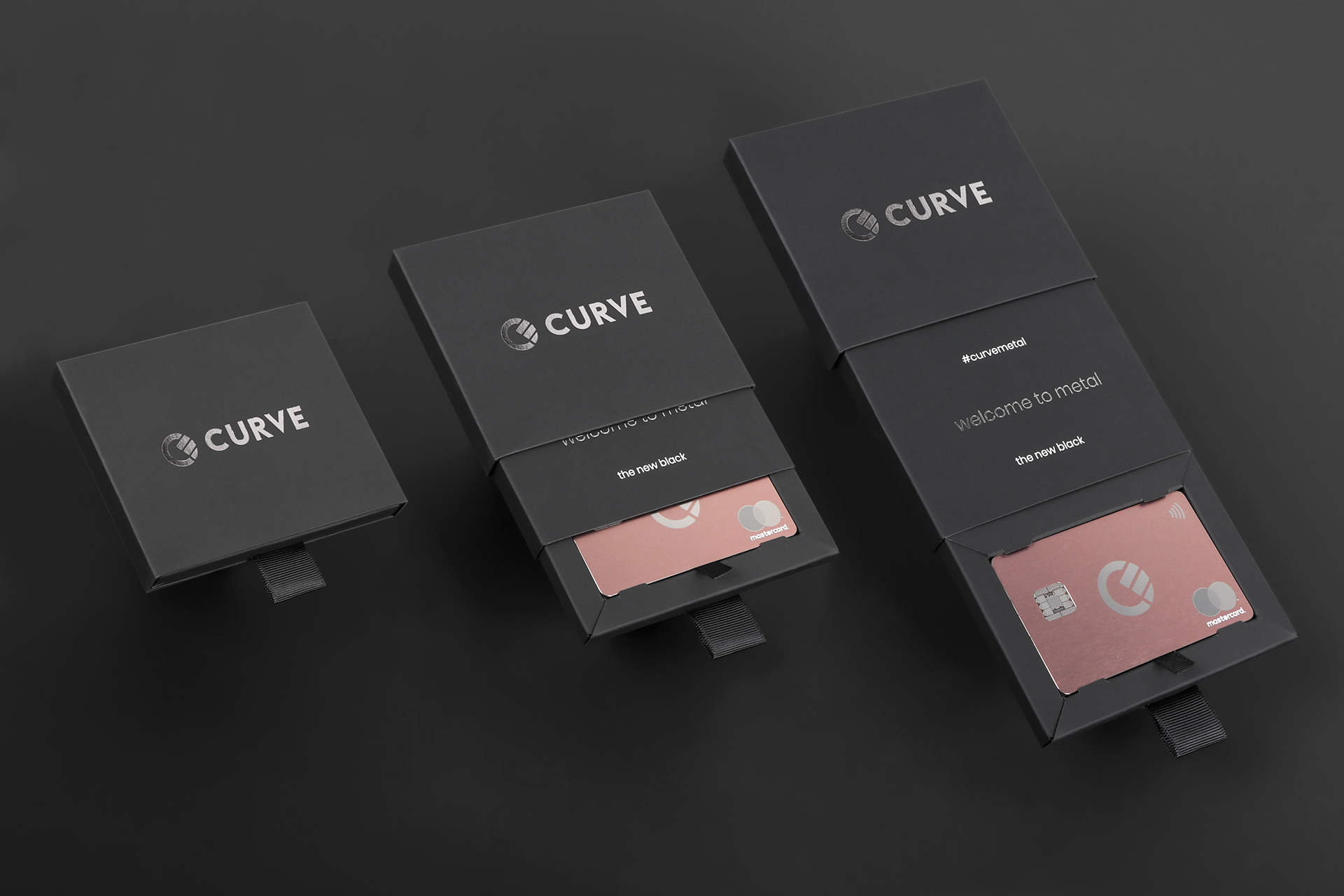
As a solution, many challenger banks are putting extra focus on how they package their cards.

Packaging, it seems, helps challenger banks express their brand’s tone and personality, make users feel special, and turn card activation into a shareable event instead of a mundane chore.

Dane Whitehurst is the creative director at Burgopak. Burgopak is a packaging company that in the past decade has worked closely with challenger banks in finding the best way to uniquely differentiate and present their products. For him, old-fashioned cardboard packaging causes customers to classify their new cards as boring rather than brag-worthy.

A plain envelope doesn’t highlight its content as something desirable. Instead, what’s inside becomes just another item in your home, like a toothbrush or socks — something you use daily, but not something you’d boast about on Instagram.

A unique unpackaging experience, though, can make the user feel like they’re now a part of something special.

“Part of the transformation of banks into lifestyle brands is the transformation of the card into a lifestyle product,” said Whitehurst. “Bank cards are moving from being this thing that’s hidden away in your wallet to being this hugely desirable celebrated object. it’s not something you hide away anymore. It’s something that gets waved around and photographed in countless locations.”

Packaging can also help challenger banks present the use of their banking products as a trendy experience, rather than just another way to pay for stuff.

“I think a big part of the reason behind why these companies became hugely successful is because there were some very clever people in marketing who fundamentally rewrote what a bank is and how it behaves,” said Whitehurst. “They moved perceptions away from these large corporate institutions to something young, exciting and vibrant. And they’re connected much more closely with people’s lives this way. Banks feel much more like lifestyle brands today than they probably ever did.”

Then there’s the fact that through the packaging, challenger banks have been able to express their brand identities and personalities, differentiating themselves not only from incumbent banks but also from other challenger banks.

“It can embed the spirit of brands in a different way through cheeky little tones and things like that,” said Whitehurst.

The real takeaway though is that activating a new card holds the risk of being a pretty dull, forgettable event. And since card activation is often the first physical contact the user has with a chosen challenger bank, it’s important that it becomes memorable.

“If you reward customers, and they feel very good when they receive this thing that welcomes them into the club, there will be emotional investment immediately,” said Whitehurst. “But if you bury the card in an instruction manual, or in a written piece of text, it gets lost, it looks boring, and people often don’t pay much attention to it.”

Not to mention that in the age of social media, once an event becomes worth remembering, it becomes worth sharing. And that can help the challenger bank catch more people’s attention.

“Packaging is even more powerful as a shareable asset through social media. It seems to have become this personal billboard for influencers,” said Whitehurst. “If you Google ‘unboxing videos’ right now, you’ll get over 100 million hits, which is crazy. But it shows that people care about this stuff. They care about how the products are packaged, and how they received their needs, and the experience of receiving them.”

Ultimately, packaging seems to have helped challenger banks present their products not only as something you have to have, but as something you want to have.

As contactless pay continues to rise though, the question is whether the experience we get from opening a cool package can be translated to a digital setting.

“Digital absolutely is where everything’s going. It’s convenient and some of the experience is very useful. But I think you lose some of the feeling that you get with real physical stuff,” said Whitehurst. “I think there’s huge value in brands crafting products and packaging. You can build a really strong brand experience around that, which you can never quite simulate digitally.”

By Rivka Abramson

Sourced from TEARSHEET

By

Not everyone knows how to leverage it to build their personal brand and become an authority figure in their industry.

In today’s world everyone is trying to build a personal brand online; however, not everyone succeeds at building their tribe. Those who succeed tend to have a great reputation and are known as an authority figure in their industry. Everyone has a story, but not everyone knows how to leverage it to build their personal brand and become an authority figure in their industry.

Jourdain Bell, co-founder of Beast Media, is helping solve this issue for professional athletes, entrepreneurs, founders and influencers by helping them become authority figures through personal branding and PR. Aside from building brands, Jourdain also works for one of the most active Venture Capital Firms in the world, Alumni Venture Group.

Public Relations is one of the most effective ways to get your story out there and create a solid online reputation. It’s all about getting the right messages to the right platforms with the right audience. Anyone who wants to build their brand needs to develop their story and get it in the media. Jourdain Co-founded Beast Media after working at another Start-Up that focused on building audiences for individuals online. Those who had an online presence and mentions in the media always performed the best when it came to growth and sales. Jourdain says that due to having press, it automatically made people an authority figure in their space.

Developing Your Story

A great story is what builds trust between you and your audience. It builds a connection without ever having to meet someone in person. Your story is not a place for you to make a pitch or try and sell something. This is your chance to truly captivate people and bring your tribe together. There are always 4 tips Jourdain likes to use when creating a story:

  1.  Figure out what your mission is and what lead you to it
  2.  Figure out how to make it emotional
  3. Use case studies/examples in your story
  4.  Invest in a copywriter

Once you have these four things you can start making a list of all the places your audience “hangs out”. From there, you can start to pitch yourself to writers, editors, contributors of platforms and publications that cover unique stories similar to yours. All you need is one person to say yes and then it becomes a snowball effect. It’s a lot easier to get on publications once you have been featured somewhere before.

Well established PR companies can be expensive but if you’re on a budget and know how to create a story you should be able to successfully tell your story in different publications. To learn more about master storytelling we also recommend that you check out this article on Becoming a Master Storyteller With Rob Dyrdek and Lewis Howes

To learn more or connect with Jourdain you can find him on Facebook, Instagram, Twitter, and Linkedin.

Jourdain also writes about Start-Ups, VC, Tech, Founders, and Entrepreneurs. His work can be found in The Hustlers Digest, Kivo Daily, Future Sharks, Thrive Global, Awaken The Greatness Within, On Mogul and Disrupt Magazine.

By

Sourced from INFLUENCIVE

Marketing is a crucial element of any successful business, and even small business startups will need to begin building their marketing department as soon as possible. However, some marketing roles are more critical to your business’s success than others. To help you determine which role you need to hire for first, 13 experts from Young Entrepreneur Council (YEC) answer the following question:

“When building a marketing division for your company, what’s one important role/position you should hire first, and why?”

Consider their suggestions to help determine the right first marketing hire for your company.

1. Data Analyst

“The first important position that I would hire for my marketing team is a data analyst. This position is like the core of the marketing department and can help us gather insights into the current marketing scenario. Knowing this will help us understand what’s happening in the marketing world and come up with a more powerful strategy to combat our competitors.” ~ Thomas Griffin, OptinMonster

2. SEO Analyst

“For my marketing team, I would definitely hire an SEO analyst first. This is one important position that can work closely with the rest of the team to get our business to the top search results of Google and bring in more traffic to our websites.” ~ Josh Kohlbach, Wholesale Suite

3. Graphic Designer

“All roles within marketing represent an important element to starting the process effectively. However, a graphic designer would be my first choice, because that is who will give shape to the main ideas that you have for the development of a brand. Later, hire a person who will be in charge of the content. These are two basic aspects of marketing and they must be perfectly combined to achieve success.” ~ Kevin Leyes, Leyes Media & VVS, by Leyes Empire

4. Product Manager

“A product manager is a useful position to hire first for your marketing department. A product manager is in charge of product strategy, including vision and development. They work with other departments to ensure that the products your brand creates have market demand and will do well with customers.” ~ Stephanie Wells, Formidable Forms

5. Branding Expert

“I think that one of the first people to hire for a marketing department is someone with solid branding experience. A person who understands how branding works can take your goals and clearly but broadly inform the direction your brand takes. Then, when you hire content writers, social media specialists and others, they’ll have guidelines that direct their work and also keep them consistent.” ~ Syed Balkhi, WPBeginner

6. Creative Lead

“I suggest hiring a creative lead to help you chart the direction of your marketing. This role is essential to fill first because you might not need as many people in your marketing division as you thought. A creative lead can help you figure out how many people you’ll need to turn your marketing plan into a reality, which makes filling other positions easier.” ~ Chris Christoff, MonsterInsights

7. Editorial Director

“It’s important to have an editorial director on board as the head of content. An editorial director ensures that your brand has a content plan that will boost traffic, grow your email list and produce sales, among other things. Hiring them first allows your company to start from the top and work its way down.” ~ Jared Atchison, WPForms

8. Content Marketing Expert

“If you are running a bootstrapped startup, your first marketing hire should be a content marketing and organic promotions expert. You want someone who is an amazing storyteller. You want someone great at earning free press. If, on the other hand, you have a bigger budget and ambitious goals to match, you want to hire someone who has proven they can build, manage and lead a team.” ~ Ben Landers, Blue Corona

9. Demand Generation Marketer

“The first marketing hire any business should make is a demand generation marketer. Demand gen marketers understand that marketing needs to carry a bag and deliver revenue to the bottom line. The first marketing hire sets the tone between the marketing and sales teams, and a demand gen professional will set the role of marketing appropriately — to drive leads that convert to the bottom line.” ~ Kara Brown, LeadCoverage

10. Marketing Generalist

“Your first marketing hire should be a marketing generalist, someone who knows their way around all the marketing channels. They don’t need to be an expert in a specific channel, but someone who can at least operate in those channels. As you continue to grow, then you can hire specialists who can optimize those specific channels.” ~ Jared Brown, Hubstaff Tasks

11. Marketing Strategist

“One important role or position to hire first when building a marketing division is a marketing strategist. It’s important to have a very clear target audience for your business, channels of communication that will be used and key messages. From then on, you can build a team around the marketing strategist so you can build what you and your team have planned.” ~ Alfredo Atanacio, Uassist.ME

12. Marketer With Sales Experience

“Hire a marketer who knows how to sell and can think backward from the close. Effective marketing is about understanding and reverse-engineering the customer journey toward your product or service, and then generating awareness and opportunity pathways to that end. Any cornerstone marketing position must balance and build both brand growth and sales activation initiatives.” ~ Magnus Simonarson, Consultwebs

13. Marketing Director With Management Experience

“I would look to hire a marketing director with previous experience managing a team. Make sure they have hands-on experience with the areas you want them to focus on. For example, if you are going to focus on paid media to grow, then hire someone with previous experience managing large budgets on Google Ads and Facebook Ads. Then task this person with hiring the team, with your input and involvement.” ~ David Boehl, GoLastMinute

Sourced from Small Business Trends

By 

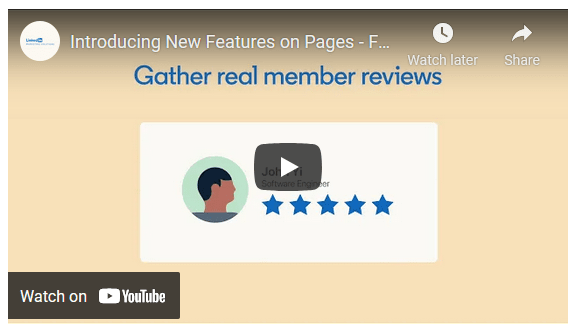
LinkedIn is adding some new tools for brands to help boost their organic promotion efforts on the platform, while also facilitating more connection with colleagues within the LinkedIn experience.

As you can see in the video, the first addition is a new ‘My Company’ tab on LinkedIn company pages, which will include ‘Recommend’ and ‘Content Suggestions’ listings, enabling businesses to facilitate direct sharing of relevant posts, and increase internal engagement with such among employees.

As explained by LinkedIn:

“Page admins can now curate organic content through a new “Recommend” tool and suggest trending articles for employees to reshare through “Content Suggestions”. We’ve also added a new Analytics feature that allows you to measure the reach and impact of your employee advocacy program.”

These tools were originally a part of LinkedIn’s Elevate employee advocacy program, which LinkedIn has been gradually expanding into its other offerings. In 2019, LinkedIn integrated Elevate functionality into Sales Navigator, enabling Sales Navigator users to get alerts from Elevate within their Navigator dashboard, then last January, LinkedIn announced its plans to bring more of Elevate’s employee advocacy platform into its regular company pages experience.

Click HERE to read the remainder of the article

By 

Sourced from Social Media Today

By

Rarely a week goes by without an inspired billboard, bus-shelter poster or bus livery going ‘viral’ on social media. You’d almost think the work was made for that purpose. Social media’s provided somewhere for impactful out of home ads to further resonate but is the congratulatory feedback loop blinding marketers to the true value of the medium – reaching real people?

If you are in the smallish circle of social-media active marketers who gleefully share nice ads with captions like “clever that”, you’ll have noticed last week a clever exploding ‘dynamite’ Marmite ad, complete with a huge scattered lid, and a mocked-up ad for KitKat from One Minute Briefs contestant Sam Hennig, who was absolutely struck by the warm reception for his idea.

Both ads drove applause and debate. Only one ran in the real world.

Some onlookers questioned whether you even needed to run the physical OOH ad. Why not just mock it up and tweet it? More questioned whether the top of class OOH executions are supposed to reach real people – or merely awards juries.

In the last decade, the medium’s purpose has evolved, The Drum explores why.

Pain with gains

UK out of home ad spend was 61.5% of 2019 levels, even buoyed by a huge government comms drive, according to the IPA. Meanwhile, industry body Outsmart said the revenue decline in the first half of 2020 sat at 44.8% year-on-year. Lockdowns swallowed OOH footfall and strangled marketing budgets. Similarly, marketers were obsessed with finding at-home screens however they could.

Alistair MacCallum, chief executive of out-of-home specialist agency Kinetic Worldwide says footfall didn’t fall as low as many assumed. Only 30% of people could actually work from home, for example. “19 million people still went to work every day, 30% of school kids were still in school. Many of us went to supermarkets once or twice a day just to talk to someone.”

Not all regions locked down equally. Anonymised mobile data tracked population activity to offer helpful heat maps and work out worthwhile sites. Meanwhile, OOH networks worked to digitise their networks and buying platforms. Buyers can now run hyper-local campaigns within the hour without even lifting a phone. And digital out of home sites, have doubled in number in the last four years in the UK. They also account for a third of spend in the US. Marketers are also excited about the creative opportunities afforded by the outdoor screen.

There’s more incentive to show off, too. Over the last two decades, most people acquired phones, with cameras, linked to mass audiences through social media. People on ’active journeys’ could suddenly, and immediately, share good outdoor creative. In the moment they could be promoted to search a homepage or buy something. Some sites even had QR codes to encourage camera activity.

MacCallum says: “The role of out of home is far more multifaceted than it was. The ways you can utilize the channel is increasingly much more varied.”

Stunted growth

As we saw from last week’s examples, good OOH creative can inspire PR fame.

Real people engage with and share good OOH ads. They interact with said brand on social and even inspire earned media. If people are talking about a billboard, there’s a news story there.

MacCallum says: “There is no other channel that has the level of creativity and innovation. Nobody is taking pictures of banner ads are they?”

Kelly Taylor, head of new business and marketing at creative agency Creature, believes tighter budgets forced marketers to be more effective with the medium. But with the closure of the real world, marketers “finally grasped that social and digital are not add-ons to campaigns, but intrinsic parts of the comms, reach and amplification.“

Any outgoing’s on quality OOH would need to resonate beyond the street. Taylor says: “With the amount of time people are spending online up by 32mins compared to pre-lockdown, there are plenty of eyes looking for content to get them through the groundhog days. And OOH and social is the perfect pairing. Both rely on the ability to tell a story in a single impactful post and both want to grab as many eyes as possible.”

One example that cropped up several times was The Drum Out of Home Awards Grand Prix winner ’#MyHeroes’. It gave the public a platform to thank the NHS, bringing social content onto the big screens, and sometimes, back on to social.

It is a modern opportunity that understands that OOH, like memes have to resonate with a mass audience in a single frame. But Taylor warns: be wary of “viral success,“ and be wary of “brandter”.

“There’s a fine line between nurturing engagement and forcing it”, she says pointing to Marmite’s try-hard social team, which she says unfortunately “diminished the original work”.

An OOH campaign “must be able to work in isolation and deliver real results for the client to be successful, not just fame”.

BBC Creative’s award-winning Dracula placement evolves as day becomes night. It won headlines and drove a halo effect around a wider, multi-faceted campaign. It was more than a billboard.

Great ideas

Nick Ellis, creative partner and founder of brand agency Halo believes that OOH is the “pinnacle of the advertising craft, a single idea, executed with the acuity of message and creativity.” The best work is appreciated even outside of industry circles.

He talks up executions that create unmissable moments like Carlsberg’s beer tap billboard. Few people may have seen it in the flesh, but on social, we felt the reactions by proxy.

“These moments transcend what we expect from advertising. And advertising itself becomes art. Instead of being intrusive, it reaches people in a truly creative and disruptive way.“

McCann’s Fearless Girl may be the ultimate example, he says “part of the fabric of a city and a significant cultural moment”.

It is because the idea was executed in real life that it “gives the brand a tangible solidity in a way social channels can’t“.

Jay Young, head of creative solutions at Talon, says the “the world literally is your oyster with OOH. You’re not confined to a certain number of pixels on a page”.

He’s used to thinking outside the box with the medium. He says it is big, unskippable, and real. It has power. And impact. And it reaches 98% of the British public (usually).

Extra love on social or adds value and “boosts the credentials” of OOH. In another broadcast media, TV, extra reach is sometimes wrongly called waste. Young’s sector clearly has a form of that too now.

He’s not worried that marketers will be photoshopping up billboards any time soon.

“You really do need to create something in real life for it to achieve the ‘Wow, that’s clever’ moment and escape our industry echo-chamber. People care far more about things that actually happened. They want brands to be honest and authentic.“

To show the impact of great work, he referenced the reaction to his Pepsi Max ‘Unbelievable Bus Shelter‘ campaign (we‘ll allow it). He acknowledges that bespoke builds are “tricky” to get right. They have to be bold and impactful, and people need to live with them. More often than not, they‘re worth the sleepless nights.

“We’re not working on a closed movie set. We’re likely working on the side of a busy road, in the middle of the night with multiple stakeholders to please.”

This old-school movie magic might clash with the industry‘s new hope, a reinvention around real-time buying for a generation of marketers raised on Facebook ads rather than 48-sheets.

But even in DOOH, PR and reactive marketing could play a larger part.

Young says: “You can see a cultural moment blow up on Twitter at 9am. You‘ll get a reactive ad on DOOH across the country by the time you log off for the day. I still love the Specsavers campaign we ran in reaction to the Moonlight Oscars blunder. We could never have achieved the same impact with static OOH going live days later.”

Marketers are giving real thought to optimising OOH creative based on location, time and the weather – there’s more opportunity for impact ahead. But they‘ll need to remember, real business outcomes are more important than LinkedIn shares.


Feature Image Credit: The Drum explores the relationship between social, PR and OOH. Above: Playstation‘s own OOH effort

By

Sourced from The Drum

Google Analytics has become a powerhouse in recent years. The ultimate web tracking tool, it’s utilized by everyone from entrepreneurs to big businesses, providing users with the data they need to measure the effects of their web and marketing efforts. In fact, this report shows that Google Analytics is used by 84.2% of all the websites whose traffic was analysed (representing 54.9% of all websites).
Being skilled in Google Analytics can be a major draw to employers and can also help individuals build their businesses and determine just how well their marketing efforts are doing. But while the tools might be very powerful, the more the user understands the platform, the meaningful the data and the deeper the insights. As such, right now is a great time to learn the ins and outs, with the Google Analytics Master Class Bundle available for just $35.
With over 3,891 enrolled students, this bundle is highly-rated for a reason. Through five expert-led courses, you’ll learn everything from the fundamentals to advanced techniques. A good place to start is the hands-on training course on Google Analytics for beginners. The 4.4-star-rated course covers the basics, such as how to load demo data from an online store as well as analyse audience, acquisition, and behaviour reports.
Once you start tinkering in Google Analytics, you’ll notice there’s quite a lot of data to comb through. Through this course pack, you’ll learn how to navigate through all this information and how to make smart business decisions using that data. Get a deep understanding of all the methods and techniques necessary to measure, monitor, and analyse your web traffic. Take your expertise a step further when you learn how to set up an Analytics Dashboard in Google Data Studio, unveiling key insights that can directly affect marketing and sales decisions.
The bundle includes a 4.5-star-rated Google Analytics exam prep course. The course features practice questions and feedback on your wrong answers, so you’ll be ready to ace the exam and get this industry-recognized certification, not to mention grow your business or career.
More than half of the world’s websites are running Google Analytics. Don’t get left behind. Get the Google Analytics Master Class Bundle for $34.99 (Reg. $995).
Prices subject to change. 

Cheddar is partnering with StackCommerce to bring you the Cheddar Shop. This article doesn’t constitute editorial endorsement, and we earn a portion of all sales.

Sourced from Cheddar

By

If you want your business to thrive rather than merely survive 2021 and beyond, seize the spotlight you have.

are cool and all, but if you’re not converting those fans to customers, your efforts and investments are futile. If 2020 taught us anything, it’s that the world can, and will, change overnight. So, if you want your business to thrive rather than merely survive 2021 and beyond, you have to be prepared for the worst to happen.

Imagine if TikTok had been banned in the U.S. last year as nearly happened? A lot of people would have lost these leads. What if the same threat looms over us for or other platforms in 2021? If you don’t want to be caught with your proverbial pants down, you need to start converting your followers to customers now.

Why, though?

Unless you purchased fake followers, most of your social media fans like your products or services, making them hot leads. Failure to implement a strategy to convert these fans to customers means you are missing out on sales that are there for the taking.

An increasing number of individuals and organizations have lost their Instagram accounts to hackers, unable to ever re-access their former accounts. What happens to all of those followers if you weren’t already converting them to customers? They are lost forever, and all the time and energy you invested in building your online presence is flushed down the drain.

The how

Most brands only pay attention to their post-engagement analytics. Yes, likes and comments per post are important so that you can adapt your content strategy accordingly, but what if your account gets hacked tonight? Kiss those leads you had on ice, waiting to be reeled in like little fishes on a hook goodbye. Read on to discover how to convert fans to customers.

1. Activate email subscription. Most site visitors will not subscribe to your emails unless there’s something in it for them. Entice visitors to share their information with you by offering limited-time discount codes, giveaway entry or free ebook downloads in return for their information. Offering 20-40% off a visitor’s first purchase from you is one of the most effective ways to push newbies across the finish line of your sales funnel. To get ahead of the competition, you have to cut through the online noise by offering consumers value for money over competitors. That’s the holy grail of influencing purchasing decisions.

2. Retarget, retarget, retarget! I know you’re busy and overwhelmed, but another essential step in successful conversion is retargeting those who share their information with you. It sounds obvious, but you’d be surprised how many social media users, including some of the biggest powerhouse brands in the world, are culprits of dropping the ball at this level of Jumanji.

Your email-subscription set-up should be connected to the email platform of your choice, whether that be a basic MailChimp account or a more advanced platform, so that all of your new contacts are automatically added to your email database. The more advanced your platform, the easier it will make your life, as a lot of the actions, such as segmenting, are automated. (The importance of email segmentation is a separate topic for another day.)  An email database you don’t utilize is as pointless as social media fans you’re not converting. Aim to send out at least one email per month to your contacts, preferably with special offers or new products or services rather than just company news (which everyone deletes).

Case in point….

Here’s a quick summary of a case study for you. The year is 2019, and the biggest concern for brands was probably the rumours about Instagram potentially being shut down and disappearing over night. Thankfully, that didn’t happen, but we were hit with a global pandemic that no one was prepared for either.

Anyway, with the Instagram rumours in full swing, I reached out to a fashion powerhouse to collaborate on a giveaway with a prominent entrepreneur I was working with at the time. The result? Nearly 1,000 emails within 24 hours, and a 23% increase in sales within three weeks as I retargeted these leads via weekly email marketing.

If that doesn’t demonstrate how valuable converting your fans to customers is, then I can’t help you.

Feature Image Credit: Witthaya Prasongsin | Getty Images

By 

Sourced from Entrepreneur Europe

By

Combining performance marketing tech with brand-building expertise, can the new iProspect answer hard questions from clients concerned about the value of performance tactics?

form a new hybrid media agency.

The relaunch marks the latest stage of Japanese ad giant Dentsu’s recovery plan after a rocky 2020. Global president Amanda Morrissey will lead the shop’s 8,000 specialists across 93 markets.

“We are a new force in the industry, one that draws on decades of expertise carefully brought together to create an agile, scaled, digital-first organisation built for the future and delivering today,“ she says. “In fact, the only thing that has stayed the same is the name, but even that looks different.“

Media agency Vizeum was folded into iProspect back in January. Though the ’new’ agency is sticking with the iProspect name, the company has had a visual rebrand and picked up a new tagline, ’Brands accelerated’.

Peter Huijboom, global chief executive officer of media and global clients at Dentsu International, said the moment was a watershed: “With the creation of this new agency, we’ve made something unique – not just within Dentsu, but within the whole industry. It’s a great example of how the coming together of not just two trailblazing brands in iProspect and Vizeum, but also minds and markets, can solve for one of the biggest challenges our clients face today – how to be relevant and accelerate growth in the now, and also in the future.”

Speaking exclusively to The Drum, Morrissey, who was installed as global president of iProspect less than six months ago, says the relaunched agency aims to take advantage of a changed industry landscape.

“During the pandemic there was a massive shift in consumer behaviour, but also in the cultural makeup of the world. It has been two years’ worth of transformation happening in 10 months.“

She says clients now demand agility, accountability and an understanding of digital specialism and brand storytelling. The new agency, billed as “a very agile business at that intersection of brand and performance“ will help partners “accelerate decision-making and pivot around the right opportunities.“

“The forefront of our engine is the strategy, communications planning and storytelling capabilities of our Vizeum team, underpinned by the deep specialism around performance and digital of our iProspect team.“

‘All advertising is performance’

Morrissey, a keen wakeboarder, previously served as the marketing director of surf brand Animal for three years. “I think about it all the time,” she says. “I learned that, even if your agency thinks it’s everything, your advertising is actually a tiny proportion of the things you have to do.“

That expertise has come in handy recently, as advertisers increasingly question the value of performance-first marketing. Travel brand Airbnb, for example, announced last month that it had hacked back spend on performance marketing, in favour of brand-building efforts, and seen almost no difference to its performance.

There’s also the impact of the pandemic on marketing budgets, and the subsequent migration from traditional channels to digital, to contend with.

”We’re only as good as the last dollar we spent,” concedes Morrissey. ”We look at it like this: how can you extract maximum value for our client’s spend at every single stage? We’re always under scrutiny.”

“We’re seeing a huge shift in our clients’ spending makeup and in some cases, performance is the one that gets pushed back,” she says. ”What we’re not going to do is encourage or influence our clients to spend more money if it’s not going to drive growth for them or achieve their business objectives. What we will do for them is help them to optimize their spend… we’re not defending any one territory.”

According to Morrissey, iProspect’s new brand-building capabilities will help it provide a more rounded service to clients shifting their spend: ”We’re ahead of that curve. The reason we built this brand the way we have, is to balance brand and performance. It’s perfectly positioned to be able to ride that wave and to help our clients make those decisions.”

She describes the agency’s new ethos as ”performance-driven brand building,” and says the team has been employing both disciplines – providing big-picture consultation to advertisers that previously prioritized performance, helping them identify ”the humanity in the signals” – and digital nous for brands abandoning TV for digital in the wake of the pandemic.

”We think that all advertising is performance. It should always deliver business outcomes; performance drives brand and brand builds performance.”

New story for Dentsu

It’s safe to say Dentsu had a rough 2020. The Japanese conglomerate announced a huge reorganization of its business and profit falls at the end of 2020, well before the industry-wide shockwave of the pandemic. Later last year, it appointed former DDB boss Wendy Clark as its new global chief executive.

Morrissey says the reborn agency can provide the beleaguered network with a ’new story’ as it works to recover.

”When you’ve had a tough time, having a new story creates confidence and momentum. What Dentsu has managed to do by integrating these two brands, is to create a whole new story – a whole new reason to believe.”

Morrissey’s iProspect forms the final plank of Dentsu’s new agency structure, which reorganised the holding group into six agency brands.

”It will be an access gateway [for clients] into the broader Dentsu organization,” she says. ”We’re also a hothouse for talent, to enable us all to grow as we move forwards.”

Though Morrissey is ”excited” about unveiling the new iProspect, there are plenty of obstacles in the way of success. ”We have the challenge of changing people’s preconceptions about the agency – and to show we’re no longer just a performance agency, but one which is new and offering full end-to-end solutions for clients. This is something we definitely need to focus on in coming months.”

The imminent demise of the third party cookie ”worries everybody,” while the pandemic has wrought havoc across the global economy. “There’s been a whole heap of instability; the advertising industry and our clients were hit really badly. Most companies in our sector have shrunk in size.”

Keeping the agency’s talent intact is a priority. ”We employ a lot of young people. I think we’ve got to give our talent some stability, some time to catch up and the space to be able to grow, thrive and do their best work.

”From an organizational perspective we have hit the ground running with such momentum. But we’ve got to be able to continue it, and that’s tough because momentum wears out,” she says.

”That really keeps me awake at night. In two years time, you know, I want our talent, those 8,000 people, to be a part of an environment where they felt safe and to feel like that this was the best place for them to work.”

By

Sourced from The Drum

I know a lot of people who follow me would like more followers. On Instagram, on TikTok, wherever; we know it’s important to understand social media. Why? Because there is no “social media” anymore, there’s just “media” and social is a part of that.

If “media” is the content and the culture we all consume, then “social” is community; it’s connections and insight. With this in mind, it is so necessary for brands and marketers to understand Instagram. It’s one of the largest social media platforms to date. It’s a source of great learnings and offers an immense opportunity to build community and legacy, both for an individual’s personal brand and a large company. Keep reading to learn how to navigate this social media platform–and how to get more followers.

1. Have a strategy

First of all, it’s necessary to understand that building a community is more important than the amount of followers you have. Your community should be the foundation of every piece of creative you produce, it should be the cornerstone of your entire strategy. Remember: if you want to win, you have to make it about “them” because business is a “them” game. Now, taking that aside, here are some tactical things you can do to grow your Instagram presence.

The $1.80 Strategy

  • Familiarize yourself with the $1.80 strategy. I’ve written about this, in depth, a few years back. To summarize, this is all about finding hashtags/content that’s relevant to your business, and commenting on that content. If you leave thoughtful comments, aka your .02 cents, on 9 posts for 10 hashtags–that’ll add up to $1.80.

Your .02 cents should never be spam. Rather, they should be small drops you make into each “bucket” of karma, community, and your own personal brand.

2. Define Your Target Audience

Now that you have a strategy in place, it’s time to think about who you want to target. Start with the macro, the basic psychology of your target audience, then add layers. What is your brand, who do you represent? Study the slang they use, their style, and (of course) the hashtags they use. The last piece is important because hashtags can help you narrow down your audience. They can also help you identify communities and gain insights into the behaviours of that audience.

3. Be Authentic

Authenticity is important. I’ve spoken it about it a few times, but to summarize everything: don’t put on a show. Be authentic and real in categories you’re willing to be authentic and real in. What I think many people are missing is, you don’t have to be in every conversation. There are people who don’t even do social media because they say ‘Gary, I don’t want my business out there’–okay, so don’t.

Personally, I don’t go into convos where I feel like I don’t know what I’m talking about or I don’t want to share with the world. I stay very narrow and that’s it.

Your content should be about what you want, and you should be honest about your experiences and expertise. It’s possible to get away with being inauthentic for a while, but it’s no fun, and you could lose the community you’ve built.

4. Content, Content, Content (that’s relevant and consistent)

Now it’s time to put out content. Your content should be relevant and consistent. It should speak to your community. A good way to do that is to follow the 79/21 rule and look at how your community behaves on other platforms. Once you have that down, you’re ready to post.

Something to keep in mind, don’t worry if the content is “good” or not. Good is subjective. Just post it!

5. If Content Is King, Context is Country

As important as content is, context is even more important. Just think about it, you wouldn’t post something for LinkedIn on TikTok. Everything you post has to be contextual to that platform. People forget that great content is predicated on context. If you want a more tactical overview, check out a blog post I wrote about this topic.

6. Promote Your Instagram Account

There are two ways to promote your Instagram page. One of the best ways is through organic reach. This is where the $1.80 strategy comes in. If you’re posting thoughtful comments under relevant hashtags and content, your content is more likely to come generate likes, views, and appear in search.

Another way to promote your account is to pay for it. There are tons of ways to partner with influencers and community groups–just reach out. Sponsor some of their content and ask what their rates are if they were to promote your page/products. Some influencers are under-priced and some influencers are overpriced, so it’s important to do your research.

As always, avoid fake followers. They offer no value to your brand. Although it might seem easier to buy followers, the new bots only lower your page’s credibility–who wants to visit an inactive page with tens of thousands of followers? Bots don’t like, share, or engage with your content and they’ll likely get cleaned up when Instagram does a sweep. Just avoid them.

7. Pay Attention To The Numbers

Even if they’re not the most important thing, follower counts and likes matter. They are an important metric, especially for those of you who are growing your business. Still, you know what’s even more important?

The comments. The shares. The amount of people who save your post. In a world of fake followers and inflated likes, your actual engagement rate matters so much. If you want people to engage with your posts, thoughtful content matters.

8. Build Community and Give Value

I know it’s easy to say “build community” but what does this look like in practice? You can start by following relevant accounts and influencers. Think about how they add value and what gaps aren’t being served within the community you want to reach.  Reach out and ask if they’d like to collaborate or partner on a project.

Use the comments to figure out what your community wants. When you do choose to run a contest or start a series on Instagram–make sure it’s something that provides value to them.

9. Use one platform to inform the other

This is another gem from the 79/21 strategy. It’s clear that someone who follows you on Facebook may act differently than someone who follows you on LinkedIn. However, if the same person follows you on both platforms look at how they behave. Your Instagram followers may be unlikely to ask you for resume tips–but if you know a lot of your followers are about to enter the workforce, and you’ve seen many of them ask for resume tips on LinkedIn, use that to inform your Instagram content.

Maybe host a Live Q&A, where you take questions from your followers and video chat with them in real-tip about resumes? This feature is unavailable on LinkedIn, so you could also drive some of your followers from there to your Instagram. Overall, listen to your community, no matter what platform they choose to speak on.

10. Enjoy the process

Arguably the most important part, you have to enjoy the process.  Instagram, and social media in general, can be a long game. It’s important to remember that and not be discouraged when you have less followers than someone else. Also, never ever compare yourself, your progress, and your process to anyone else.

By Garyvee

Sourced from Gary Vaynerchuk