Author

editor

Browsing

By

When it comes to social media related to auto buying, carmakers should not put too much emphasis on “all the feels” as most demographic groups are looking more for facts.

The days of social as an optional marketing channel are over. Now that social has its rightful place at the table, it is vital to understand where in the funnel social efforts should be targeted, according to Spout Social.

Per its 47-page annual social index, the top consumer content preference is for product information (48%), followed by promotions and deals (46%), education content (18%), news (17%), business updates (12%) and entertaining content (9%). Only 8% want to see “inspirational content” and only 4% want to see content including celebrities or other influencers they follow.

“Consumers want brand awareness and consideration stage content from brands on social,” according to the report. “But 80% of social marketers are hyper-focused on awareness activities, leaving out the consideration piece of the puzzle. The social marketer’s No. 1 challenge is still ROI. Return on investment is the top concern for 55% of social marketers. This makes sense for two reasons: They aren’t meeting the full needs of their social audience with both brand awareness and consideration content and they’re defining ROI incorrectly to begin with.

Facebook remains a dominant force in marketing strategies and consumer behavior. A whopping 97% of social marketers list Facebook as their most used and useful social network, and Instagram blows Snapchat out of the water by social marketer usership and consumer adoption. In fact, 83% of marketers use Instagram and 13% use Snapchat; 51% of consumers use Instagram and 30% use Snapchat.

The automotive industry-specific data provides a pulse on effective social media marketing strategies to note for 2018.

“As marketers, we hear about ROI every single day—and social marketers remain anxious about it,” according to the report. “To truly understand what ROI means in the social marketing industry, and how social marketers are aligning with consumer preferences, we asked more than 2,000 social marketers how they approach structure, goals and content. We asked about their priorities and what they need to do their best work. Then we cross-referenced their reports against what consumers actually want. “

Millennials and Gex X differ in that Millennials prefer inspirational and entertaining content and business updates more than Gex X. Gen X prefer product information and news more than Millennials.

A recent Pew Study differentiated between Millennials (ages 22-37) and Generation X (ages 38-53) and their media consumption patterns. Sprout wanted to see how this differentiation translates to social.

As it turns out, Millennials are twice as likely to use Snapchat as Generation X. Millennials want to see only friends’ content on social 52% more than Gen X Millennials and Gen X prefer the same content from companies: Discounts or sales, posts that showcase products or services and educational posts.

“We found that social is still very much a personal platform,” according to the report. “People spend time on social, first and foremost, to interact with family and friends. As brands put together campaigns and messaging, they must remember that they are guests at dinner, not members of the nuclear family: their role in user feeds is delicate, valuable and should be treated with great care.:

So how can brands disrupt the user experience in the least intrusive and most relevant way? Data shows the answer: with awareness and consideration stage content. Think long-term, not quick fix. Think relationships, not attribution, per Sprout.

“Where there is alignment (is) customer service,” according to the report. “On the front lines with customers and prospects everyday, an overwhelming majority (88%) of social marketers understand the importance of customer service on social; nearly half (45%)
of consumer respondents have reached out to a company on social.”

Employee advocacy is the new influencer marketing. Social marketers in 2018 see the value in employee advocacy as a cost-effective, scalable alternative to influencer marketing. Seventy-one percent of social marketers use employees as influencers or advocates today or want to in the future, while only 19% of marketers surveyed had the budget for an influencer program. This shift reflects consumer tastes: 61% of consumers said they would be more likely to research a product or service recommended on social by a friend vs. 36% for influencers/celebrities.

By

Sourced from MediaPost

By  Nikki Richard 

Small business owners have a lot on their plates. Believe me, I know . . . I am one, myself!

And because you’re so busy, there are probably days when you get so immersed in daily tasks that you’re not really working seeing a bigger picture. Sound familiar?

Of course, you might just be having an off day . . .

Or maybe your small business isn’t following a plan or aiming for a specific target or goal. Maybe you don’t have a marketing strategy in place, or the one that you do have isn’t being followed.

According to a 2017 report from Smart Insights, 49% of organizations don’t have clearly defined marketing strategies.

That means that approximately half of businesses are marketing in the dark!

A marketing strategy is essential for the health of a small business. Here are three reasons why, if you don’t already one, you need to develop one as soon as possible.

1. Organization

As I alluded to earlier, setting goals and working in sync is vital if you really want to accomplish anything significant. If your small business doesn’t have a marketing strategy, how are you and your team of employees supposed to work as one?

Are you all scattered? Working towards different goals? Just managing tasks as they come?

Remember, marketing is a team sport. A strategy makes your goals clear, and it also provides your team members with a blueprint on how to market your products and services.

2. Productivity

Without a written plan in place, how do you evaluate which of your marketing tools works best for each of your different products, services, and needs?

Have you taken the time to plot your different price points? Have you analyzed customer data to determine how you can best market to your target demographic?

If you don’t currently have a marketing plan, the answer to all of these questions is likely “no” . . .A marketing plan will allow you and your team to manage and maintain all of these elements. You’ll be able to optimize every area of marketing, maximize your return on investment (ROI) for every marketing decision, and increase productivity at every juncture.

3. Growth

And most importantly, a good marketing strategy is critical for your small business’s growth. Without a proper marketing plan, it’s very likely that your business will get caught in a very common vicious cycle. Perhaps you’re familiar with it:

You ramp up your marketing efforts for a few weeks. For the most part, it’s working; and you’re able to bring in more customers, orders, clients, et cetera. Then you switch your focus from marketing to satisfying your new customers. Eventually, those customers leave and you’re back at square one – rushing your next marketing campaign.

Sure, your company can survive this way. But your business won’t grow. Until you learn how to serve your customers and market simultaneously, you’ll just be jogging in place.

A strong marketing strategy, on the other hand, will make it easier for your team to be consistent with your organization’s marketing efforts.

By  Nikki Richard 

View full profile ›
Read more at https://www.business2community.com/small-business/3-reasons-why-your-small-business-needs-a-marketing-strategy-02093827

Sourced from Business 2 Community

By Susan Friesen 

Your newsletters don’t have to be a chore. Writing about what you do should be an enjoyable experience and when it is, it will reflect in the content – which then leads to a better read for your users!

One thing that can be frustrating is getting that content out there.For some businesses, newsletters are all they do, and these kinds of companies have become staples in almost every online marketing strategy.

Many email services like Gmail even have separate tabs now devoted to promotional emails so users can have them all organized in one place.

In the past some companies tried to mail out their newsletters from their own email. With the advent of spam, new rules were introduced that make taking that approach dangerous to your business.

If your email is seen sending out massive waves of emails, you risk all emails from your domain being marked as spam, and then never seen by your followers or clients.

Today we’re going to look at which companies you can use to craft great looking email newsletters and then send them easily to a database of followers. These companies won’t get your email tagged as spam and their tools make your newsletter creation a lot more fun.

  1. MailChimp

    MailChimp is a big favourite for many companies and agencies. It’s got an evolving interface that has been updated over the years based on user feedback. You can upload your email lists as a CSV/Excel file and the system will automatically check to see which columns are the user’s name, email etc. (this feature is available in most newsletter platforms as well).

    They have a great selection of templates to choose from that can then be further modified to suit your brand. Keep in mind, a professional marketing agency can help you create a customized look that blends in your brand, rather than choosing a template that will be used by many other companies.

    You can review the open rate, users can easily unsubscribe, and you can then revise your next newsletter based on the metrics viewable in your MailChimp account.

    It offers split testing as well so you can try out different versions of your same newsletter to see which resonates best with your users.

    Pricing varies depending on how many users you can to send to. Their forever free plan may work for some businesses with lower than 2,000 subscribers. If you have more than 2,000, you have options to pay as you go or subscribe to a monthly plan.

  2. GetResponse

    The big difference with GetResponse is that it’s suited to users who want to complete their newsletter with a landing page or who are offering webinars. If your reason for sending out newsletters is that your business hosts webinars and you’re engaging your users each month then this company is ideal.

    Within the interface you manage your newsletters with this service also has a tonne of extras specifically for webinars. They have really targeted that market and have features like autoresponders, email reminders, and 1-click logins that make the whole experience easier for you and for your users.

    Their landing page templates may also appeal to companies who do monthly offerings/sales and need a unique page of content to send the user to.

    MailChimp is a great service, but if you’re looking for something that offers more services directed at webinars and that allows you to create a custom landing page, then sending users to from your newsletter then this is a better option.

  3. Constant Contact

    Constant Contact has always been a big rival with MailChimp for being the brand name in email marketing. It’s a huge company and it’s a great option if Facebook is a big part of your online marketing strategy.

    Constant Contact has an email option that is designed so users can easily share your newsletter on Facebook. Other providers do have features similar to this but they’re not as focused on that feature as Constant Contact.

    The big plus with this company is the support. If you run into issues you can easily get help, and if you have trouble learning the interface at all there are many resources available to help you find the answers you need.

    This option can be considered the most social media-friendly and has all the major features of the others noted. If your online marketing involves Hootsuite (you can integrate this into Hootsuite) and you focus your efforts on gaining traction on social media then this is a great newsletter tool for you.

  4. AWeber

    AWeber is an extremely popular option and recommended by many professional marketing companies. It gives you five plans to choose from and a long list of features such as unlimited email marketing campaigns, follow-ups, lists and Auto Responders.

    Many people believe their Auto Responder platform is superior to other companies, allowing businesses to automate the process of delivering personalized emails to customers on a schedule.

    GetResponse and AWeber offer similar core features. With AWeber, you pay a monthly fee starting at $19 US based on your list size, allowing you to send out as many campaigns as you wish.

There are many more options out there to choose from too. Email newsletters are a massive business tool and a big part of the online marketing industry. It’s difficult to say which is best, since most offer the same list of major features and then differentiate in more niche market opportunities.

Compare email marketing plans here.

The decision on which is right for you will likely come down to how your online marketing strategy is designed.

Read more at https://www.business2community.com/email-marketing/4-top-email-marketing-services-for-entrepreneurs-02092984

By Susan Friesen 

Sourced from Business 2 Community

By Caroline Knorr

Unfortunately, simply cutting off social media isn’t necessarily the answer.

From cyberbullying to FOMO to cruel comments, social media can be a land mine for kids. Issues we parents never had to worry about, such as an intimate photo texted to the entire school or Instagram videos of a birthday party we weren’t invited to, are now a risk for many tweens and teens. With kids’ digital well-being a concern, researchers are exploring potential links between social media and the rise in teen suicide rates, tech addiction, and loss of real-life social skills. And many parents are wondering: Is social media causing my kid to have anxiety?

It’s an important question ― and one that makes for compelling headlines for worried parents. While it’s too early to say with certainty (this is, after all, the first generation of “digital natives”), the reality is somewhat nuanced. Some research has observed a relationship between social media use and anxiety in kids, but it’s difficult to know if and when social media is causing anxiety or whether kids who are anxious are turning to social media as a way to soothe themselves or seek support. How kids use social media matters, too: Social comparison and feedback-seeking behaviors have been associated with depressive symptoms, which often co-occur with anxiety.

Of course, it’s common for kids to feel anxious sometimes. But there’s a big difference between occasional anxiety and an anxiety disorder that requires professional care. If your kid is overly self-conscious, has uncontrollable and unrealistic anxiety, is unable to make it go away, and avoids things, you may want to seek help. (Learn more about anxiety in kids at the Child Mind Institute.) For these kids, social media may act as a trigger for ― though not the root cause of ― their anxious feelings. There are also kids, who, for a variety of reasons, may be more sensitive to the anxiety-producing effects of social media. For example, kids with social anxiety disorder may prefer online interactions over face-to-face interactions. Bottom line: You may not know the impact of social media on your kid until issues surface.

Unfortunately, simply cutting off social media isn’t necessarily the answer. It’s such a huge part of many kids’ lives that not having access to social media could take a toll. In fact, being connected to friends through social media may counterbalance some of its negative effects.

Without conclusive research to back up claims that social media causes anxiety ― and some evidence to show it’s beneficial ― it’s up to you to keep tabs on how your kid’s doing. Though it adds an extra layer to your parenting duties, it’s a good idea to get a good sense of your kid’s online life. Ask kids to give you a tour of their social media world. As they’re showing you around, you might hear some of the positive stuff you weren’t expecting, as well as some of the problem areas your kid could use help with. Also, add social media to the “wellness checks” that you already do. For example, when you ask how they slept and what they ate, ask how they’re feeling about social media. Is it mostly positive, helpful, and supportive, or do they want to step back but aren’t sure how? Here are some more tips for keeping social media a positive for kids:

Encourage self-care. Seeing photos of a trip to the beach your friends didn’t invite you to can really sting. If your kid is super bummed or tired of digital drama, suggest they take a break from social media for a while. In fact, if they post a status update that they’re taking a break, their friends might be very accepting because they’ve had similar feelings.

Help kids put social media in perspective. People post stuff that makes their lives look perfect ― not the homework struggles, or the fight they had with their dad, or the hours it took to look as good as possible for the camera. Remind kids that social media leaves the messy stuff out ― and that everyone has ups and downs.

Encourage offline activities. In a world where kids could spend their days lying around looking at Instagram, it’s doubly important for them to feel as though they’re cultivating their inner lives. Prompt them to balance social media with soul-nourishing activities such as hobbies, exercise, reading, and helping others. Otherwise, what are they going to brag about on social media?

Talk about their feelings. Ask them what it feels like to look at other kids’ feeds. Is there a tipping point from when they feel OK to when they start to feel bad about their own lives? Encourage them to stop before that feeling sets in and do something good for themselves instead.

Let them know you’re there for them. You may not understand everything about your kid’s online social life. But recognizing it’s important to them makes your kid feel valued ― and more likely to come to you when they encounter problems.

Get help. If you see any cause for concern, including mood swings that seem to result from social media, not taking pleasure in activities he or she used to enjoy, and having accompanying symptoms such as headaches and stomachaches, visit your kid’s pediatrician for a professional opinion.

The Child Mind Institute contributed to this article. Learn more at childmind.org.

Feature Image Credit: Photo by Kev Costello, Unsplash

By Caroline Knorr, Common Sense Media

Sourced from HUFFPOST

By Syed Balkhi

These 10 podcasts can make you a better marketer. Learn how to build your brand online by listening to the advice of proven experts.

As a business owner, you’re super busy. You barely finish the tasks you have to complete in a day, so taking the time to learn something new or brush up on your marketing skills probably seems completely impossible.

But that’s why podcasts are awesome. You can listen to a podcast while you’re commuting, exercising or even at your desk at work, all while absorbing a wealth of information you never thought possible.

There are a seemingly unlimited number of podcasts you can listen to on iTunes and Google Play in a variety of different subject matters. Whether you’re a marketing expert or not, you’ll be able to find podcasts that can really help you bump up your marketing skills and knowledge.

Take a look and listen: Here are 10 marketing podcasts you should download now.

1. Social Media Examiner Podcast

The Social Media Marketing podcast is hosted by Social Media Examiner founder Michael Stelzner, and it’s just as helpful and popular as the website’s blog. This podcast can help your business navigate the “social jungle” that is social media marketing.

It features success stories and expert interviews from the top social media marketing professionals. The experts teach you how to step up your game with new strategies, tactics and tips for your business.

2. The Smart Passive Income Podcast

If you’re a blogger, you’re going to want to listen up. This top-ranking and award-winning podcast is hosted by Pat Flynn from The Smart Passive Income Blog, he’s an entrepreneur and blogger dedicated to helping others learn how to make passive income from blogging.

He shares his own online business and blogging strategies with his listeners, along with income sources and killer marketing strategies so that you can create multiple passive incomes streams while having the time and freedom to do what you love.

3. Online Marketing Made Easy

Amy Porterfield is a leading online marketing strategist and the host of this informative podcast. She offers a ton of advice on how to start an online business, grow your email list, boost your sales and more.

She offers mini marketing masterclasses and step-by-step-guides to help you grow your online business. She also features insights from expert guests, including Rick Mulready and Russell Brunson.

4. The GaryVee Audio Experience

If you haven’t heard of him, Gary Vaynerchuk is an entrepreneur who took his family’s wine business and grew it from $3 million to $60 million in only five years. He’s a CEO, investor, video blogger, public speaker and the host of this popular podcast.

On his podcast he features a mixture of keynote speeches on marketing and business, #AskGaryVee episodes, interviews and fireside chats.

5. Marketing Over Coffee

Marketing Over Coffee is a weekly podcast hosted by John Wall and Christopher Penn. It’s a news-based discussion on what’s trending in the world of marketing. Rather than focusing on set topics, the aim of the podcast is to keep listeners updated on what’s going on in the current state of marketing.

The podcast features interviews from authors and other experts who share marketing advice and tips for growing your business.

6. ProBlogger Podcast

The ProBlogger Podcast: Blog Tips to Help You Make Money, hosted by Darren Rowse, is all about helping you build a better blog. Darren has been blogging since 2002 and making a living from blogging for over a decade. His blogs capture over 5 million readers per month.

If you’re an aspiring blogger, you’re definitely going to want to listen to Darren share advice on how to create engaging content, find readers for your blog and make money online.

7. Marketing Smarts Podcast

Marketing Smarts from MarketingProfs is a weekly podcast that features in-depth interviews with all different types of marketing professionals. Hosted by Kerry O’Shea Gorgone, the podcast gives you actionable tips and advice on how you can market your business intelligently.

Past guests have included author Mack Collier, CoSchedule’s Garrett Moon and NASCAR team owner, Tad Geschickter.

8. CopyBlogger FM

The CopyBlogger podcast is created by the team behind the popular CopyBlogger website and hosted by Sonia Simone of Rainmaker.

CopyBlogger FM is a short-form broadcast with episodes ranging anywhere from 15-to-30 minutes. During the episodes, experts discuss topics such as content and email marketing, copywriting, conversion optimization and much more.

9. Marketing School

Marketing School brings you bite-sized – 10 minutes or less – episodes of marketing advice every single day. It’s the perfect option for listeners who don’t have enough time to listen to lengthier podcasts.

Neil Patel, a well-known leader in the marketing industry who co-founded Kissmetrics, QuickSprout and CrazyEgg, hosts the podcast along with marketing expert Eric Siu. They provide tips on blogging, social media, SEO and more.

10. The Marketing Companion

Hosted by Mark Schaefer and Tom Webster, The Marketing Companion claims to be the world’s most entertaining, laugh-out-loud marketing podcast.

With more than 50 years of marketing experience between them, the hosts discuss current topics in the world of digital business such as social media, customer engagement and the future of digital marketing.

It is said that no matter your age, you should never stop learning. When it comes to running your own business, there’s always room for improvement. Plug in your headphones, and start listening to these podcasts to take your marketing game to the next level.

Feature Image credit: Monkey Business Images/Shutterstock

By Syed Balkhi

Hello, I’m Syed Balkhi, a 27 year old award-winning entrepreneur with a strong 8 figure online business. I was recognized as the top 100 entrepreneur under the age of 30 by the United Nations. I enjoy building products that level the playing field for small business owners to better compete with the big guys.

Sourced from business.com

By 

There are lots of ways to involve influencers in your B2B marketing. Contributor Michael Brito explores a few key options.

Implementing a successful B2B influencer marketing program requires a strategy — identifying the right influencers, researching their conversational behaviors and activating them.

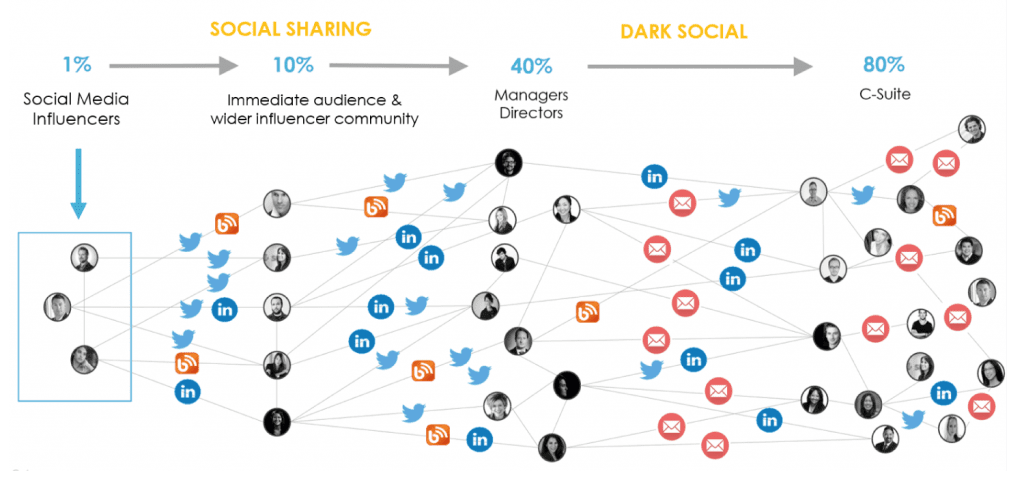
In my first article of this series, I emphasized the 1:9:90 Model of Influence and how B2B brands can use the model as the foundation to architect a program, which includes setting criteria for identifying the right influencers.

In the second article, I showed how researching B2B influencers can deliver actionable intelligence. I highlighted a real analysis and identified 600+ influencers who have written and/or talked about cybersecurity within the context of blockchain over the last three months. The research showed several data points that could be actionable — vertical preference, unbranded versus branded conversation and what topics were trending among the influencers at the time the data was pulled.

Similarly to researching media coverage, understanding what’s top of mind from a select group of influencers can inform a data-driven activation strategy.

Here are four ways you can activate influencers across all of your media channels, ordered by level of sophistication:

Earned media is more than just pitching

Within the context of influencer marketing, leveraging earned media is a tad different. Of course, you and/or your PR team may treat certain influencers like journalists. and in fact, many of your influencers will most likely fall into this category.

This approach is most likely the easiest and it’s really the “entry-level” way to kick off your influencer marketing program. It works like this:

  1. Identify the right influencers. Typically, 50 to 100 is a good number to start with.
  2. Add them to a Twitter list.
  3. Subscribe to their individual article/blog feeds.
  4. Follow all of them, adding around 20 to 25 to your list per week.
  5. Monitor and then share/retweet/like their content.

I know, it sounds basic. It is. But this approach takes time and patience. What I typically do is categorize all the influencers and track them over time:

  • Unaware: The influencer does not follow the brand or hasn’t mentioned the brand in the last 12 months. You can get this data from platforms that allow you to pull historical data.
  • Aware: The influencer either follows the brand on social or has mentioned the brand in the last 12 months.
  • Engaged: The influencer has either shared, retweeted or liked the brand’s content or mentioned the brand in an article.
  • Advocate: The influencer consistently engages with the brand publicly.

Setting influencer acquisition goals, reporting and tracking the influencers along this funnel is necessary to monitor your progress and show value to the higher-ups.

Paid media always delivers

Even if paid media isn’t part of your remit, you still need to think about using it to reach all of your audiences, including influencers. Why? Organic reach in social media is dead. Here’s how to use paid media to reach B2B influencers:

  1. Identify the right influencers. Typically, 500 to 1,000 is a good number.
  2. Upload influencers to Twitter’s Tailored Audiences.
  3. Create a piece of content that “adds value” to the conversation. It can’t be self-serving or link back to a product page. In some cases, you may create content that links to one of the influencer’s articles or posts.
  4. Promote the content.

It’s important to note that Twitter’s minimum count for creating a tailored audience is between 500 and 600. In some cases, you may have to add additional handles in order for the audience size to reach the minimum.

The shelf life of owned media content is… forever

Collaborating with influencers in the creation of branded content is an industry standard. I see it all the time and have even participated in similar programs. The great news about owned media is that it lives forever, in Google.

The process of doing this is simple. The production is where it can get complicated and expensive, unless all you’re asking for is a contributed blog post from the influencer. Here’s how it works:

  • Select five to eight influencers who are in the “advocate” category as outlined above. You most likely know them by first name.
  • Invite them to participate in the creation of an e-book or white paper.
  • Give them full editorial control to write whatever they want about the topic you decide.
  • Have someone from your executive team write the introduction.

At this point, you can do one or all of the following:

  • Gate the content, drive paid media and get leads.
  • Add the content to SlideShare, gate it there or not.
  • Write a blog post talking about the key insights and link to it.
  • Create a series of social “creative” content driving traffic to one or all of the assets.
  • Provide influencers with SlideShare embed code or other digital assets.
  • Use $500-$1,000 of paid media driving traffic to each of the influencer’s content pieces, assuming they write/blog about it.

The advantage of creating long-form content is that you can leverage smaller pieces of the asset for social media amplification. I call these “digital breadcrumbs,” since you can bring your audience back to your owned media channels over time and in small increments.

Shared media = real-time engagement

Using influencer research and data can help B2B brands win the war of brand relevance, if done right. It works like this:

  1. Again, identify the right influencers.
  2. Add them all to a social listening panel.
  3. Monitor their conversations and sharing patterns in real time.
  4. Create content that matches what they are talking about, sharing, writing or reading.
  5. Target the influencers with paid media — see above.
  6. Shift all branded and social content to imitate how influencers talk about technology, buzzwords and jargon (web content, social media, bylines and contributed articles, blog posts and news releases).
  7. Pair up executives with influencers. In other words, if you have an executive thought-leadership program, all of these tactics will prove to be effective for that as well.

The days of creating an overwhelming amount of planned social content are over. B2B marketers must evolve the way they think about social media and content marketing.

Of course, there will always be a need for lead-gen activities, planning for events, announcements and product launches. But real-time, organic (sometimes paid), influencer-driven content is the future of B2B content.

Influencer marketing for B2B companies isn’t just something you can turn on and off overnight. It requires strategy development, planning, research and a long-term investment of time and budget before you can start to see results.

The brands that make influencer marketing a priority are the ones that will experience an increase in brand awareness, relevance in the marketplace, word of mouth, sales/leads and will ultimately enjoy a strong competitive advantage.

By 

Sourced from Marketing Land

By Amy Balliett

Your business doesn’t have to get bigger to get better.

Some entrepreneurs live and die by the principle that bigger is always better. The idea is that the bigger a company gets, the more successful it inevitably is.

But when you’re managing a creative agency, expanding too much can not only decrease the quality of what you’re producing, but hurt your bottom line. In fact, the smallest creative teams often turn out to be more efficient, effective, and manageable.

Here’s what happens in creative workplaces built around small teams.

Optimal Problem-Solving

At Killer Infographics, we’ve focused on keeping the company small for a reason. A single in-house team works together in the same office because this enables us to reach better solutions faster.

When a client comes to us seeking to deliver a particular message or to better harness the power of a popular platform, it’s our job to offer creative solutions. That doesn’t just mean looping in a designer, or a copywriter, or a project manager -; it means getting everyone in the same room to throw their expertise into the ring.

A content editor needs to optimize his or her script for the motion graphic or interactive web page that it will eventually become. A designer needs to understand the message and the underlying goal of the piece before knowing how best to visualize it. And each challenge has its own solution; there’s no cookie-cutter answer in the world of the creative agency. That’s why two-hundred employees scattered across the globe can’t accomplish as much as five creatives in a room together.

Respect

Smaller teams working together in a single location get to know each other as people, not voices on the other end of a phone. This encourages mutual respect and all that comes with it: fewer unreasonable demands on coworkers’ time and energy, and more chances to express gratitude for each other’s hard work.

There’s less turnover in teams whose members feel respected. This same level of respect, because creates a happier and more emotionally healthy workplace, extends to how clients are treated as well. In the end, you’ll spend more time creating and less time on HR.

Collaboration at Its Best

When product development experts collaborate, customer-driven revenue increases 160 percent. Profits increase, too. Meanwhile, when salespeople collaborate, the likelihood that you’ll lose customers if one leaves drops dramatically.

Skillful collaboration, then, saves you both time and money. You may feel you can earn more revenue with a bigger team, but with the added expense and logistics of managing multiple offices in multiple time zones or even countries, it’s often more cost-efficient to have just one well-oiled group.

Next-level Customer Service

Creative agencies aren’t content factories. We’re essentially a service industry. It’s our job to get to know our clients, understand their goals, and make informed recommendations -; all of this from the earliest stages of a project.

Massive creative teams tend to lose sight of this, and instead start focusing on producing as much as possible, as quickly as possible. They have so many clients that losing a handful doesn’t do much to their bottom line. That’s when they stop being their clients’ trusted advisors, collaborators, and teammates. Personalized service gets left behind. The end product, instead, becomes one-size-fits-all.

A Stellar Reputation

Because larger agencies are often producing work on a massive scale, the pressure to cut corners can sometimes mount. An illustration gets repurposed for a different client; content follows a rote formula; the same content packages are recommended for everybody regardless of their needs.

There are too many employees and too many projects for anyone to notice this is happening. And all of this corner-cutting could actually cost you more in the end, when your company’s reputation falters and clients opt instead for agencies that have the time to craft a truly custom campaign for them.

Room for Innovation

As the demand for visual content explodes, it’s essential that creative teams stay on the cutting edge of their craft. For instance, augmented reality has emerged as an entirely new content format for brands in just a few years’ time, and creative agencies that don’t offer solutions in this realm may soon find themselves behind the times.

Small creative teams are made up of individuals, each with their own strengths and interests. More than any corporate initiative, individuals have the power to monitor the zeitgeist and bring it to bear on business and product development. Small teams can nurture, then harness, the skills and knowledge of each member in a way that allows them to more quickly and effectively implement new product and service offerings. In a word, they’re more agile. What’s more, their employees feel heard and valued.

Whether you’re trying to build one or not, every company is a community. In my experience, small companies make for the best communities of all. They’re not just more productive -; they can often come to feel like family. And like family, few things are more rewarding.

By Amy Balliett

Owner and CEO, Killer Infographics@topinfographics

Sourced from Inc.

By Valerie Lavskaya

The popularity of Instagram is rapidly growing day by day. According to the Statista 2018 report, this is the 6th most popular social media network in the world with the leading interaction rates. Recently, Instagram reported that they have more than 500+ million worldwide profiles which are active every day, and more than 80% of all users follow at least one business page.

Lately, we notice the tendency of using YouTube instead of Google. It has become clear that Instagram marketers have also decided to extend their network’s functionality and encourage people to use Instagram instead of Google. In particular, by the new e-commerce features which were developed in cooperation with BigCommerce and Shopify. These novelties allow millions of any-scale worldwide retailers to offer their products via Instagram accounts, gather feedback, retain their customers, and draw them directly to their websites for purchasing.

In this article, I will try to show some Instagram e-commerce solutions which could help e-store owners boost traffic to their website and improve their customer loyalty, as well as demonstrate how creativity is vital in the era of visualization, and how this can bring you revenue.

Product Tagging

The latest and the most effective e-commerce profile feature is a shoppable photo tag. Instagram’s shopping service was successfully launched in the United States in October 2017. This March, finally, the feature extended and became available in 44 other countries.

The main Instagram shopping feature lies in the ability of e-commerce businesses to tag item prices and include special offers to the photos they publish on their business profiles, as well as connecting these products with an item page on their website. Retailers can also add a description to every appropriate tagged product which can differ from the main text content in the post; this will appear after a user has tapped on the price.

store.png

A seller can tag up to 5 prices to one photo, and up to 20 prices on a carousel post. In a feed, such posts are pointed with a tiny basket icon. Also, the “Shop” section appears on the home Instagram page automatically.  

To implement this feature into the Instagram account, a retailer has to have a full catalog with the same range of goods on their Facebook page. All products must comply with the Facebook Commerce Product Merchant Agreement and Commerce Policy. Retailers must offer Instagram users only physical products, apart from tobacco products or paraphernalia, alcohol, weapons, ammunition, and explosives. Sellers cannot sell animals, any healthcare products, notably including “before and after” images, downloadable digital products, virtual currency, and, certainly, products and services with overly sexualized positioning.

What about services? Agencies are able to offer services, whether it is cleaning or a promotional service, as well as event tickets, but only with Facebook written permission. Each e-commerce owner who plans to sell their goods via shoppable Instagram posts should also obtain approvement from Facebook moderators.

Managing an Instagram shop is available through Facebook Business, Shopify or BigEcommerce accounts.

Instagram Saved Stories

Instagram has forbidden posting links to a website anywhere apart from the bio section. However, since Instagram accounts which have more than 10,000 subscribers received the opportunity to add direct links to their stories, Instagram became a fruitful sales channel for many retailers. Thanks to the usability, a user can be taken to a website using one swipe.

Along with that, Instagram allowed users to save their stories into different folders. A majority of e-commerce accounts find creative approaches for the new section. One of them duplicated the main website categories, and others – split stories with links “see more” to new folders as “summer must-have,” “best-sellers” or “customers” choice.”

Asos instagam.gif

We studied 30 Instagram accounts of the most-visited UK e-commerce stores and found that 14 of these use categorized saved stories with direct links to their websites as an extra and convenient way for users to find a desirable product. The option is catching on.

saved stories

Tags Which Work as Filters

This solution is useful for sales or special prices. When you offer discounts for a specific group of products, you can create a separate tag below each post which contains any of these offers. This way, a customer will be able to see all products at a discounted price by clicking this hashtag. And a retailer, thanks to the “editability,” can easily remove irrelevant hashtags at any time.

For instance, a store “Berry” offers discounts for all green dresses for St. Patrick’s Day. Announcing this on Instagram, they can create a unique tag #GreenBerrySale in this post and add this to all posts with green dresses.

New e-Commerce Features – Coming Soon to Instagram

Instagram is planning to evolve business profiles, and they have been testing new features which will be launched in the very near future.

Instagram Booking And Native Payment System

According to a Techcrunch report, Instagram stakes on booking. Developers stealthily added a native payments feature into the app for some users. Today, this is available for electives from the US only, but it is conceivable that Instagram users will soon be able to book a cinema ticket, apartments or a restaurant directly via an app in the future — no redirecting to websites required.

instagram-book-service.gif

In the future, Instagram is planning to expand their payment system opportunities to allow users to purchase items at a retailer’s online site inside Instagram, by opening a separate pop-out page and following standard online checkout processes.

It is interesting to note that if Instagram implements their native payment system, for the purposes of e-commerce, they will become a hybrid model of a marketplace. And this can radically change the primary vision of this social media network.

Shoppable Video Ads On Instagram

In February 2018, Instagram started testing “collection” campaigns on Instagram. Brands and companies will be able to post their media campaigns with an attached catalog of products used in the video ad. This option consequently reduces the customers time to purchase.

Instagram collection campaign.gif

Is Instagram a fruitful sales channel for large e-commerce today?

According to research discussed by SmartInsights this year, more than 1 million brands are sharing and promoting their products as well as stories on the social network. Moreover, over 75% of Instagram users take action, such as visiting a website, after looking at an Instagram advertising post.

By expanding shopping features to new countries, Instagram presented high results for businesses that started using price tags in Autumn 2017. For instance, they said that accessories brand Native Union announced that thanks to the new feature, their Instagram traffic has increased by 2.666 percent and their revenue – by 100% MoM.

Examining European Businesses

We decided to check if shopping on Instagram has become effective for European business profiles since its launch in March 2018. We studied Instagram profiles of the 30 most visited UK online stores within the following niches: clothing, сonsumer electronics, furniture, home and garden, children, and jewelry.

We found out that 46.7% of these already use Instagram shopping and 53.3% do not. In the image below we can see that all retailers which sell clothing implemented this novelty into their profiles. As well as more than half of home, garden goods and furniture retailers; they have realized that their target audience is actively following them on Instagram and it is a good place to reach their targeted audience.

instagram-usage.jpg

We also checked how their traffic from Instagram has changed since the shopping feature launch. To find this out, we compared the traffic data of three popular e-commerce websites in February and May.

As we can see below, the traffic has increased in most cases, but generally, this share is insignificant. The majority of traffic from social networks comes from Facebook, followed by YouTube and Reddit. Is this due to marketing strategies or lack of options for users? More examination is needed, but we do know Instagram’s upcoming opportunities for e-commerce should be helpful to businesses with or without added website traffic.

instagram-shop-diagram.jpg

Final Thoughts

Instagram is becoming more e-commerce-friendly, and this is easy-to-see from their new “One Tap Shop” feature, as well as from “Now More” function in stories or promotion posts. And as discussed above, they are also working on the native booking and payment system.

The Instagram interface allows e-commerce owners to adapt their accounts into user-friendly “websites”. In many instances, their profiles look better than the company websites. New solutions are molding Instagram into a level playing field for e-commerce players. A business’s popularity, engagement, and traffic to the website have become directly dependant on their creativity and marketing strategies.

Instagram’s popularity is growing, and thanks to the creativity of marketers and social media specialists today, Instagram can bring any-scale e-commerce business real revenue.

By Valerie Lavskaya

I’m a content specialist at Promodo Digital Agency. I’m always seeking for fresh data and actual facts to bring relevant ideas to the audience. I believe that useful content can enrich the experience of marketers and empower businesses to make the right decisions fast and accurately.

Sourced from SEMRUSH

By Lora Kellogg

As any franchise leader knows, developing and expanding your brand isn’t easy. Traditional methods of franchise development, such as working with franchise brokers and using public relations, can be successful. But they’re much more effective when paired with newer methods, such as digital marketing.

Social media platforms provide great lead generation options for advertising. Consumers already feel comfortable engaging on social platforms, and platforms such as Facebook have lead generation-specific ads that provide outstanding targeting options. Users can submit their information on Facebook or Instagram without having to leave the app or website, which makes the process easier for mobile users and delivers more leads to your franchise development team’s inbox.

Brands with an active social media presence already understand the benefits of social platforms. Users interacting with brands on social media aren’t looking only for promotions and discounts; they also are looking for business opportunities.

Brands hoping to interact with potential franchisees should take note. Leads generated through social media are highly motivated. Here are four ways your franchise can increase leads generated from social media platforms.

1. Increase overall brand awareness

Want more consumer interaction on social media? Start by telling your brand story. Tell customers what your company stands for and what it has to offer through articles, videos, and other posts on social media. Seize this opportunity to introduce your brand to potential franchisees on platforms where they’re already comfortable engaging.

Approximately 68 percent of American adults use Facebook — which towers above adult user statistics for other platforms. YouTube takes second place, with 40 percent of adults using it regularly. Talk to your franchisee candidates on the platform or platforms of their choice.

2. Develop lookalike audiences on Facebook

Facebook engagement reigns supreme among adults on social media platforms, so take advantage. Develop new leads by uploading an existing email leads list and using Facebook to create a target “lookalike” audience based on common characteristics shared by members of your email list.

Similarly, you can develop an audience by examining which people have visited your franchise development website. These potential franchisees have shown a clear interest in your brand and already are being served your remarketing ads. Create a lookalike audience based on these users to find similar leads to add to your remarketing list.

3. Create personas among your target demographic

Even among your target demographic, there are a lot of variations. Millennials, for example, share similarities, but they can be subgrouped into young married people with kids, young married people without kids, single college graduates in their first jobs, and other categories. Develop personas within your preferred demographic to more clearly define your target audiences.

Take inventory of the traits you look for in new franchisees to divide your target demographic into desirable categories, then take advantage of hypertargeted social media ads to talk to each persona differently. Recent college graduates are looking for something different from young married people with children. Provide messaging that forges authentic connections with each persona in your audience.

4. Take advantage of Facebook’s new lead-gen ads

Using Facebook’s hypertargeted lead ads can point your qualified audience members to a landing page. This page should offer relevant gated content in exchange for an email address. The content could include an e-book, webinar, or promotional offer.

Once you have collected this email list of qualified leads, target them with remarketing ads. This list also can be used in an email drip campaign. Despite all of Facebook’s offerings, don’t forget to follow up in real life. Digital platforms can’t replace the personal touch, after all.

Growing a franchise is a challenge every franchisor must meet. But in this digital-first world, social media provides a strong tool for lead generation. Follow these four simple tips to ensure your team is getting the most out of its social endeavors.

By Lora Kellogg

Lora Kellogg is president and CEO of Curious Jane, an ad agency specializing in franchises. With nearly 15 years of experience and a portfolio of top brands, she and her team work with established and emerging franchises to grow sales, increase traffic, build brand awareness, and generate leads.

Sourced from Franchising.com

By 

Keyword research is a fundamental tactic that I have seen completely transform the overall marketing strategies of those who take it seriously.

In fact, just about any marketing area begins with keyword research, be it competitive analysis, traffic growth, content planning, or PPC strategy. It has always been the foundation of online marketing and it still is – even though it’s rapidly evolving.

I have seen clients go from barely functioning marketing plans to full-scale content marketing projects that up their rankings and conversions. Keywords are serious weapons.

Why organize keywords?

Keyword lists are messy. They contain every little variation of each particular query because they include whatever enough people spontaneously type into the search box.

We search in a more disorganized way than we speak. For example, we could search ‘research keywords’, ‘how to research keywords’, ‘research keywords how to’, ‘keyword research tips’, or even ‘keyword research how to tips’ – and all of that will basically mean the same thing (i.e. we want to know how to research keywords).

Keyword research tools like SEMrush and Ahrefs will provide you with hundreds of thousands of those keyword strings (as well as marketing inspiration).

But, how do you make sense of all those lists that leave us with a huge pile of dumped keywords organized with no rhyme or reason? How do you turn them into plans and actions?

This is precisely why you should be taking the time to organize your keywords. It might not be a very fun process, but it is a very important one.

Here are some tips.

Usefulness and value

One popular way to organize your keywords is by usefulness of the keyword. How you define that is up to you, but many marketers categorize it by price per click balanced with the projected click rate. They also look at how likely it is that the keyword would help them rank on the first page or (more recently) get a featured snippet:

  • Top: the absolute best and most expensive keywords that you might try and target in the future, depending on time and budget, as well as how useful the end result would be in light of those factors
  • Moderate: middle ground keywords that cost less than the top, but have the highest potential within that price level. This is where most of your research should lead you and the largest portion of your spreadsheet is going to be dedicated to these
  • Bottom: the cheapest keywords to target aren’t worth much when it comes to primary keyphrases. However, you may want keep an eye on them anyway and sometimes look to them either for inspiration on future phrases (to expand on), or as secondary/tertiary phrases for projects that require them.

Featured tool: I like using Ahrefs “clicks” data to determine most useful phrases, i.e. phrases that are able to send a lot of traffic, and those where my site ranks pretty well already:

Ahrefs clicks

[No other keyword research tool beats this insight.]

Relevancy

The abundance of keyword strings in your lists often mean pretty much the same thing. They are always in your way preventing you from focusing on other important aspects of keyword research, so getting rid of those (or rather grouping them) is the first thing to do.

This is where keyword clustering comes in handy. I have already explained the tactic in detail here.

Featured tool: Serpstat looks at Google SERPs for each phrase and determines related queries by overlapping URLs. This is pretty much the only tool that can do that, to the best of my knowledge:

Serpstat grouping

Search intent

Another way to organize keywords is by intent, which is usually more straightforward. Set some goals about what you want to accomplish – not just with keyword research but your whole brand. Use that to inform your keyword strategy and separate each goal by intent so you have a list of keywords for each.

Say that you want to target the market for affordable time management programs. You will want to increase brand visibility, get a featured snippet in a popular query and bring more attention to your social media. Make keyword lists for those three goals.

Usually search intent puts keywords into four groups:

  • Commercial ‘high intent’ intent: these users are ready to buy now
  • Informational intent: these users are willing to read, not ready to buy but may opt-in and stick around for a bit longer
  • Transactional intent: these users can be both (researching, then buying)
  • Navigational intent: these users are interested in a specific brand. Depending on whether that’s your brand or someone else’s, you may want to turn them into believers or snatch them for the competitor.

Featured tool: searching Google itself will give you some idea on what Google has found the intent to be. For example, if you see shopping results, you can be fairly sure Google has come to the conclusion that most of these searchers wanted to buy things.

Search intent

[Chart source: Digitaleagles.]

Brand-focused queries

These should be a separate tab in your spreadsheet. Every company needs to make it easier for people to find you. Do this based on your brand name, [competitor alternatives], etc., which is an easy way to make sure your bases are covered and a simple way to organize your research.

Another way to do this is to target phrases that are negative and then prove them wrong with content. An example would be a phrase like, “Is [product name] a scam?” When users search it, they will find that no, you are not a scam and are not listed on any scam sites. This reassures them, even though the original search was negative.

Don’t forget to research all kinds of queries your (or your competitors’) brand includes:

Serpstat

Search query brand

[You may also want to label these queries by sentiment to give your content team more clues on how to address each one.]

By modifier

I always do these in their own list. A modifying keyword is one that uses an adjective to describe what is being searched for. For instance, they may search for ‘cheap project management platform’ or ‘free ways to manage teams’.

Words like free, cheap, top, best, etc., are fantastic modifiers and are easy to organize in their own section. Once you have had some trial and error you will know which work best.

Organizing by modifiers helps you evaluate your niche trend to match your content and conversion funnel strategy. Do your potential customers tend to search for cheap or exclusive types? Are they looking for DIY or pre-built solutions? Organizing by modifiers gives all those important answers.

I wrote about this type of keyword organizing in an older article at Moz:

Organize by modifiers

Use a template that includes all relevant information

Finally, make sure you are using as much information as possible. Add volume/clicks, difficulty and anything else you can think to use. You may also consider adding labels for which type of action each keyword requires:

  • Optimize old content
  • Create new page.

As well as page type it’s good for, e.g.:

  • Product page
  • Product list
  • Blog post
  • Video, etc.

There may be more labels if you are optimizing a local business website. Michael Gray described some in his article here.

That information should also include how it is working over time. I have made graphs with Excel using the data and gotten a much clearer picture of what is and isn’t bringing in the results I want. You can tweak from there.

By 

Ann Smarty is Brand and Community manager at InternetMarketingNinjas.com and a contributor to Search Engine Watch.

Sourced from Search Engine Watch