Gen Alpha loyalty is all about world-building, and brands need to keep up.
It may seem crazy to be talking seriously about children’s brand expectations, but as Gen Z edge towards thirty and the first wave of Gen Alpha hit fifteen, their entry into adulthood is rolling in fast and with that, an evolving P.O.V.
Every generation arrives with its own cultural wiring, but Gen Alpha is the first to grow up in a world where interactivity isn’t a novelty, it’s the default. They learned to swipe before they could talk, navigated YouTube long before they could read, and moved through digital worlds with an ease that makes ‘digital native’ feel outdated.
Their relationship with tech is instinctual and intuitive. They’re accustomed to an ad that knows what they want before they do or where a YouTube comment can change the content. It might all feel a bit Minority Report but in a sense, that’s how brands need to start thinking about them. The bar is high for interaction and is reshaping what brand loyalty even means. Let alone the way we think about even the best rebrands or best adverts.
For years, marketers have obsessed over Gen Z’s loyalty problem. It’s not going to stop with Gen Alpha.
According to YPulse, their brand attachment is conditional and fluid, driven less by habit and more by participation. They don’t pledge allegiance; they engage. If you give them something to do – something to unlock, remix, design or win – they’ll come back.
Gen Alpha has been raised in worlds (Minecraft, Roblox, Fortnite) that reward contribution, curiosity and co-creation. They’re all too familiar with the dopamine of designing and building, and being a part of the process. So when it comes to loyalty, while traditional loyalty programmes are built on repeat purchase, Alpha loyalty is built on reciprocity.
The takeaway is that brands will need to consistently show up and continue to offer different opportunities for interaction and participation. Shout out to JD Sports and their Christmas ad (above); a brand with campaigns rooted in youth integration.
From campaigns to ecosystems
A campaign has a beginning, middle, and end. An ecosystem doesn’t. It expands. It adapts. It gives you somewhere to go.
Gen Alpha is used to open environments where they can choose a path, double back, discover something hidden, or bring their friends along for the ride. While they don’t need a cinematic universe to feel engaged, they do want to feel like there’s opportunity to contribute or reinterpret.
LEGO creates endless ways to build, remix, and reimagine – both physically and digitally. Spotify lets people narrate their own identity through playlists, Wrapped, shared listening, and social moments. Both brands release ingredients, not finished stories, and let the audience assemble something that feels like their own.
Why linear ads fall flat
Linear campaigns, even great ones, feel restrictive and static to a generation raised on open-world play. They grew up moving through infinite digital spaces, switching roles, and shaping narratives that evolve with every decision. A 30-second ad, or even a beautifully crafted brand film, simply doesn’t match how they experience culture. They’re used to stories that branch, respond and evolve with them.
The format matters less than the feeling
Instead of linear ads, brands should build modular, explorable stories – ones that reward participation, remixing and discovery. Think playable storytelling, dynamic content that responds to audience actions, and narratives that unfold across touchpoints instead of following a single script. The format matters less than the feeling. It’s that sense of agency, participation, and shared creation that hooks them in.
The takeaway
Brands that want to matter to them need to hand over the tools, open the doors and give them room to play. Build systems where they can influence the shape of an idea, customise their experience, and feel the impact of their participation. Reward the contribution, not just the transaction.
And don’t mistake early enthusiasm for commitment. They behave like explorers: curious, mobile, quick to move on if there’s nothing new to discover. Keep the path open with ongoing prompts, unlocks and fresh layers that give them reasons to return. The goal isn’t to hold their attention – it’s to give them somewhere to go.
Louise is strategy director at Seed and a youth-focused brand experience strategist known for turning moments into measurable conversion. With roots in PR, social and creator-led comms, she brings an amplification-first mindset to everything she builds. She has partnered with brands including LEGO, Amazon Prime Video, Spotify, Diageo, Campari and Revolut.
An emotional connection with fans is as important as on-field performance.
Your team’s on-field performance might be what dominates headlines – but it’s not the only consideration for sports brands looking for long-term growth. Building an emotional connection with both fans and wider audiences is just as critical. Simply having one of the best sports logos isn’t enough.
Commissioned by Conran Design Group, a new study titled Citizen Brands 2025: Solving the Connection Deficitlooks at stakeholder expectations of sports brands today, as well as consumer perceptions of 170 cross-category brands in relation to key Citizen Brands attributes. What is a Citizen Brand? One that better connects to the people it sells to and the societies it operates within.
The study identifies a growing ‘connection deficit’– the widening gap between what consumers expect from brands and what they actually experience. In sport, this often manifests as a misstep between competitive success and emotional trust. Fans today want more than results: they want consistency, cultural identity, and values they can believe in.
With Citizen Brands, we’ve developed a framework that helps sports leaders connect to what matters for both the individual fan (reliability, betterment and originality) and wider society (inclusivity, environmentalism and contribution). This framework is proven to lead to higher purchase intent as well as stronger commercial growth: the top Citizen Brands generated up to 37% more revenue and saw 93% higher stock price growth over five years than their lower-performing counterparts.
In this year’s report, we looked at how brands like McLaren, the LA Lakers, Paris Saint-Germain, the All Blacks and Red Bull Racing stack up when it comes to activating Citizen Brand levers. It turns out it’s all to play for in sports.
Unlike brands in other categories, sports brands are underperforming on all Citizen Brand attributes. This leaves room for emerging category champions – brands able to connect and deliver at both individual and societal level, and drive growth in the process. So, what can sports brands do to strengthen these connections and drive business performance?
01. Double down on reliability and brand consistency
Of our six brand levers, ‘reliability’ is the top attribute driving commercial traction and positive sentiment. In this context, ‘reliability’ means more than smashing records or flying to the top of league tables: it’s about both dependable performance and the ability to consistently provide fan entertainment.
Take the LA Lakers: they might have only won one NBA title in the last 15 years, but through building assurance and visibility beyond performance, they outperform every other NBA team in terms of both brand valuation and social following.
Then you have the All Blacks: aside from their exceptional track record, they demonstrate reliability through one of the most consistent brand identities out there. For them, it’s about maintaining high standards on the pitch, but also ensuring the team’s values, visual identity and fan experience are reliably excellent year after year. This then keeps fans (and sponsors) invested for the long haul.
‘Betterment’, which is about improving the lives of your fans, both emotionally and functionally, was the second-highest lever driving consumer engagement for sports brands. The challenge isn’t just to engage fans for the duration of a match but to build an intimate relationship with them before, during and after. Fans now expect content and connection beyond the field of play; they want their team (or brand) to show up in unexpected ways to underline the value it offers.
Netflix’s Drive to Survive gave brands like Red Bull Racing and Ferrari the chance to go beyond the confines of the racetrack to drive engagement with fans (and create new fans along the way). Having dominated Formula 1 in recent years, Red Bull Racing are masters when it comes to dialling up ‘betterment’ during race weekends. From the VIP Paddock Club providing meet-and-greets and pit tours to festival-style fanzones with live DJs and interactive booths, they know how to entertain fans long after a podium finish.
Those looking to dial up ‘betterment’ should be thinking about designing a brand experience strategy that creates signature moments and content to enrich fan experience around the game or match itself.
02. Focus on originality to find your unique place in culture
‘Originality’ ranks as a critical driver of positive fan sentiment in sports. When a sports brand shows creativity, flair and authenticity in its branding, style or cultural collaborations, it can turn casual followers into devotees.
Being a fan (both diehard and more fair-weather) isn’t the same as being a consumer. As such, a sports brand’s origin story, history, rituals, glorious highs and crushing lows – and its ability to say something different – are key to building audience connection. In addition, top-performing brands are able to reveal their unique cultural relevance in a broader sense.
Take Paris Saint-Germain (PSG), a brand that leverages a sense of originality to expand its off-field reach. In attaching the brand to the DNA of Paris and the world of fashion through brand partnerships with Michael Jordan (Nike), Dior and Koché and celebrity endorsements, it has become a true lifestyle beacon, capturing the attention of audiences inside and outside football.
03. The long-term payoff: loyalty, equity and growth
The sports brands that will dominate in the next decade aren’t just the ones with the silverware. They’re the ones that balance emotional connection with performance –- making the fans feel something deeper: emotional equity.
Leaders wanting a slice of the pie need to look at how to best leverage a sense of reliability, originality and betterment through their brand activations. The most successful will be those who look beyond the confines of the game to cultivate ‘fans’ rather than customers and ‘communities’ instead of audiences.
It’s been called an “unauthorized misappropriation”.
Volkswagen has sparked a design dispute after filing a lawsuit against a car dealership, claiming that its logo is “unauthorised misappropriation”. The Dallas-based dealership named “VDubs Only” has been accused of creating a “bastardised” version of the German manufacturer’s logo that could potentially mislead consumers.
As one of the most recognisable car logos out there, it seems bizarre that Volkswagen feels threatened by a small dealership. It’s by no means the most ridiculous logo design dispute we’ve seen but with Volkswagen claiming infringement and dilution of its identity, it’s clear the car brand is driving for a resolution.
(Image credit: Volkswagen/Vdubs Only)
The centre of the design dispute evolves around the VDubs Only logo, which features a “V” design against a blue background (sounds familiar but I’d say it’s far from a direct ripoff). Alongside the alleged logo infringement, Volkswagen claims that the VDubs name violates its trademark of the word ‘V-Dub’ which has previously been used in campaigns. It’s worth noting that Volkswagen only owns the rights to the hyphenated form of ‘V-Dub’, so technically there’s no foul in that department.
The official lawsuit claims that these alleged infringements will be “likely to cause potential purchasers of Defendants’ products and services, as well as the public at large, to believe that Defendants’ products and services are affiliated with, authorized, sponsored by, or endorsed by VW.” Volkswagen is searching for a permanent injunction to prevent Vdubs Only from allegedly misappropriating its marks.
(Image credit: Getty Images)
For more design debate stories, check out the Michael Jackson logo dispute. If you’re after more car branding controversy take a look at the Mercedes-Benz logo dispute that threatened to oppose a humble microbrewery.
Natalie is Creative Bloq’s staff writer. With an eye for trending topics and a passion for internet culture, she brings you the latest in art and design news. A recent English Literature graduate, Natalie enjoys covering the lighter side of the news and brings a fresh and fun take to her articles. Outside of work (if she’s not glued to her phone), she loves all things music and enjoys singing sweet folky tunes.
Branding is the most important part of your marketing strategy, without a recognizable brand, potential customers won’t know who you are.
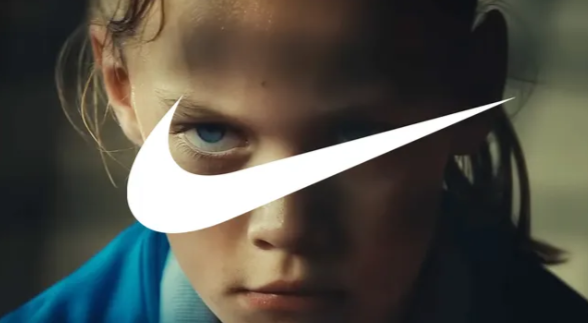
The Nike tick, and the McDonalds sign are two of the most popular logos in the world. But there’s much more to a brand than a logo, colours and a slogan. Branding gives your audience insight into who your organization is outside of its corporate name. Therefore, a brand framework that gets results must answer five critical questions, and it starts with defining the vision for your brand. Once you are clear about the direction you want to take, everything else falls into place. But without a firm foundation in place, you’ll find it difficult to build. If you want to crush your company goals, start by developing a powerful brand framework that will guarantee results.
1) What is the Vision For Your Brand?
Start with the end in mind, think about where you see the company five, ten, and fifteen years from now. Please keep in mind that a vision is not strategy, at this point, you are not working out how to get to your destination. You are defining where you are now and where you want to go. Here are seven steps to help define your vision:
Step 1: What Are Your Goals? What do you hope your company will achieve?
Step 2: What Are Your Values? Define your values, it can be a sentence such as, “Adding a creative edge to education.” Or, words such as, “communication” and, “innovation.”
Step 3: Build Your Mission Statement: Your vision is an extension of what you are currently doing; therefore, build on your mission statement to further crystalize your vision.
Step 4: Make it Measurable: Dreams without deadlines will remain dreams. Put a deadline on the things you hope to achieve. A five or a ten year plan is a good place to start.
Step 5: Be Specific: Being wishy washy won’t get you very far, you can compare it to wearing a pair of glasses that are too weak for your eyes. You won’t be able to see anything. When you know exactly what you want, you are better able to aim for it.
Step 6: Think Ahead: Pay attention to the changes that are taking place in your industry and plan accordingly.
Step 7: Keep it Simple: Be as ambitious as you want, but keep it simple. Refrain from over defining your vision.
2) What is the Voice of Your Brand?
Have you ever answered your phone without looking at your caller ID but recognized the persons voice immediately? That’s because you’ve spoken to them so many times that you know what they sound like. That’s what your brands voice should be like. What you say and do should be so consistent across all channels that your customers immediately know it’s you when they come into contact with your brand.
3) What is Your Brand’s Story?
Every brand has a story, it gives your audience deeper insight into what a company is about, and the motivation behind why it started. Brand stories are important because we all remember a good story. It helps build an emotional connection with your audience especially if it’s inspiring and heartfelt.
4) Who is Your Target Audience?
Defining your target audience is the key to success. When you know exactly who you’re selling to and why, it is a lot easier to reach potential customers. For example, a nursery will want to target mothers and families with toddlers. Therefore, all advertising should be targeted towards this people group.
5) Who Are Your Competitors?
Regardless of the industry, there will always be competition. The good news is that competition can work to your advantage if you study them the right way. One of the best ways is to evaluate their bad reviews. In this way, you get to find out what they’re doing that their customers don’t like. You can use that as a marketing tactic to gain potential customers based on giving them what you know they want.
If you want to build a brand that performs, see a return on your investment, and gain a competitive advantage in your industry, the first step is developing an effective brand framework. We are living in an era where consumers demand authenticity, and the most effective way to deliver this, is through the right branding.
Elon Musk has been promising X’s transition into an “everything app” for some time now, but finally, we might have a breakthrough – behold X TV. An offshoot of the social media app, X TV is set to be an all-in-one entertainment app for your smart TV, bringing X’s “high-quality” content to your home.
The X overlord teased the new app via a cryptic video, debuting the new X TV logo design. With the X icon considered one of the worst new logo designs of last year, the launch of X TV was Elon’s chance to redeem himself. I’m sad to report that the result is a little underwhelming, to say the least.
Now I’m aware that for the sake of continuity, we can’t stray too far from the original logo design, but it feels like there could’ve been a little more consideration put into the new look. It seems that X (and now X TV) is caught up in the aesthetic of being edgy and fresh, and in turn, it’s giving us soulless minimalism.
Design aside, the new app is set to be an innovative form of media consumption, using tailored algorithms and AI-powered organisation to bring you the “immersive entertainment experience” that you deserve. My reservations will be held until I can make a fair judgement.
For more Elon-related news, check out why the Cybertruck’s latest design fail looks like the beginning of the end. For the logo buffs out there, take a look at the logo design quiz that has stumped the internet.
Natalie is Creative Bloq’s staff writer. With an eye for trending topics and a passion for internet culture, she brings you the latest in art and design news. A recent English Literature graduate, Natalie enjoys covering the lighter side of the news and brings a fresh and fun take to her articles. Outside of work (if she’s not glued to her phone), she loves all things music and enjoys singing sweet folky tunes.
McDonald’s, Old Spice and Corona prove the best branding is multi-sensory.
Multi-sensory branding is on the rise because of one simple human truth; consumers perceive the world using all of their senses. For a brand to succeed in the modern age, it needs to be more than meets the eye, and savvy marketers are building holistic expressions that consider what people see, hear, feel and believe.
When your messaging uses a strategic combination of visual and sonic branding, all boats rise with the tide. Visual branding works on a cognitive level, sonic assets deliver on a deeper emotional level. When they’ve been designed to work in harmony, these sensory dance partners leave a lasting impression that improves performance exponentially (see our pick of the best sonic logos).
The impact of sonic branding
Think of some of the world’s classic visual icons — the Golden Arches, Apple, AT&T’s Globe or the Corona wordmark. These brands have also developed their ecosystems to include distinct audio cues and sonic signatures. “Ba-da-ba-ba-ba” is just as evocative as the typography of McDonalds. AT&T’s “chimes” are the brand’s second most recognizable asset. Corona just launched a sonic identity that evokes beach relaxation within seconds and if you turn on a MacBook with your eyes closed you still know exactly who made it.
Yet some of the old guard still raise their eyebrows at the concept of sonic branding. Many think of it as intangible, or too good to be true despite the data showing it improves appeal, attribution and purchase intent. Some naysayers prefer a rudimentary type of “sonic branding” that only exists to score their logo animations. Unfortunately that type of waveform window dressing falls flat in audio-only environments where their visuals can’t be seen.
To be fair, if your only reference points are bad jingles or the 15 brands using the sound of a doorbell, it’s easy to assume the whole discipline is flimsy and ephemeral. It doesn’t help that a wave of music houses jumped on the bandwagon and are selling poor imitations to unsuspecting clients (“Would you like one note or two with your endcard, Madam?”)
Before I started working in the world of sonic branding, I was sceptical myself. But all that changed when I discovered the interconnected similarities between great sonic branding and the way visual brands are built.
Just as a visual identity can instantly evoke a sense of familiarity and trust, a strategically crafted sonic identity can convey authenticity, brand personality, and a variety of specific attributes. Although Sonic Logos or Mnemonics get most of the headlines, every sound or music choice a brand makes leaves a lasting impression on consumers. From advertising and apps to social, experiential and phygital.
A global brand such as American Express needs a sonic ecosystem that can span their entire customer journey. They craft every interaction from call centres, to mobile payments, to airport lounges (where they also have a branded scent). Their distinct sound and music helps Amex amplify feelings of strength, trust and a sense of adventure for their customers. When you interact with them, you feel like a part of something. You don’t live life without it.
The data
There’s also scientific backing behind that shows just how effective sonic branding can be. Many research studies show that ads with a sonic branding cue see an 850% uplift in branded attention. Consider this, if you hear a familiar jaunty whistle from across the room, you’ll probably clock it was an Old Spice commercial without paying any attention to it. In fact, that Old Spice whistle might in your head right now!
When sonic and visual elements are aligned, they reinforce one another, creating a more complete, unified brand experience. In our work with PepsiCo, we’ve seen significant uplift for their visual brand assets when sonic cues are applied. According to audio research company Veritonic, the introduction of sonic assets for the chip brand Tostitos saw a 38% increase in brand recall after only six months in market. Not only is audio a powerful tool on its own, it can actually supercharge the rest of a brand’s architecture.
How to succeed at sonic branding
When we’re partnering with brands, we ensure that elements of the strategy and discovery phase feel almost identical to visual brand building. Analysing the market, the competitors, target consumers and place in culture. Most of our clients are dipping their toes into sonic for the first time, so there needs to be an extra layer of education and it helps to compare it with development they’re more familiar with.
We become musical method actors, absorbing brand essence, purpose and personality and then translate that essence into sound. We develop concepts, emotional territories, adding instrumentation and audio design to bring a brand’s distinct, inevitable sound to life. Research adds confidence that the work is effective and will produce the desired results.
When we collaborated with Wieden+Kennedy on the global sonic identity for Corona, we needed to craft a musical expression that would be just as powerful as their other iconic assets – the flint bottle, crown logo, lime ritual, and association with the beach. We approached it as we do with every project: with the same level of rigor, craft, design and data as our W+K partners. We worked together to capture the soul of the brand, creating a system of assets that work in harmony with Corona’s brand architecture, delivering KPIs that will stand the test of time. One client said we’d caught sonic lightning in a bottle and it’s been incredible to see how quickly consumers have embraced it in campaigns all over the world.
Why it matters
So why does any of this matter? Brands need to tap into both reason and emotion because 90% of all decision-making takes place in the subconscious. Whether you’re buying a car or a candy bar, there’s a degree of emotional impulse that makes your choice just feel right. In a world where consumers are bombarded with messages from every direction, multi-sensory branding helps cut through the clutter and makes people feel something.
A holistic approach that values visual and sonic branding equally creates a lasting impression in the hearts and minds of consumers. It enables modern brands to make the leap from marketing into culture and become part of the fabric of our lives. So much so, we even start completing their sentences for them. Ba-dap-ba-ba-bah, I’m…
Unveiling the artistry: BrandPacks’ Adobe InDesign brand guidelines presentation template is something else.
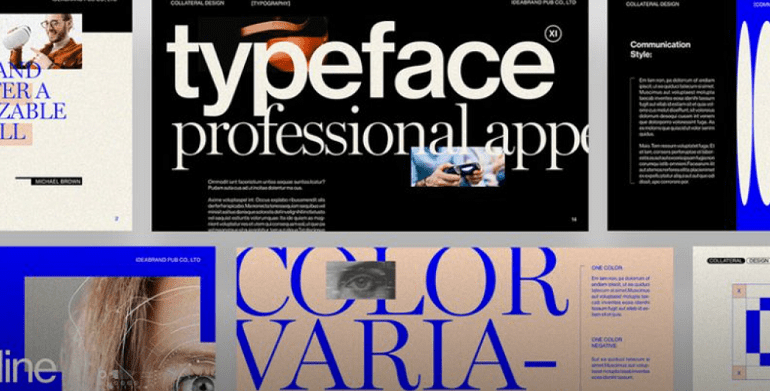
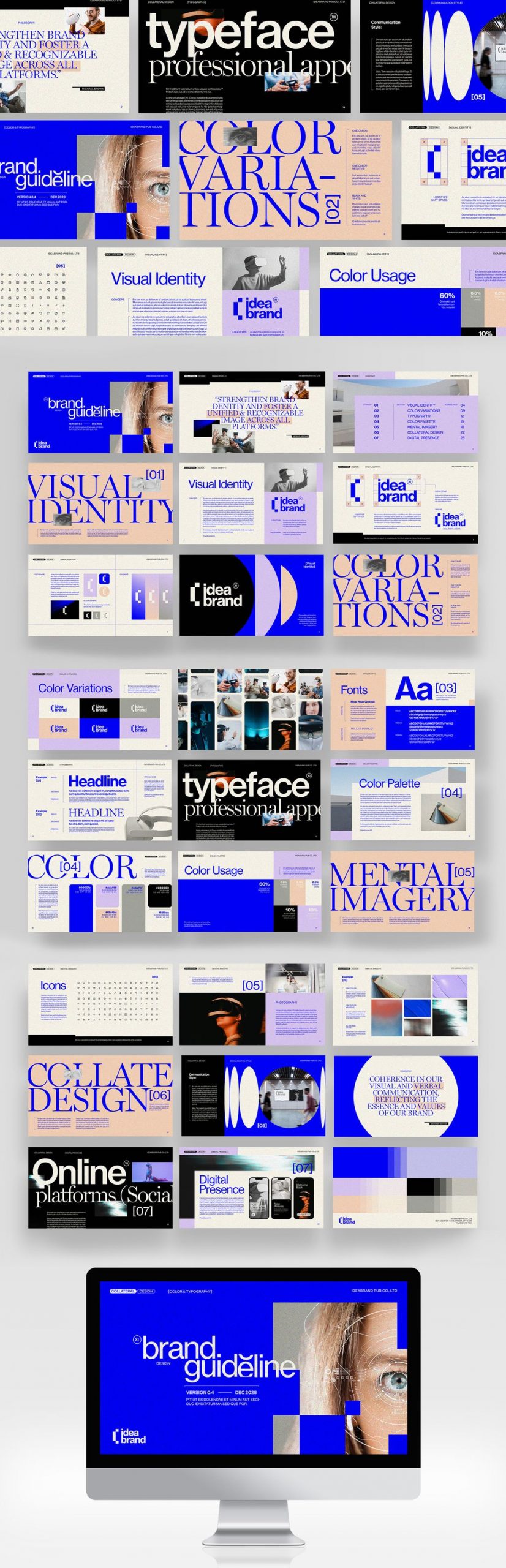
A brand’s identity is its compass, guiding it through the vast ocean of consumer preferences. Every company, big or small, dreams of a unique and memorable brand image that resonates with its audience. Enter BrandPacks’ latest masterpiece – an Adobe InDesign Brand Guidelines Presentation Template that transcends the ordinary, elevating brand presentations to a whole new level.
Crafted with precision and passion, this 27-page template is more than just a set of guidelines; it’s a visual journey that transforms the mundane into the extraordinary. Let’s dive into the creative waters and explore why this template is the talk of the design town.
BrandPacks’ template is not just a document; it’s a symphony of visuals, meticulously composed to strike the right chord with your audience. The modern aesthetics and bold typography create a harmonious blend that captures attention and leaves a lasting impression. Each page tells a story, seamlessly connecting the dots between creativity and consistency.
2. Fully Customizable Magic:
Flexibility is the hallmark of a great design, and this template embodies that philosophy. With 27 fully customizable pages, it provides a canvas for your brand’s personality to shine. From colour schemes to typography, every element is a stroke on this canvas, waiting for your artistic touch. Adapt it to your brand’s unique voice, and watch it come to life.
3. Modern Elegance:
In a world of fleeting trends, timeless elegance speaks volumes. The modern look of this template is not just a passing trend; it’s a statement. The clean lines, sophisticated colour palette, and well-thought-out layouts exude a sense of modernity without compromising on the timeless essence that defines enduring brands.
4. Bold Typography, Bolder Impact:
Typography is the unsung hero of design, and BrandPacks’ template gives it the spotlight it deserves. Bold, impactful, and undeniably stylish, the typography in this template is more than words on a page; it’s a visual experience. From headers that command attention to body text that guides the reader, every word is a brushstroke in the masterpiece.
5. Uniquely Yours:
No two brands are the same, and this template understands that. It offers a unique style that serves as a starting point for your brand’s journey. Tailor it to your heart’s content, and let your brand personality shine through. The result? A presentation that reflects your brand, not a generic template.
6. Suited for Screens and Dreams:
In the era of digital dominance, the size matters – and this template gets it right. With dimensions of 1920 x 1080 px, it is tailored for screens, ensuring your brand guidelines look just as stunning online as they do in print. Seamlessly transition from boardroom presentations to online platforms, maintaining the visual integrity of your brand across all touchpoints.
In conclusion, BrandPacks’ Adobe InDesign Brand Guidelines Presentation Template isn’t just a template; it’s a design revolution. A testament to the marriage of functionality and aesthetics, it empowers brands to present themselves with flair and finesse. So, if you’re ready to take your brand to new heights, embark on this visual journey, and let the world see your brand through the lens of creativity and innovation. Brand guidelines have never looked this good.
How a brand is perceived by consumers can influence not only market structures, but also culture and even government policy.
rand development has become a major focus for firms hoping to find or maintain success in advanced markets. According to Steve Forbes, “Your brand is the single most important investment you can make in your business.” And he certainly is right.
A brand not only serves to identify firms and what they offer, it also conveys a company’s positioning strategy and value proposition. Promotional elements such as logos, names, symbols, and colours, are commonly leveraged for branding purposes but a brand can also be reinforced through pricing and distribution systems. For instance, if a company wants their product to be viewed as the best of the best, then they wouldn’t want it to be found on the shelves at a discount store. This is why Burberry has been known to burn excess inventory and perhaps it is also why premium brands will leverage opportunities to recycle their products.
Patagonia’s ‘Take-Back Program’ is truly a strategic marketing move since, by means of consumer participation, Patagonia can improve its environmental ratings. Patagonia gets the purchase first and the accolades after when buyers bring back their used apparel.
In addition to the ‘Take-Back Program,’ Patagonia offers store credit on certain items that have trade-in value. As such, Patagonia incentivizes further purchases and prevents products from ending up in donation bins.
Patagonia is known for its reputation of being environmentally focused, and reputation matters. Consumers will often choose products because of the brand. Take over-the-counter drugs. Unlike pharmacists who will opt for generic versions, consumers will buy Advil or Tylenol even when the properties of a generic drug may be identical to the name brand version.
Consumers are also more likely to try a new product if it is from a brand they trust or want to support; and this is why Taylor Swift can successfully sell the same songs over again.
The overall value generated from a brand is known as brand equity, and strong brand equity tends to ensure strong bottom lines. Therefore, the more valuable the brand, the more protection needed. Taylor Swift knows this all too well and has filed trademark applications for not only her name and initials, but also for the names of her albums and songs.
Companies (or celebrities) who may be less well known or can’t seem to compete with established notable brands may benefit from third-party certifications or strategic alliances to boost sales opportunities. Swift’s beau, Travis Kelce of the Kansas City Chiefs, has undoubtedly benefited from her spotlight. After their relationship began in the summer of 2023, sales took off for NFL merchandise and by the fall, Walmart was featuring Travis Kelce’s line of ‘kitchen prepared meals.’
There may be times, however, when companies want to distance themselves from certain connections or even from themselves.
For example, in 2017, The Hershey Co. sought out to acquire Amplify Snack brands, featuring natural and low-calorie food products such as Skinny Pop. Given that appealing to health-conscious consumers with a name synonymous with chocolate would likely be a hard sell for Hershey, expanding its product portfolio by acquiring established brands made good business sense.
Other big brands selling more wholesome products include PepsiCo Inc.’s ownership of KeVita (organic probiotic beverages) and Colgate-Palmolive’s ownership of Tom’s of Main (all-natural personal care products).
The downplaying of a brand name can occur not only for promotional reasons but also due to political pressures. And currently this is playing out in the pharmaceutical sector in a disconcerting way. Beginning at the start of 2024, in accordance with a Medicaid rebate program, drug makers must pay significant penalty fees for price increases that may have transpired over time. To seemingly bypass the penalties, Glaxo removed one of its products, Flovent, from its portfolio and replaced it with a lower-cost generic version. By doing so, Glaxo can sell its product devoid of a price history for the government to flag.
For those who need Flovent (predominantly children with asthma), there is a major drawback to this change. The generic version is not carried yet by all pharmacies and insurers don’t typically cover generic drugs. Lucrative incentives for insuring branded medicines have beena concern for quite some time, and drug pricing is indeed a tricky matter. Overpriced drugs are a problem, but unavailable drugs are an even bigger problem. Similar to the baby formula shortage in 2022, it seems government intervention can carry a high cost for consumer wellbeing.
Clearly strategies for branding can be quite contentious, and clearly brands matter in more ways than one.
How a brand is perceived and positioned in the marketplace can influence not only a company’s marketing mix but also society’s interests and government interference. Likewise, the way in which consumers respond and react to a brand and its value proposition can determine what may be offered and marketed—both for good and bad. In Capitalism: The Unknown Ideal, Ayn Rand notes that “the market value of a product is not an intrinsic value” but rather a representation of a “socially objective value.”
A product may be of the best quality and the best price, but if it is not of interest to consumers, it holds little value. Conversely, a product may seem to be void of any functional value and be of little use, like a diamond, but if consumers want it and have the means, they will buy it.
Dr. Kimberlee Josephson is an Associate Professor of Business at Lebanon Valley College in Annville, Pennsylvania, and a Research Fellow for the Consumer Choice Center.
Ever felt invisible? We share the world with 8 billion other people, and it’s easy to feel like you’re fading into the background in the hubbub of the city. Likewise, every business shares its industry with a huge number of competitors in a crowded market.
Sure, you might be more affordable, reliable, or innovative than your competitors, but your customers don’t know that for sure until they’ve tried you. Before that happens, you have to stand out from the crowd.
The way to do that is with clear brand identity design. A tight brand identity communicates your difference to your customers, sets you apart from your competitors, and makes you memorable to anyone who has used your products or services already.
Brand identity design is the sum of every visual and tonal branding choice your business makes. When it’s done well, it creates a coherent identity that gives you a relationship with customers that transcends the transactional.
The truth is, if you want to build a business in the 2020s, you need to build a brand. So let’s dive into brand identity design.
What is brand identity?
When you shop with the businesses and brands you love, you feel something.
IKEA doesn’t just make furniture, it furnishes homes with thriving families crafting their individual lives inside. Louis Vuitton doesn’t just sell bags, they sell luxury, and anyone buying a Louis Vuitton bag gets to feel, for a moment, a sense of that luxury in their lives.
This is brand identity: it’s how your customers, and potential customers, view your brand. It encompasses your mission, your values, and your brand tone.
Brand identity is built through various channels and strengthened in every interaction with your customers, but it is communicated in the first instance through the very first things your customers notice about your brand: your name, your logo, your tagline, and the wider visual elements of your brand.
Get the elements of brand identity design right, and you’re off to a strong start.
Why is brand identity important?
According to research published by the Economist, ‘brand’ creates around 30% of the value of companies in the S&P 500. A strong brand identity has a big impact on your bottom line.
Every successful brand has carefully crafted an identity so that its customers know exactly what the brand stands for. A brand identity connects your products or services with the lifestyle of your audience, and customers can have a meaningful experience when they shop with you.
In competitive markets, a strong brand identity ensures you stand out from your competitors and plays an important role in both reaching new customers and ensuring the loyalty of existing ones.
It takes work to create and maintain a brand identity, and that’s where brand identity design comes in. Brand identity design is the process of crafting your brand identity through your brand’s style choices, marketing and communication, and customer service.
A quick case study in brand identity design: The Netflix brand
Examine any one of the products and services you regularly use and you’ll see the elements of brand identity.
Take Netflix, used every day by millions of people around the world, and a quick analysis reveals:
A great, memorable name with a modern, disruptive feel and a clear link to the product.
An iconic logo, with arcing text reminiscent of the cinema experience.
A distinctive black and red colour.
Minimalist typography choices that emphasize ease of use.
A quirky brand tone on social media.
Image Source
Did Netflix grow into an online streaming giant by accident? No, they used clever brand identity design to do it.
Everything is considered, creating a consistent brand experience every time you open the Netflix app. In fact, they even use sound as part of their brand identity. You think of Netflix as soon as you hear that “badum”, right? Even the souped-up movie theatre version.
The bare bones of brand identity design are everywhere, once you open your eyes to them. Let’s take a closer look.
How to start developing your brand identity
To design a brand identity that fits your business and will resonate with your target audience, you first need to ask (and answer) a few questions.
1. What is my brand’s purpose?
Everyone launching a business has a big idea, and every idea has a story behind it. Identify the unique value proposition that your business offers its audience: what has driven you to start your business and what do you have that your competitors lack?
Your purpose is the foundation of your brand identity, and as you develop your brand identity design you’ll be able to communicate your mission to your audience at every step.
2. Who is my audience and what do they want?
Brand identity design isn’t just about you: it’s about building a relationship with your customers. Building a strong brand identity is a dialogue, so you have to understand who you’re talking to.
Conduct market research to discover exactly who your customers are, what they dream about, and what they want to hear from you.
At the same time, perform some industry analysis to understand your competitors’ brand-building projects. Ask yourself what they’re getting right and what they’re missing. Spotting key trends in your industry can give you some shortcuts in communicating your purpose with your audience.
3. What core tone will work for my brand?
Your brand tone is like the personality of your brand. It should communicate your purpose and values to your audience, in a way they’ll be receptive to based on your research.
Luxury brands communicate exclusivity and prestige through their brand tone, while disruptive brands might be cheeky and creative.
Here are some brand tone examples:
Cutting-edge and innovative
Quirky and playful
Warm and homely
Your purpose, your audience, and your brand tone will come together to define your brand. Now it’s time to communicate your brand identity to your audience: let’s take a look at brand identity design.
What are the elements of brand identity design?
Once you understand your brand identity, you can begin brand identity design. Careful curation of the imagery and style choices associated with your branding will enhance your brand identity, reinforce your values, and fix your brand in the hearts and minds of your customers.
1. Craft your logo
Your logo is the launching point for brand identity design. It will be the most consistent image accompanying your products and can provide a foundation for further style choices, like colour and font choice.
A good logo must always be simple and memorable, but that doesn’t mean it’s simple to design one. Your logo needs to evoke your brand’s purpose and values and be versatile enough to use across video and still image marketing marketing material.
Prioritize simple, block colours and clean lines to create an uncluttered logo that consumers can grasp at a glance. Nike’s iconic swoosh symbolizes movement and sports, while Google’s utilitarian logo is paired with a splash of colour. Both create timeless imagery to accompany the brand’s further design choices.
You should have a consistent colour palette to accompany your brand’s communications. As well as being functional (a predominantly black logo will fail to stand out against a dark colour palette) your choice of colours will also stir your customers’ emotions, so choose the right ones.
Read up on the psychology of colour to understand how your colour palette will influence your customers and relate to your brand tone. If you want to create an impression of security and trust, lean on blue tones while orange is connected with creativity and confidence.
Mailchimp has opted for a ubiquitous cavendish yellow for its brand identity design, a colour that’s memorable and energetic. And we can see how to colour choices of the fashion house and perfume brand Christian Dior emphasize luxury
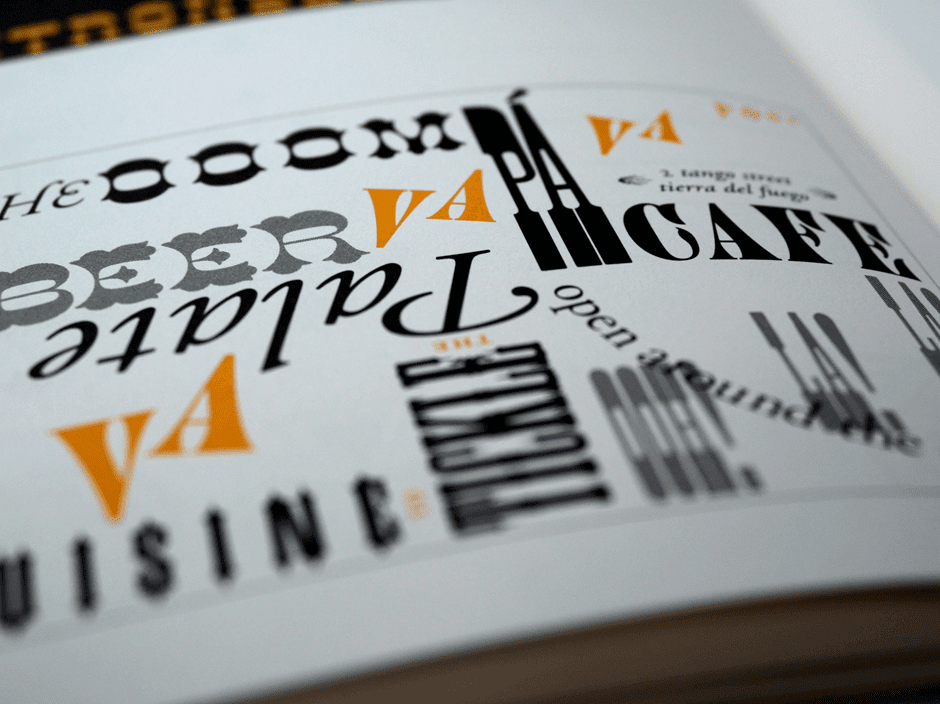
The next ingredient in brand identity design is your typography, and the fonts you use can say a lot about you.
Burberry’s new serif font has a classy and timeless feel, while simple fonts like those across Google’s branding are friendly and appealing. You could even design a new font based on sketches or handwriting if creativity and personality are at the heart of your brand identity.
Your typography choices should align with your logo and color palette, and they should always facilitate understanding rather than confusion in your customers. Mixing typography can create visually appealing contrasts, but avoid overly elaborate typography that’s hard for customers to interpret.
We’re visual creatures, devoting almost half our brain processing power to what we see around us. That means a visual language, one integrating icons and graphics, is a powerful addition to your brand
Throughout your branding, ask yourself if you could say it with a picture and if so, what kind of imagery would appeal to your customers and remain consistent with your brand tone.
Google’s strict guidelines for imagery and icons create an intuitive visual language for customers. For your own, you might prefer artistic sketches that appeal to your customers’ creative side or something photo-realistic over computer-drawn graphics.
5. Keep it consistent
While there are many important choices within brand identity design, the choices you make should be fixed. It’s fundamental to the functioning of your brand that your design choices are consistent across your website, product design, social media, email newsletters and anywhere else you have the opportunity to use them.
Consistency is professional and it will reinforce trust in your brand. But more importantly, it helps get the message across and builds a coherent identity that customers begin to understand implicitly. Eventually, it might take nothing more than a splash of your iconic colour to remind your customers of the values that your brand is founded on.
Building a brand style guide alongside your brand identity design can help keep your brand consistent. Your style guide can document your chosen colour palette, typography, and visual language, it can quickly onboard new hires who are learning about your brand tone and it can streamline the process when you hire creatives for new campaigns.
A brand style guide can even outline the tone your employees take when talking to customers, the arrangement of shop floor displays, and the rules for sonic branding. Brand identity design begins with your name, logo, and the immediate visual components of your brand, but the strongest brands curate every instance of user experience to align with these fundamental elements.
Brand identity design examples
Think about any of the brands you love, and you’ll realize that they have a coherent strategy around brand identity design. The most successful examples of brand identity design aren’t obvious: these brands have created a brand identity that feels organic, and customers connect with these brands naturally.
However, it doesn’t happen by accident. Every brand, from Christian Dior to Mailchimp, has made key decisions about every aspect of their brand design. Here are some brand identity design examples to draw inspiration from.
IKEA
IKEA’s powerful branding gives them a strong top-of-mind awareness. The iconic colour scheme of their logo was inspired by their Swedish origins, but as well as being a patriotic nod to their homeland, it also effectively emphasizes the clean design and practical functionality they’re known for.
Even the name ‘IKEA’, in block capitals, combines pre-eminent practicality with a stylish and exotic twist.
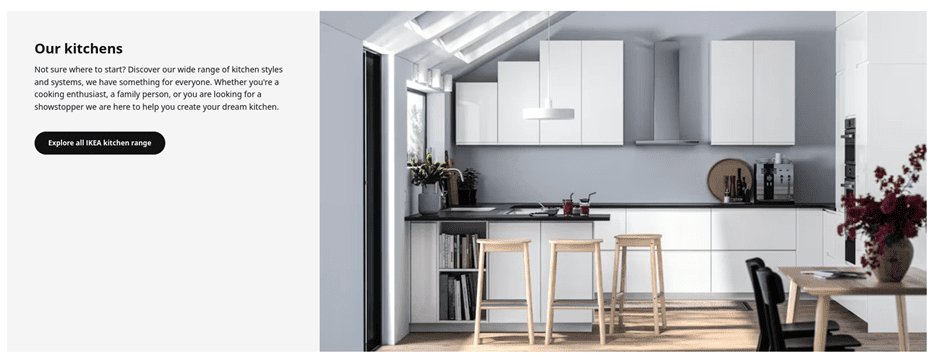
Across IKEA’s branding, they use clean, uncluttered imagery, real photography over graphics, and prioritize neutral colour palettes.
This combination creates space for IKEA’s customers to project their desires onto their products, to the extent that the whole process of shopping at IKEA is one of self-actualization.
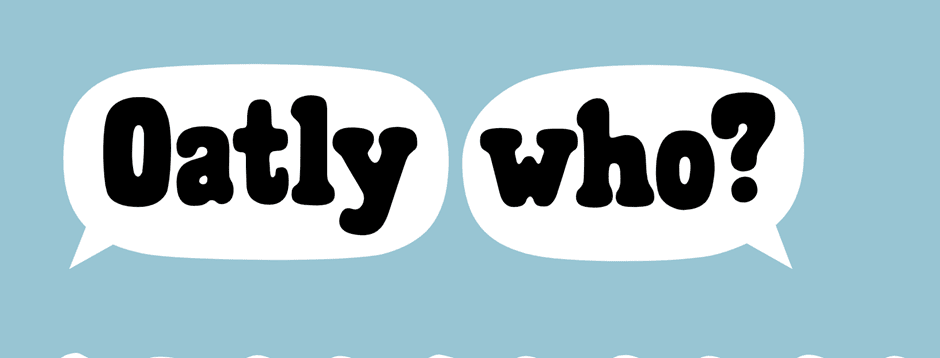
Oat milk brand Oatly follows well-established naming trends, with the -ly suffix immediately hinting that this is a disruptive brand outside the establishment.
They have created a quirky brand identity through their design choices, using subtly unaligned custom fonts to create an invitingly unprofessional feeling, and have perfected a warm, casual brand tone packed with offbeat humour.
Importantly, this humour is consistent across their social media, website, and product packaging to create a cohesive identity.
Oatly is a friendly brand integrating itself into the lifestyle of its users. These design choices might appeal to vegetarians and vegans already looking for alternative milk products, but by creating a wholly unpolitical brand identity, they effectively target young consumers from all walks of life.
Oh, and does anybody else see a cow in the black-and-white ‘Oatly Who?’ design above? Talk about subliminal.
Final thoughts
In a competitive business environment, the strength of your idea alone doesn’t guarantee success. You also need to communicate that idea to your customers, in a way that meaningfully connects your business with their lifestyle and aspirations.
That’s why building a brand identity is essential, and understanding brand identity design lets you optimize every detail of your brand to send the right message.
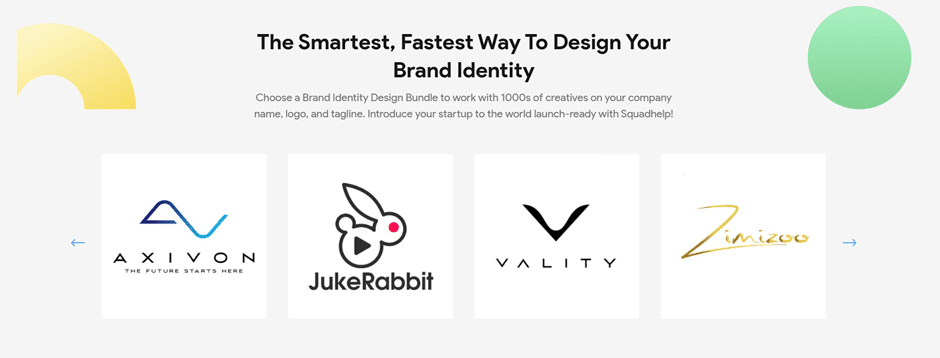
From a timeless logo, creative typography and a colour palette that leverages your customers’ psychology, brand identity design gives you the tools to build a powerful brand. Ready to get started? Check out our Brand Identity Design service at Squadhelp.
By Lotte Reford
Guest Author:Lotte Reford is Communications Lead for Squadhelp.com, an innovative naming & branding platform with more than 40,000 customers globally, from the smallest startups to corporations like Nestle, Philips, Hilton, and Pepsi.
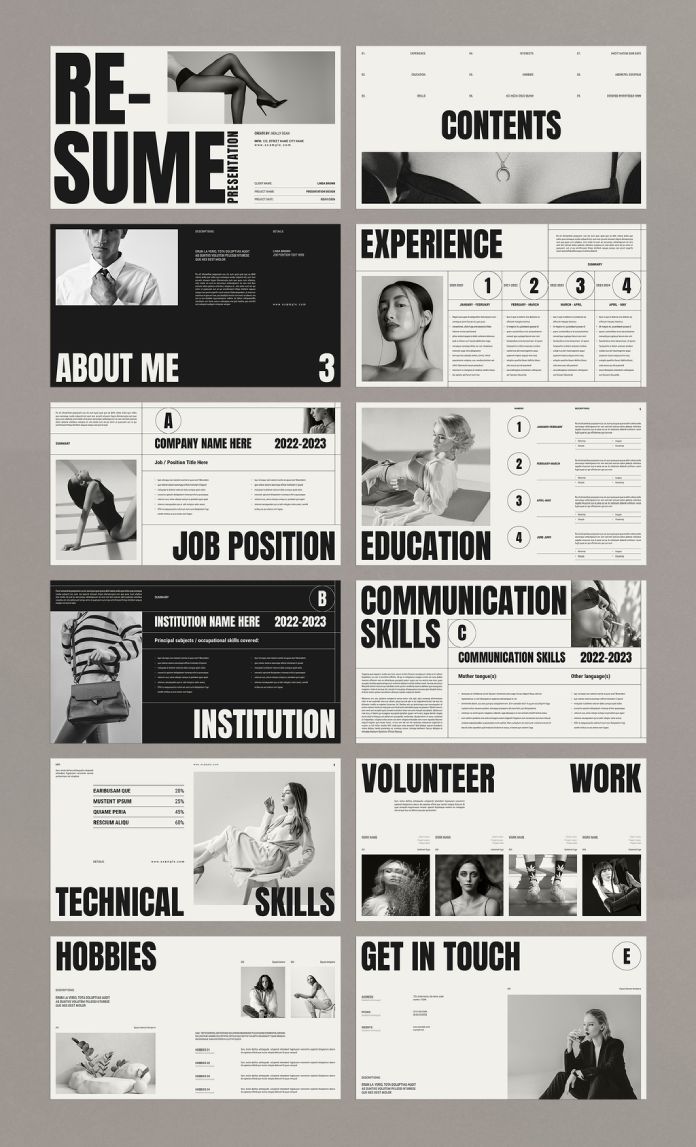
Showcase Your Professional Story With The Game-Changing CV/Resume/Portfolio Screen Presentation Template by TemplatesForest!
Hey, trailblazers of the professional realm! If you’re tired of the same old mundane CVs and resumes, get ready to revolutionize the way you present yourself or your design portfolio with this extraordinary CV/resume screen presentation template by TemplatesForest. Crafted with precision using the wizardry of Adobe InDesign, this template is not just a document; it’s a masterpiece in 1920×1080 pixels!
Let’s talk pixels and panache. This template is not your regular 8.5×11 affair; it’s a widescreen experience, designed for those who dare to dream big. A canvas as vast as your ambitions, this template invites you to think beyond boundaries and make a statement that refuses to be ignored.
12 Pages, Infinite Possibilities
Ever felt confined by the limitations of a single-paged CV? Fear not! TemplatesForest has your back with 12 pre-designed pages that are more than just templates; they are chapters in your professional narrative. Each page is a canvas for you to paint your skills, experiences, and achievements in the most vivid hues.
Customize to Conquer
You’re not a cookie-cutter professional, and your CV shouldn’t be either. TemplatesForest understands that which is why this template is fully customizable. From colours that reflect your personality to fonts that echo your style, the power is in your hands to mold your narrative.
A Symphony of Typography
Ever heard of a CV that reads like poetry? Now you have! With bold typography that demands attention and a layout that flows like a well-composed symphony, this template doesn’t just present information; it elevates it to an art form. Your potential employers won’t just read; they’ll be captivated.
Tailored for the Mavericks
Are you a graphic designer who defies the ordinary? An architect with a vision beyond blueprints? This template is your canvas. It’s not just for resumes; it’s a portfolio waiting to be unleashed. Let your creativity run wild, and let this template be the stage for your professional opus.
Modernity Personified
In the age of digital dominance, your CV should speak the language of the times. Modern, sleek, and utterly captivating, this template is not just a piece of paper; it’s a digital experience that screams, “I am here, and I mean business!”
A Toolkit for Success
Your CV is not just a document; it’s your brand. TemplatesForest doesn’t just offer a template; it provides you with a toolkit for success. A toolkit that says, “I am not just looking for a job; I am crafting a legacy.”
Final Word
In a world inundated with ordinary, dare to be extraordinary. TemplatesForest’s CV/Resume Screen Presentation Template is not just a document; it’s your story told in pixels and panache. It’s time to break the mold, shatter expectations, and present yourself like never before.
Get ready to unleash your professional story – because mediocrity is not an option, and with TemplatesForest, neither is blending in. Your journey to professional greatness starts here. Download, customize, and let your story shine!