Tag

Digital Marketing

Browsing
By Chitra Iyer

Is your brand’s survival tied to social media? Why relying on such platforms may be risky and how companies like Lush and others are navigating this terrain.

The Gist

  • Social media marketing is evolving. Brands need to keep pace, even with economic challenges and overstretched social teams.
  • Vanity metrics and low ROI won’t hold up for much longer. It’s time for brands to rebalance the role of social media in their marketing strategy.
  • New opportunities are emerging. Brands are exploring the intersection of social commerce and influencer marketing to amplify content and generate revenues.

While social media is undoubtedly a crucial piece of brand marketing, building a social-media-dependent marketing strategy is akin to building your house on rented land. In the recent past, brands such as Tesla, Lush, Bottega Veneta and pub chain Wetherspoons, all large brands, have claimed to have gone “off” social media. And while that doesn’t quite mark a trend, it’s a timely reminder for all brands to reconsider the role and relevance of social media in their strategy.

Here’s why.

In many ways, mainstream social media is becoming increasingly noisy, cluttered and distracting. As brand content becomes more performative, audiences seek more authenticity and transparency. In general, there is a higher awareness of issues around personal data — and lower trust in the credibility and accuracy of anything on social media. Creating content that can stand out is more expensive because audiences expect slicker productions. And yet, most content on social has the shelf life of an avocado.

Walled gardens are making it harder and more expensive for advertisers to access audience data, and organic content is at the mercy of obtuse and unpredictable algorithms, not to mention owners. Brands have less control over negativity, political narratives and regulatory agendas. And AI is making content creation both easier and more difficult.

That is a lot going on! The challenge, said Meg Casebolt, founder of Love at First Search, is that social media is becoming just too unstable to be the primary marketing strategy, especially for smaller brands.

But that’s not all. Younger audiences — the largest consumer base for the next several decades — are tuning out of “mainstream” social platforms, preferring instead a more fragmented and private portfolio of social channels and messaging apps. In 2022, while TikTok, Snapchat and Insta made the Top 3, none enjoyed more than 30% of mindshare.

Gen Z approaches product discovery and brand engagement differently. They don’t want to be marketed and sold to, preferring instead to be involved and participate as brand co-creators, not just passive consumers. This means brands need to create more ad-free, intimate, and community-focused conversations on the various platforms that audiences are on. Super commercial splashes on mainstream social media may just not land.

Moving On: Conscious Uncoupling, or an Outright Separation?

No doubt what’s worked in the past is not going to work anymore. But leaving social media would be a knee-jerk reaction. With 90% of the US population on social media, brands cannot “just leave.” In fact, 96% of business leaders say investments in social media continue to be a must.

Instead, brands, large or small, have to be smart about where and how they spend their time and resources based on consumer behaviour, said Jen Spencer, CEO of digital agency SmartBug Media. With an average of 32% of marketing budgets spent on social media, brands are refocusing their social media strategy to adjust for current realities and reengineer why and how they use social media to achieve not just engagement, but also ROI and revenues in a stressed economic environment.

In this context, two of the best opportunities lie in social selling and influencer marketing. Let’s take a closer look.

Social Selling

Most brands see a lot of engagement, but sales are driven by social commerce, visual search and referrals, said Spencer. Lush, a handmade cosmetics company, made the decision to exit social, said Europe-based social media consultant and industry insider Matt Navarra. To leave Meta-owned channels and TikTok would likely have had a significant commercial impact in terms of product discovery, customer service, and general advertising reach and engagement. However, it was a hit the company was willing to take because the move aligns with who it is as a brand and may even strengthen its appeal.

It’s worth noting, however, that though Lush’s recent campaigns have encouraged customers to “be somewhere else,” the group, which suffered losses of $54 million in FY21, scored a pre-tax profit of $34.8 million in FY 2022. One factor could be its doubling down on digital website and app sales.

By Chitra Iyer

Chitra is a seasoned freelance B2B content writer with over 10 years of enterprise marketing experience. Having spent the first half of her career in senior corporate marketing roles for companies such as Timken Steel, Tata Sky Satellite TV, and Procter & Gamble, Chitra brings that experience to her writing. She has authored over 500 articles, white papers, eBooks, guides, and research reports on customer experience, martech, salestech, adtech, retailtech, and customer data and privacy. She holds a Masters in global media & communications from the London School of Economics and Political Science and an MBA in marketing. Connect with Chitra Iyer:  

Sourced from CMSWIRE

By Sam Driver

If you’ve ever wondered, “What is digital marketing?”

Well, you’re in the right place.

As the internet becomes more ingrained in our daily lives, the importance of digital marketing has skyrocketed.

It’s not just about flashy ads or catchy slogans; it’s about establishing meaningful connections with potential customers in the digital realm.

Using precise targeting and personalized content, businesses can reach audiences like never before.

Intrigued?

Let’s begin.

What is Digital Marketing?

Digital marketing is like a megaphone for the digital age, an orchestra conductor leading a harmonious ensemble of various online marketing disciplines.

It amplifies a brand’s voice, reaching thousands, if not millions, of potential customers on their laptops, phones, and tablets.

But it’s not just about making noise.

Successful digital marketing means saying the right thing, at the right time, to the right people. It’s about being engaging and insightful, delivering value and fostering relationships.

And what about inbound marketing, you might wonder?

While it’s true that both inbound and digital marketing strive to attract a potential customer, inbound marketing is but one piece of the larger digital marketing puzzle.

Inbound marketing focuses on creating valuable content and experiences tailored to the audience, pulling them in naturally.

Whereas digital marketing encompasses inbound tactics and a plethora of other strategies like paid online ads, SEO, email marketing, and more.

Why is Digital Marketing Important?

digital marketing icons

In an era where our lives are increasingly digital, the significance of digital marketing can’t be overstated.

As the traditional marketplaces and billboard ads give way to virtual stores and targeted online campaigns, the impact and benefits of digital marketing become even more apparent…

Reach

In the vast landscape of the internet, potential customers are just a click away.

Where else can you find millions of potential customers in one place?

Probably nowhere else but the digital world.

Think of a video on YouTube that goes viral, reaching millions globally in a matter of hours — that’s the power of digital reach.

Targeting

Digital marketing takes targeting to a new level of precision.

Imagine showing your ads only to people who are interested in your products, based on their online behaviour, interests, and demographics.

For example, an eco-friendly clothing brand can target customers who show interest in sustainable fashion, ensuring its marketing budget is spent on those most likely to make a purchase.

Cost-Effective

Budget constraints are a significant consideration for many businesses, particularly small ones.

Digital marketing is more cost-effective compared to traditional marketing, allowing small businesses to stand tall among the giants.

For instance, running a social media campaign on platforms like Facebook can be far cheaper than launching a traditional marketing strategy on television or radio.

Measurable

Digital marketing offers tangible and real-time data.

With digital marketing, you can track the success of your marketing campaign in real-time, making necessary adjustments on the go.

You can monitor which blog posts are popular, what type of email prompts a customer to make a purchase, or which social media campaign drives the most engagement, allowing you to focus resources on what works.

Engagement

Digital marketing isn’t just about selling a product or service; it’s about building a community around your brand.

Social media platforms offer a unique opportunity to engage directly with customers, fostering a community that traditional marketing cannot.

For example, a company can launch a hashtag campaign to encourage customer participation and generate buzz around a product.

By deeply understanding the significance and mechanisms of digital marketing, you can harness its full potential to enhance your business’s online presence and foster meaningful customer relationships.

There’s a whole world of opportunities in the digital realm waiting for you to seize.

8 Vital Digital Marketing Types That’ll Amplify Your Growth

Digital marketing types

Digital marketing is a vast field with many sub-disciplines.

Here are 8 types you should know about…

1. Content Marketing

Content marketing goes beyond the confines of mere sales pitches and promotions. It’s about creating a narrative around your brand, a story that resonates with your audience on an emotional level.

At its core, content marketing seeks to inform, entertain, and inspire. Imagine creating an informative blog post that helps your readers solve a problem they’ve been facing.

They not only appreciate the value you’ve provided but also begin to perceive your brand as an expert, a resource they can trust.

For example, let’s say you’re a small gardening business.

You could create blog posts about how to care for plants, tips on organic gardening, or even step-by-step guides on creating a backyard oasis.

You’re not directly selling anything in these posts, but you’re building trust and providing value, which, over time, will likely result in increased sales and customer loyalty.

2. Search Engine Optimization (SEO)

SEO is much like a digital popularity contest. But, the vote isn’t decided by mere whims; it’s all about relevance and quality. It’s not enough to pepper your content with keywords.

Your content needs to deliver value, and your website needs to provide an excellent user experience. This involves ensuring your site is mobile-friendly, secure (HTTPS), and loads quickly.

Google, being the user-centric search engine it is, rewards websites that prioritize the user experience.

For instance, a local bakery might use SEO strategies to rank for keywords like “gluten-free bakery in [city name]” or “organic bread in [city name]”.

With good SEO, their website would appear in the top search results when potential customers search for these terms.

These high search rankings increase visibility and drive more organic traffic to the site, which could lead to increased sales and growth.

3. Social Media Marketing

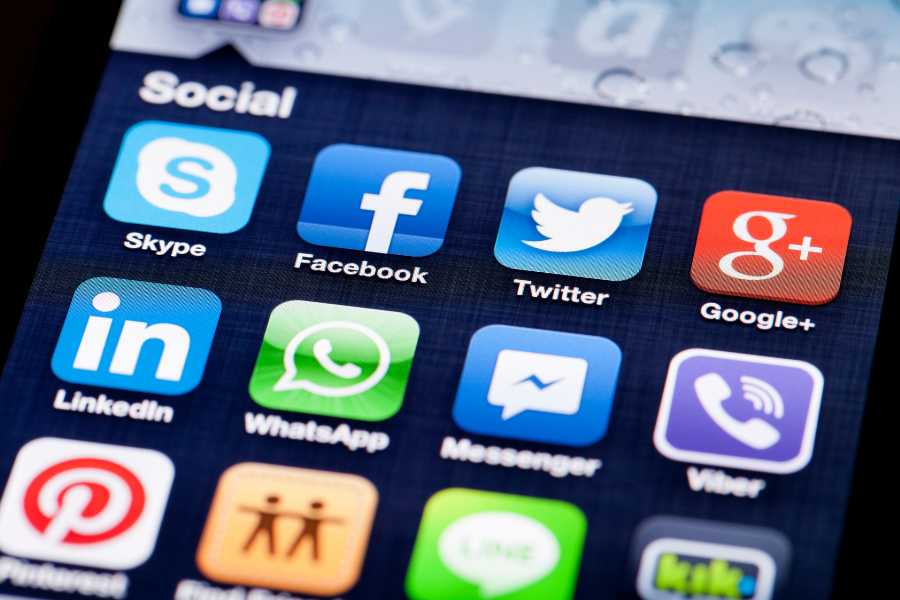
a colllection of social media apps

At its best, social media marketing creates a dialogue, a two-way interaction that fosters a sense of community around your brand.

It’s not just about pushing content; it’s about listening and engaging with your audience, addressing their comments and concerns, celebrating their achievements, and learning from their insights.

Take the example of a clothing brand.

On a social media platform like Instagram, they could share stylish photos of their latest collection, but they could also feature real customers wearing their products, host live Q&A sessions with the designers, or run contests that encourage user-generated content.

This approach transforms customers into brand ambassadors, amplifying the brand’s reach and authenticity.

4. Email Marketing

While it might seem outdated compared to newer, flashier forms of digital marketing, email marketing remains a crucial player in the game.

Its strength lies in its personal nature and directness.

With email marketing, you’re not broadcasting a message to the masses. Instead, you’re delivering a custom message right into an individual’s inbox.

Imagine a bookstore that sends personalized reading recommendations based on a customer’s previous purchases.

Or a software company that sends helpful tips and tutorials to new users to help them get the most out of their product.

By providing targeted and valuable content, these brands are nurturing their relationships with their customers, leading to increased retention and loyalty.

5. Search Engine Marketing (SEM)

When it comes to making your digital presence felt, Search Engine Marketing, or SEM, takes a front-row seat. SEM encompasses various paid strategies designed to enhance your website’s visibility on search engines like Google.

One of the most common forms of SEM is Pay-per-click (PPC) advertising.

As the name suggests, businesses only pay when a user clicks on their ad. It’s an efficient strategy because you only pay for actual results.

Another powerful strategy under SEM is Google Ads.

With this digital marketing tool, you can have your website appear on the top of the search results for chosen keywords.

Remember, SEM isn’t just about driving traffic; it’s about driving the right traffic. With effective keyword research and careful targeting, SEM can bring in users who are ready to engage with your product or service.

6. Influencer Marketing

influencer marketing

The power of personal recommendation cannot be understated, and that’s where influencer marketing comes in.

In this digital age, influencers — popular figures on social media — act as a bridge between brands and potential customers.

Suppose you’re a business selling hiking gear.

Partnering with an outdoor enthusiast who has a large following on Instagram could help introduce your products to an audience that’s likely to be interested.

But remember, influencer marketing is more than just celebrity endorsement. It’s about authenticity and trust.

Choosing influencers who genuinely resonate with your brand and its values is paramount to the success of your digital marketing campaign.

7. Affiliate Marketing

Affiliate marketing is a mutual beneficial approach where businesses reward third-parties (affiliates) for each visitor or customer brought about by the affiliate’s marketing efforts.

Essentially, it’s digital word-of-mouth marketing that can significantly boost your reach and sales.

For example, let’s say you sell skincare products. An affiliate, maybe a beauty blogger, reviews your product and shares an affiliate link.

Every time a reader purchases your product through that link, the blogger earns a commission.

Not only does this method drive sales, but it also improves brand awareness without a large upfront investment.

The key is to partner with affiliates who have a strong connection with your target audience.

8. Video Marketing

video marketing

With the soaring popularity of platforms like YouTube and TikTok, it’s evident that video content is a kingpin of the digital marketing world. Video marketing is the practice of creating and sharing engaging videos to promote a brand, its products, or services.

Think of video marketing as storytelling in motion.

Whether it’s a behind-the-scenes look at your operations, a step-by-step product tutorial, or customer testimonials, videos can provide immersive experiences that static content often can’t.

For instance, a clothing brand might showcase its summer collection through a beautifully shot video featuring models wearing the clothes in various sun-soaked locales.

Moreover, videos are great for explaining complex concepts in an easy-to-understand way.

For instance, a tech company could use animated videos to explain how their software works.

In a nutshell, video marketing can be a creative, engaging, and highly shareable way to connect with your audience. Not only does it improve conversion rates, but it also boosts social shares, driving more traffic to your website.

Take Action by Answering What is Digital Marketing to You?

So, you’ve come a long way, haven’t you?

Maybe you felt overwhelmed at first — like stepping into a whole new world.

But here you are now, understanding the ropes of digital marketing.

It’s a brave new digital world out there, and you’re more ready than you think to conquer it.

Stand tall, knowing you’re equipped to navigate the digital marketing landscape with ease.

And remember, the digital realm waits for no one, so go forth and make your mark!

By Sam Driver

Sam is an Associate Editor for Smart Blogger and family man who loves to write. When he’s not goofing around with his kids, he’s honing his craft to provide lasting value to anyone who cares to listen.


Sourced from SmartBlogger

By Emma Jones

The digital marketing strategy is one of the highly comprehensive and important tools for businesses. One of the essential features of any digital marketing strategy is accessibility. But very few companies know about digital accessibility.

Digital accessibility covers all about offering the full experience of the brand to different customers irrespective of their special needs. Let us explore digital accessibility and how it matters in the digital marketing strategy of any business. Starting with what is accessibility in digital marketing.

What is Accessibility in Digital Marketing?

Accessibility in digital marketing includes the different design practices that make it easy for people with special abilities to get the best out of the brand. Hence, it is a crucial step to ensure that everyone can enjoy the services, products, and brand.

The secret behind the accessibility in digital marketing is the expansion in the reach of the business product and services to potential customers. Further, it has a positive impact on the customers that the brand is doing enough for the people with special abilities. Businesses from certain areas must comply with regional accessibility standards.

Digital accessibility ensures that every person has a similar access to the content which remains to be the king in digital marketing. But which types of disabilities are catered to by digital accessibility?

Disabilities Handled by Digital Marketing Accessibility

People with the following disabilities the best benefited from digital marketing accessibility:

  • Learning

It covers memory loss or learning disabilities.

  • Thinking

This includes Alzheimer’s, Parkinson’s, and other mental illnesses including loss of mental function.

  • Communication

It covers the inability to talk or speech impairment.

  • Movement 

This includes loss of a limb, paralysis, and limited movement due to different issues.

  • Hearing 

It covers hearing loss or deafness.

  • Vision

This includes people having difficulty seeing or blindness.

Examples of Accessible Marketing

After having a quick overview of accessibility in digital marketing, time to have an overview of its successful examples:

  • Inclusive Experiences

Any digital marketing strategy should be equally accessible to offline and online users. It confirms and restricted use of the digital marketing initiatives for attracting business through both channels.

  • Email Marketing Accessibility

Email campaigns can be made highly accessible with the inclusion of certain features. These include proper headings, alt text, descriptive subject lines, and plain text versions.

  • Social Media Accessibility

The guidelines for social media accessibility are offered by the prestigious Princeton University. It focuses on making social media content highly accessible for people with special abilities. These guidelines are valid for audio, visual, text, and image content. 

  • Video Content Accessibility

The accessible videos are viewed more by the audience. Hence, many businesses prefer to add captions and transcriptions in their video to make them highly accessible. Some other features include adding music or sound effects.

  • Content Accessibility

It ensures easy readability and optimized SEO benefits to businesses. The use of proper heading tags, sub-headings, headlines, and lists facilitates easy reading and scanning. The use of descriptive link text and accessible file uploading increases content accessibility. For social media content, it is easier to include that descriptive image text in the post.

  • Web Design Accessibility

Web design accessibility is an eternal part of digital marketing accessibility for any business. It includes a selection of the perfect fonts, improved navigation, and optimized call-to-action (CTA) buttons. Many prefer to go with the Sans serif font as these are easiest to read with no ornaments. The font size of 12 is good for readability. The use of keywords can facilitate web navigation.

These include using them in menus and buttons on your web page. The CTA should be accessible for a quick click by the users.

  • Image and Graphic Design Accessibility

The audience which is unable to see should be able to understand the image and graphic design in the digital marketing content. It is ideal for situations when the audience is having visual issues or the website is not loading properly.

Some of the common methods to ensure immediate graphic design accessibility in your digital marketing strategy are infographics, complementing colours, and adding alt text. All the infographics should be exported as PDFs as images can’t be read by different assistant devices.

It is important to use different design elements using the text and buttons to eliminate the colour issues for the audience having colour blindness or low vision. Some other methods are using different border patterns or sizes to communicate the content.

The alt text improves the overall SEO initiatives with the addition of at least one keyword in the total content images. It makes people understand the image when it is not displayed to them or they are unable to see it.

Requirements for Digital Accessibility (web accessibility)

Web accessibility is governed by the World Wide Web Consortium (W3C) and Web Content Accessibility Guidelines (WCAG). These offer single and standard requirements for the digital accessibility of the websites. According to them, any website should be:

  • Perceivable

Any website must be easily readable and easy to see by visually impaired persons.

  • Operable

Websites should be easy to operate and receptive.

  • Understandable

The information on the website should be easy to understand and present.

  • Robust

The website should be highly interactive with the different technology tools.

Importance of Accessibility in Digital Marketing

Before jumping to the importance of accessibility in digital marketing, it is essential to go through the main risks of inaccessibility.

With around 23 percent of people not using the internet from their digital devices, many businesses are missing their significant audience. A major factor for this figure is digital inaccessibility.

Some of the common risks for businesses due to accessibility in digital marketing initiatives include the following:

  1. Portraying a poor company reputation
  2. Legal actions due to non-compliance with the accessibility standards
  3. Failing to convert potential customers due to poor user experience
  4. Missing out on a large segment of the audience

Several businesses are leveraging the different benefits of digital accessibility. Some of the key points focusing on the importance of digital accessibility are:

  • Avoid Legal Issues

Firstly, it is easy for companies to avoid different lawsuits and complaints related to accessibility issues. Countries have strict laws protecting the interest of the differently abled paper. Hence, if you are not compliant with your regional accessibility standards, then you may attract legal issues.

The best solution in this case is to comply with the regional accessibility guidelines and the standard accessibility guidelines. You may standardize your website with W3C and WCAG guidelines.

  • Increases Branding

The key purpose of digital accessibility is to increase the overall business branding. There is no secret to understanding that customers would like to buy from a branch that takes care of differently-abled people.

It not only increases the business marketing initiatives toward a specific section of the audience but creates a long-lasting impact on others also. Customers are in love with brands that care about their special needs.

  • Increases Search Engine Rankings

Achieving high search engine rankings is the pain point of many digital marketers. Google indexes rely on text to understand images and media content. Hence, there is no better way than including digital accessibility in increasing the search engine rankings of your website.

You can go for adding alt text to videos and images. Thus, the Google algorithm will find your content easily and make it rank above inaccessible content.

  • Increases Return on Investments

Who doesn’t want to increase return on investments when it comes to digital marketing strategy? The best method to increase the return on investment is to see the help of digital accessibility.

Many businesses argue that the costs associated with digital accessibility may or may not balance their returns. However digital accessibility, when planned precisely, can easily bring amazing returns on investments.

  • Increases Usability

Your business website is not usable unless it is accessible to the people. Thus, it is important to take care of the users with different limitations like movement, hearing, vision, understanding, and others.

A clean and simple website prepared using accessibility standards is all that you need to make your business website a success.

Best Practices to Include Accessibility in Digital Marketing

Moving ahead in your exploration of accessibility in digital marketing, below are some of the best practices to include it:

  • Including Accessible Designs

Firstly, less is more when it comes to accessible web page designs. So, all you need to do is avoid complexity and prefer simplicity in the different digital marketing initiatives. You must take care of the special needs of people with special abilities according to their types of impairments.

  • Offering Transcripts and Captions for Videos

The video and audio content can be quickly made available to people with special abilities using the transcript. The captions along with a time-stamped transcript offer a detailed description of the video. All you need to do is ensure that the transcripts and captions are effective and highly accurate. This helps people with vision and hearing problems to understand the context of videos.

  • Including Screen Reader Coding

People with special abilities use screen readers for your web page content. Hence, it is essential to include the coding for this assistive technology on your web page. These assistive tools are highly useful for people with cognitive reading, or visual disorders. It is one of the important steps in including accessibility in your digital marketing.

  • Including Proper Contrast Ratio

Nobody wants to be on a web page having a drastic contrast ratio. Thus, all you need to do is maintain the amount of contrast between the background and the foreground colours of your web page. According to the WCAG guidelines, text and images of the text can have a contrast of 4:5:1. Businesses can use different colour contrast checkers available to maintain a suitable contrast ratio for their web pages.

  • Including Captions and Alt Text for Informational Graphics and Images

It is essential to add alt text for different images and graphics. It is highly beneficial in cases when your web page is not loading or is viewed by people with vision impairment. Alt text should be accurate, descriptive, and have short details of the image offering its context with the content.

Concluding Thoughts

Thus, it is safe to conclude that accessibility matters in the digital marketing strategy. It is all about reaching the unreached audience by making your content accessible to the mass. There are different types of accessibility like website accessibility, email accessibility, video accessibility, content accessibility, and many more. The W3C and WCAG standards offer the best standards for website accessibility.

It is easy to understand the importance of accessibility in marketing and the best practices to include it. So, all you need to do is keep accessibility in mind while taking any big or small step in your digital marketing strategy.

By Emma Jones

I am Emma Jones; I live in New York. I am a content writer. I am passionate about writing and have been in the industry for several years. My goal is to ensure that individuals with disabilities or impairments can access and interact with technology, digital content, physical spaces, and other aspects of daily life with ease. It is from my experience that I have concluded using accessibility audit services and accessibility testing services are the go-to solutions to achieve accessibility. And I am keen to learn about new technologies, marketing, and businesses and help the public know about the same through my blogs. As a content writer, I create clear and concise content accessible to all.

Sourced from readwrite

By Sarah Cha

Does the thought of AI Marketing seem intimidating?

Do you ever feel just a tad overwhelmed when you think about how fast AI seems to be changing the digital landscape?

You’ve heard that AI is the golden ticket, the game-changer, the ‘Next Big Thing.’ With its ability to turbo-charge growth and streamline customer interactions, it’s no wonder businesses big and small are taking notice.

So if you want to stay on top of this new wave of marketing, it’s time to reassess your marketing strategies and tap into the explosive growth potential of AI.

Let’s dive right in!

AI Marketing: More Than Meets the Eye

AI marketing, in simple terms, is about employing artificial intelligence to streamline and optimize marketing strategies. But here’s the kicker: it’s not just some cold, robotic process.

On the contrary, AI gives you the power to understand and interact with your audience in ways never before possible.

Do you think AI is about replacing humans with machines?

Wrong!

The real deal with AI marketing is about augmenting human capabilities, not eliminating them. Think of it like your very own marketing superpower, helping you reach the right people, at the right time, with the right message.

Or are you worried AI might make marketing impersonal and robotic?

Well, the surprising truth is that AI can actually make your marketing more human. It can save you oodles of time and energy so that you can focus on the tasks that truly matter. But how?

5 Key Components of AI Marketing

What are the building blocks of AI marketing? With the power of artificial intelligence supporting you, you can massively upgrade five critical areas of your marketing strategy:

1. Reach Your Best Customers With Hyper-Targeted Ads

Let’s face it; nobody likes irrelevant ads. It’s like being at a party and getting stuck in a conversation about a topic you have no interest in — not fun.

But with AI, you can use hyper-targeting to ensure your ads reach the right people at the right time.

Say goodbye to wasted ad spend and hello to a flock of engaged customers!

2. Engage Customers with AI Chatbots

You know that friendly little pop-up on websites that’s always ready to help? That’s a chatbot. They’re like your personal digital concierges, ready to assist 24/7.

Chatbots aren’t just fancy digital assistants; they can be your frontline salespeople.

Picture this: it’s the middle of the night, and a potential client stumbles onto your website. Who’s there to answer their burning questions?

Your trusty chatbot, that’s who!

Chatbots don’t sleep, don’t need coffee breaks, and they’re ready to interact with visitors 24/7. This instant engagement can translate into quicker conversions. Now that’s working smart!

3. Harness The Power of Predictive Analysis

Ever wish you could read your customers’ minds?

Predictive analytics is the closest thing.

By analysing past behaviour, it helps predict future actions. With AI’s predictive analysis, you can forecast future trends and tweak your marketing strategies accordingly.

No more guesswork or gut feelings – you’ve got data-driven predictions on your side. It’s like having a roadmap to success.

4. Perfect Content Personalization

It’s no secret that customers love a personalized experience. But how about personalizing your interactions with every single individual client on your list?

Sounds like a colossal task, right? Not with AI.

Artificial Intelligence can help tailor content to individual customers’ needs based on their preferences and behaviour.

Imagine if every customer felt like your website was designed just for them. Content personalization does exactly that, providing tailored experiences for each visitor.

A personalized email in their inbox can make your customers feel seen and valued. It’s like sending a hand-written note in the digital world. Isn’t it time you made your customers feel like VIPs?

5. Demystify SEO

SEO can feel like a maze, but AI makes it a walk in the park. It can analyse algorithms, understand trends, and optimize your content to rank higher.

If SEO has been making your head spin, you can now use AI-powered SEO tools to optimize your content, suggest relevant keywords, and even improve your website’s user experience.

It’s like having a marketing pro in your pocket, helping your site rank higher and attract more traffic. Ready to give Google a run for its money?

The Role of AI in Different Marketing Channels

AI isn’t just a stand-alone solution; it’s the secret sauce that spices up all your marketing channels. Here are some ways AI can revolutionize your marketing strategy in different channels:

Email Marketing

Consider email marketing, an oldie but goodie.

You might think, “What’s new about sending emails?” Well, with AI, a lot!

It’s not just about automating campaigns anymore. AI is capable of segmenting your audience based on their behaviour, interests, and other key parameters.

This means you can send hyper-personalized messages that resonate with each recipient, increasing engagement.

For instance, imagine a customer browsed through winter jackets on your online store but didn’t make a purchase. AI can trigger an automated email offering a special discount on jackets, nudging the customer to complete the purchase.

Plus, it can even identify the most opportune time to hit ‘send’ for each recipient. It’s like having your own crystal ball!

Social Media

Then we have social media, the digital hangout spot. But how do you cut through the clutter?

AI can analyse user sentiment, helping you understand how people feel about your brand in real-time. This way, you can tailor your responses and engage in more meaningful conversations.

AI can also schedule posts at the most effective times to increase visibility and engagement. And it doesn’t stop there. AI tools like ChatGPT-4 can even generate compelling content that resonates with your audience.

And that, after all, is the heart of any successful social media marketing strategy.

Content Marketing

In content marketing, AI can be your personal assistant, identifying trending topics for you to cover. It’s like having your ear to the ground 24/7.

But it gets even better. AI can optimize your content with the most effective keywords, helping you rank higher on search engines and draw more traffic to your site.

Plus, AI can tailor your content to individual user preferences.

For instance, if a visitor frequently reads blog posts about vegan recipes on your food blog, AI can highlight similar content when they visit your site. Imagine what that can do for your content marketing strategy!

Customer Relationship Management (CRM)

When it comes to CRM, AI can segment customers into different groups based on their behaviour, purchase history, and preferences.

This allows you to provide more personalized service and build stronger relationships.

AI can also predict customer churn, giving you a heads-up before a customer jumps ship. This way, you can proactively address issues and improve customer retention.

Streamline and upgrade your customer management with AI, you won’t regret it!

The Practical Applications of AI Marketing

So how do you take this high-tech jargon and translate it into real-world applications? Let’s take a look at AI assistance in a couple hypothetical scenarios.

For example, let’s say you run an e-commerce store:

  • Hyper-Targeted Ads: First things first, you’d want your products to reach the right shoppers. No sense trying to sell vegan leather shoes to hardcore carnivores, right? Hyper-targeted ads, courtesy of AI, ensure that your marketing budget is spent on folks who are genuinely interested in what you’re offering.
  • Engage Customers with Chatbots: As your online store starts to buzz with customers, their queries will pile up. Instead of getting swamped with the surge, why not delegate to a chatbot? It’s like having an all-weather digital assistant that caters to customer questions, guiding them through their purchase journey.
  • Use Predictive Analysis: You’ve got the goods, but which ones will fly off the shelves next season? Predictive analytics can offer some clues. By crunching customer behaviour and purchase patterns, you can smartly forecast what products to stock up on.
  • Content Personalization: Online shopping isn’t just transactional — it’s experiential. You’d want your customers to feel that your store understands their needs. With AI, you can customize user interfaces, showing products and deals that align with individual customer preferences. It’s like each customer has their private aisle in your online store.
  • SEO Optimization: Of course, for all this magic to happen, customers need to find you first. With SEO optimization underpinned by AI, your store can rank higher in search results, attracting more traffic and potential sales.

Or let’s say you’re a lifestyle blogger, keen to expand your digital footprint:

  • Hyper-Targeted Ads: First off, you’d want to make sure your blog is getting in front of the right eyeballs. You don’t want to waste time attracting DIY enthusiasts when you’re doling out advice on mindfulness and yoga. That’s where AI comes in handy. Hyper-targeted ads can ensure that you’re attracting the readers who will truly connect with your content.
  • Engage Readers with Chatbots: As your blog grows, you’re bound to have visitors with questions or comments. Rather than spending hours responding, you could use a chatbot. It’s like a friendly digital receptionist, fielding common queries or directing readers to relevant articles round the clock.
  • Use Predictive Analysis: You’re creating excellent content, but what do your readers want next? Predictive analytics can help. By analyzing reader behavior and interests, you could identify what topics they’re likely to engage with in the future, ensuring you stay one step ahead.
  • Content Personalization: Personalization isn’t just for e-commerce. You want your readers to feel that your blog is tailor-made for them. AI can help here by tracking reader interests and suggesting content that aligns with their preferences. It’s like each reader has their personalized blog feed.
  • SEO Optimization: Lastly, you want to get found, right? With SEO optimization powered by AI, your blog will not only appeal to readers but also to search engine algorithms, drawing more traffic to your site.

But remember, Rome wasn’t built in a day. Implementing these strategies might take some trial and error, but the rewards are well worth the effort.

AI Marketing: The Future is Now

Embracing AI in marketing isn’t just about keeping up with the Joneses, it’s about staying ahead. It’s about enhancing efficiency, driving growth, and carving out a competitive edge.

The landscape of marketing is changing, and AI is the compass guiding the way. It’s not some distant future scenario, but a present reality. So don’t get left behind.

In this digital age, AI marketing is no longer a luxury, but a necessity. It’s not just about doing things differently, but doing different things. It’s not about working harder, but working smarter.

This is just the tip of the AI Marketing iceberg. Each technique could be your secret ingredient for explosive growth. So, are you ready to give AI Marketing a whirl and leave your competitors in the dust?

Go out there and shake things up!

By Sarah Cha

Sarah Cha is an avid writer, reader, and lifelong learner who loves making magic behind-the-scenes at Smart Blogger. When she’s not wrangling words onto a screen or page, you can find her strumming a guitar, tickling a canvas, or playing fetch with her favourite four-footed friend!

Sourced from SmartBlogger

By Sam Driver

Have you ever felt like your call to action was as enticing as watching paint dry?

You’re not the only one, trust us.

We understand the frustration — you’re pouring your heart and soul into your digital marketing campaigns, only to see your clicks and conversions stagnate.

You can’t help but think, “There has to be a better way, right?”

Fear not!

We’re here to empower you with some tantalizing tips and examples that’ll breathe new life into your digital campaigns.

So, get ready to embark on an incredible journey that will send your conversions soaring to new heights.

Let the adventure begin!

Master the Art of CTAs: 6 Power-Packed Tips to Captivate Your Audience

Whether you need an effective cta for social media posts, email marketing, a blog post, a Facebook ad, or even Google ads, we are here to help.

So, embark on a transformative journey as we reveal six power-packed tips that will captivate your audience and elevate your call to action game.

Simplicity Sells: Create Crystal-Clear CTAs That Drive Results

We can all agree that nobody likes a confusing message.

So, why make a visitor guess what you want them to do?

Let’s dive into the importance of clarity in your CTAs.

Use Clear and Concise Language

Get straight to the point. A potential customer doesn’t have time to decipher cryptic messages.

So, keep your CTA button short and sweet, with a clear, direct message.

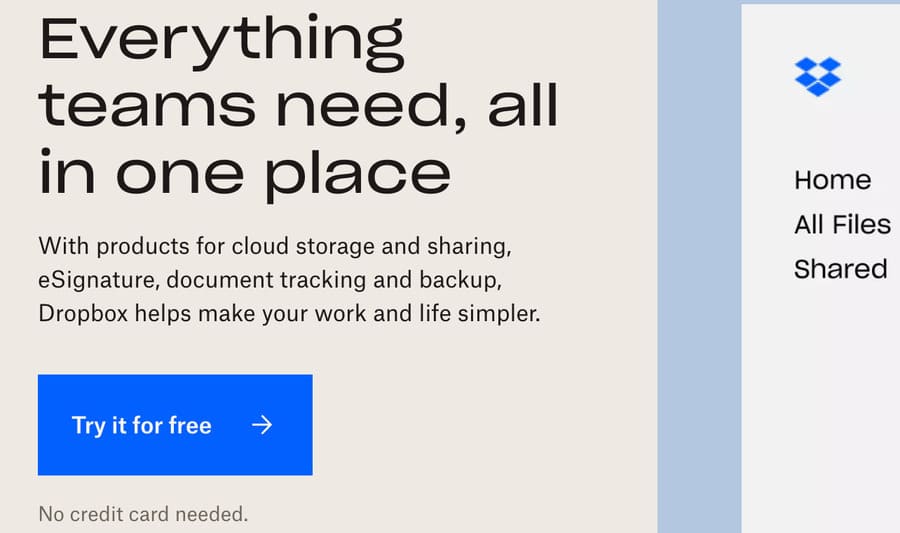
Dropbox‘s simple “Try it for free” CTA button has played a significant role in the company’s rapid growth.

dropbox call to action

The clear message and straightforward design have encouraged millions of users to sign up for their file-sharing service.

Be Specific

Don’t just tell ’em, show ’em!

Your CTA should make it crystal clear what your audience should do next. Let’s check out this call to action example:

“Sign Up Now for Your Free Trial”

Vs.

“Join Us”

In the first option, it’s evident that users need to sign up for a free trial.

The second one? Erm, not so much.

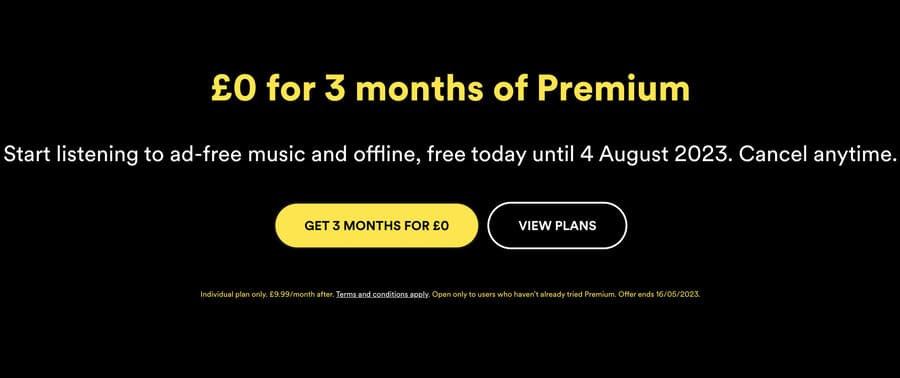
Spotify has seen tremendous success with its CTA, “Get 3 Months For £0.”

spotify call to action

This specific call to action clearly communicates the benefit to the user, contributing to the streaming giant’s massive subscriber base.

Strike While It’s Hot: Ignite Action with Time-Sensitive CTAs

You know that feeling when you just gotta have something, like, yesterday?

That’s what urgency does.

It lights a fire under your audience, prompting them to take a specific action ASAP.

Create a Sense of Urgency

Adding a time-sensitive element to your offer can make all the difference. For example, compare:

“Get 50% Off”

And:

“Get 50% Off Today Only

They both clearly state a generous discount, but the second option creates urgency by using a trigger word.

Sprinkling in words that convey immediacy, like “now,” “today,” or “limited time,” is like adding a pinch of spice to your marketing recipe.

It nudges users to act before it’s too late and can contribute to higher conversion rates.

Amazon’s Prime Day deals are a perfect example. They often include limited-time offers. These urgent messages help drive massive sales during their annual event.

Embrace Action-Packed Verbs

Energize your CTA by incorporating a powerful action word that inspires a visitor to take the desired action.

An action verb adds a layer of excitement and makes your call to action more compelling.

So, let’s explore a call to action example:

“Get Your Discount”

Vs.

“Snag Your Discount”

In the second option, the action verb “snag” adds an additional element, making the CTA more appealing and intriguing.

Remember, the right action word can work wonders in making your call to action irresistible and driving the desired outcome.

The Golden Ticket: Showcasing Irresistible Benefits for Instant Appeal

Wanna know the secret sauce that makes an effective CTA?

It’s all about the value proposition.

Show your audience exactly what they’ll gain by taking specific action.

Highlight the Benefits

Make your offer so enticing that a potential customer can’t refuse. Focus on the benefits they’ll receive. Let’s examine this example:

“Sign Up for Courses”

Vs:

“Get Instant Access to 100+ Premium Courses”

The first option is relevant but bland. Whereas the second highlights the value of instant access to a vast array of premium courses.

So, how could you highlight your benefit?

Focus On What Makes Your Offer Unique

Next, stand out from the crowd by showcasing what sets your offer apart.

So, ask yourself…

What is my USP (Unique Selling Point)?

Do you offer award-winning customer service? Are all your materials or ingredients organic? Do you have the strongest coffee?

In fact, Death Wish Coffee’s USP is exactly that:

“The World’s Strongest Coffee”

death wish call to action

By highlighting its USP and converting it into a call to action button, Death Wish Coffee differentiates itself from competitors and encourages coffee lovers to experience it for themselves.

Pull at Their Heartstrings: Using Emotions to Inspire Action

Remember that time you bought something because it just felt right?

That’s the power of emotional appeal.

Let’s uncover the secrets of harnessing this persuasive force in your CTAs.

Use Persuasive Language

Choose words that tap into your audience’s emotions. After all, they should feel a connection with your CTA and brand. Consider this example:

“Enroll in Our Program”

Vs:

“Transform Your Life with Our Proven Program”

The second option tugs at the heartstrings by promising a life transformation.

Are you tempted?

A prime real-world example is Nike’s “Just Do It” slogan.

It evokes a sense of determination and encourages customers to take action and learn more by simply doing “it!”

Align with Your Audience

Speak directly to your audience’s desires and address their pain points head-on.

For example, if you’re marketing a sleep aid, which of these CTAs would you click:

“Try Our Sleep Aid”

Or:

“Say Goodbye to Sleepless Nights with Our Natural Sleep Aid”

The second one?

It addresses a common pain point amongst the target audience — sleepless nights — and offers a solution.

A Feast for the Eyes: Design Visually Stunning CTAs That Beg to Be Clicked

Looks matter, especially when it comes to CTAs. An eye-catching design can make all the difference between a click and a pass.

Implement Contrasting Colours

Colour can be a powerful tool to grab attention.

So, make sure your CTA stands out with contrasting colours. Take a peak at the example from Smart Blogger below:

smart blogger call to action

The “Start Now” button contrasts sharply with the website’s dark background. It effectively grabs the users’ attention and encourages them to click through.

Choose the Perfect Font

Don’t make your audience squint to read your CTA. Pick a font that’s clear and easy on the eyes.

Let’s jump back to the previous example from Smart Blogger…

The CTA uses a large, bold, and easily readable font to guide users toward their next action — great!

So, use clear typography to ensure users understand the desired action, ultimately driving sign-ups.

Unleashing the Power of Data: Fine-Tuning Your CTAs for Maximum Impact

You’ve crafted the perfect CTA, but your journey doesn’t end there.

To reach the pinnacle of success, testing, and optimization are your trusted companions on this quest for the best possible results.

Perform AB Testing

Don’t rely on gut feelings. Test different CTA variations to see which one brings home the bacon.

For instance, suppose you’re running an online course platform, and you want to increase sign-ups for your latest offering.

You could test two different CTAs to see which one performs better:

1. “Enrol Now & Master Your Skills”

2. “Unlock Your Full Potential – Enrol Now”

After running your AB test and analysing the data, you find that CTA 2 outperforms CTA 1 by a 15% higher conversion rate.

Perfect!

Based on these results, you implement CTA 2 into your marketing campaign, ultimately leading to a higher number of sign-ups for your online course.

Continuously Analyse Your Data

As seen above, data is your best friend.

So, keep a close eye on your CTA performance and continually make data-driven decisions.

If your latest CTA has a low click-through rate, consider tweaking the language, design, or placement.

If a particular element is performing above and beyond, rinse and repeat.

Your Ultimate CTA Arsenal: 54 Show-Stopping Examples to Boost Conversions Instantly

cta

Now that you’re armed with tips and tricks, let’s dive into 50+ more compelling call to action button examples that’ll make your audience click like there’s no tomorrow…

Direct CTAs

1. “Buy Now”

2. “Sign Up Today”

3. “Download Your Free E-book”

4. “Start Your Free Trial”

5. “Get Started”

Urgency-Driven CTAs

6. “Limited Time Offer: Save 50% Today!”

7. “Join Now — Offer Ends Soon!”

8. “Don’t Miss Out — Register Now!”

9. “Only 3 Days Left: Enrol Now!”

10. “Get Your Early Bird Discount Today!”

Value Proposition CTAs

11. “Discover the Secret to Losing Weight”

12. “Get Your Dream Job”

13. “Boost Your Business Profits”

14. “Learn to Play Guitar Like a Pro”

15. “Unlock Unlimited Access”

Personalized CTAs

16. “See Your Customized Plan”

17. “Find Your Perfect Match”

18. “Get Personalized Recommendations”

19. “Your Journey Starts Here”

20. “Make It Yours”

Design-Focused CTAs

21. “Shop Our Best Sellers”

22. “Upgrade Your Wardrobe”

23. “Find Your Perfect Look”

24. “Discover the Latest Trends”

25. “Get Inspired”

Social Proof CTAs

26. “Join Thousands of Happy Customers”

27. “Get the #1 Rated App”

28. “Find Out Why We’re the Top Choice”

29. “Trusted by Experts Worldwide”

30. “See the Success Stories”

Emotional Trigger CTAs

31. “Don’t Live With Regret — Act Now”

32. “Stop Feeling Overwhelmed — Get Organized”

33. “Become the Person You’ve Always Wanted to Be”

34. “Discover Your True Potential”

35. “Find Happiness Today”

Guarantee-Focused CTAs

36. “100% Money-Back Guarantee”

37. “Risk-Free Trial”

38. “No Questions Asked Returns”

39. “Get Results or Your Money Back”

40. “Try It RISK-FREE for 30 Days”

Exclusive CTAs

41. “Grab Your Exclusive Discount Code”

42. “Get Your VIP Access”

43. “Unlock Secret Features”

44. “Experience the Future of Technology”

45. “Join Our Elite Membership”

Information-Seeking CTAs

46. “Learn More”

47. “Request a Demo”

48. “Get Your Free Guide”

49. “Download Our Whitepaper”

50. “Schedule a Consultation”

Community-Building CTAs

51. “Join Our Facebook Group”

52. “Follow Us on Instagram”

53. “Subscribe to Our YouTube Channel”

54. “Share Your Experience”

55. “Invite a Friend and Get Rewarded”

The Call to Action Revolution: Unleash the Potential of Your Campaigns

call to action marketing

With these effective call to action tips and examples in your arsenal, you’re ready to conquer the world of clicks, conversions, and delighted customers.

Let the journey begin, and may the power of persuasion be with you.

Happy marketing!


By Sam Driver

Sam is an Associate Editor for Smart Blogger and family man who loves to write. When he’s not goofing around with his kids, he’s honing his craft to provide lasting value to anyone who cares to listen.

Sourced from SmartBlogger

By Chitra Iyer

Only about 30% of marketers use original research in content marketing strategies, despite numerous benefits. Why?

The Gist

  • When data is the story. Executed effectively, original research as content can put your content marketing on steroids, bringing in outsize ROI and sustaining your content calendar for months. 
  • So, why aren’t 70% of marketers telling the story? Although it’s the most trusted source for B2B buyers, fewer than 30% of content marketers generate their own original research, while nearly all writers incorporate others’ statistics in their content.
  • Because not all research is created equal. High-performing original research combines credible data, an engaging story and a solid plan for distribution and amplification through various content formats. Getting it wrong can cost your brand its credibility.

B2B content writing 101 emphasizes the importance of incorporating “evidence” — that is, trustworthy quantitative or qualitative data to substantiate our claims. By doing so, we enhance the credibility of our content, increasing the likelihood that the article will be referenced by others.

And that makes perfect sense. Even in a world where disinformation and propaganda often come cloaked in smart-looking pie charts, almost half of B2B buying committees trust research reports as their most preferred source of product research.

In fact, this 2021 report found that buying committees look for “research-backed content experiences that tell a valuable story.” That’s almost a textbook definition of original research reports.


That is why it is almost unbelievable that while 100% of content marketers use someone else’s original research stats in their content, only about 30% challenged themselves to create their own original research as a key component of their content marketing strategy.


Content Assets chart


Why? Because creating credible research is a challenging process, costs time and money, and demands an authentic and original approach. Even though the payoff is huge and the resulting content has a longer shelf life than average, the risks can be equally dramatic.

Imagine being trolled on social media by users who find chinks in your research methodology, share data that directly contradicts what your report finds, or worse, question your credibility by questioning the numbers themselves.

But first, the good stuff. Data analytics platform Databox, which has produced more than 1,300 reports over the last six years, swears by original research surveys as a key content marketing pillar. “As a result of all of the content we’ve produced on a wide range of topics, we generate nearly 300k sessions to our website every month, mostly from organic search and word of mouth. This traffic turns into 6k+ signups for our free product every month. We get all of our customers from these signups,” said Peter Caputa, CEO at Databox. That’s pretty straightforward ROI math.

So tip No. 1: Approach original research as a long-term, high-value content initiative. And if you really want people to trust the research coming out of your content marketing stable, pick a niche or a topic, and own it.

Consistently bringing out an annual survey report or update about the same topic positions you as the go-to expert in that topic, said Sarah Kimmel, vice president of research at Simpler Media Group (which owns CMSWire). The Content Marketing Institute, for example, has put out the annual B2B content marketing survey for 13 years now, and it is the first stop for anyone wanting to know the latest trends, patterns and insights about the state of content marketing.

Original research done right can supersize your content marketing ROI by sustaining the content calendar for months, building unmatched visibility, credibility, and thought leadership, and even generating leads.

The experts boil down the secret of high-ROI original research to five elements.

1. Why Original Research? The Right Purpose

“Original research” in the content marketing context is a high-value piece of content for your external audiences (not to be confused with “market research,” which is conducted to better inform internal product or strategy design).

Think of it as another arrow in the content marketing quiver, albeit the “meta arrow” with the power to turbocharge all your other arrows — blogs, articles, social media posts, event and podcast appearances, and even sales pitches.

But designing, executing, and amplifying original research is not as easy as hitting publish on a Survey Monkey form. Too many companies, said Michele Linn, co-founder of Mantis Research, end up executing without properly thinking through the purpose. When you approach it as a “content” project, you will naturally start with clarity on:

  • Who is our primary (content) audience?
  • What do we want to tell them?
  • How will original research help us get there? Why is an original survey report the right content format to help us get there?
  • What do we want them to do/feel after consuming this content?
  • How will we leverage and amplify this content to make that happen?

These questions may sometimes reveal that original research is not even the best bet for your purpose. For instance, said Linn, if you want to showcase product benefits, use case studies instead. If you want to understand consumer behaviour instead of consumer beliefs, rely on user data instead because surveys tell us what people think, not what they actually do. Beliefs and attitudes are not the same as actions and behaviour.

Key takeaway: Approach original research as a high-value content project. Start by asking the same questions you would ask before embarking on any new long-form piece of anchor content.

2. Who Will Run the Project? The Right Team

While original research will no doubt be helmed by the content marketing team, Linn suggested the project team should consist of roles such as:

  • A content strategist who will define the audience, the purpose and the narrative and help create a compelling story around the findings in a way the audience finds interesting.
  • A data analysis expert who can help ensure rigor in the research execution, data tabulation and interpretation for statistical significance and accuracy.
  • An amplification expert who can create and execute the promotion, distribution and content repurposing plan for the research to derive the maximum reach and visibility.

These resources can be expensive and hard to come by, especially for smaller teams. Teams seeking to establish credibility in new markets where they are relatively unknown may also need additional support. In these cases, third parties such as research agencies, consulting firms or industry publications can help design and execute the project, said Kimmel. People trust the editorial quality and integrity that comes from credible media companies, she added, and the brand benefits from the halo effect.

Key takeaway: Choose to commission, sponsor or co-publish research with a third-party partner, or do it in-house based on available resources and your goal, be it lead generation, building brand credibility, entering a new market or thought leadership.

3. What Story Do You Want to Tell? The Right Narrative

For original research to succeed as compelling content, you need both — the data and the story — to come together in a concrete and cohesive way. But at its core, the content you generate with original research is really a compelling story validated with data.

When asked what made content memorable enough to warrant a sales call, respondents in the 2021 B2B content preferences study noted they want content that:

  • Tells a strong story that resonates with buying committees (55%)
  • Uses data and research to support claims (52%)
  • Is research-based (40%)
  • Is packed with shareable stats and quick-hitting insights (40%)
  • Is personalized/tailored to their needs (32%)

The best approach is to start with what your customers want or need to know. What data-backed insights about their industry would really help them? Try to find angles or topics that have not been covered before.

Obviously, the topic should also be as close as possible to your own brand story, said Kimmel, which may be better served by a narrow research focus. For instance, a data analytics vendor whose brand narrative is “ease-of-use” may choose to focus research on the “data team composition.” The angle of the research could be to study how business teams use analytics software, why they don’t or can’t use them to their full potential, or what under-use of fully-loaded analytics software may actually cost the business. Adding actionable insights to fix the gaps is a bonus that the brand can add at the end of the research.

The goal, added Linn, is to study some aspect of the industry with genuine curiosity instead of trying to prove something or contriving the research to support your brand story.

So tip No. 2 is to use the research to test your hypothesis, not validate it. For that, start with a few different hypotheses about your audience and the problems they may be facing. For instance, in the above example, the hypothesis could be that marketing teams don’t fully use the analytics software they buy. The research could reveal why. Or that companies are spending more on data analytics teams despite investing in “DIY” data analytics software.

Manipulating data to suit your pre-decided narrative is obviously not useful, agrees Kimmel, so while you think of a theme and angle, don’t assume what the findings will show. “We once had a client that assumed their audience would cut benefits due to the economic slowdown. But the research found that only 1 in 6 respondents planned to cut benefits,” she said. “The best surveys can roll with such surprise findings and still tell a compelling story, warts and all.”

Key takeaway: With original research, the data is the story, but how you tell it is what really counts. Finding a unique angle to hold up the research and weave the story around is where your expertise about your industry and the audience comes in. No matter what findings emerge, find an angle to create an interesting and educative story for your audience.

4. Executing the Survey: The Right Process

Execution is made up of several moving parts. The process could take months, but the results can also sustain your editorial calendar and drive organic traffic for months, if not years.

The survey questions can make or break the research outcomes. Asking the wrong questions or the right questions in the wrong way can seriously impact data quality and credibility. The Databox team often “pre-qualify” their survey questions on social media to crowd-source feedback before actually creating the formal survey questionnaire.

The hardest part of original research surveys in the B2B context is getting enough of the right respondents. “Aside from a list of respondents we’ve built over several years, and one-on-one interviews, we’ve recently started partnering with other organizations to run joint surveys, which is a win-win in terms of reach,” said Caputa.

Smart survey tools like Survey Monkey and Alchemer help design better questions, translate and administer surveys at scale, distribute them across multiple platforms, etc. Survey analysis tools such as ResearchStory help with cleaning the data and the technical and statistical analysis needed to find meaning in the numbers. Conversational AI and AI for text or speech analysis help mine deeper insights at scale. AI also aids processes like survey scripting, content development and data visualization to tell the story better.

Turning the insights into a compelling narrative — and if possible, actionable insights is where the real magic happens. The most important thing, said Matt Powell, VP & executive director of of B2B International, a Merkle North America company, is to deliver something that customers actually need and value including useful, practical insights. A report that’s full of stats and data without context, interpretation or a unique point of view is just not useful, no matter how thorough the research process was.

So tip No. 3 is that original research needs to tell a great story and tell it well.

Key takeaway: Primary research surveys may be the last bastion for marketers seeking to say something new and original, but AI-powered tools can help make the execution more efficient, accurate and scalable.

5. Being Seen and Heard: The Right Amplification

The wonderful thing about original research is its sheer versatility. Depending on your purpose, you can do quantitative research with an online survey tool, dipstick surveys via smaller and snappier social media polls, in-depth qualitative research to a highly representative sample population, etc. And you can turn those results into a wide range of content. This annual research report by MOPros, for example, uses a combination of quantitative and qualitative research to bring readers both — the stats and the unique individual perspectives that enrich and support the data. Linn also highlights this ‘State of Workflow Automation’ report that was repurposed into a report, webinars, a podcast, an assessment tool, sales enable materials, blog content and a conference presentation among other formats.

Research content can also be used at all stages of the marketing funnel, said Powell. Recently, for instance, his team helped a B2B brand use research-based thought leadership to reposition their brand from being a provider of legacy, commoditized products, to being a solutions provider in an adjacent category, and marketing at the top of the funnel to a whole new decision-making unit. At the bottom of the funnel, the content can add to lead-gen activity and bring customers through nurture pathways.

Too many clients invest in a research project but don’t do enough with it because they did not factor that in at the start of the project, says Kimmel.

Tip No. 4: Know when you begin what you plan to do with the research. The report is just one piece of content — but the findings and the narrative should be credible and engaging enough to support a full suite of content — conference presentations, webinars, infographics, blogs, white papers, podcasts, sound bytes, social posts, etc., to amplify and deliver optimal ROI.

Key takeaway: The shelf life of original research data can often be years, not days or weeks. The more you amplify, the more backlinks you get, the higher your search engine authority and the more organic traffic you generate. An added bonus would be ChatGPT amplifying your research findings by citing them in its responses!

Done right, original research is a gift that keeps on giving. But success depends on approaching it as a high-value content project designed to serve your audience, not your agenda.

By Chitra Iyer

Chitra is a seasoned freelance B2B content writer with over 10 years of enterprise marketing experience. Having spent the first half of her career in senior corporate marketing roles for companies such as Timken Steel, Tata Sky Satellite TV, and Procter & Gamble, Chitra brings that experience to her writing. She has authored over 500 articles, white papers, eBooks, guides, and research reports on customer experience, martech, salestech, adtech, retailtech, and customer data and privacy. She holds a Masters in global media & communications from the London School of Economics and Political Science and an MBA in marketing

Sourced from CMSWIRE

Technology has changed the digital marketing landscape forever. We now have more ways than ever before to communicate company and product benefits. Marketers can improve on-site engagement and sales when they use the tools they have at their disposal.

Business leaders and marketers across all industries want nothing more than to connect with their readers and grow their brands. However, they face many challenges along the way. One of the biggest hurdles is convincing users to invest in a product or service. The simplified solution is to build engaging product landing pages.

The thing is, not all landing pages are created equal. You have to know how and when to connect with customers if you want to find success.

Technology has changed the digital marketing landscape forever. We now have more ways than ever before to communicate company and product benefits. Marketers can improve on-site engagement and sales when they use the tools they have at their disposal.

Now, let’s dive in and look at several actionable ways you can use tech to create high-converting product landing pages.

Show relevant lead magnets

Lead magnets are one of the best things you can do with your product landing page. Simply put, these are exclusive content and offers designed to generate leads and provide value to readers.

Common examples of lead magnets include:

  • Discounts
  • Case Studies
  • Infographics
  • Event Invitations

These offers are crucial for improving conversions because, on average, 40-70% of qualified leads are not ready to buy. If a customer leaves without interacting with your brand meaningfully, they will likely forget it exists.

On the other hand, if a user joins your email list, you have a direct line to stay in touch and build rapport through lead nurturing.

The key to getting people to click a lead magnet is to offer something the reader will find valuable. This concept will vary based on the intended audience. Segmenting visitors based on their unique interests, goals, and pain points can help you come up with inventive and effective lead magnets.

There are plenty of different lead-generation plugins that allow users to create attractive and engaging offers for product landing pages.

Make mobile-friendly product landing pages

Google has made it clear that they want business leaders to optimize their websites for mobile. When you consider that over 68% of the global population owns a mobile device, this shouldn’t come as a surprise, according to smachballon.com.

Online shoppers use smartphones and tablets to engage with brands, read reviews, and shop. Mobile apps are on the rise that allows consumers to do all of this and more. If your website or app, including your landing pages, is not optimized for mobile, you could miss out on significant traffic and clicks.

There are many ways to ensure your site is ready for mobile users. Here are a few tips to keep in mind:

  • Use a landing page builder that comes with mobile templates.
  • Reduce the size of images and host videos off-site for faster loading times.
  • Make sure buttons and navigation work with handheld devices.
  • Test your product landing page with multiple operating systems and devices.

You’ll find that putting smartphone users first in terms of page design and functionality can lead to a tremendous boost in conversions.

Optimize for voice search

While we are on the topic of mobile devices, let’s talk about voice search. Did you know that around 30% of all searches were conducted without a screen last year? In other words, people use smart speaker devices or voice assistant apps on their smartphones and computers to search for websites, information and products.

Websites not optimized for what a customer might say have a slim chance of appearing in the results for these types of searches. The good news is you can start making changes today to make your landing pages voice search-friendly.

We suggest including FAQs at the bottom of each product page. This seemingly small addition can significantly impact how people engage with your brand.

At face value, an FAQ section answers vital questions asked by your target audience. The option to see these questions and answers can guide users and help them determine if your product or service is right for them.

Behind the scenes, FAQs can help build your search presence, particularly when it comes to voice search. When someone uses voice search, they typically ask a question. If your landing page answers their inquiry concisely and accurately, Google may relay the answer you provided to the user.

You can also appear in the featured snippets at the top of Google for specific keyword searches. It’s worth mentioning that over 40% of voice results come from featured snippets.

It’s also a good idea to add schema markup to your website. Schema markup is behind-the-scenes code that allows Google to understand your intent better. Marketers use this SEO strategy to inform Google about product availability, prices, and more.

The bottom line is this; if you want to attract more visitors to your landing page, even if they aren’t using a screen, voice search optimization is a must.

Focus on user benefits

A fundamental mistake many business owners make when designing their product landing pages is they spend too much time focusing on features instead of benefits. The two ideas are similar but differ in one important way.

Features are what your products can do. Benefits describe how features will ultimately help the end user. For example, a social media marketing plugin might promote a feature called a social wall. Most potential customers, even those skilled in social media marketing, will wonder exactly what they mean and why they should care.

Now, imagine if, instead of promoting a social wall feature, the company stated that this feature allows people to share all of their social media feeds in one place, which can boost brand awareness.

The second description is more detailed and explicitly tells users how they will benefit from this feature.

When designing your product landing pages, keep your customers’ needs in mind. Instead of writing a bullet list of features like you’re in an investor call, spend some time thinking about your product from your customer’s eyes. Write benefit-oriented descriptions, and people are far more likely to engage with your business.

Show social proof

Social proof is an excellent way to improve your landing page conversion rate. If you’re unfamiliar with the concept, social proof is a psychological phenomenon that causes people to do things based on other people’s experiences. We all tend to trust people and businesses that are respected by others.

The most common type of proof is user reviews. Think about the last time you bought something from Amazon. There’s a good chance you scrolled to the bottom of the page to learn what other people thought of the product.

If you saw only 1-star reviews, you likely decided to pass and look for a similar product with better reviews. Similarly, a bunch of 5-star reviews may have prompted you to place an order.

Research shows that user reviews and other types of social proof can have a noticeable impact on conversions. In fact, surveys suggest that 83% (trustpulse dotcom) of people trust customer reviews over traditional advertising.

There are two primary ways to add reviews to your landing page. The first method involves placing an open-ended review form on your page, just like Amazon. Customers can review your products, and future visitors can see how others feel about your brand.

The other way to show reviews is to pull positive feedback from social media and surveys. You could include a section on the product page that reads, “see what others think of (product)!” A few glowing reviews can turn a prospect who is on the fence into a happy, paying customer.

You can also use live sales notifications and trust seals to capture visitors’ attention and convince them to take action.

Split test product landing pages

Much like the rest of your website, your product landing pages need to evolve with the needs of your customers. Split tests are a great way to experiment with new ideas and improve clicks.

Split tests, also known as A/B tests, involve changing a page, email, or social media marketing campaign for 50% of your audience. These changes can be subtle, like switching the verbiage on a call-to-action, or they can be something more noticeable, like a complete colour swap.

The objective of split testing is to see which version of the page leads to more clicks and sales.

Let’s say a marketing team decides to test their call-to-action by changing “subscribe now” to “subscribe and save.” After enough time has passed – we suggest two weeks to a month for each test – they look at the results.

If the subscribe and save option saw significantly more clicks, the team may use this new call-to-action on pages they want to improve.

It’s possible to test many different aspects of your pages, but it’s worth mentioning that tracking one test per page is the best option. Multiple tests make it hard to determine what led to better (or worse) results.

Final thoughts

Online businesses need product landing pages to generate leads, sales, and interest in their brand. Every industry is different, so it’s always a good idea to introduce new strategies slowly so you can figure out what works.

The tips presented today will help steer your product landing page in the right direction. The tools and resources you need to improve performance and connect with more customers are out there. The only thing left to do is get started.

By ReadWrite.com

Our mission: We are building the next generation of tech media companies focused on providing relevant information in a way that favors readers’ productivity instead of page views and time on site. Leveraging this new and efficient type of content, ReadWrite aggregates professional communities dedicated to specific subjects of interest such as connected cars, smart homes, AR/VR, fintech and APIs.

Sourced from Entrepreneur

By Chad S. White

Here’s what happened after I signed up for over 100 promotional emails. There were some surprises.

The Gist

  • Forget something? Testing out 100 email signups, more than 8% of brands didn’t send a welcome email, missing a valuable opportunity to deepen the relationship with their new subscribers through promotions, education, profiling, expansion or evangelism.
  • Send a series. Nearly half of brands sent a welcome series, with subsequent emails including reminders to use discounts, explanations of brand strengths, pitches for loyalty programs, encouragements to download mobile apps or behind-the-scenes looks at their organizations.
  • Welcoming fails. Some brands missed the mark by using senseless or overly corporate sender names in their welcome emails, while others failed to seasonally optimize or personalize their messages, or had quality control problems.

I shared takeaways from having signed up for promotional emails from 100 brands in my last column, so for this one I want to share what happened next: I received a lot of welcome emails!

But that’s not to say there weren’t some surprises. There were. Here are my key takeaways and the major opportunities I see for brands when it comes to crafting better onboarding experiences.

1. Shocking Number of Brands Didn’t Send a Welcome

More than 8% of the brands didn’t send a welcome email. Instead, they just dropped me into their promotional mail stream. Not only is that slightly jarring, it passes up a big opportunity to deepen the relationship in a way that your promotional emails just can’t.

Here are the five principle messaging strategies for welcome email calls-to-action:

  1. Promotion: trying to drive a purchase through incentives or product promotions.
  2. Education: trying to deepen brand affinity and loyalty by educating the new subscriber about your brand’s history, products, services, values and social causes.
  3. Profiling: trying to to gather more information about the new subscriber so the brand can send more relevant messaging.
  4. Expansion: trying to get the new subscriber to connect with the brand through additional channels.
  5. Evangelism: trying to get the new subscriber to refer their friends or colleagues.

For most of those, messaging them immediately after signup is the ideal time to drive action and establish a healthy long-term relationship.

2. Nearly Half of Brands Sent a Welcome Series

In contrast to brands that didn’t send even one welcome email were those at the other end of the spectrum that sent a welcome series of two, three or even more emails.

What were the subsequent emails in those welcome series about? Brands included:

  • Reminders to use the discount they included in their first welcome, which was very common for retail and ecommerce brands.
  • Explanations of their brand strengths in terms of what’s unique about their products and how they do business, which was popular among direct-to-consumer brands.
  • Pitches to join their loyalty programs, which was also common for retail and ecommerce brands.
  • Encouragements to download their mobile app.
  • Behind-the-scenes looks at their organizations, which was most common among service-oriented brands.

Surprisingly, none tried to collect any preferences from me or profile me in any way using polls, surveys or quizzes. That’s a missed opportunity, as that kind of zero-party data can power personalization and segmentation during a time in the relationship when there’s little to no first-party data yet.

But the bigger opportunity here is that if you’re only sending a single welcome email, consider testing ways to expand it into a series.

3. Sender Names Could Have Been Better

For some brands, their welcome emails felt like they were sent by a different department or marketing group because of the sender names they used. For example, some brands had senselessly different sender names from the one used for their promotional emails, adding “Inc.,” “Company,” and “USA” to the end of the brand names for only their welcome emails. It made their welcome emails appear unnecessarily corporate and stiff.

That’s not to say that there aren’t opportunities to extend your sender name with purpose. Extending your sender name for your triggered emails, in particular, helps them stand out — not only from your other emails, but from all the other emails in your subscribers’ inboxes. Yet, only two of the brands I received welcome emails from extended their sender name. One used “BrandName Welcome” and the other “BrandName | Welcome.”

If you’re not currently extending your from name for your welcome emails, consider testing it and seeing how much of a lift you get. Adding an extension like “Welcome” is a sensible place to start.

Again, avoid overly corporate-sounding extensions. For example, some other welcome emails I received used sender name formats such as “BrandName Account,” “BrandName Account Services,” and even longer “BrandName Account Member Services.” Another used “BrandName E-mail Subscriptions,” with the dated hyphenation of email. While all of those are descriptive and accurate, they’re not particularly friendly sounding. They seem like they were written by lawyers, not marketers.

4. And There Were Smaller Opportunities to Improve, Too

In addition to those three big areas for improvement, brands sent welcome emails that…

  • Weren’t seasonally relevant. Only one brand seasonally optimized its welcome email, adding in imagery and content to match the season in which I signed up.
  • Rarely used emoji in their subject lines. 😢 Only 13% of brands used emoji in any of their welcome email subject lines. That seems a bit low, given their usage in promotional emails.
  • Included little personalization. Many brands required my name when I signed up, but few used it. For example, only 3% of brands used it in the subject lines of their welcome emails. First-name personalization isn’t great personalization, but if you ask for my name, use it.
  • Had quality control problems. One brand’s welcome email was sent twice, and another’s contained multiple broken images (but thankfully lots of HTML text, too). Not a good look.

Final Thoughts on Welcome Emails

Your welcome email — like all of your automations — are living campaigns. They need regular care and attention.

In fact, this goes double for your welcome emails since they are pivotal to making a good first impression and setting the tone for the emails that follow. If you haven’t reviewed your welcome emails lately, sign up for your email program with fresh eyes and see what improvements you can make or test.

By Chad S. White

Chad S. White is the author of Email Marketing Rules and Head of Research for Oracle Marketing Consulting, a global full-service digital marketing agency inside of Oracle.

Sourced from CMSWire

By David Mahbub

As a marketer and tech enthusiast, in preparation for this article, I wanted to determine how well the popular ChatGPT program might be able to advise C-level executives and marketing teams on the importance of digital marketing.

First, I started with a simple order or request: “Write a 500-word article about the importance of digital marketing when scaling up your business.” In a matter of seconds, I got the article, went through it and started shaping out more specific attributes I considered valuable.

In round two, I added to the request: “The article should have at least three examples.”

Round three: “The audience is C-level decision makers.”

Round four: “Do not highlight x or y.”

After five rounds, I got something decent enough that I might share with readers.

The final article generated by the program was certainly fair and impressive in its insights, pointing out, for example, the rise of affordable marketing options through social media and email. The article also noted the valuable business insights derived from digital metrics such as web traffic and open email rates, among other KPIs teams could leverage. Finally, it summarized a couple of notable cases of companies whose success has been accredited to the strategic use of digital marketing.

I wanted to understand how this particular AI functionality might impact many digital levers in creating content. My key finding as I read these lines created by ChatGPT was that the content was accurate and interesting, but it still didn’t speak to the level of experience or authority of a true expert.

If I had written the article from scratch, I would have never published it the way it was written. So my main takeaway is that AI can be an excellent help for teams and brands to create content—but you need experts on the asking end. The quality of your product will always be strongly influenced by the quality of your creators and their expertise. And the second is that AI is not even close to transmitting the human essence of experience; it can generate good content, but not human content.

Here are three pieces of digital marketing advice my experiment with ChatGPT was not able to articulate.

1. Build a frictionless journey. Interconnect all touchpoints of your digital ecosystem. There is a big difference between multichannel and omnichannel. Do omnichannel strategies and be sure you understand the difference between them. Multichannel is about being present in many channels; omnichannel is putting them together and making sense.

2. Don’t think of digital as one world and physical as another; blend them as consumers do in their day to day.

3. Digital is much more than social and paid media. Ninety percent of my clients “believe” they are covered up because they have a team or set of agencies doing social and paid. Companies must evolve from this crazy idea into attribution and retention models where every source is aligned, measured and understood.

So, on the one hand, we may be able to “create” a 500+ word article in a matter of seconds—including the title—but with a lower level of quality for an in-depth topic based on my personal experience or any other human being.

My takeaway: AI will enable and impact content creation, making it very dynamic for brands and organizations, allowing us to pump in content. But when we talk about high-level knowledge and authoritative content, there is still much to learn from a human brain and experience. For now, at least, no AI seems poised to match a human rationale when it comes to expressing and sharing an opinion as a subject matter expert.

Feature Image Credit: getty

By David Mahbub

Marketing Model Creator. Expert in Strategic Brand Planning. MACH9 CEO Mexico. Speaker and board advisor. Read David Mahbub’s full executive profile here

Sourced from Forbes

By Chad S. White
From confusing signup forms to dead-end confirmation pages, learn what to avoid to maximize every signup interaction.

I recently signed up to receive promotional emails from 100 B2C brands that span the retail, travel, consumer products and media industries. I noticed five major areas of opportunity for brands to improve their signup processes:

1. Signup Forms Often Hard to Find

Unmissable signup modals and other popups are common, but far from universal. When not used, brands almost always include their email signups in their footers. If nowhere else, consumers expect to find them there, although that doesn’t mean that brands can’t increase their visibility by also including signups above the fold, but few do. Brands should seriously consider that, as many B2C homepages have grown significantly longer in recent years, which means a lot more scrolling.

Brands can also boost promotional email signups by including an actual signup form on their homepage footer. Some merely include a signup link, which is often mixed in with lots of administrative links and therefore easy to miss.

2. Too Many Ask for Phone Numbers

There’s no faster way to crater your signup form completion rate than asking for multiple forms of contact information. For that reason, I always advise brands to focus first on collecting email addresses, which is the form of contact consumers are most open to with brands.

A number of brands were clearly aware of the danger of asking for too much contact info, but instead of asking for mobile phone numbers post-signup, they included an email address field on the first page of the signup and then a required mobile phone number field on the second page.

This is likely to stop many would-be subscribers in their tracks, causing them to abandon the form. Beyond that, it then raises questions about whether the person is subscribed to the brand’s promotional emails and whether they’ll get the signup incentive that was promised. That’s a lot of anxiety and a lot of unanswered questions that have been introduced to the interaction, which may cause the person to become frustrated and angry and look to other brands.

For my part, I wasn’t interested in receiving SMS messages from any of the brands I approached, so I abandoned every signup form when I encountered this scenario. Roughly half of the time, I ended up receiving promotional emails from the brand. The others didn’t capitalize on my interest because of their overreach.

3. Unclear and Misleading Signup Commitments

Part of the issue around asking for mobile phone numbers appears to stem from many of these signup forms actually being for loyalty programs and not email programs, with the former often requiring phone numbers for some reason. That said, based on the signup appeals for these forms, it’s usually impossible to know what you’re signing up for.

That’s because these forms are almost entirely focused on promoting a signup incentive, especially when a modal is used. That emphasis undermines the relationship these programs are trying to establish and sets brands up for higher unsubscribe rates soon after signup.

4. Dead-End Confirmation and Preference Pages

When someone raises their hand and signs up to hear from your brand, that’s a moment of high engagement. Unfortunately, many brands don’t make the most of this positive momentum. In lots of instances, signup confirmation pages only confirm the signup and don’t direct new subscribers to do anything else of value.

Some brands do direct their new subscribers to select preferences — with standouts like CNN, Levi’s and Bass Pro Shops offering lots of detailed choices. However, at the end of that process, many of the brands collecting preferences also let the momentum fade by not trying to drive the next high-value action.

Ask yourself, “What’s the next one or two most valuable things a new subscriber could do?” And then build that into your signup process. Then ask yourself that same question again, and add that in. If you ask people to only do one thing, you’re unlikely to get them to do much more than that. Whereas if you ask folks to do three things, then many will do two of them and some do all three. Be optimistic!

5. DOI Increasingly Used

Eight of the 100 brands I signed up for use double opt-in confirmation for their homepage signup form. While objectively that’s a small percentage, it’s much higher than just a few years ago.

This increase in adoption is a positive sign, given the ongoing targeting of open forms (such as homepage email signup forms) by bots and the launch of Apple’s Mail Privacy Protection, which makes it hard for brands to determine if new subscribers are engaging. There is a wide spectrum of audience acquisition sources, each of which have their own risk-benefit profile. Make sure you’re selectively using tools like CAPTCHA, double-entry confirmation and DOI to protect your brand and email deliverability.

Final Thoughts on Maximizing Email Signups

With businesses preparing for a likely recession, while simultaneously trying to adapt to the sunsetting of third-party cookies and privacy changes like Apple’s MPP, growing first-party audiences has become increasingly critical.

If you haven’t audited the signup process of each of your acquisition sources in the past year, I highly recommend you make it a priority so you can maximize audience growth and create fruitful, lasting relationships.

By Chad S. White

Chad S. White is the author of Email Marketing Rules and Head of Research for Oracle Marketing Consulting, a global full-service digital marketing agency inside of Oracle.

Sourced from CMSWIRE