Tag

Instagram

Browsing

By 

Get in, loser, we’re going back to 2016.

Open Instagram this week, and you’d think you were back in the early days of Tumblr and Snapchat. Think Lo-Fi selfies, thick winged eyeliner, and the dog-ear Snapchat filter — the days when “Mean Girls” quotes (which came out in 2004 but remains a quintessential millennial movie) and chunky statement necklaces reigned supreme.

People on Instagram and TikTok, influencers and regular folks alike, have been posting throwback pictures from 2016.

In some posts, millennials openly mourned for the halcyon days of 2016, when they were free to wear skinny jeans without being scorned by Gen Z co-workers, some 20 pounds lighter, and juicing up their feeds with the Clarendon and Gingham Instagram filters.

It was also a huge year for music, yielding 2010s-defining pop hits like The Chainsmokers’ “Closer,” Justin Bieber’s “Love Yourself,” and Alan Walker’s “Faded.”

No surprise, millennials are craving a walk down memory lane.

Kar Brulhart, a Mexico City-based social media strategist and coach, said 2016 is trending because of nostalgia and a broader shift toward analogue — think paperback books, flip phones, and digital cameras.

But beyond that, Brulhart said, revisiting the 2016 era provides relief.

“Especially in the US, where the political and cultural climate feels increasingly charged, people genuinely don’t know what — or how — to post anymore. Revisiting that era gives people a socially acceptable break from having to respond, react, or perform relevance,” she said.

2016 in celebrity culture

Celebrities like Charlie Puth, Eva Longoria, Lucy Hale, and Karlie Kloss have jumped on the trend, posting awkward, unglamorous selfies.

Kylie Jenner’s 2016 post on Thursday, captioned “You just had to be there,” has gotten over 2.4 million likes as of press time. The “Keeping up with the Kardashians” star posted pictures of herself wearing skinny jeans, black Converse high tops, and her iconic Kylie Lip Kit.

Makeup artist and beauty influencer James Charles revived a full 2016 cut-crease eyeshadow routine in a TikTok video on Wednesday, which has garnered about 5.6 million views.

Others used the trend to remember milestones. John Legend posted a picture of himself and his wife, Chrissy Teigen, sharing a kiss after the birth of their first child in 2016.

And brands wasted no time capitalizing on the throwback trend. LA-based fashion brand Reformation posted pictures of celebrities like Taylor Swift and Emily Ratajkowski in its 2016 range with the caption, “We miss 2016 too.”

Longing for a simpler, more authentic time

The trend reveals a yearning for a simpler time, social media and PR experts say.

Hailey Bailey, the founder of Los Angeles-based PR and talent management firm Image PR, said the trend is a result of millennials like herself “craving the innocence, promise, and naivety of our summer 2016 selves.”

“I think most millennials look at where they are at in life right now and think, ‘Wow, I thought I’d be in a different place,'” Bailey said. “Many of us can’t afford to buy a house anytime soon, or haven’t found the right partner, or are so career-focused we can’t even think about having children.”

Brulhart said that in 2016, chronological posts were the only way to experience Instagram. That was before Reels, AI-generated “slop,” and hyper-clean, aesthetic-first feeds took over the app.

“There was far less curation, and people weren’t trying to brand themselves with every post,” she said. “They were documenting life as it happened, not worrying about the likes or engagement.”

The trend felt like a gentle moment of reflection to her.

“It’s not about wanting to go backward, but about remembering a version of ourselves that perhaps felt lighter,” Brulhart said.

Feature image credit: Melodie Jeng/Getty Images

By 

Sourced from Business Insider

For months now, Instagram users have been complaining that their posts no longer get the number of “likes” that they used to. Photos and videos that would once easily get hundreds of hearts now only get a few dozen. The change has some content creators nervous and looking for answers.

It may have something to do with changes in both human behaviour and the algorithm.

Why aren’t Instagram posts getting likes anymore?

In 2025, posts started popping up across social media about the steady decline in likes that they can expect an Instagram post to attract. This was especially true among those who’d left Instagram for a while, in favour of platforms like TikTok, and went back months or years later.

People are calling it a “like recession.”

TikTok video of a woman stirring her bubble tea with a caption reading "Instagram is dead nobody can tell me otherwise. You post a pic, and it shows over 1,000 views with only 34 likes? Be so real with me right now. What kind of hater vibes sorcery is going on over there?"
@kimberlywhiteee/TikTok

“Instagram is dead nobody can tell me otherwise,” wrote @kimberlywhiteee in a TikTok caption. “You post a pic, and it shows over 1,000 views with only 34 likes? Be so real with me right now. What kind of hater vibes sorcery is going on over there?”

Meanwhile, @hiiibarbiee compared her single photo post likes from a year ago vs. today, showing how they’ve declined by the hundreds. It has the 21-year-old asking “chat am i UNC?”

Some long-time social media users explained this by pointing to shifts in the way people use these apps. People just aren’t liking the way they used to.

“We deada** see our loved ones get married and buy a house and look at their Instagram post like this,” said @tjr with a blank, bored face, “and proceed to not like, not comment, and scroll.”

TikTok video of a man making wide eyes at the camera with a caption reading "Instagram likes recession."
@tjr/TikTok

TikToker @sweetiebrownieee theorized that users today are more likely to be snooping than supporting.

“So you posted a picture on Instagram. No likes,” she started. “But your stories? So many views. They’re watching you, honey. They’re seeing you, but they do not want you to know they are seeing you.”

“People these days are so nosy.”

How to succeed on Instagram without the likes

Shifts in user behaviour are real, but experts also spoke on the changes to Instagram’s algorithm. In July 2024, Instagram head Adam Mosseri explained that one of the platform’s top ranking signals was “shares per reach,” meaning how many viewers shared a video regardless of how else they interacted with it.

“So out of all the people who saw your video or photo, how many of them sent it to a friend in a DM?” he said. “We want to not only be a place where you passively consume content, but where you discover things you want to tell your friends about.”

View this post on Instagram

A post shared by Adam Mosseri (@mosseri)

With the emphasis shifting away from likes as Instagram also began showing users less content from those they followed and more from accounts the app thinks they’d enjoy, posts that quickly get a few likes from dedicated fans aren’t getting the same boost.

Social media manager Milou Pietersz (@miloupietersz) discussed what this means for creators who still want to make it on Instagram.

“We’ve officially entered a ‘like’ recession on Instagram,” she wrote. “100 likes is the new 1000, and if you are still measuring success by old metrics, it will always feel like you are losing.”

“Stop chasing the number that looks good on the outside and start paying attention to the signals that actually move your business forward.”

Feature image credit: @jackfloood/TikTok@drainn2c/TikTok

By Lindsey Weedston

Lindsey is a Seattle area writer interested in all things society, including internet culture, politics, and mental health. Outside of the Daily Dot, her work can be found in publications such as The Mary Sue, Truthout, and YES! Magazine.

Sourced from daily dot

By

I keep catching myself doing this thing lately: staring at an Instagram ad, listening to a podcast intro, scrolling past a post — and wondering, ‘Wait, is this AI?’ Turns out, I’m not alone. A survey by Getty Images states that 76% of people agree: ‘It’s getting to the point where I can’t tell if an image is real’. And it’s this simple sentiment of wondering whether something is real or not that raises an important question for us marketers and creators: How can we shift the narrative of doubt and start focusing on building trust instead?

I’ve been reflecting on this for a while now, asking myself what really makes me trust something online and I keep coming back to the same answer: connection. I trust something when it makes me feel connected.

So that’s when it clicked for me: we double down on what AI can’t replicate. We build connections. We build community. Real, human community. Because while technology can evolve, only people can scale trust. And in an age where so much feels synthetic, trust is about to become your most powerful asset.

If you’re curious about why I’m so passionate about this topic, it’s because community building has changed me. The first time I built a community was in 2021, and it began with 20 inaugural members that quickly grew to 140 founders. In less than a year, we evolved it into a full-fledged fellowship program, which continues today under the European EdTech Alliance.

Thanks to this experience, I have some exciting news for small businesses and creators. You already have what it takes to build trust. According to an article published by WorldCom, micro- and nano-influencers are on the rise because the trust you build runs deeper. Brands are paying attention, and creators who prioritize connection over clout tend to have more engaged communities. And that kind of impact is the perfect testament of a deep, meaningful connection. Something that’s nurtured over time, not created overnight.

In this article, I’ll share why I believe building community can be your superpower right now — not just for marketing, but for building real trust and deep connections. I’ll dive deep into what makes communities such a long-lasting strategy, how to build and sustain one authentically, and even how AI can support (without replacing) the human touch that makes it all work.

Community as a strategy

Unlike marketing campaigns and content pieces that are often one-off and time-bound, a well-built community can evolve and live on by becoming part of your mission. That’s what makes it so powerful. But why does it truly stand the test of time?

Because community taps into something deeper than metrics: emotion and belonging. People want to be part of something meaningful. When you create a space where members feel engaged, supported, and seen, you’re not just building a following; you’re building trust.

That trust creates a bond, not just between members, but between your community and your brand. Over time, you earn a place in their minds and hearts as more than just a product or creator. You become the go-to resource not because you ran a flashy ad, but because you consistently showed up for them. You gave them value, connection, and a sense of belonging.

And when people feel good about being part of your community, they talk about it. They recommend you. They become your advocates. This kind of organic social proof and authority can’t be bought, it has to be built. That’s the true power of community. It’s a space others want to be part of. From a business perspective, it’s hard for members not to fall in love with your brand, thanks to the positive experience your community offers.

When I built EdTech Female Founders back in 2021, we weren’t thinking about AI at all (it wasn’t really a thing yet for most marketers). But the community still thrived. It connected people, sparked ideas, helped increase brand awareness, pushed a great deal of content across social, but most importantly, it created a space others wanted to be part of. If this worked in a pre-AI world, I believe it can work even better now. In fact, I believe building community is more essential than ever. In a landscape transformed by AI, people crave real human connection, and the brands and creators that win will be those that can deliver spaces that unite.

Why community should matter to you (now more than ever)

When your audience sees the real people behind the product, behind the content, you’re not just selling something or posting something. You’re building and creating with them.

Often, your early followers know you. They’ve DM’d you. They’ve seen your behind-the-scenes stories and lessons. They know what you stand for. That creates a level of emotional equity that big brands struggle to earn.

While AI can generate thousands of words in seconds, it can’t generate trust, loyalty, or belonging. Those things are built through consistent, real interactions, and that’s something you can deliver. So, how can you get started?

A strong community strategy starts with authenticity

When everything feels artificial, authenticity becomes your pillar.

Start with real faces, real values, and a real purpose that your community can jump on board with, not just because it sounds good, but because it resonates.

Ask yourself: What’s something you are already doing that could bring people together? Or what’s something that’s missing that you should focus on?

  • If you’re innovating in a specific niche, can you create a space for experts to swap ideas and insights?
  • If your segment lacks diversity, can you build a platform to elevate the voices that often go unheard?
  • If you’re launching a product that reimagines how people live or work, can your community help others do the same?

Your community doesn’t need to be huge to matter or have an impact, but it does need to make sense. It needs to align naturally with your focus, and you should also want to build it. Doing it just for marketing’s sake comes across as inauthentic, and that defeats the purpose. A strong community is real, offers value, and grows from genuine care and intention.

How to keep the spark alive: Nurturing your community long-term

Community is not a transaction, it’s a relationship, and relationships need care and consistency.

Think about how you can show up for your people. Are you giving them something they genuinely value? What’s the reason they should stay connected? You need to build one!

To keep that spark alive, you need to constantly give people something that ignites it! Here are a few ideas on how you can do just that:

  • Offer exclusive value: Try and think of what free resources you could put together that your members would find interesting. This can be anything from thought leadership content, tutorials, beta access to product features or programs, webinars, and even behind-the-scenes content.
  • Foster meaningful conversations: Build spaces where members can share their thoughts, network with each other, and feel seen. This could include a dedicated Q&A channel or a space for members to share their own experiences and insights with each other. If you notice this channel going quiet, take the initiative to start a conversation and keep the momentum alive.
  • Create regular touchpoints: Diversify where you get your community engaged. You can do this by expanding to meetups (virtual is great too!), sending them newsletters with community updates, or those awesome resources you’ve created just for them. Try to keep things fresh and meet your members where they like to be.

The more consistently you show up with real value, the more trust you build. That’s what can transform passive followers into loyal advocates, the kind who root for you even when you’re not in the room.

It might sound like a lot, because it is. No one said building a community is easy. But hey, we’re in the age of AI, remember?

Integrating AI without losing the human touch

You might be surprised by this section, but I truly believe AI can play a big role in helping us scale, even in community building. What matters is how we use it.

AI should support your community-building efforts, not replace the soul of it. Think of it as aid, not the drive. If you’re building something that matters, you shouldn’t burn out trying to do everything yourself. But you also shouldn’t lose the warmth that made people care in the first place.

Here’s how to strike that balance:

  • Use AI to research your ICP (Ideal Community Persona). Let AI handle the heavy lifting when it comes to understanding who your potential people are and what they care about (at least in the early stages when you don’t have a ton of users). It can uncover trends, sentiments, and even unmet needs.
  • Use AI to spark conversations. Coming up with content ideas every day is hard, but AI can help you generate prompts, questions, and topics that resonate with your members.
  • Use AI to streamline onboarding. From automated welcome messages to helpful chatbots, AI can make sure new members feel supported from day one, just don’t forget to add a human touch at the end of the funnel.

The key is to use AI to support the person running the community – not replace the human touch. On the contrary, this should give the manager more time to really focus on deepening those connections.

Real companies, real communities: What this looks like in action

We’ve talked about how to build community, but what does it look like in real life?

Here are 3 community examples that continue to inspire me, and that might just spark some ideas for your own journey:

Women and Climate (WAC) 

A global space where women lead the climate conversation, connect across borders, and drive real business impact. Their Slack channel brings together over 4,500 members from around the world, offering a daily touchpoint for ideas, support, and collaboration. One standout feature is their speaker database, which helps connect climate experts with event organizers, ensuring fresh, diverse voices are heard on stages across the world.

Notion’s Community

Notion turned its users into its best teachers. Through events, videos, templates, and workshops, community members actively help others master the tool. The magic? It’s all built by people who actually use Notion every day, making learning feel real, not rehearsed. Whether you’re into productivity, design, or teaching, there’s a space for you here.

Buffer Community

I couldn’t not include Buffer. Their community isn’t just for social media experts, it’s a co-creation hub. From feature suggestions to product feedback channels, users actively shape the platform’s evolution. Initiatives like Creator Camp support users in staying consistent, while casual check-ins foster genuine connection. It feels like a shared home where everyone can put a brick to build.

Let’s build what AI can’t, while letting it help where it can

In a world rapidly filling up with auto-generated everything, a real community becomes the most valuable thing you can build. Not just because it feels good (though it does), but because it gives you an advantage that’s hard to replicate: loyalty, trust, and belonging.

So while everyone else scrambles to scale with AI, take a moment to scale something different, something timeless.

Build community, because you have the power to make someone feel seen, trusted, and supported and that’s where the magic can still live.

By

Sourced from Buffer
By Jeena Sharma

New Trustpilot data shows Americans want real world feedback before buying.

Forget influencers and glossy magazines—this holiday season, Americans are turning to each other for shopping advice.

New data from Trustpilot’s National Write a Review Week campaign shows a 76% YoY spike in consumer reviews. The initiative, which ran October 20–24, attracted ~4 million visitors nationwide—a 63% jump from the same period in 2024—signalling how heavily shoppers are relying on feedback from real buyers.

Trustpilot’s AI and Black Friday shopping analysis reinforced the trend as 86% of shoppers checked reviews before making a holiday purchase. And in the lead-up to Black Friday and Cyber Monday, 40% of respondents said they waited for others to post reviews before deciding what to buy.

Even as AI-driven content and influencer campaigns grow, shoppers are still prioritizing “genuine human experiences,” according to Trustpilot’s report. Top consumer complaints this season included delivery delays, technical issues, and subpar customer service.

“[Consumers] are making purchasing decisions based on delivery reliability, product quality, and customer service,” Alicia Skubick, chief customer officer at Trustpilot, said in a statement. “The data also reveals what consumers need to know to make their holiday shopping experience the best one yet. The bottom line is simple—when people share their experiences, everyone shops smarter.”

The findings arrive as new government data shows US retail sales saw only modest growth in September, and consumer confidence continues to soften amid ongoing economic pressure.

That dip is reflected in holiday spending behaviors. A joint survey from Rocket Mortgage and Redfin found that 28% of Americans plan to spend less on decorations, and 26% expect to cut back on gifts compared to last year.

Feature image credit: Francis Scialabba

By Jeena Sharma

Sourced from Retail Brew

By Manisha Priyadarshini

New Content Protection tools let you spot, block, or claim copied videos.

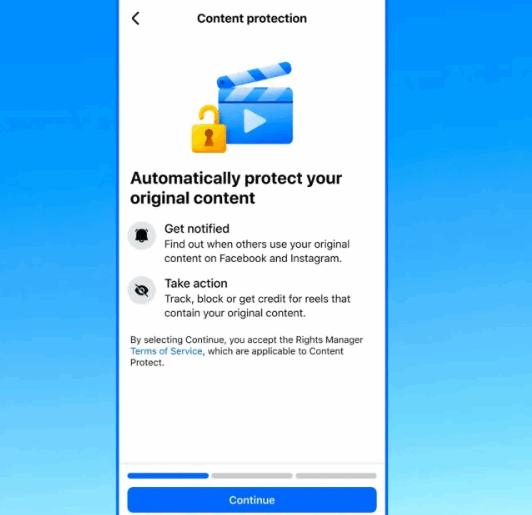
What’s happened? Meta has launched a new Content Protection tool on Facebook to help creators stop people from reposting their videos without permission. It automatically scans Facebook for copies of your reels or videos and alerts you when a match is found.

  • When someone uploads a video that looks like yours, Facebook will flag it and show you details like match percentage, view counts, and the other account’s audience.
  • You can then choose to either block the repost, claim it for yourself, or allow it.
  • The feature is rolling out globally on mobile first, with desktop support coming soon inside the Professional Dashboard.

Why it matters? Creators have been frustrated for years with people re-uploading their videos, earning views or money off someone else’s hard work. Meta is trying to fix that by giving creators more control and real-time visibility.

  • The system uses matching tech similar to Rights Manager for identifying exact and near-exact copies.
  • It gives creators options beyond takedowns, and you can claim credit or decide whether to allow the reuse.
  • Meta’s goal is to reduce spammy or recycled content across feeds and make original videos stand out more.

Why should I care? If you’re a creator, this tool helps you protect your videos without constantly hunting for reposts.

  • You’ll get alerts as soon as your video is reused, so you stay in control.
  • Creators who rely on credit, reach, or monetization get a better shot at protecting their work.
  • If you’re not a creator, this still affects you as a viewer by showing fewer low-effort duplicates in your feed and more genuine content.

OK, what’s next? Before using this feature, here are a couple of things you should know:

  • Content Protection only covers videos originally posted on Facebook; it can detect copies on Instagram, but only if the original reel was uploaded to Facebook first.
  • The feature is rolling out to creators in Meta’s monetization program who meet its “enhanced integrity and originality standards,” along with creators already using Rights Manager. Others can apply for access directly.

Meta has been rolling out a wave of creator-focused updates lately, from adding a disappearing-posts feature on Threads to dropping the language barrier on Reels with automatic translations, and even letting friends join your Marketplace chats to help negotiate better deals.

Feature image credit: Meta

By Manisha Priyadarshini

Manisha likes to cover technology that is a part of everyday life, from smartphones & apps to gaming & streaming…

Sourced from digitaltrends

Meta has announced a heap of new ad updates, primarily focused on retailers and those using its automated Advantage+ campaigns.

And there are a lot of niche use cases within these new updates, which could apply to your business.

The first update is “Advantage+ creative optimizations”, which will automatically optimize your video ads for viewing on Reels, or the mobile Facebook and Instagram apps with 9:16 ratio.

Meta ShopTalk update

That will help more brands tap into the popularity of the various Meta video formats, with Reels being the key focus.

As per Meta:

Reels and video on our apps continues to grow as daily watch times across all video types grew over 25% year-over-year in Q4. In fact people now reshare Reels 3.5 billion times every day.”

The new process will also enable advertisers to dynamically create multiple variations of an ad, so the system then has more options to display to users, depending on what they respond best to.

Meta’s also updating its Advantage+ catalogue ads, with the added capacity to import and use branded videos or customer demonstration videos, instead of just static images.

Meta ShopTalk update

Advantage catalogue ads, which Meta first launched in beta testing last year, provide personalized recommendations to users, based on what Meta’s system detects that each will be most interested in, and this new process will provide more capacity to showcase relevant products within the display.

Meta’s will also now enable brands to upload a “hero” image in the centre of their catalogue ads, which Meta’s AI will then use to show people the best products from their catalogue to drive performance.

Meta’s also adding more eCommerce ad options, with users of Magento and Salesforce Commerce Cloud now able to create Shops ads within their management systems. Meta’s also integrating its Shops ads and branded content ads (now called “Partnership ads”), which will enable direct purchasing from collaborative campaigns.

And there’s also new elements in Reminder Ads on Instagram:

“Now, advertisers can include external links to a new product or sale in their Reminder ads to help turn a person’s interest into a purchase. This summer, we’ll also give advertisers ways to notify people when an event starts and before it ends.”

Meta ShopTalk update

Meta’s also looking to expand Reminder ads to Reels in the coming months.

There’s also new Promo Codes promotions on Facebook and Instagram, as well as ads with product tags:

“In March, we’ll bring ads with product tags to Facebook Feed (currently Instagram only), and in April, we’ll launch the global availability of ads with product tags to all businesses, whether or not they maintain a Shop.”

Meta ShopTalk update

Meta’s also updating its Collaborative ads offering, to provide more analytics on performance, while it’s also testing the ability for advertisers to use Collaborative ads with Advantage+ shopping campaigns.

Finally, Meta’s also working on Advantage+ Catalogue ads with omnichannel brand and product level reporting as a new managed service solution “to help RMNs prove that ads on Meta platforms drove sales online and in-store”.

So yeah, a heap of updates, all with varying levels of applicability and use. And while there may not be some huge, headline change that will get the most attention, there’s a lot of value for specific brands within these changes.

Sourced from Social Media Today

By Christianna Silva

Between a behemoth copycat and a looming ban, TikTok is being attacked on all fronts.

When Instagram releases a new feature that is a direct copy of another app, its users fear the worst.

In a 2022 essay for Digital Trends, writer Cristina Alexander lamented the “TikTok-ification of Instagram” because it “takes away the type of content people love most about the platform: photos from friends and family, as well as content based on their interests.”

“And it’s something I’m just about fed up with,” Alexander wrote.

But the doomsaying rarely lasts forever. Alexander joins the ranks of Kylie Jenner, Kim Kardashian, and a whole host of regular users — including myself — who have fallen into the cycle of hating it when Instagram makes a copycat change and then, after a few months, come around to it.

Like it or hate it, Instagram’s copycat strategy works — and its dedication to stealing features from other apps is helping to fuel its ability to overtake TikTok.

Think of Instagram like Kirby in Super Smash Bros. He’s a formidable foe on his own, but it’s using his Copy Ability by swallowing his enemies and using their own powers against them that makes him so powerful. Instead of finding and using power ups or prioritizing his abilities, Kirby uses his enemies as his own, personal power ups. Instagram — and other Meta-owned apps — swallow their enemies, take on their features, and use them to win. Instagram used this strategy to remove Snapchat from its list of significant competitors, and TikTok is next.

For the first time since 2020, Instagram overtook TikTok in new app downloads in 2023, according to data from market intelligence firm Sensor Tower reported by the Financial Times, making it the most downloaded app in the world. In 2023, Instagram downloads grew 20 percent in comparison to TikTok’s 4 percent.

This comes after Instagram launched Reels, a TikTok-esque feature that was originally panned by its user base but has now become a mainstay on the app. And it might be the inclusion of Reels that has helped launch the platform back to the top.

“Instagram has outperformed TikTok in adoption over the past few years, driven by the popularity of its Reels feature along with legacy social media features and functions,” Abraham Yousef, a senior insights manager at Sensor Tower, told the Financial Times.

Instagram’s successful copycat strategy might be the reason it is succeeding, but TikTok is facing a battle at all fronts.

President Joe Biden said that if Congress passes the “Protecting Americans from Foreign Adversary Controlled Applications Act” — which would ban TikTok and all other apps based in China, North Korea, Russia, and Iran from U.S. app stores — he’ll sign it into law. Lawmakers argue that TikTok user data for U.S. citizens could be accessed by the Chinese state, but TikTok has consistently denied that claim.

The legislative push to ban TikTok led to multiple congressional hearings and, just last week, the app encouraged all of its U.S. users to call their representatives to “stop a TikTok shutdown.” It comes two years after it was reported that Meta paid a Republican consulting firm to create public distrust around TikTok.

All the while, TikTok is becoming increasingly less fun and more focused on ecommerce. With the emergence of TikTok shop, it feels like every other video on the For You Page is a promoted or sponsored post. The TikTok experience is changing, and it might not be for the better.

Just because fewer people are downloading the app, and many more are complaining about their experience on it, doesn’t mean TikTok is fully failing, though. The app has higher engagement than its rivals, with users spending an average of 95 minutes on TikTok in comparison to 62 minutes on Instagram, 30 minutes on X, and 19 minutes on Snapchat, according to the Financial Times report.

We’ll have to wait and see what a TikTok ban will look like, but one thing is certain — even if the app isn’t banned in the U.S., the fight for users won’t be over.

Feature Image Credit: Photo by Matt Cardy/Getty Images

By Christianna Silva

Sourced from Mashable

By Dirk Petzold

In social media, creating eye-catching and engaging content is essential for business success.

Enter Roverto Castillo, a design virtuoso who has crafted a set of business social media InDesign templates that redefine the art of digital communication. These templates, designed with precision and flair, are set to revolutionize your online presence. Let’s dive into the details of this visually stunning collection that promises to take your brand to new heights.

Please note that this template requires Adobe InDesign. You can get the latest version from the Adobe Creative Cloud website—take a look here.

Business Social Media InDesign Templates by Roverto Castillo

Meet the Creative Genius – Roverto Castillo:

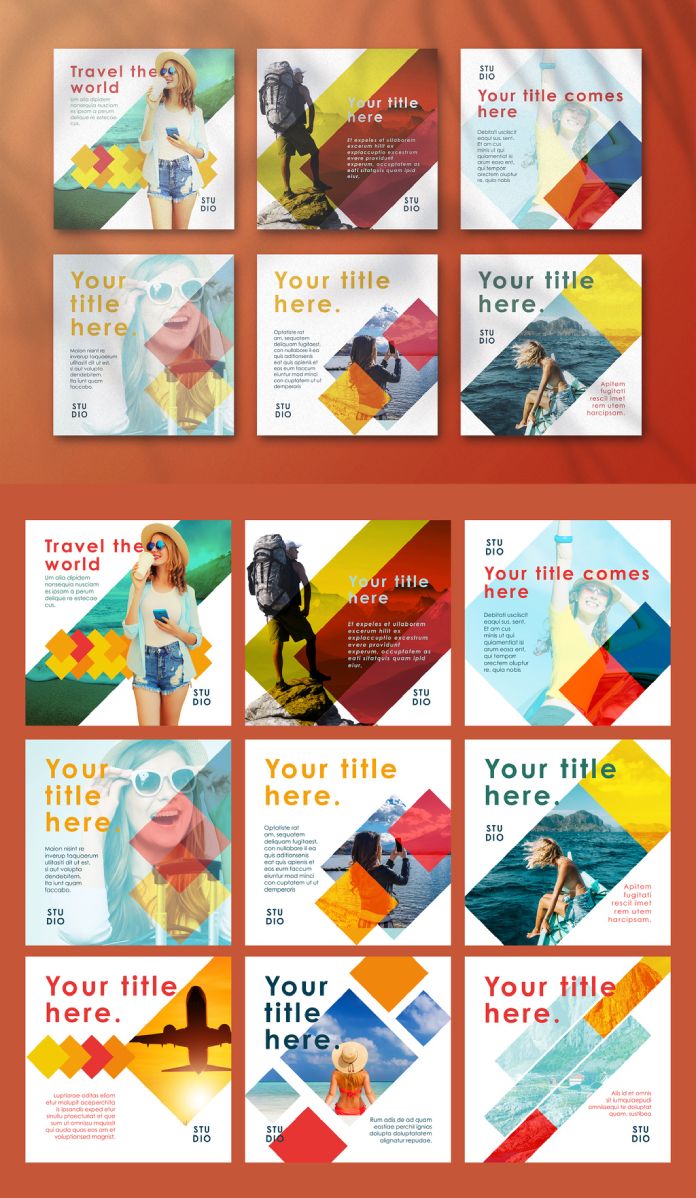
Roverto Castillo, a name synonymous with innovation and aesthetic brilliance in the design world, has curated a set of InDesign templates that embody his signature style. With a keen eye for detail and an innate understanding of contemporary design trends, Castillo’s templates seamlessly blend vibrant colours and geometric simplicity to create a visual spectacle that captivates audiences.

Template Specifications:

The templates come in a convenient size of 1080×1080 pixels – an ideal dimension for various social media platforms, ensuring your content looks flawless on every feed. This attention to detail reflects Castillo’s commitment to providing a user-friendly experience for businesses looking to elevate their online presence.

Easy Customization for Maximum Impact:

One of the standout features of Castillo’s templates is their effortless customization. Replacing headlines, tweaking text, and adding your images couldn’t be simpler. With InDesign’s intuitive interface, even those with minimal design experience can effortlessly tailor these templates to match their brand identity. It’s a game-changer for businesses seeking professional, polished content without the hassle.

Vibrant Colours and Elegant Simplicity:

Castillo’s designs are a testament to the power of vibrant colours and the elegance of simplicity. Each template features a carefully curated colour palette that not only grabs attention but also conveys a sense of energy and dynamism. The use of simple rectangles as graphic elements adds a modern touch, creating a clean and sophisticated look that resonates with contemporary audiences.

Versatility for Every Business:

Whether you’re a startup, an established enterprise, or a creative individual, Castillo’s templates cater to a diverse range of business needs. From promoting products and services to sharing company updates, these templates provide a versatile canvas for expressing your brand’s unique personality.

Roverto Castillo’s Business Social Media InDesign Templates represent a paradigm shift in the way businesses approach online communication. With their stunning visuals, easy customization, and versatile applications, these templates empower brands to stand out in the crowded digital landscape. Elevate your online presence, captivate your audience, and leave a lasting impression with Roverto Castillo’s exceptional design prowess – because in the world of social media, exceptional is the new standard.

Don’t hesitate to find more trending graphic design templates on WE AND THE COLOR.

By Dirk Petzold

Sourced from WATC

Instagram has announced several updates across photos, carousels, Reels, Stories, and insights.

What’s New

  • Text to Speech: 10 new text-to-speech voices in English are now available in select countries.

  • Filters: New filters for photos and carousels featuring different styles and tones.

  • Text & Font Styles: New text fonts and styles for Stories and Reels.

  • Custom Stickers: Users can create custom stickers from their photos, videos, or eligible content across Instagram.

  • GIF Clip Hub: A library featuring clips with audio from movies, TV shows, and more is now accessible.

  • Improved Insights: Reels insights have a new metric in Replays (the number of times a Reel starts playing again after its initial play). In addition, the definition of Plays has been updated to include Initial Plays (the number of times a Reel starts to play for the first time in a session) and the addition of Replays. An interactive Retention Chart will soon be added, providing insights into how many people watch a Reel moment-by-moment.

The Momentum Continues

Instagram maintains momentum by delivering a new set of valuable updates for creators, following last week’s marathon of releases for Reels. This time, Instagram addresses multiple experiences across the platform, but Reels is still the main focus.

New Ways for Creators to Express Themselves

New additions like text-to-speech voices, Custom Stickers, and the GIF Clip Hub empower creators with new options to express their creativity, both visually and audibly, making their content more engaging. The GIF Clip Hub is notable as it may lead to more meme-style Reels, especially for creators who review shows, movies, or comment on pop culture.

More Accurate Tracking for Reels Performance

The updates to Reels insights are noteworthy. This adjustment means that creators will now see higher metrics for Plays, as Replays are now included in the count. For brands collaborating with creators on sponsored Reels content, this translates to more accurate tracking and the potential for higher views for influencer marketing campaigns during reporting.

Both creators and brands gain a more comprehensive understanding of Reels content performance, utilizing metrics like Replays to distinguish content that garners repeat views from one-time engagements.

A Renewed Focus on Photos

In a departure from recent trends, Instagram’s launch of filters for photos and carousels suggests that it is dedicating more time to its core content format – photos, even though short-form videos remain the main priority. Another example of this shift is seen in photos being incorporated as part of Instagram’s new test of invite-only Holiday bonuses. Creators can monetize based on the number of views their photos receive, in addition to Reels.

By and Sourced from Lindsey Gamble

Growing an audience on a social media platform is essential for bloggers. So should you get started on Instagram? Or is Pinterest the better option?

When you begin blogging, you’ll likely need to wait months or years before search engines begin to rank your website properly. However, you don’t need to sit around twiddling your thumbs until that happens. Social media allows anyone with engaging content to expand their audience.
Instagram and Pinterest are two platforms that many beginner bloggers turn to when trying to grow their online presence. Both have benefits and drawbacks, and choosing the right one will allow you to dedicate more energy to attracting website traffic. So let’s compare them.

Monthly Active Users

Person liking a photo on Instagram


When looking at monthly active users, Instagram is much bigger than Pinterest. According to Statista, Instagram has around 1.35 billion people using the platform each month. And by 2025, that figure is expected to reach 1.44 billion.

Meanwhile, Pinterest had—according to Statista—463 million monthly active users in the first quarter of 2023. This is down from its peak in Q1 2021 when the platform had 478 million. However, it’s still not a bad audience base, and you could argue that finding your target audience will be less competitive.

Learning Curve

photo of pinterest page on a laptop

When choosing a social media network as a blogger, you need to think about whether you can continue using it as your audience grows, or if it’ll reach a peak saturation point. You must also consider what the learning curve is like.

The benefit of a bigger learning curve is that you’ll grow more over the long run. But on the flip side, you might become discouraged if it’s too steep in the beginning. In terms of app usability, Instagram is arguably easier to understand than Pinterest.

Instagram is quite an intuitive app. With Pinterest, you’ll need to learn a few extra things—such as how to design engaging pins and create boards. If you’ve decided that you want to use Pinterest, consider learning how to design a Pinterest Pin in Canva.

Growing Your Account

Man holding phone with Instagram on it

Social media can benefit businesses in many ways, and if you’re planning to monetize your blog later down the line, using social media is worthwhile. It’s hard to grow on most platforms, but some are easier than others. So how do Instagram and Pinterest compare in this respect?

Pinterest

Pinterest operates more like a search engine. Users look for topics that interest them, and they can do so using the search bar or checking their home feeds. If you publish consistently on the app, you can increase your monthly viewership—which may lead to more outbound clicks.

Gaining followers on Pinterest is sometimes challenging, but your follower count doesn’t really matter. Statistics such as saved pins and outbound clicks are more important for bloggers.

Instagram

Getting noticed on Instagram is quite challenging, especially as a beginner. Although you’ll see a lot of advice about how often you should post and the types of content you should publish, you’re better off being authentic and posting when you need to. In that respect, you might want to build your blog audience first and let them naturally find your Instagram page later.

Content Diversification Options

Before picking your preferred social media platform as a blogger, understanding what types of content you can share is a good idea. Not only will you be able to determine what you should prepare in advance, but you can also pick a platform with a form of media that you like.

Instagram


Instagram has evolved from being a simple photo-sharing app. Of course, you can share still images—and you have the choice to include up to 10 in a carousel post. However, since the introduction of Reels in 2020, video content has become more popular. If you want to stand out on Instagram, consider trying a selection of Reels ideas.

On Instagram, you can also share Stories in the form of both photos and videos. You can add stickers, along with encouraging your audience to ask questions and much more.

Pinterest

A Person's Pinterest Page With Photos


Pinterest also allows you to share videos with your audience, but these aren’t as much of a core experience as they’ve become on Instagram. You can also share carousel-style posts, but you’re limited to a maximum of five images.

If you like still images more than video content, you might want to think about using Pinterest over Instagram. At a later point, you can expand onto Instagram if you feel like you want to explore video content more.

Character Limits

Instagram post on iPhone


Even if you don’t start a blog on Instagram, knowing how to write engaging content both there and on Pinterest can help you build the audience you’re looking for. But prior to doing this, you should understand what the character limits are on each network.

When sharing a Pinterest board, you can only write a maximum of 500 characters. With that in mind, your descriptions should be brief and give users an idea of what to expect when they click on your link.

Instagram, on the other hand, lets you type up to 2,200 characters. But while you have more room to share your captions, you should still try to keep your writing as succinct as possible.

Image of a Pinterest Post With Link

The main goal of using social media as a blogger is to drive traffic to your website, and ideally, to also increase your newsletter sign-ups. Removing as much friction as possible can help in that respect.

Instagram lets you add links to specific posts, but you can’t use hyperlinks. As such, someone would have to copy and paste the link into their web browser. However, you can add links to your Stories and bio.

On Pinterest, you can add outbound links in each pin. Moreover, you have the option to include a link in your bio and claim your website.

Will You Choose Instagram or Pinterest?

Both Instagram and Pinterest offer several benefits to beginner bloggers, and you can scale with both of them as more people discover your work. Pinterest is an excellent tool for helping others find your content, especially if your site still doesn’t rank highly in search engines.

Instagram is arguably a better choice for more established bloggers, and it’s worth letting your audience find your account from your site—rather than the other way around. But you can build a close connection with your audience on Instagram, and you may find that it’s an ideal option for encouraging newsletter sign-ups.

By Danny Maiorca

Danny enjoys exploring different creative disciplines, especially photography. He has a degree in Sports Journalism and has been writing professionally since 2016.

Sourced from MUO