
By Mia Rogers
For years, creator partnerships have sat somewhere between PR, social and brand marketing, valuable for attention, but rarely tied to sales or ROI.
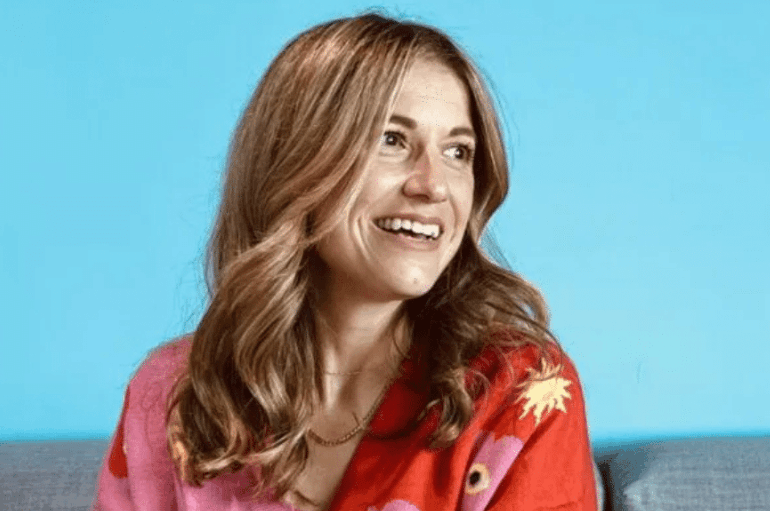
According to Meta ANZ’s head of connection planning Helen Black, that distinction between attention and outcome no longer exists.
As brands demand clearer evidence that marketing dollars are working harder, creator partnerships are increasingly being judged on the same metrics as paid advertising. It’s a shift changing where budgets are flowing.
Creator content is quickly becoming one of the more powerful performance levers available to marketers, provided brands start treating it like media.
The World Advertising Research Centre (WARC) found that brands are projected to spend US$37 billion (A$55.4 billion) on creators in 2026, up 26 per cent year on year. It also reported that 61 per cent of marketers plan to increase investment in creator marketing in 2026.
“I think what’s changed is that creator marketing has crossed the line from being an awareness play to being a genuine performance channel,” Black told B&T.
“Brands now have the proof that it drives business outcomes and I think that’s what’s unlocking budgets.”
For example, Australian skincare brand Bondi Sands has built its creator strategy around a wide network of influencers. It reportedly works with up to 250 creators a year and allocates up 85 per cent of its media budget to social, according to a 2020 Afterpay case study.
Its approach spans different roles across the funnel, with nano creators used for product education and conversion, while larger creators support product launches and brand awareness.
The model reflects the broader challenge that Black outlined: brands are no longer just looking for creators to generate attention, but for a pipeline of content that can be tested, measured and deployed across campaigns.
The challenge, Black argued, is that many brands are failing to get the full value from the creator campaigns they are already running.
She believes the problem isn’t the quality of the content, but what happens after it’s published.
“They do all this brilliant organic creator work. They’ve got this great content, but don’t necessarily amplify it through paid,” said Black.
It’s an issue that reflects a broader challenge in the industry.
Creator marketing is often managed by social, PR or specialised influencer teams, while paid media has sat somewhere else entirely.
The result is content that generates strong engagement organically, but never receives the advertising budget needed to reach a wider audience.
One of the reasons creator marketing has traditionally struggled to attract larger budgets is measurement.
Although engagement metrics, including views, comments and shares are easy to track, proving whether creator campaigns actually changed purchasing behaviour is far more difficult thus making marketers hesitant to shift budgets into creator partnerships.
“If you can’t measure it, you can’t scale it,” Black said.
Take H&M for example. Its US summer campaign diversified its traditional fashion creative by instead relying on content from local creators, amplified through Meta’s partnerships ads, delivering a 94 per cent lower cost per brand consideration lift than the broader campaign. It also doubled incremental return on ad spend both online and in store.
The example reflects a broader shift in how creator content is being used. Rather than sitting alongside advertising, it’s increasingly becoming the advertising itself. Black noted that around 70 per cent of what someone sees comes from accounts they don’t already follow, served on relevance rather than existing follower ties.
For Black, the biggest opportunity isn’t finding more creators. It’s making better use of the creator content brands are already producing.
As creator marketing becomes a bigger part of media plans, she believes the brands that succeed will be those that stop treating creator campaigns as standalone moments and instead build them into broader advertising strategies.
“Why would you have it sitting there and not be using it to the full extent that it can do?” Black said.
“Amplify it. It’s going to make your paid work harder… it’s unlocking measurable growth.”
Feature image credit: Helen Black