Influencer marketing has proved to be a reliable marketing resource throughout the years.
A number of companies have allocated a large portion of their overall marketing budget to influencer marketing activations. It is a great way to get user-generated content, feedback from users/customers, improve brand awareness and increase sales (especially when a specific discount code or time-sensitive offer is used by an influencer in a TikTok video, YouTube video or Instagram story).
Yet, as we enter a new year, agencies and brands should be aware of the biggest challenges the influencer marketing industry will face in 2020. They should pay attention to the following:
How much do I compensate influencers?
What metrics should I track?
How to be truly authentic?
As the campaign budget expands, it becomes even more crucial to gauge compensation to the influencer and calculating payment isn’t as simple as one may think. In fact, calculating an amount per post published that is based only on the number of followers would not be accurate, since it is fairly simple to manipulate that metric (for example buying fake followers). A good number of brands and agencies pay influencers based on the number of followers and engagement rate. This is also additional metric that is easy to manipulate by purchasing fake likes or participating at engagement pods (private groups where influencers exchange comments to each others social media posts).
With that being said, a brand or agency should take more factors into consideration when it comes to compensating influencers and I’ve listed some of the main factors below:
Country of the influencer
Geo-location of the audience of the influencer
N. of followers
AQS (Audience Quality Score) that can be calculated using free tools online that analyze a sample of the followers of an influencer to find any fake profiles or follow/unfollow pattern
Quality of the comments: Are they related and specific to that content or just generic and full of emojis?
YouTube videos: are they strong for SEO? What’s the traction of a specific video? You can use a tool like VIDQ to make an- in-depth analysis
Time spent in: creating the storytelling, shooting a video or a series of photos, editing and post-production, number of contents sent to the client or agency for approval
Once you have decided on the amount that you are going to pay a specific influencer or group of influencers, it becomes crucial to track the right metrics that will determine whether or not your campaign will be successful. Before even beginning the campaign, the agency and the client have to be on the same page to avoid any miscommunication. KPIs and metrics have to be decided. KPIs and metrics depend on the type of campaign and goals of a specific campaign, but some examples could be:
Organic reach
User-generated content
Sign-ups generated on the client’s website
Number of download of the client’s app
Sales on an eCommerce
N of. Time a promo-code has been used during the campaign
It is important to remember that an influencer marketing campaign is not directly associated with generating sales or signups of an app. In fact, influencer marketing is one of the many touch points to get in contact with potential users and customers that will see the promotion from one of their favorite influencers, and they might activate and become paying customers or download the client’s app in a second moment. Results can even be seen weeks after the marketing campaign has been completed. For that reason, is important not to compare influencer marketing with display ads, programmatic or remarketing activities, as they are completely different ways to communicate to the users.
Lastly, It will be even more vital for influencers to be authentic in 2020. Users are enjoying less of the same perfect and aesthetic Instagram content. In turn, starting to prefer more raw photos and videos. TikTok is the best example of how to be authentic and relatable: Gen Z users want to feel accepted and share their emotions and feelings with other peers of the same age around the world. Less photoshop and more “be yourself” will gain some wins in 2020.
Marketers must stop prioritising strategies built around cookie data if they’re to succeed in the 2020s. Speaking on a panel at The Drum’s Predictions 2020 event at Sea Containers this week, Andy Chandler, Adjust’s VP for UK and Ireland, called for brands to evolve in the post-cookie world and start to work out whether they’re truly adding value to their customers’ lives.
“With Google Chrome getting rid of third party cookies, brands need to start looking at data differently or they’re going to very quickly get left behind,” he explained. “We are moving into a cookie-less world, where consumers are interacting more with apps than browsers, so the way we measure data needs to truly reflect that. We need to keep evolving and keep up with where people are, ensuring we add real value to their lives.”
A recent feature by The Drum explored the impact of Google’s plans to “render third-party cookies obsolete” and how brands must now respond. According to Ed Preedy, chief revenue office at Cavai, one solution could be for brands to use online messenger apps to speak directly to their consumers. He says messenger apps can ensure more tailored advertising and better conversion rates when it comes to making a purchase.
He added: “In 2019, there were 73 trillion posts across all messaging apps. And in markets like APAC and Latin America, something like 63% of consumers purchased over a messaging app or spoke directly to a business. These are becoming hotbeds for commercial opportunity and it will only grow in the decade ahead in the UK too.
“Messaging apps allow for a genuine two-way interaction. They qualify what users want and who they are almost instantly, so therefore the advertising that runs is contextually relevant. They will become so much more important as cookies start to dissipate. I think there will be a wider move to more personalised platforms, where advertising is less random.”
It was a frank assessment that Tanzil Bukhari, managing director for EMEA at DoubleVerify, very much agreed with. He insisted consumers now want to see more relevant advertising and that getting rid of cookies will ensure this happens more consistently. “The Google Chrome announcement will mean publishers have to offer much richer and directional content, and that’s only a good thing.”
Using data in the right way
But there was also a message of caution in the air, with Vodafone’s brand director Maria Koutsoudakis warning that brands and agencies who prioritise data too heavily risk becoming irrelevant, on a panel earlier that morning alongside Ogilvy CEO UK, Michael Frolich. Koutsoudakis asked the audience: “When was the last time you spoke to a customer? If you stood back from click attributions and A/V testing then what do you really know about your customers now?
“By only really focusing on data, there’s a risk we create a generation of marketers who don’t understand brand, consumers or behavioural change and aren’t agile enough to cope with it. There needs to be more of a blend of people being on the ground, really speaking to their customers, as well as having a good data strategy. If marketers only care about digital metrics then there’s a risk they become irrelevant in marketing in the 2020s.”
With consumer data obviously so important to the UK mobile network’s business, she admitted it has taken a back step to ensure it’s precious about protecting it. “We don’t sell this data as we can’t afford to lose our consumers’ trust,” she admitted. “Being so cautious might mean we get left behind, but I think it’s worth it as we can’t take any chances.”
Frolich agreed with Koutsoudakis’ sentiment. In the 2020s, he said ad agencies shouldn’t be using client and third party data unless they can absolutely prove it has a positive impact on creativity and this in turn enriches the lives of their customers.
“We aren’t a data company, we are a creative agency,” he insisted. “We use client data and third party data to feed our creativity and build better work that consumers then enjoy. If you’re using this data and it isn’t creating better human insights then you’re using it incorrectly.
“Agencies have bought big data companies and it isn’t working because they’re not using the information to create better marketing. If we can work with a client like Vodafone and use their data to feed better creativity then we’re winning.”
The sentiments around trust were picked on another panel, where Courtney Wylie, VP of product & marketing, Mention Me had a word of caution: “We’re going to continue to see this evolving trend of lack of trust. A declining trust in influencers, brands, marketing channels.”
However, the way the relationship between agencies and brands works will become a lot more adaptable over the coming years, with a one-size-fits-all approach now completely redundant. John Readman, CEO & Founder, Modo25, explained: “In past there were only two options: work with an agency or do something in-house, but we will see these lines blurring more and more. There’s no reason why a combination of both won’t be the best way forward.”
Talking about the way forward, Andrew Challier, chief client officer, Ebiquity predicted that the industry will finally see “the rebirth of creativity and the importance of creativity in engaging people and reaching people in a meaningful way.”
A more ethical way of thinking could impact Facebook and Amazon
As we move further into the 2020s, some of the event’s panellists warned that established retailers and social media brands could start to fall short, as consumers switch to a more ethical way of thinking.
“Yes, lot’s of people still buy off Amazon, but the fact Brits also want to become more engaged with their local community means independent retailers should be confident heading into this new decade,” predicted Hero Brown, founder of Muddy Stilettos.
She explained further: “We’ve noticed a real shift in our readers wanting to support the high street more and more, and there’s this ethical thinking coming through, which could be detrimental to an Amazon. Shoppers want real-life experiences, even from online brands. They’re starting to get tired of faceless fast transactions and want to see brands brought to life in a more physical way. This trend will only intensify in 2020.”
Meanwhile, Darren Savage, chief strategy officer at Tribal, would like to see Facebook’s dominancy recede in the social media space. “I think major firms who consistently lie will come unstuck in the 2020s as people won’t put up with it anymore,” he said. “An immoral toxic cess-pit like Facebook will come tumbling down.
“The blatant lies they tell around consumer data will mean people will leave the platform in much bigger numbers. Truth is more important than ever before and just being a big business isn’t going to protect you if you mislead consumers.”
Proving you’re making a difference
This ethical way of thinking also extends to a brand’s commitment to sustainability, and Misha Sokolov, co-founder of MNFST, believes this will only rise in importance over the coming years.
“I spoke recently to someone at the Volkswagen Group and he was telling me how they calculated they were responsible for 1% of all global emissions, and that’s why they now want to be carbon neutral within 10 years,” he said. “The smartest brands won’t just put a nice message on their packaging, but do something that has a provable positive impact on the environment and helping reduce climate change. It must happen automatically as brands will lose market share if consumers don’t think their being ethical enough. There’s no excuse in the 2020s.”
And businesses shouldn’t just think of sustainability in environmental terms either, with it also being just as wrapped up in how a brand and business treats its employees. Stéphanie Genin, global VP of enterprise marketing at Hootsuite, says employee advocacy will be a huge trend moving forward, as consumer want to ensure their favourite brands treat their staff good before supporting them with a purchase.
She added: “Employee advocacy and employee generated content will become so so important. When you empower employees to be the communicator of what your business stands for it really adds to brand value and boosts sales. I think marketers are missing a trick by not prioritising this more heavily.”
However, Readman, added none of this will work unless it’s part of a global governance policy. “It’s all good being sustainable and doing good things for employees in one market, but if it’s not something you’re doing consistently across the board then consumers will work it out and there will be a backlash.”
Meanwhile, for John Young, executive creative director and co-founder, M-is, as brands start to really understand the consumers through personal engagagement, “the advertising budgets will transfer into experiential budgets.”
Be as safe as possible
Another topic of conversation that came up throughout the day was brands ensuring the data they keep on consumers remains safe, especially as more and more of their ads are traded programmatically.
Francesco Petruzzelli, chief technology officer at Bidstack, said that 13% of global ads are currently fraudulent and that while major brands know it’s a “big issue”, they’re not necessarily doing enough to prevent it. “We acquired a publishing guard to protect publishers, but I find a lot of people aren’t thinking seriously enough about this issue. It won’t go away!”
Dan Lowden, chief strategy officer at Whiteops, added how he recently worked with a major brand who believed bots were accounting for up to 5% of fake views of its £10m campaign, but says his team worked out they were actually accounting for 36% of traffic.
Looking ahead, he concluded: “The bad guys aren’t going to let up and will keep on persisting with cyber crime in the 2020s. We all need to be serious about tackling this problem and do more to collaborate as an industry to ensure that marketing dollars are genuinely being spent on human engagement and not just robots.”
As we begin a new digital decade, what are the key developments that will shape publishing in the next 12 months?
Here are nine trends and issues that will influence publishers, content creators, media companies and brands in 2020 and beyond.
1: The Streaming Wars Commence
Are these the SVOD Services you are looking for?
In 2019, both Apple and Disney+ entered into the Subscription VOD (SVOD) services arena. They did so with substantial budgets.
The Hollywood Reporter stated that Disney’s Chairman, Bob Iger, “invested $2.6 billion to acquire the necessary technology, shuffled his executive ranks to create a new direct-to-consumer division, forgone $150 million in annual income by ending the studio’s output deal with Netflix and even spent $71.3 billion for the 21st Century Fox assets to beef up Disney’s production capabilities and content library.” They also noted “Disney is sparing no expense on programming, projecting a 2020 original content budget short of $1 billion.”
As Quartz reveals, these new entrants are pushing up production costs of tentpole shows to new levels. “The age of the $15-million-per-episode TV series has already come and gone,” they wrote. “We’re now entering the era of the $25 million show.”
In 2020, the streaming pantheon will be joined by a number of notable entrants including NBC’s new streaming service, Peacock, (rumored to be a free, advertising paid-for service,) HBO Max, which will cost $14.99 a month when it launches in May, and Quibi, a mobile-based service launching in April, and costing $4.99 with ads and $7.99 without.
Whether consumers can afford all of these services (or the ones they want, especially when other media is also increasingly subscription-led), have the time to watch the content on offer, or if this will cannibalise our consumption of other media, remains to be seen.
2: Publishers may already have hit peak-paywall
The willingness of audiences to pay for content, especially news content, has long vexed media executives, researchers and policy makers alike.
Last year’s Digital News Report found “only a small increase in the numbers paying for any online news,” observed Richard Fletcher, a Research Fellow at the Reuters Institute for the Study of Journalism. “Some in the news business worry that, even though subscriber numbers remain low by some standards, we might already be close to reaching an upper limit,” he added.
As we shared last June, the report found: “Growth in online payments of any kind – including subscriptions, memberships, or donations – has grown slightly in Norway (34% up 4%,) Sweden (27% up just 1% from last year). The number paying in the US (16%) remains static.”
Since then, more publishers, such as The Atlantic, have (re)joined the paywall-fray. Some outlets – such as the New York Times, Wall Street Journal, Economist and Washington Post – may continue to grow their subscriber numbers, especially in an election year, but others may find the going a little tougher.
Audiences only have a finite amount of money to spend on their media. And news media – compared to other mediums – does not come cheap.
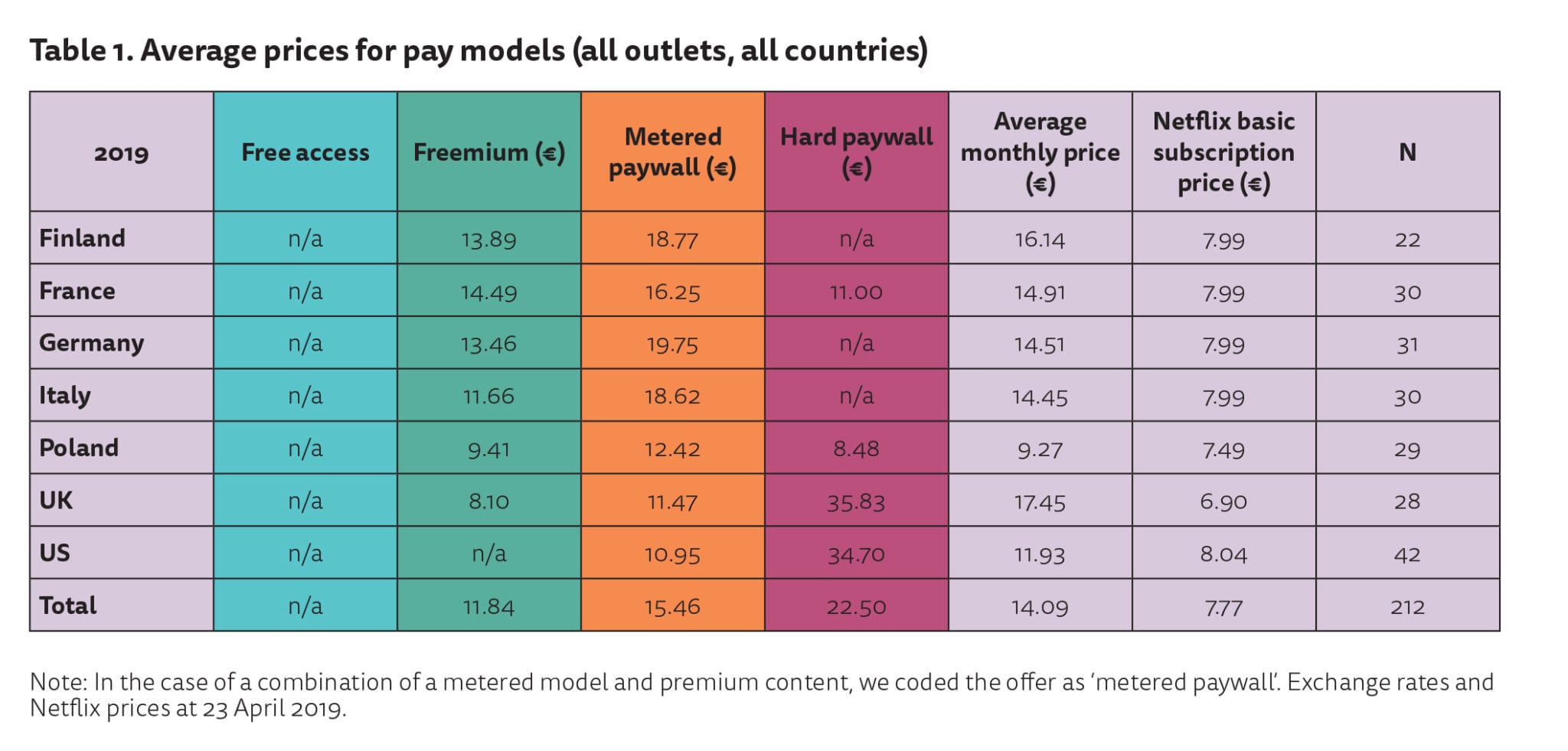
Chart from: Pay Models for Online News in the US and Europe: 2019 Update, by Felix M. Simon and Lucas Graves, for the Reuters Institute for the Study of Journalism
3: Making the case – why audiences should pay for news media
“News consumption used to be about daily habits — reading the paper every morning, watching the 6 o’clock news every night. Now it seeps into our days as much or as little as we want it to. Civically useful journalism is competing with every other form of media, content, or diversion on your phone. In that context, many people decide, as rational economic actors, they’re better off without us. How can we convince them otherwise?”
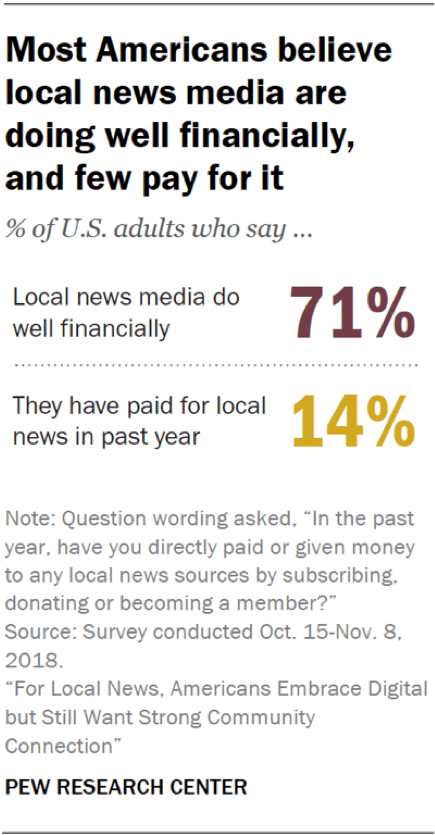
This problem is especially acute at a local level. Despite the fact that 1,800 local newspapers have closed in the U.S. since 2004, according to the Pew Research Center, 71% of Americans “think their local news media are doing just fine financially.” This may be one reason why only 14% of them financially supported a local news source in the past year.
With more media choices than ever, publishers must make a better case to their audiences for the value of their work and why it needs to be (financially) supported.
4: Overcoming news avoidance
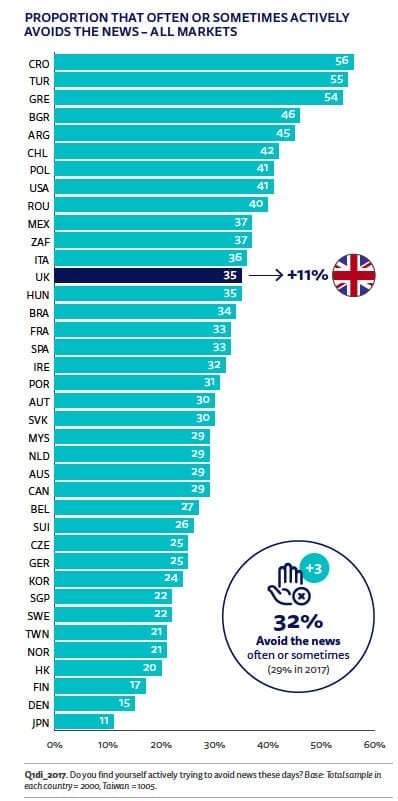
A further challenge in convincing audiences to pay for content can be seen in the high levels of news avoidance.
Abstinence, the Digital News Report suggested, “may be because the world has become a more depressing place or because the media coverage tends to be relentlessly negative – or a mix of the two.”
To address this, it will be incumbent on news outlets to do things differently. This may involve telling stories in fresh and innovative ways, changing the tone of content, engaging with audiences online and offline, as well as exploring new beats and approaches to storytelling (such as solutions journalism).
With the political climate in a country seeming to be a key determinant in news avoidance, it’s difficult to see much changing unless these types of shifts take place. Doing things the way they’ve always been done is unlikely to shift the news avoidance needle.
5: Rebuilding trust
Publishers must go beyond changing formats and their approaches to the work they produce, they also need to communicate what they are doing (and why). Arguably, this is essential if trust is to be rebuilt with audiences.
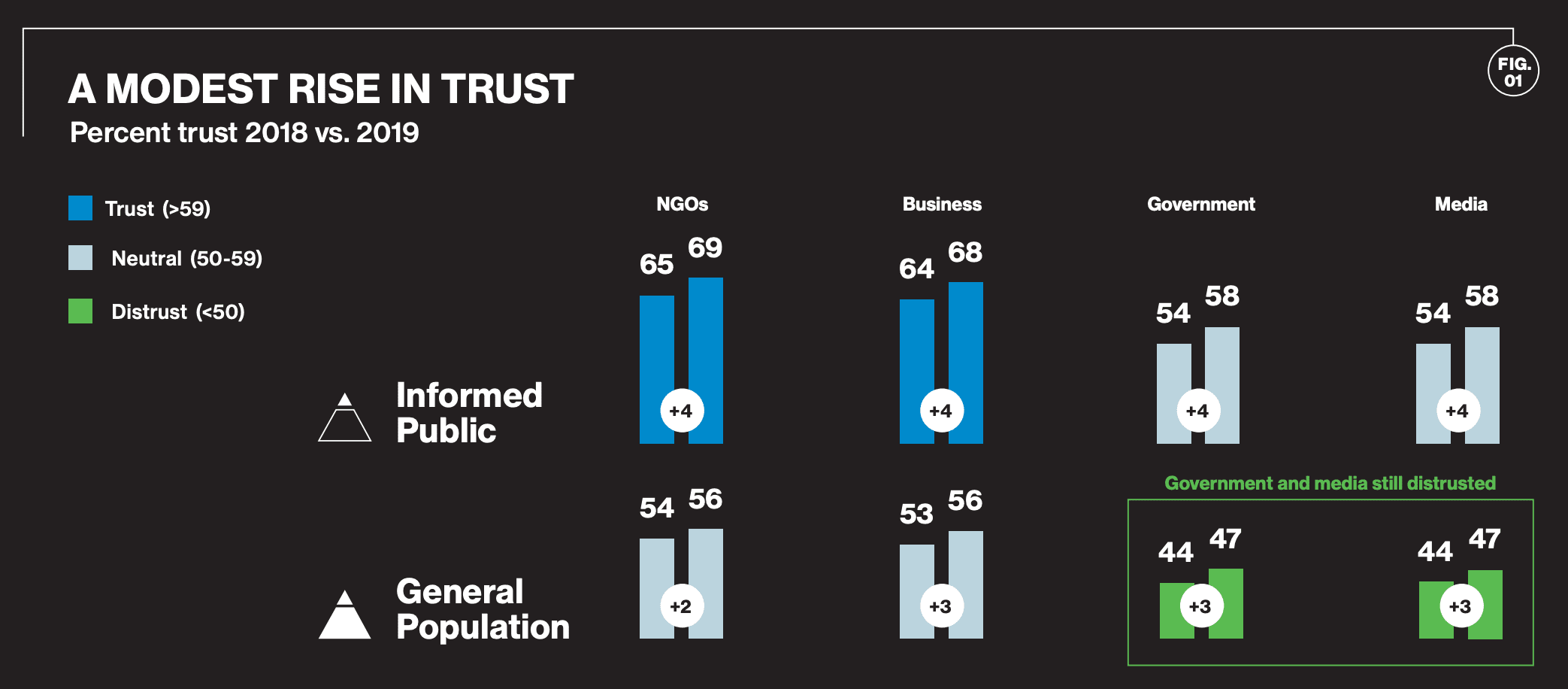
The 2019 Edelman Trust Barometer revealed that globally, people were much more inclined (75%) to trust “my employer” to do what is right, than NGOs (57%), business (56%) and media (47%).
In the States, one component of this issue is seen in Pew’s finding that half U.S. adults say “made-up news” is a big problem, ranking this concern about violent crime (49%), climate change (46%), racism (40%) and illegal immigration (36%).
“U.S. adults blame political leaders and activists far more than journalists for the creation of made-up news intended to mislead the public,” their research discovered. “But they believe it is primarily the responsibility of journalists to fix the problem. And they think the issue will get worse in the foreseeable future.”
Image: via 2019 Edelman Trust Barometer
6: Mobile matters more than ever
Alongside these attitudinal and philosophical considerations, content creators also need to keep in mind continued shifts in consumer behaviour.
Of paramount importance in this space is the role of mobile.
For the first time, in 2019 “US consumers will spend more time using their mobile devices than watching TV,” eMarketer reported during the summer. “As recently as 2014, the average US adult watched nearly 2 hours more TV than they spent on their phones.”
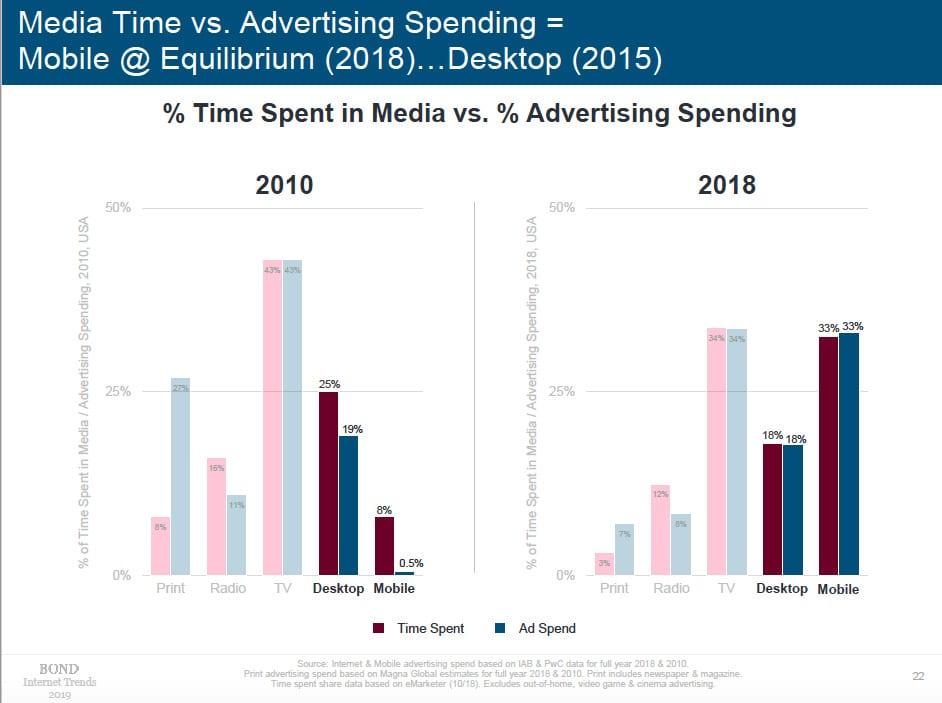
And as a further sign of how quickly this market has evolved, Mary Meeker’s annual data deck showed that mobile now accounts for 33% of ad spend, up from 0.5% at the start of the decade.
By 2018, mobile accounted for both a third of our media time and of advertising spend. Compared to print, radio, TV and desktop, mobile has been the only platform to grow in terms of both time spent and advertising revenue, since 2010.
7: Stories are the format of today. And tomorrow.
An essential part of the mobile experience, especially for younger audiences, is the stories format.
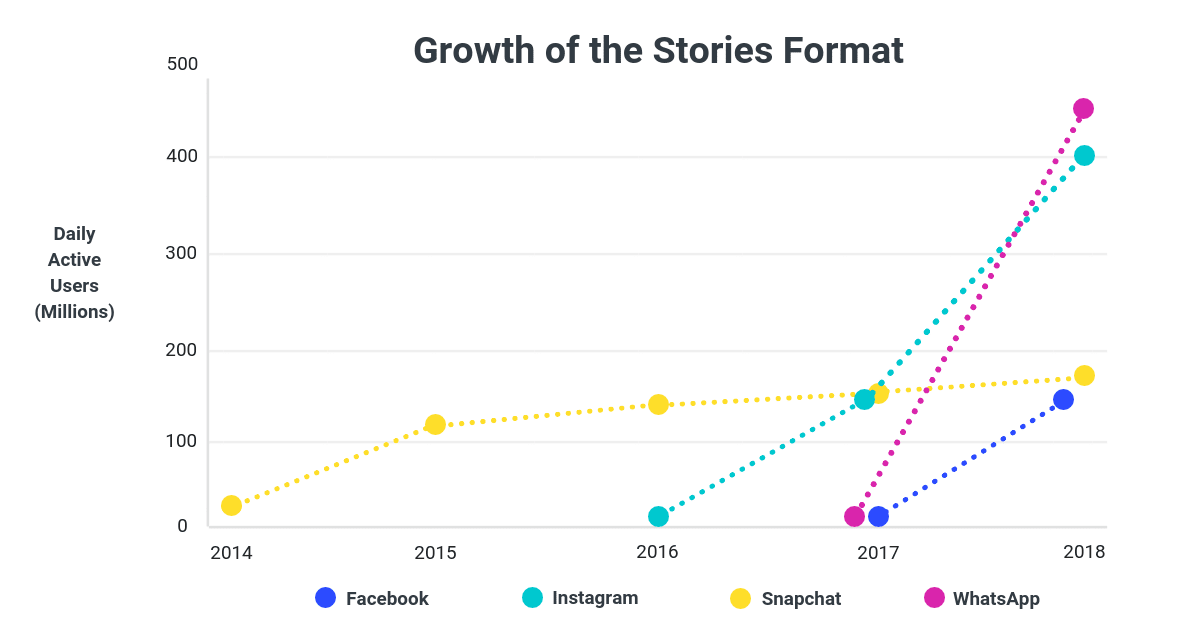
These ephemeral (they self-destruct after 24 hours), vertical pieces of content, were pioneered by Snapchat, but are now omnipresent across all the major social networks. More than 1 billion stories are shared every day across the Facebook family alone.
In 2018, Facebook’s chief product officer Chris Cox shared his view that “the Stories format is on a path to surpass feeds as the primary way people share things with their friends sometime next year.”
And it’s not just friends who are embracing this format. Brands, marketers and media organisations (including more establishment brands such as The Telegraph and The Economist and Penguin) are all actively investing in Stories.
As the “swipe up” functionality of this format continues to develop, so we can expect publishers to further explore the possibilities for eCommerce, subscriptions and other forms of engagement, that Stories may help unlock.
8: Podcasting’s popularity keeps growing
The past year saw a slew of crystal ball gazing about the continued rise of podcasting.
In November, the market research company Forrester, in its Predictions 2020 report (paywall), suggested that podcasts will be the next $1 billion media market, which “would be pretty sharp growth,” MediaPost noted.
However, Forrester weren’t alone in their optimism. Earlier in the year, the third annual Podcast Revenue Report by IAB and PwC predicted that the American podcasting market would hit the $1 billion milestone in 2021, which is all the more striking given that they anticipated companies will spend $479 million to advertise on podcasts in the U.S., itself up from $314 million in 2017.
One reason for this optimism is the investment in this field from major media companies, celebrities and platforms. Alongside this, podcasting’s share of audio listening has more than doubled in five years (+122% since 2014,) according to Edison Research’s “The Podcast Consumer 2019.” Overall, around 90 million Americans, akin to just under a third of those aged over 12, listen to podcasts each month.
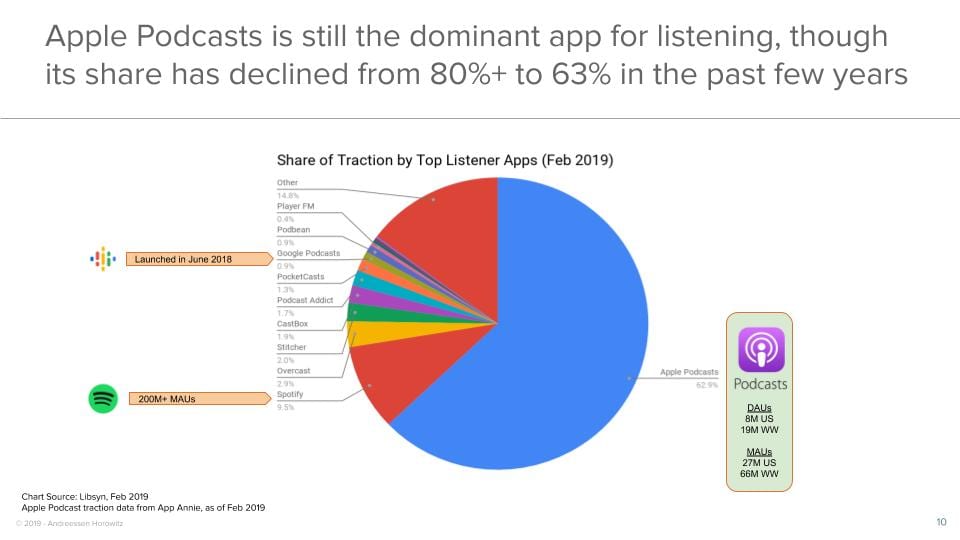
Spotify’s moves into podcasting remain one to watch. “Apple Podcasts played a pivotal role in the development of the industry and remains the dominant app for listening,” wrote Li Jin, Avery Segal, and Bennett Carroccio at az16. Their analysis, which was published in May, commented at the time that “Apple’s share of the podcasting market has slipped from over 80% to 63%, while Spotify has quickly grown to almost 10% of the market.”
In February, Spotify bought Gimlet Media and Anchor for around $340 million. As Stratechery’s Ben Thompson, observed: “Spotify is still a distant second to Apple in podcasts, but they are growing fast. Just as importantly, Spotify already has a strongly growing advertising business — again, larger than the entire podcast market — that it can extend to podcasts.”
Early indications seem to suggest that this move is paying off. The company reported “exponential growth in podcast hours streamed (up approximately 39% Q/Q) and early indications that podcast engagement is driving a virtuous cycle of increased overall engagement and significantly increased conversion of free to paid users,” in an October 2019 letter to shareholders.
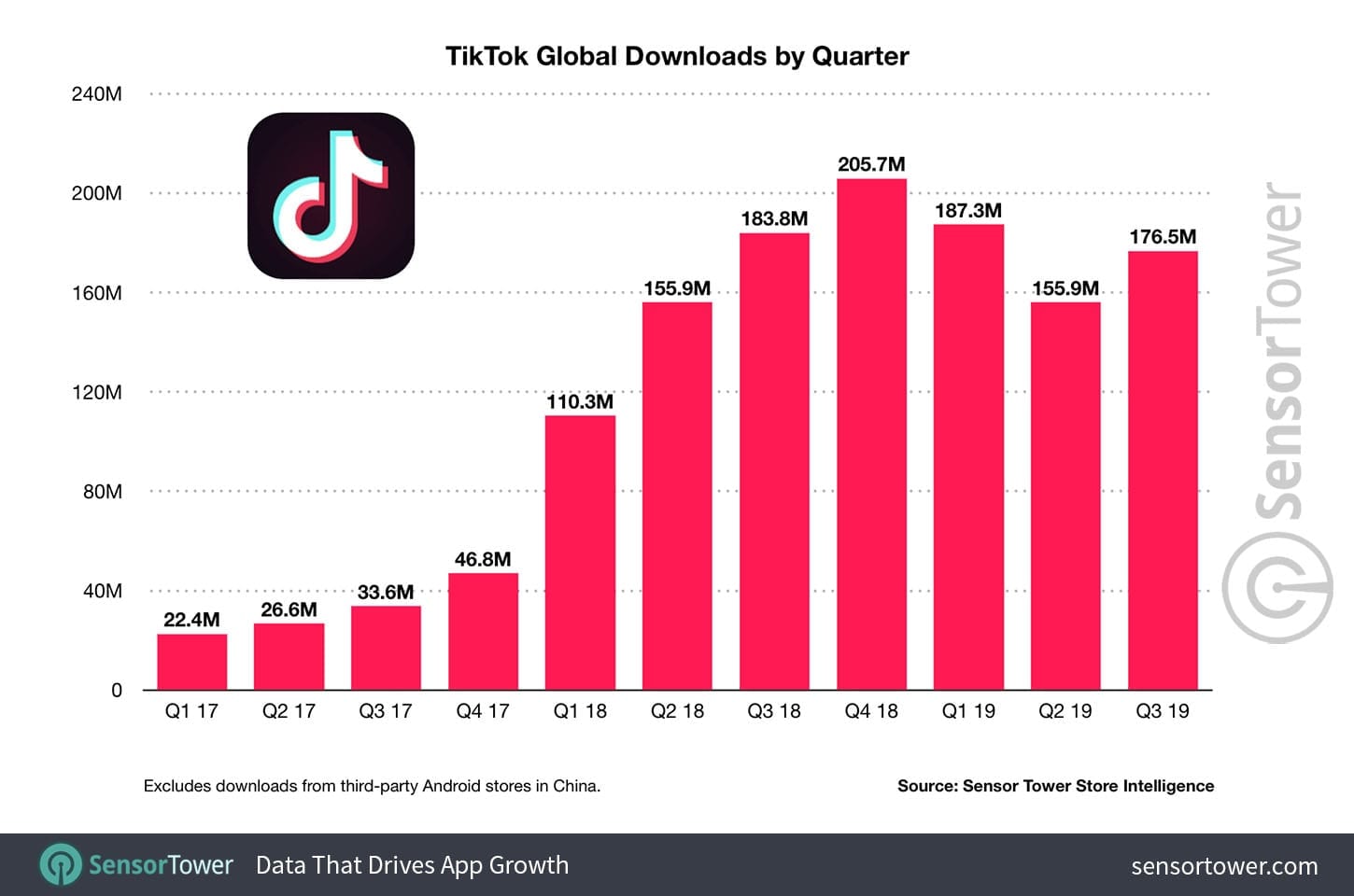
A report by Activate Consulting noted that, in the USA, users of TikTok spend an average of 10 hours a month on the platform. This was the most for any single social platform. Yet, interestingly, India is the largest market – based on downloads – for the app, ahead of China and the USA.
The rapid uptake of the app (security concerns aside) has sparked considerable interest from brands and media companies, given TikTok’s creative potential, large youth audience and the ability to engage with audiences in fun, innovative, ways.
Will it still be garnering as much attention this time next year?
A few years ago I was working on the Coffee vs Gangs content series. After a successful launch, which saw Kenco help young Hondurans out of gangs by training them as coffee farmers, l found myself in an all agency meeting. After some initial self-congratulatory backslapping, discussion of the ‘raw authenticity’ led to a new addition to the group confidently chiming in.
‘I loved the first series and was wondering if it might be possible to see some of the kids from the gangs drinking Kenco’.
Awkward pause.
We’ll come back to that.
Fast-forward a few years to The Drum Content Awards, of which I recently had the pleasure of sitting on the judging panel. To kick off the day all the judges took part in an ice breaker, where we were asked to share our thoughts on ‘authenticity’ in content.
A question like this is catnip for content professionals. And the 25 of us, all released from our respective agencies formed a warm cosy echo chamber. One which made us feel reassured that we are all saying the same things to our clients and none of us are doing it wrong.
I listened. But I contributed nothing. Because the only thought I had ringing around my head was ‘isn’t all this just bollocks?’ Which wouldn’t have gone down well at all.
That’s not to say that my fellow judges didn’t engage in an intelligent and considered discussion. But this wasn’t about them. It was about the concept of ‘authenticity’ itself.
Before I go on, I dare any current creative or content specialist to review their proposals, treatments and pitches delivered in the last three months and not cringe at overuse bordering on abuse of the word.
The truth is, it’s become a dog whistle we blow on in front of our colleagues and clients to try and sell ideas without thinking about it. But when you actually think about it, it means very little on the outside world.
When was the last time anyone saw a piece of content and said ‘I love it because of its authenticity’?
Never.
Because no one ever says that.
Alongside ‘disruptive’, ‘authentic’ has become a nonsense husk of a word that means nothing and everything to us in our comfy communications and marketing circles.
That’s not to say that Kaepernick or Patagonia Black Friday didn’t come from a truly brilliant place. In the same way that featuring a bunch of troubled kids from gangs drinking Kenco obviously comes from a hideous one. But let’s not over inflate the sentiment behind this too much. Or to bastardise the words of Scroobius Pip –
Nike. Just a brand
Patagonia. Just a brand
Kenco. Just a brand
When a consumer engages with any form of content made by a brand or business an unspoken contract is entered into. ‘I know you are trying to sell me something or make me like you so I eventually buy something. But I’m willing to let you do that in exchange for getting something back’.
And this is far more authentic than authenticity. Because authenticity may be dead, but the authentic value exchange is very much alive.
I am willing to engage with your marketing, communication or advertising in exchange for you entertaining me. Making me laugh. Teaching me something new. Helping me with utility that enables me to do my job better.
Authentic value exchange. Much better. Not hiding behind the fact that something is authentic just for the sake of it when we all know what’s going on. Consumers are not stupid.
And that’s what was great about judging The Drum Content Awards. To see so many examples of exceptional work that creates a compelling value exchange between brand and consumer.
Examples that used comedy in exchange for brand trust around online security (Santander), that answered fuel economy questions in exchange for consideration of an electric alternative (Nissan Leaf) and that showed future parents what having children really looks like to build market share of their baby wipe brand (WaterWipes).
And by the way, in case you were interested.
We never featured any gang member drinking Kenco.
Now that’s authentic.
Feature Image Credit: ‘Who actually loves authentic content?’ Brands need to understand their value exchange
Ryan Reddick, creative director, Edelman is a judge for The Drum Content Awards 2019. A full list of the finalists can be found here. The awards ceremony will take place in London on October 30 at The Marriot Grosvenor Square Hotel, tickets can be purchased now.
Australian publishers Seven West Media, Network 10, SBS, Foxtel Media, Pedestrian Group and Daily Mail have joined forces to launch a programmatic ‘Editorial Video Marketplace’.
The new marketplace, run by Telaria, aims to simplify buyers’ access to this professionally produced premium content with daytime audience reach and scale, as per the official statement.
Luke Smith, head of programmatic sales and audiences at Seven West Media said: “The demand from advertisers has been clear – that there is a need for quality video delivering high viewability and completion rates within brand safe editorial environments at scale.
“It is important that the premium value and impact of editorial video is able to differentiate itself from other forms of short-form like social video. This marketplace, available programmatically, will be a means to make that easily accessible for buyers and advertisers at scale,”
Flaminia Sapori, head of partnerships at media agency Cadreon said: “It’s encouraging to finally start seeing publishers working collaboratively to provide alternative independent options in this space — creating ease of access, and most importantly, a new narrative for editorial video, giving it the credit it deserves, and perhaps start influencing more social budgets being redirected to new premium ecosystems.”
The news comes after the Australian Competition and Consumer Commission (ACCC) released its final digital platforms inquiry report in July calling on the government to act against the tech giants.
ACCC had raised concerns, at the starting of the year, about the market power of Facebook and Google including the companies impact on Australian businesses, particularly their ability to monetize content, as well as outlined concerns about the extent that consumers data is collected and used by companies to target advertising.
Feature Image Credit:The marketplace aims to simplify buyers’ access to this professionally produced premium content.
Media veteran Mike Soutar, a former editor of FHM and co-founder of Shortlist Media, has been appointed chief executive of The Evening Standard.
The news brand, edited by former chancellor George Osborne, has suffered a turbulent time financially and has brought Soutar aboard to course correct.
Having co-founded Shortlist magazine (now defunct but survived by sister title Stylist), Soutar brings expertise in managing a print product distributed freely in cities, which is the model deployed by The Standard. He starts in the newly created role on 7 October.
Evgeny Lebedev, owner of the Evening Standard, said: “We are delighted that Mike has joined the Evening Standard at this important time for the company and wider industry and are confident that his vast media experience and leadership skills will make a great success of this new role.”
Soutar added: “I’ve been a regular reader of the Evening Standard since the late 1980s when I first moved to London. I look forward to working with the talented team to grow an even stronger business that will continue to play a central role in shaping and reporting the cultural and political development of the greatest city in the world.”
It can be difficult for SMEs to remain competitive today, but AdRoll’s new report ‘The Ultimate Guide to Growth’ provides a detailed step-by-step guide to help small to mid-sized businesses, solopreneurs and entrepreneurs to accelerate their growth. The robust report is split into seven categories with each providing case studies and takeaway lessons.
Identifying audiences
The report stresses the importance of marketers to first determine their ideal customer, knowing this then allows them to accurately target them. It cites various characteristics to look out for when compiling customer profiles and suggests that marketers should also tap into customer geographics and work on understanding their online behavioural habits. Empathising with their customers’ needs will help marketers to capitalise on their audience’s activity.
Understanding competitors
While getting to know your customers is important, the report also urges marketers to understand how their competitors operate, so that they can have a strong understanding of their positioning in the market. Marketers should conduct research and analysis on their competitors to work out where marketplace opportunities and threats lie, as well as keep a close eye on their opponent’s messaging.
Know your USP
Key differentiators set companies apart, so identifying these – no matter how big or small they are – is vital. The guide advises marketers to focus on your key attributes but encourages them to avoid concentrating on replicable differentiators such as new technologies or competitive prices as these can easily be beaten by competitors.
Marketing strategy creation
Marketing strategies should act as a roadmap for growing businesses with clear steps as to how to reach and engage new and existing customers. Working out the company’s value proposition will help. Marketers should consider where their customers are struggling and how they can help relieve their pain through the services they offer. They should then develop messaging to reflect this strategy, set attainable goals and create a realistic marketing budget to ensure that progress can be tracked.
Using marketing tactics
The marketing strategy set out earlier in the guide will provide marketers with clear business goals and budgets. Working out actionable tactics and which marketing channels to push marketing messages out on is essential. The report suggests looking at AdRoll’s digital advertising tactics and offers marketers the opportunity to sync up their e-commerce website with their growth platform to attract new visitors and convert existing prospects.
Creating content assets
Marketers should work out which type of content asset will suit their strategy best; the report provides pros and cons of using visual, written and ad content formats, with advice on how best to combine content assets to save on time and avoid duplication. The guide reminds marketers that ad sizes and formats also vary according to each platform, so messages need to be punchy and to the point for them to be effective.
Implementing and testing
Testing is one of the most important steps in the digital marketing growth journey. The report suggests that ads don’t need to be perfect before going live and encourages marketers to experiment with different renditions of ads to see how audiences respond. Various techniques for testing are listed, ensuring that marketers can get the most out of the experiments they do on ads, so that they know what to look out for.
Measurement
The guide advises marketers to build quantifiable KPIs and metrics that correspond to the business strategy and goals outlined earlier. Marketers should look at various analytics tools and work out which would best suit their business, but the report urges them to continue testing tactics to ensure that processes and information are consistently refined throughout the journey. Attribution models can also help marketers to gain better insight into consumer purchase habits.
Feature Image Credit: The Ultimate Guide to Growth report, with AdRoll
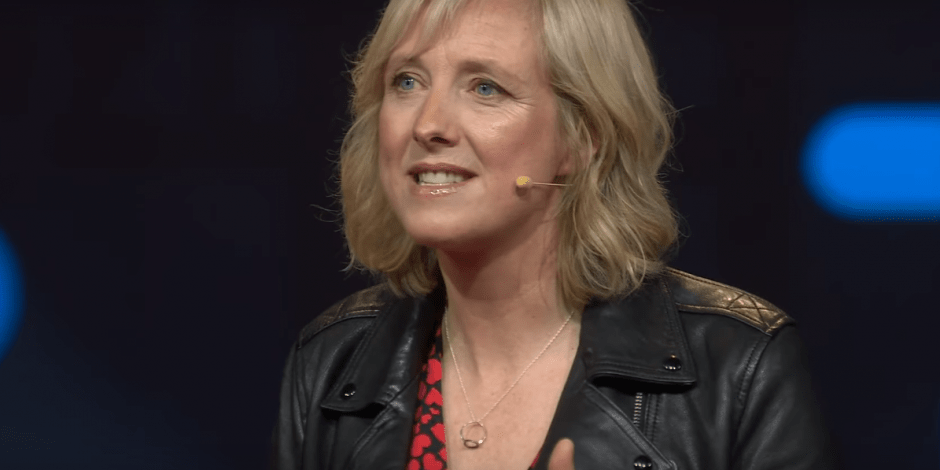
Prominent UK journalist Carole Cadwalladr, who led the reporting on Facebook’s Cambridge Analytica data scandal in 2018, has cautioned the advertising industry that it has a collective responsibility to tackle the issue of data misuse.
Speaking during an unscheduled event at Cannes Lions last week (20 June), the reporter called out the advertising ecosystem for its role in funding the platforms she accuses of undermining democracy – including Facebook – as well as a perceived lack of action in tackling the issue head-on.
“It’s really funny being here in the heart of the ad industry and seeing the yachts, the money and the beach clubs – while its central, central role in what’s going on here is being ignored,” she said.
Accusing the adtech yachts parked in Le Viex Port of “monetising a total surveillance apparatus” that was “exploiting [people] in invisible ways,” Cadwalladr said the lack of discussion around the issue on Cannes Lions’ main stage was “depressing”.
“In terms of responsibility, there’s something really key about Cannes Lions and the ad industry’s involvement in this,” she explained. “This is where the money is coming from. It is kind of depressing that there’s not a single talk happening in this entire week [about data misuse] with money swishing down through the streets.”
While there were talks hosted in the Cannes Palais around data and marketing technology, there were none with a specific focus on data misuse or ethics.
Cadwalladr said: “I know that individuals here are really troubled by what’s going on but as a collective industry level, it just seems to be that it’s being swept under the carpet.”
The Guardian and Observer journalist, who has been fiercely critical of Facebook, also called out chief operating officer Sheryl Sandberg for attending the festival but failing to “give answers to MPs in parliament” about Cambridge Analytica.
“As far as I’m concerned, Facebook is a foreign company which represents a national security threat and it shouldn’t be anywhere near our elections,” she said.
Sandberg appeared on the main stage on the Wednesday of Cannes where she simply said it needed to be “clearer” about the way it uses data. She was also invited to speak at WPP’s Beach event where, in conversation with chief executive Mark Read, she admitted that Facebook had to “earn back” trust.
Hacking Nix’s Cannes appearance
In one of the most controversial events at Cannes, former Cambridge Analytica executive Alexander Nix had been scheduled to appear on the main stage on Thursday (20 June).
The headline event was billed as his first speaking appearance since the firm sunk into administration after allegedly harvesting Facebook user data to influence the outcome of the 2016 US presidential race.
However, Nix pulled out the day before he was due to appear following criticism from various corners of the industry – including one ad director who penned an anonymous letter to organisers, describing the inclusion of the exec on the programme as a “monumental act of self-harm.”
His withdrawal also followed on from Cadwalladr announcing she was to host her own event during the festival.
Gillian Tett, The Financial Times’ editorial board chair and US editor at large, had been due to chair the discussion with Nix on “the morality of data” but instead found herself hosting Cadwalladr’s ‘Great Hack’ event with BBC journalist Jamie Bartlett in which they screened a documentary taking a deeper look into the Cambridge Analytica data scandal.
Tett said she had hoped her conversation with Nix was going to be a way to focus the topic of data misuse that was lacking throughout the festival, and get answers to some of the “bigger, more existential” questions.
She detailed how Nix had been “on and off” and “back and forth” with her in the weeks before Cannes Lions, finally withdrawing from the appearance.
“I’m not sure as to why he pulled out – you’d have to ask him,” she asserted. “We’ve been up and down and round the blocks on that one, he’s been cross with me, then not cross with me and there’s stuff I’ve written he doesn’t like.”
Discussing the practical ways in which the ad industry could help ensure people got real value in handing their data over to advertisers, Bartlett – who covered the use of data and tech in the 2016 elections – said GDPR was too reliant on consumers issuing companies with requests.
“People need to be aware of what they’re trading and what they’re getting back in return. At the moment it’s very one-sided and not very informed,” he said.
“People have no idea, they give away their data for a good Google search result or product recommendation, but they don’t know what the scale of that trade is because they don’t see what’s on the other side of it and they don’t fully understand who is going to misuse it in future.”
Bartlett said he wanted people to make informed choices about when they give their data away and for it to be as easy as possible for them to get it back.
He suggested that the advertising industry had the power to build the technology that could allow people to do just that – bundling up consumer data and repackaging it in a way that it could be sold, with both parties getting a share of the profit.
“We need the private sector to incentivise people to make money out of their own data. You can’t do it on your own, it’s not valuable but it is if you do it collectively. It will take decades for that to happen, the culture needs to change.”
As well as the Nix controversy, Cannes Lions 2019 was disrupted by protesters from climate change activist group Extinction Rebellion, who crashed spots like the Palais and Facebook beach, urging the ad industry to act on the climate and ecological emergency facing the world.
With a heavy theme of brand purpose and business for good running throughout the week, the lack of interest from ad execs in supporting the group’s mission has been lamented as “hypocrisy” by Extinction Rebellion’s team and other industry commentators.
Feature Image Credit: Cadwalladr called out the advertising ecosystem for its role in funding the platforms she accuses of undermining democracy / TED/YouTube
Stop Funding Fake News, the social movement pressuring brands to boycott newsbrands that it believes routinely spread misinformation, is turning its attention to media agencies.
Anonymous officials from the activist group told The Drum that for it to achieve its goals of demonetising fake news sources, it has realised it must court the middlemen between brands and publishers.
Inspired by Sleeping Giants in the US and Stop Funding Hate in the UK, the group operates anonymously, claiming activists could be at risk if their identities were known.
Adobe, Chelsea FC, Harry’s, Experion, eBay, Moonpig and Manchester United are among the 40 brands and charities that the group has convinced to block out a number of sites off the back off a campaign it launched March 2019.
Now, it’s looking to advertising and media agencies to engage in a dialogue about the news industry. A spokesperson said agencies have approached the group, keen to grasp what sites should be considered for blacklist.
This is particularly beneficial for Stop Funding Fake News’ cause as agencies handling multiple clients ought to be able to widely blacklist offending sites – a step-up from the brand-by-brand approach the group previously took.
It said it is now expanding its network to help “persuade” ad agencies that it is “bad for their clients to be associated with the lies and racism found on these sites, so it’s in the interest of ad agencies to ensure they don’t put them there.”
It urges agency figures to get in touch at [email protected] for discussion.
Misinformation has been linked with deaths around the world, not to mention that fact that generating clickbait lies can be a lucrative trade. Earlier this year, The Drum explored the harms fake news causes globally, talking to misinformation experts, Wikimedia, and BBC News about how to curtail the issue.
Social media started out with Myspace and Bebo (oh the nostalgia) before graduating to platforms such as Twitter and Facebook. Here we are now in 2019, ‘hashtagging’ and ‘storying’ like it’s nobody’s business.
What’s next for the social media industry?
1. A shift in focus: less on feeds, more on private messages
The feed is such an integral part of social media networks that it could never just vanish overnight. Regardless, people are using social media more and more as a way to get in touch with people and have instant message conversations.
To remove the feed entirely could be problematic though. The feed is the main source of incoming for many social media networks as most people will spend their dwelling time here. It’s also used as a key space for advertising. With visual formats such as Stories and Facebook Watch gaining speed, it’s likely that advertising will inhabit these forms in the absence of a feed. After all, IGTV is in the midst of discussions on adding advertisements to the content as we speak.
We have no doubt that the feed will start to play a smaller role in the growth of social media networks, but it’s here to stay for a long while yet.
2. Despite numerous industry worries, influencers aren’t going away
2018 / 2019 has been a tricky time for influencers with a lot of bad press and finger-pointing documentaries. However, not all influencers are deserving of the bad rep.
Influencers who are troublesome in the industry will become extinct over the next few years. Their followers will lose trust and begin to diminish, while brands will ‘wise-up’ to influencer red flags and learn how to find influencers who will work more effectively with their brand.
Although social media networks are still likely to be saturated with #ad and influencers galore, it’s not really the end of the world. If trustworthy and authentic influencers are all that reminds then the odd paid promotion will be much less problematic than it is today.
One trend we expect to see more of very soon is brand marketers educating themselves more about the influencer marketing supply chain. This will enable them to only work with influencers who promote their brand effectively and actually sell their product. Watch this space for further developments.
3. Brands will be making more of an effort to plan their content and be more consistent across channels
As social media continues to be an incredibly saturated space, the quality of content must also rise.
Brands that are smart will invite a social media specialist to take a look at what they’re currently doing, as well as give advice on where social media (and the internet in general) is headed. This will enable them to get a leg-up on future trends and plan ahead for the next five years.
Brands not able to identify what works for their business will lose customers to their competitors.
Plan, execute, analyse and repeat what works.
4. Small communities will trump big networks for most businesses (even more than they already do)
We all know that Facebook Groups and messaging apps have become so very popular over the last couple of years as a way to unite people with similar interests in thousands of niche topics. Whatever your tipple, there’s a group for it, filled with like-minded individuals posed for a heated discussion.
The general public is bored of seeing the same story over and over again. But having the context of a group changes things. A post about a new coffee shop only becomes interesting and relevant to you when it’s posted within a Facebook Group specific to your location.
Furthermore, the average person is usually more comfortable participating in conversations and sharing opinions within a smaller community, without fear of judgement from the entire world wide web. This ‘safe space’ atmosphere will continue to help groups become a hub of activity and engagement.
One thing that won’t change is that social media is the cheapest, fastest and the most scalable marketing channel available to most companies. That isn’t going away, period.
Welcome to the next five years of social media marketing.