Tag

YouTube

Browsing

By Joe Maring

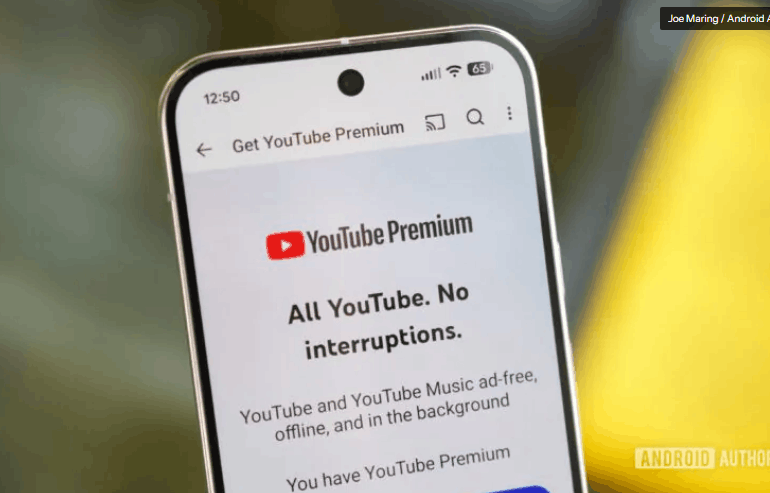
I watch YouTube every single day, but I don’t like sitting through advertisements before and during my videos. Because of this, I pay $14/month for YouTube Premium to remove those ads and get on with my day — as do millions of other YouTube Premium subscribers.

However, some people use a different approach: ad blockers. Using ad blockers to bypass YouTube ads is not a new practice, and each year, YouTube becomes more aggressive in cracking down on such behaviour. With each new measure it introduces, YouTube makes ad-blocking a less and less attractive option.

No one likes ads, and no one likes paying for another subscription. But as someone who finally subscribed to YouTube Premium about a year ago, I’m here to tell you that if you’re still determined to fight Premium with ad blockers, you’re doing it wrong.

Why aren’t you paying for YouTube Premium?

687 votes
I can’t afford it
16%
YouTube used to be free, it should remain free
14%
Ad-blocking and other hacks make Premium worthless
12%
I don’t want to give Google any more of my money
14%
I don’t use YouTube enough to justify it
12%
I do pay for YouTube Premium
32%

The necessary evil of YouTube ads

An advertisement before a music video on YouTube.
An ad playing before a music video on YouTube

No one likes ads. I don’t like ads, you don’t like ads, and I imagine 99.99% of people reading this don’t like ads. The 0.01% of people who say they do are lying.

This is especially true, if not more so, for ads on YouTube. Having to sit through 30 seconds of advertisements before your video starts — and often additional ads throughout the video — is a frustrating user experience. And yet, it’s an experience that’s also completely necessary.

No matter which YouTube creators/channels you watch, the reason they’re able to keep creating new videos is because of that very advertising we all hate. We might despise sitting through ads while watching videos, but without them, we wouldn’t have those creators in the first place. It’s the same story for online advertising for your favourite social media app, recipe website, or tech blog (including Android Authority). Like it or not, ads pay the bills.

Most of us likely know this already, but it’s a good reminder and baseline to establish. Because while ad blockers make your life easier, they don’t just hurt YouTube — they also hurt the creators you watch. While I couldn’t care less if a multi-billion-dollar company loses a few dollars here and there, I do care about ensuring the creators I watch get their fair share of money from me watching their content. But if I watch YouTube with an ad-blocker, they don’t.

YouTube Premium is a fair (and great) solution

Premium logo in the YouTube app.

Although I’ve personally avoided ad blockers for this reason, I have tried other, more ethical solutions to manage YouTube ads over the years. After starting a video, I’d knock out a quick chore or handle something for work until the pre-roll ads finished. If a video had additional ads throughout its runtime, I’d use that time to doom-scroll on my phone, grab a snack, etc.

For a while, this method worked. It wasn’t perfect, but I was still watching all the YouTube videos I wanted without paying a dime — even if it meant my viewing experience wasn’t 100% ideal.

After years of not paying for YouTube Premium, I signed up for a YouTube Premium Lite subscription last April to test the waters. A few months later, I went all-in with a fully-fledged YouTube Premium plan. In the 10 months since, I have not once considered cancelling my Premium subscription. Why? Because the product you get with YouTube Premium is that good.

YouTube app showing the Premium Benefits page.

Naturally, much of this comes down to YouTube Premium’s hallmark feature: ad-free videos. When you open a video, you get it and nothing else — no ads before the video, during, or after. It’s an unquestionably better user experience compared to the ad-supported model, and you have the peace of mind that the channels you watch aren’t being ripped off  — something that will never be possible with an ad blocker.

But it’s not just ad-free videos that have kept me paying month after month. While that’s the main draw (and why I initially started with Premium Lite), everything else you get with YouTube Premium is equally worth the monthly fee.

I don’t use background playback all the time, but every time I do, I’m happy to have it. The Jump Ahead feature makes it so easy to skip through sponsored segments in videos. Continue Watching is great for picking up where you left off on a video you didn’t finish, and video downloads are essential when I’m traveling for work.

$14/month for YouTube Premium is money well-spent.

To get all of this — and an included YouTube Music Premium subscription — for just $14/month is about as good a value as you’ll find in the modern streaming landscape. And if none of those extras matter to you, YouTube Premium Lite for $8/month remains an excellent deal if all you care about is removing ads and nothing else.

Keep in mind, I say all of this as someone who’s actively in the process of cancelling numerous streaming subscriptions. I can’t justify paying $18/month for Netflix or $17/month for Peacock when I use them maybe once a month, but $14/month for YouTube Premium — which dramatically improves my daily YouTube watching — is money well-spent.

This isn’t a difficult choice

youtube app icon google pixel recents

To be clear, I’m not suggesting that everyone needs to subscribe to YouTube Premium. Maybe you’d like to subscribe, but it’s not in your budget. Perhaps you don’t use YouTube enough to justify the monthly fee. Or maybe you truly don’t mind watching ads in between videos. Whatever the case may be, there are plenty of valid reasons not to have YouTube Premium.

However, if the ads annoy you to the point where you’re looking for loophole after loophole to keep watching YouTube with ad blockers, I think it’s time to admit defeat and pay up.

Ad blockers are only getting worse and will continue to hurt creators.

Google may never fully disable ad blockers on YouTube, but the experience of using them is only getting worse and will continue to hurt creators. Meanwhile, YouTube Premium is getting better — whether that’s through new features or more flexible plans like Premium Lite.

We’d be having a very different conversation if YouTube Premium were a bad product, but when it’s (somewhat miraculously) as good as it is, being so resistant to subscribing just doesn’t make sense. I’ve enjoyed my time with Premium since giving in last year, and if you haven’t made the jump already, I really think you will, too.

By Joe Maring

Sourced from Android Authority

By Hillary Remy,Edited by Celine Provini

For decades, Disney, NBC, Paramount and Warner Bros. Discovery sat at the top of the advertising world. In 2025, a 21-year-old video platform built on cat videos and bedroom creators officially knocked them off.

YouTube’s total revenue across ads and subscriptions exceeded $60 billion in 2025, according to Alphabet’s official earnings release, making it larger than Netflix, which reported $45.18 billion for the full year.

A separate analysis by financial research firm MoffettNathanson found that YouTube’s advertising revenue alone surpassed the combined $37.8 billion ad haul from Disney, NBCU, Paramount, and Warner Bros. Discovery. It is the first time YouTube has crossed that threshold.

A year earlier, the tables looked different. In 2024, YouTube’s $36.1 billion in ad revenue fell short of the $41.8 billion those four studios earned collectively.

The reversal in just 12 months is as striking as it is telling about where the advertising industry is heading.

The numbers behind the YouTube advertising milestone

Ad revenue is only part of the story. When subscriptions are included, YouTube’s total 2025 revenue climbed to more than $60 billion, making it larger than Netflix, which reported $45.18 billion for the full year. Only Disney, with $95.7 billion in total revenue, topped YouTube among entertainment companies.

YouTube’s parent company broke out the video platform’s total revenue for the first time in Alphabet’s latest earnings report, a signal of just how central YouTube has become to the broader business.

Alphabet CEO Sundar Pichai noted the company now has over 325 million paid subscriptions across consumer services, a figure that includes YouTube Premium, YouTube TV, YouTube Music, and Google One.

YouTube TV alone surpassed 10 million U.S. subscribers as of November 2025, according to Cord Cutters News, making it the third-largest multichannel TV provider in the country, behind only Charter and Comcast.

How Hollywood lost the ad crown to YouTube

YouTube’s advertising dominance didn’t emerge overnight. It has been building for years as audiences, particularly younger ones, quietly migrated away from traditional TV toward on-demand and creator-driven content.

Each of the four major studios reported declining advertising revenue in 2025. WBD’s ad revenue fell 17% in its most recent quarter. NBCU’s domestic advertising declined 6.8% year over year. Disney and Paramount reported similar trends across their linear networks. These declines reflect a structural problem, not a temporary one.

YouTube, meanwhile, is winning the living room. In Q1 2025, YouTube ad spend on connected TV screens surpassed mobile for the first time, accounting for 43% of YouTube ad placements versus 42% on mobile. That is nearly double the CTV share from a year earlier, when it stood at just 24%.

Where YouTube’s growth comes from

YouTube’s blockbuster advertising business derives from several compounding factors that traditional studios simply cannot replicate at the same scale or speed.

Key drivers behind YouTube’s ad surge

  • Shorts momentum: YouTube Shorts now averages 200 billion daily views, up significantly from the 70 billion figure cited earlier in 2025, giving advertisers enormous short-form inventory.
  • Living room dominance: YouTube holds a 12.4% share of total U.S. TV viewing time, ranking first among all media companies, per Nielsen data.
  • Podcast growth: Viewers watched more than 700 million hours of podcasts on YouTube via TV screens in October 2025 alone, up 70% year over year.
  • Creator scale: YouTube has paid out more than $100 billion to creators, music companies, and media partners cumulatively, sustaining a content flywheel no studio can match.
  • Live sports: YouTube’s first exclusive NFL game in September 2025 drew 19 million global viewers across more than 230 countries.

Why advertisers flock to YouTube

The advertiser migration to YouTube is not purely about audience size. It is about measurability.

Brands allocating budgets to YouTube can track outcomes in ways that linear TV has never been able to offer, from view-through attribution to cross-device tracking and real-time performance data.

The YouTube logo appears on a smartphone screen
YouTube allows advertisers to track outcomes in ways that linear television can’t.
Thomas/Getty Images

Alphabet CEO Sundar Pichai pointed to AI as a key accelerant of that advertiser shift. AI can deliver “the most relevant ad across surfaces and [match] advertisers against additional queries they weren’t reaching before,” Pichai said on the Q3 2025 earnings call. “AI Max helps advertisers discover new customers at the exact moment they need their product or service.”

That kind of precision targeting is something linear TV simply cannot offer.

It’s a striking endorsement for a platform that still trails Meta, which pulled in $196.2 billion in ad revenue in 2025, by a considerable margin. But in the media and entertainment category specifically, YouTube’s position is now uncontested.

Movie, TV studios are not standing still

Disney, NBCU, Paramount, and Warner Bros. Discovery are all pouring resources into their own streaming platforms, and some are even beginning to distribute content on YouTube itself to chase the audiences that have already moved there.

But the gap is widening, not narrowing. YouTube’s ad revenue grew by nearly $4 billion year over year in 2025, while the combined studio total fell by roughly $3 billion. That is a $7 billion swing in a single year.

For investors watching Alphabet (GOOG), the YouTube story is no longer a footnote in the earnings report. It is increasingly the headline.

By Hillary Remy

Hillary Remy is a finance and technology journalist with over five years of experience covering financial markets, fintech innovation, and emerging technologies that are reshaping the investing landscape. He specializes in stock markets, digital finance, and blockchain‑based financial systems, with a focus on how new technologies are transforming payments, investing, and capital markets. Hillary has contributed analysis and reporting to leading financial publications including Benzinga, Investing.com, and TipRanks, bringing a data‑driven and risk‑aware perspective to complex financial topics.

Edited by Celine Provini

Celine is a writer and editor with over 20 years of experience and has covered diverse news, features, academic/research, and legal topics. At TheStreet.com, Celine is a senior editor with experience across retail, stocks, investing, personal finance, technology, the economy, and travel.

Sourced from The Street

By Lauren Forristal

YouTube has become the biggest platform out there, offering tons of opportunities for creators to earn a living. Back in June, the company reported that its creative ecosystem added over $55 billion to the U.S. GDP and created more than 490,000 full-time jobs.

However, many YouTubers have reduced their reliance on ad revenue and brand deals. There are several reasons for this shift. First, ad revenue can be unpredictable. With YouTube continually updating its policies, some creators find it challenging to secure ads for their videos, which can negatively impact their earnings. They’ve also realized that income from these streams can vanish unexpectedly.

Recognizing the volatility of platform-dependent revenue, many YouTubers are no longer just creators. They’re vertically integrated media companies with parallel businesses, including product lines, brick-and-mortar ventures, and consumer brands that can outlast algorithm changes and policy shifts.

In some cases, these side businesses are growing faster and more sustainably than their YouTube channels.

MrBeast

Image Credits:Beast Industries

Jimmy Donaldson, known as MrBeast, who has 442 million subscribers, isn’t just one of the platform’s biggest creators — he’s its most aggressive entrepreneur.

In November 2025, for example, The Times reported that the YouTuber is set to open a theme park in Saudi Arabia, with rides inspired by his video content. Among other features, there will supposedly be a game where six players stand on trap doors and must press a button when it lights up or fall down.

MrBeast is also venturing into telecommunications. He plans to establish a mobile virtual network operator (MVNO), which could involve partnering with one of the major operators, such as AT&T, T-Mobile, or Verizon.

Additionally, the YouTuber was spotted filing a trademark application for a mobile app that offers banking, financial advisory, and crypto exchange services. In February 2026, MrBeast announced the acquisition of Step, the banking app targeting Gen Z users.

But there’s so much more. What started with a merchandise store in 2018 — ShopMrBeast — has exploded into a broad business portfolio, including his now three-year-old snack brand, Feastables.

Feastables’ initial product was the “MrBeast Bar,” a chocolate bar that generated over $10 million in sales within its first 72 hours, selling over 1 million bars at launch. As of today, Feastables is more profitable than his YouTube content and even his “Beast Games” competition series on Prime Video. In 2024, Feastables generated roughly $250 million in revenue and over $20 million in profit, while his media business lost approximately $80 million.

Other ventures include his packaged food brand Lunchly (co-founded with YouTubers Logan Paul and KSI), the toy line MrBeast Lab, MrBeast Burger, and the analytics platform Viewstats. He even attempted to buy the U.S. operations of TikTok by joining the American Investor Consortium, a group of investors led by Employer.com founder Jesse Tinsley.

Emma Chamberlain

Chamberlain Coffee Emma Chamberlain ready to drink
Image Credits:Chamberlain Coffee

Emma Chamberlain, who rose to fame as a teen vlogger in 2016, now has over 12 million subscribers and has found success in the beverage industry.

She launched her coffee brand, Chamberlain Coffee, in 2019, which offers a variety of products, including cold brew, coffee pods, ground and whole bean options, as well as tea and matcha. Notably, other YouTubers have followed suit, such as Jacksepticeye with his Top of the Mornin’ Coffee brand and Philip DeFranco with Wake & Make Coffee.

In 2023, Chamberlain Coffee had a significant year, introducing ready-to-drink canned lattes and reaching approximately $20 million in revenue, according to Forbes. The brand recently experienced even more substantial growth, opening its first physical location in January. Previously, it had only an online and retail presence at places like Target, Sprouts, and Walmart.

Although Chamberlain Coffee faced some challenges in 2024 due to supplier issues, it’s expected to rebound, with projected revenue growth of over 50% by 2025, reaching more than $33 million, according to Business Insider. The brand is also aiming for profitability by 2026.

Logan Paul

Floyd Mayweather punches Logan Paul during their contracted exhibition boxing match at Hard Rock Stadium
Image Credits:Cliff Hawkins / Getty Images

Logan Paul (23.6 million subscribers) is now known for his wrestling career but was earlier known for numerous controversies, like an infamous 2017 video and an allegedly scammy NFT project, CryptoZoo.

He also gained attention through his energy drink brand, Prime, which achieved rapid viral success in 2022. The brand, co-founded by YouTuber KSI, surpassed $1.2 billion in sales in 2023, a figure far exceeding what most content creators earn from views, ads, and brand deals. However, it has since faced declining sales, regulatory scrutiny for its high caffeine content, and lawsuits from business partners. Sales have particularly cooled in the U.K., where revenue dropped by about 70% from 2023 to 2024.

Another venture of his, Maverick Apparel, made between $30 million and $40 million in 2020.

His brother, Jake Paul, is also involved in various ventures, including co-founding the Anti Fund, which has touted past investments in OpenAI, Anduril, Ramp, and Cognition, among others. The younger Paul also owns a grooming line, called W, and a mobile betting platform called Betr.

Ryan’s World

Ryan’s World, hosted by 13-year-old Ryan Kaji, is another prominent YouTuber with a staggering following. Ryan rose to fame through his toy reviews and unboxing videos, which have captivated nearly 40 million young viewers.

In addition to his YouTube success, Kaji has expanded his brand through a line of toys and apparel that are sold in major retail chains and that reportedly generated over $250 million in revenue in 2020. Kaji and his family have since diversified their ventures, including launching a TV show and an app that provides educational content tailored for children.

Rosanna Pansino

Image Credits:rosannopansino.com

Rosanna Pansino is a popular baker on YouTube known for her baking tutorials and themed treats. With 14.8 million subscribers, she gained fame for her recipes inspired by pop culture, gaming, and movies.

Beyond YouTube, Pansino has released several cookbooks that have been well-received, expanding her Nerdy Nummies brand. She also sells baking tools at several retailers, such as Amazon.

Other YouTubers have ventured into cookware and food products as additional revenue streams. Notable examples include cook and author Andrew Rea, known by the pseudonym Babish, who launched his Babish Cookware brand in 2021, as well as comedy duo Rhett & Link, who sell MishMash Cereal.

Michelle Phan

Ipsy founders Jennifer Goldfarb (left), Marcelo Camberos, and Michelle Phan (right)Image Credits:Ipsy

Michelle Phan gained fame in 2007 with her makeup tutorials, becoming one of the first beauty influencers to effectively monetize her content. In addition to her successful YouTube career, she co-founded the beauty subscription service Ipsy, which has become highly popular. Phan also has her own makeup line, EM Cosmetics.

Huda Kattan

Image Credits:Huda Beauty

Huda Kattan founded the globally recognized beauty brand Huda Beauty in 2013. She sold a minority stake to private equity firm TSG Consumer Partners in 2017 but bought it back in June after investor pressure to bring in senior leadership clashed with her vision for the fast-moving brand, which reportedly brings in hundreds of millions of dollars in sales each year.

Many influencers have created their own makeup brands. Other well-known makeup brands launched by YouTube influencers include Jeffree Star Cosmetics and Tati Beauty.

Feature image credit: Bryce Durbin / TechCrunch

By Lauren Forristal

Lauren covers media, streaming, apps and platforms at TechCrunch. You can contact or verify outreach from Lauren by emailing [email protected]

Sourced from TechCrunch

By

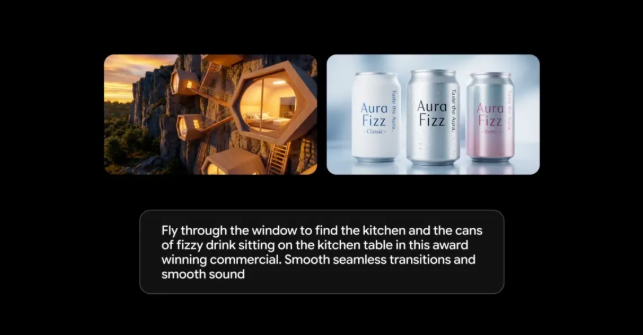
Google updated its Veo 3.1 AI video-generation model with the ability to create native vertical videos for social platforms using reference images. The changes will also make the videos generated from reference images more expressive and dynamic.

When producing AI-generated videos for YouTube Shorts or other platforms like Instagram or TikTok, Veo users can now natively choose the 9:16 vertical format to avoid any cropping. Google is also adding the feature directly to the YouTube Shorts and the YouTube Create app.

Google first released Veo 3.1 in October 2025 with improved audio output and more granular editing controls compared to previous versions.

When you provide reference images, Veo 3.1 now generates videos with better character expressions and movements, even if your prompts are shorter. Google said the update also improves character, object, and background consistency. What’s more, users can blend various characters, backgrounds, objects, and textures to create a cohesive output.

Users can access these features directly in the Gemini app. Professional users can access them through Google’s video editor Flow, the Gemini API, Vertex AI, and Google Vids.

The new update also brings an improved upscaling feature to 1080p and 4K resolutions, which is available on Flow, Gemini API, and Vertex AI in Google Cloud.

Apps, Gemini app, Google,In Brief,Veo,YouTube

Feature image credit: Google

By

Sourced from TechCrunch

By 

It’s an indictment of the current YouTube user experience that ad-free access is now seen as some internet Holy Grail

Fed up with skipping YouTube ads? Good news: we’ve spotted a sneaky way to watch YouTube ad-free – something that, before the avalanche of commercials, used to just be known as using YouTube

There’s no need to cough up a minimum of $7.99/£12.99⁠ per month for a YouTube Premium subscription… and no need to buy a dodgy ad-blocking app that probably won’t work.

How to watch ad-free YouTube without paying (it works)

YouTube serves no ads in Albania due to its smaller market size. And while some Redditors have spotted the occasional ad, we tried it in January 2026 and were served 0 ads after 2.5 viewing hours.

But what if you’re not in Albania? Well, you can use a VPN (virtual private network) and set your location to ‘Albania’.

A word of warning, though, You’ll need a strong VPNs (not a cheap/free one). We tested the likes of NordVPN (try risk-free)Surfshark VPN and Express VPN – all do the trick.

It’s clearly a popular workaround for bypassing ads without paying for YouTube Premium. If you’re ready to go, sign up below and watch YouTube ad-free without paying…

Use a VPN to access YouTube Albania from abroad

NordVPN is our best VPN (we actually have our own in-house expert, Mike, who tests VPNs 24/7 and rates NordVPN No.1 for price, features, security, etc).

We find Nord works best for streaming – allow you to access your usual streaming services when abroad.

You can sign up in minutes and start watching YouTube ad-free…

Quick start: Using a VPN to watch YouTube ad-free

Once you’ve signed up with your chosen VPN:

1. Open the NordVPN app.

2. Connect to a server based in Albania.

3. Fire up YouTube Albania. If that doesn’t work, try it in Google Chrome’s Incognito mode and you should be off to the races.

4. Keep in mind that Google may try to close off this particular loophole one day.

In conclusion

It’s an indictment of the average YouTube user experience in 2026 that ad-free access is now being treated as some internet Holy Grail.

It certainly doesn’t help that skipping one or several ads at the start of a video is no guarantee that you won’t then need to navigate one or more ad breaks and possibly an advertorial too.

Disclaimer

We test and review VPN services in the context of legal recreational uses. For example: 1. Accessing a service from another country (subject to the terms and conditions of that service). 2. Protecting your online security and strengthening your online privacy when abroad. We do not support or condone the illegal or malicious use of VPN services. Consuming pirated content that is paid-for is neither endorsed nor approved by Future Publishing.

Feature Image credit: Sean Gallup via Getty Images

By 

Aatif is a freelance copywriter and journalist based in the UK. He’s written about technology, science and politics for publications including Gizmodo, The Independent, Trusted Reviews and Newsweek, but focuses on streaming at Future, an arrangement that combines two of his greatest passions: sport and penny-pinching.

Sourced from techradar

Taking a break from social media is sounding really, really nice right about now.

  • Earlier this week, YouTube’s Twitter account tweeted an “it’s okay to press pause” message that was pretty much immediately misinterpreted.
  • Rather than taking it as an invitation to unplug and unwind, Twitter users began freaking out, reading it as in support of YouTube pause-screen ads.

YouTube’s Twitter account is one of the more innocuous things you’ll find on that increasingly distasteful platform, and beyond occasionally sharing news of feature additions or the latest content to arrive, it tweets some pretty harmless messages: “it’s a stay-in-and-watch-videos-with-friends kind of night,” “when your watch history is more accurate than your horoscope 😅,” or “thankful for creators who inspire us every day 🧡.” But earlier this week, the account really stepped in it — in a way that the people running it probably never anticipated. 

This all started on Tuesday, when the YouTube account made this seemingly innocent post:

youtube press pause tweet

Now, a sane person might read that tweet in the context of everything else the account has shared, and interpret it as exactly the sort of nothing-message it really is: YouTube’s still going to be here later, so take a break now and then and go enjoy the rest of the world.

But then there are the YouTube ad people. No, we don’t mean Google’s advertising sales team, but that very, very vocal contingent of YouTube viewers who obsess over every change to the service’s use of advertisements (and every effort to stymie ad blockers), while utterly dismissing the suggestion that they should maybe actually just pay for Premium.

If you’ve spent any time at all on Reddit’s YouTube sub, you know exactly who we’re talking about — and of course, they are all over this tweet, too. As you can see from the replies to the original tweet, plenty of Twitter users lost their minds over YouTube’s post, and immediately started associating it with last year’s introduction of pause-screen ads.

That is an impressive stretch to make, but such is the singular focus of these YouTube “enthusiasts.” And they were so incredibly vocal in their hopefully-not-wilful misinterpretation of YouTube’s tweet that they’ve now triggered a Community Note to be featured — ironically, only further steering readers away from YouTube’s actual message.

It’s not just okay to press pause on YouTube videos. Maybe also feel free to press pause on the urge to share every thought you have online — at least, before you at least stop to understand what you’re responding to.

YouTube Premium’s annual plan costs under 40 cents a day, and remains one of the single best values in streaming around. And it continues to not have pause-screen ads.

Stephen has been working in tech journalism since 2008, covering everything from video games to medical devices. His focus is on Android and its ecosystem of connected devices, writing for sites like PhoneArena and Android Police. At Android Authority, Stephen leads the team’s US news coverage.

Sourced from Android Authority

YouTube’s decaying user experience has a more significant role to play in piracy than ad blocking

It’s always the innocent civilian who is the casualty of any war. It would be unfair to say that YouTube’s crusade against third-party apps has quite the gravity of war. However, the fact of the matter is that, once again, it is the customers who are caught in the crossfire of the company’s relentless pursuit to thwart third-party apps. Something’s got to give.

Recently, YouTube stated that it would strengthen its enforcement against apps that help users circumvent ads, circling us right back to YouTube’s other unwinnable war, its war against ad blockers. However, there’s a fallacy in YouTube’s understanding of the issue. Ad-blocking is just one feature offered by third-party YouTube apps and doesn’t necessarily even require another app. These alternative YouTube apps open up a world of quality-of-life additions that YouTube has either decided to remove or wasn’t thoughtful enough to include in the first place. And avid YouTube enthusiasts aren’t about to give up on these incredible features in the face of the company’s threats.

Ad-blocking is just one reason to install a third-party YouTube app

YouTube’s cheapening of the user experience has a larger role to play

Understanding YouTube’s ham-fisted approach against third-party apps requires understanding why people care enough to jump through loopholes to sideload these apps. It would be fairly trivial to point at ads as the singular problem with YouTube. However, that would be trivializing the extent of the issue. Ads have almost always been part and parcel of the YouTube experience. However, there’s a point at which ads become so frequent, so irrelevant, and so relentless that they start hurting the user experience. We’ve been past that point for a while now.

Scour community forums like Reddit, and you’ll spot user complaints about people having to sit through back-to-back ads after watching a single video. The other day, I had to sit through three 30-second long ads, two seemingly unskippable, to watch a minute-long video. That’s ridiculous. YouTube’s sneaky methods of hiding away skip buttons add to the menace.

But that’s not all there is to it. YouTube’s entire user experience has been going downhill for years. Pop open the app, and you’ll be bombarded by utterly unrelated content that has nothing to do with what you’ve been watching. Whatever happened to personalization, YouTube? The issue isn’t recent, either. By all estimates, the tipping point was somewhere around 2016. However, it’s just been getting worse. I don’t see a correlation between stand-up comedy and an account that only follows engineering and history documentaries, but perhaps I’m missing something.

Moreover, those unrelated recommendations have completely taken over my subscriptions. Unless I deep dive into the subscriptions tab, the app won’t show me all the new content that creators I follow have been putting out. There used to be a time when I’d pop into an exciting video and be taken down a rabbit hole of related videos I could binge through the night. That time has gone and has been gone for a while now.

Unfortunately, I wish solid recommendations, or the lack thereof, were the last of my concerns. It’s not, and the mobile app’s degradation has almost put me off watching YouTube on my phone. As I write this piece, my homepage consists of a sponsored ad for a television show in a language I don’t understand. This is followed by a 2 x 4 grid of YouTube Shorts with content unrelated to my subscriptions and watch history. Perhaps there’s a missing connection between Bollywood dance and Czechoslovakia’s Socialist history, but I fail to see it. Stay put because it doesn’t end there. You’ll also find a few more ads and occasionally an entire section dedicated to YouTube Music. Sigh. It really shouldn’t come as a surprise to Google that users are starting to retaliate.

Elsewhere, the app keeps making watching high-quality videos more complicated. My data limit is high enough that I don’t need to micromanage YouTube’s data consumption. If I’ve set it to high-quality playback, I want it to be the case for all the videos I watch. Except, that isn’t the case. Repeatedly, the app swaps out the high-quality stream for a mobile-optimized option.

Third-party apps offer a better YouTube experience than YouTube itself

Sometimes, Less is more

Based on the company’s statements, it’s clear that Google thinks third-party apps exist to remove ads. Sure, that might be the case for a significant number of users. However, these apps also add quality of life additions — A concept that is alien to the company. Dislikes? Who needs them? Right?

Third-party apps let users take control of their feeds. Apps like Revanced let you remove shorts from your home feed, get rid of obtrusive end screen cards, or do things like repeat a particular video — a must-have if you have a go-to focus music track.

Elsewhere, tools like SponsorBlock are a godsend for scrubbing past annoying sponsored segments within a video. This is not content that Google can monetize and should have no issue with. I won’t go into the ethics of supporting a creator you like. My gripes tend to be with creators who agree to partner with unscrupulous companies for a quick buck. But that’s a debate for another day.

YouTube vs. Third-party apps: A cat and mouse game

Third-party apps aren’t going anywhere

YouTube app showing ads

I have little hope that the collective protests of YouTube enthusiasts will change the company’s stance. As video consumption grows multifold year-on-year, Google has a business to run, and ads are its business, not entertainment. It wants you to watch more videos, any videos. Pushing clickbait and conspiracy theories is bound to pique the curiosity of most of us. Similarly, the push to bring podcasts to YouTube is driven by the desire for a consolidated user base to monetize through ads. And it’ll do everything it can to boost engagement over usability. Any additional tap, accidental even, is worth it. It’s pure speculation on my end, but I think it would be fair to say that YouTube’s UX focuses on making the experience annoying enough that users will eventually be compelled to pay for YouTube Premium.

The Android Police team dive into YouTube Premium and whether the benefit of YouTube Music is worth the cost to remove ads

But here’s where YouTube is mistaken — third-party apps aren’t going anywhere. Developers erring on the rebellious side of the internet tend to have a dog-headed approach. The recent example of Nintendo striking down emulators shows that, like the proverbial Hydra, if you chop off one head, another head, or in this case, fork, is bound to pop up. The more Google pushes back, the more developers are bound to double down on their efforts. It might take longer for devs to circumvent some restrictions, but I don’t see any scenario where third-party YouTube apps won’t exist.

YouTube’s monopoly on video streaming guarantees that we haven’t seen the last of this cat-and-mouse game. Google’s “Don’t be evil” days might be behind it, but it would do well to take a step back on pursuing alternative app developers and focus more on improving its core user experience. It only makes it look more evil.

By Dhruv Bhutani

Dhruv Bhutani has been writing about consumer technology since 2008. He brings extensive insights into the Android smartphone landscape, which he translates into features and opinion pieces.

Sourced from Android Police

By Katie DeWitt

If you’re curious about the differences between YouTube vs. Rumble – such as which will bring you the most ad revenue as a video content creator, you should definitely keep reading! In this comparison breakdown, we’ll discuss:

  • The pros and cons of the two platforms
  • Comparisons of ad revenue
  • Audience size
  • User interface
  • And more

So, let’s determine which online video-sharing platform will be best for you as a creator in the online video industry.

YOUTUBE VS. RUMBLE: COMPARING AD REVENUE

The main difference between Rumble and YouTube is how they monetize their content. This dramatically impacts potential earnings for creators. We compare Rumble vs. YouTube advertising revenue below.

YOUTUBE MONETIZATION

YouTube’s Partner Program is how creators monetize their content and earn money on the platform. Unlike Rumble, YouTube has video monetization requirements creators must meet before they can start earning money.

Before they will pay creators, YouTube makes their creators make and share videos without earning money from the ads they place in their videos. YouTube can place ads on your videos without you even being eligible for monetization. This is a point of contention for some creators.

Monetization requirements for joining the YouTube Partner Program include having:

  • 1,000 subscribers
  • 4,000 hours of watch time in the last 12 months or 10 million Shorts views in the last 90 days

Reaching 1,000 subscribers is the main hurdle creators face when trying to achieve YouTube monetization. This requirement sometimes deters new creators from continuing with this endeavour. Learning how to increase YouTube subscribers is a key part of creators’ journeys on the path to start earning money from their quality content.

Between the two platforms, YouTube has more monetization requirements than Rumble.

YOUTUBE PARTNER PROGRAM

So, how does YouTube pay its creators?

The YouTube Partner Program will pay creators based on a revenue-sharing model.

Ads are served on your video content, and creators earn a percentage of the ad revenue. This monetization method means you could earn a lot of money as your videos gain popularity. After you start monetizing, earning YouTube passive income is a great way to earn more money as a creator.

RUMBLE MONETIZATION OPTIONS

When learning how to make money on Rumble, creators are often surprised at the monetization options that are readily available to them.

Unlike YouTube, Rumble offers immediate monetization options for its creators. It doesn’t have subscriber or watch time requirements. Having this ability to immediately start monetizing your videos gives Rumble an advantage that other platforms don’t have.

Monetization opportunities are instantly available for Rumble creators.

You can earn money in several ways as part of the Rumble Partner Program. These include:

  • Rumble Player Revenue: Rumble also offers a revenue share model for its creators. Videos on Rumble earn money based on engagement, not only views. Creators will earn money based on comments, likes, shares, views, and more. The overall engagement on your video plays into the share of the advertising revenue you will receive.
  • Video Licensing Deals: Creators can also increase their earnings by receiving video licensing deals. If a third party licenses your videos, you earn a percentage of the licensing fee. Fees are based on the terms discussed in each licensing agreement.
  • Platform Partnerships: Rumble partners with other high-traffic websites and large companies, including Yahoo, Xbox, MSN, and more. When your videos are syndicated through these platforms, creators will earn a percentage of the revenue from these deals.
  • YouTube Monetization: That’s right, Rumble has a channel on YouTube. Rumble will feature its creators on their YouTube channel. If your videos are featured, you will earn a cut from the ad revenue your video generated.

While YouTube monetization is limited to revenue share, Rumble offers its creators many more options. The additional monetization opportunities also present unique options for creators to feel like they have full control over their income streams.

When deciding between Rumble and YouTube, their vastly different monetization methods are the main factors to consider. The additional effort in reaching 1,000 subscribers can pay off in the long run for successful YouTube creators. But, the hard work required to reach 1,000 subscribers can feel daunting.

What are the Rumble and YouTube differences when it comes to user experience?

YOUTUBE USER EXPERIENCE

Since the platform has been around since 2005, many of its users have been consuming content on the platform for a very long time.

It’s undeniable that YouTube has played a key role throughout the history of vlogging. For many people with a free account, YouTube is the video platform where they watch a variety of videos during both their childhood and adulthood.

This storied history means many users already have a deep familiarity and comfort with the platform. Going to YouTube’s website to watch video content is likely second nature to many people. On the other hand, migrating to a new platform like Rumble can take a mindset shift for viewers.

Combined with a user interface that’s easy to navigate, YouTube offers a user-friendly experience.

Additionally, YouTube offers faster server speeds than Rumble. With such a powerhouse parent company (Google), it’s nearly impossible to beat YouTube’s server speeds.

ADDITIONAL SOCIAL OPTIONS

YouTube also offers other ways for creators to connect with their audiences. Additional social aspects of the platform include:

  • Shorts: An alternative to TikTok, YouTube Shorts are 60-second videos designed to drive traffic to your long-form videos.
  • Posts: Creators can post short-form content and pictures directly to their subscribers. This feature is great for teasing upcoming content, alerting subscribers to new videos, and making channel announcements.

These additional features give creators unique ways to drive more traffic to their videos and easily communicate with their subscribers.

RUMBLE USER EXPERIENCE

Rumble also offers a user-friendly experience for its creators and viewers.

Watching videos on Rumble and YouTube is a very similar experience. The user interface appears to be almost the same as YouTube. The YouTube similarities are striking.

Additionally, Rumble operates on their own server. While this does translate to slower server speeds, they can still provide a great user experience when hosting live streams. This is imperative for gamers and other types of influencers. If live streams are a major part of your content strategy, Rumble could be a great platform for you to try.

Rumble also takes additional measures to help creators target their audience. This includes customized tags and a streamlined process to upload videos. If audience targeting and an easy upload process are important to you, Rumble could be your platform.

YOUTUBE VS. RUMBLE: COMPARING AUDIENCES

How do audience size and engagement compare Rumble and YouTube? This is a major part of deciding which platform to upload videos to and spend your precious time on.

AUDIENCES ON YOUTUBE

One of the key differences when comparing YouTube vs Rumble is the audience size on each video platform. When you look at the most visited websites worldwide, YouTube consistently ranks in the top two positions.

YouTube has a vast user base with billions of users on its video platform. When comparing YouTube vs Rumble, YouTube remains superior regarding user base size and monthly active users.

VIEWERSHIP ON RUMBLE

Rumble has a significantly smaller user base than YouTube. However, this can entice new creators because they can grow on the platform. After all, it becomes too big. The earlier you join new video platforms. You can become one of those larger creators because there’s less competition.

The platform’s main goal is to lift up smaller and newer creators with an edgy or alternative viewpoint. The platform likes content that goes against mainstream opinions and views. This can potentially translate into a viewership that’s looking for a specific type of content that may or may not align with what you’re creating.

One of the best parts of Rumble being a newer platform is that you can upload your existing YouTube content and earn money immediately. If you want to earn more money as a creator, this is a great option.

COMPARING THE PROS AND CONS OF RUMBLE VS. YOUTUBE

We break down the key differences to consider when comparing Rumble vs. YouTube below.

YOUTUBE PROS AND CONS

PROS:

  • YouTube is one of the most visited websites in the world, so it offers a huge user base that large and small creators alike can tap into. YouTube has a significantly wider audience compared to Rumble.
  • YouTube offers a diverse range of content in its vast video library. Just how many videos are on YouTube? There’s so much content to choose from, including video essays, travel vlogs, tutorials, and so much more. Smaller channels can take advantage of the specific niches available to them.
  • YouTube offers a user-friendly experience that is easy to navigate. You don’t have to be highly experienced in video software to use the platform. YouTube also offers unmatched server speeds that are faster than Rumble’s.


CONS:

    • The downside to having a wider audience on YouTube is that it also means it’s more competitive as a content creator. You have to fight for attention against so many other creators and a large library of content for them to choose from.
    • Achieving YouTube monetization can feel like a difficult task to accomplish. They have strict monetization requirements that video creators must meet before earning money from the platform.
    • YouTube’s algorithm appears to prioritize larger channels in search results. This makes it harder for newer channels to receive organic search traffic from initial videos.
    • Some creators report being demonetized, receiving copyright claims, or even being banned from the platform entirely. YouTube’s policies allow them to demonetize and delete videos at their discretion without providing a reason.

RUMBLE PROS AND CONS

PROS:

  • The biggest pro to posting video content to Rumble is that the platform offers immediate monetization. Rumble also provides various options for monetization in addition to revenue share. Options include licensing, platform partnerships, and YouTube revenue.
  • Founded on promoting small creators, Rumble’s algorithm appears to promote small and large creators equally in organic search results. Between Rumble and YouTube, Rumble offers an alternative approach that can be beneficial to new vloggers.
  • Rumble offers security to its users by taking a strong stance against copyright infringement claims. Theoretically, being demonetized or banned from the platform is significantly less likely.
  • Rumble promotes itself as a safe haven for free speech, alternative viewpoints, and creators that go against the status quo.


CONS:

  • Rumble has a significantly smaller number of users compared to YouTube. Additionally, their alternative audience might not be your target audience. Due to its edgier reputation, your audience might not be spending time on Rumble yet.
  • As the Rumble platform continues to grow, the algorithm will most likely evolve over time. And this potential evolution brings a lot of unknowns.
  • Rumble has a slower server speed when compared to YouTube.

RUMBLE VS. YOUTUBE IN CONCLUSION

Ultimately, choosing between Rumble vs. YouTube comes down to your goals for your video content. Now that you have a breakdown of the differences and pros and cons, you can make an informed decision for your own channel.

By Katie DeWitt

Sourced from Niche Pursuits

BY REUTERS

A CCDH found that 70% of climate denial content focused on attacking climate solutions as unworkable.

YouTube is making millions of dollars a year from advertising on channels that make false claims about climate change because content creators are using new tactics that evade the social media platform’s policies to combat misinformation, according to a report published on Tuesday.

The Center for Countering Digital Hate (CCDH) used artificial intelligence to review transcripts from 12,058 videos from the past six years on 96 of Alphabet’s YouTube channels. The channels promoted content that undermines the scientific consensus on climate change that human behaviour is contributing to long-term shifts in temperature and weather patterns, the report said.

CCDH, a non-profit that monitors online hate speech, said its analysis found that climate denial content has shifted away from false claims that global warming is not happening or that it is not caused by greenhouse gases produced from burning fossil fuels. Videos espousing such claims are explicitly banned from generating ad revenue on YouTube, according to Google’s policy.

Instead, the report found that, last year, 70% of climate denial content on the channels analysed focused on attacking climate solutions as unworkable, portraying global warming as harmless or beneficial, or casting climate science and the environmental movement as unreliable. That’s up from 35% five years earlier.

“A new front has opened up in this battle,” Imran Ahmed, chief executive of CCDH, said on a call with reporters. “The people that we’ve been looking at, they’ve gone from saying climate change isn’t happening to now saying, ‘Hey, climate change is happening, but there is no hope. There are no solutions.’”

YouTube is making up to $13.4 million a year from ads on the channels that the report analysed, CCDH said. The group said the AI model was crafted to be able to distinguish between reasonable scepticism and false information.

In a statement, YouTube did not comment directly on the report but defended its policies. ”Debate or discussions of climate change topics, including around public policy or research, is allowed,” a YouTube spokesperson said. “However, when content crosses the line to climate change denial, we stop showing ads on those videos.”

CCDH called on YouTube to update its policy on climate denial content and said the analysis could assist the environmental movement to combat false claims about global warming more broadly.

Feature Image Credit: Dado Ruvic/Reuters

BY REUTERS

Sourced from Fast Company

By

The American Dream has always been about chasing success and making a better life for yourself and your loved ones.

And these days, it seems that many people are chasing the dream of making money on YouTube and becoming a successful YouTuber.

YouTube can be a lucrative platform for creators, with many YouTubers earning significant amounts of money from their channels.

Mr. Beast, whose real name is Jimmy Donaldson, is practically a household name YouTuber who has made tens of millions of dollars from his YouTube presence. Examples of other successful YouTubers who have made significant earnings include PewDiePie, who reportedly earned $15 million in 2019; Shane Dawson, who earned $30 million in 2019; and Ryan Kaji, who earned $26 million in 2020. Some lifestyle YouTubers are making over $10,000 a month building meaningful content on their channels.

Additionally, there are several case studies that demonstrate how much money can be made from YouTube. For example, the channel “Casey Neistat” had over 10 million subscribers and was able to earn over $12 million in a year just from YouTube ads, sponsorships and merchandise. Another example is Jenna Marbles, who has made over $30 million from her videos alone, plus additional revenue from merchandise and sponsorships.

These examples show that it is possible to make significant amounts of money from YouTube through advertising, sponsorships, and merchandise sales.

How are people using AI to make money on YouTube?

With the help of AI, the dream of making money on YouTube and becoming a successful YouTuber is becoming more accessible than ever before.

There are many AI tools that can help you create and publish videos designed to go viral, optimizing video content for maximum engagement, monetize video content through affiliate links and identify influencers who can promote your products or services to a large audience. AI can also automate the creation of video content and predict which video content will be successful, saving you time and increasing the efficiency of your video production process.

So, if you have always dreamed of making a living by creating and sharing videos on YouTube, now is the time to chase that dream with the help of AI.

It’s worth noting that YouTubers can greatly increase their revenue depending on the niche, audience, and engagement. Some niches are more valuable than others. For example, the ad earnings for a channel focused on personal finance or cooking might be more than one focused on video games or general sports news.

However, with the help of AI, creators can optimize their content, monetize their channel and use predictive analytics to make informed decisions about their content and strategies. Overall, YouTube can be a highly profitable platform for creators, but it requires a significant investment of time and effort to build a large and engaged audience.

There are several ways that people are using AI to focus on maximizing their earnings on YouTube.

Creating and publishing original video ideas

Original content is important on YouTube. To monetize, your video must be fully original and not plagiarize. This starts with the building blocks for your video, the script. You can use AI to generate the script and narration for your videos, which can be used to create viral videos that are designed to capture the attention of your audience.

For an 8-minute long video – the sweet spot for monetization – you can use these tools to help create a script that’s about 2000 words

Actionable example: Use WriteSonic, Jasper , or Rytr to write a voice over script for your YouTube videos. 

Text-to-speech

AI-powered text-to-speech tools can help you generate the script and narration for your videos. These tools can use natural language processing to create human-like speech, making it easier to create engaging and high-quality videos.

One way AI can help is by using natural language processing (NLP) to generate scripts that are engaging and high-quality. This can be done by using AI-powered text-to-speech tools, which can generate scripts by analysing large amounts of data and identifying patterns in language.

Additionally, by analysing the performance of their videos, AI can help YouTubers optimize the script by identifying which elements of the script are more likely to engage the viewers, such as the tone, the pacing, the humour and the emotional appeals.

Actionable example: Use Synthesia or Murf AI to create an audio file of your script to use as a voiceover in your YouTube videos. 

Optimizing video content

The most time consuming part of making YouTube videos is the editing process. Simply put, you can rush perfection. You can use AI to analyse the performance of your videos and make adjustments to improve their reach and engagement. This can help increase the number of views and likes on your videos, which can lead to more monetization opportunities.

Actionable example: Use In Video to make your video more visually engaging. Use Designs.AI to optimize the visual assets of your channels. Use Glasp to highlight key information in your YouTube videos for compelling summaries and descriptions. 

Monetizing video content

You can use AI to identify products or services that would be relevant to your audience and then include affiliate links in your videos. This can help you earn money by promoting other people’s products or services to your audience.

Actionable example: Use ChatGTP to generate affiliate and sponsorship ideas. Use Surfer SEO to optimize search traffic for your video. 

Automating content creation

You can use AI to automate the creation of video content, such as by using AI to generate captions, thumbnails, and titles for your videos. This can help save time and increase the efficiency of your video production process.

If you’re looking for innovative ways to generate AI-based images, Shutterstock just launched an AI feature in their Creative Flow online design platform. Harnessing the power of OpenAI and Dall-E 2, subscribers can create images based on text prompts.

Example: Use Pictory or Synthesia to make AI generated videos from text or Cutout.Pro to make compelling thumbnails for your videos. 

Influencer marketing

You can use AI to identify influencers in your niche who can promote your products or services to a large audience. This can help increase your reach and bring more customers to your business.

Actionable example: Use ChatGTP to brainstorm strategic influencers – both macro and micro – on a video topic. 

Predictive analytics

Prediction engines help creators understand how a video might perform based on previous success. You can use AI to predict which video content will be successful and which won’t, and to optimize your video content accordingly. This can help increase the chances that a larger audience will see your videos, resulting in more monetization opportunities.

Actionable example: Use vidIQ to identify and optimize your YouTube channel to grow your viewership and audience.

Feature Image Credit: Kaspars Grinvalds / Shutterstock.com

By

Contributing editor at Wealth Gang. An entrepreneur at heart, he’s passionate about meaningful ways to leverage technology and social media for business opportunities and side hustles.

Sourced from WEALTHGANG