By Jodie Cook
LinkedIn tactics that worked six months ago could be tanking your reach right now. The platform has rolled out significant changes to how content gets distributed, and most people posting have no idea. Your posts might be getting buried while others who adapted early are seeing their engagement climb.
I visited LinkedIn’s New York headquarters to learn how they think about the platform’s future. LinkedIn is understandably cagey about the algorithm because people could game it. So I chat to marketers running experiments to stay up to date on what’s actually working. I run my own. And with enough data, you can reverse engineer large parts of the algorithm.
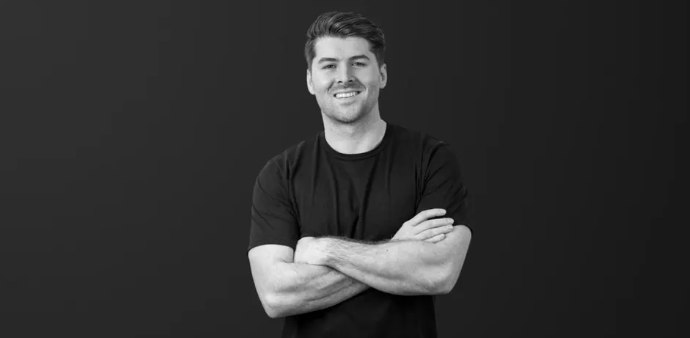
Chris Donnelly has 1.2 million LinkedIn followers. He owns The Creator Accelerator and co-owns SayWhat, a company that analyses millions of posts weekly. Donnelly shares insights to help you generate leads on LinkedIn, including a brand new 64-page report on the LinkedIn algorithm based on 300,000 posts. Here’s what you need to know to get an edge over everyone still playing by old rules.
How the LinkedIn algorithm works in 2026: what you need to know
Your profile signals your authority
The algorithm reads your headline, about section, and experience to verify your authority before distributing your posts. LinkedIn’s latest update, which Donnelly said is called 360 Brew, “now shows your content more accurately to your ICP if you give it the right signals.” He advises to “set your profile up to look like you are a certain job within a certain sector.” A clear profile tells the algorithm exactly who should see your work.
If your content topic doesn’t match your stated expertise, LinkedIn limits how far your posts travel. A healthcare professional posting about cryptocurrency will see their distribution drop because the platform questions whether they have knowledge on that topic. Make sure your LinkedIn profile clearly states the topics you create content about, and watch your reach expand.
Saves are the metric that matters
When someone bookmarks your post, LinkedIn interprets it as content worth coming back to. This carries more weight than a quick like that takes half a second to tap. Donnelly confirms that “saves have been the most important factor for ages.” Posts that people save can resurface in feeds for weeks after publishing.
Create content people want to reference later when they need it. Frameworks, checklists, and practical guides earn saves because they offer lasting value beyond a single scroll. Think about what would make someone hit that save button. If your post contains information worth bookmarking, you’ve created something the algorithm wants to distribute.
Consistency beats timing
“There has never been a golden hour,” says Donnelly. Any advice to post at specific times misses what actually matters. For Donnelly, “posting consistently isn’t about the algorithm directly. It’s so your audience expects you to post then, and can conveniently engage.” That predictable behaviour is good for the algorithm.
Donnelly is blunt about the alternative: “random posting is very tactically bad and damaging.” When you show up sporadically, your audience doesn’t know when to expect you, so they don’t look for your content. Pick a schedule and stick to it. Your followers will learn when you post and check in at those times, which creates the engagement signals the algorithm rewards. Grow your LinkedIn by being predictable.
Consider your content formats
If you want maximum reach, polls offer a higher multiplier than other post types. But Donnelly warns against chasing that metric. He says polls are “top for reach but very low for follower growth or conversion.” His verdict on the format is clear: “truly terrible for your profile generally.” Save polls for occasional audience research, not your core content strategy.
Document carousels face new requirements. The algorithm now penalizes low completion rates, meaning your carousel needs strong visual storytelling and a shorter length of eight to ten slides maximum. Long carousels that people abandon halfway through hurt your account performance. Keep them punchy, watch your completion metrics, and cut anything that doesn’t pull its weight.
What to ignore in 2026
“Hashtags haven’t worked in years, literally,” says Donnelly. The algorithm now scans the actual text of your posts using interest graphs to categorize your content and decide who sees it. Stuffing hashtags at the bottom of your posts does nothing useful. Focus on including topic-specific language naturally in your sentences instead.
The old advice to hide links in the first comment is also outdated. You can place external links directly in the body of your post without a significant penalty. Stop making your audience dig through comments to find what they need. Put the link where they can see it, ideally at the end, after you’ve delivered value in the post above.
Win with the updated LinkedIn algorithm: the advice
LinkedIn in 2026 rewards those who adapt quickly. Align your profile with your content topics so 360 Brew knows who should see your posts and create saveable content worth bookmarking. Post consistently so your audience knows when to find you, avoid polls, focus on carousel retention, and ignore hashtags entirely. Donnelly puts it simply: “it’s still a massively outsized opportunity to generate leads if you adapt to the new style of what is working.” The people who act on this information now will be the ones generating leads while everyone else catches up.
Learn how to write a LinkedIn profile that attracts coaching and consultancy clients.
Feature image credit: The Creator Accelerator owner and SayWhat co-owner Chris Donnelly
By Jodie Cook
Find Jodie Cook on LinkedIn. Visit Jodie’s website.