Author

editor

Browsing

By Chauncey Zalkin

Step one of the first 90 days of marketing at a startup–finding clarity and finding your place in the team.

Over the next couple of columns, I’m going to go into my approach to the first 90 days of marketing at a startup. Silicon Valley coined the phrase “building the plane while flying it.” You have to iterate and do good-enough stuff while making the sparkly shiny thing in the background. You’ve got to connect with people. You’ve got to make choices and you have to execute while managing. It’s a tough balancing act and never perfect, but with good communication and a little patience and compromise, you can find your way through.

The first things I’m going to talk about are finding clarity and finding your place in the team.

The Best Part of Waking Up–The Morning Routine

One of the keys to maintaining perspective is that every morning I wake up and write for 20 minutes or three full pages, whichever comes first. Some mornings with kids as a single mom, I only have 10 or 15 minutes and I take it. I write first thing after the coffee boils, the dog’s been out and the cats have had their breakfast. I do this while the kids are asleep or just waking up. It has helped me see holes in my thinking and be a better listener.

In my morning writing, my worrying mind will record things the founders have said, and they will come back out on paper as problems to solve. Sometimes I find solutions at that moment and my day is completely altered by what my mind has told me in the morning. My day is more impactful as a result. Morning writing is kind of a miracle and I highly recommend it. Whether you call yourself a writer or not.

People Person, Not Politicking

At a startup, different than corporate culture, there is not a lot of coddling going on and not a lot of processes. In my life, that’s a good thing. I am highly entrepreneurial, and I’ve been around long enough to know what I need to do to get things started and where I’ve made mistakes in the past. I am both an extrovert and an introvert. I can spend days alone writing and working and forget to see people until suddenly panic hits me that it’s time to see people again and I start making plans and reaching out again.

Knowing that’s who I am, I made sure to initiate one-on-ones with everyone whose role I would impact and whose role would impact mine. In a lean startup, that means business development and sales, UI/UX, the product owner, and operations and finance–the people creating the math that makes it all work. Pretty much everyone who is not a developer.

I sought to listen before speaking. I had a boss who struggled with that himself tell me to “understand before seeking to be understood” before every meeting. This is not easy, but it is imperative. Also, if you’re new somewhere whether you are in a leadership role or not, you really don’t know anything yet. You need to swim in the pool with the other fish and get a tour of the lake. At the same time, you can’t just sit there completely silently because people need to know who you are and what you will do.

A fellow Chief member in our core group suggested I ask people what they had really wanted to do that had been shelved or abandoned. Knowing what people are passionate about is an amazing way to understand their value and see opportunities at the company that might be getting lost in the shuffle. You can sort through the sands of lost projects and look for gems before starting from scratch.

Feature Image Credit: Getty Images

By Chauncey Zalkin

Sourced from Inc.

How these superstar entrepreneurs arrived at their bright idea.

The entrepreneurial path is not always linear. That spark—the first inklings of what will become a business—can be accidental, serendipitous, intentional, or years in the making. Whether it’s pulling diamonds out of thin air or shining a light on hidden history, the spark that the 20 founders on Sidekick’s list felt led them to create a meaningful business. And it looked a little different for each one.

For Amaurys Grullon, the idea for Bronx Native came out of his pride he felt for his neighborhood, and what he saw as the negative stereotypes associated with it. The Bronx needed the kind of positive representation he saw other New York City boroughs receiving.

“We were looking for merch online, and we couldn’t find no merch that really represented the Bronx, our culture, our history,” he said. “We were like, ‘How is this even possible?…You got everything for Brooklyn: Brooklyn jeans, Brooklyn tees, everything…and then the Bronx, even though this is the mecca and birthplace of hip-hop, salsa, doo-wop, diversity, and culture, we still get the short end of the stick.”

In response, Grullon tapped the abundance of creative talent in the Bronx, along with his own art and design background, and created Bronx merchandise, designed by Bronx artists, that empowered, inspired, and created equity for Bronx people (and everyone who wanted to rep the Bronx). Eventually, he opened a pop-up shop—but five years later the pop-up has become permanent. Grullon says that Bronx Native is “not only a brand that creates merchandise.” They have recording spaces and use the storefront as a homebase to host and promote financial literacy classes, and artist events. They even bring awareness to local politicians (ahem, AOC).

“What we’re doing is bridging the gap between all these genres and creating social impact in an amplified way,” said Grullon, whose passion for the business and the culture it represents come through loud and clear.

For other founders, their idea was also deeply personal, but the business-building was more improvisational.

Helen Mayer, for instance, didn’t intend to start a business when she created Otter. She was just a mom trying to support other moms seeking child care during the pandemic.

“I became a stay-at-home mom basically by default,” she told Sidekick, and she also noticed other moms in her predicament who were “feeling really isolated.…and [also] that there were a lot of working moms who were just drowning, like they just couldn’t figure out what child care would look like.” This led Mayer to think about building a tool that would “help people find a neighbour who’s a stay-at-home parent and swap child care back and forth.”

What began as an idea to help other career givers around her then took a commercial turn when she noticed that working moms weren’t able to contribute an equal amount of child care because of outside obligations. “I started wondering if I could get the stay-at-home parents paid for the work that they were doing,” she said. It was an exciting possibility for Mayer, whose own mother had been a full-time parent who often struggled financially.

After she began to build out the platform and incorporate background and safety checks, Otter attracted investor attention, and her idea became a full-time business.

Some entrepreneurs, like Fawn Weaver, stumble upon business ideas wherever they happen to be in the world. The serial entrepreneur and best-selling author was in Singapore when she came across a New York Times profile on master distiller Nearest Green, the Black master distiller who had actually shown Jack Daniel the process of making whiskey. Weaver knew she had an important opportunity on her hands right away.

“This wasn’t about whiskey—it still isn’t. For me, it was about the story of who we now know to be the first known African American master distiller.” As Weaver dug in and learned more about the significance of Nearest Green’s life, she realized that she needed to play a part in cementing his legacy. What better way to do that than with whiskey? “We would have to do that with a whiskey, but not just any whiskey. It would have to be a whiskey that won every award around the world,” Weaver said.

With years of experience successfully investing and running businesses across the hospitality industry, Weaver was no stranger to the effort it takes to build a sustainable business. So it isn’t a surprise that Uncle Nearest’s Premium Whiskey has become an award-winning brand that she vows to make last through generations.

Ryan Shearman, founder of Aether Diamonds, was also an established entrepreneur when he landed on a new—and unusual—idea.

In 2018 he was reading about the latest efforts to solve the climate crisis in a book called Drawdown when he came across a section on direct air capture technology, which uses chemistry to remove carbon dioxide from the atmosphere.

At the time he and his now co-founder were already brainstorming startup ideas and actively looking for a new venture to develop. Stumbling upon the direct air method of carbon capture was the spark he needed to set the wheels in motion.

The co-founders knew “that the jewelry industry was ripe for disruption” and that “there’s plenty of room to improve the way that the jewelry industry does a lot of things,” Shearman told Sidekick. Lab-grown diamonds were gaining traction in the industry, and by using direct air capture, he could create sparkling jewels with very little carbon offset—it was a perfect marriage of ideas.

Shearer realized that there wouldn’t be a preexisting technology stack that could help him bring the type of diamonds he wanted to market.  “So we had to really go out and do it ourselves,” he said.

Not all visionaries earn bonafides in the boardroom. Sometimes the best way to develop your next big idea is getting your hands dirty—literally.

After working across the food industry in positions ranging from delivery truck driver to farm worker, 22-year-old Sana Javeri Kadri noticed that most of the seasonings sourced from her home country, India, were both low quality and of murky origin. So she journeyed back home to Mumbai with the idea to visit as many farms as possible across the country—and then tell the stories of the farmers who ran them.

“The more I visited these farms, the more I [realized] that there’s this whole generation of South Asian farmers, very similar to the regenerative [agriculture] movement here in the US, who are young, they’re ambitious, they want to do things differently. But they don’t have access to a market,” said Kadri.

So, she decided to be the connection between the farmers and the tight US spice market. After returning from her travels, Kadri launched Diaspora Co. with just one product (Pragati Turmeric) and a dream.

In the case of food brand Omsom, its founders knew the impact they wanted their brand to have on those within and outside of the Asian community—but they weren’t sure what products to sell.

Vanessa Pham’s and Kim Pham’s journey to entrepreneurship was always backed by the intention to create a loud and proud, unapologetically Asian food brand. As the US experienced what the sisters refer to as an Asian culture “renaissance,” they decided that they wanted to bring their family’s story to the grocery store.

To get a better understanding of what exactly it was that people were looking for when cooking Asian food at t home, Kim and Vanessa conducted interviews, Twitter polls, and even entered the kitchens of over 50 people. They quickly came to a realization: Regardless of whether or not you’re Asian, you likely love Asian food. But, Kim said, “When it comes to actually cooking these flavors in your own home, everybody faces barriers, intimidation, and lack of competence…we realized that folks don’t struggle with getting the protein or the veggies, they struggle with getting the foundational flavors right.”

And thus Omsom was born.

For each of these businesses, an observation, a pain point, or a desire for change became the catalyst for what has ultimately become a solution. But after the initial idea, the real work begins. How an entrepreneur transforms an idea into a profitable company is unique to each individual. In our next edition of the Solo List, we explore how these businesses were built.

Feature Image Credit: CSA Images/Getty Images

By Maliah West and Sabrina Sanchez

Sourced from Sidekick

Sourced from Forbes

When it comes to job interviews, a candidate is always going to put their best foot forward to convince the employer they’re the best fit for the role. However, distinguishing between someone who is portraying their best and someone who is putting on an act just to get a job isn’t always easy, and no one wants to make a hire only to find out the person isn’t who they said they were.

To avoid this situation, employers will need to be diligent about looking for clues during the recruiting and hiring process. Looking for the following eight signs explained by the members of Young Entrepreneur Council can give you a good place to start in determining if a candidate is being their authentic self.

1. They Answer Surprise Questions Well

One sign that helps you tell if a candidate is being their authentic self is how they respond to “surprise” questions. A good candidate will have researched potential questions related to the job role and come up with answers; however, unexpected questions that force them to think on their feet will show you how they are day to day. – Diana Goodwin, MarketBox

2. They’re Comfortable Talking About Their Experiences

One key sign that a candidate is being their authentic self is if they’re comfortable speaking openly and candidly about their experiences. If a candidate is guarded or hesitant to share their thoughts about past experiences, it may be an indication that they’re not being their true self. Part of this also includes whether or not the candidate is capable of openly sharing their flaws and weaknesses. – Richard Fong, Disability Help

3. They’re Consistent In Their Answers

The No. 1 thing I look for in interview questions is consistency. Take detailed notes when you get answers from an applicant and ask the same question in a different way either later on in the interview or in a second interview. Generally, people who are “acting” have a hard time remembering the story they were telling you after some time has passed. – Karl Kangur, Above House

4. They Don’t Have An Answer For Everything

Anything that sounds too good to be true usually is. Some people try to tell you what you want to hear, not their actual experience. The fact is, nobody is perfect, and real talent recognizes that. A truly wise person knows that they know nothing; they are always learning and improving. The latter personality trait is what you do want to hire. – Andy Karuza, NachoNacho

5. They Can Offer In-Depth Explanations

Seek in-depth explanations and not answers. I go in depth into a work-related or personality-related topic that doesn’t have a right or wrong answer to gauge how comfortable the candidate is talking about it at length. Usually after doubling down on five or six questions, candidates who aren’t genuine will start cracking up as they get nervous about whether the answers are correct or not rather than worrying about being truthful. – Vinay Indresh, Spacejoy

6. What They Say Matches What Their References Said

The most important part of the recruiting process is checking references to see how past employers’ impressions of a candidate match up against the candidate you met with. During the interview, every capable candidate will focus on their achievements and put their best face forward. It’s important to do your due diligence and speak with past employers to get a full picture before hiring the person. – Leila Lewis, Be Inspired PR

7. They Can Verify Their Skills Or Knowledge

Sometimes what you see on paper or during the interview might be different from reality. One simple test that you can use to determine a candidate’s authenticity is to ask them to teach you how they perform a specific task or what they would do to accomplish any task. Using these tactics, you can easily distinguish between those with polished skills and those without. – Kelly Richardson, Infobrandz

8. They Embrace Difficult Questions

If your goal is to find out if a potential hire is authentic during the recruiting process, start by asking hard-hitting, direct questions that usually have straightforward answers. I keep an eye out for people who avoid difficult questions or skip over crucial information, such as why they were let go from their last job. Keep an eye out for generic answers and avoidance tactics. – John Brackett, Smash Balloon LLC

Sourced from Forbes

By Brit Morse

Founders open up about how personal connections helped them build lasting businesses.

When it comes to raising funds or getting new clients for your business, every person you meet could offer you a future opportunity. So, it’s crucial to never stop networking.

That’s exactly what LaToya Bass, owner and CEO of Alignment Business Solutions and Andy Rieger, founder and president of J. Rieger & Co, emphasized during a panel discussion in Kansas City in September. At a Meta Small Business Studio event, co-hosted by Inc., the two opened up about how unexpected connections helped grow their businesses.

“You never have any idea who the people are that you are talking to. And if you burn a bridge, you are only going to shoot yourself in the foot,” said Rieger, who runs a distillery in the West Bottoms Livestock Exchange district of Kansas City.

After building a retail location, and a production facility for his distillery, Rieger needed a way to expand his product and get it in more locations. He spent four days a week grabbing coffee and drinks with whoever he could find in the area; as recent Dallas transplant he was looking for local connections. During a New Year’s Eve party in 2019 when he met an investor, who seemed interested in his whiskey. Instead of playing host and enjoying his night off, he took 20 minutes to show him around the facility. When the pandemic hit and Rieger needed emergency capital to keep the business running, that one conversation led to a $2 million investment.

“When it comes to raising money, the number one thing that you can do whether you’re a coffee person or happy hour person, is get a drink with someone, no matter who they are,” says Rieger. “They might not be your financier right away but you never know how they could be there in the future.”

Bass agrees. She says her company, a professional services firm based in Kansas City, grew entirely through word of mouth and the relationships she’s built with clients. She started the business with no money; her first client actually paid her $5 an hour. The more clients she found the more she was able to up her fees. It was the positive interactions with clients that she says, propelled her business forward. Simply listening to people, she notes, goes a long way to building lasting relationships.

“When you’re talking to people, actually care about the conversation,” says Bass. “We only see people for a little bit of their day, and so make sure when you’re coming in contact with people, be positive and make sure you take care of them.”

Feature Image Credit: Getty Images

By Brit Morse

Sourced from Inc.

By David Lieberman

David Lieberman is a specialist in the field of human behaviour and interpersonal relationships. He is a renowned psychotherapist and author of eleven books. He has trained personnel in the U.S. military, the FBI, the CIA, and the NSA, and his instructional video is mandatory for psychological operations graduates. He teaches government negotiators, mental health professionals, and Fortune 100 executives.

Below, David shares 5 key insights from his new book, Mindreader: The New Science of Deciphering What People Really Think, What They Really Want, and Who They Really Are. Listen to the audio version—read by David himself—in the Next Big Idea App.

Mindreader: The New Science of Deciphering What People Really Think, What They Really Want, and Who They Really Are By David Lieberman

1. What they really think.

Paying close attention to both what people say and how they say it—language pattern and sentence structure—reveals what’s actually going on inside their heads. There are seven or eight different markers to consider.

One such marker is pronoun usage. From a psycholinguistic standpoint, pronouns can reveal whether someone is trying to separate themself from their words. In much the same way that an unsophisticated liar might look away because they are feeling guilt and eye contact increases intimacy, a person making an untrue statement often subconsciously distances from their own words. The personal pronouns (e.g., I, me, mine, and my) indicate that a person is committed to and confident about their statement. Omitting personal pronouns may signal someone’s reluctance to accept ownership of their words.

Let’s take the example of giving a compliment. A woman who believes what she’s saying is more likely to use a personal pronoun. For instance, “I really liked your presentation.” However, a person offering insincere flattery might say, “Nice presentation,” or “Looks like you did a lot of research.” In the second case, she has removed herself from the equation. Those in law enforcement are well acquainted with this principle and recognize when people are filing a false report about their car being stolen because they typically refer to it as “the car” or “that car” and not “my car” or “our car.” Of course, you can’t gauge honesty by a single sentence, and pronoun usage is only one of a dozen of different markers available to us.

2. Interpersonal insights.

Those in law enforcement know that victims of violent crimes, such as abduction or assault, rarely use the word we. Instead, they’ll relate the events in a way that separates them from the aggressor, referring to the attacker as “he” or “she” and themselves as “I.” Rather than saying, “We got into the car,” they are inclined to phrase it as, “He put me in the car.” Recounting a story that is peppered with we, us, and our may indicate psychological closeness and implies an association, a relationship, and perhaps even cooperation.

We can observe benign applications of this in everyday life. At the end of a date, Jack and Jill walk out of a restaurant, and Jill inquires, “Where did we park the car?” An innocent question, but using we, instead of you, indicates that she has begun to identify with Jack and sees them as a couple. Asking “Where is your car parked?” hardly implies disinterest, but turning your into our does expose a subtext of interest.

“The pronoun we is typically reserved for positive associations.”

Whenever I speak to couples, I’m always on the lookout when the word we is conspicuously absent from conversation. Research finds that married couples who use cooperative language (e.g., we, our, and us), more often than individualized language (e.g., I, me, and you) have lower divorce rates and report greater marital satisfaction. Studies also demonstrate a powerful correlation between such pronoun use and how couples respond to disagreements and crises, predicting whether they will team up and cooperate or become polarized and divided. The use of you-words (e.g., you, your, and yourself) may suggest unexpressed frustration or outright aggression. A person who says, “You need to figure this out,” conveys enmity and a me-versus-you mindset. However, “We need to figure this out,” indicates us-versus-the-problem, a presumption of shared responsibility and cooperation.

Again, a single, casual reference does not mean anything (and any of these statements might signal anger or frustration in the moment, not about the marriage itself), but a consistent pattern of syntax reveals everything.

The implications of syntax extend to the corporate arena. Research finds that firms where workers typically refer to their workplace as “the company” or “that company,” rather than “my company” or “our company,” and to co-workers mostly as “they” rather than “my co-workers,” are likely to have low morale and a high rate of turnover. Similarly, in sports a fair-weather fan can be spotted through language: When the fan’s team wins, they characteristically declare, “We won.” But when the team loses, it becomes, “They lost.” The pronoun we is typically reserved for positive associations.

3. The art of reading the bluff.

Sun Tzu, in The Art of War, neatly distils the bluff: “If able, appear unable; if active, appear inactive; if near, appear far; if far, appear near.”

When a person is bluffing, they are managing others’ impressions to convey the “right” effect and serve a personal agenda. Conversely, the authentic person is not interested in how they come across because they are unconcerned with their image. A deceptive counterpart focuses solely on others’ impressions and puts a great deal of effort into presenting a certain image. The latter person almost always goes too far.

A bluff occurs when someone is really against something but pretends to be for it—or vice versa. The person is trying to create a false impression to disguise their true intentions. Therein lies the key: People who bluff habitually overcompensate, so you can uncover a bluff instantly by noticing how someone tries to appear. Let’s take an example from the world of poker.

A card player bets heavily and raises the pot. Does he have the cards or simply guts? When a person is bluffing in a poker hand, he wants to show he is not timid. He might put his money in quickly. But if he does have a good hand, he may deliberate a bit, showing that he is not really sure about his hand. Poker professionals know that a bluffing person will give the impression of having a strong hand, while a person with a strong hand will imply that their hand is weak.

“People who bluff habitually overcompensate, so you can uncover a bluff instantly by noticing how someone tries to appear.”

When people feign confidence they manipulate how self-assured they appear because we equate confidence with calm. For instance, law enforcement professionals know that a suspect may yawn as if to show he is relaxed or even bored. If the person is sitting, they may slouch or stretch, covering more territory as if to demonstrate a feeling of ease. Or the suspect may busily pick lint off his slacks, trying to show he is preoccupied with something trivial and is clearly not worried about the charges. The only problem (for the guilty person) is that a wrongly accused person will be indignant and won’t try promoting the right image. Remember, people who bluff habitually overcompensate.

4. The personal narrative.

Imagine that a man woke up one morning insisting he was a zombie. His wife tried shaking him into reality, to no avail. She reached out to his mother, who also tried to snap him out of this delusion. Not knowing what else to do, they finally took him to a psychiatrist but the guy insisted to the doctor, as he had to both his wife and mother, that he does not have a problem. The psychiatrist said, “But I hear that you think that you’re a zombie.” The man said, “Doc I know I’m a zombie.” The psychiatrist asked if zombies bleed and the man said they don’t. So, the psychiatrist pricked the man’s finger and it bled. The man stared in amazement at his finger, blood trickling down, and looked up to say, “Well what do you know, zombies do bleed.”

The moral of the story is that people see themselves, others, and their world the way that they need to, in order to reconcile with their personal narrative—to make sense of themselves, their choices, and their lives.

The greater our ego, the more vulnerable we feel, and the greater our drive to predict and control our world. We then interpret the world to fit our narrative, rather than adjusting our worldview to fit reality. Essentially, we colour the world so that we are untainted.

Take notice of how people see themselves and their world—what attracts their attention and what they avoid; what they condemn and what they defend—to know their story of “I.” Or put differently, the what (they focus on and see) tells you the why (they focus on it), and the why tells you the who (they really are).

Building a psychological assessment begins with asking, Why do they need to see that which they are looking for in the first place?

5. Mirror, mirror on the wall.

Ralph Waldo Emerson wrote: “People do not seem to realize that their opinion of the world is also a confession of character.” This is a piercing insight into human nature. A person looks at the world as a reflection of themselves. If they see the world as corrupt, they feel on some level that they are corrupt. If they see honest working people, that is frequently how they see themselves. That’s why con artists are the first to accuse others of cheating.

“How someone treats you is a reflection of their own emotional health and says everything about them and nothing about you.”

The old saying, “What Susie says about Sally says more of Susie than of Sally,” has a strong psychological basis. Research finds that when you ask someone to rate the personality of another person—a close colleague, an acquaintance, or a friend—their response provides direct insight into their personality traits and emotional health. Indeed, findings show “a huge suite of negative personality traits are associated with viewing others negatively.” Specifically, the level of negativity the rater uses in describing the other person and “the simple tendency to see people negatively indicates a greater likelihood of depression and various personality disorders,” including narcissism and antisocial behaviour. Similarly, seeing others in a positive light correlates with how happy, kind-hearted, and emotionally stable a person is.

The less emotionally healthy a person is, the more they denigrate the world to accommodate their own insecurities. Hence, how someone treats you is a reflection of their own emotional health and says everything about them and nothing about you. We give love. We give respect. If someone doesn’t love themselves, what do you expect them to give back? The emotionally healthy person is true to themselves, non-judgmental, and accepting of others.

Knowledge is not power. Knowledge is a tool. How it is wielded makes all of the difference. Real power is the responsible application of knowledge. Knowing what people really think and feel saves time, money, energy, and heartache. But it also positions you to better understand, help, and heal those who are in pain. The techniques in my book are to be used responsibly, to enlighten, empower, and inspire. They are designed to educate so that you can become more effective in your life and interactions and more optimistic about your abilities and possibilities.

To listen to the audio version read by author David Lieberman, download the Next Big Idea App today:  

Listen to key insights in the next big idea app


By David Lieberman

Sourced from nextbigideaclub.com

Sourced from weandthecolour.com

Are you wondering what the top graphic design trends will be in 2023? We tell you!

The graphic design industry is ever-changing and keeping up with the latest trends can be tough. But, if you want to stay ahead of the curve, it’s important to know what’s popular in the design world.

That’s why we’ve put together a list of the top 20 graphic design trends that we think will be big in 2023. From neon colors to vintage graphics, there’s something for everyone on this list!

So, without further ado, here are the top 20 graphic design trends for 2023:

1. Neon Colors

1980s and cyberpunk inspired poster design templates available as fully editable vector graphics.
Retro-futuristic poster templates with neon colors by Adobe Stock contributor Diana Hlevnjak, aka Polar Vectors.

Neon colors are making a comeback in a big way and they’re perfect for graphic design. They’re bright and eye-catching, and add a touch of fun to any design. Neon colors are perfect for logos, flyers, posters, and other marketing materials. That’s right – those garish, eye-catching shades that were once reserved for birthday parties and bowling alleys are now being used in everything from corporate designs to magazine covers. So what sparked this neon revival? Some say it’s a reaction to the muted tones of the digital age, while others believe that designers are simply looking for new ways to stand out in a saturated market. Whatever the reason, there’s no denying that neon is one of the hottest trends in graphic design right now. So if you’re looking to add a little pizzazz to your next project, don’t be afraid to reach for the neon crayons. Just don’t be surprised if your clients ask you to tone it down a bit.

2. Minimalist Design

Colin Coffee - limited edition packaging design by Reesaw Studio
A minimalist packaging design by Reesaw Studio.

Minimalist design is all about simplicity and clean lines. This trend has been popular for a few years now and it shows no signs of slowing down. It’s simple, clean, and modern, making it a great choice for branding, marketing materials, packaging, and web designs. If you want to create a modern and stylish graphic, opt for a minimalist design.

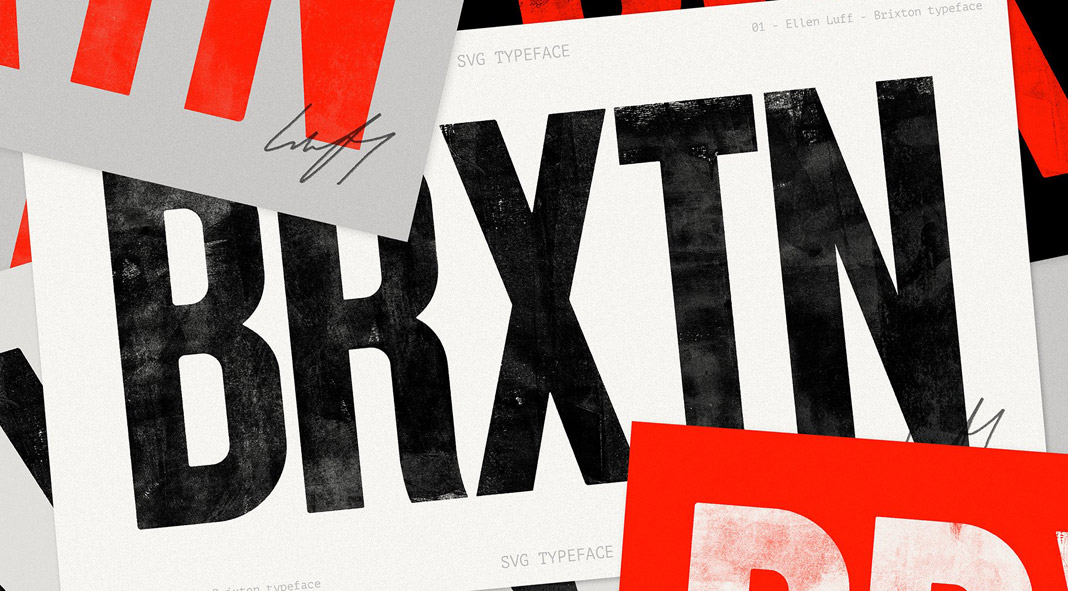
3. Bold Typography

Brixton SVG typeface, a hand-printed font family by Ellen Luff.
Brixton SVG typeface, a hand-printed bold font family by Ellen Luff.

Bold typography is another great way to make your graphic design stand out. Use large, eye-catching fonts to grab attention and add impact to your design. Just be sure not to use too many different font styles in one graphic, as this can look cluttered and confusing. From street signs to movie posters, this style of lettering is everywhere you look.

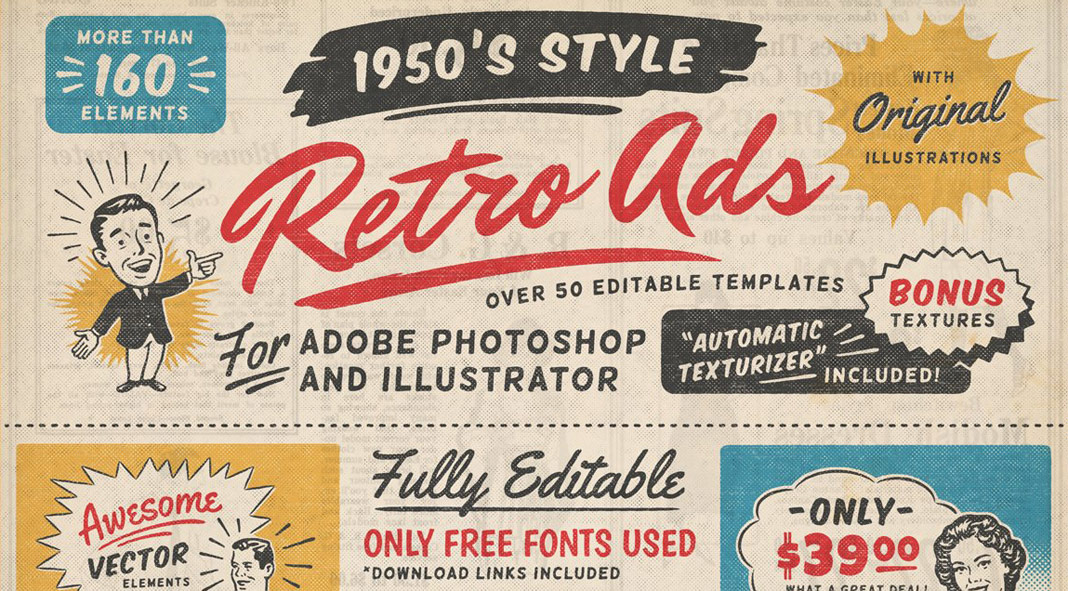
4. Vintage Graphics

1950s retro style vintage ad templates for Adobe Illustrator and Photoshop created by DISTRICT 62 STUDIO.
1950s retro-style vintage ad templates for Adobe Illustrator and Photoshop created by DISTRICT 62 STUDIO.

Vintage graphics are making a big comeback in the design world. If you’re looking for a graphic that has a retro feel, consider using vintage graphics. By pairing vintage illustrations with modern fonts and layouts, designers are able to create stunning visual effects that are both nostalgic and contemporary. This trend is also evident in the resurgence of vintage-inspired logos and brand identity designs. As more businesses seek to create a unique and memorable brand identity, vintage graphics are becoming an increasingly popular design element. With their ability to evoke a sense of history and nostalgia, vintage graphics are sure to remain a popular trend in the world of graphic design. You can find some great vintage graphics online or hire a graphic designer to create something custom for you.

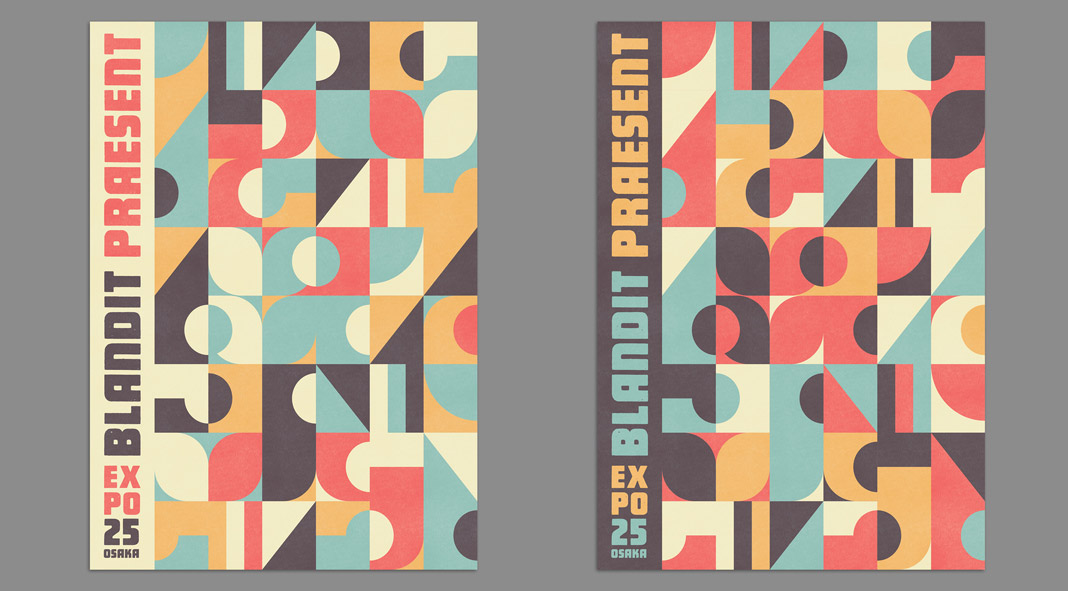
5. Geometric Shapes

Abstract Geometric Poster and Cover Templates with Flat Pattern Design Elements
Abstract geometric poster templates with flat pattern design elements by blackcatstudio.

Geometric shapes are simple, yet effective, and they can add interest to any graphic design. Use basic shapes like circles, squares, and triangles to create patterns, or use more complex shapes to add depth and dimension. In recent years, we have seen a resurgence of geometric shapes in both web and print design, and it shows no signs of slowing down. While some geometric shapes are more playful, others can be used to create a more serious or sophisticated look. No matter what your style, there is a geometric shape that will suit your needs. So go ahead and embrace the trend!

6. Hand-Drawn Elements

Figara Line Drawings & Illustration
Hand-drawn line illustrations by Delightful Design.

Hand-drawn elements add a personal touch to any graphic design. Whether you use simple sketches or more complex illustrations, hand-drawn elements can add a unique touch that sets your graphic apart from the rest. If you’re looking for a way to add hand-drawn elements to your graphic, there are many resources online that you can use. You can find free clip art and illustrations, or hire a graphic designer to create something custom for you. Just be sure to keep the overall look of your graphic consistent with the overall style of your design.

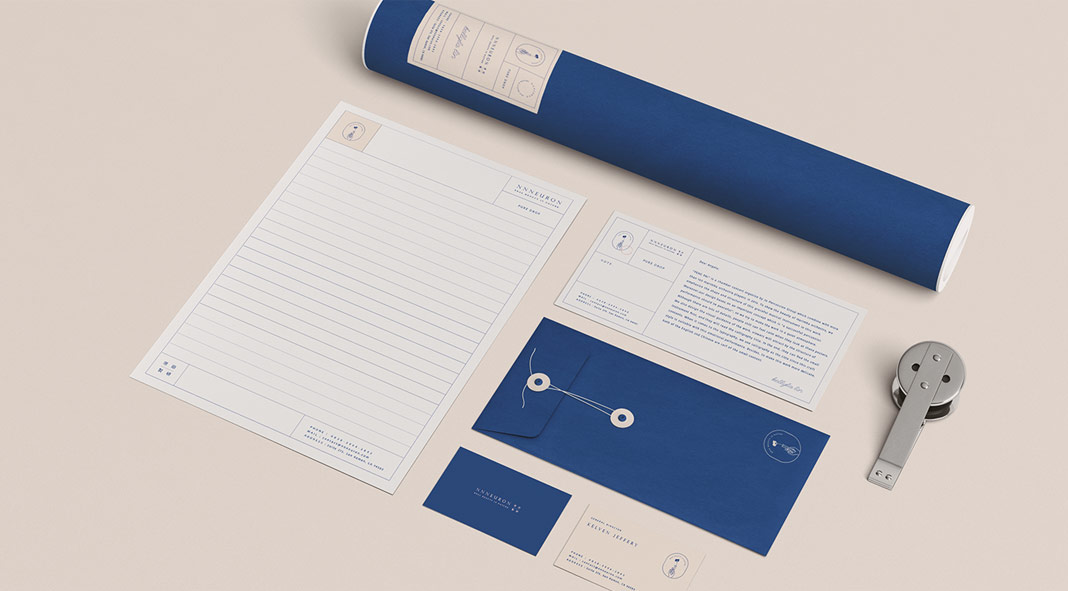
7. Duotone Colors

NNNEURON Cosmetic branding by Studio Pros.
Duotone brand design by StudioPros.

Unlike traditional color schemes, which use three or more colors, duotone schemes rely on just two tones. This minimal approach can create a sleek and sophisticated look, perfect for brands that want to convey a sense of sophistication and style. This trend adds a bit of interest to any design without using too many colors.

8. Metallic Colors

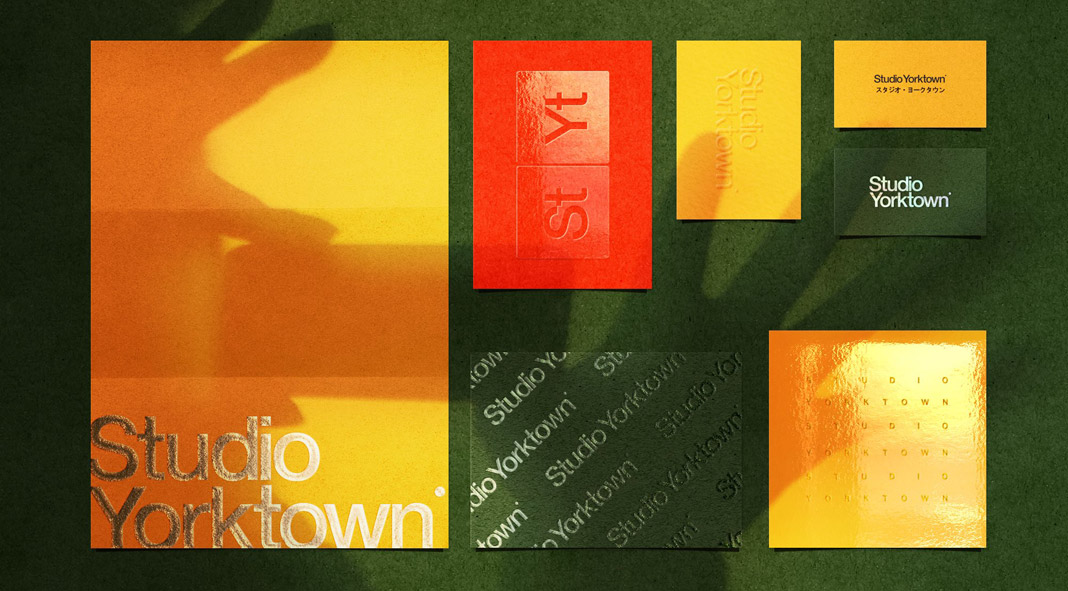
Meiji, a multi print effects mockup — Adobe Photoshop templates by Studio Yorktown.
Meiji, a multi-print effects Photoshop mockup by Studio Yorktown.

Metallic colors are shiny and eye-catching, making them perfect for graphic design. Use metallic colors to add a touch of luxury to your graphic or to make it pop against a plain background. From shimmering gold to rich bronze, these colors add a sophisticated style to any design.

9. Negative Space

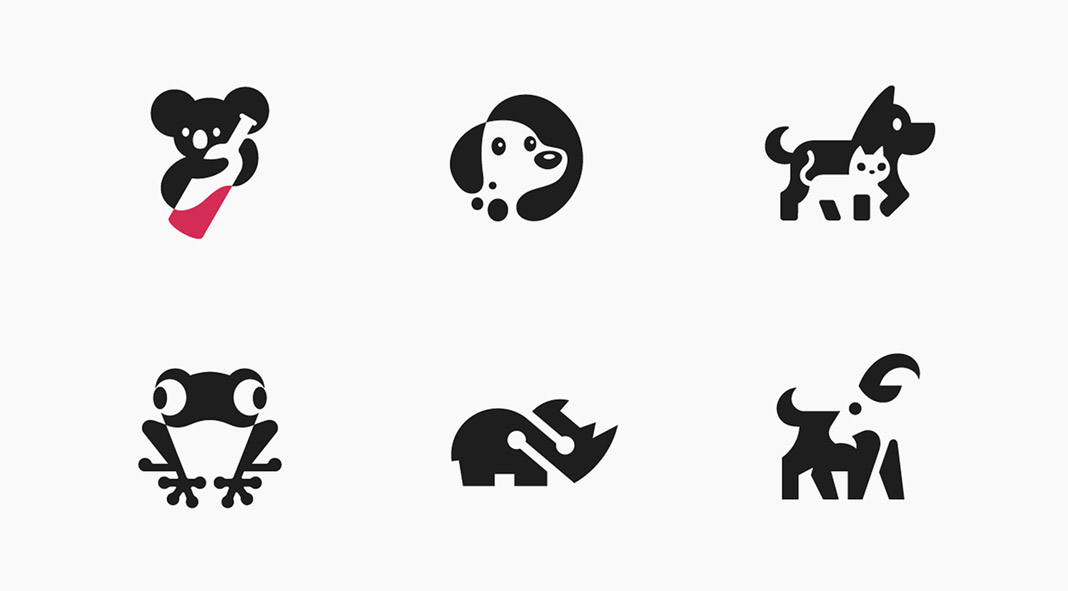
Graphic Design Trend: Negative space animal logos by Daniel Bodea
Negative space animal logos by Daniel Bodea

Negative space is the empty space around and between the subjects in a graphic. This trend is all about using negative space creatively to add interest and impact to your design. It’s a minimalistic approach that has been gaining popularity in recent years, as more and more designers strive to create clean and sophisticated designs.

10. Animated Graphics

Nicola Gastaldi, Taking a picture of a picture.
Animated graphics by Gastaloops.

Animated graphics are a great way to add movement and interest to your graphic design. Everywhere you look, from advertisements to websites to social media posts, businesses are using animation to capture attention and stand out from the competition. And it’s not just small businesses; even major brands are using animated graphics to communicate their messages. While some may dismiss animated graphics as a passing fad, there’s no denying that they are an effective way to engage audiences and deliver information in a memorable way. You can hire a graphic designer to create a custom animation for you or use free resources online to create simple animations.

11. Infographics

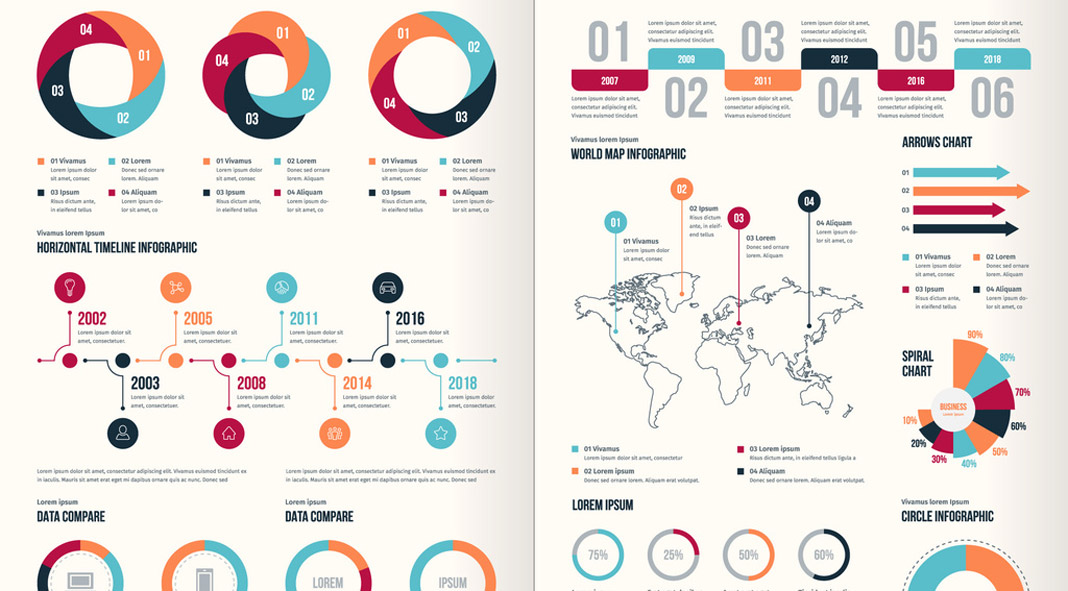
Download Adobe Stock Business Vector Infographics
Editable business infographics by Petr.

Infographics are a great way to present information in a visually appealing way. As a society, we are constantly inundated with information. In the age of the internet, we have access to more data than ever before, and it can be overwhelming to sift through everything and find what we’re looking for. This is where infographics come in. An infographic is a visual representation of data or information, and they have become increasingly popular in recent years as a way to quickly and easily communicate complex ideas. For graphic designers, infographics offer a unique challenge, as they must distill a lot of information into a single, visually-appealing image. As infographics continue to grow in popularity, we can expect to see more designers experimenting with this trend.

12. Icons

Futuro Next Icons by bloomicon on Adobe Stock.
An icon set by Bloomicon.

Nothing new but icons are simple, yet effective, graphic elements that can be used to represent different concepts or ideas. You’re probably thinking, “Icons are so overdone. Everyone is using them.” But that’s exactly why they’re such a popular graphic design trend right now. Icons are eye-catching and easy to understand, making them perfect for grabbing attention in a crowded marketplace. And because they’re so versatile, they can be used in a variety of ways to communicate your brand’s unique identity. So if you’re looking for a way to make your mark, consider using icons in your next design project.

13. Photo Manipulation

Fractal Mirror Poster Photo Effect Mockup for Adobe Photoshop
Photo manipulation effects for Adobe Photoshop by Pixelbuddha.

Photo manipulation is the process of manipulating images to create a desired effect. This graphic design trend is perfect for those who want to add a bit of creativity to their work. There are many different techniques that can be used in photo manipulation, so it’s a great way to experiment with your graphic design.

14. Vector Graphics

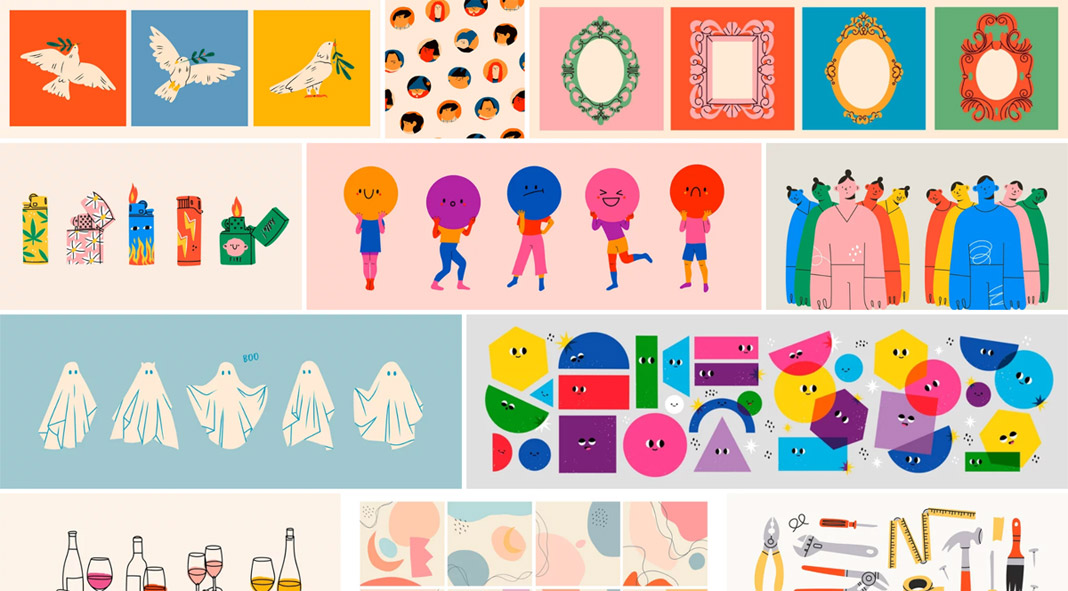
Download fun, playful vector graphics and illustrations in striking colors
Colorful vector graphics by Dariia.

Vector graphics are computer graphics that are created using mathematical objects called vectors. They can be transformed to any size without loss of quality. Vector graphics are nothing new in the design world but the clean and modern style is currently very popular and can be found across any type of media ranging from print to the web.

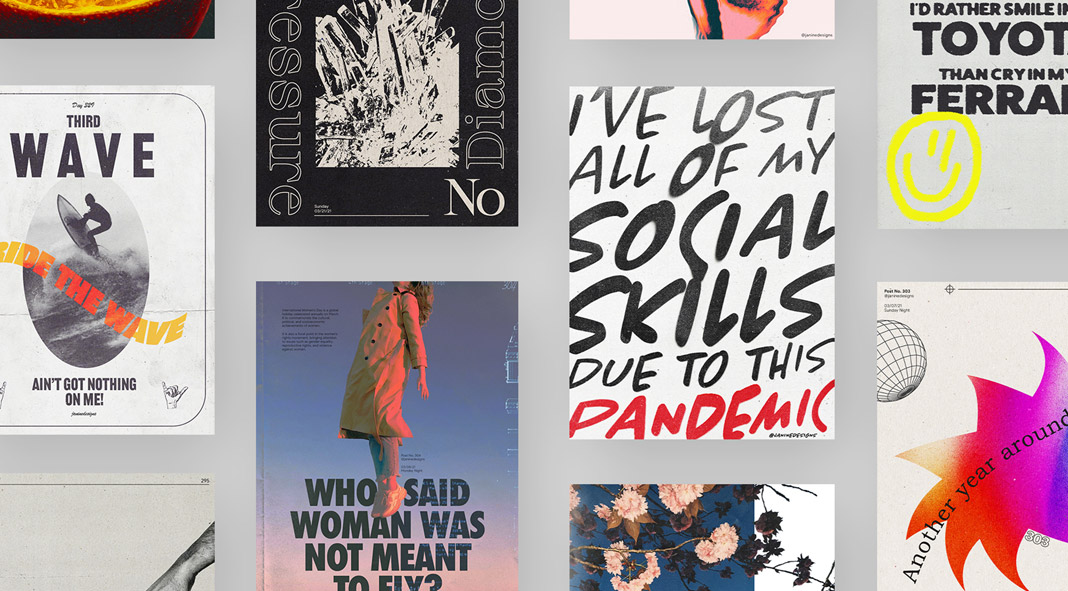
15. 90s-Inspired Design

365 Days of Grunge Typography Posters by Janine Heinrichs
365 Days of grunge typography posters by Janine Heinrichs.

90s design was all about big bold statements. From chunky die-cut shapes to DayGlo colors, 90s designers had a knack for making an impact. And while some 90s trends have since fallen by the wayside, others are currently making a comeback. So what makes 90s design so special? Part of it has to do with the fact that 90s designers weren’t afraid to experiment. They pushed boundaries and challenged convention, creating a style that was both eye-catching and forward-thinking. But 90s design also has a certain sense of nostalgia about it. Whether you love it or hate it, there’s no denying that 90s design is here to stay.

16. Grain and Noise Textures

Grain and noise textures by Pixelbuddha
Grain and noise textures by Pixelbuddha.

One of the latest trends in graphic design is the use of grain and noise textures. These textures can add a sense of depth and realism to a design, and they can also be used to create a vintage or distressed look. Grain and noise textures are often used in conjunction with other effects, such as halftone dots or overlays. When used correctly, they can help to create a cohesive and visually arresting design. However, like all trends, grain and noise textures should be used sparingly, as too much of either can quickly become overwhelming. So if you’re looking to add a little grain or noise to your next project, be sure to use it judiciously.

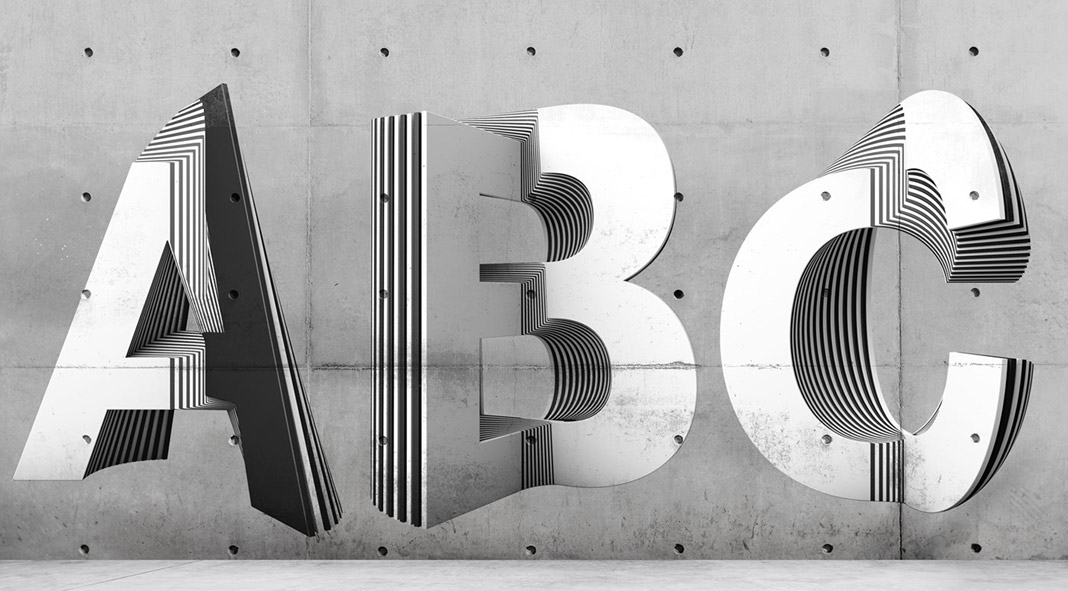
17. Experimental Typography

Experimental layer typography by Txaber Mentxaka.

In the world of graphic design, experimental typography is having a moment. This trend involves pushing the boundaries of typefaces to create unique, eye-catching designs. While experimental typography has been around for decades, it has recently gained popularity thanks to the rise of digital design tools and social media. As a result, experimental typography is now being used by everyone from major brands to small businesses. And while not everyone is a fan of this trend, there’s no denying that experimental typography can be incredibly effective when used correctly. So if you’re looking to add a touch of personality to your next project, don’t be afraid to experiment with your typography.

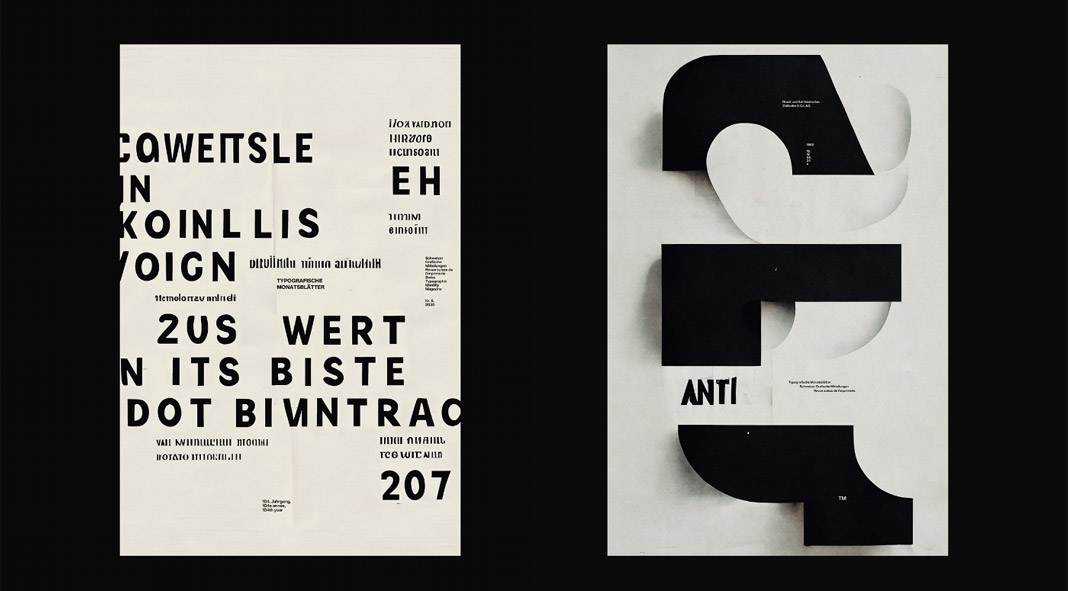
18. Computer-Generated Graphics

Minimalist poster designs by Guangxi Cai and Qiaoqiao Tang

It’s no secret that computer-generated graphics are becoming increasingly popular. Once relegated to the world of science fiction movies and video games, computer-generated graphics are now being used in everything from advertisements to product packaging. And it’s easy to see why. With their ability to create realistic images and text effects, computer-generated graphics offer designers a lot of flexibility. Plus, thanks to advances in technology, computer-generated graphics are becoming more and more realistic all the time. As a result, we’re likely to see even more computer-generated designs in the coming years.

19. 3D Elements

Lumen, a personal 3D project by Anna Caban- Szypenbeil
Lumen: 3D art by Anna Caban- Szypenbeil.

3D elements are nothing new. In fact, they’ve been around for centuries in the form of sculptures and other art forms. However, 3D design is now starting to make its way into the world of graphic design, and it’s definitely making a splash. Thanks to advances in technology, rendered 3D elements can now be created with ease, and they offer a unique way to add depth and interest to any project. From logos to illustrations, 3D elements are becoming increasingly popular, and it’s easy to see why. If you’re looking to add a touch of dimension to your next project, don’t be afraid to experiment with 3D design.

20. Serif Fonts

Perfectly Nineties font by Jen Wagner Co.
Perfectly Nineties font by Jen Wagner.

These days, serif fonts are all the rage in the world of graphic design. And it’s no wonder why! These traditional fonts convey a sense of sophistication and elegance, making them perfect for luxury brands or high-end businesses. But serif fonts can also be used to add a touch of stylishness to more down-to-earth designs. So whatever your project may be, don’t be afraid to add a little serif flair. After all, that’s what all the cool kids are doing these days.

Sourced from weandthecolour.com

Sourced from Evening Standard

Everything you need in one place to get your business off the ground

Whatever you’re thinking of selling, from candles and cakes to life coaching sessions or spare car parts, if you want your business to succeed, you need to be online.

Your business is all about you, to a degree, you’ve been there from the start and poured your heart and soul into its creation but it’s also about your customers. Where they are in the world, what they like to do, what makes them tick and (most importantly) how they want to shop.

Growing a successful business is a delicate balancing act. You’ve already got the product – creating that is often the easiest part – but if you want to make an income now you need the tools to connect it with your customers.

But before you start dreaming of where you’ll spend your first million, or how many countries you’ll visit when you retire early, you need to go back to basics and create an online marketplace for your company.

Squarespace connects the dots and provides an all-in-one platform to stand out from the crowd.

It’s a one-stop-shop making it easy, convenient, and quick to create and manage an online shop in four easy steps.

Visit Squarespace to create a free website today.

Create a website

(Squarespace)

You’ve probably already got a name, so now just choose from a new domain or link an existing one to your lovely new website. Then, choose from award-winning templates to give your business the presence it needs online. You’re free to pick professionally designed website templates that you can then customise to your heart’s content. Once it’s up and running you’ll then have the tools to analyse how people use your site to find out exactly what makes your customers tick. How long they spend on your website pages, what they’re looking for, how often they’re coming back and even what time of day they’re coming to you. These are the details that really give you an insight into your customers so you can learn the best way to connect with them.

Start selling anything

There really are no limits when it comes to selling on Squarespace. From poodles to purses and everything in between. The same goes for the size of your company too, whether you’re selling brownie boxes in your spare time, or you have an industrial-sized oven and you post out baked goods all over the world. Customers can select the products they want, pay, and checkout safely and securely all in one place. If you need a calendar, you can give your customers the ability to book appointments. You can even add an extra income source by charging for access or downloads if that’s what works for you.

Create a website with Squarespace today

Build your brand

(Squarespace)

Now you’ve got the foundations in place it’s time to shout about your company from the (virtual) rooftops. Reach people through a variety of networks with professionally designed social content and keep fans of your company up to date with email lists that match your brand. You’ll also have access to built-in SEO tools to maximise your visibility and give yourself the best chance possible of creating a thriving business.

Experiment with extra channels and services

Every business is different and that’s why you’ll have the flexibility to add the tools that will really help you. Choose from third-party services to manage your business and fully customised tools to suit your business’s needs. There’s also a marketplace when you’re in need of hiring some extra help, from designers to developers. Businesses aren’t all 9-5 so if you get stuck, need advice, or just someone else to chat to, there’s also a friendly community and help and support available at any time of the day or night.

Visit Squarespace.com to start your free trial. Visit the website for full Ts&Cs

Sourced from Evening Standard

By Stefanie Flaxman

Wondering how to respond to criticism about your writing? Let’s look at the situation you face in a different way …

For this example, you’re the person criticizing another writer.

That’s right. Have you ever stopped paying attention to content when a publisher stepped up their marketing game?

I know I have.

I’ll turn off a YouTube video faster than I can drink a matcha latte once I learn it’s sponsored by a product I will never buy. And if there are consistent videos for products I don’t want to hear about, I might even stop watching the channel.

Liking the free content on a platform is no guarantee that you’re going to like what the publisher sells.

That’s okay. No one is to blame here. The creator didn’t make a content marketing mistake and the audience member has every right to lose interest.

But there is an important lesson for anyone afraid of marketing or selling more aggressively.

Respond to criticism with this motto: “Fewer people. Tighter relationships.”

“We don’t write much about creating content to generate massive anonymous traffic. We write about creating content to support a business with an engaged audience. Fewer people, tighter relationships.” – Sonia Simone

I think unsubscribes are the best.

Someone who unsubscribes from your content is simply not interested in what you offer. People avoid information that is irrelevant to them — they don’t leave because you’re marketing to them.

It’s great to hear about something that fits your wants or needs. That’s marketing. Whether it’s through content or word of mouth.

If a sponsored YouTube video is about a product that might help me, I’ll definitely keep watching.

But a product that fits my needs might make someone else stop watching or unsubscribe.

That’s why I wrote above that no one’s to blame. However, content creators can always work on building more focused audiences of interested prospects.

Of course every subscriber isn’t going to buy from you, but if a large portion of your “prospects” enjoy content you create that has nothing to do with what you sell … when it comes time to sell, you’ll be disappointed with your results.

Please interested prospects

If you build a list of interested prospects, you can ditch your fear of selling for good.

When you study SEO for content writers, you aim to hook people who are good matches for your products or services.

Even if someone isn’t ready to buy yet, you have the opportunity to educate them about what they need to know to do business with you.

Serve those people, rather than creating content for “everyone,” and forget about those who don’t stick around.

People who don’t like your content don’t stop you from succeeding; they were never a part of your success in the first place.

2 steps when conscientious writers need to respond to criticism

“Everyone” won’t like your writing, but that’s actually a good thing. If everyone who reads your work has the exact same perspective, you probably aren’t reaching new people regularly.

Because when your readership is growing, you’re going to inevitably encounter someone who’s not impressed.

Getting “everyone” to like your content isn’t just ego-driven, short-sighted, and unrealistic … it’s bad marketing. It shows you haven’t yet figured out your Who.

Different types of people need to hear different messages.

Think of:

  • Horseback riders and scuba divers
  • Vegans and carnivores
  • Farmers and astronomers

It’s natural for horseback riders to have no interest in scuba-diving topics, and vice versa.

If you wouldn’t expect those distinct groups to have the same preferences and tastes, why would you want or expect “everyone” to like your writing style and/or the subjects you write about?

When some people do, and some people don’t, you’re on the right track, but you still might freeze up a bit when you encounter negative feedback.

How do you eliminate any confusion about how to respond to criticism?

Here are two simple steps.

Step #1: Ask yourself, “Is this person the right fit for my audience?”

If you think they are, their criticism may be constructive (even if it stings a little).

This could be an opportunity to:

  • Respond to their comment or question with additional resources
  • Hold a live Q&A or record a detailed video about the topic
  • Expand on your original thoughts in your next post and subsequent content

If you’re committed to publishing your writing on a regular schedule and building relationships, this is the stuff content marketing’s made of: You turn feedback into new content.

Remember, it’s your platform. You’re in charge of the next move, so don’t let the need to respond to criticism shake your confidence and disrupt your writing voice. Stick with your creative vision.

Someone who is indeed part of your audience may also miss your point and write a comment about it. That’s on them. It’s nothing to get too tripped up about either. Onward …

If you’re fairly certain that the person criticizing your content is not the right fit for your audience, go to Step #2.

Step #2: Ask yourself, “Why isn’t this person the right fit for my audience?”

Put bluntly, people who aren’t in the market for what you offer — and who don’t get you — aren’t worth your time.

They’re in the wrong place.

You could explain yourself to them all day long and likely not change their beliefs. So, spot those people and ignore them accordingly.

But before you filter out that type of feedback, there’s also an opportunity here to get more clear about the people who are the right match for your content.

If you think a certain piece of criticism is from someone who’s in the wrong place, why? Why isn’t your offer for them?

Could it be for them, without abandoning your values? How can your answers to those questions help you discover more about the people who will benefit from what you have to say?

Hold the water

Go deeper with your ideal prospect rather than water down your content in attempt to please someone who’s not part of your intended audience.

And what about when you get positive feedback and smart comments?

Don’t get too elated by praise either. Instead, use it as fuel to focus on how you can keep serving those people over time.

By Stefanie Flaxman

Sourced from copyblogger

By

Let’s explore the many benefits of buying a business vs. starting one from scratch.

The process of starting a business from scratch can be very daunting and time-consuming. There are many things to consider, such as , , R&D/product development (if you’re creating something), raising capital, , legal matters, etc. One of the first things you need to look at when starting a business is simply the amount of money it’ll take to get the business off the ground. For many people, it can be difficult to come up with or raise the initial investment needed to start a business from scratch.

Let me be clear here, I’m not advocating against anyone starting a business or anyone building a new company at all. I’ve conceptualized at least 15 or so different business ideas and was able to bring a handful of them to life, although many didn’t get off the ground or even go to market for that matter.

I think all entrepreneurs, at some point in time, should get their hands dirty in creating something from scratch. I think most will probably conceptualize an idea or two that they want to take to market because it may be the next greatest “thing,” in their specific target marketplace, and they’ll have an awesome learning experience doing so — and some will inevitably achieve the success that they imagined they would.

The many benefits of buying a business

With that being said, though, I think that the notion of buying an existing business may be a much better option both from a fiscal responsibility standpoint (and pragmatically, for that matter). When you buy a business, you’re acquiring a customer base, established systems and processes, potential assets (physical and digital) and much, much more!

Another reason buying a business makes sense is that you can usually get it at a discount. This is because businesses often sell for less than their actual value, since the owner(s) may be motivated to sell quickly due to personal or financial reasons. And lastly, an existing business comes with an established reputation and goodwill, which can save you a lot of time and money in marketing and advertising costs.

These factors alone can give you a significant advantage over businesses that are starting from scratch. But the key to success in purchasing a business is finding “the right business” to purchase. It’s subjective, I know, but there are some general frameworks that you can use to guide you and aid in your journey to evaluating and eventually closing on your first business acquisition.

There are more businesses for sale today than there are buyers

As you may or may not know, businesses for sale have grown exponentially in the last decade. There are many reasons for this, including the current state of the , retirement and quite a few others.

Business owners are facing financial difficulties in some instances and are unable to continue operating their businesses. While it may not seem like a good thing, in a down economy, there is an opportunity for those looking to purchase a business. I’m not suggesting that it’s a time to take advantage of someone, but I am saying that you can acquire businesses for fair prices, in some cases, well under market value.

There’s a significant cohort of business owners who are about to enter or seeking to enter retirement. They may not have family members or children to pass their business on to, so in some cases, businesses simply go out of business or cease to exist. Herein lies an opportunity, for you, as someone seeking to become a business owner.

It’s easier for existing businesses to generate cash flow

Simply put, cash flow is the lifeblood of any business, big or small. It’s the money coming in and going out, and it needs to be managed carefully to ensure the business is healthy and profitable.

It is generally easier for an existing business to generate cash flow than for a startup business or brand-new company. This is because an existing business typically has revenue streams from customers and other sources, while a startup or new company may not yet have any of those things. An existing business should be generating income through existing channels or specific sources that it currently employs.

Increasing cash flow is just as important as reducing expenses when it comes to boosting profitability. A business can only grow if it has enough cash on hand to invest in new opportunities. Remember: Increasing cash flow is essential for long-term success in any business.

You’re purchasing a proven model

When you’re starting a business, one of the inevitable questions that you’ll be asking yourself is “How am I (or how are we) going to make money?” Fortunately, this isn’t necessarily one that you’re going to have to answer if you’re buying an existing business. Existing companies typically have proven revenue models. This means that they’ve successfully sold and continue to sell its products or services. The repeatability of this model is what you’re looking for when you’re purchasing a company.

A startup business, on the other hand, may not have a proven revenue model because it has not yet sold its products or services. This can be due to a variety of reasons, such as the company being new and therefore having no track record, or because the products or services are not yet ready for market. Either way, a lack of a proven revenue model can be a major obstacle for a startup business.

There are many reasons to buy an existing business instead of starting one from scratch. Perhaps (as I’ve mentioned), the most compelling reason is that you’re buying a proven business model. The riskiest part of starting a new business is figuring out whether your business model will actually work and be profitable. With an existing business, you know that the business model works and that the business can be profitable.

Hopefully, I’ve inspired you to jump-start your journey toward acquiring your first existing business! Remember, you need to completely educate yourself in business before you start trying to acquire them. There are inherent, built-in risks associated with business ownership that so many fail to recognize or understand. This isn’t meant to discourage you, it’s simply to let you know that the details really do matter in business, so don’t overlook them!

By

Sourced from Entrepreneur

By Adelia Cellini Linecker

Some company founders talk about the brilliance of their business idea. But not Zendesk CEO and co-founder Mikkel Svane.

“Our concept was … very mundane,” Svane told Investor’s Business Daily. “We took something that we thought was over engineered and too complex … and made it simple and fast.”

Seemingly simple inventions that make life easier spark revolutionary business change, says Svane, 48. And finding such inventions is Zendesk’s (ZEN) guiding principle through its 12-year history. “We tried to hide the complexity of (products) from our users. Empowering people to do things better and more easily can be transformational,” he said.

What is Zendesk’s seemingly simple invention? The San Francisco-based company sells software that companies use to manage customer-service call centers and websites. It offers service and support in over 30 languages to businesses worldwide across a multitude of industries, with more than 145,000 paid customer accounts.

Zendesk’s financials prove Svane’s strategy is working. Zendesk is on pace to earn $37 million this year, excluding one-time items, up 62% from 2018. And revenue is set to hit $814 million, 36% higher than in 2018. The company has matched or beat consensus earnings estimates the past 19 quarters. And the stock? It’s up more than 450% since its first-day of trading in May 2014, topping the 68% gain by the S&P 500 during that time.

So how did Svane take Zendesk from its humble beginnings in Copenhagen, Denmark, to Silicon Valley success?

Zendesk CEO: Take The Long View

At the startup stage, Svane and two other Zendesk founders burned the midnight oil in cramped quarters for years. Each had needs — related to money, family and career — that pulled them in different directions at various times. Navigating those early rocky years without sinking under pressure is essential for startups.

“Founder dynamics is one of the most complicated things when you build a company,” Svane said. “I think you can look at every single company with multiple founders, and they all struggle with it. Everybody has their quirks and everybody has to find their role. Everybody has different things that motivate them and different needs to be able to function.”

Svane says he often hears about these challenges when he talks to young founders.

“They feel that one person is not working hard enough or that person is just here on vacation,” he said. “You can’t dwell on that. It’s really important in the early phase that you give each other room. Everybody understands that it’s not a competition and everybody at some point will have their opportunity to shine.”

Hire Wisely

In his book, “Startup Land,” Svane explains Zendesk’s unconventional hiring strategy. First, he says, the company looks for “athletes.”

“I think of athletes as generalists vs. specialists,” he said. “We like people who really show interest and are curious … They are constantly asking: How can I also do this? Can I also be good at this? They have this curiosity and they want to try everything. People who have many skill sets and can master many disciplines. We also need people who realize that just because they know one thing they don’t know everything.”

He looks for frequent travelers as potential employees. They’ve explored, moved around and are typically good at figuring things out. Women, mothers, in particular, are also great workers because they are used to multitasking. People who are OK with swearing also get his nod. Why? “People who get ruffled by bad language will probably have trouble rolling with all of the other less than perfectly pristine moments,” Svane wrote in his book.

Diversity, too, is important to Svane. Tech companies can become a “posse of young white men in jeans and hoodies,” he wrote. “A diverse workforce enables the company to make sure no predominant group sets the tone. Instead, the company finds its own common tone.”

Believe In Your Team

Analysts who follow the company say Svane’s leadership style is crucial to its success. Patrick Walravens with JMP Securities, says Svane hires the best people he can find and let’s them do their job.

“He does not like to manage … he likes to lead,” Walravens said. “He doesn’t like running meetings … he doesn’t like telling people how to do their jobs. (And) he wants to hire people who are better than he is, he wants to give them a little bit of direction, and then let them go.”

Steve Koenig of Wedbush Securities agrees Svane’s focus is on providing guidance and avoiding micromanaging.

“His leadership style involves planting really great people around him,” Koenig said. “He orchestrates the vision; the team around him carries out the execution. His style is loose and free form; (the management team) provides the button-down execution.”

Zendesk CEO: Create A Culture Of Empathy

As intense as working at Zendesk can be, Svane is acutely aware of the flip side of his success. He doesn’t need to look far to keep him grounded, he says. Outside the doors of Zendesk’s offices in San Francisco’s Tenderloin district lies a world vastly different from the often charmed existence of its employees.

“In Silicon Valley we can get very much into ourselves,” Svane said. “What we do can get very important. And we often forget about things that are right outside our doors. I think being here has changed the tone of the company.”

Looking outside, “We realize that there is a different world. It’s not just about smart software and fancy water and massages and joggers. There are people with real problems with real issues that have nowhere to go in this neighborhood. And I think it brings a sense of humility in the conversation and openness and patience and trying to understand things.”

Lead By Example

Svane leads by doing. “Paying lip service to diversity and inclusion initiatives perpetuates a cycle of discrimination,” Svane wrote in an article for Entrepreneur Magazine in May 2018. “To develop a truly inclusive and compassionate company culture, change has to happen from the top down, with the C-suite leading the charge.”

Svane was writing about the time several years ago when he took his daughters on a tour of the South with the San Francisco Gay Men’s Chorus. They performed in cities where typically marginalized people would have had a hard time expressing their stories. Svane says the experience taught him a few things about the power of empathy and how Zendesk can have a positive impact in communities.

“In every city we land, my employees and I commit to being good neighbors and embracing the community with empathy and compassion,” he wrote. “We commit to connection. We commit to becoming a part of the fabric of the places we are a part of.”

Svane says creating a culture of empathy is not only good for individual growth but also good business. It motivates him to stay focused on maintaining the trust he’s worked hard to build among customers.

“I think (empathy is) good for the longevity of the business; that we understand that this is a journey and … realize everything we have is something that can easily be taken away too,” he said. “That humility gives us what it takes to get up every morning, get to work and work retain the trust and business of our customers.”

Zendesk CEO: Take Failure Seriously

Intense awareness can come across as fear of failure. And Svane is almost counterculture in Silicon Valley when it comes to his views on failure. He makes a clear distinction between making mistakes and failing. Sure, mistakes can be learning experiences, and you should not be afraid to make mistakes. But failure is a different story, he says.

Truly failing is really hard,” Svane said. “You have to disappoint your employees … you have to disappoint all your customers. (And) you have to disappoint your investors. You have to disappoint your family, your friends, everyone around you. Starting all over is incredibly hard.”

True failure is not something Svane commends or celebrates. “It’s not something we should take lightly,” he said.

Svane’s Keys

  • Co-founder and CEO of Zendesk, which sells software that companies use to manage customer-service call centers and websites.
  • Overcame: Humble beginnings and conflicting demands while launching the company challenged Svane and his fellow co-founders.
  • Lesson: The best business ideas and products are simple. Don’t over complicate your business or career.
  • “I think (empathy is) good for the longevity of the business; that we understand that this is a journey and … realize everything we have is something that can easily be taken away too.”

Feature Image Credit: Mikkel Svane, CEO and co-founder of Zendesk. (Zendesk)

By Adelia Cellini Linecker

Sourced from Investor’s Business Daily