Entrepreneurs are more effective when they have the right coach at the right time. Coaching is an intense process where someone helps you find, grow and reach your highest potential.
So you’ve made the shift from employee to business owner. Congratulations, you’ve just joined the ranks of individuals who will become successful entrepreneurs — or failed ones.
Naturally, once you’ve established your start-up company, the question becomes, “How can you maintain an amazing functioning organization as a new entrepreneur?” Being an experienced professional in one’s field is one thing; being a professional and successful business owner is another.
Business owners believe they know everything and no longer need anyone to look after them. At the same time, as their businesses get larger and more prosperous, successful entrepreneurs seek new instructors and more accountability. That’s fantastic if your start-up is performing well. Be mindful, however, that new accomplishments will bring new challenges.
In any event, a decline always sets in beyond a certain point. It is impossible to reach the top without help from others. The situation occurs all the time. You can think of it as a phase in a start-up’s life.
Entrepreneurs face a range of issues that require a variety of answers. If you lack a clear goal and plan, you will be distracted and stunted at every turn. The most important thing you can do for yourself as an entrepreneur is to connect with a coaching program. A coach can help you expand quickly and oversee your business’s growth.
Why do you need a coach?
The only way to discover what you’re capable of is to be pushed out of your comfort zone. Here’s why you should consider hiring a business coach to do just that.
He or she will help you come up with brilliant ideas.
“No one is smarter than all of us,” the adage goes. A coach adds vitality to the brainstorming process by emphasizing the strength of the combined power of many over the sole strength of one. However, doing so is both an art and a science.
The scientific part is that anyone can develop amazing ideas by using free online brainstorming software. Taking previously unknown personal values and ideas, on the other hand, and connecting them to your aspirations and intentions is the part we call “art.” Sometimes you need to approach the problem from a different angle in order to see an existing connection.
You can bounce ideas off each other.
You won’t find anyone else who is totally dedicated to providing you with guidance. Coaches put all other thoughts out of their heads, which allows them to pose questions that reveal deeply ingrained principles that might otherwise be overlooked.
The good news is that the coach will not pass judgment on you. Unlike the gossipers in your neighbourhood or business, a coach’s job is to lead you toward your own goals by suspending judgment.
A coach can hold you accountable.
Isn’t it strange how easily we break our own promises? The difficulty increases when other people are involved. A coach encourages you to set goals and strategize and coordinate your efforts to achieve them.
He or she can give you advice.
A business coach challenges your assumptions, aspirations and willingness to learn. A coach acts as a role model. He or she has “been there, done that” because of his or her experience. You will also gain new insights from a coach that can help you broaden your business awareness.
How to identify the best coach
You have now recognized the value of hiring the right coach to help you with your business. Now let’s see how to pick the right coach.
Employ coaches who have been where you want to go.
You might consider finding someone who has experience in your sector as a mentor or coach. As an entrepreneur, you need mentorship from someone with an established track record. All you have to do now is learn from your coach’s success and apply it.
You can bet there are hundreds of so-called business professionals operating “scam” geniuses. With some copywriting magic, anyone can plan a con and convince you that he or she knows what he or she is talking about. But that doesn’t mean that person actually does.
How can you determine whether a coach is real or a scammer? You should first do your research and make sure the person has a track record of success. If there are no case studies or testimonials on the website, it’s possible the individual isn’t as knowledgeable as he or she claims.
Meet other entrepreneurs who are dealing with similar issues.
Entrepreneurship can make you feel as if you’re stranded on an island, cut off from the rest of the world and with no one to turn to for support.
For that reason, enrolling in a coaching program can offer significant advantages; these programs bring together entrepreneurs from closely related companies dealing with similar challenges and can help you figure out which mentors or programs are worth your money and time.
Make connections with successful business owners.
When you join a coaching program or hire a coach, you also want to network with other entrepreneurs. Not only will these connections potentially help you identify the best coach to take your business to the next level, but your network is an invaluable tool in its own right.
Your network determines your net worth. Whether you like it or not, the people you spend the most time with affect you the most. By spending time with successful small-business owners, your earnings are likely to increase. And how can you search for successful entrepreneurs? By participating in a coaching or mentoring program.
Today’s top entrepreneurs spend thousands of dollars on coaching, even when their businesses are doing well, because coaching helps people find effective mentors who are able to assist them with their most challenging challenges.
Your company will grow faster if you find the right coach for it. The best athletes and performers hire coaches to help them succeed.
An Bui is the founder of Online Career Accelerator. Online Career Accelerator is a remote job training program that helps people land remote jobs without any previous experience, skills or education.
Email marketing can be extremely effective for advertising products, whether through sale announcements or updates highlighting new items. But this marketing channel can also be leveraged in a number of other ways to connect with customers on a more direct and personal level, ultimately leading to more purchases.
If you’re looking to expand your current email marketing efforts, it’s important to explore and execute the right strategies for your business. Below, nine members of Young Entrepreneur Council shared some of their favourite email marketing strategies that go beyond just selling a product.
1. Include Relevant Information And Advice
Nobody wants to be spammed with a hard sell through newsletters. We try to add value to our audience with content and we include a segment called “Management Minute” with tangible business advice relevant to them. Create digestible nuggets of information for them to get real value and then in every two or three newsletters, include a selling element. It operates like any other relationship. You can’t just be taking from them—you also have to give something in return. – Saana Azzam, MENA Speakers
2. Offer Free Materials
Email marketing is an essential component for any successful business. It can be used to reach potential customers, drive traffic and increase sales. However, in order for it to be effective, it needs to be leveraged correctly. In my experience, I have found offering valuable free materials such as an ebook or newsletter to be very helpful in getting readers’ attention. It’s important to remember that just because someone is receiving your email does not mean they are engaged in reading it. In order to have engaged readers, you need to offer them something worth their while. – Nic DeAngelo, Saint Investment Group
3. Create A Narrative
Reel in the audience with a storyline. Create a storyline or a narrative with drips of emails. You reinforce or introduce your brand creatively, increase your rates of engagement and get them looking for your next communication. Leverage autoresponders so every new subscriber goes through this story-based email sequence. Audiences get offers and deals all day long for products, but to really stand out from competitors, you want to give them something to look forward to that is not simply you asking for them to buy your products. Start to entertain an audience, and you will sell more products and increase engagement. – Matthew Capala, Alphametic
4. Focus On Product Education
Email marketing should be used as a way to stay in touch with your customers over the long run. In fact, you don’t want to advertise your products too often. Instead, focus on things like product education and helping people understand how to use your products to achieve their goals. When users know how to use your products effectively and see positive effects in their life, they’ll see the value of being your customer. Email marketing, when done well, leads to customer retention, which saves on marketing expenses and helps grow your business. – Blair Williams, MemberPress
5. Add ‘Get To Know Us’ Interviews
Interview your employees. Make the interviews fun and about the hobbies, interests and professional experiences of the person you are interviewing. This will make them more engaging to the viewer. You can name the series “Meet the [Your Company Name] Team” and release a new interview weekly and send it to your customers and prospects via email. If possible, you should leverage video since you’ll be able to post it to your YouTube channel. You can also post it to your blog along with written takeaways or a summary. Once you have the content, you can then share it across your social media channels, highlight it in a company newsletter and, of course, use it for emailing. – Kristopher Brian Jones, LSEO.com
6. Address Customer Concerns
Use email marketing to proactively address customer concerns, increase loyalty and reduce return rates. A lot of times, customers have questions but they might ask them only at crucial moments when they’re already frustrated. With strategic post-purchase emails, you can educate them more about the products they purchased, different use cases and strategies for resolving any common issues they may come across. The more you highlight these things, the more customers are able to take full advantage of the product while also resolving their own issues. This reduces the risk of them turning around and getting upset over email or the phone, and they’ll be more likely to love and keep the product. – Firas Kittaneh, Amerisleep Mattress
7. Encourage Customers To Submit Reviews
You can grow your business through email marketing by encouraging customers to submit their reviews. Online reviews are a form of social proof that can boost sales and encourage visitors to take action on your site. You can add a call-to-action button to your emails after customers make a purchase that leads them back to your site where they can write a review and insert a rating. This will help other customers make informed buying decisions so you can grow your business. – Stephanie Wells, Formidable Forms
8. Share Your Successes
Sharing updates via email marketing lets your customer know that your business is active. We send emails from time to time that tell people about the new features we’ve added and important milestones we’ve hit. Such updates build confidence in our business. This keeps people loyal to the brand because we’re offering them features they want and can use to achieve their goals. For example, one of our accelerator brands experienced a milestone where its customers crossed one billion in payments received. It was a landmark event that we shared on different platforms. Such an email update builds your reputation and encourages all customers to continue buying from you. – Syed Balkhi, WPBeginner
9. Send Event Reminders
You can use email marketing to grow your other marketing channels. For instance, if you’re holding a free webinar, you could send a notification to your email subscribers just in case they don’t follow you on sites like Facebook and Twitter. This small gesture of reaching out will lead to more event signups and engagement. There’s a good chance some of your attendees will end up purchasing a product from your business, even though that wasn’t the intent of your email. – John Turner, SeedProd LLC
E-fulfilment, or an electronic response, blended with traditional methods is the key to optimising a company’s one-to-one marketing efforts
E-fulfilment, an electronic response to a direct marketing request, can be an important part of a company’s marketing strategy to reach customers directly. In the right situation and to the right customer, it can offer several advantages.
The three biggest advantages of e-fulfilment are:
1 Speed: You meet targets quickly.
2 Cost-effectiveness: In some instances, it makes it cheaper to reach the customer.
3 Control/customisation: It allows for adjusting your campaign in real time, test and move forward.
One to one with customers—when content is completely personalised, including the cover letter/note, types of attachments and the content of each attachment—is expensive and time-consuming using land-based methods.
But not all situations call for solely an e-fulfilment system. Careful consideration of the types of the target being reached and the company’s marketing objective will determine the appropriate combination of e-based and land-based fulfilment components to be utilised.
For example, if a credit-card provider’s database identifies a person with an outstanding credit rating and a high income, that person may get a customised email that includes an offer to upgrade their card and links to exotic vacation destinations with special offers.
Someone else with a good credit history may get an offer for a balance-transfer offer or personal loan proposal.
Tweak as you go along
Flexibility is an important benefit of a fully integrated e-fulfilment system. Such a system makes it easy to evaluate a campaign’s rollout in real time—watch the pick-up on the first cell, tweak the campaign, watch the second cell go out, make another adjustment, and so forth.
With the proper systems in place, e-fulfilment offers direct marketers a wide range of options. It permits increased analysis and customisation of future messages, allowing marketers to see when people open the emails, and track as they click through to website links.
Real-time web reports of hits are available, detailing soft bounce-backs (server is temporarily down or a mailbox is full) and hard bounce-backs (service no longer exists or e-mail address is not valid).
If an email bounces back with a bad address or full mailbox, companies may have a call centre representative double-check with the intended recipient to confirm how they want to receive information.
The following examples offer an overview of possibilities and a preview of where things are heading for SMEs.
Case 1: Fewer reminders, more completions
A liability insurance company was using mail fulfilment as a marketing tool with its professional services clients. Names and detailed information were generated daily, with policies printed and mailed twice a week–incorporating e-fulfilment. Maximising its effectiveness was simply a matter of designing a system that converted content into a PDF file at the point it would have “gone to print” in the traditional fulfilment process.
These files are created in the same pre-printed format that customers would have received in hard-copy form. Like its traditional counterpart, the body of the e-fulfilment text message is highly personalised based on a client’s insurance history, with rate and coverage information, policy type, brand and payment method received/requested but it also includes a link to the insurer’s website for more information.
The policy itself is attached to the email and incorporates client-specific information. In addition, the insurance company finds that email enables it to send fewer reminders to get policy renewals and it is receiving more payments at a faster cycle. This could be modified for individual customers today with technology.
Case 2: Talk directly to your prospect
In many instances, customers and potential customers can request information through a variety of channels, including a call centre, website or mail.
In one such instance, a pharmaceutical manufacturer generates data daily from these sources. Based on the depth of information in the marketing database—gender, age, products requested and used—the development of highly customised text messaging and rich format attachments are possible.
The system also enables custom e-mail messaging with links to specific parts of the company’s website. In this case, the company is developing a true one-to-one marketing campaign that, over time, can be refined based on this interaction loop.
Today, companies using e-fulfilment with rich content are also engaged in parallel mail campaigns. They are not looking to abandon traditional fulfilment methods but rather want new ways to get closer to their customers.
As consumers click through the company’s websites via email links, each visit adds to their profile for future e-marketing efforts. As the file on each person is enhanced, marketers can cost-effectively move into more focussed cross-selling and up-selling campaigns.
Overall, the trend is for companies to implement one-to-one marketing tools. More and more, they are looking for expertise from direct marketing service providers that enables them to reach customers and prospects within a very structured campaign but target each one with a specific package of information via their mailbox, e-mailbox, over the phone or a website.
E-fulfilment enables you to watch a campaign unfold in real time and improve it as needed, including the way individual follow-up is done. And blending e-fulfilment (with its reporting and campaign management capabilities) with the appropriate traditional fulfilment methods is the key to optimising a company’s one-to-one marketing efforts.
Keep your email address protected from breaches and unwanted spam
1Password has introduced a new secure email feature to keep your real email address private from the apps and services you sign up for.
Masked Email, developed in collaboration with Fastmail, creates a new and unique email address on the fly, according to the company’s blog post published on Tuesday. The feature can be used to protect your email from breaches and keep it more private or to limit the spam and promotional emails in your inbox.
“When you’re asked to enter an email address, 1Password will show you an option to create a new email instead,” 1Password’s blog post reads.
“If you start receiving unwanted emails you can easily identify which services shared, leaked, or sold your email address.”
The feature also allows you to create a new email directly in the sign-up prompt, so you don’t have to be redirected to do so. However, Masked Email is only available if you have both a 1Password and a Fastmail account. Fastmail accounts will show a mask icon in the upper right corner of an email if new mail arrives in your Masked Email address.
Email privacy has become a hot topic these days, as spam emails have significantly increased since the start of the pandemic. Even Apple added a new Mail Privacy Protection feature in the recent iOS 15 update that allows users to hide their IP addresses and other tracking data.
Nowadays, businesses are becoming very competitive and as such, the need for internet marketing strategies has become crucial in helping you to increase your online presence. This means that it is vital for every business to make use of the internet and social media platforms to market their products and services.
Here are some effective digital marketing strategies:
1. User data analysis
This is a marketing strategy that basically focuses on data gathering and analysis. Understanding the needs and desires of your customers can be done through this process. Professionals at smartboost.com understand how to serve your customers better by understanding their digital footprints and all things related to design. This will greatly help you to improve the way you market products and services.
2. Social media presence
The best thing about social media platforms is that they make it easier for one brand or company to interact with other brands and companies in an online space where content sharing takes place. This means that you can share your content on various other platforms such as Facebook, YouTube, Twitter among others without necessarily overloading your end users with lots of information. Having a strong social media presence also gives brands more opportunities to interact with their customers.
3. Website design
A website is the main channel that companies use to market their brands and services effectively, which implies that it should be designed in a very special way that will attract more customers. Having a beautiful website design helps bring visitors to your site, who can then be written about your products and services.
4. Social media app development
Social media apps are becoming increasingly popular among people all across the world because they allow for easier sharing of content among different social media platforms. This means you need to focus on developing attractive social media apps to increase traffic to your website. These apps should be easy to use by everyone, irrespective of age or location.
5. Live-streaming
This is one of the best marketing strategies that will allow you to share content with your customers. This can be done in form of videos or images on different social media platforms. By doing so, it keeps your target audience more engaged, and this keeps them coming back to see what’s new about your business. It also allows for customer feedback, which can help improve products and services offered by businesses.
6. Email marketing
Email marketing is a very effective type of digital marketing because it gives you an opportunity to interact directly with your target audience who are into making business deals. You just need to send out emails that advertise the deals that are being offered by your company at different price points compared to other companies that may offer similar products and services.
7. Search engine optimization
SEO is basically a process of ensuring that your website gets ranked high on search engines for keywords related to your products and services to attract more customers who are interested in what you have got to offer. It also involves making sure that the content of your website is original, relevant, and easy-to-read to encourage sharing, which ultimately boosts traffic to your site. SEO becomes more effective when combined with social media marketing.
8. Digital PR
This is not usually done by most businesses, but it is an effective strategy for boosting digital presence. This kind of PR is better suited for websites that are likely to be referred to by other sites because it helps them boost their traffic too without necessarily compromising your integrity.
9. Mobile marketing
Having an app on different mobile platforms gives you more opportunities to interact with your customers and also get feedback about what they like most about your brands and services, which makes it easier for you to market it in the right way. You can even use Wi-Fi or Bluetooth technology to make sure people can easily find information about your brand, product, or service while they are on the go (on buses, trains, cars, etc.).
10. Video marketing
This is one of the best ways of communicating directly with customers through video sharing on different social media platforms. It also gives you an opportunity to showcase your product or service in a very attractive way, which will help increase traffic to your site and at the same time create awareness about what your company is willing to offer. This can be done through television ads, YouTube videos, podcasting, etc.
Why is online presence important for marketing strategies?
For any business to grow and be profitable, they need to have a strong online presence. This is because more and more people prefer doing their shopping, booking tickets for events, and making other business transactions online. When it comes to marketing strategies, businesses cannot afford to ignore the internet when they want to attract new customers or retain the current ones.
However, not all websites get the same number of visitors who can convert into customers. That means that some sites are likely to perform better than others, depending on how easy it is for potential customers to find information about them and actually go ahead and make a purchase. Prospective clients prefer visiting sites that are easy-to-read, professional-looking, with lots of information about products and services offered by companies.
What are the benefits of having a strong online presence?
With a strong online presence, your business will gain more visibility, especially with the help of social media platforms that are always available for people to search for products and services. This is why you need to use different marketing strategies because they give you the opportunity to be close to potential customers who may become lifelong clients if they see your site as a source of quality products or services.
You can also make good use of social media tools by sharing customer reviews about your brands, upcoming deals, and discounts, etc. which is bound to make them pay another visit to your site. If this continues over time, chances are you will have a steady flow of traffic on your website that is likely to increase as people share news about it with their friends and relatives through different social media platforms, making your online presence grow rapidly.
Marketing strategies are the best tools you can use to promote your brand or services online. This is because they effectively help you attract more customers as well as retain the ones you already have as potential clients. When you have a good number of visitors, it means that your online presence has been boosted and this is the beginning of the success of your company.
Is your Facebook ad campaign generating a good return on ad spend? Want to know how to scale it to get more sales?
In this article, you’ll discover two different scaling methods for campaigns that are already effective so you can generate more purchases and grow your business faster.
About Scaling Facebook Ads Campaigns
There are two phases to running successful Facebook ad campaigns that can occur independently or run simultaneously depending on your Facebook ad strategy.
The first phase is testing. The goal here is to figure out which audiences, ad copy, creative, and offer produce the best results and generate the highest return on ad spend (ROAS). You want to test lots of different audiences, ad copy, and creative to uncover winning ads and audiences that can then be scaled.
This segues into the second phase of running Facebook ads—scaling. The goal here is to double down on what’s working and drive more results by increasing your ad spend.
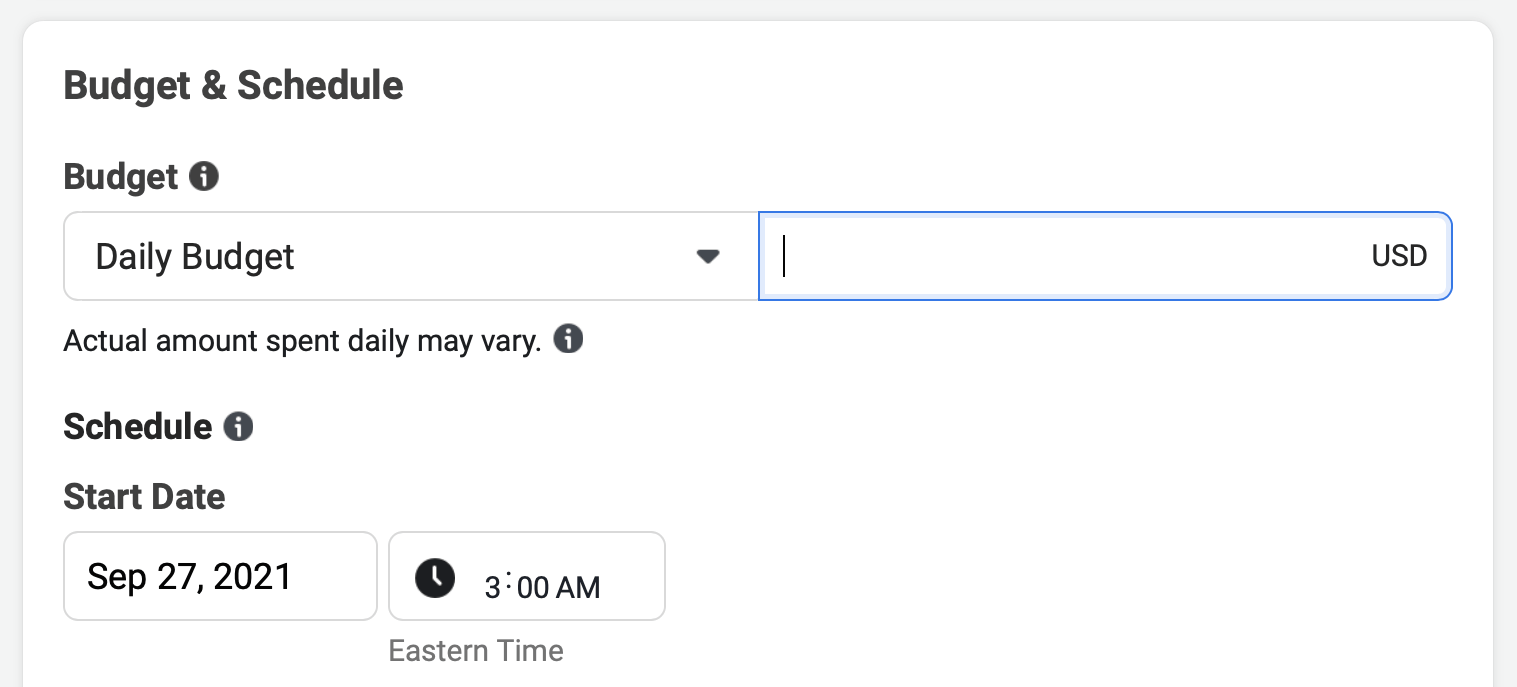
The biggest takeaway from this discussion about ad spend is that it dictates your audience reach and how long it takes to see results. The higher your daily budget, the more people you’ll reach in your campaign duration and the faster you can generate results and learn from your testing.
Couple this with the idea that your audience size will determine your budget allocation.
For example, two budget allocation scenarios can lead to poor results. The first is over-allocating budget to a small audience. In this case, you’ll saturate your audience quickly (shown by a high frequency), hit diminishing returns, and pay the price with a higher CPM and cost per purchase.
Content marketing is one of the most promising and stable careers available if you have a background as a writer. If you are a good communicator and have an instinct for online trends and strong creative abilities, you might be a strong candidate for a content marketer role.
A content creator knows how crucial online platforms are to building brand reputation, generating leads, and establishing an online presence. It can be a challenging but exciting career path that could lead you to a job as a creative director, marketing specialist, or senior copywriter. If you want to know how to become a content strategist and marketer, you’ll want to read this article.
What Is a Content Marketer?
A content marketer works with a content creator to plan their online strategies and editorial calendar. This planning may include writing emails or doing research, as well as making graphics, videos, and blog posts. As a strategist, you need to ensure that content is high quality, increases readership, and aligns with the brand’s goals.
Content Marketer Job Description
Content marketers are creative thinkers because their job involves conceptualizing unique and dynamic content to grab the interest of their target audience. Once they have an idea in mind, the work involves market research, search engine optimization (SEO), social media posts, and other web content.
Content marketers need to have strong writing and editorial skills because they are responsible for ensuring consistency in every piece of content. They monitor how the audience responds to content and make data-driven decisions on how to increase its online traction. Marketers also need good communication and leadership skills to articulate a campaign’s direction to the content team.
Content Marketer Salary and Job Outlook
A content marketer has a relatively average annual salary of $51,883, according to Payscale, and $60,842 according to Indeed. If you work an entry-level job, you can expect an average salary of around $42,000, but if you level up your skills, you can be promoted to a managerial or executive position and make a higher salary.
The US Bureau of Labour Statistics does not have a content marketers page. However, we can use its promotions, advertising, and marketing managers page for reference. Job openings in this category are projected to grow 6 percent from 2019 to 2029. Expertise in this line of work can get you a median pay of $141,490 per year, according to BLS.
Top Reasons to Become a Content Marketer in 2021
If you think your skillset lends itself well to a career in content marketing, there’s no better time to start working on your credentials. With social media and online platforms playing such an important role in our lives, many companies are interested in hiring content marketers in 2021. Read on for a list of reasons to become a content marketer.
Be part of a thriving industry. Content marketing is set to become a $412.88 billion industry with a growth rate of 16 percent. The future job market looks promising.
Plenty of career paths to pursue. Just because you chose to become a content marketer does not mean you are stuck with that job for life. Your skills are applicable to other interesting roles, such as editor, technical writer, marketing manager, copywriter, or social media manager.
In high demand across industries. In our Internet-reliant society, companies will always need content marketers. Whether your interest lies in sports, education, commerce, or politics, your sets of skills will always be in demand.
Plenty of educational pathways. Whether you’re just starting your career or vying for promotion, there are plenty of ways to learn industry-relevant skills. Online videos and articles, certificate programs, and bootcamps are just a few of the materials and courses you can use to upskill.
Content Marketer Job Requirements
Companies that hire content marketers look for people with experience as copywriters, bloggers, content managers, and social media managers. They want someone who is enthusiastic about keeping a finger on the pulse of their target audience. Below are some other job requirements that companies look for in candidates.
Bachelor’s degree. A Bachelor’s Degree in Journalism, Marketing, Communication, or IT is preferred for this role, but some companies prefer candidates with equivalent job experience.
Writing and editing experience. Writing online content is very different from traditional print. Content marketers need to have excellent writing skills and be well versed in copywriting and content calendar creation.
Data analytics skills. When you are in charge of content, every decision should be data-driven. Knowledge of Google Analytics and social media analytics is a common job requirement.
SEO knowledge. Companies want someone who knows SEO best practices and can apply them when creating content.
» MORE:HR Interview Questions: Conflict Resolution, Team Management, and the Best Job Interview Answers
Types of Content Marketer Careers
‘Content marketer’ is a general term and not many job postings use it. Companies generally like to use more specific job titles that better reflect what the job entails. Here are some related job titles you may want to learn more about if you are considering a career in this industry.
Marketing Content Specialist
The primary role of a marketing content specialist is to create an editorial calendar and a content strategy for brands and products. These professionals are also tasked with writing and editing marketing content.
Content Marketing Coordinator
The primary responsibility of a content marketing coordinator is to conceptualize promotional content and improve rankings in Google and other search engines. They are also responsible for orchestrating content marketing efforts for future campaigns.
Technical Content Marketer
A technical content marketer should have the skills to turn technical data into more palatable information for the general audience through excellent writing. These professionals may rely on visual aids like infographics and charts.
Content Marketer Meaning: What Does a Content Marketer Do?
Content marketers are tasked with creating content calendars and implementing SEO techniques, among other responsibilities.
A content marketer plans and strategically schedules the posting of quality content to increase online presence and interaction. The work involves writing compelling content and doing research and analysis to determine the best type of content to post online. The marketer will decide what types of materials are appropriate, then plot them in an editorial calendar.
Plots an Editorial Calendar
An editorial calendar is a workflow schedule created by the content marketer to be followed by content creators. This schedule directs the team on the content they will make for the days, weeks, and months ahead.
Uses SEO Techniques
A content marketer knows effective SEO practices. They have a command of strategies like keyword research and title tag and meta description optimization and are constantly tracking post performance.
Monitors Data Analytics
An effective content marketer is familiar with basic concepts in data analytics and knows how to interpret relevant data. These professionals use tools to locate and track online trends to make decisions on content creation and plot an effective editorial calendar.
Essential Content Marketer Skills
To be an effective content marketer, you will need a specific set of skills that allows you to understand how the Internet interprets the content you put out online. The more advanced your skills become, the more job opportunities will be available to you, and the higher your salary will be. Here are some essential skills you need to master if you want to become a content marketer.
Writing and Editing
Advanced writing and editing skills are essential for content marketers. They must have a background in online writing or copywriting to design an effective content strategy and easily spot content revisions.
Technical skills
There is a wide range of tools out there that can make you more effective at your job. Content marketers use specific software for editing, researching trends, generating leads, and SEO optimization. Master these tools and you will become a very attractive candidate for any content marketer job.
Content Management
Having strong organization, management, and planning skills is essential for a successful career as a content marketer. Knowledge of content management applications can increase your value as a marketer because you will be better at automating processes and organizing digital content.
How Long Does It Take to Become a Content Marketer?
Most companies require at least one year of experience as a writer or editor when hiring a marketer. You will also need to take the time to learn technical skills such as SEO, data analysis, content management, lead generation, and research.
You can start your career as a content writer to gain experience while you acquire technical skills. About six months to one year of experience in content writing or copywriting will also serve to polish your editing skills. You can learn technical skills through bootcamps, online courses, or vocational schools.
» MORE:Best High Paying Entry Level Tech Jobs
Can a Coding Bootcamp Help Me Become a Content Marketer?
A coding bootcamp can help you develop the technical skills you need to become a content marketer. Many bootcamps offer classes in digital marketing, data science, and web development. The best data analytics bootcamps can help you better understand the analytical side of content marketing and allow you to execute digital strategies.
Learning technical skills in a bootcamp is an effective way to become a content marketer in just a few weeks. Bootcamps offer a hands-on learning experience to develop practical skills more quickly and for less money than traditional education methods.
Can I Become a Content Marketer From Home?
Yes, it is possible to learn everything you need to know to start your content marketer career from home. There are a lot of online resources you can read, or you can enroll in online courses. You can learn and polish every aspect of the job online, including writing, conceptualizing, and researching.
How to Become a Content Marketer: A Step-by-Step Guide
You don’t need a degree to work as a content marketer. What really counts is the skills and expertise you bring to the table.
Learning the basics of content marketing does not happen with just one course. You will need to understand various technical skills such as SEO, data analytics, and web development. You also need experience with various digital channels and content strategies. Combine all this knowledge with your writing and organizational skills and creativity, and you’ll be ready to get a job in content marketing.
Step 1: Improve Your Writing and Editing Skills
Even if you are already an experienced writer, there’s always room for improvement. As a content marketing expert, you constantly need to brush up on your grammar and vocabulary as well as improve your outlines and writing style.
Step 2: Learn Technical Skills
As a content strategist, you will be judged mainly by your ability to conceptualize and execute digital strategies. You should put all your effort into learning technical skills and the fastest way to do this is through short online courses or bootcamps.
Step 3: Create a Personal Blog or Website
A great way to combine everything you have learned is to create a web page or blog to practice your content marketing skills and interact with online audiences. A personal website will also allow you to market yourself and your services.
Best Schools and Education for a Content Marketer Career
Content marketing is all about making your content stand out. To do this, you need very specific skills, including writing, researching, team management, and SEO. You can acquire these skills in a number of ways. Below, we take a close look at some of the organizations and institutions you can attend to boost your content marketing skills.
Content Marketer Bootcamps
Bootcamps provide an intensive learning experience packed with hands-on training. Attending a bootcamp requires your full commitment, and getting into one may feel like applying for a job or a university.
A bootcamp will teach you technical skills, including strategy and editorial calendar creation, SEO, content planning, and data analysis. Part-time content marketing bootcamps can cost between $2,000 and $8,000 depending on the length of the course. Full-time programs generally cost around $10,000.
Vocational School
Vocational schools combine skills-intensive learning with lectures. There are not many vocational schools with content management-specific curricula, but you can easily find marketing management and digital marketing courses.
Vocational programs take around two years to complete, with an average annual tuition fee of about $11,000. You can use the credits you earn toward a four-year degree program at a university.
Community College
Community colleges have an environment similar to universities but with a more skills-centric learning style, similar to trade schools. They offer certificate courses and associate degrees, which you can finish in about two years.
The average tuition for community college is $3,400 for in-district students, but this figure is much higher for out-of-state students. To become a content marketer, you can take courses on marketing and sales, digital marketing, web design, or digital applications.
» MORE:How Much Does a UX Designer Make?
Content Marketer Degrees
There is no bachelor’s degree in content marketing specifically, but any four-year marketing or digital technology program will serve you well. Good majors for becoming a content marketer are multimedia marketing, marketing communication, transmedia communication, and marketing management.
The average cost of a four-year degree in the US is around $28,123. If you have a four-year degree, you have a better chance of getting a higher marketing position, such as a creative director or senior copywriter.
The Most Important Content Marketer Certificates
There are plenty of organizations that offer certificate programs covering different aspects of the job, from SEO to content marketing. Having one of these credentials in your resume can make you a more attractive candidate for a job marketer position. Below we take a look at some of the main certificate programs in the industry.
Content Marketing Course by HubSpot
This certification course, offered by a leader in the industry, will give you the foundation you need to become an effective content marketer. You will learn about good storytelling, generating ideas, promoting content, and building an SEO strategy as well as key concepts like repurposing and topic clusters.
This course is offered by another industry leader with plenty to teach. This is an on-demand instructor-led program where you’ll learn SEO essentials and receive a credential to enhance your resume.
How to Prepare for Your Content Marketer Job Interview
Content marketing jobs are skills-based, so aside from what they read on your resume, employers want to see a high level of communication skills and knowledge in the different areas the job entails. A job interview is a great place to show you have these skills and expertise. Below are some common questions you can practice to prepare for your next interview.
Content Marketer Job Interview Practice Questions
Why do you love writing?
What is your process when choosing which topics and formats to use?
What do you consider valuable content?
Has your work been criticized in the past? If so, how did you handle the criticism?
Should I Become a Content Marketer in 2021?
Starting your career as a content marketer in 2021 is a good idea. The content marketing industry is thriving and there is plenty of growth ahead, which means that you will always have plenty of job opportunities. In addition, acquiring the skills you need for this career is easy due to the many learning resources available and institutions that offer affordable technical skills training.
Content Marketer FAQ
Can You Become a Content Marketer Without a Degree?
As a content marketer, your educational background is not as important as your knowledge of the job, technical skills, and experience. This means that you can become a successful content marketer without a degree as long as you take the time to learn the trade and develop your skills.
Is It Hard to Become a Content Marketer?
Becoming a content marketer isn’t hard as long as you develop the basic skills required for the job. Bring your writing, data analysis, and SEO skills to a professional level, and you’ll be well on your way to becoming a successful content marketer.
Is Content Marketing a Good Career?
Content marketing is a promising career with a strong job outlook in the coming years. In addition, the technical skills you develop as a content marketer transfer well into many other jobs. You can use these skills to become a digital marketer, editor, marketing manager, copywriter, and social media manager.
Can I Get Hired As a Content Marketer Without Experience?
It’s unlikely that a company will hire you as a content marketer without a proven track record producing and managing online content. If you lack experience, you are better off applying to entry-level content writer positions and trying to accumulate experience.
Maia, from Bulacan, Philippines, started working with Career Karma in May 2021. She holds an Associate Degree in Computer System Design and Programming from the AMA Computer Learning Center in Nueva Ecija. A career freelance writer, her writing has also appeared online at Chestertons-Elite, Oldhoj, and X-Cart. Besides content writing, she also dabbles in graphic design and web design, using WordPress to create websites and the Adobe Suite for her graphic design projects. Her professional interests also include SEO.
Good SEO and content strategy can help ecommerce store owners be less reliant on paid traffic.
Search Engine Optimization (SEO) has become a buzz word over the last few years. Many areas of online business have been implementing solid SEO strategies for a while, but ecommerce is still slow to join the rest. Ecommerce stores have been trained to use paid methods, like Google Shopping Ads, Facebook Ads and other social media ads to get people to click through to their store. However, with the ever-increasing cost it takes to acquire new customers, ecommerce store owners should get on board with SEO and develop a solid content strategy for long-term growth and reduce their cost to acquire new potential customers.
The one-legged stool
As I mentioned earlier, the cost of bringing new customers to your ecommerce store is going to keep increasing. If your store is solely reliant on paid traffic, let’s say from Google Shopping, and Google decides you violated one of the many advertising policies, all your traffic dries up and you’re out of business. No traffic means no sales and no sales means you’re out of business by the end of the month.
Relying solely on paid traffic channels is like having a one-legged stool. It’s a lot more secure for the health and longevity of your business to have more legs under the stool, in case one leg gets taken away from you. SEO is one of those legs you need to apply. Not only is it free traffic, but as long as you provide valuable information for the readers, there’s no risk of being removed in the same way paid channels can shut you out.
The results of a well-executed SEO and content strategy take time. Often, an ecommerce store won’t see significant organic traffic for 6 to 12 months after publishing those first pieces of content. But if you keep implementing and producing solid, helpful content, the effects compound over time.
I got banned from Google and Facebook
I share all this from my own experience as an ecommerce store owner. I relied solely on Google and Facebook ads to get traffic and for some unknown reason back in early 2019 both platforms decided I had violated a policy. After that point, I couldn’t get back in their good books.
I went down the SEO rabbit hole out of desperation to get some traffic and started producing content that shoppers in the research phase would find helpful. I put out other content about the best products by category to help customers choose wisely, and when those pieces of content started ranking, I was getting more traffic than ever. To give you an idea of the timeline, I started publishing content in February 2019, and by June I was already getting traffic and sales. Over time, the traffic kept growing and I kept producing helpful content. In 2020, I generated over $2 million in sales from that organic strategy from only one ecommerce store.
If I hadn’t gotten started with SEO I’d be out of business today.
Get started before you need to
Don’t do what I did and wait for the wheels to fall off after one or more paid channels drop the ban hammer. Start by writing a couple of pieces of content to get started. You don’t need a five-year content strategy on day one.
For ideas on what to write, you can write a guide to your niche and what to look out for when choosing the right product. You can answer the most frequently asked questions you receive. When people type that question into the search engine and your post helps them out, you will be recognized over time as the go-to place for research and answers. Then people will grow to trust your store and will prefer to purchase from you.
There are literally thousands of blog topics that you can produce to get more traffic, but the important thing is to get started. Over time, you will learn some more advanced content strategies that you can apply to create a better ranking chance. If you can implement some semblance of a content plan into your ecommerce store and stick to it, you’ll look back in a year and wonder why you paid so much for visitors in the first place.
5 Easy Ways It has become very easy to make money through Instagram. Creators nowadays have multiple options when it comes to making an income on Instagram.
It has become very easy to make money through Instagram. Creators nowadays have multiple options when it comes to making an income on Instagram. A creator has to gain engagement on Instagram to attract better earning sources. Even with a small audience, you can earn quite some money on Instagram. But you can even buy real instagram followers to get more followers for your account. Many creators think that there are only 1-2 methods to earn good money on the platform. In this article, we will talk about the 5 best methods to earn money on Instagram.
Do paid sponsor posts
This is one of the most widely used methods to warm money on Instagram. Instagram is a great platform for creators. They get a variety of tools to create content with and have ample income opportunities. Many creators make sponsored posts for their clients. These posts help you to earn money by posting client content on your page. The brands who are interested to work with you contact you. You get to negotiate the amount you will charge for a sponsored post. Once the amount you want is fixed with the company they curate the type of content they want to see. Creators are generally paid on a per post basis. You need to have a strong audience base for brands to be attracted to you. Creators who produce content in a particular niche tend to get more sponsored posts. Brands can identify that having a sponsored post in their same niche will benefit them more. If you are a creator who has a sizable following in a popular niche, your chances of being approached for sponsored posts become much higher. In niches like travel, food, fitness, and others that are popular on the platform, creators secure a better deal.
Sell your products
Selling your products is one of the best ways to earn money without having to rely on others. Methods of earning such as brand posts are dependent on an external factor. There have been cases where a brand does not comply with the set agreement. If the investment into influencer marketing reduces you suffer as well. The best way to deal with this is by having your product line. Many of the users on Instagram love shopping from brands on the platform. If you have been able to build a strong base on the platform you will be able to establish your products. You should start at a small scale and gradually scale it up. The types of products that tend to perform well are clothing-related products or beauty products. You have to put time, money, and effort into creating a line of products that are of good quality. Your products have to be food as your reputation is attached to your products. Having your products reduces your dependence on others and all of the income comes directly to you. You should be able to convince your audience to get your products. The biggest disadvantage with this product is that you need to have investment capital. This method requires prior investment but the results it offers, in the long run, are amazing.
Become a brand ambassador
Many brands that have a presence on Instagram hire brand ambassadors. In recent years there has been a shift in the form of marketing preferred by the companies. The majority of the big companies have shifted to Instagram marketing and other forms of social media marketing. While smaller brands like to do sponsored posts as their marketing, bigger companies like to form long-term relationships with a creator. They hire them as brand ambassadors. The job of a brand ambassador is to create posts about the company. These posts are to be published in your account to get your followers to buy their products. Some brands may be willing to create products with you that will target your audience. You need to buy active followers on Instagram and become an important creator to be a brand ambassador. The companies want their brand ambassadors to be able to convince their audience to buy their products. Companies like creators having a strong audience backing them in a particular niche. This helps them secure a better target audience and greater engagement.
Affiliate marketing
In affiliate marketing, you try to sell the products of a company. To start with affiliate marketing you have to apply to companies to be an affiliate partner. The companies have varied criteria for becoming affiliate partners. We would suggest choosing to become affiliates with a company that is related to the niche of your account. This will help you make better sales. When you become an affiliate partner you will get a link. With most of these companies, you get a commission for every client that buys their product or subscribes to their service using your link. Before starting, ensure that you read the terms that they have. You should do proper research to find the companies that offer the best commissions when it comes to affiliate marketing.
Dropshipping
Dropshipping is a method by which you can sell products from sellers without having to hold an inventory. You get to have your own store without you having to purchase or store products. You advertise the products on your account with the help of stories and posts. When your followers want to buy this they have to place an order with you. You pass on the shipping details to the seller and they take care of shipping and delivering the product. This has a high margin of profit. You need to gain engagement on Instagram to have a successful shop.
Conclusion
Earning money on Instagram will become simplified by using the techniques mentioned above. Apart from the methods given above, there are various methods available. Many creators earn money by selling the art they create and by writing captions for other businesses. There are many options available. With proper application, they work quite well. You should explore them to find the method that suits you and your account.
Trying to get your Instagram profile out there a little more? One thing you might want to think about doing is making it more search-friendly.
In other words, you want to edit your profile in ways that make it more likely to appear as a suggestion under the search bar.
There are a number of things you can do to make yourself more discoverable on Instagram. Whether you have a brand profile you’re trying to promote or you just want to snag a few more followers, here are some tips on how to optimize your profile for search.
Put keywords in your display name and handle
One of the first things you should do, as the marketing platform Hubspot suggests, is to think about the keywords you want your profile to market. Ask yourself, “What are people going to type into the search bar to find the things I’m marketing?” For example, if your profile is for a tattoo shop (or if you’re an individual tattoo artist), you would want to have “tattoo” somewhere in both your display name and your “handle” (your username beginning with @).
When I type “tattoo shop” into the Instagram search bar, all of the top account results have “tattoo” in their display name, and most of them have “tattoo” (or some variation of it) somewhere in their handle. @livebytheswordtattoo appears as a high-ranking result partly because their account is optimized, but also, to be clear, because someone I follow also follows them, which may play a hand in which accounts appear in searches by networks of people.
The account results when I search “tattoo shop” on InstagramCredit: screenshot: instagram
Having keywords in the most important places on your Insta page is a useful first step in optimizing it for search.
Hashtag your posts
If you have any hope of somebody stumbling across your profile, you gotta (gotta gotta gotta) hashtag your posts. Hashtags are one of the primary ways Instagram gears its search results and allows people to follow and discover the things they’re interested in.
Continuing with our tattoo example, if you’re a shop or an artist trying to get your work out there, you’d want to hashtag your posts with #tattoo. Keep in mind, the broader the hashtag, the broader the audience searching for it will be — and therefore, the more search results you’ll be competing with.
Broad hashtags are still good! You’ll reach a huge audience that way. The problem is, you might get buried in other posts with the same hashtag, which is why we recommend using multiple hashtags of varying levels of specificity.
Let’s say you have a tattoo of a flower you want to show off. Consider hashtagging your post with #tattoo (to reach a wide audience) and #flowertattoo (to reach a more specific audience).
The top results when I search “flower tattoo” on InstagramCredit: screenshot: instagram
When I search “flower tattoo” on Instagram, the first nine out of the 12 top results have #flowertattoo in their posts. The other three have flower emoji in their captions, which may hint at the role emoji play in driving up post interactions. We’ll get to that in the next tip.
Captions
Your post captions are another key area where you can optimize your profile. In a 2019 study from the social analytics platform Quintly reported on by Social Media Today, researchers looked at how things like caption length, hashtag usage, and even emoji usage affected post interactions among Instagram users big and small.
Length
The study found that for bigger profiles, with more than a million followers, posts with no captions received the highest engagement. For smaller profiles (between 1,000 and 10,000 followers), caption lengths between one and 50 characters saw the highest amount of interactions. So if you’re a smaller profile, caption your posts, but keep it short and sweet. For even smaller accounts, with 1,000 followers or less, interactions were about even between small captions (between one and 50 characters) and large captions (300 or more characters).
Emoji usage
Now, let’s talk emoji. The Quintly study found that whether your profile has over 10 million followers or less than 1,000 followers, captions with zero emoji tended to receive the least amount of interactions.
For small accounts, with less than 1,000 followers, captions using 10 emoji or more resulted in the highest number of interactions on average, although captions containing anywhere between one and 10 emoji were not far behind.
For larger accounts, with between 10,000 and 100,000 followers, captions with four to 10 emoji saw the highest average interactions, though emoji usage outside that range also saw a high level of interactions — except captions with zero emoji.
The takeaway? Whether you’re a big or small profile, use emoji in your captions, dammit. And if you’re a small account with less than a 1,000 followers, maybe go crazy and use 10 or more emoji?
Hashtag usage
When looking at hashtag usage, the study found that larger profiles tended to get their highest engagement when their posts included zero hashtags. Why? We don’t know for sure. But we imagine that if you’re Ariana Grande, you probably don’t need to use hashtags to get high levels of engagement with your posts. If you’re Ariana Grande and you have the specific goal of getting the highest Insta engagement you can, it’s probably best to not use any hashtags.
We can also probably safely assume that most of you reading this are, in fact, not Ariana Grande. In that case, if you have less than 1,000 followers,use hashtags and use a lot of ’em. The study found that these smaller accounts saw their highest level of engagement when they used 10 or more hashtags in their posts.
The data does get a little peculiar in the mid-range-sized accounts. Accounts with between 10,000 and 100,000 followers also saw their highest level of engagement when using 10+ hashtags. However, small (but not the smallest) accounts, with between 1,000 and 10,000 followers, saw their highest engagement when they used a modest one to three hashtags. Accounts with 100,000 followers or more saw their highest engagement when using zero hashtags.
The best advice we can offer is to consider the size of your account and determine your hashtag usage based on that.
If you want to look at the full study in more detail, you can check it out here!
What else would people be searching that relates to tattoos? “Piercings,” perhaps? “Shops” to schedule appointments at? Maybe including your city/region will help capture the audience closest to you! Let’s look at @livebytheswordtattoo again.
@livebytheswordtattoo Instagram bioCredit: @livebytheswordtattoo via instagram
Looking at their bio, we can see that they include “tattoo,” “piercing,” and “shop,” utilizing both primary and secondary keywords to help drive their search optimization.
They also include NYC in their display name, and they put both Williamsburg and Brooklyn in their bio. This, of course, tells users where they do their business, but it also outlines a broad area as well as a specific neighbourhood where they’re most likely to capture the audience they’re after.
Post content! Then check your “likes” and “views”
The best way we learn is by practicing, right? So if you’re unsure about what’s working and what’s not, how about some trial and error?
Post your content using different techniques. Play around with the length of your captions. Try adding another keyword to your profile. Use more emoji. Use less emoji. Use more hashtags. Use less hashtags. And then see what happens!
Which pictures get more likes and comments? Which videos get more views? What do your posts with the highest number of likes have in common?
We can learn a lot about what works by just giving it the ol’ college try and seeing what happens next. It’s kind of like running your own personal “study” to help you learn which things are optimizing your Instagram.
You have a good set of tools to help you optimize your account and track the results. So get out there and build those profiles and get those interactions! We’ll be here rooting for you.