Author

editor

Browsing

By

Content analysis is not the most exciting project. There are a lot of tedious and repetitive tasks to complete before you can get to the fun part of actually reworking and improving your previously published content.

What makes it even more challenging is its unique ability to become messy very quickly, especially if there is a lot of content to go through, or if multiple people are working on the same content analysis.

Today we’ll be looking at all those other, non-marketing tools that can help you manage the process more easily and give your content the revamp it deserves, sans headache.

1. Project management

In order for a project to run smoothly, it either needs a project manager to stay on top of tasks and deliverables, or a project management tool that takes on the mantle of organization and delegating.

However, there is a caveat. Unless you take the time out of your day to use the project management tool, it won’t be doing much good. The tool itself is not a silver productivity bullet. The way you use it is.

Start by dividing up the work. Even if you are working on the content analysis alone, write down every task, including the most minute ones. Set reasonable deadlines, and keep marking tasks as done or in progress as you go.

Add all of your key notes in there too: a link to the sheet you’re working from, the minimal metrics you have chosen for the project, the goals, and expected results.

Any project management tool will do – from Monday to Trello and Asana to Basecamp, pick whichever option you like best (or the one you can afford), and use it religiously.

2. Overview outlet

The best way to organize the actual content analysis is to use Google Sheets. I’ve tried other methods, but somehow Sheets always turns out to be the most straightforward solution.

Compile a list of all the pieces of content you are analysing – an export from Google Analytics will do the trick. You can also use Screaming Frog if you don’t have access to Analytics.

Fill your sheet with raw data. The more data you have, the better decisions you are able to make – in theory. In practice, looking at endless rows and columns of numbers doesn’t facilitate focus and productivity.

Stick to the bare bones:

  • word count,
  • main and secondary keywords,
  • current rankings for each keyword,
  • date of publication,
  • number of backlinks,
  • traffic,
  • conversion rate.

The two most important columns in the sheet are the notes and the status ones. The first should feature your comments and observations, while the latter is there for the keepeditdelete, and similar remarks.

Remember that you also need a strong content marketing plan to back your analysis up – without it, your observations will be nothing more than random.

3. Communication channel

In order to ensure everyone is on the same page and that nothing gets lost in translation, so to speak, you need to use a communication tool as well. It will ensure information is passed on in a timely manner, and enable everyone to exchange thoughts and ideas in real-time.

The same principle applies as with the project management tool: pick one and stick to it. There are hundreds of more or less popular ones to choose from, ranging from Zoom and its renaissance, Lark, Slack, the somewhat forgotten Skype, or even FaceTime if you want to have video calls.

Ideally, you’ll simultaneously update your project management tool with all the relevant information, and use the chat app for exchanging ideas. You can also use a communication tool that can be integrated with a project management tool (Slack for instance does this really well). That way you’ll save yourself additional time and effort.

In fact, you should clearly define which tool accomplishes what, to be on the safe side. Sometimes members of your team will chat about a certain article or a way to do things and forget to update everyone else. When this happens, frustrations are likely to arise. Some may feel left out, and important updates might be missed.

4. Brainstorming

Let’s now move over into the realm of creativity. For starters, you will hugely benefit from using a mind map to, quite literally, map out your content ideas.

One of the main challenges of content analysis is the fact that you just keep piling more content on top of the content. The mind map eliminates this, as it’s much simpler and easier to go through someone’s thoughts than their sentences.

Mind maps allow you to visualize your creative ideas better. If you are a visual person and prefer working with illustrations to words, you’ll appreciate them greatly. Even if you don’t mind reading sentence upon sentence someone has written down about an idea, in order to save time and effort, try using the mind map.

You can write down your ideas for each individual piece of content, or you can group ideas together for a series or cluster of interconnected articles. Mind maps are also a great way to brainstorm future content topics and to map out any editing and research that needs to be done.

If you want to forgo the customary creative chaos that comes with content analysis, especially if it’s a collaborative effort, give this tool a try.

Way-To-Brainstorm

5. Editing and proofreading assistant

Another much-needed tool for any content analysis project is an editing and proofreading one. Even if you’ve read every post twice, a bit of AI-powered help can go a very long way.

Consider it an option to further enhance your best and well-performing posts. You can add in further keywords, you can re-optimize the post for another audience segment, you can make the post more engaging or easier to understand, and so on.

The two best tools for this job are Grammarly and Hemingway.

Grammarly will help you eliminate spelling and grammar errors, but it does more than that. It will tell you the tone of voice you are using and how you are likely to come across. It also helps with fluency, can check your writing for plagiarism, and allows for formality level adjustments.

Hemingway is similar but smart in a slightly different way. It points out too complex and difficult-to-read sentences, analyses your use of the passive voice, and helps you speak at a specific language comprehension level.

6. Headline analyser

Another tool you should consider using is a headline analyser. Given the fact that headlines are one of the most important parts of an article, you want to make them more impactful and click-worthy.

CoSchedule’s Headline Analyzer will tell you if you’re using the right keyword, if there are any extra power words you can use, and how much in line with search intent your proposed headline is.

CoSchedules-Headline-Analyzer

You’d be surprised how much impact a very simple tweak can have, so run all of your ideas through the tool before you hit publish. Of course, don’t forget to consider your own knowledge about your audience. It may be smart, but AI still isn’t better at marketing and copywriting than you are.

Wrapping up

Give these tools a whirl next time when conducting content analysis. While they won’t be able to offer any sound advice on the digital marketing direction you should be taking next, they can save you time, effort, and the aforementioned headache.

By

Petra Šestak is an internet marketing specialist at Point Visible, a digital marketing agency providing custom blogger outreach services. In her free time, you can find her on a tatami trying to improve her aikido techniques or in the local pub with her friends. Also, she’s a coffee & chocolate addict.
Sourced from Jeff Bullas

By Chance Miller

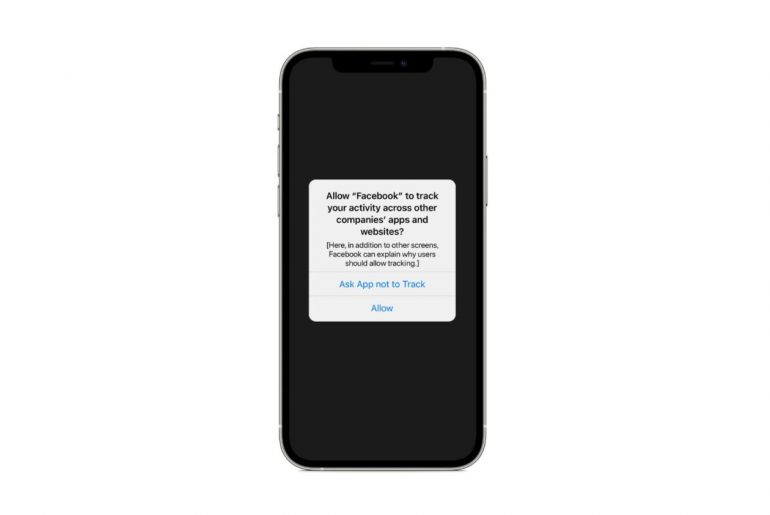
With iOS 14.5 released to the public earlier this year, iPhone and iPad users now have the ability to easily opt out of cross-site and cross-app tracking and targeting. New data from analytics firm Branch indicates that just 25% of users are opting in to tracking, which is causing panic in the advertising industry.

As detailed in a new report from Bloomberg, the impact is being felt in particular by Facebook advertisers. Facebook is reportedly no longer able to provide certain metrics to advertisers to help them know whether their ads are working:

Facebook advertisers, in particular, have noticed an impact in the last month. Media buyers who run Facebook ad campaigns on behalf of clients said Facebook is no longer able to reliably see how many sales its clients are making, so it’s harder to figure out which Facebook ads are working. Losing this data also impacts Facebook’s ability to show a business’s products to potential new customers. It also makes it more difficult to “re-target” people with ads that show users items they have looked at online, but may not have purchased.

While Facebook declined to respond to Bloomberg’s report, data from Branch shows that roughly 75% of iPhone users are now running iOS 14.5 or later with App Tracking transparency and that just 25% of those users have tapped on “Allow” when they see the prompt.

Facebook says that it is working on new features to help make up for the data lost due to App Tracking Transparency, including “new advertising features that require less data to measure an ad’s success.” The company is also reportedly exploring ways to deliver ads based on data stored on the user’s device.

“Apple’s policy is hurting the ability of businesses to use their advertising budgets efficiently and effectively, and the limitations being created are driven by Apple’s restrictions for their own benefit,” the spokesman added, noting that Facebook has tried to prep advertisers with notices, blogs and webinars.  “We believe that personalized ads and user privacy can coexist.”

The full report at Bloomberg is well worth a read and provides more details from some of the advertisers affected by the changes.

By Chance Miller

Sourced from 9TO5Mac

By Matthew Gibbons

Digital marketing fact number one: 63% of all shoppers research products and services online before buying them. For that reason, your business’s online marketing game needs to be top-tier — otherwise, you’ll never persuade anyone to buy from you.

Online marketing includes various strategies and tactics, so it can be challenging to know how you should invest your budget. To help you plan and launch your campaigns, along with the strategies you’ll use, we recommend looking at key marketing statistics.

That’s why we’ve compiled this list of digital marketing facts to give you greater insight into the workings of your campaigns, and help you make decisions for your marketing strategy. Each advertising statistic on this list can help clue you in on the best practices for your online marketing.

Read on to learn some of the most valuable online marketing information available. Then subscribe to Revenue Weekly to receive more digital marketing facts and tips from the agency with over 20 years of experience!

18 insightful marketing statistics

As more and more businesses have picked up digital advertising over the years, they’ve generated a goldmine of online marketing data. For this post, we’ve picked 17 of the most insightful marketing statistics out there and divided them across five strategies:

Keep reading as we walk through each strategy’s most compelling statistics!

Search engine optimization (SEO)

One of the most valuable digital marketing strategies is search engine optimization (SEO), which involves formatting your web content to rank in Google search results. Here are some statistics to help you get off to a strong start with your SEO!

  1. 93% of all online experiences begin with a search engine.

With so many people using search engines, SEO has the potential to reach an enormous audience, making it an exceptionally valuable strategy.

  1. As of May 2021, 69% of all smartphone search traffic is conducted through Google.

While you can market through more than one search engine, Google should be your primary focus.

  1. 95% of all search traffic goes to the first page of Google search results.

Ranking high in search results is critical. If you’re not on page one, you won’t get much traffic!

  1. As of January 2020, 96% of all Google searches are four or more words long.

When you target keywords in your SEO, try to aim for long-tail keywords — that is, keywords that are several words long.

Pay-per-click (PPC) advertising

Another way to advertise through Google is to use pay-per-click (PPC) ads, which appear at the top of search results and lead users to landing pages where they can convert.

Here are some informative PPC advertising statistics to know!

  1. 60% of users can’t tell paid search ads apart from organic results.

This statistic makes it clear that the paid search tag doesn’t deter users from clicking on it. PPC has the potential to be just as effective as organic results at driving traffic.

  1. The top three paid ads in search results earn 41% of all clicks.

Like with SEO, you want your PPC ads to rank as high as possible. For that reason, you can benefit from maximizing your Ad Rank.

  1. Paid search ads can increase brand awareness by up to 80%.

PPC ads are excellent at driving conversions. But even when users don’t convert, they still may become more familiar with your brand due to your ads.

Social media marketing

In today’s world, social media is one of the best spots to find new customers online. By posting organic content from your business account and running paid, in-feed ads in the meantime, you can spread awareness of your brand and engage users like nowhere else on the Internet.

Here are four meaningful social media facts to keep in mind as you craft your campaigns!

  1. Seven out of ten Americans use at least one social media platform.

A significant majority of Americans now use social media, meaning you can reach quite a large audience by marketing there.

  1. The average user spends 28% of their Internet time on social media.

Not only are there large numbers of users on social media, but they spend a lot of time there — making it the ideal place for you to advertise.

  1. 77% of users buy from the brands they follow on social media.

When you post engaging content and gain followers on social media, it often results in more conversions and higher revenue.

  1. 32% of teenagers name Instagram as the most significant social network.

You can find people of all ages on social media, but if you’re marketing primarily to a young audience, Instagram might be the best platform for you to use.

Web design

Most of your online marketing ultimately leads users back to your website. That means your site is a critical part of your marketing, and for you to drive any conversions, you must optimize your web design.

Here are a few statistics to give you some web development insights!

  1. 94% of online first impressions stem from web design.

Even if every other aspect of your marketing is excellent, web design is so influential that a poorly-designed page can outweigh everything else — so make sure your web design is top-notch.

  1. 74% of users are more likely to come back to a website that’s mobile-friendly.

Mobile-friendliness is important for many reasons, but one such reason is that a responsive site will generate far more return traffic.

  1. 83% of users expect websites they visit to load in three seconds or less.

Aim to optimize your page load speeds. If they’re too slow, many users will hit the “back” button, and you’ll lose any shot at converting them.

Email marketing

Email marketing is one of the best strategies out there since it allows you to remarket to your audience. You can get users to sign up for your emails on your website and then send them newsletters or special discounts.

Here are some valuable pieces of online marketing info about email marketing!

  1. 58% of all adults check their email first thing in the morning.

Most people keep up with their email regularly, making it an excellent resource for marketing to them.

  1. You can boost your email click-through rates (CTR) by 300% when you use video.

Including video content in your emails makes them more engaging and has the potential to boost your conversions.

  1. Users are 26% more likely to open emails that use personalized subject lines.

Emails are fantastic tools for personalization. If you have people submit their names and their addresses when they sign up for your emails, you can set up your emails to address each subscriber by name.

By Matthew Gibbons

Sourced from Web FX

By 

The last few years have seen a huge increase in internet penetration and web technologies worldwide. Consequently, the marketing landscape has evolved to give us bigger and better marketing channels to reach the right audience at the right time.

However, not all marketing channels are well-suited for a small business. For example, if you’re a local eatery, you wouldn’t want to spend thousands of dollars on a nationwide TV commercial.

As such, you must be aware of the small business marketing channels most likely to make a positive impact on your specific product or service.

Best marketing channels for small business

Here’s my list of the best channels to consider when promoting your small business. I’ll walk you through a brief explanation of each channel, why it matters, and how to get started.

#1. Email Marketing

Despite being an old channel in terms of internet years, email still has the potential to reach 3.9 billion people as of 2020, and this number is expected to touch 4.3 billion users in 2023.

This makes email marketing an ideal way to drive leads and conversions for your small business.

Email marketing can not just reach a wide audience, but also delivers the best returns. As per an industry census, 73% of people ranked email as an excellent marketing channel.

SaleCycle

Image Source: SaleCycle.com

Plus, DMA states that every $1 spent on email marketing leads to a $42 average return on investment.

Writing a series of emails and sending it to potential customers based on a carefully planned timeline can help you establish a relationship, build trust and make them interested in your product or service.

To get started with email marketing, you’ll need a way to build an email list and send emails to your contacts at regular intervals. That’s where an email marketing software like Mailchimp can help.

It will allow you to capture email addresses through your website, social media accounts, marketing events, and other avenues. In addition, you’ll be able to create a series of emails, along with an automation workflow, to send these emails to your contact list.

#2. Organic Search

According to Bright Edge, 68% of online experiences begin with a search engine.

Whether it’s for research, entertainment, or shopping, a search engine is the first place most people start with. And then they’ll click one of the top results that show up on the first page of organic search engine results.

This is what makes organic search another effective marketing channel for a small business.

Bright-Edge

Image Source: BrightEdge

When a customer searches for a query related to your product or service, the goal is to get the pages from your website to rank higher than those of competitors. Doing this will ensure a consistent stream of traffic and leads into your sales funnel.

The process of getting listed and strengthening your website’s presence in organic search engine result pages (SERPs) is known as SEO. It will involve researching the best keywords you want to rank for, and then optimizing the pages on your website for your selected keywords.

#3. Mobile Devices

Mobile usage has been on the rise for many years now, and it’s not showing any signs of slowing down. 50.88% of online traffic in 2020 came from mobile devices.

Desktop-VS-Mobile-Internet-Usage-Statistics-In-2020

Image Source: High-Speed Internet

Customers prefer businesses that can provide the information and communication they need through SMS, WhatsApp, and other mobile apps.

So it only makes sense to promote your small business to users of mobile and tablet devices.

There are a number of ways to capitalize on the mobile trend, the most prominent of which is having a mobile-responsive website. It’s no longer acceptable to have an outdated website that doesn’t adapt to different screen sizes.

#4. Word-of-Mouth Marketing

It’s no surprise that people trust other customers over you and your marketing team.

Marketers usually have an agenda, but a customer will spread the word about a brand, whether online or offline, only if the brand has truly delighted them. That’s why 9 out of 10 customers read reviews when considering a purchase.

There’s no shortcut to using this marketing channel for your benefit. You will really need to put in the work to ensure a great customer experience throughout the buyer’s journey.

Then set up email automation to reach out to customers to ask for feedback on their experience, and if they’re happy with your product or service, request a testimonial.

#5. Video Marketing

If you haven’t yet jumped on the video bandwagon, there’s no better time to do so.

When asked how they prefer to learn more about a product or service, 69% of people in a survey mentioned watching a video.

If you run a small business, you don’t need a big production team to start video marketing. It’s possible to create videos affordably. For instance, you use a camcorder to record videos that answer customer questions, introduce your team, or showcase customer testimonials.

These videos may not be as polished, but they can still win over your audience with their authentic look and feel.

#6. Business Blog

A blog is a must-have marketing channel for your small business. With a business blog, you get a dedicated platform to educate current and potential customers on the topics related to your niche.

Six out of ten buyers say that blog posts are valuable at the start of their purchase journey.

Oberlo

Image Source: Oberlo

A business blog is like a central content hub that attracts prospects, helps you turn visitors into leads, and strengthens your online presence on other marketing channels.

With several intuitive blogging platforms available online, starting a business blog these days is relatively easy. All you need is a domain name, hosting, and content management system, the most popular being WordPress.

#7. Social Media

Next up on our list is Social Media. 72% of US adults say that they use at least one social media website.

Pew-Research

Image Source: Pew Research

Social platforms like Facebook, Instagram, LinkedIn, and more allow your small business to build rapport with your audience.

When you interact with your customers at the same place where their friends are, your business becomes a part of their personal network.

Plus, social media posts are easy to share, leading to word-of-mouth opportunities.

To get started with social media marketing, pick the social media platforms where your target customers are the most active and work on building an active presence.

#8. Paid Search (Pay-Per-Click Ads)

Paid Search refers to advertising your website near the top of search engine result pages, instead of getting found organically.

Order-Online

You are required to pay only when a user clicks on your ad, which is why another name for paid search is PPC (Pay Per Click) advertising.

This is a drastically different model from traditional outdoor advertising, in which you pay for your ads to be displayed, regardless of whether they trigger any action from the viewer.

Paid search ads may cost more than some of the other marketing channels on our list. However, they offer a unique benefit that no other channel can – the potential to generate results fast. In fact, 66% of CMOs expect to increase spend on paid search in 2021.

The most common way to get started with paid search is to create a Google Ads account and launch a search engine advertising campaign.

#9. Display Advertising

Display ads allow you to use image banners and videos to show an offer to your target audience on the websites they are likely to visit. Here’s an example:

Dropbox-For-Business

Google’s Display Network, for instance, allows you to create display ads with the potential to reach 90% of internet users worldwide.

These ads can also be shown on email platforms, social media, and other digital channels that provide ad placements.

You can use them in isolation, but the real game-changer with these types of ads is targeting people who have already visited your website or opted into your email newsletter. This is referred to as remarketing.

Final thoughts

Each marketing channel is unique, with its own quirks, strengths, and weaknesses. And so is each business.

However, the most common mistake small business owners make is trying to focus on every channel available.

While you go through this list, pick only two or three channels at a time that seem the best fit for our business and customers.

Define goals and key metrics to measure the performance for each channel. This way, you can increase investment in high-performing channels and boost ROI.

Keep adjusting your strategy to make room for new channels and drop the non-profitable channels to cut costs as required. The more adaptable your small business is to the changes in the marketing space, the more stable your growth and prosperity will be.

By 

Guest author: Hitesh Sahni is a content strategy consultant, editor, and founder of Smemark, an upscale content marketing studio helping brands and agencies in multiple niches accelerate growth with superior, scalable content writing for 10+ years.

Sourced from Jeff Bullas

Sourced from Startup India Magazine

Why is content considered the king?

With the concept of digitalization taking on wings, almost all industries are set on taking the digital route. In their journey to digitization, one of the services that play a key role in the success of a company is how it puts up content on its website and social media platforms. It is rightly said that these days, content has the same status as that of a king. One of the reasons behind it is because informative content can have a great impact on your brand. You can put in the time and effort required to create great content and build a prosperous brand in order to boost SEO rankings, gain traffic that you need for your blog or website.

Role of SEO in content writing

SEO in content plays an important part in improving visibility for your business online. The more content you have on your site, the more pages search engines have to index and show users in their search engine results. SEO-friendly content assists in the marketing of your products, services, and your company. How to do content writing that will make your brand well-known and relatable with the customers is the first thing that usually comes in your mind while creating content. SEO based website content writing can help you get a good rank in the Search Engine Result Pages (SERPs), provided that your content is authentic, informative, and engaging.

Importance of Content Writing in Digital Marketing

Importance of content writing in digital marketing is profound as it promotes your online business. It helps the browsers to collect more information about you. The key factors of posting content on your website are:
It should help the audience to feel connected with you as the content will let them know about your product details and your strategies to grow your business.
Whatever content you put on social media or on your website should exhibit your strong connection with the visitors and followers who frequently leave their comments to give their feedback. Thus, you will become more visible on search engines and on social media.
The powerful content will have hyperlinks with more organic traffic to your website promoting your business and increasing your brand awareness.

Let us take a look at how good content supported by white hat SEO techniques can help your business:

Helps in conversions

Great content can definitely help you to build trust together with your audiences. Customers start developing an opinion about your content after going through the several forms of content that you post. If the content that they find is engaging, educational, and valuable, they’ll start to think identical things about your business. The more value you’ll provide along with your content, the easier it will be to make trust along with your target audience. Also, content marketing helps you to boost conversions because it allows you to attach with and educate your leads and customers. Good content helps you to win truth and build relationships. After going through the information that you have provided, customers feel that by availing of your product or service, they are making an educated purchasing decision.

Offers value to readers

Every time you publish a new post or content, you are showing leads and customers how much you know about your brands. When customers are either buying a product or availing of any service, they will gravitate towards such a brand that offers them information that they could relate to. If you want to make your content effective, collect data from your audience. Gather data for your customer insight from journey maps, user feedbacks, vanity metrics, and customer persona. This information is vital for your content planning. You can even create custom content that speaks to your target audience and provides value to your customer. It is crystal clear that if you create informative content about your brand, it will create a long-lasting impression in the minds of your audience.

Informative and flawless content is always appreciated and gets connected with SEO to invite more readers. It is important to focus on content writing tools to fulfil the objective of writing the content. The main aim of posting the content on your website or on your blog is to promote digital marketing. There are many content writing tools available to add quality to your content and make it error-free. The tools for writing good content are Canva, Grammarly tool, Hemingway, etc.

5 Key Tips for Every Content Writer

Content writing is in high demand nowadays due to myriads of ventures developing online and providing a vast platform for the aspirants to open new avenues for themselves. Irrespective of whether you are a beginner and wondering how to do content writing, or you are in this industry and looking for ways to improve your writing skills, the following tips will be immensely useful. Following proper content writing strategies will help to enhance your business on a digital platform. To become a successful content writer, it is significant to focus on the key tips of content writing.

Start with a catchy headline: Content writing is important in digital marketing as it can drive more traffic to your website. The appropriate and appealing headlines fascinate the visitors to read the entire information uploaded on the website.
Maximize the use of easy language: Website content writing needs to be done in an easy language so that every interested visitor can collect information about your brand. It should not be very lengthy. The content writer should incessantly focus on how to deliver content that is easily understood by all people.
Stick to the point: Deviating from the subject matter will hamper the objective of writing the content. Include key words to present one single thought in one paragraph. While creating content, it is also important to focus on the quality of the content which will assist you in getting hyperlinks.

Adhere to SEO guidelines: SEO content writing is acceptable when flawless content is created with no grammatical error and free of plagiarism. Also, incorporate the trending keywords in your content such that it has a free flow. The unique and creative content is connected to search engine optimization which drives more traffic to your website. It increases the viewers and your brand awareness.
Proofread before submitting: This is one of the best qualities of an efficient content writer. It is important to go through your content and sentence formation once again after its completion. The little errors like the sentence formation, repetition of words, grammatical errors can be rectified before uploading the content on the website.

These significant points will help the writer to grow and create unique and innovative ideas for the content writing. If you want to avail of such impeccable content writing services, 7 Seas Solutions is just a click away.

Create an Impact in Your Audiences’ Mind with Informative Content

Content writing in digital marketing is an important tool that can accelerate the growth of your business leading to high influence of your brand on the customers and improving its reputation on all platforms. The accurate content writing strategies help the traders to take their digital marketing strategy to the next level.

Address your audience consistently: The visitors on your website play a significant role in increasing your brand awareness. Thus, address them frequently to make them realize that they are important and you give them immense value.
Write regularly: Posting the content at regular intervals will acknowledge your presence on a digital platform. Keep writing about the launching of new products, discounts available for consultants and brand customers, your upcoming strategies to meet the demands of the customers, and add value to their feedback.
Providing value to the audience: They are highly significant for you and offending them will lead to a downfall in your sales. Do listen to their queries and try to solve them as soon as possible. Give a response to their issues.

There is a reason why content is shared on the internet. Whether it is answering questions or providing solutions, content is every form to connect with the readers. If you consider an analogy, it won’t be an exaggeration if we say that digital marketing is the engine for which the content acts as the fuel. By producing quality content, it becomes easier to find an audience who are interested in your brand and will also help you promote your brand. When your content shows up at the right places, it will improve your brand’s reputation, thereby making the audience develop a positive image towards your brand.

FAQs

What are the categories of content writing services?
There are different categories of content writing services which include SEO writing along with technical writing and marketing writing. Press releases, case studies, and white papers are some of the otter forms of writings. Report writing is mainly required by the corporate sector for preparing for meetings.

What are the essential components of a good web content?

Some of the important points of good web content are as follows:
• It should be brief and informative
• Language should be easy to understand
• Font style should be normal so everybody can read it properly.
• Should update all the information, whenever required
• Keywords must be used strategically for better ranking in SERPs.

How can one find out the trending topics to write on?
There are many sources from where writers can find the trending topics. They can take the help from:
1. Feedly is the best tool which helps the writers to write on the trending topics.
2. Quora is also one of the best leading communities that will help the writers to write on the trending topics.
3. Medium is a platform for content publishing from where one can get different topics.

How to write content that adheres to SEO guidelines?
First of all, you should plan your content by keeping in mind the demographics of your target audience. Pick those topics that will provide them with relevant information and use the trending keywords. You should never put excess keywords, also known as keyword stuffing as that is considered as a black-hat SEO technique. Keyword density needs to be maintained. It is important for the writers to put the keywords in the heading and the subheadings of the content.

How to ensure the credibility of the reference?

In order to evaluate credibility you should focus on:
Timeliness feature- Describes your topic within the time frame clearly and shortly.
Authority- It should include the information from recognized authors or organizations.
Audience- Focus on readers who are they and which categories they belong to.

Sourced from Startup India Magazine

By Nikki Brown

It’s easy to get lost in the hustle and bustle of social media. So much so, that we sometimes forget how to do something as simple as to be ourselves. And if you’re a creator or business owner, the basics, such as consistency, can just as easily fall by the wayside. We recently asked some of our VOTY 100 honorees to share the best piece of social media advice they’ve ever received and their responses may ease some of the anxiety you have around sharing content. Alternatively, these tips may be confirmation that you’re already headed in the right direction.

Whatever the case, read on for advice you’ll want to commit to memory.

“It’s essential to be intentional about social media and to know your ‘why’ before starting to spend any time on it. Given how externally visible social media is, it’s easy to get caught up on vanity metrics that will cost you a lot of time, energy, money and can even jeopardize your mental health while not doing anything (or at least not enough) for you business or personal development and relationships.” Gesche Haas, Founder & CEO of Dreamers & Doers

“I was once told that the best missions are in the present leading to the future and are meaningful to all audiences. I not only try to apply this to social media but to all of our work at Remake. Whether launching a new advocacy campaign or sharing a breaking story, it’s a really good reminder to always make sure that what we put out there is not only in line with what we want the future of fashion to look like but that it resonates with those who follow us.” Ayesha Barenblat,  CEO & Founder of Remake


“Unfollow accounts that make you feel like sh*t! I think we often forget that we’ve curated our entire experience on social, and we can cut anyone or any accounts out who don’t serve us and our mental health.” Ali Kriegsman, Author & Co-Founder/COO of Bulletin

“Don’t get caught up with the numbers. Engage with the followers who found you and love your content. I am grateful that people take time out of their life to check out what I’m doing or saying. I send a Thank You video to every single new follower. Why? Because a Follow is free and so is a Thank You!” –LA Dunn, Owner of Black Girls Eat

“Don’t focus on vanity metrics (likes, followers). Evaluate what your true desire is and create a clear call to action to bring your audience to the destination you’re creating. And whenever possible capture the data so that you have a direct line of communication to your audience.” Rhonesha Byng, Founder & CEO of Her Agenda

“Done is better than perfect.” Monica Stevens, Owner of MoKnowsHair LLC

“Everybody starts at zero, and the only way to grow is to show up consistently, and people will start to expect you. It’s hard at first, but if you are consistent that will offset almost anything.” Tiffany Aliche, The Budgetnista

“I know this seems counter-intuitive but don’t worry about the numbers. They are an ok metric for how you are doing overall and maybe from time to time but they are not what really matters. What matters is the impact that you are making and the lives you are able to touch. Even if that is ONE person on any given day, that is a blessing.” Nitika Chopra, Founder of Chronicon

“Never, ever get into a fight on social media. The world is too complex to be argued via 280 characters.” Kathryn Finney, Founder & CEO of Genius Guild


“The best piece of social media advice I ever received was to be more present. Pre-pandemic, I wasn’t as present on our social media but learned quickly that our followers wanted to see the face behind our small business. Once I overcame my insecurities with being on camera, video content became much easier to churn out. My ability to showcase my personality and our struggles resonated with people and we reached organic growth so quickly after that.” Aurea Sanabria Molaei, Founder & Creative Director at Flower Bodega

“Tell YOUR story. Not someone else’s.” Denise Woodard, Founder & CEO of Partake Foods

“Be honest (from my brilliant friend and partner in I am a voter, Raina Penchansky).” Mandana Dayani, Creator & Co-Founder of I am a voter.


“[Don’t] compare yourself and your journey to anyone else’s.” Candace Junée, Digital Marketing Maven & CEO of Epic Fab Girl

“I can’t remember who, but I remember early on, someone told me to shoe the entirety of myself in my advocacy. It’s taken a lot to get to this place, but I worried a lot in the beginning that the version of myself I presented online had to follow strict guidelines in order to serve the mission, but it has been through being seen as a person that I have fostered the most impactful community. I am grateful for those who have accepted me as I am.” Imani Barbarin, Digital Disability Advocate & Communications Director

“If you want people to be invested in you and stick around to hear what you have to say, remember the 3 Es of content creation: Entertainment, Education, or Enrichment. If your content doesn’t entertain them, educate them, or enrich their lives in some way, why would they continue following you?” Ashley Renne, Environmental Activist & Influencer

“TAKE A BREAK! Don’t let it run you and that was given to me by Denzel Washington!” Danielle Young, Journalist, Producer, Host & Content Queen


“If it’s not fun, you’re not doing it right. It should always feel fun. And when it feels like a marketing device, or it feels like a platform that you’re standing on, it’s not what it needs to be: your honest perspective of the world. And we’re all brands. Your brand is the truth, and if you live in the truth, what you do will be what it needs to be. All that said, take as much time away from it as you can. (I say you, but I need to tell this to myself.) Don’t always be on there, just be in your life, and when you feel called to be on there, go.” Jessamyn Stanley, Author & Body Liberation Advocate

“Capture in the moment and share after the moment. I see so many influencers spending precious bonding moments trying to capture the perfect IG moment. Which is fine. That is our job. But your audience doesn’t need that RIGHT now. It’s ok to share after you’ve enjoyed the moment.” Ty Ålexander, Wellness Educator & DJ

“Don’t be impressed with your social media presence unless your bank account exceeds your follower count.” –Karama Horne, Culture Journalist & Content Creator

video thumbnail

“Be yourself and be intentional and know your purpose on the platform. When you’re clear about why you’re using social media you can tell your story more clearly. There’s so much content being pushed out every day that it can be overwhelming or make you feel like you’re not doing enough, but the key is to always stay true to your who and why and the rest works itself out.” Briana Thompson, Founder & CEO of Spiked Spin

“It’s better to get a small group of people to love you than a big group of people to like you.” Polly Rodriguez, CEO & Co-Founder of Unbound

“Creating content is a lot easier when you stay true to your voice. Topics in the skincare world always evolve and sometimes it’s in a realm that’s hard for us to write about. We’ve found that sticking to our personality, quirky humor, and general viewpoint makes it way easier.” Gloria Lu and Victoria Fu, Co-Founders of Chemist Confessions


“You’re a being, not a gadget, your community will honor your humanity for taking a break from social to reset, in turn, it will reinforce their permission to do the same.” Tracy G., Wellness Artist, Podcaster & Radio Host

“Just be yourself! And put yourself in your viewers’ shoes—ask ‘what would I want to see?’” Trinity Mouzon Wofford, CEO & Co-Founder of Golde

“I just remember balance…let the good and bad hold the same weight…and I don’t get caught up in praise or negative feedback, I remember that it can go away at any minute…so I don’t let it consume me, and I don’t read the comments.” Marsai Martin, Artist, Executive & Producer

By Nikki Brown

Sourced from BLOGHER

Sourced from Entrepreneur Europe

An online marketing guru reveals his secrets to being successful on the Internet.

Online marketing is in fashion, and it is a fact that some companies are already making millions in profits by selling their products and services on the so-called Network of Networks (Internet).

But, just as many are making millions, others are failing terribly. What are the secrets to being successful online?

To answer this question, we turned to Bruce Judson, author of NetMarketing (Wolf New Media) and creator of Pathfinder , the website of the giant media company Time Warner ( http://www.pathfinder.com ), which offers Your visitors links to all of your posts.

Judson offered us the following practical tips:

1. Set a clear goal. Don’t go and design a website just because everyone else is doing it. Know exactly why you are building a website and design it with that goal in mind. But don’t limit yourself: websites can serve a number of things: they can advertise your business, sell products or services, build a customer or prospect base, or much more.

2. Start by experimenting. We are talking about a new means of communication, in which not everything is said. Learn through experience. It is much more important to have a site up and running than to spend months and months planning it.

3. Find ways to save the most. An 800 or toll-free number to take orders from your customers costs about US $ 1 per minute. On the other hand, if your clients communicate with you through the Network, these costs will be totally eliminated and the savings will go directly to your income statement.

4. Set aside a budget to carry out what you have learned . Interactive marketing is still very new; no one knows for sure what will work and what won’t. Therefore, you should modify your site (no matter how much you have planned it) based on what you learn during your operation.

5. Design a promotion plan. More than 5,000 new business websites emerge each month around the world. You will be competing for that audience, so you need a promotional plan. A strategy based on the premise of “I’m going to build a site and the customers will come by themselves” will never work.

6. Promote your website everywhere you can. Include your email address and website on all your corporate stationery and product packaging, as well as on your business cards and in any mass advertising you decide to carry out. Consider buying media online so that potential customers come directly to your site from someone else. Use active ads, in which with a click, the navigator will arrive directly at your site.

7. Register your website on all search engines . The Internet has many search engines that send surfers to different sites depending on the information they are looking for. There are, for example, Yahoo! ( http://www.yahoo.com ), Lycos ( http://www.lycos.com ), Altavista ( http://www.altavista.com ) and Excite ( http://www.excite.com ) , in English, or Starmedia ( http://www.Starmedia.com ), El Sitio ( http://www.elsitio.com ) or QuePasa ( http://www.quepasa.com ) in Spanish. Registration is free. Seek to register in as many as possible.

8. Offer a referral service . If you have an extensive line of products for sale, ask your visitors for information about their needs so that you can program your website to recommend a certain product or service. By offering these options and offering your customers just what they are looking for, you are offering an invaluable value-added service.

9. Seek feedback. Ask your visitors if they want to be notified about new products or services or about an offer you plan to launch. It is very easy and not at all expensive to collect the names and email addresses of your visitors who want to receive these notifications via e-mail.

10. Include the best of your business. Take a good look at how your best sales rep promotes your product or service. The essence of what he or she says is the basis for building a successful website, as it should contain a lot of information about the benefits of your product or service.

11. Visit your competition. A frequent monitoring of your competitors’ websites will help you not only to generate new ideas, but to always think about doing something better and offering more and better tools to help your customers online.

Feature Image credit: Depositphotos.com

Sourced from Entrepreneur Europe

By

Improve your affiliate program management and results with these marketing tips.

The business of affiliate marketing is increasing annually, with more individuals, entrepreneurs and brands taking advantage of it’s many benefits daily. In America, more than $5.4 billion US dollars was generated through the use of affiliate meeting in 2017. And we are likely to continue to see these numbers increase and soon approach up to $8.2 billion US by 2022 just in America.

Affiliate marketing can improve existing traffic, sales and revenue any business by allowing partners and affiliates to drive more sales and traffic back to a site or service. Every brand uses different tactics to win the race in affiliate marketing, and those differences are also what makes some programs and brands do better than others.

However, it’s also important to note that affiliate marketing is also leveling the playing field for smaller brands and mom-and-pop businesses to take advantage and compete on the internet as well.

With all of that being said, there are many different things an affiliate program can do to improve the chances of finding success in this very competitive space. To learn more about these working methods that every big brand should try, be sure to read through each of them below.

Catering to the Needs of Each Season

If you want to find success in business and on the internet, you need to be evolving at all times. This means that you have to innovate your products from time to time with the change in season. This can be anything from product selection, ad copy, marketing methods or even some of your latest sales and affiliate promotions.

Like most big brands, you probably have a targeted demographic audience and customer base and know what they like best. So it’s a good idea to create custom ad copies and promotions during each of the hot seasons and holidays throughout the years.

For example, using Christmas as your theme and focus point during the 4th quarter would likely drive some nice results and engagement. You can publish some extra coupons related to that particular season/holiday, while also making them available to affiliates as well.

As events like Christmas come just once a year, many merchants are lumping their promotions together with other events like “Black Friday” and New Years. This allows them to put in more time and effort to focus on a long string of promotions, while not having to come up with completely new ad campaigns and promotions.

Expensive Items Have Higher Profits

More often than not, higher priced items are going to lead to much higher profit margins and affiliate payouts. Many prominent marketers use this rule to increase their sales as much as they can, while also minimizing their focus on smaller or lower priced items.

Almost every ecommerce or marketing company, even Amazon, uses this strategy. They will often see which products are not being sold, and then attach some type of promotion or sale to keep them moving off the shelves.

That is how their sales never stop, and they continue to generate hundreds of millions of dollars in sales daily. When a customer buys a cheaper item from their site, there is a good chance they will look around and grab other items as well — thus, leading to a much larger purchase order.

And this isn’t happening in just retail either, we are also seeing this in the FinTech industry and Cryptocurrency markets as well. With so much money in these markets, it’s ripe for affiliate marketing opportunities, while also having some very large payouts in the process.

Describe Your Products Efficiently

When you are running a campaign with affiliate marketing, it’s always going to be important to promote that your products and services are the best out there. After all, would anyone want to buy something if there was better versions already out there? Of course not.

Suppose you are going to sell an expensive product with the help of affiliate marketing. It would then be ideal for you to create a flow sheet or chart where the features and specifications and properties of your product are highlighted and easily seen by the end user.

This is one of the best ways to make money as a blogger, as your content is going to be doing all of the selling for you. The easier you make it for your audience to find your content and learn about whatever it is you are promoting, the more likely they are to take action and not move onto another site.

It’s also a good idea to compare them with other products, and showcase why yours is best. This is a psychological way to grab customers attention, and making them even more interested in purchasing now.

Take Advantage of Social Media

Today, social media is the most effortless way to get viral and with billions of users already on the top social networking platforms, it could even make you or your brand famous in the process!

If you aren’t actively using any of the listed platforms below, you are already missing out big time.

  • Instagram.
  • Facebook.
  • Youtube.
  • TikTok and many more.

Through the use of social media scheduling software, adding SMM into the day to day operations for your business is much easier. Don’t just focus on SEO, as more people are doing their shopping and research through social media over Google daily.

Affiliate Marketing Tips Summary

No matter if you are running a small or large business, you are going to want to start taking advantage of what affiliate marketing has to offer. And best of all, this can be done by promoting other affiliate programs, or even launching one of your own.

To learn more about this process, be sure to review our expert interview with Dustin Howes, who manages some of the top affiliate programs for big name brands on the internet today.

By

Sourced from INFLUENCIVE

By Ross Andrew Paquette

Email isn’t going anywhere, and it cannot be ignored.

Millions of consumers worldwide use  and its use continues to increase throughout the years. Email is one of the most popular  channels, and the majority of emails sent daily are  related.

Think of how many emails you receive on a daily and weekly basis — they consume a large part of our life. From notifications to paperless billing — we rely heavily on emails every single day.

Email marketing has continued to be one of the most effective ways for a business to market to its customers. Email is personal and the open rates put your message in front of its intended recipients more than any other channel.

Email isn’t going anywhere, and while SMS marketing may be experiencing industry-high open rates, specifically in the e-commerce industry, email cannot be ignored. Here is why brands need to be all-in on email marketing.

More customizable and personal than social media

E-commerce brands, especially direct-to-consumer brands, love social media. While social media offers a great platform to market to your customers, it isn’t highly customizable or personal.

If a brand has 100,000 followers on Instagram, for example, every Post or Story is broadcast to that entire audience. What if a D2C apparel brand has both men’s and women’s lines? A post highlighting the women’s spring collection is going to be seen by all followers — male and female.

Email, however, allows an e-commerce brand to segment its list based on data. An apparel brand can have a main list that includes all customers, and then segment that into lists according to purchase behaviour.

Sending an email announcing a new women’s line to customers that have previously purchased women’s apparel is going to perform much better than an offer broadcast to the entire list. The same applies to men’s drops.

Email  also helps to create a stronger relationship. A post on social media feels generic, whereas an email addressed to the recipient feels more personal.

Highly measurable data

When you take all of the data available to you and break it down, you can make incredible improvements in your future email deployments. You can further segment your list, identifying your best customers and you can also use data to determine the best days of the week and time of day to send messages.

Numbers don’t lie, and when you take the time to analyse your email data, you will find new opportunities and optimize them to improve your overall results. For example, you might find that general newsletters have a significantly higher open rate on Tuesday afternoon, while special offers convert better on Friday mornings.

Access to this data also allows you to send dynamic content within your emails, tailored to each recipient. When you place an offer for a product they were recently viewing on your website in front of them, they are more likely to convert than they would be if it was just a generic blanket offer designed to appeal to the masses.

Consumers have instant access to their email via mobile devices

Mobile devices have the majority of consumers’ email at the tip of their fingers. You don’t have to wait for them to get home or to login to their email on a desktop or laptop. They are notified as soon as that email hits their device.

Whether or not they open your email immediately depends on several factors. If they are busy, they are going to ignore their email until they have time to dive in. A strong Call to Action in the email subject, however, can potentially get your emails opened very quickly.

Most consumers are glued to their mobile phones all day and all night — from the morning when they wake up until it’s time to go to sleep. Even while working or preoccupied, most will at least glance at their notifications.

Email gives you instant access to the majority of your customer base. Remember, you aren’t the only brand vying for their attention. Strong email subjects to draw high click-through rates are important, as is conveying your message within the first few sentences.

The right offer can trigger an immediate action, which is the beauty of email marketing. A consumer could have no intention of making a purchase, but they become intrigued with your offer, and the next thing they know, their credit card is out and they are completing a transaction on your website from their mobile device.

Cost-effective

Online marketing costs are skyrocketing for e-commerce brands. Facebook ads are becoming increasingly popular, therefore driving costs so high that it’s forcing many brands to look for additional channels that provide a more affordable acquisition cost.

Email is hands-down the most cost-effective, as the hard costs to deploy messages are minimal. Customer emails are collected when they make a purchase and via opt-ins on-site. While there is a cost associated with every email address added to a list, that is a one-time cost.

That email list turns into an asset that becomes more valuable as it grows. Large e-commerce brands can send email marketing offers weekly or bi-weekly and generate a substantial amount of revenue each time without the customer acquisition costs that come with Google Ads and Facebook ads.

By Ross Andrew Paquette

Sourced from Entrepreneur Europe

By Christina-Lauren Pollack,

As Jeff Bezos says, “Your brand is what other people say about you when you’re not in the room.”

In recent years, the word authenticity has become the smart marketer’s approach to building customer loyalty, and with good reason.

The truth is — people are fed up with companies churning out perfectly polished  images, well-crafted press releases, and corporate statements that sound like a publicist wrote them. They’re tired of some corporations turning a blind eye to the reality of their  (toxic workplaces, unfair wages, and poor working conditions for factory workers), or for that matter, lying about it all.

In reality, customers have become savvier, sassier, and more vocal about what they expect (and often demand) from brands these days. That’s one of the compelling reasons why smart brands are leading with authenticity, rather than relying on it as a last resort.

As Jeff Bezos, the Founder of Amazon says, “Your brand is what other people say about you when you’re not in the room.” To help create a more influential brand that people rave (instead of rant) about, here are some helpful tips to think about when planning marketing and communications campaigns.

Whether you’re just starting a company or have been in business for decades, here are three ways to use authenticity to build customer loyalty in today’s times.

Engender trust from customers

To start with, authenticity inherently breeds trust. When customers get a better sense of the types of people who run a company, they begin to trust them more. Whether the message is coming from a brand founder or a  marketing team, one of the keys to engendering trust amongst your customer base is to be open, honest, and transparent with them. Express your values, show your integrity, and share your beliefs in a way that reflects your brand identity.

For example, if you produce goods, consider posting Instagram stories that take your audience on a “behind the scenes” tour of your factory. Show your customers that the factory has undergone a social accountability audit and meets standards (for fair treatment of workers and safe working conditions). These are just some of the things that consumers care about, as human rights have become an aspect that customers consider when deciding which brands to support.

Create deeper connections

Another way to use authenticity in your marketing approach is to think about the human-to-human interaction.

Whenever your brand launches a marketing campaign, posts on social media, or engages with customers online, focus on creating deeper connections with them. They want to know that you care about their needs, are listening to their complaints and value their feedback.

In previous decades, companies would market to consumers like a one-way street. More often than not, their executive teams would hide behind FAQ pages on websites and rely on call centres shielded by 1-800 numbers. But, nowadays, everyone is essentially a click away. This means the power has shifted to give customers a louder voice (which can either be an asset or a liability to you, depending on what they’re saying about your brand).

Smart brands use social media platforms like Facebook and Twitter to actively engage with their audience. Instead of just constantly promoting and selling, their teams make sure to reply to comments and questions, to answer disgruntled complaints, and to even spotlight raving fans (which make them feel valued and recognized). Just like any relationship, both parties need to feel valued and heard. So, think about your online marketing approach as a two-way dialogue, which will create deeper connections and more loyal customers.

Evoke a sense of humanity

Finally, when you focus on authenticity as a core part of your marketing efforts, you evoke a sense of humanity. Whether your company donates funds to charities or actively supports worthy causes, brands that show care for humanity often go further in the eyes of consumers than those that are only profit-oriented. A perfect example of this is TOMS, the shoe brand that has earned strong  through its philanthropic business model.

Authenticity has become one of the most important aspects to incorporate into any marketing and  strategy. The more effectively that you can connect with, listen to, and relate to your customer base, the more loyal they’ll be. And, that, we know – is one of the keys to a lasting business.

By Christina-Lauren Pollack

Sourced from Entrepreneur Europe